Slideshow · Viral
What America Could Look Like in 2040
Major federal infrastructure shifts, clean power grids, and autonomous transit are reshaping the American landscape.
By Most Viral Today
26 Oct 2026

What America Could Look Like in 2040 
13. High-Speed Rail: 220 MPH Intercity Corridors 
12. Offshore Wind: 15-Megawatt Marine Turbines 
11. Concentrated Solar: Mojave Thermal Storage Towers - AdvertisementSwipe or tap ▶ to continue countdown

10. Megawatt Charging: Heavy-Duty Commercial Truck Corridors 
9. Autonomous Transit: Geofence-Free Robotaxi Networks 
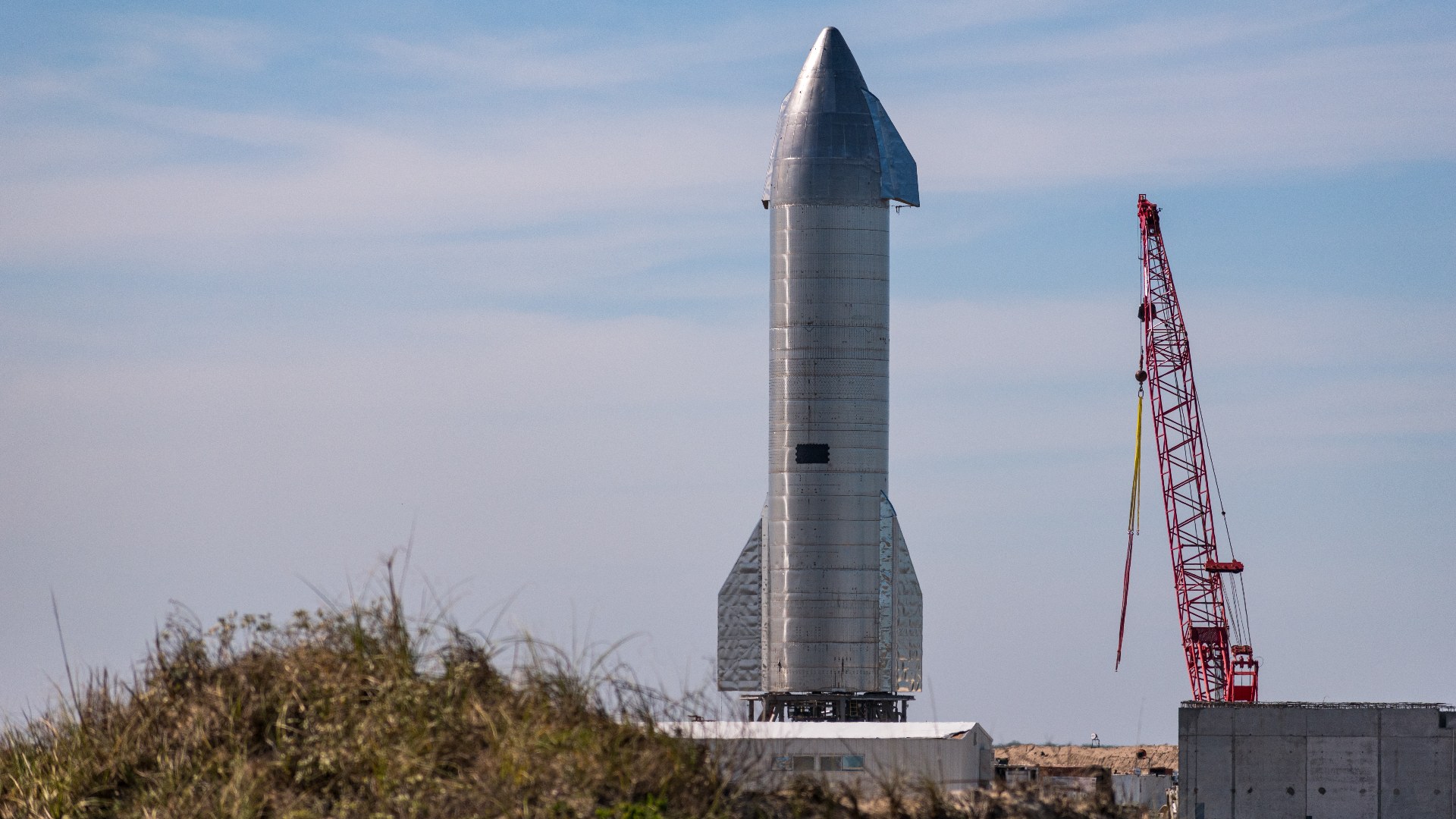
8. Commercial Spaceports: Reusable Heavy-Lift Hubs 
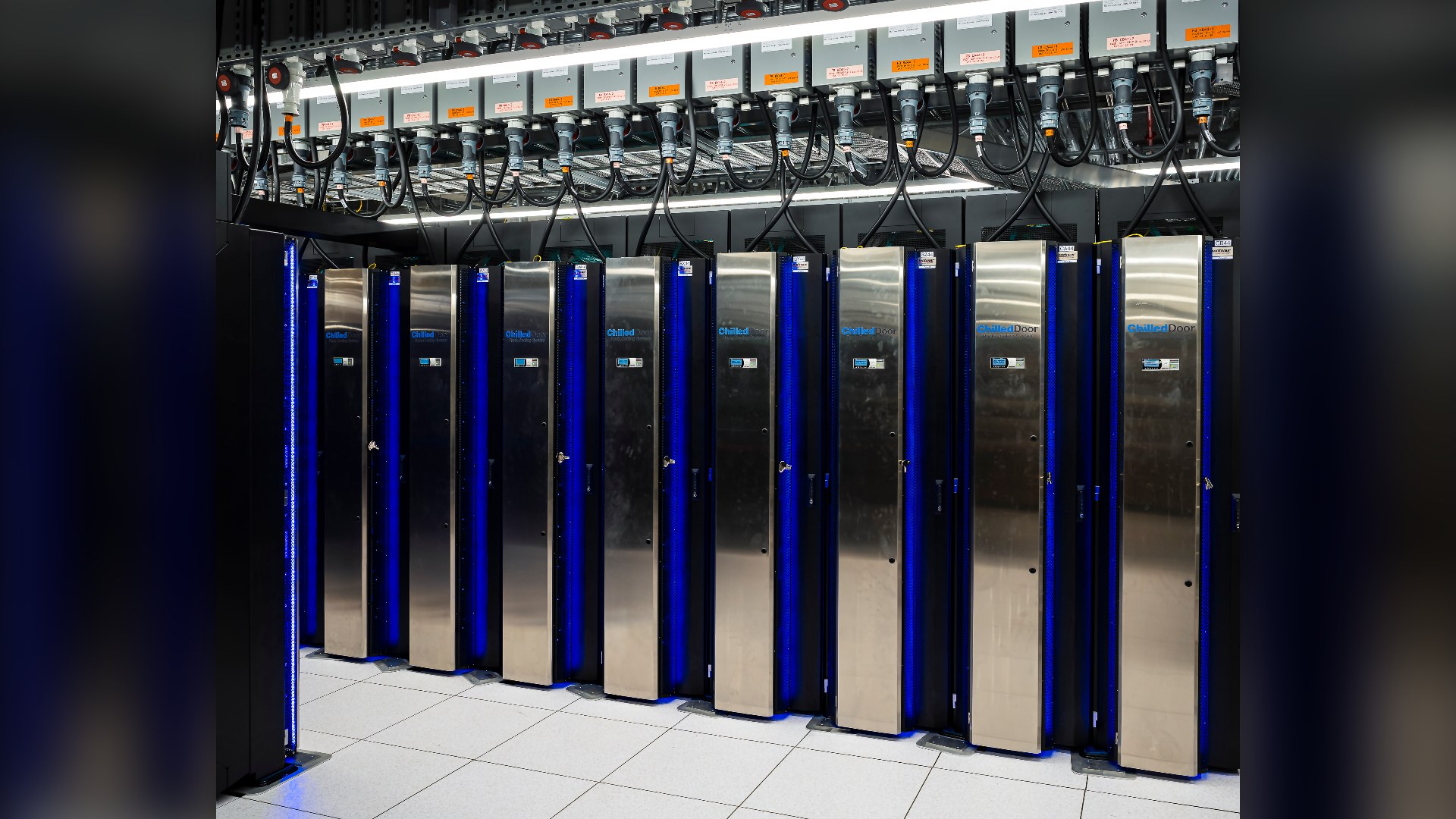
7. Exascale Computing: Department Of Energy AI Centers - AdvertisementSwipe or tap ▶ to continue countdown

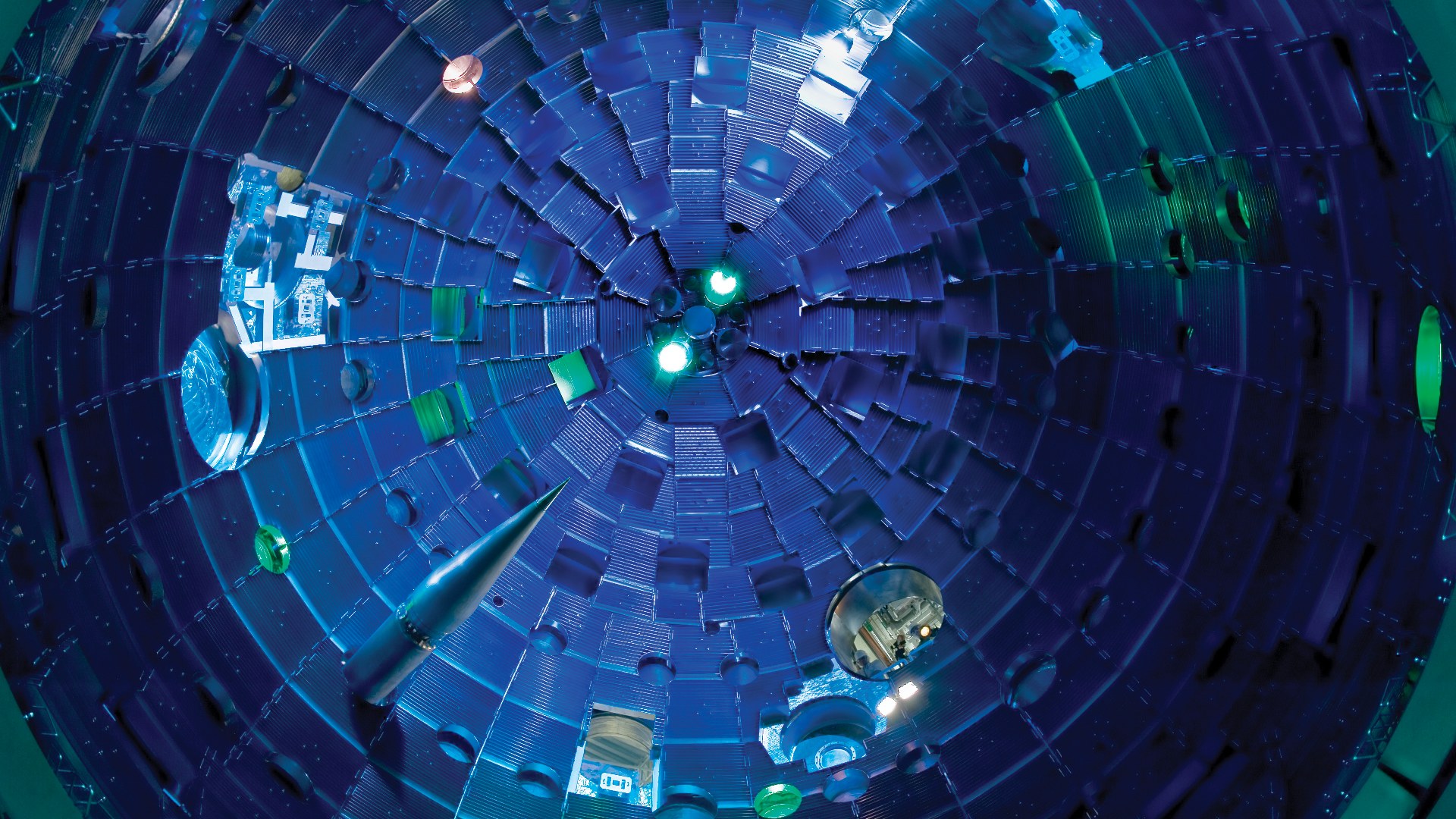
6. Fusion Energy: Inertial Confinement Target Chambers 
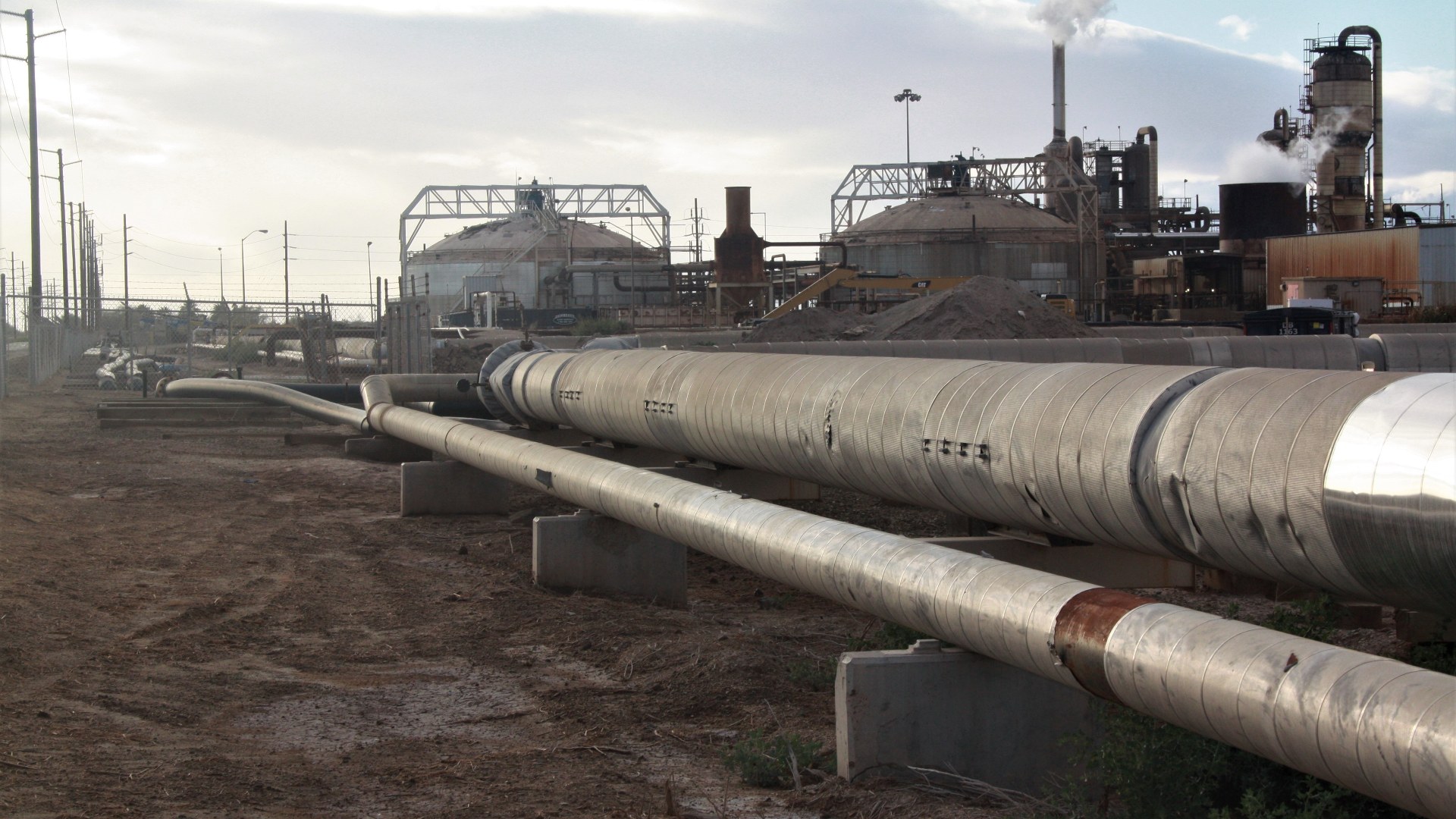
5. Geothermal Basins: Salton Sea Baseload Facilities 
4. Surge Defense: 26-Foot Coastal Flood Barriers 
3. Precision Agriculture: Multispectral Fleet Drones - AdvertisementSwipe or tap ▶ to continue countdown

2. Deep Space Logistics: Artemis Heavy Exploration Pads 
1. Controlled Agriculture: Multi-Tier Hydroponic Facilities - Advertisement🔥 UP NEXT IN THIS SERIES◫ 21 Slides

20 Iconic Historical Photos and the Archive Clues Behind Them
Contact sheets, cracked glass plates, and NASA mission logs preserve the hidden steps behind 20 famous photographs. Drawing on records from the Library of Congress, the National Archives, NASA, and the Smithsonian, this countdown traces how cropping, camera setups, and double exposures shaped each frame.
By 2040, decades of continuous investments in regional high-speed rail, decentralized clean microgrids, automated heavy freight, and domestic exascale computing are projected to fundamentally modernize American infrastructure.
Swipe or tap ▶ to begin the countdown
©Wikimedia / Ahman10 & Team New Orleans, US Army Corps of
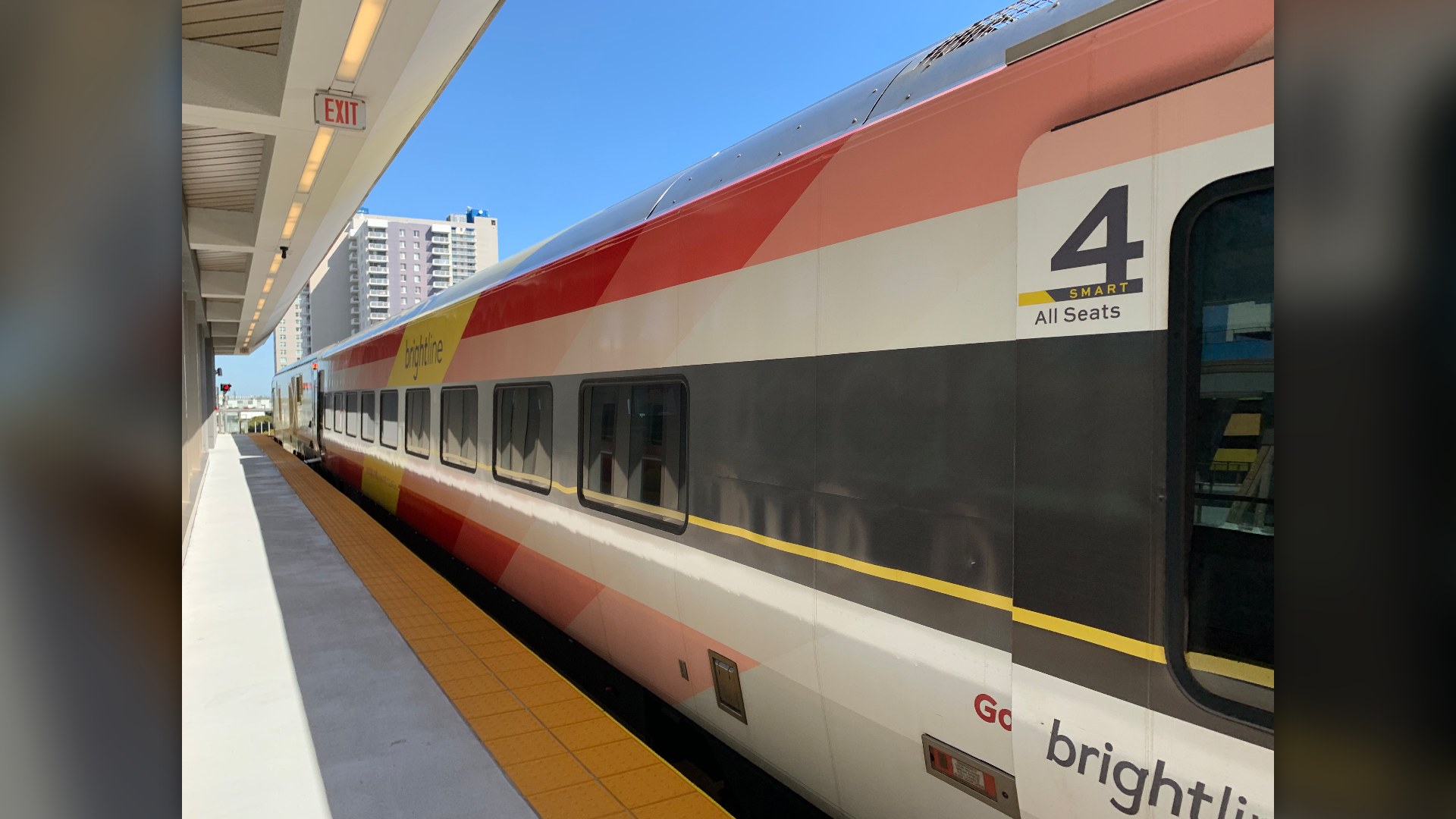
13. High-Speed Rail: 220 MPH Intercity Corridors
Private and federally funded passenger rail links across corridors like Las Vegas to Southern California and Central Texas carry millions of commuters annually at speeds topping 200 miles per hour.
©Wikimedia / Phillip Pessar
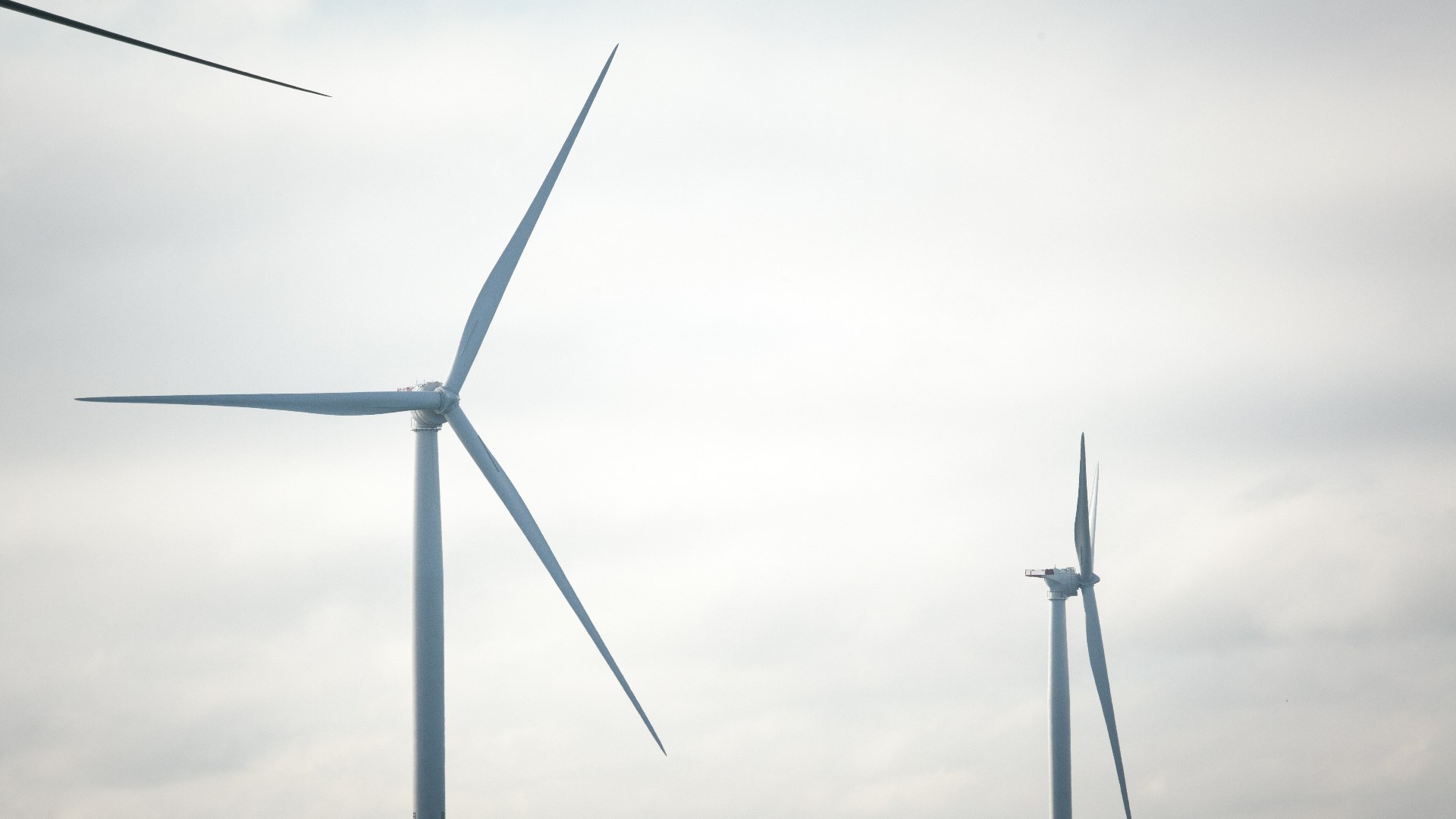
12. Offshore Wind: 15-Megawatt Marine Turbines
Atlantic ocean arrays stationed twenty miles off the eastern seaboard feature rotor diameters exceeding 700 feet, delivering gigawatts of zero-carbon electricity directly to densely populated coastal cities.
©Wikimedia / Alex DeCiccio
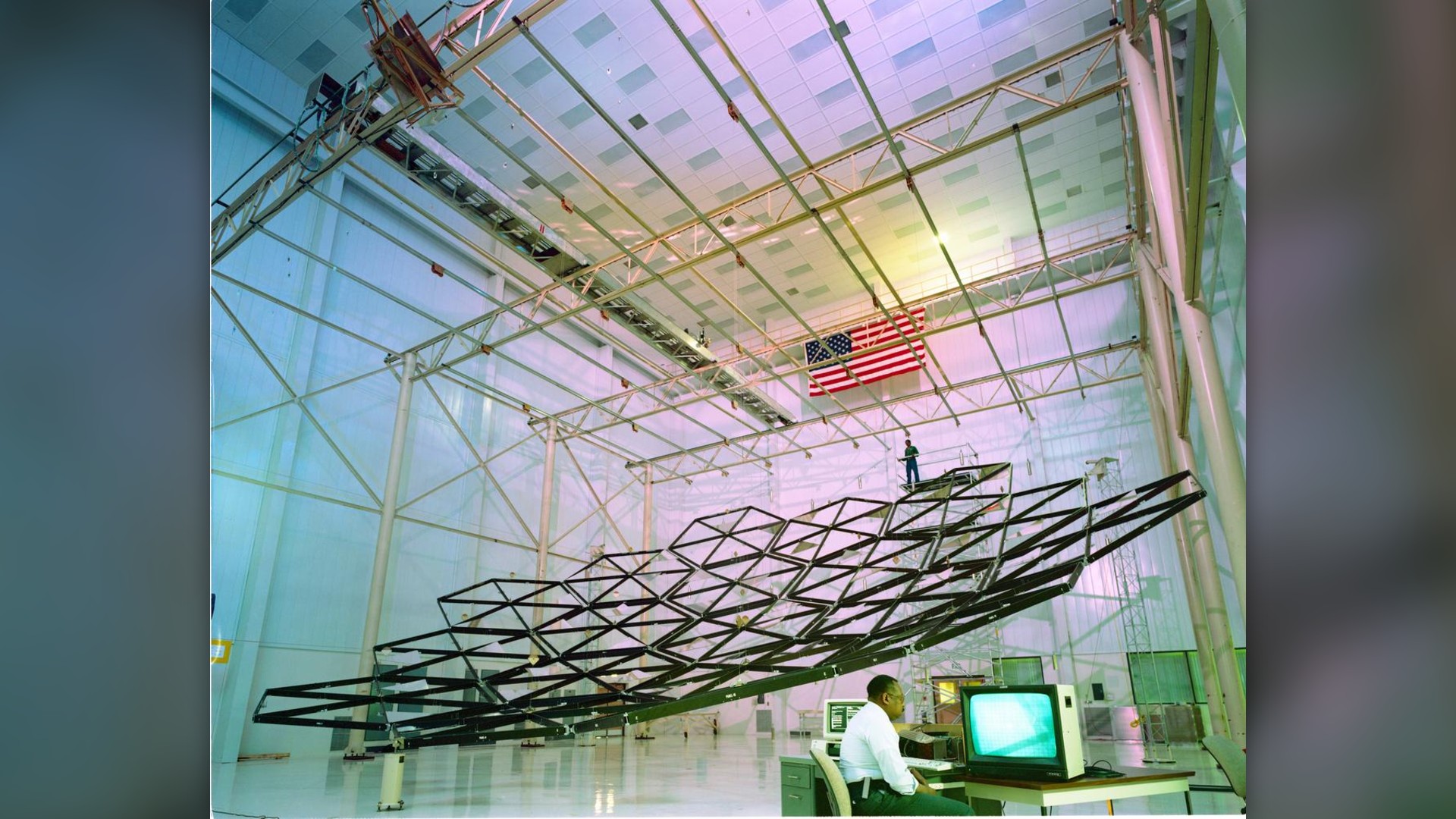
11. Concentrated Solar: Mojave Thermal Storage Towers
Utility-scale solar thermal complexes in California, Nevada, and Arizona use thousands of computer-guided mirrors to heat molten salt receivers, generating steady steam power through midnight peak demand hours.
©NASA / GRC, Quentin Schwinn
Advertisement
Swipe or tap ▶ to resume the countdown.
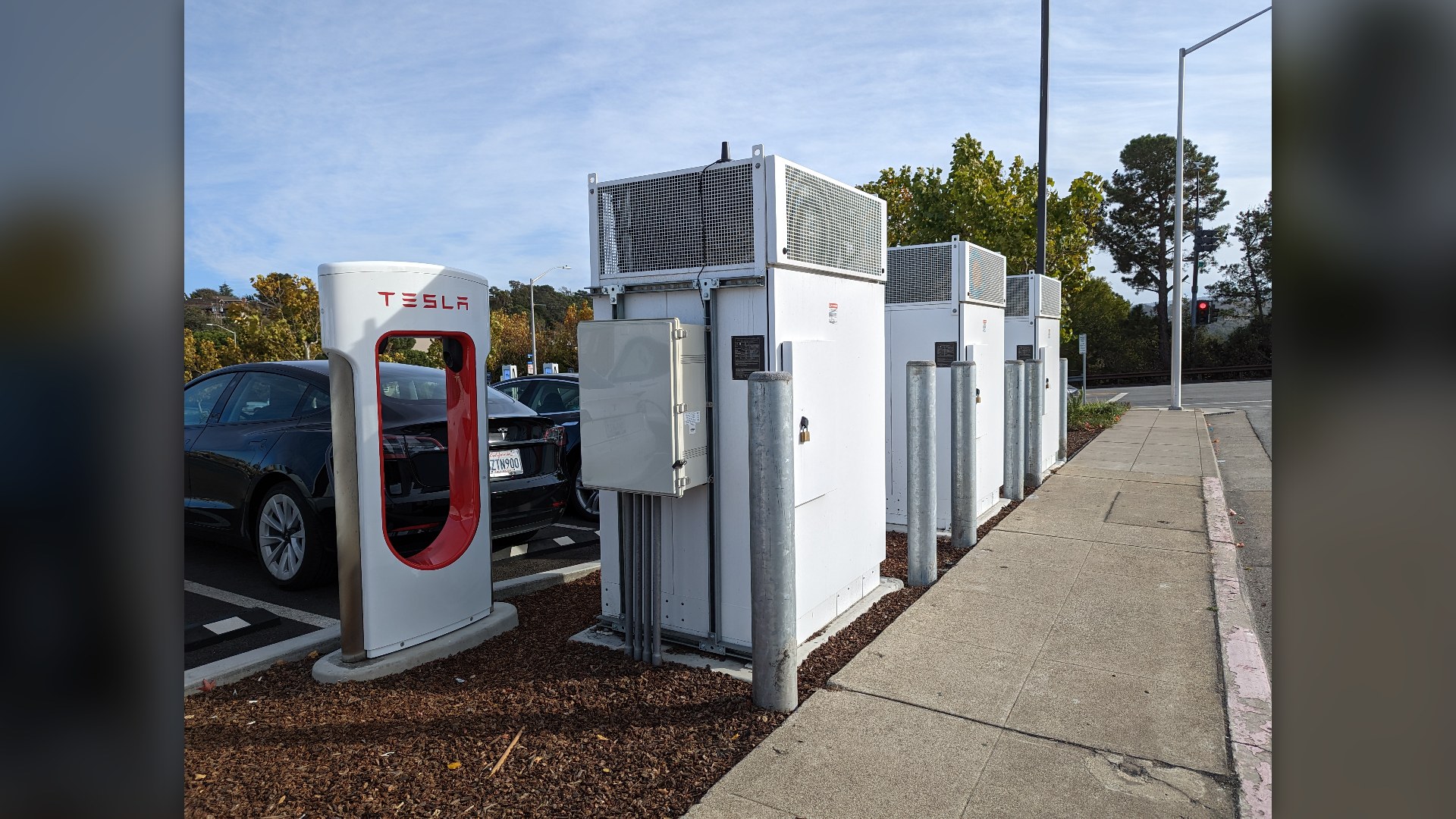
10. Megawatt Charging: Heavy-Duty Commercial Truck Corridors
Key interstate freight highways feature dedicated heavy-vehicle charging plazas capable of replenishing commercial semi-truck battery packs in thirty minutes while drivers take mandatory rest breaks.
©Wikimedia / Mliu92
9. Autonomous Transit: Geofence-Free Robotaxi Networks
Sensor suites combining lidar, high-resolution cameras, and radar operate commercially across dozens of metropolitan areas, lowering urban parking demand and reducing vehicular collisions.
©Wikimedia / JirkaBulrush
8. Commercial Spaceports: Reusable Heavy-Lift Hubs
Private orbital spaceports along the Gulf Coast support rapid-turnaround rocket boosters that carry commercial satellites, fuel depots, and orbital manufacturing platforms into low Earth orbit.
©Wikimedia / Jared Krahn
7. Exascale Computing: Department Of Energy AI Centers
National laboratory supercomputers like Frontier at Oak Ridge operate beyond the exaflop threshold, executing quintillions of calculations per second to model national power grid loads and extreme weather events.
©Wikimedia / Oak Ridge National Laboratory
Advertisement
Swipe or tap ▶ to resume the countdown.
6. Fusion Energy: Inertial Confinement Target Chambers
Building on historic ignition milestones at Lawrence Livermore National Laboratory, researchers and utility consortia test fusion reaction chambers intended to provide limitless baseload electricity without radioactive waste.
©Wikimedia / Lawrence Livermore National Security
5. Geothermal Basins: Salton Sea Baseload Facilities
Closed-loop geothermal installations tap subterranean brine reservoirs thousands of feet below the desert floor, generating continuous power while extracting domestic lithium for battery production.
©Wikimedia / Jack Catalano
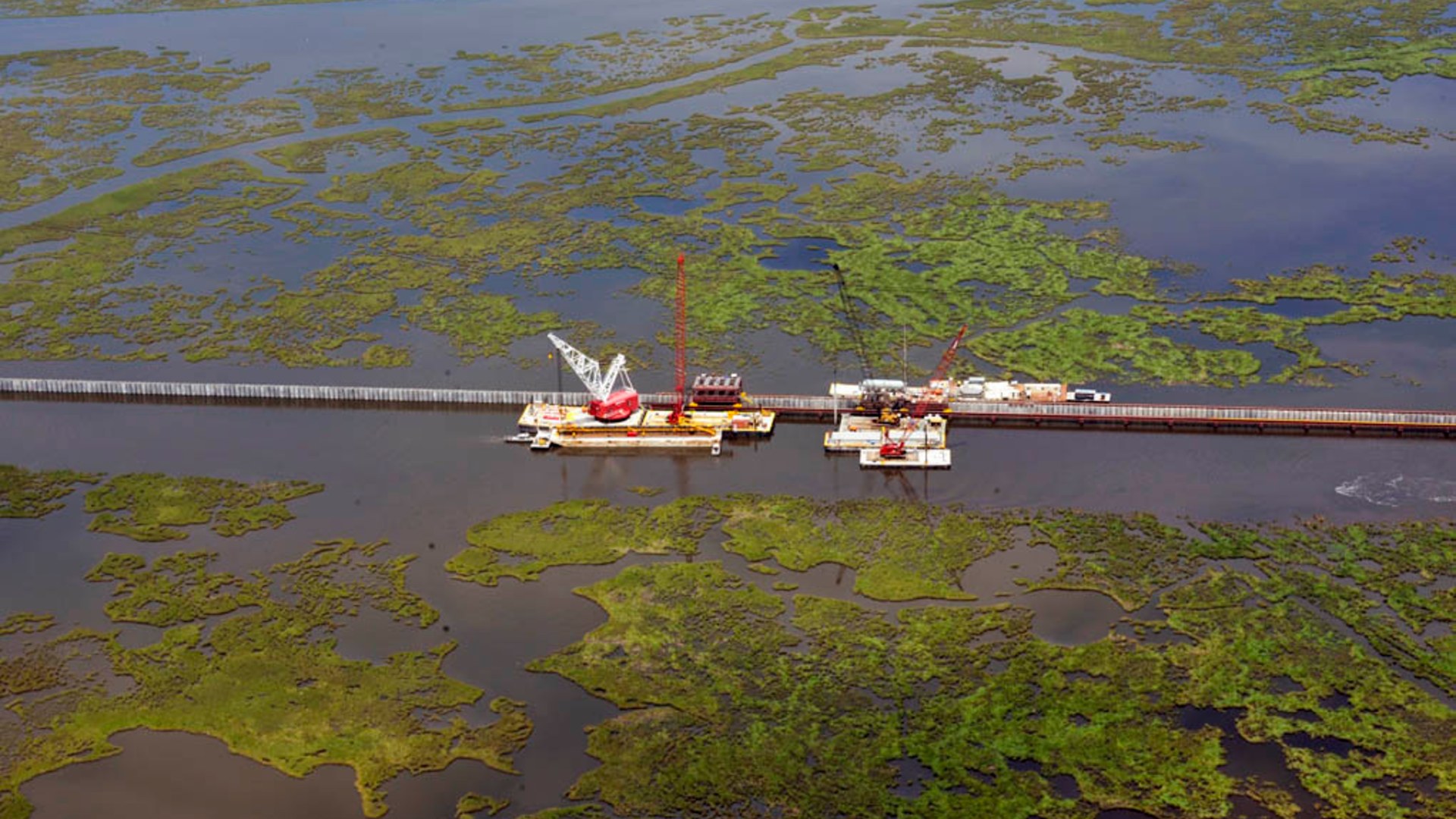
4. Surge Defense: 26-Foot Coastal Flood Barriers
The US Army Corps of Engineers and regional authorities construct hardened sector gates and surge barriers across sensitive bays, shielding major ports and low-lying residential sectors from historic tidal surges.
©Wikimedia / Team New Orleans, US Army Corps of Engineers
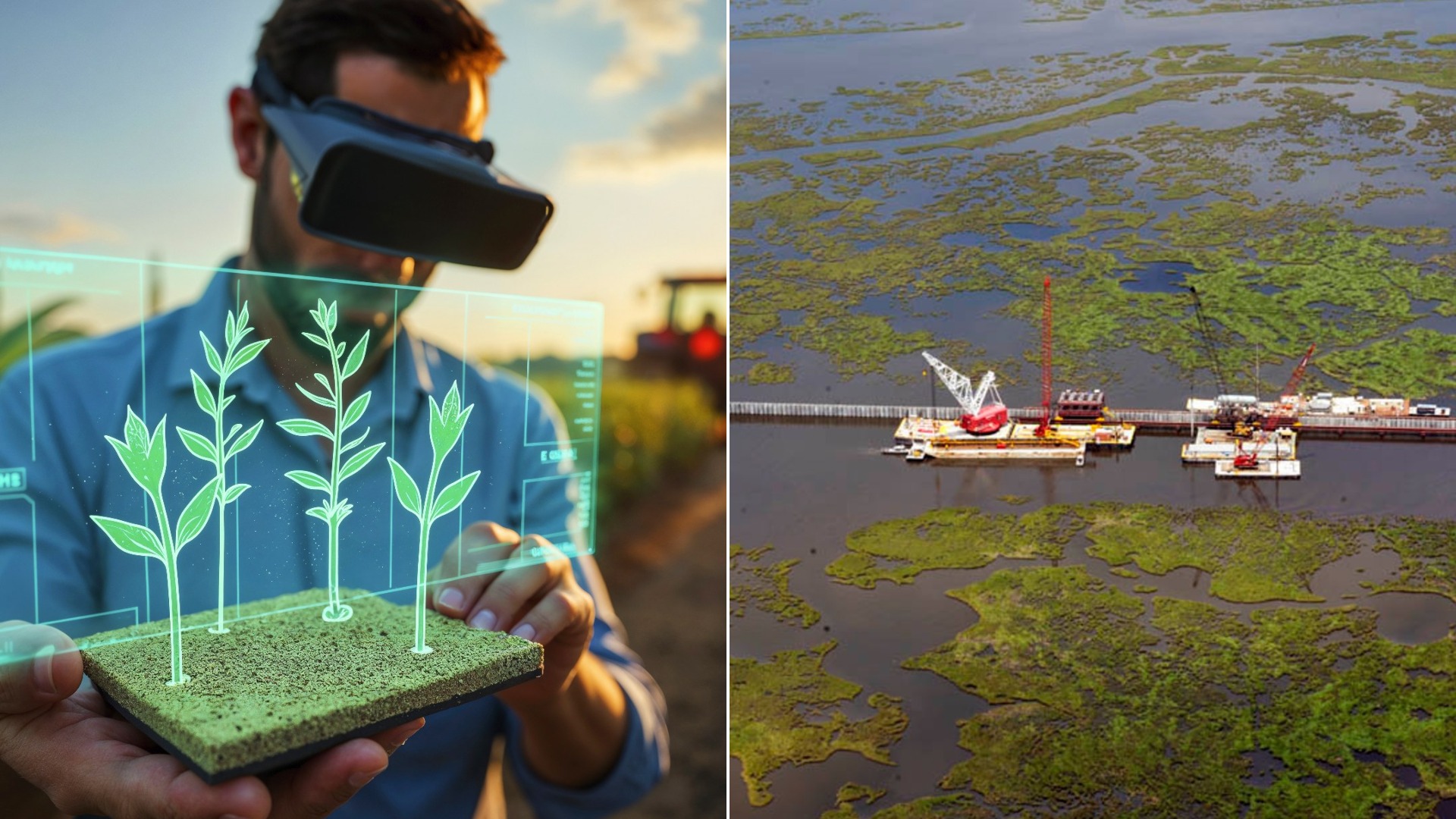
3. Precision Agriculture: Multispectral Fleet Drones
American farmland employs autonomous drone squadrons that analyze spectral crop reflectance, reducing synthetic fertilizer runoff by forty percent through targeted micro-applications.
©Wikimedia / Ahman10
Advertisement
Swipe or tap ▶ to resume the countdown.
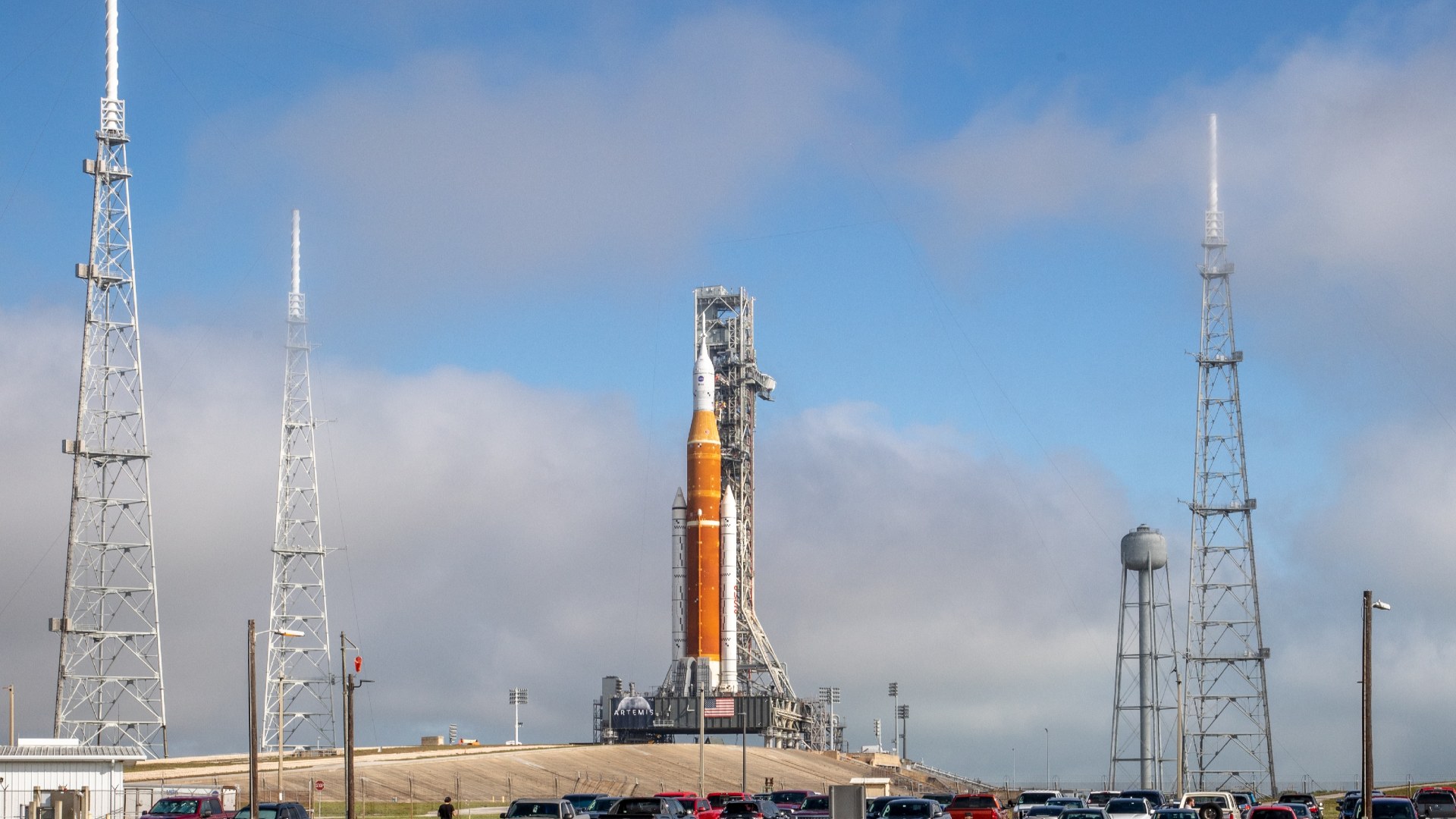
2. Deep Space Logistics: Artemis Heavy Exploration Pads
Kennedy Space Center launch infrastructure supports regular cargo and crew deployments headed to permanent orbital lunar platforms, testing long-duration deep-space life-support hardware.
©Wikimedia / Kim Shiflett
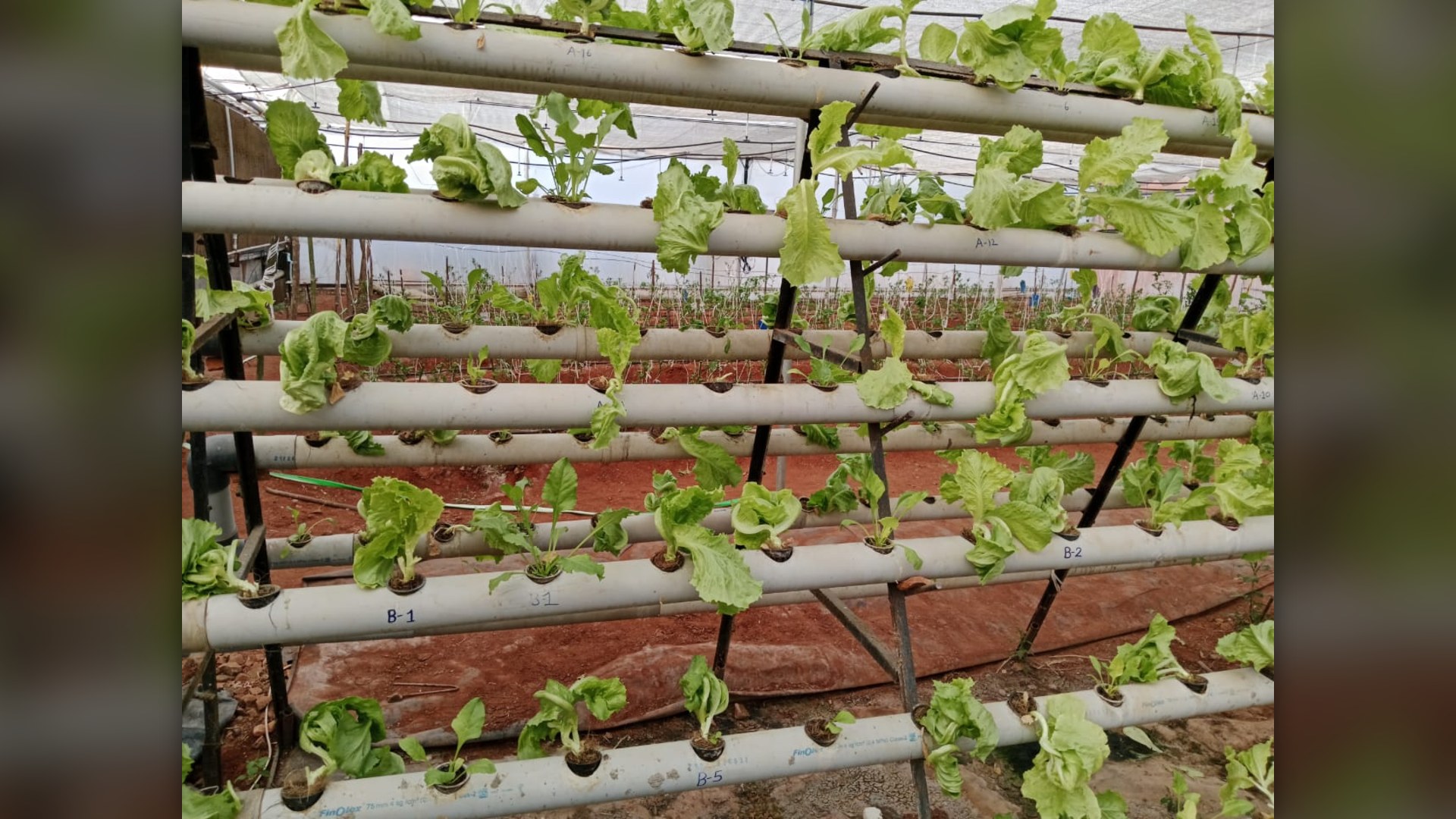
1. Controlled Agriculture: Multi-Tier Hydroponic Facilities
Multi-story automated warehouse farms near major metropolitan areas use tuned LED wavelengths and closed-loop nutrient water recycling to produce fresh leafy greens year-round regardless of local drought conditions.

©Wikimedia / Radhika Harugade
Advertisement
You've reached the end of the story. Thanks for reading!

20 Iconic Historical Photos and the Archive Clues Behind Them
Contact sheets, cracked glass plates, and NASA mission logs preserve the hidden steps behind 20 famous photographs. Drawing on records from the Library of Congress, the National Archives, NASA, and the Smithsonian, this countdown traces how cropping, camera setups, and double exposures shaped each frame.
All 13 Entries in this Story
1. High-Speed Rail: 220 MPH Intercity Corridors
Private and federally funded passenger rail links across corridors like Las Vegas to Southern California and Central Texas carry millions of commuters annually at speeds topping 200 miles per hour.

2. Offshore Wind: 15-Megawatt Marine Turbines
Atlantic ocean arrays stationed twenty miles off the eastern seaboard feature rotor diameters exceeding 700 feet, delivering gigawatts of zero-carbon electricity directly to densely populated coastal cities.

3. Concentrated Solar: Mojave Thermal Storage Towers
Utility-scale solar thermal complexes in California, Nevada, and Arizona use thousands of computer-guided mirrors to heat molten salt receivers, generating steady steam power through midnight peak demand hours.

4. Megawatt Charging: Heavy-Duty Commercial Truck Corridors
Key interstate freight highways feature dedicated heavy-vehicle charging plazas capable of replenishing commercial semi-truck battery packs in thirty minutes while drivers take mandatory rest breaks.

5. Autonomous Transit: Geofence-Free Robotaxi Networks
Sensor suites combining lidar, high-resolution cameras, and radar operate commercially across dozens of metropolitan areas, lowering urban parking demand and reducing vehicular collisions.

6. Commercial Spaceports: Reusable Heavy-Lift Hubs
Private orbital spaceports along the Gulf Coast support rapid-turnaround rocket boosters that carry commercial satellites, fuel depots, and orbital manufacturing platforms into low Earth orbit.

7. Exascale Computing: Department Of Energy AI Centers
National laboratory supercomputers like Frontier at Oak Ridge operate beyond the exaflop threshold, executing quintillions of calculations per second to model national power grid loads and extreme weather events.

8. Fusion Energy: Inertial Confinement Target Chambers
Building on historic ignition milestones at Lawrence Livermore National Laboratory, researchers and utility consortia test fusion reaction chambers intended to provide limitless baseload electricity without radioactive waste.

9. Geothermal Basins: Salton Sea Baseload Facilities
Closed-loop geothermal installations tap subterranean brine reservoirs thousands of feet below the desert floor, generating continuous power while extracting domestic lithium for battery production.

10. Surge Defense: 26-Foot Coastal Flood Barriers
The US Army Corps of Engineers and regional authorities construct hardened sector gates and surge barriers across sensitive bays, shielding major ports and low-lying residential sectors from historic tidal surges.

11. Precision Agriculture: Multispectral Fleet Drones
American farmland employs autonomous drone squadrons that analyze spectral crop reflectance, reducing synthetic fertilizer runoff by forty percent through targeted micro-applications.

12. Deep Space Logistics: Artemis Heavy Exploration Pads
Kennedy Space Center launch infrastructure supports regular cargo and crew deployments headed to permanent orbital lunar platforms, testing long-duration deep-space life-support hardware.

13. Controlled Agriculture: Multi-Tier Hydroponic Facilities
Multi-story automated warehouse farms near major metropolitan areas use tuned LED wavelengths and closed-loop nutrient water recycling to produce fresh leafy greens year-round regardless of local drought conditions.