Slideshow · Viral
What Happens to Your Body When You Drink Too Much Water
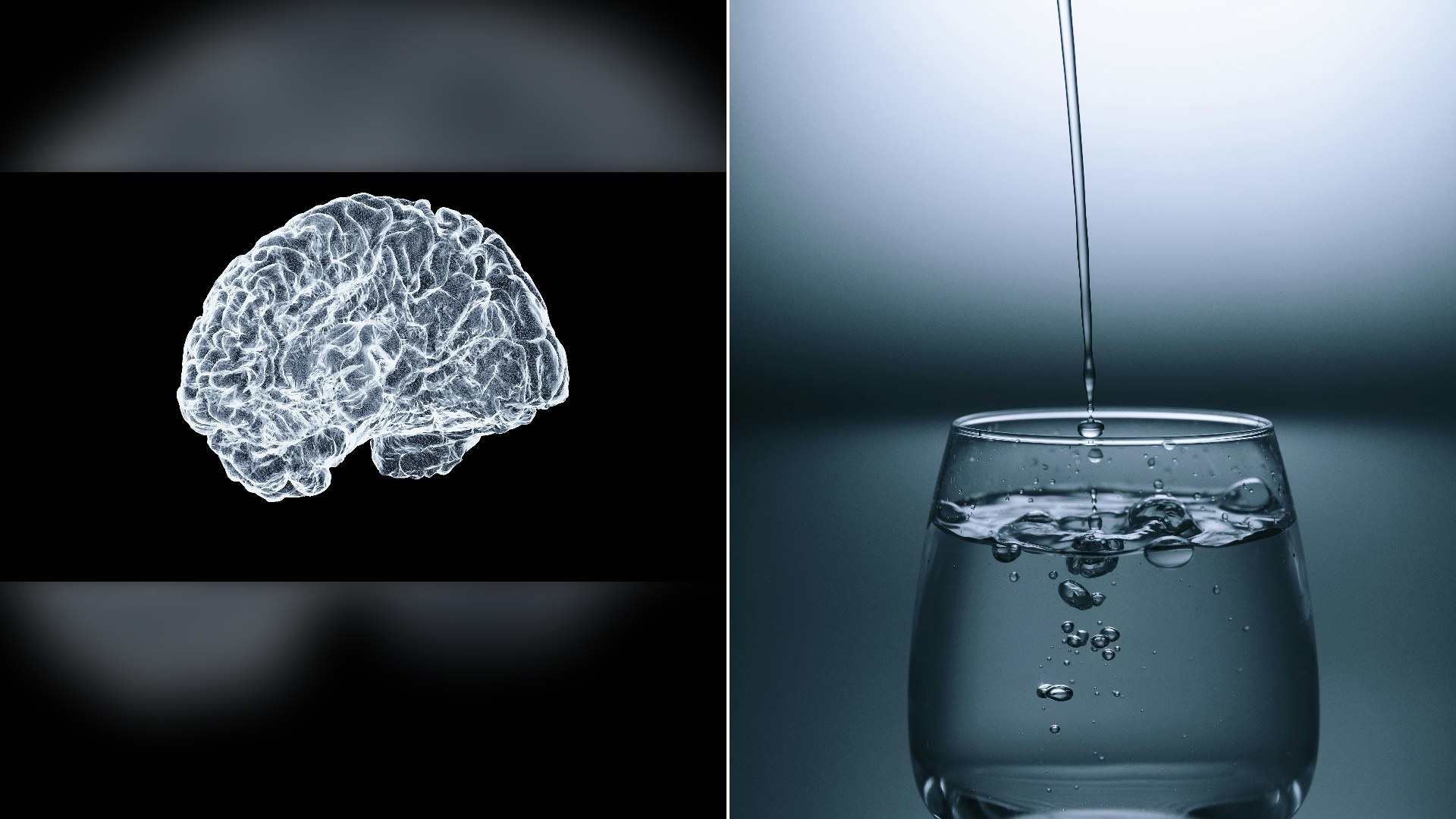
When hydration turns lethal: chugging excessive water faster than your kidneys can excrete it triggers a horrifying biological chain reaction that traps your swelling brain inside an unyielding skull.
By Most Viral Today
9 Oct 2026

What Happens When You Drink Too Much Water 
8. Blood Sodium Collapse 
7. The Osmotic Rush 
6. Severe Cellular Edema - AdvertisementSwipe or tap ▶ to continue countdown

5. The Unyielding Skull Trap 
4. Crushing Intracranial Pressure 
3. Massive Neurological Seizures 
2. Fatal Cerebral Herniation - AdvertisementSwipe or tap ▶ to continue countdown

1. Brainstem Asphyxiation - Advertisement🔥 UP NEXT IN THIS SERIES◫ 21 Slides

20 Iconic Historical Photos and the Archive Clues Behind Them
Contact sheets, cracked glass plates, and NASA mission logs preserve the hidden steps behind 20 famous photographs. Drawing on records from the Library of Congress, the National Archives, NASA, and the Smithsonian, this countdown traces how cropping, camera setups, and double exposures shaped each frame.
When hydration turns lethal: chugging excessive water faster than your kidneys can excrete it triggers a horrifying biological chain reaction that traps your swelling brain inside an unyielding skull.
Swipe or tap ▶ to begin the countdown
©Unsplash / Shawn Day & KOBU Agency
8. Blood Sodium Collapse
When you drink gallons of water faster than the kidneys can filter it, your bloodstream becomes severely diluted. Sodium plummets below 135 mmol/L—a dangerous state known as acute hyponatremia.
© Photo by Robina Weermeijer on Unsplash
7. The Osmotic Rush
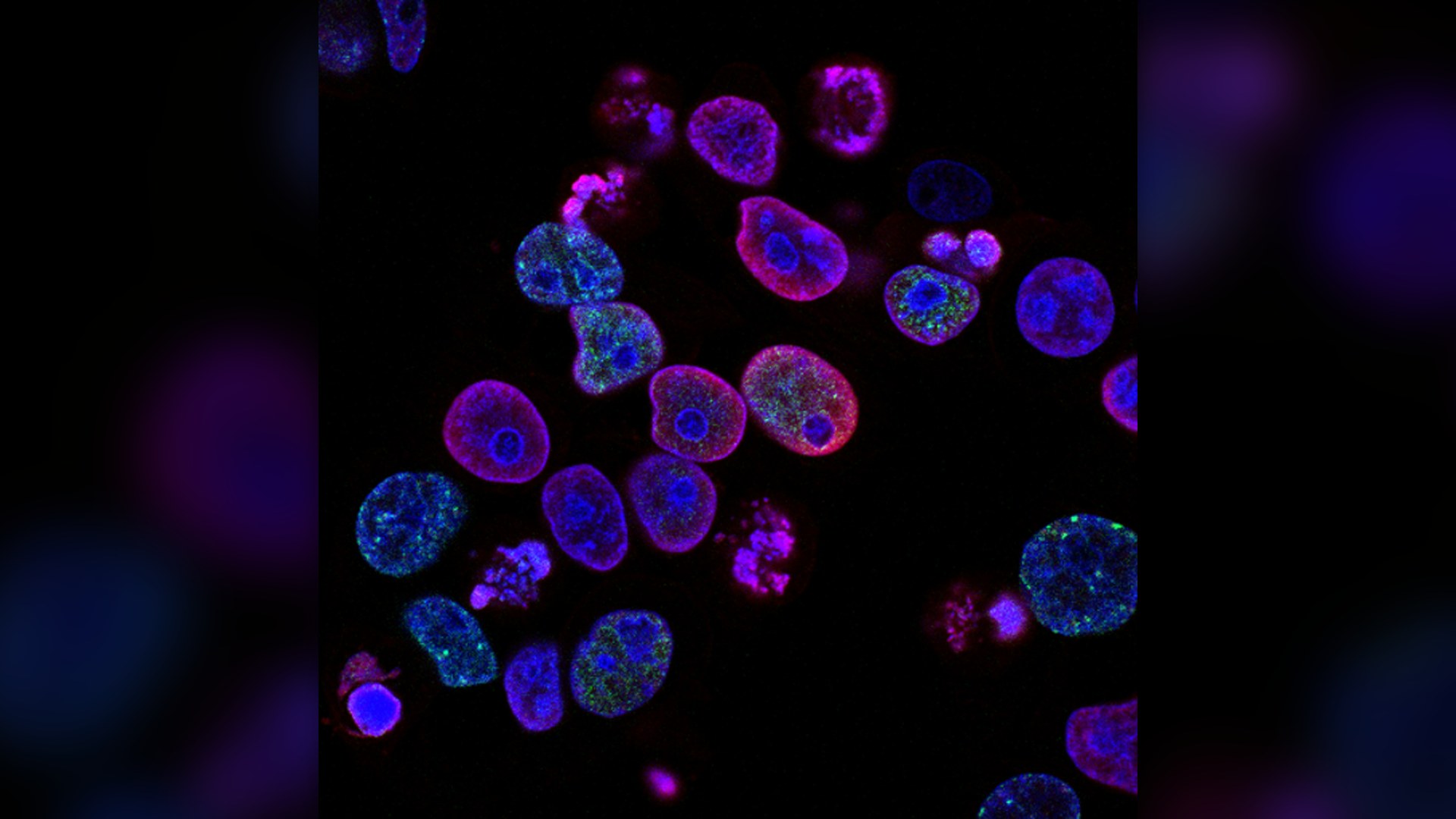
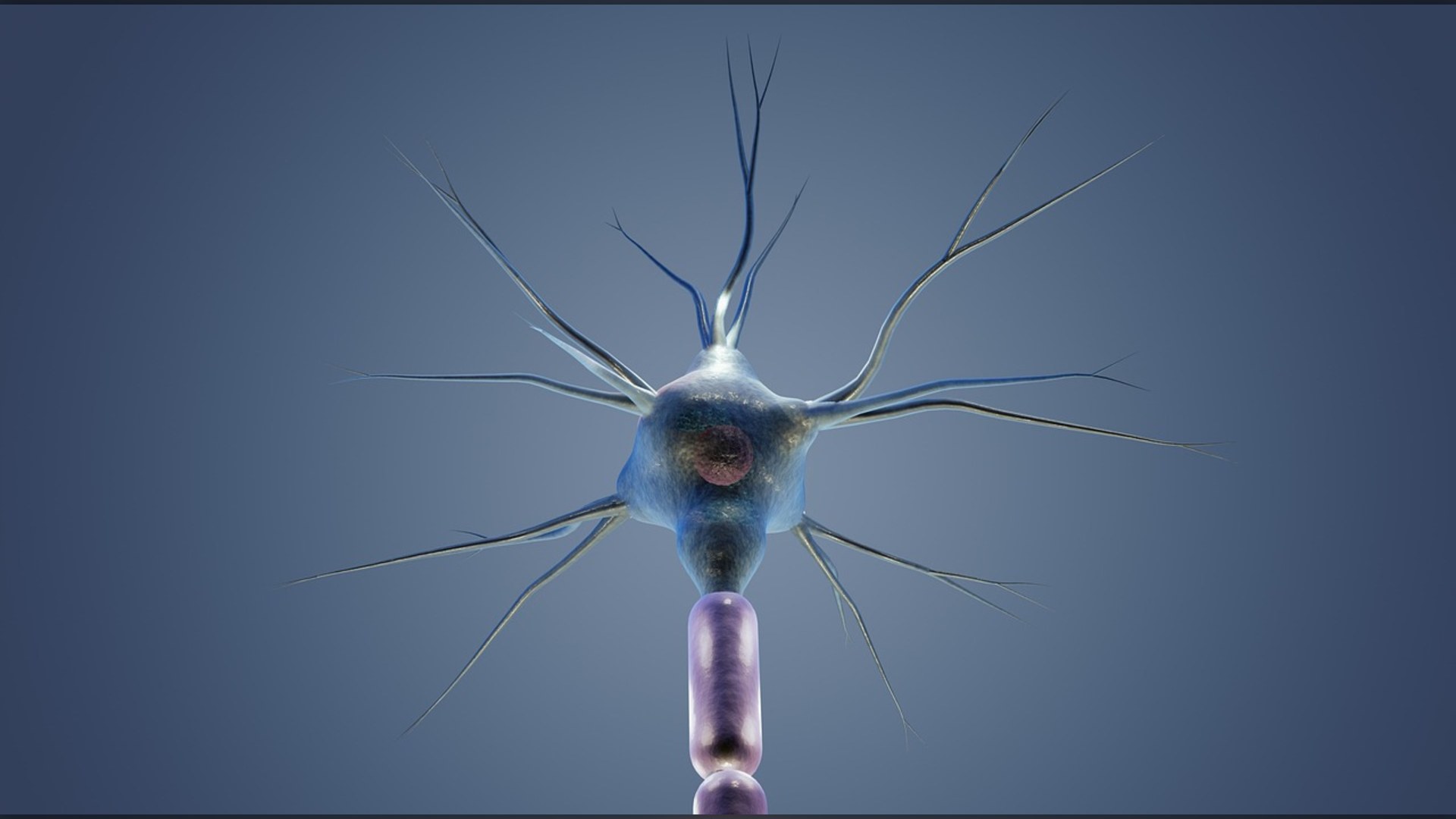
Nature always balances solute gradients. Because the inside of neurons contains a higher concentration of salts than the diluted blood outside, water rushes across cell membranes straight into brain tissue.
© Photo by National Cancer Institute on Unsplash
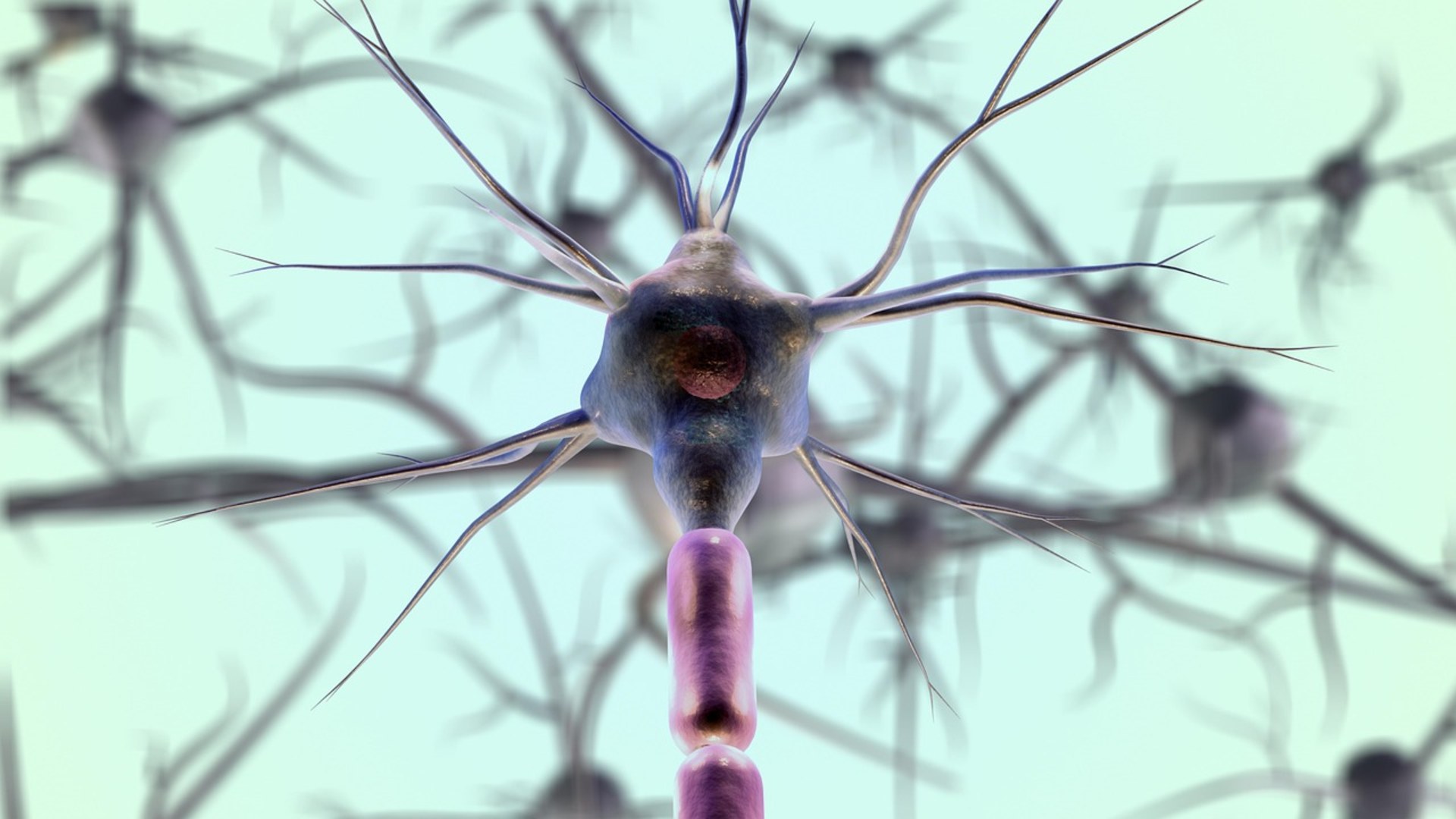
6. Severe Cellular Edema
Flooded with fluid, neurons and glial cells balloon uncontrollably. While muscle or fat cells can safely expand into loose tissue, brain cells swell inside the most unforgiving container in the human body.
©Pixabay / IMGMIDI
Advertisement
Swipe or tap ▶ to resume the countdown.
5. The Unyielding Skull Trap
The adult skull is an unyielding armored vault of solid bone with a fixed volume. As swollen brain tissue expands, it has nowhere to go, transforming the protective skull into a high-pressure cage.
©Pixabay / ElisaRiva
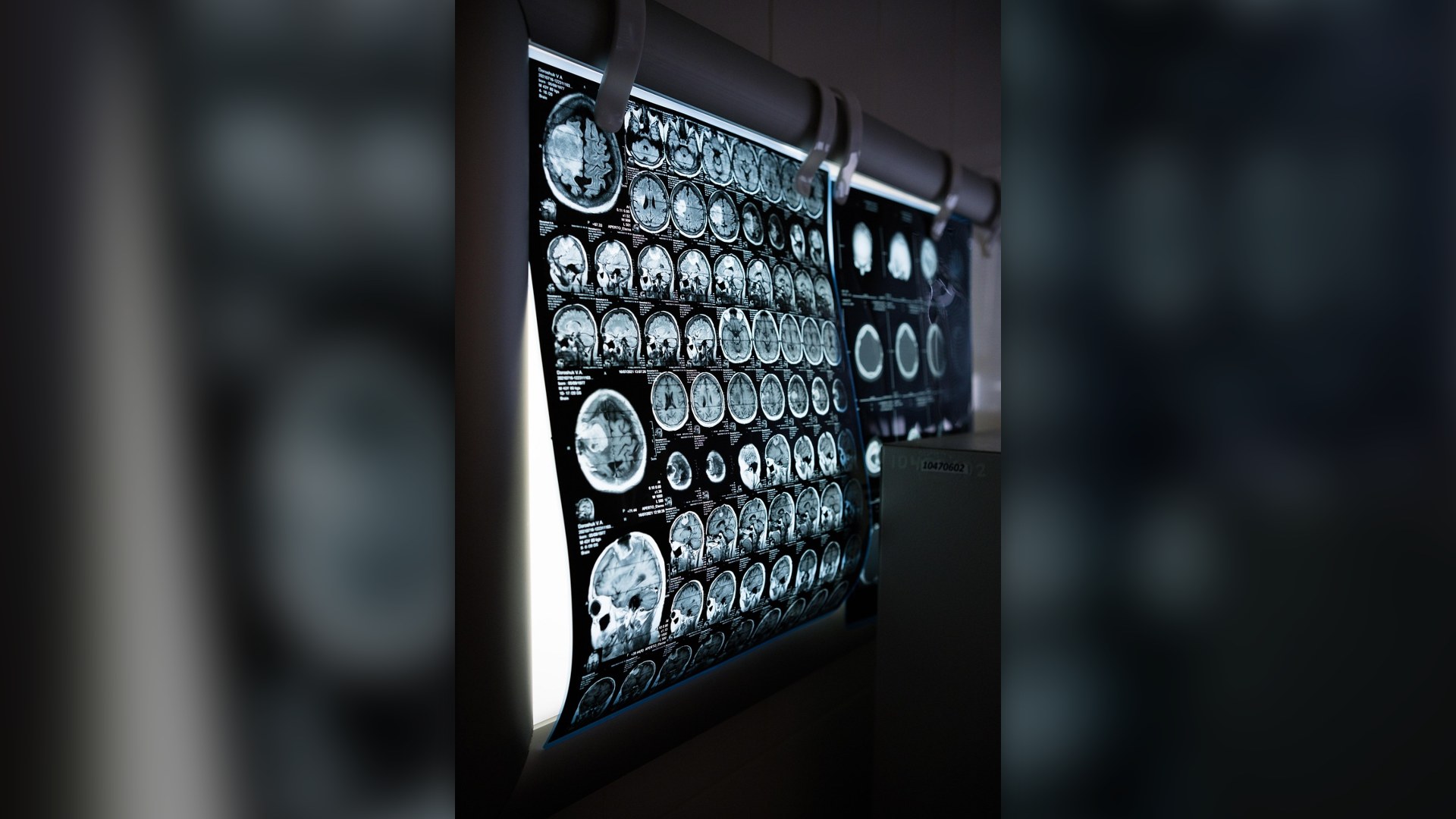
4. Crushing Intracranial Pressure
Intracranial pressure quickly surpasses blood pressure inside cerebral arteries, collapsing delicate micro-capillaries. Oxygenated arterial blood can no longer enter, suffocating swollen brain tissue.
©Pixabay / Mitrey
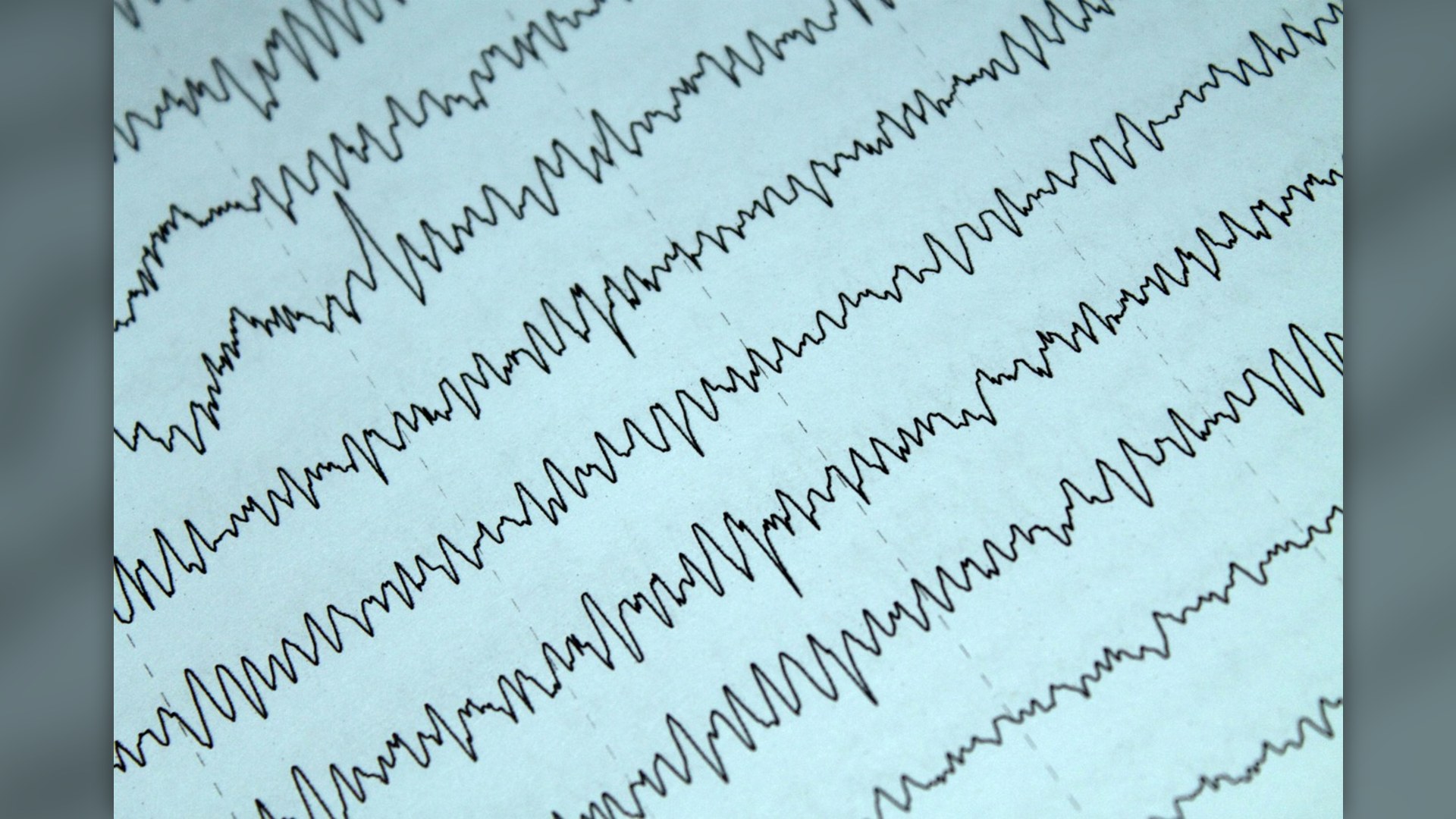
3. Massive Neurological Seizures
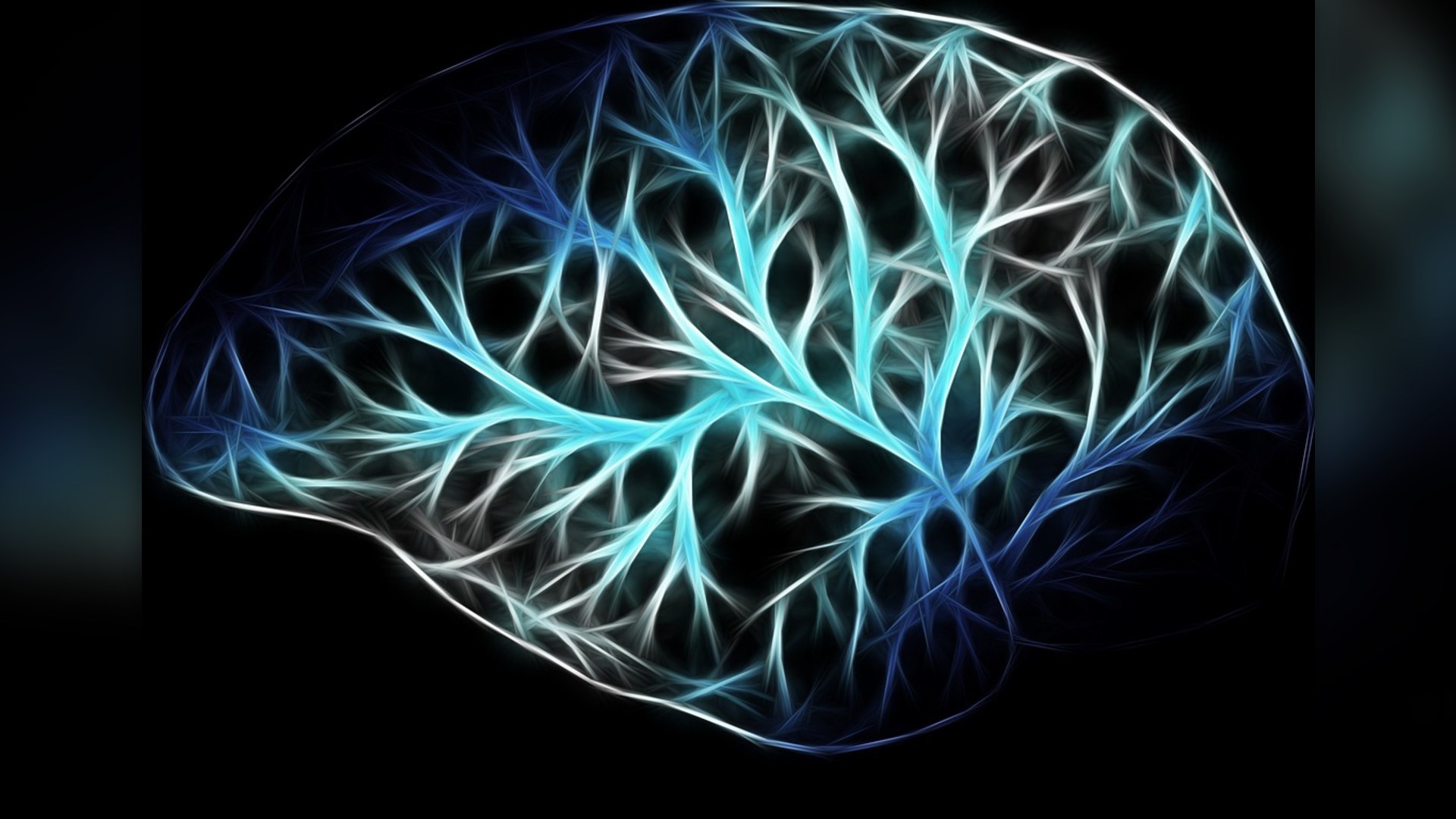
Neurons transmit electrical signals using delicate sodium-potassium voltage channels. Without extracellular sodium, neurons misfire chaotically, triggering violent full-body seizures and coma.
©Pixabay / NomeVisualizzato
2. Fatal Cerebral Herniation
Trapped with rising pressure, the swollen brain is physically squeezed downward through the foramen magnum—the narrow hole at the base of the skull designed exclusively for the spinal cord.
©Pixabay / IMGMIDI
Advertisement
Swipe or tap ▶ to resume the countdown.
1. Brainstem Asphyxiation
The physical displacement crushes the brainstem against solid occipital bone. The vital centers controlling autonomic breathing and cardiac rhythm are obliterated, causing irreversible arrest within minutes.

©Pixabay / geralt
Advertisement
You've reached the end of the story. Thanks for reading!

20 Iconic Historical Photos and the Archive Clues Behind Them
Contact sheets, cracked glass plates, and NASA mission logs preserve the hidden steps behind 20 famous photographs. Drawing on records from the Library of Congress, the National Archives, NASA, and the Smithsonian, this countdown traces how cropping, camera setups, and double exposures shaped each frame.
All 8 Entries in this Story
8. Blood Sodium Collapse
When you drink gallons of water faster than the kidneys can filter it, your bloodstream becomes severely diluted. Sodium plummets below 135 mmol/L—a dangerous state known as acute hyponatremia.

7. The Osmotic Rush
Nature always balances solute gradients. Because the inside of neurons contains a higher concentration of salts than the diluted blood outside, water rushes across cell membranes straight into brain tissue.

6. Severe Cellular Edema
Flooded with fluid, neurons and glial cells balloon uncontrollably. While muscle or fat cells can safely expand into loose tissue, brain cells swell inside the most unforgiving container in the human body.

5. The Unyielding Skull Trap
The adult skull is an unyielding armored vault of solid bone with a fixed volume. As swollen brain tissue expands, it has nowhere to go, transforming the protective skull into a high-pressure cage.

4. Crushing Intracranial Pressure
Intracranial pressure quickly surpasses blood pressure inside cerebral arteries, collapsing delicate micro-capillaries. Oxygenated arterial blood can no longer enter, suffocating swollen brain tissue.

3. Massive Neurological Seizures
Neurons transmit electrical signals using delicate sodium-potassium voltage channels. Without extracellular sodium, neurons misfire chaotically, triggering violent full-body seizures and coma.

2. Fatal Cerebral Herniation
Trapped with rising pressure, the swollen brain is physically squeezed downward through the foramen magnum—the narrow hole at the base of the skull designed exclusively for the spinal cord.

1. Brainstem Asphyxiation
The physical displacement crushes the brainstem against solid occipital bone. The vital centers controlling autonomic breathing and cardiac rhythm are obliterated, causing irreversible arrest within minutes.