Slideshow · Viral
Why America’s F-47 Stealth Fighter Strikes Fear in Rival Militaries
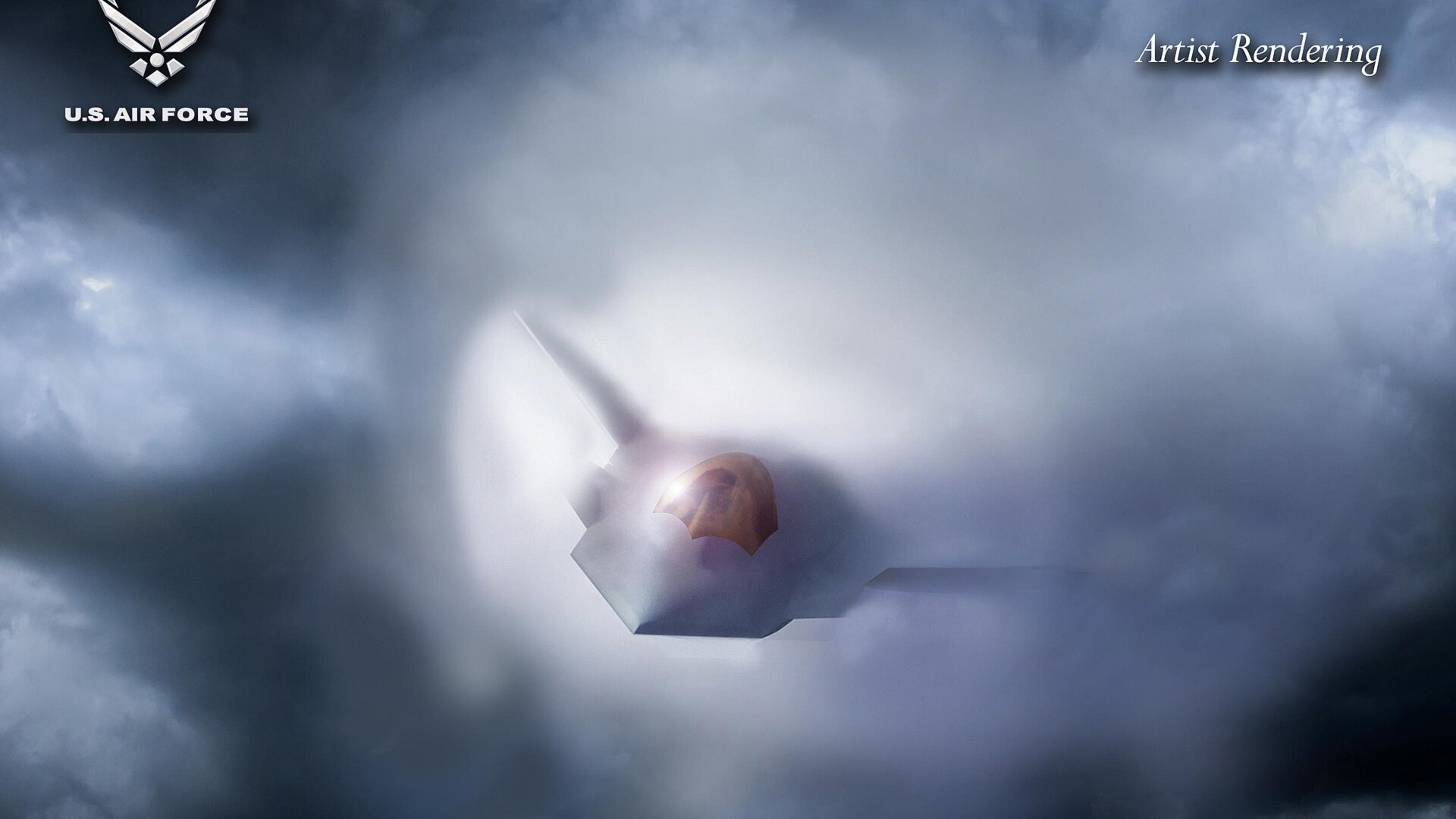
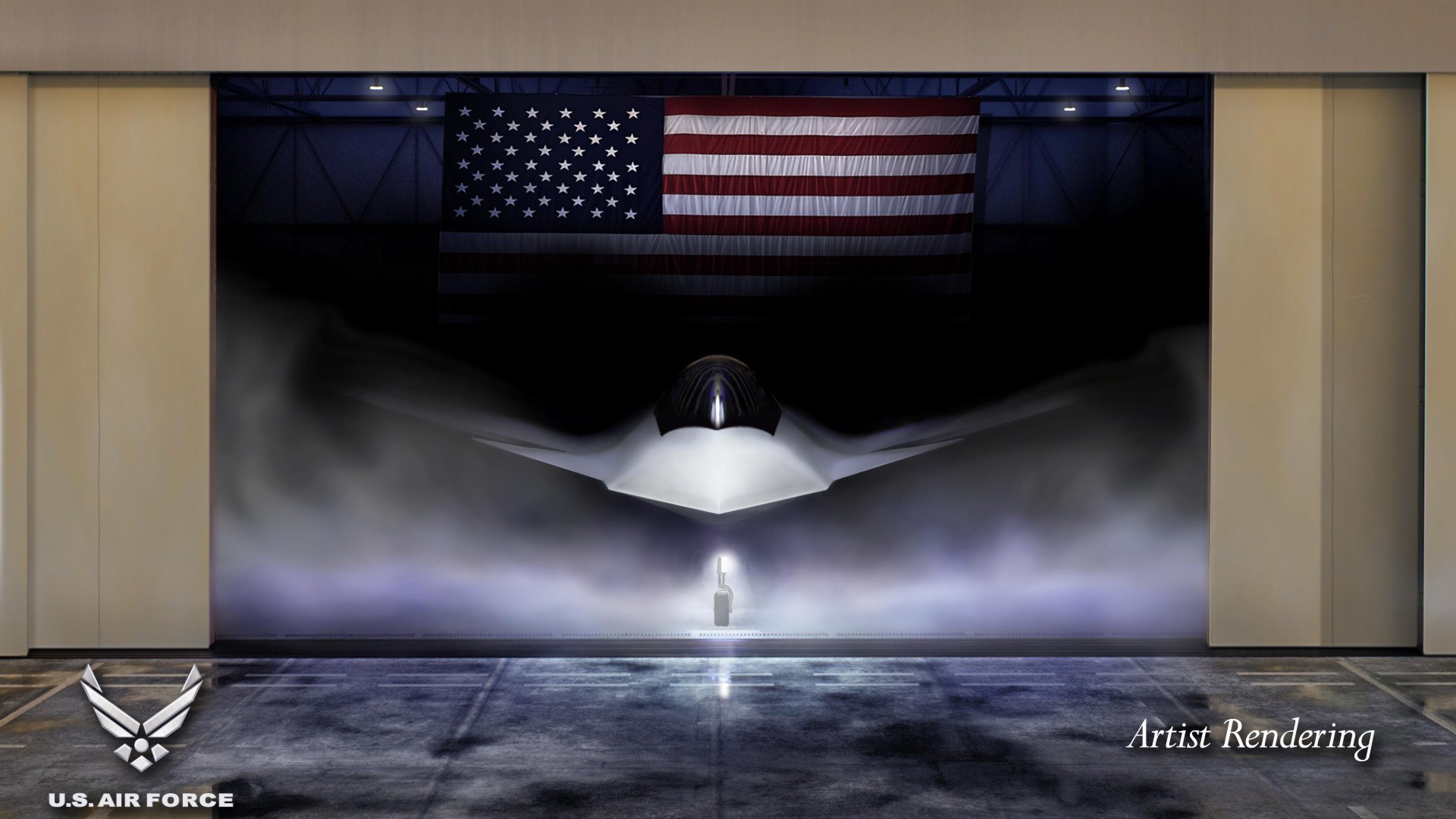
Unveiled on March 21, 2025, under a $20B Boeing contract, the 6th-gen F-47 pairs Mach 2+ supercruise, a 1,000+ NM combat radius, and AI drone wingmen to replace the F-22 Raptor.
By Most Viral Today
23 Oct 2026

Why America’s F-47 Stealth Fighter Strikes Fear in Rival Militaries 
20. Internal Long-Range Weapons Bays 
19. Full-Spectrum Electronic Warfare Suite 
18. Modular Open-Systems Architecture - AdvertisementSwipe or tap ▶ to continue countdown

17. Official Oval Office Launch On March 21, 2025 
16. Triple Meaning Behind The "47" Designation 
15. Boeing’s $20 Billion EMD Prime Contract 
14. Secret X-Plane Prototypes Flying Since 2020 - AdvertisementSwipe or tap ▶ to continue countdown

13. Crewed Centerpiece Of The NGAD Program 
12. Direct Successor To The F-22 Raptor 
11. Fleet Procurement Goal Of 185+ Aircraft 
10. $300 Million Unit Cost Equal To Three F-35s - AdvertisementSwipe or tap ▶ to continue countdown

9. St. Louis Airframe Assembly Underway Since Late 2025 
8. Maiden Flight Strictly Scheduled For 2028 
7. Full Combat Readiness Projected For The Early 2030s 
6. Tailless Delta-Wing "Stealth Plus" Airframe - AdvertisementSwipe or tap ▶ to continue countdown

5. Over 1,000-Nautical-Mile Pacific Combat Radius 
4. Mach 2+ Top Speed Exceeding 1,500 MPH 
3. Sustained Supersonic Supercruise Without Afterburners 
2. Next-Generation Adaptive Cycle Engines - AdvertisementSwipe or tap ▶ to continue countdown

1. Airborne Command Hub For AI Drone Wingmen - Advertisement🔥 UP NEXT IN THIS SERIES◫ 21 Slides

20 Iconic Historical Photos and the Archive Clues Behind Them
Contact sheets, cracked glass plates, and NASA mission logs preserve the hidden steps behind 20 famous photographs. Drawing on records from the Library of Congress, the National Archives, NASA, and the Smithsonian, this countdown traces how cropping, camera setups, and double exposures shaped each frame.
Unveiled on March 21, 2025, under a $20B Boeing contract, the 6th-gen F-47 pairs Mach 2+ supercruise, a 1,000+ NM combat radius, and AI drone wingmen to replace the F-22 Raptor.
Swipe or tap ▶ to begin the countdown
©Wikimedia / United States Air Force
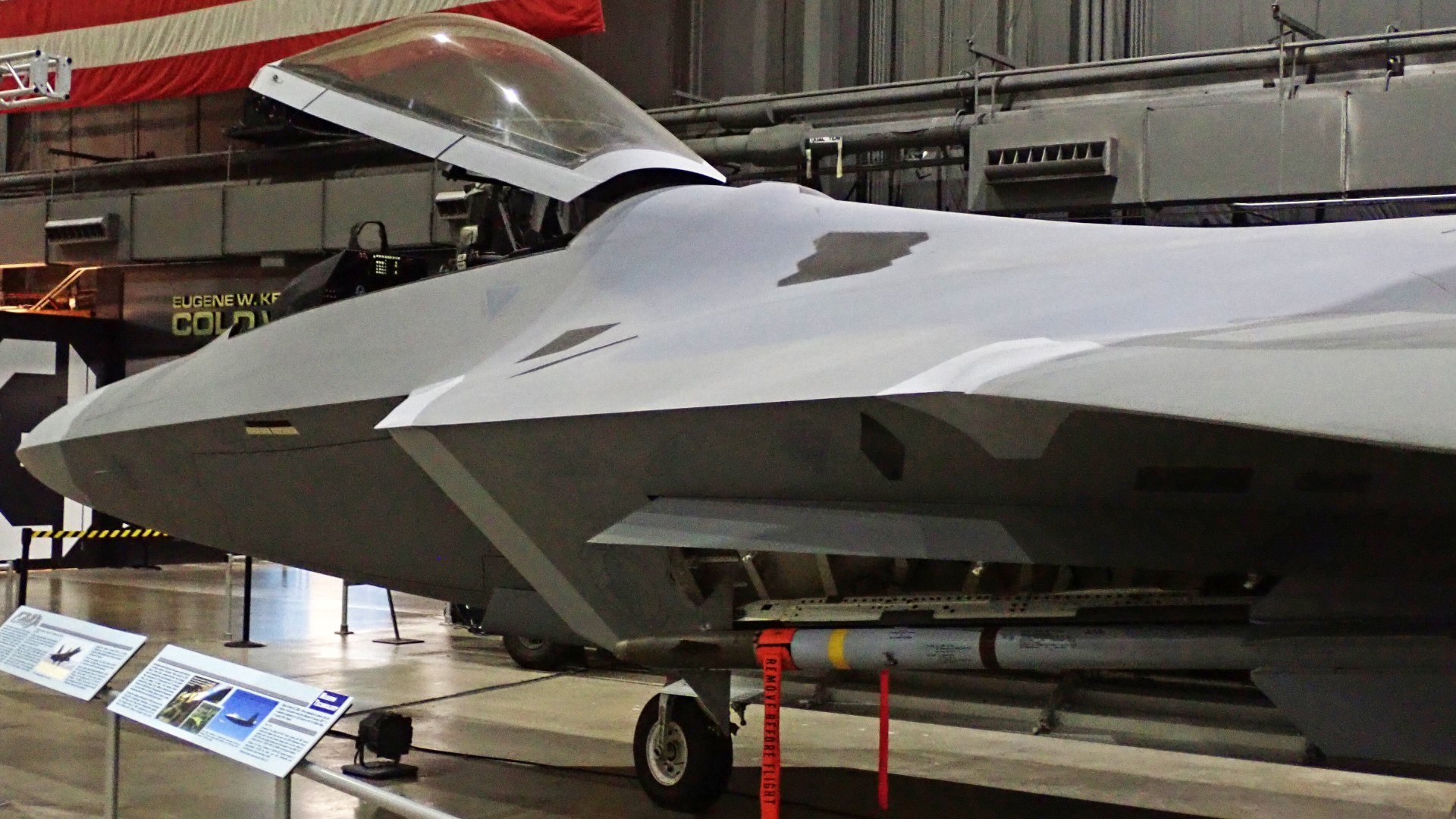
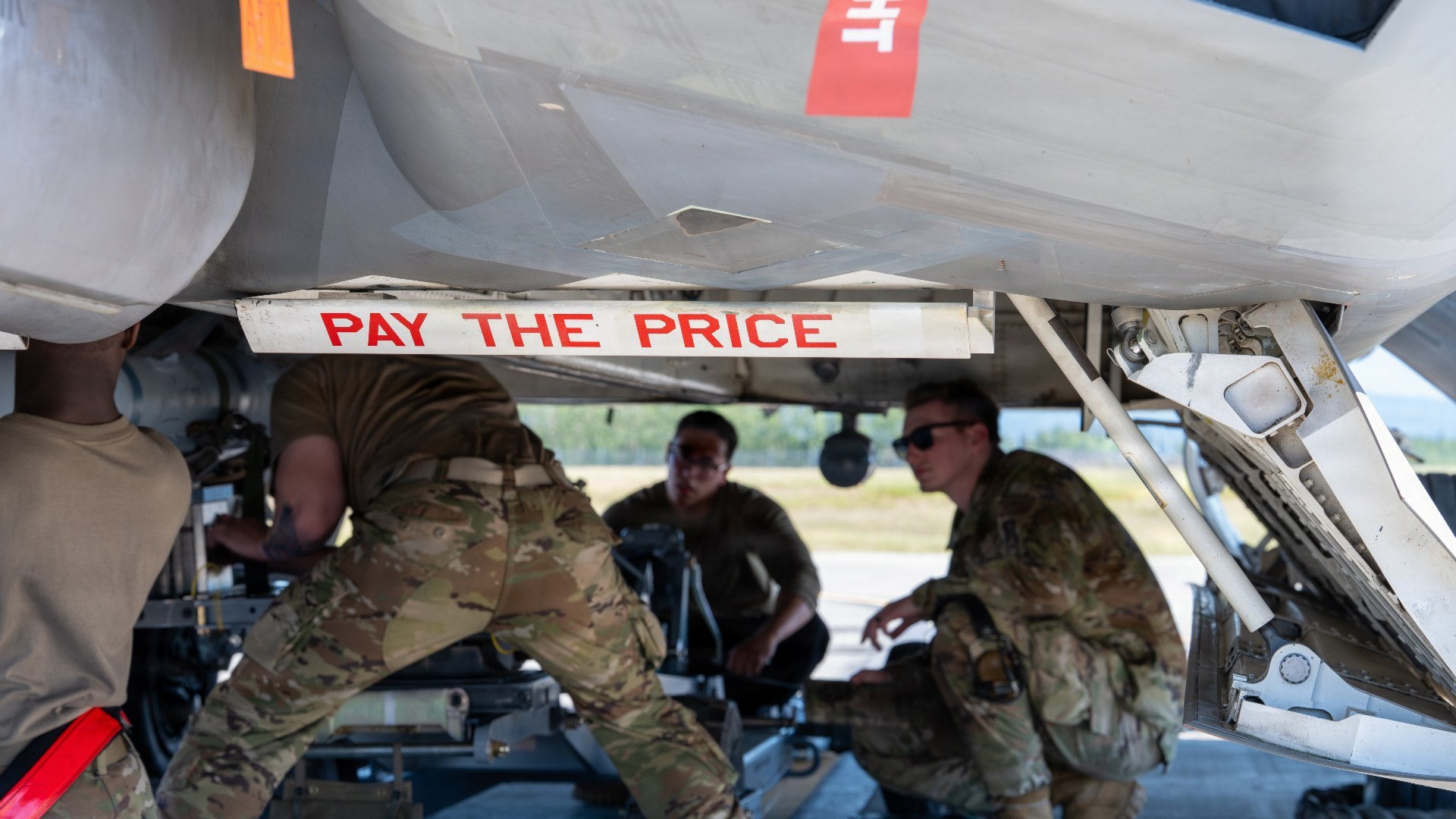
20. Internal Long-Range Weapons Bays
To preserve its sixth-generation low-observable profile in heavily defended airspace, the F-47 carries its standoff ordnance inside deep internal bays. Concealing long-range air-to-air and strike munitions internally lets the jet engage rival aircraft well beyond visual range.
©DVIDS / Air Force photo
19. Full-Spectrum Electronic Warfare Suite
Beyond airframe shaping, the F-47 integrates multispectral sensors and electronic attack emitters directly into its skin. The system detects hostile emissions passively while jamming and deceiving enemy surface-to-air missile networks before adversary operators can establish a lock.
©DVIDS / Air Force photo
18. Modular Open-Systems Architecture
Engineered around a modular open-systems backbone similar to other sixth-generation U.S. combat aircraft, the F-47 decouples flight hardware from mission software. The Air Force can plug in new processors, radar modes, and AI targeting algorithms in days rather than waiting years.
©DVIDS / Air Force photo
Advertisement
Swipe or tap ▶ to resume the countdown.
17. Official Oval Office Launch On March 21, 2025
On March 21, 2025, President Donald Trump announced the Next Generation Air Dominance program's progression from the Oval Office alongside Defense Secretary Pete Hegseth and Air Force Chief of Staff Gen. David Allvin, officially designating America's sixth-generation fighter the F-47.
©Wikimedia / The White House
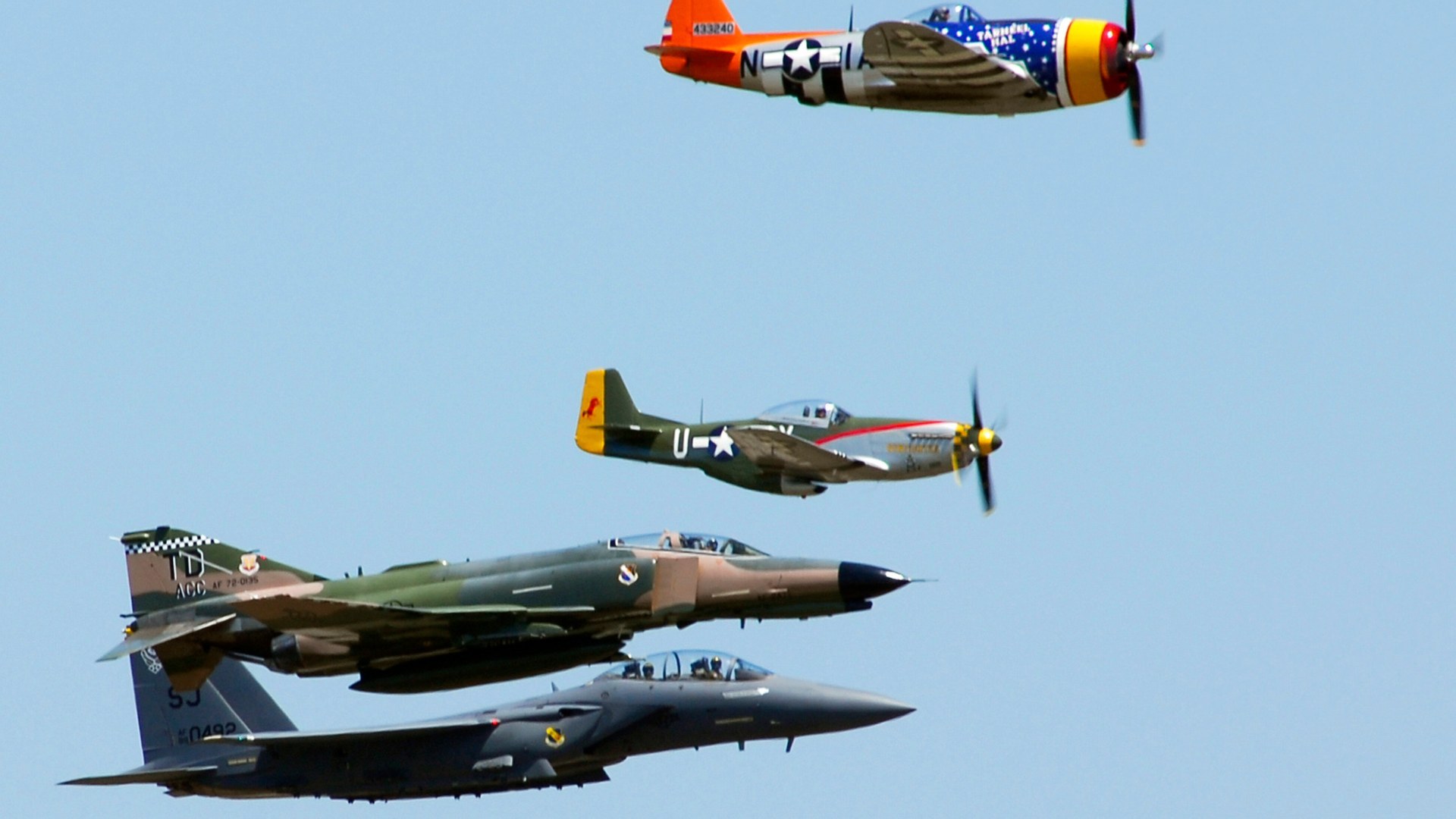
16. Triple Meaning Behind The "47" Designation
Air Force officials confirmed that the "47" designation carries a triple tribute: honoring the rugged World War II-era Republic P-47 Thunderbolt, commemorating 1947 as the founding year of the independent U.S. Air Force, and recognizing Donald Trump as the 47th U.S. President.
©Wikimedia / U.S. Air Force
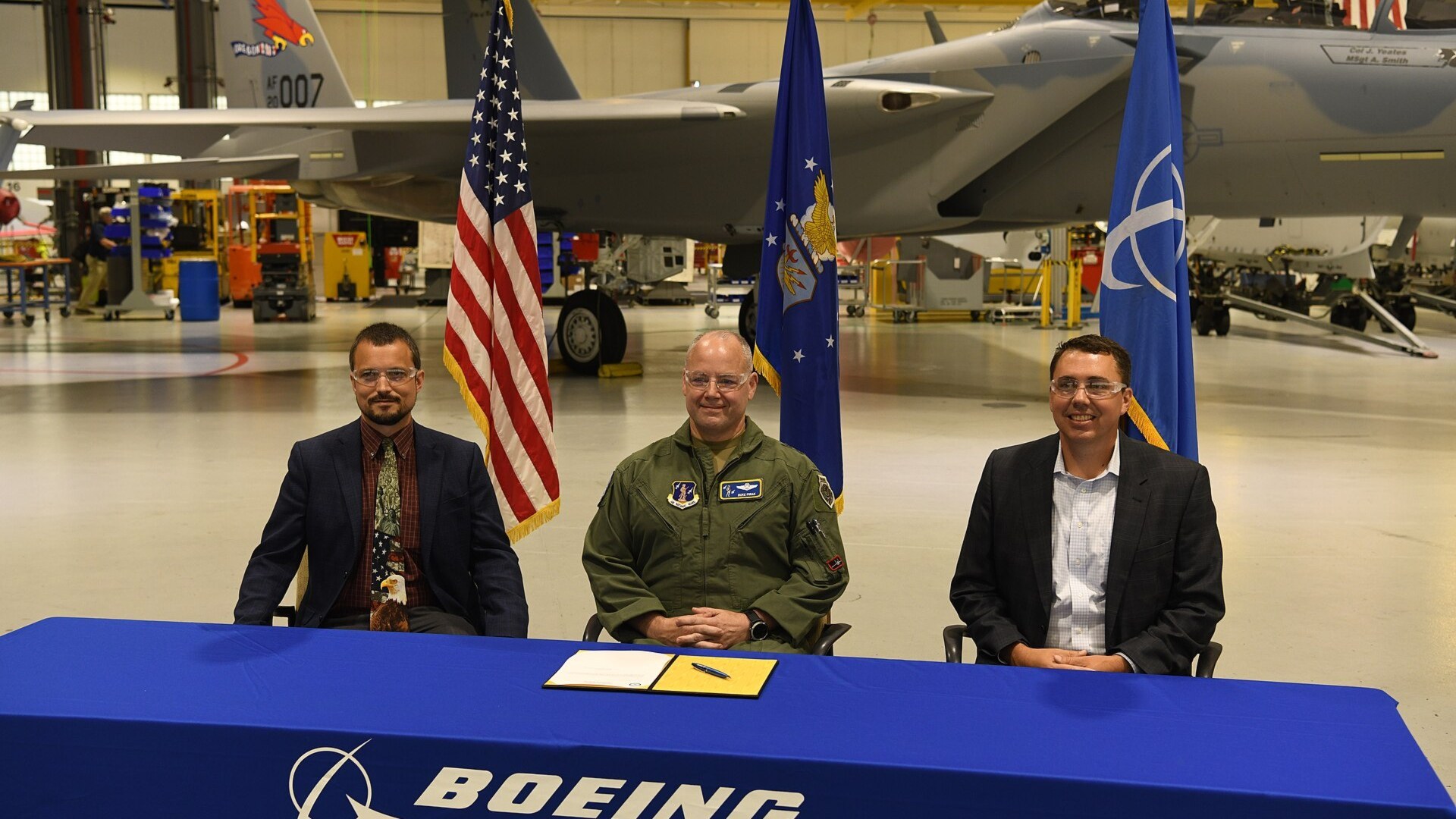
15. Boeing’s $20 Billion EMD Prime Contract
On the day of the Oval Office announcement, Boeing was awarded the prime Engineering and Manufacturing Development (EMD) contract valued at $20 billion. The deal funds full-scale airframe engineering, systems integration, and test aircraft fabrication ahead of low-rate production.
©Wikimedia / Department of Defense
14. Secret X-Plane Prototypes Flying Since 2020
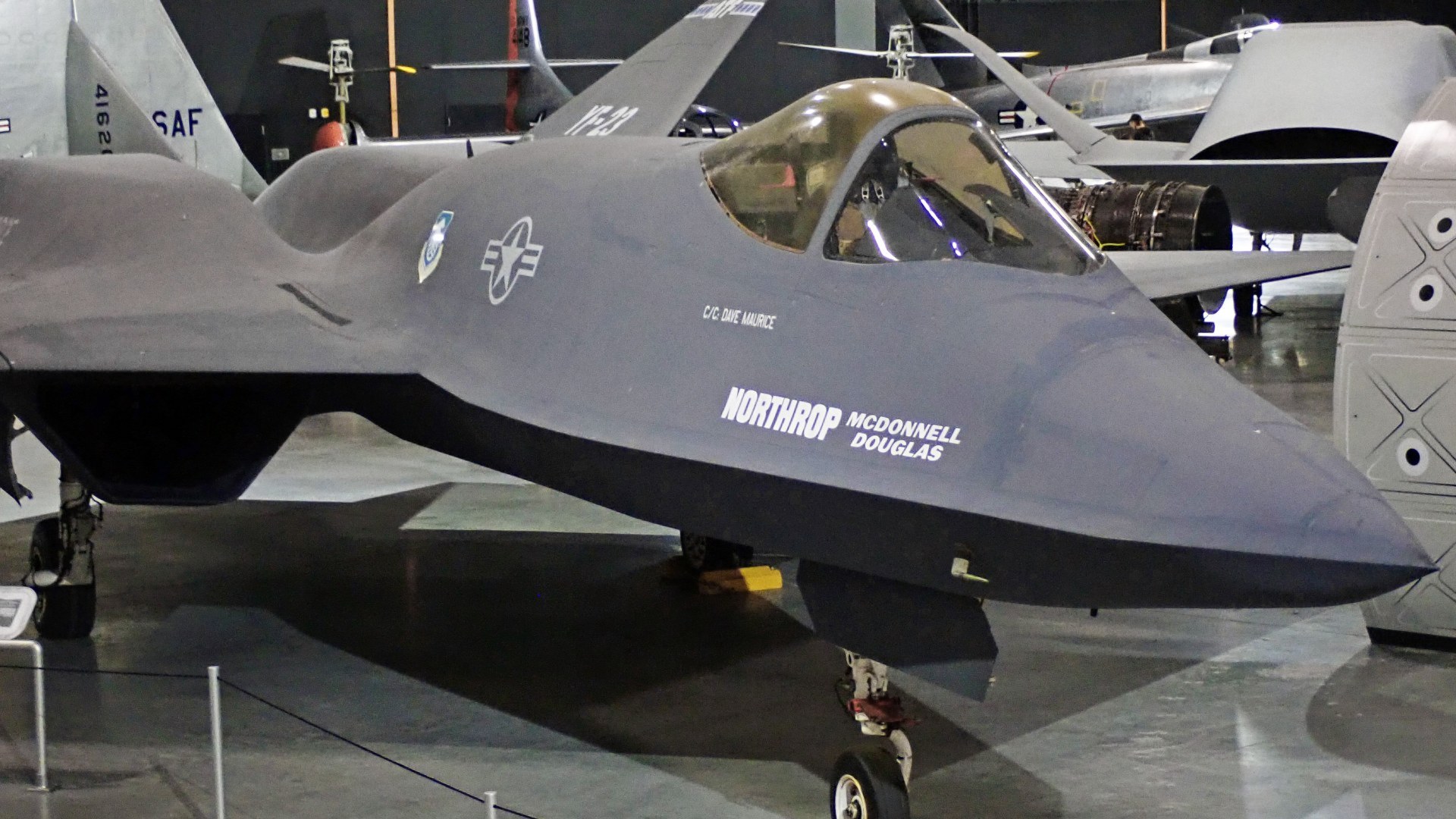
Although the F-47 was unveiled publicly in March 2025, experimental X-plane prototypes validating its aerodynamics, stealth coatings, and propulsion technologies have been secretly flying since 2020—logging hundreds of classified flight hours years before the EMD contract award.
©Wikimedia / U.S. Air Force
Advertisement
Swipe or tap ▶ to resume the countdown.
13. Crewed Centerpiece Of The NGAD Program
Rather than operating as an isolated fighter, the F-47 serves as the crewed centerpiece of the Air Force's Next Generation Air Dominance (NGAD) family of systems—linking advanced sensors, autonomous YFQ-42A and YFQ-44A drone wingmen, and resilient battle-management networks.
©Wikimedia / Gen. David Allvin, USAF
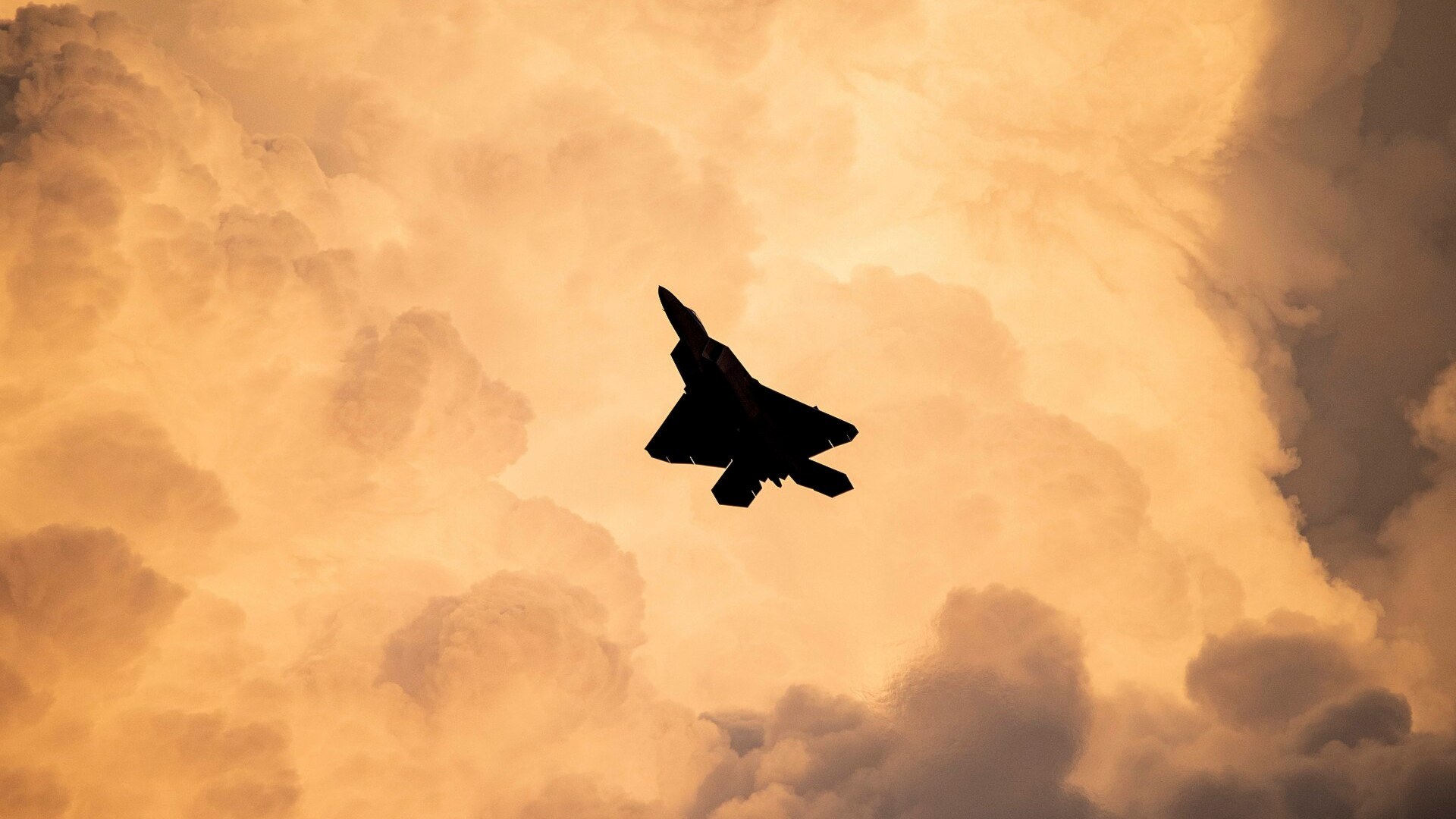
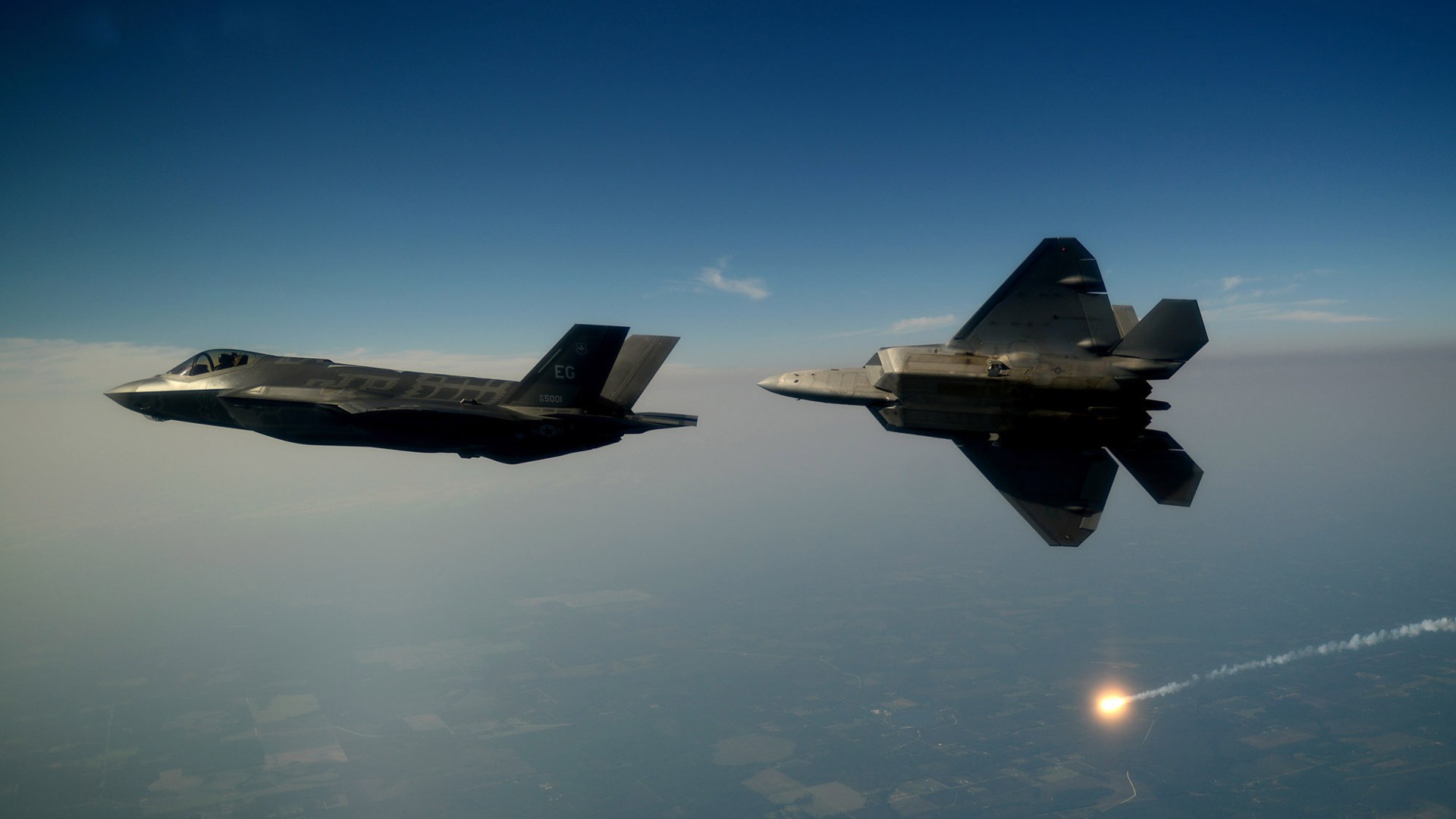
12. Direct Successor To The F-22 Raptor
For two decades, the fifth-generation Lockheed Martin F-22 Raptor set the benchmark for air dominance. The F-47 is explicitly engineered to succeed the F-22 fleet, delivering longer combat legs, broader-spectrum stealth, and sixth-generation sensor fusion against peer threats.
©Wikimedia / U.S. Air Force
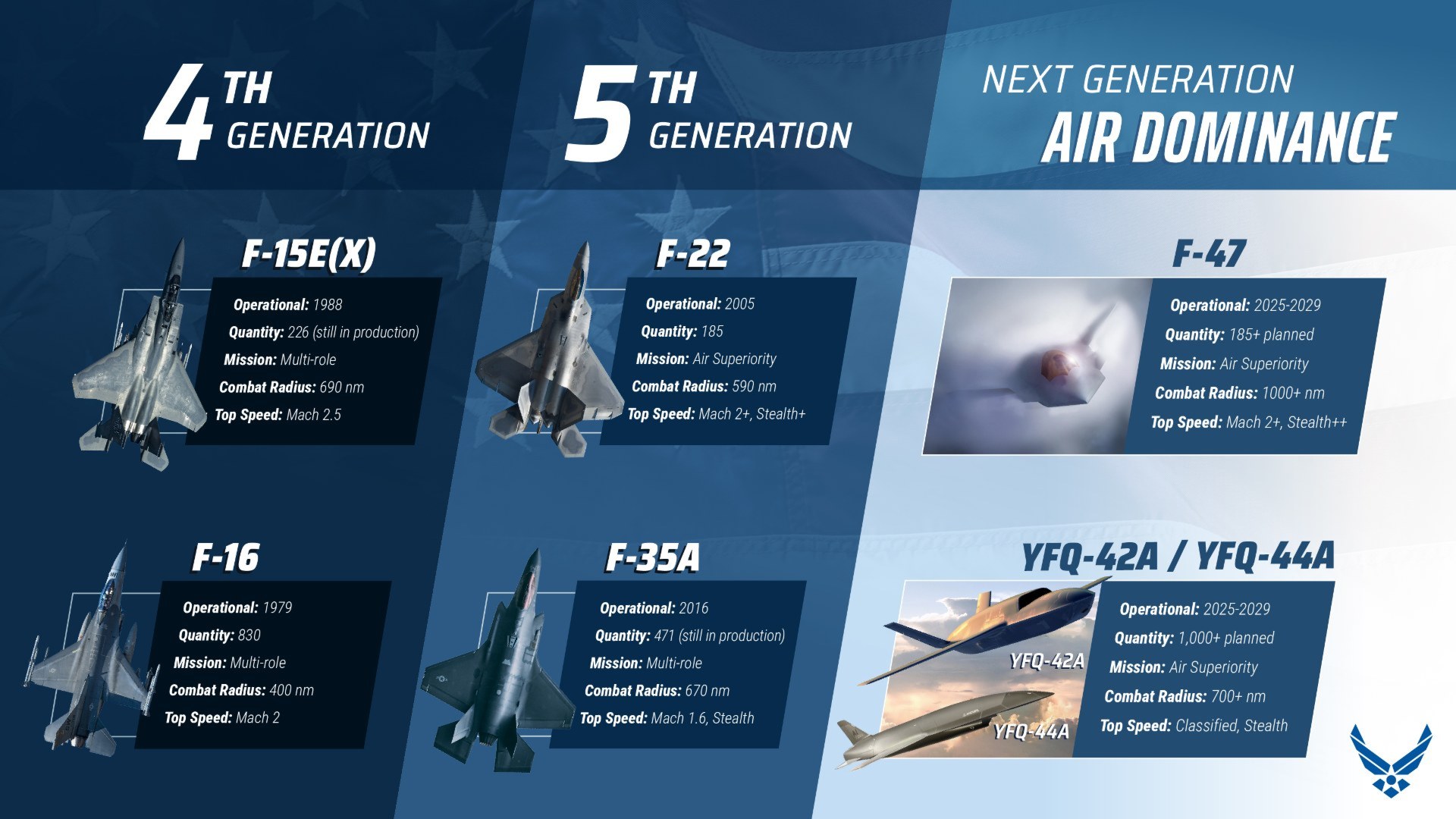
11. Fleet Procurement Goal Of 185+ Aircraft
According to official U.S. Air Force force-structure graphics, the service plans to procure at least 185 F-47 aircraft—matching and exceeding the active inventory of combat-coded F-22 Raptors so commanders can deploy sixth-generation squadrons across multiple theaters at once.
©Wikimedia / U.S. Air Force
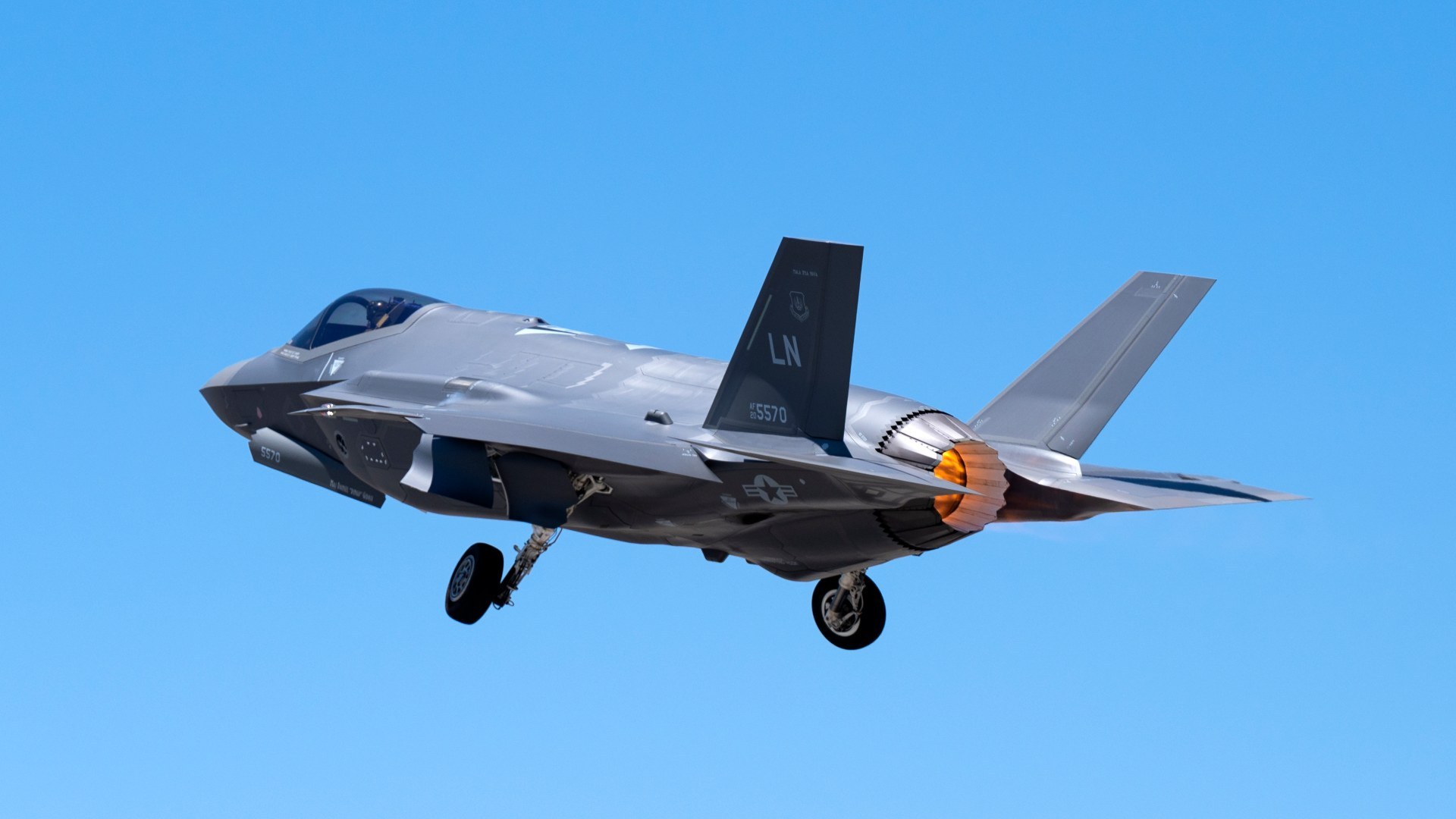
10. $300 Million Unit Cost Equal To Three F-35s
Packing adaptive propulsion, broadband low observability, and airborne command electronics into a large airframe makes the F-47 one of the costliest fighters ever built. At roughly $300 million per copy, each F-47 equals the flyaway price of approximately three F-35 stealth jets.
©Wikimedia / U.S. Air Force
Advertisement
Swipe or tap ▶ to resume the countdown.
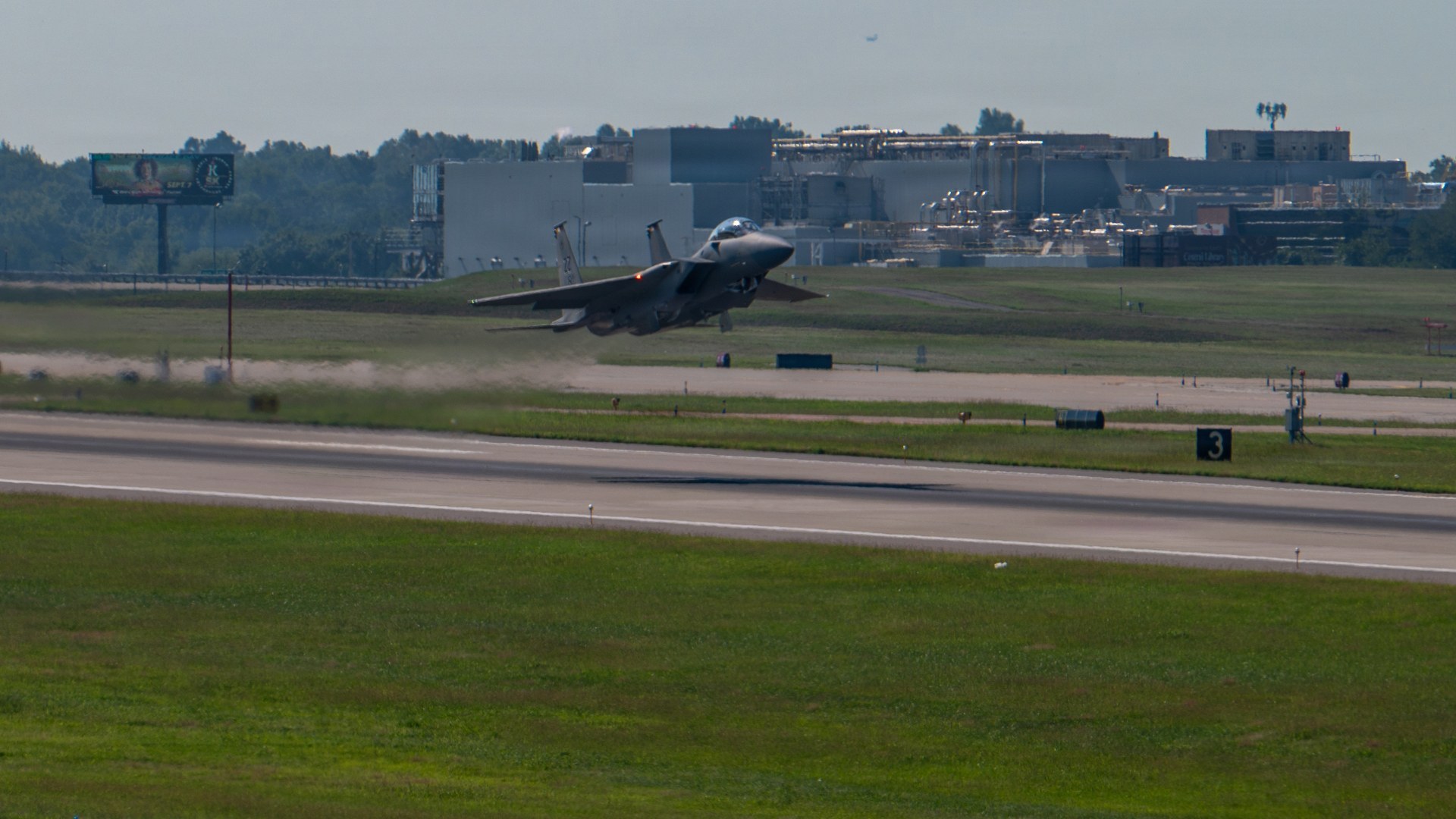
9. St. Louis Airframe Assembly Underway Since Late 2025
Following years of multi-billion-dollar investments in classified advanced-manufacturing facilities in St. Louis, Missouri, Boeing began physical assembly of the first F-47 test airframes in late 2025, transitioning the sixth-generation fighter from digital design to hardware.
©Wikimedia / Oregon National Guard
8. Maiden Flight Strictly Scheduled For 2028
Building on data gathered from the 2020 X-plane flight demonstrators, the U.S. Air Force and Boeing have set a strict schedule for the production-representative F-47 to make its maiden flight in 2028—keeping the program on pace to field capabilities before the end of the decade.
©DVIDS / Air Force photo
7. Full Combat Readiness Projected For The Early 2030s
Once flight testing gets underway in 2028, the Air Force projects full operational deployment and frontline combat readiness in the early 2030s. That timeline ensures the F-47 arrives in squadron service just as adversary fifth-generation fleets and air defenses mature.
©Wikimedia / U.S. Air Force
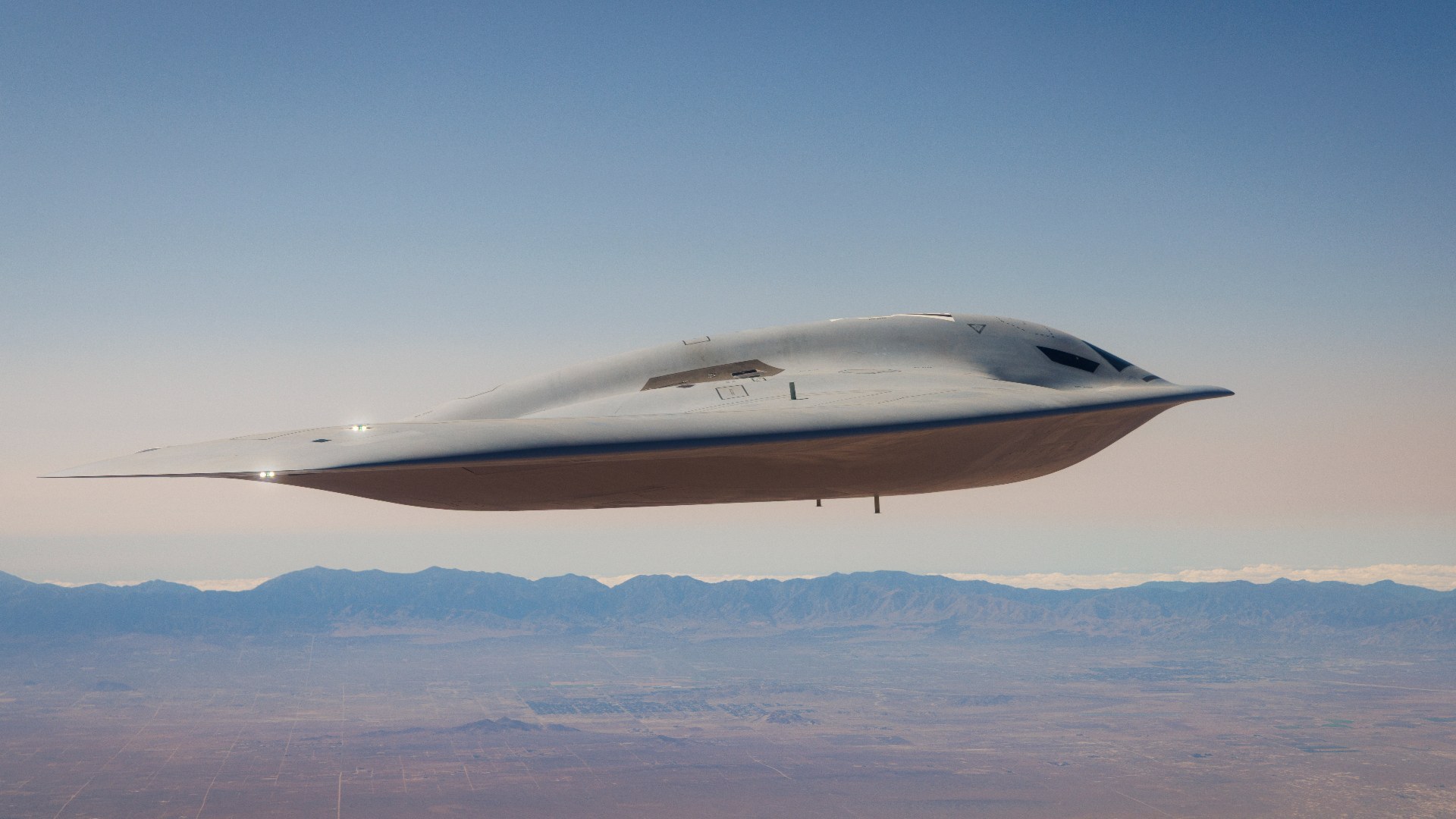
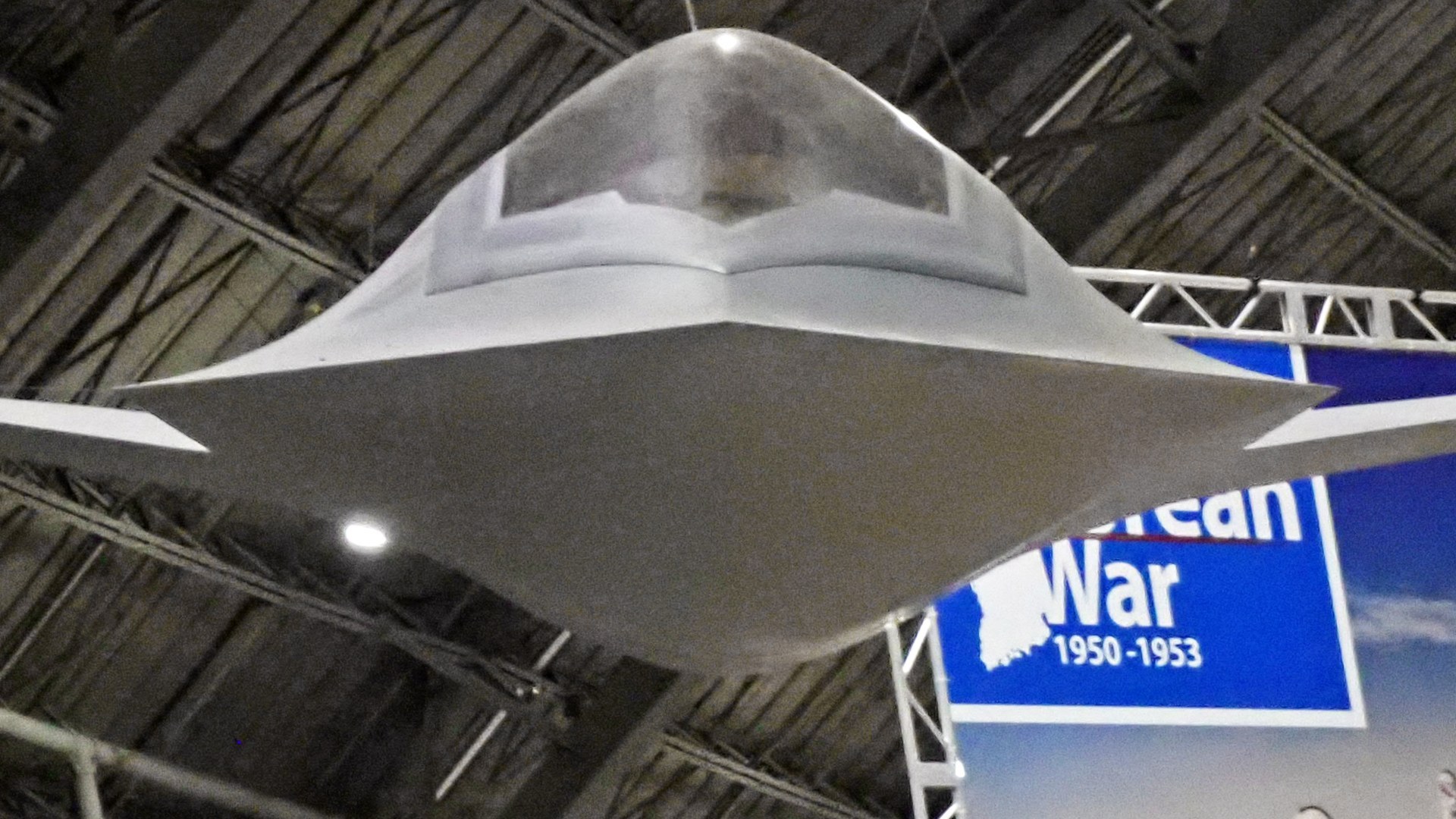
6. Tailless Delta-Wing "Stealth Plus" Airframe
The F-47 eliminates vertical tail fins—one of the primary sources of side- and low-frequency radar reflections on older jets—in favor of a blended, tailless delta-wing airframe. Air Force leaders rate its signature as "stealth plus," vastly outperforming fifth-generation stealth jets.
©Wikimedia / United States Air Force
Advertisement
Swipe or tap ▶ to resume the countdown.
5. Over 1,000-Nautical-Mile Pacific Combat Radius
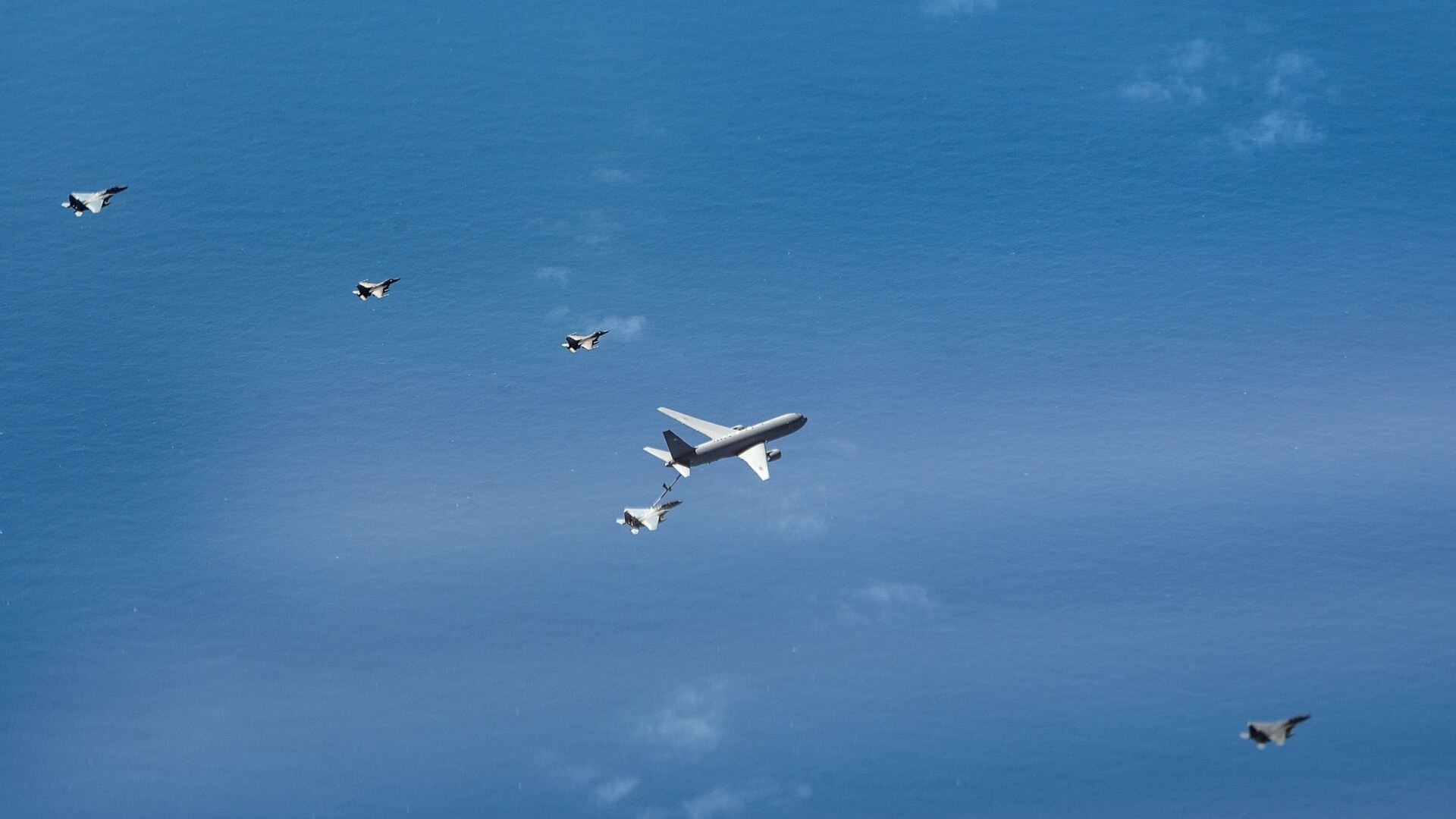
Whereas the F-22 has an unrefueled combat radius of roughly 590 nautical miles, the F-47 boasts a combat radius exceeding 1,000 nautical miles—over 70 percent farther. That reach allows the jet to penetrate contested Indo-Pacific airspace while keeping aerial tankers out of missile range.
©Wikimedia / U.S. Air Force
4. Mach 2+ Top Speed Exceeding 1,500 MPH
Official Air Force specifications confirm the F-47 is engineered for a top speed of Mach 2+, comfortably exceeding 1,500 mph at altitude. High supersonic dash speed imparts extra kinetic energy to launched missiles while letting pilots dictate when and where engagements occur.
©DVIDS / Air Force photo by Solomon Cook
3. Sustained Supersonic Supercruise Without Afterburners
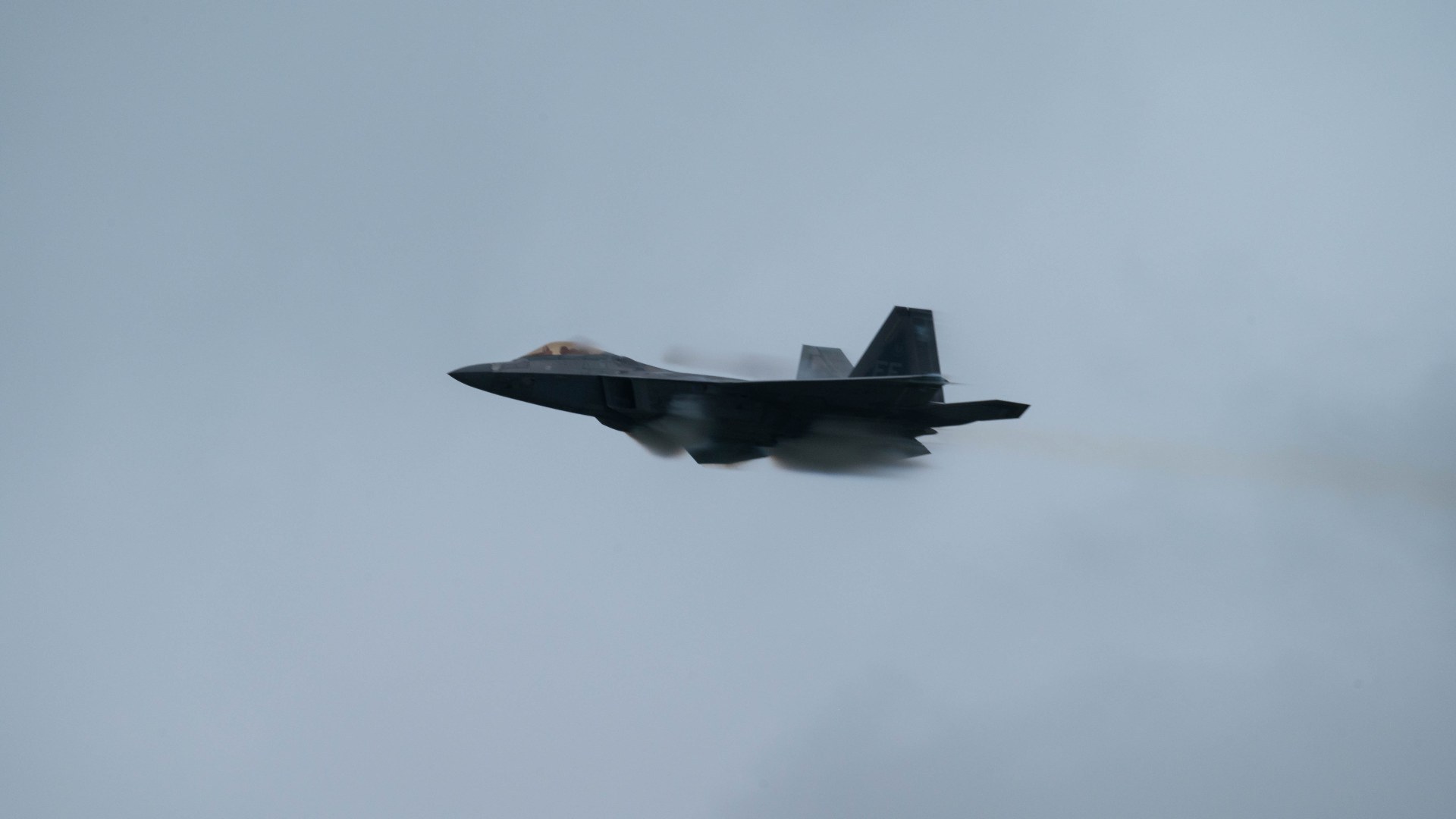
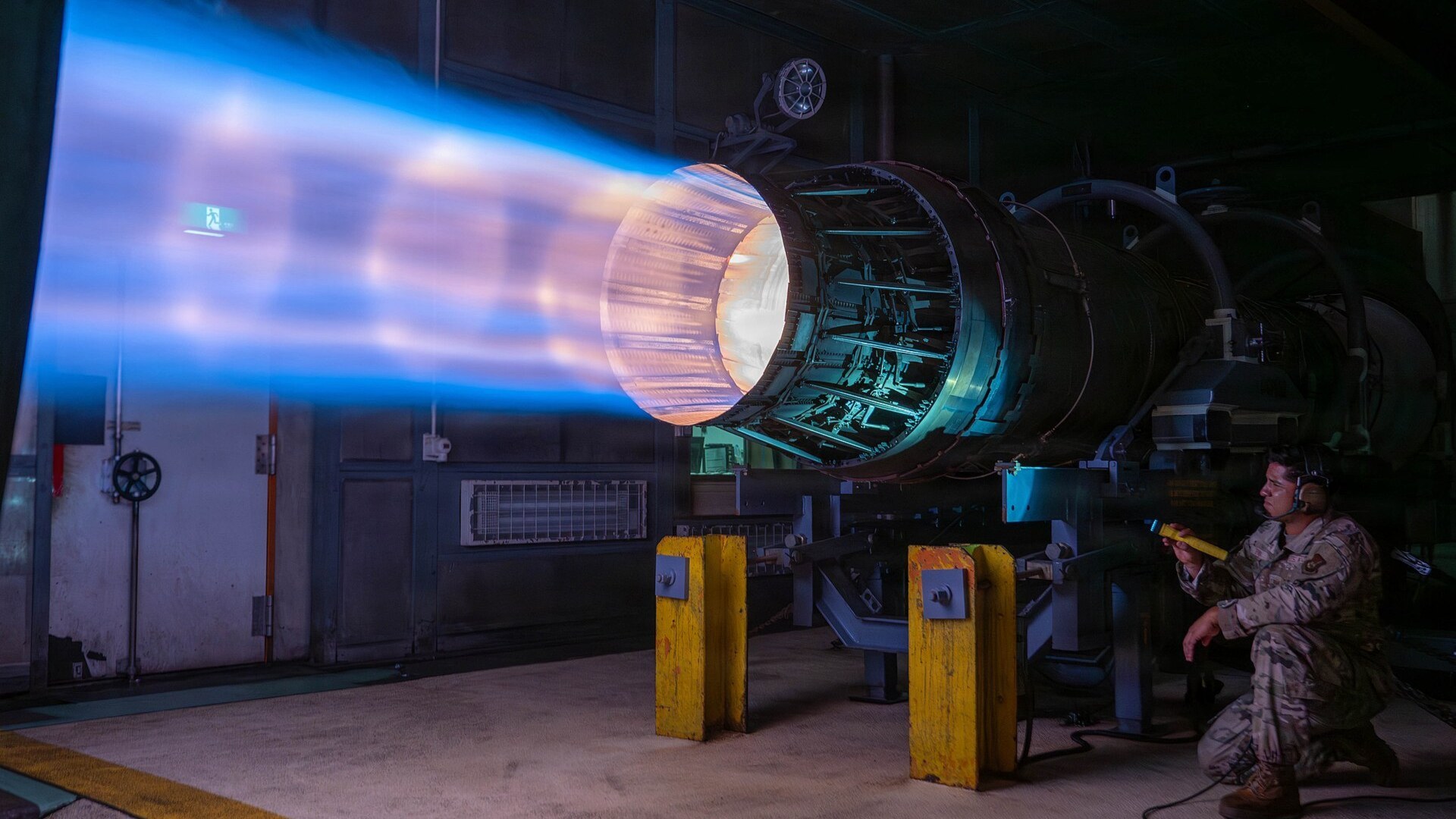
Conventional fighters must engage fuel-guzzling afterburners to break the sound barrier, creating an intense infrared plume and draining fuel in minutes. The F-47 is designed for sustained supersonic supercruise on dry thrust alone, preserving both its fuel reserves and thermal stealth.
©Wikimedia / U.S. Air Force
2. Next-Generation Adaptive Cycle Engines
Developed through the Next Generation Adaptive Propulsion (NGAP) effort, the F-47's variable-cycle engines use a third bypass airstream to shift automatically between fighter-style high thrust for supersonic combat and high-efficiency cruise mode, while also cooling onboard electronics.
©Wikimedia / U.S. Air Force
Advertisement
Swipe or tap ▶ to resume the countdown.
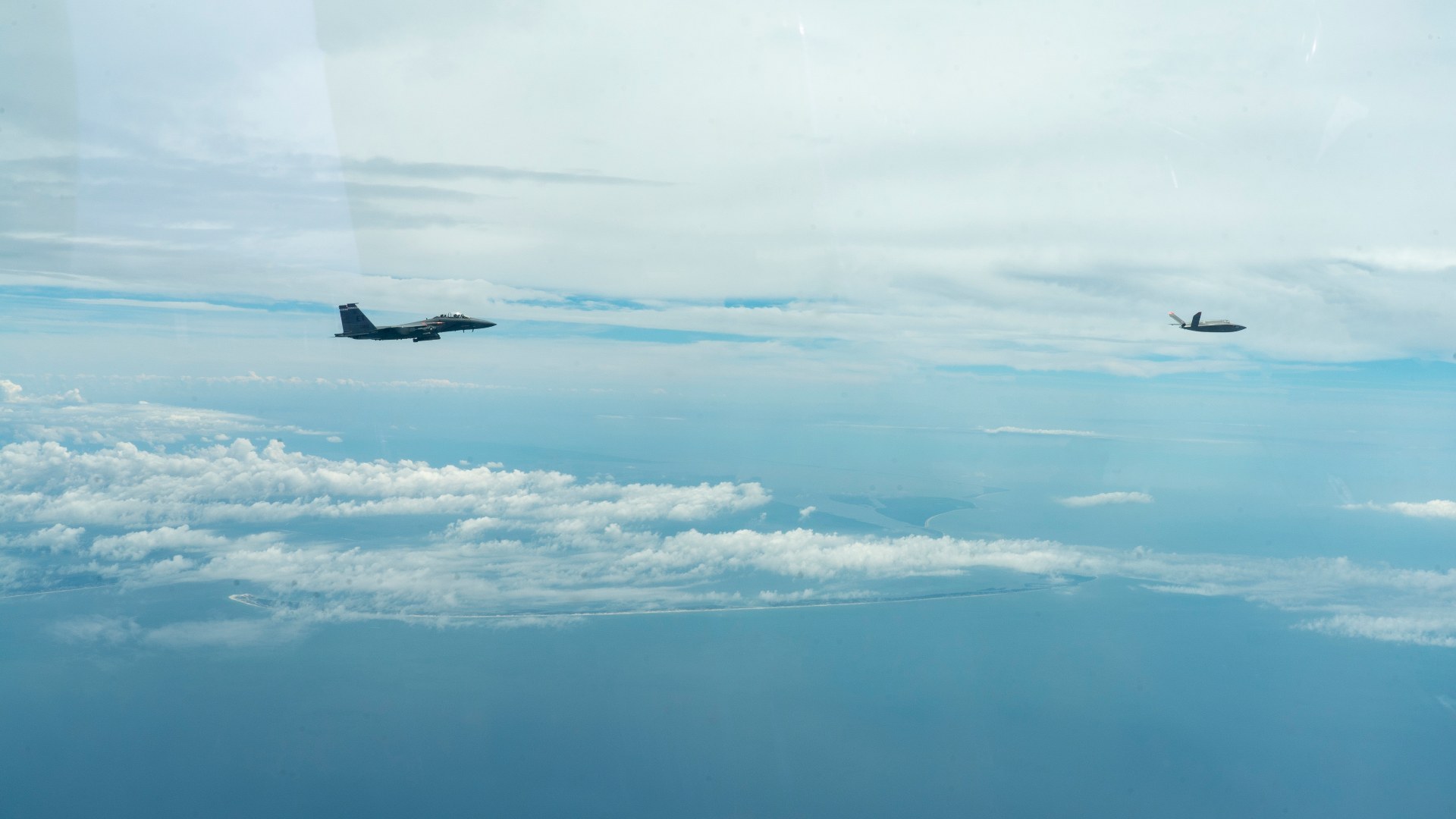
1. Airborne Command Hub For AI Drone Wingmen
What makes the F-47 most feared by rival air forces is human-machine teaming: its cockpit operates as a flying quarterback for AI-driven Collaborative Combat Aircraft (CCA) drone wingmen that fly ahead to scout threats, jam enemy radars, draw fire, and launch coordinated missile salvos.

©Wikimedia / U.S. Air Force
Advertisement
You've reached the end of the story. Thanks for reading!

20 Iconic Historical Photos and the Archive Clues Behind Them
Contact sheets, cracked glass plates, and NASA mission logs preserve the hidden steps behind 20 famous photographs. Drawing on records from the Library of Congress, the National Archives, NASA, and the Smithsonian, this countdown traces how cropping, camera setups, and double exposures shaped each frame.
All 20 Entries in this Story
20. Internal Long-Range Weapons Bays
To preserve its sixth-generation low-observable profile in heavily defended airspace, the F-47 carries its standoff ordnance inside deep internal bays. Concealing long-range air-to-air and strike munitions internally lets the jet engage rival aircraft well beyond visual range.

19. Full-Spectrum Electronic Warfare Suite
Beyond airframe shaping, the F-47 integrates multispectral sensors and electronic attack emitters directly into its skin. The system detects hostile emissions passively while jamming and deceiving enemy surface-to-air missile networks before adversary operators can establish a lock.

18. Modular Open-Systems Architecture
Engineered around a modular open-systems backbone similar to other sixth-generation U.S. combat aircraft, the F-47 decouples flight hardware from mission software. The Air Force can plug in new processors, radar modes, and AI targeting algorithms in days rather than waiting years.

17. Official Oval Office Launch On March 21, 2025
On March 21, 2025, President Donald Trump announced the Next Generation Air Dominance program's progression from the Oval Office alongside Defense Secretary Pete Hegseth and Air Force Chief of Staff Gen. David Allvin, officially designating America's sixth-generation fighter the F-47.

16. Triple Meaning Behind The "47" Designation
Air Force officials confirmed that the "47" designation carries a triple tribute: honoring the rugged World War II-era Republic P-47 Thunderbolt, commemorating 1947 as the founding year of the independent U.S. Air Force, and recognizing Donald Trump as the 47th U.S. President.

15. Boeing’s $20 Billion EMD Prime Contract
On the day of the Oval Office announcement, Boeing was awarded the prime Engineering and Manufacturing Development (EMD) contract valued at $20 billion. The deal funds full-scale airframe engineering, systems integration, and test aircraft fabrication ahead of low-rate production.

14. Secret X-Plane Prototypes Flying Since 2020
Although the F-47 was unveiled publicly in March 2025, experimental X-plane prototypes validating its aerodynamics, stealth coatings, and propulsion technologies have been secretly flying since 2020—logging hundreds of classified flight hours years before the EMD contract award.

13. Crewed Centerpiece Of The NGAD Program
Rather than operating as an isolated fighter, the F-47 serves as the crewed centerpiece of the Air Force's Next Generation Air Dominance (NGAD) family of systems—linking advanced sensors, autonomous YFQ-42A and YFQ-44A drone wingmen, and resilient battle-management networks.

12. Direct Successor To The F-22 Raptor
For two decades, the fifth-generation Lockheed Martin F-22 Raptor set the benchmark for air dominance. The F-47 is explicitly engineered to succeed the F-22 fleet, delivering longer combat legs, broader-spectrum stealth, and sixth-generation sensor fusion against peer threats.

11. Fleet Procurement Goal Of 185+ Aircraft
According to official U.S. Air Force force-structure graphics, the service plans to procure at least 185 F-47 aircraft—matching and exceeding the active inventory of combat-coded F-22 Raptors so commanders can deploy sixth-generation squadrons across multiple theaters at once.

10. $300 Million Unit Cost Equal To Three F-35s
Packing adaptive propulsion, broadband low observability, and airborne command electronics into a large airframe makes the F-47 one of the costliest fighters ever built. At roughly $300 million per copy, each F-47 equals the flyaway price of approximately three F-35 stealth jets.

9. St. Louis Airframe Assembly Underway Since Late 2025
Following years of multi-billion-dollar investments in classified advanced-manufacturing facilities in St. Louis, Missouri, Boeing began physical assembly of the first F-47 test airframes in late 2025, transitioning the sixth-generation fighter from digital design to hardware.

8. Maiden Flight Strictly Scheduled For 2028
Building on data gathered from the 2020 X-plane flight demonstrators, the U.S. Air Force and Boeing have set a strict schedule for the production-representative F-47 to make its maiden flight in 2028—keeping the program on pace to field capabilities before the end of the decade.

7. Full Combat Readiness Projected For The Early 2030s
Once flight testing gets underway in 2028, the Air Force projects full operational deployment and frontline combat readiness in the early 2030s. That timeline ensures the F-47 arrives in squadron service just as adversary fifth-generation fleets and air defenses mature.

6. Tailless Delta-Wing "Stealth Plus" Airframe
The F-47 eliminates vertical tail fins—one of the primary sources of side- and low-frequency radar reflections on older jets—in favor of a blended, tailless delta-wing airframe. Air Force leaders rate its signature as "stealth plus," vastly outperforming fifth-generation stealth jets.

5. Over 1,000-Nautical-Mile Pacific Combat Radius
Whereas the F-22 has an unrefueled combat radius of roughly 590 nautical miles, the F-47 boasts a combat radius exceeding 1,000 nautical miles—over 70 percent farther. That reach allows the jet to penetrate contested Indo-Pacific airspace while keeping aerial tankers out of missile range.

4. Mach 2+ Top Speed Exceeding 1,500 MPH
Official Air Force specifications confirm the F-47 is engineered for a top speed of Mach 2+, comfortably exceeding 1,500 mph at altitude. High supersonic dash speed imparts extra kinetic energy to launched missiles while letting pilots dictate when and where engagements occur.

3. Sustained Supersonic Supercruise Without Afterburners
Conventional fighters must engage fuel-guzzling afterburners to break the sound barrier, creating an intense infrared plume and draining fuel in minutes. The F-47 is designed for sustained supersonic supercruise on dry thrust alone, preserving both its fuel reserves and thermal stealth.

2. Next-Generation Adaptive Cycle Engines
Developed through the Next Generation Adaptive Propulsion (NGAP) effort, the F-47's variable-cycle engines use a third bypass airstream to shift automatically between fighter-style high thrust for supersonic combat and high-efficiency cruise mode, while also cooling onboard electronics.

1. Airborne Command Hub For AI Drone Wingmen
What makes the F-47 most feared by rival air forces is human-machine teaming: its cockpit operates as a flying quarterback for AI-driven Collaborative Combat Aircraft (CCA) drone wingmen that fly ahead to scout threats, jam enemy radars, draw fire, and launch coordinated missile salvos.