Slideshow · Animals
Why Crows Remember People Who Treat Them Badly
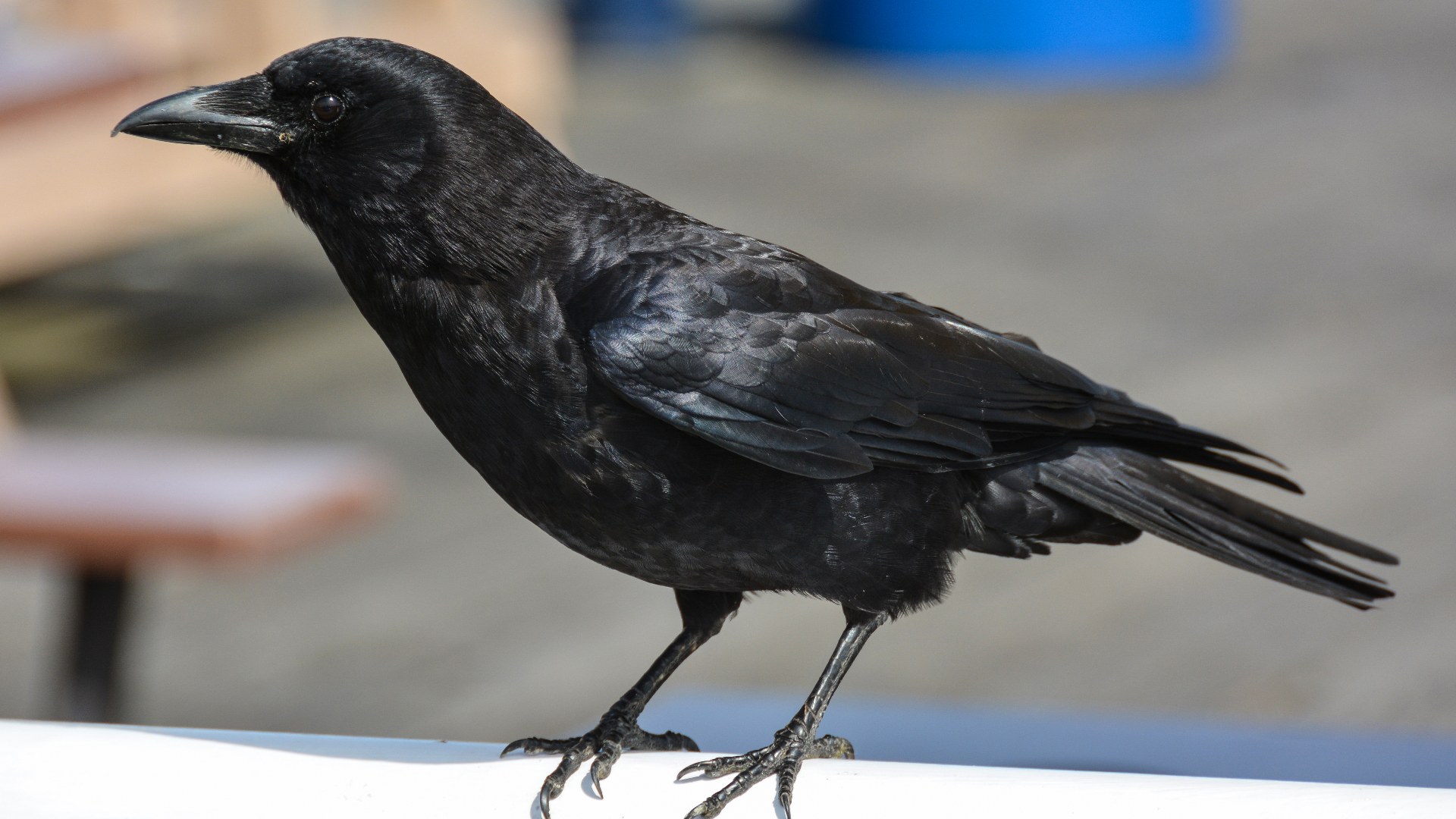
University of Washington research proved wild crows memorize human faces, teach their young to attack dangerous people, and hold grudges for over a decade.
By Most Viral Today
26 Oct 2026

Why Crows Remember People Who Treat Them Badly 
13. The Mask Experiment In Seattle 
12. Memorizing Human Facial Geometry 
11. Warning Calls And Aerial Mobbing - AdvertisementSwipe or tap ▶ to continue countdown

10. Social Learning In The Flock 
9. Generational Grudges Passed Down 
8. Remembering Enemies For A Decade 
7. High Neuron Density In The Forebrain - AdvertisementSwipe or tap ▶ to continue countdown

6. Brain Scans Reveal Threat Circuits 
5. Encoding Threats Into Alarm Caws 
4. Advanced Problem Solving And Tools 
3. Rewarding Friends With Gifts - AdvertisementSwipe or tap ▶ to continue countdown

2. Winter Roosts As Information Hubs 
1. Why You Should Never Cross A Crow - Advertisement🔥 UP NEXT IN THIS SERIES◫ 22 Slides

How Long Do Hippos Live? 20 Other Facts About Hippos
From sixty-year lifespans to whale cousins, discover secrets of river giants
Long term research at the University of Washington revealed that crows possess complex social memories. They identify threatening humans by facial structure alone and alert their flocks.
Swipe or tap ▶ to begin the countdown
©Wikimedia / Colin Park & Wikimedia / Charles J. Sharp
13. The Mask Experiment In Seattle
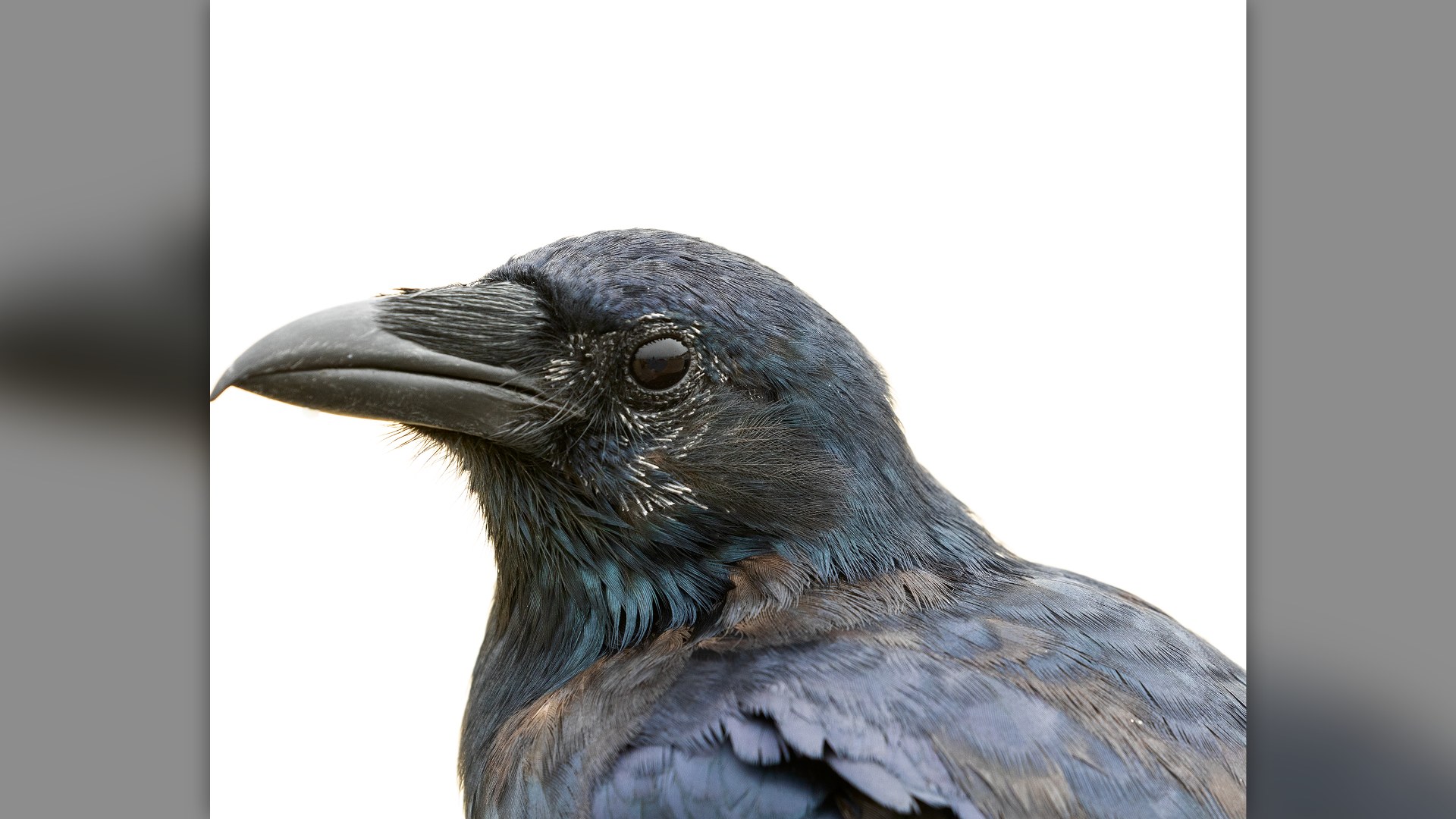
In 2006, wildlife biologist John Marzluff led a study on the Seattle campus. Researchers wore a rubber caveman mask while safely trapping and banding small groups of wild American crows.
©Wikimedia / Joe Mabel
12. Memorizing Human Facial Geometry
When scientists later walked through campus in different clothes, the birds still recognized the specific facial features of the caveman mask while ignoring a neutral control mask.
©Wikimedia / Kenneth Hagemeyer
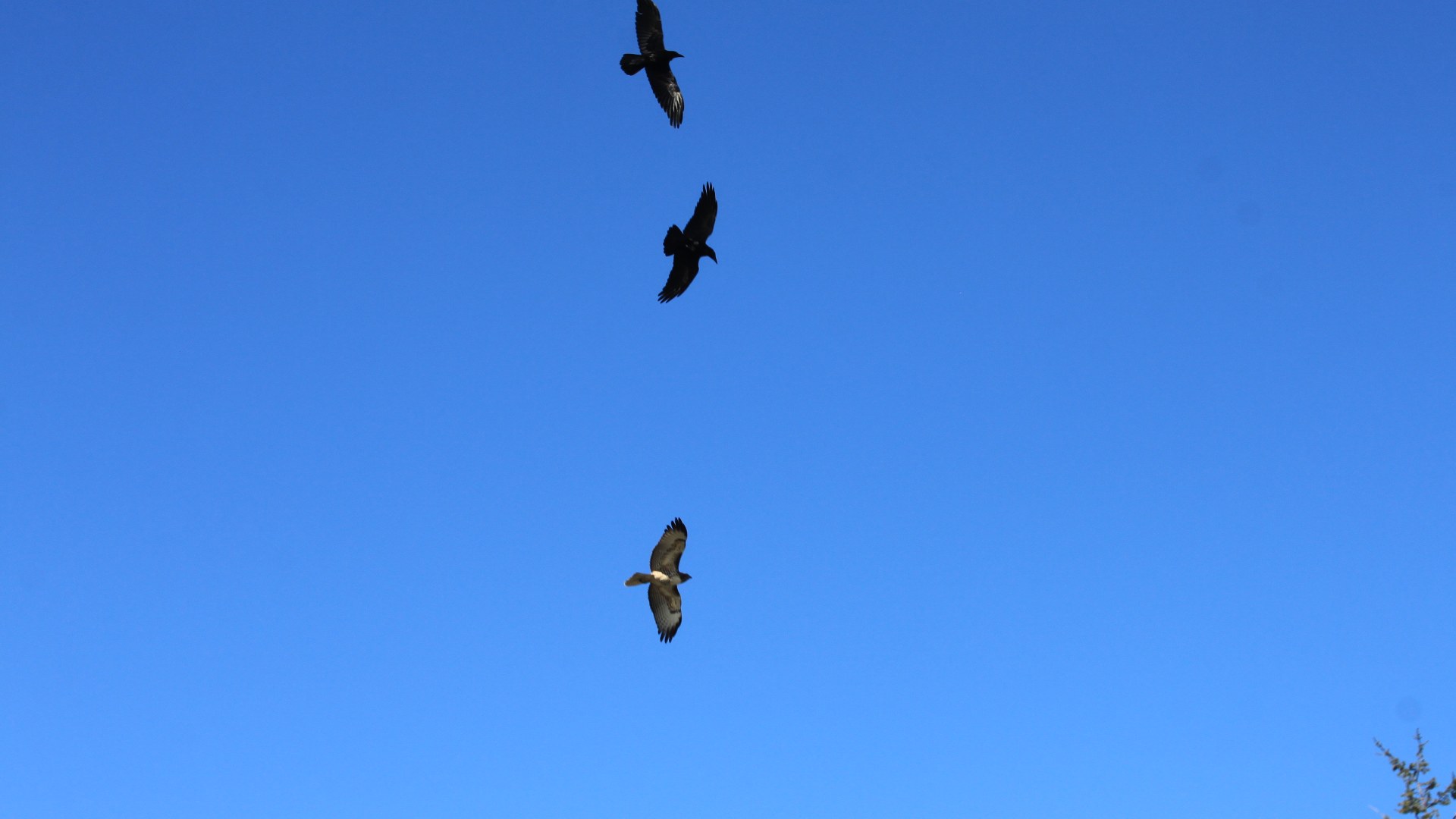
11. Warning Calls And Aerial Mobbing
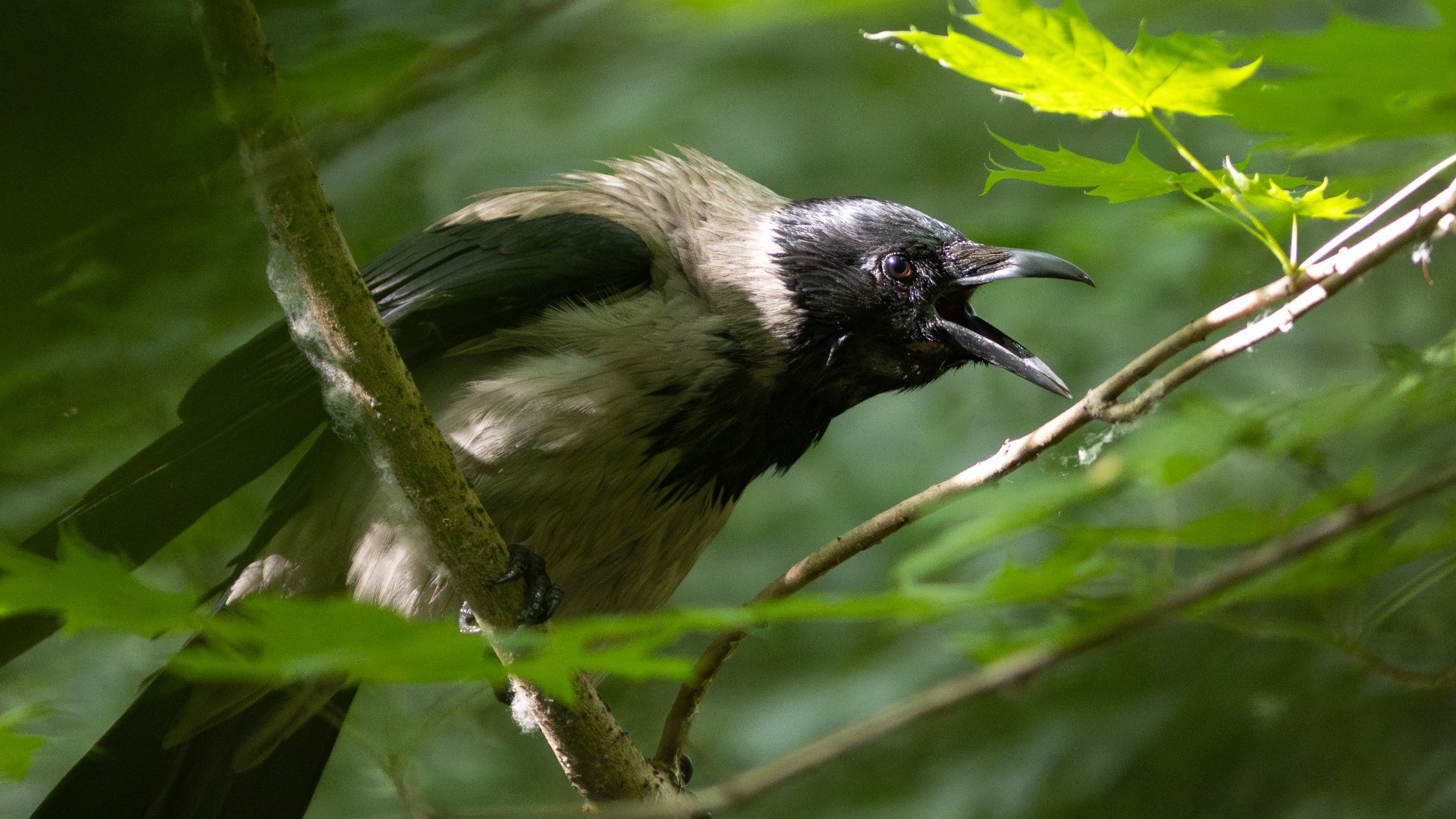
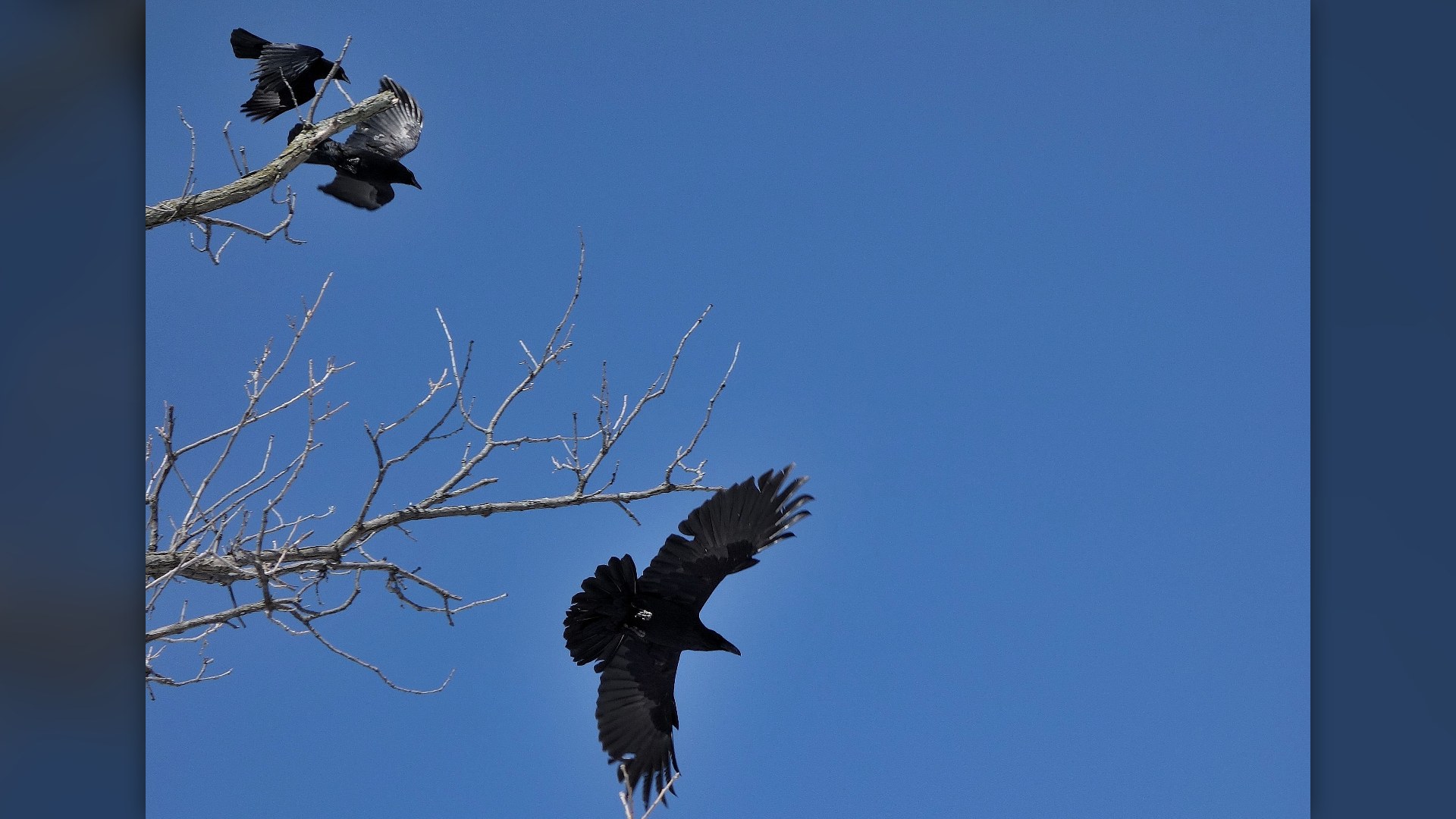
Crows swooped down from canopies, snapping their beaks inches from the masked walker head. They emitted harsh warning rattles that summoned neighboring birds to join the attack.
©Wikimedia / Tom Grey
Advertisement
Swipe or tap ▶ to resume the countdown.
10. Social Learning In The Flock
Within weeks, the percentage of campus crows mobbing the mask jumped from 20 percent to over 60 percent. Unbanded crows learned that the face was dangerous by observing flock mates.
©Wikimedia / Acabashi
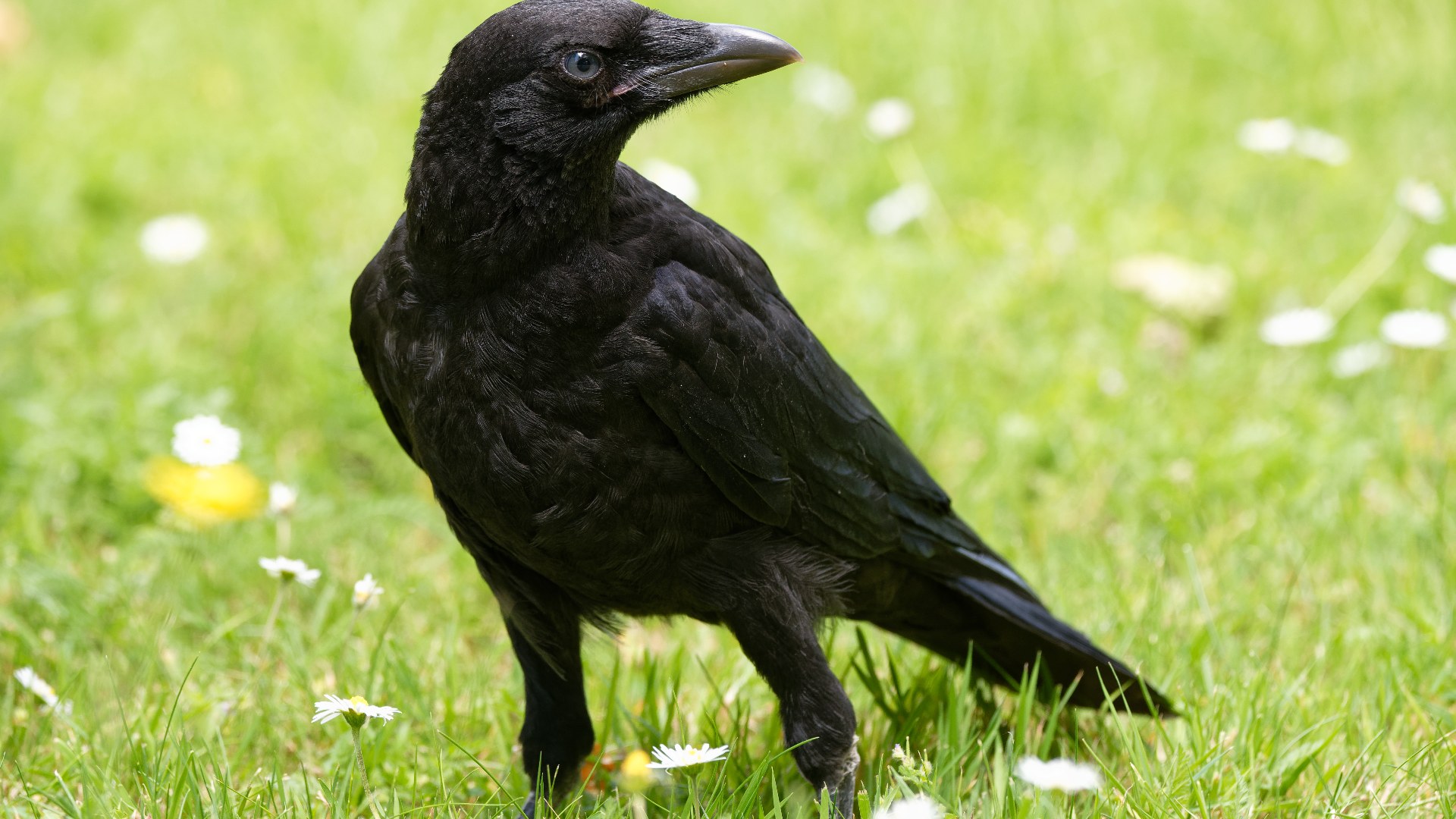
9. Generational Grudges Passed Down
Parent crows taught their offspring to target the dangerous individual. When the chicks matured into adult birds, they actively mobbed the masked researcher without ever experiencing capture.
©Wikimedia / Charlie JdP
8. Remembering Enemies For A Decade
Follow up tests five years after the initial trapping showed aggressive scolding remained just as intense. Even when the mask appeared rarely, the birds remembered the grudge.
©Wikimedia / Giles Laurent
7. High Neuron Density In The Forebrain
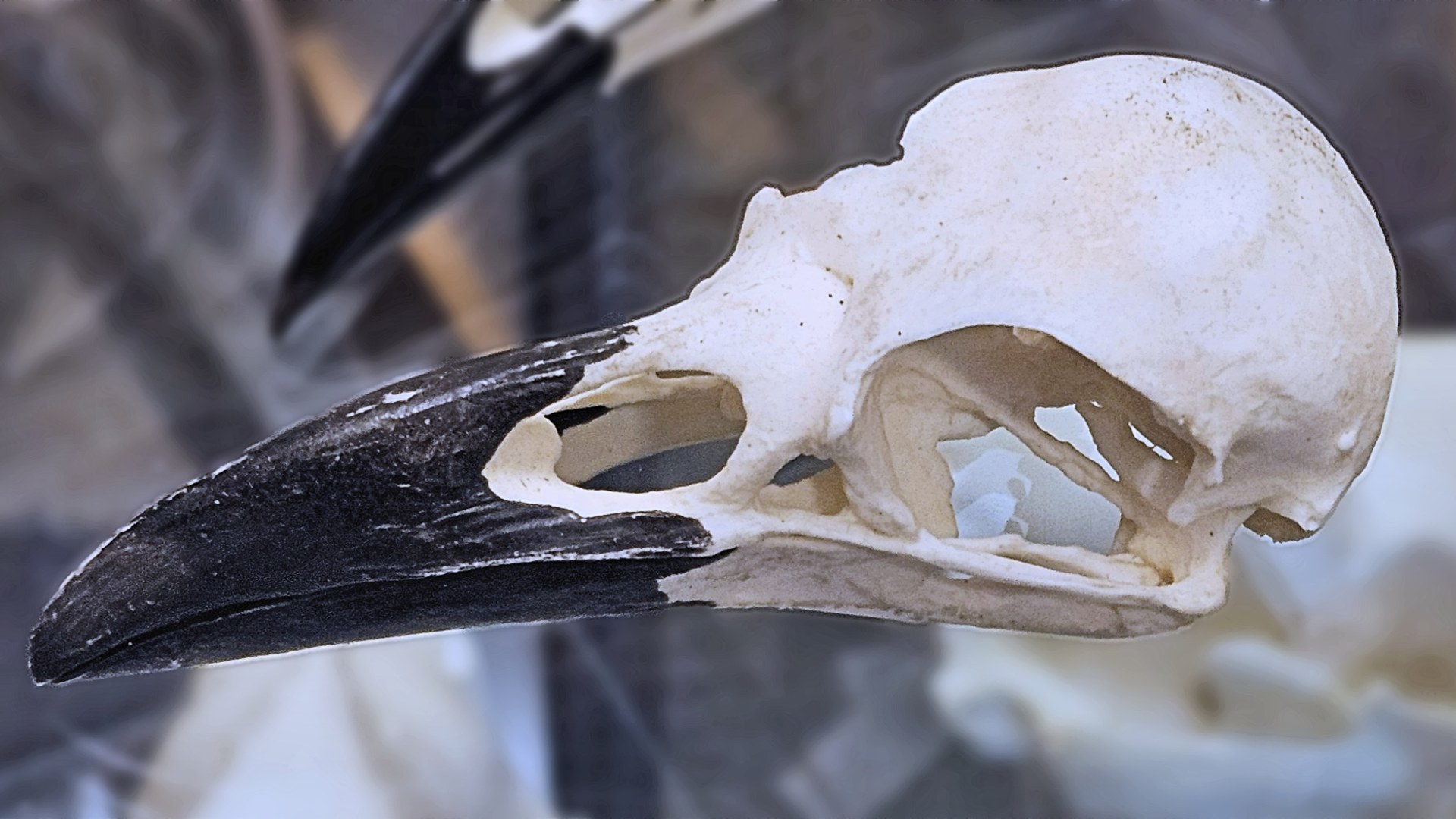
Crows do not have a mammalian cerebral cortex. Instead, their forebrain contains a densely wired area called the nidopallium, enabling complex reasoning and planning.
©Wikimedia / Didier Descouens
Advertisement
Swipe or tap ▶ to resume the countdown.
6. Brain Scans Reveal Threat Circuits
In 2012, Marzluff team ran brain scans on wild crows. Presenting the threatening mask activated subcortical structures equivalent to the mammalian amygdala and thalamus.
©Wikimedia / Jerry Segraves
5. Encoding Threats Into Alarm Caws
Acoustic analysis shows crows adjust call duration and frequency depending on the threat. Other crows hear the alarm and immediately scan the area for the designated person.
©Wikimedia / Milan Suvajac
4. Advanced Problem Solving And Tools
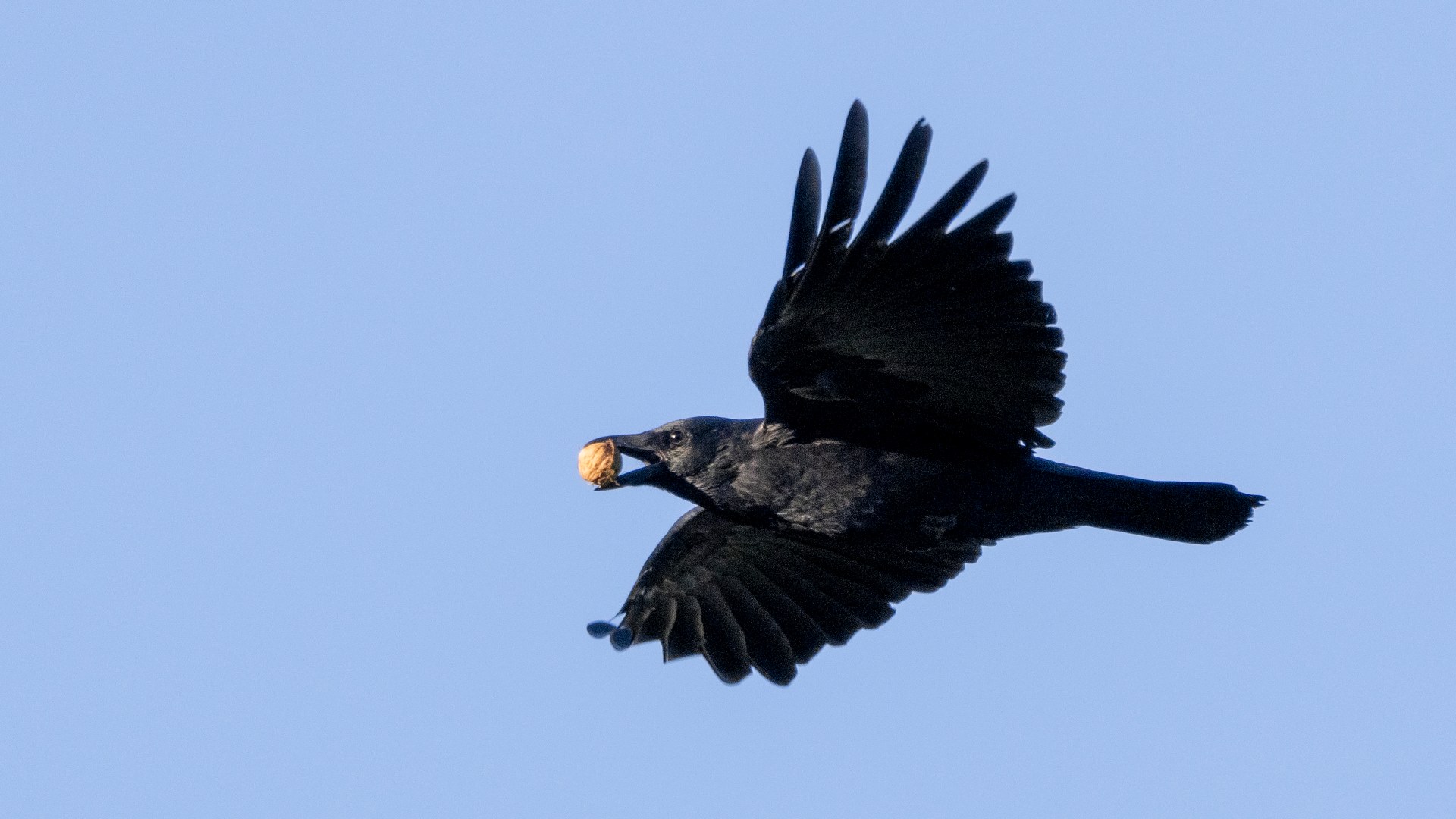
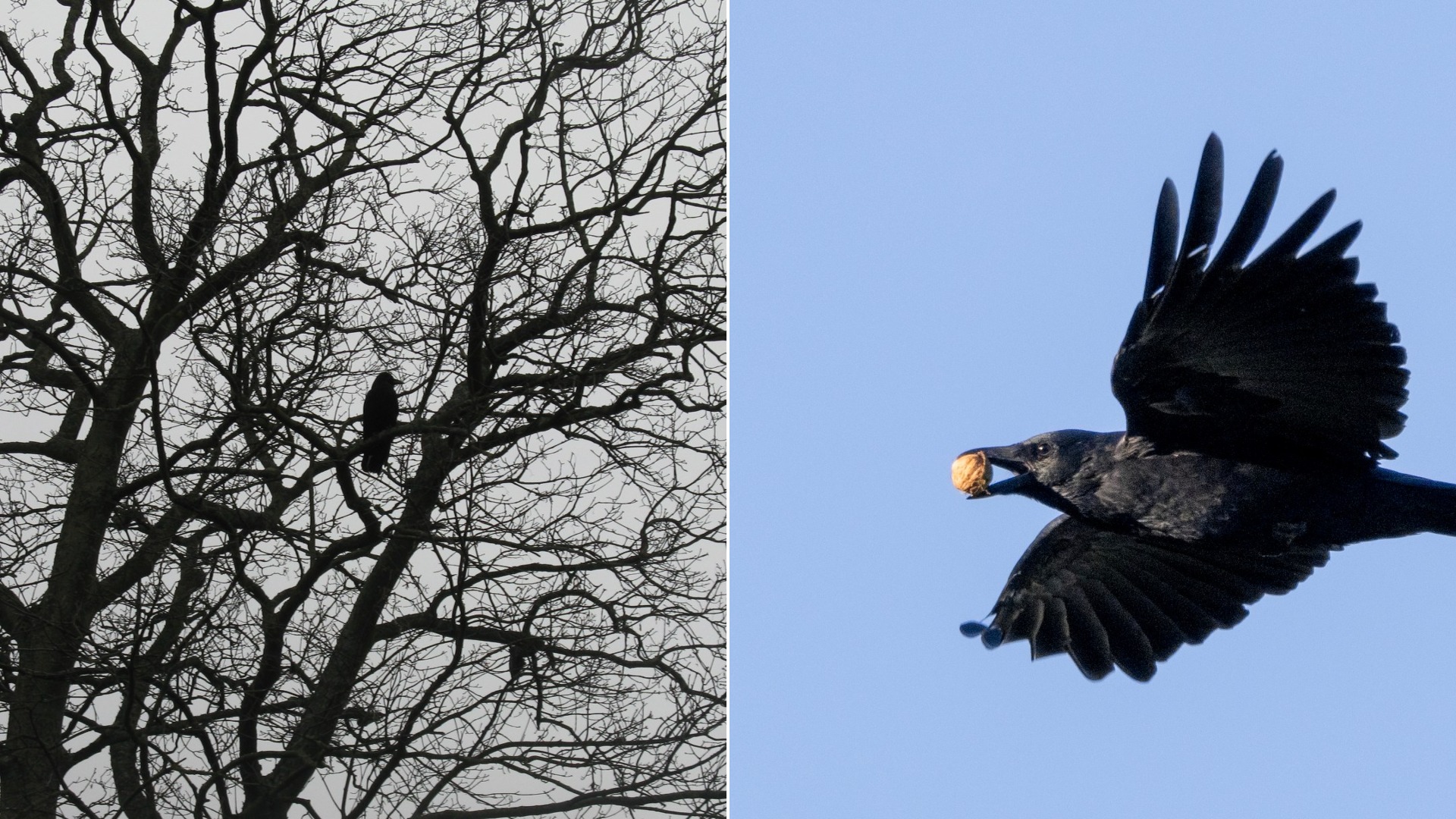
Crows drop walnuts into pedestrian crosswalks, wait for car tires to crush the shells, and safely retrieve the nutmeat during red lights when cars stop.
©Wikimedia / Charles J. Sharp
3. Rewarding Friends With Gifts
People who routinely feed neighborhood crows report receiving small tokens such as polished glass, coins, and paper clips left behind on feeding platforms.
©Wikimedia / Kerry Raymond
Advertisement
Swipe or tap ▶ to resume the countdown.
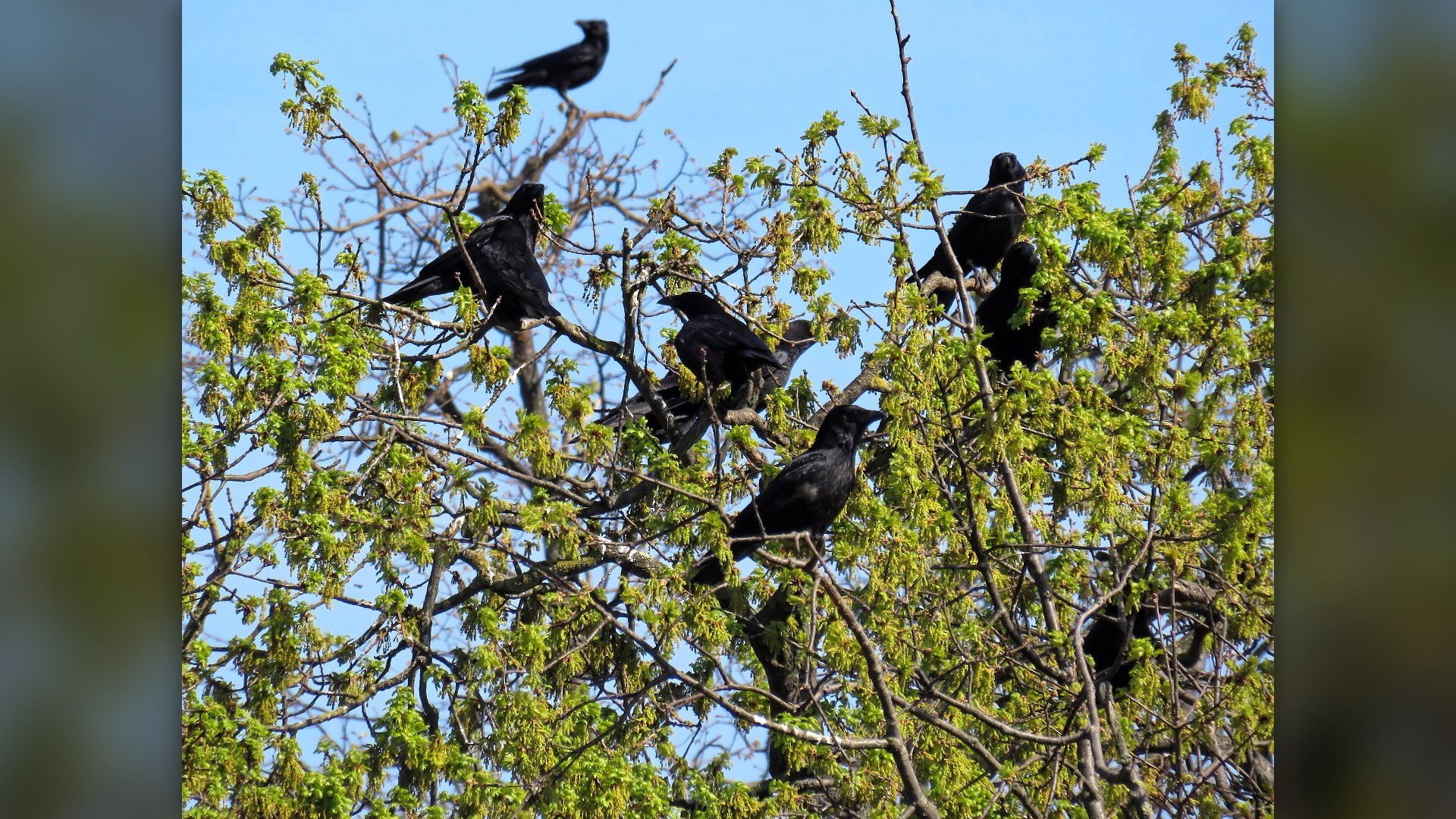
2. Winter Roosts As Information Hubs
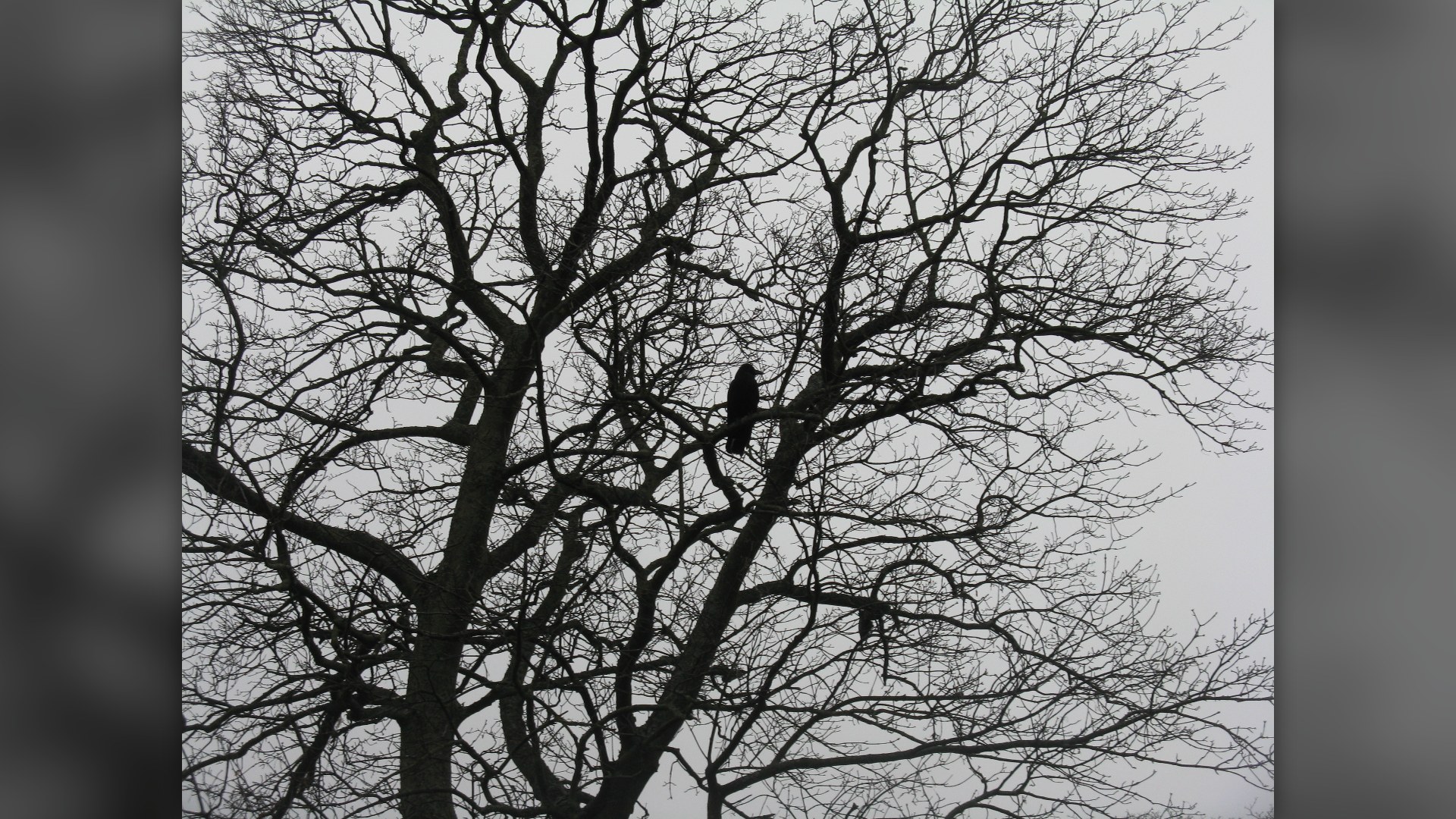
During autumn and winter, crows gather in roosts containing up to 50,000 birds. Researchers believe these massive gatherings help birds spread reports of local food sources and human dangers.
©Wikimedia / Colin Park
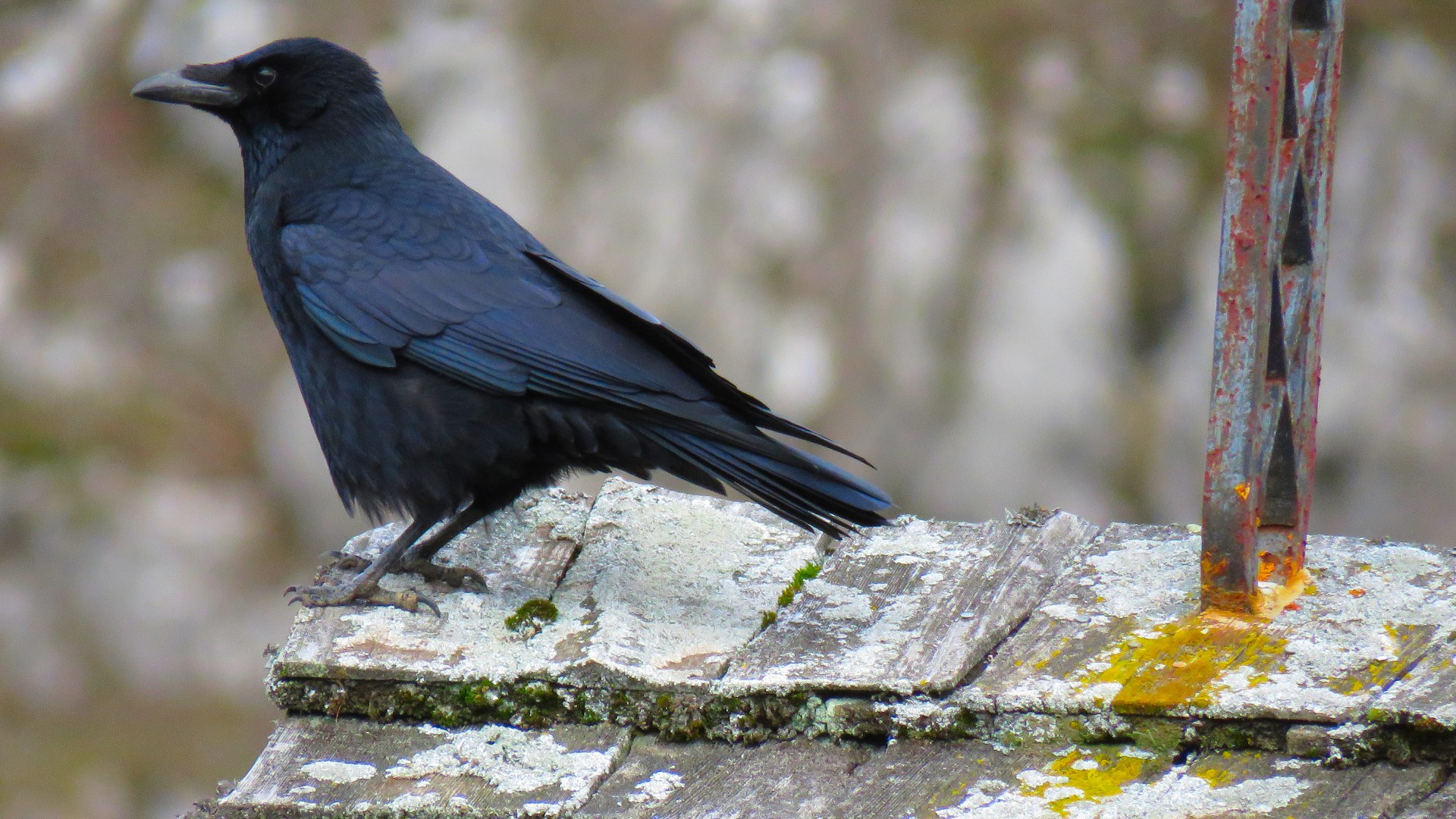
1. Why You Should Never Cross A Crow
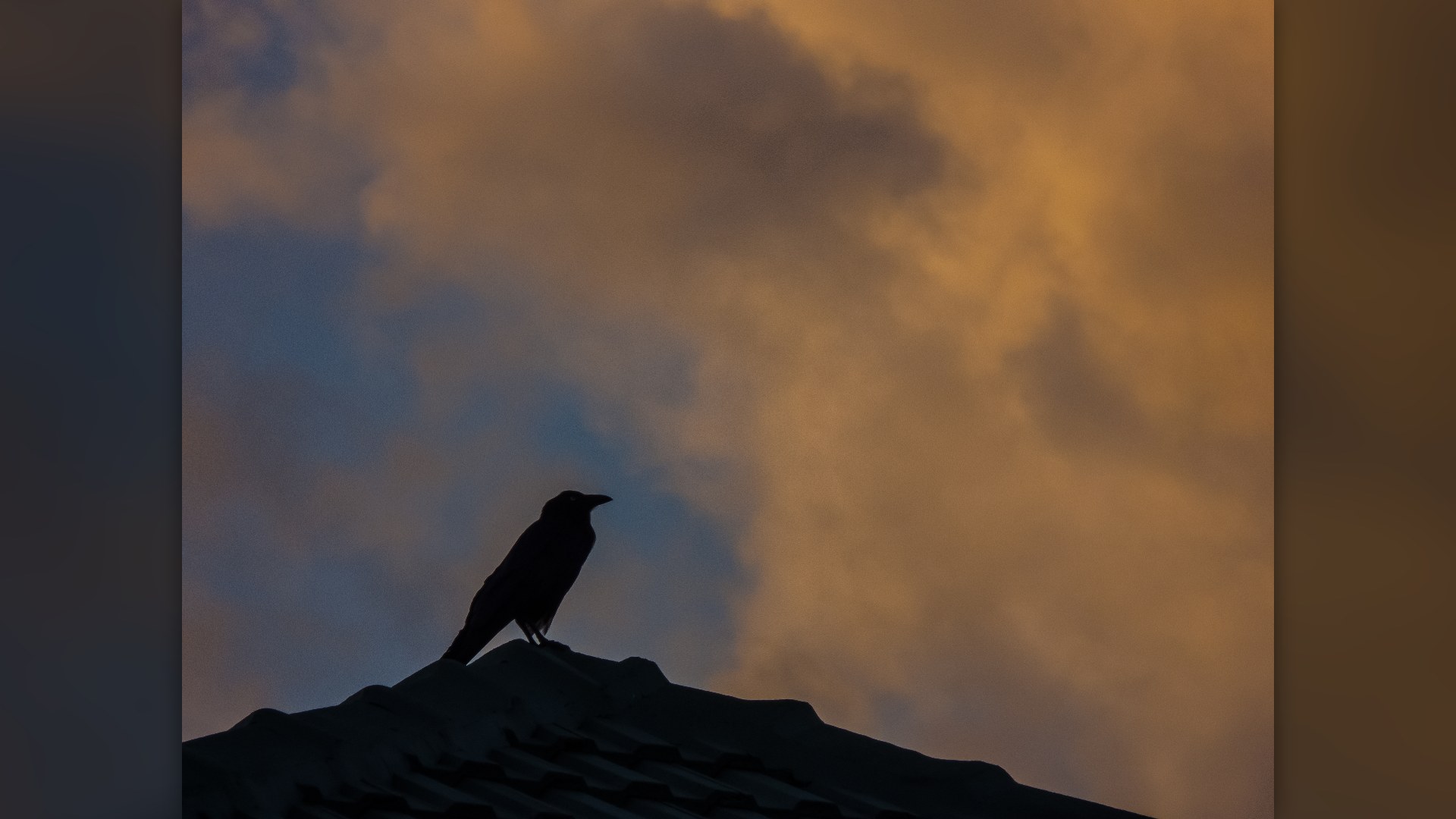
Because crows share information across flocks and pass memories down to offspring, mistreating a bird creates a permanent enemy list that outlasts individual lifespans.

©Wikimedia / Simon P
Advertisement
You've reached the end of the story. Thanks for reading!

How Long Do Hippos Live? 20 Other Facts About Hippos
From sixty-year lifespans to whale cousins, discover secrets of river giants
All 13 Entries in this Story
1. The Mask Experiment In Seattle
In 2006, wildlife biologist John Marzluff led a study on the Seattle campus. Researchers wore a rubber caveman mask while safely trapping and banding small groups of wild American crows.

2. Memorizing Human Facial Geometry
When scientists later walked through campus in different clothes, the birds still recognized the specific facial features of the caveman mask while ignoring a neutral control mask.

3. Warning Calls And Aerial Mobbing
Crows swooped down from canopies, snapping their beaks inches from the masked walker head. They emitted harsh warning rattles that summoned neighboring birds to join the attack.

4. Social Learning In The Flock
Within weeks, the percentage of campus crows mobbing the mask jumped from 20 percent to over 60 percent. Unbanded crows learned that the face was dangerous by observing flock mates.

5. Generational Grudges Passed Down
Parent crows taught their offspring to target the dangerous individual. When the chicks matured into adult birds, they actively mobbed the masked researcher without ever experiencing capture.

6. Remembering Enemies For A Decade
Follow up tests five years after the initial trapping showed aggressive scolding remained just as intense. Even when the mask appeared rarely, the birds remembered the grudge.

7. High Neuron Density In The Forebrain
Crows do not have a mammalian cerebral cortex. Instead, their forebrain contains a densely wired area called the nidopallium, enabling complex reasoning and planning.

8. Brain Scans Reveal Threat Circuits
In 2012, Marzluff team ran brain scans on wild crows. Presenting the threatening mask activated subcortical structures equivalent to the mammalian amygdala and thalamus.

9. Encoding Threats Into Alarm Caws
Acoustic analysis shows crows adjust call duration and frequency depending on the threat. Other crows hear the alarm and immediately scan the area for the designated person.

10. Advanced Problem Solving And Tools
Crows drop walnuts into pedestrian crosswalks, wait for car tires to crush the shells, and safely retrieve the nutmeat during red lights when cars stop.

11. Rewarding Friends With Gifts
People who routinely feed neighborhood crows report receiving small tokens such as polished glass, coins, and paper clips left behind on feeding platforms.

12. Winter Roosts As Information Hubs
During autumn and winter, crows gather in roosts containing up to 50,000 birds. Researchers believe these massive gatherings help birds spread reports of local food sources and human dangers.

13. Why You Should Never Cross A Crow
Because crows share information across flocks and pass memories down to offspring, mistreating a bird creates a permanent enemy list that outlasts individual lifespans.