Slideshow · Science
Why Do You Crave Pumpkin Spice? The Science of Fall Cravings, Ranked
18 neuroscience and psychology reasons your brain craves pumpkin spice in fall.
By Most Viral Today
29 Oct 2026

How Scent, Memory, and Dopamine Wire Your Brain for Autumn Flavors 
18. The Power Of "Taste Nostalgia" 
17. Olfactory Memory Evocation 
16. Artificial Scarcity - AdvertisementSwipe or tap ▶ to continue countdown

15. The Dopamine Trap 
14. Temporal Landmarks 
13. The Cozy Construct 
12. The Bandwagon Effect - AdvertisementSwipe or tap ▶ to continue countdown

11. Evolutionary Biology 
10. Natural Aphrodisiac Effects 
9. Anticipatory Coping 
8. Neurological Calming - AdvertisementSwipe or tap ▶ to continue countdown

7. Scent Over Taste 
6. High-Status Colonial History 
5. Brain Prediction Machinery 
4. Emotional Satiation - AdvertisementSwipe or tap ▶ to continue countdown

3. Seasonal Reactance Theory 
2. Gut-Brain Disruption 
1. Cognitive Enhancement - Advertisement🔥 UP NEXT IN THIS SERIES◫ 23 Slides

22 Most Secret World War II Aircraft Tested Behind Closed Doors
Between 1939 and 1945, Allied and Axis engineers built jets, flying wings and rocket interceptors in deep wartime secrecy. Ranked from 22 to 1 by historical secrecy and technical leap, this countdown draws on archival records from the Smithsonian, U.S. Air Force Museum, RAF Museum and German Federal Archives.
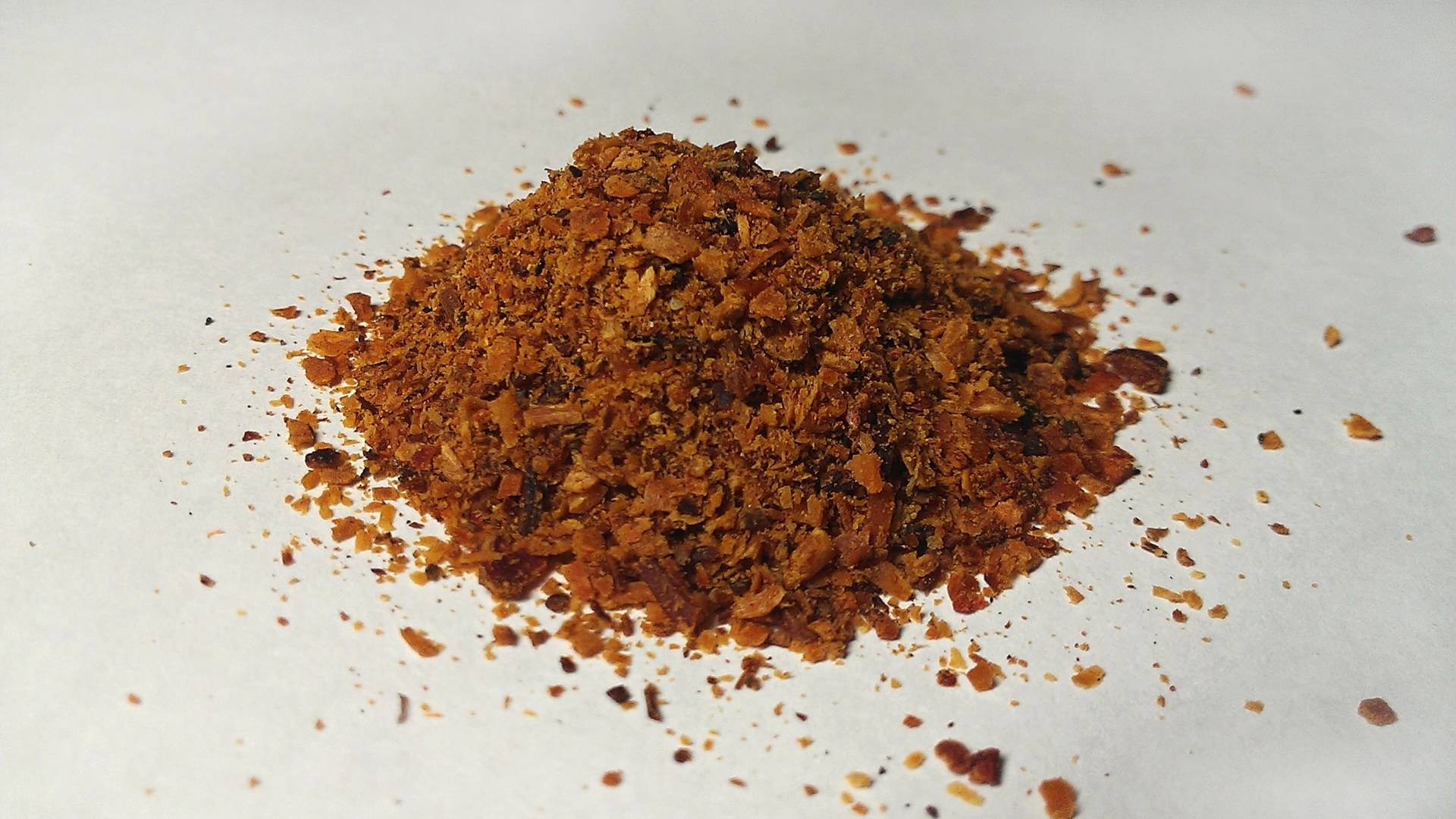
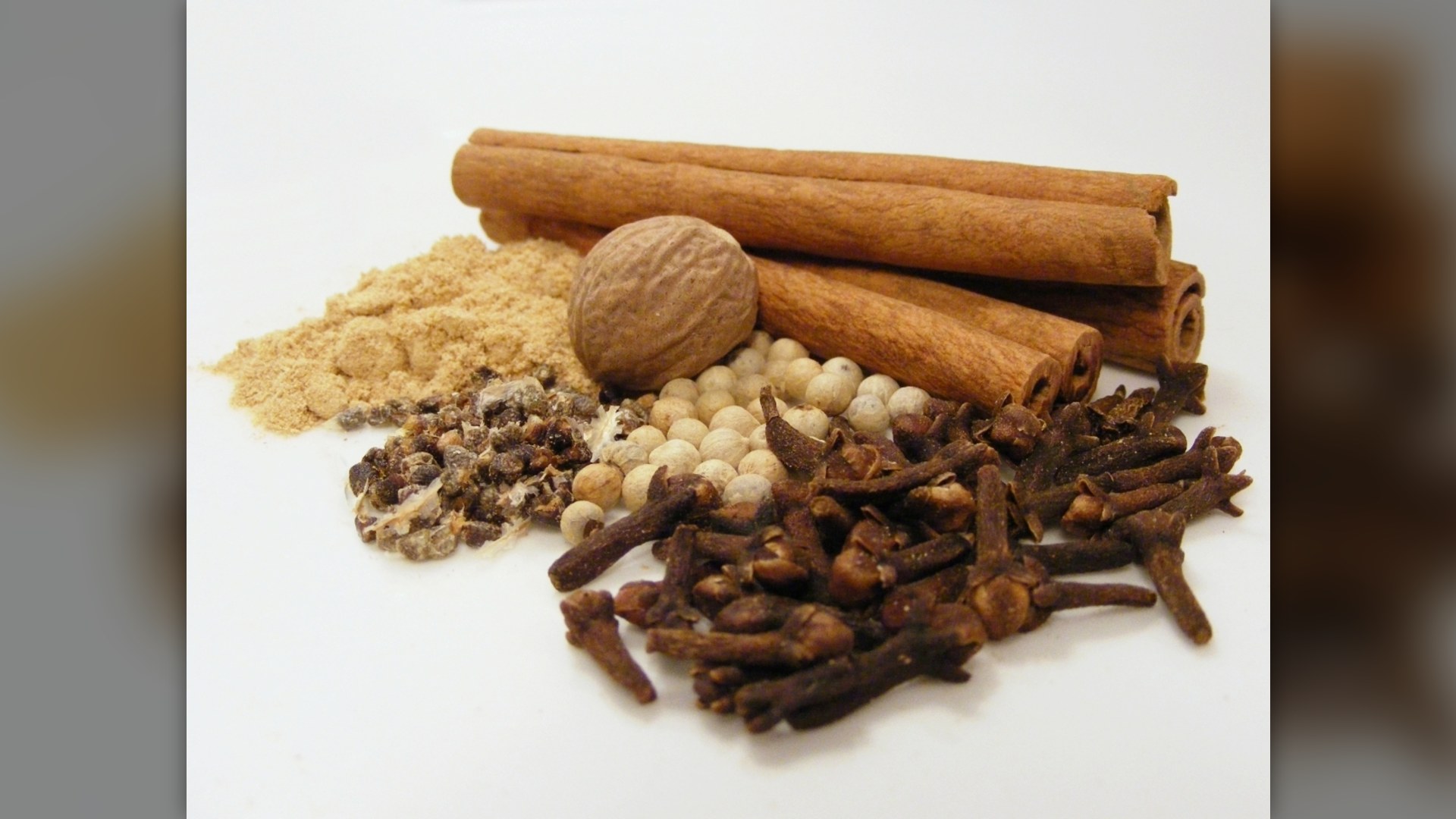
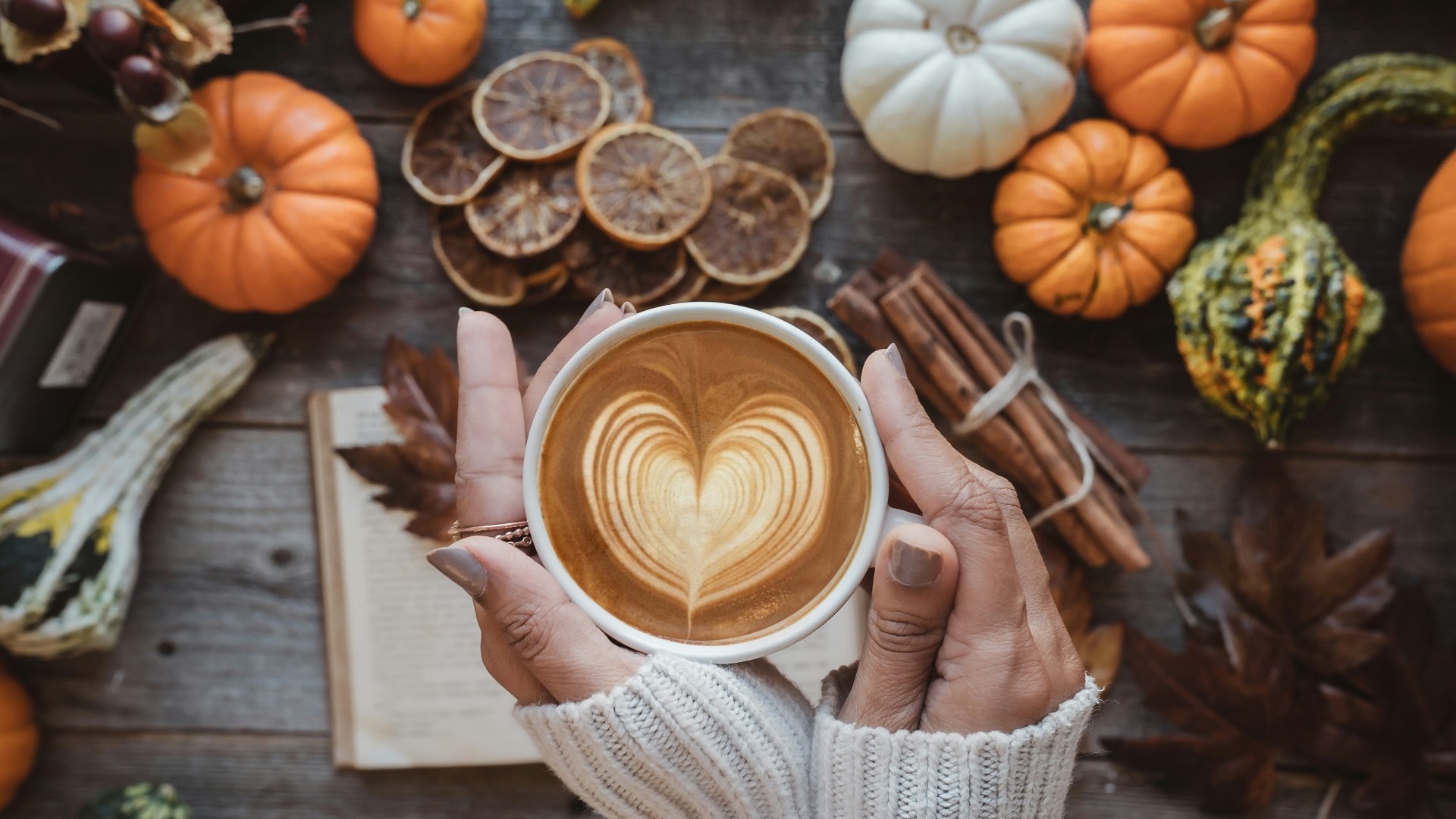
Every September, millions of people experience a sudden urge for cinnamon, nutmeg, clove, and ginger. Neuroscientists and consumer psychologists have found that pumpkin spice cravings have almost nothing to do with actual pumpkin. Instead, 18 biological and psychological mechanisms drive the seasonal obsession.
Swipe or tap ▶ to begin the countdown
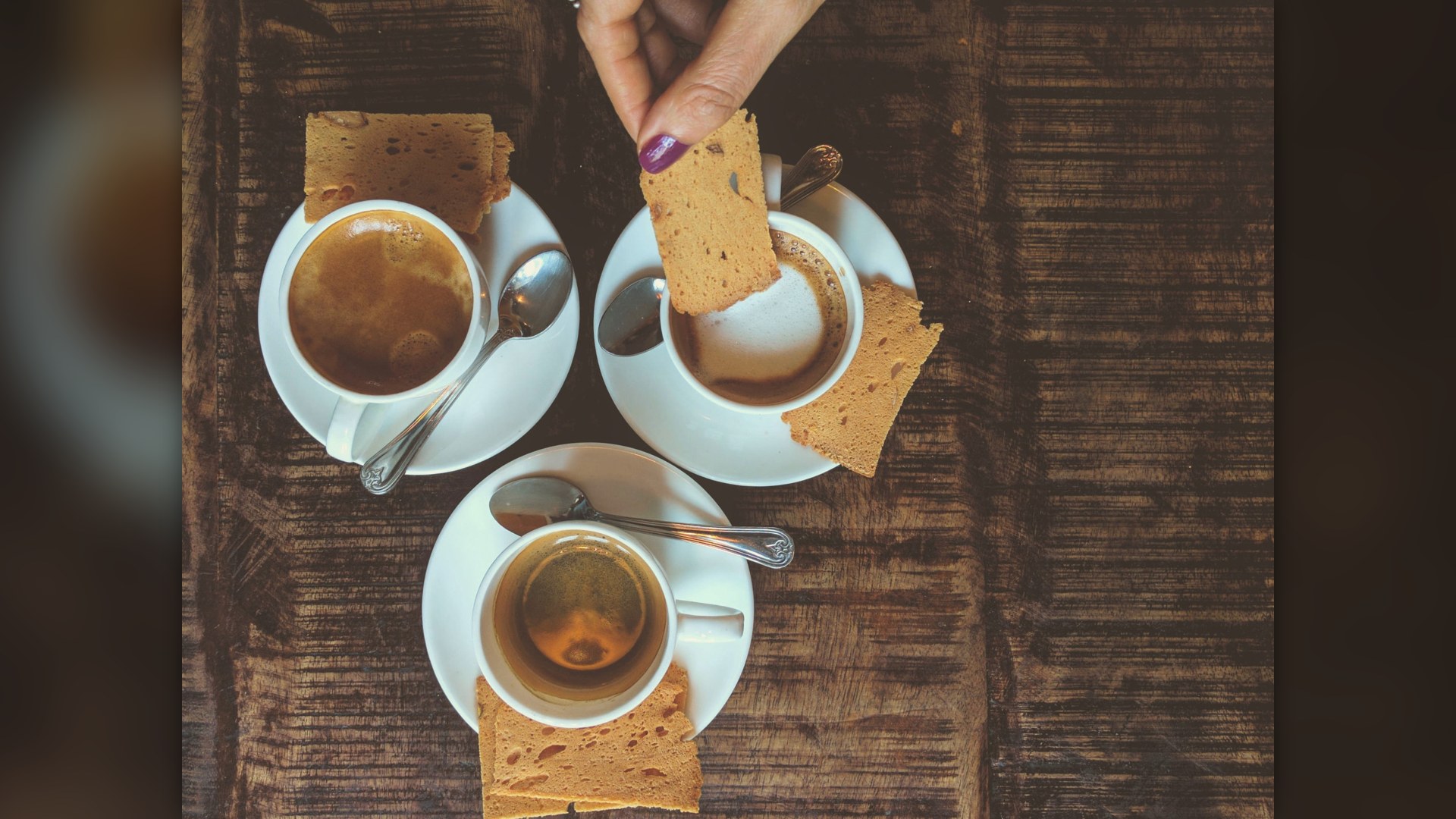
© Photo by Prchi Palwe on Unsplash
18. The Power Of "Taste Nostalgia"
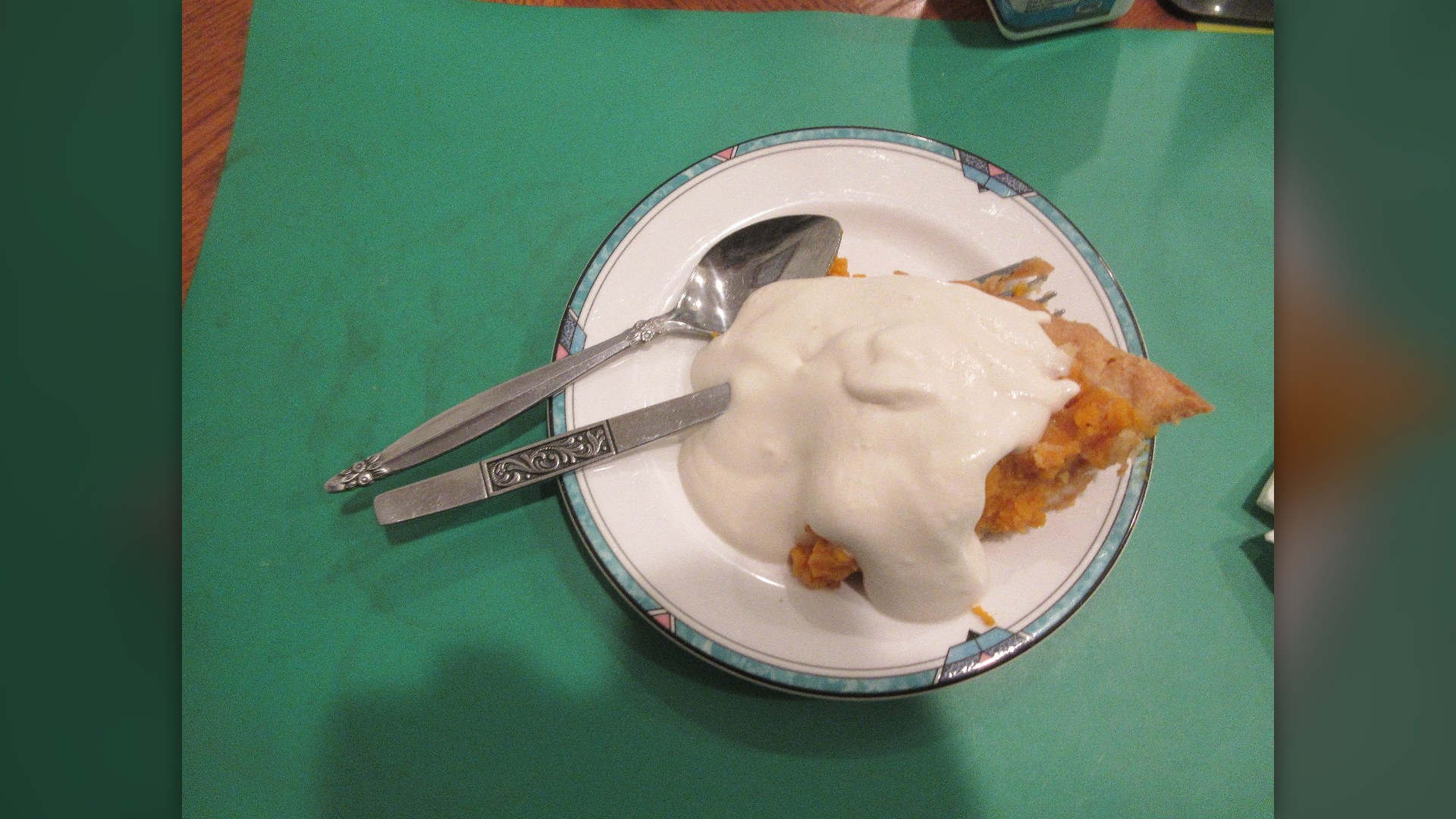
How childhood holiday memories wire the brain. Long before you ever tasted a seasonal coffee drink, your brain linked cinnamon, nutmeg, and clove to Thanksgiving pies and childhood family gatherings. Tasting those spices in adulthood reactivates those comforting neural pathways.
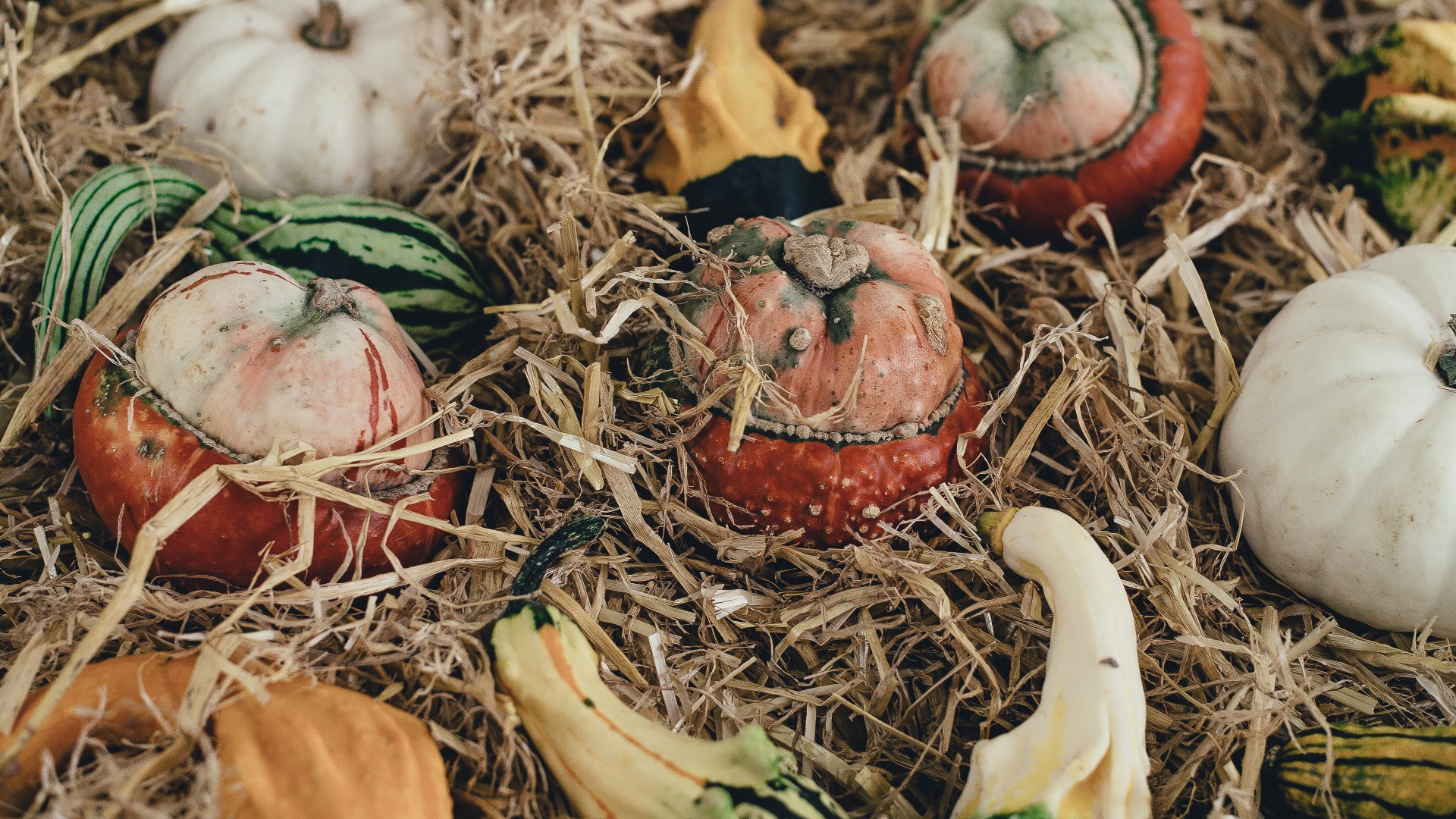
©Wikimedia / Infrogmation of New Orleans
17. Olfactory Memory Evocation
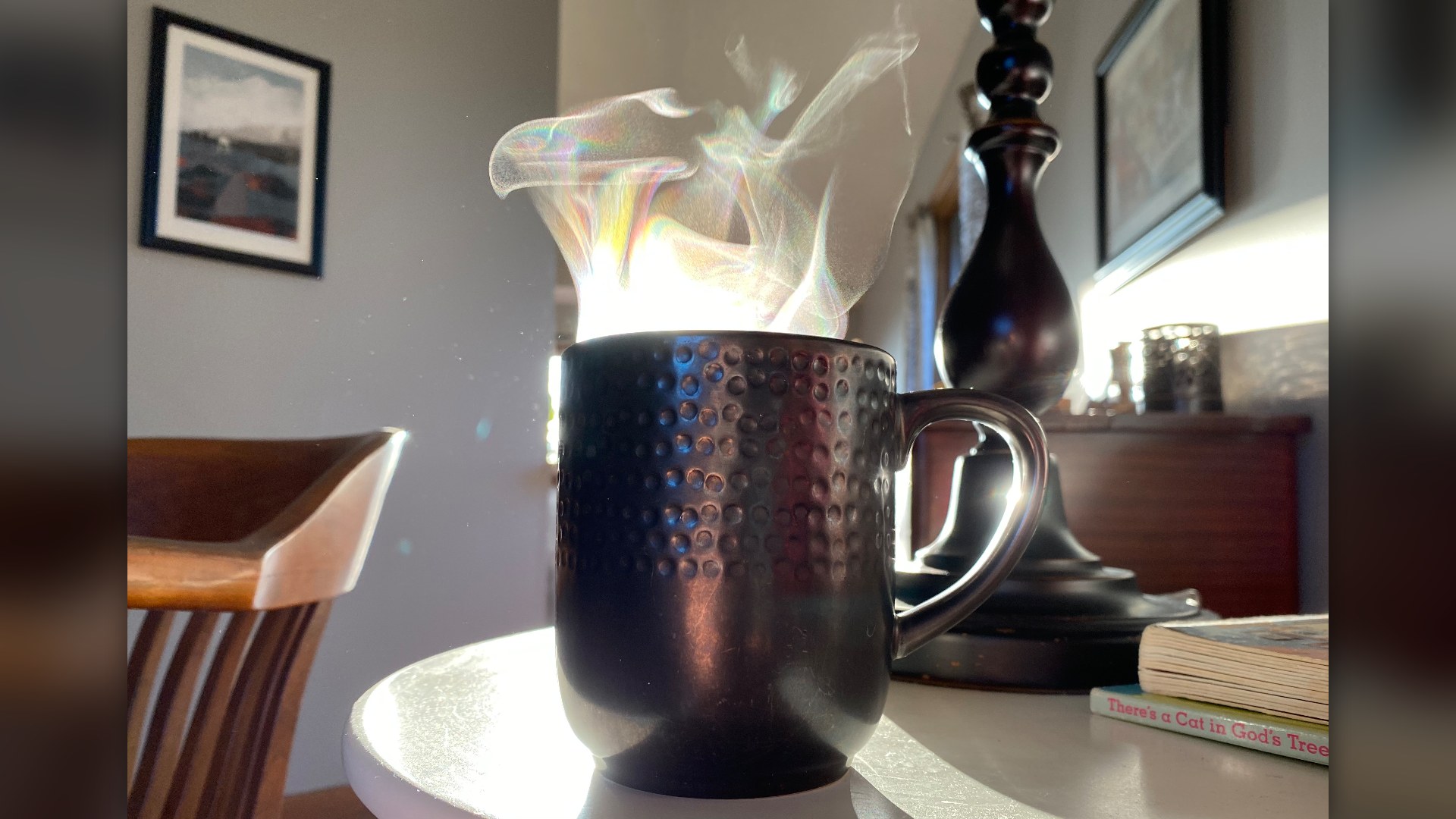
Why smell directly activates the brain's emotional center. Unlike sight or sound, olfactory signals bypass the thalamus and travel directly to the amygdala and hippocampus. A single whiff of steaming pumpkin spice triggers an immediate emotional response before conscious thought begins.
©Wikimedia / PedanticNarrativeController
16. Artificial Scarcity
The psychological urge driven by limited-time offers. If pumpkin spice lattes were sold in July, demand would plummet. Knowing the flavor disappears after autumn triggers loss aversion, making the brain value the item far higher simply because time is running out.
©Wikimedia / Business Slayer
Advertisement
Swipe or tap ▶ to resume the countdown.
15. The Dopamine Trap
How sugar loading exploits the neural reward system. A standard 16-ounce seasonal spiced latte contains roughly 50 grams of sugar alongside dairy fat and caffeine. That combination triggers a rapid dopamine surge in the brain's nucleus accumbens, reinforcing the habit loop.
©Wikimedia / Lotus Head
14. Temporal Landmarks
How Americans use seasonal rituals as comforting anchor points. Behavioral scientists note that humans rely on temporal landmarks to mentally organize the year. Ordering the first autumn drink acts as a ceremonial transition from summer chaos into a structured new season.
©Wikimedia / Michael Barera
13. The Cozy Construct
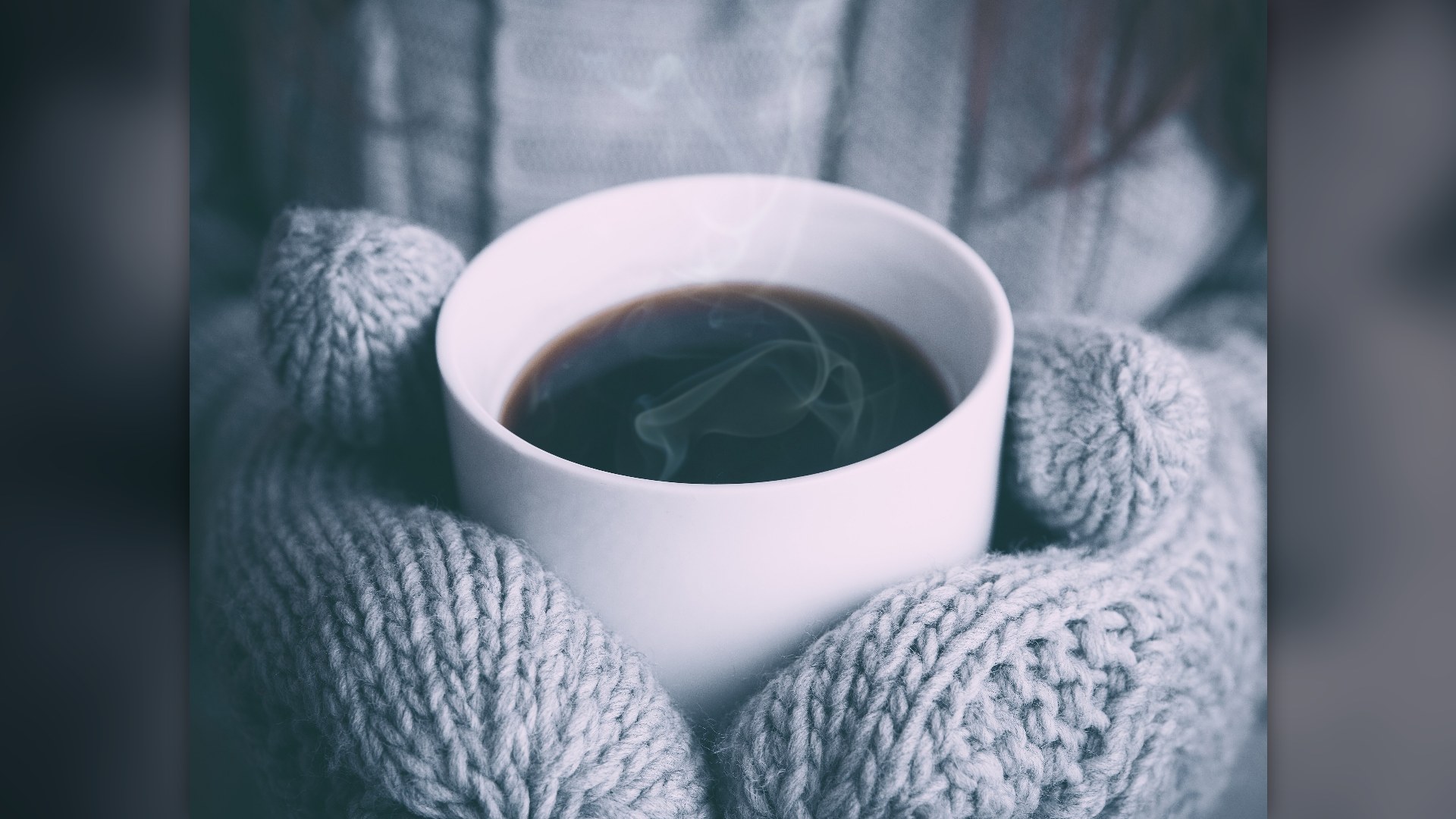
Cultural comfort associations of flannel, falling leaves, and warm cups. Psychological studies on embodied cognition show that holding a warm cup activates the insular cortex, increasing feelings of emotional comfort, safety, and interpersonal warmth.
©Wikimedia / Alisa Anton
12. The Bandwagon Effect
Social media, group identity, and the human desire to belong. When autumn feeds fill with seasonal cups and bakery trips, social proof kicks in. Participating in a shared cultural ritual satisfies the human need for group affiliation and seasonal camaraderie.
©Wikimedia / Hans Vivek
Advertisement
Swipe or tap ▶ to resume the countdown.
11. Evolutionary Biology
The ancient human urge to calorie-load before winter. For millennia, autumn was the final window to store body fat before winter scarcity. Falling temperatures and shorter days still cue the hypothalamus to increase appetite for calorie-dense carbohydrates and fats.
©Wikimedia / Annie Spratt
10. Natural Aphrodisiac Effects
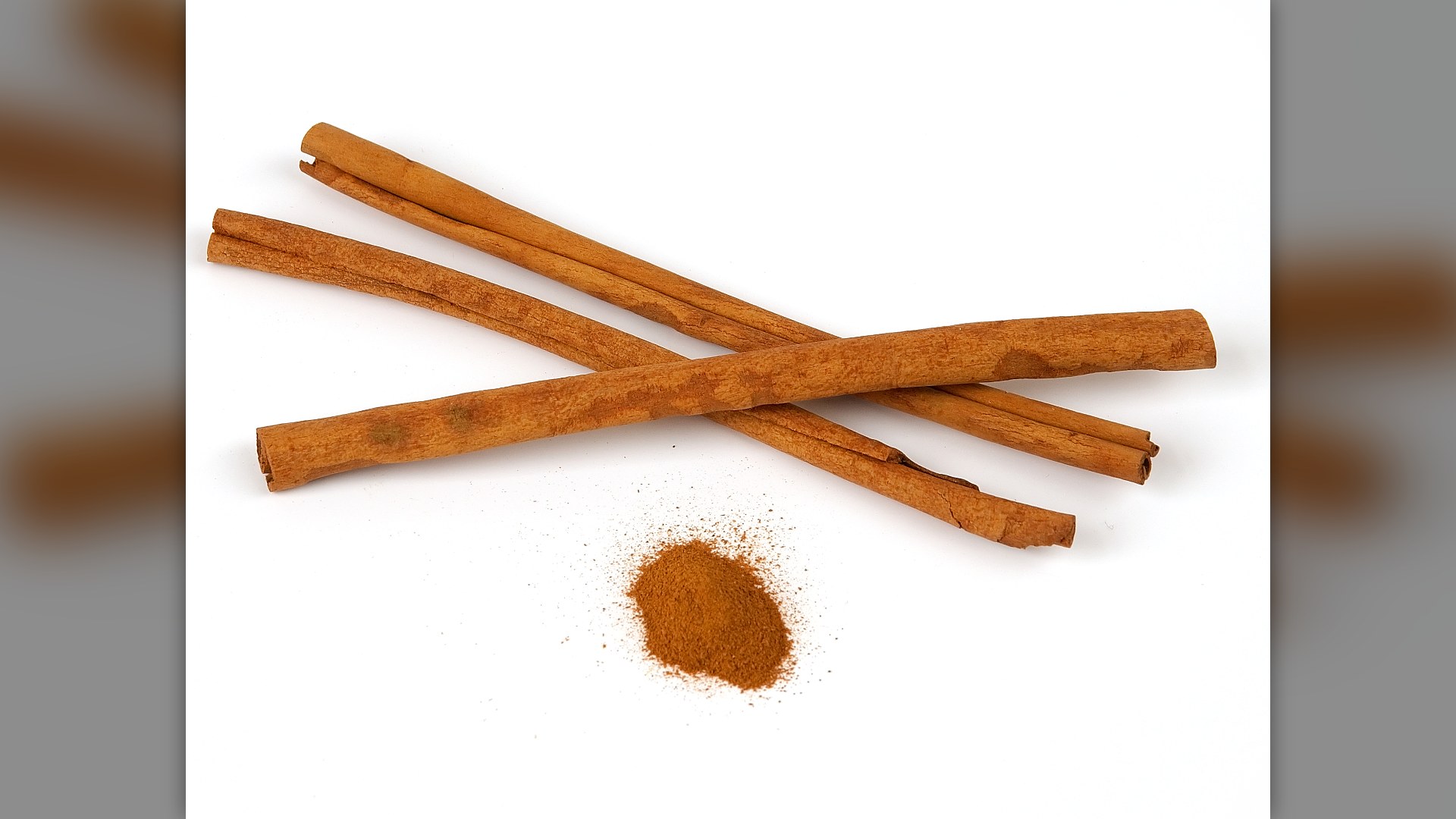
The energising and stimulating power of cinnamon. Cinnamon is rich in cinnamaldehyde, an organic compound that activates thermoreceptors, increases blood flow, and mildly stimulates the central nervous system. Clinical aroma studies have even linked cinnamon scent to heightened arousal.
©Wikimedia / Luc Viatour
9. Anticipatory Coping
Mental bracing for cooler, shorter, and darker winter days. As sunset arrives earlier each evening, many people subconsciously brace for winter gloom. Treating yourself to a warm, spiced drink functions as an anticipatory coping mechanism that lifts daily mood.
©Wikimedia / PICSELI
8. Neurological Calming
Nutmeg's antidepressant-like effects on serotonergic systems. Whole nutmeg contains volatile oils including myristicin and elemicin. In culinary trace amounts, these compounds interact with serotonin and monoamine pathways to produce a subtle calming, mood-lifting effect.
©Wikimedia / Dominikmatus
Advertisement
Swipe or tap ▶ to resume the countdown.
7. Scent Over Taste
The overwhelming dominance of retronasal olfaction in flavor identity. Raw pumpkin flesh is mild and earthy. Up to 80 percent of what your brain registers as delicious flavor actually comes from retronasal olfaction as warm spice vapors rise from the back of the mouth into the nasal cavity.
©Wikimedia / FotoosVanRobin
6. High-Status Colonial History
The subconscious prestige of historically rare spices. For centuries, nutmeg, cloves, and cinnamon were among the most expensive commodities on Earth, traded like gold and reserved for aristocratic banquets. That cultural association with holiday luxury still lingers in Western cuisine.
©Wikimedia / Wilfredor
5. Brain Prediction Machinery
How sensory cues force us to adapt to changing seasons. Under predictive coding theory, the brain constantly builds sensory expectations from environmental cues. Seeing amber leaves and feeling crisp air primes your gustatory cortex to expect roasted, spiced flavors.
©Wikimedia / ForestWander
4. Emotional Satiation
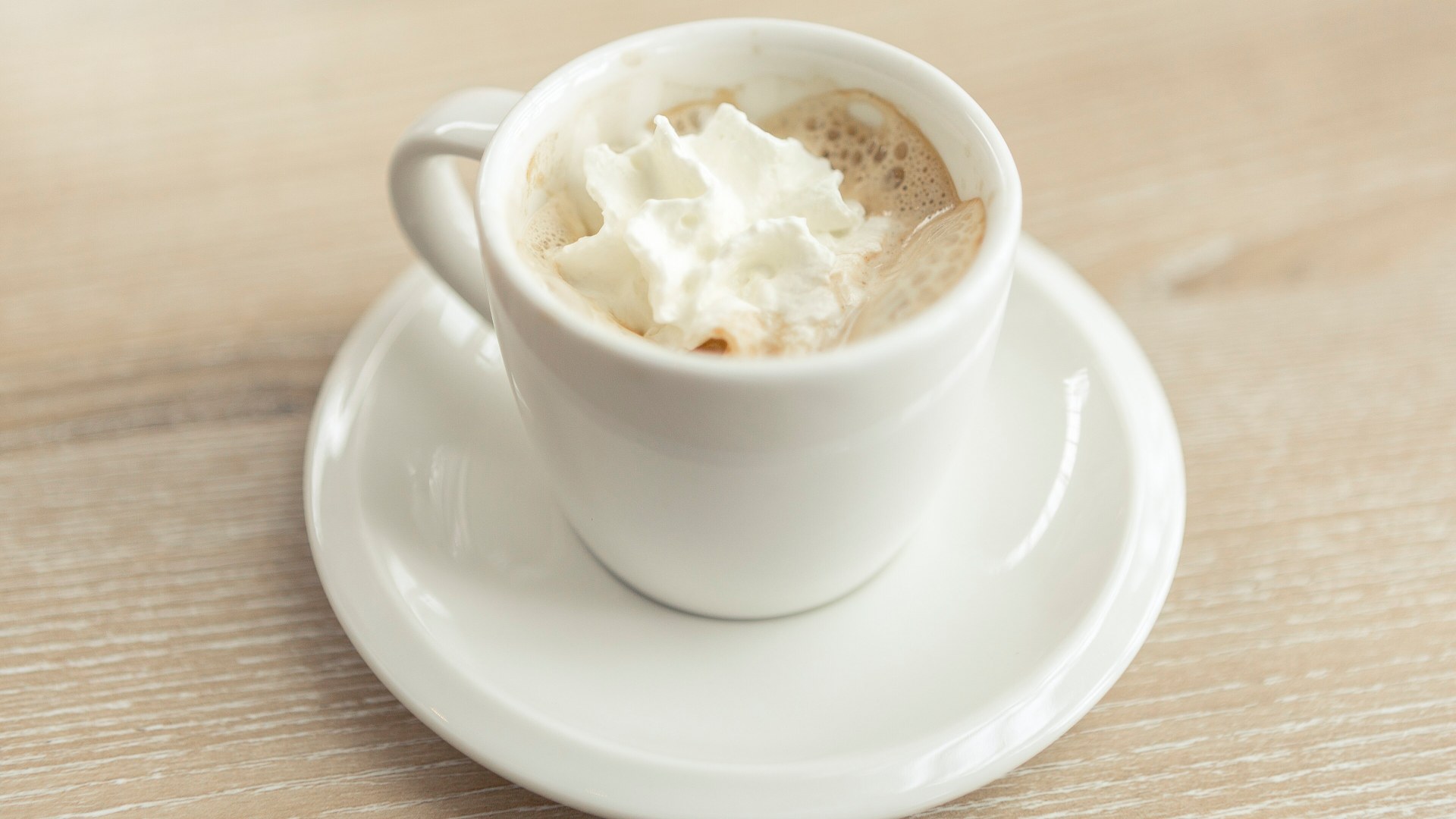
The stress-reducing properties of dietary fats and cream. Steamed whole milk and whipped cream do more than soften bitter espresso. When fatty acids reach the upper digestive tract, they trigger gut hormones and vagus nerve signals that measurably dampen acute stress responses.
©Wikimedia / Daniel Robert
Advertisement
Swipe or tap ▶ to resume the countdown.
3. Seasonal Reactance Theory
Resisting the psychological threat of availability limits. According to psychological reactance theory, whenever people feel their freedom to choose an item is restricted by a short calendar window, they experience a motivational surge to claim it before the window closes.
©Wikimedia / Tomwsulcer
2. Gut-Brain Disruption
How autumntime routine changes spike comfort-food cravings. Back-to-school schedules, heavier workloads, and reduced sunlight alter circadian rhythms and gut microbiome signaling. Those shifts lower baseline serotonin and amplify cravings for fast-digesting spiced pastries and drinks.
©Wikimedia / Horacio Cambeiro
1. Cognitive Enhancement
Serotonin boosts from coupled terpenes and caffeine. Cloves, ginger, nutmeg, and cinnamon contain bioactive terpenes such as eugenol and cineole. Paired with caffeine's adenosine-blocking kick, these compounds create a dual lift in mental alertness and positive mood.

©Wikimedia / MarkSweep
Advertisement
You've reached the end of the story. Thanks for reading!

22 Most Secret World War II Aircraft Tested Behind Closed Doors
Between 1939 and 1945, Allied and Axis engineers built jets, flying wings and rocket interceptors in deep wartime secrecy. Ranked from 22 to 1 by historical secrecy and technical leap, this countdown draws on archival records from the Smithsonian, U.S. Air Force Museum, RAF Museum and German Federal Archives.
All 18 Entries in this Story
1. The Power Of "Taste Nostalgia"
How childhood holiday memories wire the brain. Long before you ever tasted a seasonal coffee drink, your brain linked cinnamon, nutmeg, and clove to Thanksgiving pies and childhood family gatherings. Tasting those spices in adulthood reactivates those comforting neural pathways.

2. Olfactory Memory Evocation
Why smell directly activates the brain's emotional center. Unlike sight or sound, olfactory signals bypass the thalamus and travel directly to the amygdala and hippocampus. A single whiff of steaming pumpkin spice triggers an immediate emotional response before conscious thought begins.

3. Artificial Scarcity
The psychological urge driven by limited-time offers. If pumpkin spice lattes were sold in July, demand would plummet. Knowing the flavor disappears after autumn triggers loss aversion, making the brain value the item far higher simply because time is running out.

4. The Dopamine Trap
How sugar loading exploits the neural reward system. A standard 16-ounce seasonal spiced latte contains roughly 50 grams of sugar alongside dairy fat and caffeine. That combination triggers a rapid dopamine surge in the brain's nucleus accumbens, reinforcing the habit loop.

5. Temporal Landmarks
How Americans use seasonal rituals as comforting anchor points. Behavioral scientists note that humans rely on temporal landmarks to mentally organize the year. Ordering the first autumn drink acts as a ceremonial transition from summer chaos into a structured new season.

6. The Cozy Construct
Cultural comfort associations of flannel, falling leaves, and warm cups. Psychological studies on embodied cognition show that holding a warm cup activates the insular cortex, increasing feelings of emotional comfort, safety, and interpersonal warmth.

7. The Bandwagon Effect
Social media, group identity, and the human desire to belong. When autumn feeds fill with seasonal cups and bakery trips, social proof kicks in. Participating in a shared cultural ritual satisfies the human need for group affiliation and seasonal camaraderie.

8. Evolutionary Biology
The ancient human urge to calorie-load before winter. For millennia, autumn was the final window to store body fat before winter scarcity. Falling temperatures and shorter days still cue the hypothalamus to increase appetite for calorie-dense carbohydrates and fats.

9. Natural Aphrodisiac Effects
The energising and stimulating power of cinnamon. Cinnamon is rich in cinnamaldehyde, an organic compound that activates thermoreceptors, increases blood flow, and mildly stimulates the central nervous system. Clinical aroma studies have even linked cinnamon scent to heightened arousal.

10. Anticipatory Coping
Mental bracing for cooler, shorter, and darker winter days. As sunset arrives earlier each evening, many people subconsciously brace for winter gloom. Treating yourself to a warm, spiced drink functions as an anticipatory coping mechanism that lifts daily mood.

11. Neurological Calming
Nutmeg's antidepressant-like effects on serotonergic systems. Whole nutmeg contains volatile oils including myristicin and elemicin. In culinary trace amounts, these compounds interact with serotonin and monoamine pathways to produce a subtle calming, mood-lifting effect.

12. Scent Over Taste
The overwhelming dominance of retronasal olfaction in flavor identity. Raw pumpkin flesh is mild and earthy. Up to 80 percent of what your brain registers as delicious flavor actually comes from retronasal olfaction as warm spice vapors rise from the back of the mouth into the nasal cavity.

13. High-Status Colonial History
The subconscious prestige of historically rare spices. For centuries, nutmeg, cloves, and cinnamon were among the most expensive commodities on Earth, traded like gold and reserved for aristocratic banquets. That cultural association with holiday luxury still lingers in Western cuisine.

14. Brain Prediction Machinery
How sensory cues force us to adapt to changing seasons. Under predictive coding theory, the brain constantly builds sensory expectations from environmental cues. Seeing amber leaves and feeling crisp air primes your gustatory cortex to expect roasted, spiced flavors.

15. Emotional Satiation
The stress-reducing properties of dietary fats and cream. Steamed whole milk and whipped cream do more than soften bitter espresso. When fatty acids reach the upper digestive tract, they trigger gut hormones and vagus nerve signals that measurably dampen acute stress responses.

16. Seasonal Reactance Theory
Resisting the psychological threat of availability limits. According to psychological reactance theory, whenever people feel their freedom to choose an item is restricted by a short calendar window, they experience a motivational surge to claim it before the window closes.

17. Gut-Brain Disruption
How autumntime routine changes spike comfort-food cravings. Back-to-school schedules, heavier workloads, and reduced sunlight alter circadian rhythms and gut microbiome signaling. Those shifts lower baseline serotonin and amplify cravings for fast-digesting spiced pastries and drinks.

18. Cognitive Enhancement
Serotonin boosts from coupled terpenes and caffeine. Cloves, ginger, nutmeg, and cinnamon contain bioactive terpenes such as eugenol and cineole. Paired with caffeine's adenosine-blocking kick, these compounds create a dual lift in mental alertness and positive mood.