Slideshow · Viral
Why Gaining An Hour In Autumn Disrupts Your Brain, Heart, And Hormones
Gaining an extra hour of sleep sounds like a luxury, but the autumn time shift wreaks subtle havoc on your hormones, heart, and brain. From early melatonin surges to appetite spikes, here is how falli






All 10 Entries in this Story
10. The 'Free Hour' Sleep Myth
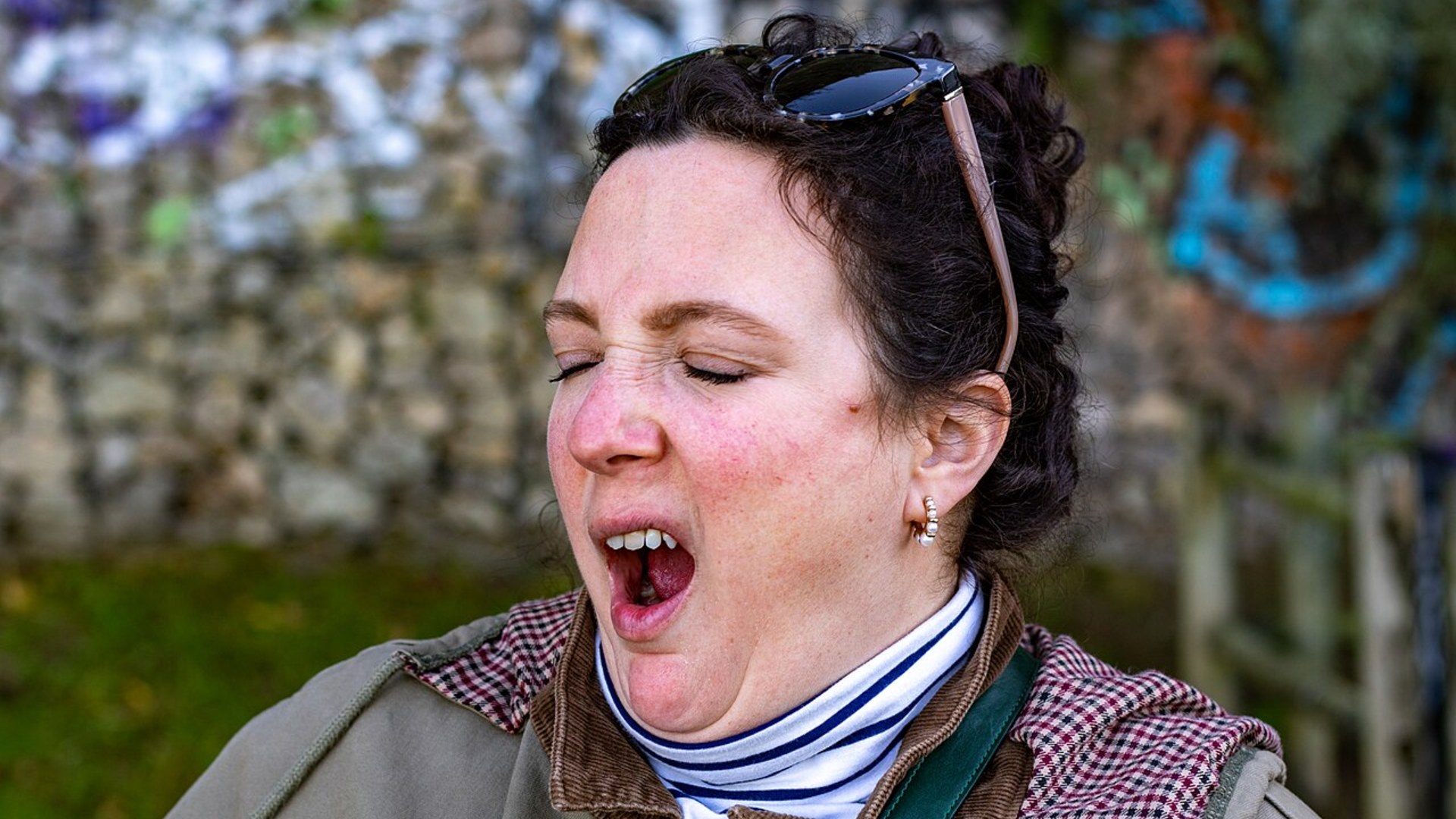
Studies show that despite gaining an extra hour on the clock, the majority of people only gain an average of 12 to 15 minutes of additional sleep. Your established internal biological rhythm often triggers natural wakefulness at your usual body-clock time.
9. Circadian Clock Desynchronization
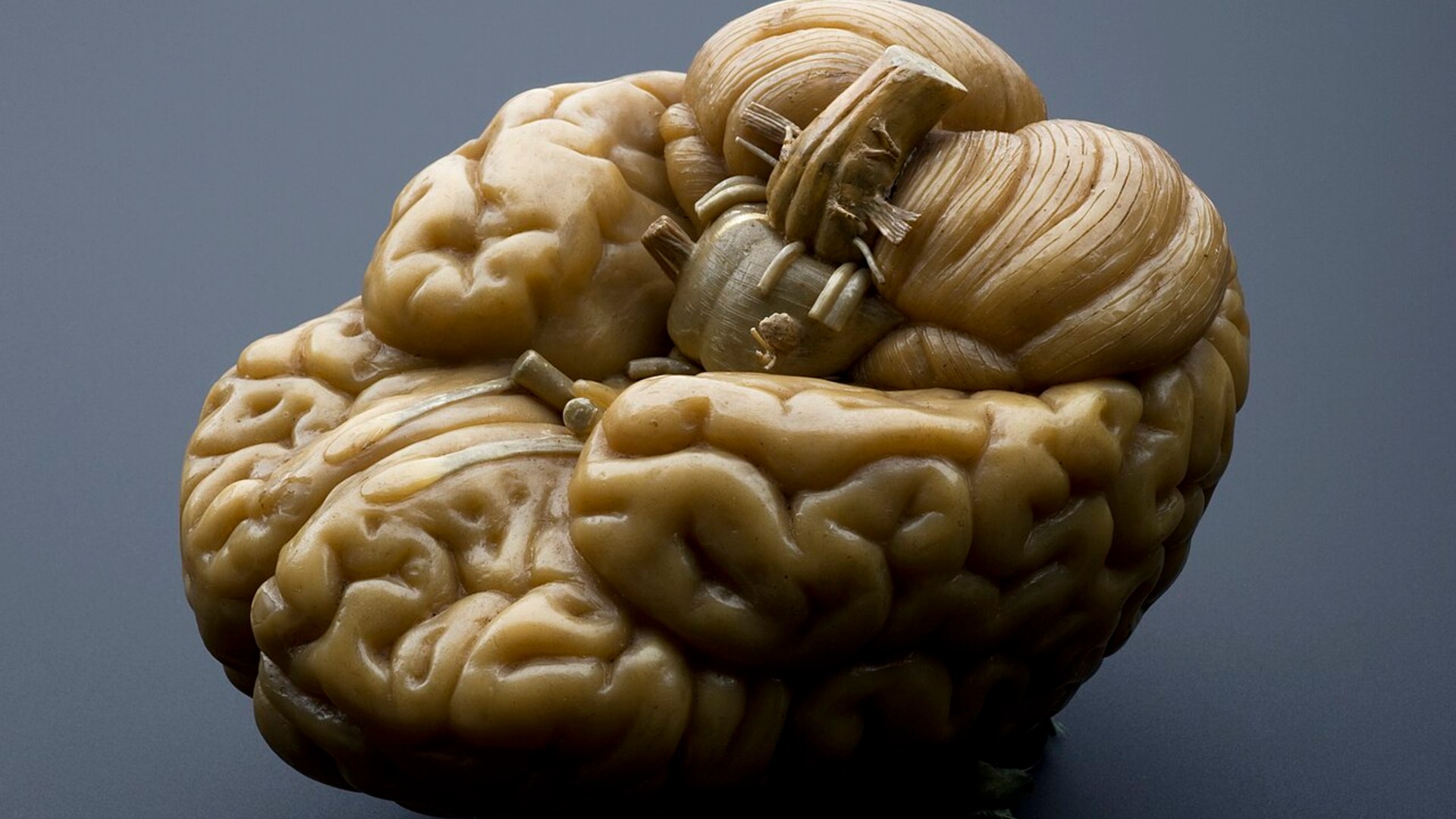
Deep within the brain, the suprachiasmatic nucleus coordinates your 24-hour circadian rhythm using natural light signals. Abruptly shifting societal time by 60 minutes creates social jet lag, leaving cellular clocks throughout your organs temporarily out of rhythm.
8. The Premature Melatonin Shift
Melatonin, the body's natural sleep hormone, is stimulated by darkness. When the sun sets an hour earlier post-fallback, the pineal gland begins secreting melatonin prematurely, leaving many feeling unusually sluggish and sleepy by late afternoon.
7. The Morning Cortisol Surge
Cortisol naturally surges about 30 to 45 minutes before you wake up to prepare your body for daytime activity. Because your internal clock is still running on summer time, this morning hormone spike occurs an hour early, leading to fragmented sleep.
6. Late-Afternoon Sugar Cravings
Even minor circadian misalignment disrupts the hormonal balance between leptin (fullness) and ghrelin (hunger). As your body searches for quick energy to combat afternoon drowsiness, brain chemistry often drives sudden cravings for sugary snacks and carbohydrates.
5. The Seasonal Blues And Serotonin Drop
Losing an hour of late-afternoon sunlight limits natural vitamin D synthesis and reduces serotonin production in the brain. For vulnerable individuals, the abrupt transition can accelerate symptoms of Seasonal Affective Disorder (SAD) and low mood.
4. Cardiovascular Pressure Fluctuations
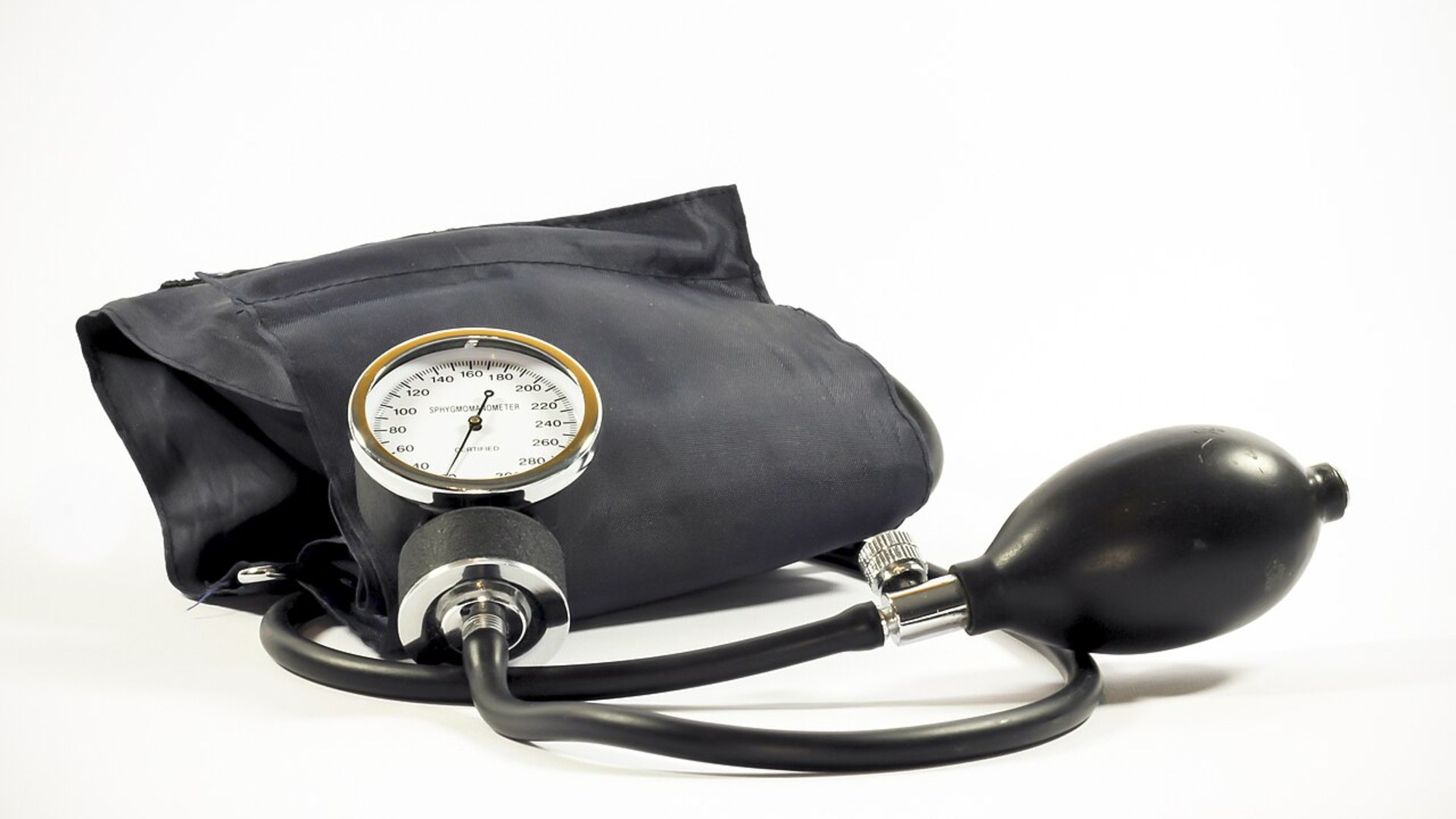
While the spring time change sees a well-documented spike in heart attacks, the autumn shift is not entirely benign. Chronobiological studies indicate that resetting the circadian cycle causes short-term fluctuations in blood pressure and heart rate variability.
3. Brain Fog And Daytime Fatigue
Sleep fragmentation and delayed sleep debt manifest as daytime cognitive fatigue. During the first week after falling back, workplaces frequently report higher rates of attentional errors, slower processing speeds, and midafternoon brain fog.
2. The Evening Commute Hazard Surge
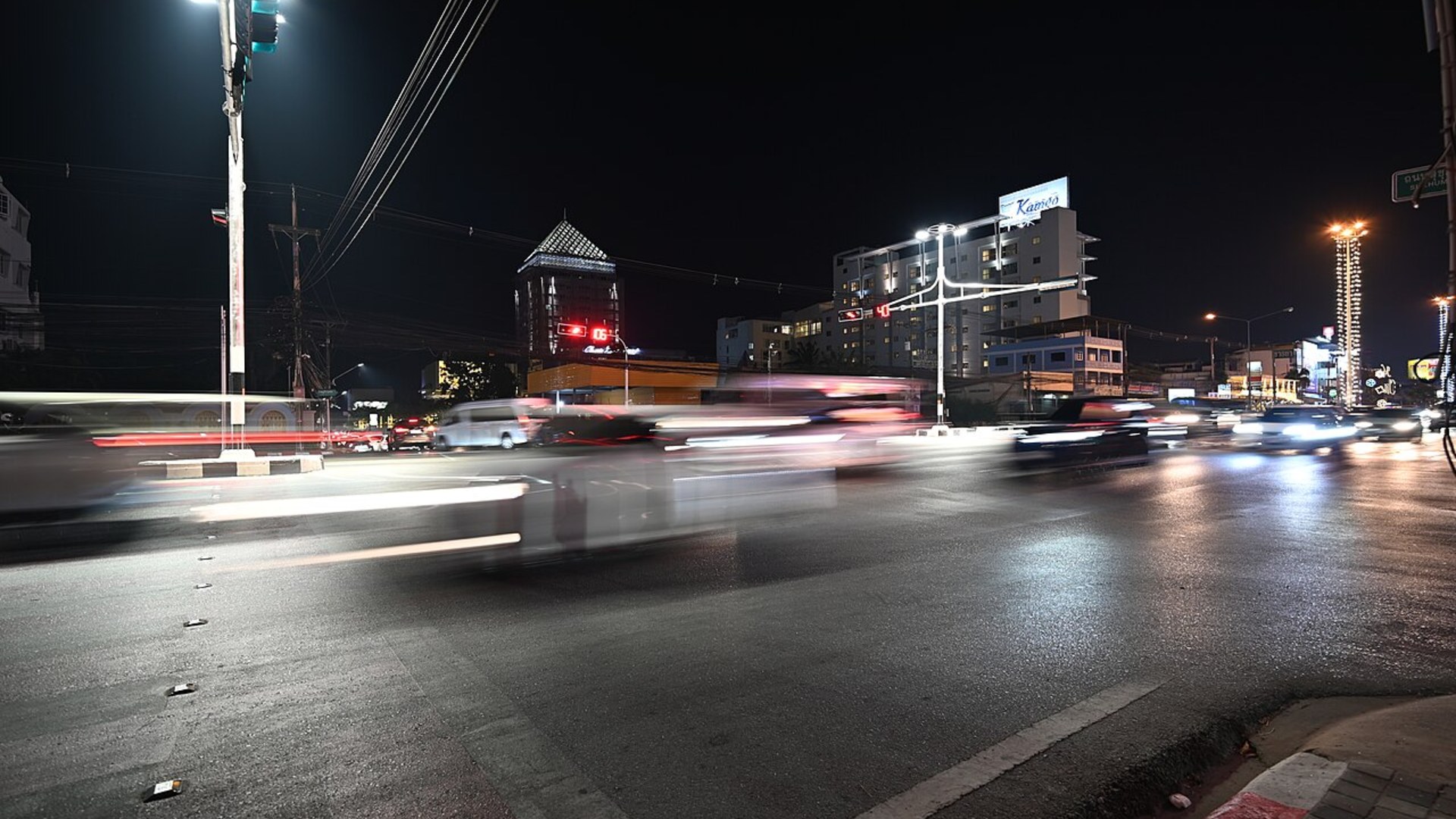
Transportation safety data consistently shows a significant increase in pedestrian and vehicular collisions during the evening rush hour following the time change. Commuters suddenly driving home in pitch darkness face reduced visibility compounded by tired drivers.
1. How To Reset Your Internal Clock
To help your body adapt rapidly, get 15 to 30 minutes of natural outdoor sunlight first thing in the morning. Morning photons directly signal your suprachiasmatic nucleus to halt melatonin, boost daytime alertness, and re-anchor your master clock within two days.