Slideshow · Viral
Why Is a Group of Crows Called a Murder? The 500-Year-Old Answer
From medieval hunting manuals to folklore about battlefield scavengers, discover the true history behind nature's most ominous collective noun.
By Most Viral Today
29 Oct 2026

Why Is A Group Of Crows Called A Murder? The 500-Year-Old Secret 
12. The Most Haunting Word In Nature 
11. The Book Of Saint Albans (1486) 
10. The Gentlemen's Language Game - AdvertisementSwipe or tap ▶ to continue countdown

9. Exaltations, Parliaments, And Prides 
8. Scavengers Of The Gallows 
7. The Ghosts Of Historic Battlefields 
6. The Legend Of The Feathered Trial - AdvertisementSwipe or tap ▶ to continue countdown

5. Real Crow Funerals And Threat Learning 
4. The Relentless Mobbing Attack 
3. Giant Roosts That Darken The Sky 
2. What Birdwatchers And Scientists Say - AdvertisementSwipe or tap ▶ to continue countdown

1. Why The 500-Year-Old Word Survived - Advertisement🔥 UP NEXT IN THIS SERIES◫ 21 Slides

20 Iconic Historical Photos and the Archive Clues Behind Them
Contact sheets, cracked glass plates, and NASA mission logs preserve the hidden steps behind 20 famous photographs. Drawing on records from the Library of Congress, the National Archives, NASA, and the Smithsonian, this countdown traces how cropping, camera setups, and double exposures shaped each frame.
For over five centuries, an unsettling collective noun has haunted the English language. Behind the phrase lies a blend of medieval hunting games, battlefield superstitions, and surprising avian biology.
Swipe or tap ▶ to begin the countdown
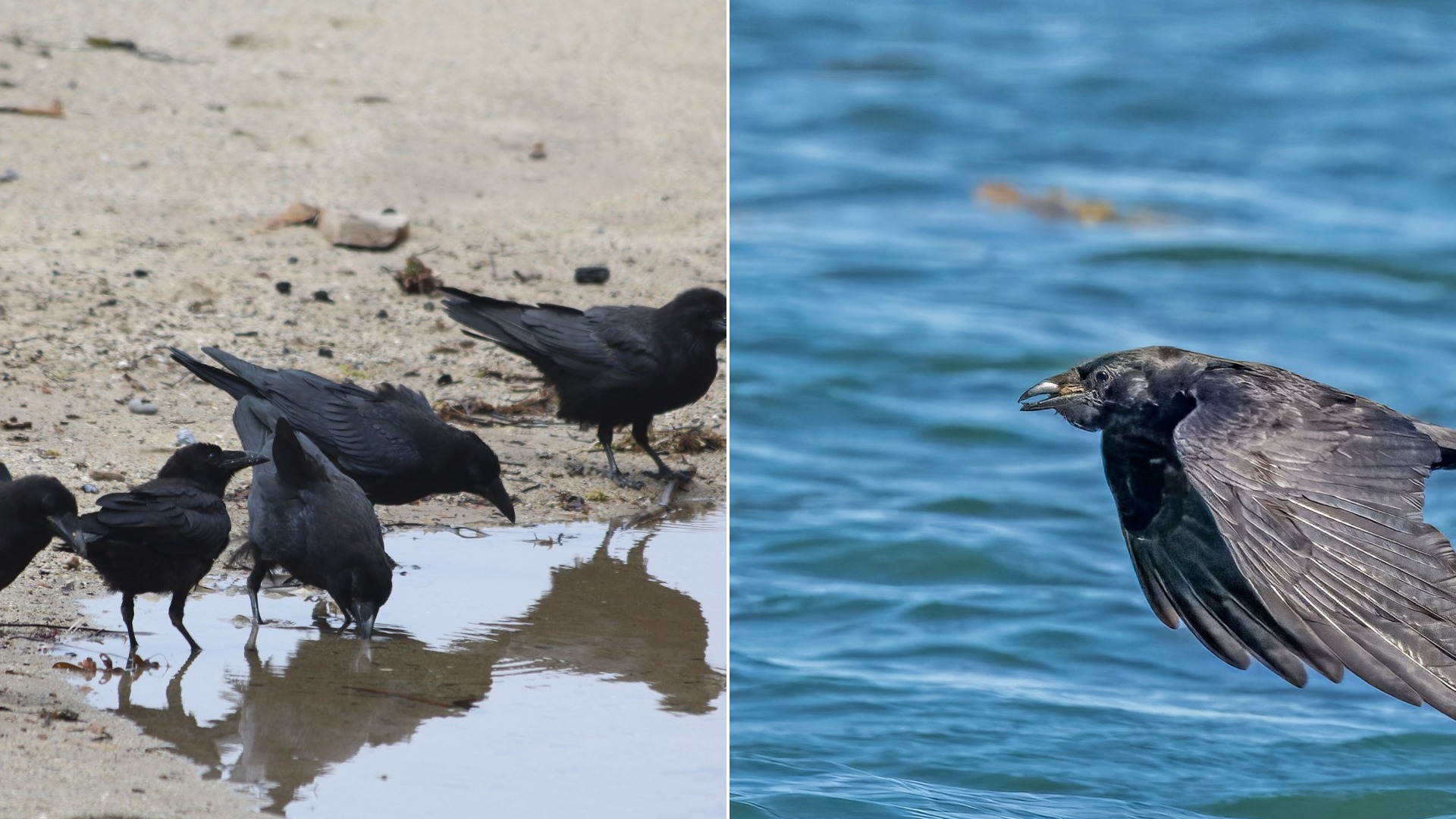
©Wikimedia / Grendelkhan & Wikimedia / Charles J. Sharp
12. The Most Haunting Word In Nature
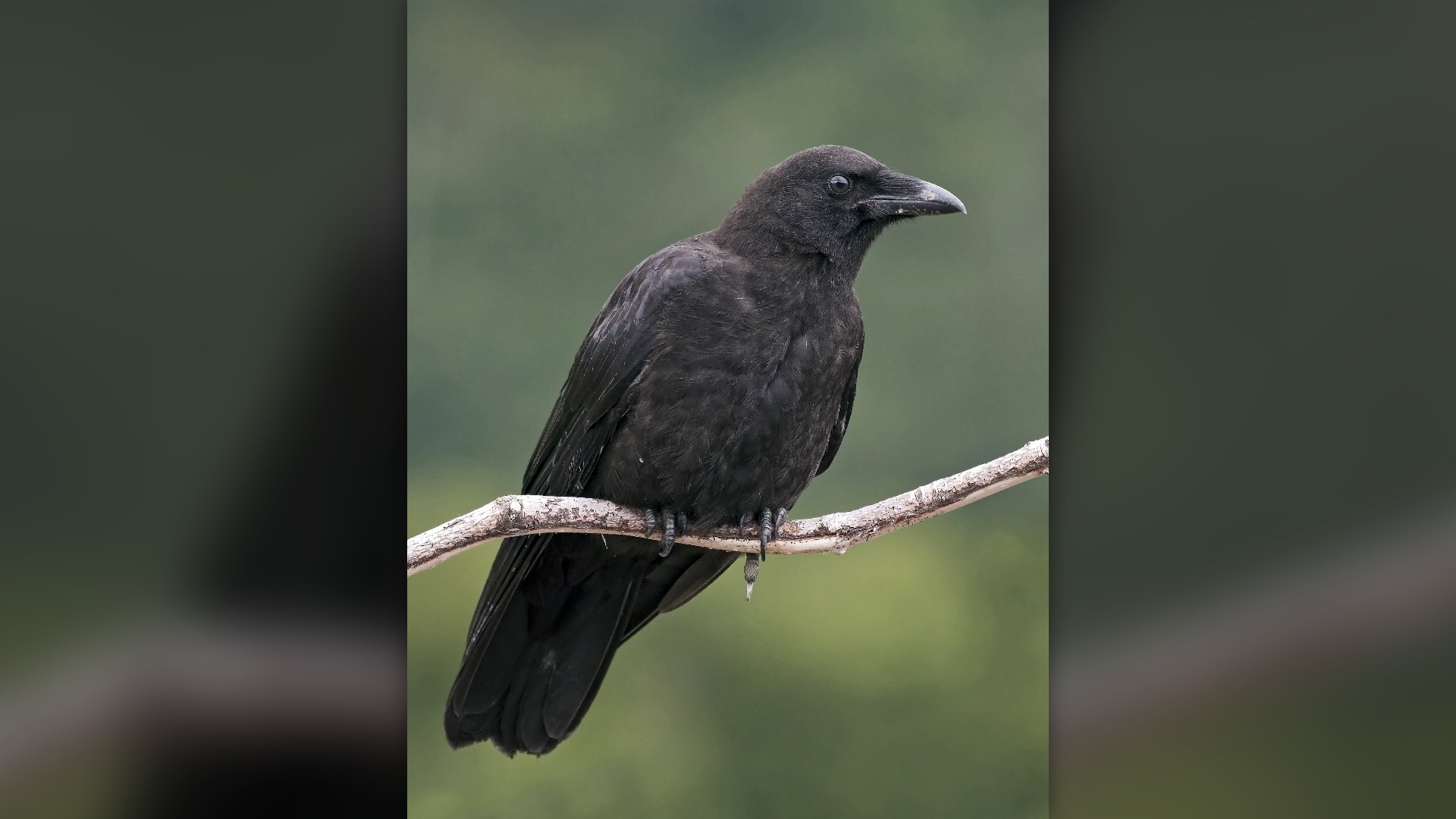
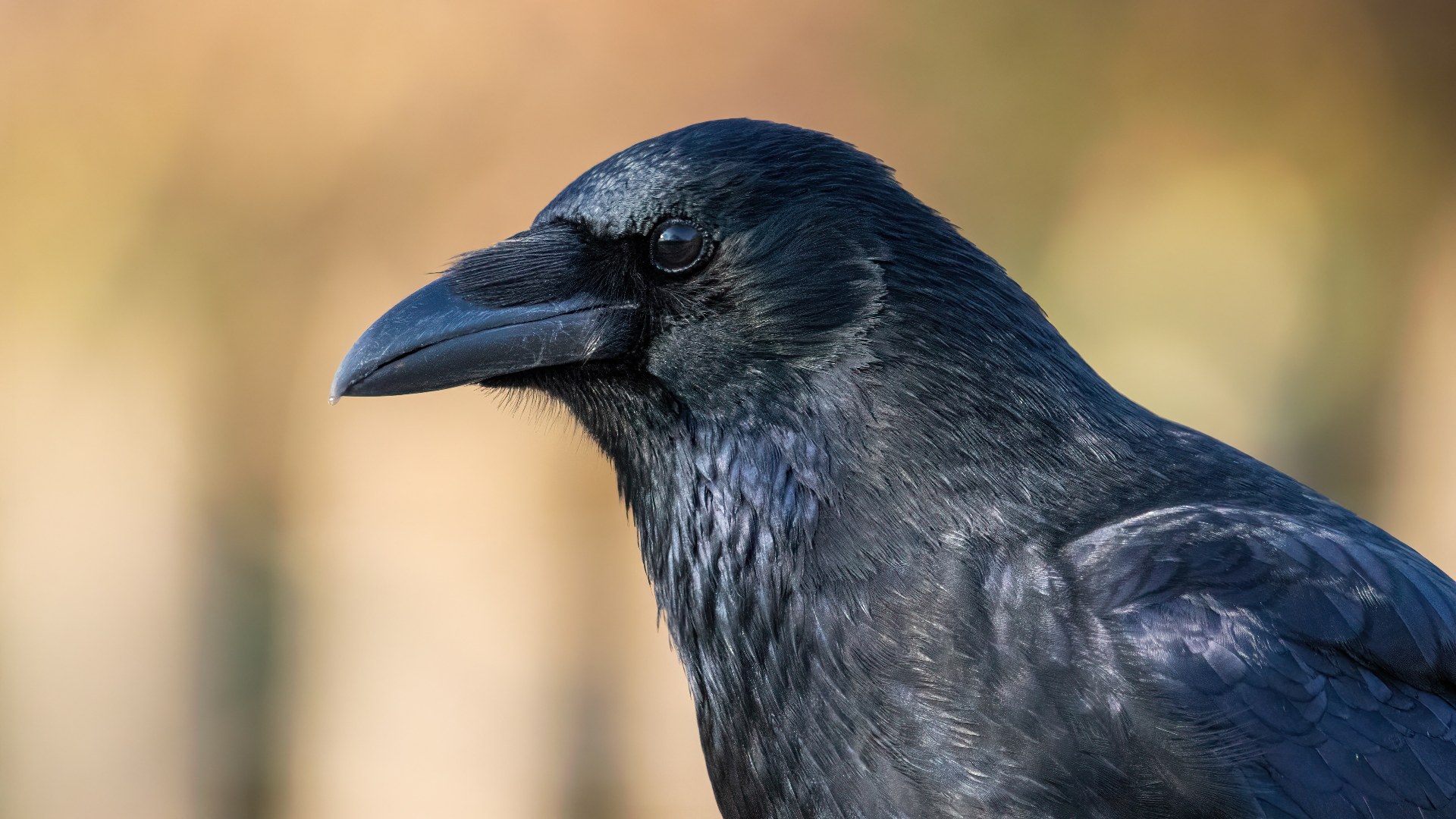
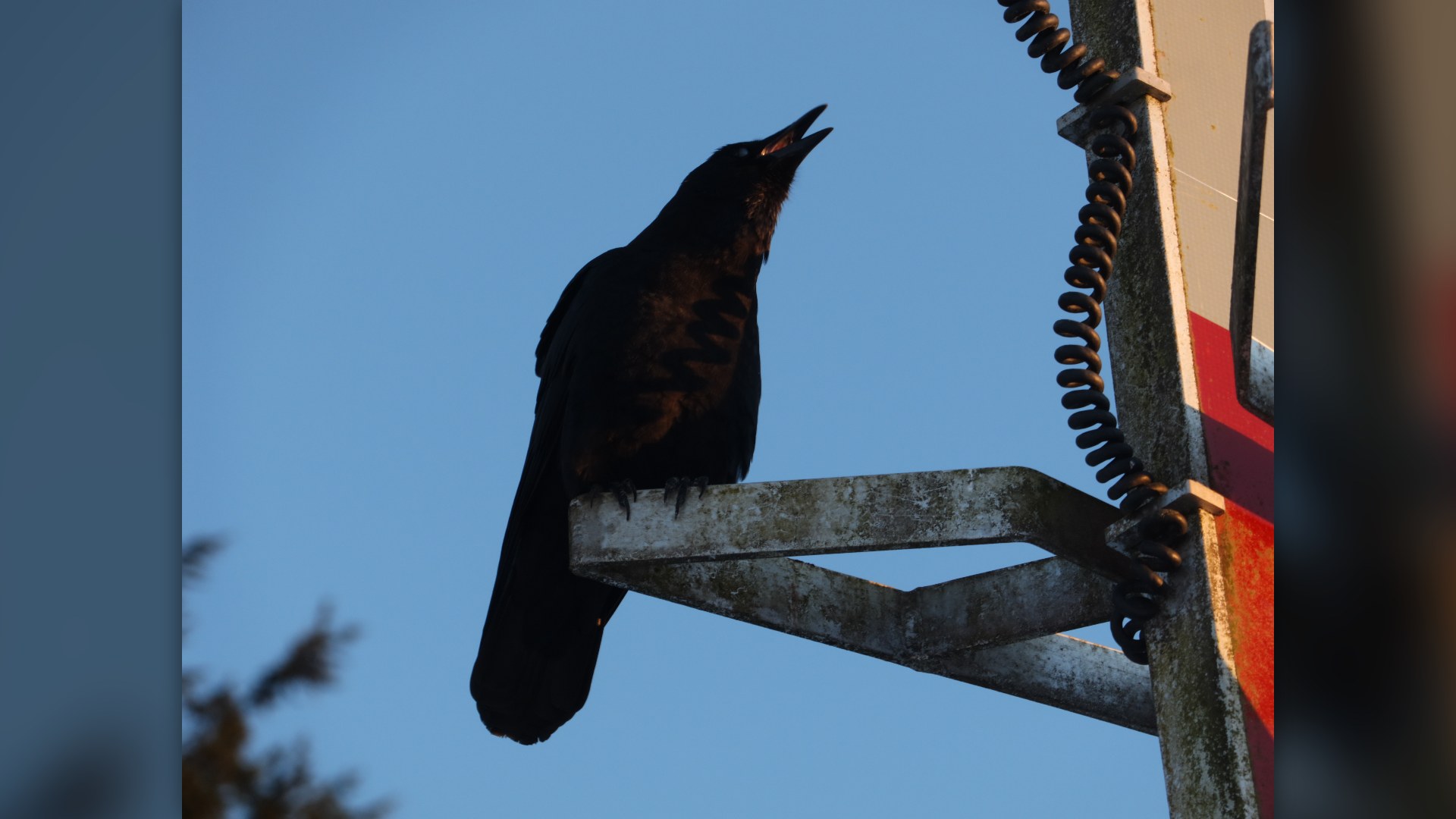
While most animals gather in peaceful herds, schools, or flocks, crows carry an eerie label. For generations, the word murder has given these intelligent black birds an aura of menace in popular literature and horror films.
©Wikimedia / Ianare Sevi
11. The Book Of Saint Albans (1486)
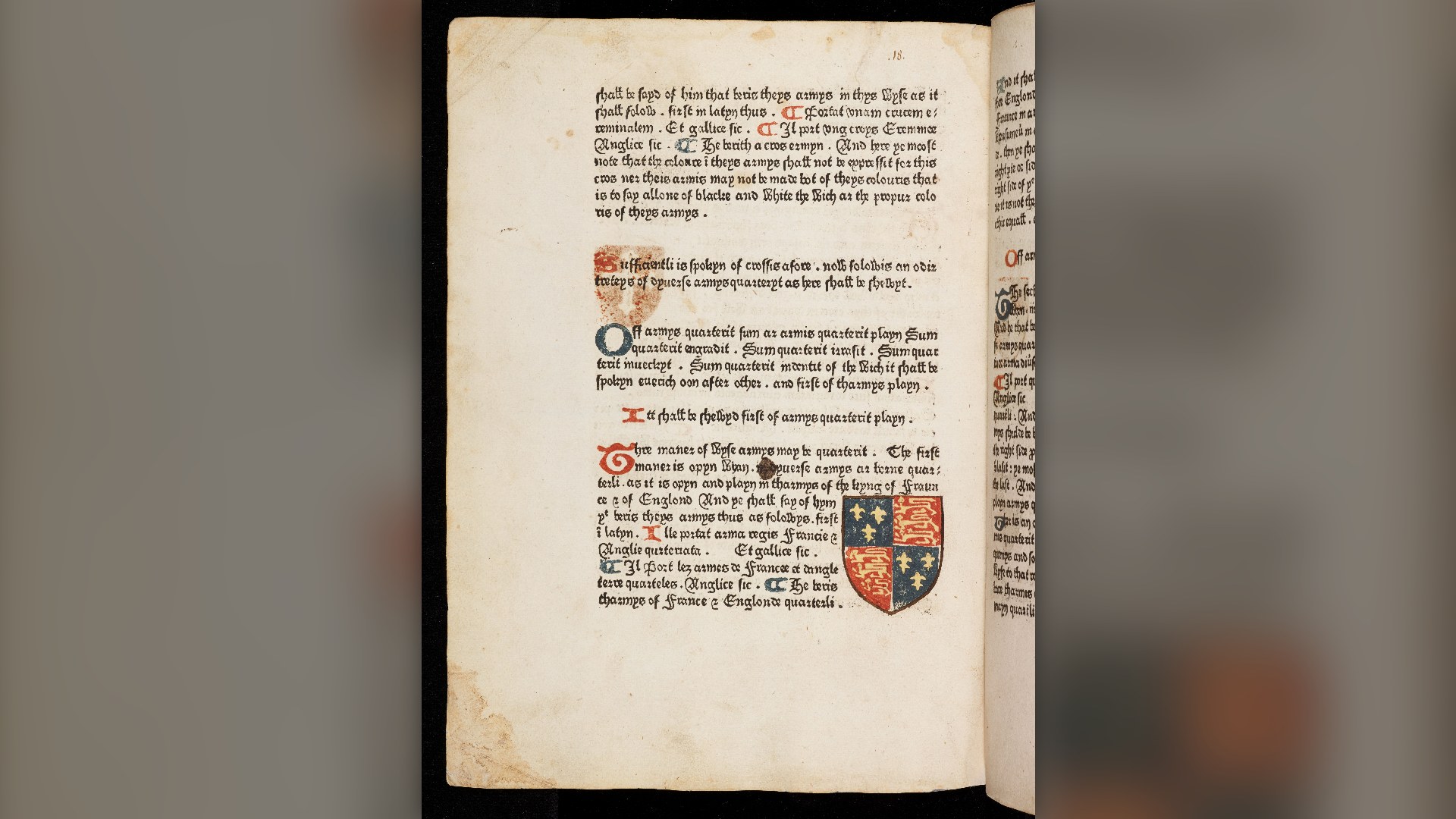
Printed in 1486, the Book of Saint Albans is one of the earliest printed books in England. Attributed largely to prioress Dame Juliana Berners, it contains an iconic compilation of collective nouns that gentleman hunters were expected to master.
©Wikimedia / Book of St Albans
10. The Gentlemen's Language Game
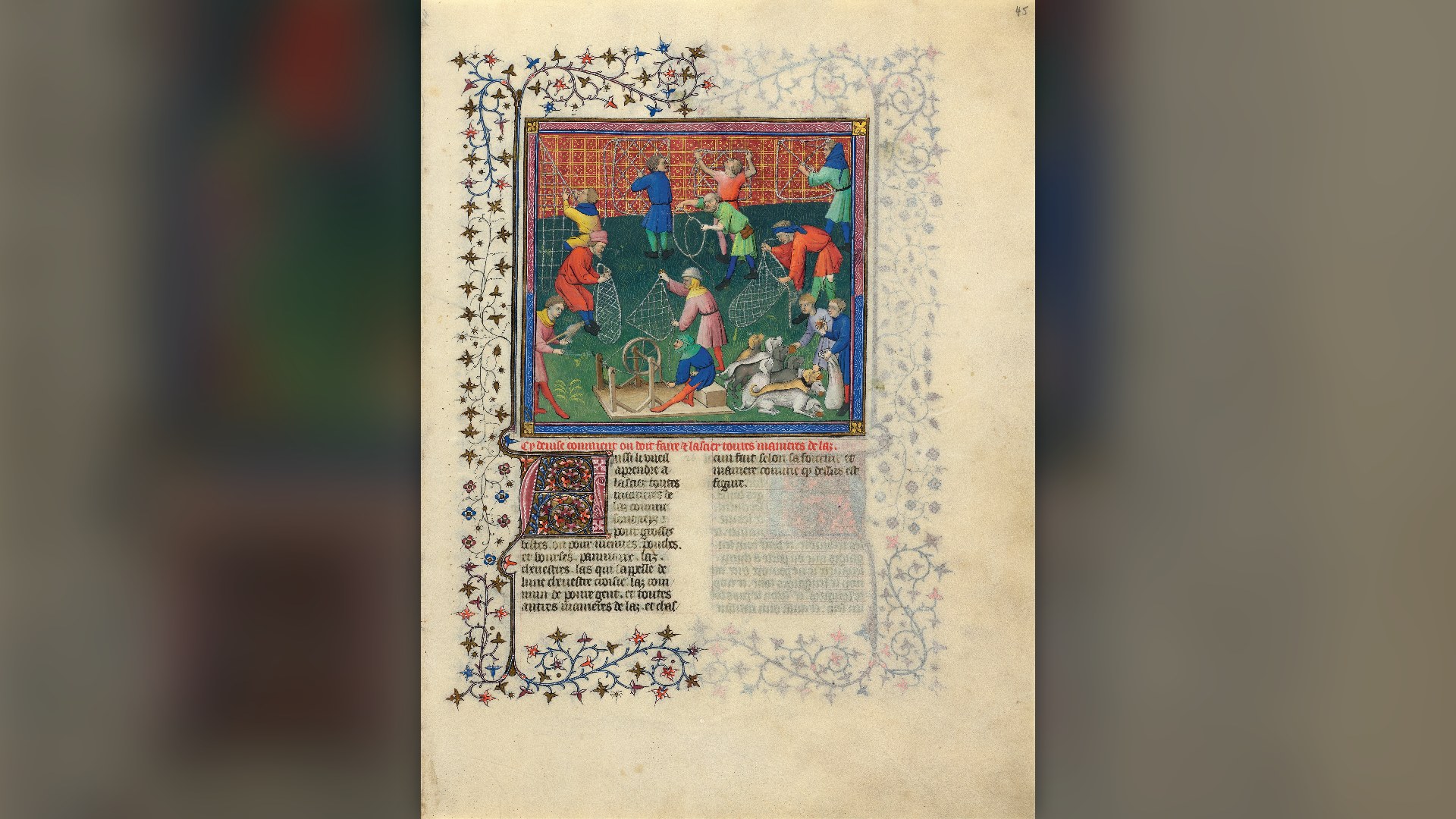
During the 15th century, English gentry competed to invent witty and poetic terms of venery. Saying a flock of birds marked someone as an uneducated commoner, while using elaborate collective nouns proved high social standing.
©Wikimedia / Gaston Phoebus
Advertisement
Swipe or tap ▶ to resume the countdown.
9. Exaltations, Parliaments, And Prides
The Book of Saint Albans was packed with whimsical terms. It gifted English speakers a pride of lions, an unkindness of ravens, a watch of nightingales, and a murmuration of starlings, showing the playful spirit of medieval wordcraft.
©Wikimedia / Michael Gabler
8. Scavengers Of The Gallows
Crows are opportunistic scavengers with an uncanny knack for finding carrion. In medieval Europe, crows routinely gathered around roadside gallows and public execution docks, leading common folk to associate their glossy black wings with death itself.
©Wikimedia / Alexis Lours
7. The Ghosts Of Historic Battlefields
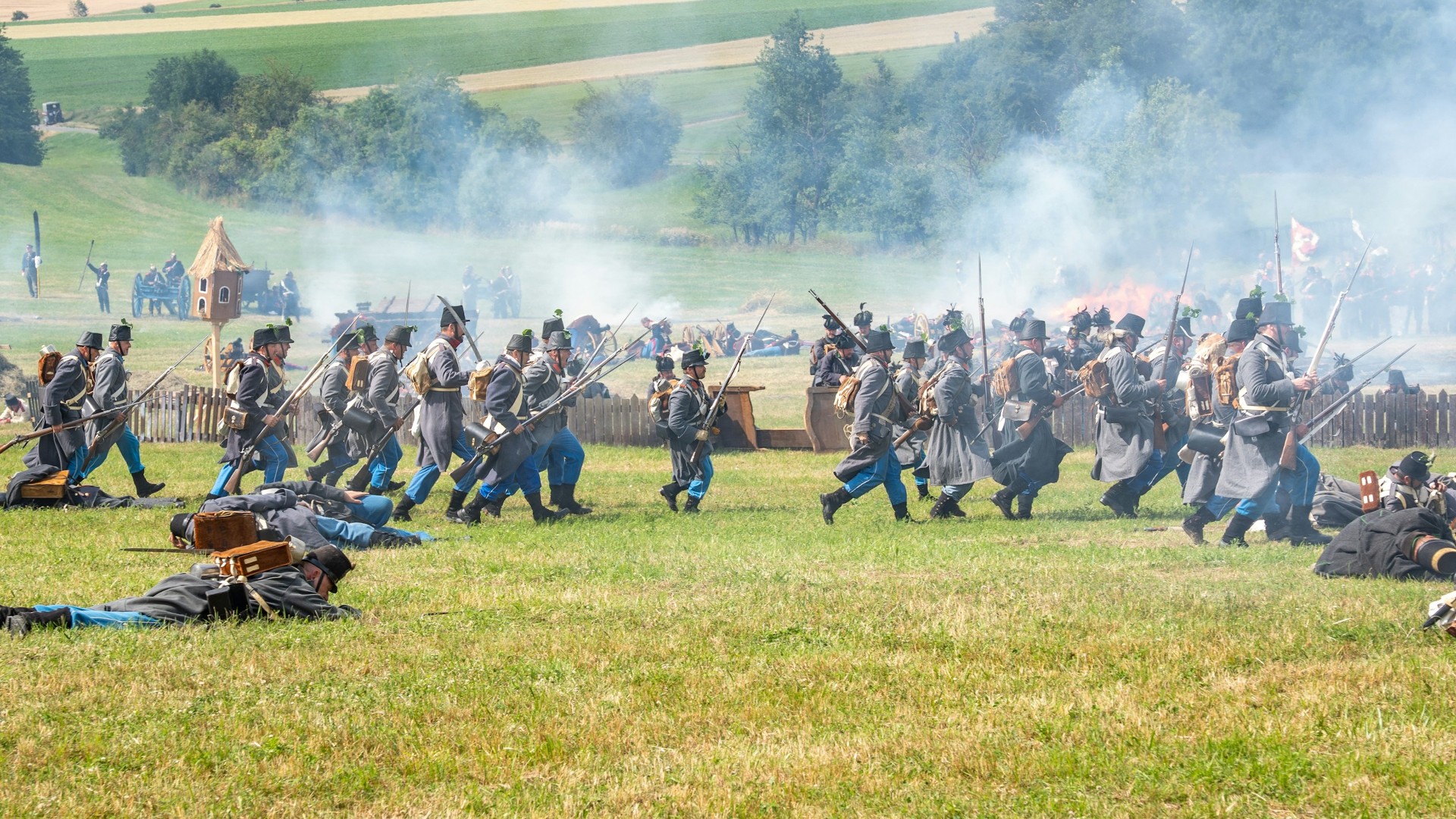
Before modern warfare, soldiers noticed flocks of corvids following armies on the march. Because the birds feasted in the aftermath of bloody clashes, superstitions grew that their harsh cawing was a deliberate omen of slaughter.
© Photo by Vít Luštinec on Unsplash
6. The Legend Of The Feathered Trial
According to ancient European folklore, crows met in large circles to put a disobedient flock member on trial. If found guilty of violating corvid laws, the entire group was said to attack and execute the offender on the spot.
©Wikimedia / Grendelkhan
Advertisement
Swipe or tap ▶ to resume the countdown.
5. Real Crow Funerals And Threat Learning
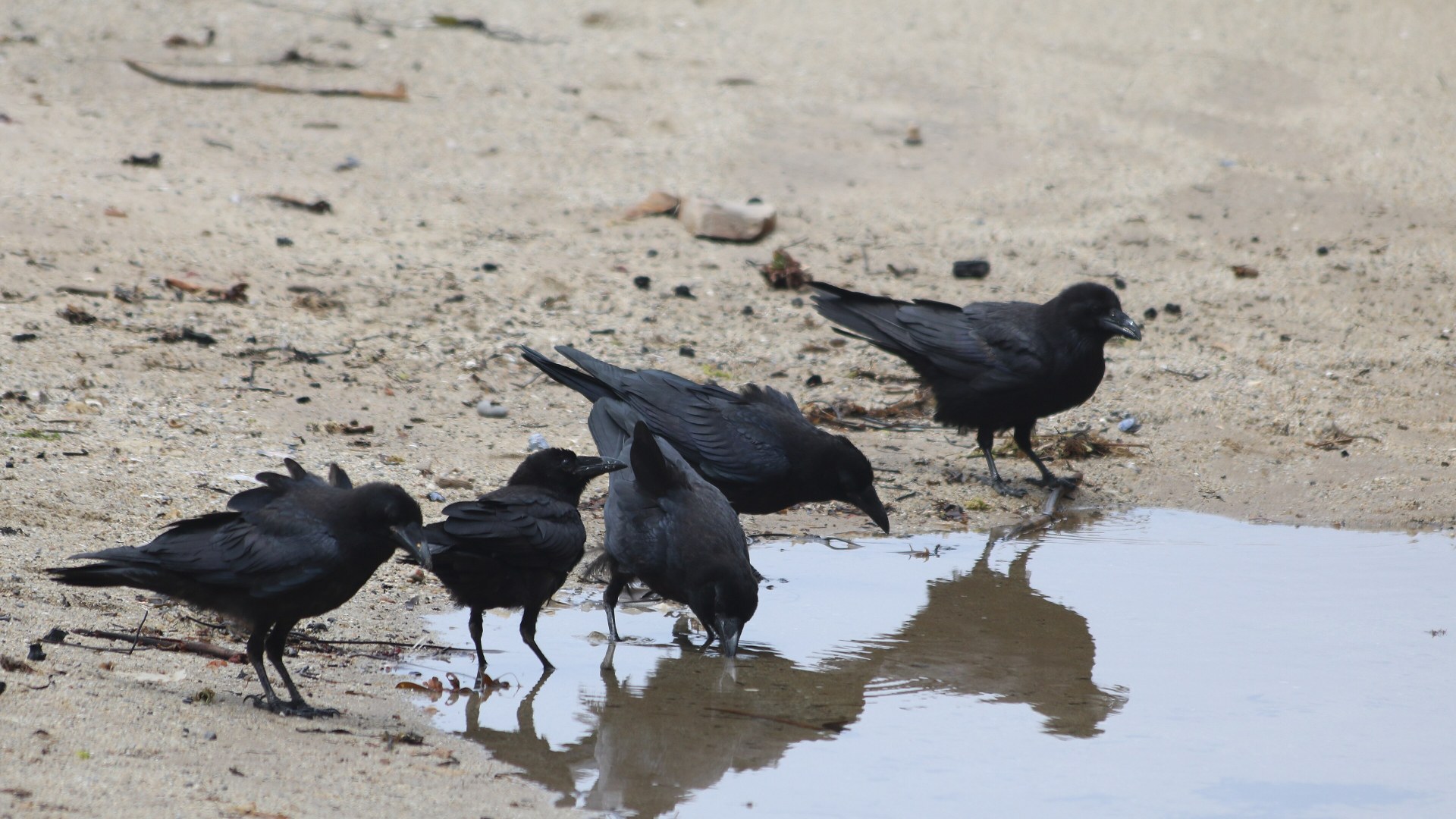
While crows do not execute criminals, researchers at the University of Washington discovered that crows gather loudly around a dead peer. These apparent funerals allow the flock to examine the scene and memorize new predators to avoid future casualties.
©Wikimedia / WindBorneListener
4. The Relentless Mobbing Attack
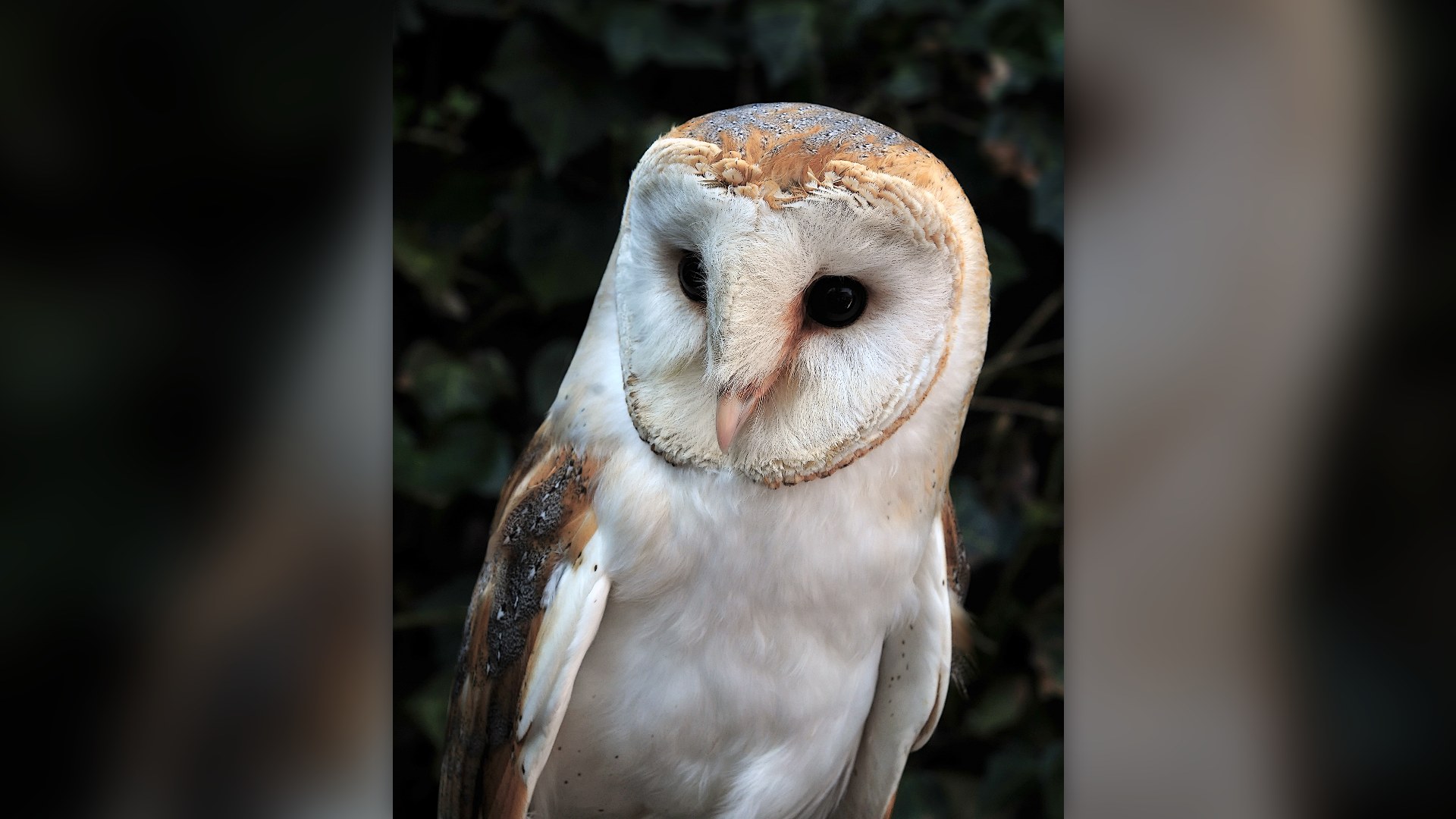
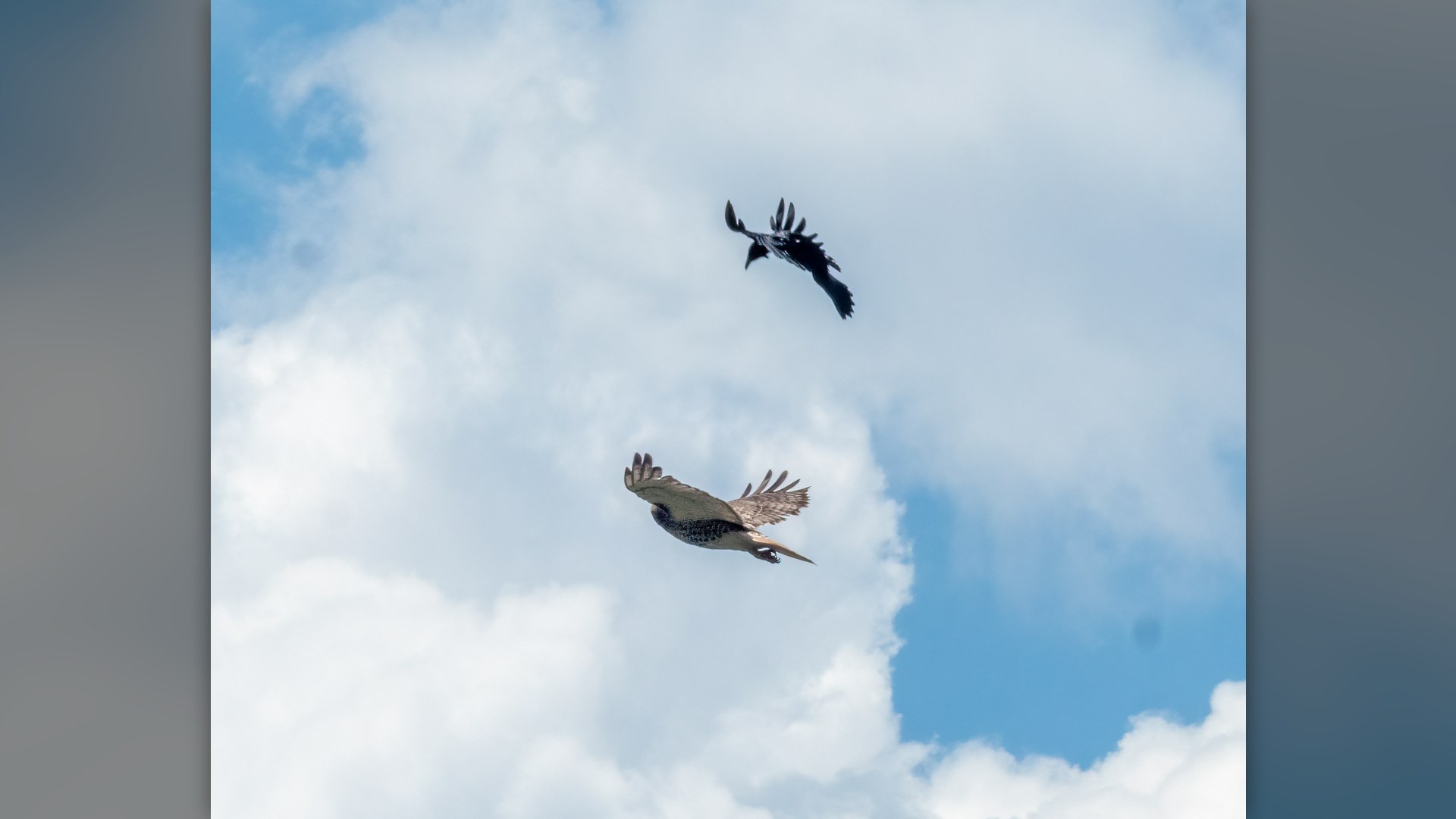
When crows detect a hawk or owl, they emit alarm calls and band together in a synchronized aerial assault. This intense mobbing behavior can be ferocious enough to injure larger raptors, giving early observers the impression of a ruthless gang attack.
©Wikimedia / Rhododendrites
3. Giant Roosts That Darken The Sky
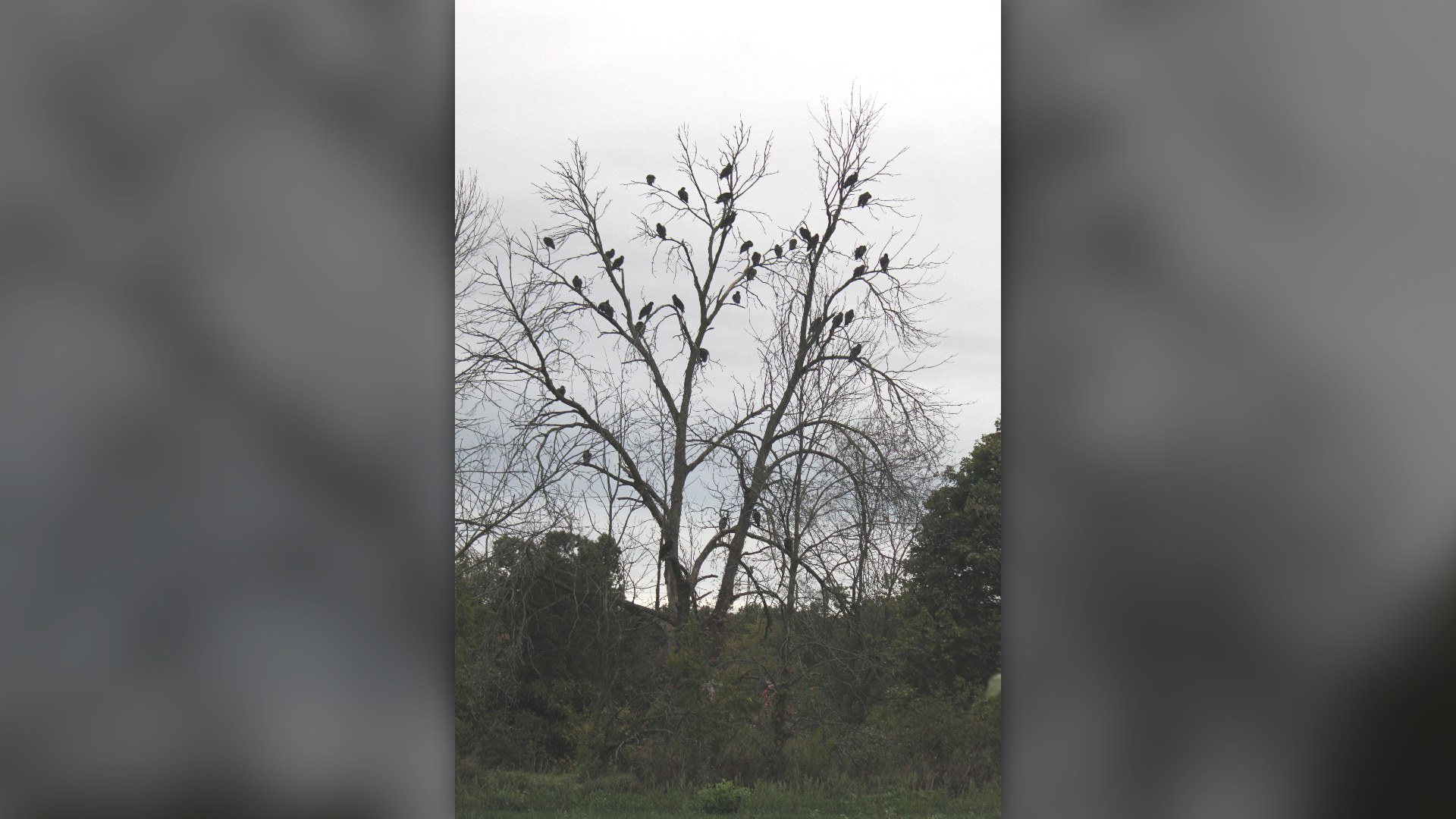
During cold winter months, crows from across whole counties gather into communal mega-roosts numbering up to fifty thousand birds. As dusk falls and shadows stretch, thousands of silhouettes swirling across the horizon can look genuinely apocalyptic.
©Wikimedia / Dwight Burdette
2. What Birdwatchers And Scientists Say
In scientific literature and field guides, professional ornithologists simply refer to a flock or roost of crows. The poetic phrase murder remains strictly in the realm of folk taxonomy and literary tradition rather than formal biology.
©Wikimedia / US Fish and Wildlife Service
Advertisement
Swipe or tap ▶ to resume the countdown.
1. Why The 500-Year-Old Word Survived
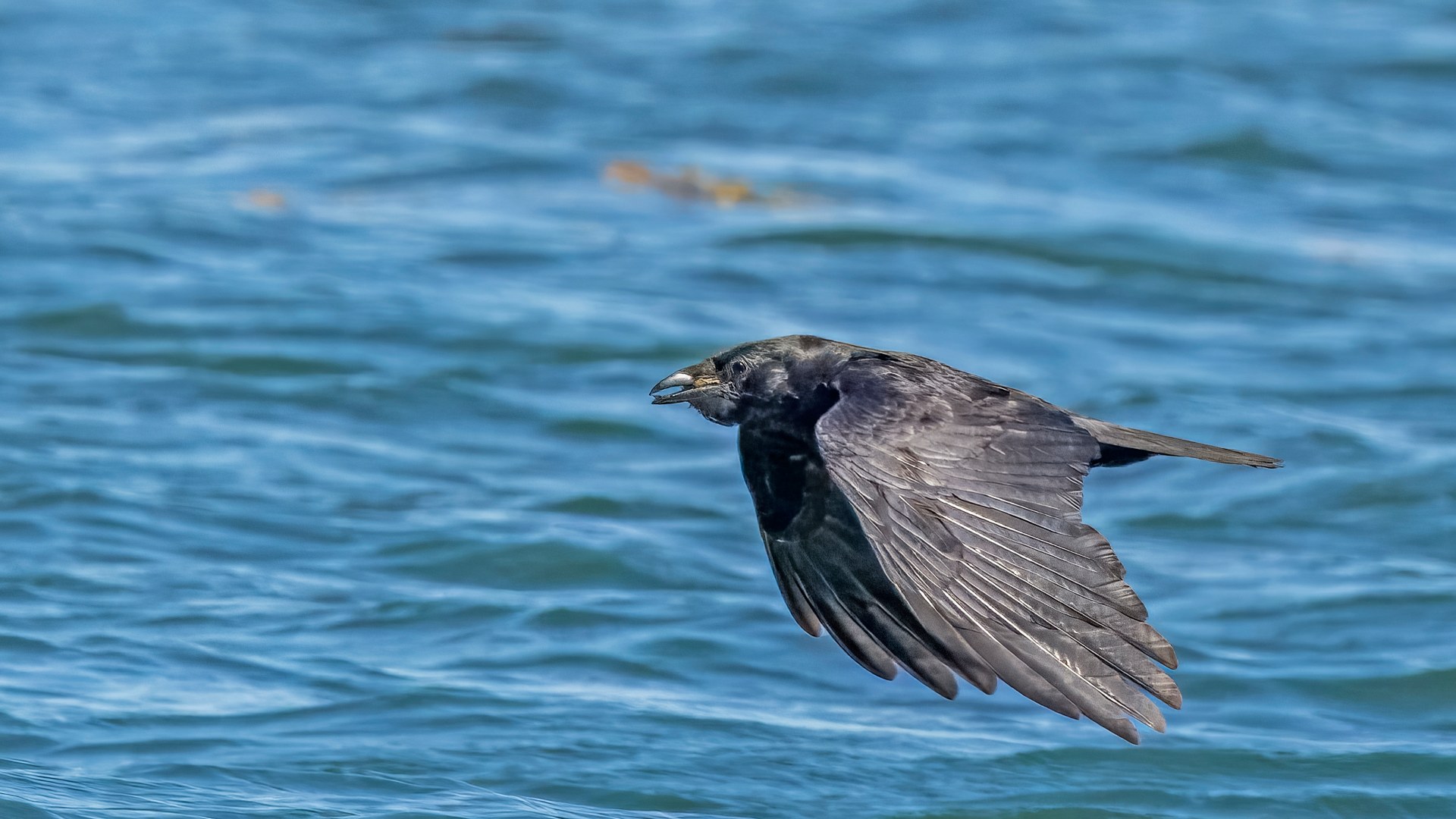
Five centuries after Dame Juliana Berners compiled her list, murder of crows remains one of the most famous phrases in the English language. It blends historical wit, gothic folklore, and real corvid cunning into a single unforgettable image.

©Wikimedia / Charles J. Sharp
Advertisement
You've reached the end of the story. Thanks for reading!

20 Iconic Historical Photos and the Archive Clues Behind Them
Contact sheets, cracked glass plates, and NASA mission logs preserve the hidden steps behind 20 famous photographs. Drawing on records from the Library of Congress, the National Archives, NASA, and the Smithsonian, this countdown traces how cropping, camera setups, and double exposures shaped each frame.
All 12 Entries in this Story
12. The Most Haunting Word In Nature
While most animals gather in peaceful herds, schools, or flocks, crows carry an eerie label. For generations, the word murder has given these intelligent black birds an aura of menace in popular literature and horror films.

11. The Book Of Saint Albans (1486)
Printed in 1486, the Book of Saint Albans is one of the earliest printed books in England. Attributed largely to prioress Dame Juliana Berners, it contains an iconic compilation of collective nouns that gentleman hunters were expected to master.

10. The Gentlemen's Language Game
During the 15th century, English gentry competed to invent witty and poetic terms of venery. Saying a flock of birds marked someone as an uneducated commoner, while using elaborate collective nouns proved high social standing.

9. Exaltations, Parliaments, And Prides
The Book of Saint Albans was packed with whimsical terms. It gifted English speakers a pride of lions, an unkindness of ravens, a watch of nightingales, and a murmuration of starlings, showing the playful spirit of medieval wordcraft.

8. Scavengers Of The Gallows
Crows are opportunistic scavengers with an uncanny knack for finding carrion. In medieval Europe, crows routinely gathered around roadside gallows and public execution docks, leading common folk to associate their glossy black wings with death itself.

7. The Ghosts Of Historic Battlefields
Before modern warfare, soldiers noticed flocks of corvids following armies on the march. Because the birds feasted in the aftermath of bloody clashes, superstitions grew that their harsh cawing was a deliberate omen of slaughter.

6. The Legend Of The Feathered Trial
According to ancient European folklore, crows met in large circles to put a disobedient flock member on trial. If found guilty of violating corvid laws, the entire group was said to attack and execute the offender on the spot.

5. Real Crow Funerals And Threat Learning
While crows do not execute criminals, researchers at the University of Washington discovered that crows gather loudly around a dead peer. These apparent funerals allow the flock to examine the scene and memorize new predators to avoid future casualties.

4. The Relentless Mobbing Attack
When crows detect a hawk or owl, they emit alarm calls and band together in a synchronized aerial assault. This intense mobbing behavior can be ferocious enough to injure larger raptors, giving early observers the impression of a ruthless gang attack.

3. Giant Roosts That Darken The Sky
During cold winter months, crows from across whole counties gather into communal mega-roosts numbering up to fifty thousand birds. As dusk falls and shadows stretch, thousands of silhouettes swirling across the horizon can look genuinely apocalyptic.

2. What Birdwatchers And Scientists Say
In scientific literature and field guides, professional ornithologists simply refer to a flock or roost of crows. The poetic phrase murder remains strictly in the realm of folk taxonomy and literary tradition rather than formal biology.

1. Why The 500-Year-Old Word Survived
Five centuries after Dame Juliana Berners compiled her list, murder of crows remains one of the most famous phrases in the English language. It blends historical wit, gothic folklore, and real corvid cunning into a single unforgettable image.