Slideshow · Viral
Why Songs Get Stuck in Your Head: The Science Explained
Your Brain Has a Hidden Musical Loop

By Most Viral Today
29 Oct 2026

Why Songs Get Stuck in Your Head: The Science Explained: Explore the Full Coun 
15. The 98 Percent Earworm Phenomenon 
14. The Brain's Phonograph Loop 
13. The Ultimate Memory Hijack - AdvertisementSwipe or tap ▶ to continue countdown

12. Recent Commute Exposure 
11. Verbal Clues And Lyric Phrases 
10. Sensory And Memory Associations 
9. Cognitive Idle Time - AdvertisementSwipe or tap ▶ to continue countdown

8. Mind Wandering During Routine Tasks 
7. Emotional Triggers And Stress 
6. Upbeat And Fast Tempos 
5. Rhythmic Repetition - AdvertisementSwipe or tap ▶ to continue countdown

4. Rising And Falling Melodic Contours 
3. Musical Predictability In Pop Hooks 
2. The Zeigarnik Unfinished Task Effect 
1. Individual Brain Structure - Advertisement🔥 UP NEXT IN THIS SERIES◫ 21 Slides

20 Iconic Historical Photos and the Archive Clues Behind Them
Contact sheets, cracked glass plates, and NASA mission logs preserve the hidden steps behind 20 famous photographs. Drawing on records from the Library of Congress, the National Archives, NASA, and the Smithsonian, this countdown traces how cropping, camera setups, and double exposures shaped each frame.
Nearly 98 percent of people experience earworms. From the Zeigarnik effect and melodic contours to auditory cortex structure, here are the 15 ranked reasons songs get stuck in your head.
Swipe or tap ▶ to begin the countdown
©Wikimedia / Bruce Mars
15. The 98 Percent Earworm Phenomenon
Scientists call the experience of a song looping in your head involuntary musical imagery, or an earworm. Large-scale surveys published in music psychology journals show that roughly 98 percent of humans experience earworms regularly, making it one of humanity's most universal quirks.
© Photo by Ciocan Ciprian on Unsplash
14. The Brain's Phonograph Loop
Cognitive psychologists Alan Baddeley and Graham Hitch identified a working-memory system called the phonological loop. Acting like an internal tape recorder or phonograph needle stuck in a groove, your auditory cortex continuously refreshes short bursts of sound before they can fade away.
©Wikimedia / Franz van Duns
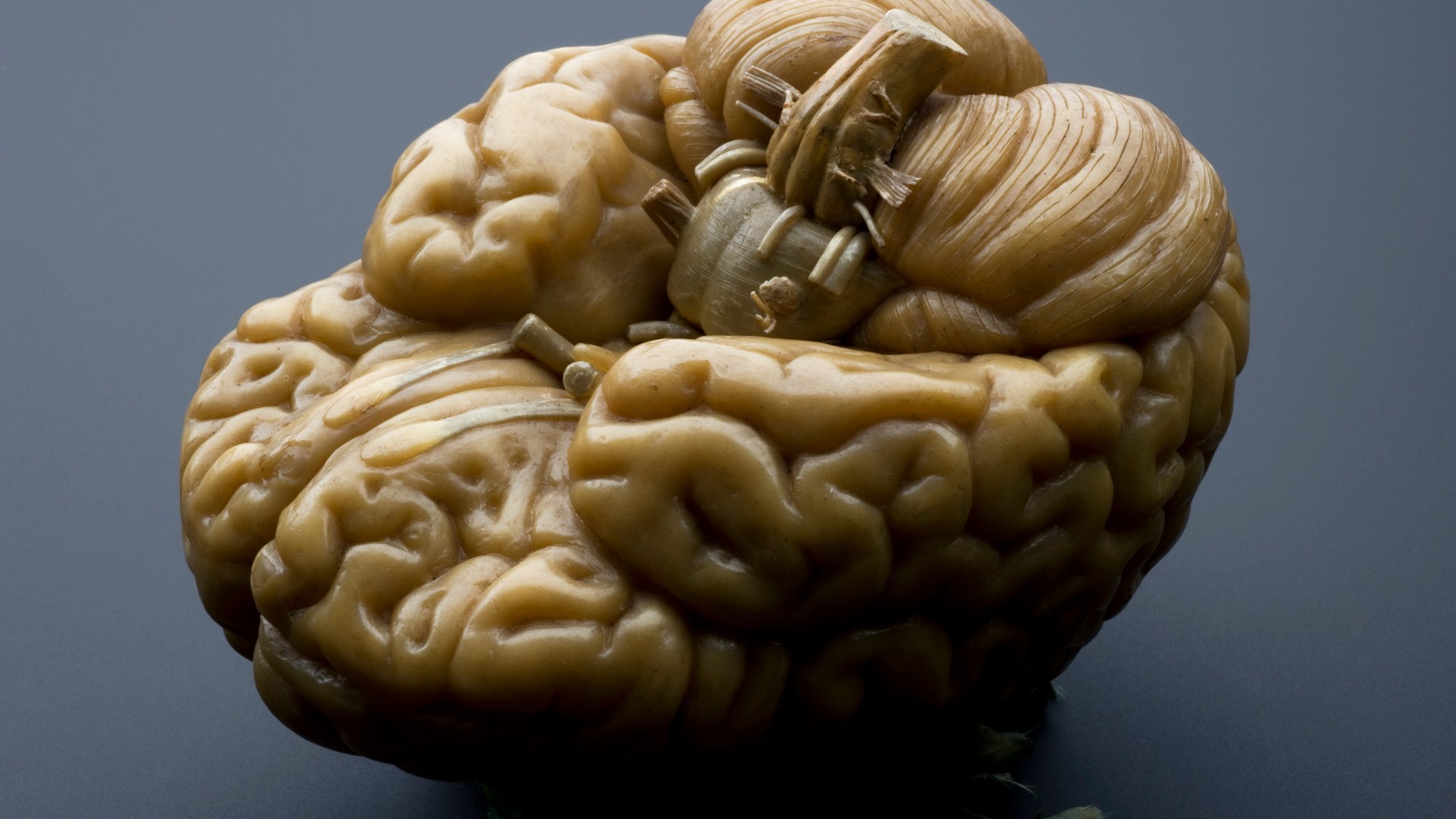
13. The Ultimate Memory Hijack
Long before written language existed, humans used melody and rhythm to pass down oral histories across generations. Because our brains evolved to retain rhythmic patterns far better than plain speech, modern songs effortlessly hijack those ancient neural pathways and refuse to let go.
©Wikimedia / Wellcome Collection
Advertisement
Swipe or tap ▶ to resume the countdown.
12. Recent Commute Exposure
Recency and repeated exposure are the most common everyday triggers for an earworm. Hearing a radio single during your morning drive or catching a chorus in a coffee shop primes your auditory cortex, causing your brain to keep replaying the hook long after the speakers turn off.
© Photo by Jerry Kavan on Unsplash
11. Verbal Clues And Lyric Phrases
Your brain stores song lyrics inside an interconnected web of associative memory. When a coworker or friend casually drops a familiar three-word phrase during conversation, your language centers automatically cross-reference the words and cue up the matching melody within milliseconds.
© Photo by Priscilla Du Preez on Unsplash
10. Sensory And Memory Associations
Autobiographical memories are tightly bundled with the music playing when those moments happened. Walking past a specific perfume, visiting a childhood street, or spotting a retro cassette tape can fire up your hippocampus and retrieve the exact song tied to that memory trace.
© Photo by Namroud Gorguis on Unsplash
9. Cognitive Idle Time
When you are waiting in a quiet line or sitting by a window with nothing demanding your attention, your brain craves stimulation. To fill that cognitive vacuum, your auditory cortex spontaneously pulls a stored melody from memory and begins broadcasting its own background music.
© Photo by Dennis Zhang on Unsplash
Advertisement
Swipe or tap ▶ to resume the countdown.
8. Mind Wandering During Routine Tasks
Routine activities like folding laundry, washing dishes, or strolling through a park require very little executive focus. As your conscious attention relaxes, your brain's Default Mode Network switches on, allowing daydreaming circuits to loop catchy choruses without any conscious effort.
©Wikimedia / Sardaka
7. Emotional Triggers And Stress
Emotional arousal releases neurotransmitters that strengthen neural connections in the amygdala and hippocampus. When you feel stressed, anxious, or intensely nostalgic, your brain latches onto a song that matches your emotional state and replays it as a subconscious coping mechanism.
©Wikimedia / Kashirin Nickolai
6. Upbeat And Fast Tempos
A major study by researchers at Durham University and Goldsmiths, University of London analyzed thousands of earworm tracks and found that nearly all of them share an upbeat, brisk tempo. Fast rhythms naturally sync with human walking speed and heart rate, making them hard to shake.
© Photo by Josh Sorenson on Unsplash
5. Rhythmic Repetition
Songs built around tight, cyclical percussion or repeating piano riffs require very little mental bandwidth to rehearse. Because the end of a repetitive bar leads seamlessly back into its first beat, your motor and auditory cortices keep cycling through the phrase automatically.
© Photo by Geert Pieters on Unsplash
Advertisement
Swipe or tap ▶ to resume the countdown.
4. Rising And Falling Melodic Contours
Musicologists have found that the most contagious earworms share a generic melodic contour that rises in pitch during the first phrase and falls in the second, just like Twinkle, Twinkle, Little Star. That symmetrical wave pattern is effortless for the human vocal tract and brain to subvocalize.
©Wikimedia / David Beale
3. Musical Predictability In Pop Hooks
Modern pop producers craft hooks that balance high musical predictability with a single unexpected interval jump or syncopated beat. Because your brain loves predicting what note comes next, that blend of familiar structure and slight novelty triggers a small dopamine reward on every replay.
©Wikimedia / Dejan Krsmanovic
2. The Zeigarnik Unfinished Task Effect
Named after psychologist Bluma Zeigarnik, the Zeigarnik effect explains why interrupted or incomplete tasks remain active in working memory. When you only remember four bars of a chorus and cannot recall how the song ends, your brain treats the melody like an unsolved puzzle and keeps looping it.
©Wikimedia / Balise42
1. Individual Brain Structure
Neuroimaging research led by Nicolas Farrugia and Lauren Stewart revealed that earworm frequency is physically tied to brain anatomy. Differences in cortical thickness within Heschl's gyrus, which processes auditory pitch, and the inferior frontal gyrus directly govern how often melodies loop in your head.

©Wikimedia / Goleisureintl
Advertisement
You've reached the end of the story. Thanks for reading!

20 Iconic Historical Photos and the Archive Clues Behind Them
Contact sheets, cracked glass plates, and NASA mission logs preserve the hidden steps behind 20 famous photographs. Drawing on records from the Library of Congress, the National Archives, NASA, and the Smithsonian, this countdown traces how cropping, camera setups, and double exposures shaped each frame.
All 15 Entries in this Story
15. The 98 Percent Earworm Phenomenon
Scientists call the experience of a song looping in your head involuntary musical imagery, or an earworm. Large-scale surveys published in music psychology journals show that roughly 98 percent of humans experience earworms regularly, making it one of humanity's most universal quirks.

14. The Brain's Phonograph Loop
Cognitive psychologists Alan Baddeley and Graham Hitch identified a working-memory system called the phonological loop. Acting like an internal tape recorder or phonograph needle stuck in a groove, your auditory cortex continuously refreshes short bursts of sound before they can fade away.

13. The Ultimate Memory Hijack
Long before written language existed, humans used melody and rhythm to pass down oral histories across generations. Because our brains evolved to retain rhythmic patterns far better than plain speech, modern songs effortlessly hijack those ancient neural pathways and refuse to let go.

12. Recent Commute Exposure
Recency and repeated exposure are the most common everyday triggers for an earworm. Hearing a radio single during your morning drive or catching a chorus in a coffee shop primes your auditory cortex, causing your brain to keep replaying the hook long after the speakers turn off.

11. Verbal Clues And Lyric Phrases
Your brain stores song lyrics inside an interconnected web of associative memory. When a coworker or friend casually drops a familiar three-word phrase during conversation, your language centers automatically cross-reference the words and cue up the matching melody within milliseconds.

10. Sensory And Memory Associations
Autobiographical memories are tightly bundled with the music playing when those moments happened. Walking past a specific perfume, visiting a childhood street, or spotting a retro cassette tape can fire up your hippocampus and retrieve the exact song tied to that memory trace.

9. Cognitive Idle Time
When you are waiting in a quiet line or sitting by a window with nothing demanding your attention, your brain craves stimulation. To fill that cognitive vacuum, your auditory cortex spontaneously pulls a stored melody from memory and begins broadcasting its own background music.

8. Mind Wandering During Routine Tasks
Routine activities like folding laundry, washing dishes, or strolling through a park require very little executive focus. As your conscious attention relaxes, your brain's Default Mode Network switches on, allowing daydreaming circuits to loop catchy choruses without any conscious effort.

7. Emotional Triggers And Stress
Emotional arousal releases neurotransmitters that strengthen neural connections in the amygdala and hippocampus. When you feel stressed, anxious, or intensely nostalgic, your brain latches onto a song that matches your emotional state and replays it as a subconscious coping mechanism.

6. Upbeat And Fast Tempos
A major study by researchers at Durham University and Goldsmiths, University of London analyzed thousands of earworm tracks and found that nearly all of them share an upbeat, brisk tempo. Fast rhythms naturally sync with human walking speed and heart rate, making them hard to shake.

5. Rhythmic Repetition
Songs built around tight, cyclical percussion or repeating piano riffs require very little mental bandwidth to rehearse. Because the end of a repetitive bar leads seamlessly back into its first beat, your motor and auditory cortices keep cycling through the phrase automatically.

4. Rising And Falling Melodic Contours
Musicologists have found that the most contagious earworms share a generic melodic contour that rises in pitch during the first phrase and falls in the second, just like Twinkle, Twinkle, Little Star. That symmetrical wave pattern is effortless for the human vocal tract and brain to subvocalize.

3. Musical Predictability In Pop Hooks
Modern pop producers craft hooks that balance high musical predictability with a single unexpected interval jump or syncopated beat. Because your brain loves predicting what note comes next, that blend of familiar structure and slight novelty triggers a small dopamine reward on every replay.

2. The Zeigarnik Unfinished Task Effect
Named after psychologist Bluma Zeigarnik, the Zeigarnik effect explains why interrupted or incomplete tasks remain active in working memory. When you only remember four bars of a chorus and cannot recall how the song ends, your brain treats the melody like an unsolved puzzle and keeps looping it.

1. Individual Brain Structure
Neuroimaging research led by Nicolas Farrugia and Lauren Stewart revealed that earworm frequency is physically tied to brain anatomy. Differences in cortical thickness within Heschl's gyrus, which processes auditory pitch, and the inferior frontal gyrus directly govern how often melodies loop in your head.