Slideshow · Science
Wild Animals Quietly Visiting Americas Backyards
By Most Viral Today
29 Oct 2026

Twenty Wild Neighbors Sharing Suburban Yards From Tiny Frogs To Apex Predators 
20. Ruby Throated Hummingbird 
19. Eastern Gray Treefrog 
18. Eastern Chipmunk - AdvertisementSwipe or tap ▶ to continue countdown

17. Eastern Gray Squirrel 
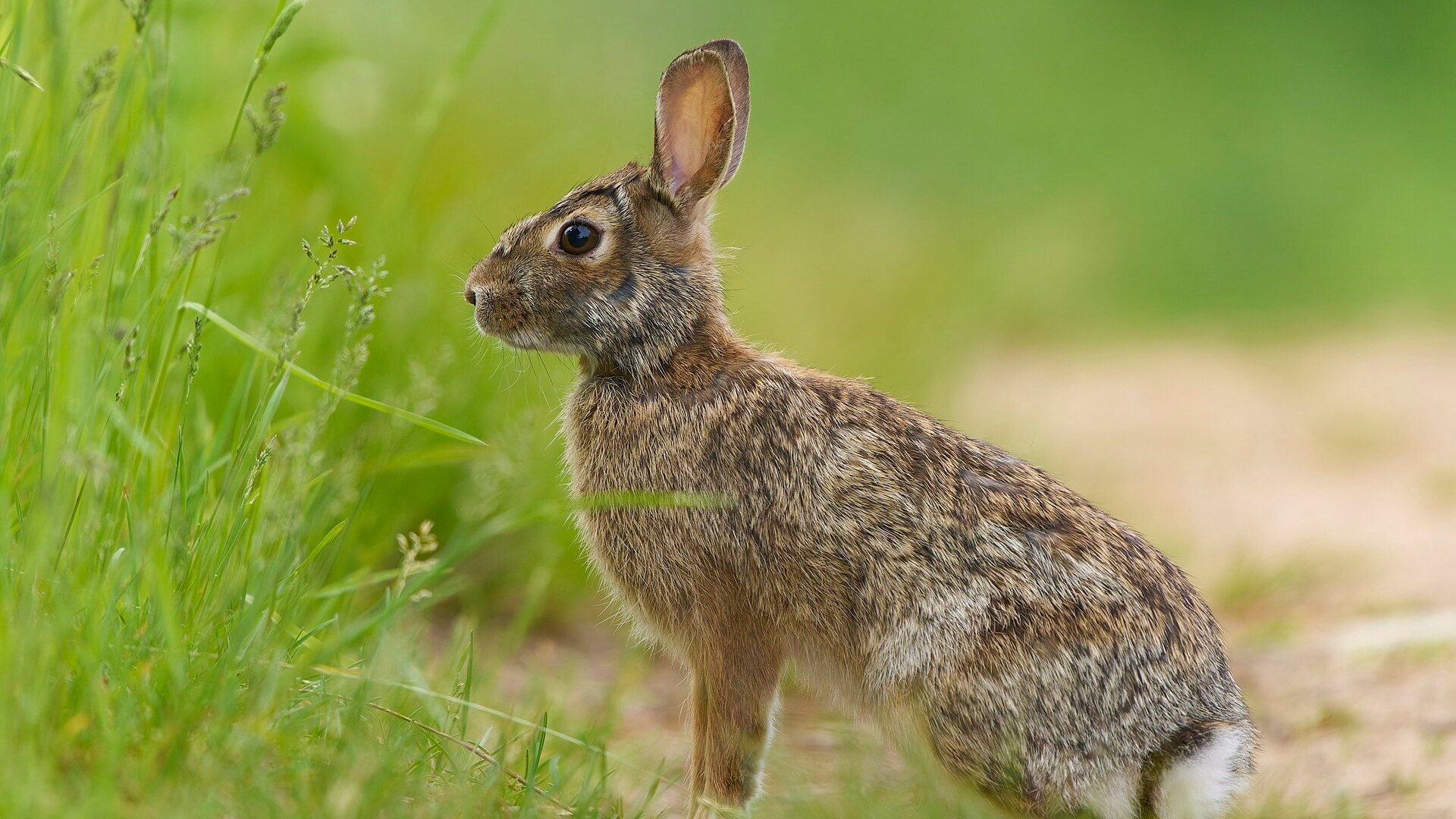
16. Eastern Cottontail Rabbit 
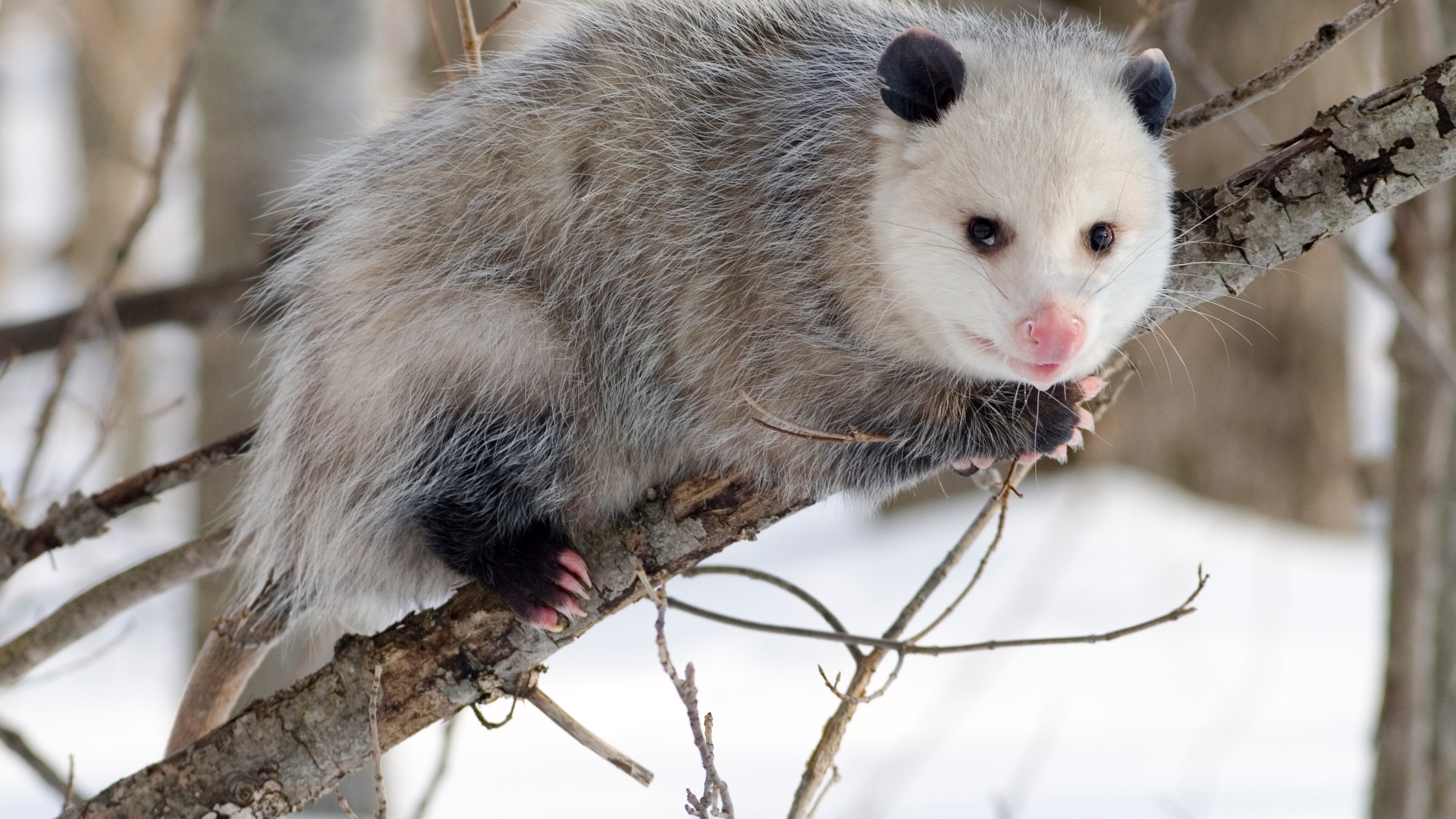
15. Virginia Opossum 
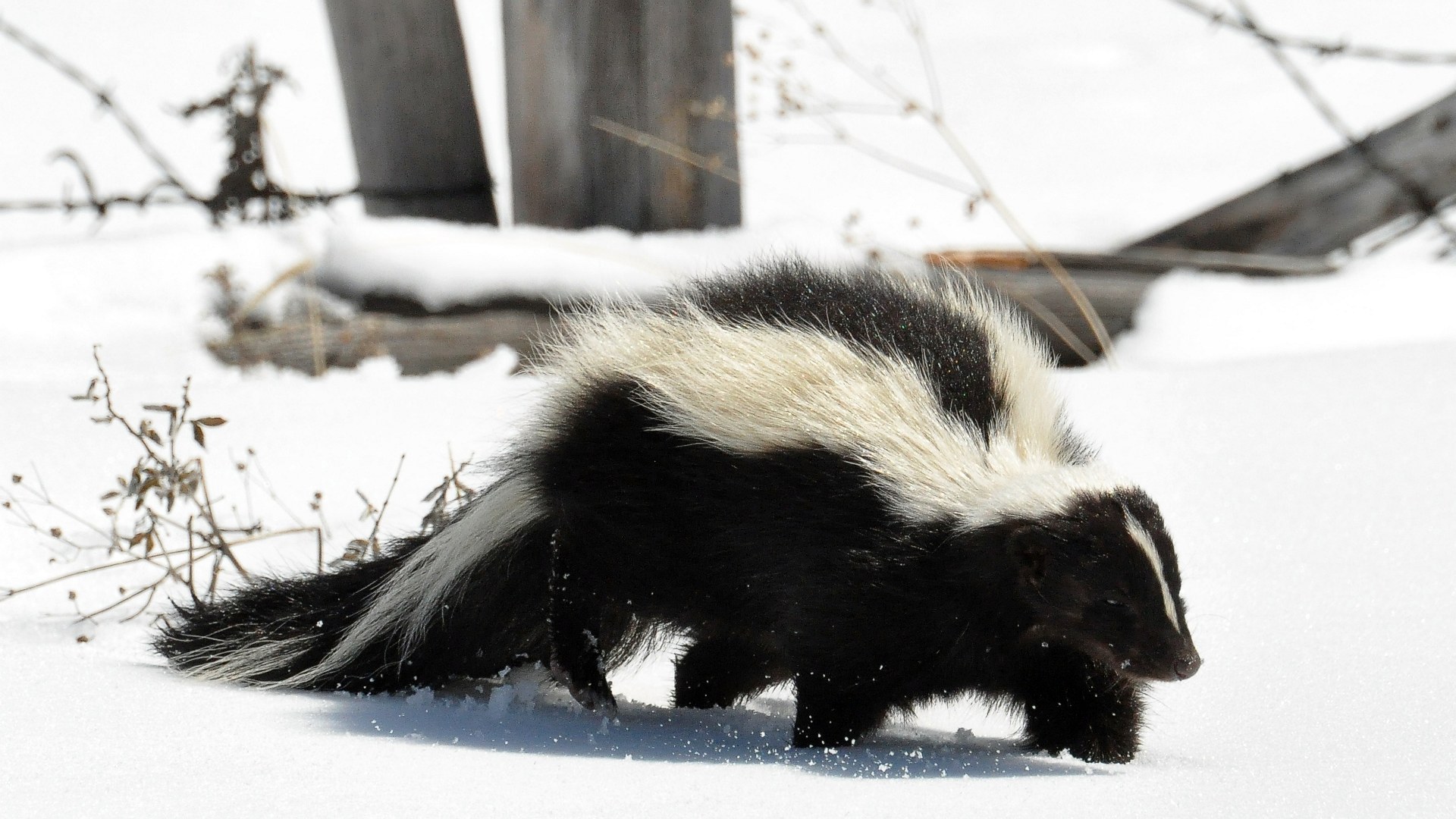
14. Striped Skunk - AdvertisementSwipe or tap ▶ to continue countdown

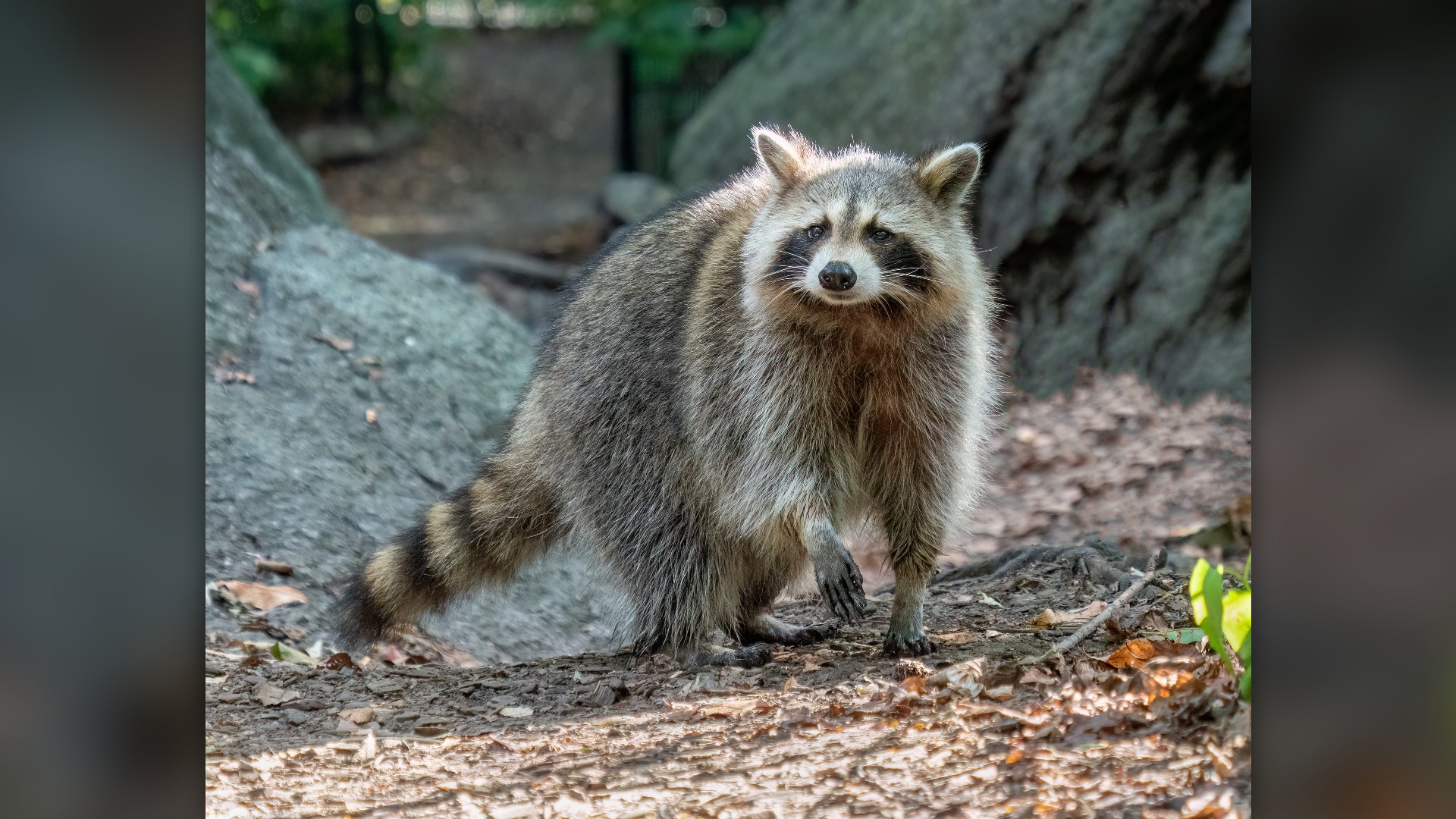
13. Northern Raccoon 
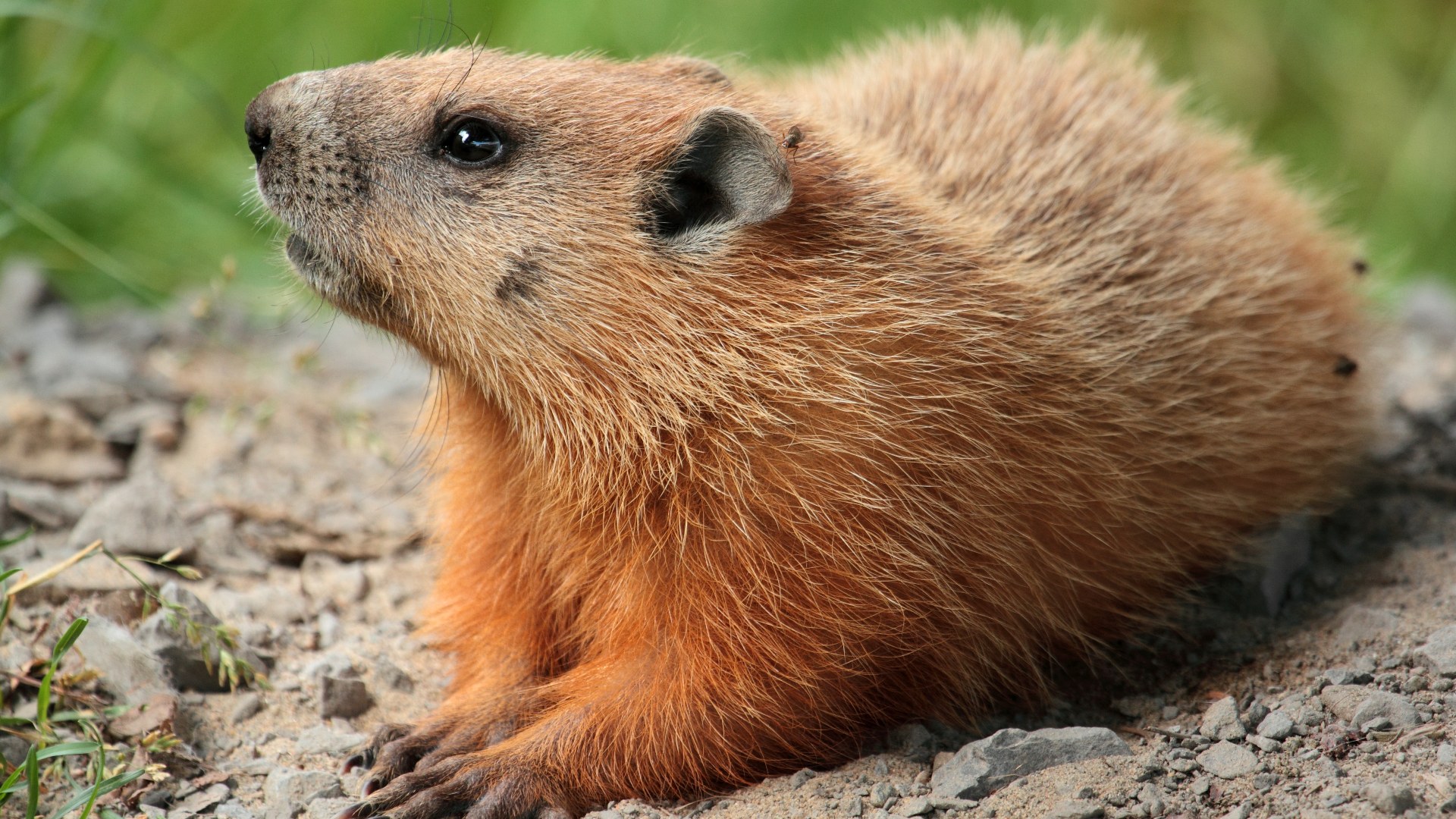
12. Groundhog Woodchuck 
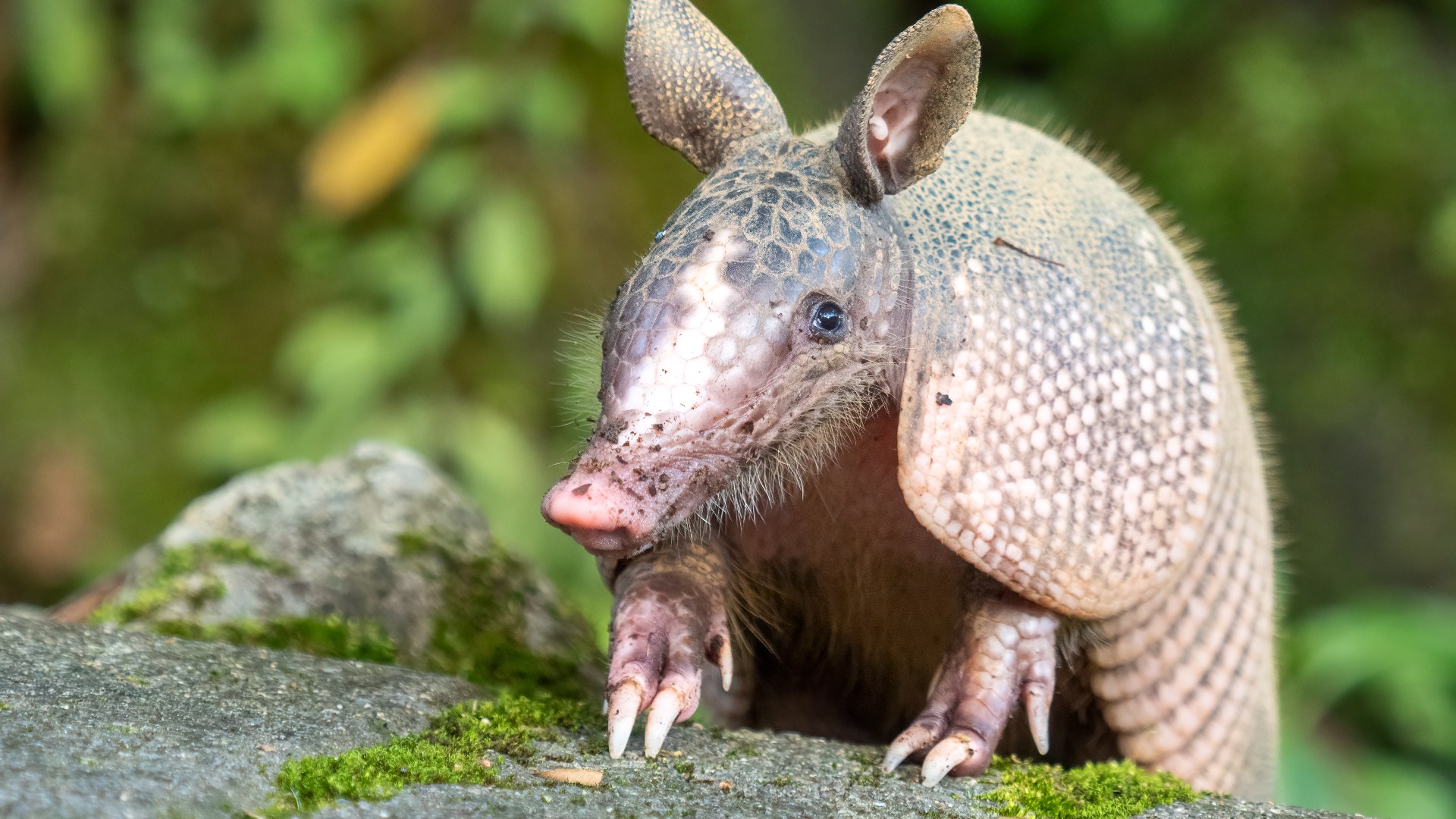
11. Nine Banded Armadillo 
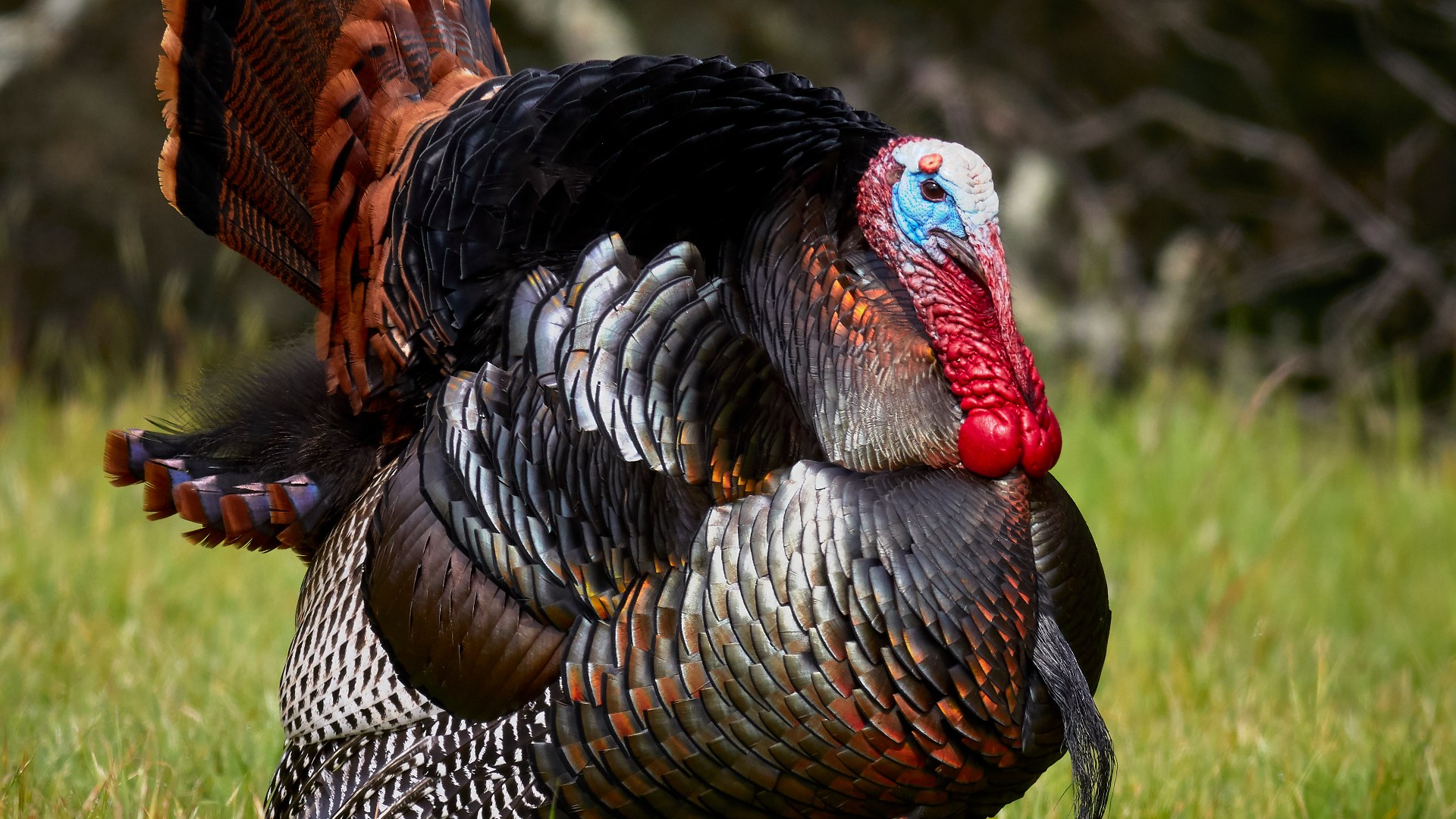
10. Wild Turkey - AdvertisementSwipe or tap ▶ to continue countdown

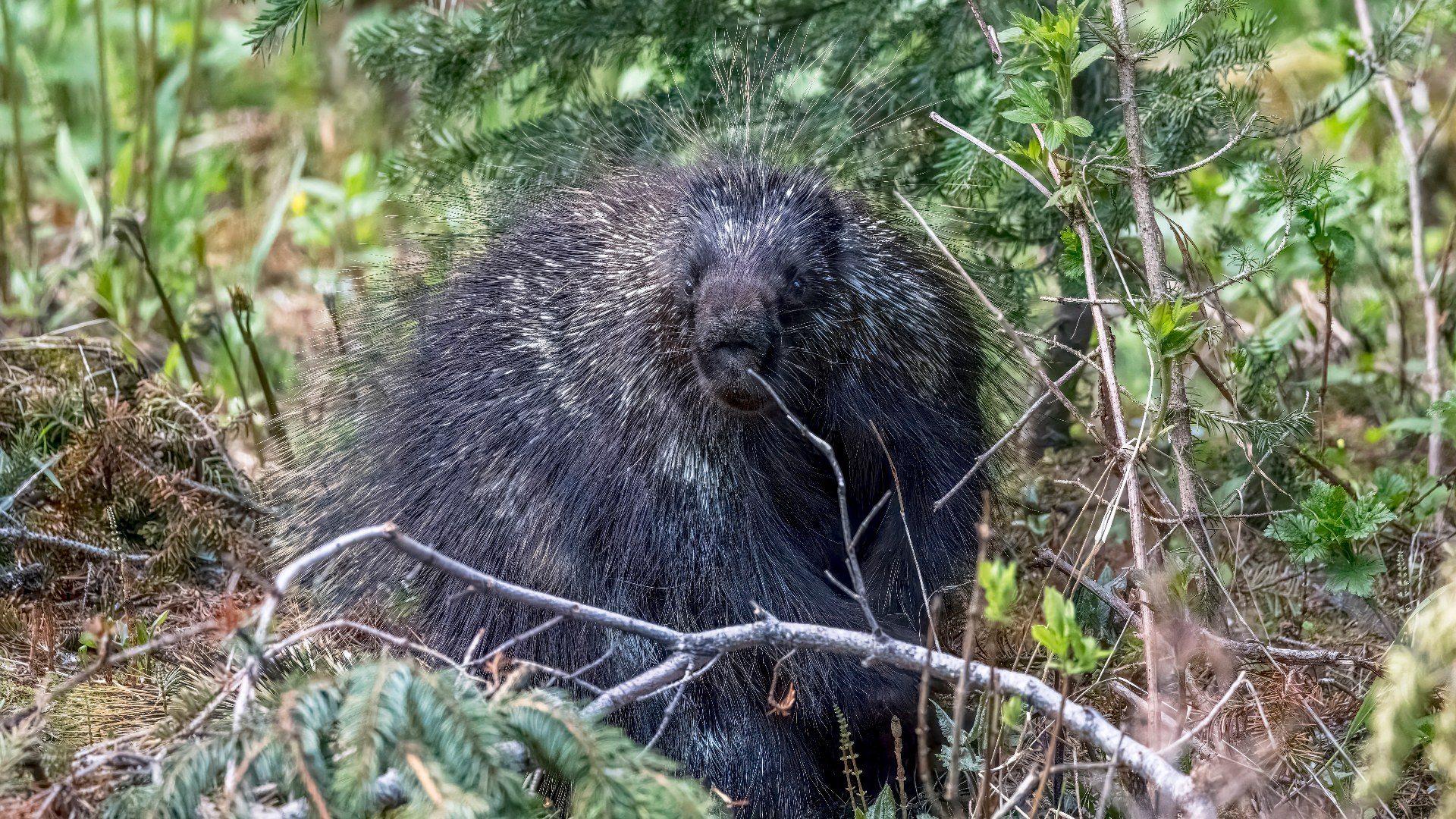
9. North American Porcupine 
8. Red Fox 
7. Eastern Screech Owl 
6. North American Bobcat - AdvertisementSwipe or tap ▶ to continue countdown

5. Coyote 
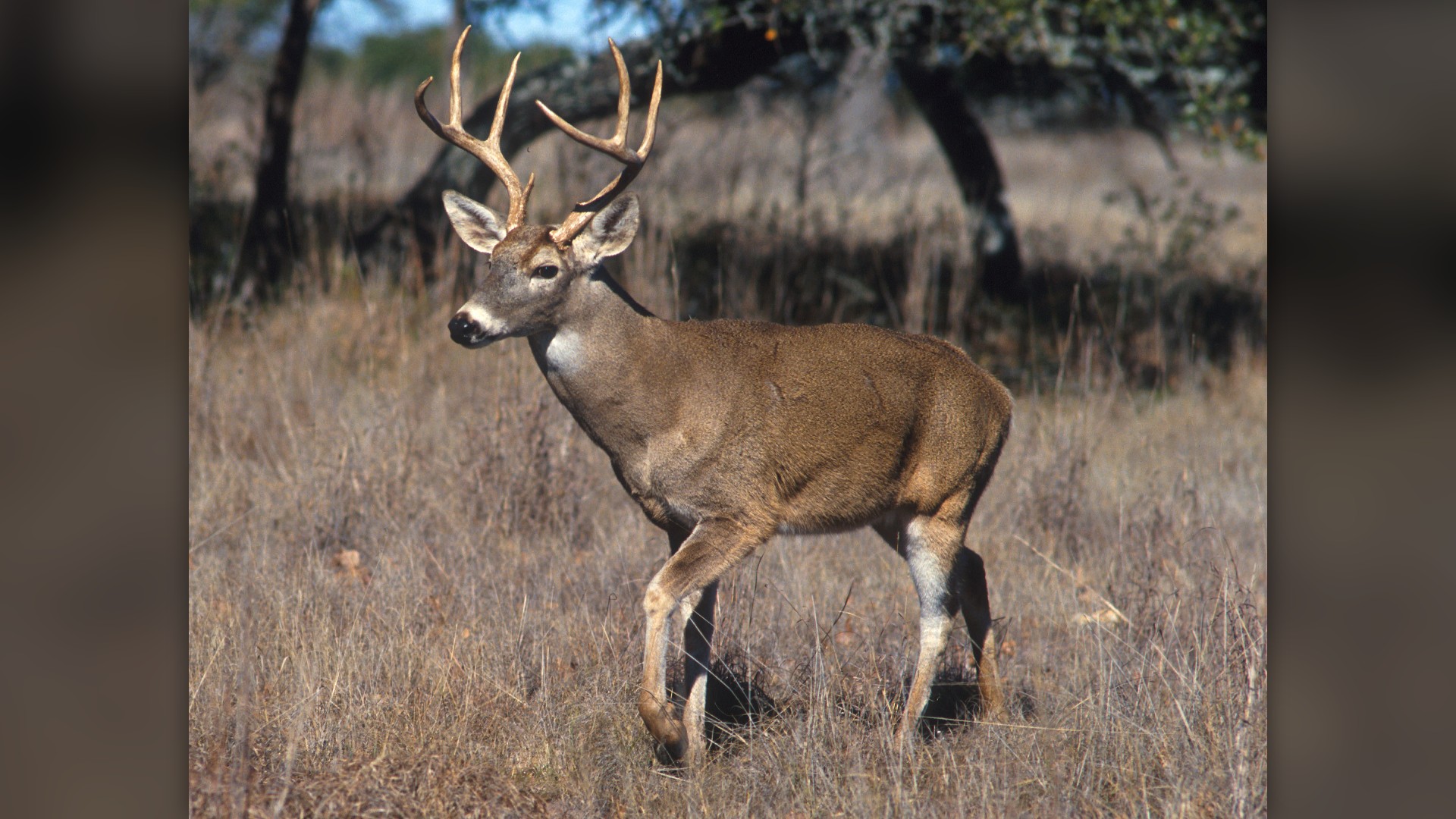
4. White Tailed Deer 
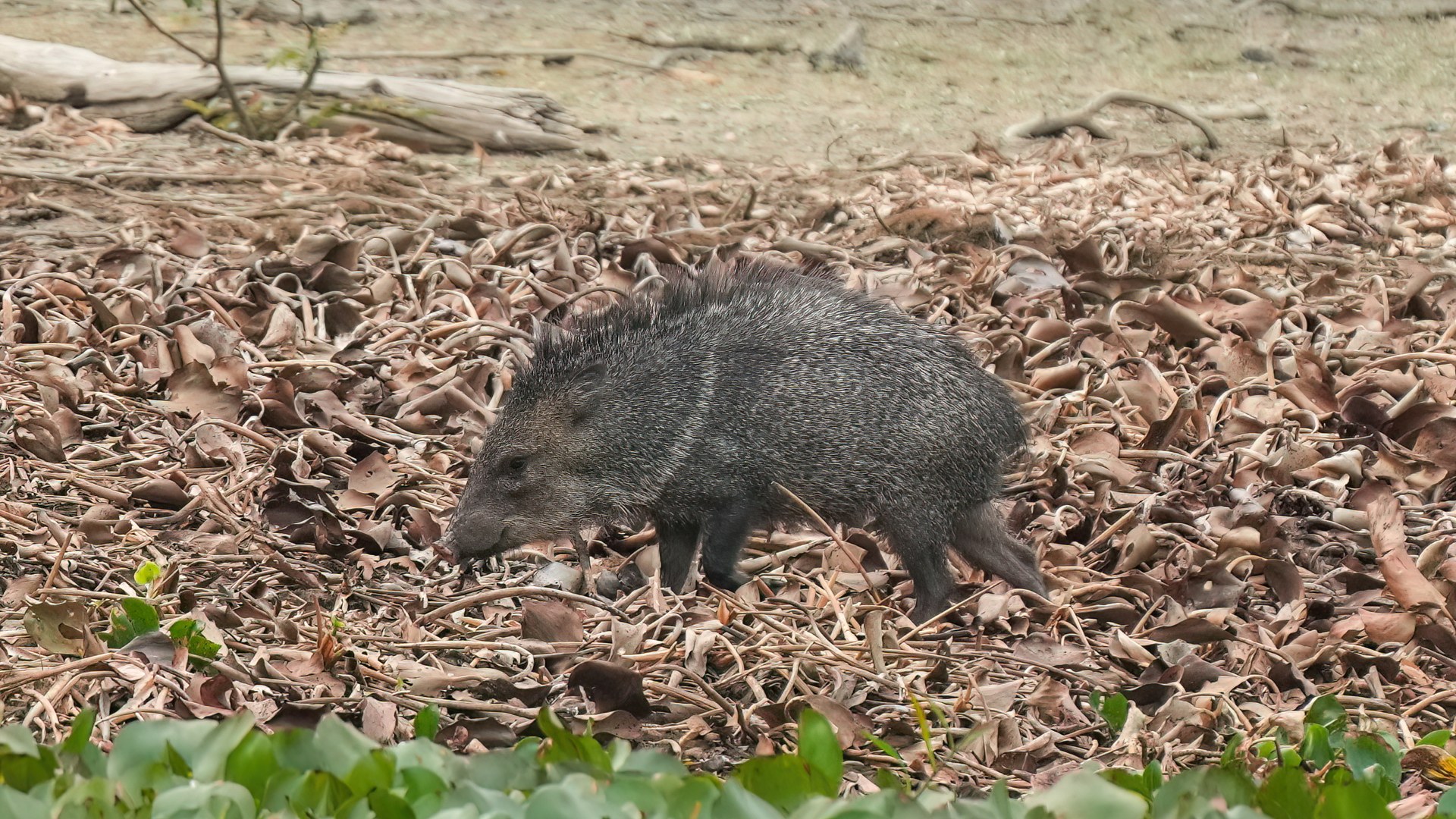
3. Collared Peccary Javelina 
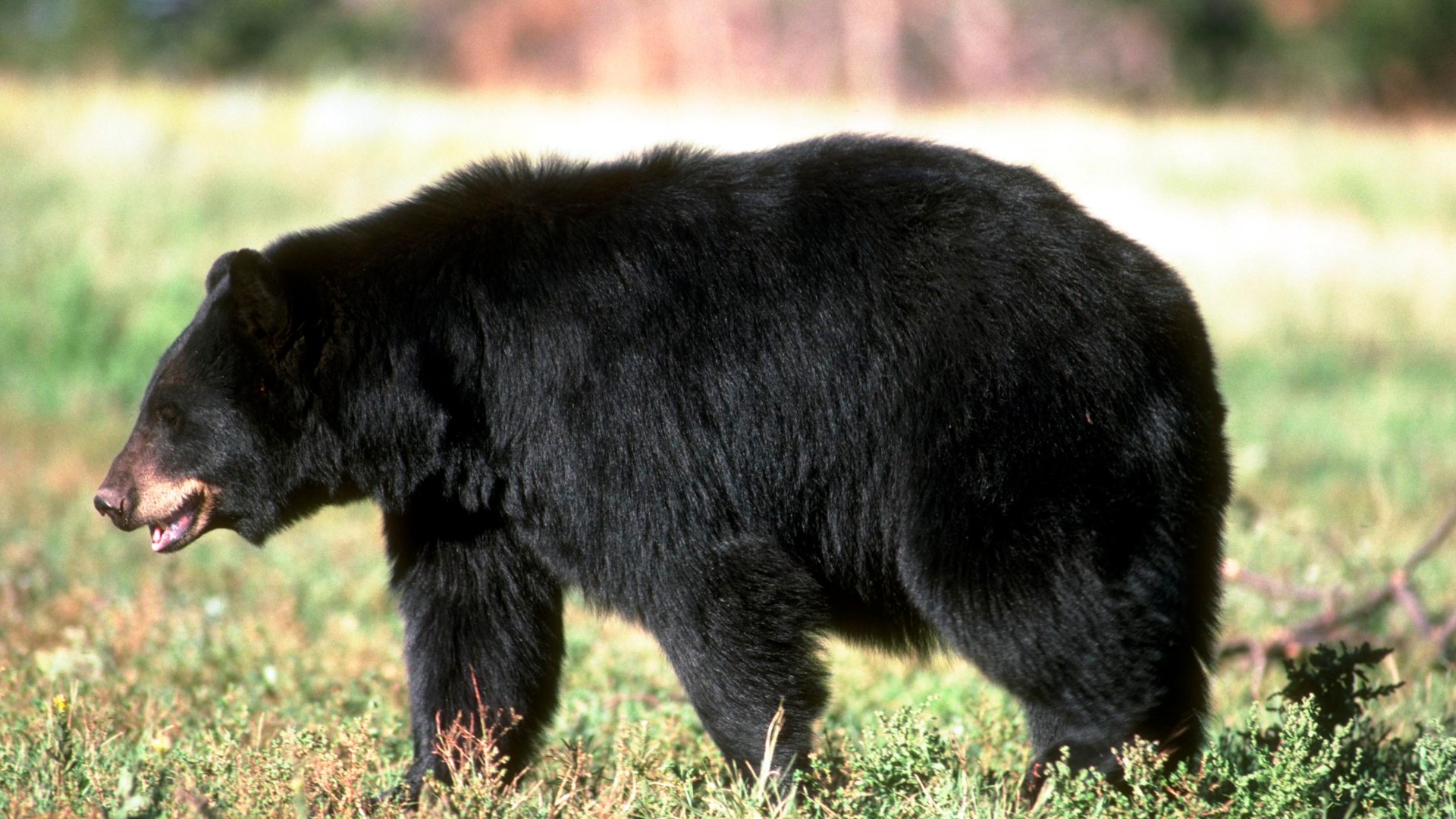
2. American Black Bear - AdvertisementSwipe or tap ▶ to continue countdown

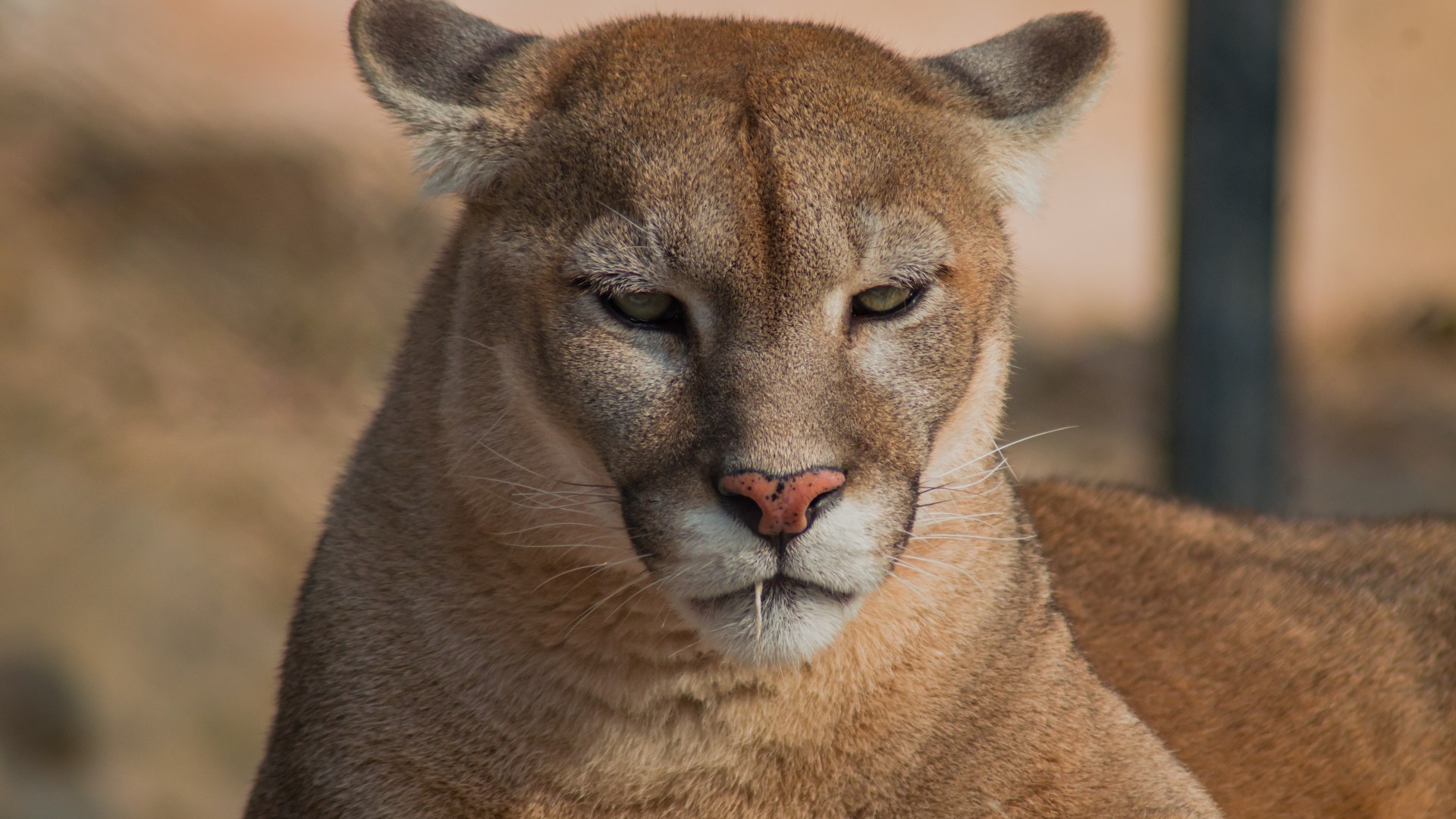
1. Mountain Lion Cougar - Advertisement🔥 UP NEXT IN THIS SERIES◫ 23 Slides

22 Most Secret World War II Aircraft Tested Behind Closed Doors
Between 1939 and 1945, Allied and Axis engineers built jets, flying wings and rocket interceptors in deep wartime secrecy. Ranked from 22 to 1 by historical secrecy and technical leap, this countdown draws on archival records from the Smithsonian, U.S. Air Force Museum, RAF Museum and German Federal Archives.
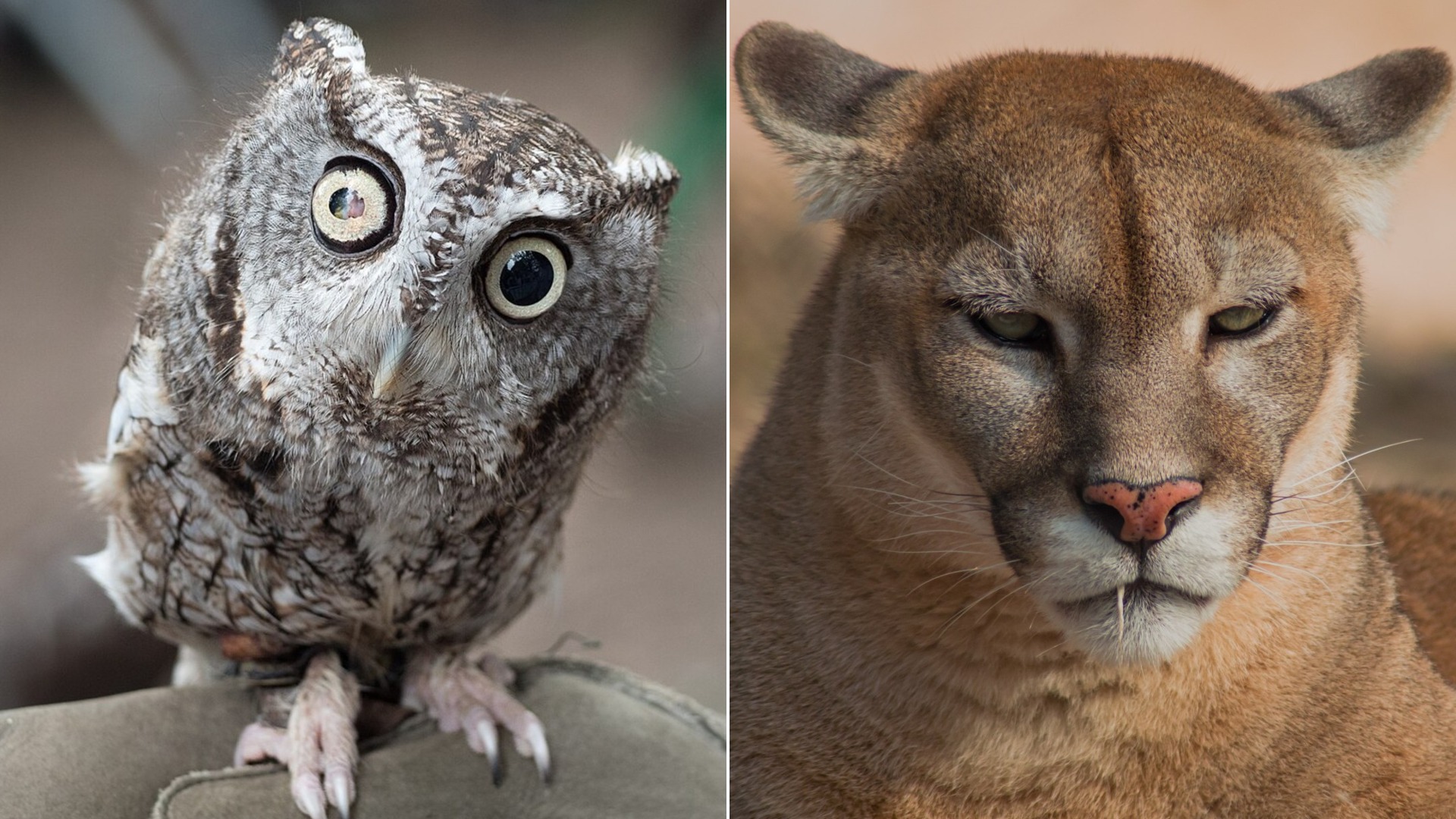
From tiny pollinators sipping garden nectar at dawn to stealthy coyotes and black bears captured on porch cameras after midnight, North American neighborhoods teem with wildlife. Swipe through twenty backyard visitors arranged from smallest to largest.
Swipe or tap ▶ to begin the countdown
©Wikimedia / Rhododendrites & Wikimedia / Shahzaib Damn Cruze
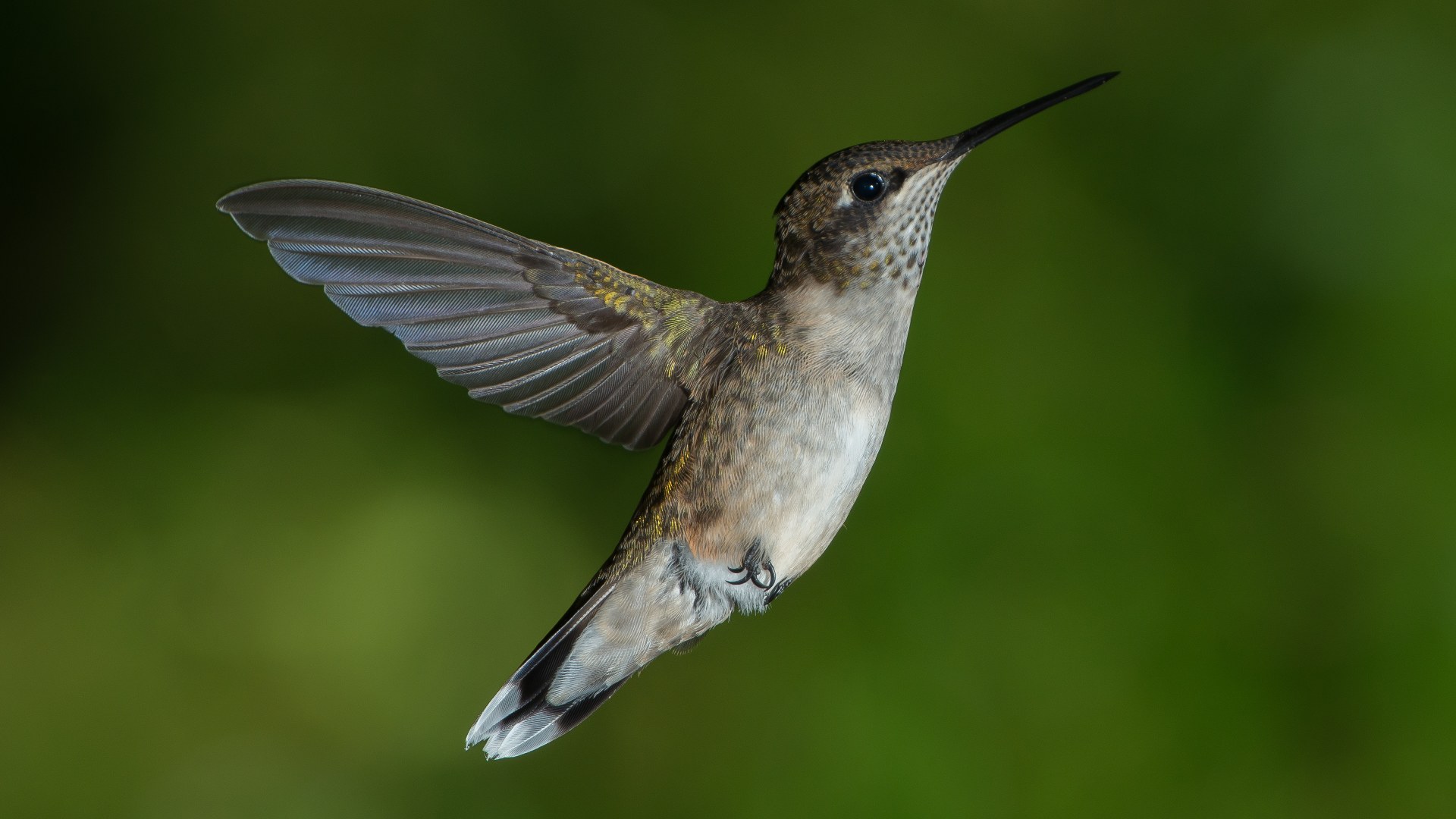
20. Ruby Throated Hummingbird
Weighing roughly three grams, the ruby-throated hummingbird is a common visitor to flowering gardens and red nectar feeders. Beating its wings over fifty times per second, it can hover motionless and even fly backward while refueling on flower nectar.
©Wikimedia / Pslawinski
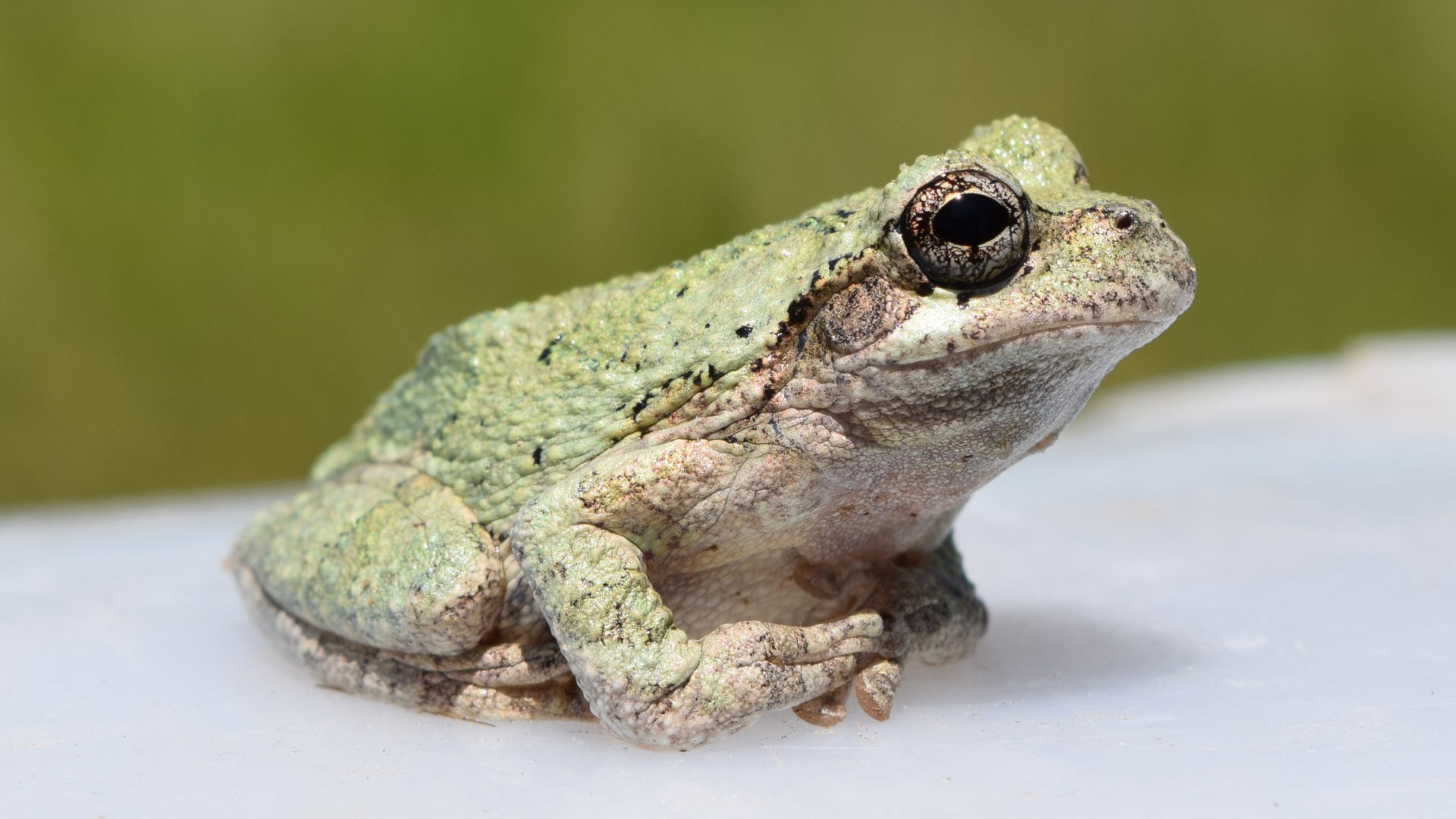
19. Eastern Gray Treefrog
At night, this small woodland amphibian often perches directly on lighted porch windows. Equipped with sticky, expanded toe pads, the gray treefrog hunts moths and beetles drawn to porch lanterns, changing its color from gray to bright green to blend with siding.
©Wikimedia / Fredlyfish4
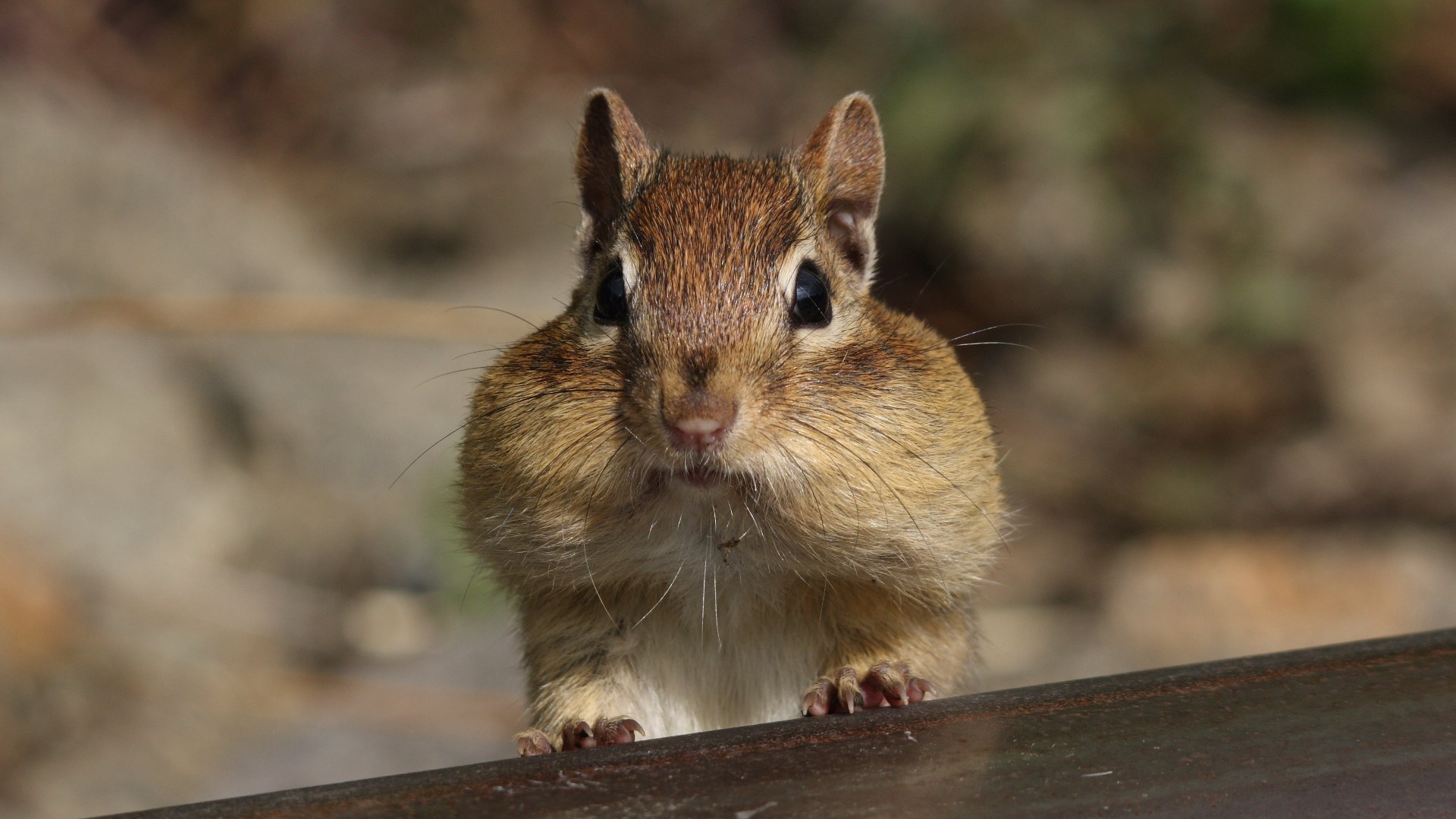
18. Eastern Chipmunk
Darting along garden stone walls, the eastern chipmunk weighs under four ounces but can pack hundreds of seeds inside expandable cheek pouches. Its complex underground burrows feature separate chambers for sleeping, food storage, and waste.
©Wikimedia / Cephas
Advertisement
Swipe or tap ▶ to resume the countdown.
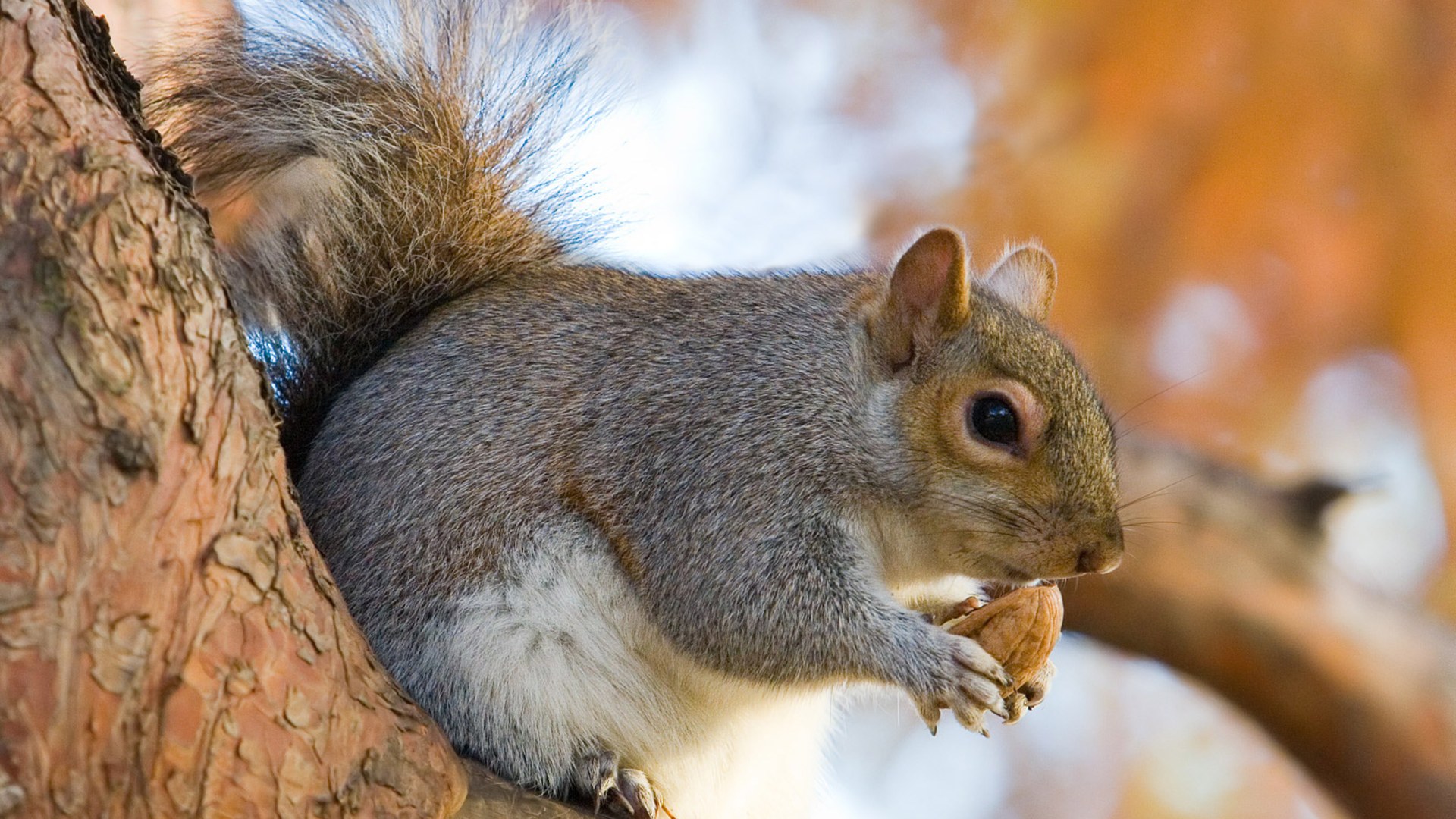
17. Eastern Gray Squirrel
Ubiquitous across North American parks and backyards, gray squirrels can leap ten feet horizontally. To survive cold winters, a single squirrel buries thousands of acorns and nuts across suburban lawns, relying on a sharp spatial memory to recover them.
©Wikimedia / Diliff
16. Eastern Cottontail Rabbit
Emerging at dawn and dusk when suburban neighborhoods grow quiet, eastern cottontails feed on clover, dandelions, and tender garden sprouts. When startled by a dog or lawnmower, they freeze motionless before fleeing in a rapid zig-zag dash.
©Wikimedia / Paul Danese
15. Virginia Opossum
Often misunderstood due to its scruffy appearance, the Virginia opossum is an invaluable backyard cleanup crew. Immune to rabies and venomous snake bites, this nocturnal wanderer consumes thousands of unwanted disease-carrying ticks and garden pests each summer.
©Wikimedia / Cody Pope
14. Striped Skunk
Shy and near-sighted, striped skunks roam yards after dark digging small conical holes in search of lawn grubs. Skunks prefer to flee rather than spray, only unleashing their sulfurous scent after stomping their front feet and hissing a clear warning.
©Wikimedia / Dan & Lin Dzurisin
Advertisement
Swipe or tap ▶ to resume the countdown.
13. Northern Raccoon
Equipped with sensitive front paws that function like human hands, raccoons are the ultimate suburban opportunists. These masked foragers can solve complex latches, lift heavy bin lids, and memorize food locations across suburban blocks for years.
©Wikimedia / Raccoon
12. Groundhog Woodchuck
Also called woodchucks, groundhogs are true hibernators that spend summer mornings gorging on garden vegetables. Their powerful curved claws can excavate sprawling multi-entrance burrows up to forty feet long beneath sheds and raised garden beds.
©Wikimedia / Cephas
11. Nine Banded Armadillo
Expanding northward across the American South, the nine-banded armadillo uses a sensitive snout to sniff out subterranean grubs beneath backyard turf. When startled, this armored mammal can jump three to four feet straight into the air.
©Wikimedia / Rhododendrites
10. Wild Turkey
Once scarce across much of North America, wild turkeys have made a remarkable suburban comeback. Ranging in flocks through backyards, these large birds forage for acorns, berries, and insects, occasionally roosting in high backyard tree branches at sunset.
©Wikimedia / Frank Schulenburg
Advertisement
Swipe or tap ▶ to resume the countdown.
9. North American Porcupine
Weighing up to twenty pounds, the slow-moving porcupine visits wooded suburban perimeters to gnaw on tree bark and garden salt deposits. Despite persistent myths, porcupines cannot throw their quills; barbed quills detach only upon direct contact.
©Wikimedia / Charles J. Sharp
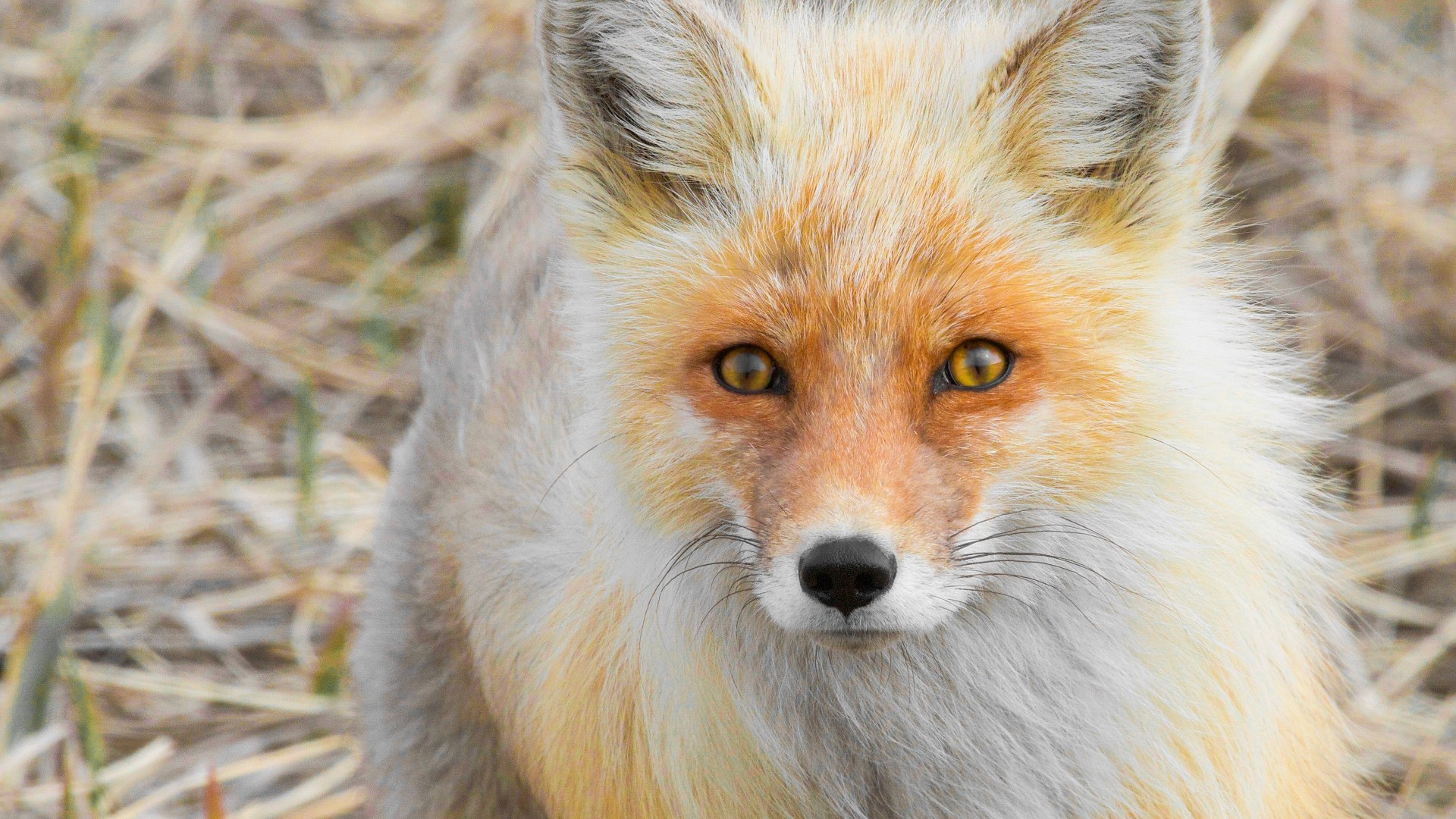
8. Red Fox
With a rusty coat and bright white tail tip, the red fox thrives in suburban neighborhoods where overgrown fence lines provide cover. Trotting quietly through backyards, this agile hunter pounces on mice, voles, and rabbits with acoustic precision.
©Wikimedia / Gregory "Slobirdr" Smith
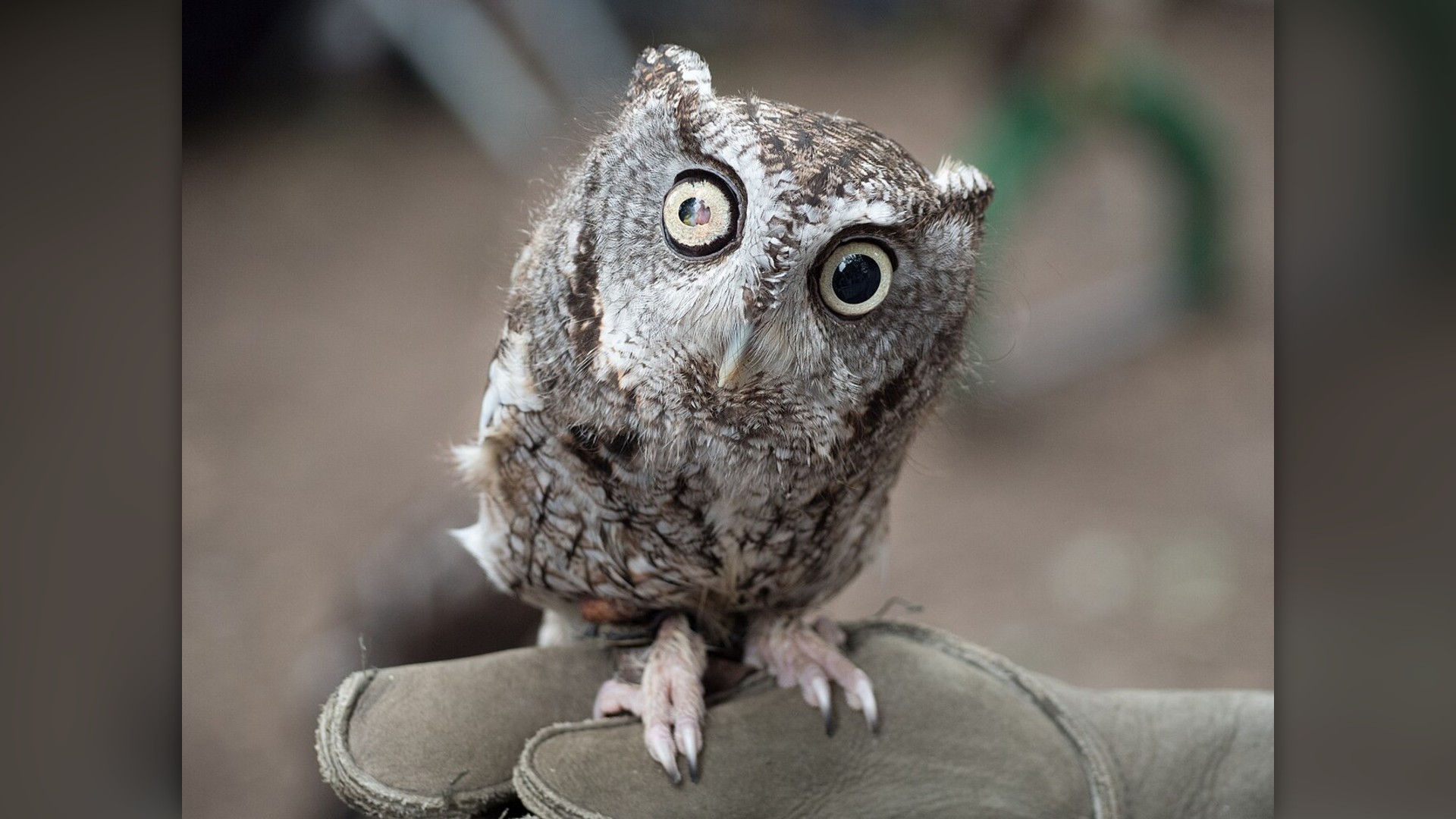
7. Eastern Screech Owl
Measuring just eight inches tall, the eastern screech owl frequently adopts backyard nesting boxes and hollow maple branches. Despite its name, this little owl produces a gentle, tremulous whinny at dusk before hunting beetles, mice, and earthworms.
©Wikimedia / Rhododendrites
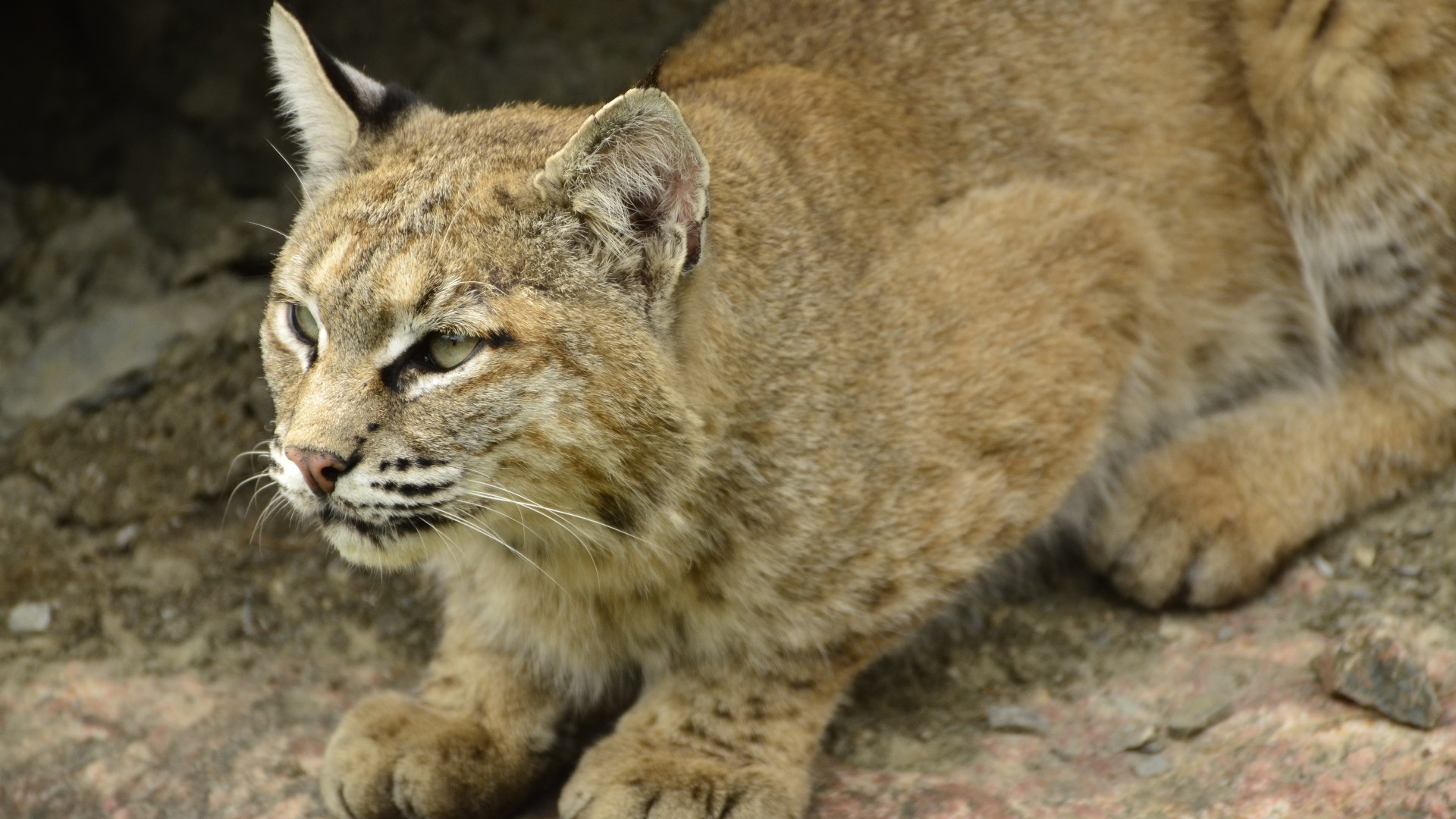
6. North American Bobcat
Featuring tufted ears and a short bobbed tail, bobcats navigate suburban canyons and backyard borders without making a sound. Keeping rodent and rabbit populations balanced, these solitary felines avoid humans and vanish into brush at the slightest noise.
©Wikimedia / Letartean
Advertisement
Swipe or tap ▶ to resume the countdown.
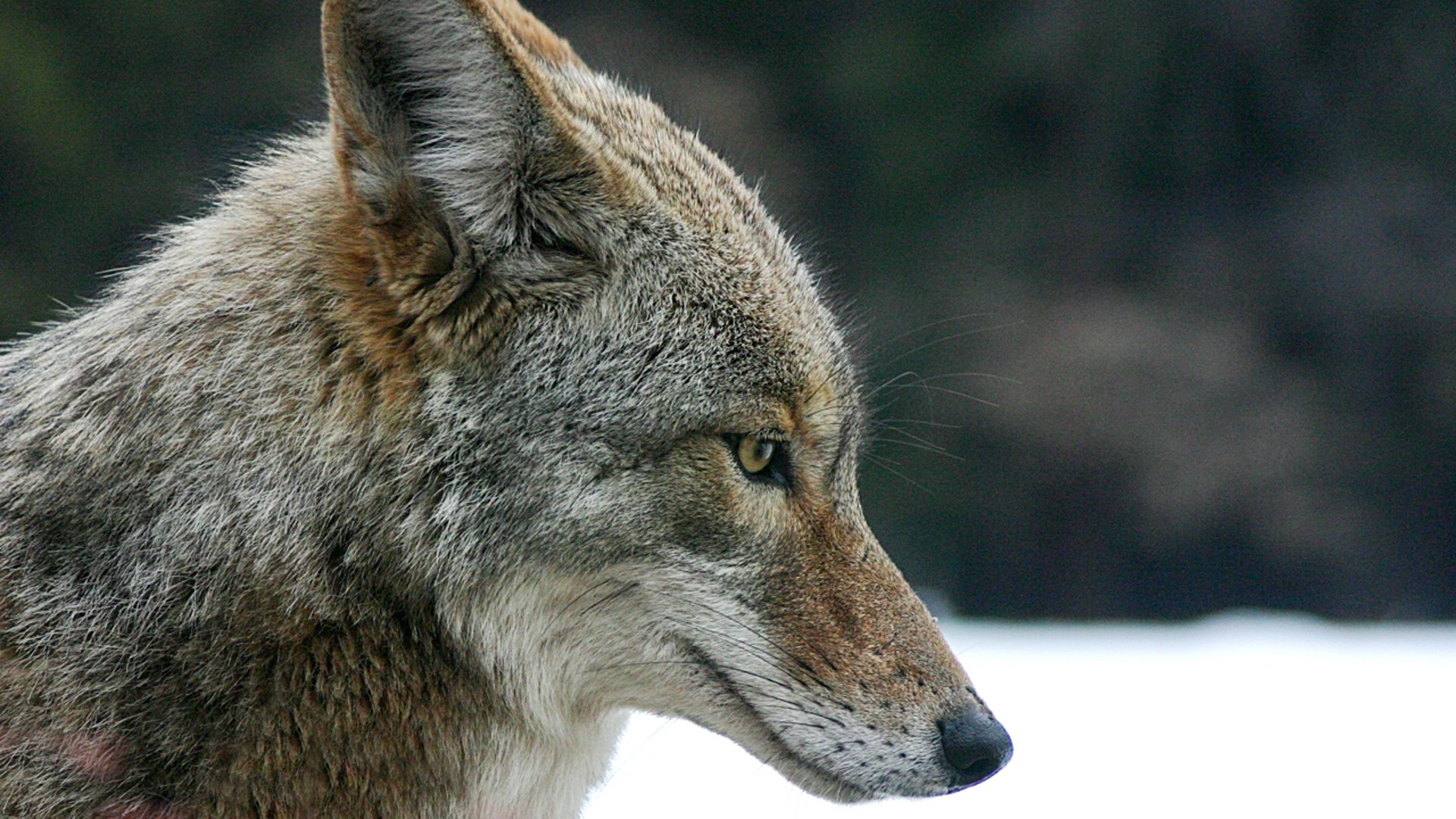
5. Coyote
From rural farmsteads to major city suburbs, coyotes have colonized nearly every corner of North America. Intelligent and observant, they use drainage culverts and greenbelts to travel through neighborhoods unseen, scavenging fallen fruit and hunting rodents.
©Wikimedia / Christopher Bruno
4. White Tailed Deer
A familiar sight from New England suburbs to Midwest subdivisions, white-tailed deer thrive on suburban plant diversity. Mothers frequently leave fawns curled safely in tall backyard garden beds for hours while browsing nearby hostas.
©Wikimedia / White-tailed deer
3. Collared Peccary Javelina
Resembling small wild boars, javelinas are native peccaries that roam suburban neighborhoods in Arizona and Texas. Traveling in close-knit family squadrons, they use sharp tusks to dig up prickly pear cactus pads and garden roots.
©Wikimedia / Giles Laurent
2. American Black Bear
In communities bordered by national forests or foothills, black bears frequently wander into residential yards. Possessing a sense of smell seven times stronger than a bloodhound, a hungry bear can locate greasy backyard barbecue grills and bird seed from miles away.
©Wikimedia / California Department
Advertisement
Swipe or tap ▶ to resume the countdown.
1. Mountain Lion Cougar
Roaming suburban fringes across California, Colorado, and the Pacific Northwest, mountain lions occasionally glide through backyards along canyon edges. Weighing up to one hundred fifty pounds, these solitary cats move like ghosts, rarely seen by human eyes.

©Wikimedia / Shahzaib Damn Cruze
Advertisement
You've reached the end of the story. Thanks for reading!

22 Most Secret World War II Aircraft Tested Behind Closed Doors
Between 1939 and 1945, Allied and Axis engineers built jets, flying wings and rocket interceptors in deep wartime secrecy. Ranked from 22 to 1 by historical secrecy and technical leap, this countdown draws on archival records from the Smithsonian, U.S. Air Force Museum, RAF Museum and German Federal Archives.
All 20 Entries in this Story
1. Ruby Throated Hummingbird
Weighing roughly three grams, the ruby-throated hummingbird is a common visitor to flowering gardens and red nectar feeders. Beating its wings over fifty times per second, it can hover motionless and even fly backward while refueling on flower nectar.

2. Eastern Gray Treefrog
At night, this small woodland amphibian often perches directly on lighted porch windows. Equipped with sticky, expanded toe pads, the gray treefrog hunts moths and beetles drawn to porch lanterns, changing its color from gray to bright green to blend with siding.

3. Eastern Chipmunk
Darting along garden stone walls, the eastern chipmunk weighs under four ounces but can pack hundreds of seeds inside expandable cheek pouches. Its complex underground burrows feature separate chambers for sleeping, food storage, and waste.

4. Eastern Gray Squirrel
Ubiquitous across North American parks and backyards, gray squirrels can leap ten feet horizontally. To survive cold winters, a single squirrel buries thousands of acorns and nuts across suburban lawns, relying on a sharp spatial memory to recover them.

5. Eastern Cottontail Rabbit
Emerging at dawn and dusk when suburban neighborhoods grow quiet, eastern cottontails feed on clover, dandelions, and tender garden sprouts. When startled by a dog or lawnmower, they freeze motionless before fleeing in a rapid zig-zag dash.

6. Virginia Opossum
Often misunderstood due to its scruffy appearance, the Virginia opossum is an invaluable backyard cleanup crew. Immune to rabies and venomous snake bites, this nocturnal wanderer consumes thousands of unwanted disease-carrying ticks and garden pests each summer.

7. Striped Skunk
Shy and near-sighted, striped skunks roam yards after dark digging small conical holes in search of lawn grubs. Skunks prefer to flee rather than spray, only unleashing their sulfurous scent after stomping their front feet and hissing a clear warning.

8. Northern Raccoon
Equipped with sensitive front paws that function like human hands, raccoons are the ultimate suburban opportunists. These masked foragers can solve complex latches, lift heavy bin lids, and memorize food locations across suburban blocks for years.

9. Groundhog Woodchuck
Also called woodchucks, groundhogs are true hibernators that spend summer mornings gorging on garden vegetables. Their powerful curved claws can excavate sprawling multi-entrance burrows up to forty feet long beneath sheds and raised garden beds.

10. Nine Banded Armadillo
Expanding northward across the American South, the nine-banded armadillo uses a sensitive snout to sniff out subterranean grubs beneath backyard turf. When startled, this armored mammal can jump three to four feet straight into the air.

11. Wild Turkey
Once scarce across much of North America, wild turkeys have made a remarkable suburban comeback. Ranging in flocks through backyards, these large birds forage for acorns, berries, and insects, occasionally roosting in high backyard tree branches at sunset.

12. North American Porcupine
Weighing up to twenty pounds, the slow-moving porcupine visits wooded suburban perimeters to gnaw on tree bark and garden salt deposits. Despite persistent myths, porcupines cannot throw their quills; barbed quills detach only upon direct contact.

13. Red Fox
With a rusty coat and bright white tail tip, the red fox thrives in suburban neighborhoods where overgrown fence lines provide cover. Trotting quietly through backyards, this agile hunter pounces on mice, voles, and rabbits with acoustic precision.

14. Eastern Screech Owl
Measuring just eight inches tall, the eastern screech owl frequently adopts backyard nesting boxes and hollow maple branches. Despite its name, this little owl produces a gentle, tremulous whinny at dusk before hunting beetles, mice, and earthworms.

15. North American Bobcat
Featuring tufted ears and a short bobbed tail, bobcats navigate suburban canyons and backyard borders without making a sound. Keeping rodent and rabbit populations balanced, these solitary felines avoid humans and vanish into brush at the slightest noise.

16. Coyote
From rural farmsteads to major city suburbs, coyotes have colonized nearly every corner of North America. Intelligent and observant, they use drainage culverts and greenbelts to travel through neighborhoods unseen, scavenging fallen fruit and hunting rodents.

17. White Tailed Deer
A familiar sight from New England suburbs to Midwest subdivisions, white-tailed deer thrive on suburban plant diversity. Mothers frequently leave fawns curled safely in tall backyard garden beds for hours while browsing nearby hostas.

18. Collared Peccary Javelina
Resembling small wild boars, javelinas are native peccaries that roam suburban neighborhoods in Arizona and Texas. Traveling in close-knit family squadrons, they use sharp tusks to dig up prickly pear cactus pads and garden roots.

19. American Black Bear
In communities bordered by national forests or foothills, black bears frequently wander into residential yards. Possessing a sense of smell seven times stronger than a bloodhound, a hungry bear can locate greasy backyard barbecue grills and bird seed from miles away.

20. Mountain Lion Cougar
Roaming suburban fringes across California, Colorado, and the Pacific Northwest, mountain lions occasionally glide through backyards along canyon edges. Weighing up to one hundred fifty pounds, these solitary cats move like ghosts, rarely seen by human eyes.