Slideshow · Animals
World Lemur Day: 20 Incredible Facts About Unusual Animals
Discover the extraordinary biology and secrets of Madagascar's wild lemurs.
By Most Viral Today
30 Oct 2026

World Lemur Day: 20 Incredible Facts About Unusual Animals 
20. Ancient Rafting Voyage 
19. Complete Island Endemism 
18. Over 100 Unique Species - AdvertisementSwipe or tap ▶ to continue countdown

17. World's Smallest Primate 
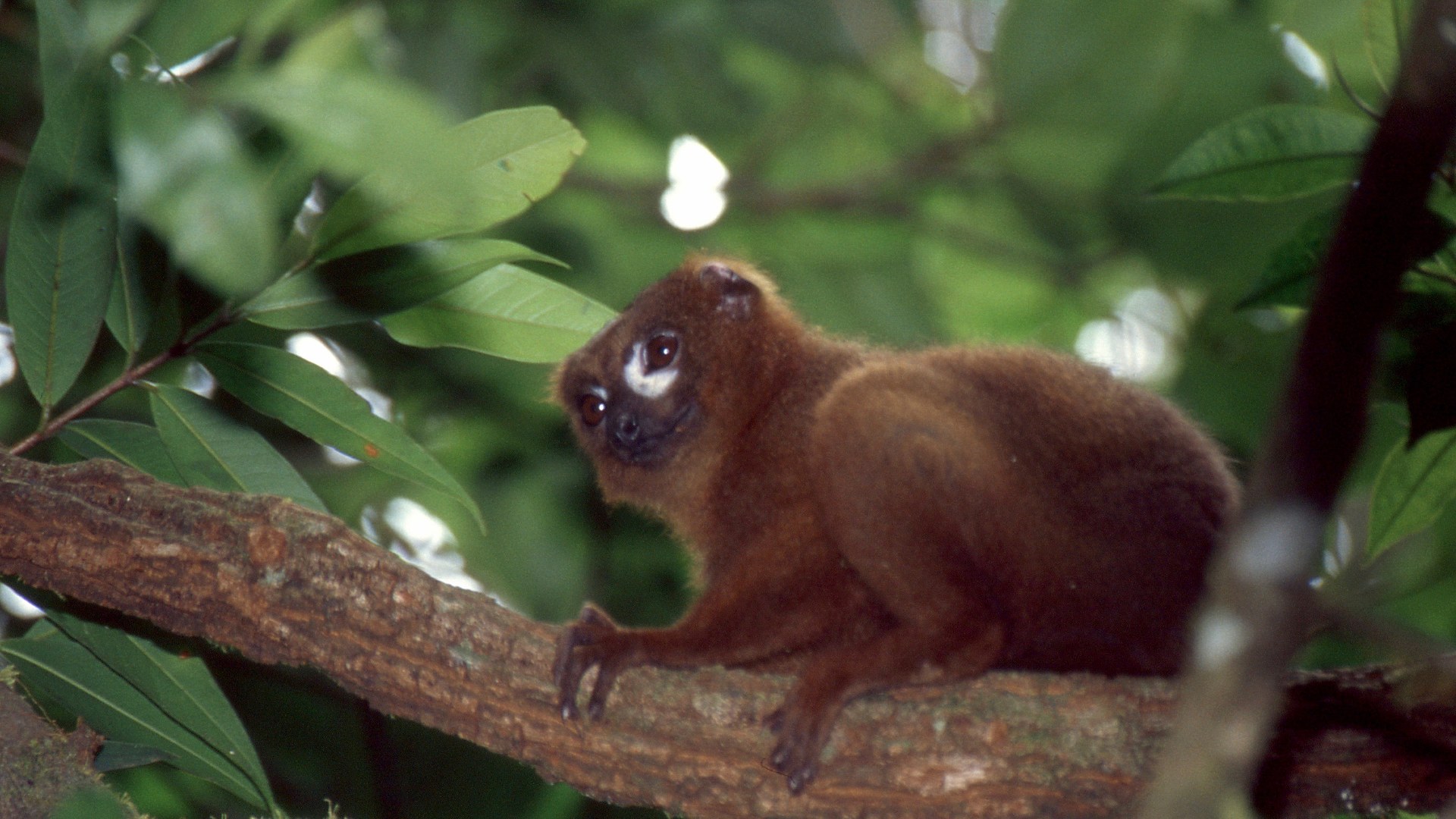
16. Nocturnal Tree Foragers 
15. Specialized Gum Feeders 
14. Lethal Cyanide Immunity - AdvertisementSwipe or tap ▶ to continue countdown

13. Heavyweight Bamboo Grazers 
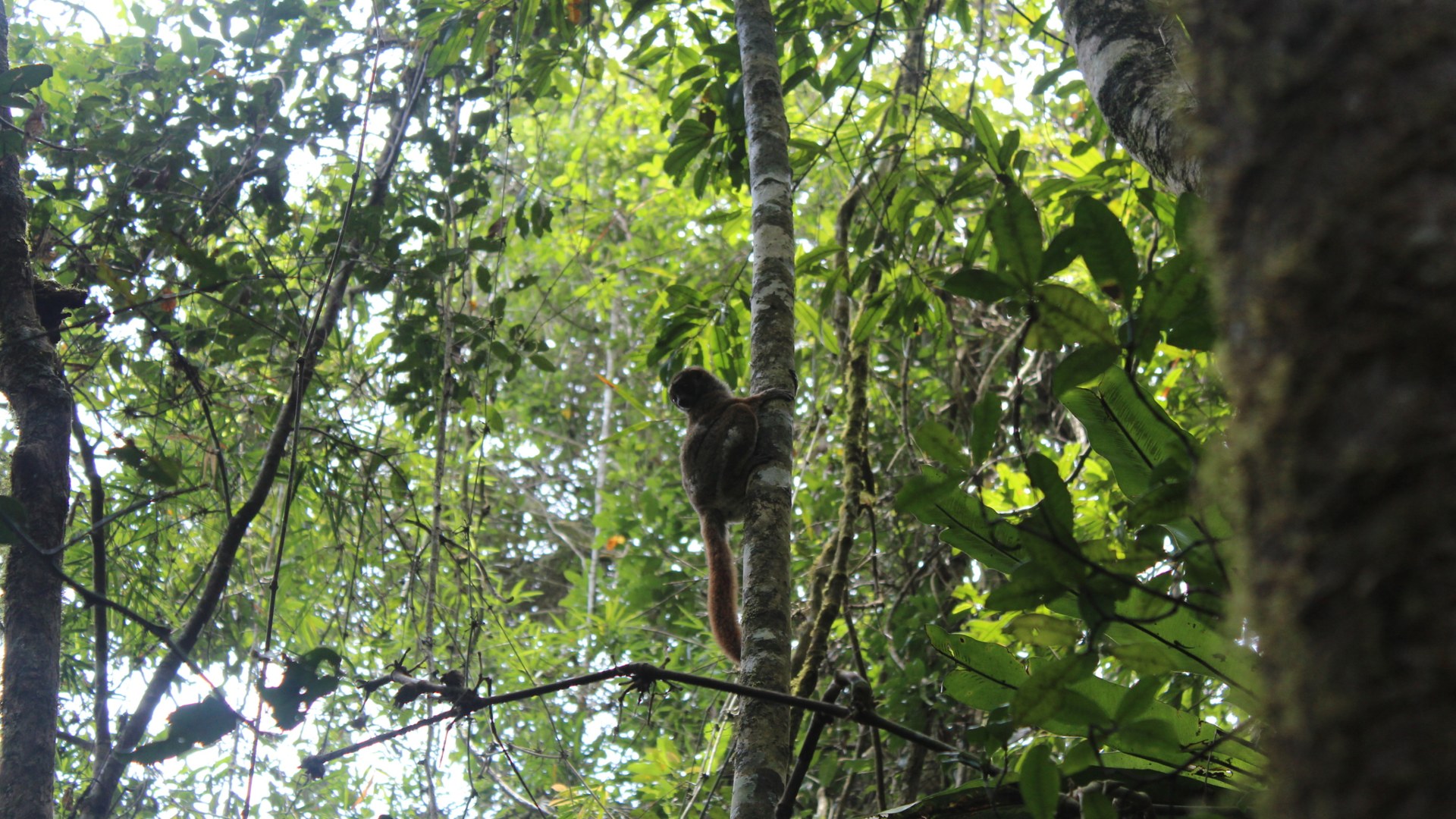
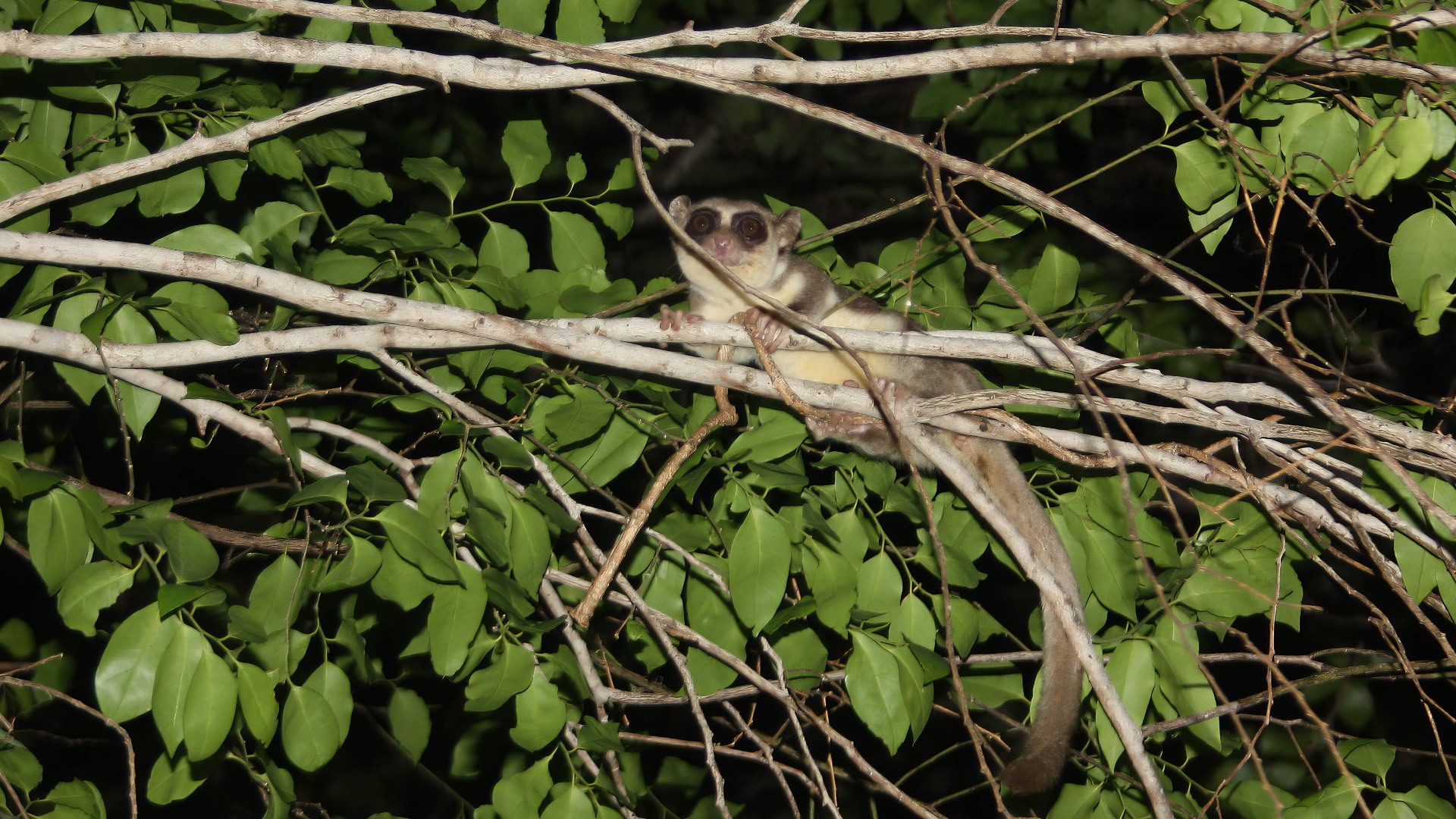
12. The Primate That Hibernates 
11. Canopy Seed Dispersers 
10. Island Plant Pollinators - AdvertisementSwipe or tap ▶ to continue countdown

9. Brilliant Blue Eyes 
8. Scent-Driven Battles 
7. Built In Toothcombs 
6. Sideways Dance Moves - AdvertisementSwipe or tap ▶ to continue countdown

5. Fierce Female Leadership 
4. Ghostly Morning Songs 
3. Sun-Worship Morning Rituals 
2. Percussive Woodpecker Mimics - AdvertisementSwipe or tap ▶ to continue countdown

1. Saving Madagascar's Icons - Advertisement🔥 UP NEXT IN THIS SERIES◫ 22 Slides

How Long Do Hippos Live? 20 Other Facts About Hippos
From sixty-year lifespans to whale cousins, discover secrets of river giants
Explore 20 fascinating facts about Madagascar's lemurs, from poisonous diets and seven-month hibernations to singing duets and matriarchal troops.
Swipe or tap ▶ to begin the countdown
©Wikimedia / Mathias Appel & Wikimedia / Vijay Barve
20. Ancient Rafting Voyage
Around sixty million years ago, ancestral primates crossed the Mozambique Channel from Africa on large mats of tangled vegetation. Isolated on Madagascar without competition from monkeys, they branched into a unique primate lineage.
©Wikimedia / Rod Waddington
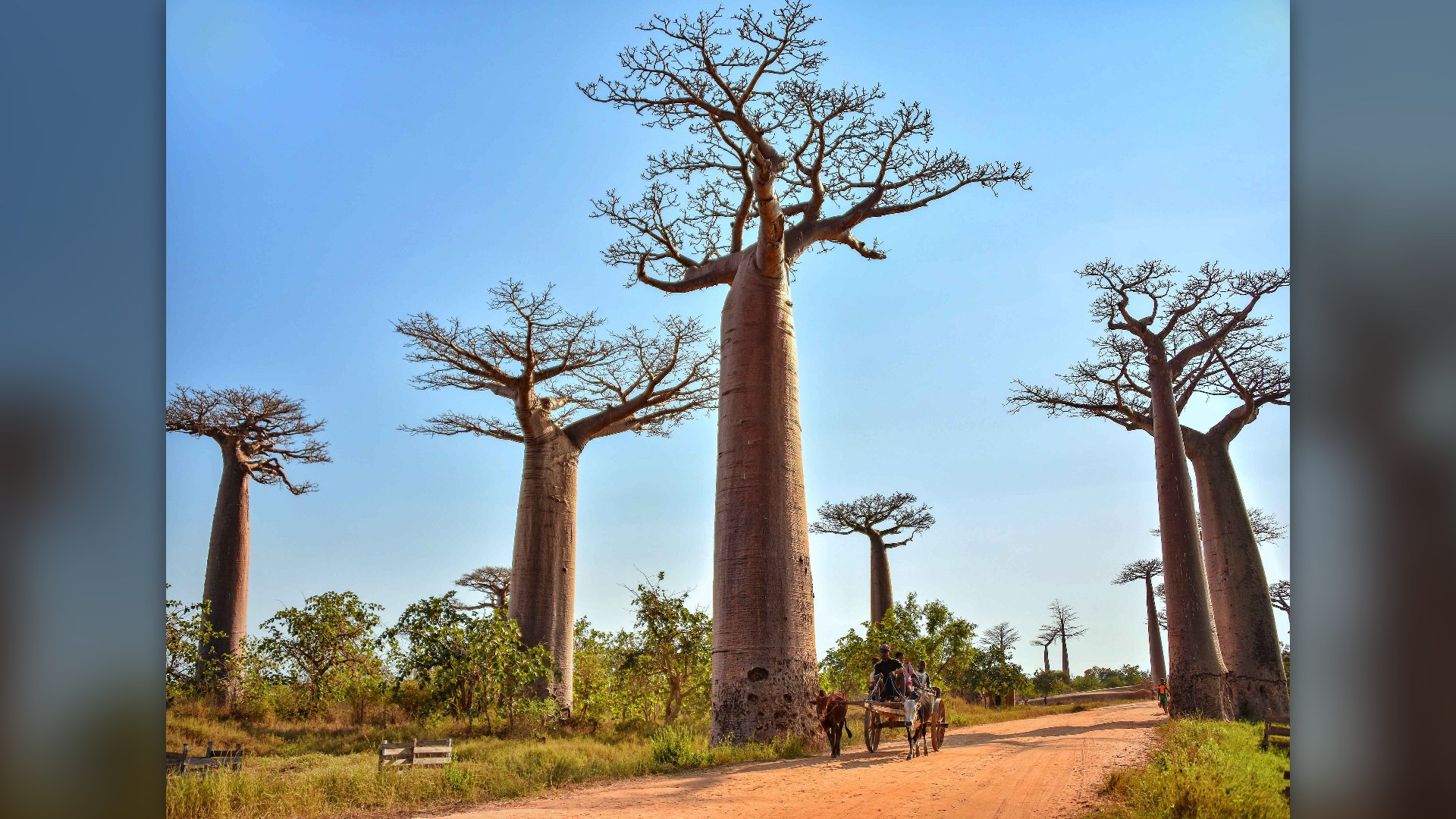
19. Complete Island Endemism
Every wild lemur on Earth lives on Madagascar or the neighboring Comoro Islands. Having evolved in isolation for tens of millions of years, lemurs cannot be found naturally anywhere else on the planet.
©Wikimedia / Rod Waddington
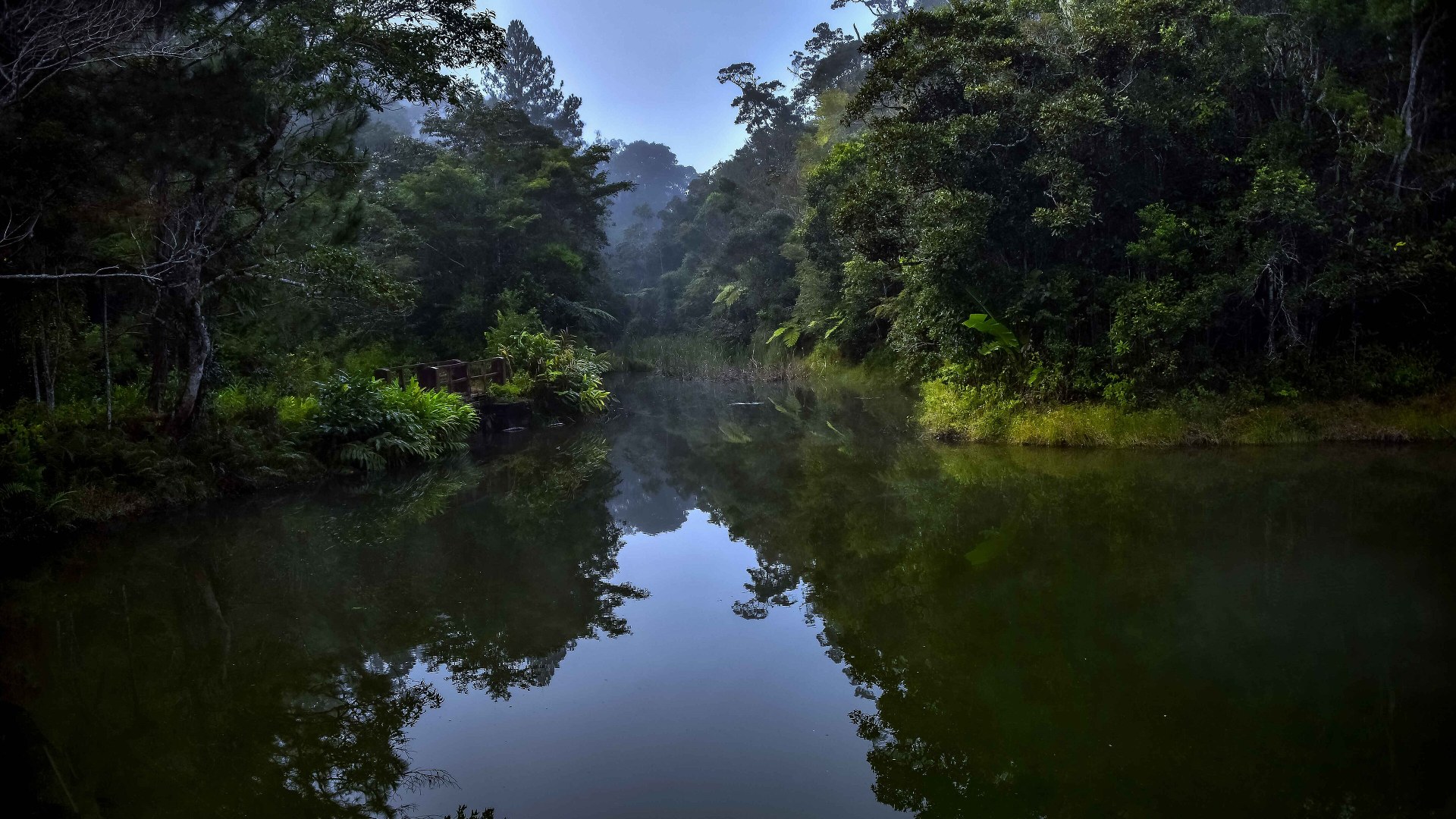
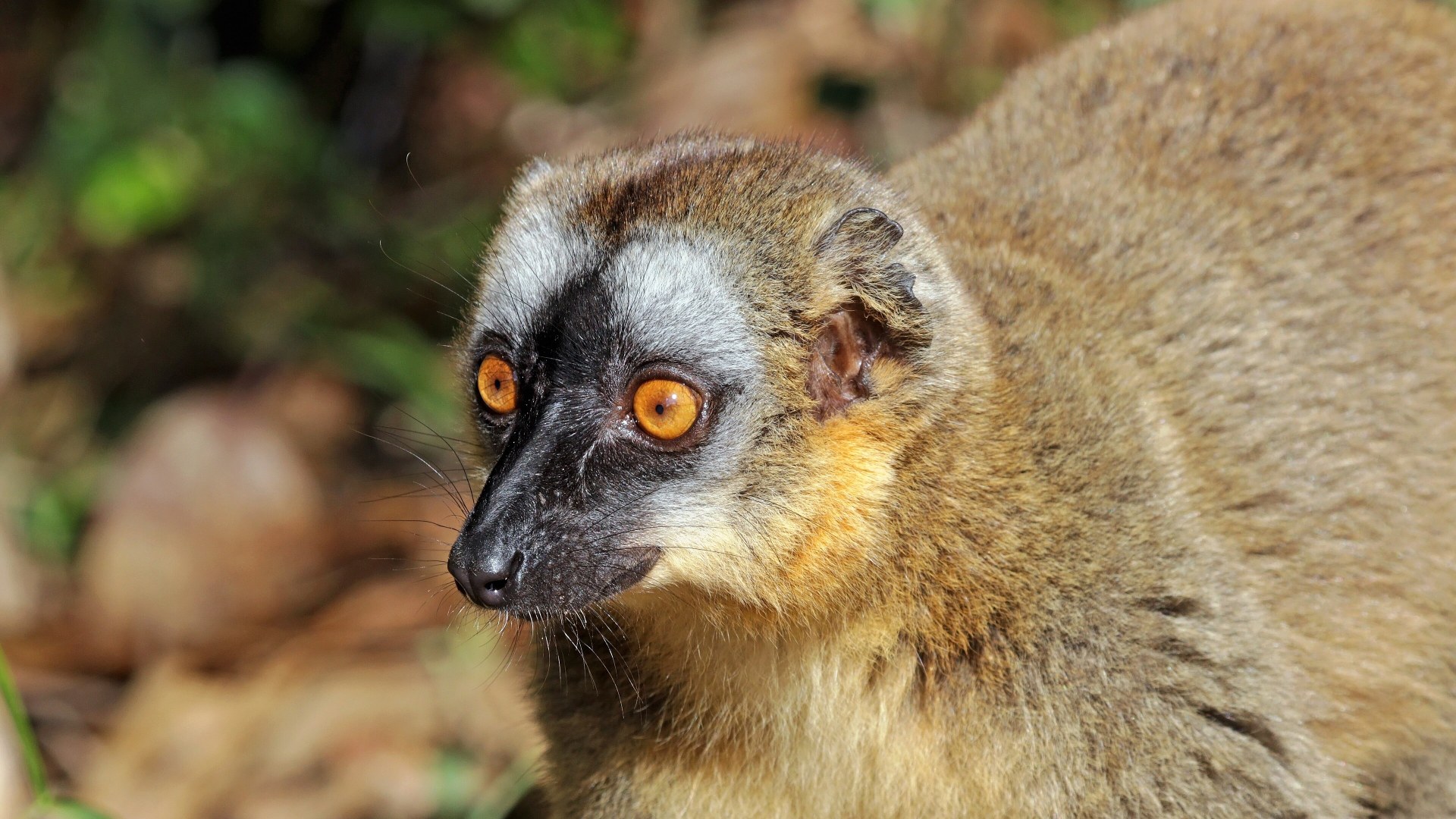
18. Over 100 Unique Species
From tree-dwelling acrobats to tiny night stalkers, scientists recognize over one hundred living lemur species. They occupy distinct environmental niches across rainforests, dry spiny forests, and mountain ranges.
©Wikimedia / Charles J. Sharp
Advertisement
Swipe or tap ▶ to resume the countdown.
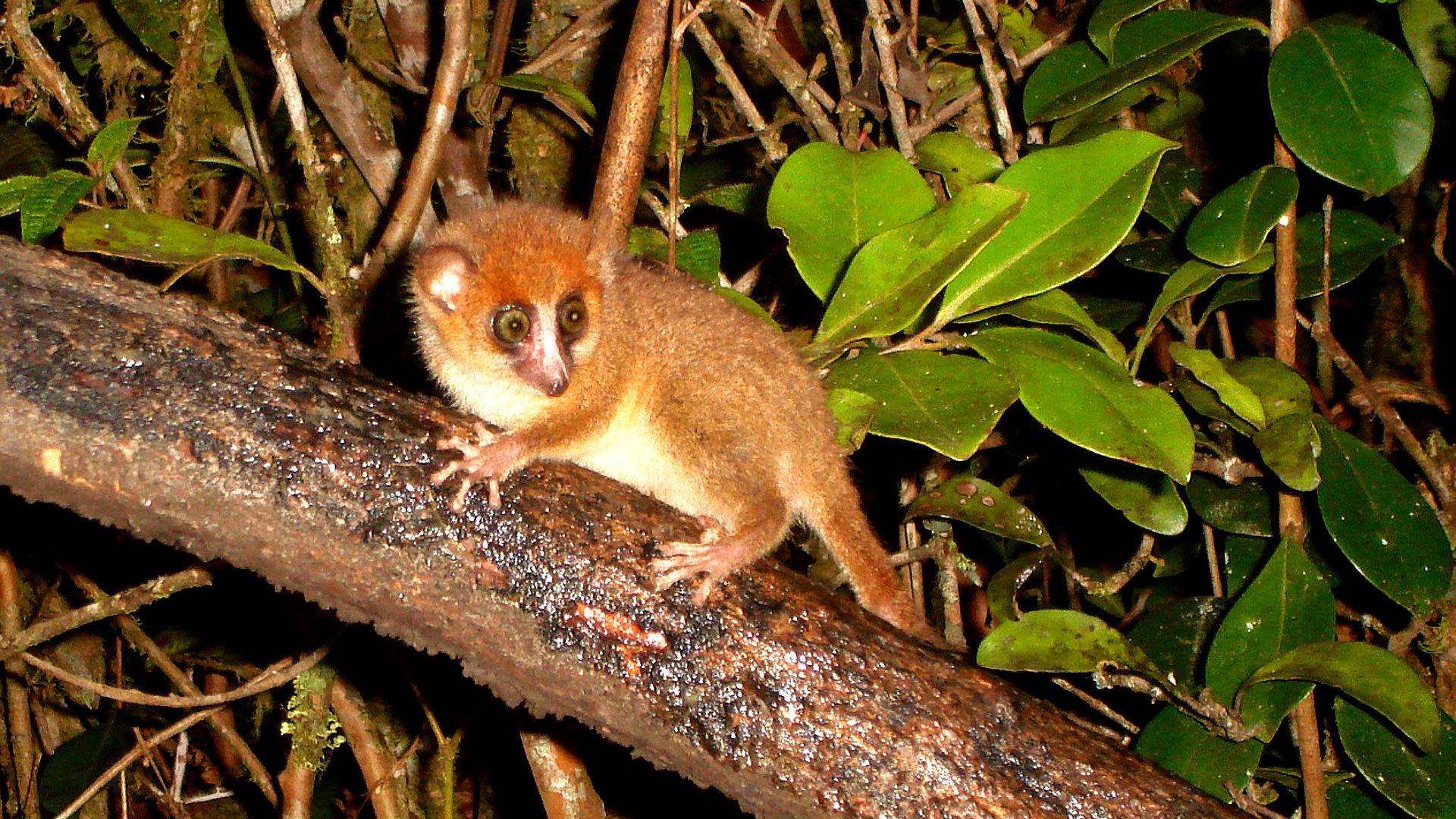
17. World's Smallest Primate
Madame Berthe's mouse lemur measures less than four inches long and weighs only thirty grams. This diminutive nocturnal primate can comfortably sit inside a human teacup while hunting insects under cover of darkness.
©Wikimedia / Gailhampshire
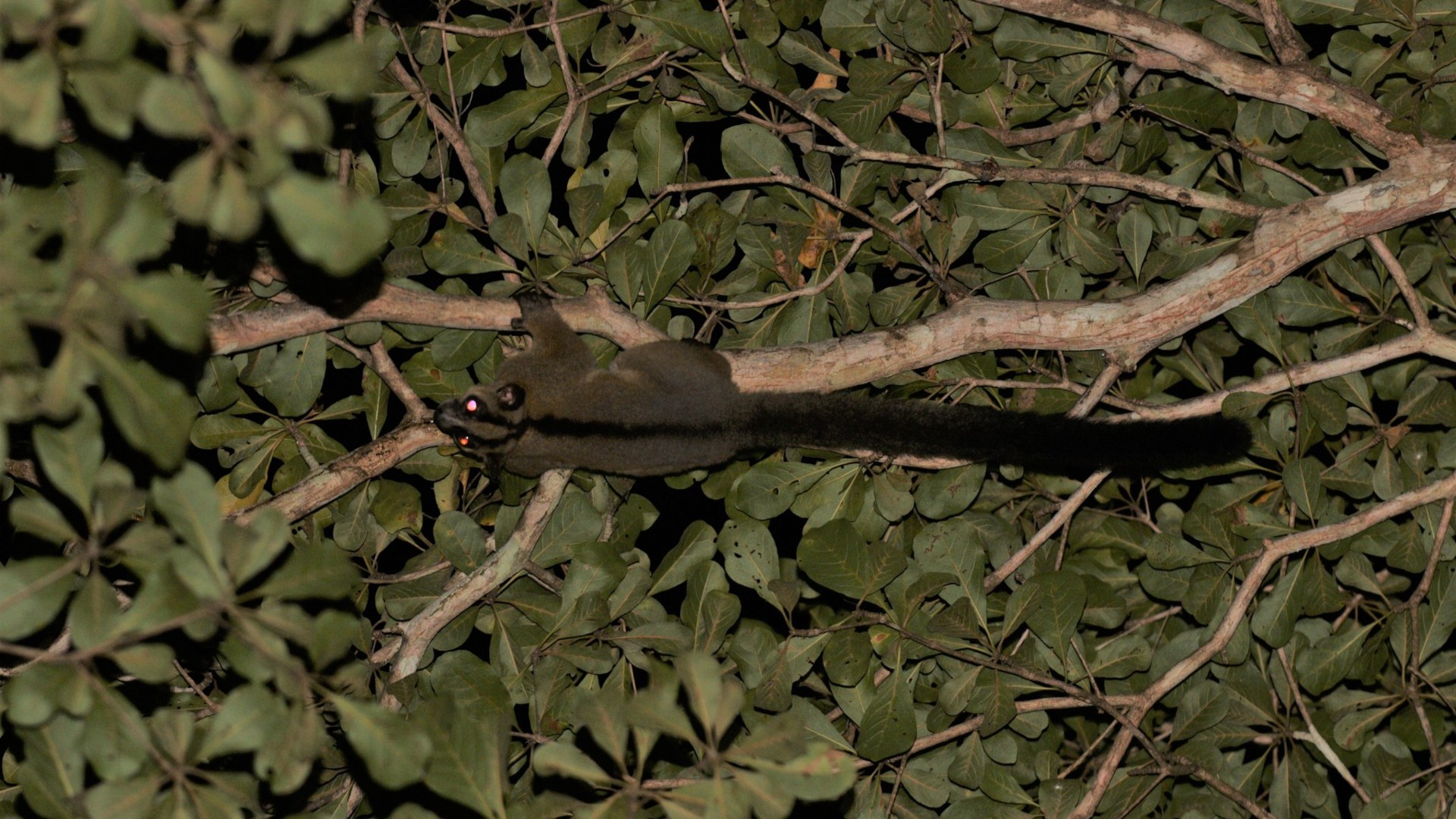
16. Nocturnal Tree Foragers
Woolly lemurs spend their lives navigating tree canopies after sunset. They possess massive forward-facing eye orbits that gather dim moonlight, allowing them to browse leaves quietly without attracting nocturnal predators.
©Wikimedia / Michael A. Alcorn
15. Specialized Gum Feeders
Fork-marked lemurs possess sharp incisors designed to puncture tree bark. They feed almost exclusively on sweet tree gum and sap, using specialized internal bacteria to ferment complex plant carbohydrates.
©Wikimedia / Lennart Hudel
14. Lethal Cyanide Immunity
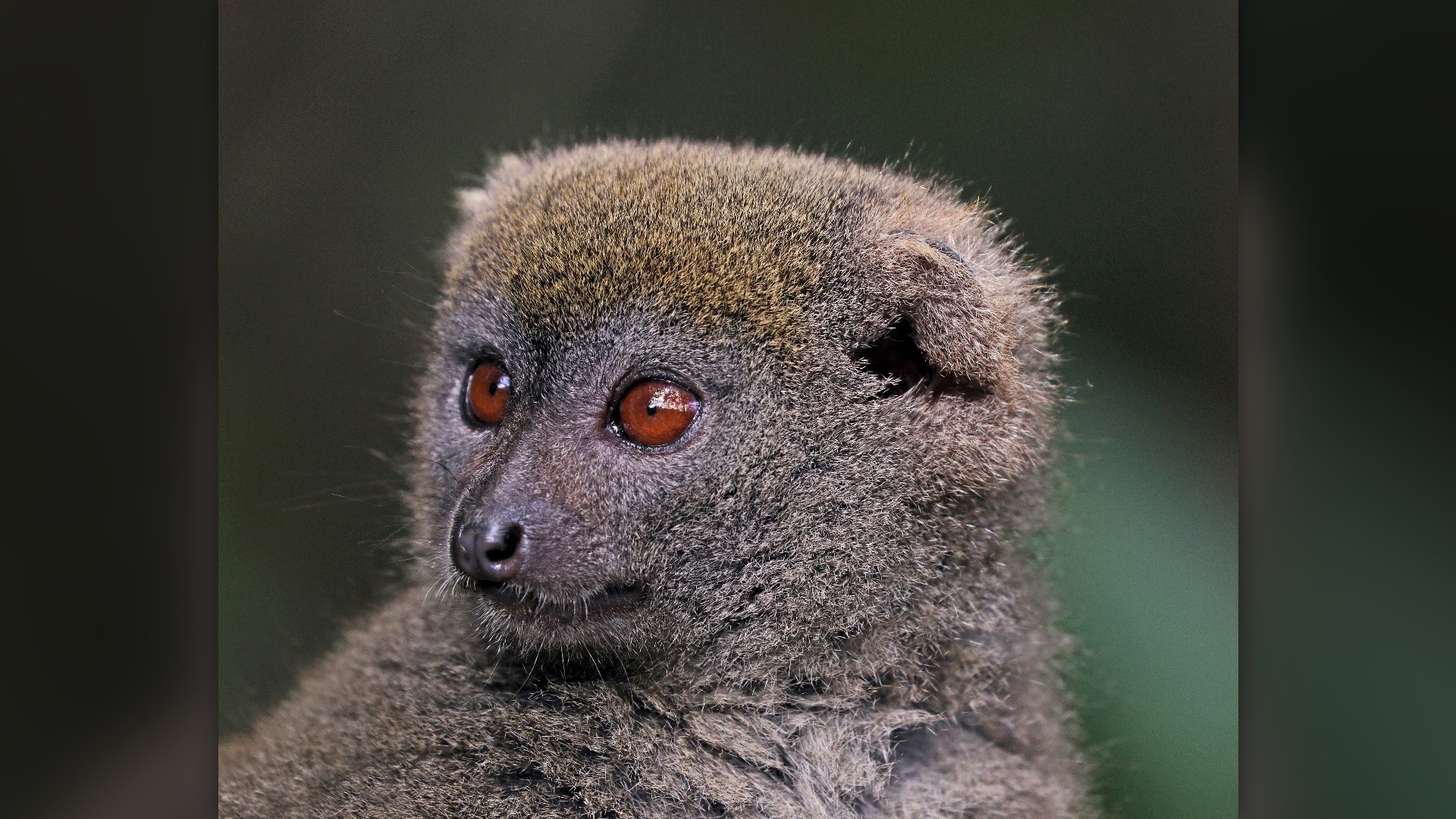
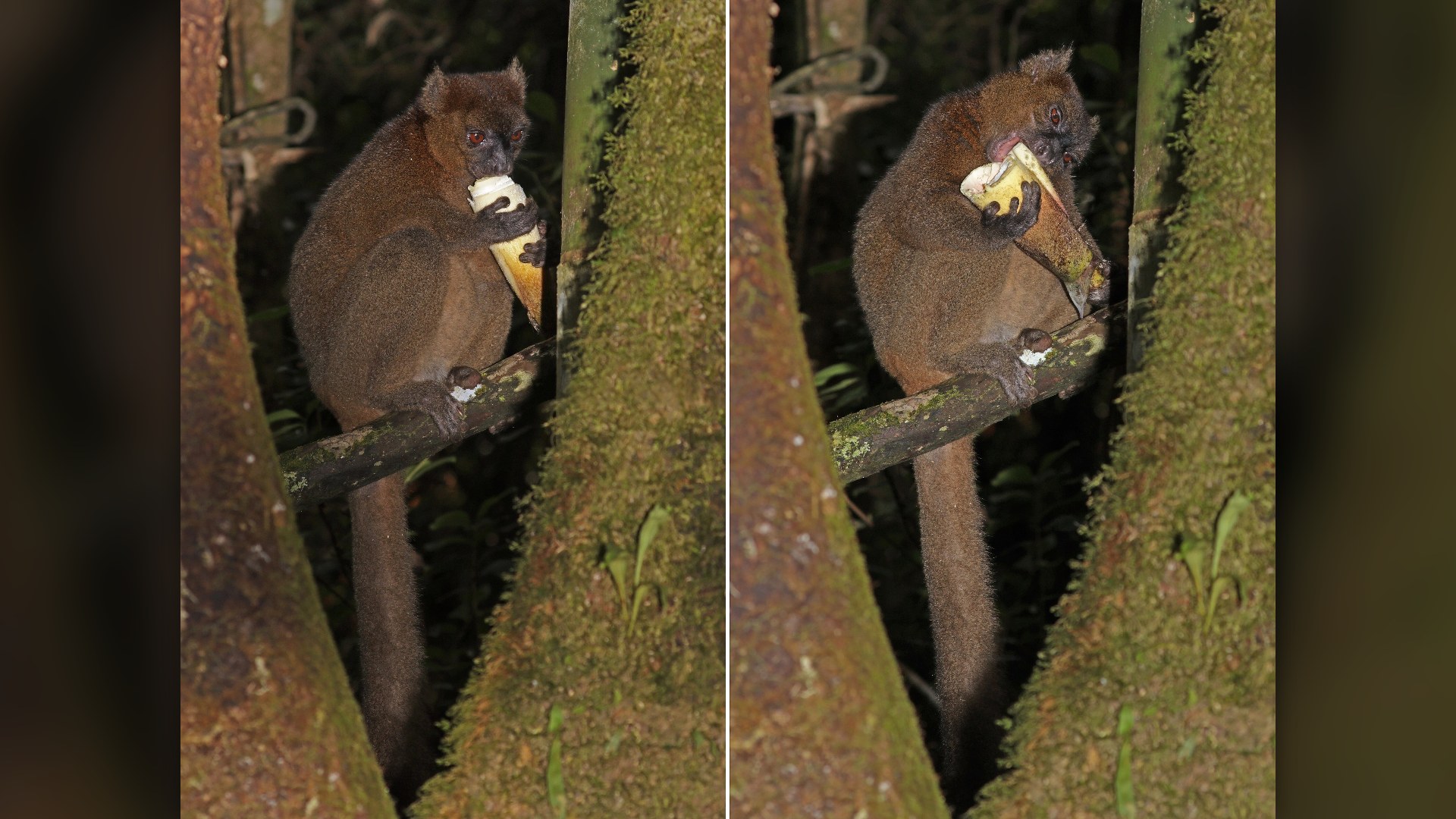
Bamboo lemurs consume bamboo shoots rich in cyanide every day. A single meal contains enough poison to kill several humans, yet their specialized digestive enzymes neutralize the toxins without harm.
©Wikimedia / Charles J. Sharp
Advertisement
Swipe or tap ▶ to resume the countdown.
13. Heavyweight Bamboo Grazers
The greater bamboo lemur uses powerful jaws to bite through the tough wooden culms of giant bamboo. Long thought extinct, small wild populations were rediscovered in eastern Madagascar during the late twentieth century.
©Wikimedia / Charles J. Sharp
12. The Primate That Hibernates
The fat-tailed dwarf lemur stores fat in its tail during the wet season. When the dry season arrives and food vanishes, it enters deep torpor inside hollow trees for up to seven months, making it the only primate that hibernates.
©Wikimedia / Charles J. Sharp
11. Canopy Seed Dispersers
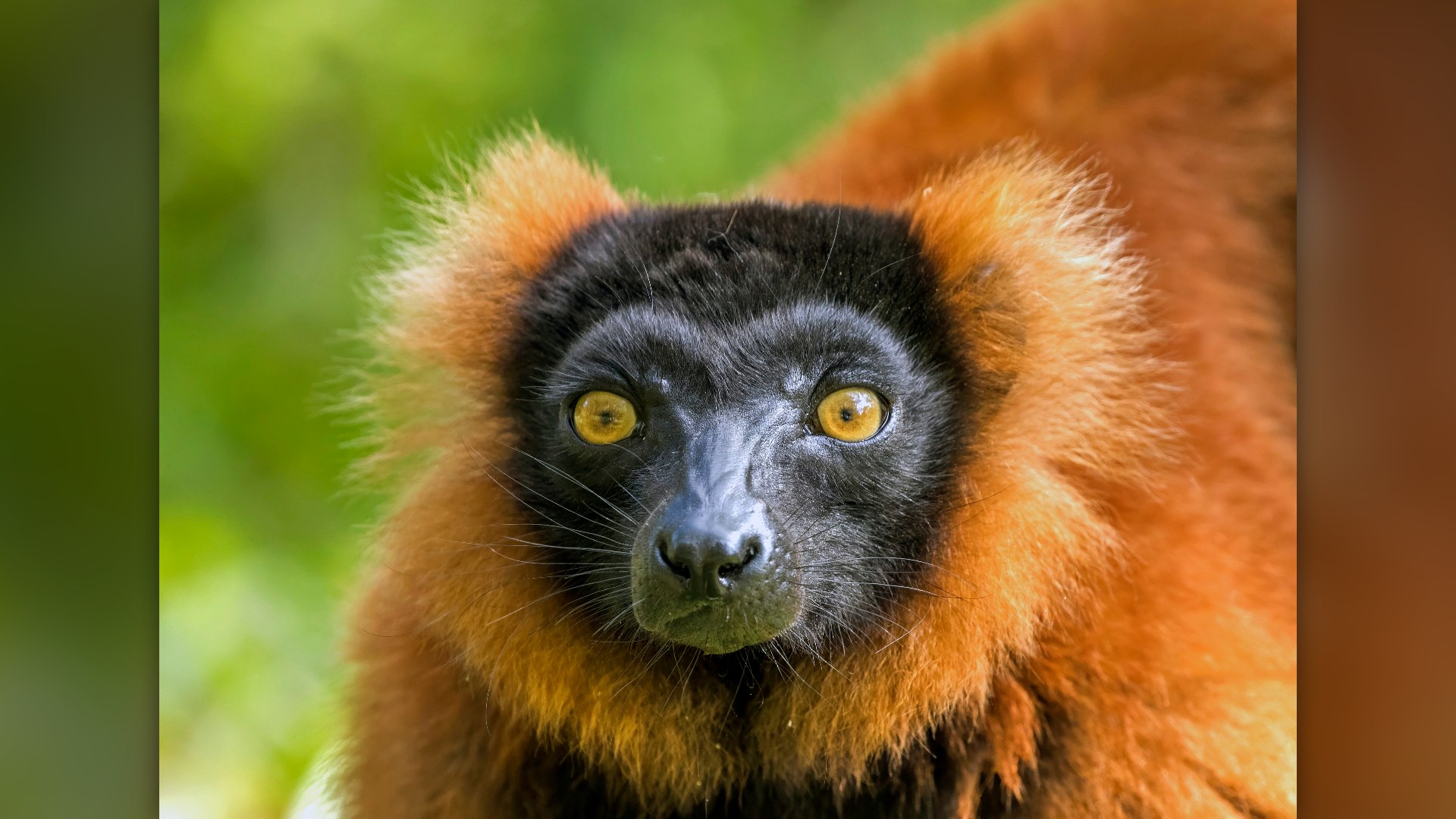
Ruffed lemurs are among the largest fruit-eating animals in Malagasy rainforests. Because their gut does not damage large tree seeds, their droppings reseed dozens of native canopy tree species across miles of forest.
©Wikimedia / Charles J. Sharp
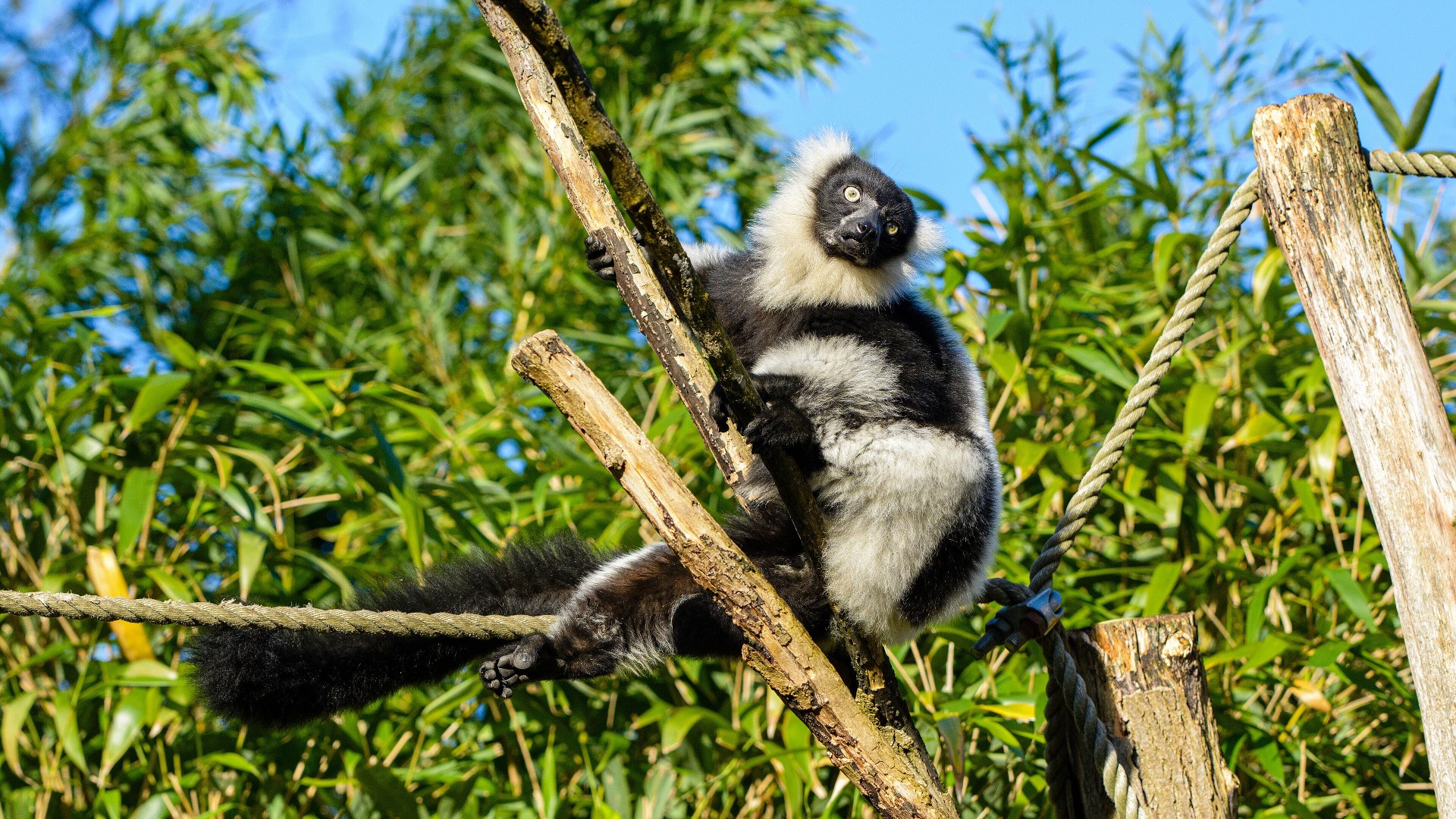
10. Island Plant Pollinators
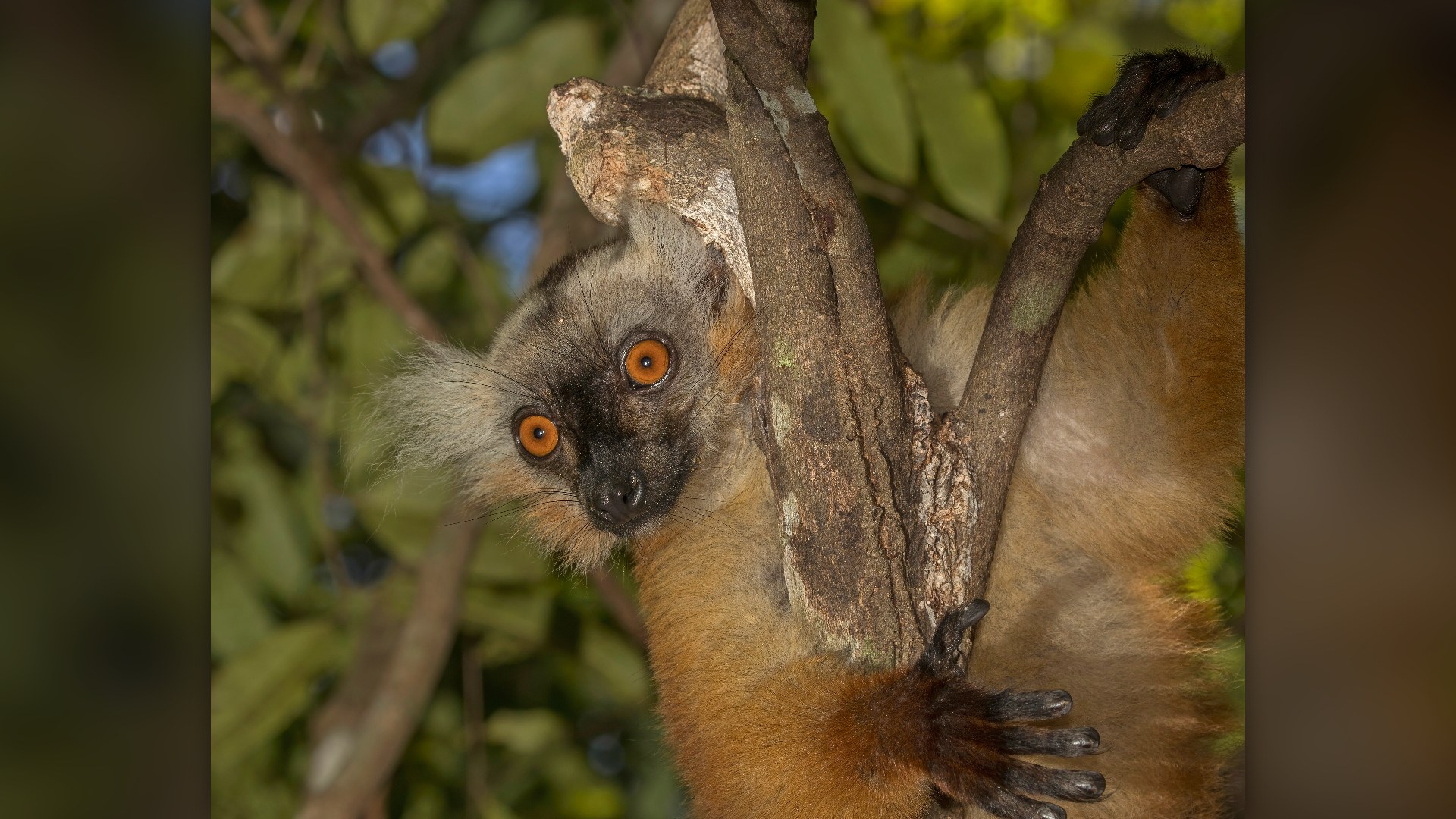
Black lemurs and ruffed lemurs frequently drink nectar from flowers. As they push their long muzzles into blooms like the traveller's palm, pollen sticks to their ruff fur, making them primary pollinators of Malagasy flora.
©Wikimedia / Charles J. Sharp
Advertisement
Swipe or tap ▶ to resume the countdown.
9. Brilliant Blue Eyes
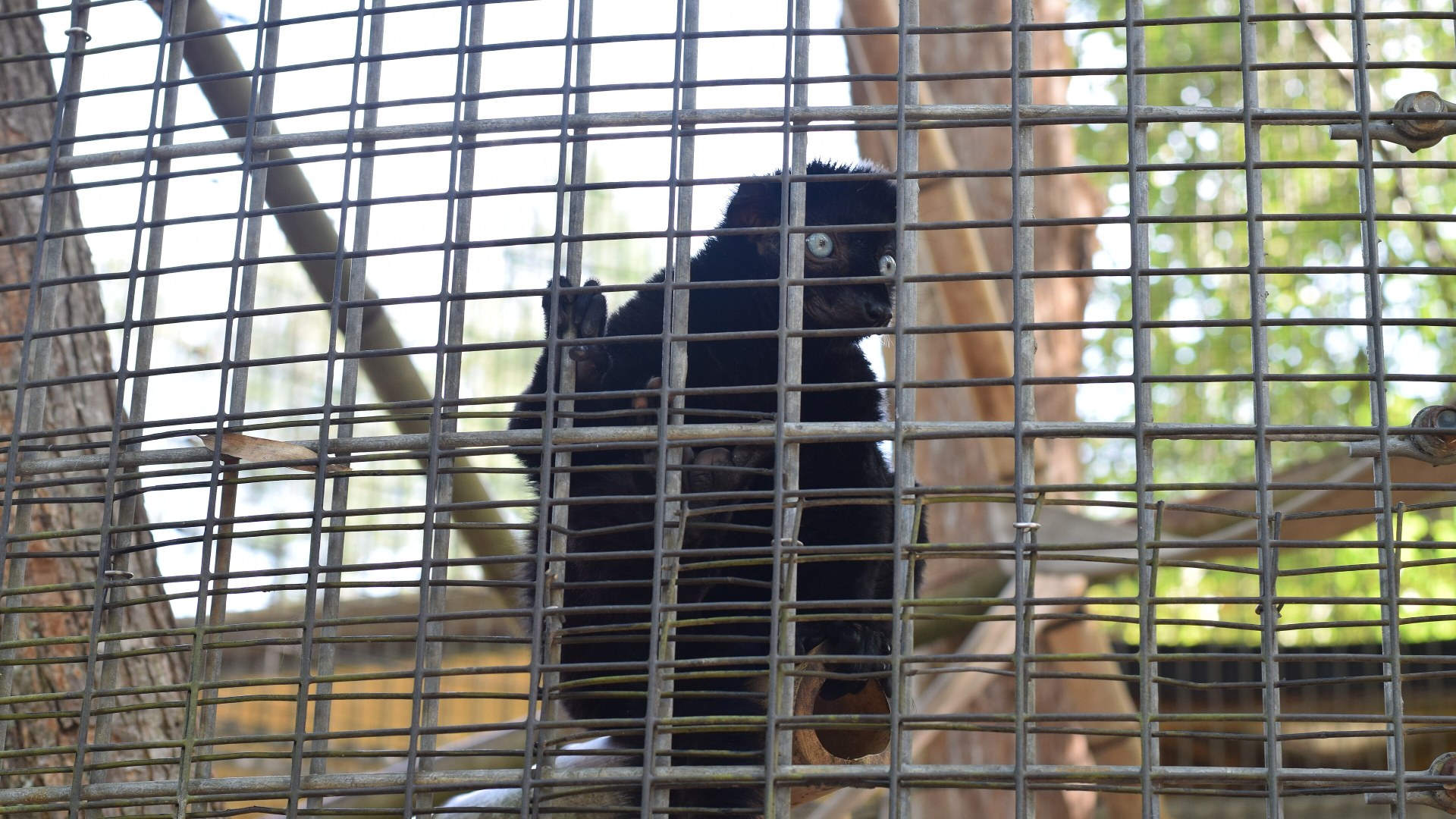
The blue-eyed black lemur is one of the only primates other than humans to possess natural sky-blue eyes. Males are entirely black while females sport golden-brown coats, creating dramatic sexual dichromatism.
©Wikimedia / Charles Paul
8. Scent-Driven Battles
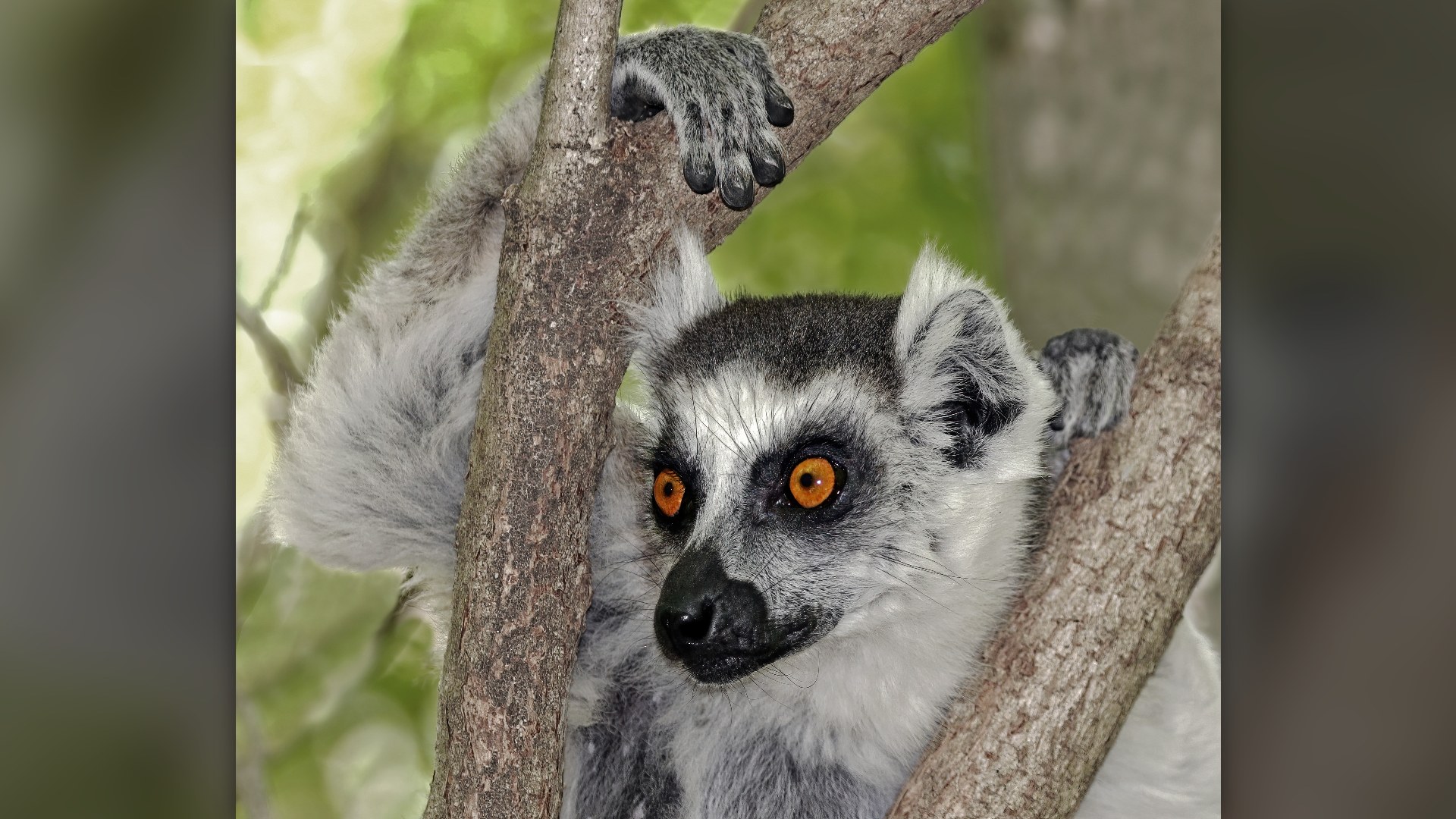
Male lemurs settle disputes using scent instead of physical combat. By rubbing their tails against wrist scent glands, ring-tailed males wave pungent pheromones toward rivals in confrontations known as stink fights.
©Wikimedia / Bernard Dupont
7. Built In Toothcombs
Lemurs possess a unique dental structure called a toothcomb. Six lower front teeth lean forward in a tight comb arrangement, allowing troop members to groom dirt and parasites from each other's coats.
©Wikimedia / Charles J. Sharp
6. Sideways Dance Moves
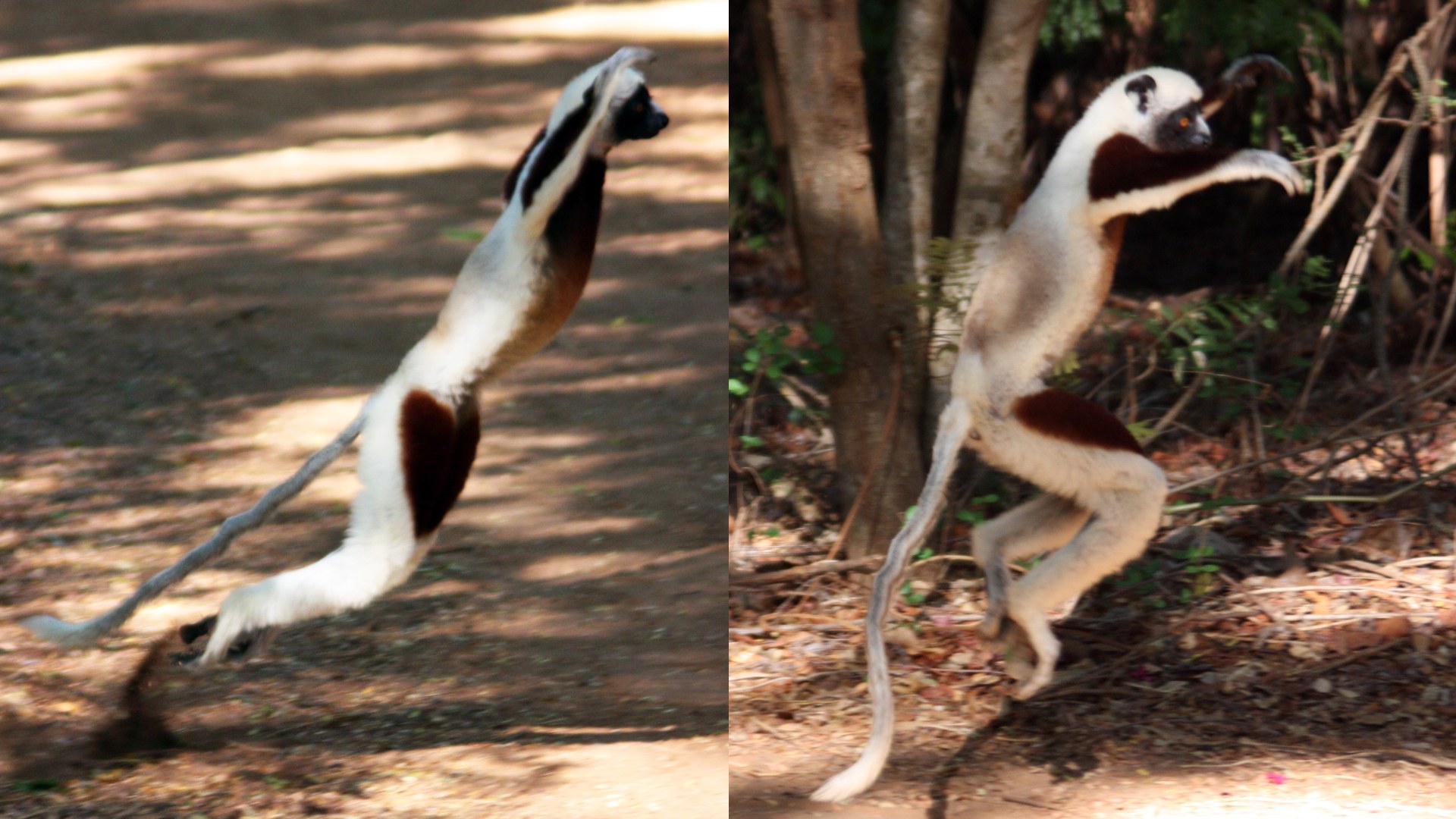
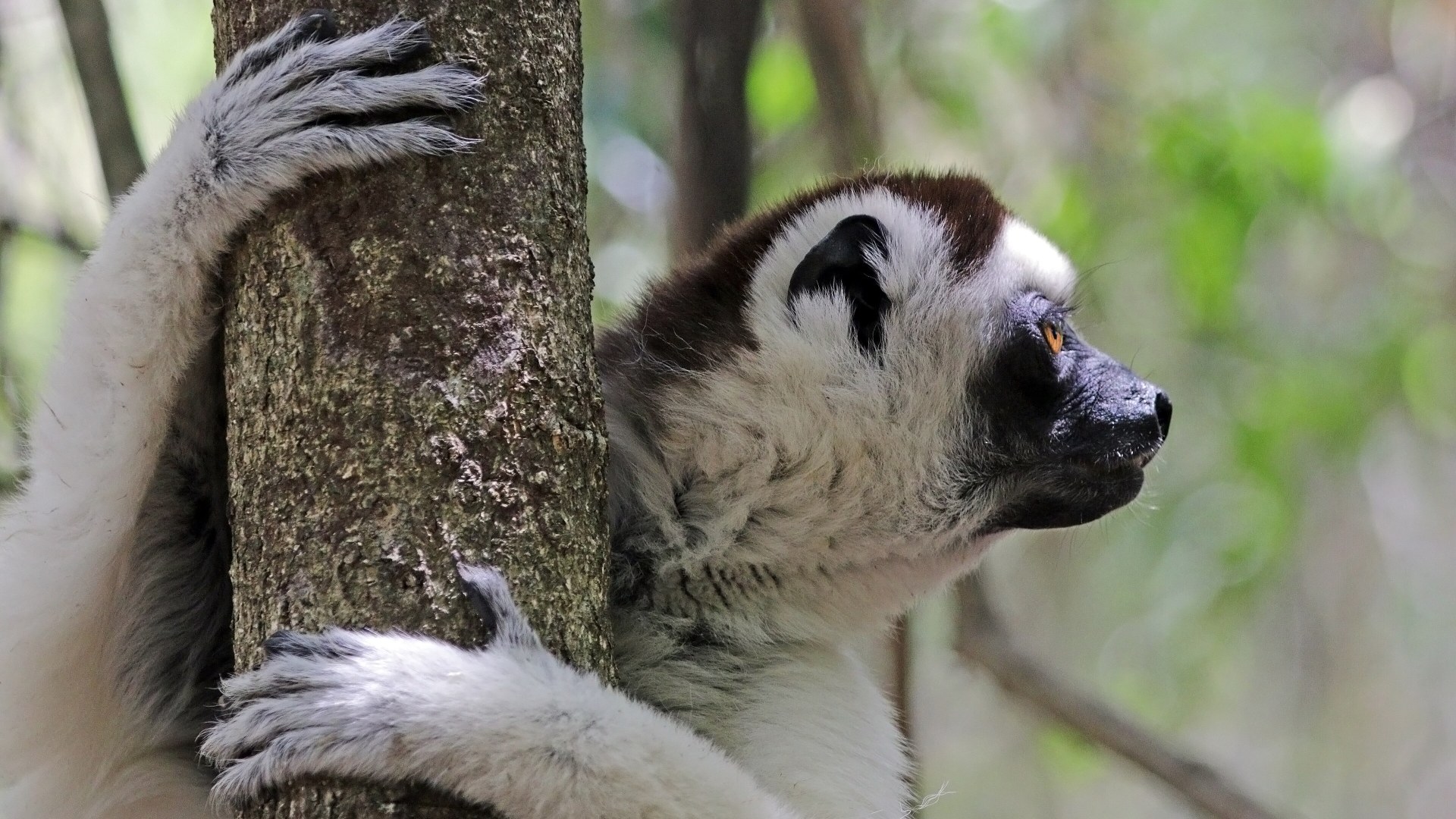
Sifakas have long, powerful hind legs built for vertical clinging and leaping. Because their bodies cannot walk comfortably on all fours, they travel across open ground by skipping sideways in a bouncy dance.
©Wikimedia / Charles J. Sharp
Advertisement
Swipe or tap ▶ to resume the countdown.
5. Fierce Female Leadership
In lemur troops, females hold absolute social dominance over males. Female ring-tailed lemurs lead group travel, claim the best feeding spots, and decide mate selection without contest from males.
©Wikimedia / Charles J. Sharp
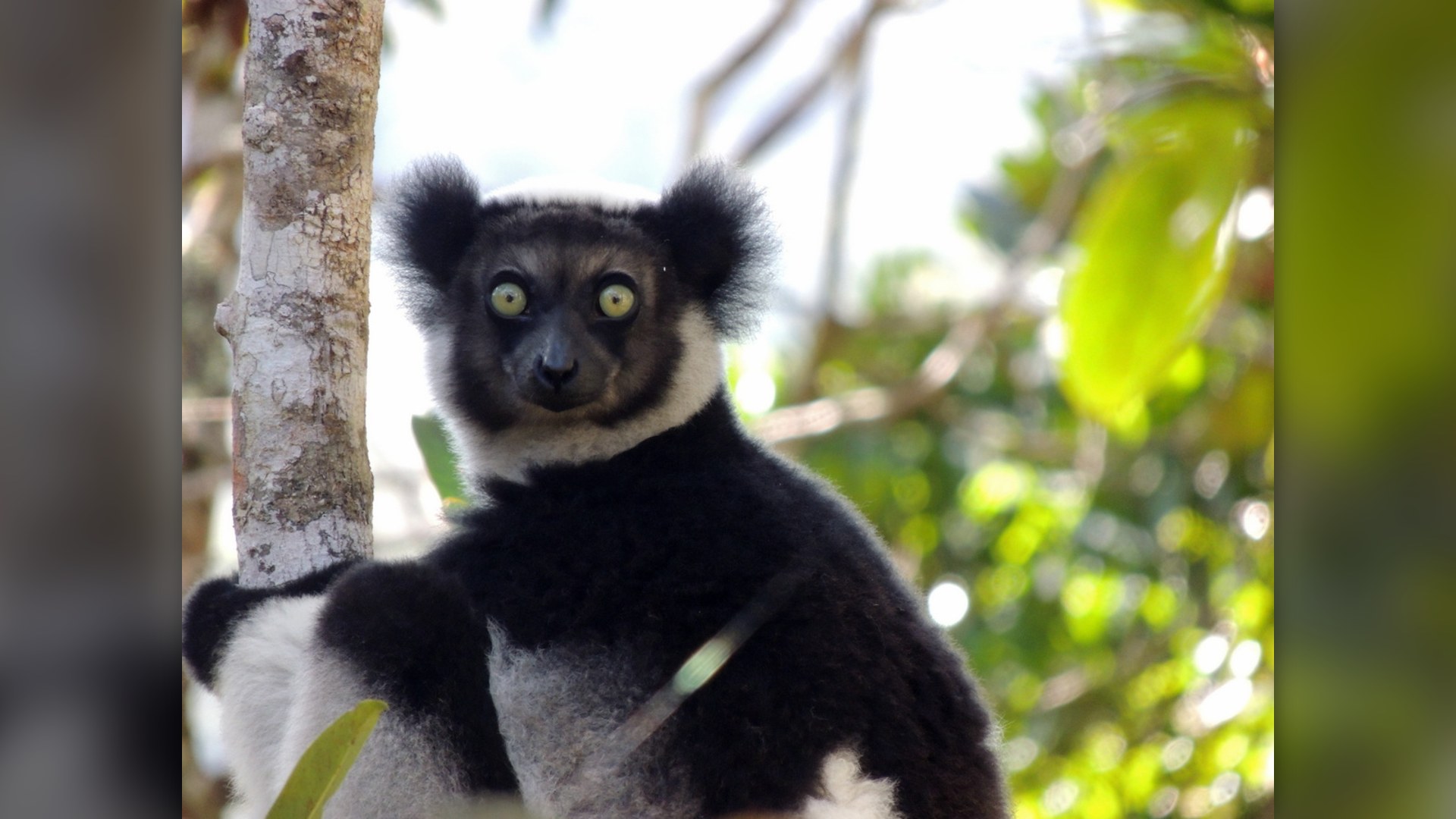
4. Ghostly Morning Songs
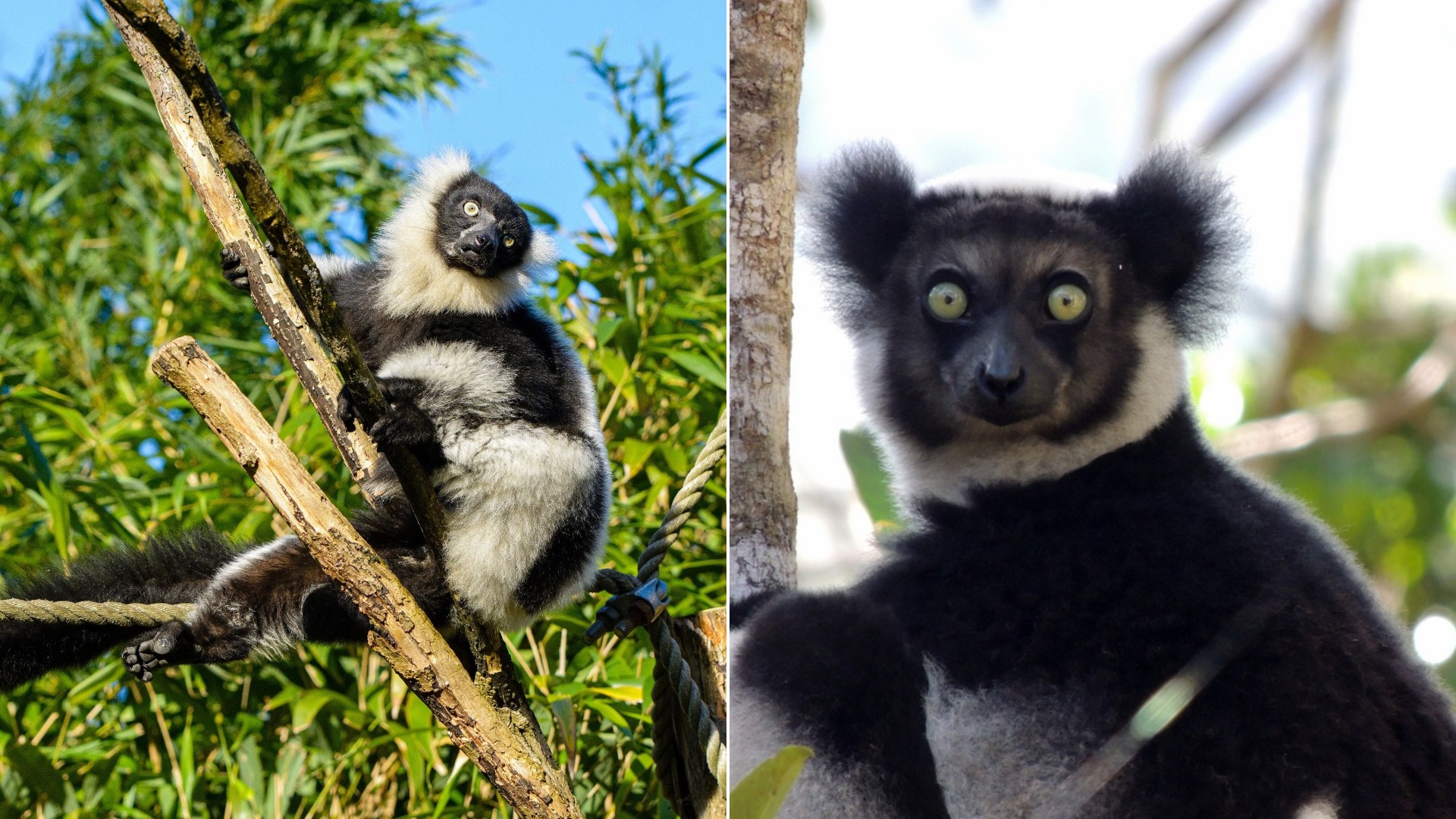
The indri is the largest living lemur, renowned for haunting morning duets that carry for over two miles. Family groups sing coordinated vocal melodies to mark territorial boundaries through the misty canopy.
©Wikimedia / Vijay Barve
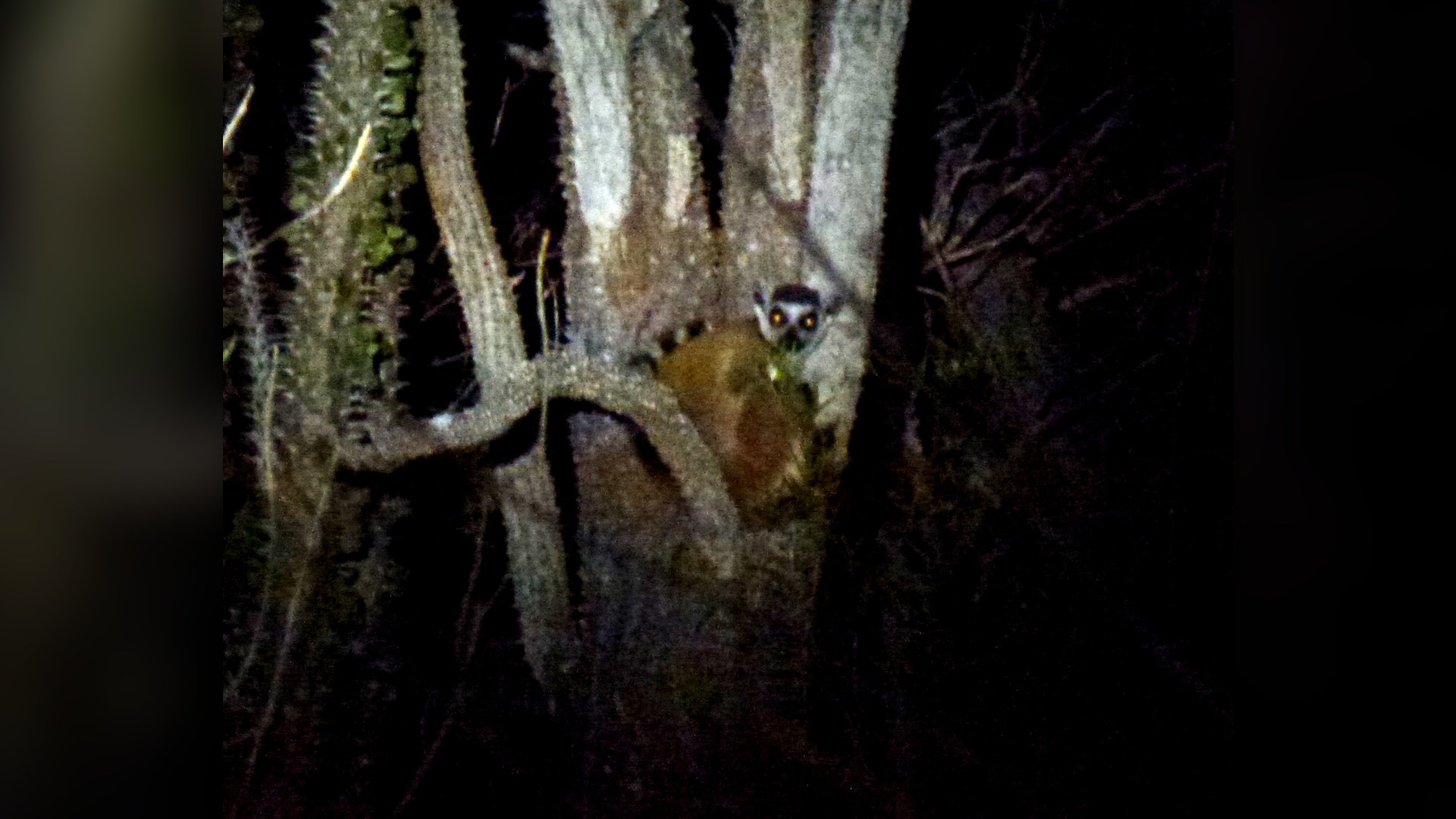
3. Sun-Worship Morning Rituals
Because Madagascar mornings can be chilly, ring-tailed lemurs gather in open clearings at dawn. They sit upright with arms outstretched toward the rising sun, warming their white bellies like yoga practitioners.
©Wikimedia / Mathias Appel
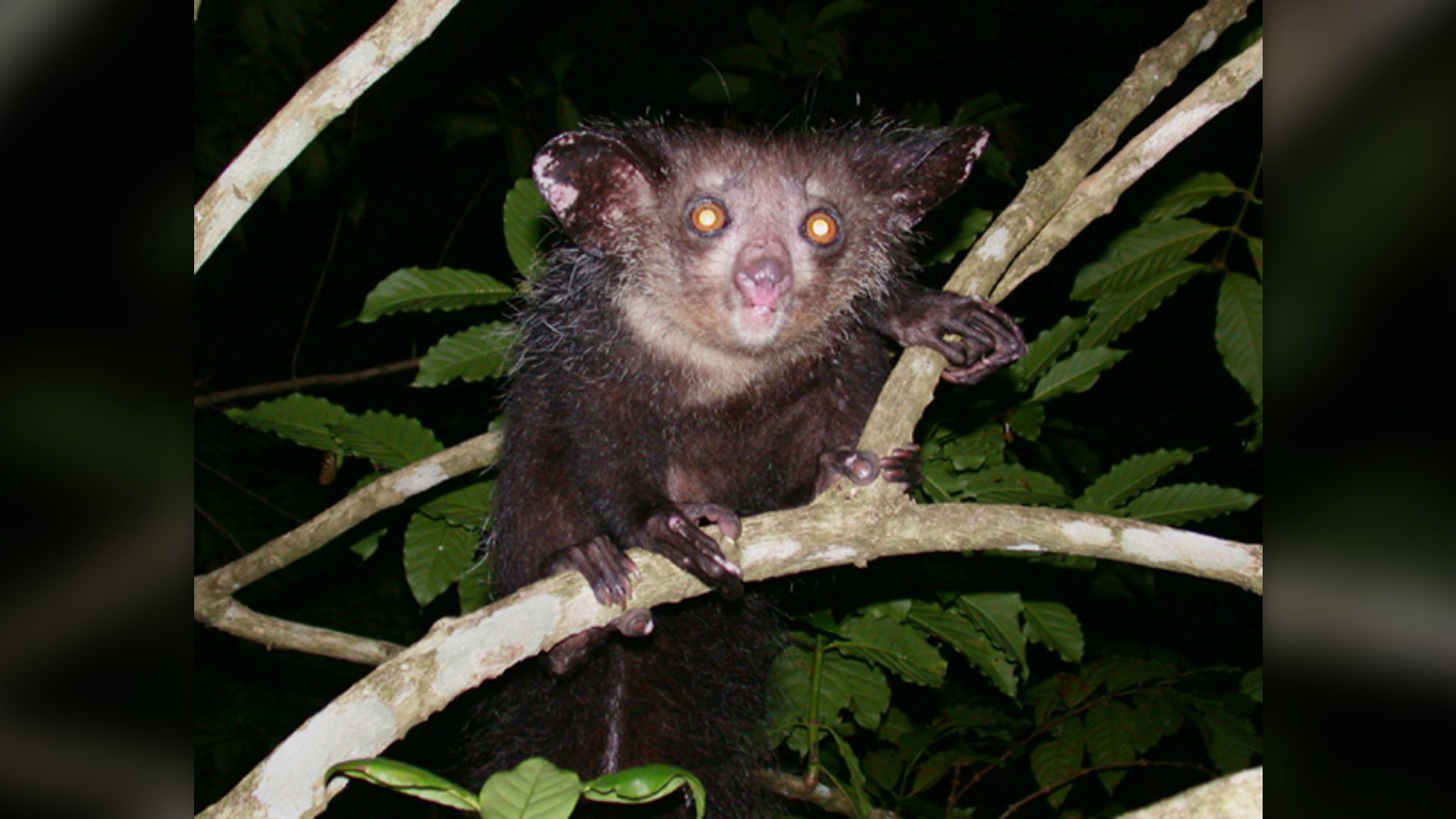
2. Percussive Woodpecker Mimics
The solitary aye-aye fills the ecological niche of woodpeckers. It uses an elongated, bony middle finger to tap tree bark eight times a second, listening for hollow chambers to extract beetle grubs with sharp rodent-like teeth.
©Wikimedia / Tom Junek
Advertisement
Swipe or tap ▶ to resume the countdown.
1. Saving Madagascar's Icons
World Lemur Day is celebrated each year on the last Friday of October. With over ninety-five percent of lemur species facing extinction due to habitat loss, conservation reserves and local education work to protect these irreplaceable primates.

©Wikimedia / Hiroki Ogawa
Advertisement
You've reached the end of the story. Thanks for reading!

How Long Do Hippos Live? 20 Other Facts About Hippos
From sixty-year lifespans to whale cousins, discover secrets of river giants
All 20 Entries in this Story
20. Ancient Rafting Voyage
Around sixty million years ago, ancestral primates crossed the Mozambique Channel from Africa on large mats of tangled vegetation. Isolated on Madagascar without competition from monkeys, they branched into a unique primate lineage.

19. Complete Island Endemism
Every wild lemur on Earth lives on Madagascar or the neighboring Comoro Islands. Having evolved in isolation for tens of millions of years, lemurs cannot be found naturally anywhere else on the planet.

18. Over 100 Unique Species
From tree-dwelling acrobats to tiny night stalkers, scientists recognize over one hundred living lemur species. They occupy distinct environmental niches across rainforests, dry spiny forests, and mountain ranges.

17. World's Smallest Primate
Madame Berthe's mouse lemur measures less than four inches long and weighs only thirty grams. This diminutive nocturnal primate can comfortably sit inside a human teacup while hunting insects under cover of darkness.

16. Nocturnal Tree Foragers
Woolly lemurs spend their lives navigating tree canopies after sunset. They possess massive forward-facing eye orbits that gather dim moonlight, allowing them to browse leaves quietly without attracting nocturnal predators.

15. Specialized Gum Feeders
Fork-marked lemurs possess sharp incisors designed to puncture tree bark. They feed almost exclusively on sweet tree gum and sap, using specialized internal bacteria to ferment complex plant carbohydrates.

14. Lethal Cyanide Immunity
Bamboo lemurs consume bamboo shoots rich in cyanide every day. A single meal contains enough poison to kill several humans, yet their specialized digestive enzymes neutralize the toxins without harm.

13. Heavyweight Bamboo Grazers
The greater bamboo lemur uses powerful jaws to bite through the tough wooden culms of giant bamboo. Long thought extinct, small wild populations were rediscovered in eastern Madagascar during the late twentieth century.

12. The Primate That Hibernates
The fat-tailed dwarf lemur stores fat in its tail during the wet season. When the dry season arrives and food vanishes, it enters deep torpor inside hollow trees for up to seven months, making it the only primate that hibernates.

11. Canopy Seed Dispersers
Ruffed lemurs are among the largest fruit-eating animals in Malagasy rainforests. Because their gut does not damage large tree seeds, their droppings reseed dozens of native canopy tree species across miles of forest.

10. Island Plant Pollinators
Black lemurs and ruffed lemurs frequently drink nectar from flowers. As they push their long muzzles into blooms like the traveller's palm, pollen sticks to their ruff fur, making them primary pollinators of Malagasy flora.

9. Brilliant Blue Eyes
The blue-eyed black lemur is one of the only primates other than humans to possess natural sky-blue eyes. Males are entirely black while females sport golden-brown coats, creating dramatic sexual dichromatism.

8. Scent-Driven Battles
Male lemurs settle disputes using scent instead of physical combat. By rubbing their tails against wrist scent glands, ring-tailed males wave pungent pheromones toward rivals in confrontations known as stink fights.

7. Built In Toothcombs
Lemurs possess a unique dental structure called a toothcomb. Six lower front teeth lean forward in a tight comb arrangement, allowing troop members to groom dirt and parasites from each other's coats.

6. Sideways Dance Moves
Sifakas have long, powerful hind legs built for vertical clinging and leaping. Because their bodies cannot walk comfortably on all fours, they travel across open ground by skipping sideways in a bouncy dance.

5. Fierce Female Leadership
In lemur troops, females hold absolute social dominance over males. Female ring-tailed lemurs lead group travel, claim the best feeding spots, and decide mate selection without contest from males.

4. Ghostly Morning Songs
The indri is the largest living lemur, renowned for haunting morning duets that carry for over two miles. Family groups sing coordinated vocal melodies to mark territorial boundaries through the misty canopy.

3. Sun-Worship Morning Rituals
Because Madagascar mornings can be chilly, ring-tailed lemurs gather in open clearings at dawn. They sit upright with arms outstretched toward the rising sun, warming their white bellies like yoga practitioners.

2. Percussive Woodpecker Mimics
The solitary aye-aye fills the ecological niche of woodpeckers. It uses an elongated, bony middle finger to tap tree bark eight times a second, listening for hollow chambers to extract beetle grubs with sharp rodent-like teeth.

1. Saving Madagascar's Icons
World Lemur Day is celebrated each year on the last Friday of October. With over ninety-five percent of lemur species facing extinction due to habitat loss, conservation reserves and local education work to protect these irreplaceable primates.