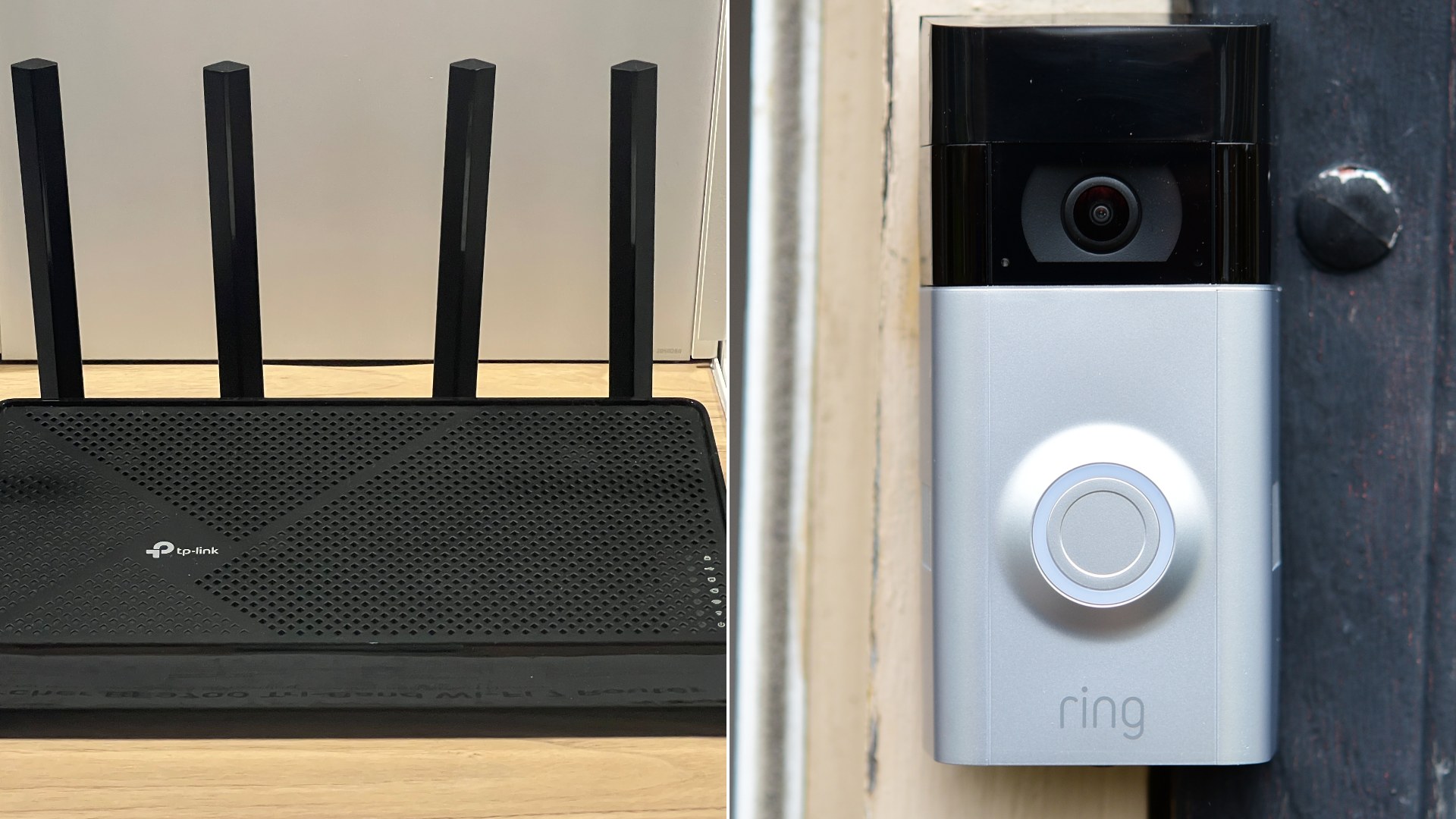
Slideshow · Technology
10 Smart Home Devices Most Likely to Be Hacked, Ranked
From home Wi-Fi routers and smart security cameras to connected thermostats and voice speakers, cybersecurity researchers rank the 10 smart home devices most frequently targeted by hackers.
By Most Viral Today
29 Oct 2026

10 Smart Home Devices Most Likely to Be Hacked, Ranked 
10. Smart Light Bulbs And Lighting Bridges 
9. Smart Thermostats And HVAC Controllers 
8. Robot Vacuums With Cameras And LiDAR - AdvertisementSwipe or tap ▶ to continue countdown

7. Smart Door Locks And Keypad Entry Systems 
6. Smart Voice Speakers And Home Assistants 
5. Wireless Video Baby Monitors 
4. Network-Attached Storage (NAS) Drives - AdvertisementSwipe or tap ▶ to continue countdown

3. Smart TVs And Streaming Displays 
2. Smart Doorbells And Indoor IP Cameras 
1. Home Wi-Fi Routers And Mesh Gateways - Advertisement🔥 UP NEXT IN THIS SERIES◫ 21 Slides

20 Ways Americans Are Using AI to Make Holiday Shopping Easier in 2026
Generative tools now reshape how US families tackle holiday gift lists, compare deals, and track shipments. Retail systems predict price drops and suggest tailored presents while cutting checkout friction. Based on Adobe Analytics, National Retail Federation, and Salesforce holiday data, here is how tech helps.
From home Wi-Fi routers and smart security cameras to connected thermostats and voice speakers, cybersecurity researchers rank the 10 smart home devices most frequently targeted by hackers.
Swipe or tap ▶ to begin the countdown
©Wikimedia / TaurusEmerald / slgckgc
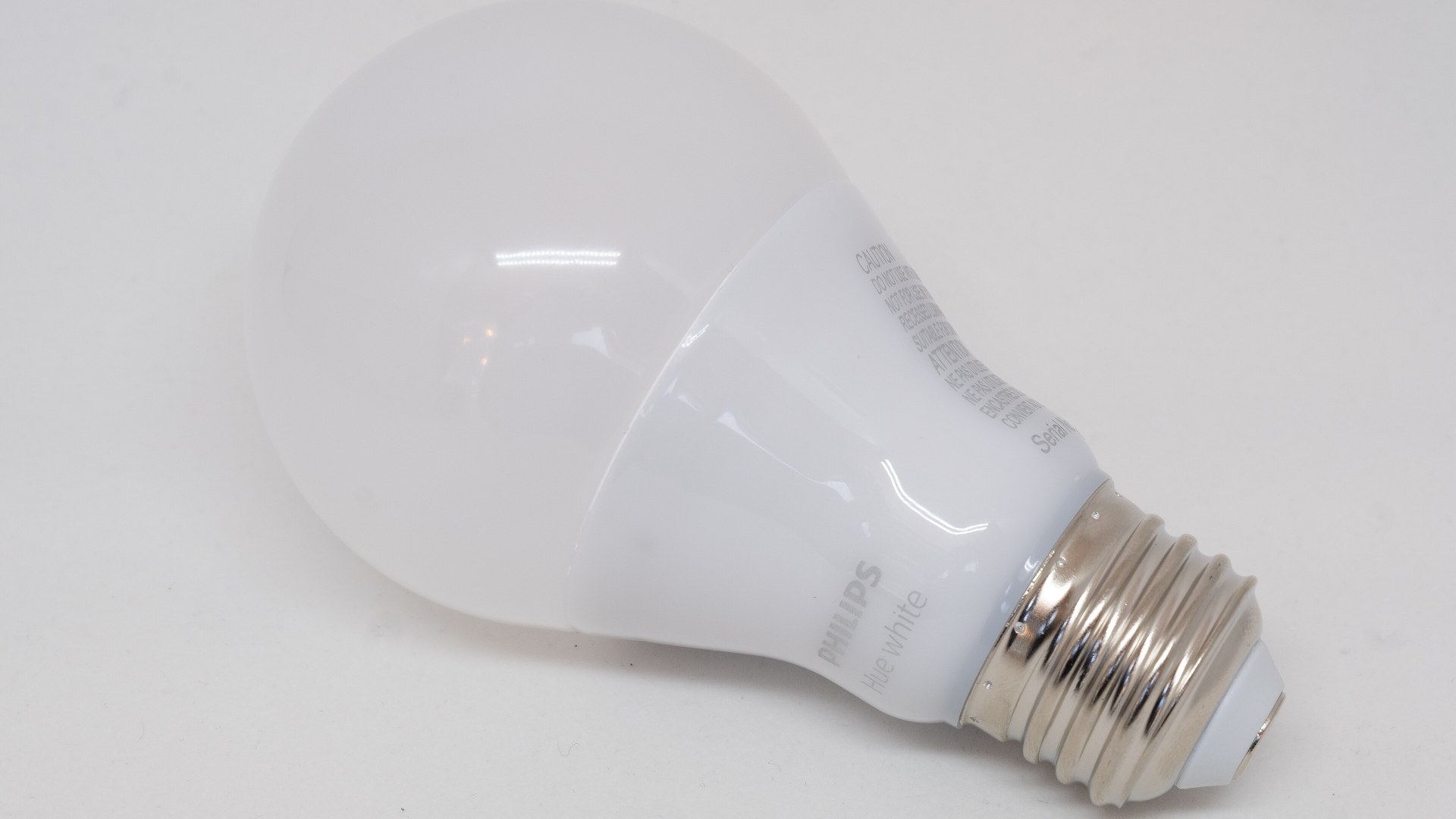
10. Smart Light Bulbs And Lighting Bridges
Researchers at Check Point demonstrated that hackers can hijack smart light bulbs over the air using Zigbee protocol flaws, then leap through the lighting bridge directly onto the main home Wi-Fi network.
©Wikimedia / Gregory Varnum
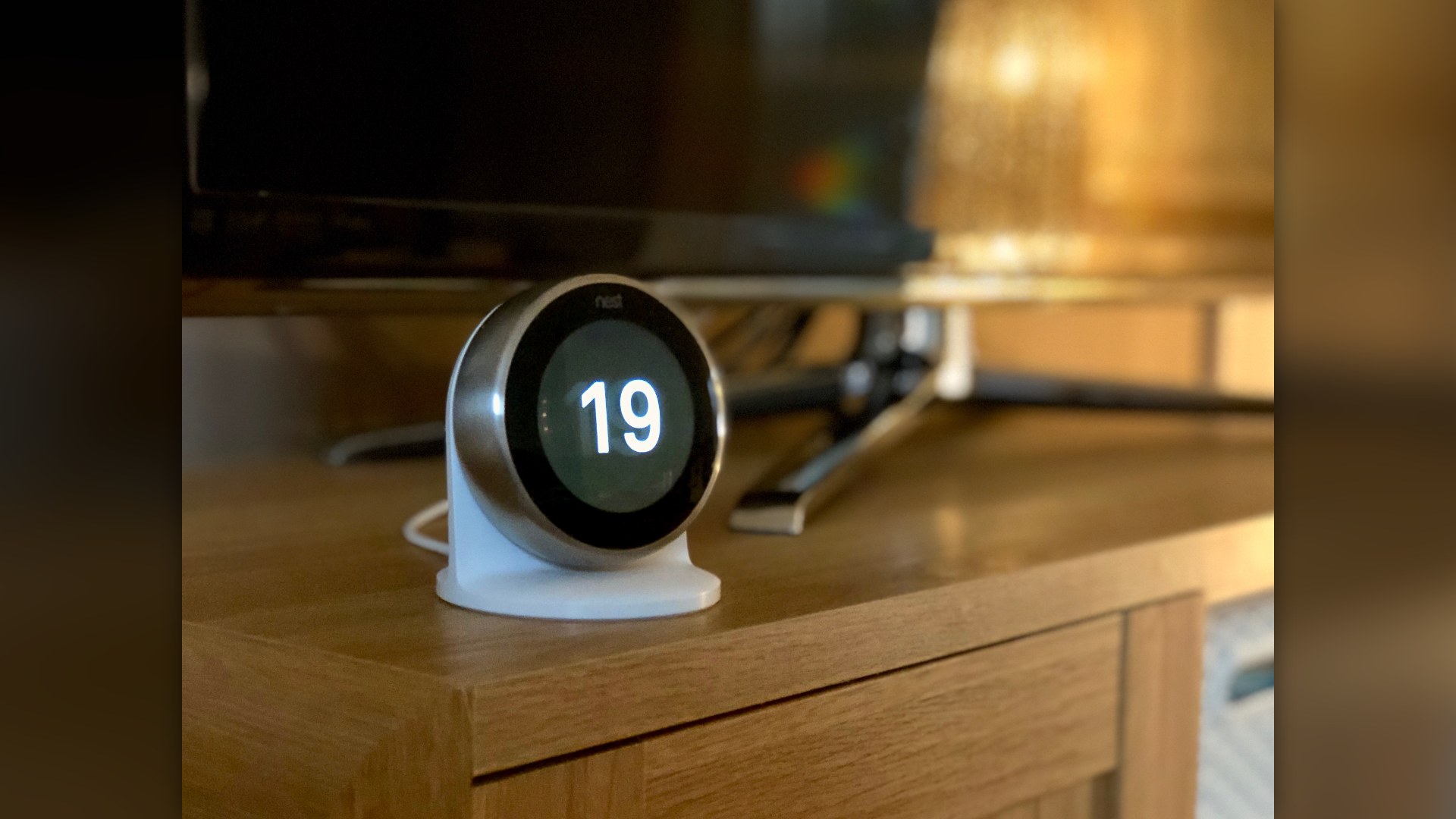
9. Smart Thermostats And HVAC Controllers
Connected thermostats monitor home occupancy schedules and stay linked to cloud servers 24 hours a day. Weak account credentials without two-factor authentication allow attackers to hijack climate controls or pivot deeper into a home LAN.
©Wikimedia / George Lane
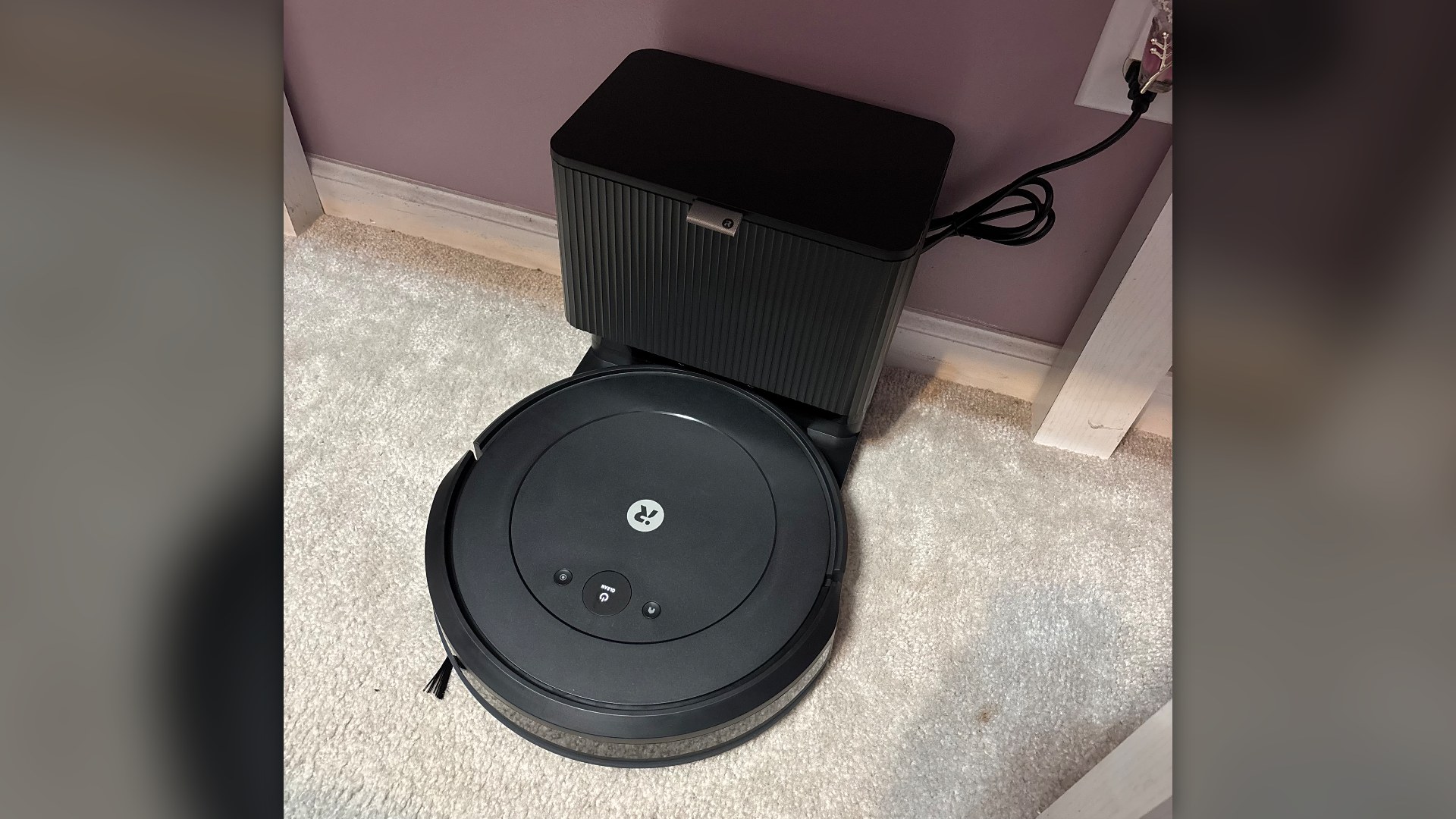
8. Robot Vacuums With Cameras And LiDAR
Equipped with onboard HD cameras and laser navigation, connected robot vacuums build detailed 3D maps of a home's interior. Security audits have shown that compromised vacuum firmware can turn the cleaner into a roving indoor microphone and camera.
©Wikimedia / Piperpet
Advertisement
Swipe or tap ▶ to resume the countdown.
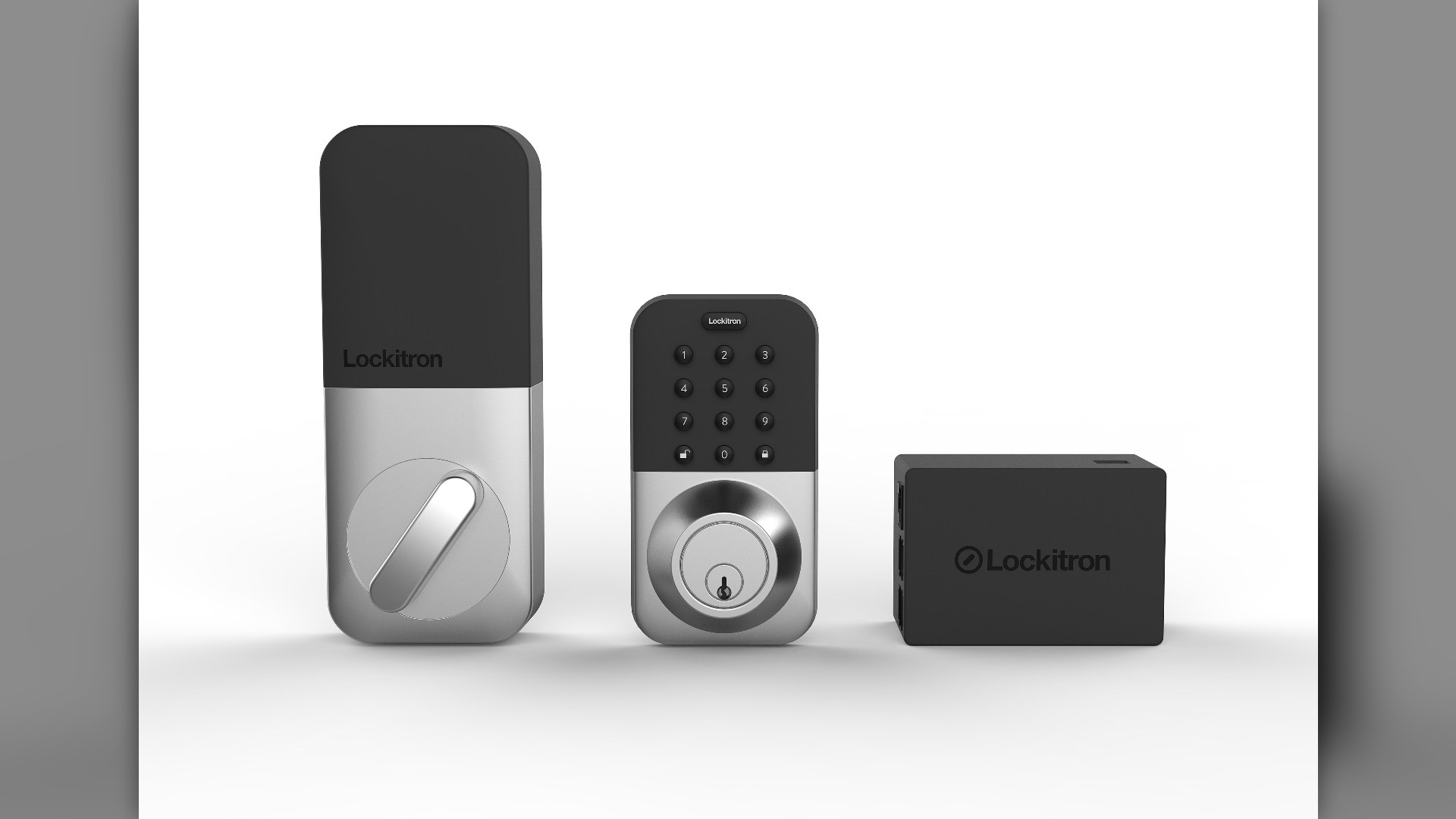
7. Smart Door Locks And Keypad Entry Systems
While reputable smart deadbolts use strong encryption, budget Wi-Fi bridges and companion smartphone apps have repeatedly suffered from broken API authentication and Bluetooth replay flaws that let unauthorized users revoke or generate entry codes.
©Wikimedia / Lockitron
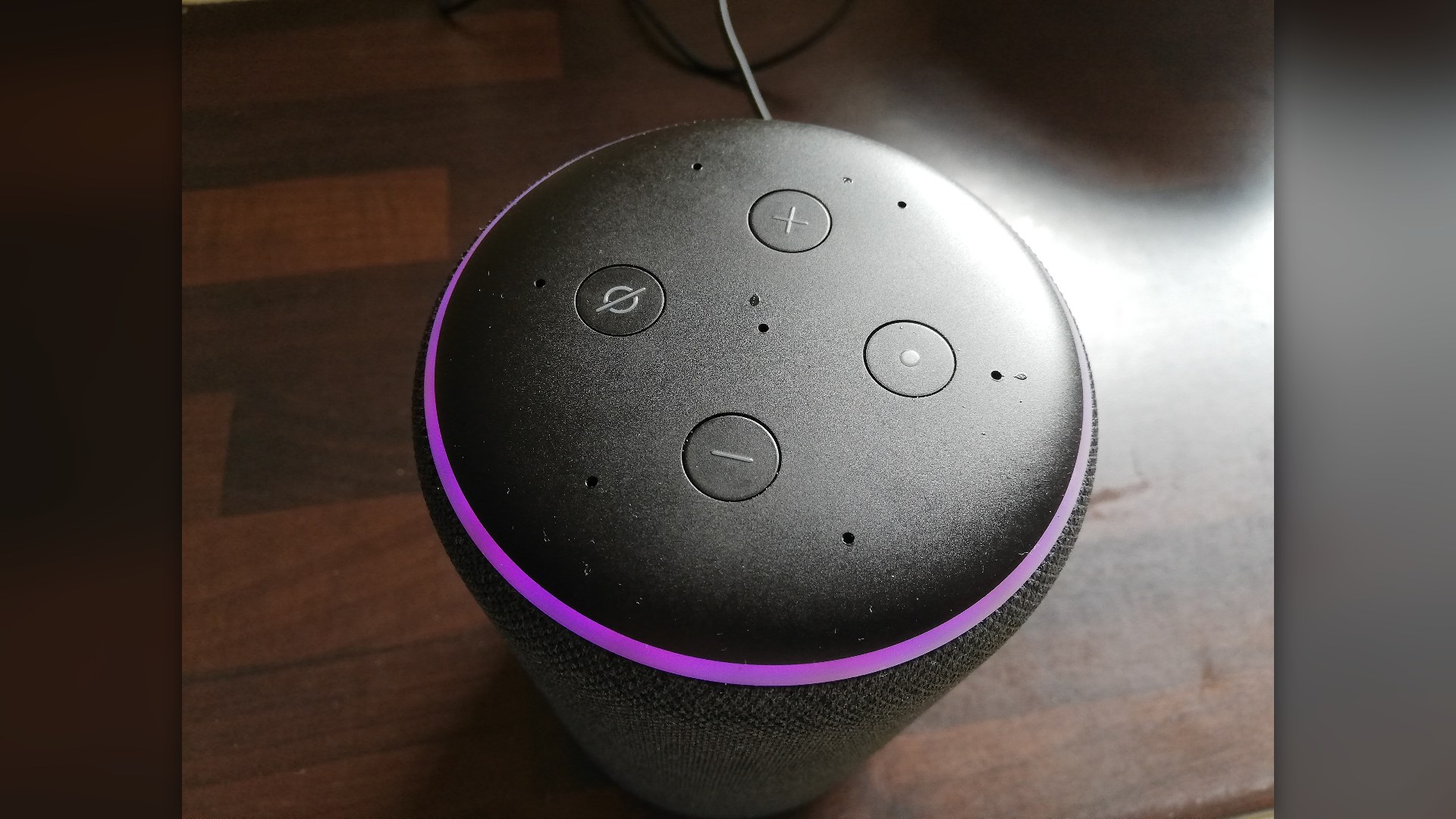
6. Smart Voice Speakers And Home Assistants
Because voice assistants often control lights, plugs, and locks from a single hub, researchers have demonstrated how rogue third-party voice apps and inaudible ultrasonic commands can trick smart speakers into unlocking doors or eavesdropping.
©Wikimedia / Smart Home Perfected
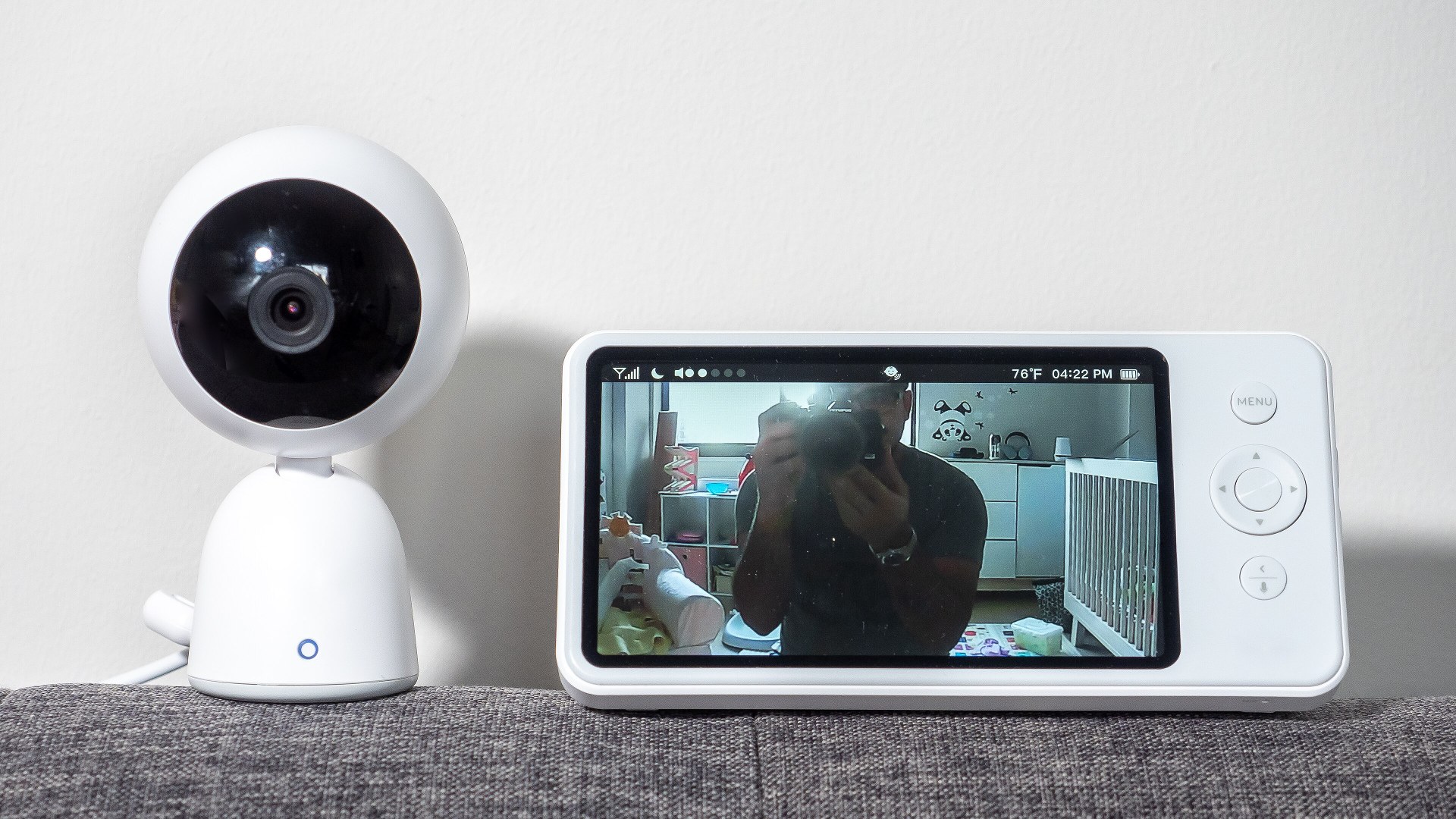
5. Wireless Video Baby Monitors
Unlike closed-circuit radio monitors, Wi-Fi baby monitors stream video and two-way audio across the internet. Rapid7 security researchers found flaws in multiple top-selling baby monitors that exposed live nursery feeds and cloud accounts.
©Wikimedia / Ajay Suresh
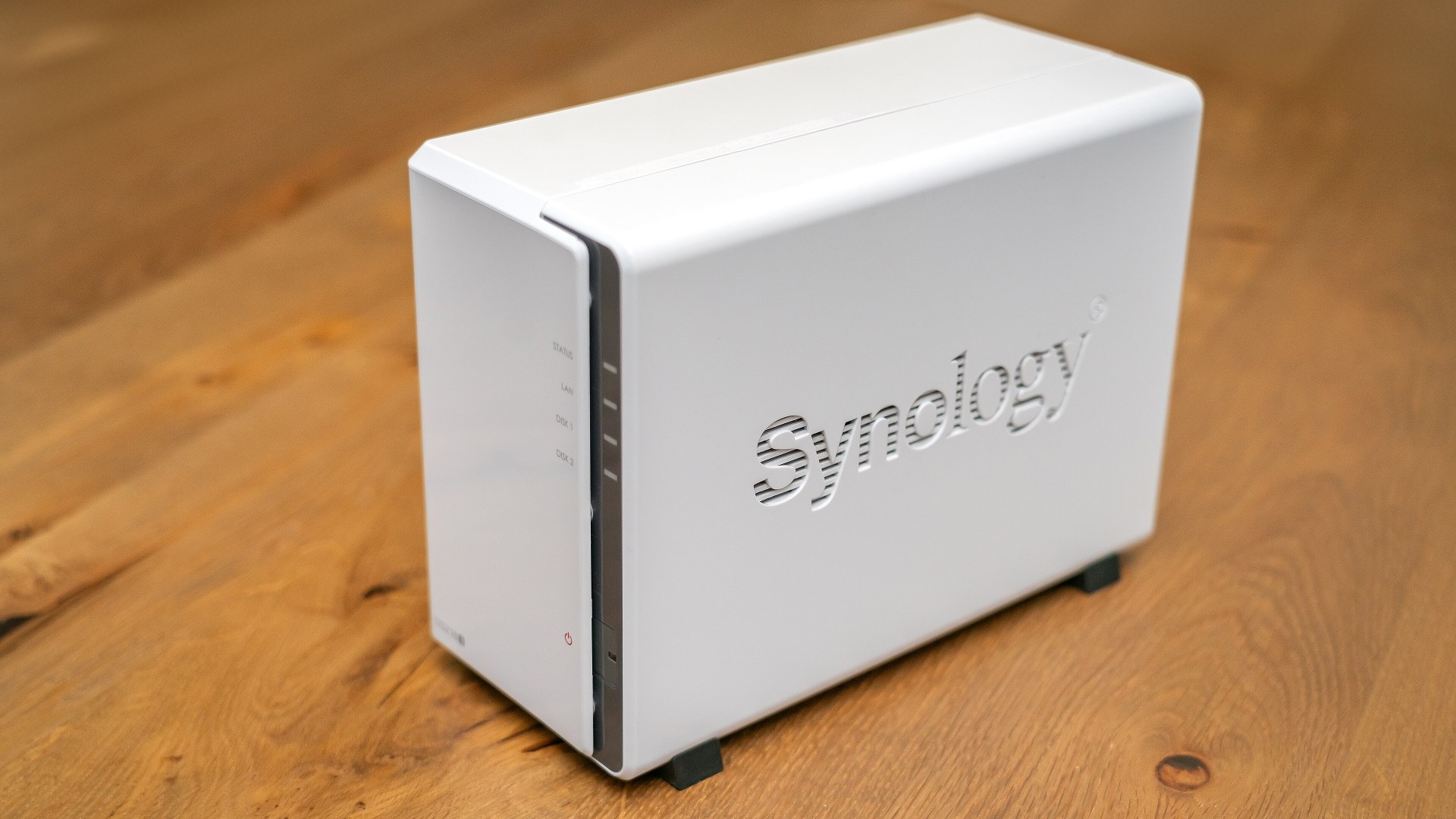
4. Network-Attached Storage (NAS) Drives
When homeowners expose Network-Attached Storage drives to the internet for remote file access, automated bots scan for unpatched firmware. Campaigns such as DeadBolt and Qlocker encrypted thousands of consumer NAS drives for Bitcoin ransoms.
©Wikimedia / DYVER
Advertisement
Swipe or tap ▶ to resume the countdown.
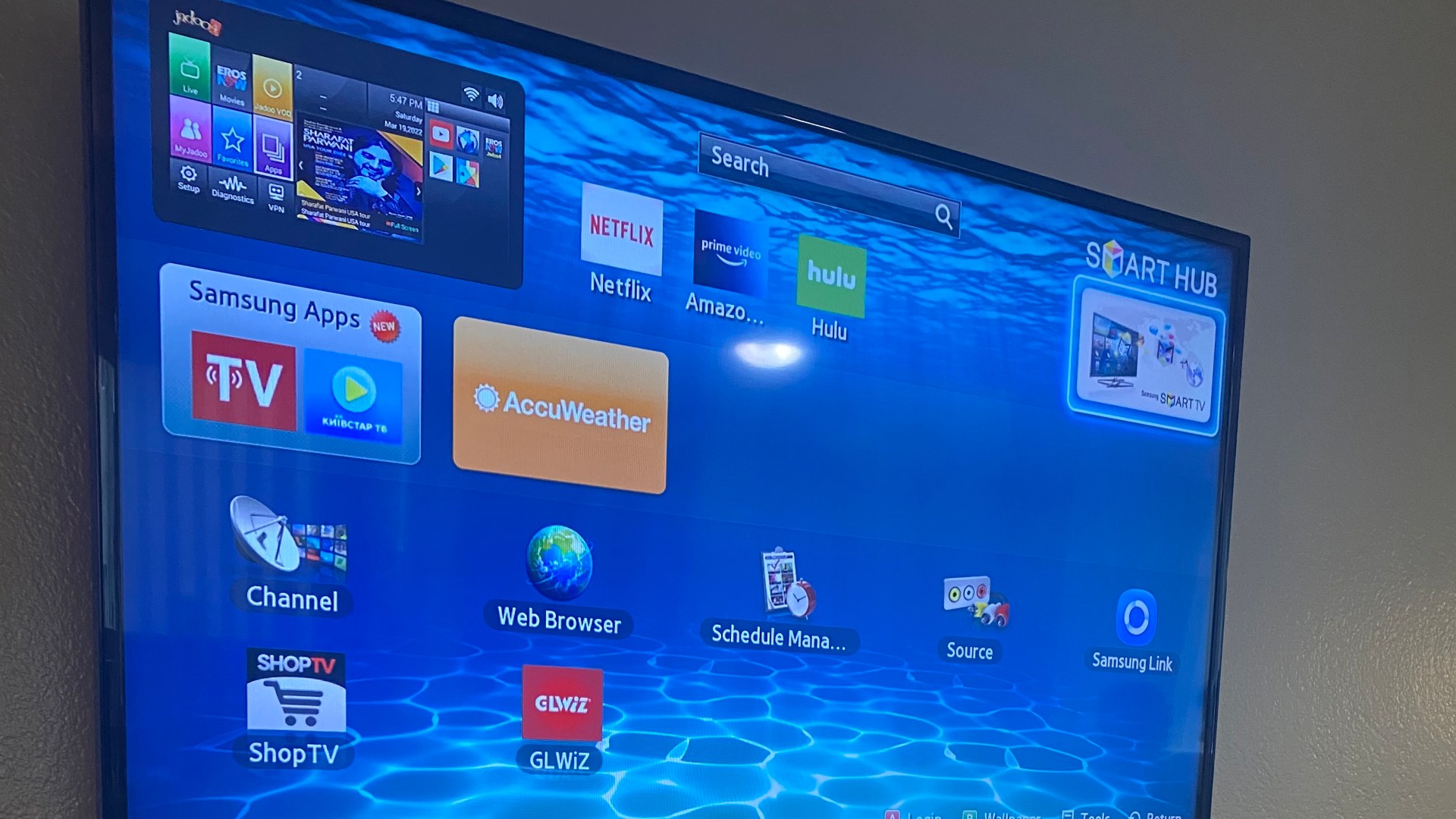
3. Smart TVs And Streaming Displays
Running full operating systems with built-in microphones, web browsers, and third-party apps, Smart TVs rarely receive security patches after a few years. Bitdefender found that Smart TVs account for a major share of home IoT vulnerabilities.
©Wikimedia / Dancingpolishcow
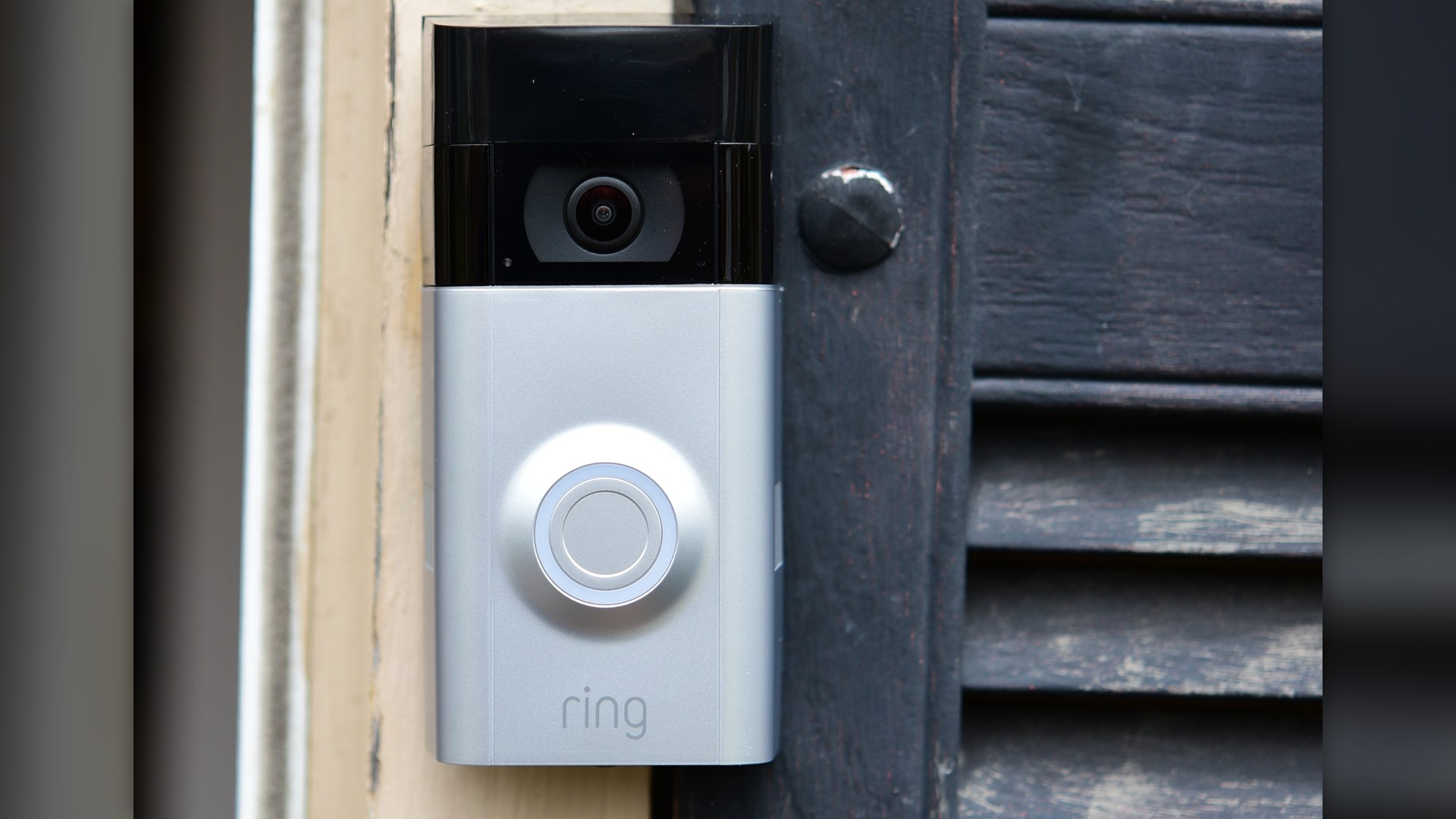
2. Smart Doorbells And Indoor IP Cameras
Millions of low-cost IP security cameras ship with hardcoded credentials or exposed RTSP ports, making them the primary fuel for global DDoS botnets like Mirai while exposing private home video feeds on search engines like Shodan.
©Wikimedia / slgckgc
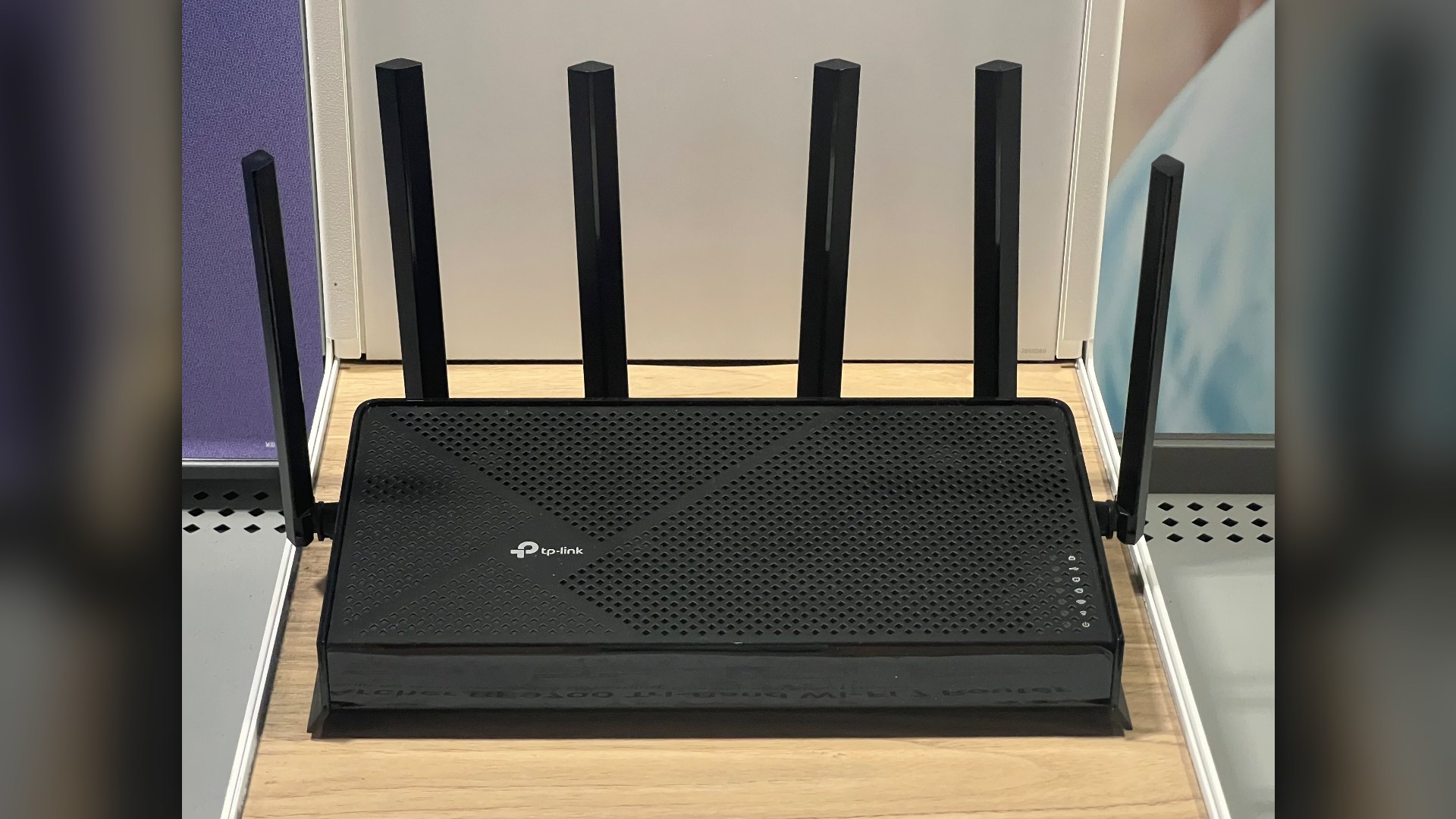
1. Home Wi-Fi Routers And Mesh Gateways
Because every smart appliance connects through the router, cybersecurity reports from Bitdefender and Nokia show that home Wi-Fi routers suffer over 50 percent of all IoT attacks, including DNS hijacking, botnet recruitment, and UPnP exploits.

©Wikimedia / TaurusEmerald
Advertisement
You've reached the end of the story. Thanks for reading!

20 Ways Americans Are Using AI to Make Holiday Shopping Easier in 2026
Generative tools now reshape how US families tackle holiday gift lists, compare deals, and track shipments. Retail systems predict price drops and suggest tailored presents while cutting checkout friction. Based on Adobe Analytics, National Retail Federation, and Salesforce holiday data, here is how tech helps.
All 10 Entries in this Story
10. Smart Light Bulbs And Lighting Bridges
Researchers at Check Point demonstrated that hackers can hijack smart light bulbs over the air using Zigbee protocol flaws, then leap through the lighting bridge directly onto the main home Wi-Fi network.

9. Smart Thermostats And HVAC Controllers
Connected thermostats monitor home occupancy schedules and stay linked to cloud servers 24 hours a day. Weak account credentials without two-factor authentication allow attackers to hijack climate controls or pivot deeper into a home LAN.

8. Robot Vacuums With Cameras And LiDAR
Equipped with onboard HD cameras and laser navigation, connected robot vacuums build detailed 3D maps of a home's interior. Security audits have shown that compromised vacuum firmware can turn the cleaner into a roving indoor microphone and camera.

7. Smart Door Locks And Keypad Entry Systems
While reputable smart deadbolts use strong encryption, budget Wi-Fi bridges and companion smartphone apps have repeatedly suffered from broken API authentication and Bluetooth replay flaws that let unauthorized users revoke or generate entry codes.

6. Smart Voice Speakers And Home Assistants
Because voice assistants often control lights, plugs, and locks from a single hub, researchers have demonstrated how rogue third-party voice apps and inaudible ultrasonic commands can trick smart speakers into unlocking doors or eavesdropping.

5. Wireless Video Baby Monitors
Unlike closed-circuit radio monitors, Wi-Fi baby monitors stream video and two-way audio across the internet. Rapid7 security researchers found flaws in multiple top-selling baby monitors that exposed live nursery feeds and cloud accounts.

4. Network-Attached Storage (NAS) Drives
When homeowners expose Network-Attached Storage drives to the internet for remote file access, automated bots scan for unpatched firmware. Campaigns such as DeadBolt and Qlocker encrypted thousands of consumer NAS drives for Bitcoin ransoms.

3. Smart TVs And Streaming Displays
Running full operating systems with built-in microphones, web browsers, and third-party apps, Smart TVs rarely receive security patches after a few years. Bitdefender found that Smart TVs account for a major share of home IoT vulnerabilities.

2. Smart Doorbells And Indoor IP Cameras
Millions of low-cost IP security cameras ship with hardcoded credentials or exposed RTSP ports, making them the primary fuel for global DDoS botnets like Mirai while exposing private home video feeds on search engines like Shodan.

1. Home Wi-Fi Routers And Mesh Gateways
Because every smart appliance connects through the router, cybersecurity reports from Bitdefender and Nokia show that home Wi-Fi routers suffer over 50 percent of all IoT attacks, including DNS hijacking, botnet recruitment, and UPnP exploits.