Slideshow · Health
15 Ways Climate Change Is Already Harming Our Health, Ranked
Climate change is no longer a distant environmental forecast. Ranked by global medical impact, hospitalization rates, and mortality data from the World Health Organization and The Lancet Countdown, th

By Most Viral Today
30 Oct 2026

From Wildfire Smoke to Heatstroke, 15 Climate Health Threats Ranked 
15. Longer Pollen Seasons And Severe Allergies 
14. Expanding Lyme Disease And Tick-Borne Illnesses 
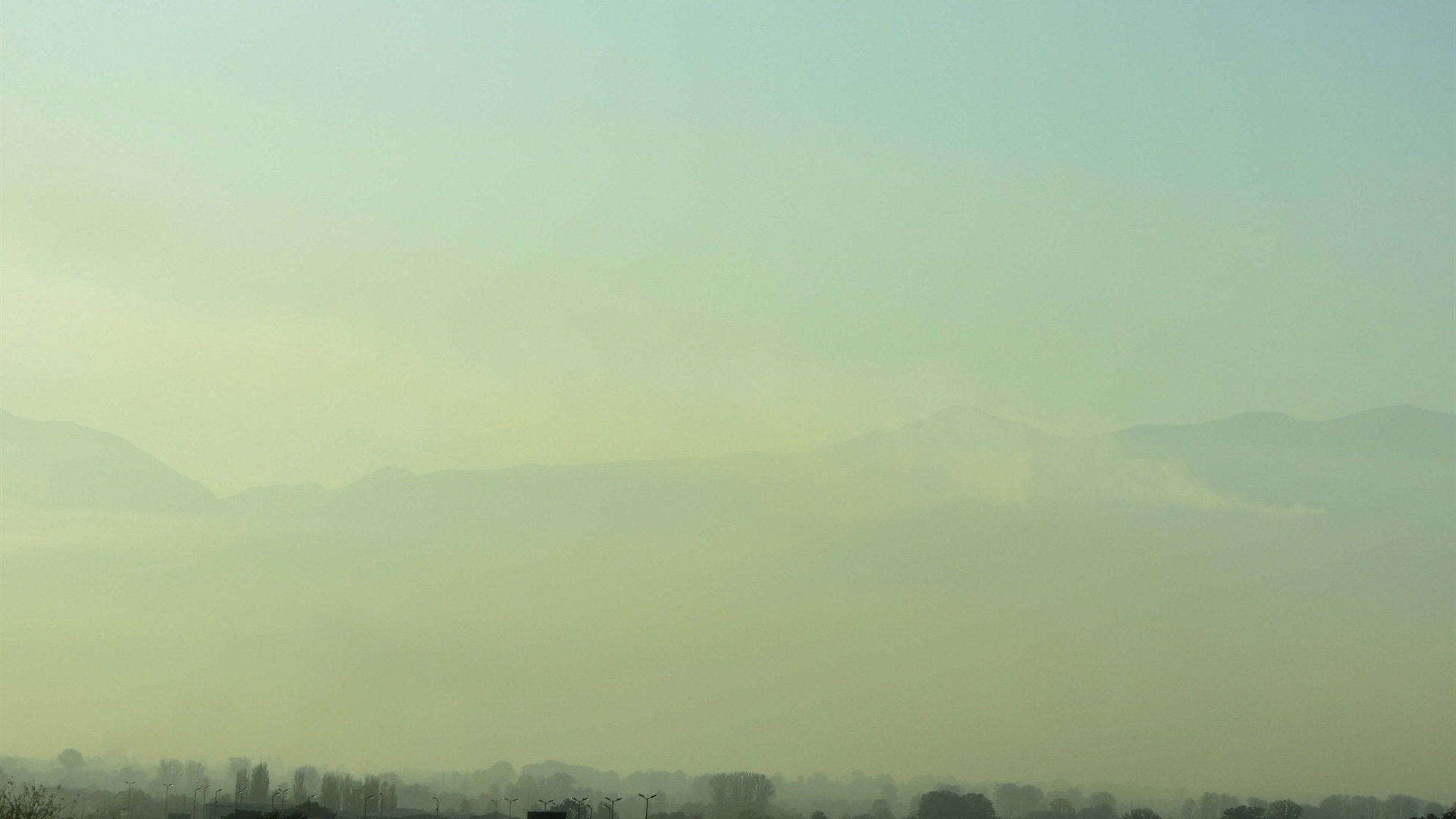
13. Toxic Algal Blooms In Drinking And Recreational Water - AdvertisementSwipe or tap ▶ to continue countdown

12. Valley Fever And Airborne Fungal Infections 
11. Climate Disaster Trauma And Mental Health Crises 
10. Rising Foodborne Salmonella And Campylobacter Outbreaks 
9. Flood-Triggered Cholera And Waterborne Disease - AdvertisementSwipe or tap ▶ to continue countdown

8. Heat-Driven Ground-Level Ozone Smog 
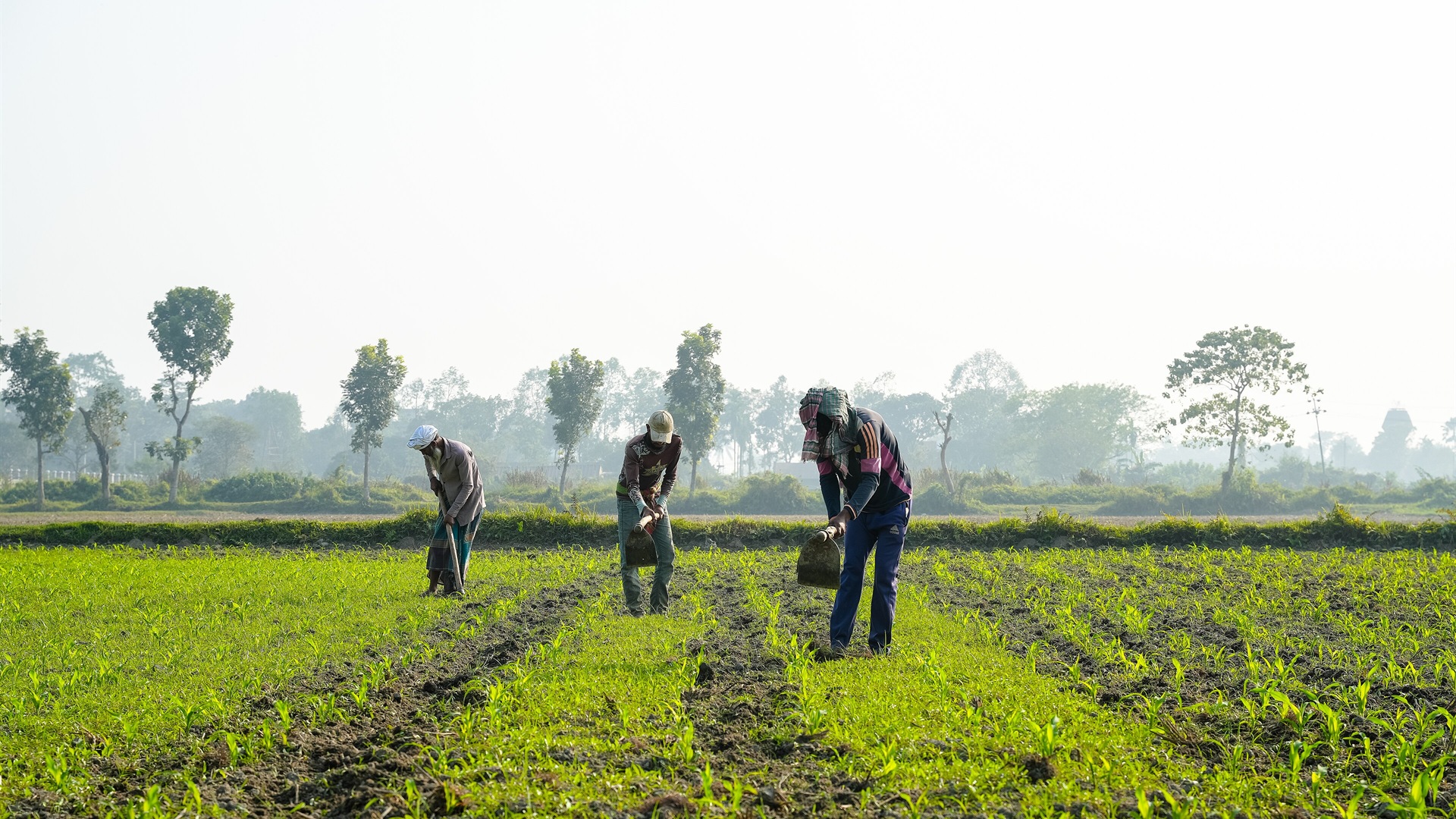
7. Chronic Kidney Disease In Outdoor Workers 
6. Preterm Births And Maternal Pregnancy Complications 
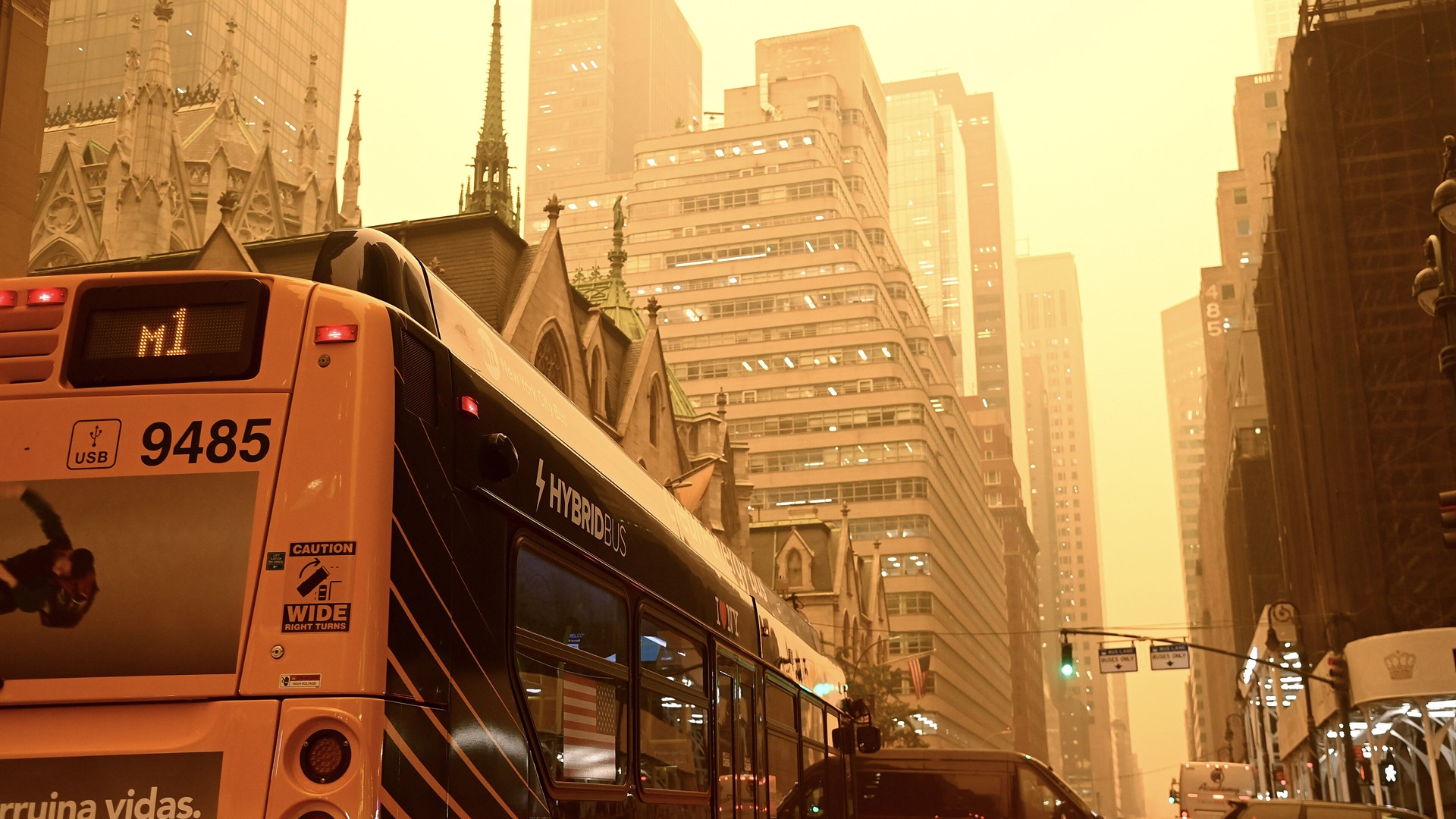
5. Wildfire Smoke PM2.5 Respiratory And Brain Damage - AdvertisementSwipe or tap ▶ to continue countdown

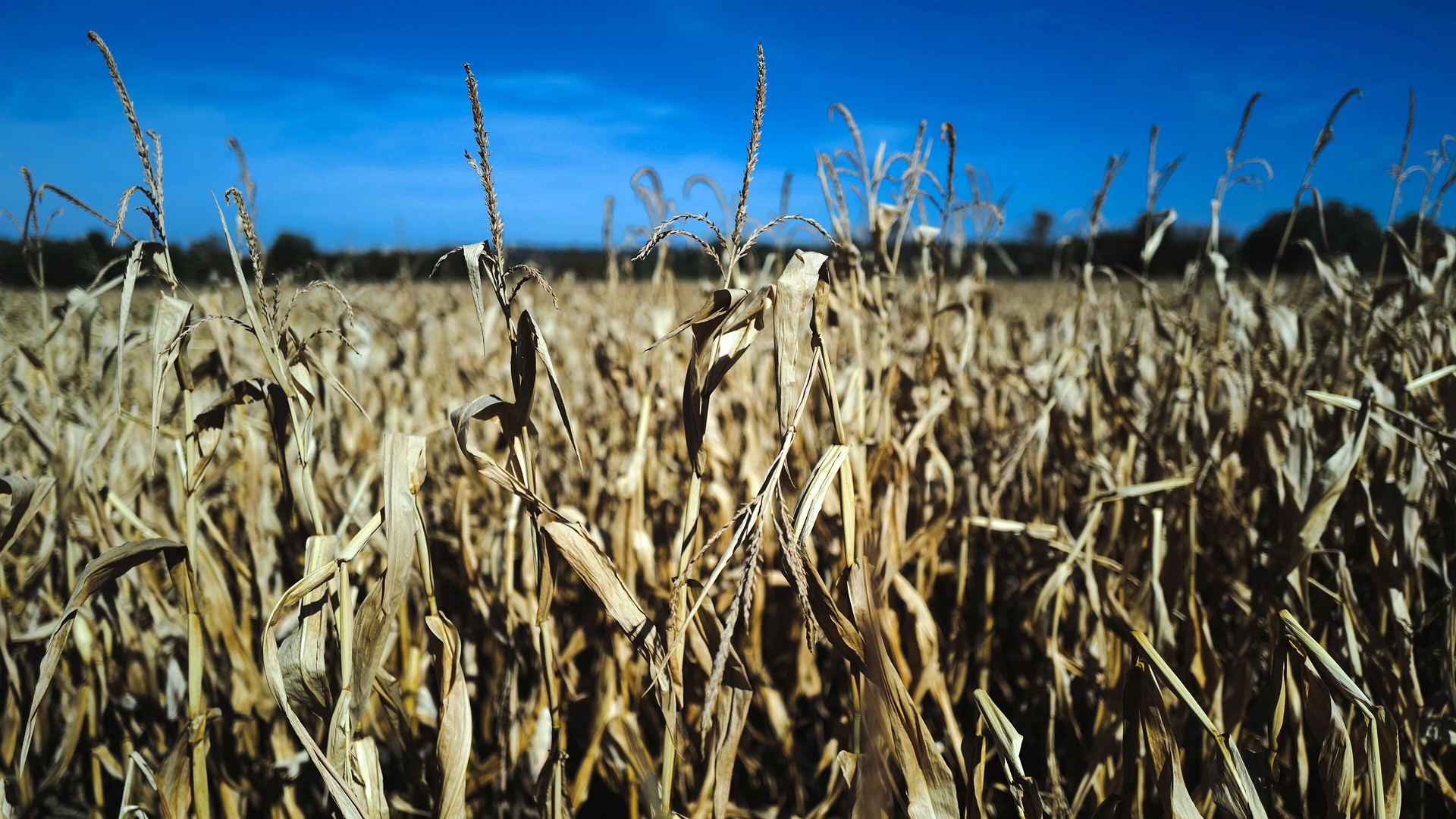
4. Crop Failures, Undernutrition, And Micronutrient Loss 
3. Surging Dengue Fever, Malaria, And West Nile Virus 
2. Heat-Triggered Heart Attacks And Strokes 
1. Deadly Extreme Heatwaves And Heatstroke - Advertisement🔥 UP NEXT IN THIS SERIES◫ 23 Slides

22 Everyday Foods and Drinks That Can Keep You Awake at Night
Caffeine is only one reason evening snacks disrupt rest. Drawing on USDA nutrient figures, FDA guidance and National Library of Medicine sleep studies, this gallery counts down 22 everyday foods and drinks whose stimulants, acids, tyramine or fluids trigger nighttime heartburn, alertness or bathroom trips.
Climate change is no longer a distant environmental forecast. Ranked by global medical impact, hospitalization rates, and mortality data from the World Health Organization and The Lancet Countdown, these fifteen health threats are already harming millions of people today.
Swipe or tap ▶ to begin the countdown
©Wikimedia / Roy Zuo & Metropolitan Transportation Authority
15. Longer Pollen Seasons And Severe Allergies
Rising temperatures and elevated atmospheric carbon dioxide cause ragweed, grasses, and trees to bloom earlier and release higher concentrations of allergenic pollen. Since 1990, the North American pollen season has lengthened by about 20 days, triggering more emergency asthma visits.
©Wikimedia / Matteo Valerio
14. Expanding Lyme Disease And Tick-Borne Illnesses
Shorter, milder winters have allowed blacklegged ticks to expand their geographic range into northern US states, Canada, and higher European altitudes. Reported cases of Lyme disease, babesiosis, and alpha-gal red meat allergy have more than doubled over the past two decades.
©Wikimedia / Diego Delso
13. Toxic Algal Blooms In Drinking And Recreational Water
Higher water temperatures combined with storm runoff trigger explosive blooms of blue-green cyanobacteria in freshwater lakes and coastal estuaries. Contact with or ingestion of microcystin toxins causes acute liver damage, gastrointestinal illness, and neurological symptoms.
©Wikimedia / Great Lakes Environmental Research Laboratory
Advertisement
Swipe or tap ▶ to resume the countdown.
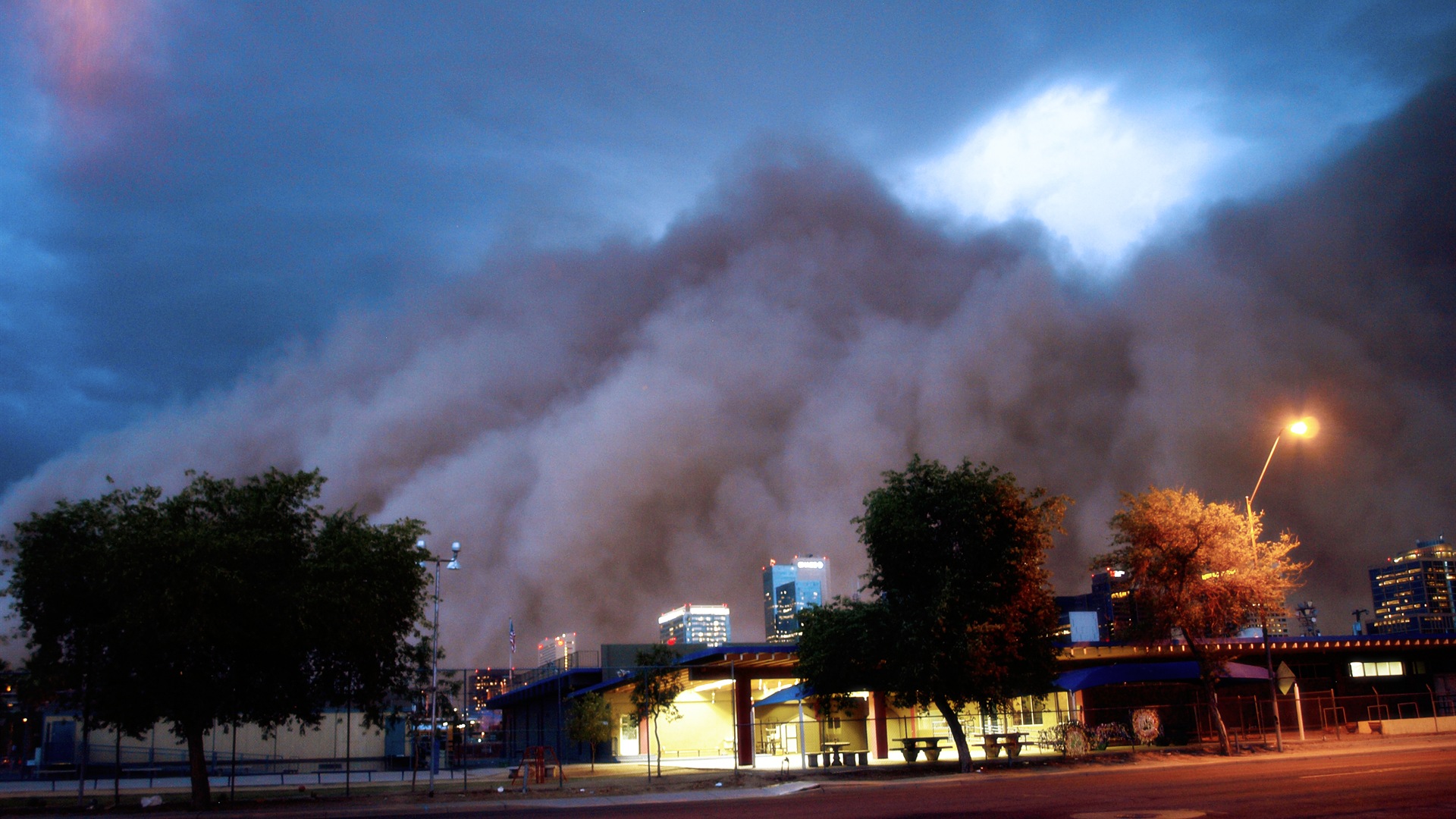
12. Valley Fever And Airborne Fungal Infections
Alternating cycles of wet winters and severe drought allow Coccidioides fungi to grow in soil and then disperse in windblown dust storms. Inhaling these microscopic spores causes Valley fever, a painful lung infection that can spread to the brain, bones, and skin.
©Wikimedia / Ms. Phoenix
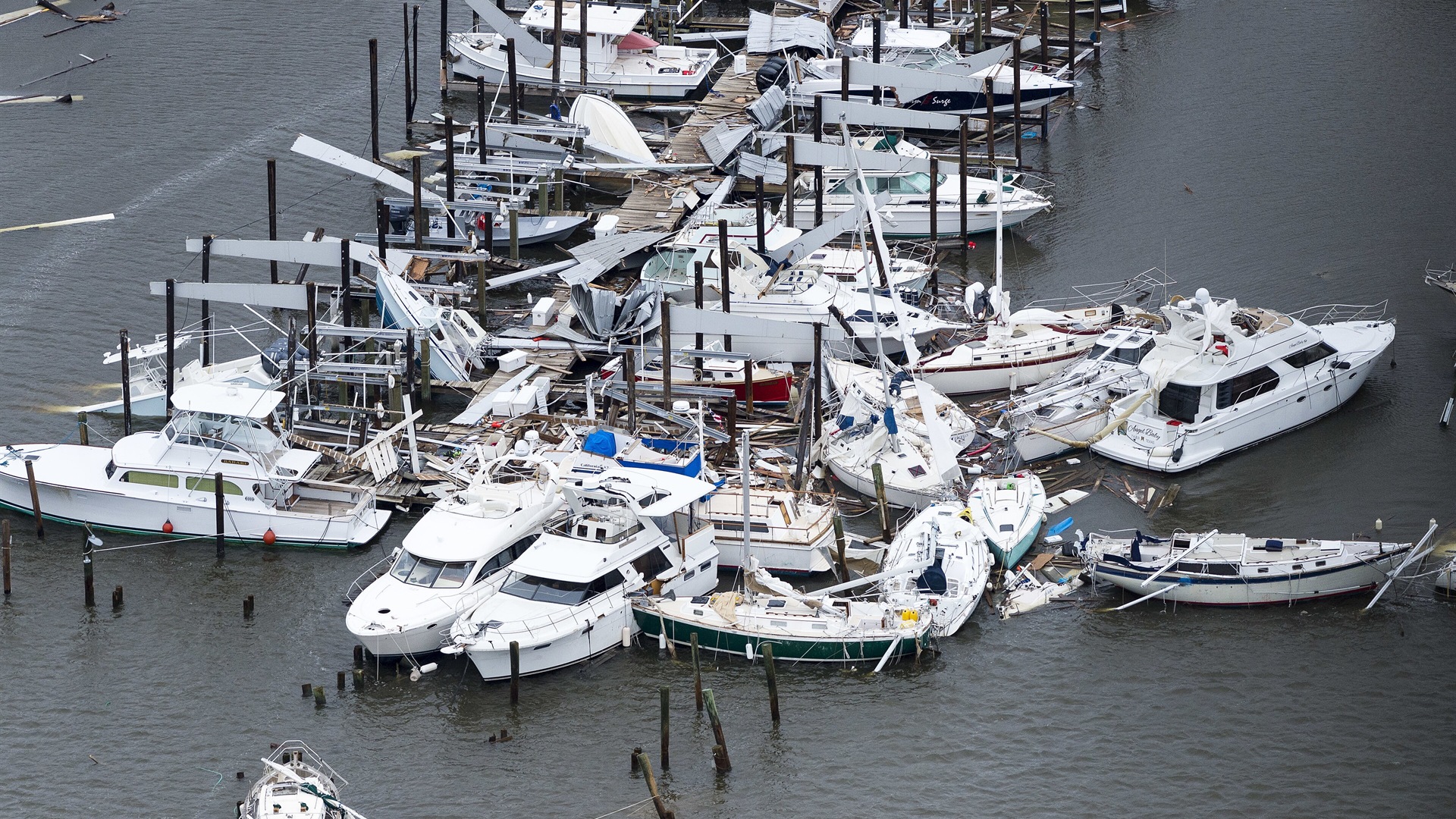
11. Climate Disaster Trauma And Mental Health Crises
Losing a home or community to extreme weather leaves lasting psychological scars long after floodwaters recede. Epidemiological studies show that up to 30 percent of survivors of major hurricanes and wildfires develop clinical post-traumatic stress disorder or chronic depression.
©Wikimedia / Malcolm McClendon
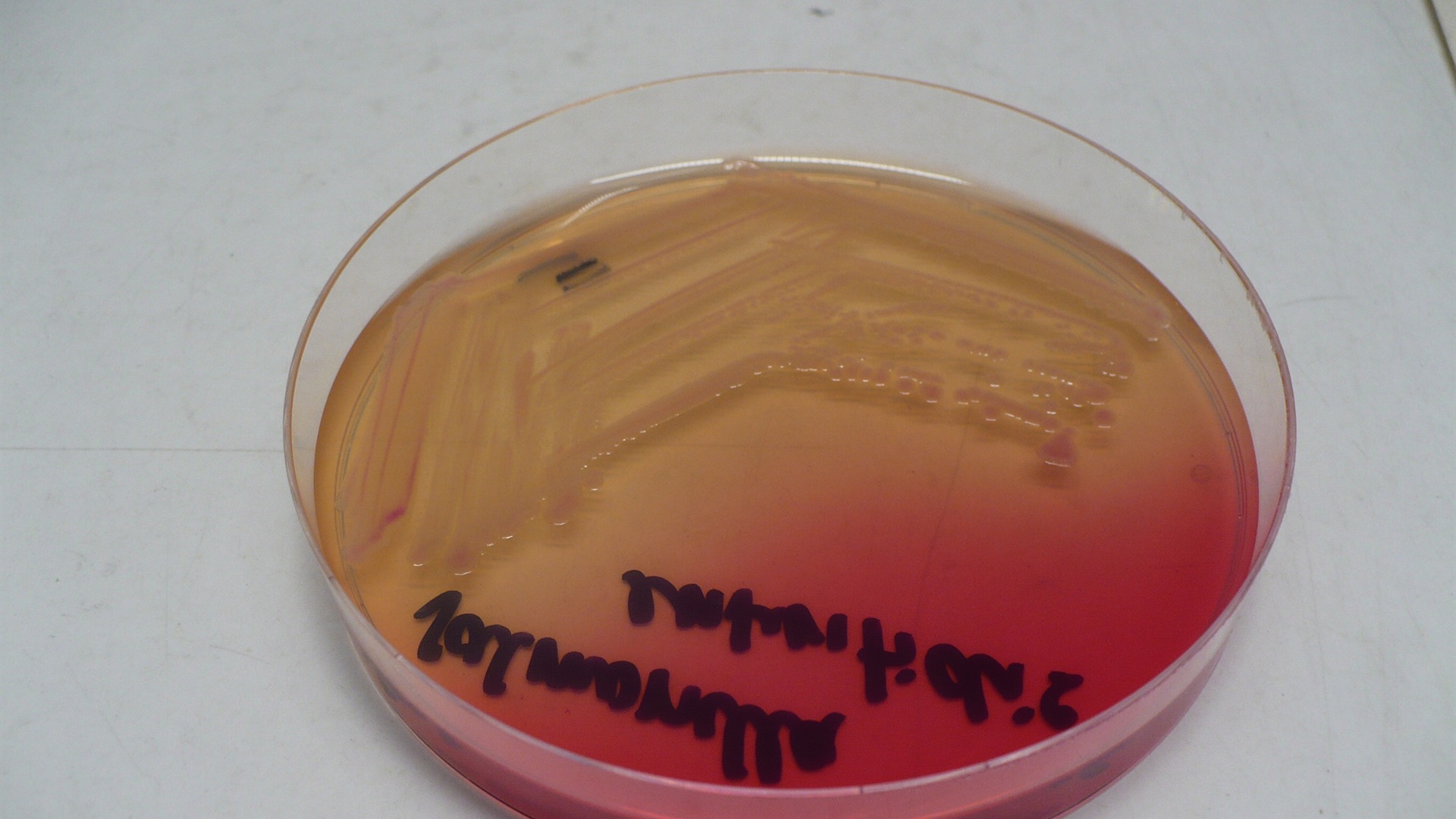
10. Rising Foodborne Salmonella And Campylobacter Outbreaks
Foodborne pathogens such as Salmonella, Campylobacter, and Vibrio parahaemolyticus multiply rapidly as air and ocean temperatures climb. European and North American public health agencies link every degree of summer warming to a measurable spike in bacterial food poisoning.
©Wikimedia / Pavel Dusek
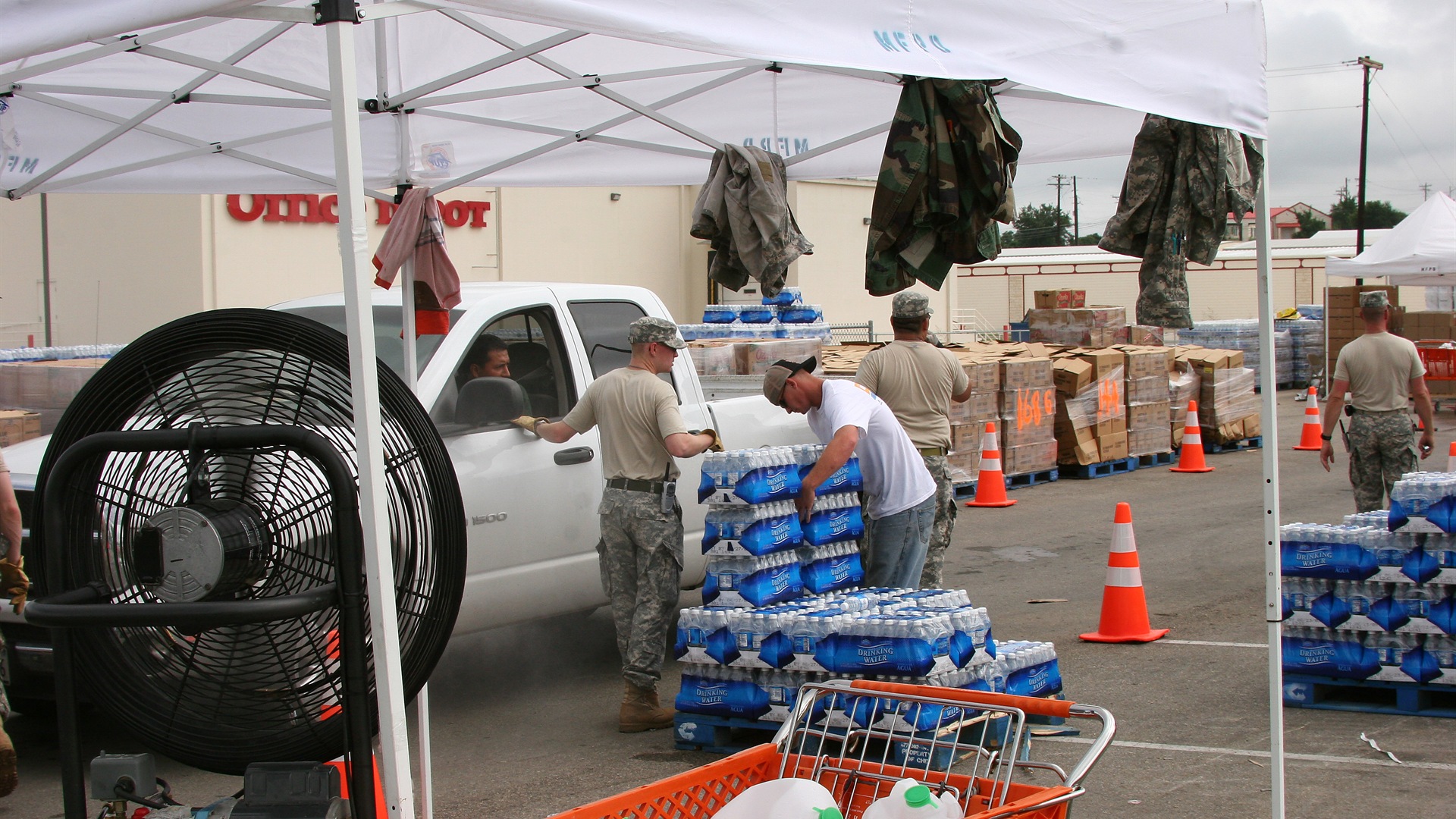
9. Flood-Triggered Cholera And Waterborne Disease
Warmer air holds roughly 7 percent more moisture per degree Celsius, fueling record deluges that overwhelm municipal water systems. Floodwaters mix raw sewage with wells and reservoirs, driving outbreaks of cholera, cryptosporidiosis, and enteroviruses.
©Wikimedia / Bob McMillan
Advertisement
Swipe or tap ▶ to resume the countdown.
8. Heat-Driven Ground-Level Ozone Smog
Ground-level ozone forms when nitrogen oxides and volatile organic compounds react in stagnant heat and strong sunlight. Breathing ozone inflames airway linings, reduces lung capacity in children, and drives thousands of preventable hospitalizations for chronic obstructive pulmonary disease.
©Wikimedia / Kiril Simeonovski
7. Chronic Kidney Disease In Outdoor Workers
Known clinically as chronic kidney disease of non-traditional causes, an epidemic of renal failure has struck young agricultural and construction laborers across Central America, South Asia, and the southern United States. Daily exertion in extreme heat damages kidney tubules through chronic dehydration.
©Wikimedia / Md Ridwan Hassan
6. Preterm Births And Maternal Pregnancy Complications
Pregnant women are uniquely vulnerable to thermal stress and air pollution because pregnancy increases metabolic heat production and cardiovascular demand. Large-scale clinical studies show that multi-day heatwaves increase the risk of preterm birth and low birth weight by up to 16 percent.
©Wikimedia / Shixart1985
5. Wildfire Smoke PM2.5 Respiratory And Brain Damage
Wildfire smoke contains fine PM2.5 particles that are up to ten times more toxic to human lungs than ordinary urban exhaust because they carry burned plastics, heavy metals, and organic chemicals. Smoke plumes travel thousands of miles, triggering asthma attacks, strokes, and cognitive decline.
©Wikimedia / Metropolitan Transportation Authority
Advertisement
Swipe or tap ▶ to resume the countdown.
4. Crop Failures, Undernutrition, And Micronutrient Loss
According to The Lancet Countdown, extreme droughts and heatwaves placed more than 150 million additional people into acute food insecurity in a single year. At the same time, crops grown under higher carbon dioxide levels contain 5 to 10 percent less protein, iron, and zinc.
©Wikimedia / Olivier Chassignole
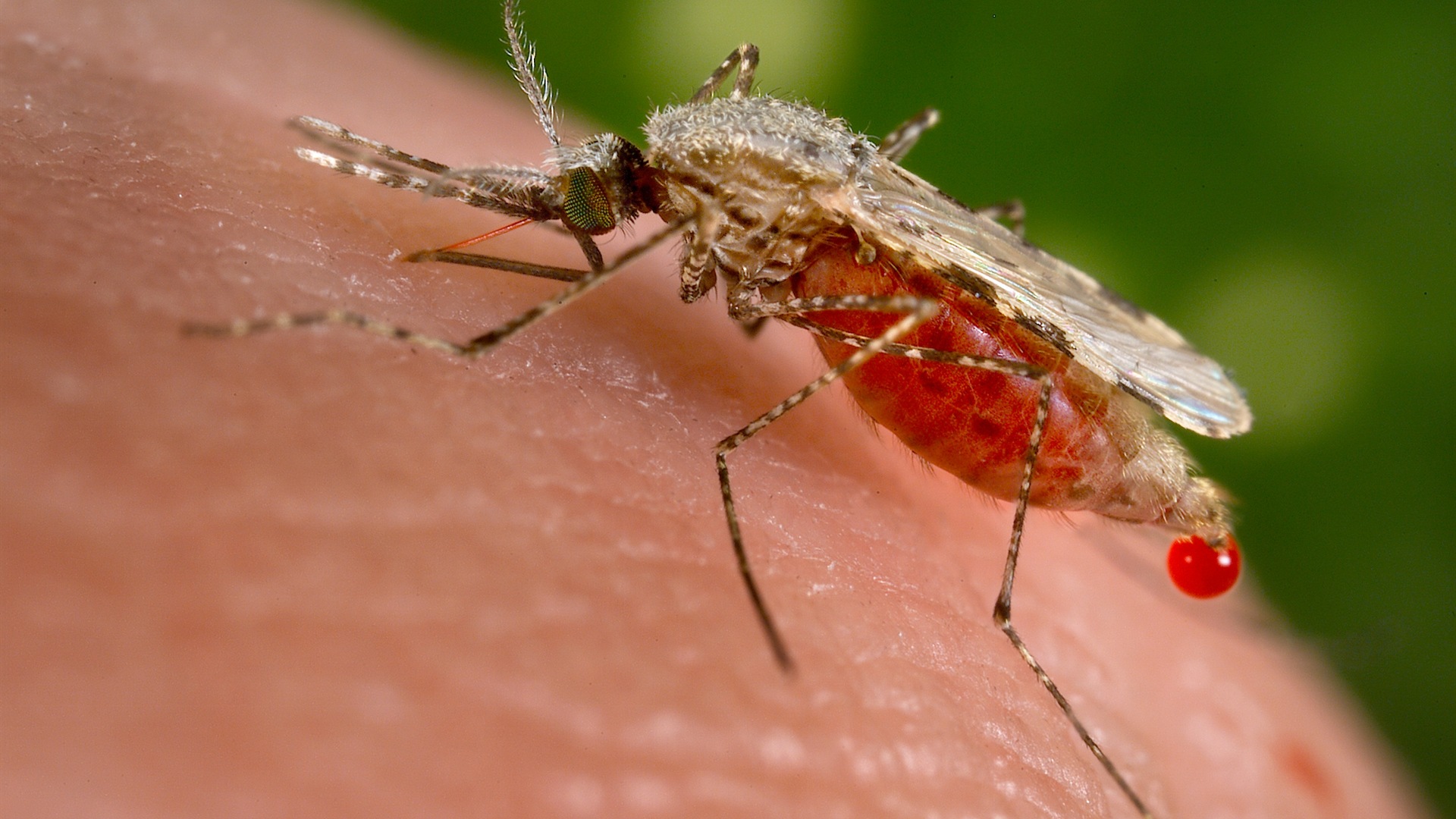
3. Surging Dengue Fever, Malaria, And West Nile Virus
Global dengue fever cases reached historic highs of more than 12 million infections in a single year as Aedes mosquitoes expanded across the Americas, South Asia, and southern Europe. Warmer temperatures shorten viral incubation inside mosquitoes, allowing faster transmission at higher latitudes.
©Wikimedia / Jim Gathany
2. Heat-Triggered Heart Attacks And Strokes
When ambient temperatures soar and overnight lows fail to drop, the human heart must pump harder to circulate blood to the skin for cooling while blood viscosity rises from sweating. Cardiologists attribute thousands of excess summer heart attacks, arrhythmias, and ischemic strokes directly to heat stress.
©Wikimedia / Justin Norton
1. Deadly Extreme Heatwaves And Heatstroke
Extreme heat ranks as the number one way climate change is already harming human health. World Health Organization data links nearly 489,000 annual deaths globally to extreme heat, with heat-related mortality among adults over age 65 surging by more than 85 percent compared to the 1990s.

©Wikimedia / Roy Zuo
Advertisement
You've reached the end of the story. Thanks for reading!

22 Everyday Foods and Drinks That Can Keep You Awake at Night
Caffeine is only one reason evening snacks disrupt rest. Drawing on USDA nutrient figures, FDA guidance and National Library of Medicine sleep studies, this gallery counts down 22 everyday foods and drinks whose stimulants, acids, tyramine or fluids trigger nighttime heartburn, alertness or bathroom trips.
All 15 Entries in this Story
15. Longer Pollen Seasons And Severe Allergies
Rising temperatures and elevated atmospheric carbon dioxide cause ragweed, grasses, and trees to bloom earlier and release higher concentrations of allergenic pollen. Since 1990, the North American pollen season has lengthened by about 20 days, triggering more emergency asthma visits.

14. Expanding Lyme Disease And Tick-Borne Illnesses
Shorter, milder winters have allowed blacklegged ticks to expand their geographic range into northern US states, Canada, and higher European altitudes. Reported cases of Lyme disease, babesiosis, and alpha-gal red meat allergy have more than doubled over the past two decades.

13. Toxic Algal Blooms In Drinking And Recreational Water
Higher water temperatures combined with storm runoff trigger explosive blooms of blue-green cyanobacteria in freshwater lakes and coastal estuaries. Contact with or ingestion of microcystin toxins causes acute liver damage, gastrointestinal illness, and neurological symptoms.

12. Valley Fever And Airborne Fungal Infections
Alternating cycles of wet winters and severe drought allow Coccidioides fungi to grow in soil and then disperse in windblown dust storms. Inhaling these microscopic spores causes Valley fever, a painful lung infection that can spread to the brain, bones, and skin.

11. Climate Disaster Trauma And Mental Health Crises
Losing a home or community to extreme weather leaves lasting psychological scars long after floodwaters recede. Epidemiological studies show that up to 30 percent of survivors of major hurricanes and wildfires develop clinical post-traumatic stress disorder or chronic depression.

10. Rising Foodborne Salmonella And Campylobacter Outbreaks
Foodborne pathogens such as Salmonella, Campylobacter, and Vibrio parahaemolyticus multiply rapidly as air and ocean temperatures climb. European and North American public health agencies link every degree of summer warming to a measurable spike in bacterial food poisoning.

9. Flood-Triggered Cholera And Waterborne Disease
Warmer air holds roughly 7 percent more moisture per degree Celsius, fueling record deluges that overwhelm municipal water systems. Floodwaters mix raw sewage with wells and reservoirs, driving outbreaks of cholera, cryptosporidiosis, and enteroviruses.

8. Heat-Driven Ground-Level Ozone Smog
Ground-level ozone forms when nitrogen oxides and volatile organic compounds react in stagnant heat and strong sunlight. Breathing ozone inflames airway linings, reduces lung capacity in children, and drives thousands of preventable hospitalizations for chronic obstructive pulmonary disease.

7. Chronic Kidney Disease In Outdoor Workers
Known clinically as chronic kidney disease of non-traditional causes, an epidemic of renal failure has struck young agricultural and construction laborers across Central America, South Asia, and the southern United States. Daily exertion in extreme heat damages kidney tubules through chronic dehydration.

6. Preterm Births And Maternal Pregnancy Complications
Pregnant women are uniquely vulnerable to thermal stress and air pollution because pregnancy increases metabolic heat production and cardiovascular demand. Large-scale clinical studies show that multi-day heatwaves increase the risk of preterm birth and low birth weight by up to 16 percent.

5. Wildfire Smoke PM2.5 Respiratory And Brain Damage
Wildfire smoke contains fine PM2.5 particles that are up to ten times more toxic to human lungs than ordinary urban exhaust because they carry burned plastics, heavy metals, and organic chemicals. Smoke plumes travel thousands of miles, triggering asthma attacks, strokes, and cognitive decline.

4. Crop Failures, Undernutrition, And Micronutrient Loss
According to The Lancet Countdown, extreme droughts and heatwaves placed more than 150 million additional people into acute food insecurity in a single year. At the same time, crops grown under higher carbon dioxide levels contain 5 to 10 percent less protein, iron, and zinc.

3. Surging Dengue Fever, Malaria, And West Nile Virus
Global dengue fever cases reached historic highs of more than 12 million infections in a single year as Aedes mosquitoes expanded across the Americas, South Asia, and southern Europe. Warmer temperatures shorten viral incubation inside mosquitoes, allowing faster transmission at higher latitudes.

2. Heat-Triggered Heart Attacks And Strokes
When ambient temperatures soar and overnight lows fail to drop, the human heart must pump harder to circulate blood to the skin for cooling while blood viscosity rises from sweating. Cardiologists attribute thousands of excess summer heart attacks, arrhythmias, and ischemic strokes directly to heat stress.

1. Deadly Extreme Heatwaves And Heatstroke
Extreme heat ranks as the number one way climate change is already harming human health. World Health Organization data links nearly 489,000 annual deaths globally to extreme heat, with heat-related mortality among adults over age 65 surging by more than 85 percent compared to the 1990s.