Slideshow · Animals
20 Animals Documented Responding to Human Vocal Cues and Commands
Scientific trials at Eotvos Lorand University, Emory University and the Max Planck Institute show that several species decode human speech, distinguishing vocabulary from tone. Based on peer-reviewed studies published in Science, Animal Cognition and Nature, here is what 20 animals comprehend when humans speak.


All 20 Entries in this Story
20. Dogs
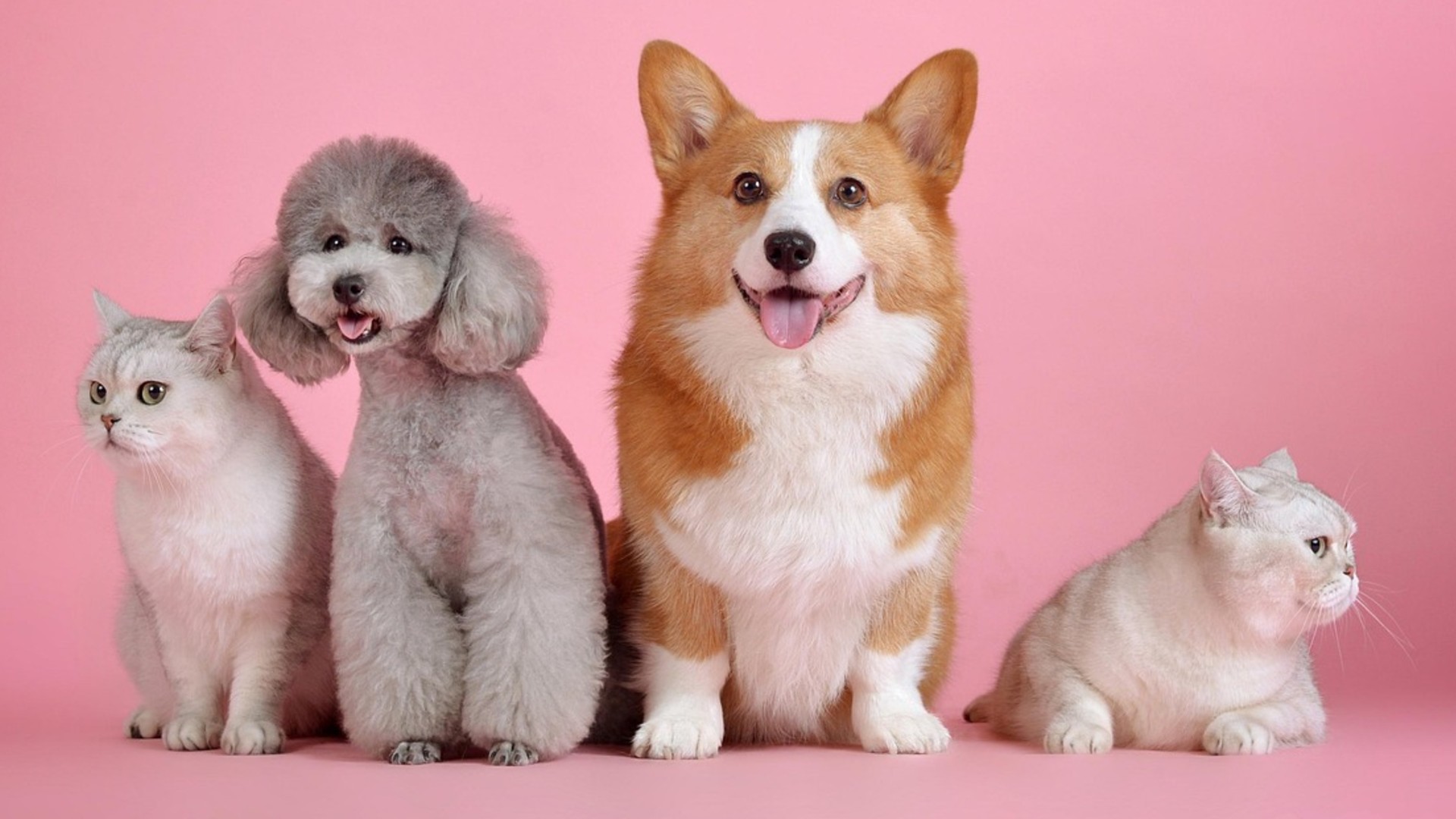
Brain scans at Eotvos Lorand University revealed dogs process familiar words in the left hemisphere and intonation in the right. A border collie named Chaser learned the names of 1,022 individual toys, showing that domestic canines can master nouns, verbs, and prepositional commands.
19. Domestic Cats
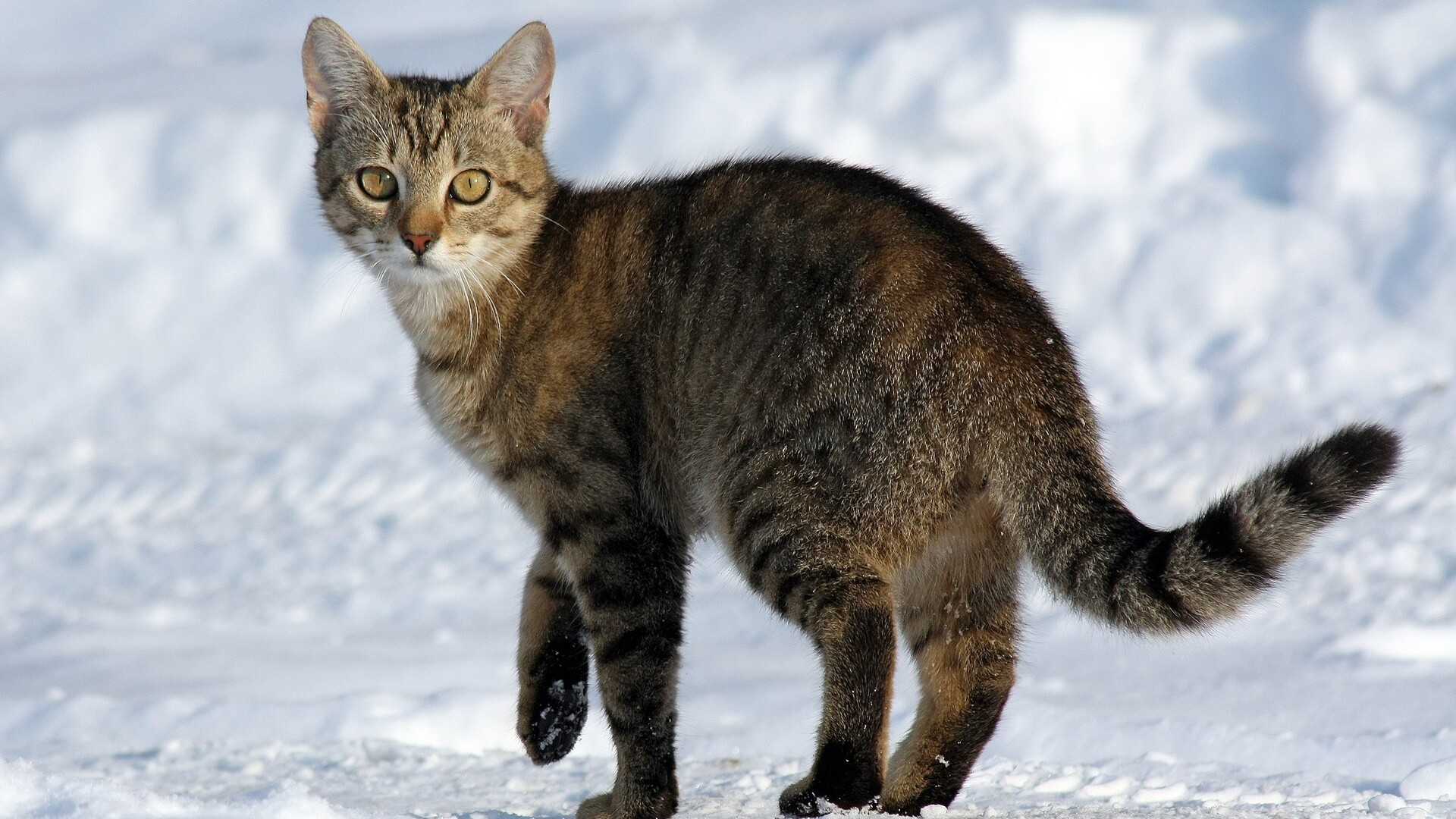
A study by the University of Tokyo tested 78 domestic cats with audio playback. Felines moved their ears and heads significantly more upon hearing their own names compared to general nouns. Cats distinguish their owners voices from strangers, though they choose whether to offer a visible behavioural response.
18. Horses
Researchers at the University of Sussex demonstrated that horses combine emotional vocal cues with facial recognition. Equines look longer and show elevated heart rates when human voices sound stern or displeased. They follow human pointing gestures to locate hidden grain buckets.
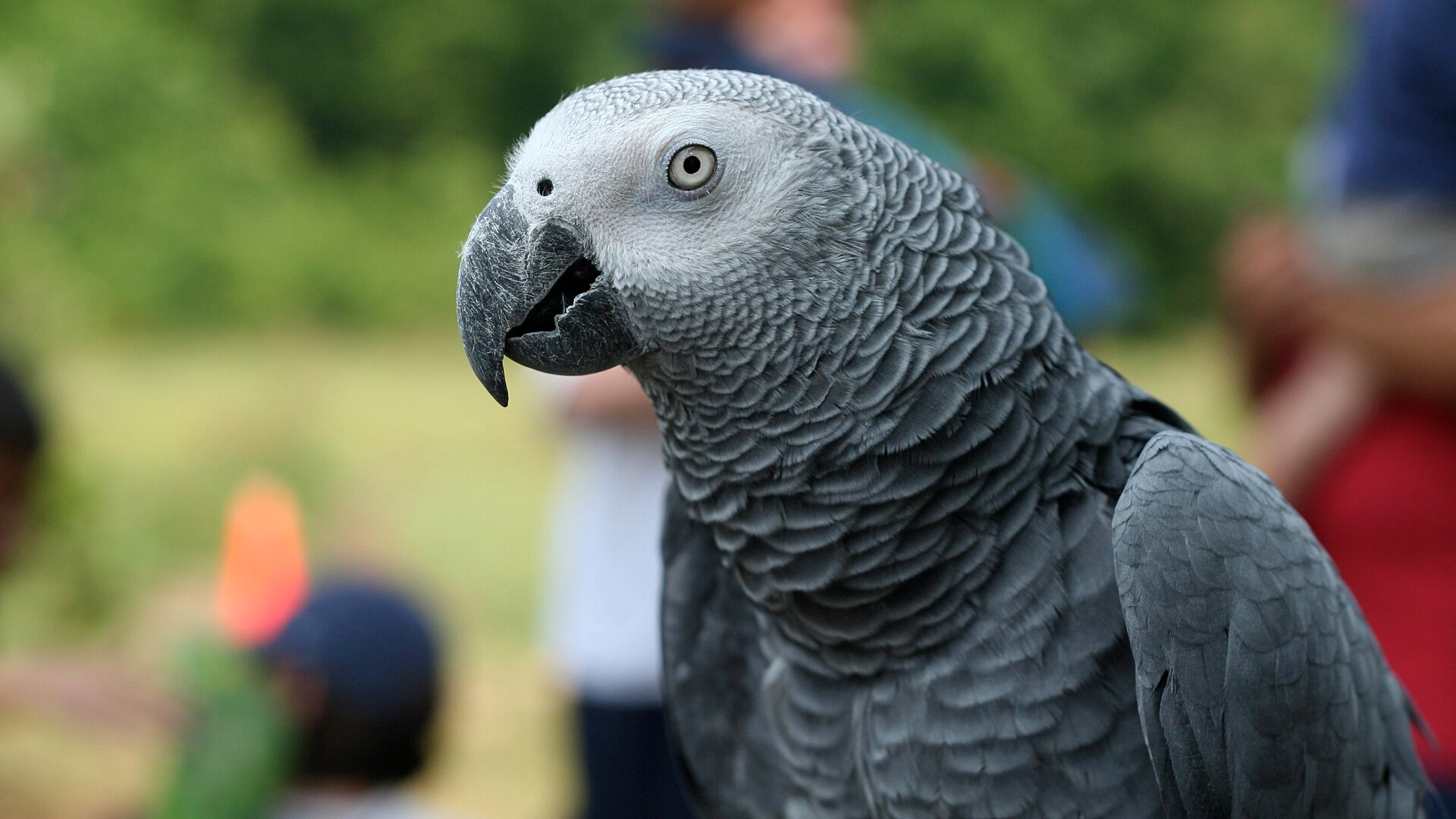
17. African Grey Parrots
Dr Irene Pepperberg worked with an African grey parrot named Alex at Harvard University for thirty years. Alex learned over 100 English vocal labels for objects and understood concepts of bigger, smaller, same, and none. His performance proved birds grasp contextual meaning rather than simple acoustic mimicry.
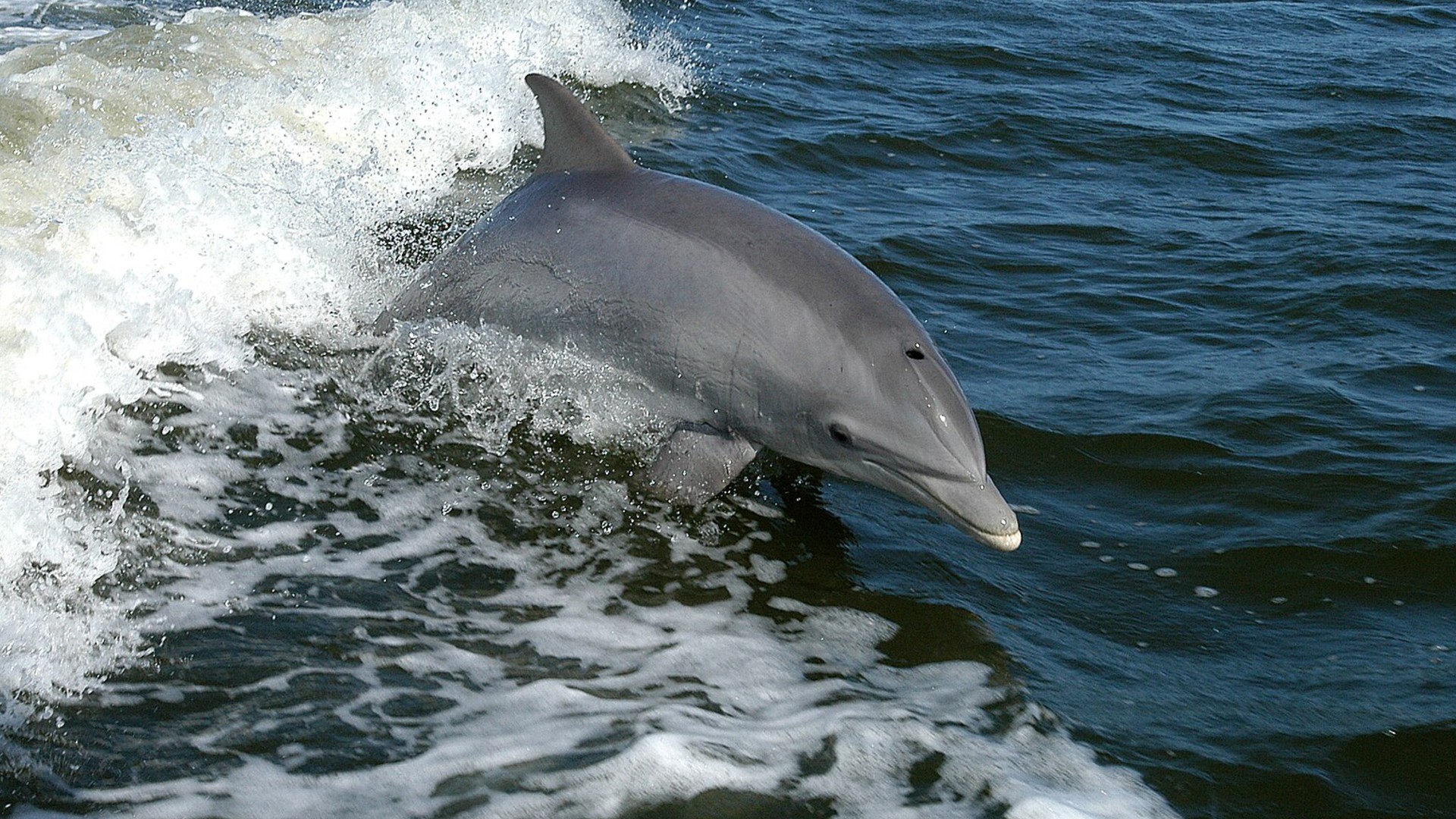
16. Bottlenose Dolphins
At Kewalo Basin Marine Mammal Laboratory in Hawaii, researchers taught dolphins a gestural and acoustic language. The dolphins distinguished word order, executing commands like fetch hoop to pipe versus pipe to hoop. They understand human pointing and monitor human gaze.
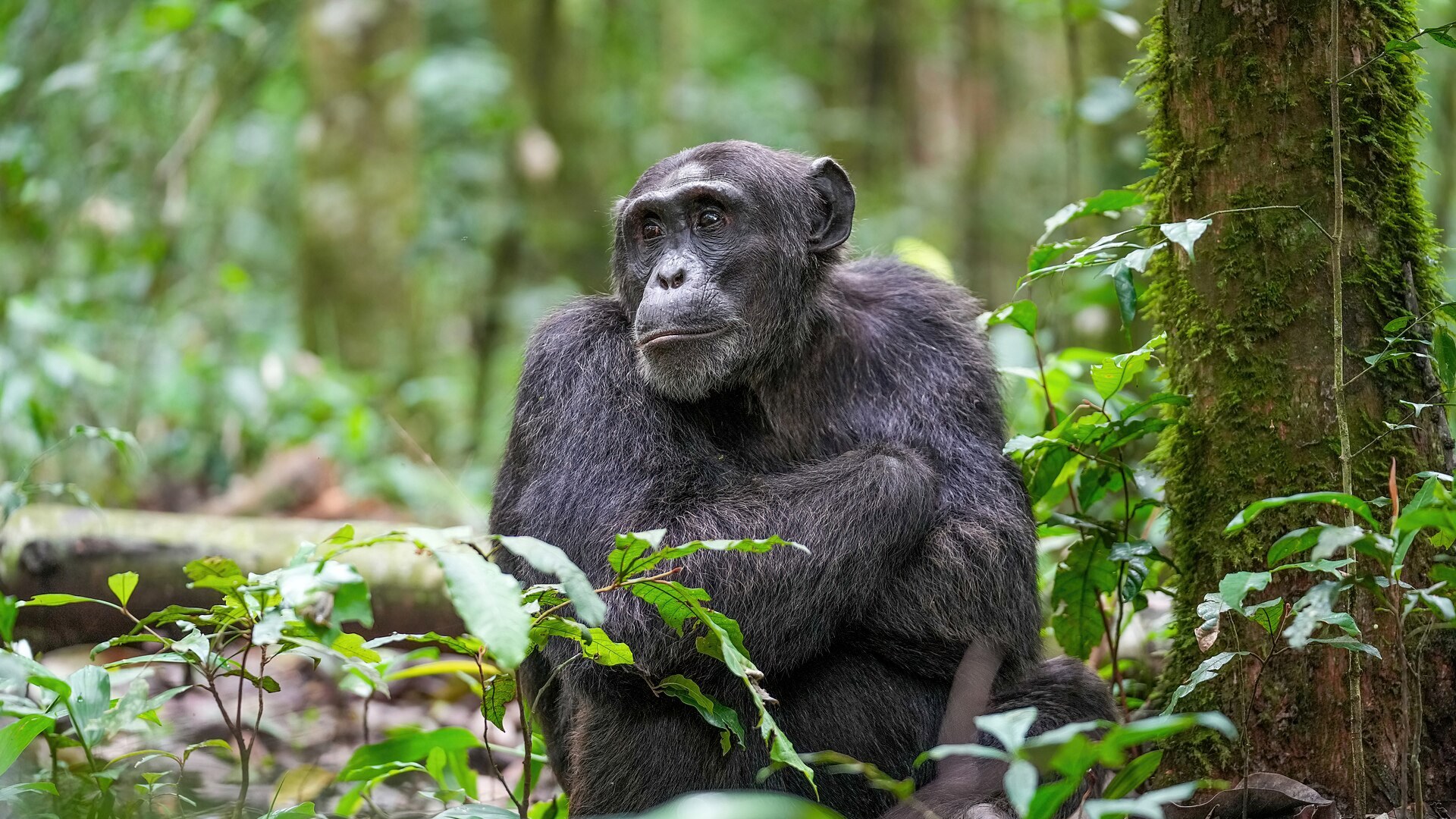
15. Chimpanzees
Project Washoe at Central Washington University documented a chimpanzee acquiring 350 American Sign Language signs. Chimps combine signs spontaneously to describe novel objects, such as water bird for a swan. While lacking human vocal tracts, they comprehend spoken requests and complex symbolic boards.
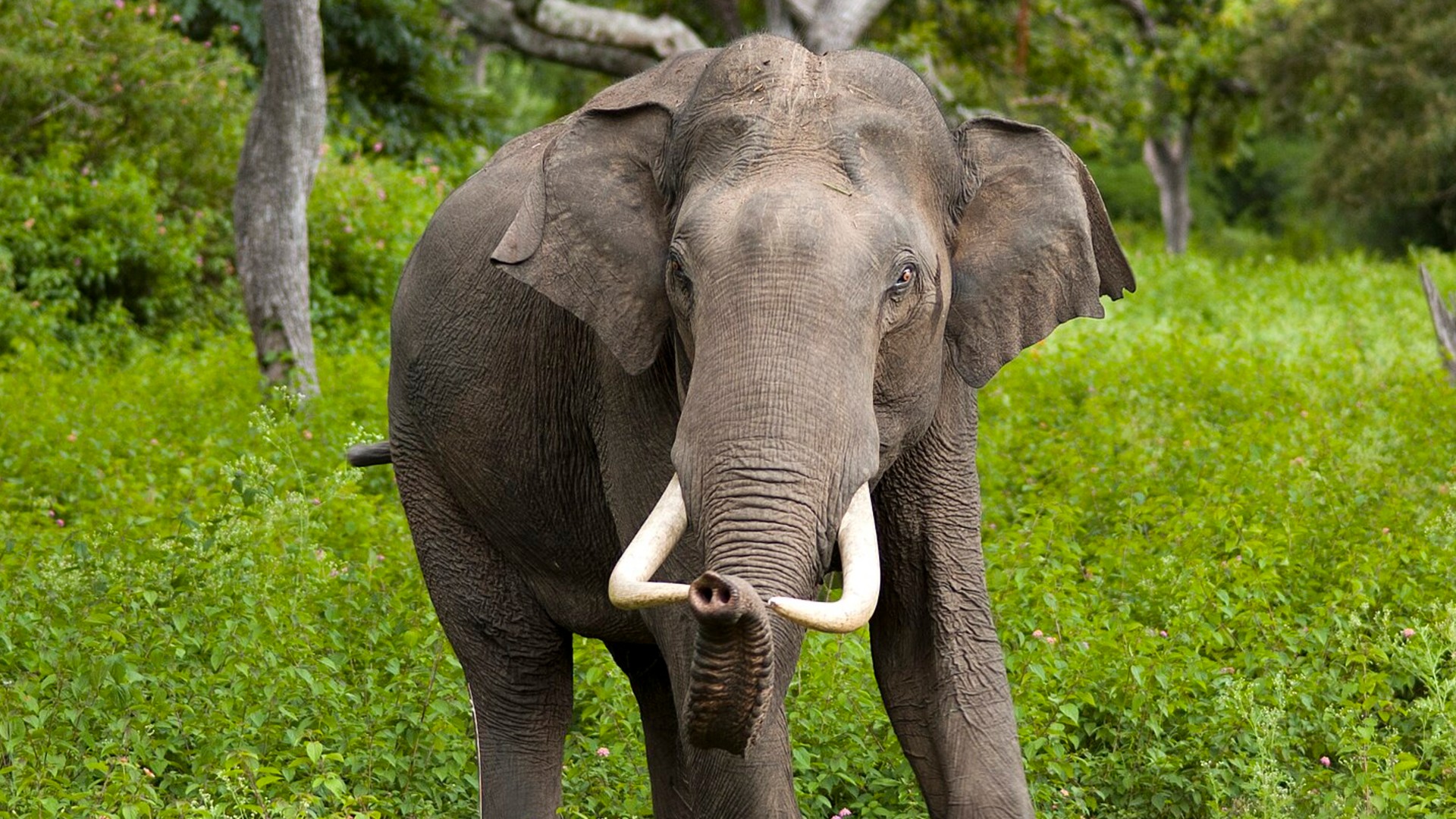
14. Asian Elephants
In Kenya and South Korea, researchers discovered elephants classify human voices by ethnicity and threat level. Animals retreated when hearing Maasai male voices but remained calm for female voices. An Asian elephant named Koshik at Everland zoo imitated Korean words by placing his trunk inside his mouth.
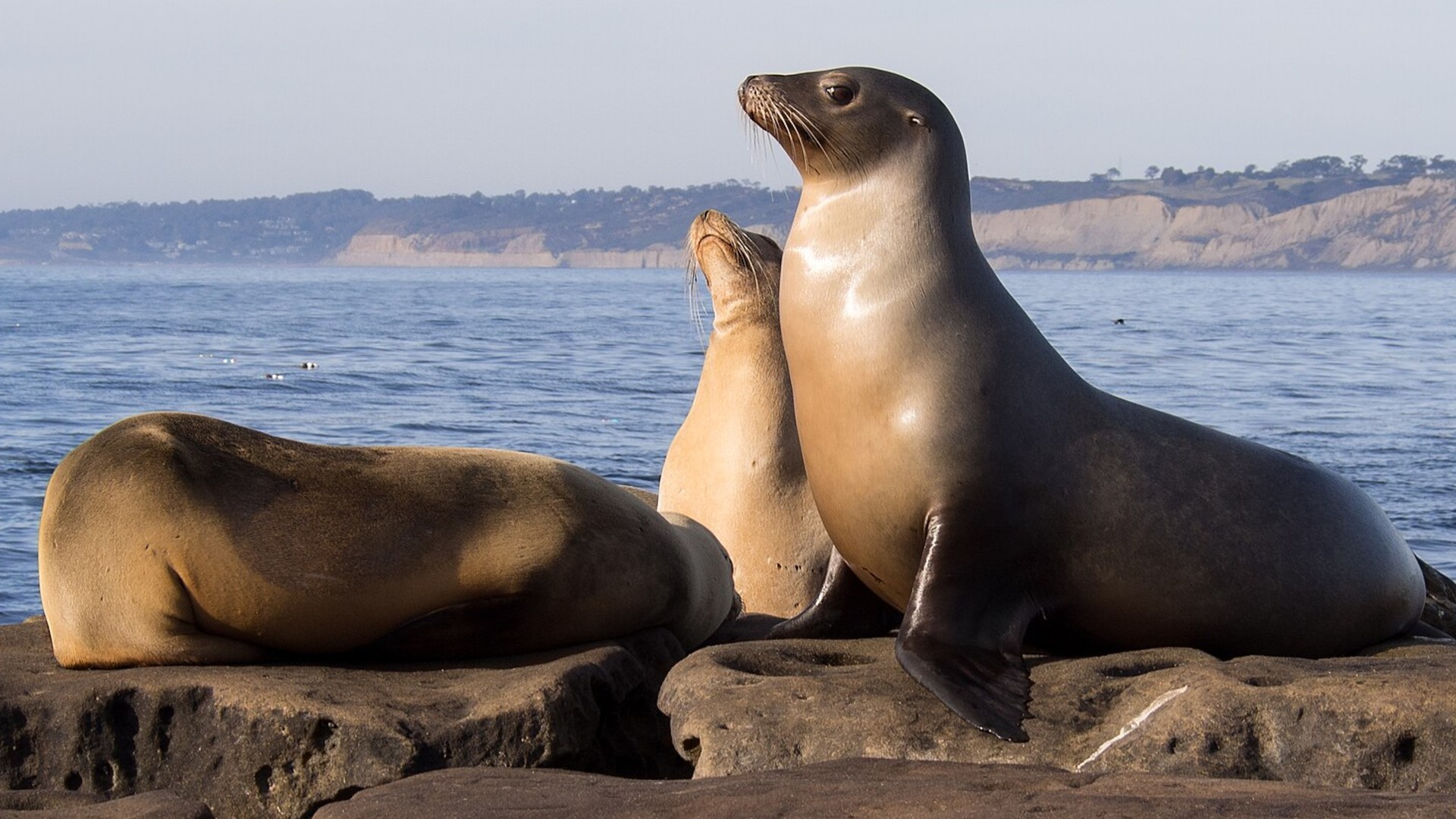
13. California Sea Lions
At Long Marine Laboratory in California, a sea lion named Rio mastered syntax-based sign commands. Rio demonstrated transitive inference, connecting disparate symbols logically. Sea lions successfully execute modifier-noun-verb sequences, showing an ability to interpret artificial human language.
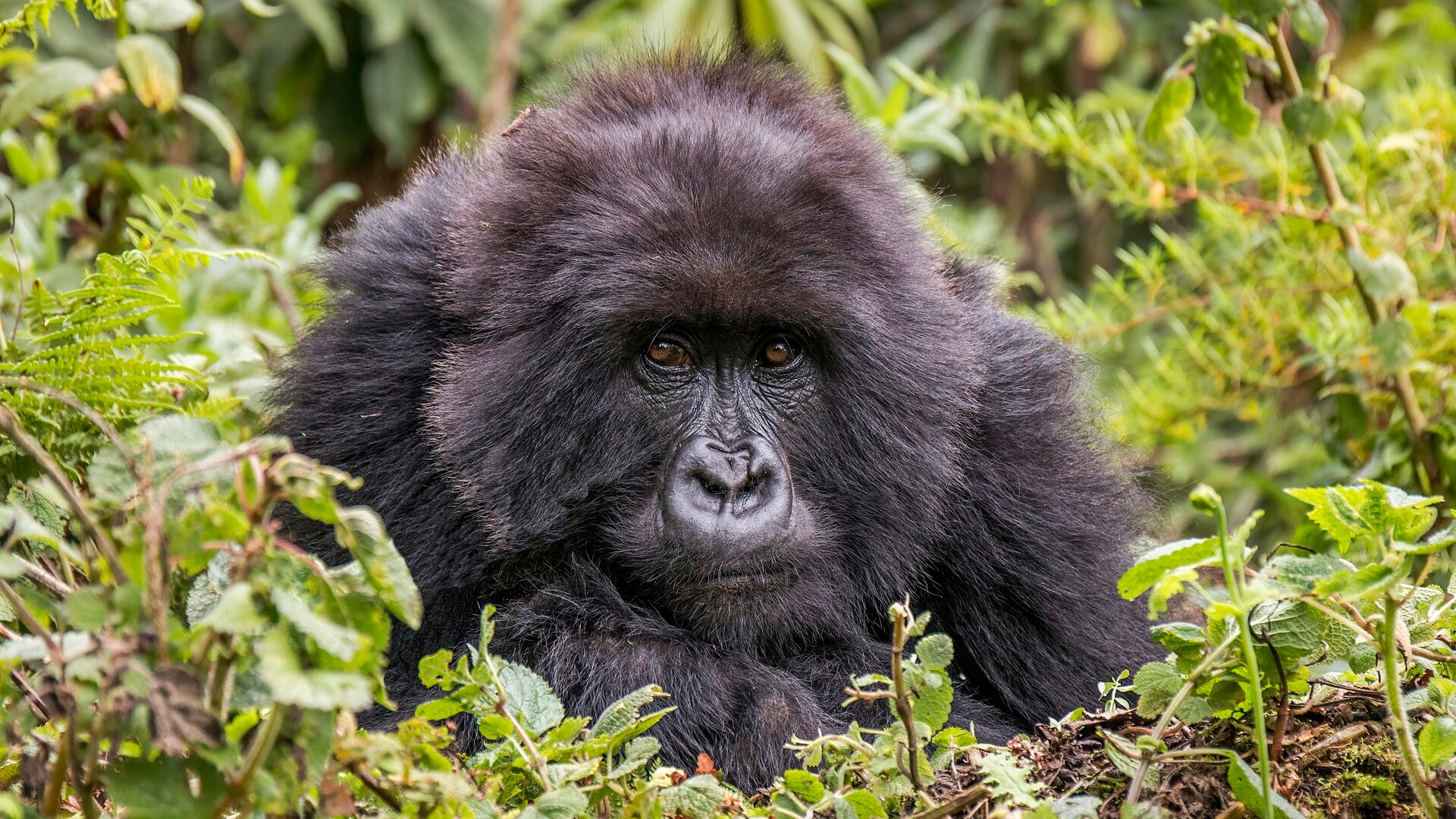
12. Western Gorillas
The Gorilla Foundation studied a female gorilla named Koko, who learned over 1,000 modified signs based on American Sign Language. Koko understood approximately 2,000 spoken English words. She paired adjectives with nouns to formulate descriptive references for daily items and routines.
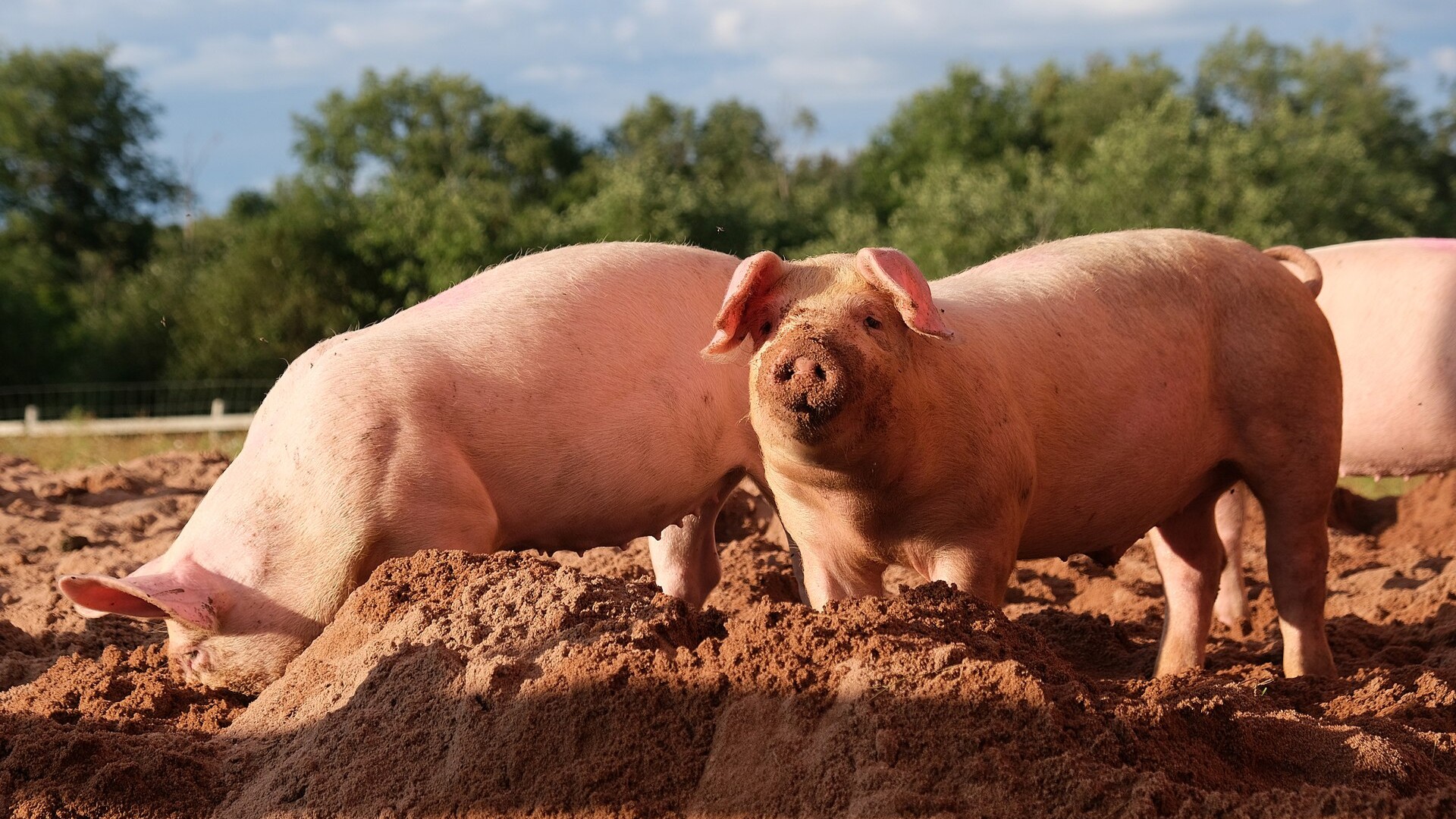
11. Domestic Pigs
Experiments conducted across European agricultural institutes found pigs alter their vocalizations based on the emotional valence of human speech. Pigs learn individual name calls and discriminate between human voice tones. They follow human body cues to solve food-reward puzzles.
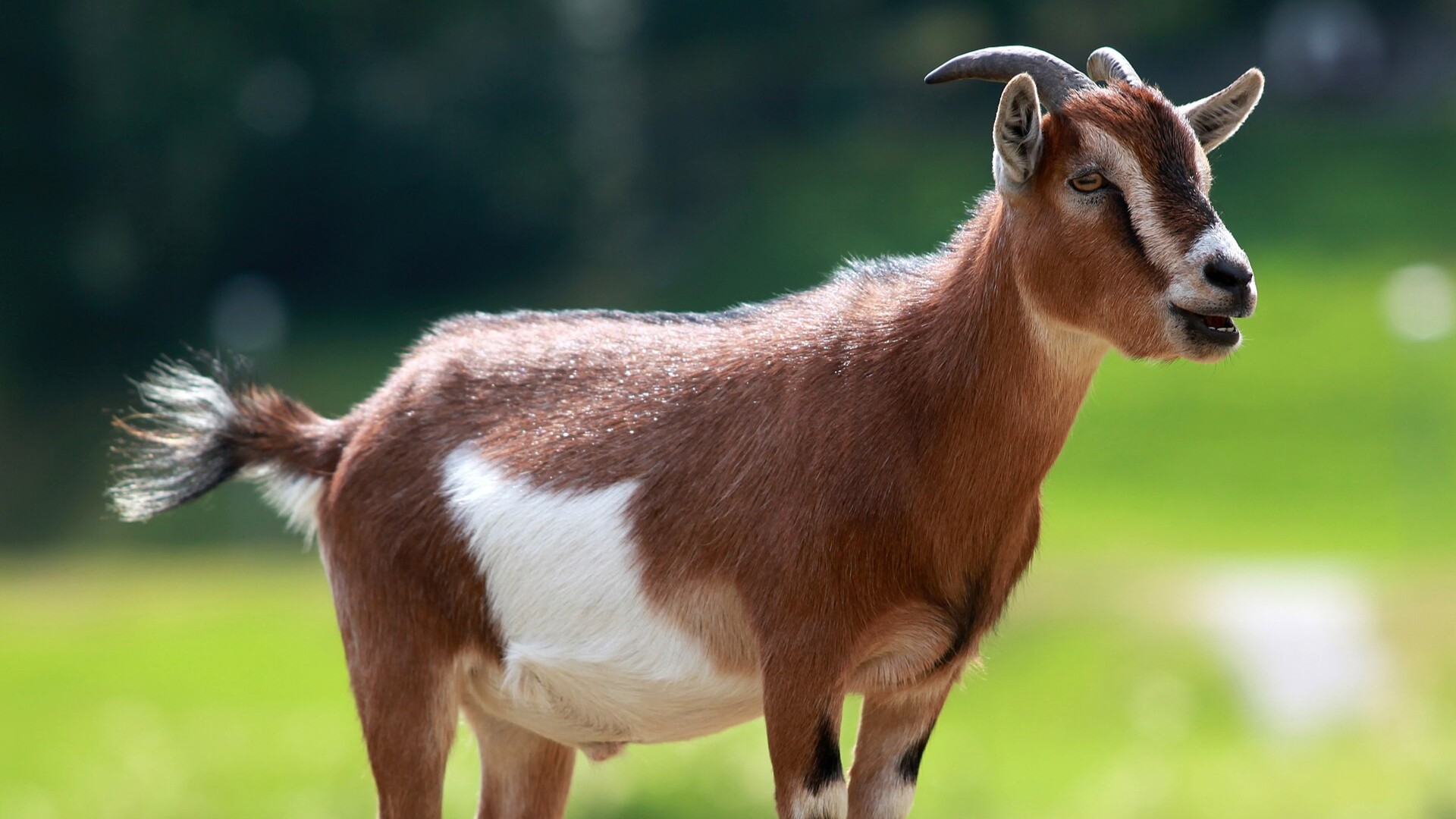
10. Domestic Goats
At City University of Hong Kong, scientists tested goats with playback of positive and negative human speech. Goats spent more time looking toward the speaker when voice valence shifted, detecting emotional shifts. They also communicate intent by staring at humans when faced with unsolvable tasks.
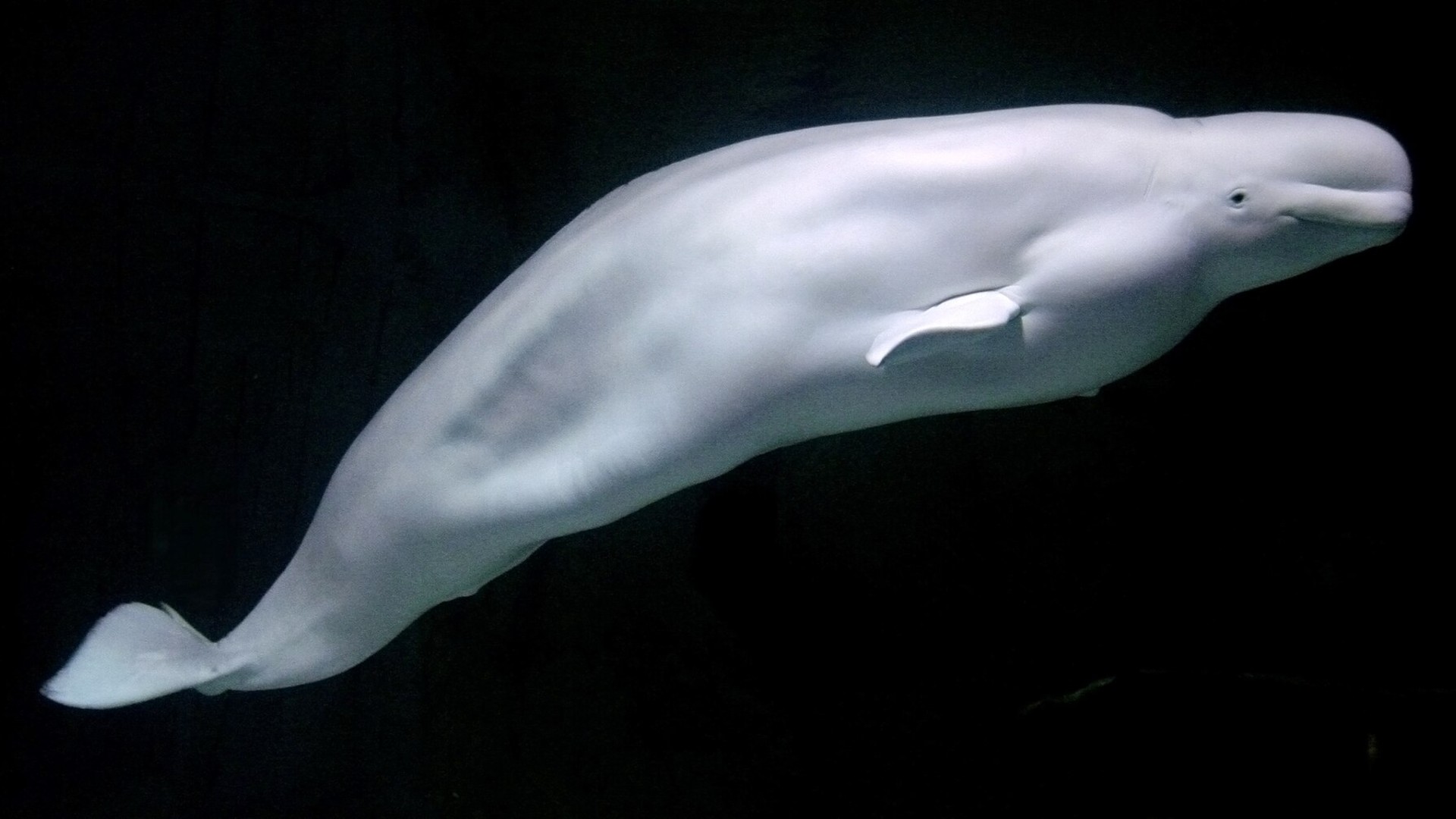
9. Beluga Whales
A captive beluga named NOC at the National Marine Mammal Foundation produced vocal bursts mimicking human speech patterns. Whales dropped their acoustic frequencies several octaves into human vocal ranges. The behaviour revealed belugas listen to human speech and modulate their sound tracts.
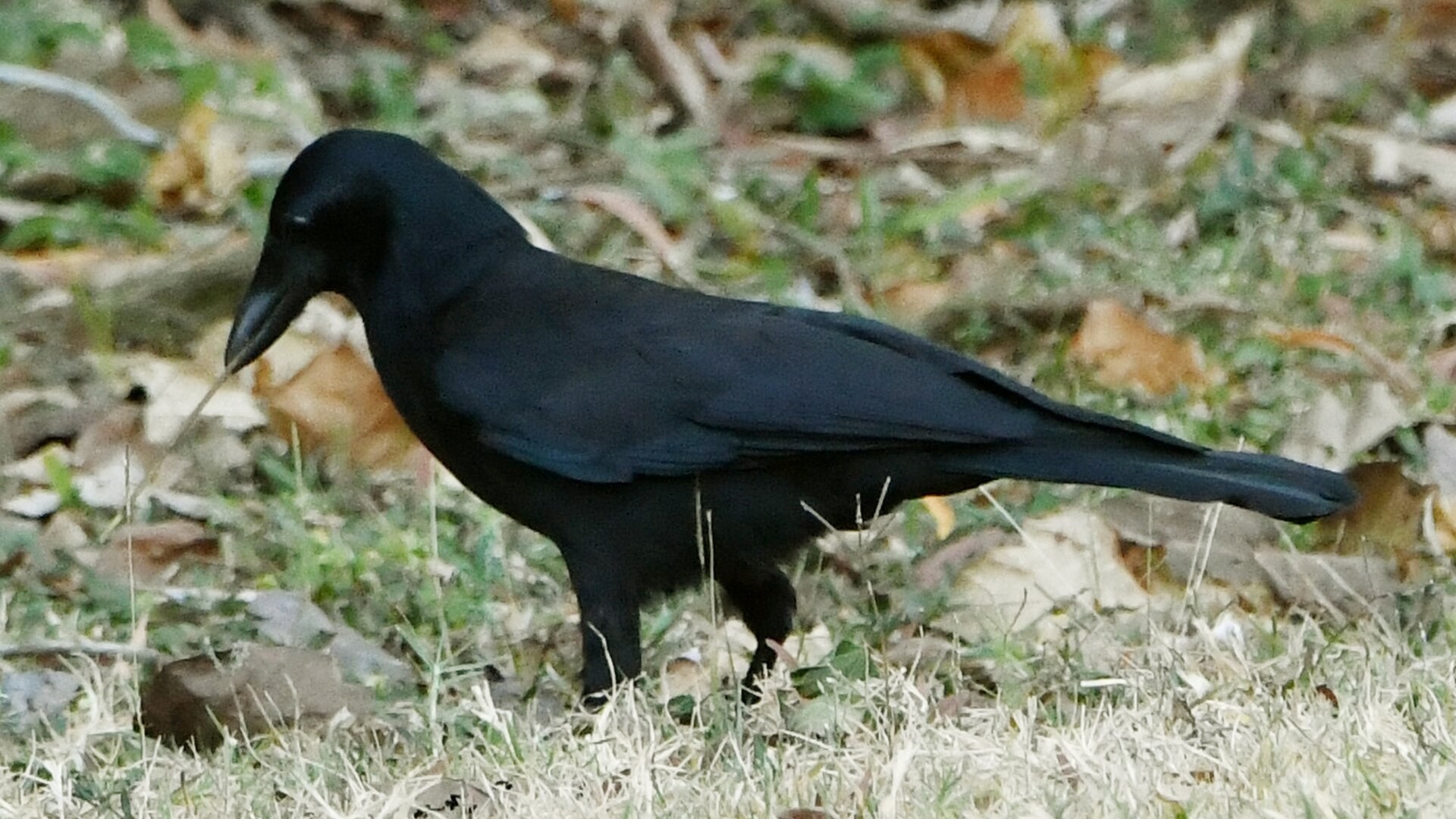
8. New Caledonian Crows
Studies by the University of Washington demonstrated crows identify and remember individual human faces and voices for up to five years. Corvids use associative learning to pair specific vocal calls with danger or feeding rewards, showing sophisticated comprehension of human acoustic signals.
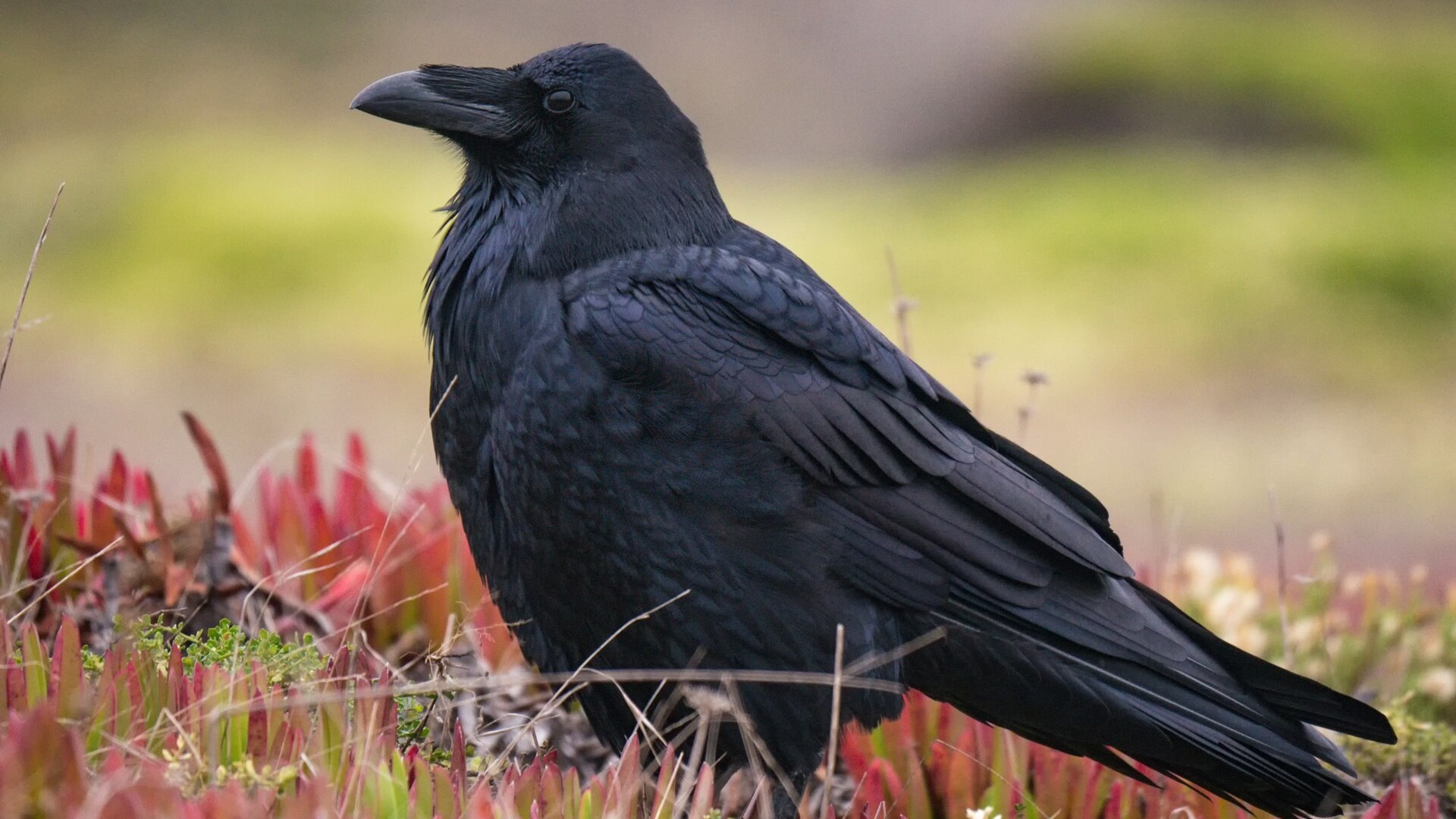
7. Common Ravens
Austrian field researchers showed common ravens react differently when hearing recordings of familiar human caretakers versus strangers. The birds produced responsive contact calls only to friendly, known humans. They also heed human pointing and eye gaze when searching for hidden meat.
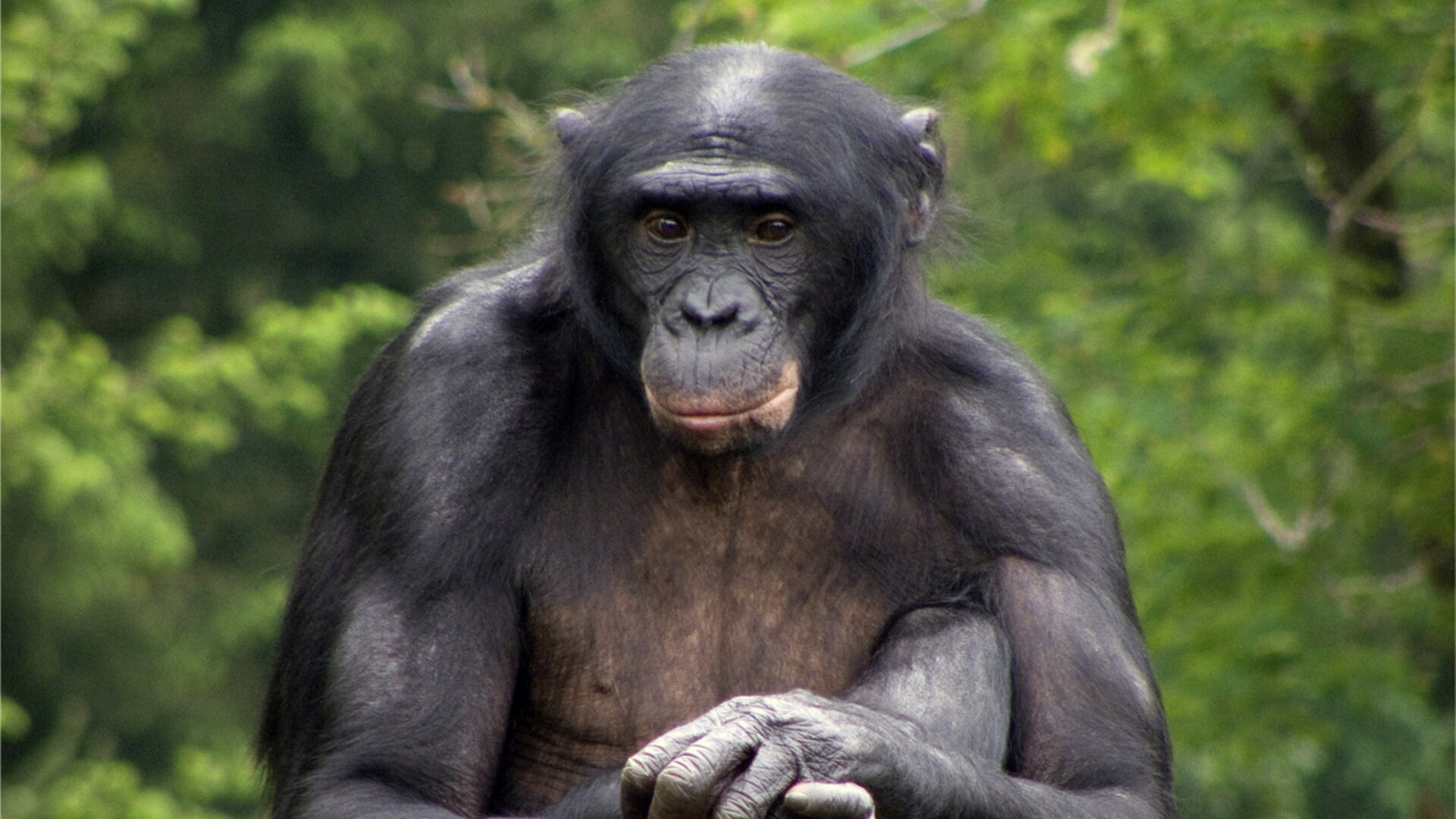
6. Bonobos
A bonobo named Kanzi learned over 400 lexigram symbols and understood thousands of spoken English words without formal training. In controlled tests, Kanzi carried out complex spoken commands like put the pine needles in the refrigerator, performing at the level of a two-year-old child.
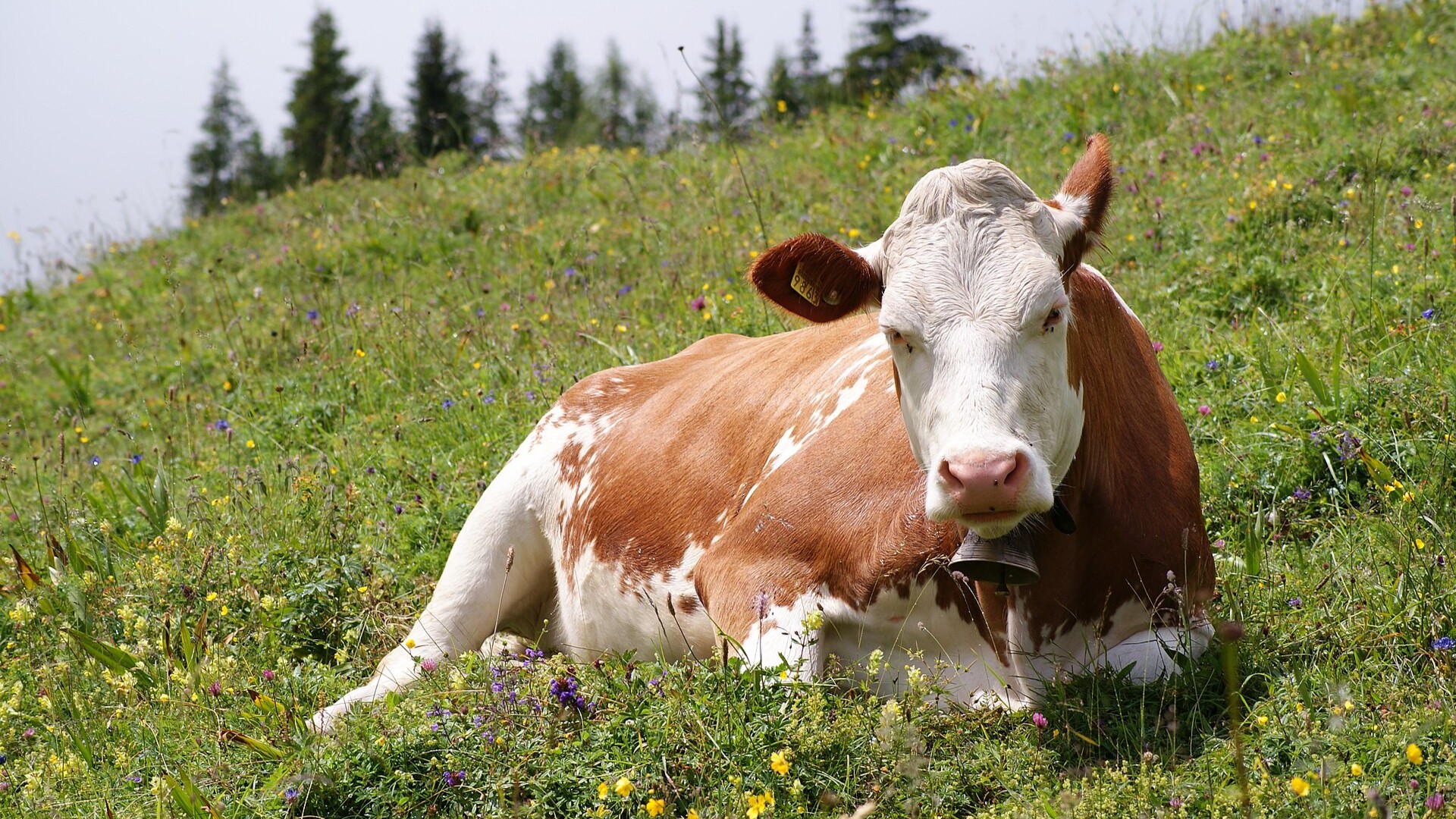
5. Domestic Cattle
University of Veterinary Medicine Vienna researchers discovered cattle calm down significantly when spoken to directly with gentle live voices. Heart rate variability improved compared to mechanical playback. Cows learn individual handlers voices and come forward when called by name.
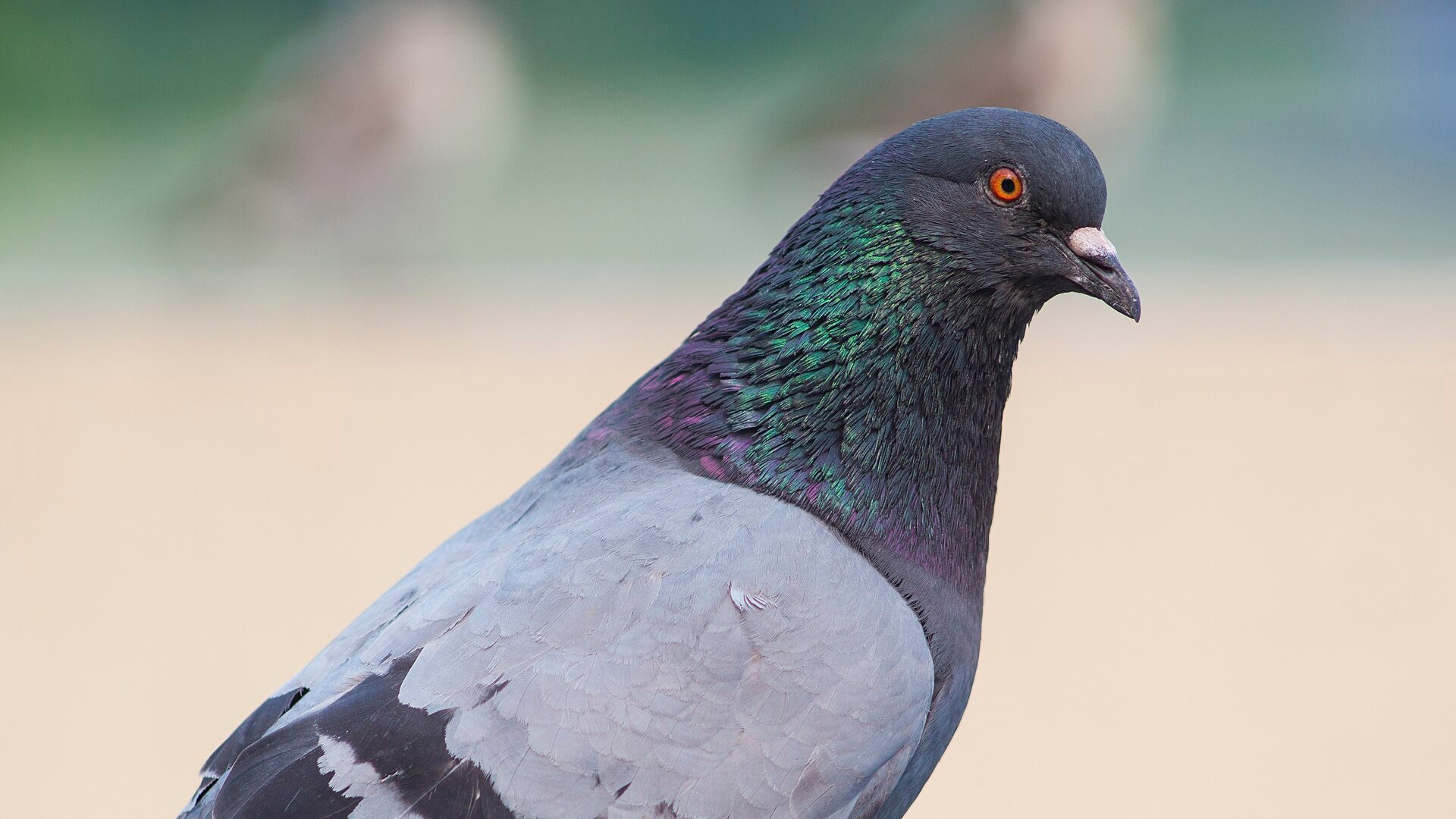
4. Rock Pigeons
Cognitive scientists at the University of Otago trained pigeons to visually differentiate four-letter English words from gibberish strings. Pigeons built up vocabularies of between 26 and 58 words. Their neural processing mirrors the early orthographic processing stages found in reading humans.
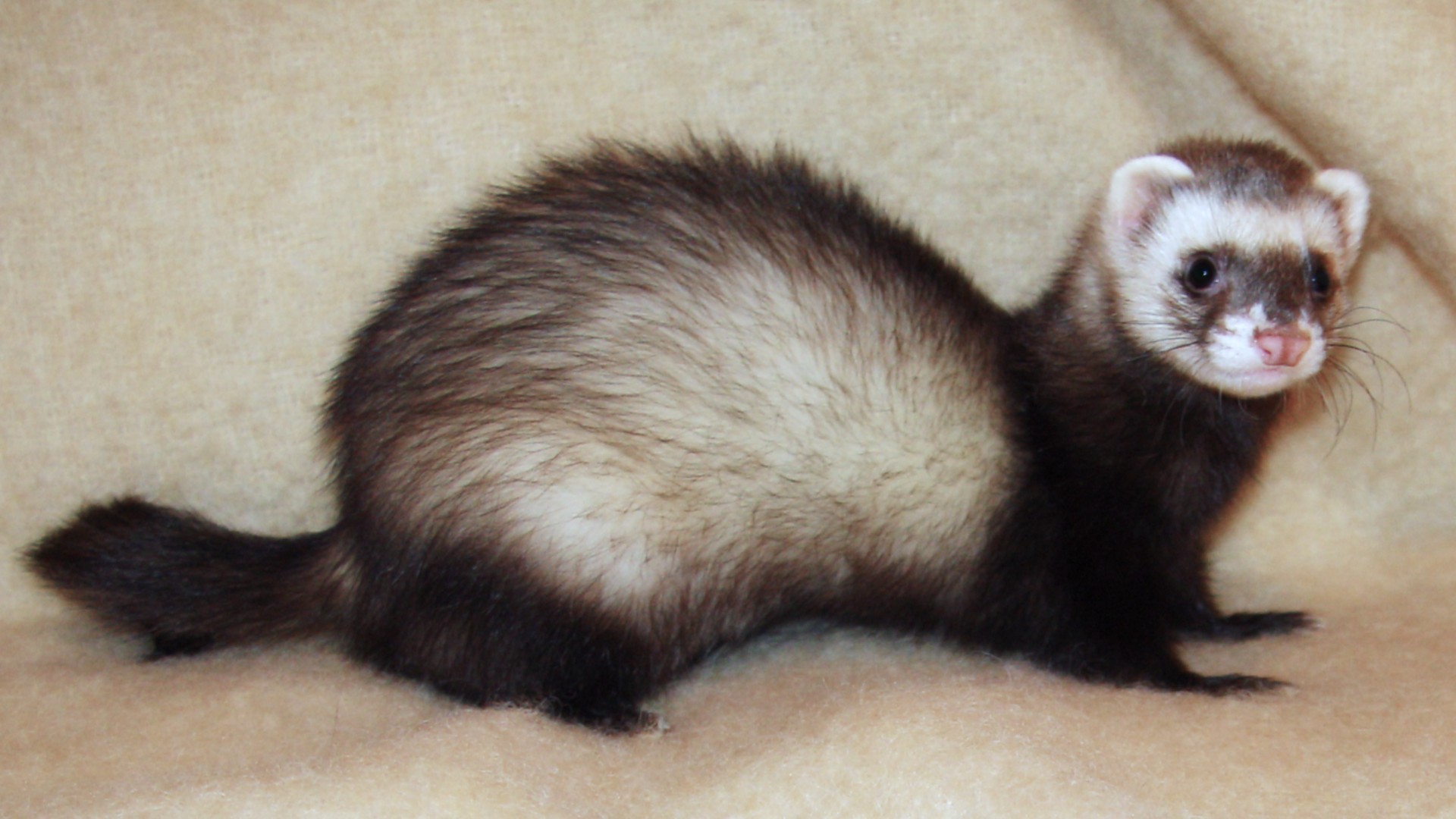
3. Domestic Ferrets
Auditory neuroscience research at University College London revealed ferrets discriminate natural human speech sounds. The animals categorized phonetic vowel shifts like a versus u irrespective of speaker identity. Their auditory cortex exhibits tuning curves similar to human speech processing.
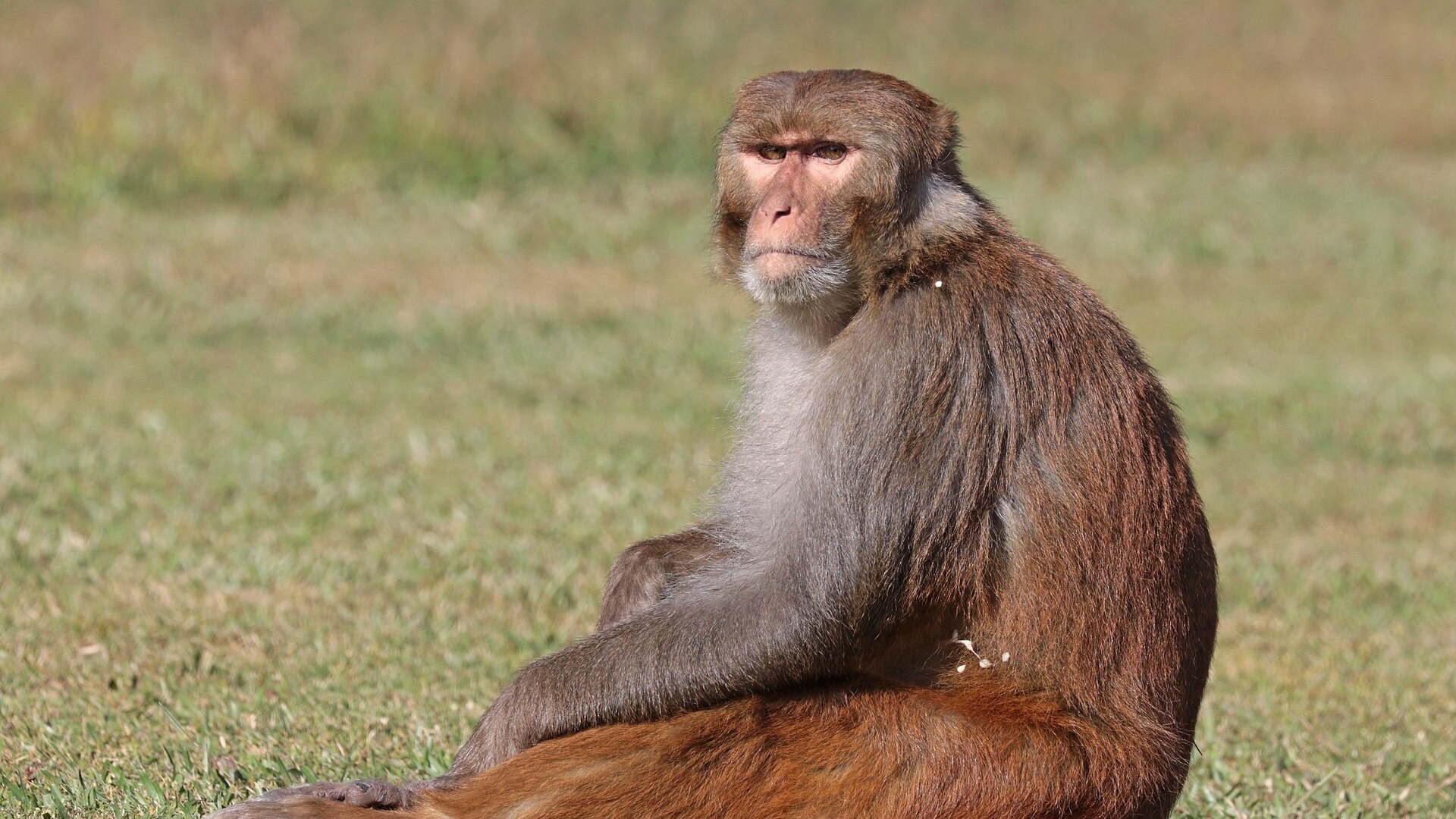
2. Rhesus Macaques
Primatologists using functional neuroimaging found rhesus macaques recruit auditory cortex regions when hearing human speech sounds. While incapable of speech production, macaques extract phonetic boundaries and recognize human communicative intent through combining vocal tone with eye gaze.
1. Killer Whales
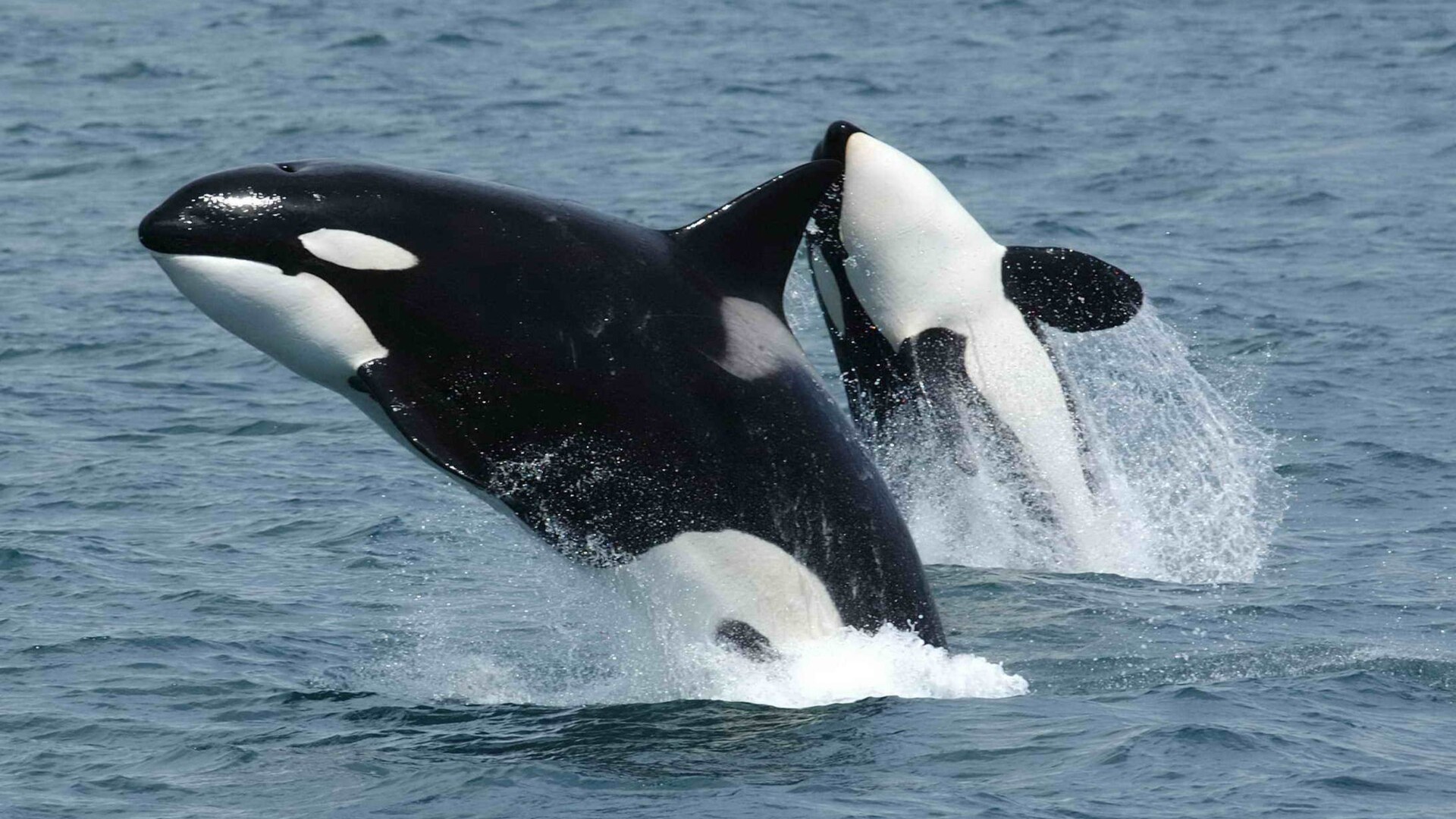
A 2018 study led by the University of Complutense of Madrid tested a captive killer whale named Wikie. The orca reproduced human words like hello, Amy, and one two three using its blowhole. Acoustic analysis confirmed the whale matched human fundamental frequencies and syllable structures.