Slideshow · Animals
20 Longest Animal Migrations, Ranked by Distance
Every year, billions of animals cross immense oceans, skies, and continents to feed and breed. Using satellite tags and miniature geolocators, biologists have tracked species undertaking planetary journeys across tens of thousands of kilometers. Here are the 20 longest documented animal migrations on Earth.
By Most Viral Today
11 min ago

Epic journeys spanning polar oceans, continents, and global skies. 
20. Caribou: 4,800 Km 
19. Monarch Butterfly: 4,800 Km 
18. Blue Whale: 10,000 Km - AdvertisementSwipe or tap ▶ to continue countdown

17. Globe Skimmer Dragonfly: 14,000 Km 
16. Humpback Whale: 18,840 Km 
15. Basking Shark: 18,000 Km 
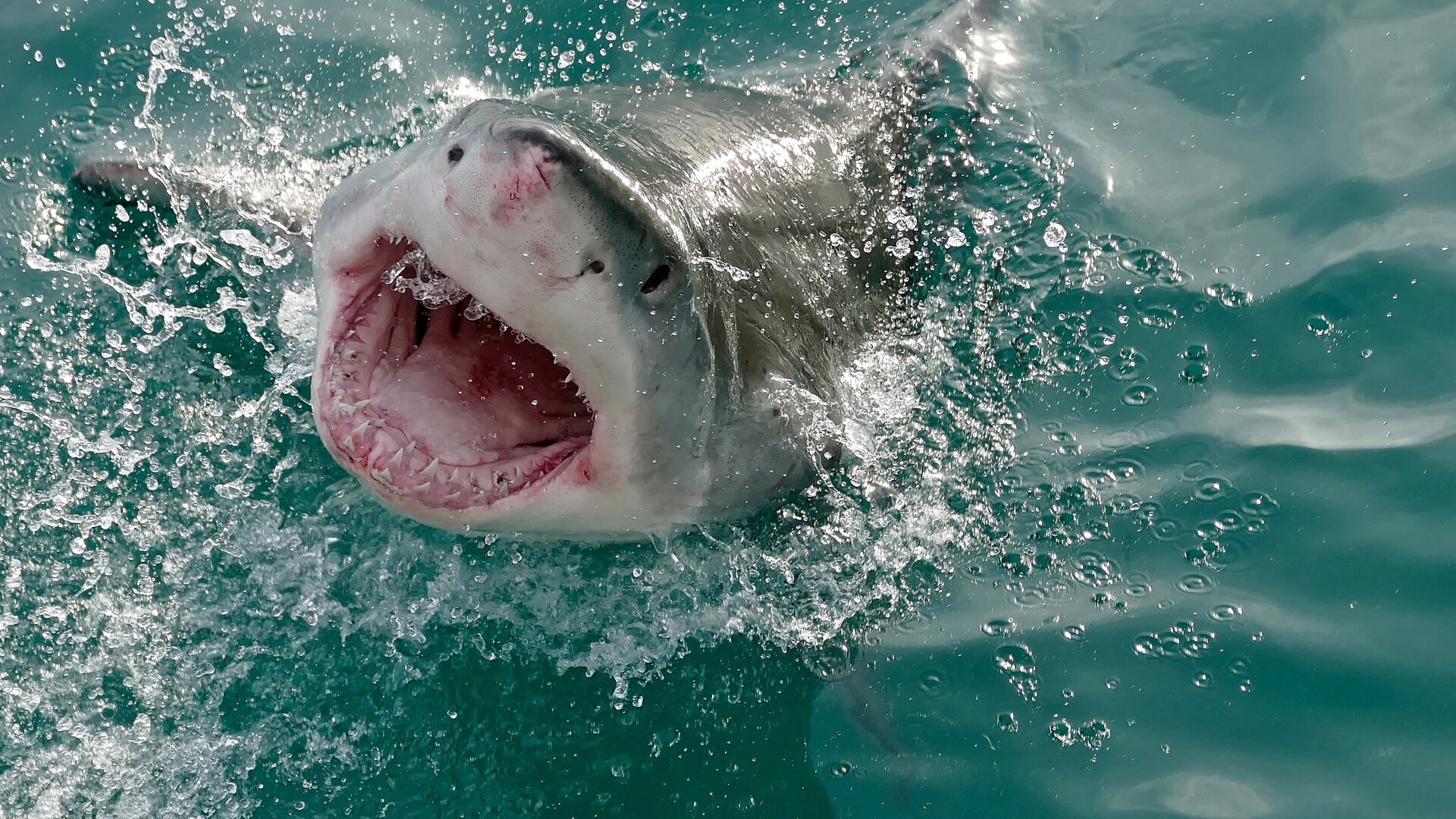
14. Great White Shark: 20,000 Km - AdvertisementSwipe or tap ▶ to continue countdown

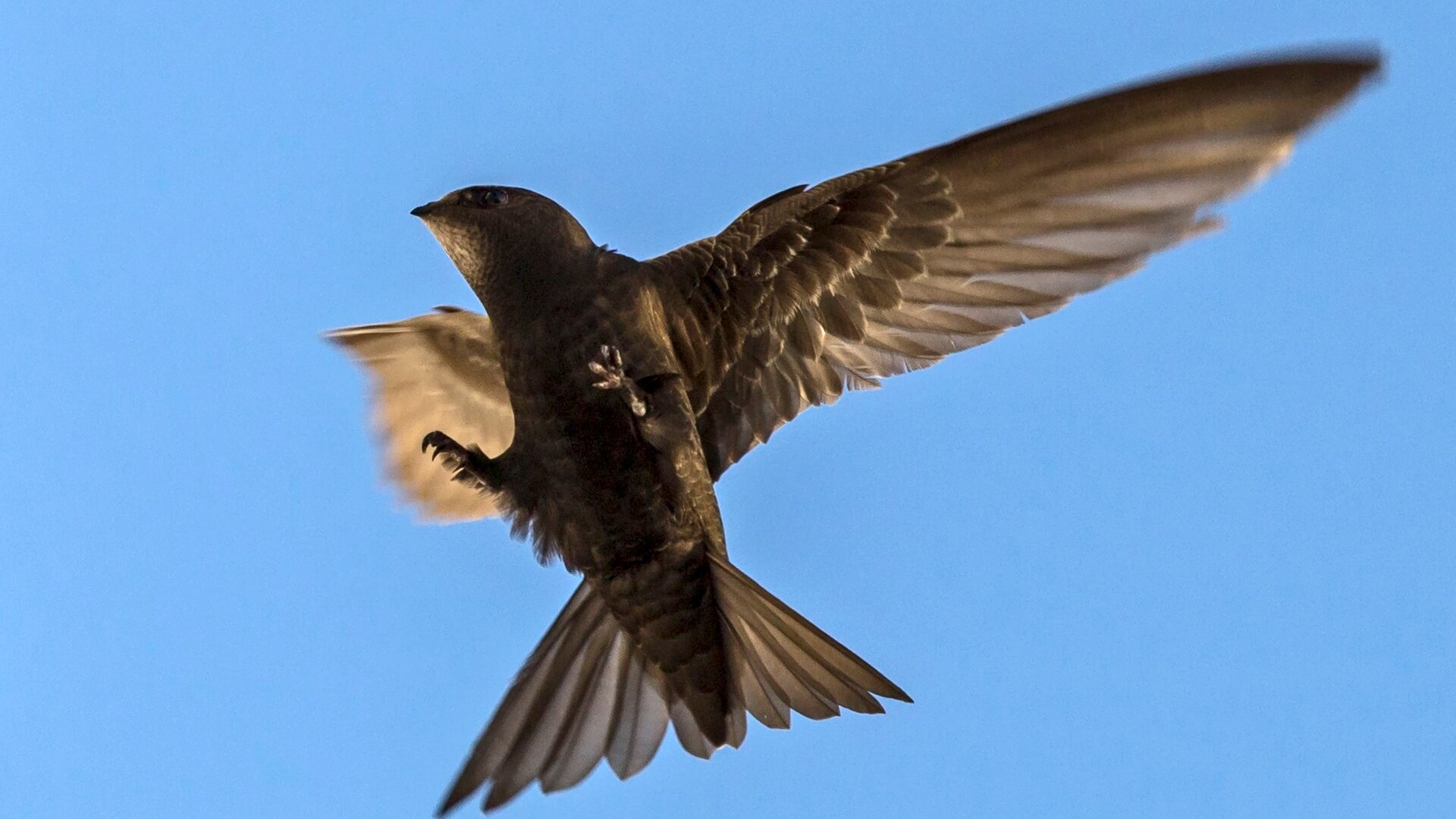
13. Common Swift: 20,000 Km 
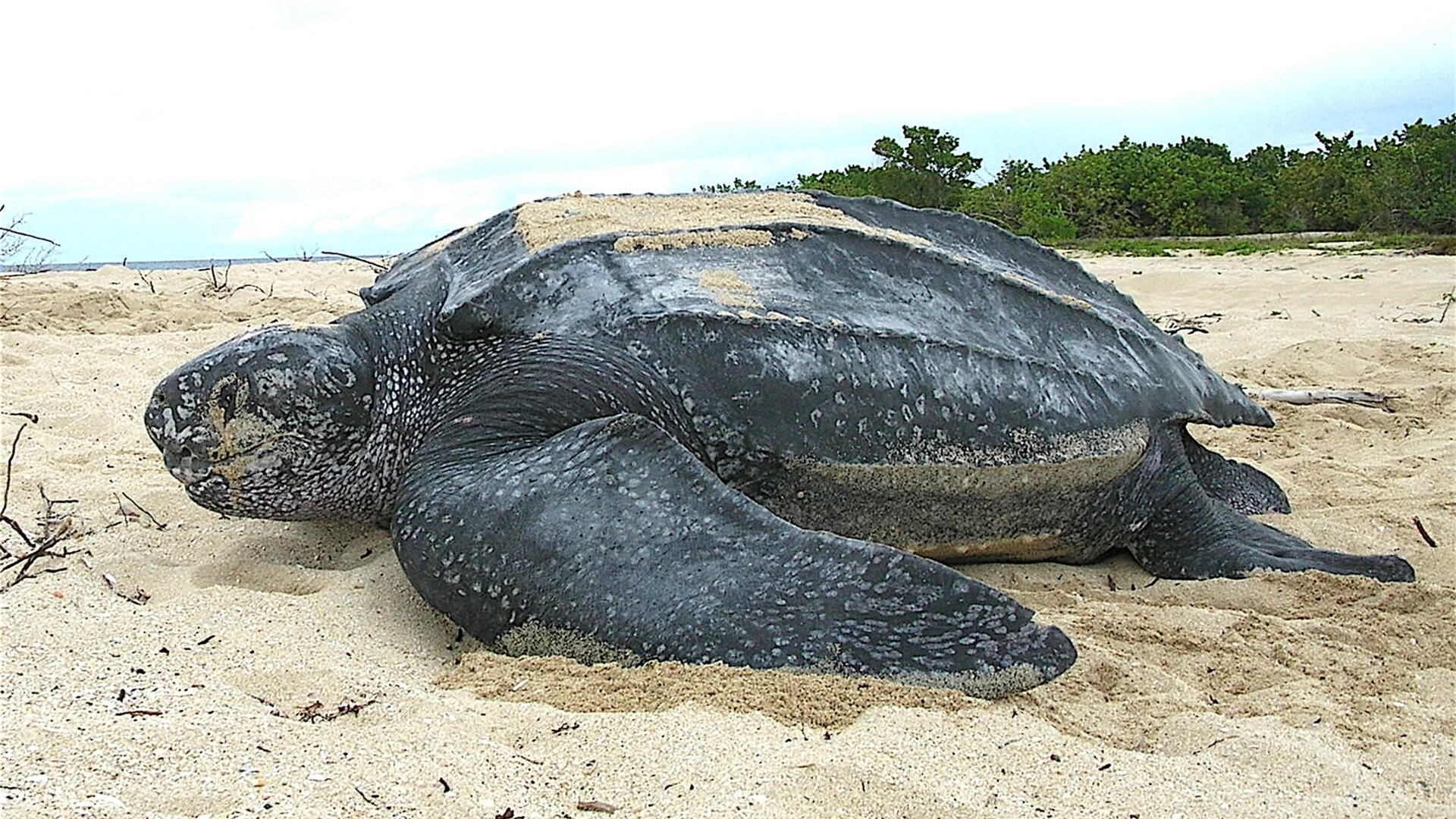
12. Leatherback Sea Turtle: 20,000 Km 
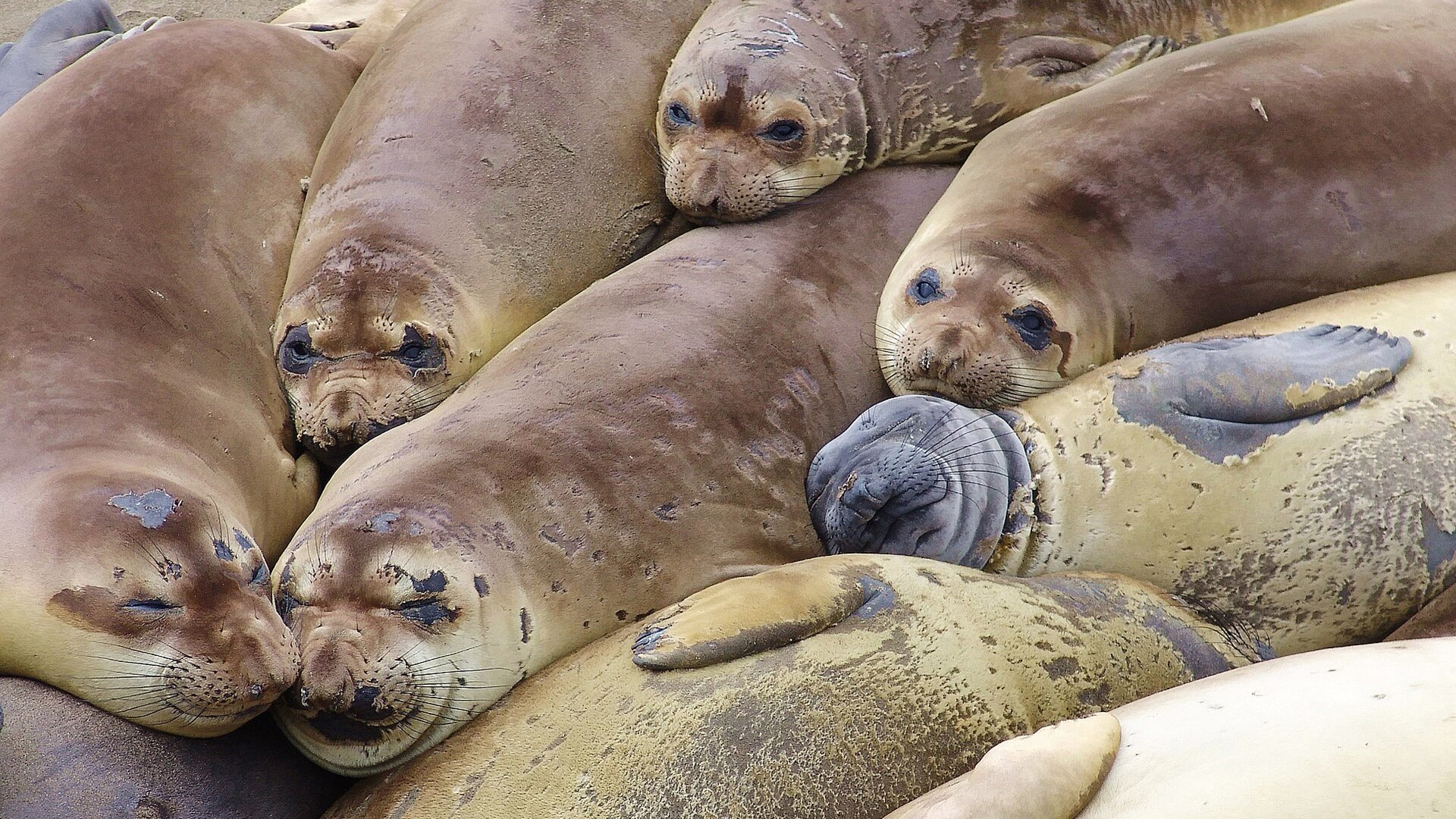
11. Northern Elephant Seal: 21,000 Km 
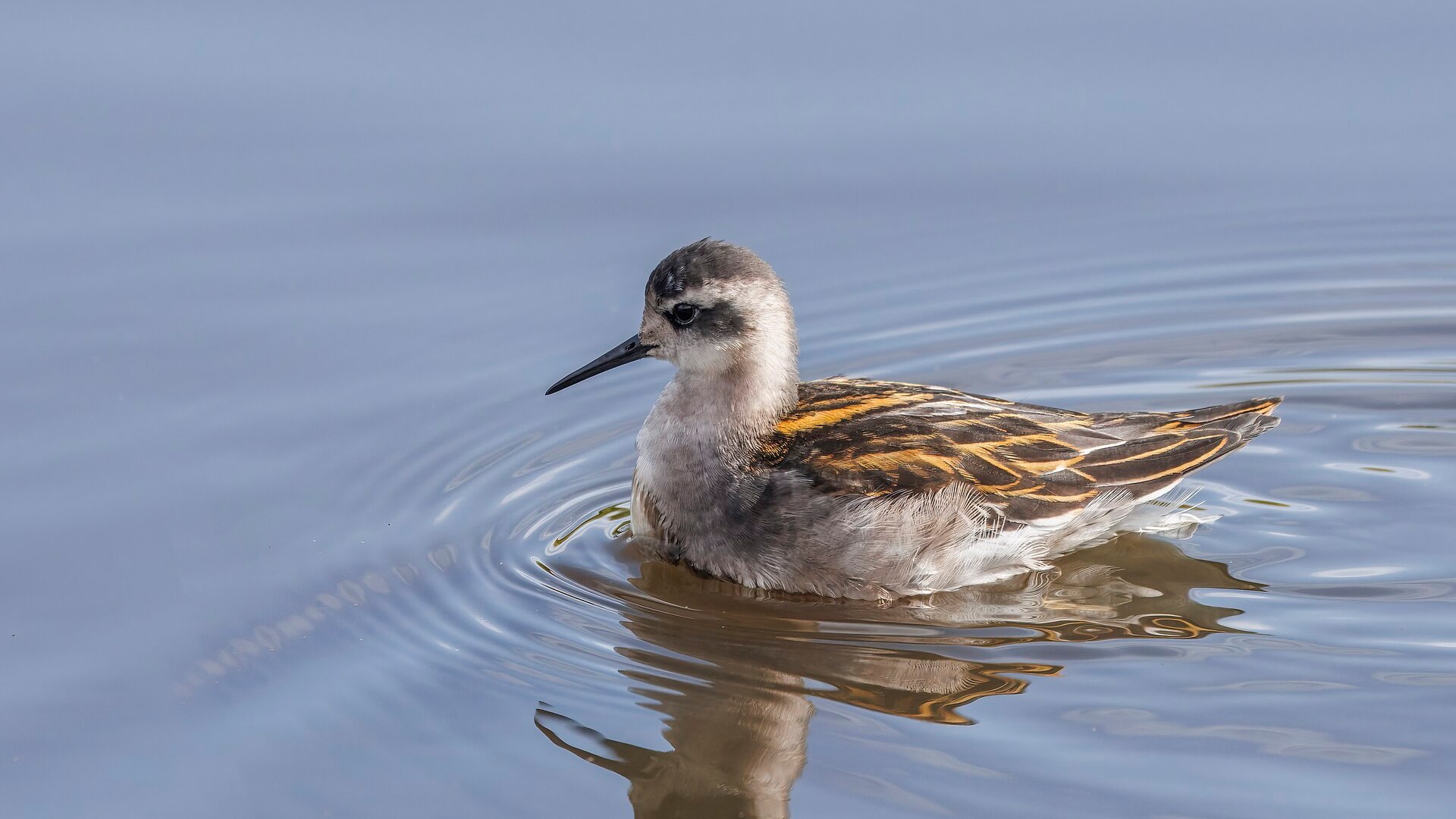
10. Red Necked Phalarope: 21,000 Km - AdvertisementSwipe or tap ▶ to continue countdown

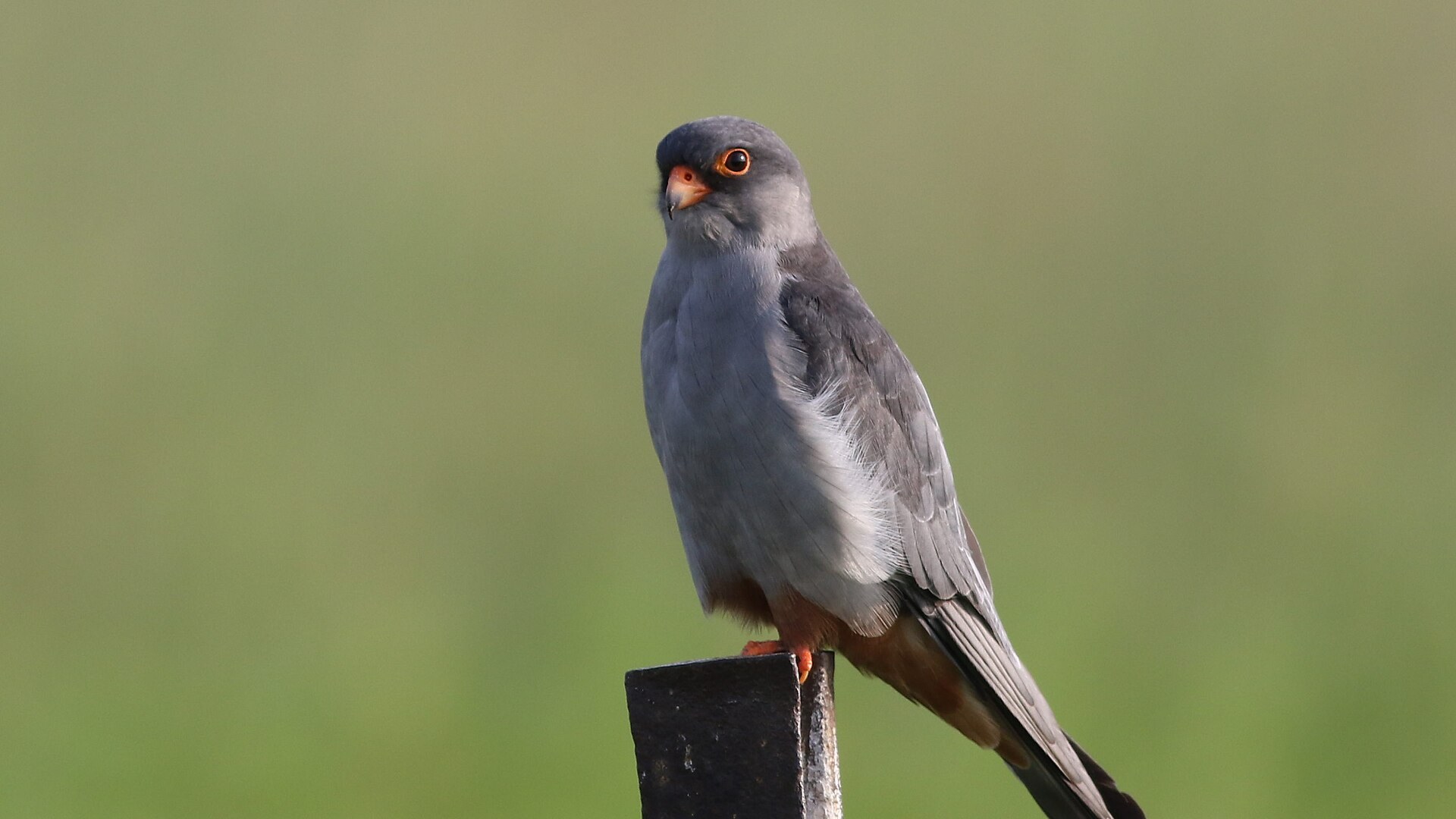
9. Amur Falcon: 22,000 Km 
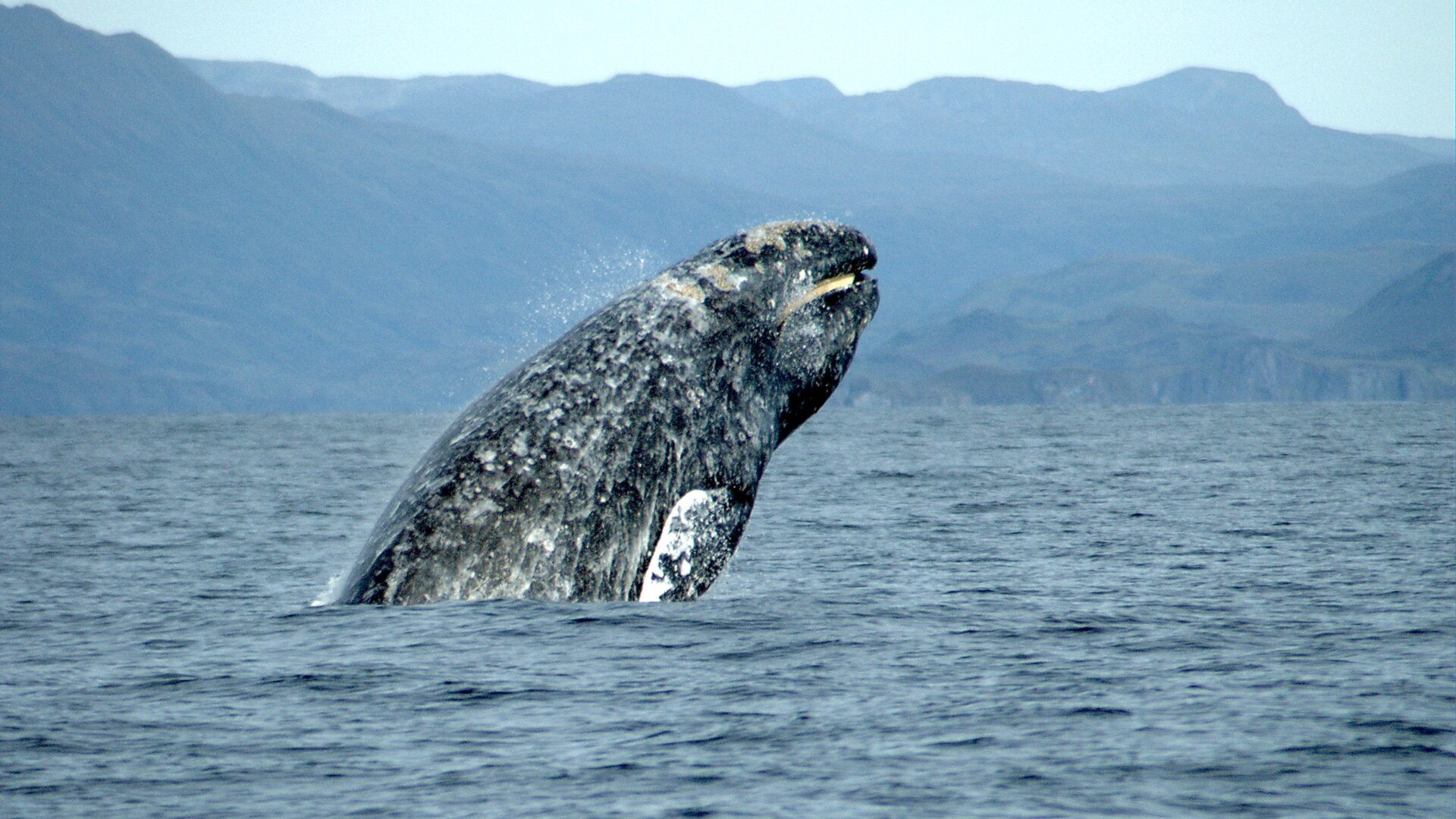
8. Gray Whale: 22,511 Km 
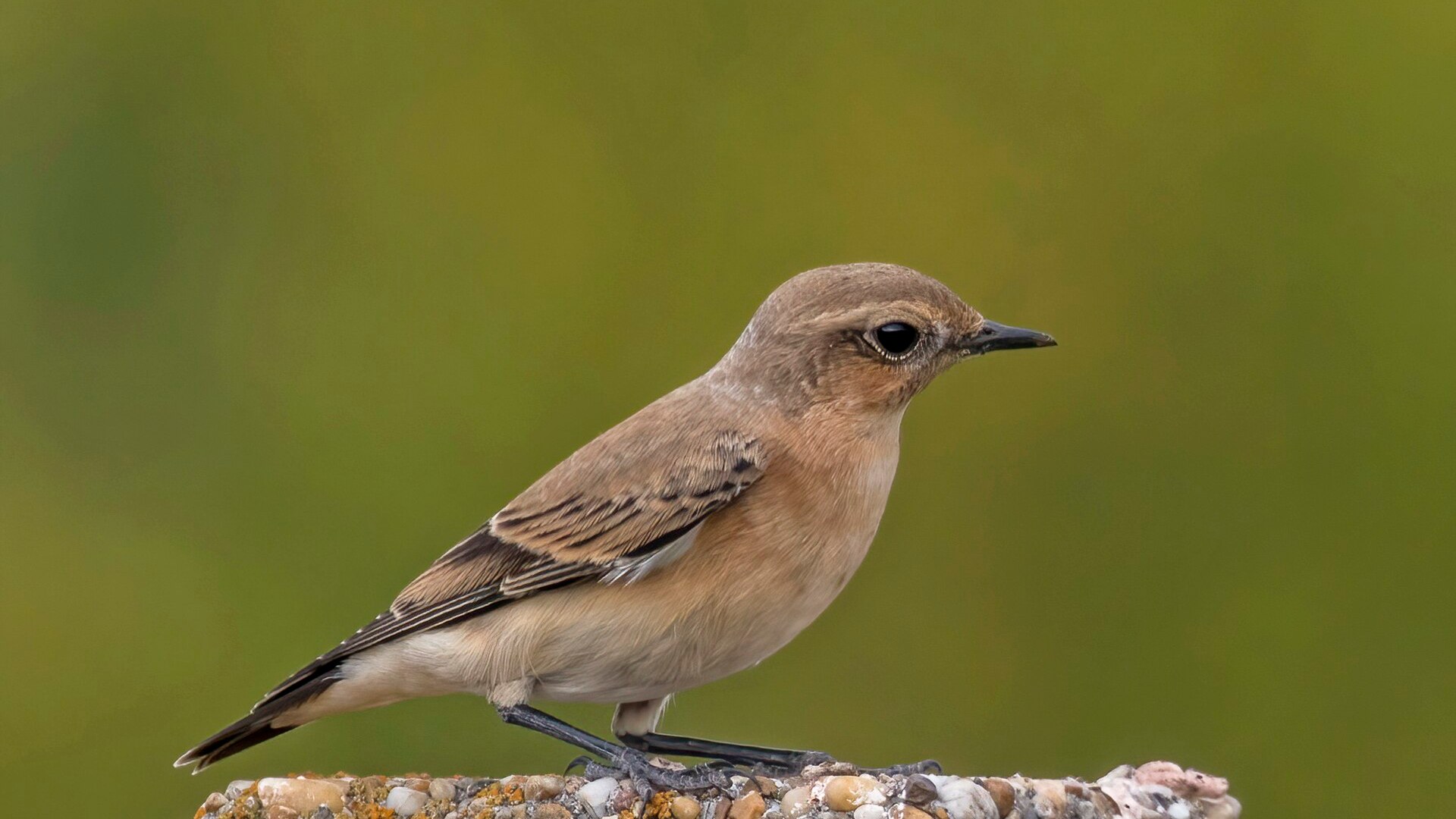
7. Northern Wheatear: 29,000 Km 
6. Bar Tailed Godwit: 29,000 Km - AdvertisementSwipe or tap ▶ to continue countdown

5. Red Knot: 30,000 Km 
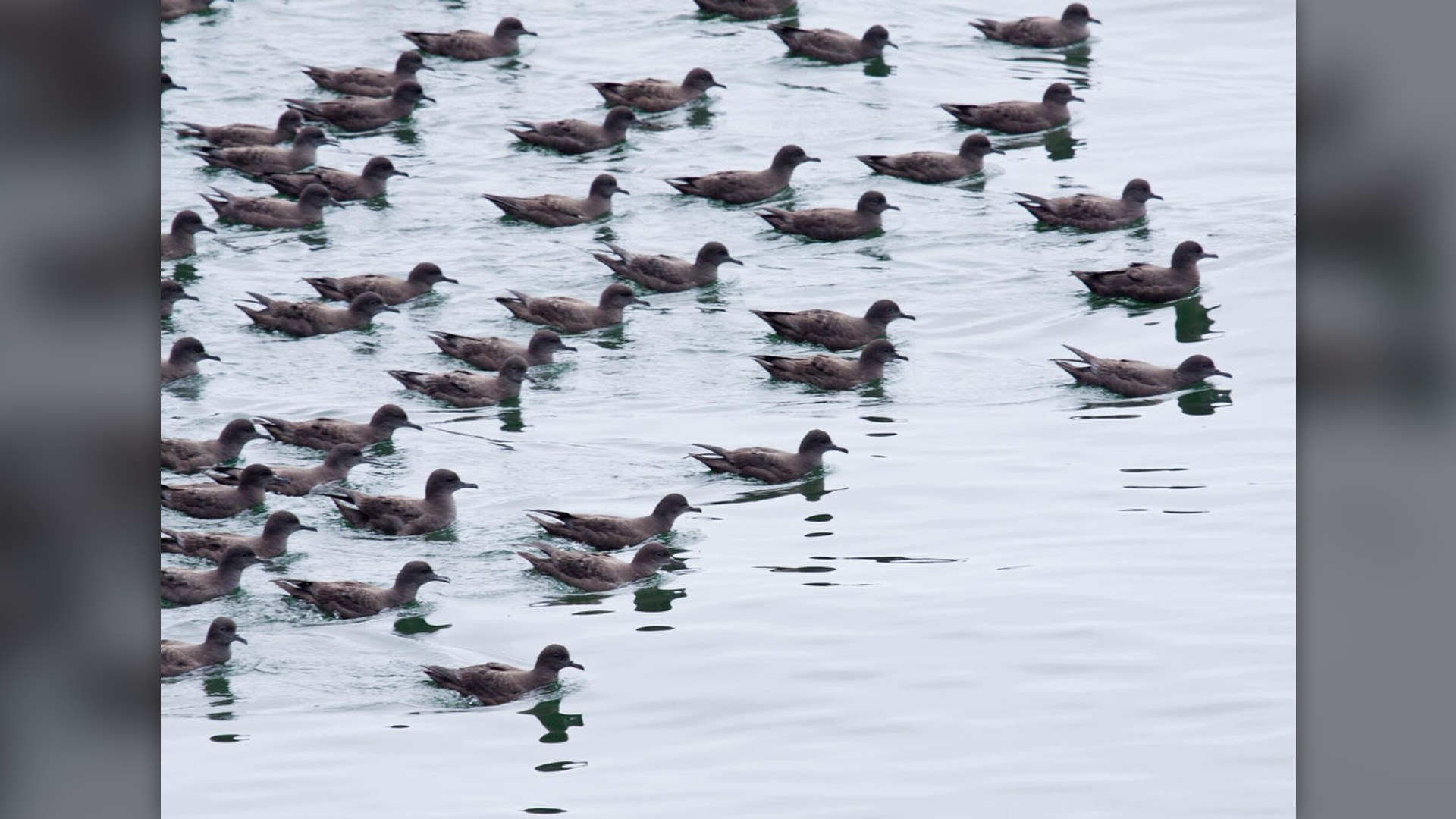
4. Short Tailed Shearwater: 35,000 Km 
3. Wandering Albatross: 45,000 Km 
2. Sooty Shearwater: 64,000 Km - AdvertisementSwipe or tap ▶ to continue countdown

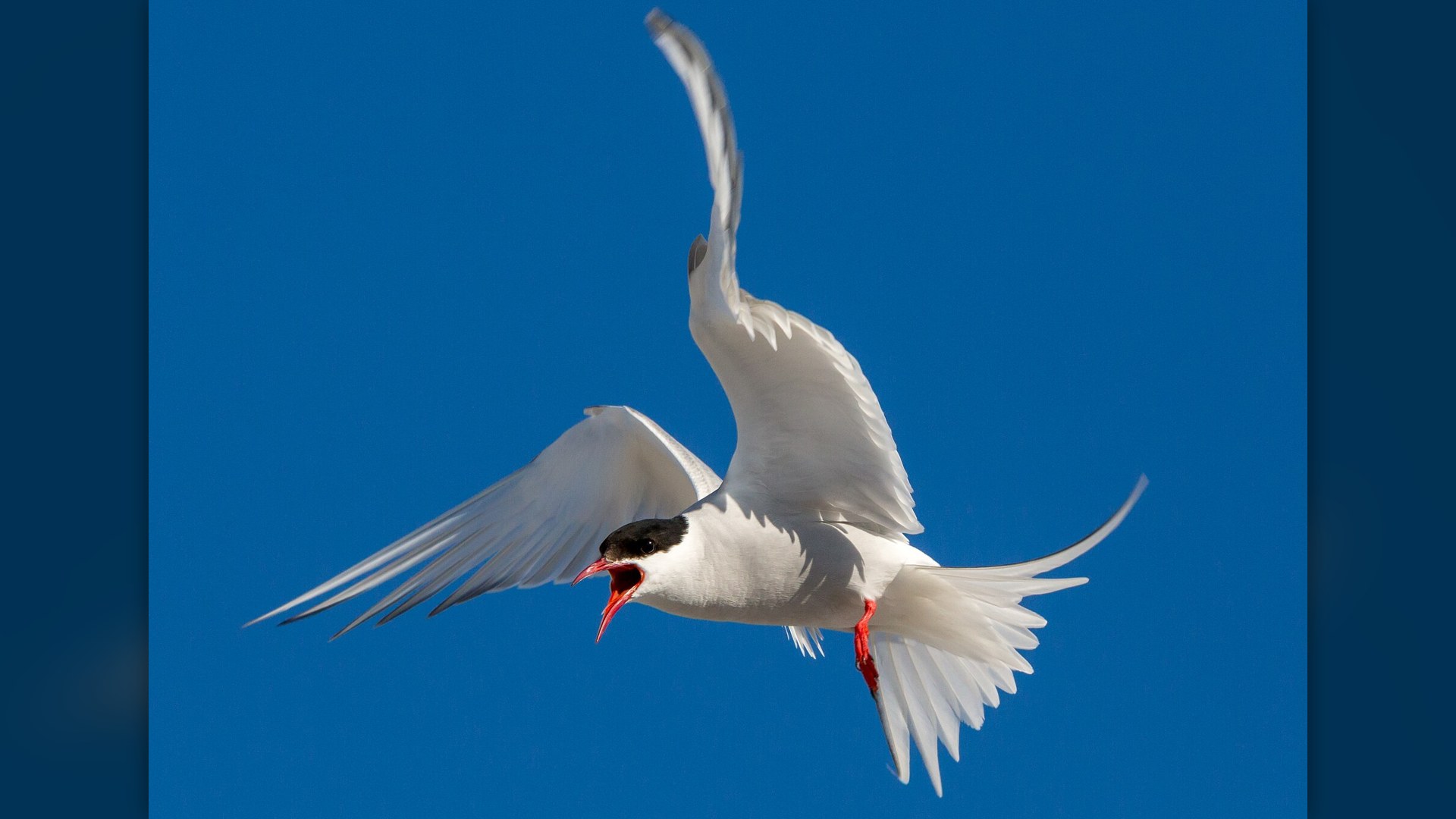
1. Arctic Tern: 90,000 Km - Advertisement🔥 UP NEXT IN THIS SERIES◫ 21 Slides

20 US Zoos Ranked by Number of Animal Species
American zoological parks serve as crucial centers for global wildlife conservation, scientific research, and public education. Based on official records from the Association of Zoos and Aquariums and published institution reports, here are 20 prominent US zoos ranked by the number of animal species in their care.
Biologists track planetary animal movements using satellite telemetry, GPS collars, and geolocators. Based on tracking studies published by the Proceedings of the National Academy of Sciences, Scientific Reports, Biology Letters, the US Geological Survey, and the British Antarctic Survey research teams.
Swipe or tap ▶ to begin the countdown
©Pixabay / devendarreddy404
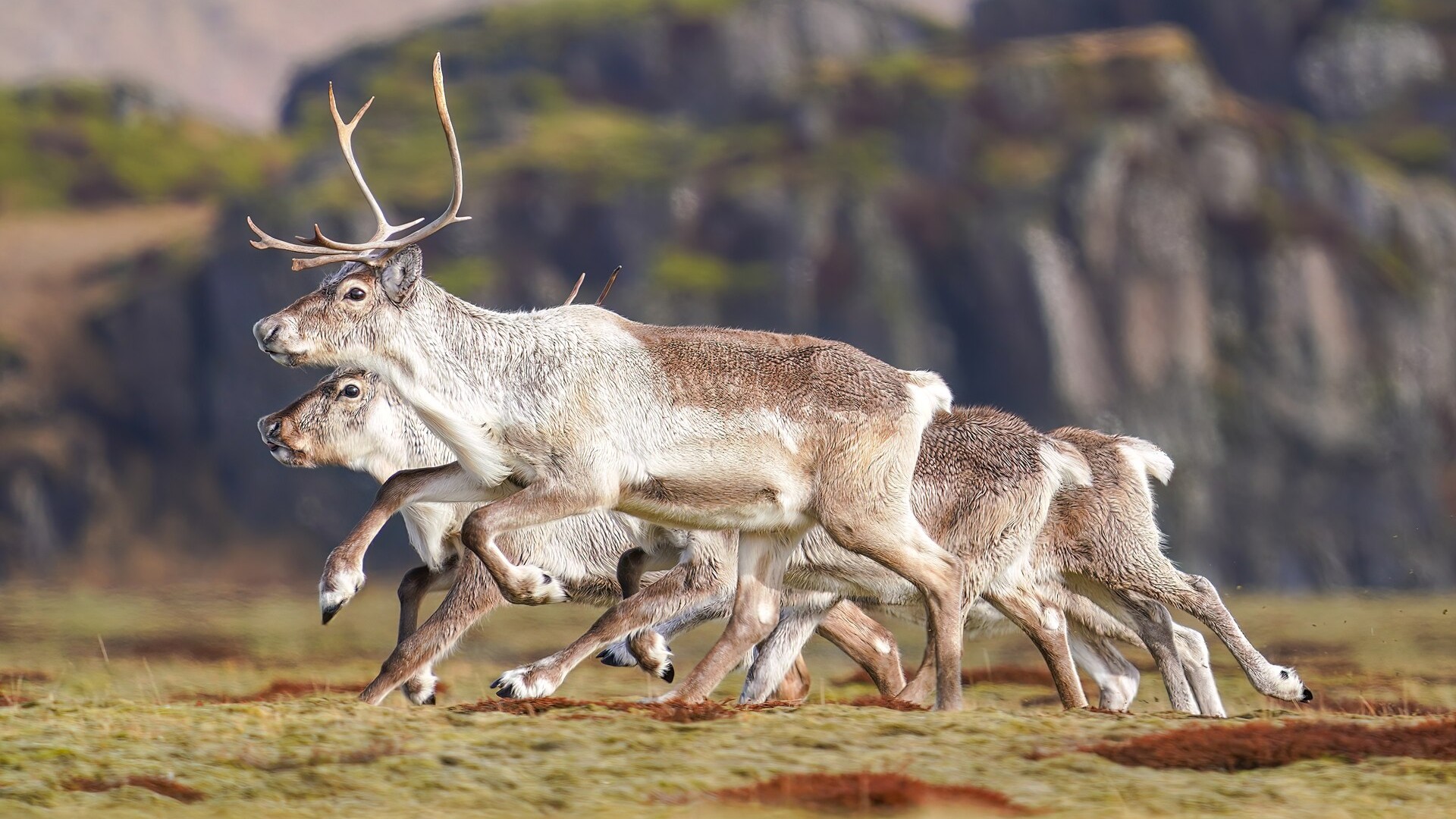
20. Caribou: 4,800 Km
GPS collar telemetry published in Scientific Reports confirmed that barren-ground caribou travel up to 4,800 kilometers each year across Alaska and Canada. The Porcupine and Bathurst herds trek across tundra between winter boreal forests and summer calving grounds.
©Wikimedia / Giles Laurent
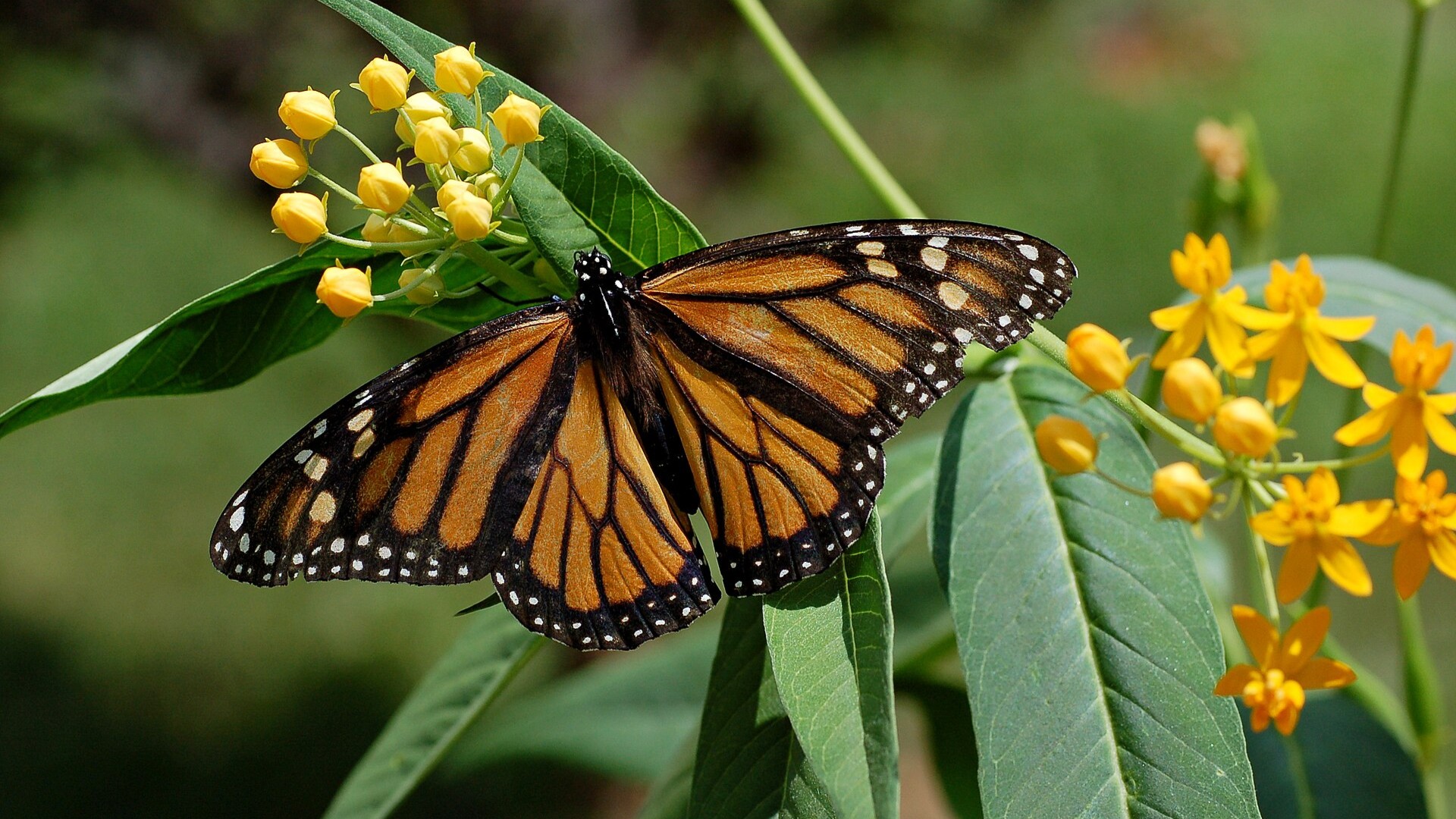
19. Monarch Butterfly: 4,800 Km
Eastern monarch butterflies journey up to 4,800 kilometers from southern Canada and the northern United States to high-altitude oyamel fir forests in Michoacan, Mexico. A single super-generation makes the entire southbound flight before breeding in spring.
©Wikimedia / Photo by and (c)2008 Derek Ramsey (
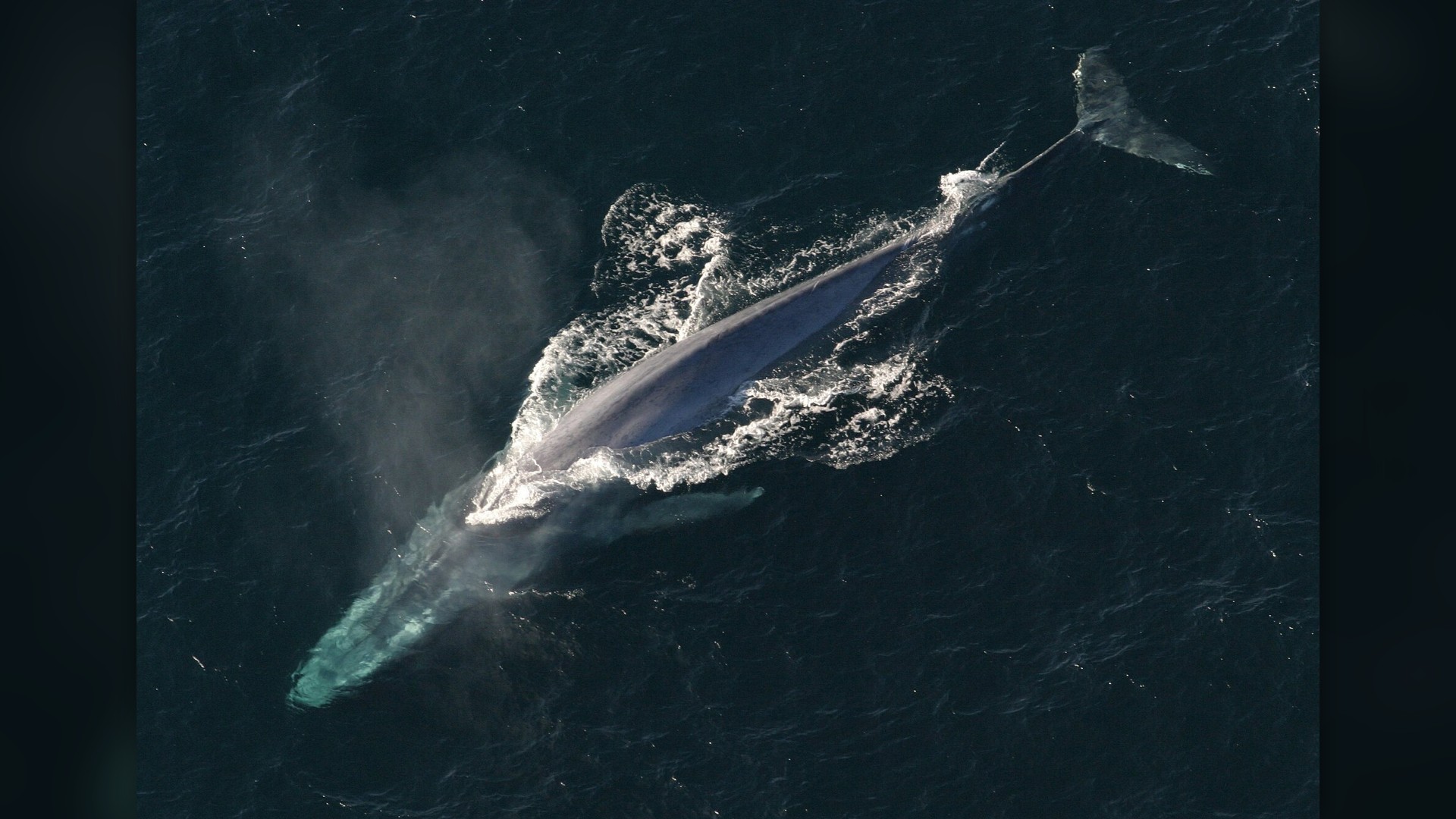
18. Blue Whale: 10,000 Km
Satellite tagging by NOAA Fisheries shows blue whales traveling approximately 10,000 kilometers annually. Pods gorge on krill swarms in nutrient-rich sub-polar waters during summer months before migrating toward warm equatorial calving grounds to rear calves.
©Wikimedia / NOAA Photo Library
Advertisement
Swipe or tap ▶ to resume the countdown.
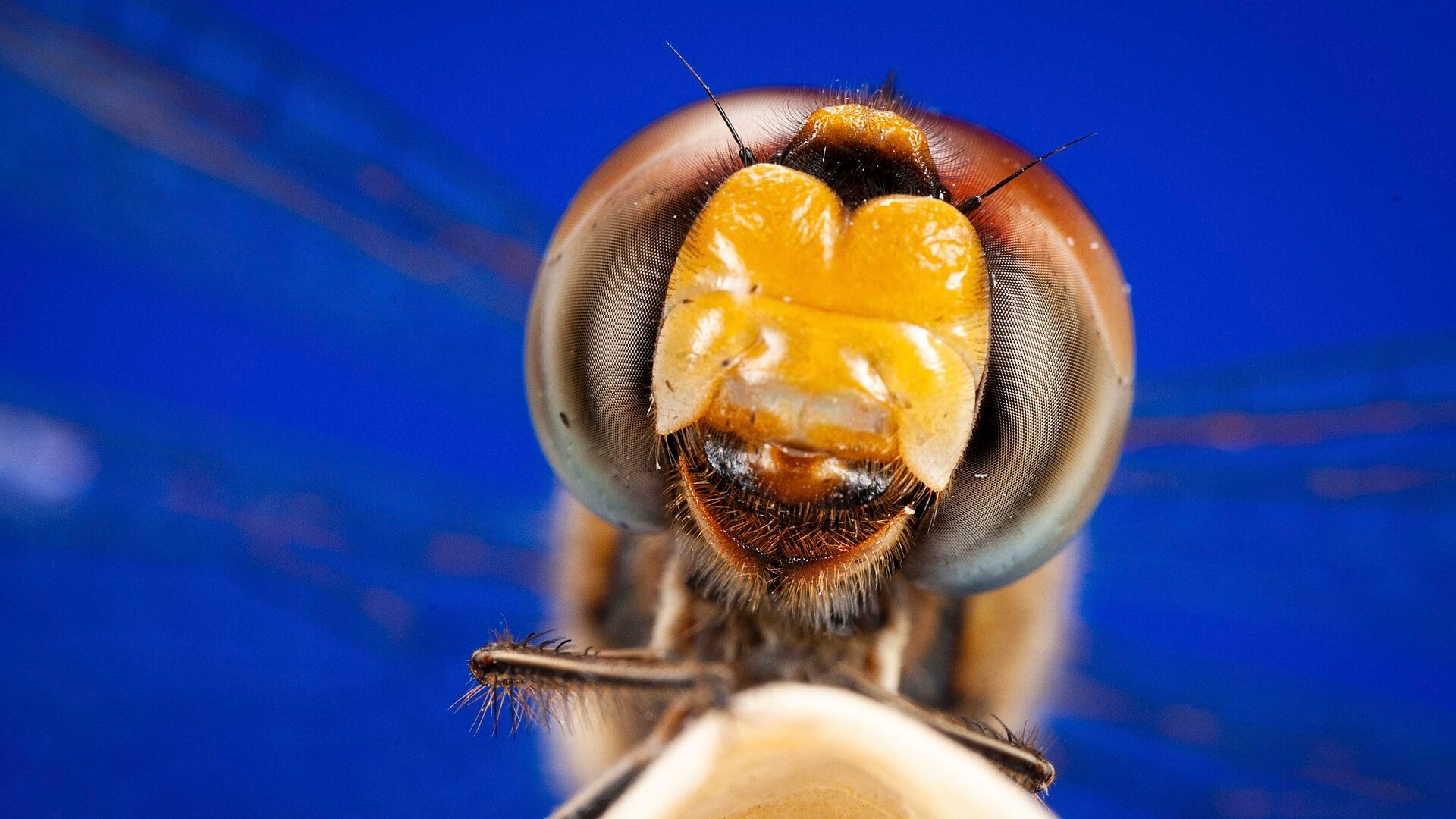
17. Globe Skimmer Dragonfly: 14,000 Km
Measuring just five centimeters long, globe skimmer dragonflies complete a multi-generational migration spanning up to 18,000 kilometers. Research published in PLOS ONE shows they ride monsoon air currents from India across the open Indian Ocean to East Africa.
©Wikimedia / Eastolany
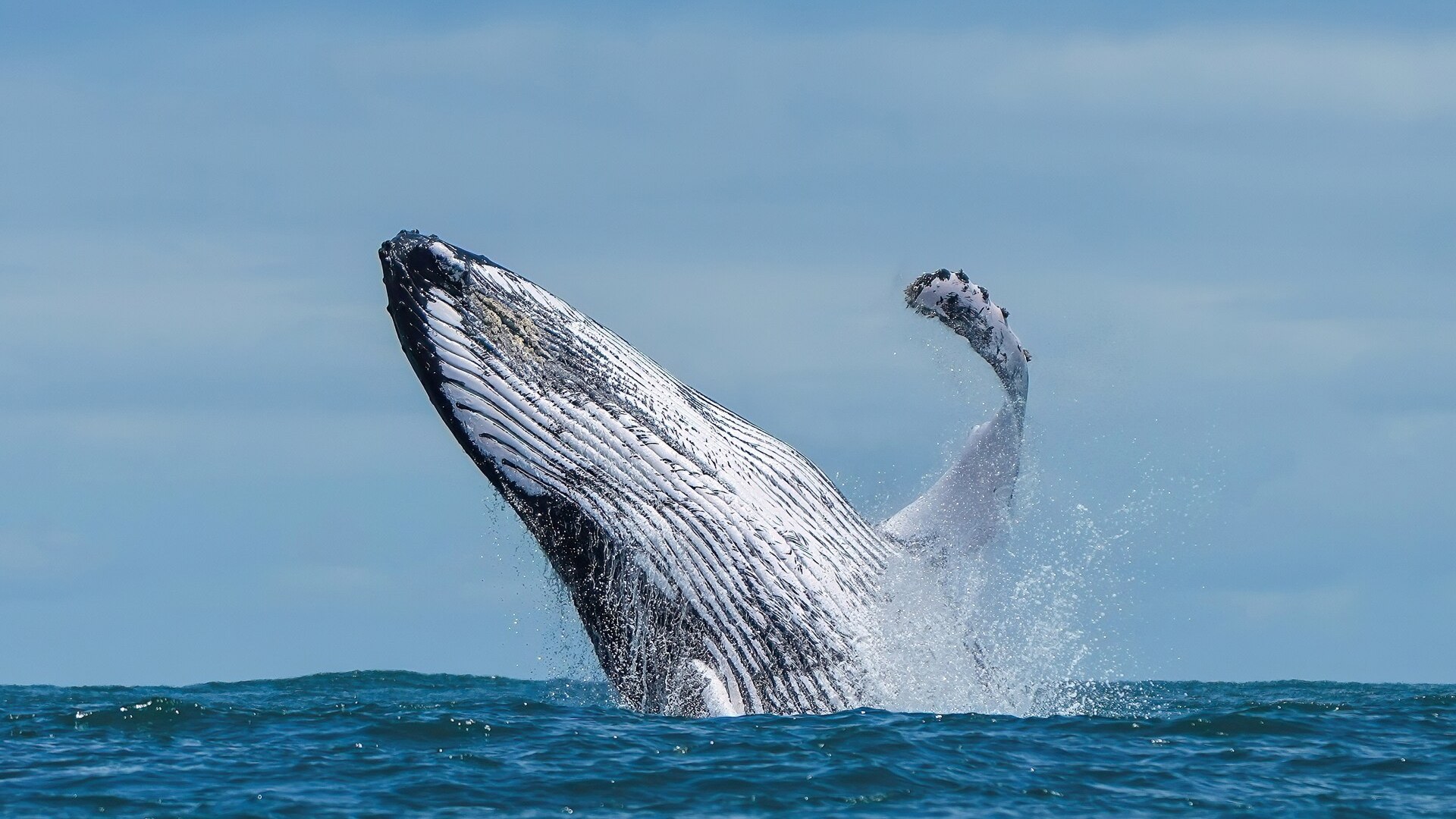
16. Humpback Whale: 18,840 Km
Photo identification and satellite tracking published in Biology Letters recorded southern humpback whales swimming 18,840 kilometers round-trip between Antarctic feeding grounds and the Golfo Dulce in Costa Rica, setting a mammal distance milestone.
©Wikimedia / Giles Laurent
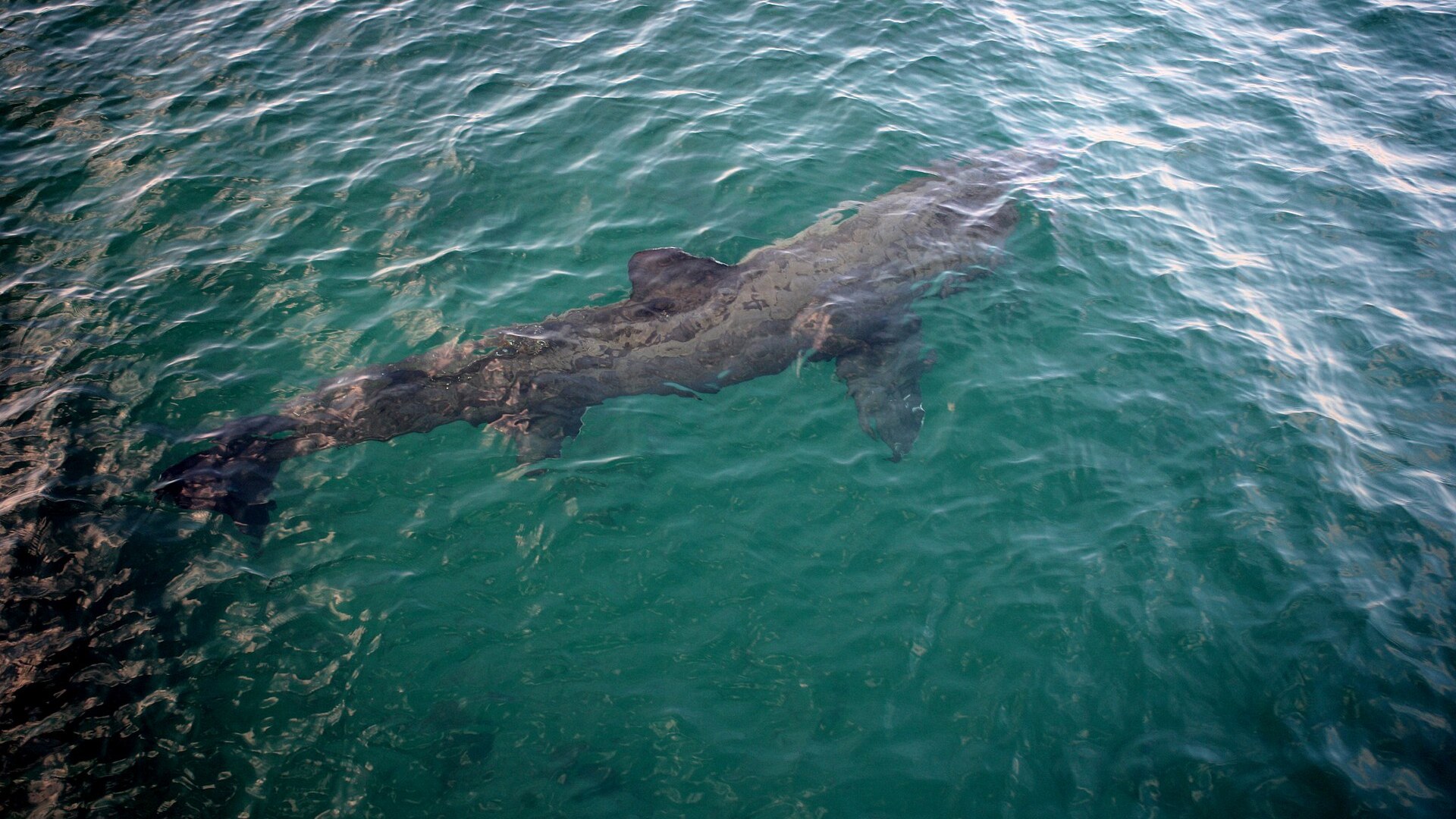
15. Basking Shark: 18,000 Km
Satellite tags deployed by Massachusetts marine biologists revealed that North Atlantic basking sharks migrate up to 18,000 kilometers annually. Rather than hibernating on coastal shelves, they dive 1,000 meters deep to cross the equator into the Caribbean.
©Wikimedia / Hermés from Perth, Scotland
14. Great White Shark: 20,000 Km
Satellite telemetry published in Science tracked a female great white named Nicole on an epic 20,000-kilometer round-trip between South Africa and western Australia. She crossed the open Indian Ocean in just 99 days, swimming at average depths of 500 meters.
©Wikimedia / Bernard DUPONT from FRANCE
Advertisement
Swipe or tap ▶ to resume the countdown.
13. Common Swift: 20,000 Km
Data logger studies by Lund University published in Current Biology confirmed that European common swifts travel 20,000 kilometers annually to winter in sub-Saharan Africa. The birds remain aloft continuously for ten months without landing once.
©Wikimedia / AlexeySokolov1971
12. Leatherback Sea Turtle: 20,000 Km
Satellite tracking published in Ecosphere showed Pacific leatherback sea turtles swimming more than 20,000 kilometers between nesting beaches in Indonesia and feeding grounds off the coast of California. They navigate ocean currents to feed on seasonal jellyfish blooms.
©Wikimedia / Leatherback sea turtle
11. Northern Elephant Seal: 21,000 Km
Tracking data published by researchers at UC Santa Cruz shows adult northern elephant seals migrating approximately 21,000 kilometers across the Northeast Pacific each year. They undertake two separate open-ocean foraging trips, diving up to 1,500 meters deep.
©Wikimedia / user:CillanXC
10. Red Necked Phalarope: 21,000 Km
Geolocator tracking organized by the Royal Society for the Protection of Birds revealed that Shetland-breeding phalaropes travel 21,000 kilometers round-trip. Instead of wintering in the Arabian Sea, they cross the Atlantic to winter off Ecuador and Peru.
©Wikimedia / Charles J. Sharp
Advertisement
Swipe or tap ▶ to resume the countdown.
9. Amur Falcon: 22,000 Km
Breeding in northeastern Asia, Amur falcons complete a 22,000-kilometer annual round-trip to wintering grounds in southern Africa. Satellite tags confirmed they stage in northeastern India before making a non-stop 3,000-kilometer flight across the open Arabian Sea.
©Wikimedia / Derek Keats from Johannesburg, South Africa
8. Gray Whale: 22,511 Km
Satellite tracking led by Oregon State University recorded a western gray whale named Varvara swimming 22,511 kilometers round-trip. She traveled from feeding grounds off Sakhalin Island across the Bering Sea to calving lagoons in Baja California, setting a mammal record.
©Wikimedia / Merrill Gosho , NOAA
7. Northern Wheatear: 29,000 Km
A landmark study in Biology Letters showed that Alaskan northern wheatears undertake a 29,000-kilometer annual round-trip across Siberia and Central Asia to winter in East Africa. Weighing less than an ounce, they achieve the longest migration of any known songbird.
©Wikimedia / Charles J. Sharp
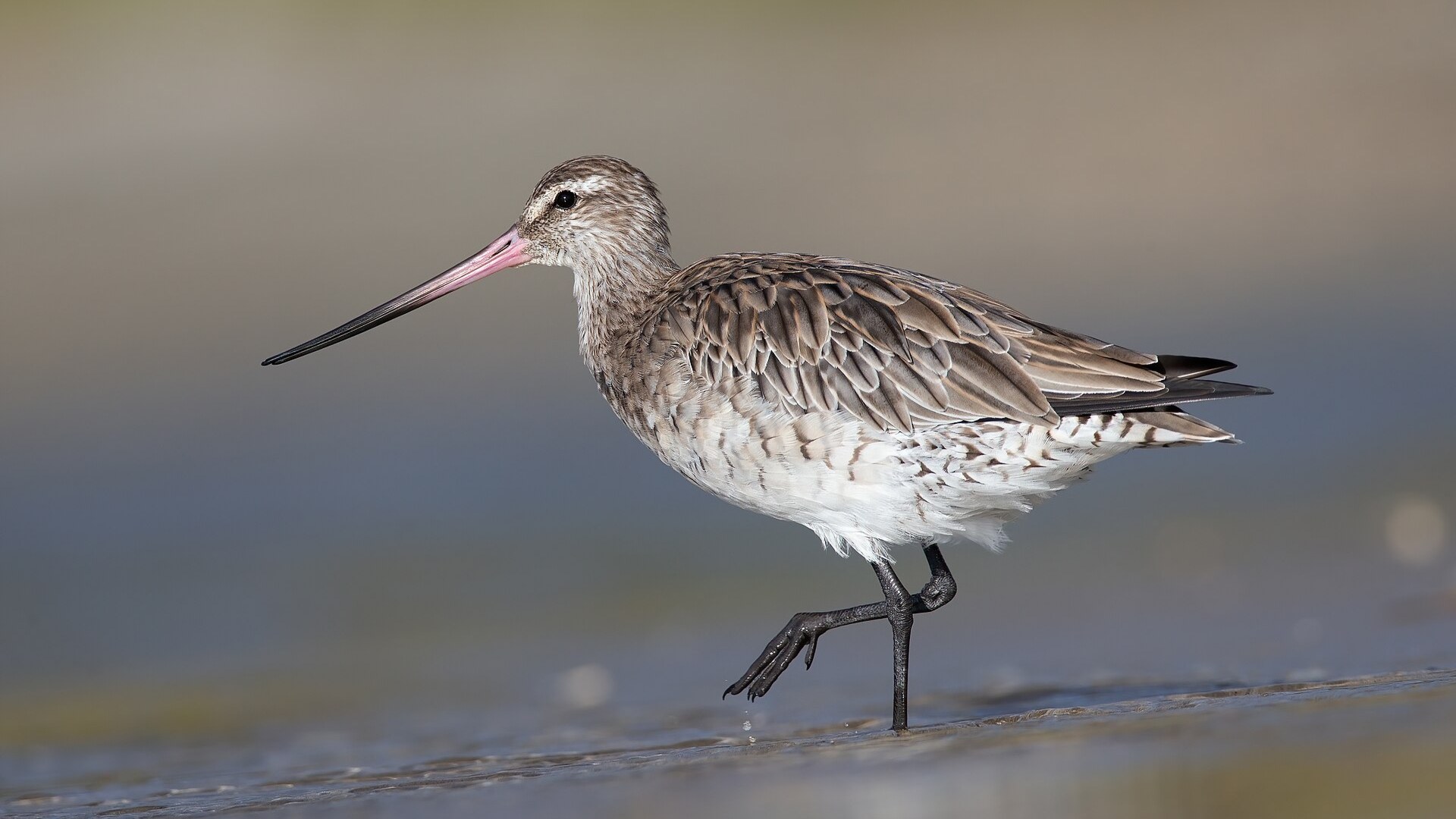
6. Bar Tailed Godwit: 29,000 Km
Satellite-tagged bar-tailed godwits travel 29,000 kilometers annually along the East Asian-Australasian Flyway. In October 2022, a juvenile godwit set the world record by flying 13,560 kilometers non-stop from Alaska to Tasmania without feeding or resting once.
©Wikimedia / JJ Harrison ( )
Advertisement
Swipe or tap ▶ to resume the countdown.
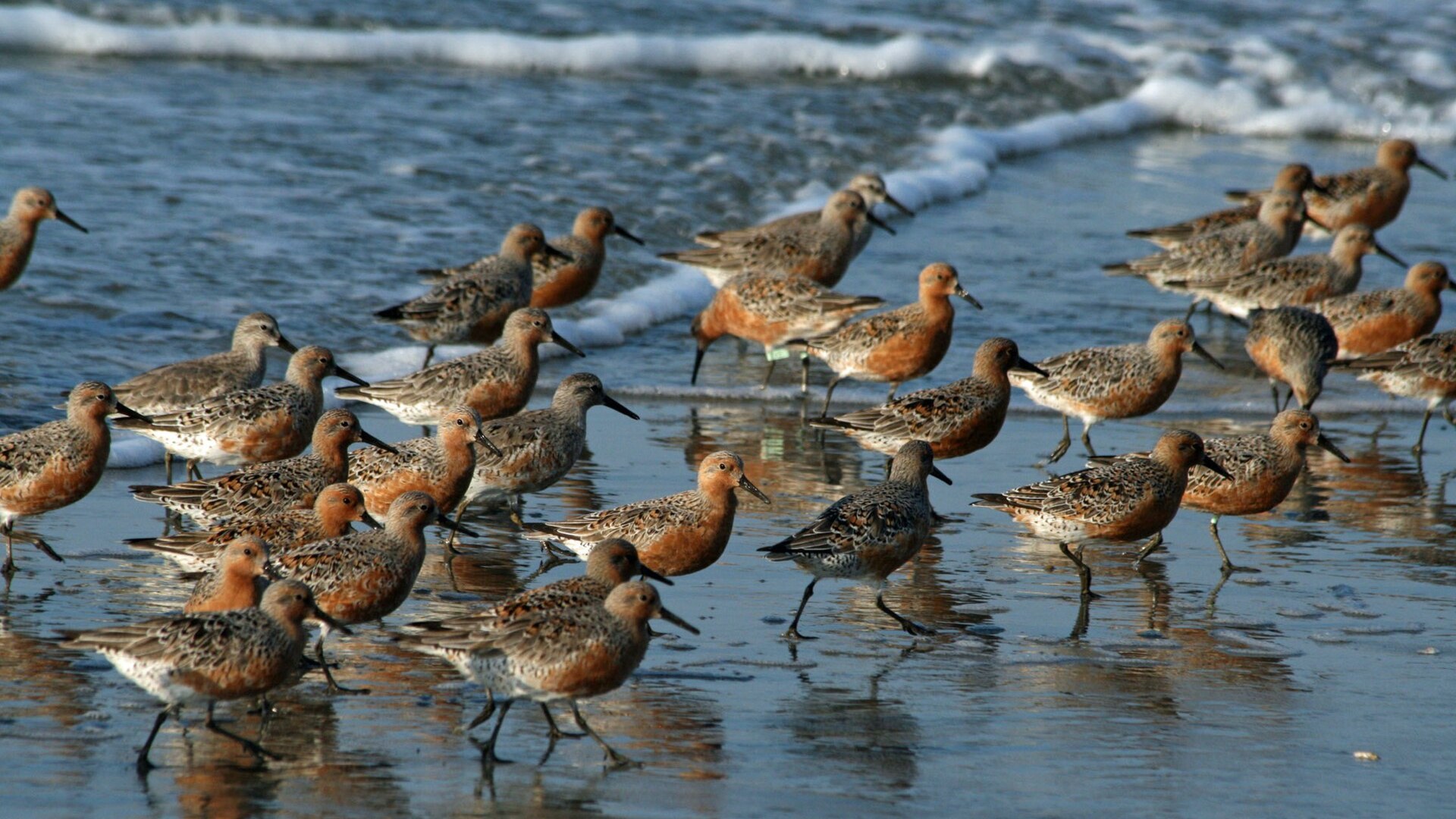
5. Red Knot: 30,000 Km
Red knots of the rufa subspecies fly approximately 30,000 kilometers each year between wintering beaches at the tip of South America and Arctic tundra nesting grounds. They time their spring stopover in Delaware Bay to feast on horseshoe crab eggs.
©Wikimedia / DickDaniels ( )
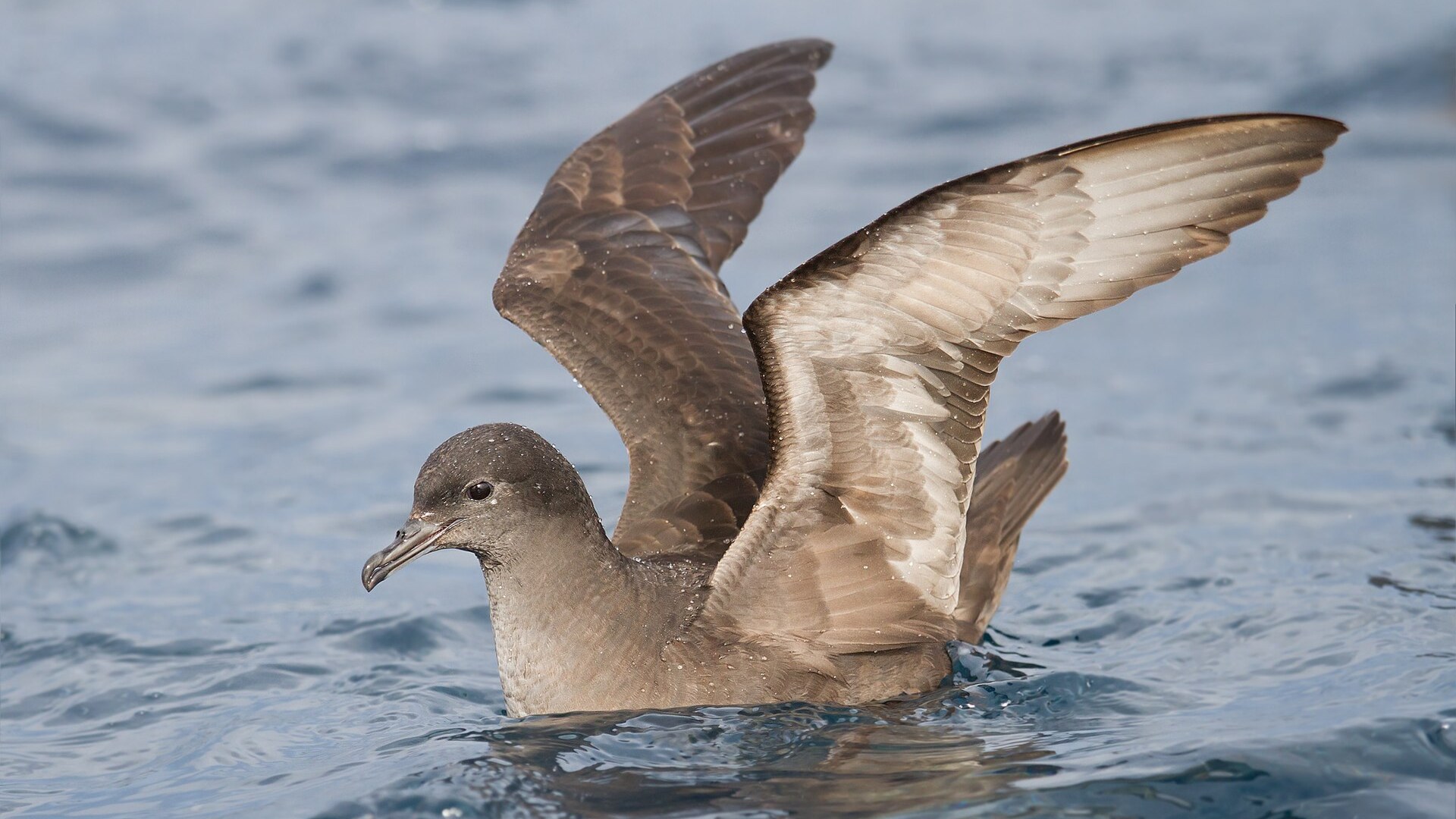
4. Short Tailed Shearwater: 35,000 Km
Breeding primarily in southeastern Australia and Tasmania, short-tailed shearwaters complete an annual circular migration of up to 40,000 kilometers. They follow prevailing Pacific winds north past Japan into the Bering Sea before returning down the western Americas.
©Wikimedia / JJ Harrison ( )
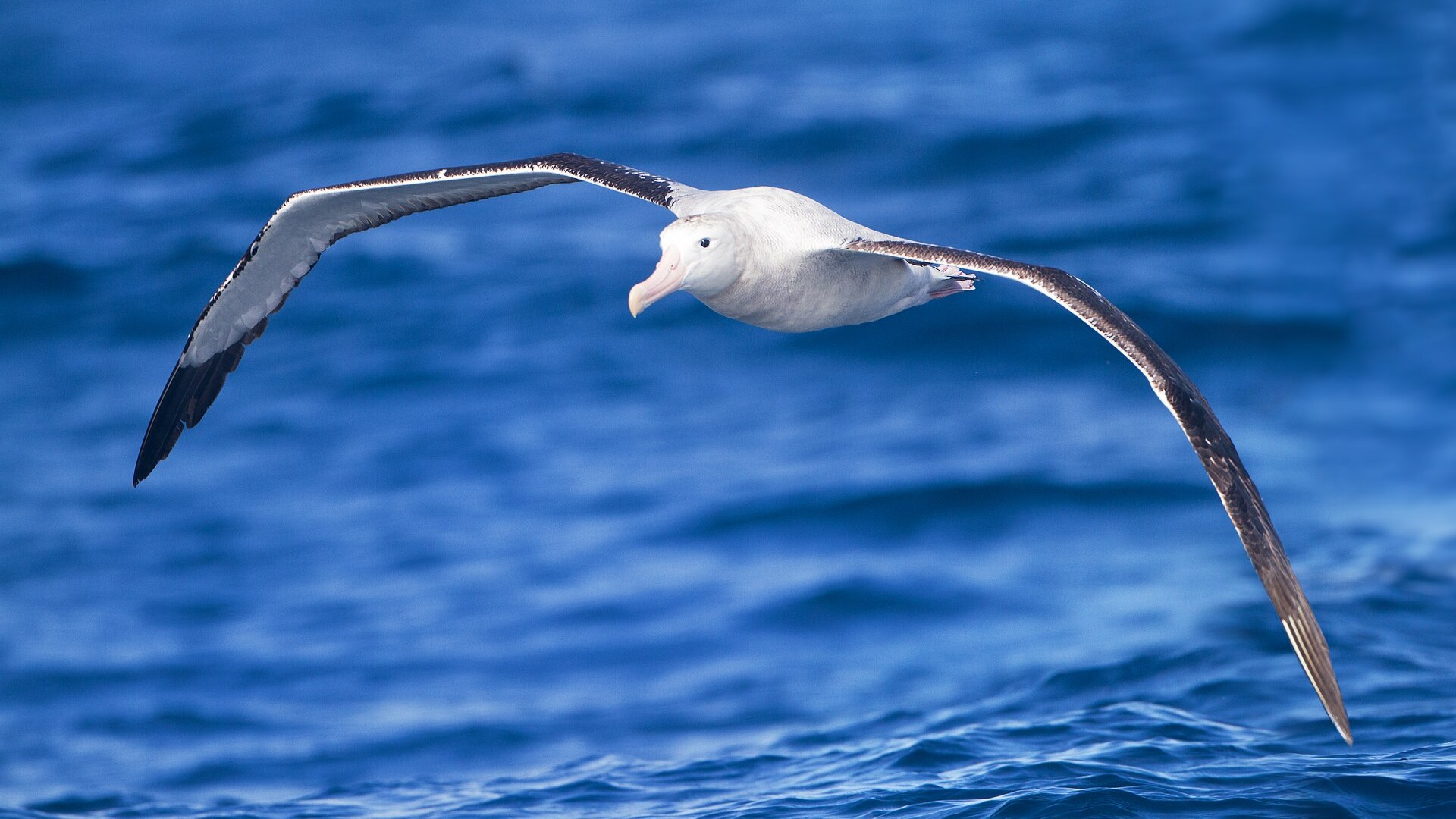
3. Wandering Albatross: 45,000 Km
Equipped with three-meter wingspans, wandering albatrosses cover between 45,000 and 120,000 kilometers annually around Antarctica. British Antarctic Survey tracking shows them using dynamic soaring on gale-force winds to circumnavigate the Southern Ocean.
©Wikimedia / JJ Harrison ( )
2. Sooty Shearwater: 64,000 Km
A breakthrough PNAS biologging study tracked sooty shearwaters flying an average of 64,000 kilometers in a figure-eight path across the Pacific Ocean. Travelling up to 900 kilometers daily, they migrate from New Zealand breeding colonies to summer feeding zones off Alaska.
©Wikimedia / marlin harms
Advertisement
Swipe or tap ▶ to resume the countdown.
1. Arctic Tern: 90,000 Km
Miniature geolocators tracked Arctic terns logging annual round-trip journeys of up to 96,000 kilometers. Flying between breeding colonies in Greenland and the pack ice of Antarctica, individual terns experience two polar summers each year and fly the equivalent of three trips to the Moon.
©Wikimedia / AWeith
Advertisement
You've reached the end of the story. Thanks for reading!

20 US Zoos Ranked by Number of Animal Species
American zoological parks serve as crucial centers for global wildlife conservation, scientific research, and public education. Based on official records from the Association of Zoos and Aquariums and published institution reports, here are 20 prominent US zoos ranked by the number of animal species in their care.
All 20 Entries in this Story
#20 Caribou: 4,800 Km
GPS collar telemetry published in Scientific Reports confirmed that barren-ground caribou travel up to 4,800 kilometers each year across Alaska and Canada. The Porcupine and Bathurst herds trek across tundra between winter boreal forests and summer calving grounds.

#19 Monarch Butterfly: 4,800 Km
Eastern monarch butterflies journey up to 4,800 kilometers from southern Canada and the northern United States to high-altitude oyamel fir forests in Michoacan, Mexico. A single super-generation makes the entire southbound flight before breeding in spring.

#18 Blue Whale: 10,000 Km
Satellite tagging by NOAA Fisheries shows blue whales traveling approximately 10,000 kilometers annually. Pods gorge on krill swarms in nutrient-rich sub-polar waters during summer months before migrating toward warm equatorial calving grounds to rear calves.

#17 Globe Skimmer Dragonfly: 14,000 Km
Measuring just five centimeters long, globe skimmer dragonflies complete a multi-generational migration spanning up to 18,000 kilometers. Research published in PLOS ONE shows they ride monsoon air currents from India across the open Indian Ocean to East Africa.

#16 Humpback Whale: 18,840 Km
Photo identification and satellite tracking published in Biology Letters recorded southern humpback whales swimming 18,840 kilometers round-trip between Antarctic feeding grounds and the Golfo Dulce in Costa Rica, setting a mammal distance milestone.

#15 Basking Shark: 18,000 Km
Satellite tags deployed by Massachusetts marine biologists revealed that North Atlantic basking sharks migrate up to 18,000 kilometers annually. Rather than hibernating on coastal shelves, they dive 1,000 meters deep to cross the equator into the Caribbean.

#14 Great White Shark: 20,000 Km
Satellite telemetry published in Science tracked a female great white named Nicole on an epic 20,000-kilometer round-trip between South Africa and western Australia. She crossed the open Indian Ocean in just 99 days, swimming at average depths of 500 meters.

#13 Common Swift: 20,000 Km
Data logger studies by Lund University published in Current Biology confirmed that European common swifts travel 20,000 kilometers annually to winter in sub-Saharan Africa. The birds remain aloft continuously for ten months without landing once.

#12 Leatherback Sea Turtle: 20,000 Km
Satellite tracking published in Ecosphere showed Pacific leatherback sea turtles swimming more than 20,000 kilometers between nesting beaches in Indonesia and feeding grounds off the coast of California. They navigate ocean currents to feed on seasonal jellyfish blooms.

#11 Northern Elephant Seal: 21,000 Km
Tracking data published by researchers at UC Santa Cruz shows adult northern elephant seals migrating approximately 21,000 kilometers across the Northeast Pacific each year. They undertake two separate open-ocean foraging trips, diving up to 1,500 meters deep.

#10 Red Necked Phalarope: 21,000 Km
Geolocator tracking organized by the Royal Society for the Protection of Birds revealed that Shetland-breeding phalaropes travel 21,000 kilometers round-trip. Instead of wintering in the Arabian Sea, they cross the Atlantic to winter off Ecuador and Peru.

#9 Amur Falcon: 22,000 Km
Breeding in northeastern Asia, Amur falcons complete a 22,000-kilometer annual round-trip to wintering grounds in southern Africa. Satellite tags confirmed they stage in northeastern India before making a non-stop 3,000-kilometer flight across the open Arabian Sea.

#8 Gray Whale: 22,511 Km
Satellite tracking led by Oregon State University recorded a western gray whale named Varvara swimming 22,511 kilometers round-trip. She traveled from feeding grounds off Sakhalin Island across the Bering Sea to calving lagoons in Baja California, setting a mammal record.

#7 Northern Wheatear: 29,000 Km
A landmark study in Biology Letters showed that Alaskan northern wheatears undertake a 29,000-kilometer annual round-trip across Siberia and Central Asia to winter in East Africa. Weighing less than an ounce, they achieve the longest migration of any known songbird.

#6 Bar Tailed Godwit: 29,000 Km
Satellite-tagged bar-tailed godwits travel 29,000 kilometers annually along the East Asian-Australasian Flyway. In October 2022, a juvenile godwit set the world record by flying 13,560 kilometers non-stop from Alaska to Tasmania without feeding or resting once.

#5 Red Knot: 30,000 Km
Red knots of the rufa subspecies fly approximately 30,000 kilometers each year between wintering beaches at the tip of South America and Arctic tundra nesting grounds. They time their spring stopover in Delaware Bay to feast on horseshoe crab eggs.

#4 Short Tailed Shearwater: 35,000 Km
Breeding primarily in southeastern Australia and Tasmania, short-tailed shearwaters complete an annual circular migration of up to 40,000 kilometers. They follow prevailing Pacific winds north past Japan into the Bering Sea before returning down the western Americas.

#3 Wandering Albatross: 45,000 Km
Equipped with three-meter wingspans, wandering albatrosses cover between 45,000 and 120,000 kilometers annually around Antarctica. British Antarctic Survey tracking shows them using dynamic soaring on gale-force winds to circumnavigate the Southern Ocean.

#2 Sooty Shearwater: 64,000 Km
A breakthrough PNAS biologging study tracked sooty shearwaters flying an average of 64,000 kilometers in a figure-eight path across the Pacific Ocean. Travelling up to 900 kilometers daily, they migrate from New Zealand breeding colonies to summer feeding zones off Alaska.

#1 Arctic Tern: 90,000 Km
Miniature geolocators tracked Arctic terns logging annual round-trip journeys of up to 96,000 kilometers. Flying between breeding colonies in Greenland and the pack ice of Antarctica, individual terns experience two polar summers each year and fly the equivalent of three trips to the Moon.