Slideshow · Technology
21 Common Objects Whose Original Purpose Was Completely Different
Everyday objects in kitchens, wardrobes, and medicine cabinets rarely began with the jobs they do today. Inventions designed for surgical wards, wartime trenches, and telegraph offices quietly shifted into popular culture. Here are 21 common staples whose real origin stories show how drastically their purposes changed.


All 21 Entries in this Story
21. Sunglasses
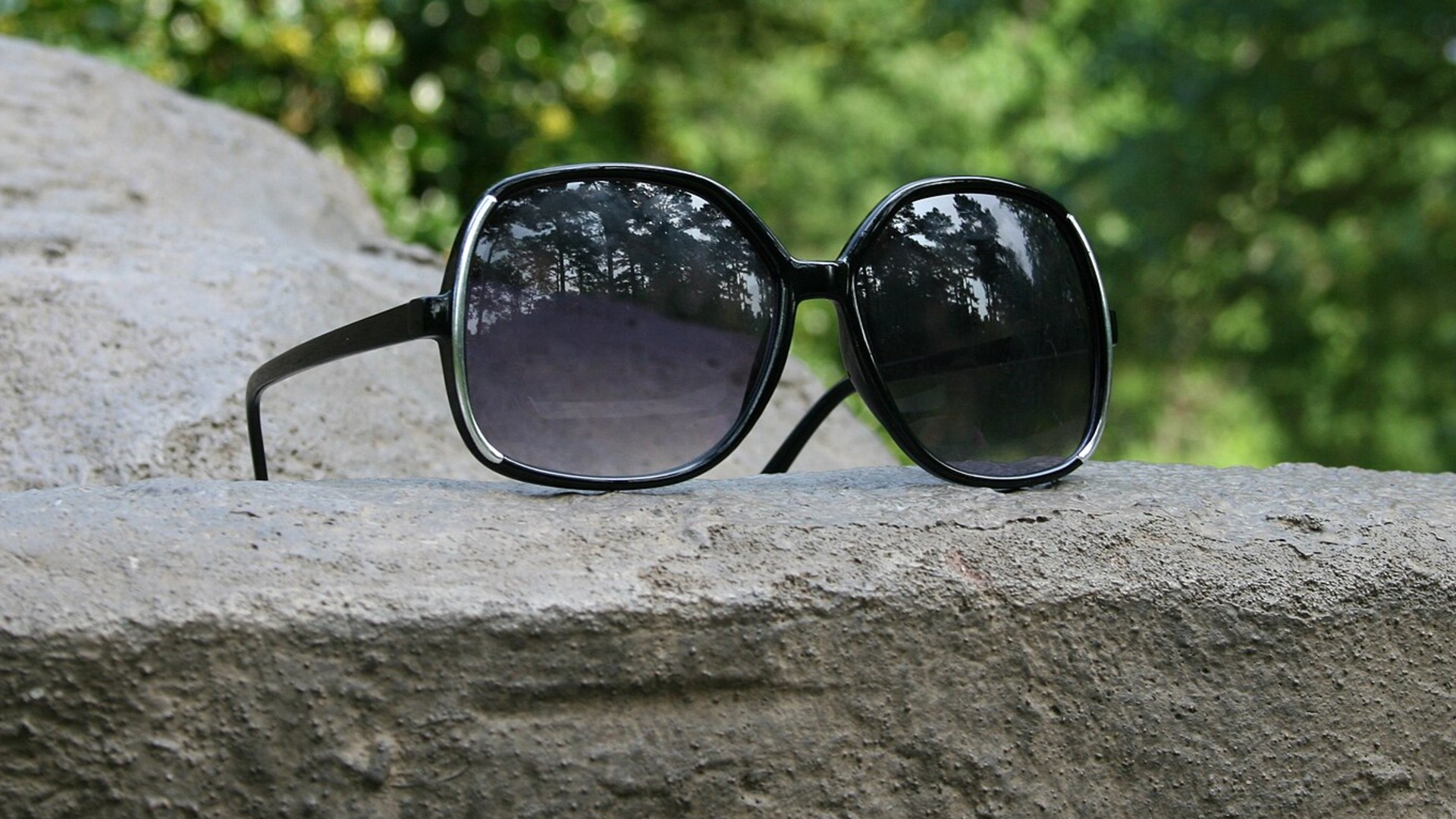
Judges in Song Dynasty courts wore flat panes of smoky quartz not to block ultraviolet sunlight, but to hide their eye movements and emotional responses while interrogating witnesses. European opticians later added tinted glass in the eighteenth century to treat light sensitivity caused by eye diseases.
20. Trench Coats
During World War I, Thomas Burberry made water-repellent gabardine coats to replace heavy wool serge. Fitted with shoulder epaulets for rank badges and metal D-rings, the outerwear protected British soldiers in flooded trenches before returning veterans popularized the style in everyday civilian fashion.
19. Wristwatches
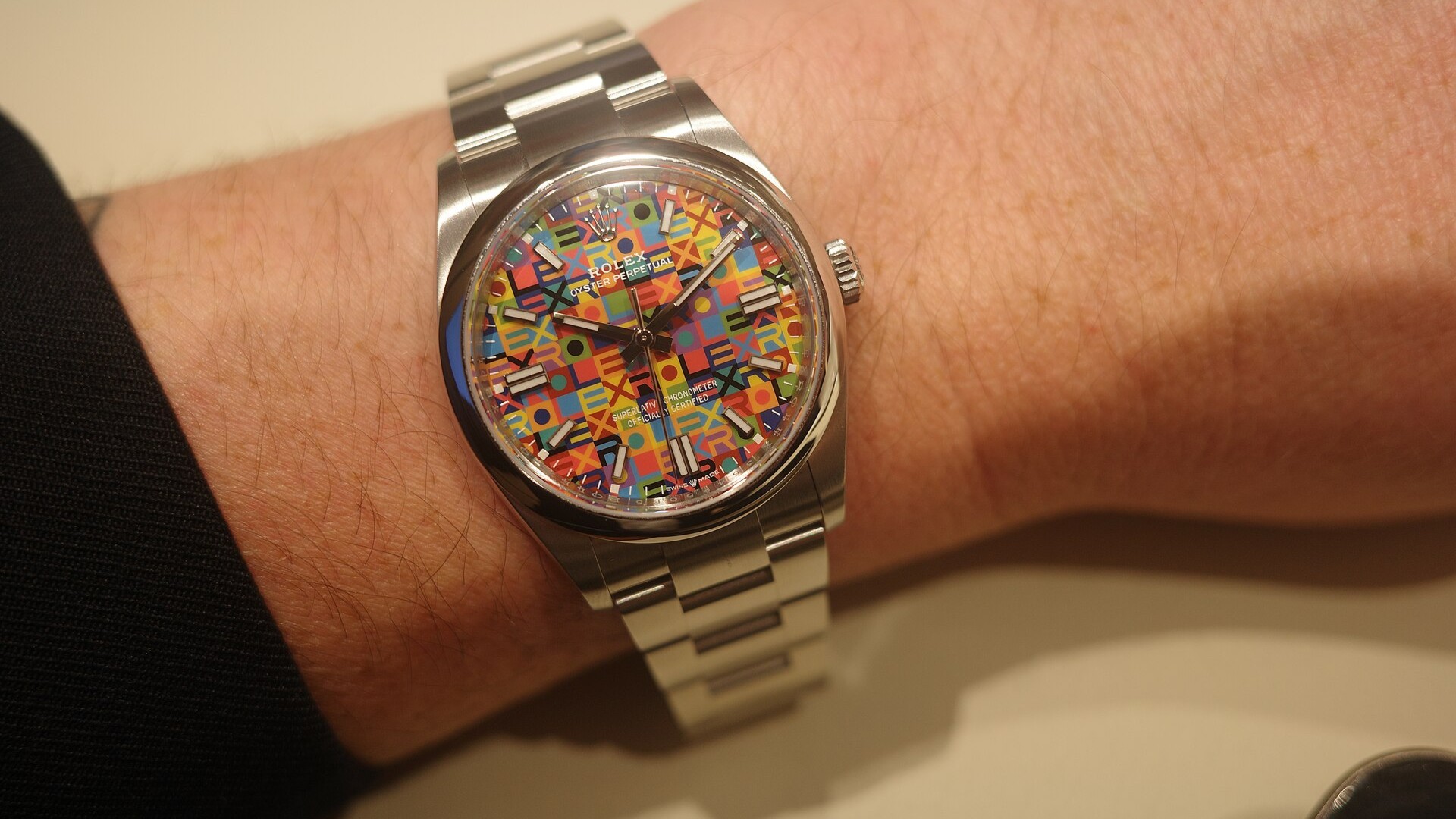
Men carried pocket watches while women wore decorative jeweled bracelets called wristlets. That changed during World War I, when frontline officers found pulling pocket watches from coats too slow. Strapping timepiece dials to their wrists allowed commanders to synchronize artillery barrages down to the second.
18. Vaseline
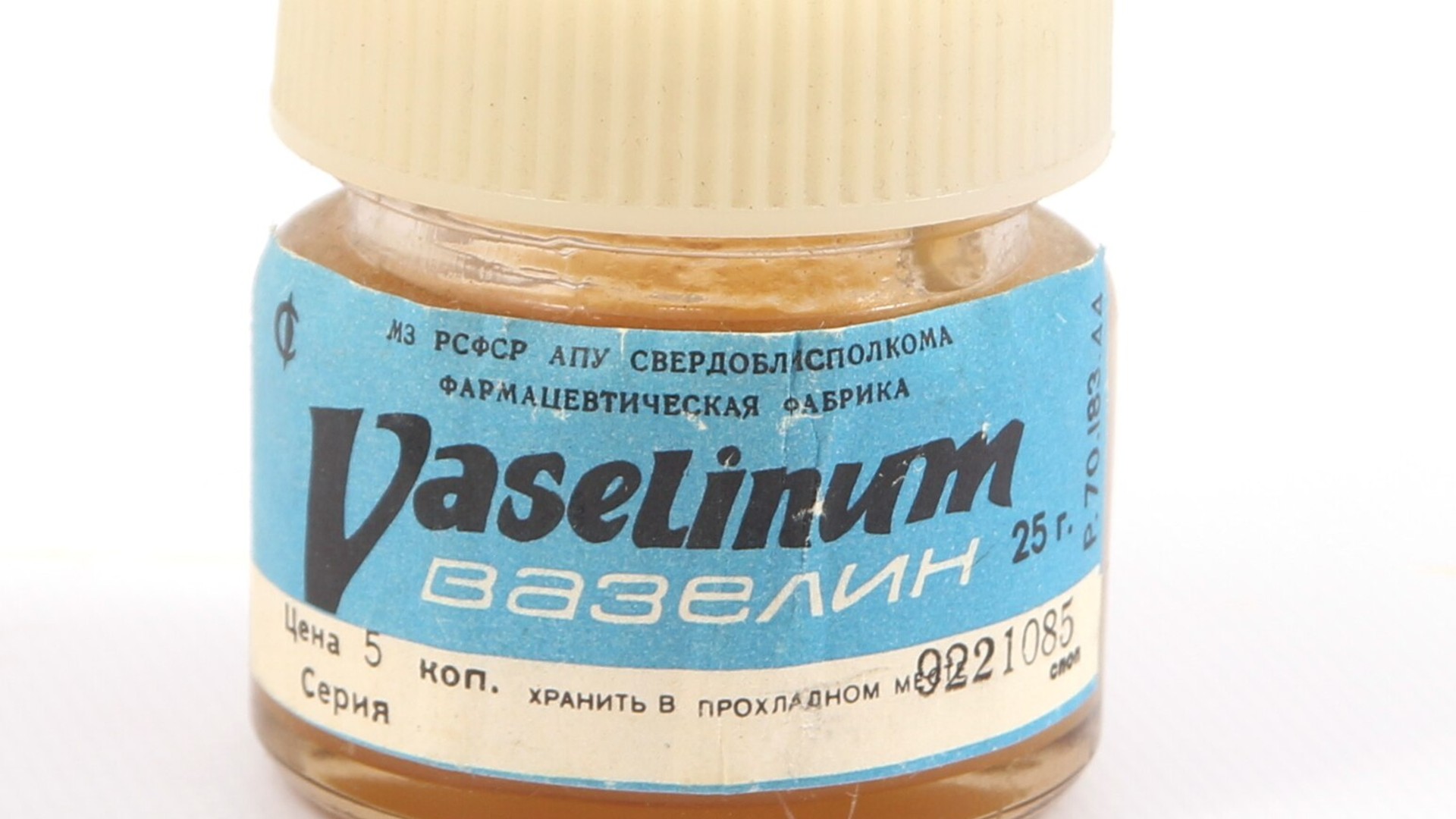
In 1859, chemist Robert Chesebrough visited Titusville oil fields in Pennsylvania. Drillers routinely scraped a dark waxy residue off pump rods to soothe skin burns and cuts. Chesebrough spent a decade purifying the petroleum byproduct into a clear protective jelly, securing a patent for commercial Vaseline in 1872.
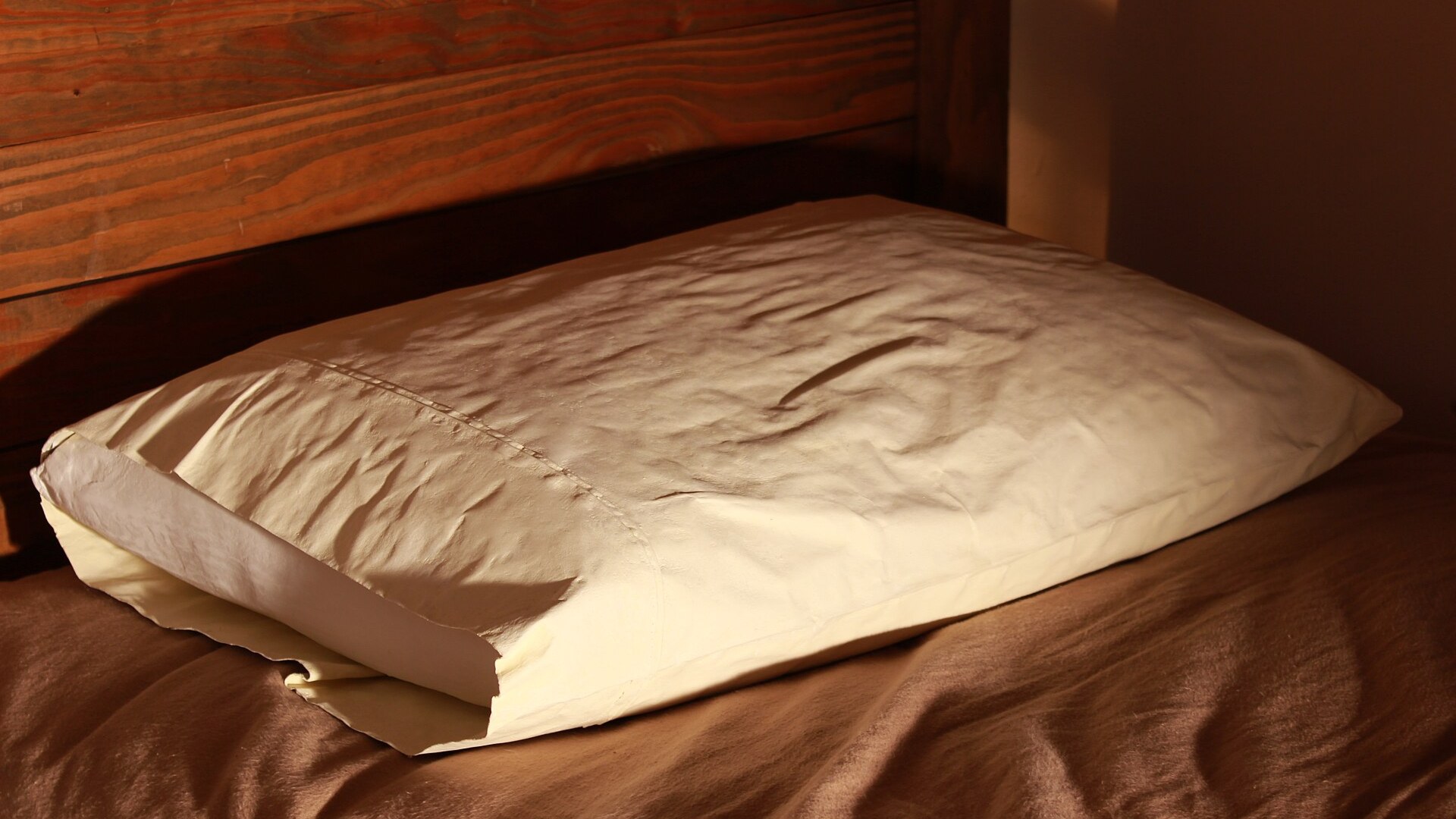
17. Pillows
Dating back to 7000 BCE in ancient Mesopotamia, the earliest pillows were carved from solid stone and wood. Rather than providing cushioned comfort, raised headrests kept sleeping faces off the dirt floor, preventing beetles, spiders, and lice from crawling into mouths, nostrils, and ear canals during the night.
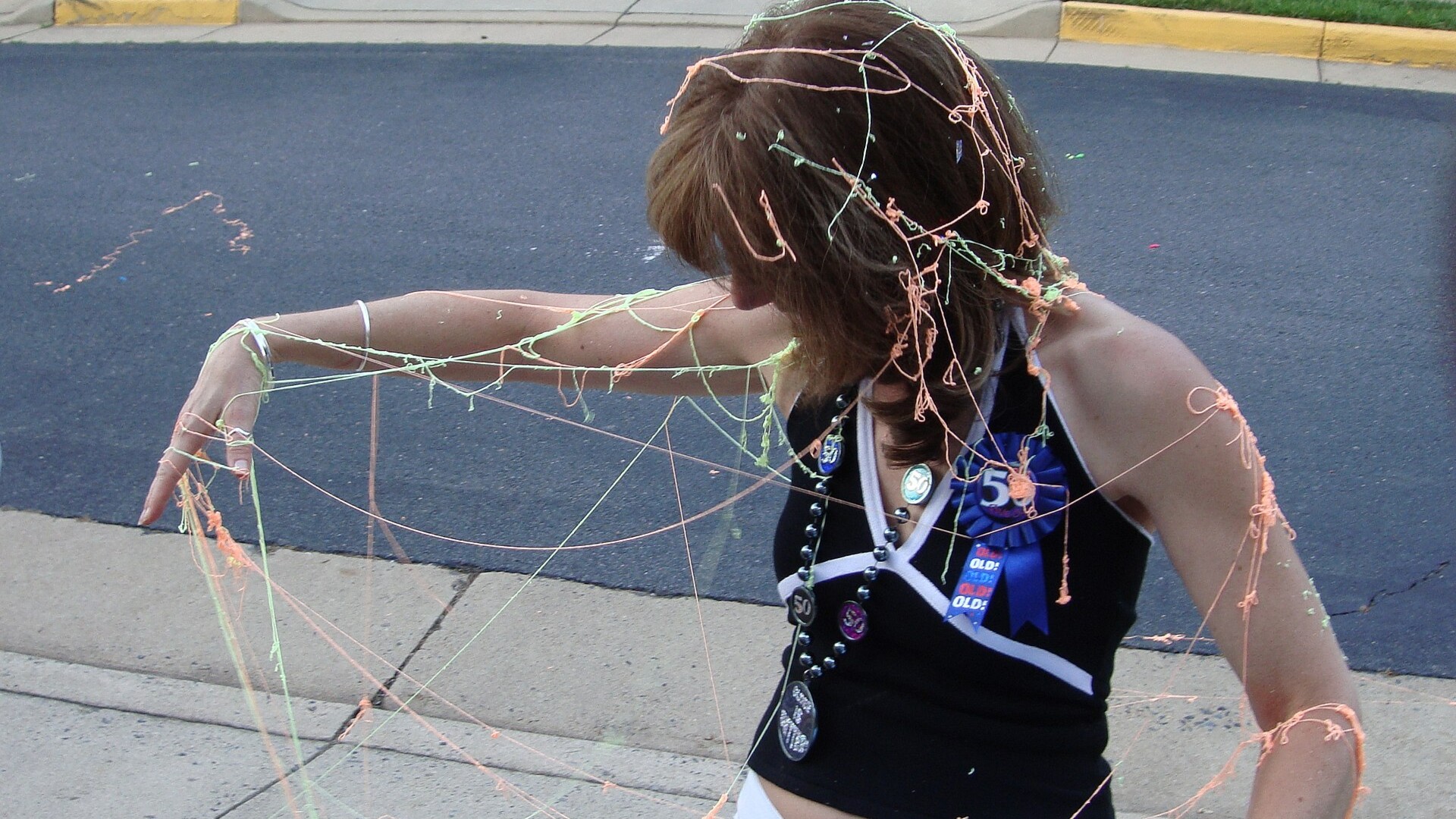
16. Silly String
In 1972, chemist Robert Cox and inventor Leonard Fish sought an aerosol spray that would quickly coat broken limbs in a rigid cast. While testing pressurized formulas, one test can fired a stream of non-sticky plastic strings across the ceiling. Realizing the entertainment value, the pair patented it as a party toy.
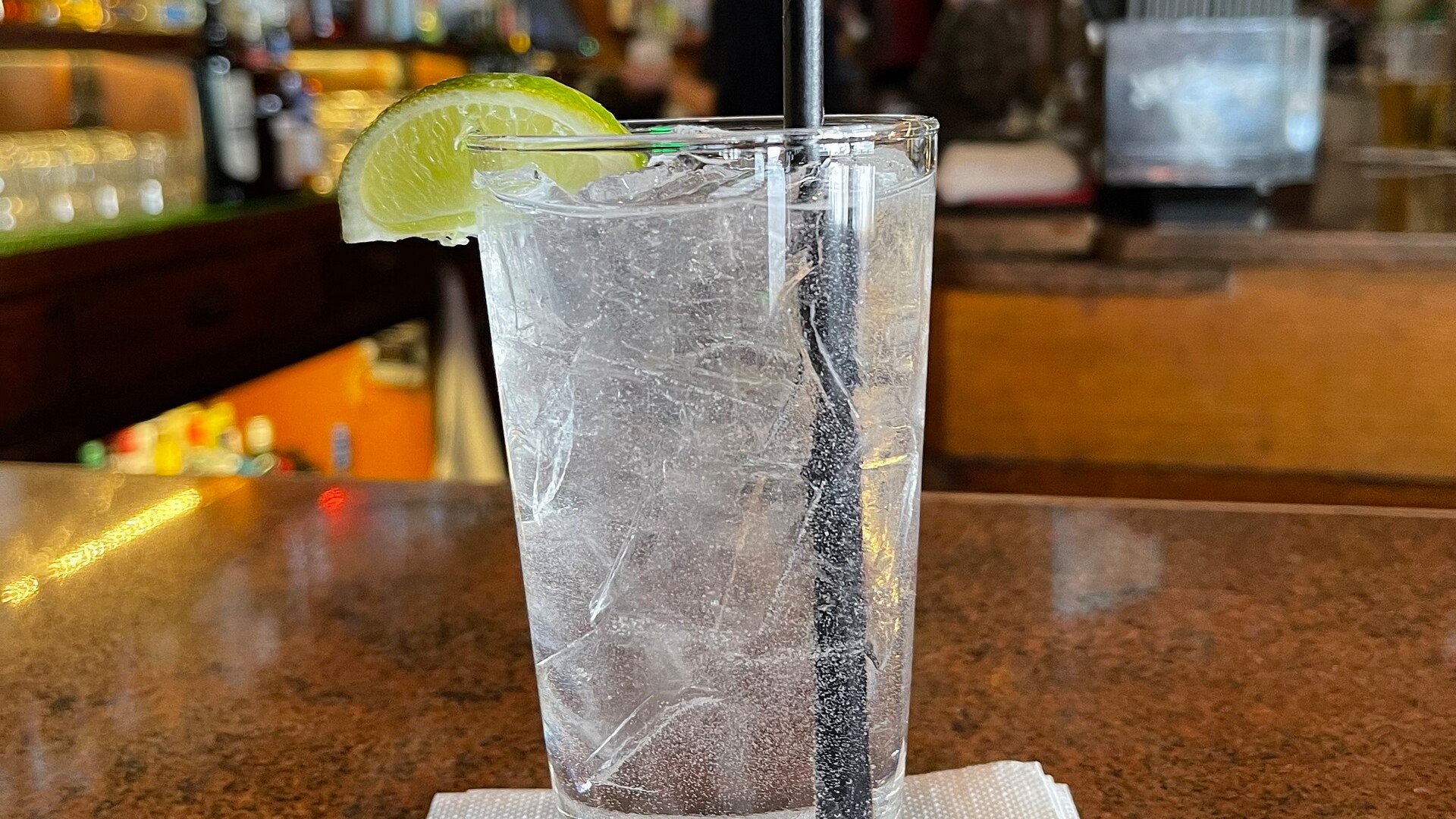
15. Gin And Tonic
Scottish doctor George Cleghorn discovered that bitter quinine powder from the South American cinchona tree could prevent and treat malaria. To make the unpalatable medicine easier to swallow, British officers in nineteenth-century India blended the tonic water with rations of gin, cane sugar, and citrus lime slices.
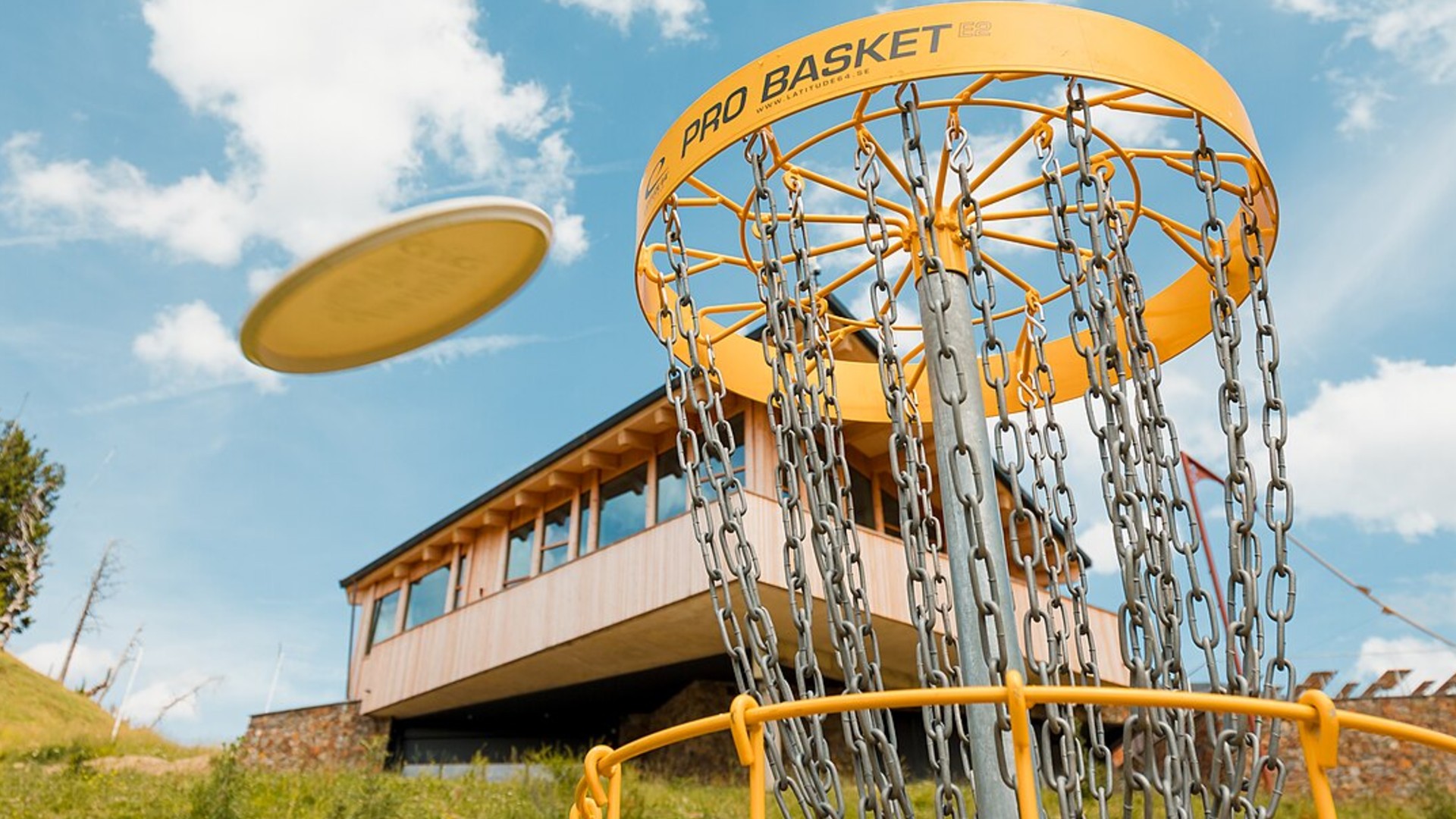
14. Frisbees
In the late nineteenth century, Yale students began tossing empty embossed metal baking tins from the Frisbie Pie Company of Bridgeport, Connecticut. Shouting warnings to pedestrians, the game inspired inventor Walter Morrison in 1948 to cast aerodynamic plastic flying discs, which Wham-O later rebranded as Frisbees.
13. Stethoscope
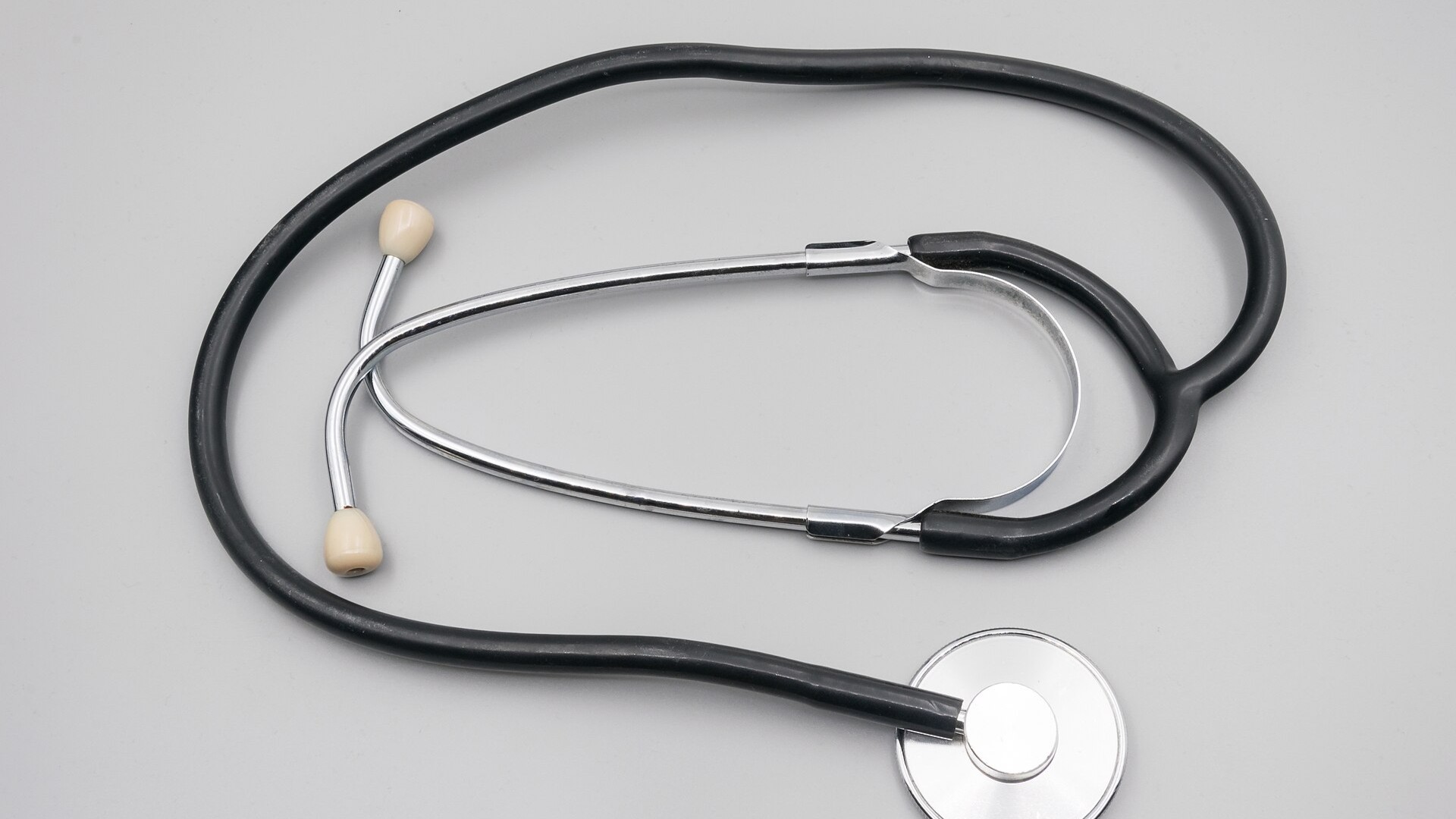
Before 1816, doctors pressed their ears directly against a patient torso to hear heartbeats. While examining a woman at Necker Hospital in Paris, French physician René Laennec felt uncomfortable with physical contact. He rolled sheets of paper into a tube, discovering acoustic heart tones arrived louder and crisper.
12. Umbrellas
In ancient Egypt and China, collapsible canopies made of silk and feathers shaded royalty from the hot sun. In eighteenth-century London, carrying an umbrella in the rain was mocked as an unmanly sign of weakness until traveler Jonas Hanway endured thirty years of public jeers to popularize waterproof rain canopies.
11. Q-Tips
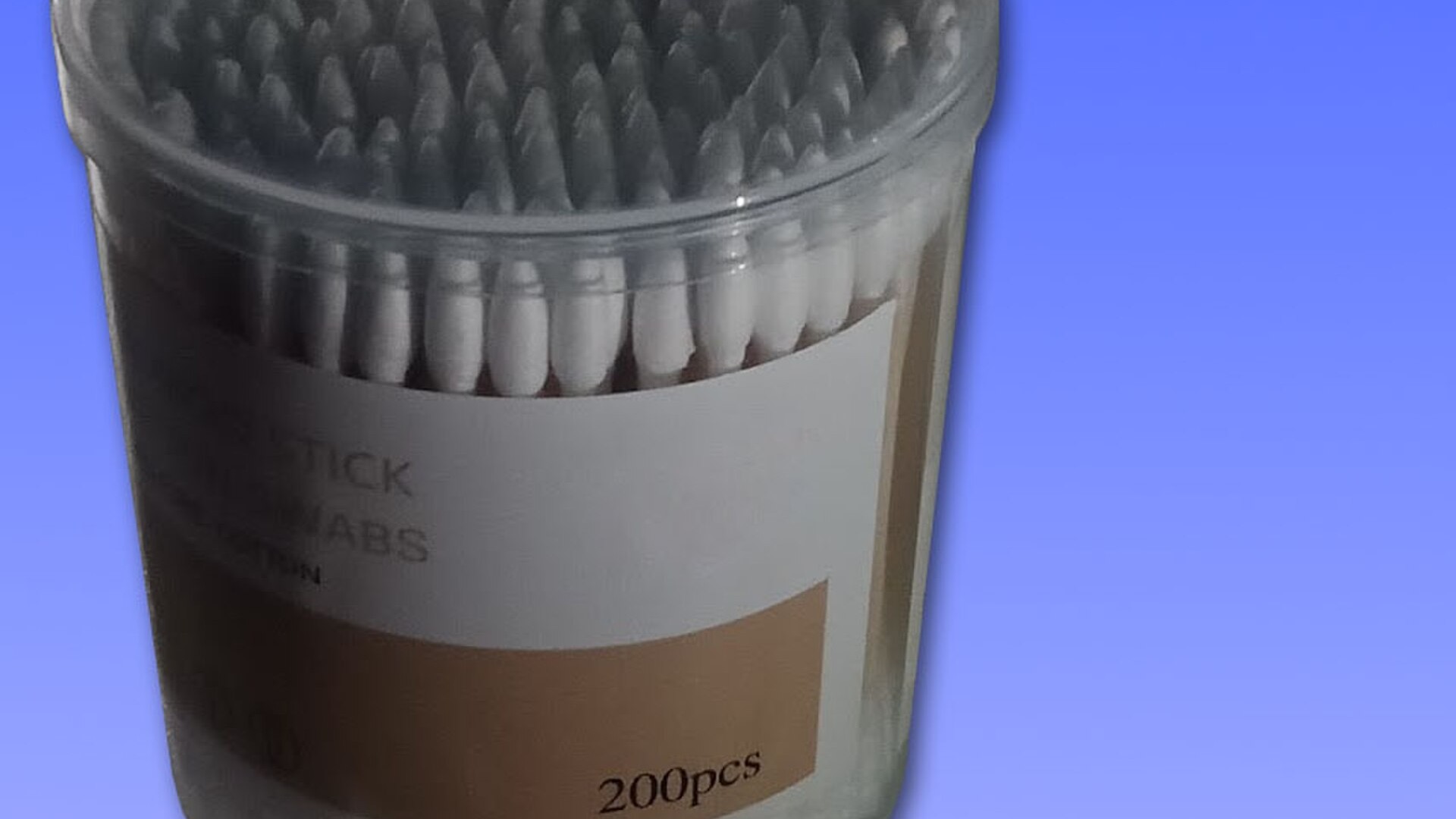
In 1923, Polish-born inventor Leo Gerstenzang watched his wife attach cotton wads to toothpicks to clean their infant. Inspired, he founded the Leo Gerstenzang Infant Novelty Company and marketed the ready-made swabs under the brand name Baby Gays, which was later renamed Q-Tips to highlight supreme cotton quality.
10. Baby Strollers
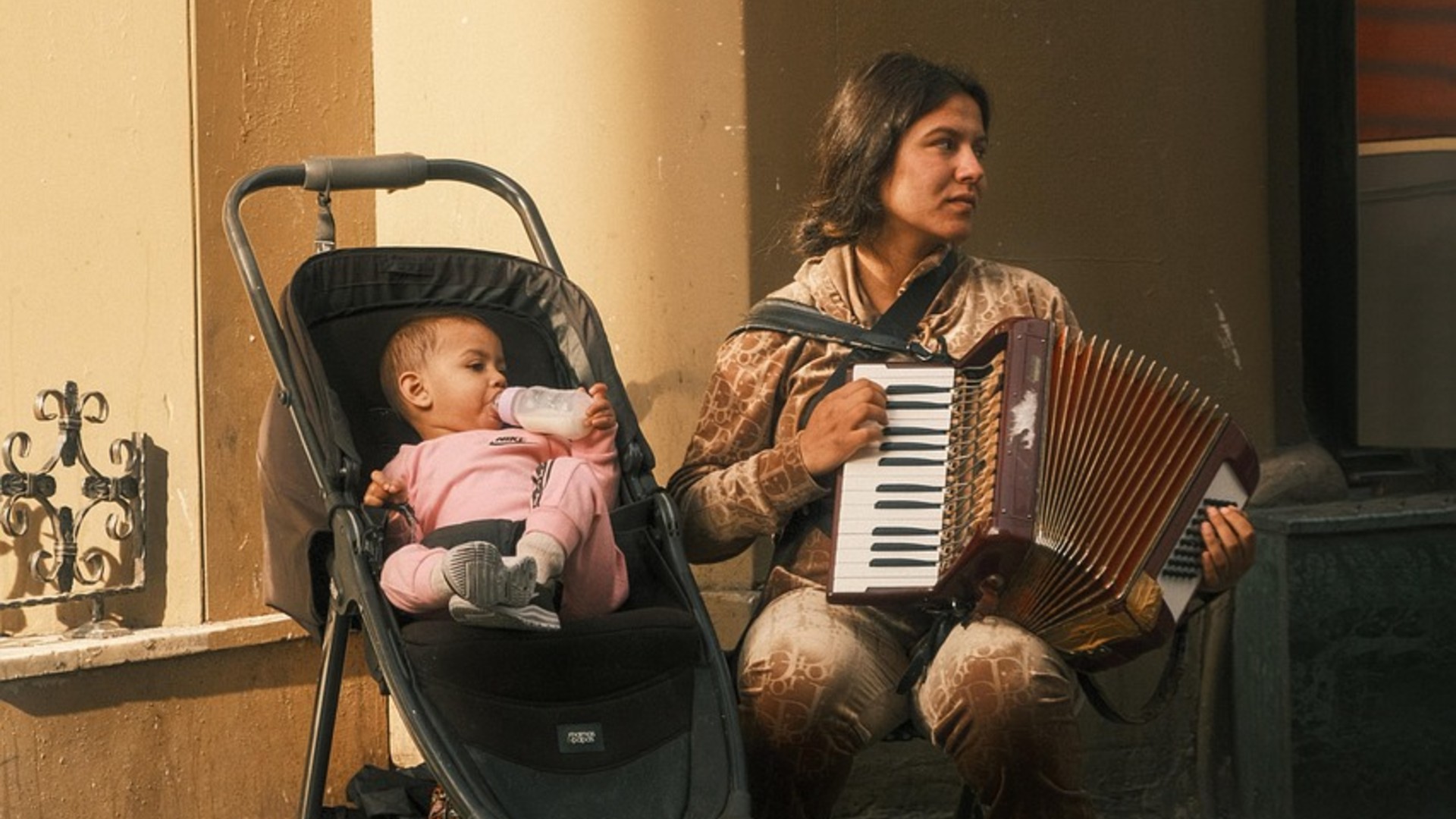
In 1733, English landscape designer William Kent built a decorative shell carriage for the third Duke of Devonshire. The vehicle was not built for parents to push, but was instead hitched to a trained goat, pony, or large dog to pull aristocratic children through grand gardens for outdoor royal entertainment.
9. Paper Drinking Straws
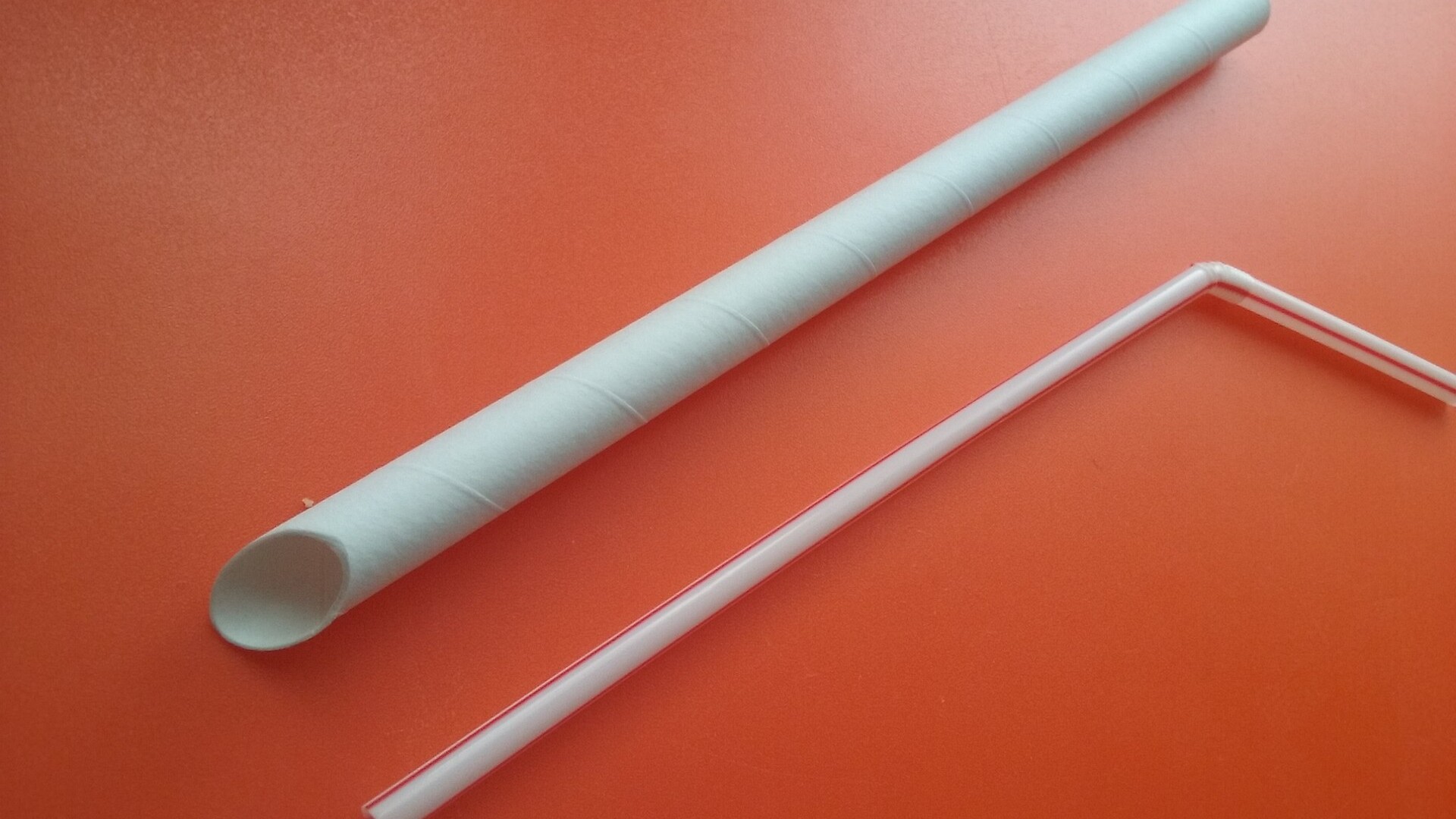
In 1888, maker Marvin Stone grew frustrated that hollow rye grass straws broke down and left gritty plant residue in his mint julep. Wrapping paper around a pencil and coating it with paraffin wax, he built a sturdy, taste-neutral straw, securing a landmark US patent that replaced natural grass tubes worldwide.
8. Tea Bags
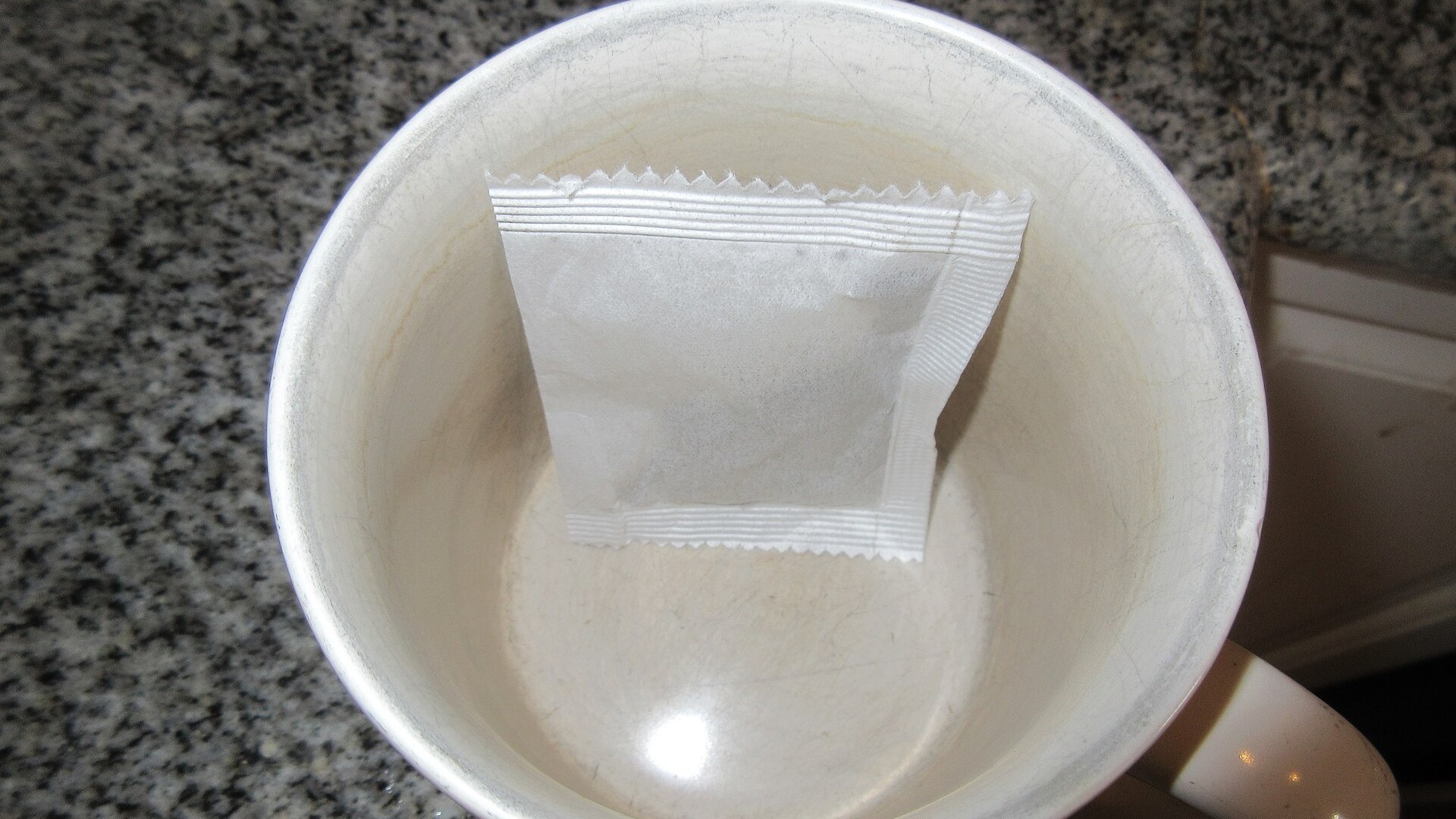
In 1908, New York merchant Thomas Sullivan mailed tea samples to customers inside small silk pouches. Instead of emptying the leaves as intended, puzzled clients dropped the entire pouch into boiling water, finding an effortless way to brew tea without straining loose leaves from the bottom of their teapots.
7. Duct Tape
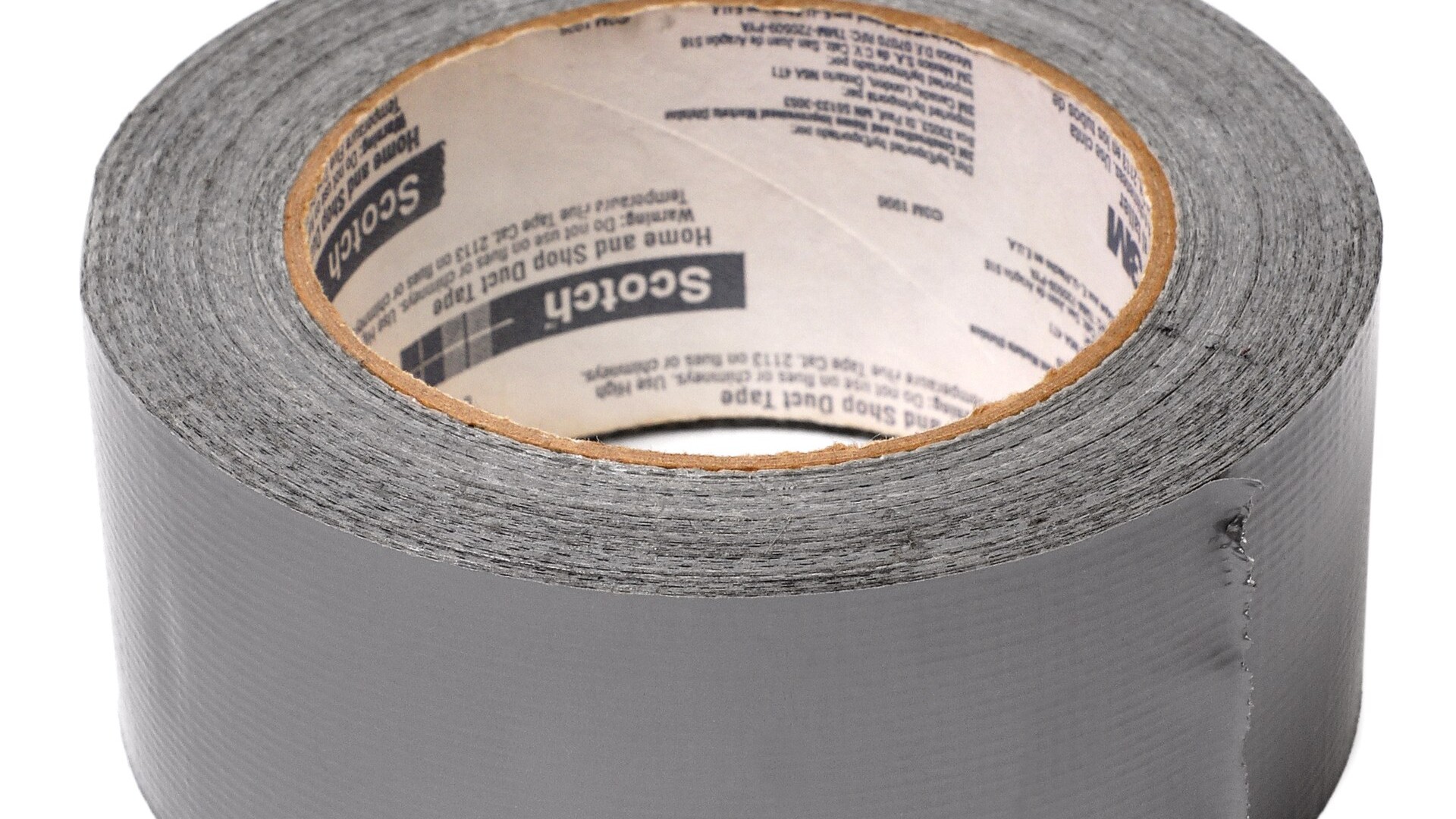
During World War II, factory worker Vesta Stoudt noticed ammo boxes were sealed with flimsy paper tape dipped in wax, slowing frontline troops under fire. She wrote to President Franklin D. Roosevelt proposing a rubber-coated cotton duck cloth tape, which Johnson and Johnson manufactured for rapid battlefield use.
6. Cardigan Sweaters
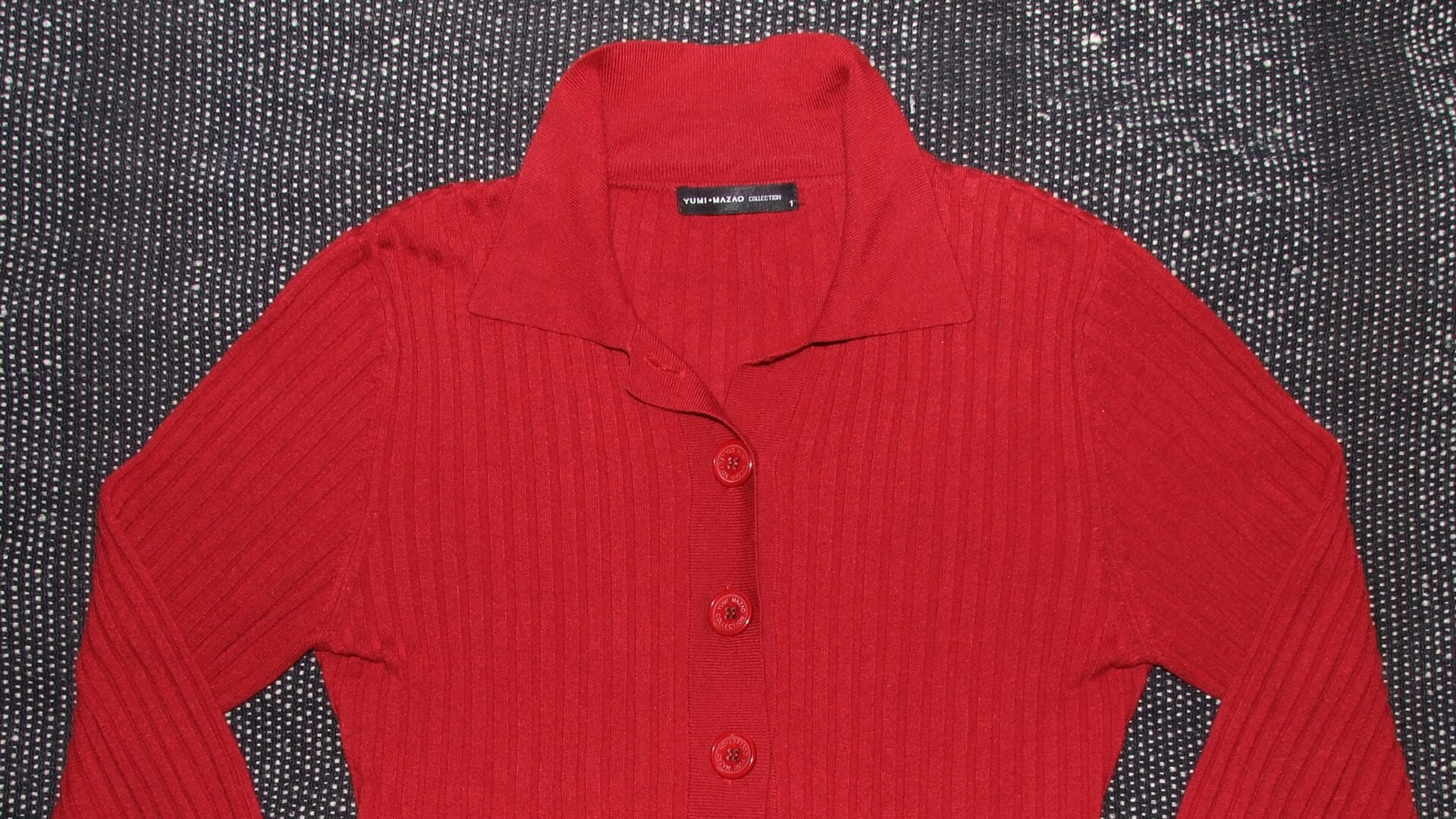
The button-front sweater is named after James Brudenell, seventh Earl of Cardigan, who led the Charge of the Light Brigade in 1854. Seeking a warm garment British cavalry officers could put on without messing up their uniform hats and hair, he commissioned a knitted wool waistcoat that buttoned down the chest.
5. Thimbles
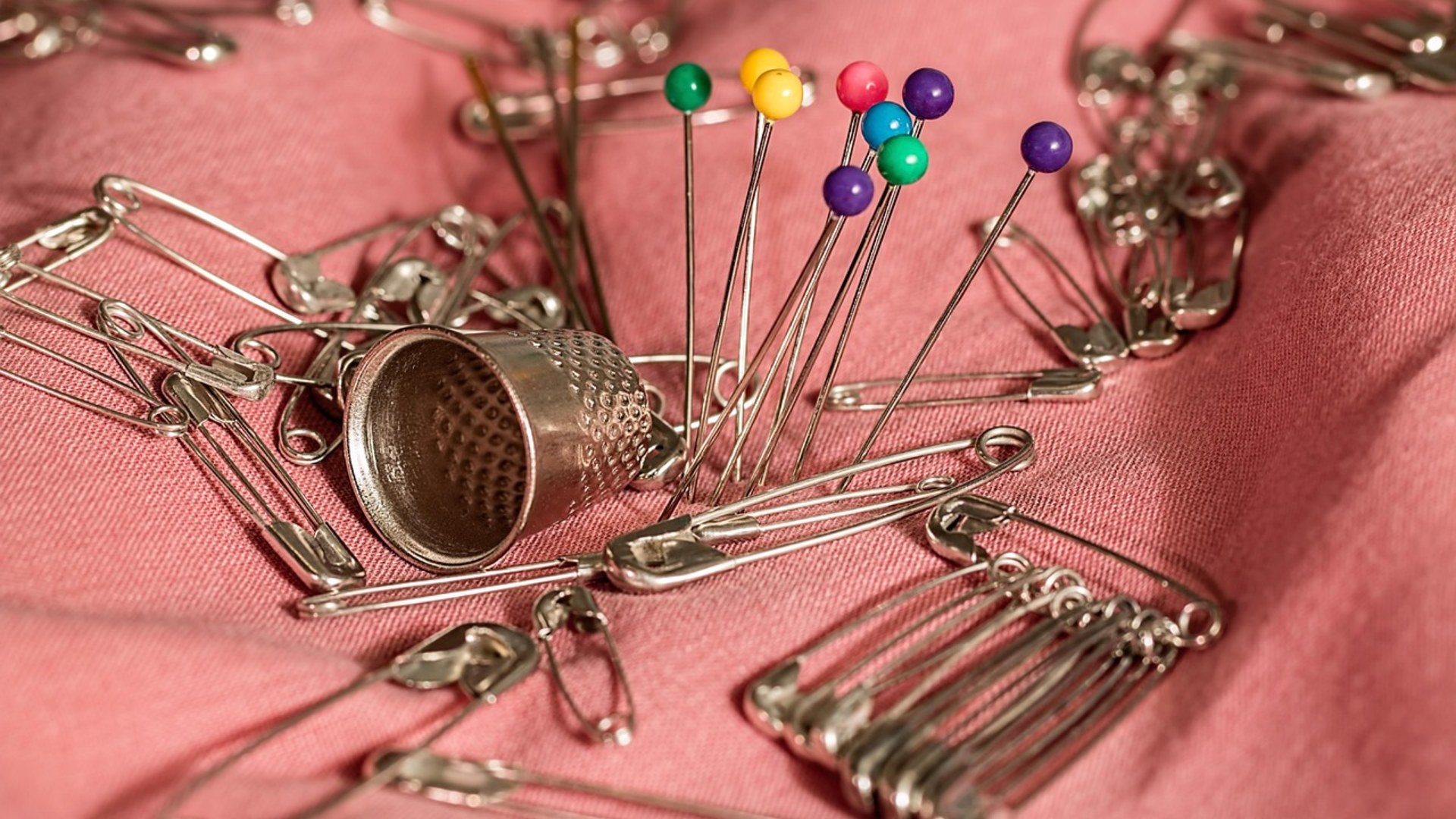
Before domestic dressmakers used thimbles for embroidery, Roman sailmakers wore heavy bronze and leather caps on their fingers. Pushing coarse needles through stiff hemp canvas sails and thick armor required heavy shields to prevent needles puncturing bone, creating a protective tool that lasted millennia.
4. Chewing Gum
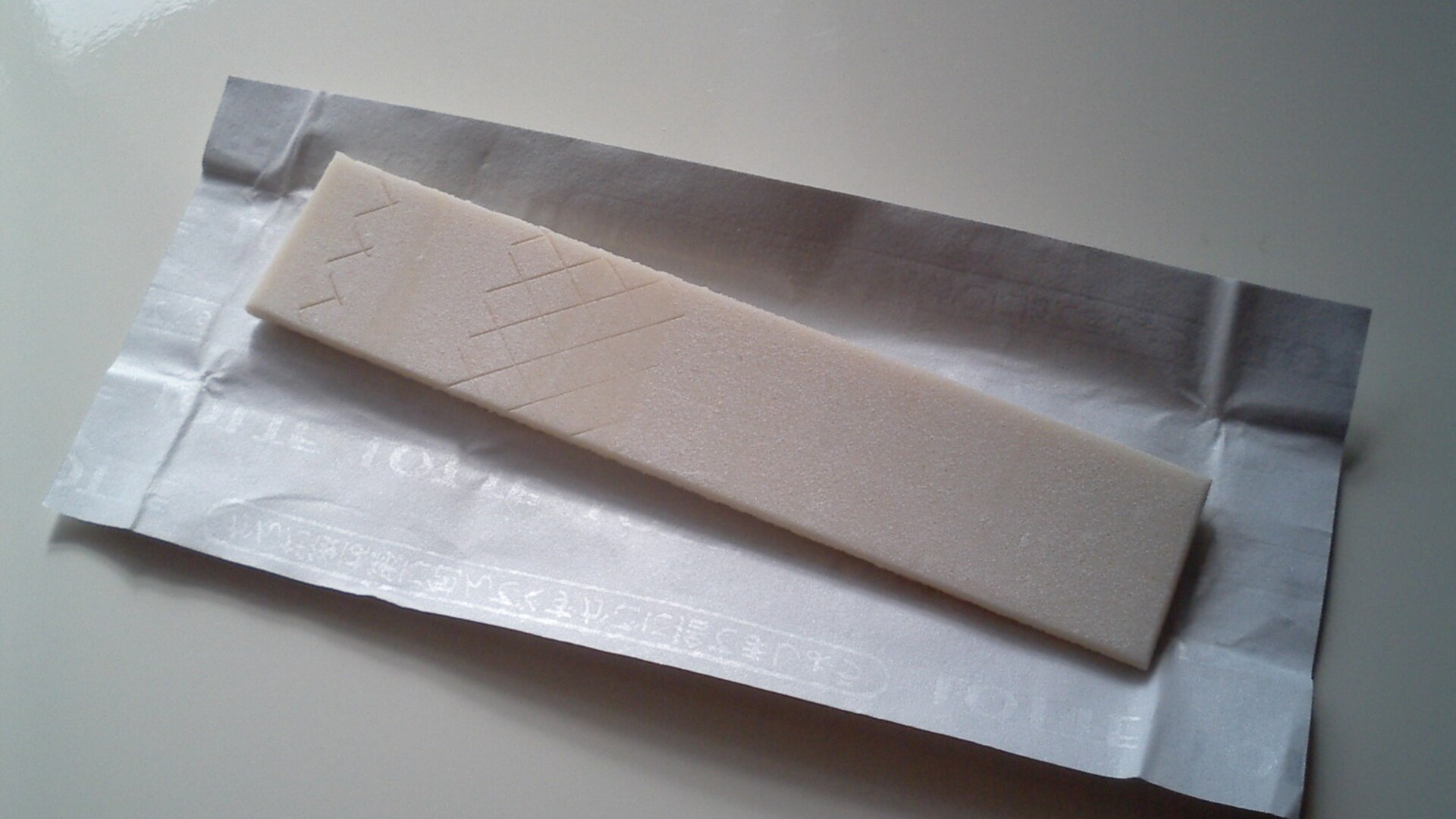
In 1869, exiled Mexican General Antonio López de Santa Anna brought tree sap to New York, hiring inventor Thomas Adams to formulate synthetic rubber for tires. When experiments failed, Adams boiled the leftover chicle resin with sugar and licorice, transforming an industrial rubber failure into modern chewing gum.
3. Webcams
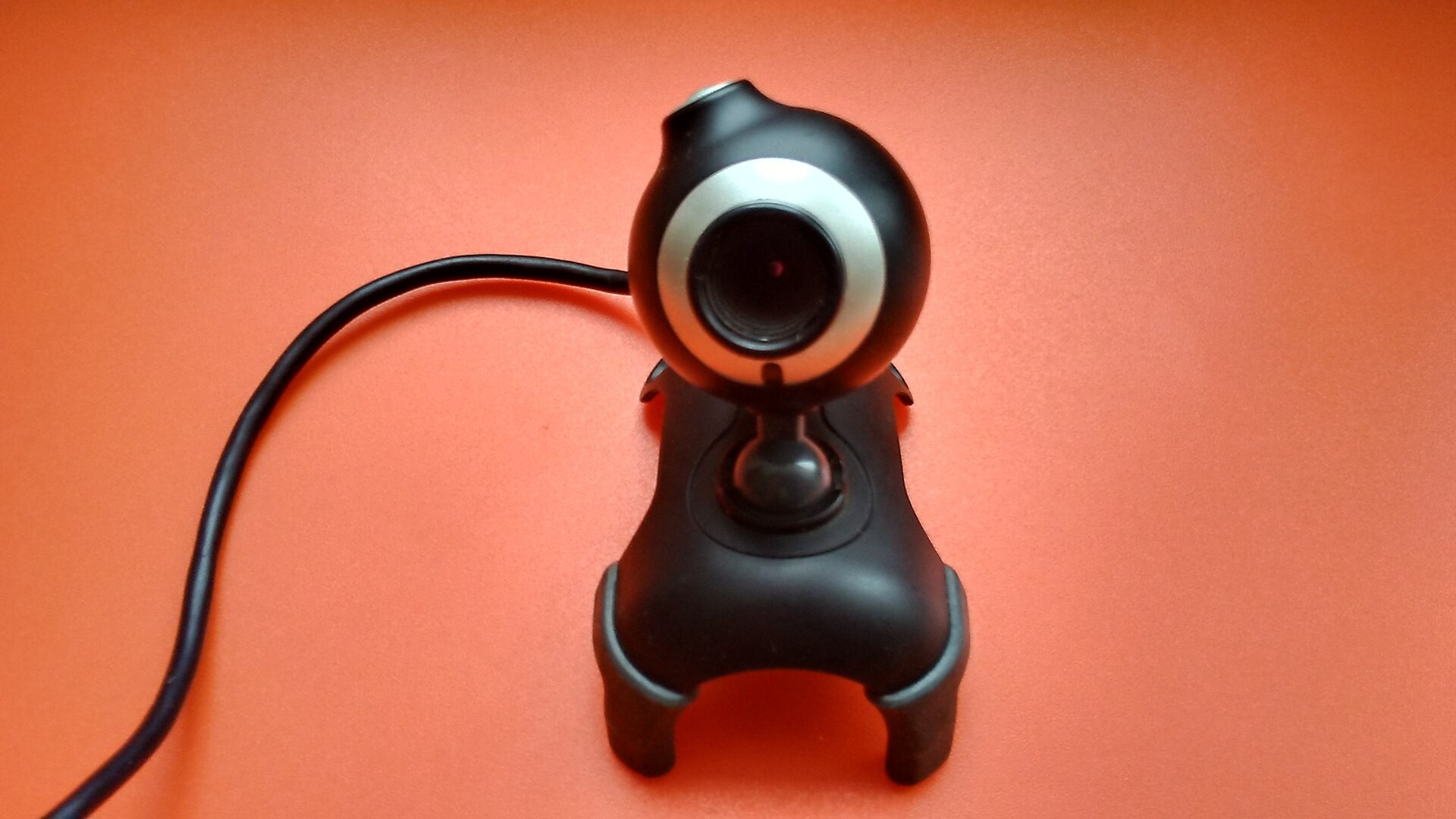
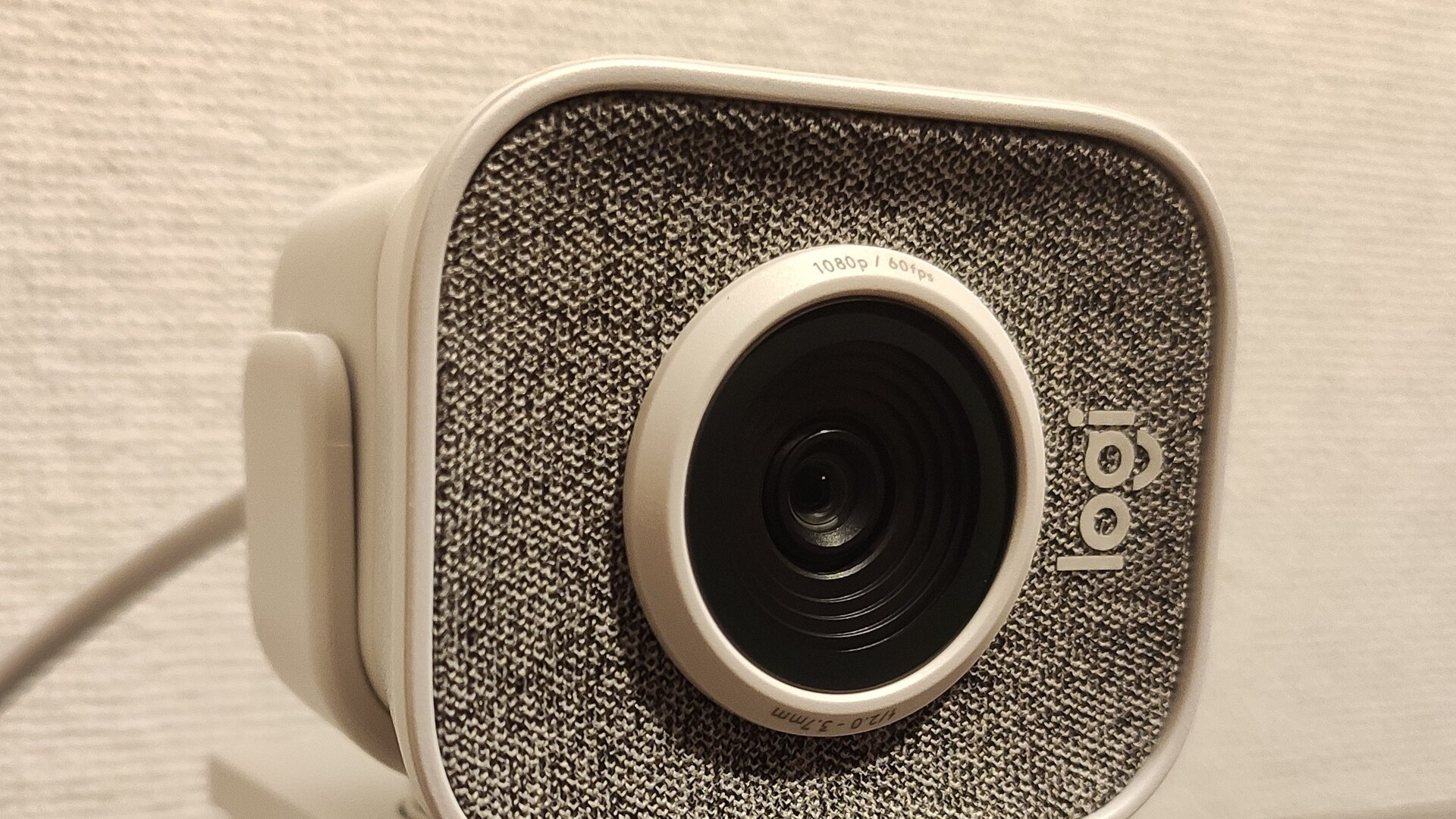
In 1991, researchers at the University of Cambridge grew tired of walking downstairs to an empty Trojan Room coffee pot. Quentin Stafford-Fraser and Paul Jardetzky mounted a camera pointing at the pot, streaming a 128-pixel greyscale feed across their local network so staff could check levels right from their desks.
2. T-Shirts
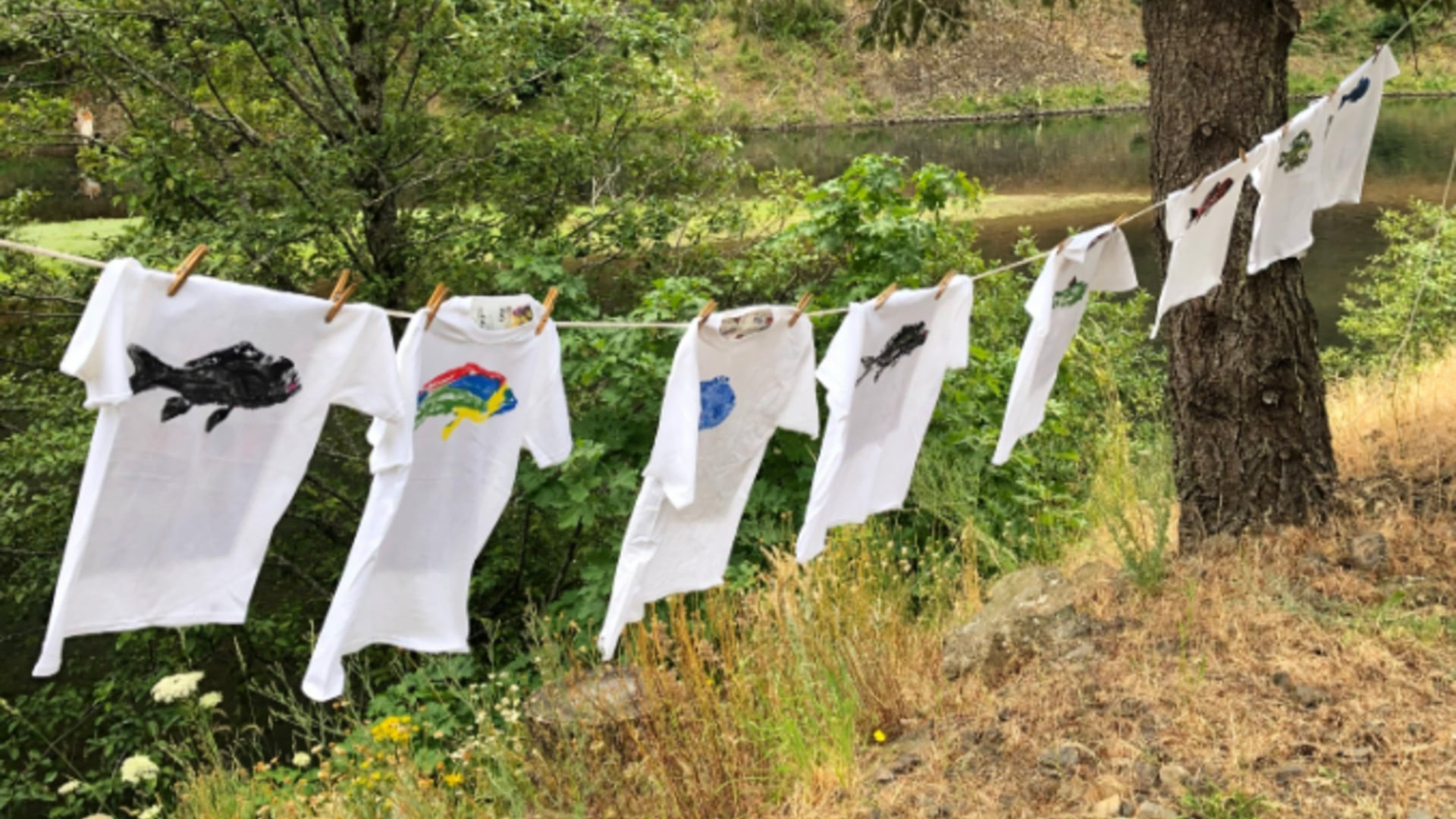
In 1913, the US Navy issued cotton crewneck undershirts as mandatory gear for sailors to wear beneath wool uniforms. The shirts absorbed sweat and hid chest hair. Wearing a T-shirt without an overshirt remained a public taboo until Marlon Brando popularized the standalone look in the 1951 film A Streetcar Named Desire.
1. The QWERTY Keyboard
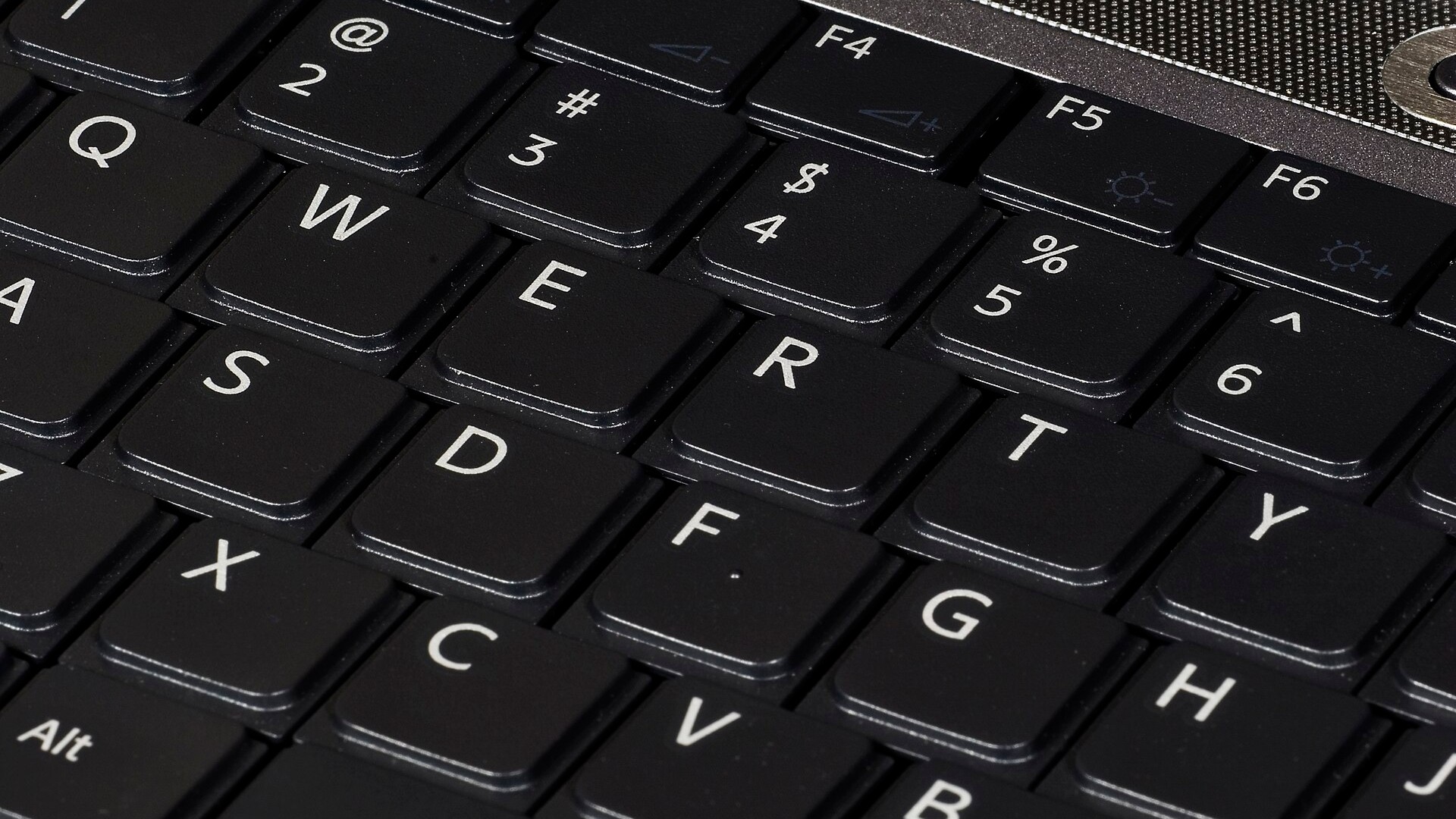
Patented by Christopher Sholes in 1873, the QWERTY layout was not arranged for typing comfort. On early mechanical typewriters, rapid keystrokes caused swinging metal arms to collide and jam. Sholes separated frequently paired letters like S and T, creating a layout that remains standard on modern phones and computers.