Slideshow · Animals
25 Animals That Prepare for Winter in Different Ways
When freezing temperatures arrive, wildlife across the globe adopts extraordinary survival strategies ranging from bodily freezing to transcontinental migration. Sourced from the National Park Service, Smithsonian's National Zoo, and Audubon, here are 25 creatures and the ways they prepare for winter.
All 25 Entries in this Story
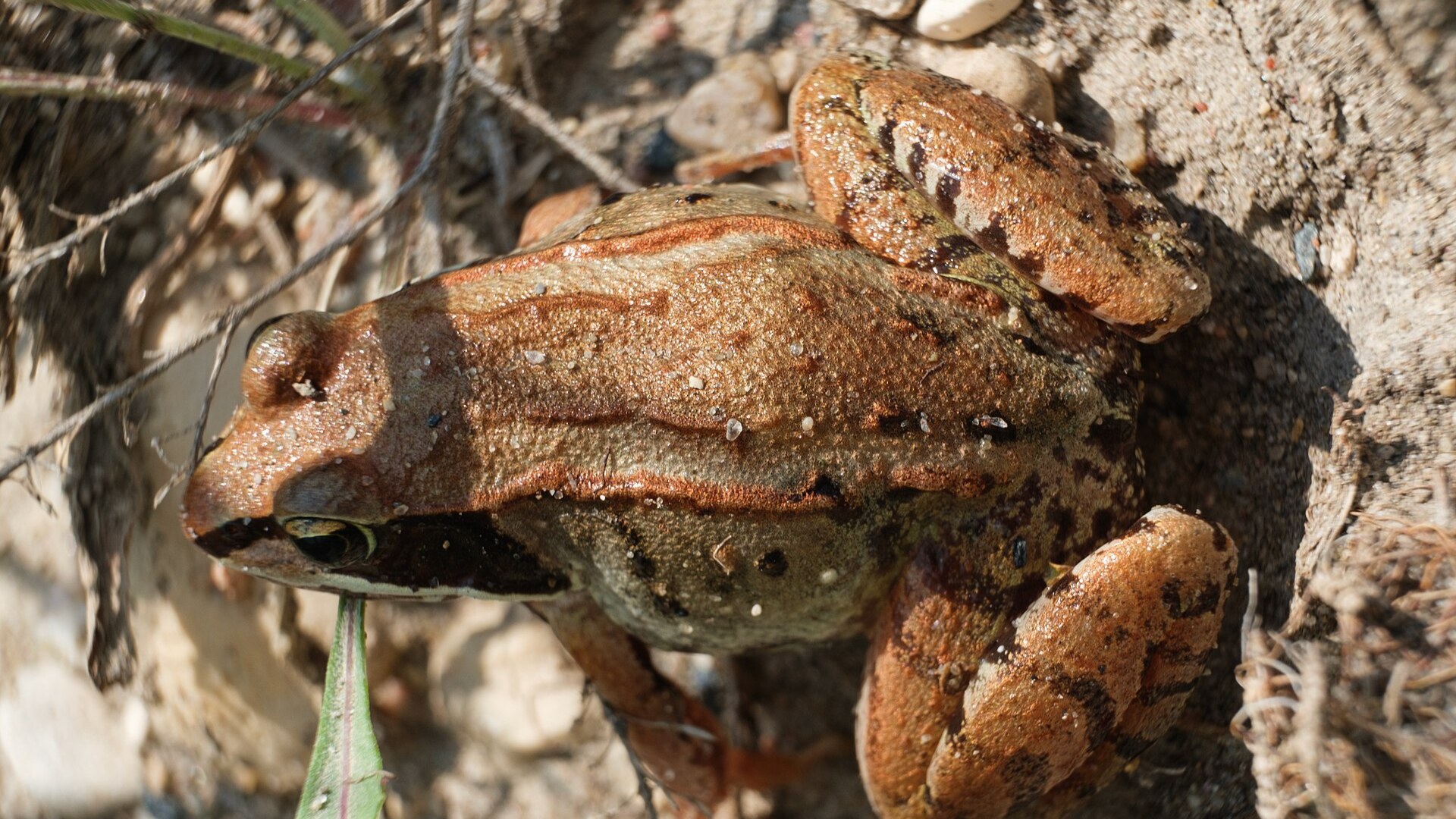
1. Wood Frog
The wood frog survives sub-zero Alaskan winters by accumulating high glucose concentrations in its vital organs. Up to two thirds of its body water turns to ice, halting breathing and circulation. When spring temperatures rise, the frog thaws and resumes regular biological functions.
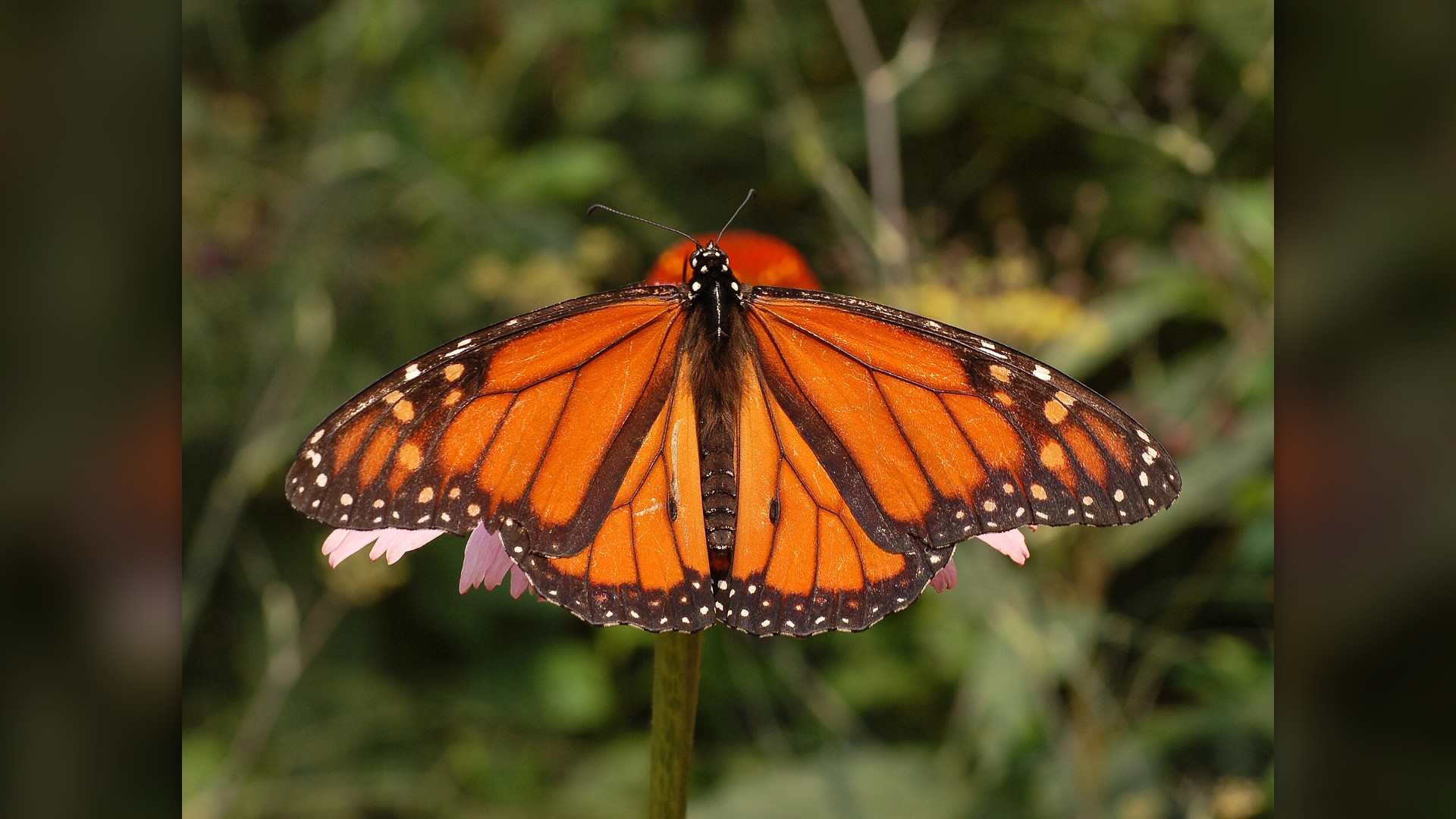
2. Monarch Butterfly
Eastern monarch populations travel up to 3,000 miles every autumn to reach high-altitude oyamel fir forests in central Mexico. Clustering by the millions on tree branches shields the insects from rain and wind while they remain in a semi-dormant reproductive diapause state until March.
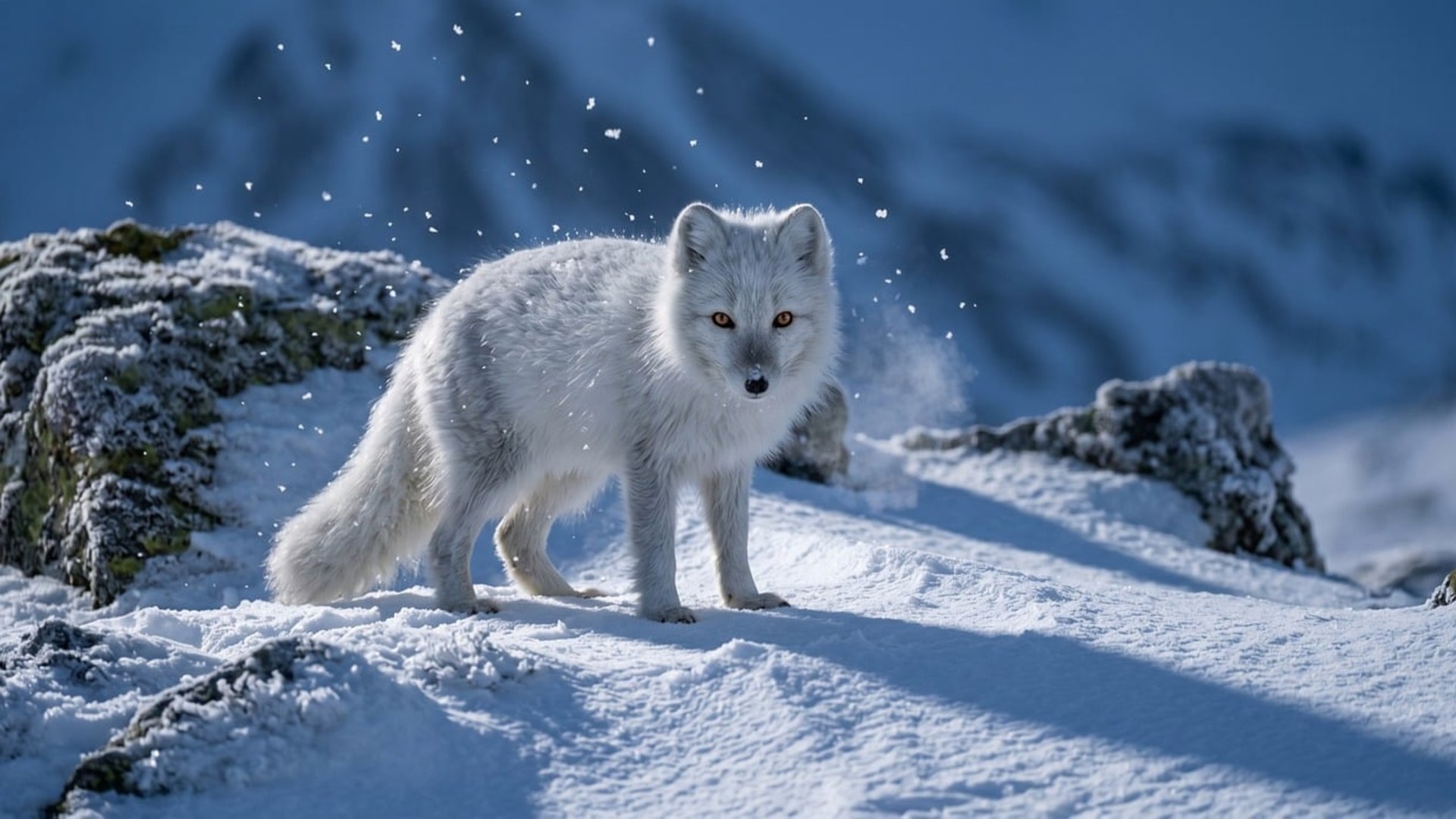
3. Arctic Fox
As daylight drops across Arctic tundra regions, the Arctic fox molts its brown pelt for a thick white multi-layered coat. The dense underfur traps air to withstand temperatures falling past minus 50 Celsius. Its compact ears, muzzle, and furred footpads prevent rapid bodily heat loss.
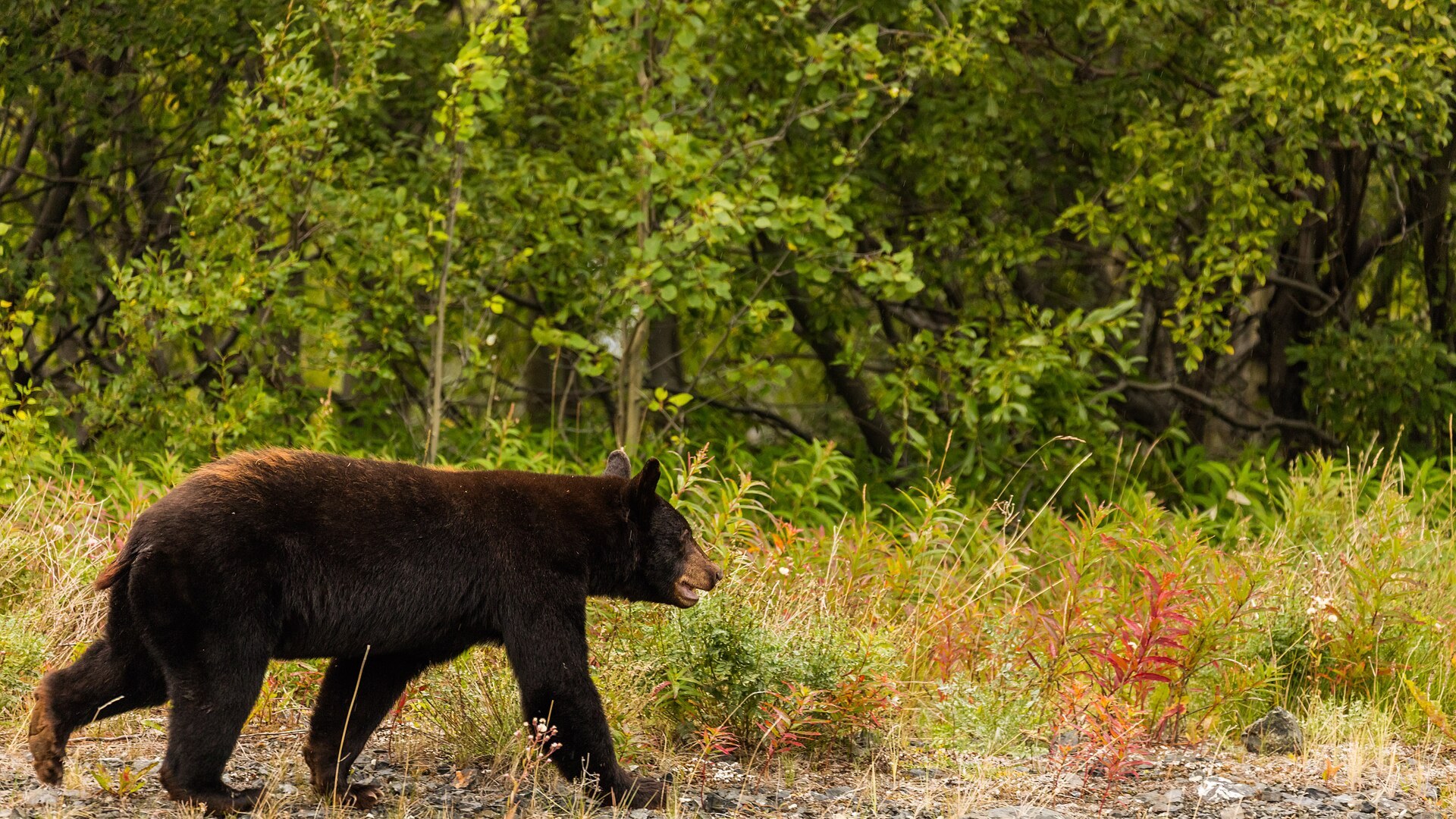
4. American Black Bear
During late autumn, black bears consume up to 20,000 calories daily to build thick adipose layers. Once inside secluded dens, their heart rate drops from 50 beats per minute to roughly 10, yet their body temperature drops only slightly, allowing females to give birth and nurse cubs in winter.
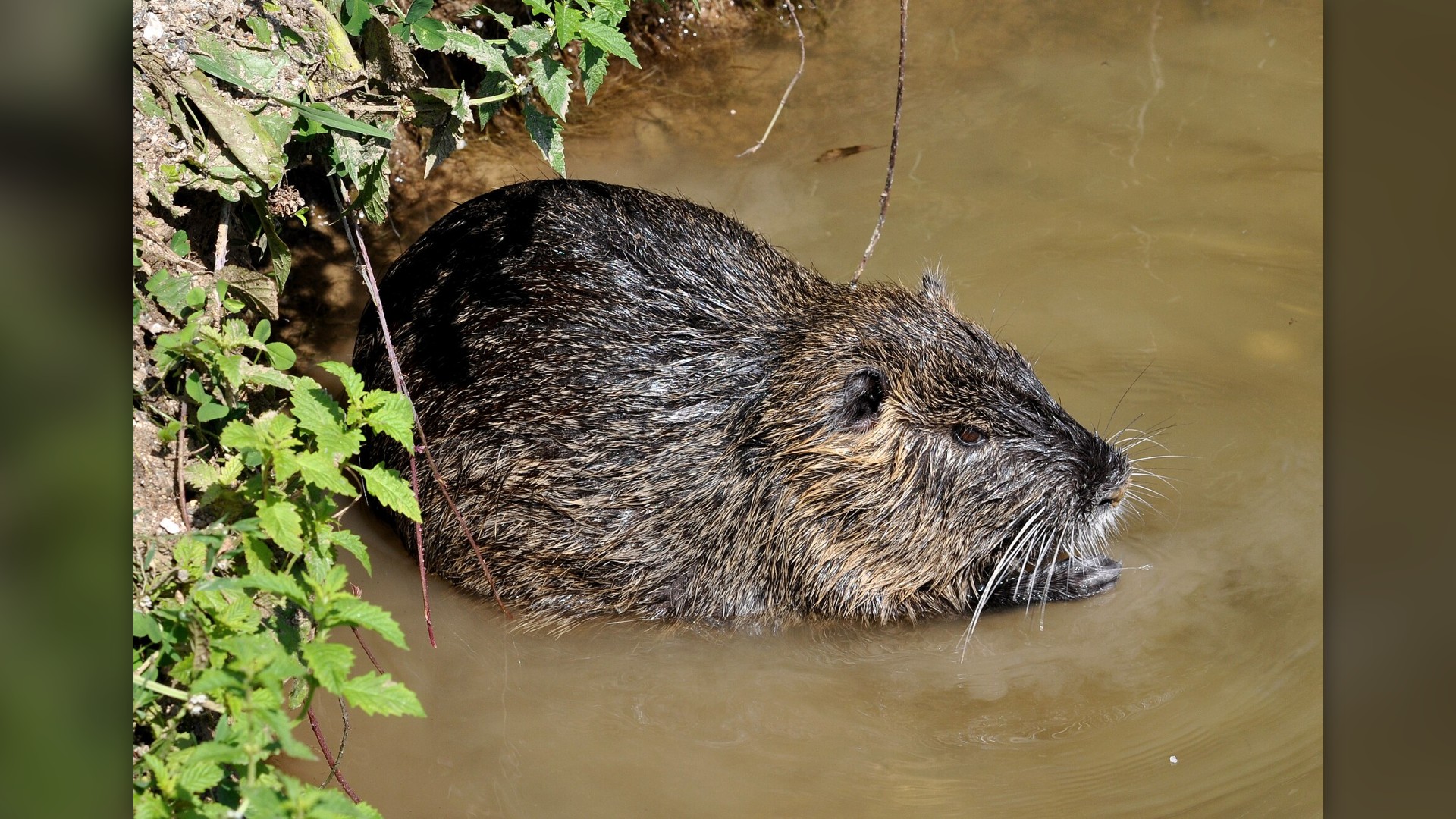
5. Beaver
North American beavers stash willow, aspen, and birch branches into the muddy floors of ponds near their lodges. When winter freezes the pond surface, the family swims out through underwater tunnels to retrieve preserved bark, staying fed without exposing themselves to freezing wind or predators.
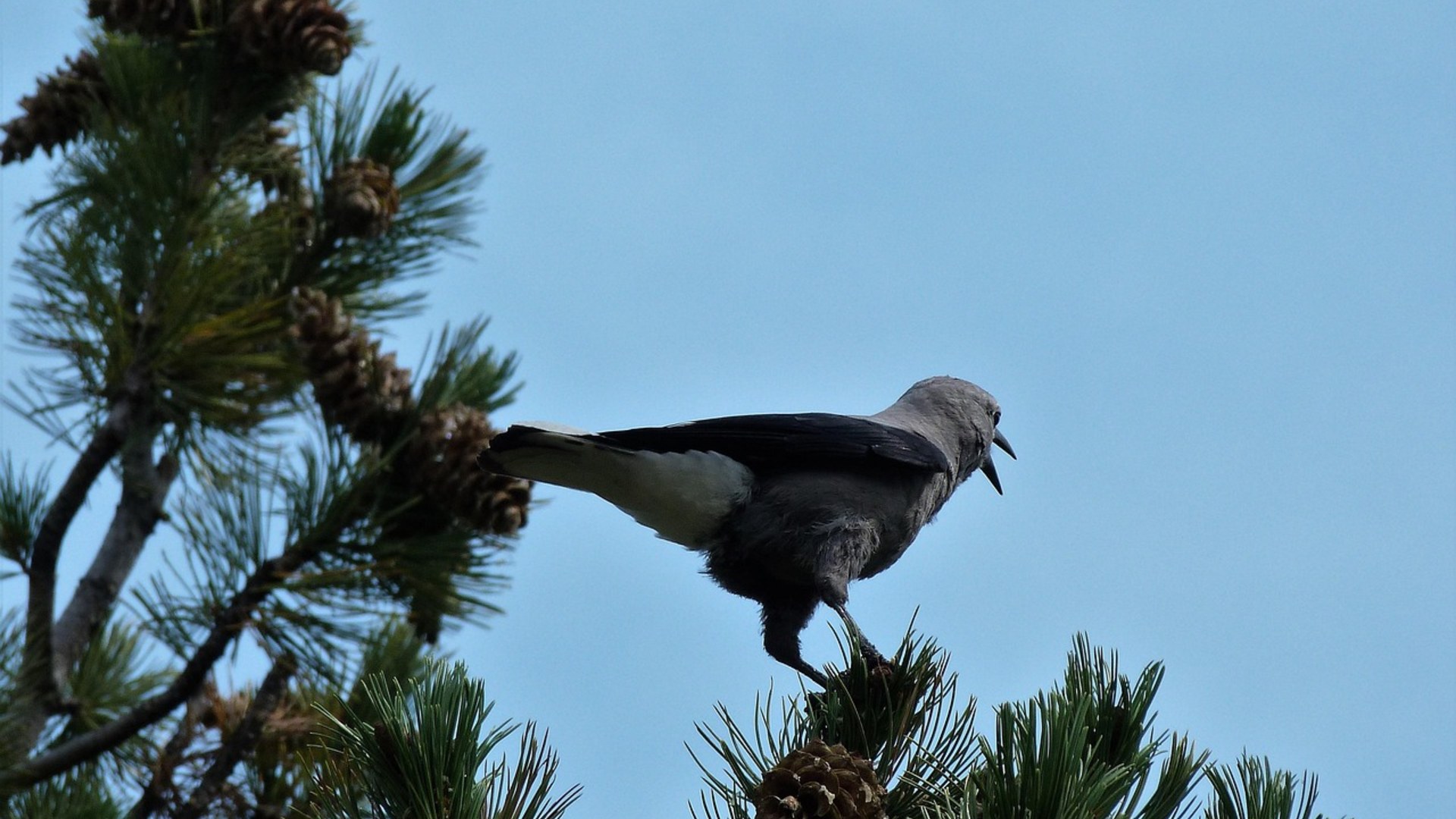
6. Clark's Nutcracker
High-elevation nutcrackers collect and bury up to 30,000 whitebark pine seeds each autumn across thousands of distinct cache sites. Equipped with specialized sublingual pouches for carrying seeds, the birds use distinct landscape landmarks to excavate their reserves through deep winter snow.
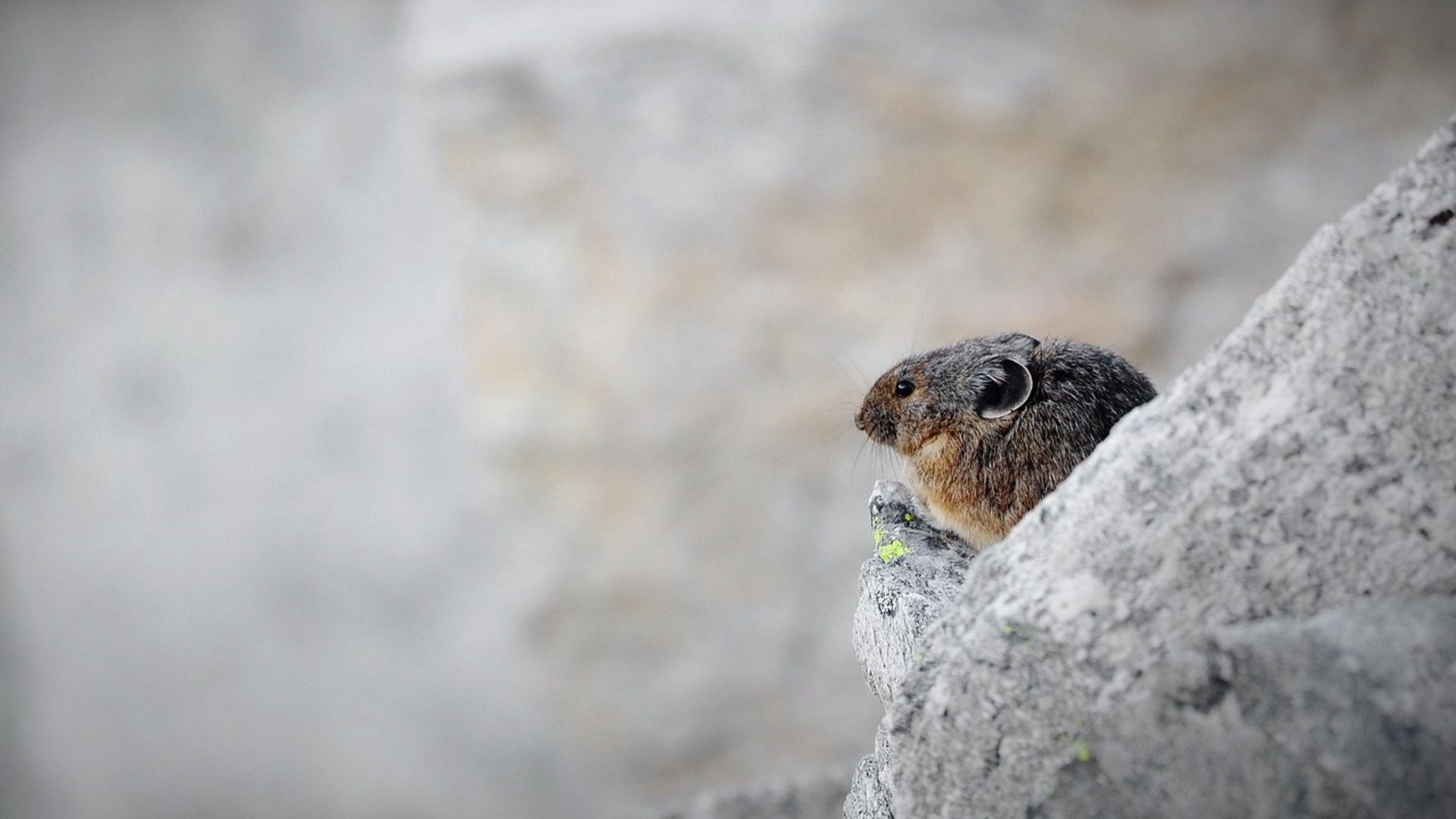
7. American Pika
Because pikas do not hibernate, they spend late summer harvesting alpine vegetation to cure on rocks like hay. They stockpile piles weighing up to 60 pounds under rock crevices. Deep snowpacks then act as an insulating blanket, keeping the talus tunnels hovering near freezing all winter.
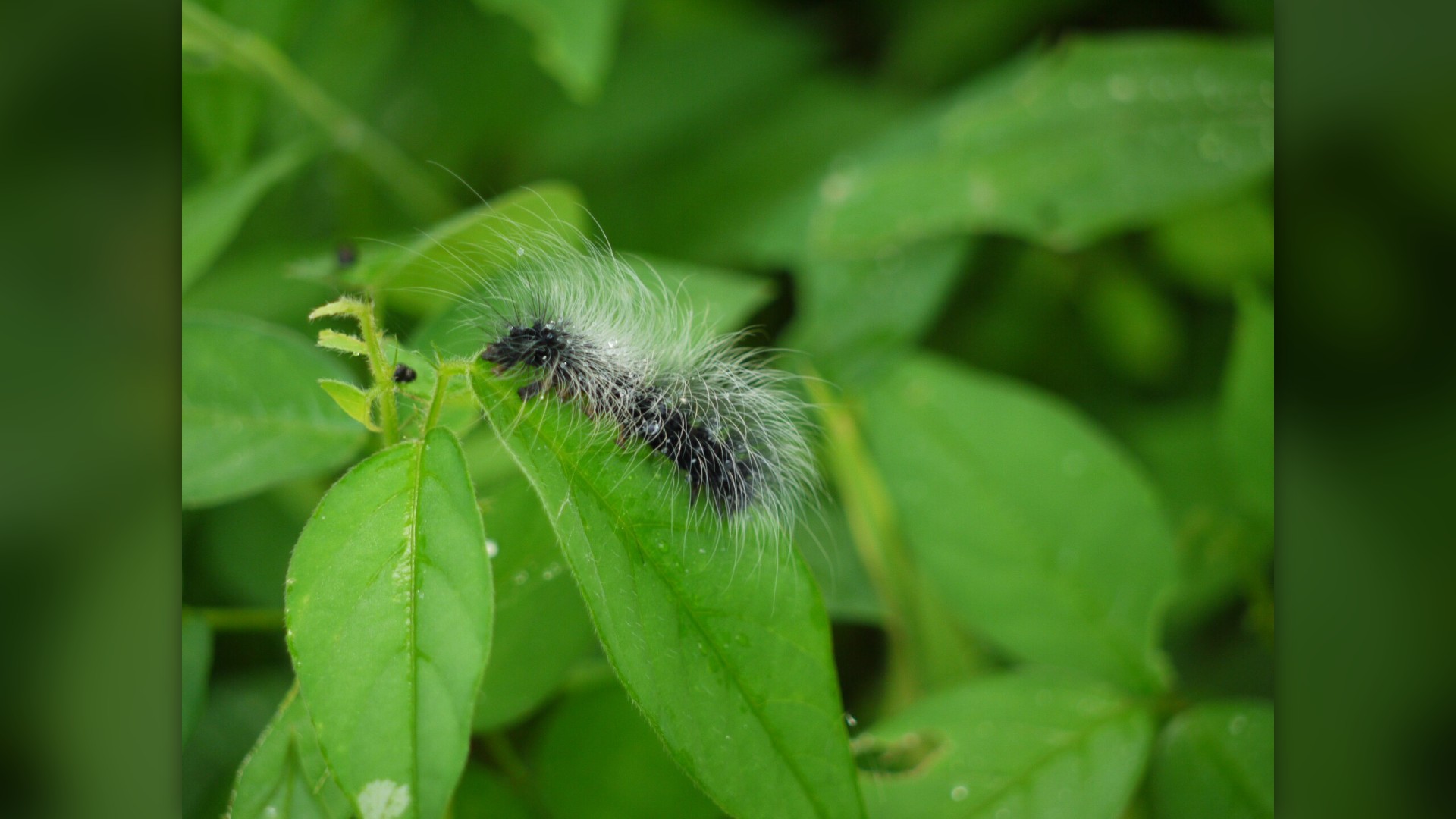
8. Woolly Bear Caterpillar
The larval stage of the Isabella tiger moth curls into dead leaves as temperatures drop. Its tissues produce glycerol and sorbitol cryoprotectants that shield cell interiors while extracellular water freezes solid. In northern Canada, these caterpillars endure repeated winter freezing cycles.
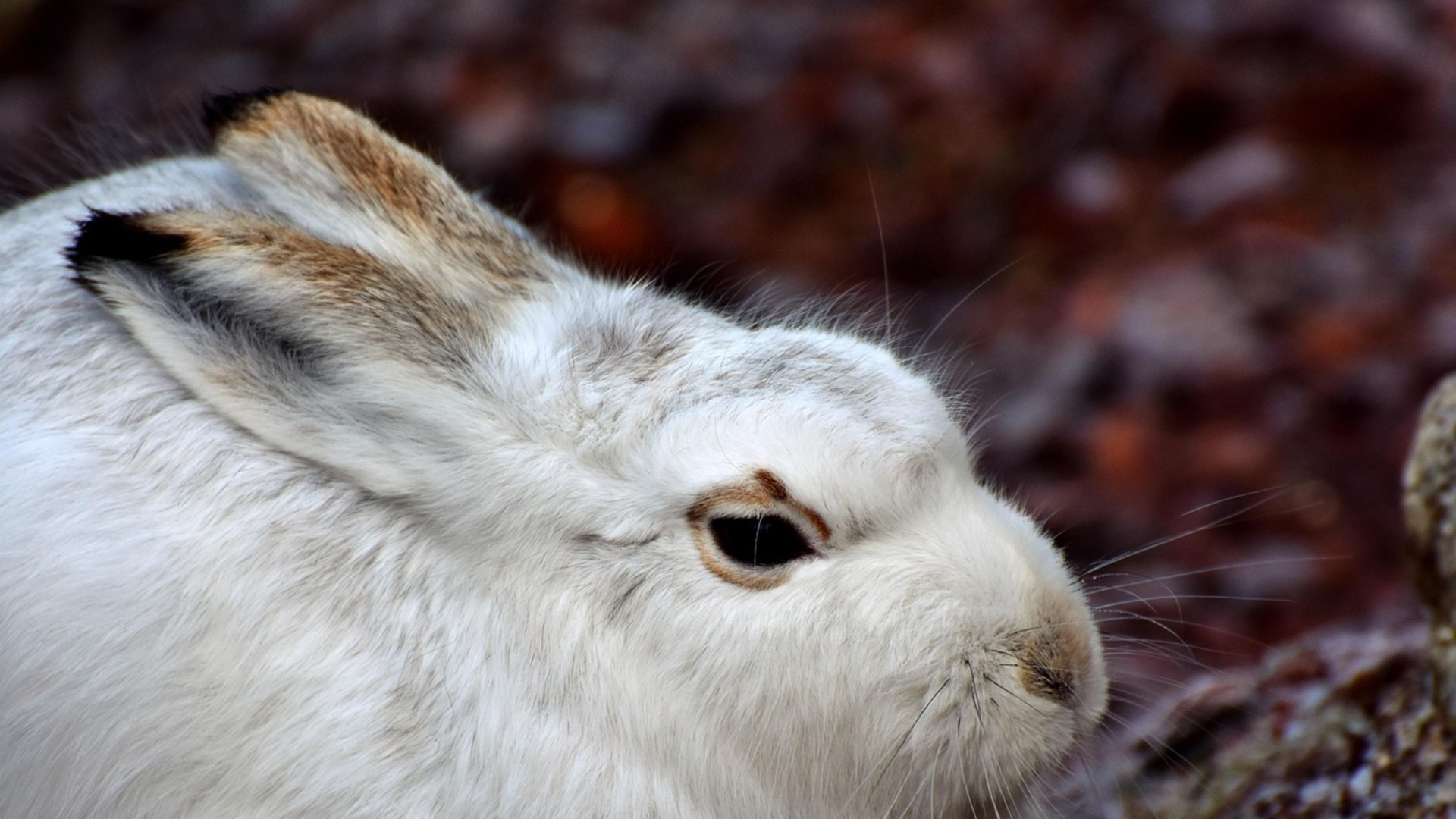
9. Snowshoe Hare
Triggered by decreasing photoperiod in autumn, the snowshoe hare replaces its brown coat with bright white fur over ten weeks. Stiff hairs on its oversized hind feet double their surface area, functioning as snowshoes that allow rapid travel across deep boreal powder to browse on woody twigs.
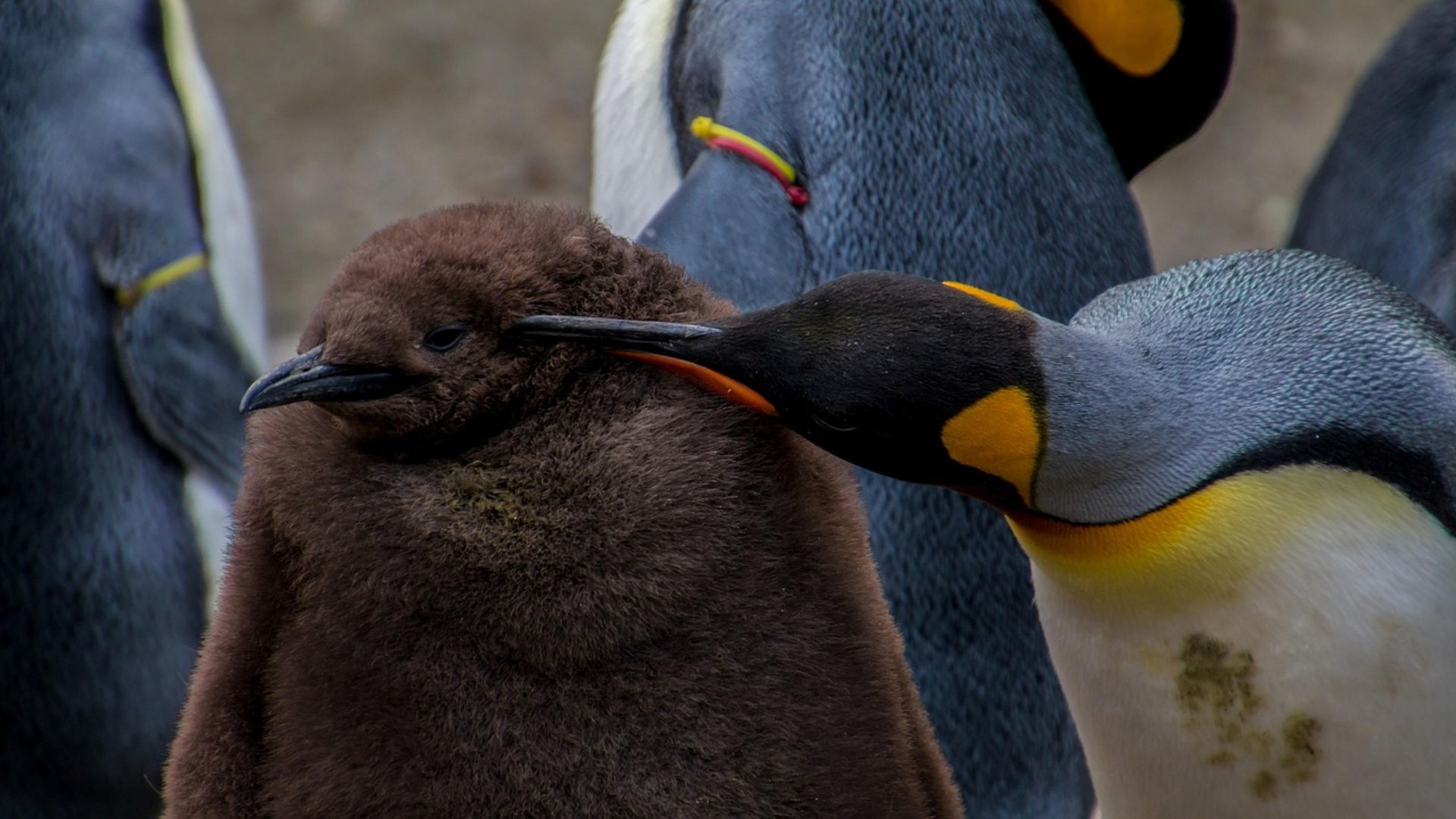
10. Emperor Penguin
Male emperor penguins incubate eggs on open Antarctic sea ice amid minus 40 Celsius gales. Thousands assemble into dense rotating huddles where individuals cycle from outer freezing edges into the warm core, where temperatures can climb past 35 Celsius, conserving vital body heat.
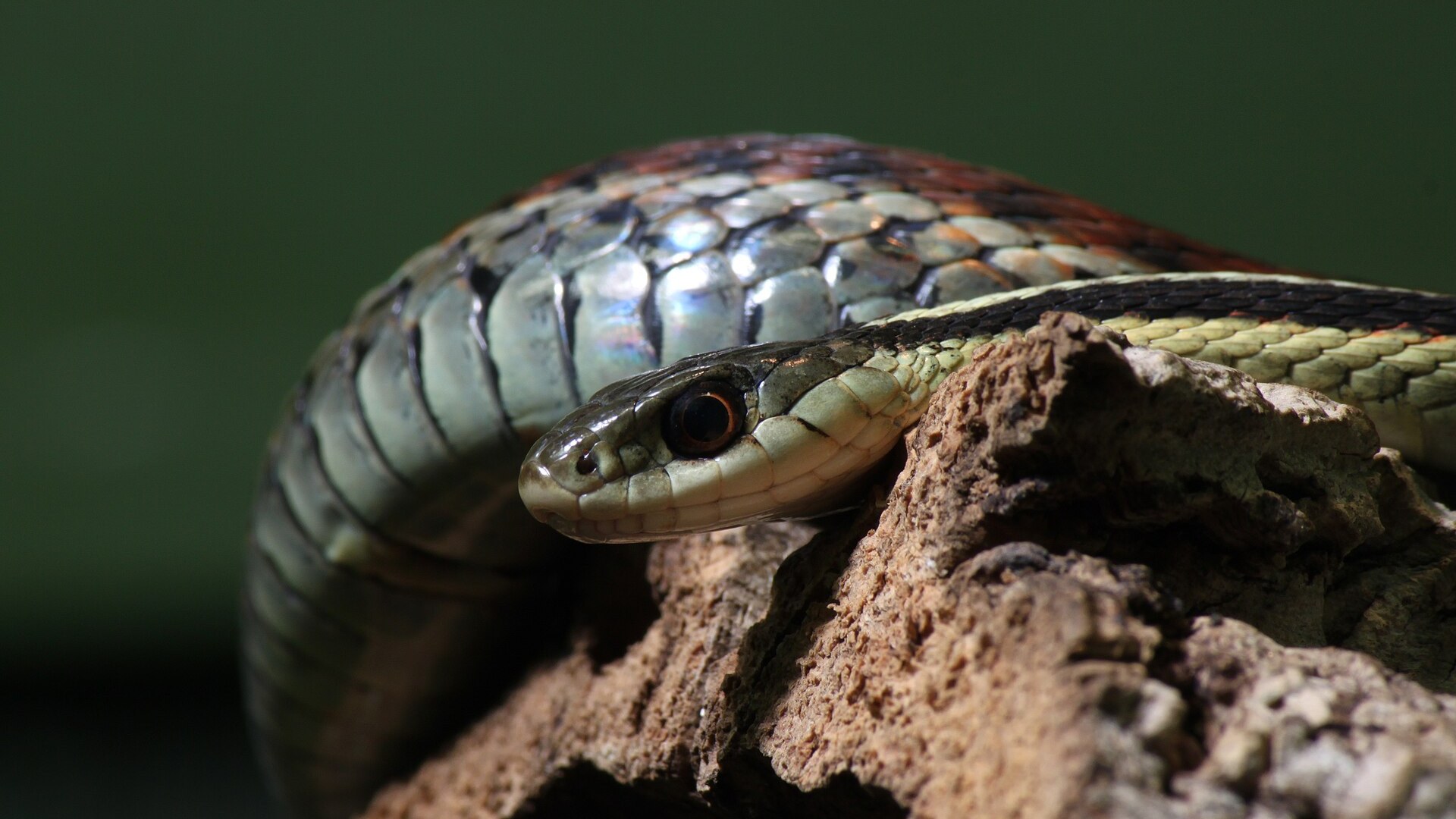
11. Common Garter Snake
In cold regions like Manitoba, thousands of red-sided garter snakes migrate up to twenty miles to communal underground limestone caverns called hibernacula. Piling together below the frost line prevents dehydration and lethal freezing until warm spring sunlight triggers emerging mating balls.
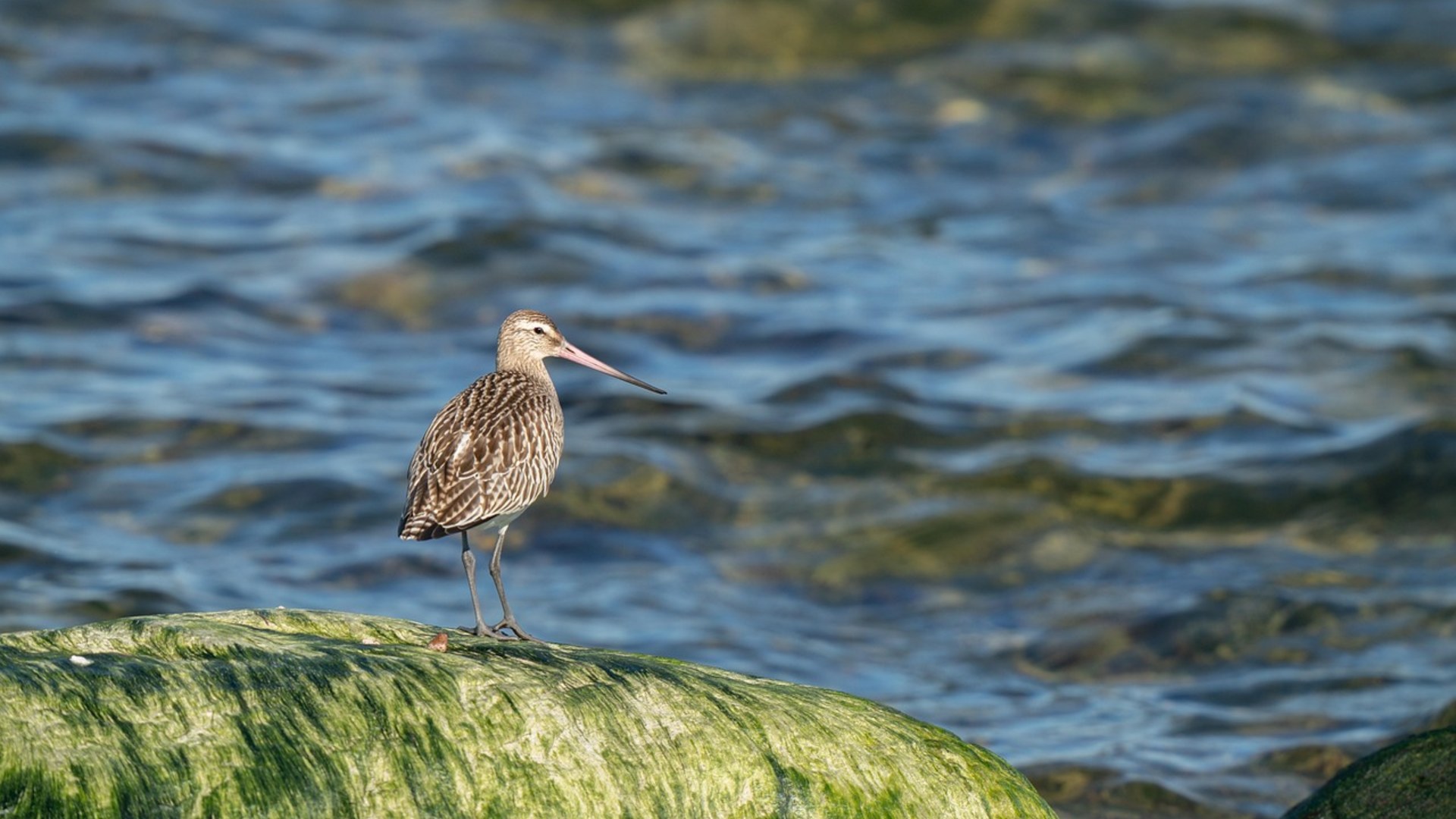
12. Bar Tailed Godwit
Before departure from Alaskan coastal mudflats, the bar-tailed godwit gorges on clams and worms, storing massive fat reserves while shrinking digestive organs. Satellite tracking shows the shorebird flies more than 7,000 miles nonstop across the open Pacific to New Zealand for the northern winter.
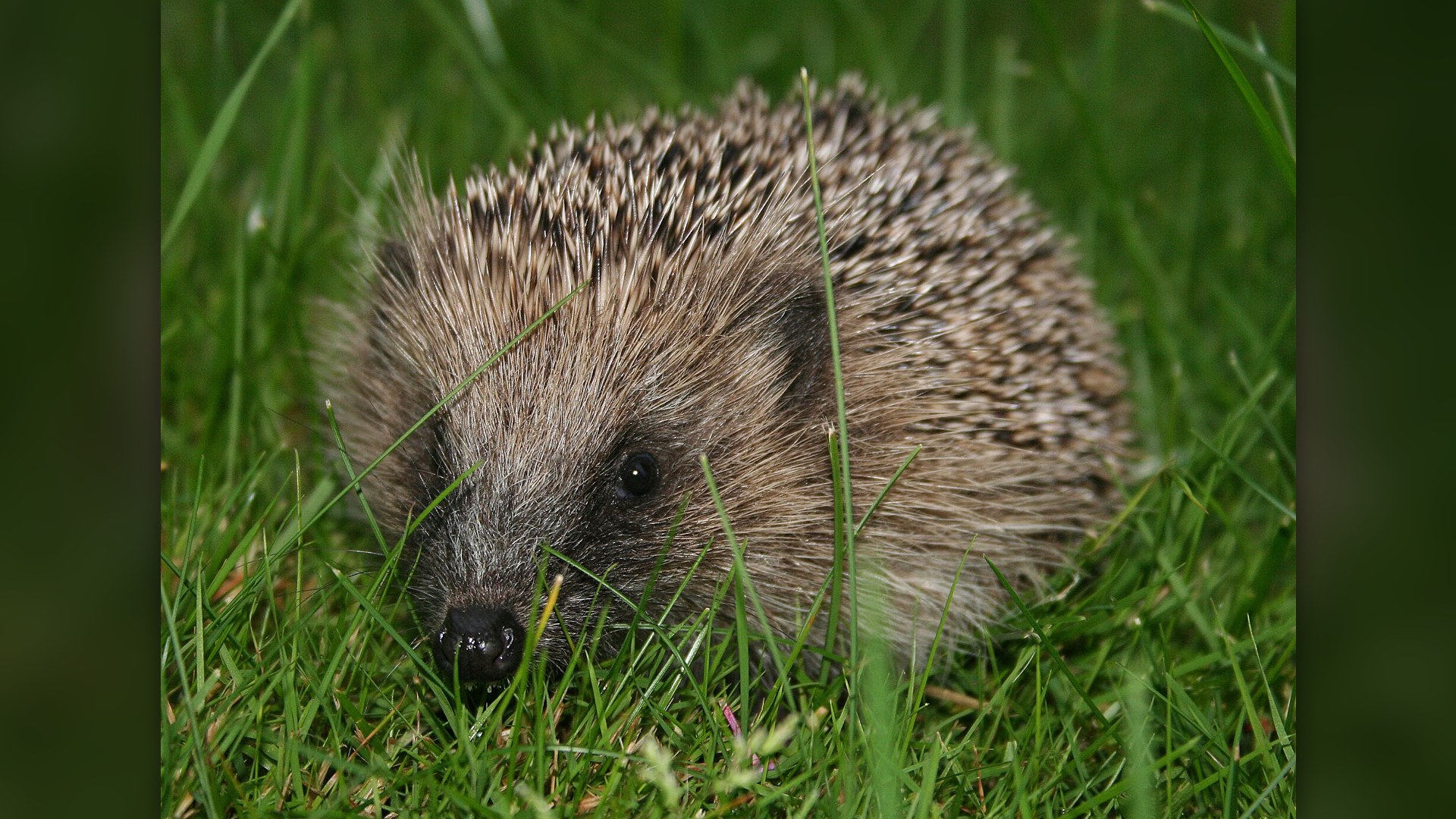
13. European Hedgehog
European hedgehogs build weatherproof winter nests called hibernacula out of compacted leaves, moss, and grass beneath garden compost piles or tree roots. During hibernation, body temperatures fall to match ambient surroundings, while heart rates plunge from 190 to just ten beats per minute.
14. Black Capped Chickadee
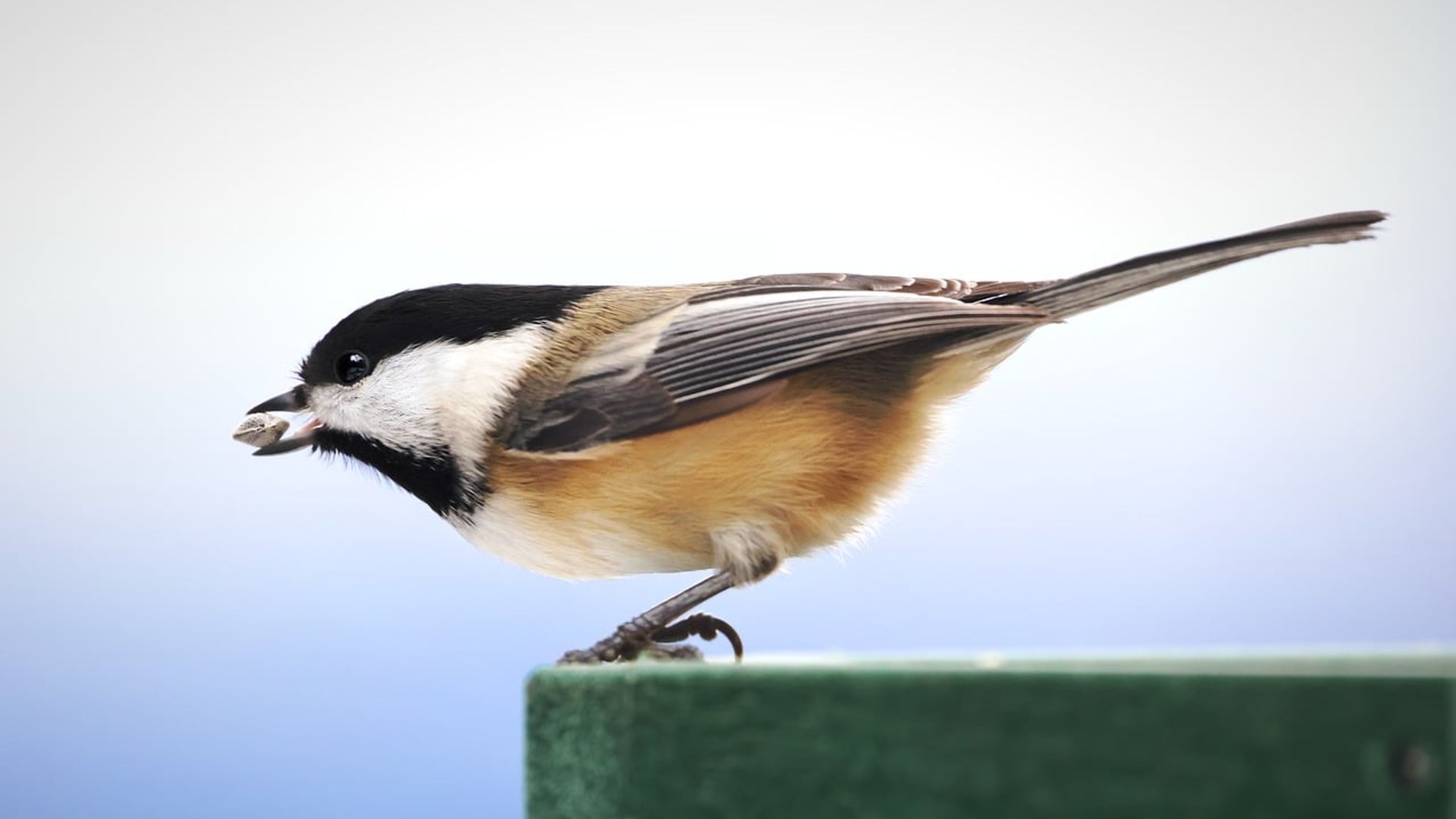
Research shows the hippocampus of the black-capped chickadee expands by roughly thirty percent in autumn through neurogenesis. This mental boost lets each songbird hide thousands of insect larvae and seeds across tree bark crevices, remembering the exact location of each reserve months later.
15. Siberian Salamander
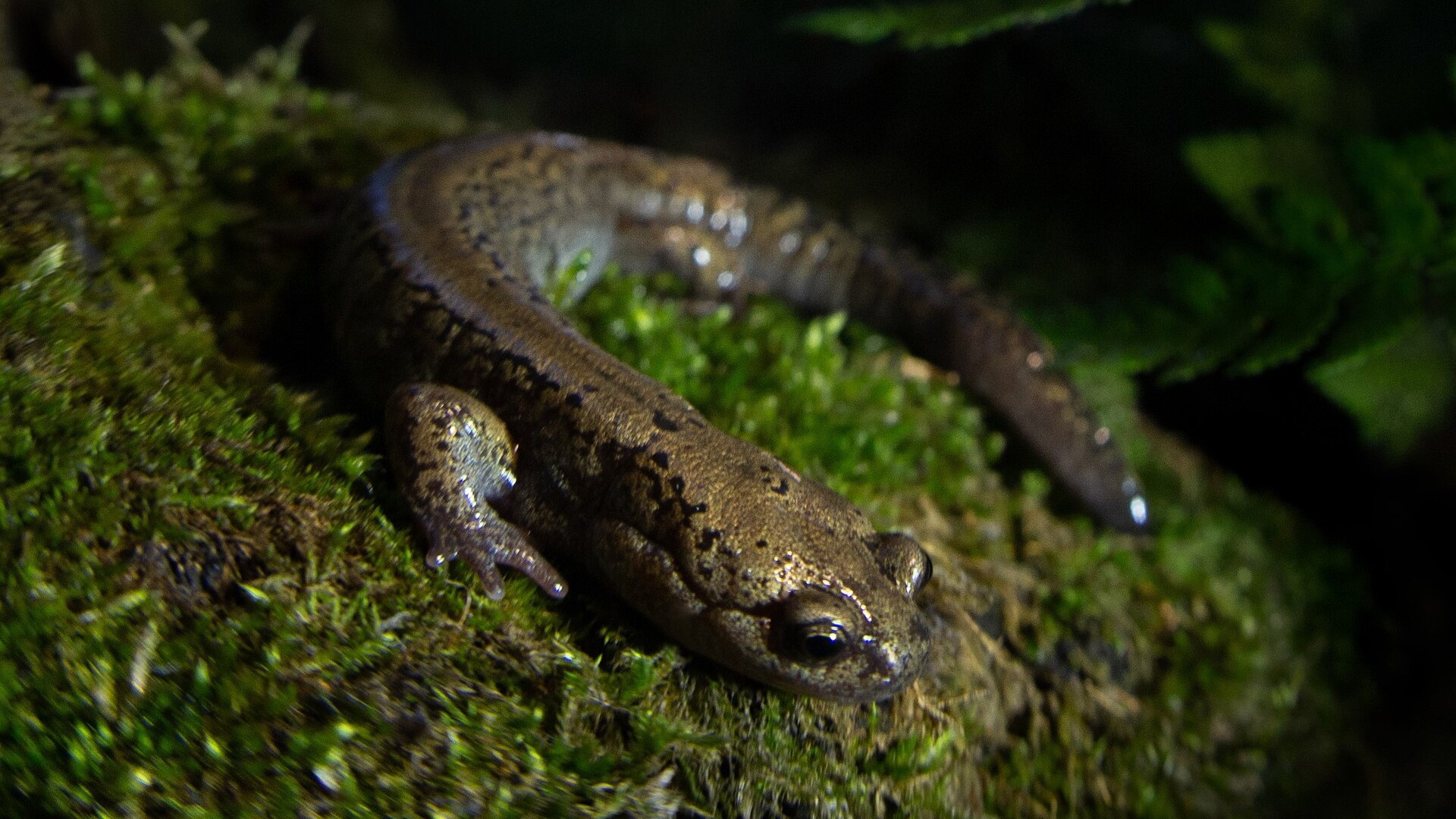
Native to Siberian taiga regions, this amphibian survives temperatures as brutal as minus 35 Celsius inside permafrost soils. Its liver replaces cellular water with high concentrations of glycerol, protecting delicate cell membranes from needle-like ice crystals throughout long polar winters.
16. Mountain Goat
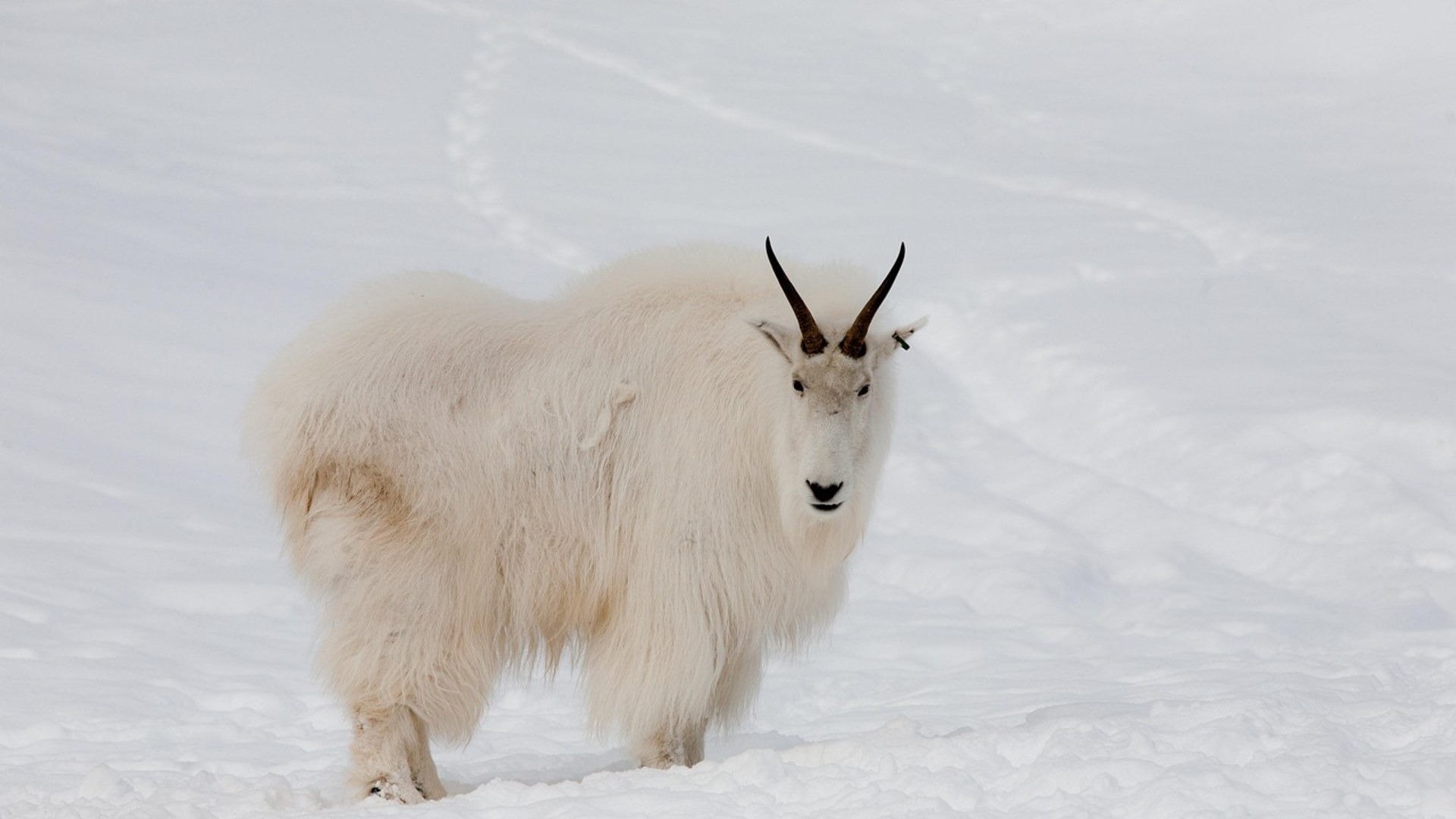
Rocky Mountain goats grow a double coat consisting of fine cashmere underwool and coarse outer guard hairs up to eight inches long. Rather than heading into valleys, herds ascend steep, wind-scoured ridges where fierce alpine gusts sweep snow away from edible mountain grasses and lichens.
17. Western Honeybee
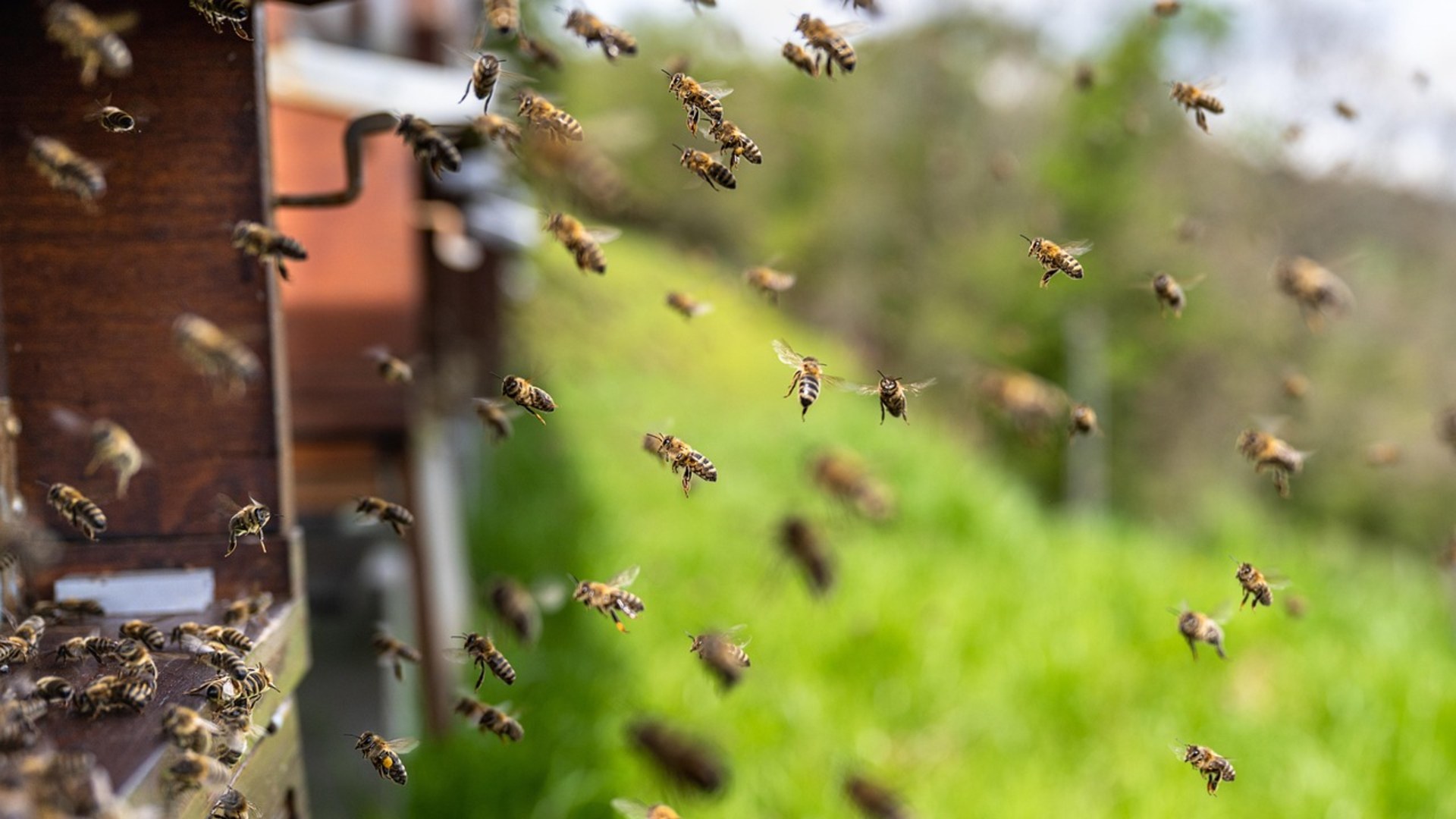
Honeybees do not sleep through winter. Instead, thousands of worker bees form a tight ball around the queen bee, flexing their flight muscles without moving their wings to generate friction. Consuming stored honey keeps the cluster core warmed between 32 and 35 Celsius in freezing weather.
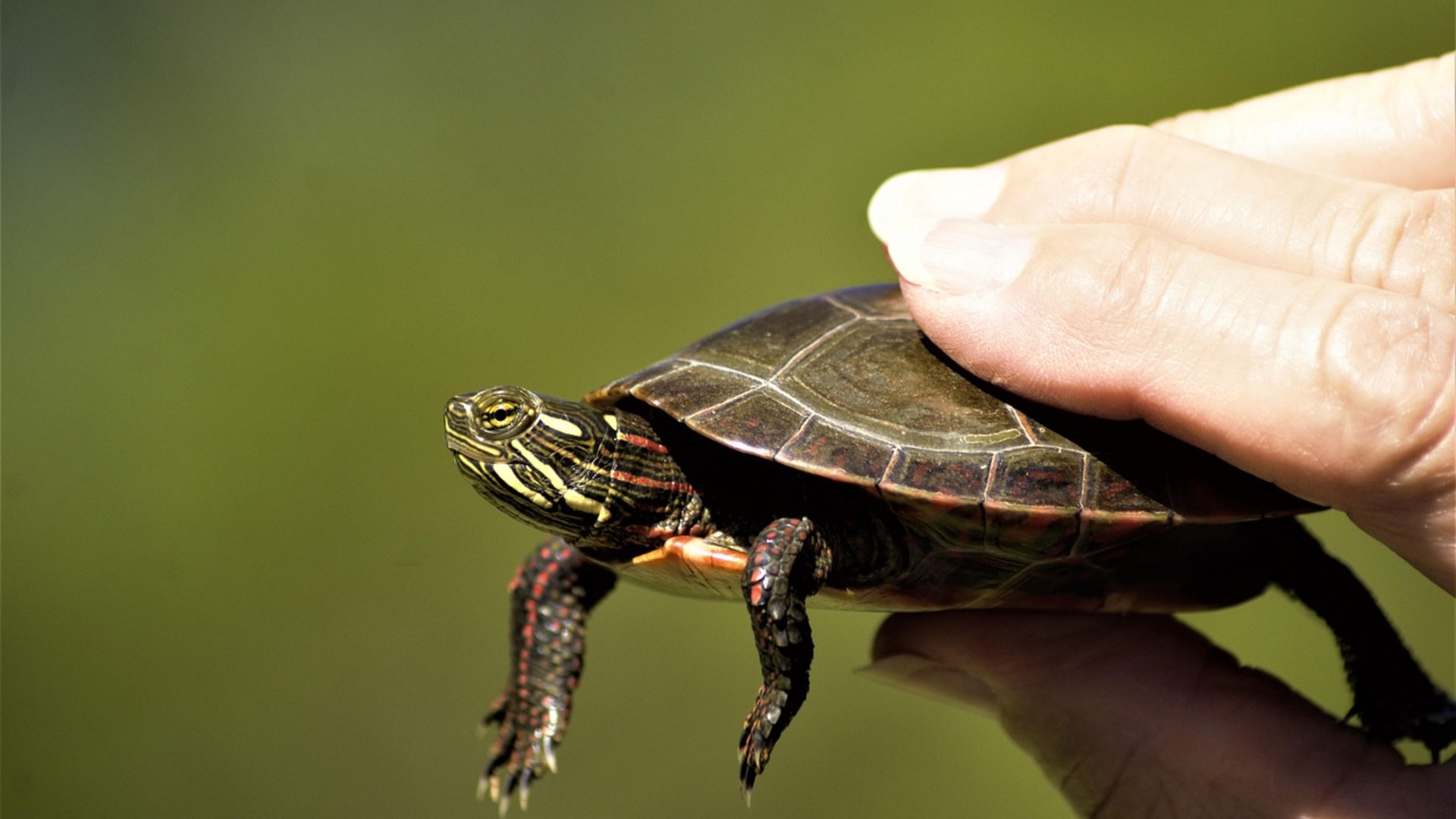
18. Painted Turtle
When ice caps northern ponds, painted turtles submerge into oxygen-depleted bottom muck. By dramatically lowering their metabolism and absorbing dissolved oxygen through vascularized cloacal tissues, the reptiles survive for months without filling their lungs with atmospheric air.
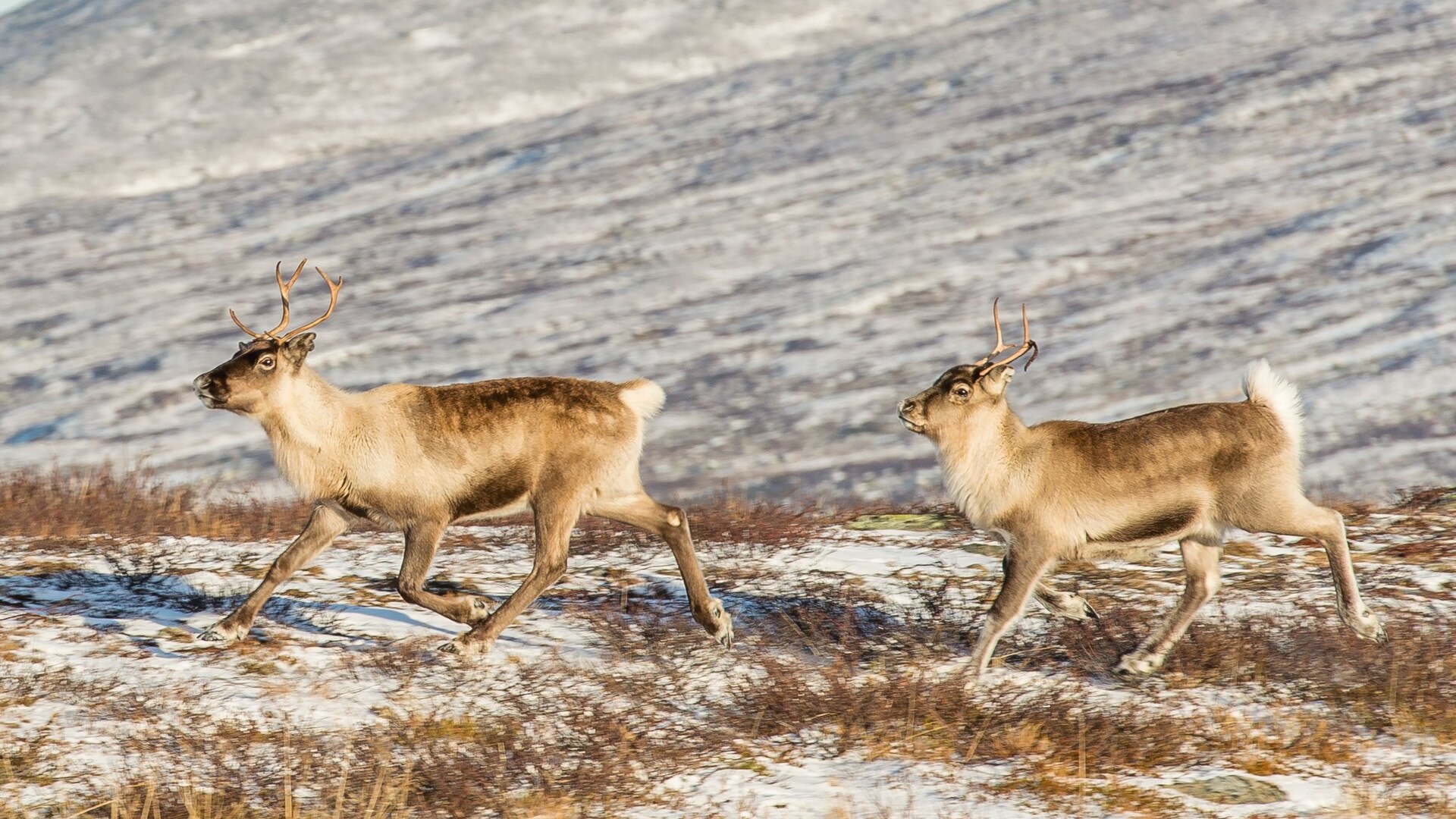
19. Reindeer
Arctic reindeer adapt to continuous polar winter darkness by altering their tapetum lucidum from summer gold to deep blue. This structural change increases light scattering across retina receptors, helping the animals spot predatory wolves and navigate snowscapes to dig for lichen forage.
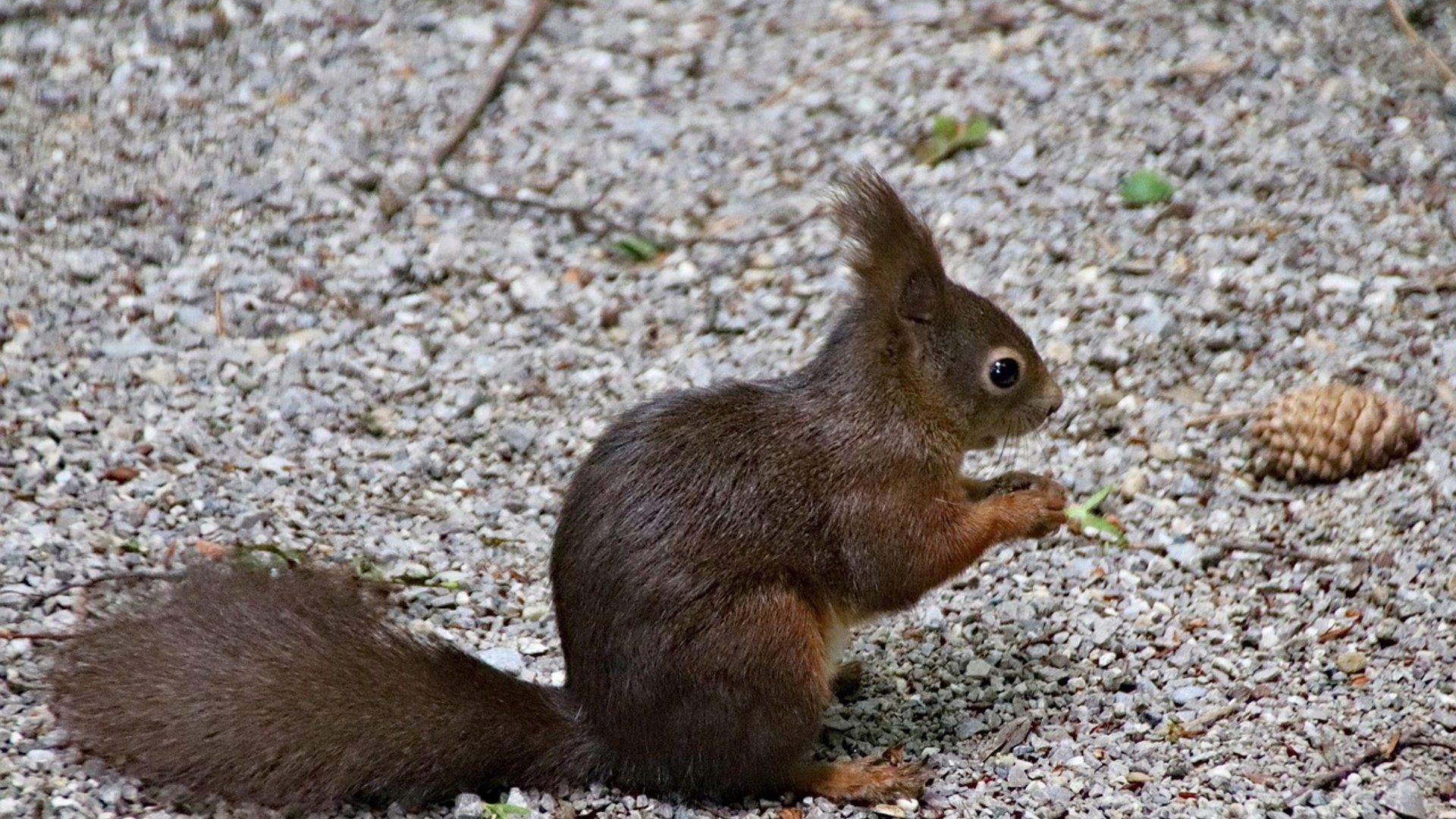
20. Red Squirrel
Boreal red squirrels collect mushrooms and impale them on conifer branches to sun-dry them like jerky for winter storage. The territorial rodents also harvest thousands of green spruce cones, burying them into damp ground mounds called middens that preserve seeds beneath insulating winter snow.
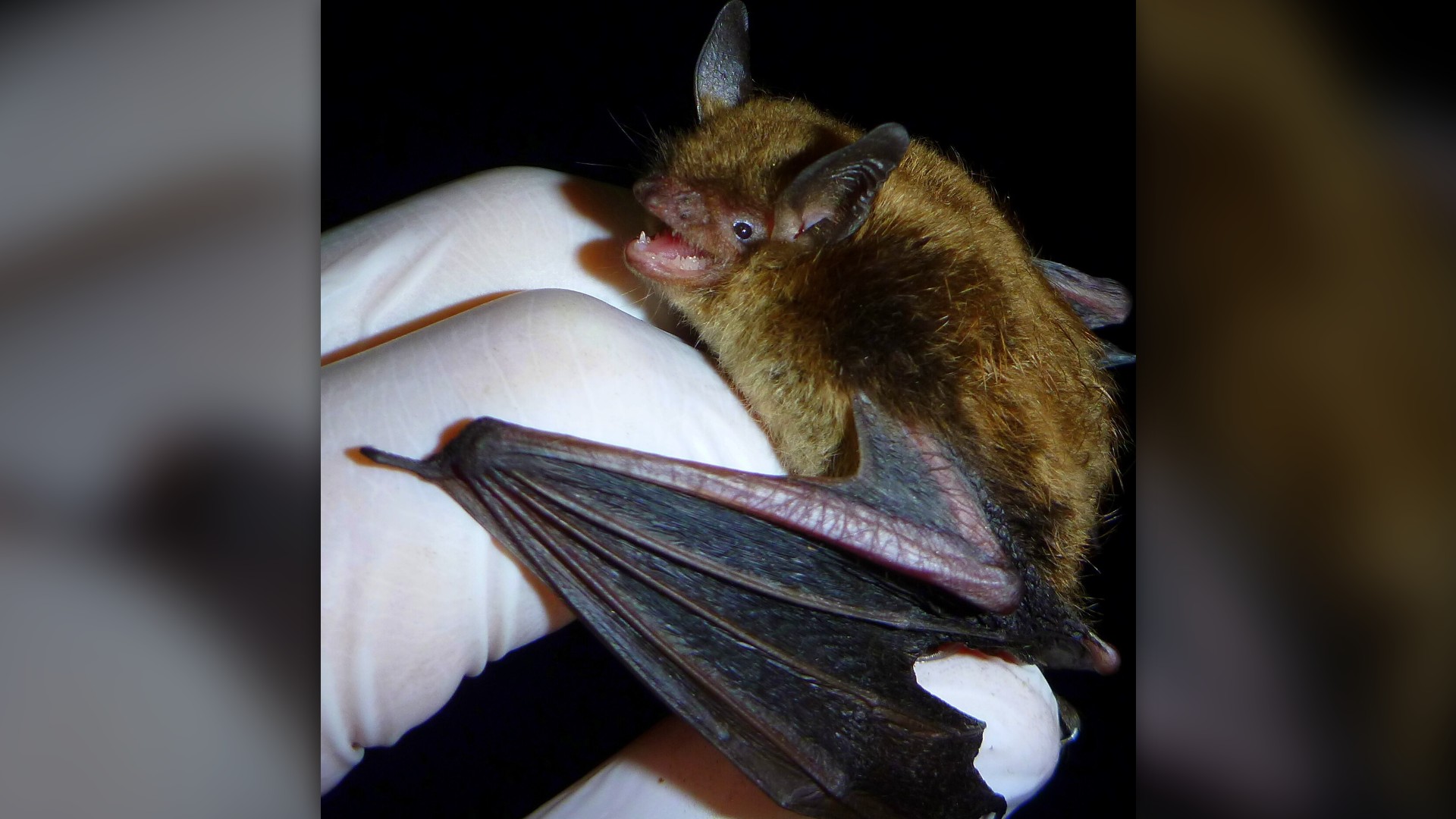
21. Little Brown Bat
During late September, little brown bats migrate to humid underground caves with stable above-freezing conditions. Clustering on cave ceilings in the thousands, their metabolic rate plummets by ninety-nine percent, dropping breathing rates to a breath every forty-five minutes.
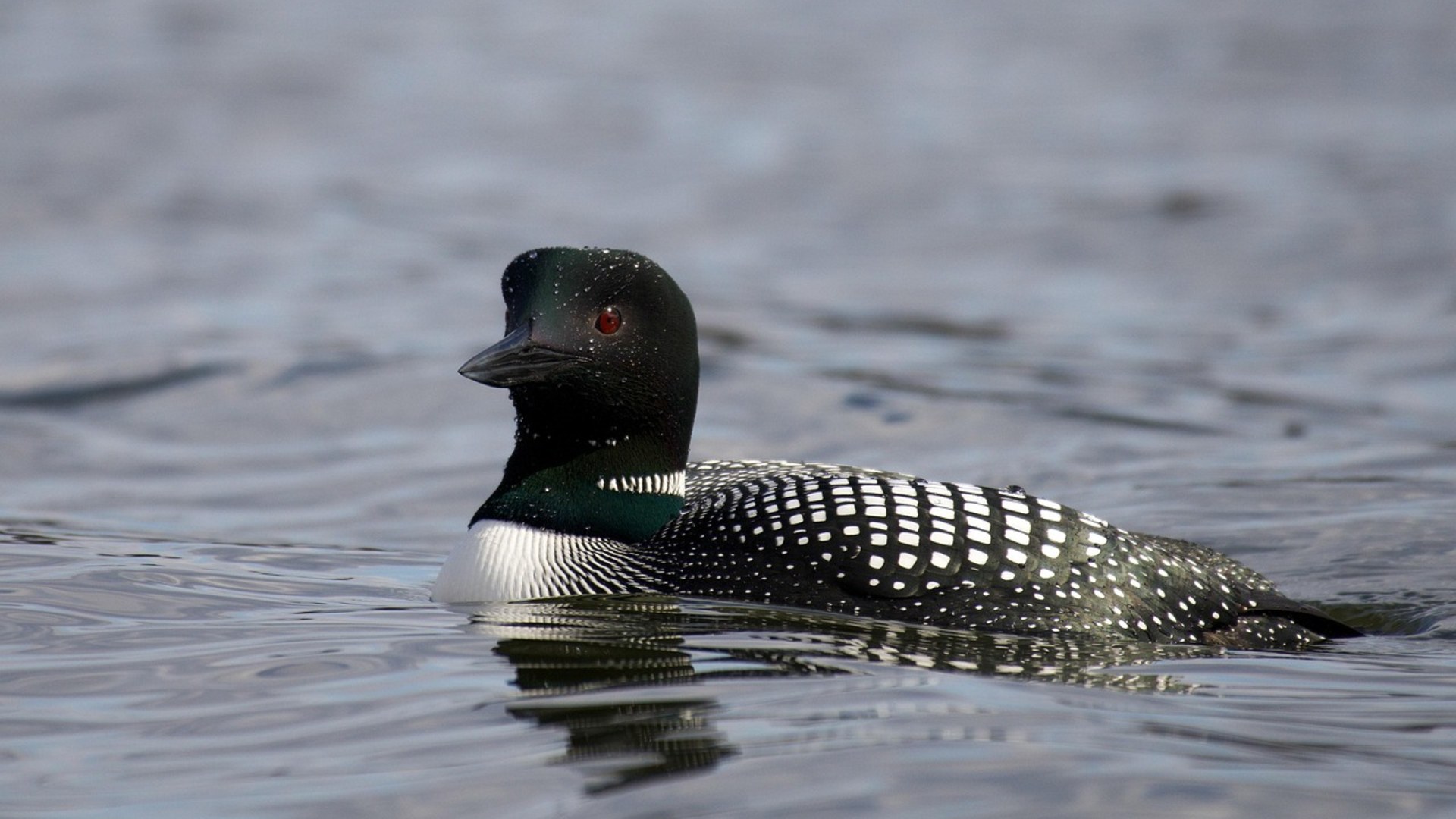
22. Common Loon
Before freshwater lakes freeze across the northern United States and Canada, common loons molt flight feathers and fly to oceanic coasts. Their supraorbital salt glands expand to excrete excess ocean salt, allowing the birds to spend winter diving in coastal bays and marine inlets.
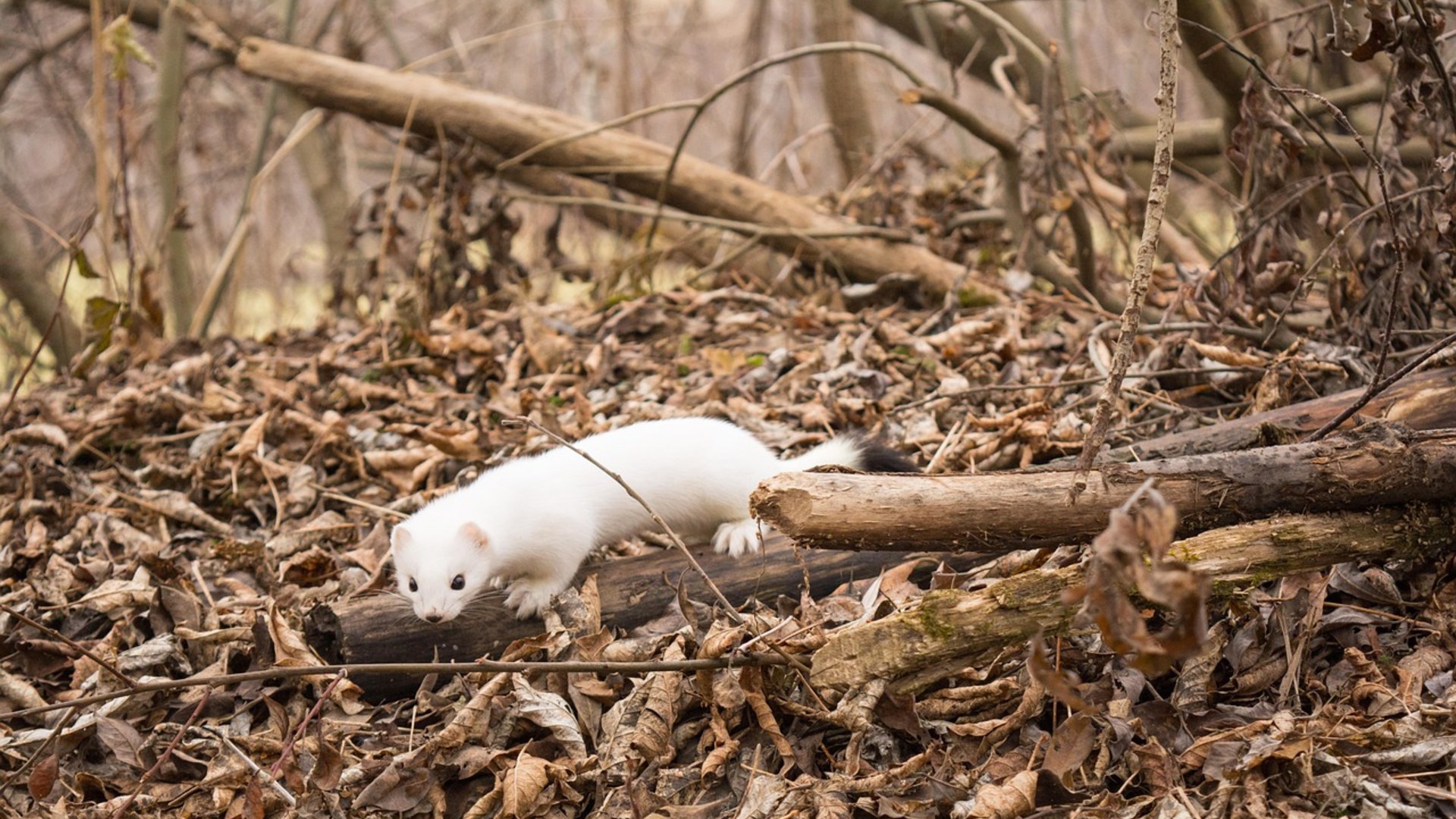
23. Ermine
Also known as the short-tailed weasel, the ermine molts its reddish-brown summer fur for a snowy white winter pelt within three weeks. Retaining a distinct black tail tip acts as a visual decoy against hunting raptors, while its slender body allows it to hunt mice under snow tunnels.
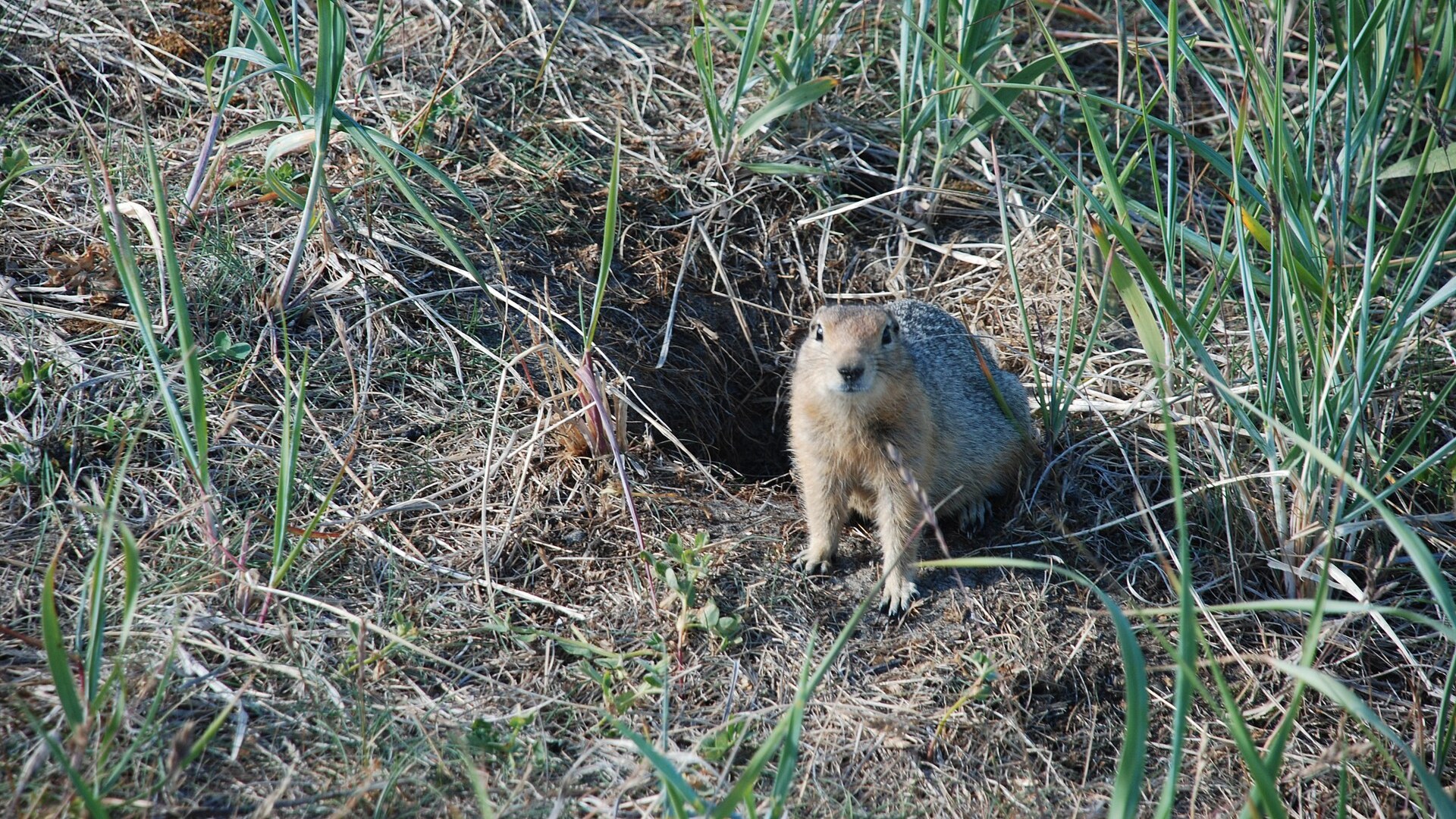
24. Arctic Ground Squirrel
Living in arctic tundra burrows, this ground squirrel experiences the lowest body temperature known in any mammal, dropping core tissues to minus 2.9 Celsius. By cleansing bodily fluids of ice-nucleating agents, its blood stays liquid while the animal hibernates for over seven months.
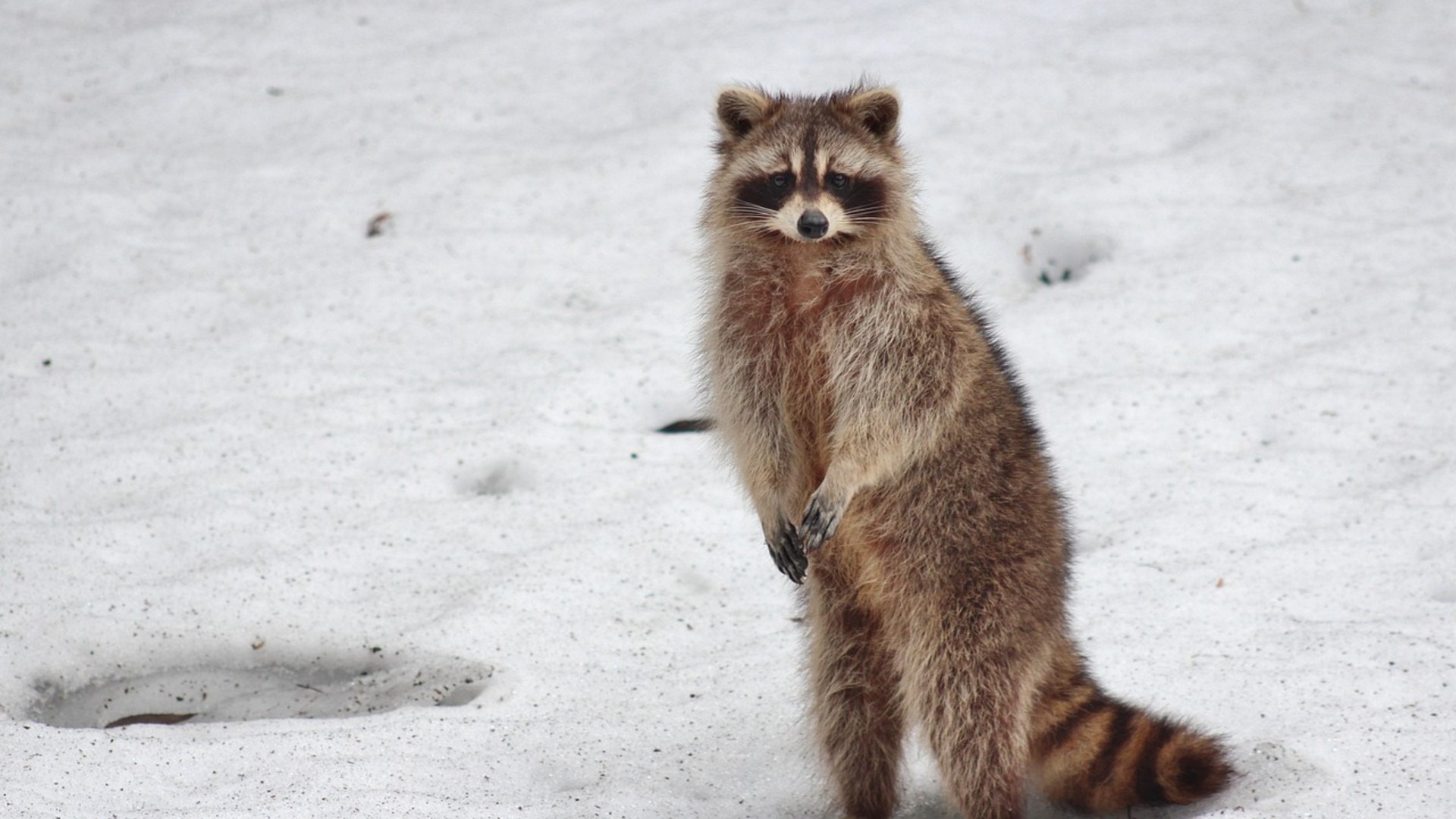
25. Raccoon
Raccoons do not truly hibernate, but they prepare by accumulating fat reserves that can comprise half their body weight in late autumn. When winter storms hit, groups of raccoons den together in hollow trunks or burrows for weeks of deep sleep, reducing heat loss until mild weather returns.