Slideshow · Animals
20 US Zoos Ranked by Number of Animal Species
American zoological parks serve as crucial centers for global wildlife conservation, scientific research, and public education. Based on official records from the Association of Zoos and Aquariums and published institution reports, here are 20 prominent US zoos ranked by the number of animal species in their care.

By Most Viral Today
9 min ago

Which American Zoos Shelter the Greatest Diversity of Wildlife? 
20. Oregon Zoo 
19. Woodland Park Zoo 
18. Philadelphia Zoo - AdvertisementSwipe or tap ▶ to continue countdown

17. Dallas Zoo 
16. Smithsonian's National Zoo 
15. Brookfield Zoo 
14. Denver Zoo - AdvertisementSwipe or tap ▶ to continue countdown

13. Cincinnati Zoo & Botanical Garden 
12. Memphis Zoo 
11. Zoo Miami 
10. Fort Worth Zoo - AdvertisementSwipe or tap ▶ to continue countdown

9. Cleveland Metroparks Zoo 
8. Houston Zoo 
7. Saint Louis Zoo 
6. San Diego Zoo - AdvertisementSwipe or tap ▶ to continue countdown

5. Bronx Zoo 
4. Toledo Zoo And Aquarium 
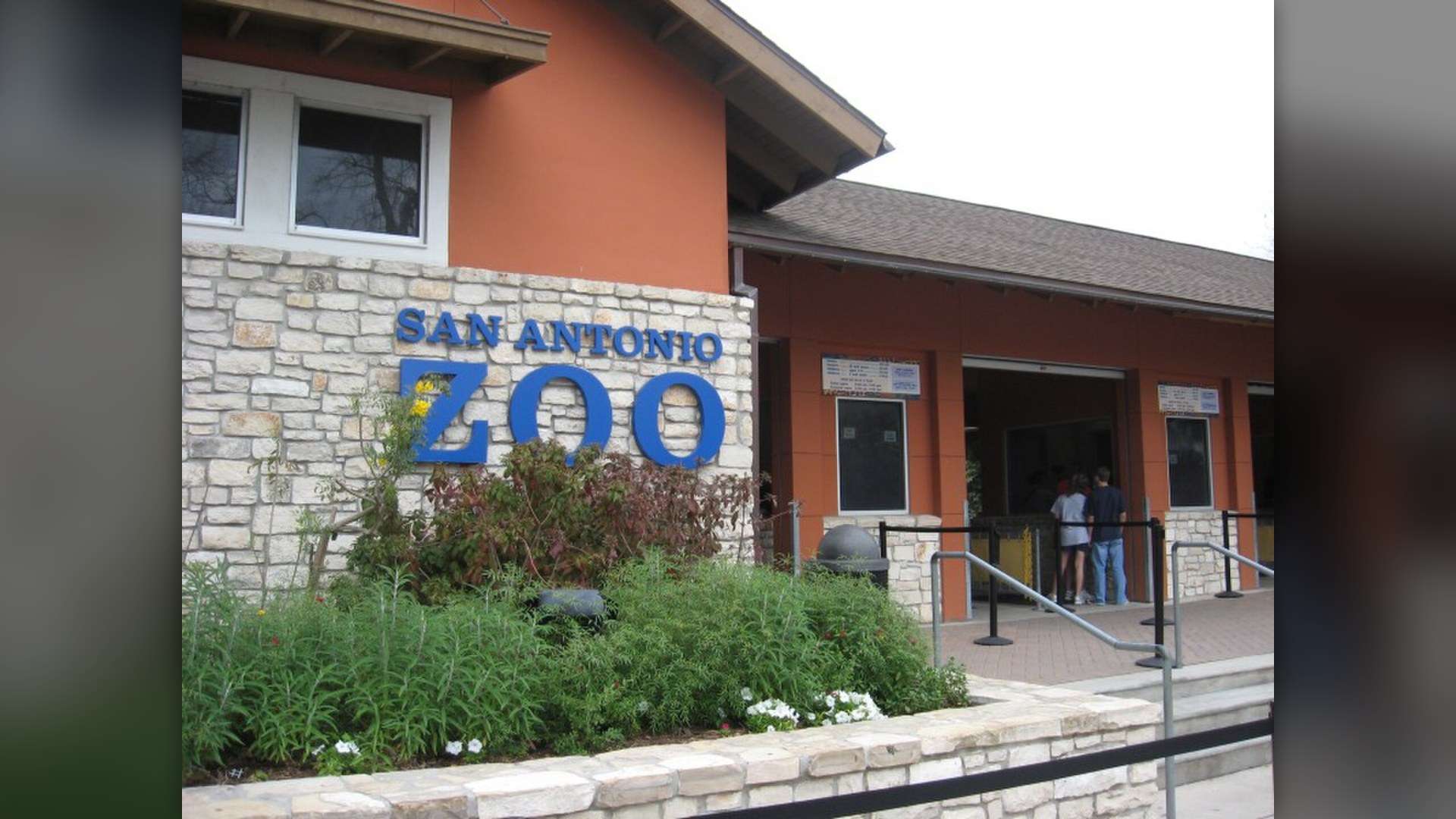
3. San Antonio Zoo 
2. Columbus Zoo And Aquarium - AdvertisementSwipe or tap ▶ to continue countdown

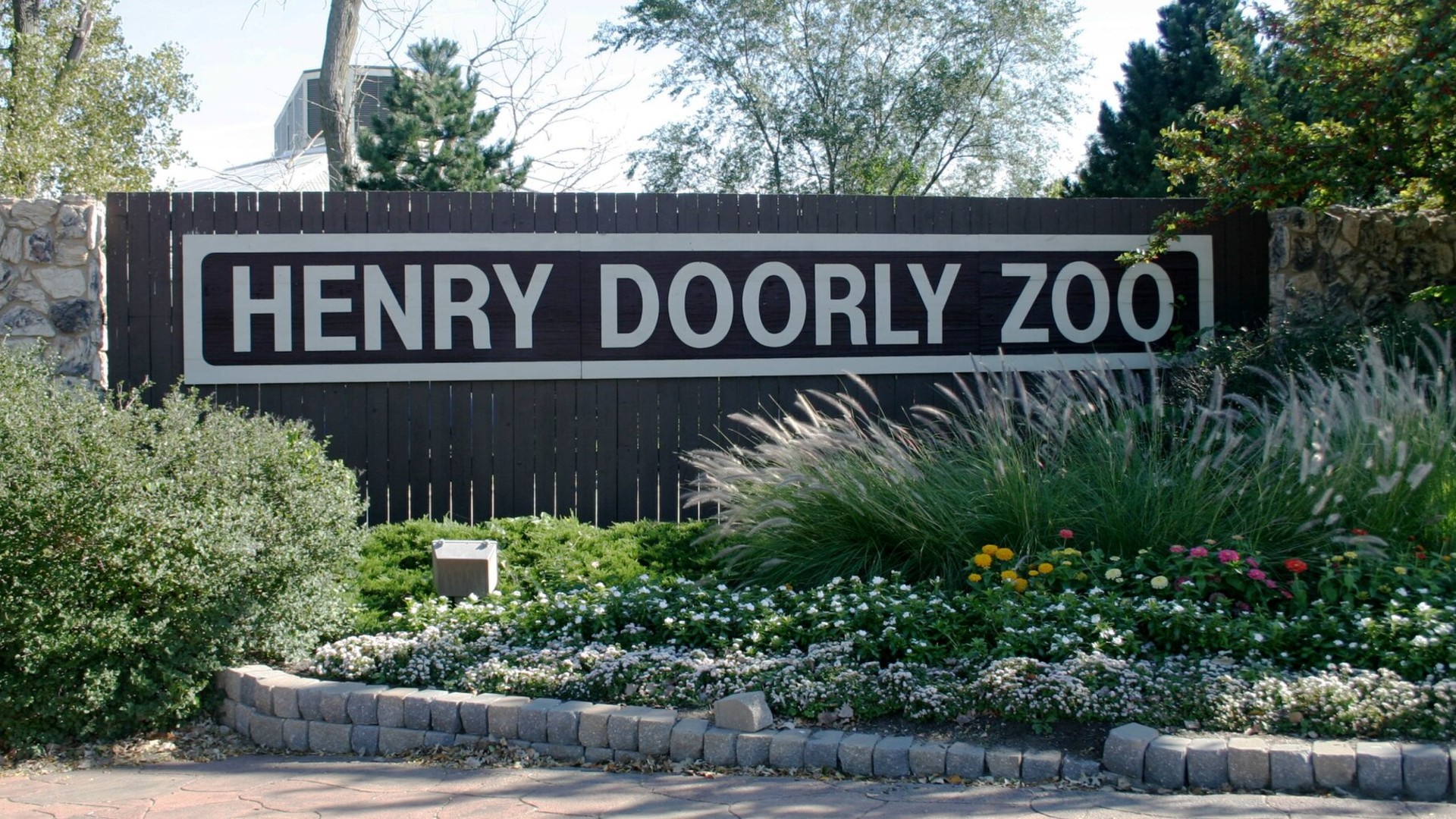
1. Omaha's Henry Doorly Zoo And Aquarium - Advertisement🔥 UP NEXT IN THIS SERIES◫ 21 Slides

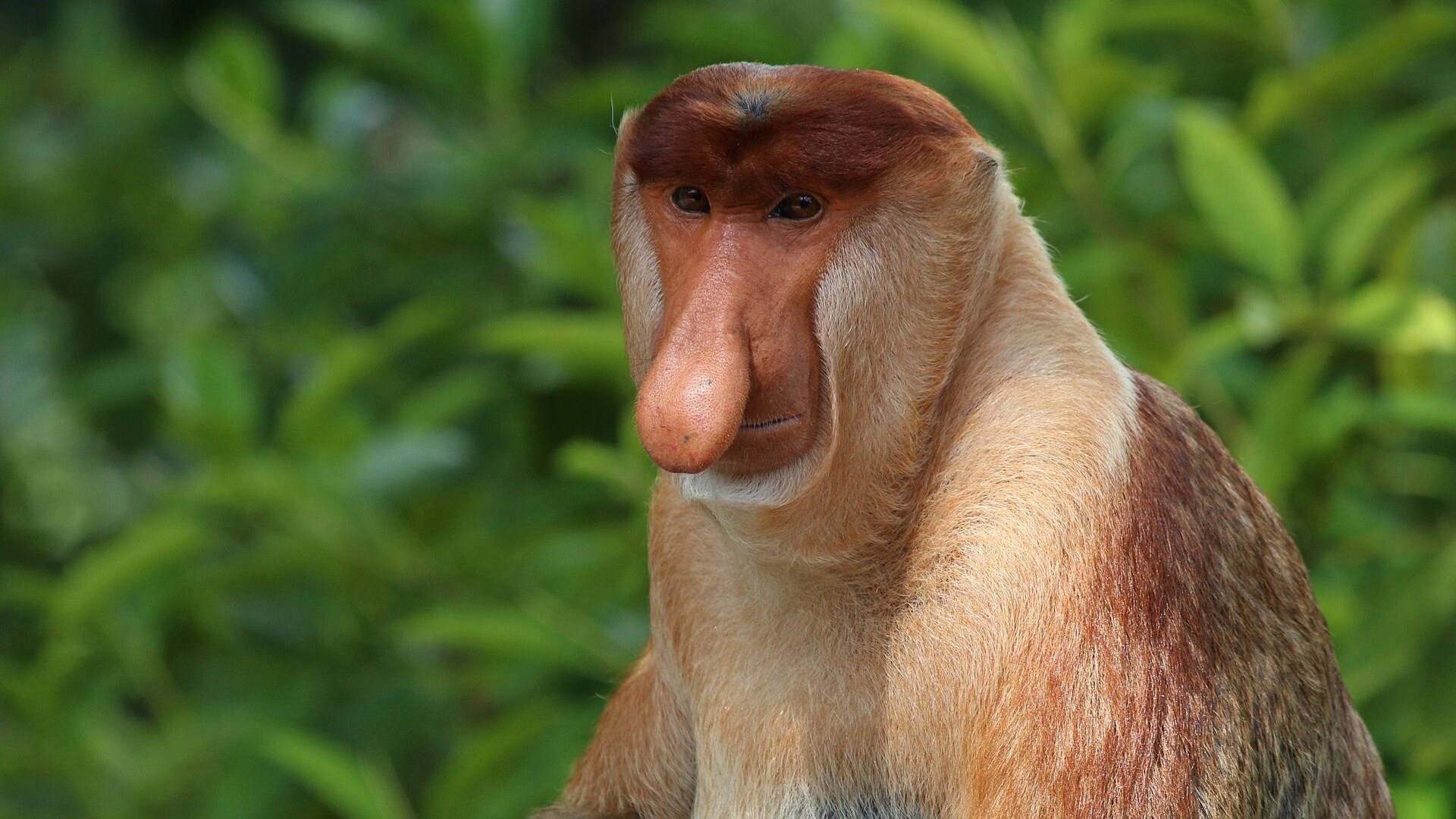
20 Animals With Unusual Snouts, Fleshy Tentacles and Natural Snorkels
Evolutionary pressure has shaped animal snouts into astonishing survival tools across the animal kingdom. From tactile star-shaped tentacles and inflatable resonance chambers to tubular snorkels and sand-digging shovels, these 20 species demonstrate how specialized nasal anatomy helps creatures thrive in nature.
American zoological parks serve as crucial centers for global wildlife conservation, scientific research, and public education. Based on official records from the Association of Zoos and Aquariums and published institution reports, here are 20 prominent US zoos ranked by the number of animal species in their care.
Swipe or tap ▶ to begin the countdown
©Wikimedia / KCZooFan
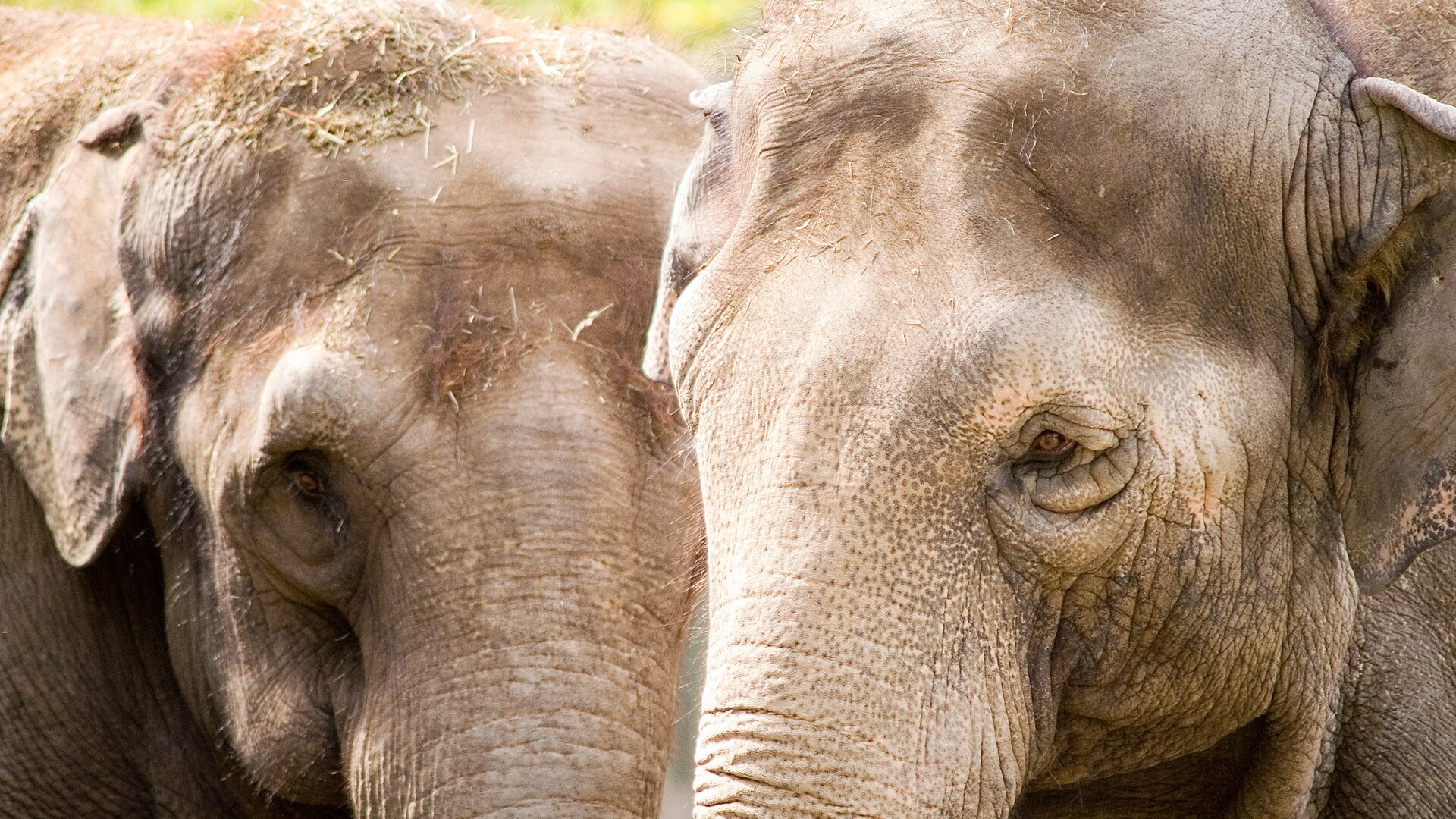
20. Oregon Zoo
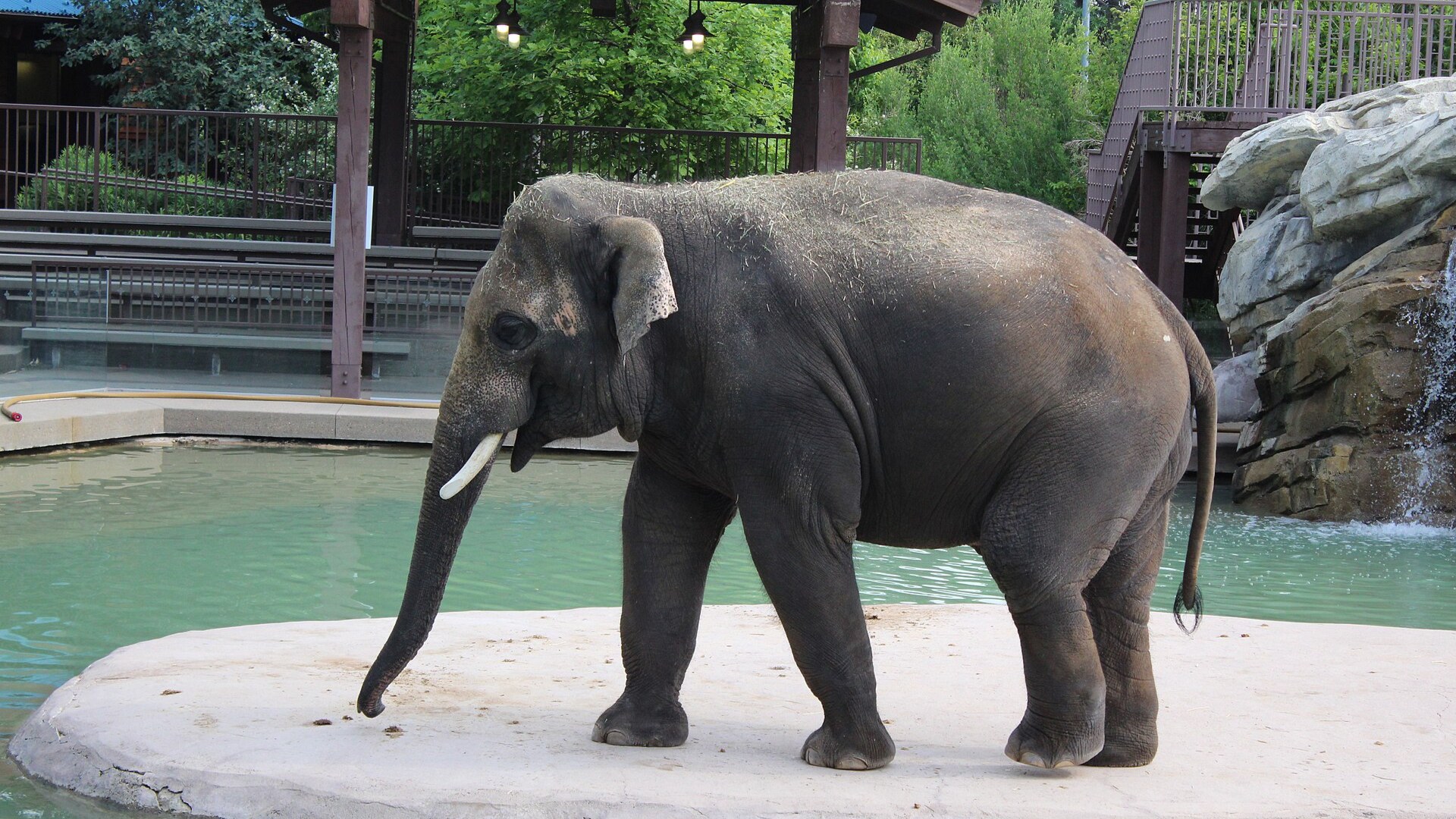
Situated in Portland's Washington Park, the Oregon Zoo provides specialized habitats for around 230 animal species. Renowned for its Asian elephant conservation and California condor breeding initiatives, the facility focuses on species native to the Pacific Northwest and global forest ecosystems.
©Wikimedia / Stuart Seeger from College Station, Texas, USA
19. Woodland Park Zoo
Seattle's historic Woodland Park Zoo cares for approximately 300 different species across 65 forested acres. Known as a pioneer of immersion exhibits, the zoo replicates bioclimatic zones ranging from tropical Asian rainforests to the rugged coastal tundra of northern North America.
©Wikimedia / Bernie Ongewe
18. Philadelphia Zoo
Recognized as America's first official zoo, the Philadelphia Zoo houses roughly 350 animal species within its historic 42-acre Victorian garden campus. Its innovative Zoo360 animal exploration trail system allows primates and big cats to travel safely through overhead mesh corridors above visitors.
©Wikimedia / Jim, the Photographer
Advertisement
Swipe or tap ▶ to resume the countdown.
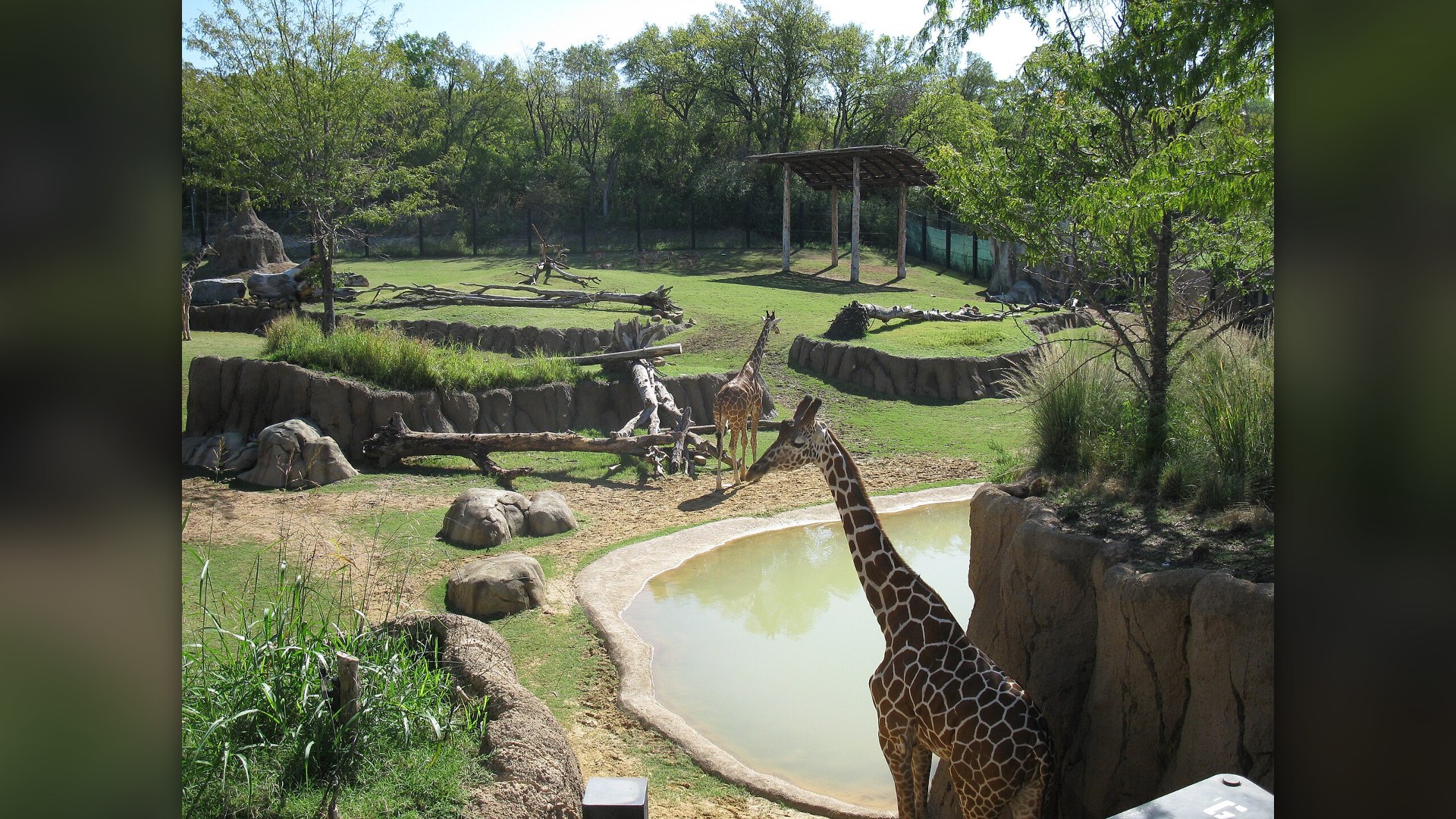
17. Dallas Zoo
Spanning 106 acres as the largest zoological experience in Texas, the Dallas Zoo maintains habitats for around 400 animal species. The award-winning Giants of the Savanna exhibit allows African elephants, giraffes, zebras, and impalas to roam collectively in a shared natural grassland setting.
©Wikimedia / Kevin1086
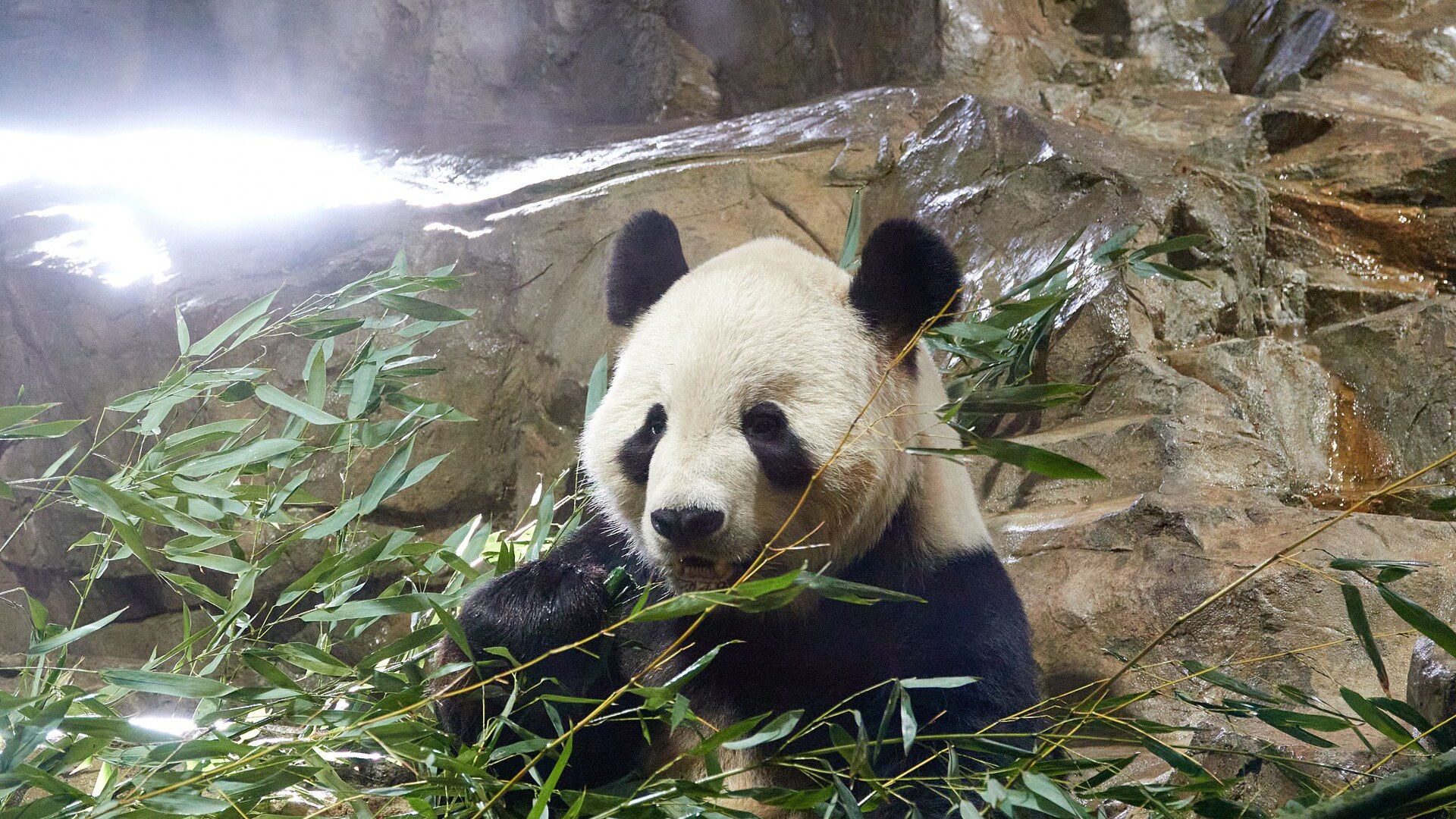
16. Smithsonian's National Zoo
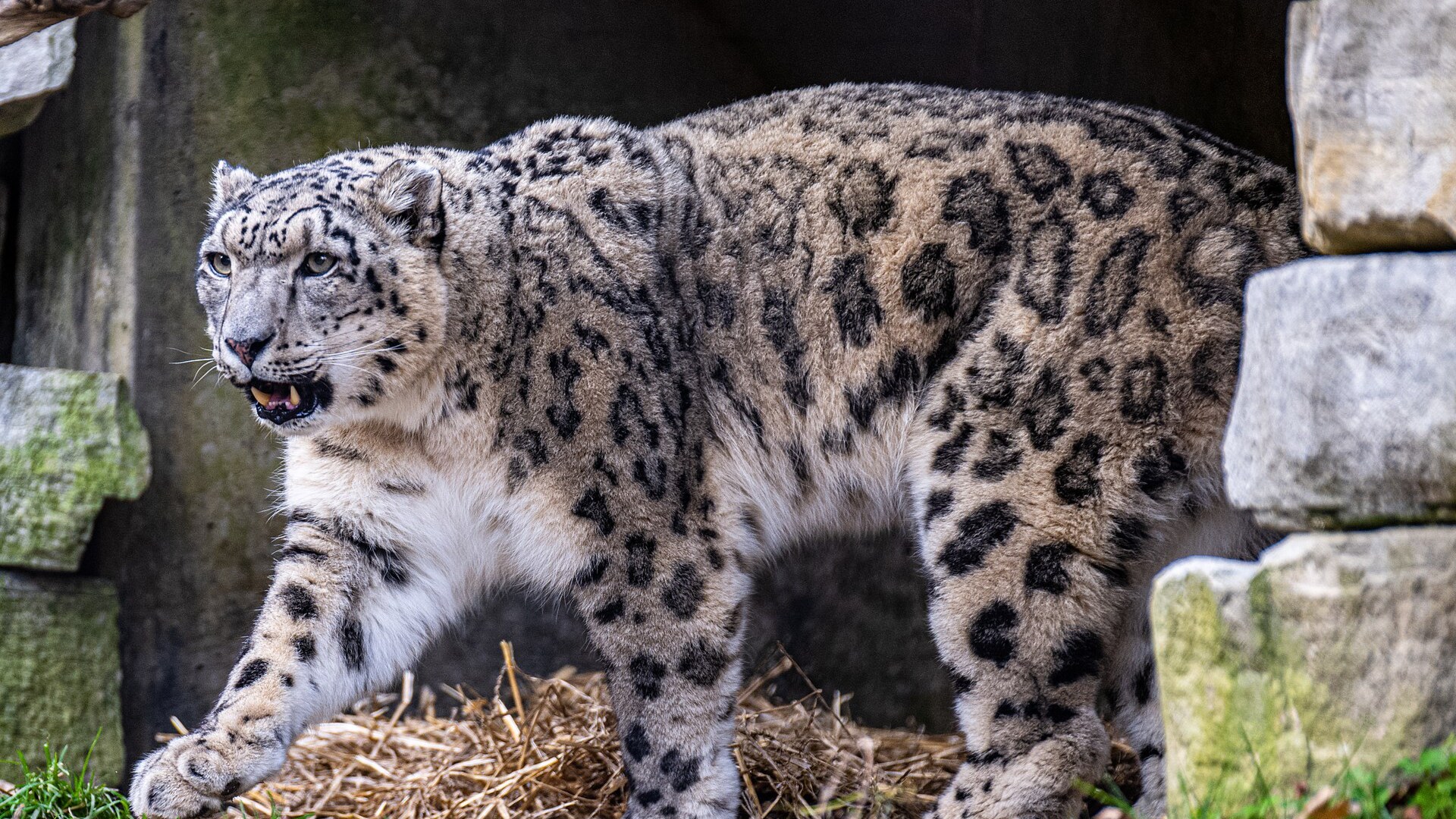
Located in Washington, D.C., the Smithsonian's National Zoo provides free public access to roughly 400 animal species across 163 scenic acres in Rock Creek Park. Supported by federal research teams, the park leads worldwide initiatives to preserve endangered giant pandas and Asian elephants.
©Wikimedia / O01326
15. Brookfield Zoo
Managed by the Chicago Zoological Society, Brookfield Zoo spans 216 sprawling acres and provides homes for approximately 450 animal species. Its landmark Tropic World exhibit was one of the world's earliest indoor rainforest simulations, grouping primates by Asian, African, and South American regions.
©Wikimedia / Fritz Geller-Grimm
14. Denver Zoo
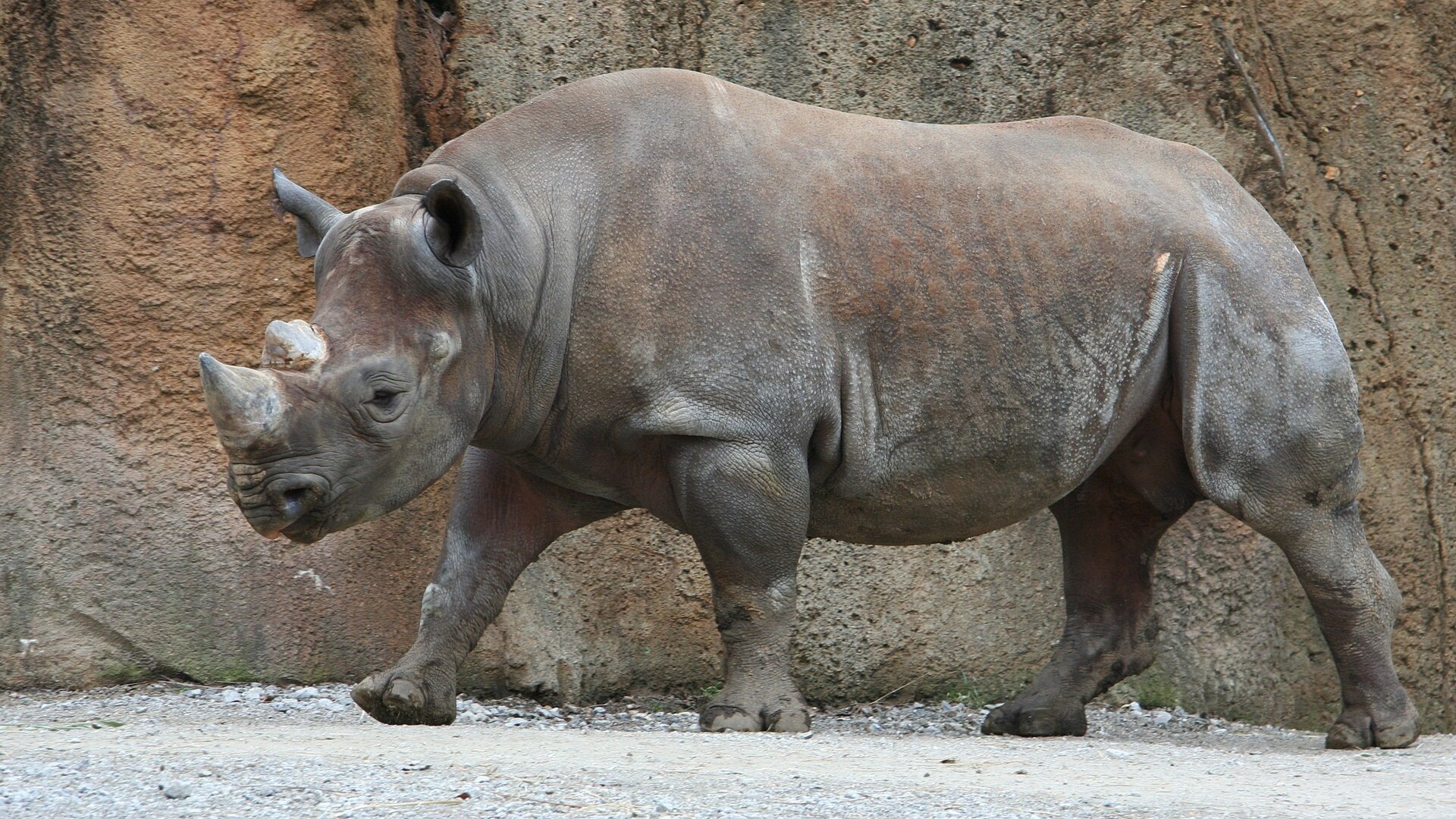
Located inside Denver's historic City Park, the Denver Zoo houses around 450 distinct species across 84 acres of naturalistic enclosures. The facility's Predator Ridge recreates the African plains with rotating carnivore habitats, while the Toyota Elephant Passage showcases Asian pachyderms and rhinos.
©Wikimedia / Quincy Hansen
Advertisement
Swipe or tap ▶ to resume the countdown.
13. Cincinnati Zoo & Botanical Garden
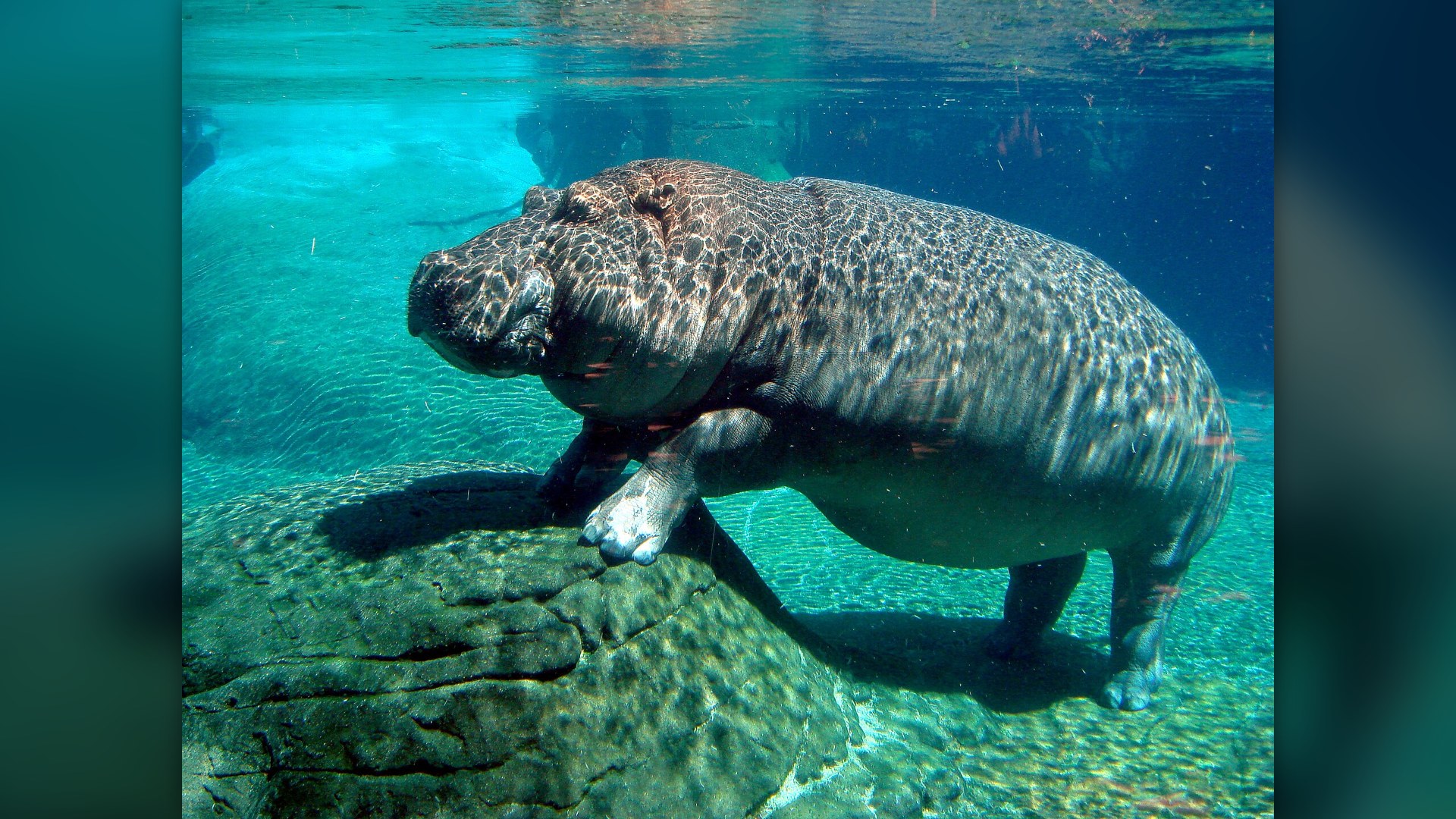
Opening in 1875 as the second-oldest zoo in the nation, Cincinnati Zoo maintains collections encompassing about 500 animal species alongside thousands of botanical varieties. World-famous for its hippo conservation program, the park is an international leader in assisted reproductive wildlife research.
©Wikimedia / Anastasiya563
12. Memphis Zoo
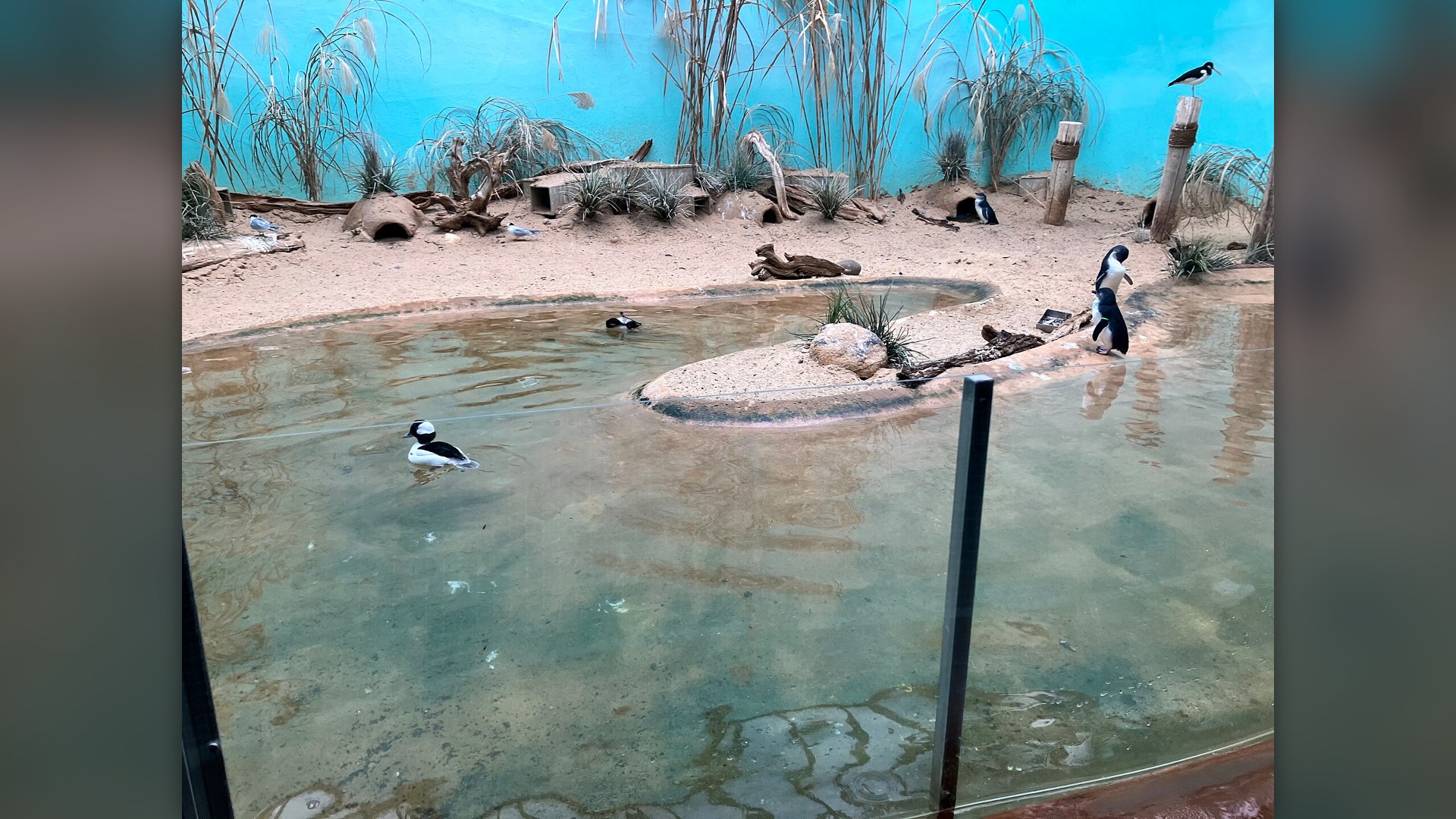
Located in Overton Park, the Memphis Zoo shelters roughly 500 species across 76 acres of themed cultural exhibits. Major attractions such as the Northwest Passage and Teton Trek bring guests face-to-face with polar bears, sea lions, and grizzly bears in massive underwater viewing pools.
©Wikimedia / Pinethicket
11. Zoo Miami
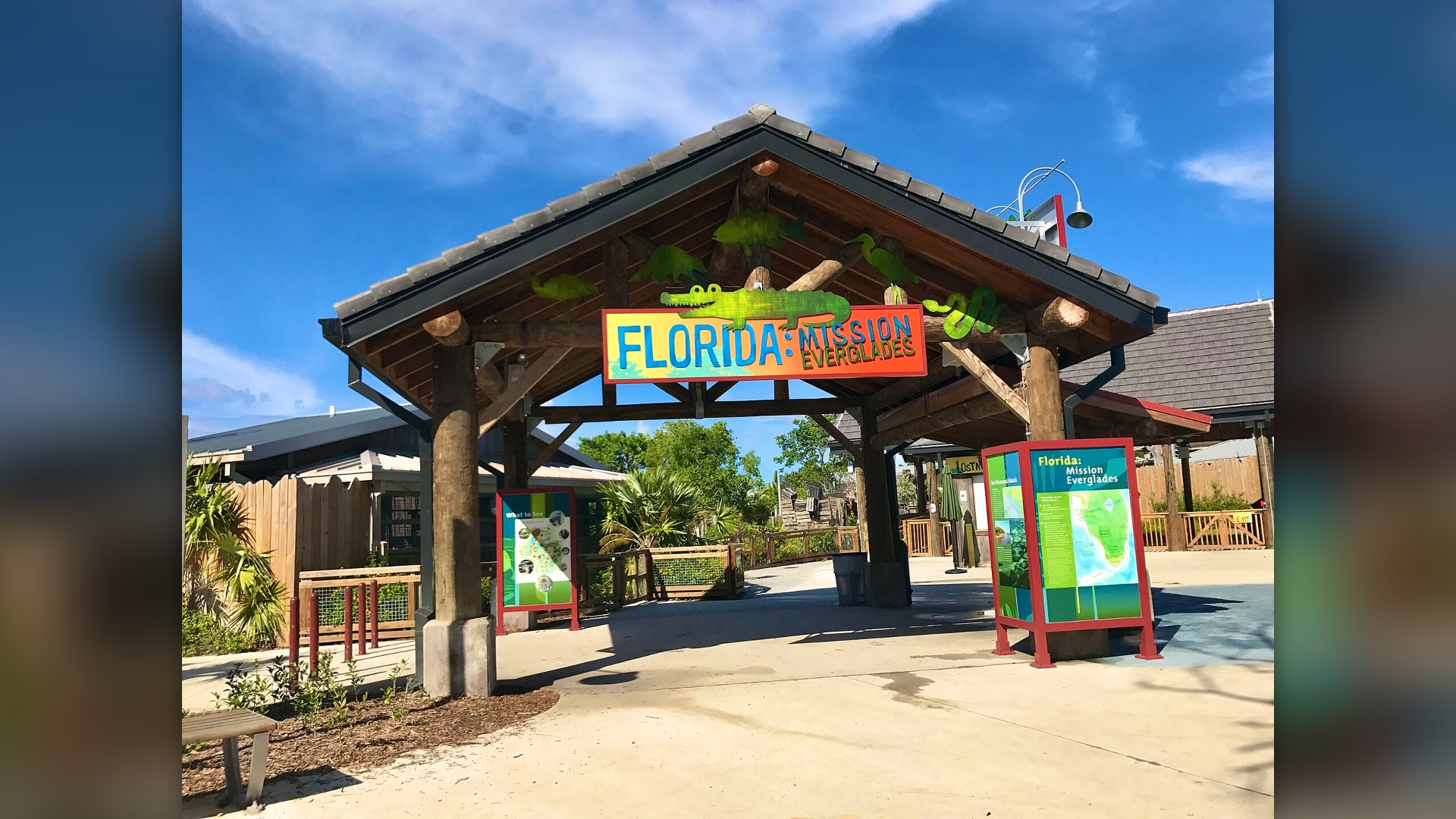
Zoo Miami stands as the only subtropical zoo in the continental United States, accommodating over 500 species across 750 developed acres. The unique South Florida climate permits open-air, cageless exhibits where animals from Asia, Australia, and the Amazon thrive in lush botanical settings.
©Wikimedia / Jedi94
10. Fort Worth Zoo
Founded in 1909 with a modest animal collection, the Fort Worth Zoo now manages more than 540 vertebrate species. The comprehensive A Wilder Vision master plan renovated the campus with immersive complexes like Elephant Springs, African Savanna, and the award-winning Texas Wild heritage showcase.
©Wikimedia / Kitkattt3
Advertisement
Swipe or tap ▶ to resume the countdown.
9. Cleveland Metroparks Zoo
Divided into distinct geographical zones across 183 acres, Cleveland Metroparks Zoo protects approximately 600 animal species. Its two-acre indoor Rainforest complex houses thousands of plants and animals from tropical ecosystems, while the African Elephant Crossing focuses on herd welfare.
©Wikimedia / Erik Drost
8. Houston Zoo
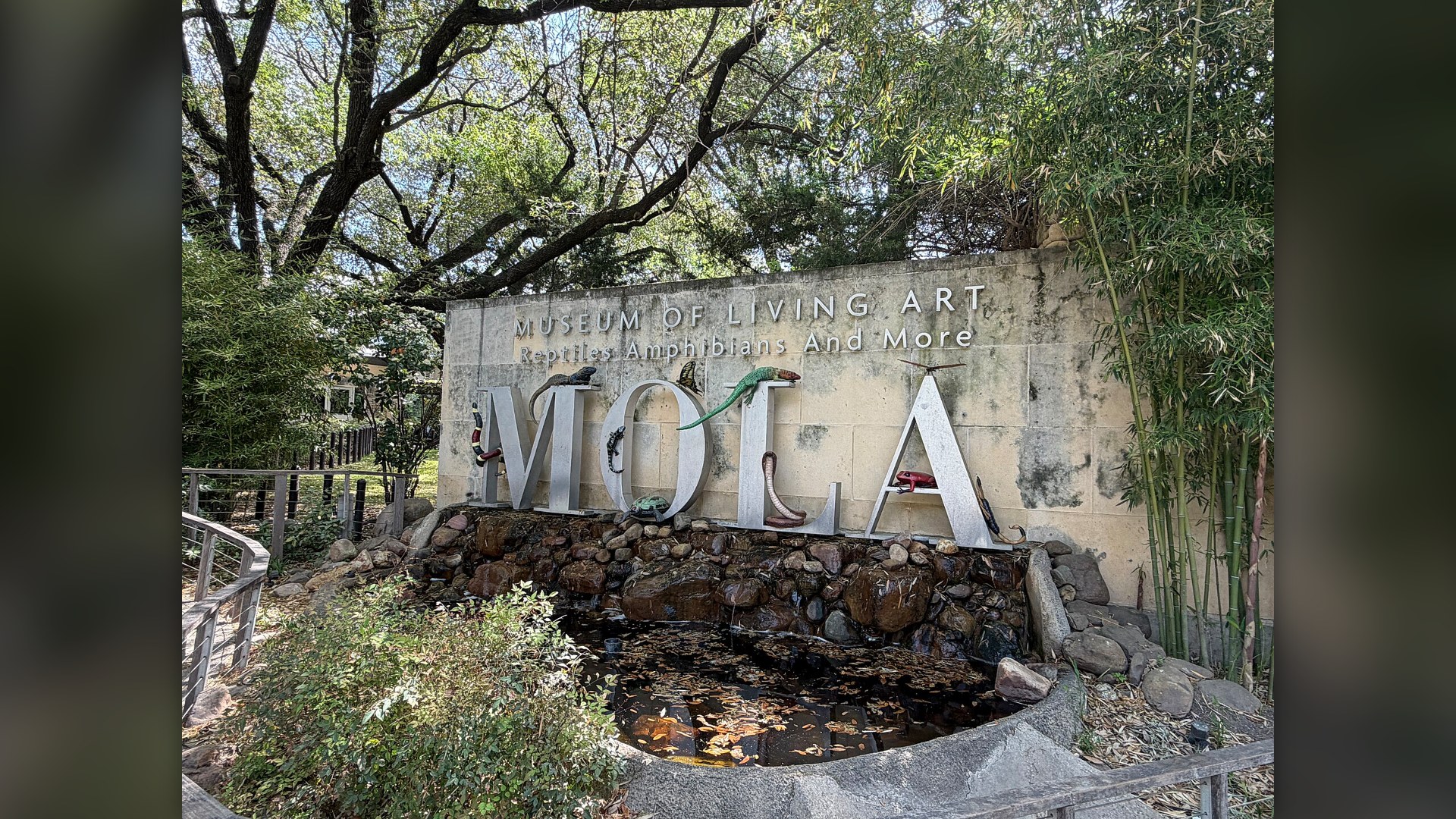
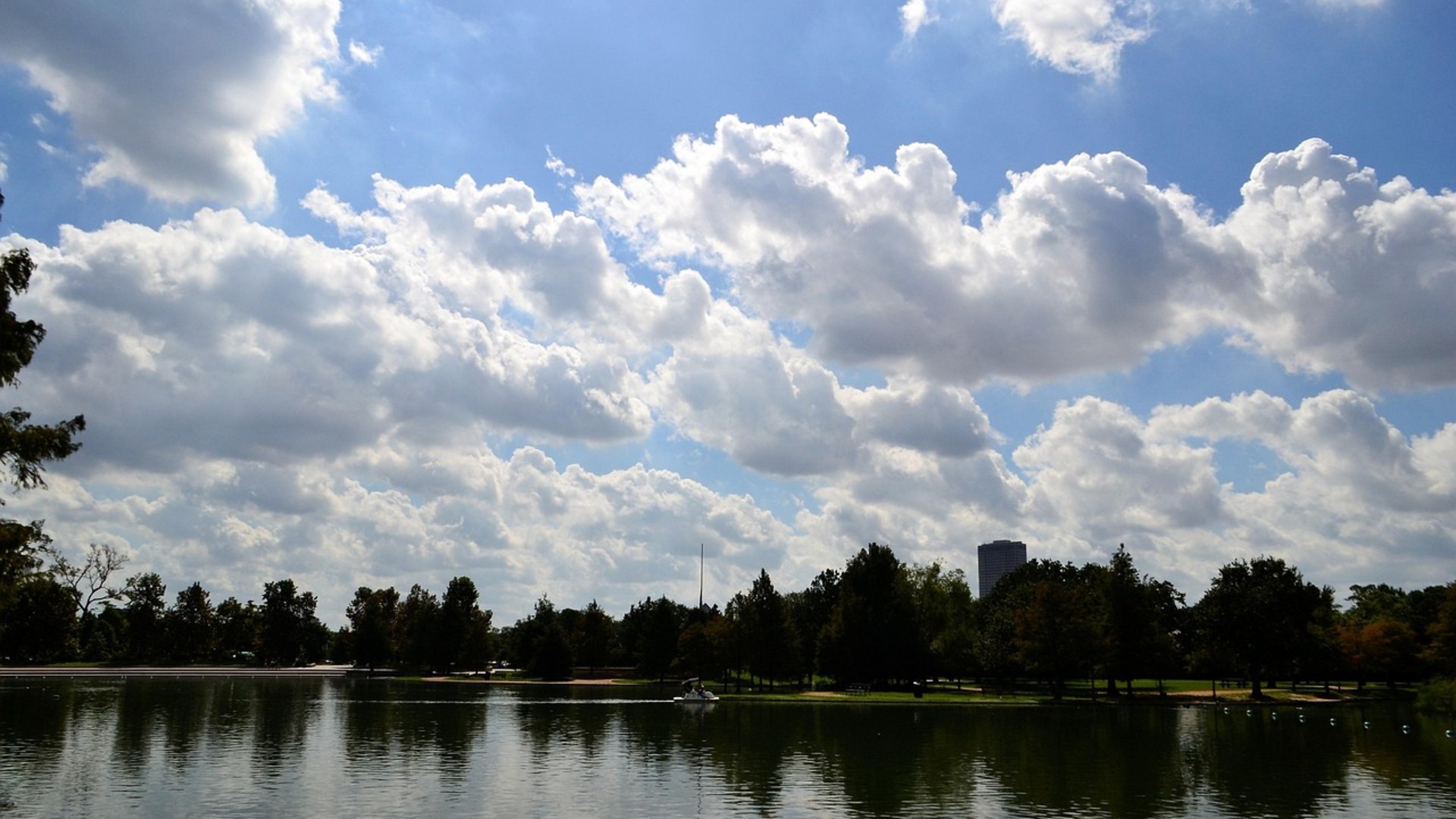
Situated inside Hermann Park, the Houston Zoo cares for an expansive collection of around 600 species representing six continents. The zoo's Texas Wetlands and Galapagos Islands exhibits reflect modern standards in ecological storytelling, connecting guests directly with conservation partners.
©Pixabay / ArtisticOperations
7. Saint Louis Zoo
Offering free public admission since its founding in 1904, the Saint Louis Zoo maintains habitats for roughly 600 species across 90 historic acres in Forest Park. Its state-of-the-art veterinary facilities and WildCare Institute support conservation programs across four continents.
©Wikimedia / Jonathunder
6. San Diego Zoo
Spanning 100 lushly landscaped acres in Balboa Park, the world-famous San Diego Zoo houses approximately 650 species and subspecies. As an international conservation powerhouse, the institution has successfully reintroduced endangered California condors and giant pandas into native habitats.
©Wikimedia / cloudzilla
Advertisement
Swipe or tap ▶ to resume the countdown.
5. Bronx Zoo
Covering 265 acres of parkland and natural forest, the Bronx Zoo is the largest metropolitan zoo in the country, caring for around 700 species. Flagship areas like Congo Gorilla Forest and JungleWorld immerse visitors in expansive, multi-tiered ecosystems that champion global conservation.
©Wikimedia / BronxZooWorldOfBirdsFan
4. Toledo Zoo And Aquarium
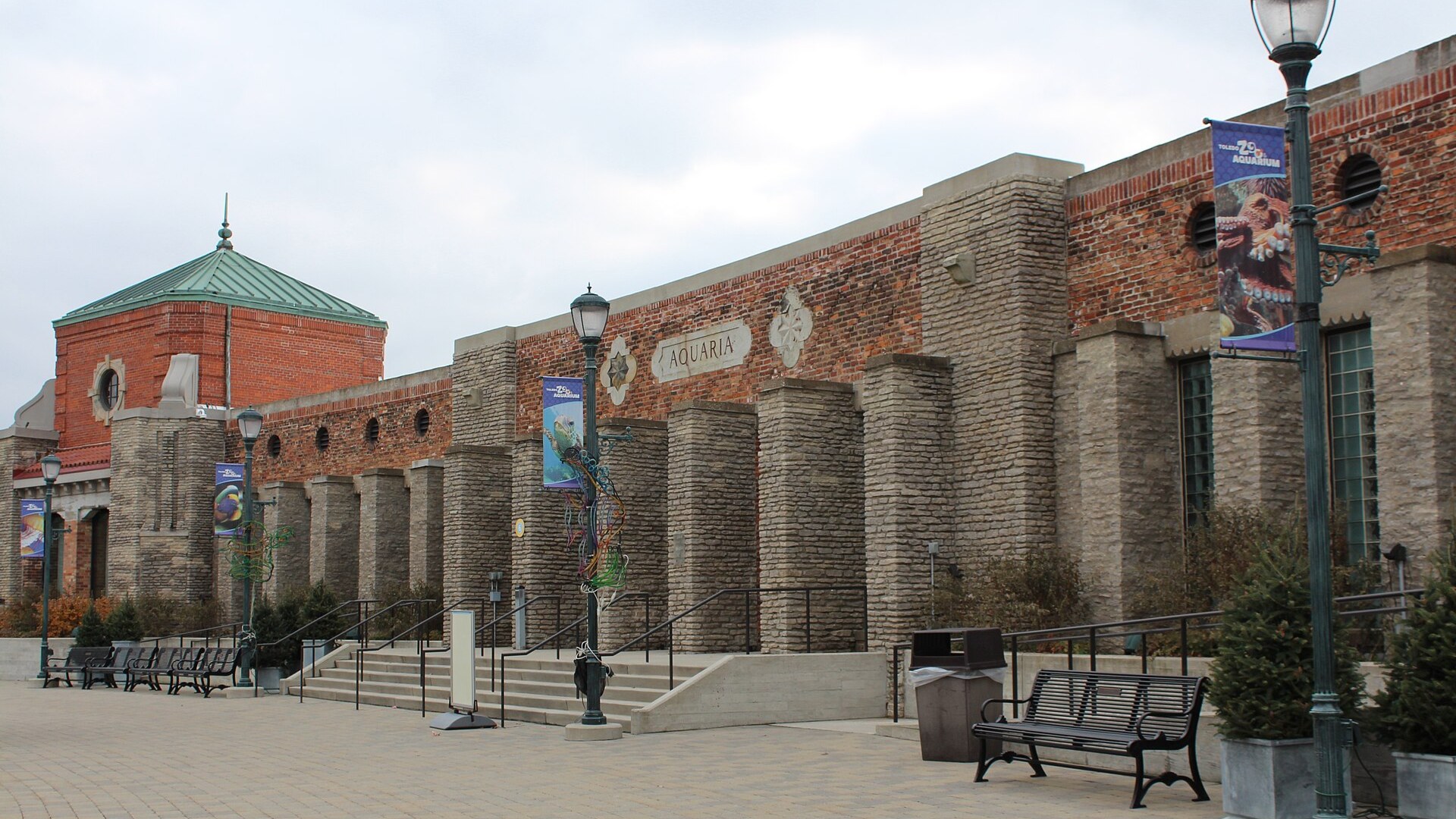
The Toledo Zoo combines historic Works Progress Administration architecture with modern zoological science, displaying roughly 720 species. Its historic aquarium contains thousands of aquatic organisms, while the Arctic Encounter allows guests to view polar bears from underwater tunnels.
©Wikimedia / DreamingKoala
3. San Antonio Zoo
Set along the headwaters of the San Antonio River inside a former limestone quarry, the San Antonio Zoo cares for around 750 species. Its vertical rock walls provide natural perches and climate control for one of the most extensive avian collections in North America.
©Wikimedia / Dave Stone
2. Columbus Zoo And Aquarium
Spanning nearly 600 acres along the Scioto River, the Columbus Zoo and Aquarium features more than 800 distinct species from across the globe. Divided into regions like Heart of Africa and Asia Quest, the institution directs millions of dollars annually to global conservation projects.
©Wikimedia / Adolphus79
Advertisement
Swipe or tap ▶ to resume the countdown.
1. Omaha's Henry Doorly Zoo And Aquarium
Leading all American zoological facilities in biological diversity, Omaha's Henry Doorly Zoo features around 960 animal species. The campus hosts the world's largest indoor desert under the Desert Dome, North America's largest indoor rainforest in the Lied Jungle, and massive walk-through aquariums.
©Wikimedia / en:User:Cburnett
Advertisement
You've reached the end of the story. Thanks for reading!

20 Animals With Unusual Snouts, Fleshy Tentacles and Natural Snorkels
Evolutionary pressure has shaped animal snouts into astonishing survival tools across the animal kingdom. From tactile star-shaped tentacles and inflatable resonance chambers to tubular snorkels and sand-digging shovels, these 20 species demonstrate how specialized nasal anatomy helps creatures thrive in nature.
All 20 Entries in this Story
20. Oregon Zoo
Situated in Portland's Washington Park, the Oregon Zoo provides specialized habitats for around 230 animal species. Renowned for its Asian elephant conservation and California condor breeding initiatives, the facility focuses on species native to the Pacific Northwest and global forest ecosystems.

19. Woodland Park Zoo
Seattle's historic Woodland Park Zoo cares for approximately 300 different species across 65 forested acres. Known as a pioneer of immersion exhibits, the zoo replicates bioclimatic zones ranging from tropical Asian rainforests to the rugged coastal tundra of northern North America.

18. Philadelphia Zoo
Recognized as America's first official zoo, the Philadelphia Zoo houses roughly 350 animal species within its historic 42-acre Victorian garden campus. Its innovative Zoo360 animal exploration trail system allows primates and big cats to travel safely through overhead mesh corridors above visitors.

17. Dallas Zoo
Spanning 106 acres as the largest zoological experience in Texas, the Dallas Zoo maintains habitats for around 400 animal species. The award-winning Giants of the Savanna exhibit allows African elephants, giraffes, zebras, and impalas to roam collectively in a shared natural grassland setting.

16. Smithsonian's National Zoo
Located in Washington, D.C., the Smithsonian's National Zoo provides free public access to roughly 400 animal species across 163 scenic acres in Rock Creek Park. Supported by federal research teams, the park leads worldwide initiatives to preserve endangered giant pandas and Asian elephants.

15. Brookfield Zoo
Managed by the Chicago Zoological Society, Brookfield Zoo spans 216 sprawling acres and provides homes for approximately 450 animal species. Its landmark Tropic World exhibit was one of the world's earliest indoor rainforest simulations, grouping primates by Asian, African, and South American regions.

14. Denver Zoo
Located inside Denver's historic City Park, the Denver Zoo houses around 450 distinct species across 84 acres of naturalistic enclosures. The facility's Predator Ridge recreates the African plains with rotating carnivore habitats, while the Toyota Elephant Passage showcases Asian pachyderms and rhinos.

13. Cincinnati Zoo & Botanical Garden
Opening in 1875 as the second-oldest zoo in the nation, Cincinnati Zoo maintains collections encompassing about 500 animal species alongside thousands of botanical varieties. World-famous for its hippo conservation program, the park is an international leader in assisted reproductive wildlife research.

12. Memphis Zoo
Located in Overton Park, the Memphis Zoo shelters roughly 500 species across 76 acres of themed cultural exhibits. Major attractions such as the Northwest Passage and Teton Trek bring guests face-to-face with polar bears, sea lions, and grizzly bears in massive underwater viewing pools.

11. Zoo Miami
Zoo Miami stands as the only subtropical zoo in the continental United States, accommodating over 500 species across 750 developed acres. The unique South Florida climate permits open-air, cageless exhibits where animals from Asia, Australia, and the Amazon thrive in lush botanical settings.

10. Fort Worth Zoo
Founded in 1909 with a modest animal collection, the Fort Worth Zoo now manages more than 540 vertebrate species. The comprehensive A Wilder Vision master plan renovated the campus with immersive complexes like Elephant Springs, African Savanna, and the award-winning Texas Wild heritage showcase.

9. Cleveland Metroparks Zoo
Divided into distinct geographical zones across 183 acres, Cleveland Metroparks Zoo protects approximately 600 animal species. Its two-acre indoor Rainforest complex houses thousands of plants and animals from tropical ecosystems, while the African Elephant Crossing focuses on herd welfare.

8. Houston Zoo
Situated inside Hermann Park, the Houston Zoo cares for an expansive collection of around 600 species representing six continents. The zoo's Texas Wetlands and Galapagos Islands exhibits reflect modern standards in ecological storytelling, connecting guests directly with conservation partners.

7. Saint Louis Zoo
Offering free public admission since its founding in 1904, the Saint Louis Zoo maintains habitats for roughly 600 species across 90 historic acres in Forest Park. Its state-of-the-art veterinary facilities and WildCare Institute support conservation programs across four continents.

6. San Diego Zoo
Spanning 100 lushly landscaped acres in Balboa Park, the world-famous San Diego Zoo houses approximately 650 species and subspecies. As an international conservation powerhouse, the institution has successfully reintroduced endangered California condors and giant pandas into native habitats.

5. Bronx Zoo
Covering 265 acres of parkland and natural forest, the Bronx Zoo is the largest metropolitan zoo in the country, caring for around 700 species. Flagship areas like Congo Gorilla Forest and JungleWorld immerse visitors in expansive, multi-tiered ecosystems that champion global conservation.

4. Toledo Zoo And Aquarium
The Toledo Zoo combines historic Works Progress Administration architecture with modern zoological science, displaying roughly 720 species. Its historic aquarium contains thousands of aquatic organisms, while the Arctic Encounter allows guests to view polar bears from underwater tunnels.

3. San Antonio Zoo
Set along the headwaters of the San Antonio River inside a former limestone quarry, the San Antonio Zoo cares for around 750 species. Its vertical rock walls provide natural perches and climate control for one of the most extensive avian collections in North America.

2. Columbus Zoo And Aquarium
Spanning nearly 600 acres along the Scioto River, the Columbus Zoo and Aquarium features more than 800 distinct species from across the globe. Divided into regions like Heart of Africa and Asia Quest, the institution directs millions of dollars annually to global conservation projects.

1. Omaha's Henry Doorly Zoo And Aquarium
Leading all American zoological facilities in biological diversity, Omaha's Henry Doorly Zoo features around 960 animal species. The campus hosts the world's largest indoor desert under the Desert Dome, North America's largest indoor rainforest in the Lied Jungle, and massive walk-through aquariums.