Slideshow · Travel
20 Beautiful Waterfalls Around the World Worth Seeing in Person
From tiered turquoise limestone terraces to underground subterranean cascades, Earth features dramatic torrents of water that defy imagination. Volcanic fissures and limestone arches frame plunging rivers across five continents. Here are twenty of the world's most surreal waterfalls ranked to the very finest.
By Most Viral Today
53 min ago

Cascading Wonders and Surreal Waters Shaping Earth's Wildest Landscapes 
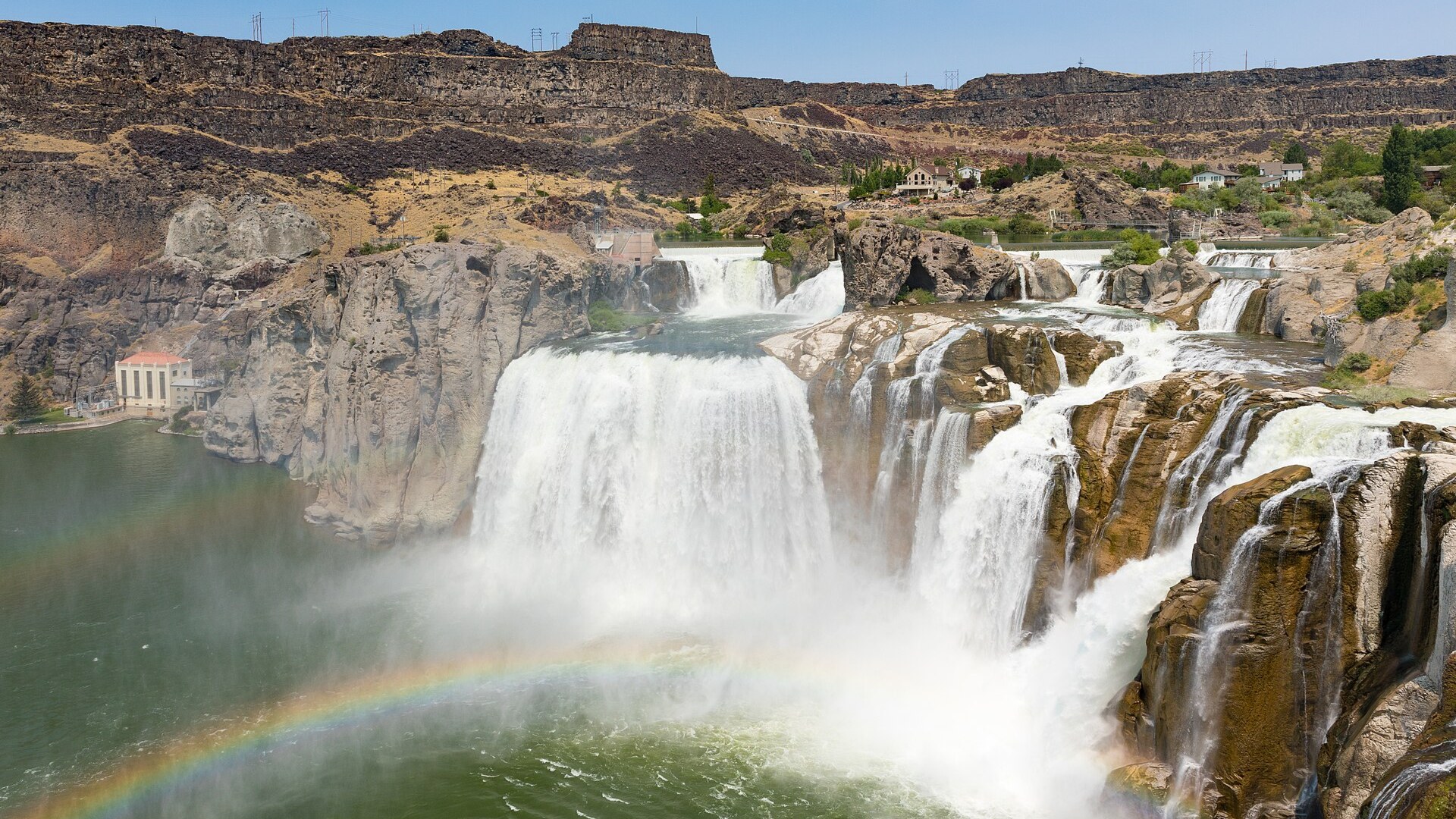
20. Shoshone Falls 
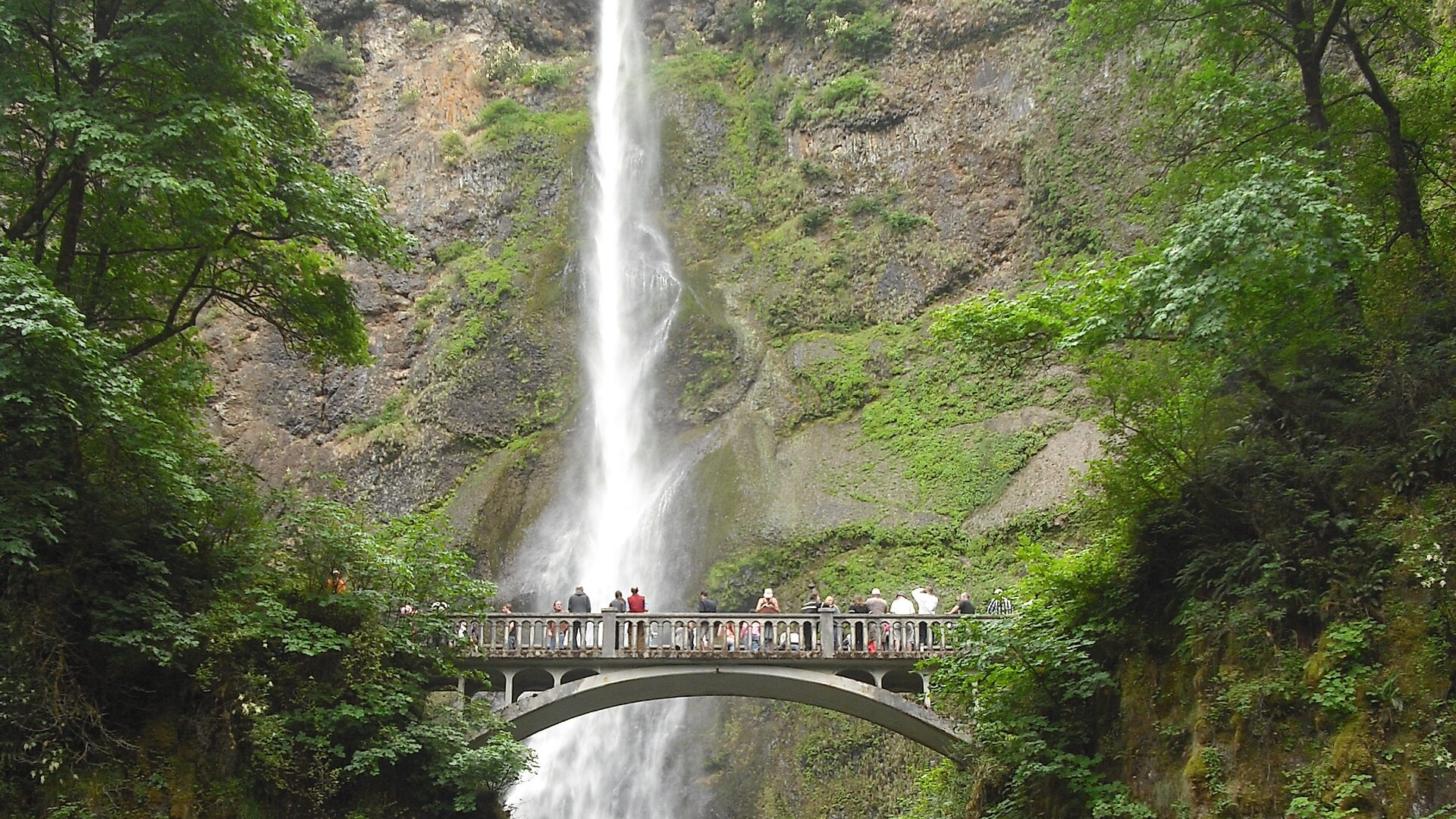
19. Multnomah Falls 
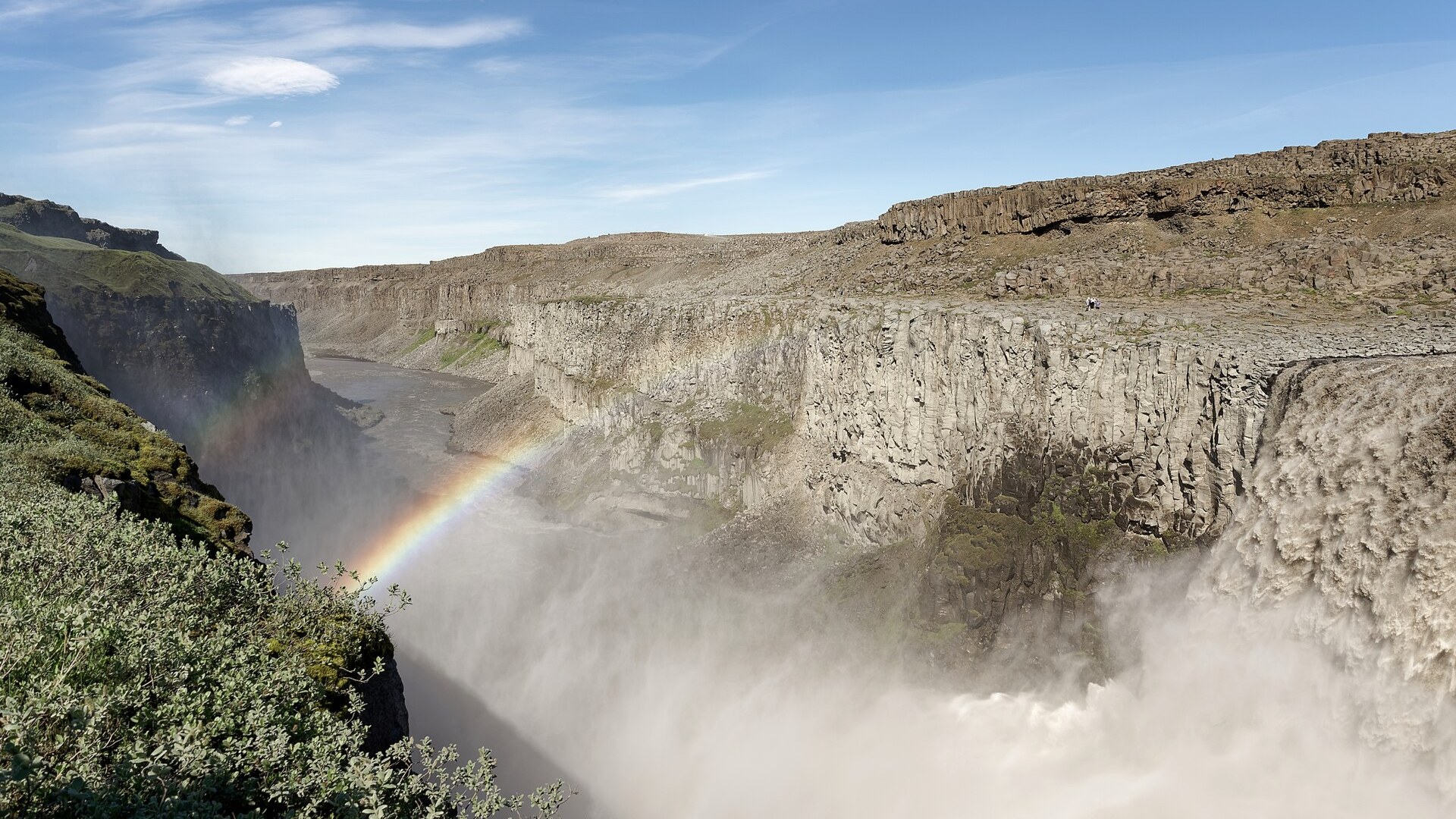
18. Dettifoss - AdvertisementSwipe or tap ▶ to continue countdown

17. Erawan Falls 
16. Cascata Delle Marmore 
15. Ruby Falls 
14. Sutherland Falls - AdvertisementSwipe or tap ▶ to continue countdown

13. Huangguoshu Waterfall 
12. Jog Falls 
11. Wallaman Falls 
10. McWay Falls - AdvertisementSwipe or tap ▶ to continue countdown

9. Gullfoss 
8. Ban Gioc-Detian Falls 
7. Skogafoss 
6. Kuang Si Falls - AdvertisementSwipe or tap ▶ to continue countdown

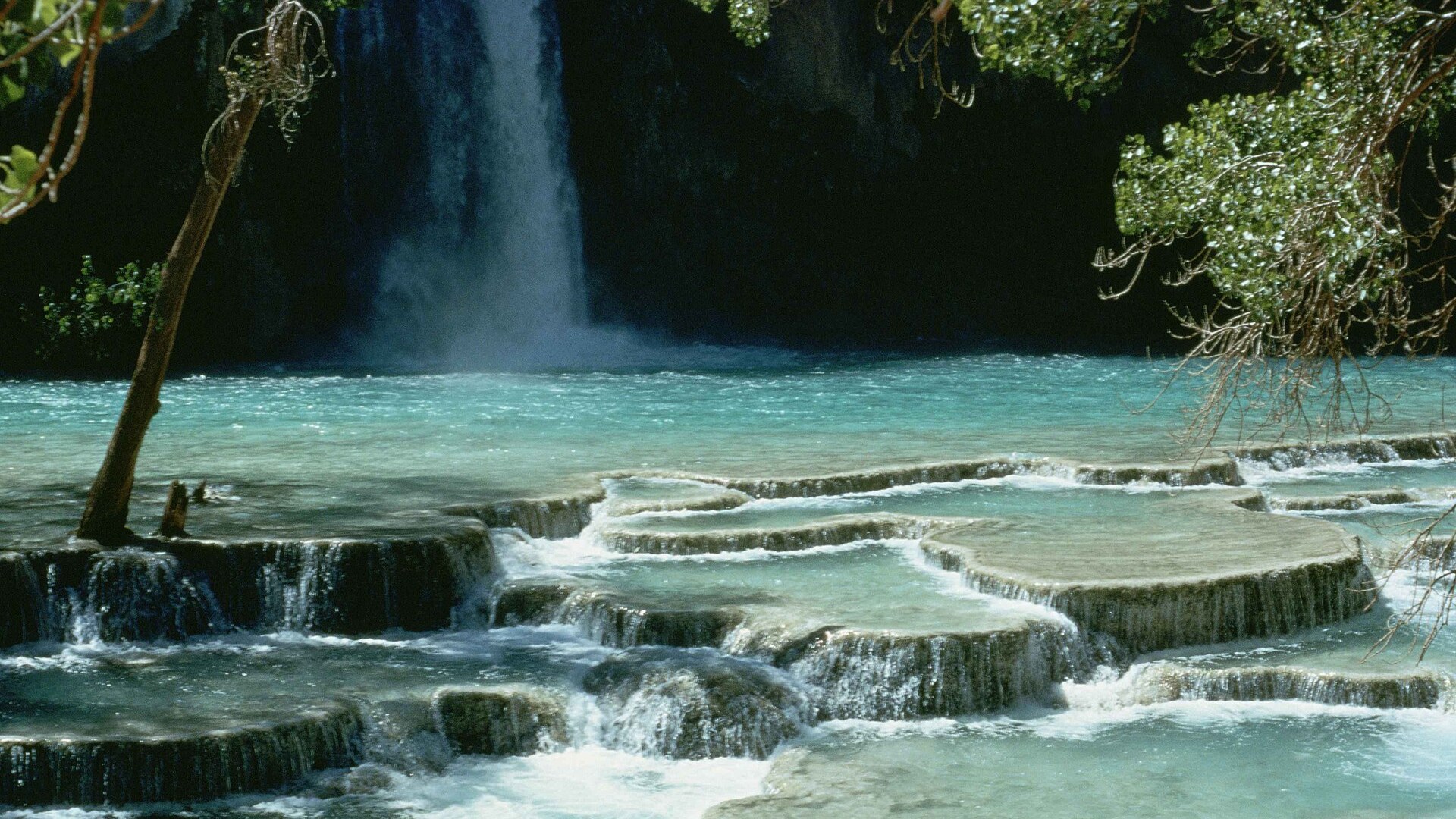
5. Havasu Falls 
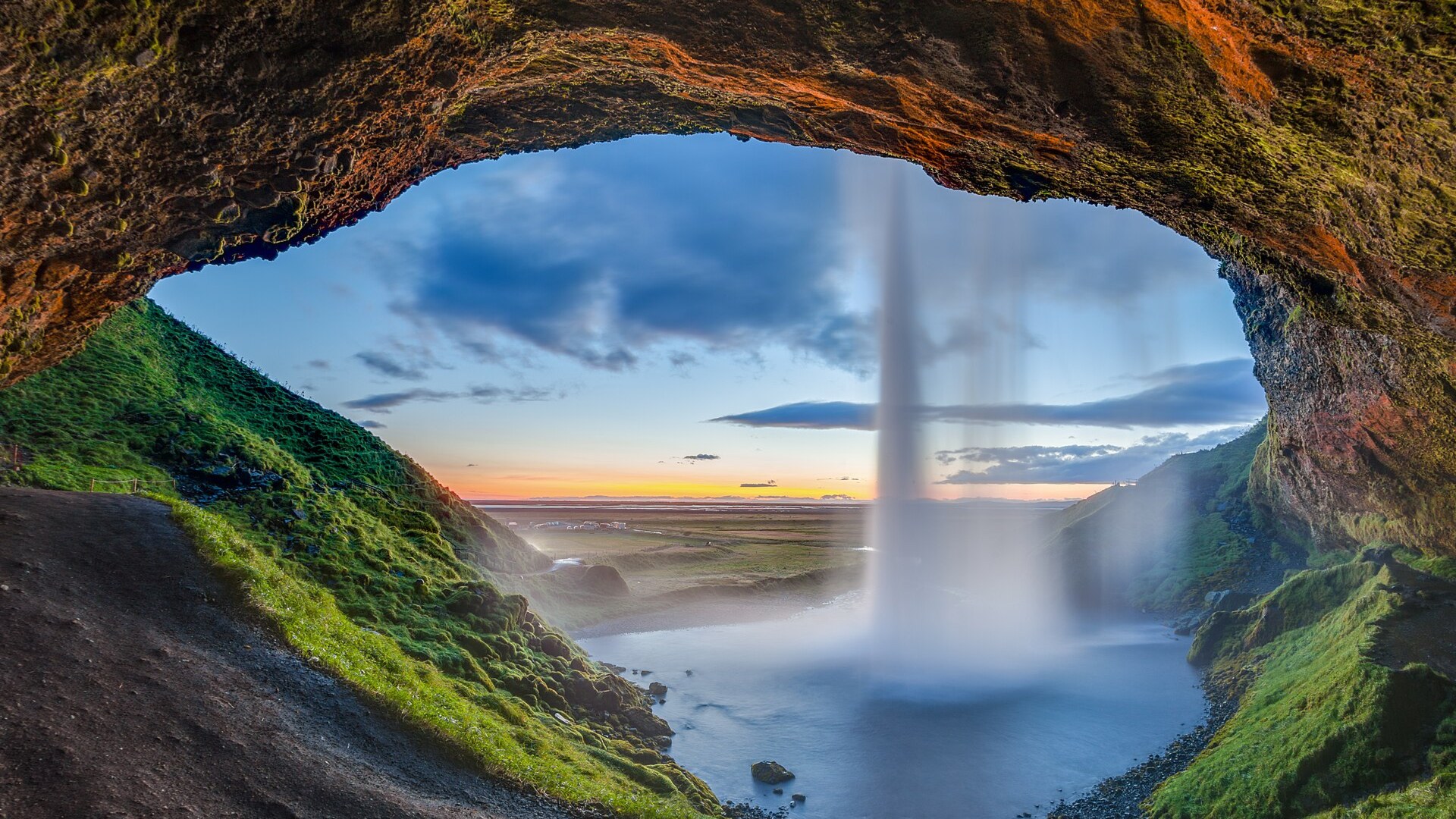
4. Seljalandsfoss 
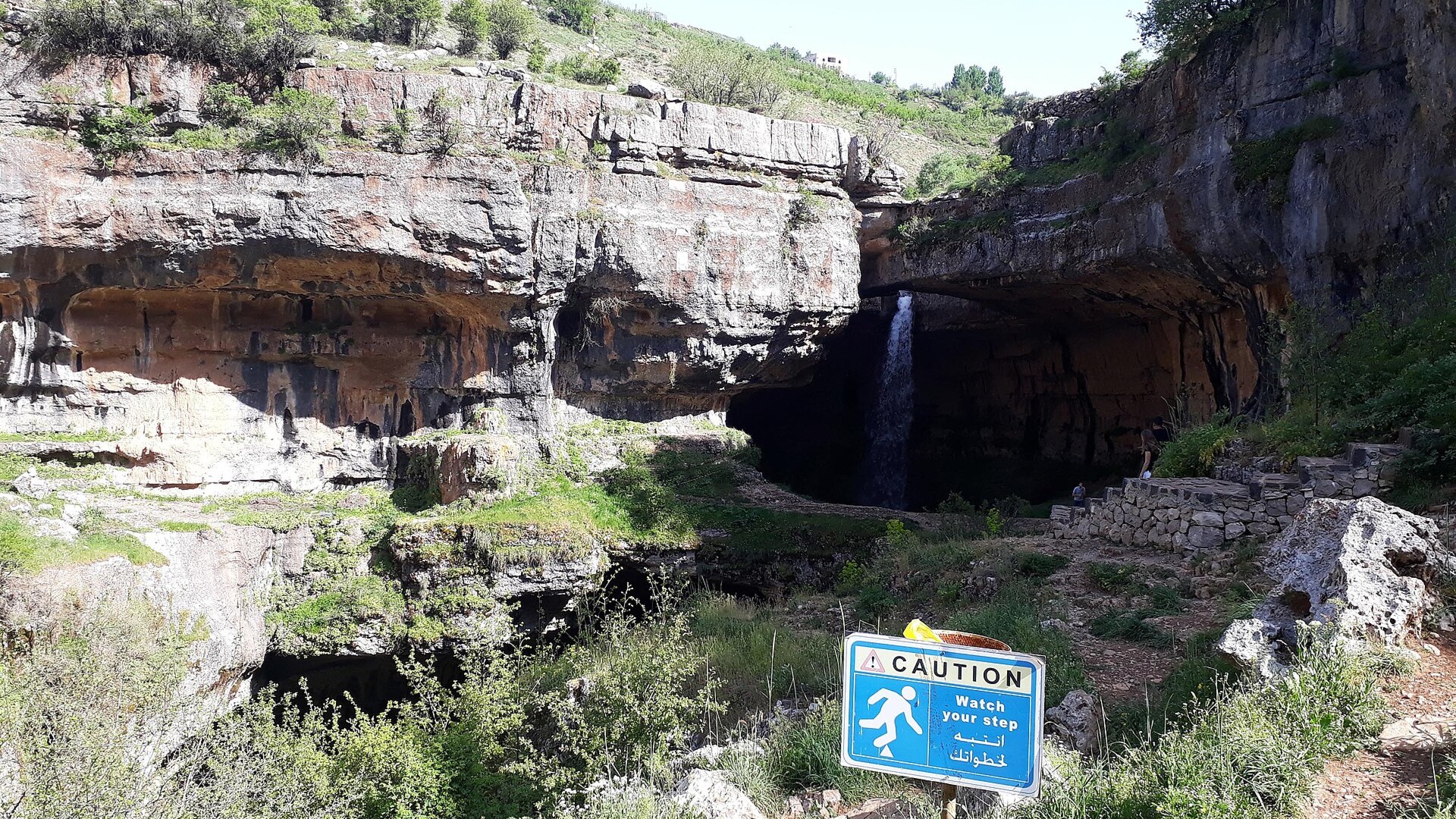
3. Baatara Gorge Waterfall 
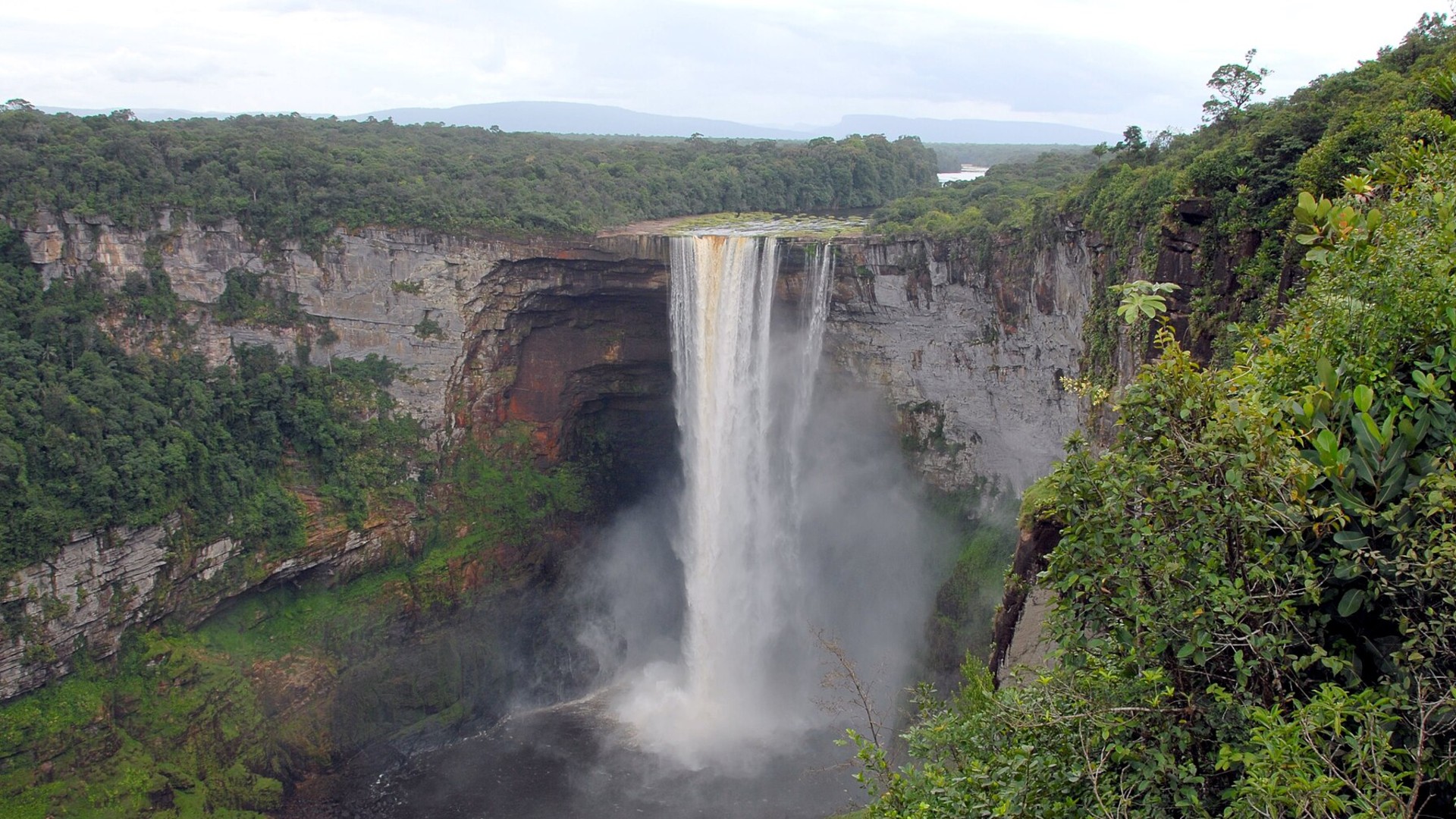
2. Kaieteur Falls - AdvertisementSwipe or tap ▶ to continue countdown

1. Plitvice Waterfalls - Advertisement🔥 UP NEXT IN THIS SERIES◫ 21 Slides

20 UNESCO World Heritage Sites Located Away From Major Cities
Far from metropolitan centers, earth's most remote UNESCO World Heritage sites protect pristine wilderness and ancient sanctuaries. Drawing on documentation from UNESCO World Heritage records, National Geographic, and global park services, this countdown showcases 20 isolated wonders located far from major cities.
Based on geological survey reports from UNESCO World Heritage Centre, national park agencies, and National Geographic. Cascading rivers carve surreal drop-offs through basalt fractures and travertine dams across global terrain. Here is a curated countdown of twenty natural waterfalls that look completely unreal.
Swipe or tap ▶ to begin the countdown
©Wikimedia / dronepicr
20. Shoshone Falls
Known as the Niagara of the West, Shoshone Falls drops 212 feet along the Snake River in southern Idaho, standing 45 feet taller than Niagara Falls itself. Flowing over a broad basalt rim carved by Ice Age floods, the waterfall spans 900 feet wide during peak spring runoff fed by melting mountain snowpack systems.
©Wikimedia / Frank Schulenburg
19. Multnomah Falls
Plunging 620 feet into the Columbia River Gorge in Oregon, Multnomah Falls flows year-round from natural springs on Larch Mountain. An upper drop of 542 feet spills into a pool before dropping another 69 feet. The historic Benson Bridge spans the lower cascade, giving visitors an intimate view of the roaring mist.
©Wikimedia / ObezyankaNol
18. Dettifoss
Fed by the massive Vatnajokull ice cap via the Jokulsa a Fjollum river, Dettifoss churns through northeast Iceland with raw power. The gray sediment-rich glacial torrent plunges 144 feet over a 330-foot-wide cliff into Jokulsargljufur canyon. The roar shakes the surrounding basalt bedrock under your hiking feet.
©Wikimedia / Jakub Hałun
Advertisement
Swipe or tap ▶ to resume the countdown.
17. Erawan Falls
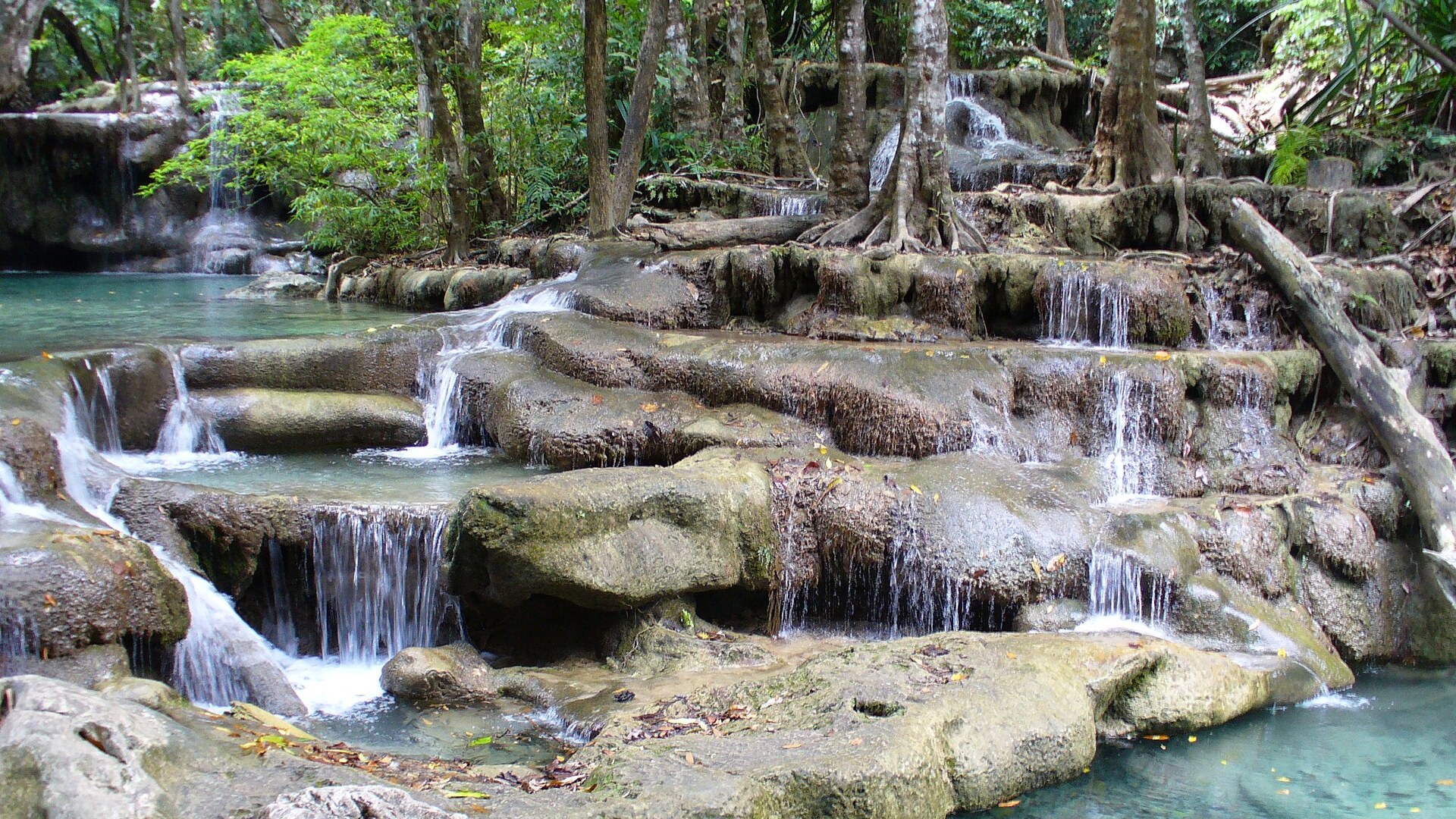
Flowing through Tenasserim Hills jungle in Kanchanaburi, Thailand, Erawan Falls tumbles across seven tiers over 4,900 feet of hillside. Dissolved calcium carbonate coats the rocks in pale travertine and turns each plunge pool a vivid shade of aqua. The top tier resembles a legendary three-headed white elephant.
©Wikimedia / FearOfMusic
16. Cascata Delle Marmore
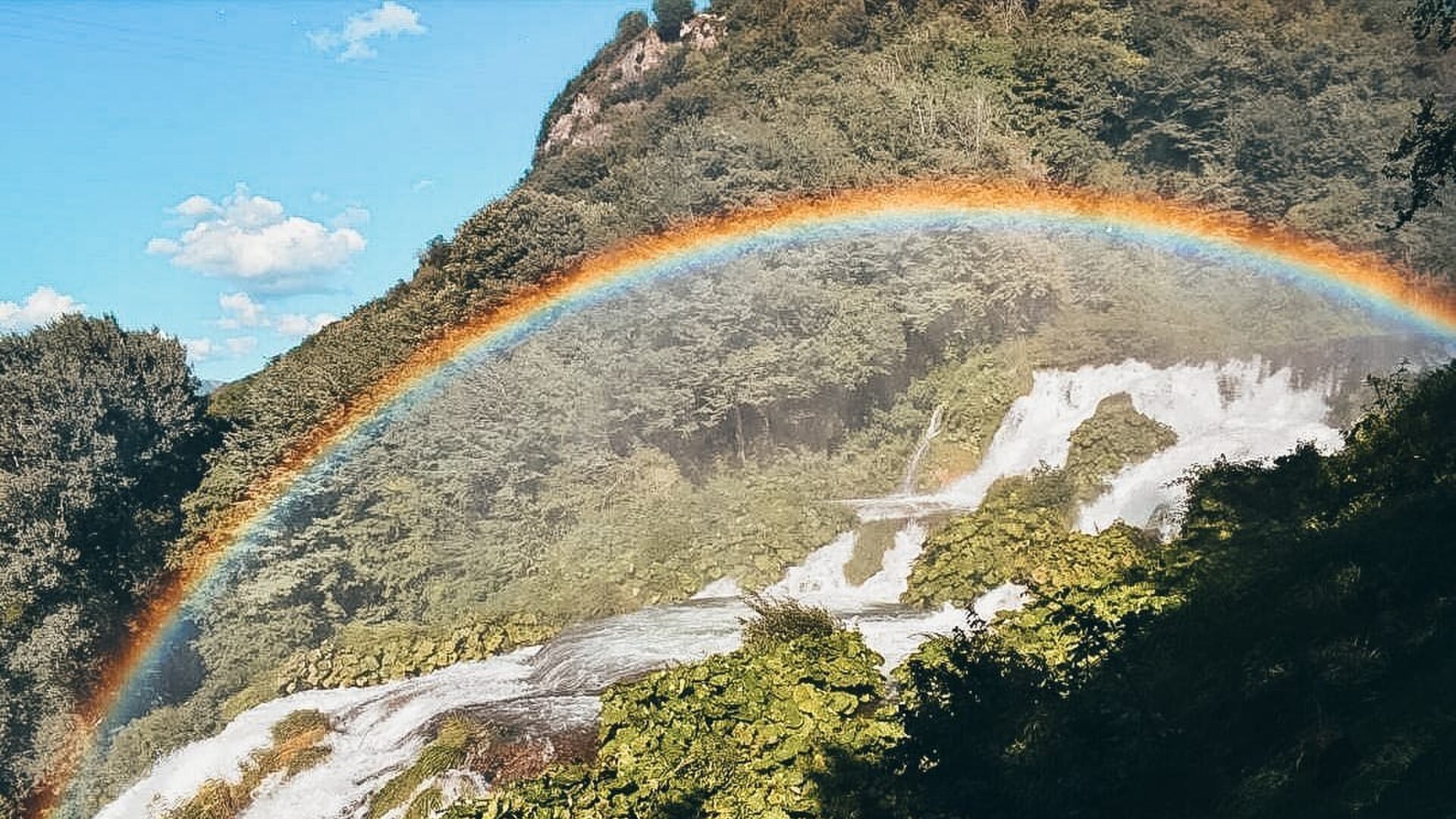
Engineered by Roman consul Manius Curius Dentatus in 271 BC to drain stagnant marshes, Cascata delle Marmore drops 541 feet into the Nera River valley in Umbria, Italy. Three distinct drops make it one of the tallest waterfalls in Europe. Timed releases feed dramatic sightseeing views and hydro turbine plants.
©Wikimedia / Giardinieri Alessia
15. Ruby Falls
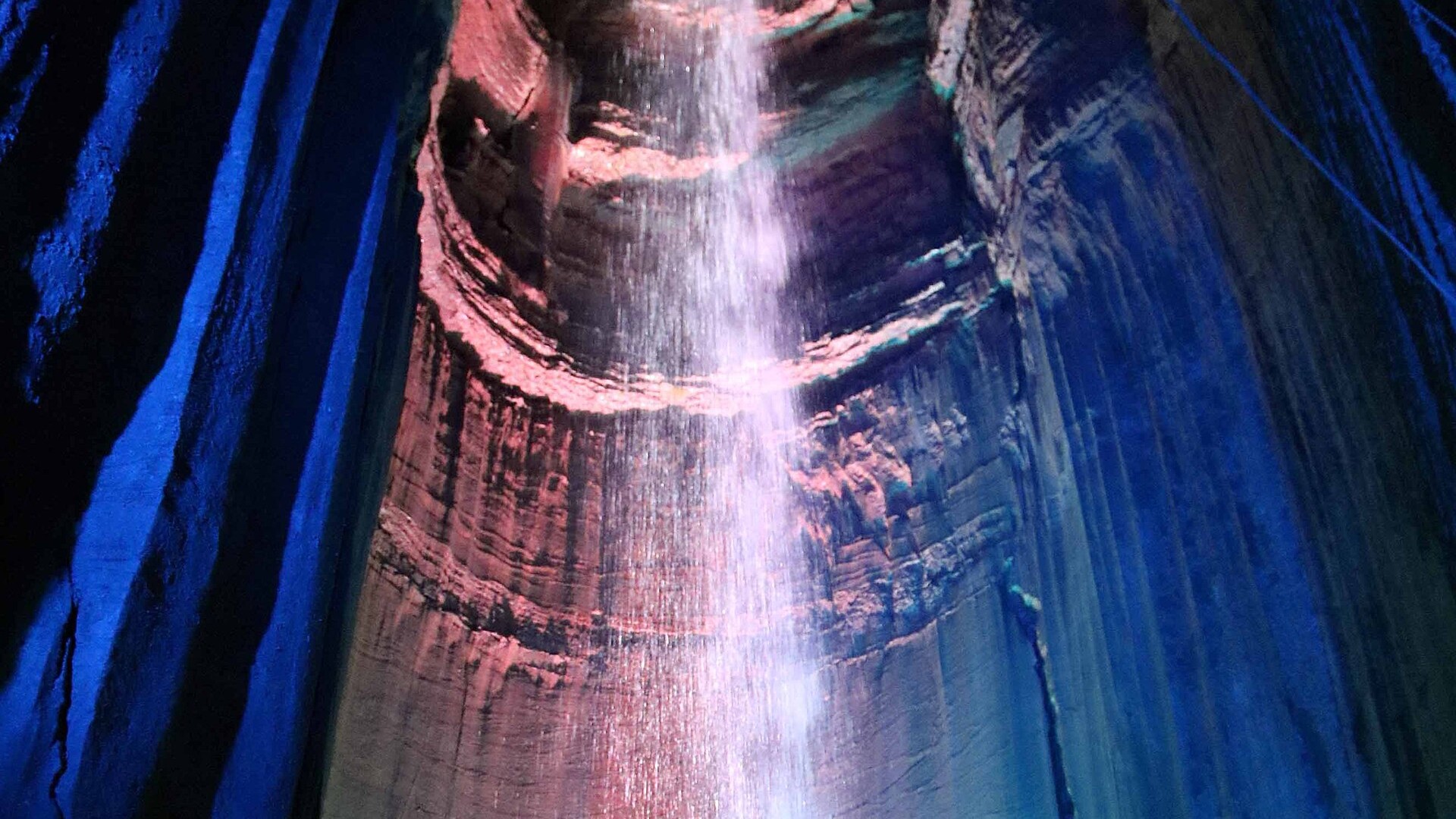
Hidden over 1,120 feet beneath the surface of Lookout Mountain near Chattanooga, Tennessee, Ruby Falls drops 145 feet in an underground cavern room. Discovered by Leo Lambert in 1928, the subterranean stream is fed by natural rainwater and springs, cascading down a fluted limestone shaft lit by colorful LEDs.
©Wikimedia / Kgriff2002
14. Sutherland Falls
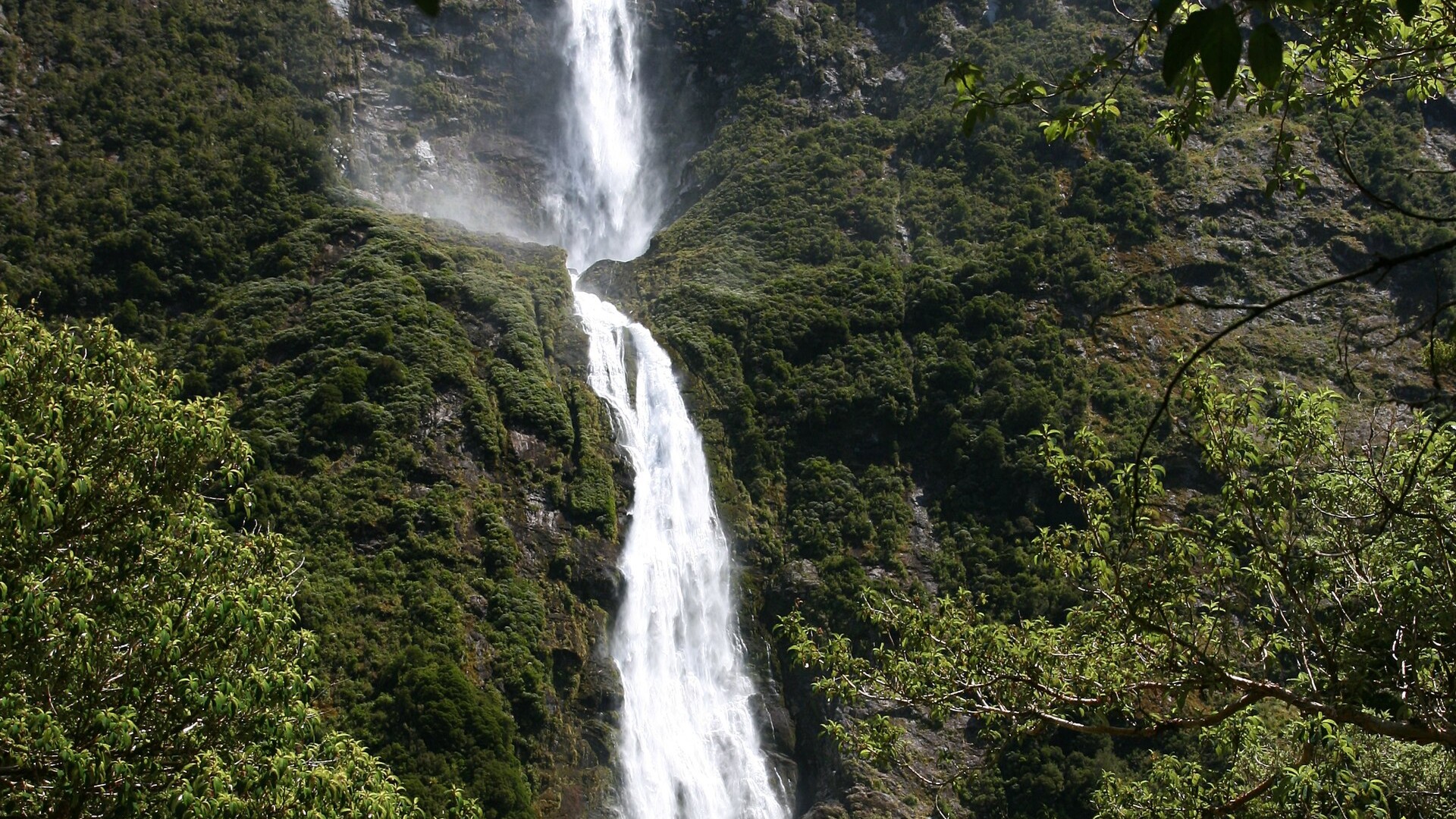
Spilling from Lake Quill high in New Zealand's Fiordland National Park, Sutherland Falls drops 1,904 feet in three thunderous leaps. The upper leap drops 751 feet, the middle falls 823 feet, and the lower cascade drops 338 feet into Arthur valley. Heavy maritime rainstorms swell the cascade into a misty torrent.
©Openverse / Javier Sánchez Portero
Advertisement
Swipe or tap ▶ to resume the countdown.
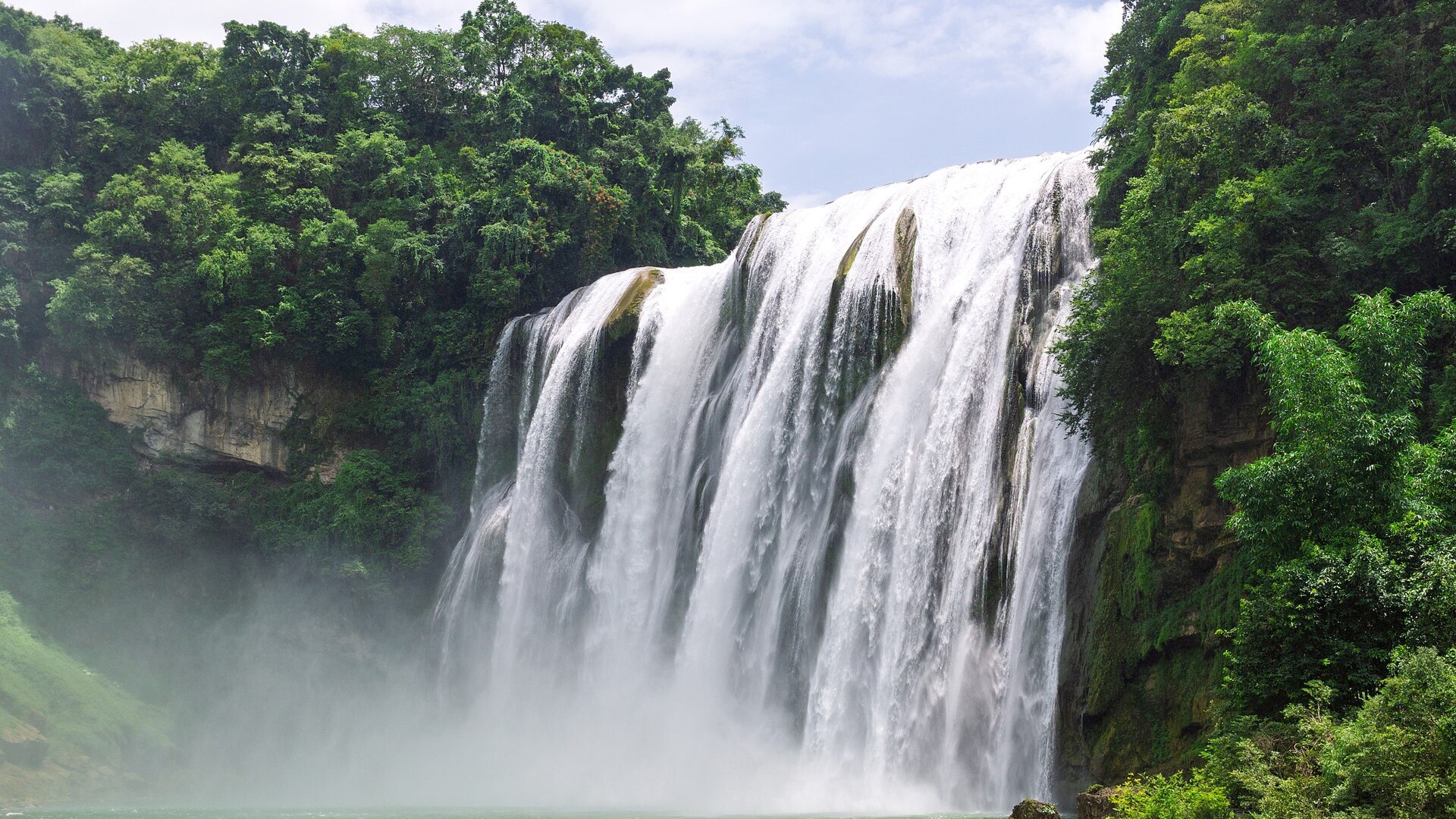
13. Huangguoshu Waterfall
Spanning 331 feet wide on the Baishui River in Guizhou, China, Huangguoshu Waterfall drops 255 feet over a sheer karst ledge. It is accessible from six different angles, including from inside Shuilian Dong, a 440-foot-long natural cave running directly behind the falling curtain of water for visiting sightseers.
©Wikimedia / Huangguoshu Waterfall
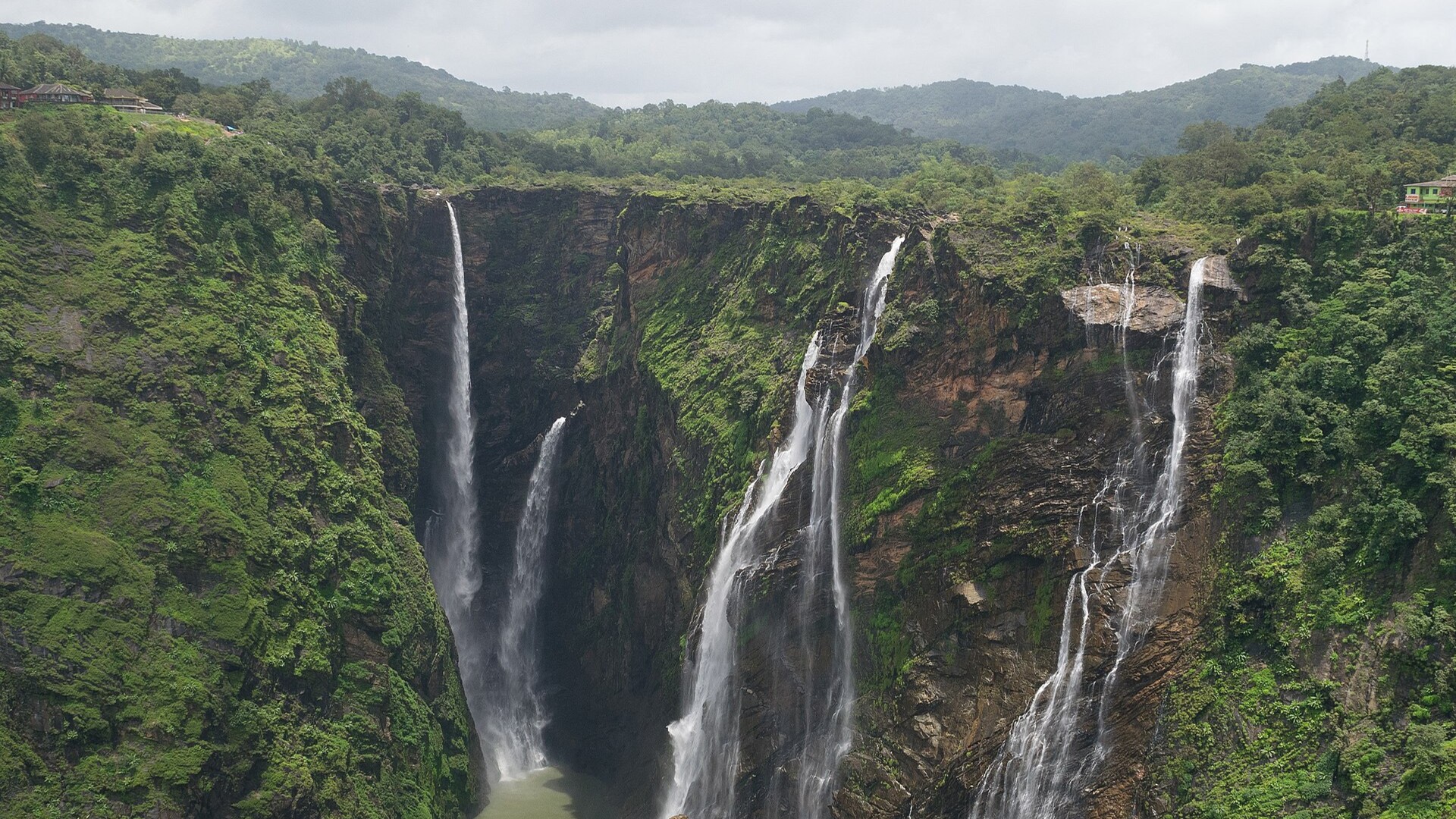
12. Jog Falls
Located on the Sharavathi River in Karnataka, India, Jog Falls drops 830 feet in a single untiered plunge into a deep chasm. During the summer monsoon, four distinct streams named Raja, Roarer, Rocket and Rani merge into a colossal foaming wall of water that creates rising mist plumes across the Western Ghats.
©Wikimedia / Jog Falls
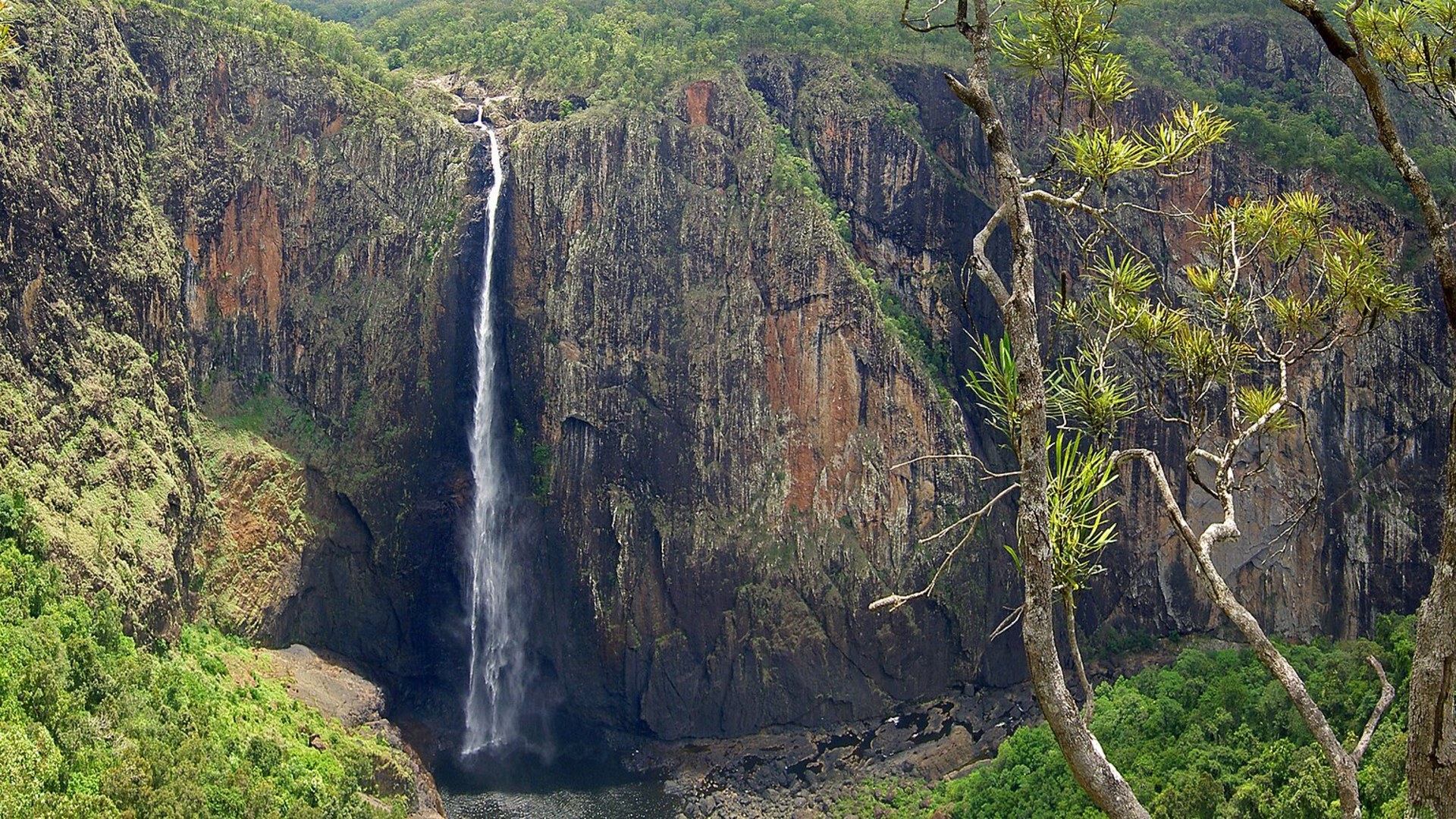
11. Wallaman Falls
Plunging 879 feet in an unbroken horsetail leap, Wallaman Falls in Queensland's Girringun National Park is Australia's tallest single-drop waterfall. Stony Creek tumbles over a sheer escarpment formed 50 million years ago into a pool 65 feet deep. Dense UNESCO-listed wet tropics rainforest frames the canyon rim.
©Wikimedia / Tsilikka
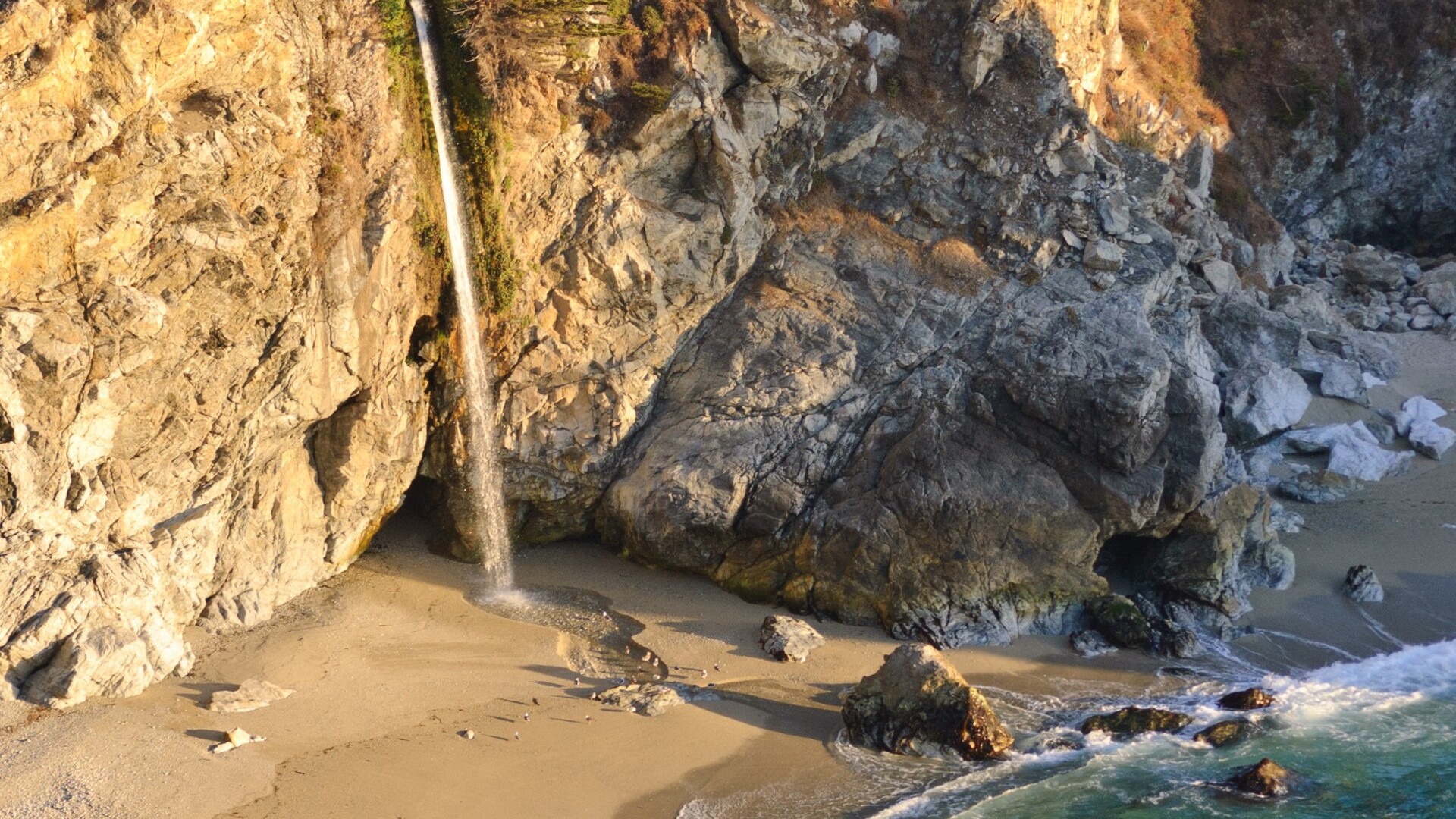
10. McWay Falls
Located in Julia Pfeiffer Burns State Park along California's Big Sur coastline, McWay Falls drops 80 feet from granite cliffs onto an isolated cove beach. During high tide, the stream flows directly into Pacific Ocean surf. The turquoise cove and golden sand remain untouched, as steep cliffs keep hikers far away.
©Wikimedia / McWay Falls
Advertisement
Swipe or tap ▶ to resume the countdown.
9. Gullfoss
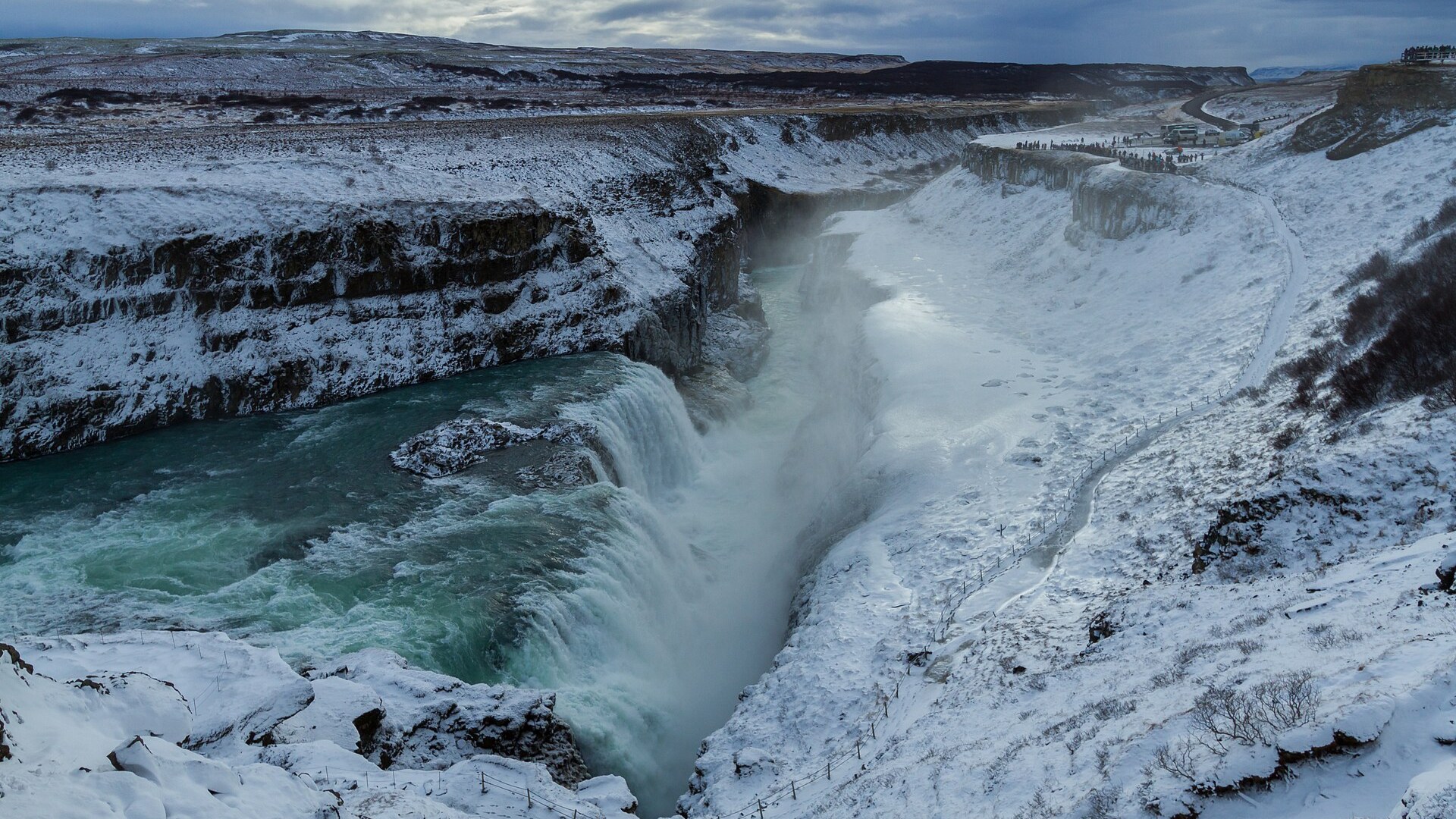
Fed by meltwater from Langjokull glacier along the Hvita River, Gullfoss plunges 105 feet across two wide volcanic steps. The upper tier drops 36 feet before the lower cascade plunges 69 feet directly into a narrow canyon crevasse. Golden sunlight hitting the glacial spray frequently produces vivid full rainbows.
©Wikimedia / Pierre-Selim Huard
8. Ban Gioc-Detian Falls
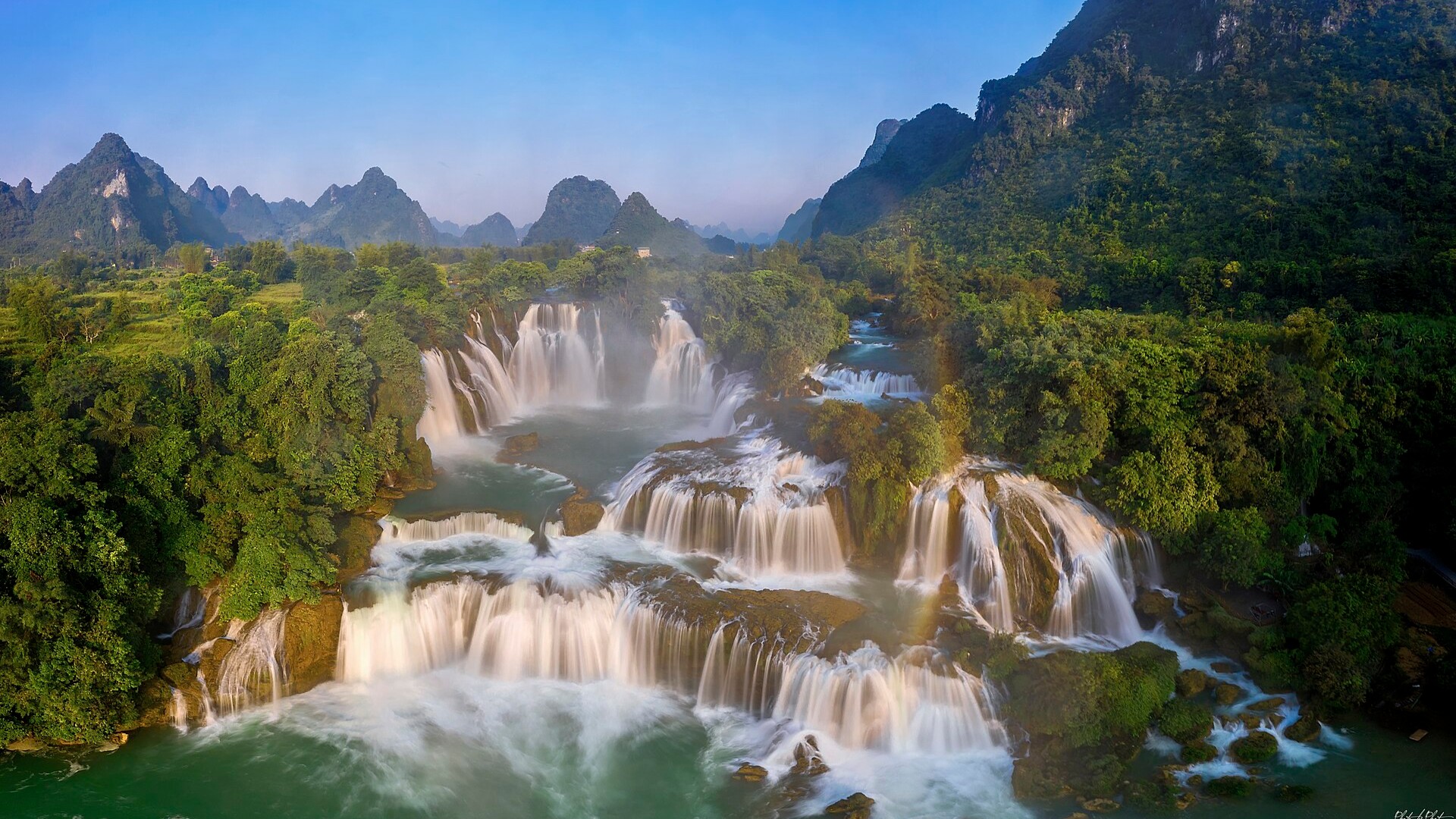
Straddling the border between Vietnam and China along the Quay Son River, Ban Gioc-Detian Falls cascades 98 feet across three stepped limestone tiers. Spanning over 650 feet wide, the waterfall is framed by towering karst limestone pinnacles, bamboo groves and rice paddies, creating an idyllic fairytale backdrop.
©Wikimedia / Ban Gioc–Detian Falls
7. Skogafoss
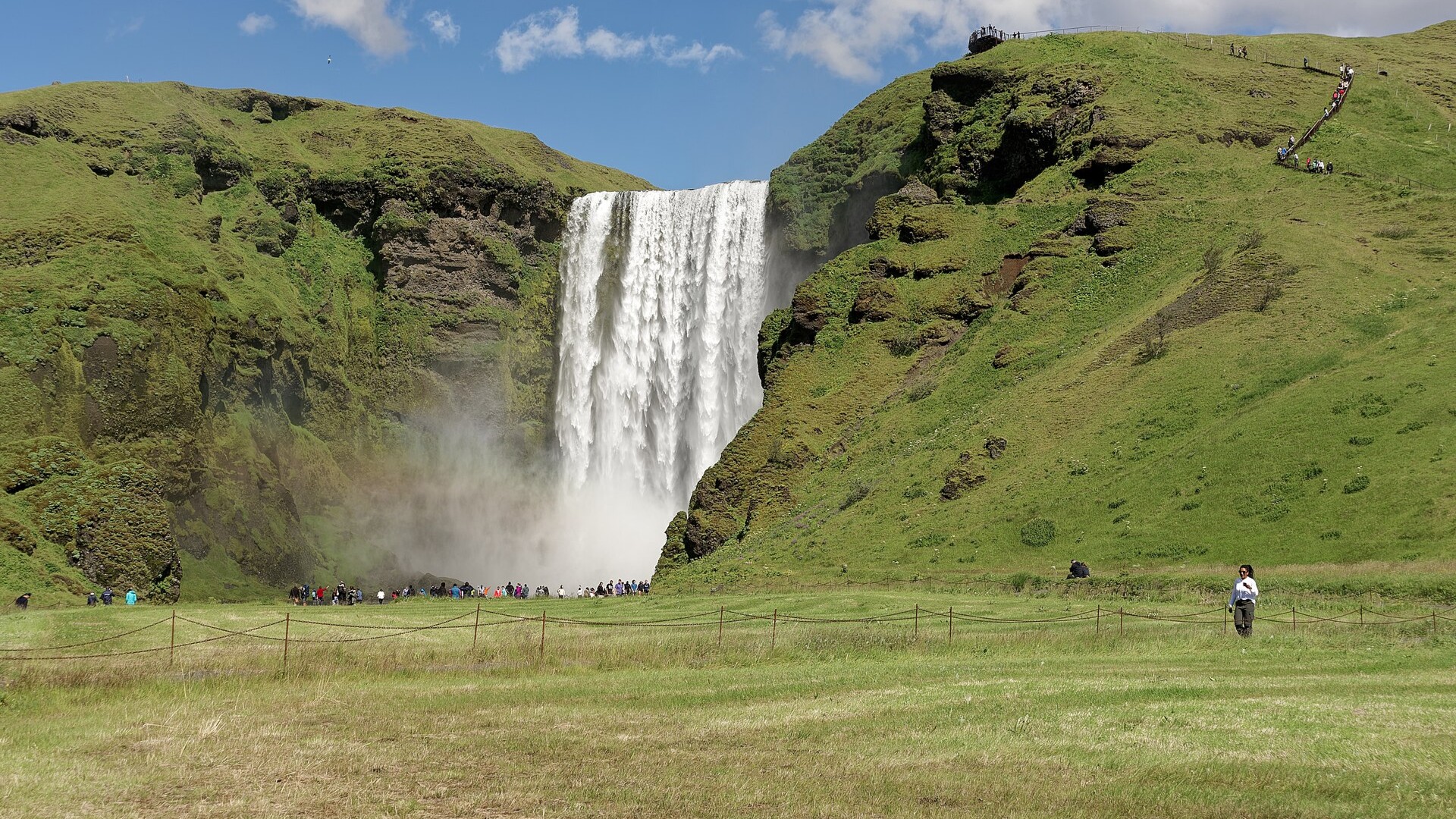
Dropping 197 feet with a width of 82 feet, Skogafoss is one of the most symmetrical waterfalls in Iceland. Flowing along the Skoga River over former coastal cliffs, the drop creates intense airborne spray that generates brilliant single and double rainbows whenever sunlight breaks through the North Atlantic skies.
©Wikimedia / Jakub Hałun
6. Kuang Si Falls
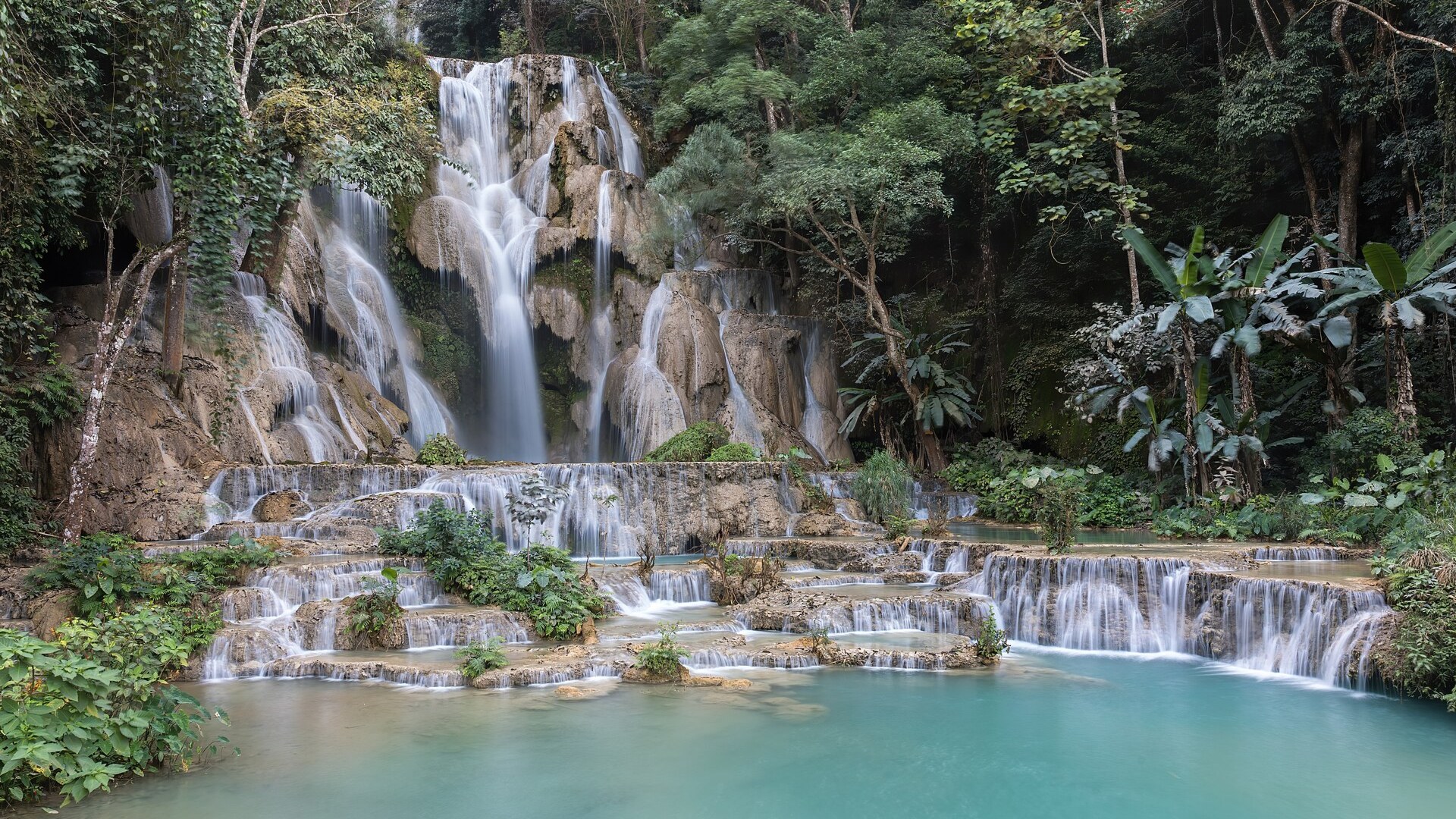
Located south of Luang Prabang in Laos, Kuang Si Falls drops 200 feet from thick jungle canopy into a series of shallow limestone basins. The water gathers dissolved calcium carbonate from surrounding rock, turning each natural terraced pool a milky pale blue hue where travelers swim amid lush tropical foliage.
©Wikimedia / Basile Morin
Advertisement
Swipe or tap ▶ to resume the countdown.
5. Havasu Falls
Located on the Havasupai Indian Reservation deep in a side canyon of the Grand Canyon, Havasu Falls drops 100 feet over red Supai sandstone into a broad pool. High concentrations of calcium carbonate and magnesium create its striking blue-green tint, which contrasts sharply against the towering desert rock walls.
©Wikimedia / Stolz Gary M, U.S. Fish and Wildlife Service
4. Seljalandsfoss
Dropping 197 feet on Iceland's southern coastline, Seljalandsfoss is fed by the famous Eyjafjallajokull glacier volcano. What makes this slender cataract world-famous is a deep hollow carved into the cliff base, allowing hikers to walk along a wet footpath entirely behind the roaring curtain of water at sunset.
©Wikimedia / Diego Delso
3. Baatara Gorge Waterfall
Plunging 837 feet into the Balaa Pothole near Tannourine in Lebanon, the Baatara Gorge Waterfall drops into a limestone chasm formed 160 million years ago. Spring snowmelt cascades behind three natural limestone bridges stacked vertically over the abyss, forming one of Earth's truly alien and surreal wonders.
©Wikimedia / Lodo27 from Moscow, Russia
2. Kaieteur Falls
Hidden in the Amazonian rainforest of Guyana on the Potaro River, Kaieteur Falls plunges 741 feet in a single unbroken drop, reaching 822 feet overall. Averaging over 23,000 cubic feet of water per second, it is the largest single-drop waterfall by volume on Earth, framed by ancient Precambrian sandstone plateaus.
©Wikimedia / Bill Cameron
Advertisement
Swipe or tap ▶ to resume the countdown.
1. Plitvice Waterfalls
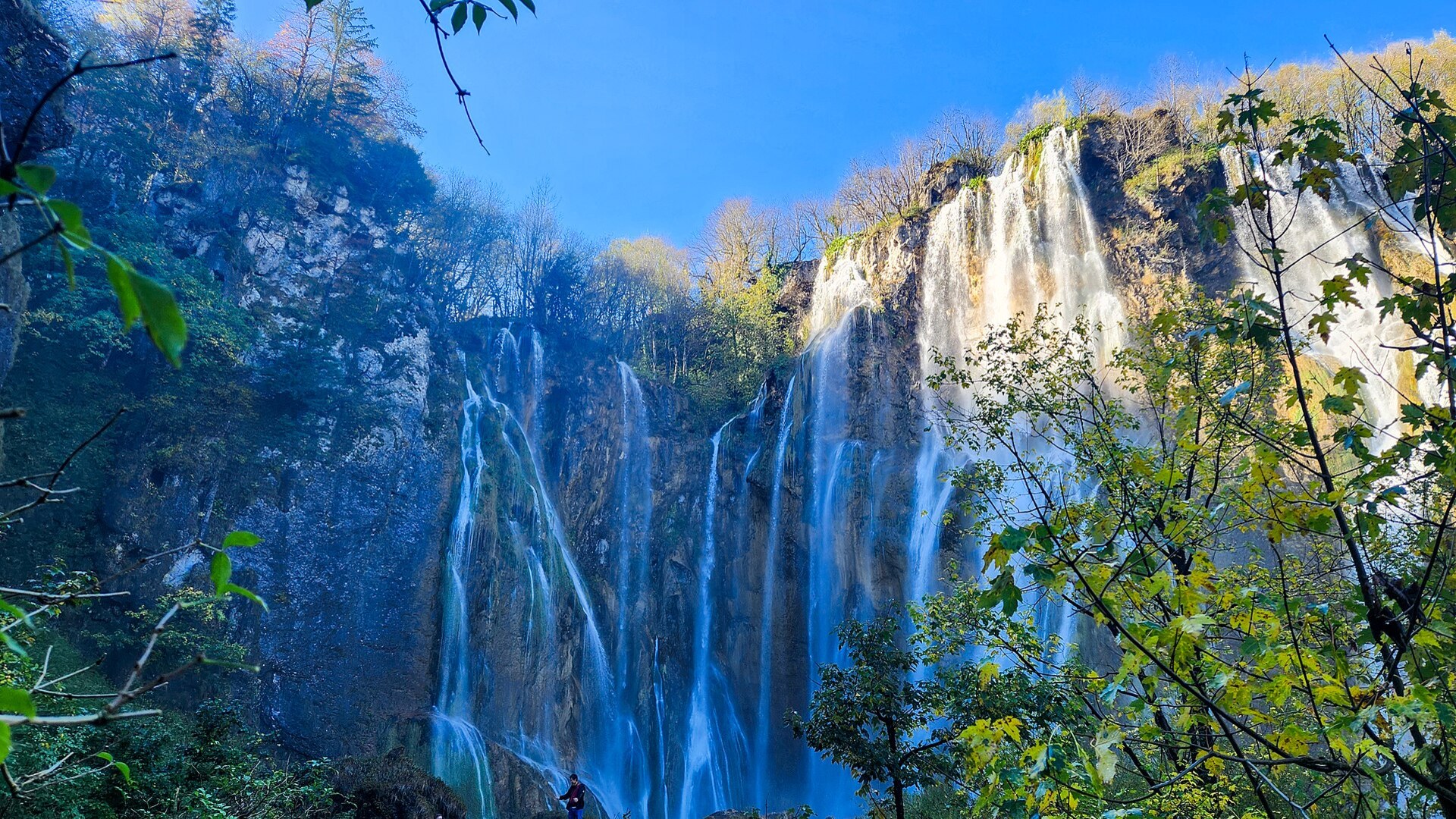
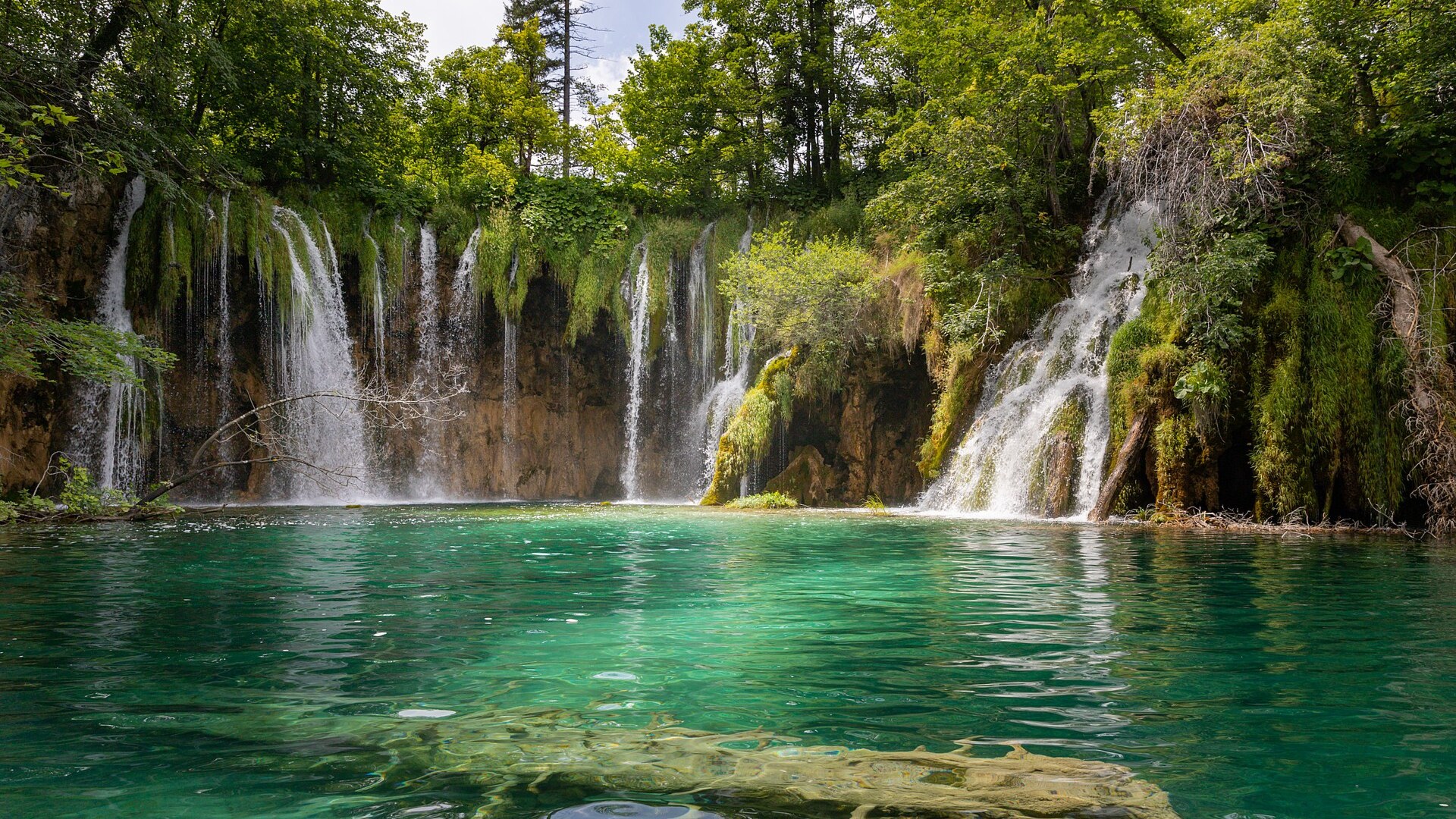
Protected as Croatia's oldest national park and a UNESCO World Heritage site, Plitvice Lakes features sixteen terraced karst lakes linked by ninety distinct cascades. Moss and algae deposit travertine barriers across the canyon over centuries, creating changing crystal pools that range from cyan to deep emerald.

©Wikimedia / OrionCro
Advertisement
You've reached the end of the story. Thanks for reading!

20 UNESCO World Heritage Sites Located Away From Major Cities
Far from metropolitan centers, earth's most remote UNESCO World Heritage sites protect pristine wilderness and ancient sanctuaries. Drawing on documentation from UNESCO World Heritage records, National Geographic, and global park services, this countdown showcases 20 isolated wonders located far from major cities.
All 20 Entries in this Story
20. Shoshone Falls
Known as the Niagara of the West, Shoshone Falls drops 212 feet along the Snake River in southern Idaho, standing 45 feet taller than Niagara Falls itself. Flowing over a broad basalt rim carved by Ice Age floods, the waterfall spans 900 feet wide during peak spring runoff fed by melting mountain snowpack systems.

19. Multnomah Falls
Plunging 620 feet into the Columbia River Gorge in Oregon, Multnomah Falls flows year-round from natural springs on Larch Mountain. An upper drop of 542 feet spills into a pool before dropping another 69 feet. The historic Benson Bridge spans the lower cascade, giving visitors an intimate view of the roaring mist.

18. Dettifoss
Fed by the massive Vatnajokull ice cap via the Jokulsa a Fjollum river, Dettifoss churns through northeast Iceland with raw power. The gray sediment-rich glacial torrent plunges 144 feet over a 330-foot-wide cliff into Jokulsargljufur canyon. The roar shakes the surrounding basalt bedrock under your hiking feet.

17. Erawan Falls
Flowing through Tenasserim Hills jungle in Kanchanaburi, Thailand, Erawan Falls tumbles across seven tiers over 4,900 feet of hillside. Dissolved calcium carbonate coats the rocks in pale travertine and turns each plunge pool a vivid shade of aqua. The top tier resembles a legendary three-headed white elephant.

16. Cascata Delle Marmore
Engineered by Roman consul Manius Curius Dentatus in 271 BC to drain stagnant marshes, Cascata delle Marmore drops 541 feet into the Nera River valley in Umbria, Italy. Three distinct drops make it one of the tallest waterfalls in Europe. Timed releases feed dramatic sightseeing views and hydro turbine plants.

15. Ruby Falls
Hidden over 1,120 feet beneath the surface of Lookout Mountain near Chattanooga, Tennessee, Ruby Falls drops 145 feet in an underground cavern room. Discovered by Leo Lambert in 1928, the subterranean stream is fed by natural rainwater and springs, cascading down a fluted limestone shaft lit by colorful LEDs.

14. Sutherland Falls
Spilling from Lake Quill high in New Zealand's Fiordland National Park, Sutherland Falls drops 1,904 feet in three thunderous leaps. The upper leap drops 751 feet, the middle falls 823 feet, and the lower cascade drops 338 feet into Arthur valley. Heavy maritime rainstorms swell the cascade into a misty torrent.

13. Huangguoshu Waterfall
Spanning 331 feet wide on the Baishui River in Guizhou, China, Huangguoshu Waterfall drops 255 feet over a sheer karst ledge. It is accessible from six different angles, including from inside Shuilian Dong, a 440-foot-long natural cave running directly behind the falling curtain of water for visiting sightseers.

12. Jog Falls
Located on the Sharavathi River in Karnataka, India, Jog Falls drops 830 feet in a single untiered plunge into a deep chasm. During the summer monsoon, four distinct streams named Raja, Roarer, Rocket and Rani merge into a colossal foaming wall of water that creates rising mist plumes across the Western Ghats.

11. Wallaman Falls
Plunging 879 feet in an unbroken horsetail leap, Wallaman Falls in Queensland's Girringun National Park is Australia's tallest single-drop waterfall. Stony Creek tumbles over a sheer escarpment formed 50 million years ago into a pool 65 feet deep. Dense UNESCO-listed wet tropics rainforest frames the canyon rim.

10. McWay Falls
Located in Julia Pfeiffer Burns State Park along California's Big Sur coastline, McWay Falls drops 80 feet from granite cliffs onto an isolated cove beach. During high tide, the stream flows directly into Pacific Ocean surf. The turquoise cove and golden sand remain untouched, as steep cliffs keep hikers far away.

9. Gullfoss
Fed by meltwater from Langjokull glacier along the Hvita River, Gullfoss plunges 105 feet across two wide volcanic steps. The upper tier drops 36 feet before the lower cascade plunges 69 feet directly into a narrow canyon crevasse. Golden sunlight hitting the glacial spray frequently produces vivid full rainbows.

8. Ban Gioc-Detian Falls
Straddling the border between Vietnam and China along the Quay Son River, Ban Gioc-Detian Falls cascades 98 feet across three stepped limestone tiers. Spanning over 650 feet wide, the waterfall is framed by towering karst limestone pinnacles, bamboo groves and rice paddies, creating an idyllic fairytale backdrop.

7. Skogafoss
Dropping 197 feet with a width of 82 feet, Skogafoss is one of the most symmetrical waterfalls in Iceland. Flowing along the Skoga River over former coastal cliffs, the drop creates intense airborne spray that generates brilliant single and double rainbows whenever sunlight breaks through the North Atlantic skies.

6. Kuang Si Falls
Located south of Luang Prabang in Laos, Kuang Si Falls drops 200 feet from thick jungle canopy into a series of shallow limestone basins. The water gathers dissolved calcium carbonate from surrounding rock, turning each natural terraced pool a milky pale blue hue where travelers swim amid lush tropical foliage.

5. Havasu Falls
Located on the Havasupai Indian Reservation deep in a side canyon of the Grand Canyon, Havasu Falls drops 100 feet over red Supai sandstone into a broad pool. High concentrations of calcium carbonate and magnesium create its striking blue-green tint, which contrasts sharply against the towering desert rock walls.

4. Seljalandsfoss
Dropping 197 feet on Iceland's southern coastline, Seljalandsfoss is fed by the famous Eyjafjallajokull glacier volcano. What makes this slender cataract world-famous is a deep hollow carved into the cliff base, allowing hikers to walk along a wet footpath entirely behind the roaring curtain of water at sunset.

3. Baatara Gorge Waterfall
Plunging 837 feet into the Balaa Pothole near Tannourine in Lebanon, the Baatara Gorge Waterfall drops into a limestone chasm formed 160 million years ago. Spring snowmelt cascades behind three natural limestone bridges stacked vertically over the abyss, forming one of Earth's truly alien and surreal wonders.

2. Kaieteur Falls
Hidden in the Amazonian rainforest of Guyana on the Potaro River, Kaieteur Falls plunges 741 feet in a single unbroken drop, reaching 822 feet overall. Averaging over 23,000 cubic feet of water per second, it is the largest single-drop waterfall by volume on Earth, framed by ancient Precambrian sandstone plateaus.

1. Plitvice Waterfalls
Protected as Croatia's oldest national park and a UNESCO World Heritage site, Plitvice Lakes features sixteen terraced karst lakes linked by ninety distinct cascades. Moss and algae deposit travertine barriers across the canyon over centuries, creating changing crystal pools that range from cyan to deep emerald.