Slideshow · Travel
20 Bridges on Earth That Set Engineering Records You Can Still Cross
Engineering records and bridge data draw from the Guinness World Records, the Structurae database, ASCE civil archives, and national transport ministries. These twenty extraordinary bridges conquer wild straits, deep chasms, and wide ocean bays through cutting-edge engineering and timeless architectural design.

By Most Viral Today
1 hour ago

Global Engineering Marvels 
20. 1915 Canakkale Bridge (Dardanelles, Turkey) 
19. Millau Viaduct (Aveyron, France) 
18. Zhangjiajie Glass Bridge (Hunan, China) - AdvertisementSwipe or tap ▶ to continue countdown

17. Oresund Bridge (Denmark To Sweden) 
16. Beipanjiang Bridge Duge (Guizhou-Yunnan, China) 
15. Danyang-Kunshan Grand Bridge (Jiangsu, China) 
14. Golden Gate Bridge (San Francisco, USA) - AdvertisementSwipe or tap ▶ to continue countdown

13. Akashi Kaikyo Bridge (Kobe-Awaji, Japan) 
12. Vasco Da Gama Bridge (Lisbon, Portugal) 
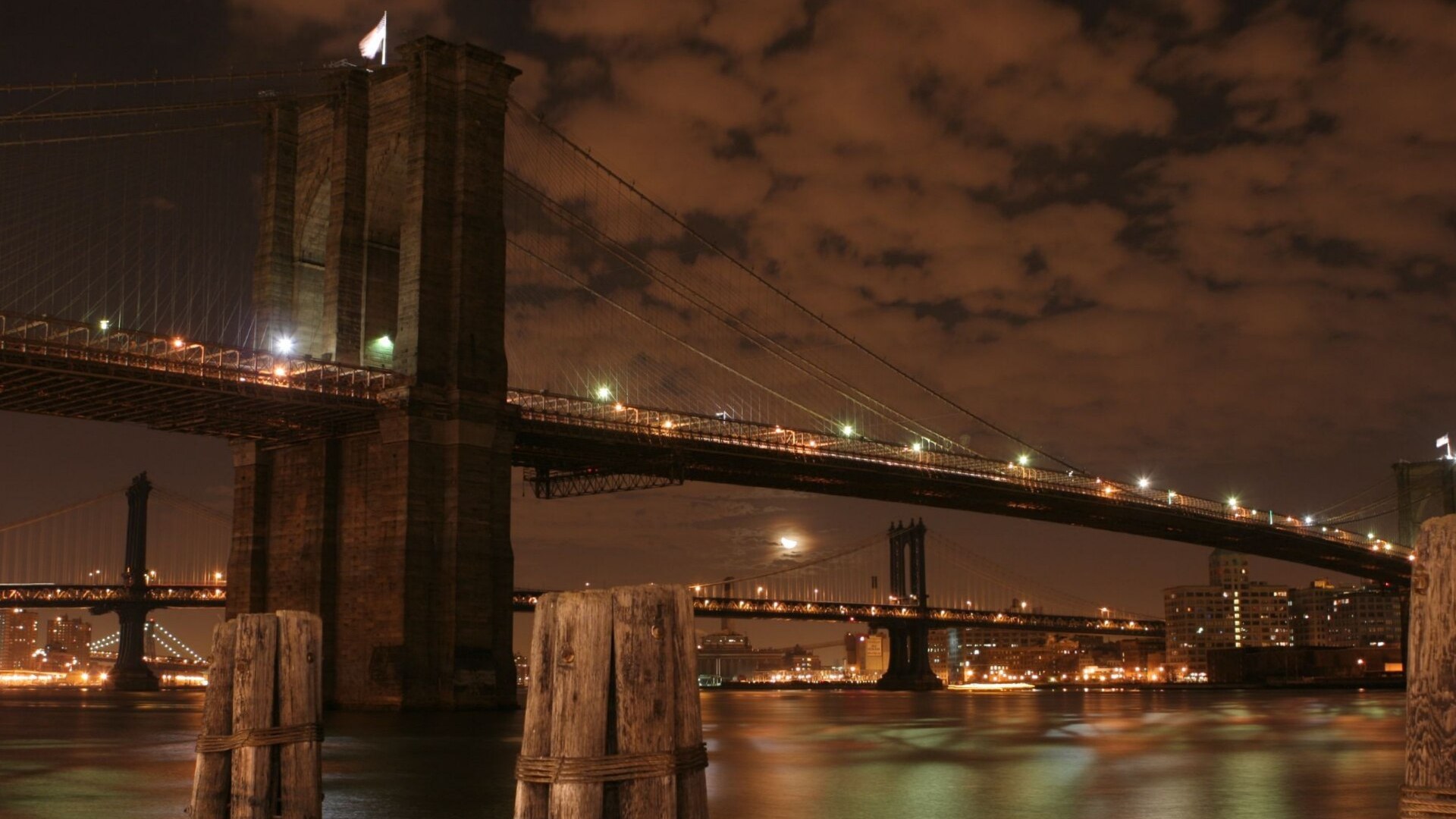
11. Brooklyn Bridge (New York City, USA) 
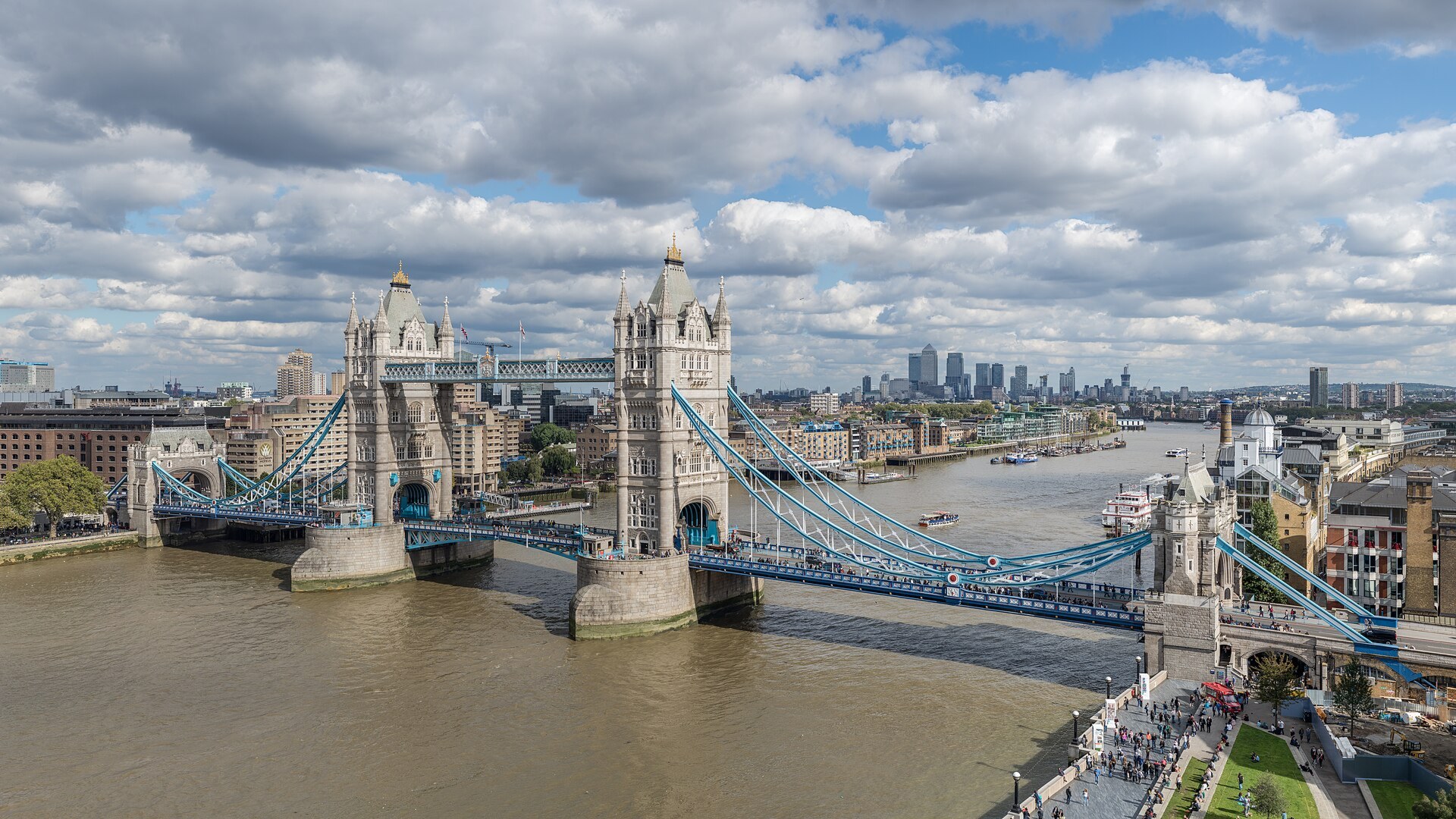
10. Tower Bridge (London, United Kingdom) - AdvertisementSwipe or tap ▶ to continue countdown

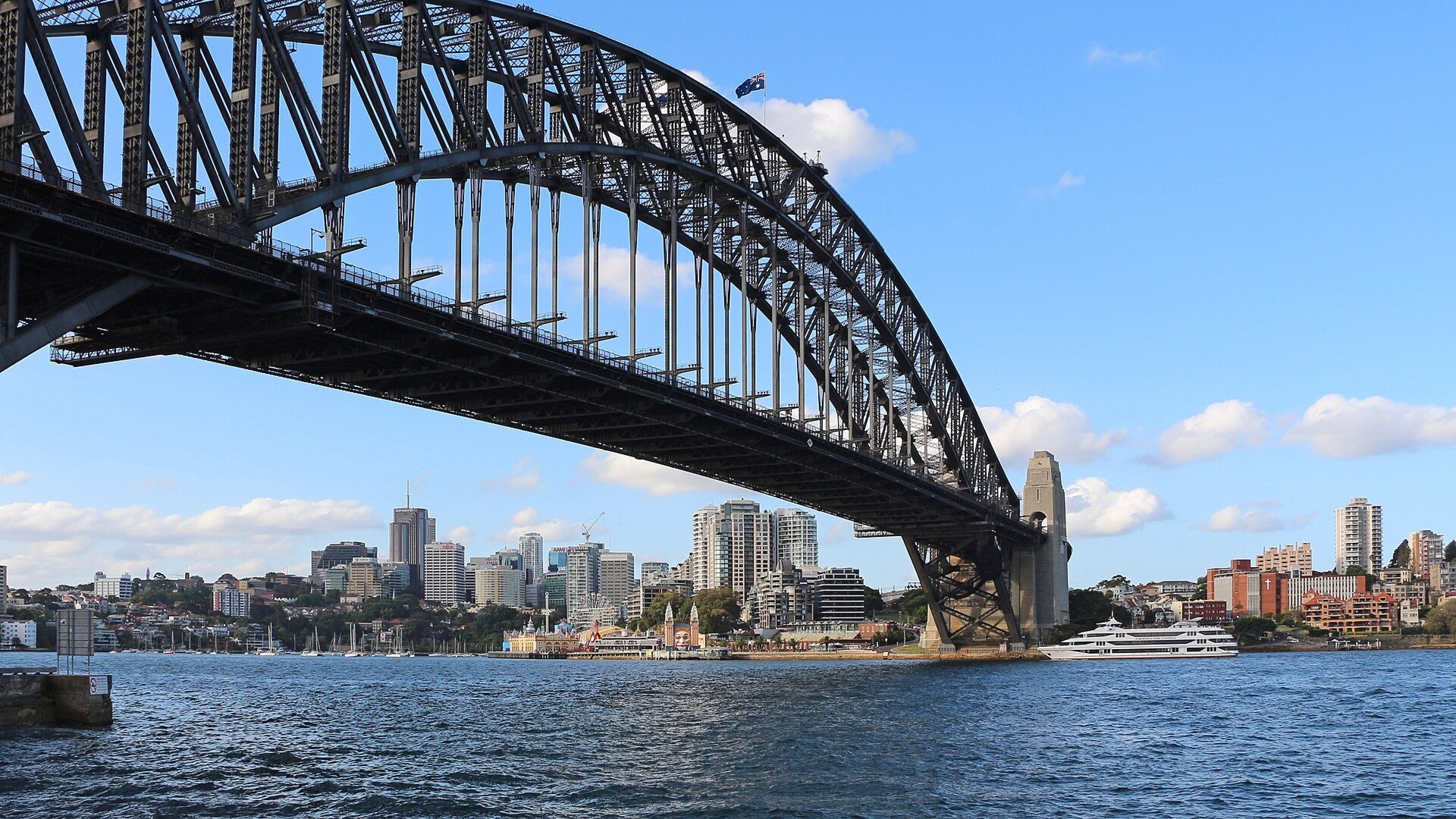
9. Sydney Harbour Bridge (Sydney, Australia) 
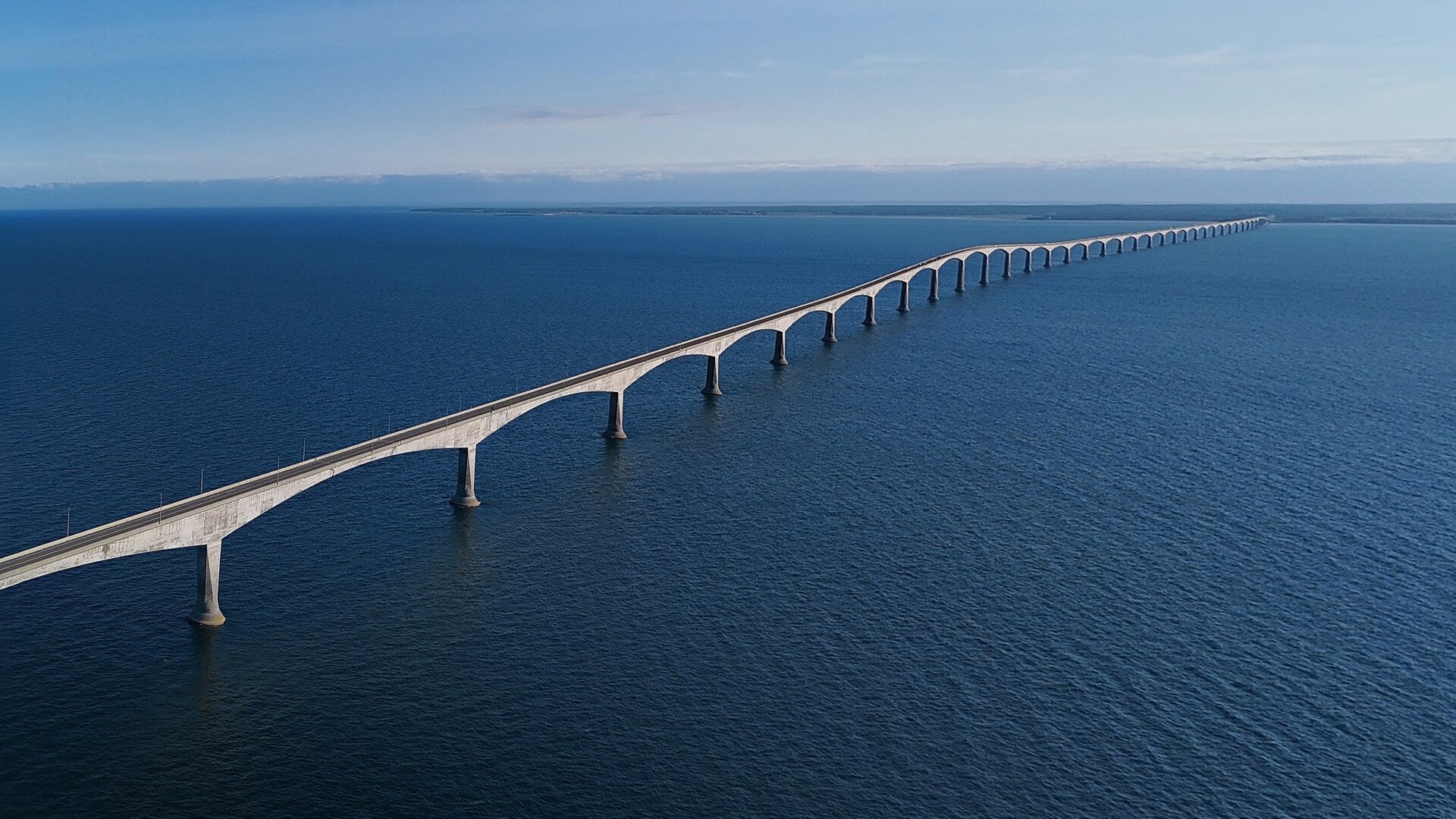
8. Confederation Bridge (Prince Edward Island, Canada) 
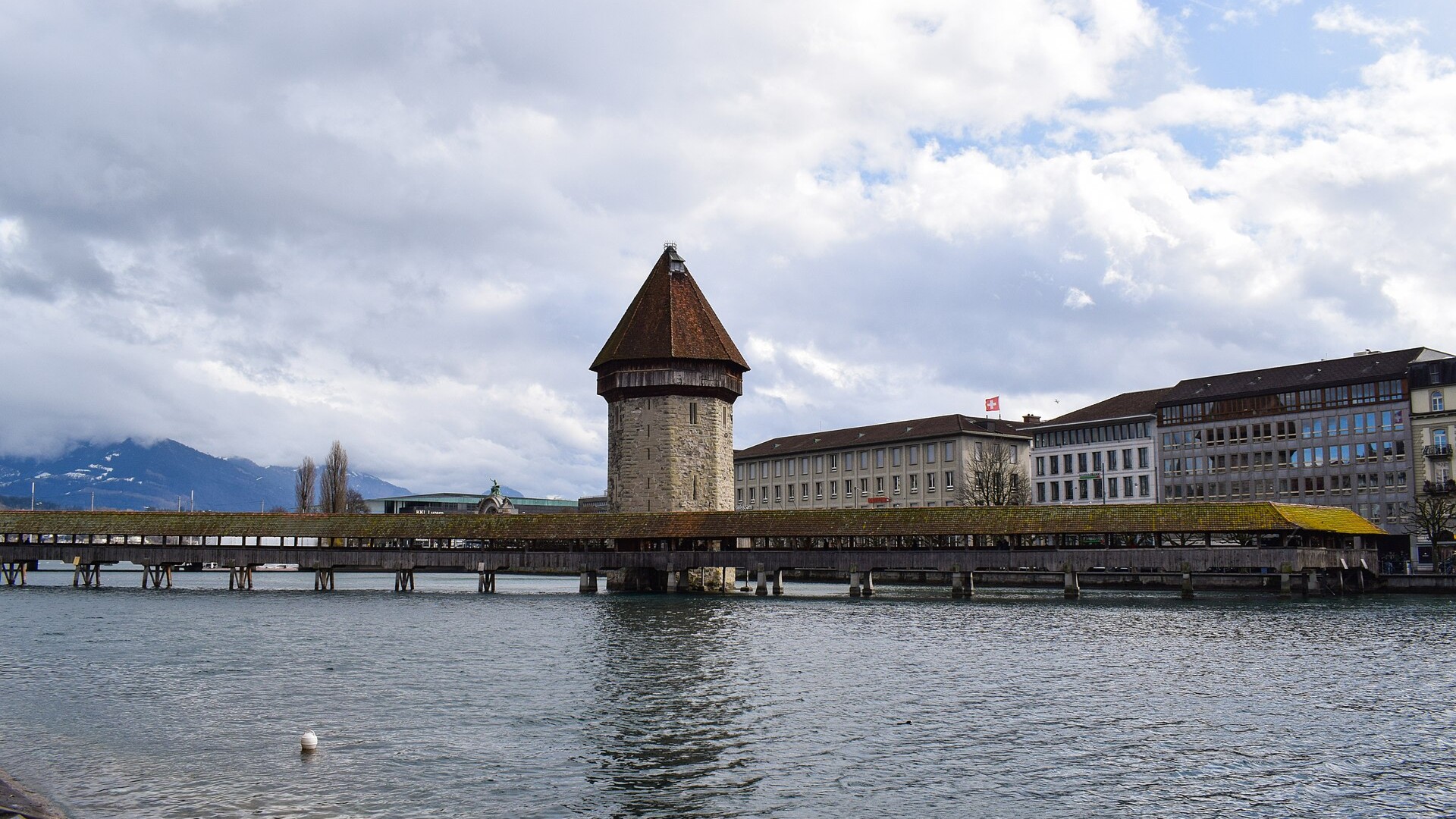
7. Chapel Bridge (Lucerne, Switzerland) 
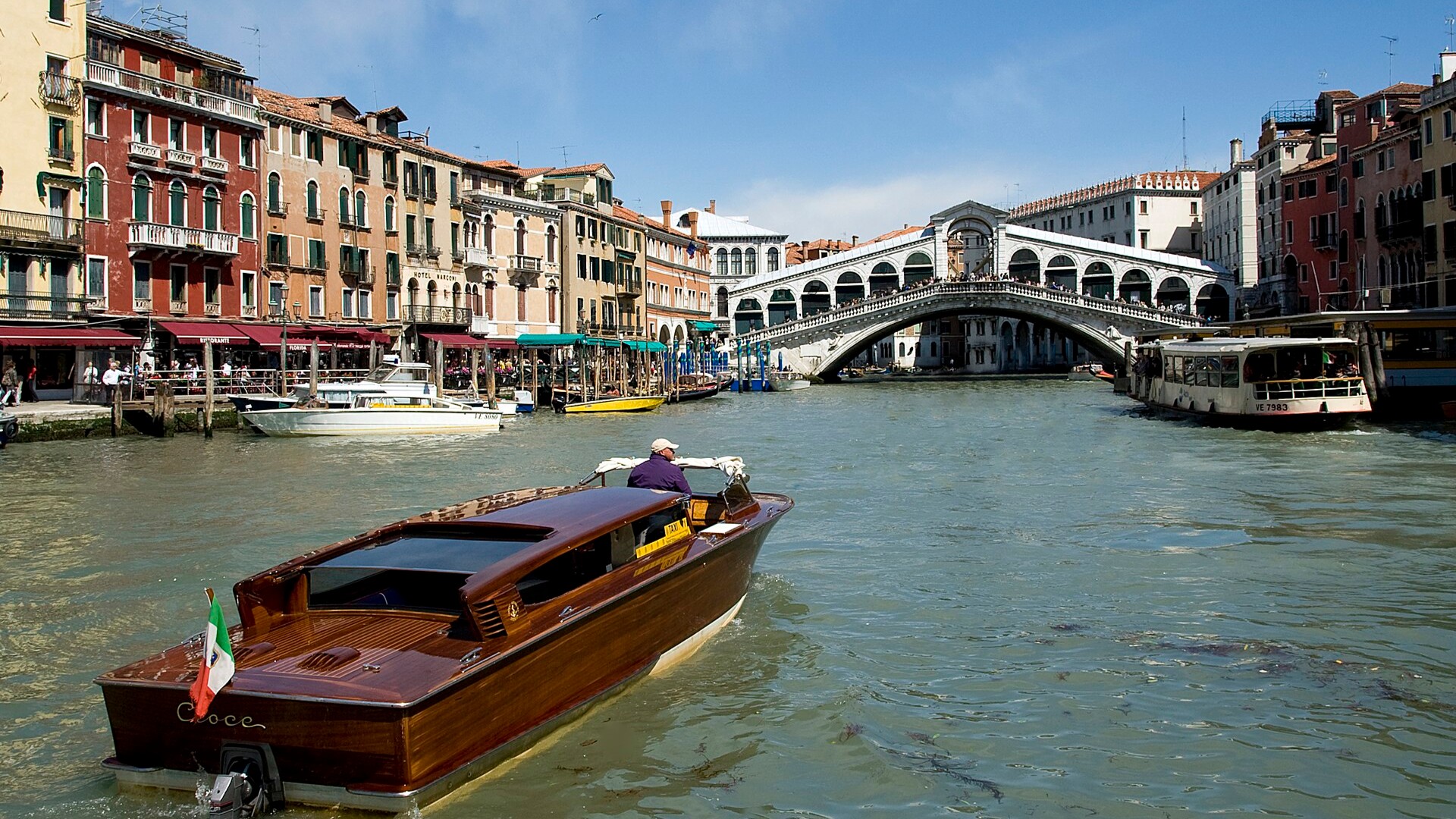
6. Rialto Bridge (Venice, Italy) - AdvertisementSwipe or tap ▶ to continue countdown

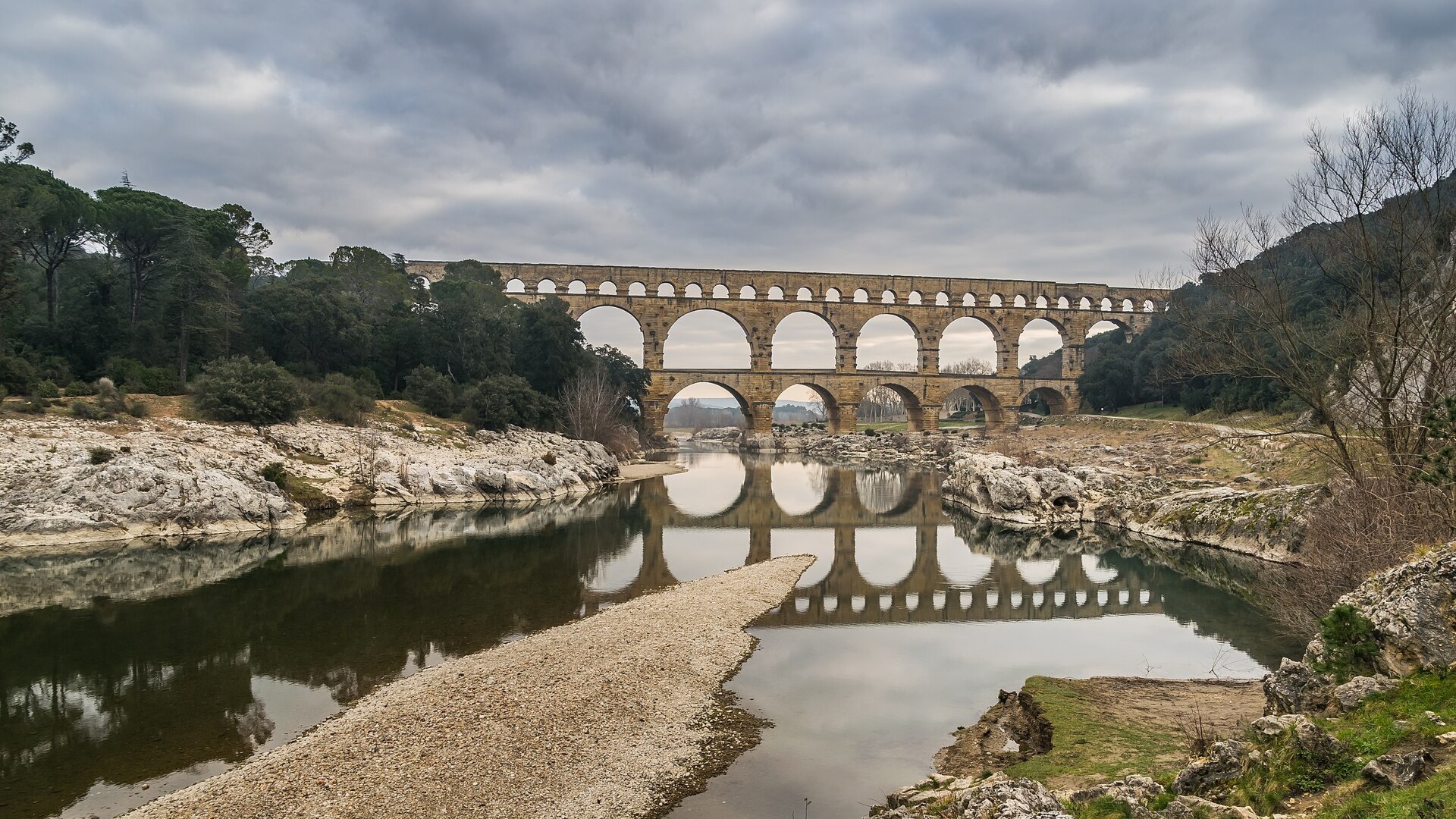
5. Pont Du Gard (Vers-Pont Du-Gard, France) 
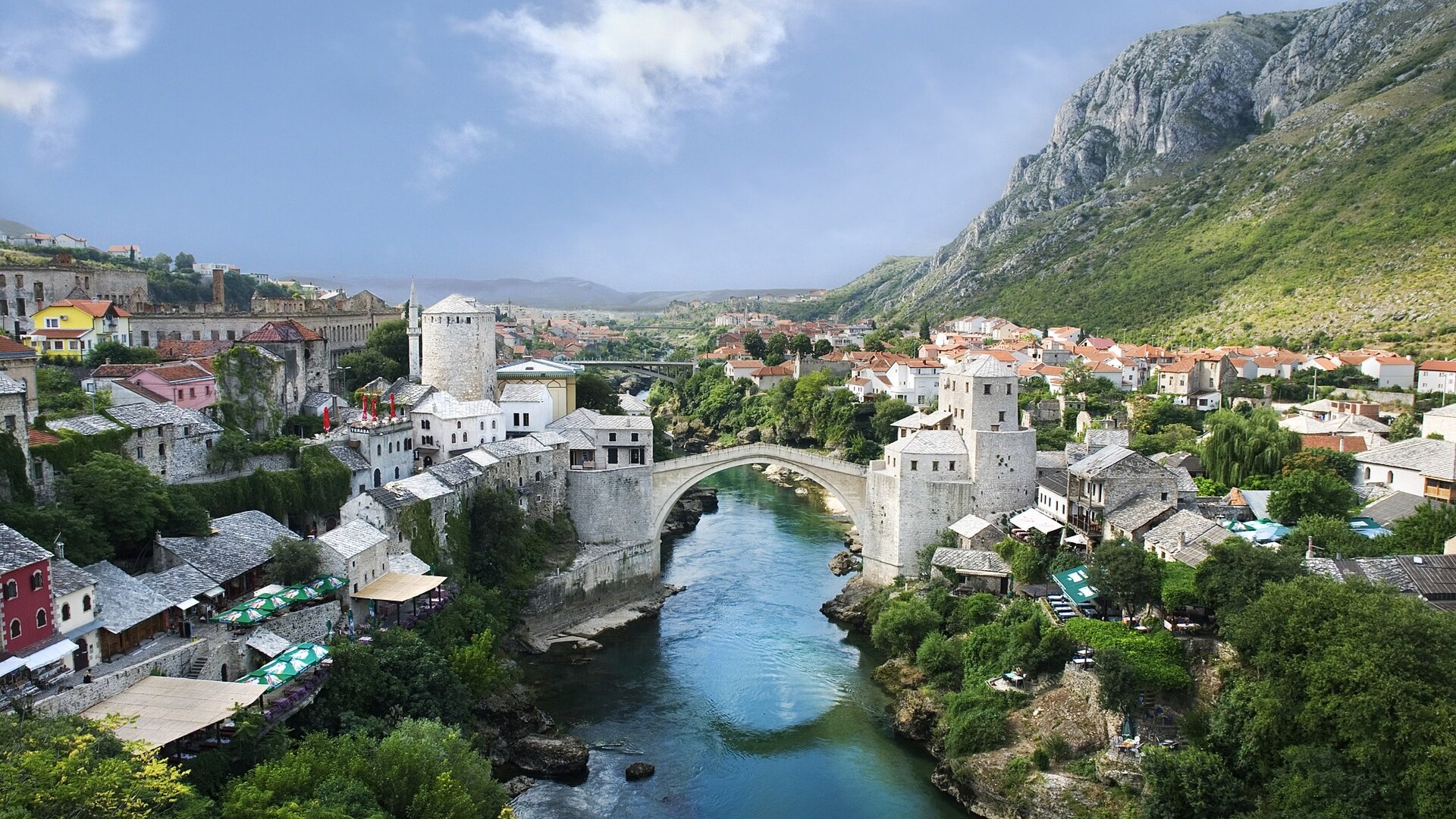
4. Stari Most (Mostar, Bosnia And Herzegovina) 
3. Bastei Bridge (Saxon Switzerland, Germany) 
2. The Helix Bridge (Marina Bay, Singapore) - AdvertisementSwipe or tap ▶ to continue countdown

1. C (Prague, Czechia) - Advertisement🔥 UP NEXT IN THIS SERIES◫ 21 Slides

20 UNESCO World Heritage Sites Located Away From Major Cities
Far from metropolitan centers, earth's most remote UNESCO World Heritage sites protect pristine wilderness and ancient sanctuaries. Drawing on documentation from UNESCO World Heritage records, National Geographic, and global park services, this countdown showcases 20 isolated wonders located far from major cities.
Engineering records and bridge data draw from the Guinness World Records, the Structurae database, ASCE civil archives, and national transport ministries. These twenty extraordinary bridges conquer wild straits, deep chasms, and wide ocean bays through cutting-edge engineering and timeless architectural design.
Swipe or tap ▶ to begin the countdown
©Wikimedia / Charles Bridge
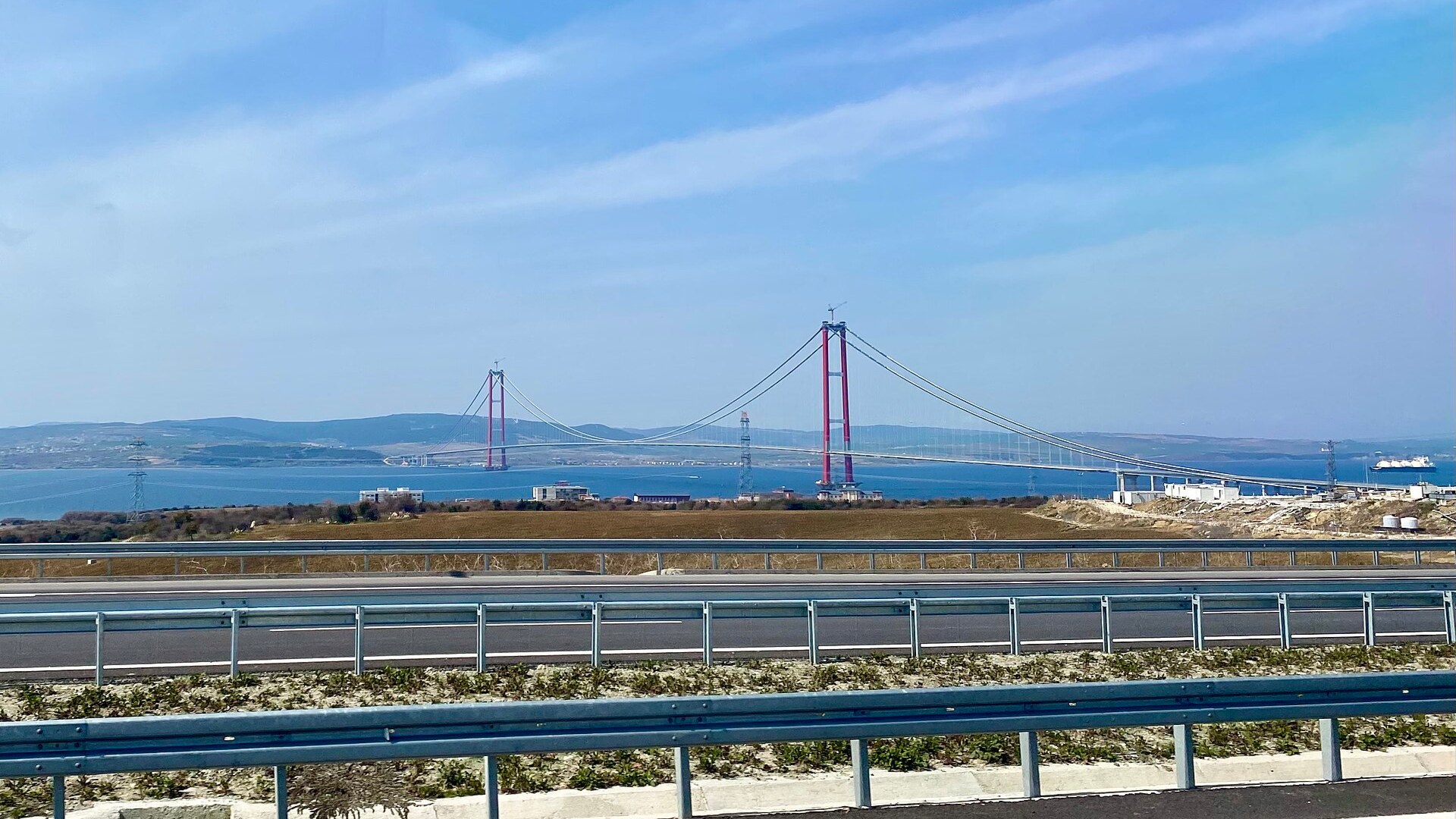
20. 1915 Canakkale Bridge (Dardanelles, Turkey)
Inaugurated in 2022 across Turkey's Dardanelles Strait, this engineering colossus features a record-breaking central span of 2,023 meters. Its 318-meter steel towers and aerodynamic box girder deck withstand fierce winds, connecting European and Asian highways in six minutes instead of a lengthy ferry voyage.
©Wikimedia / Sharon Hahn Darlin
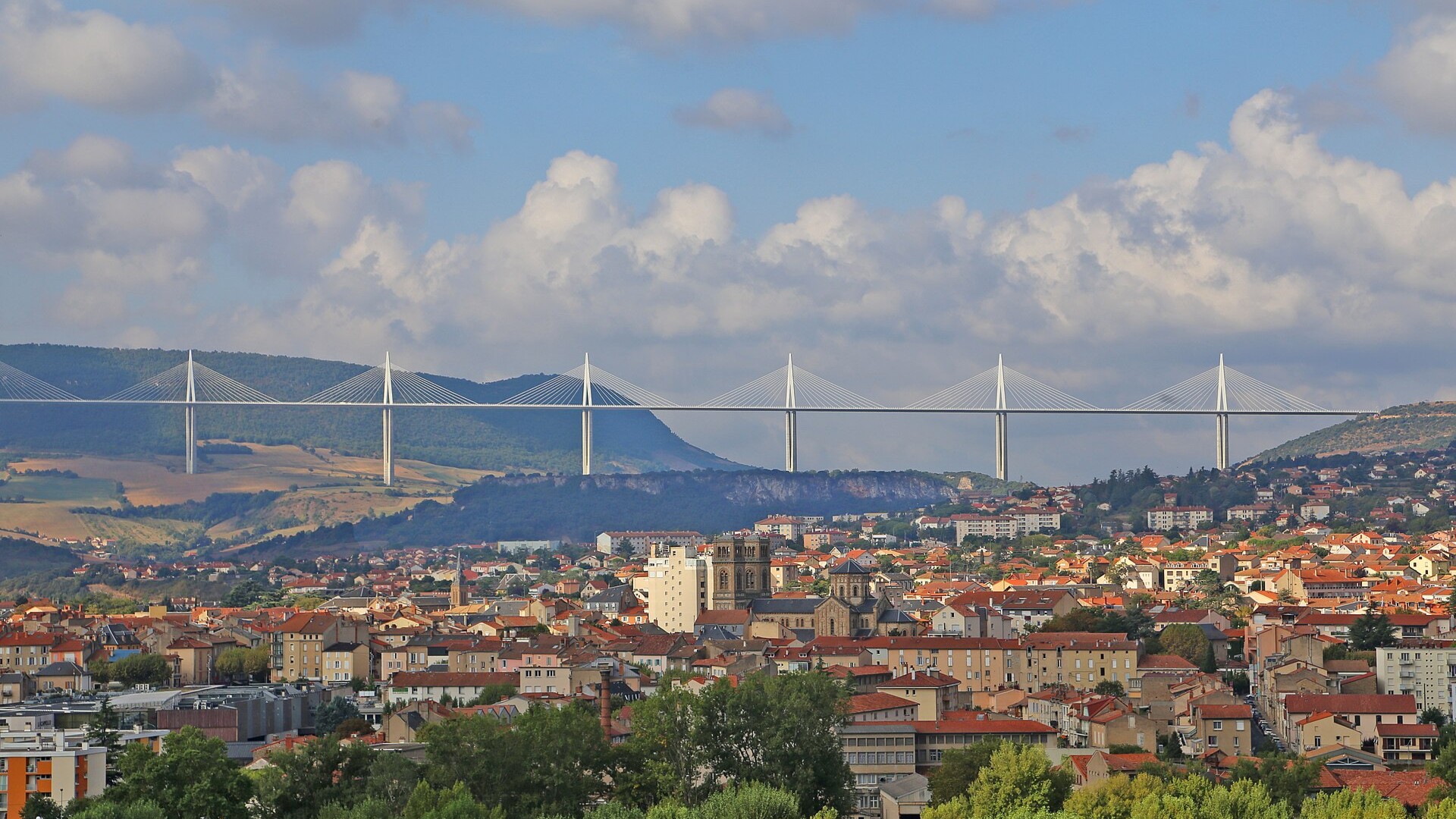
19. Millau Viaduct (Aveyron, France)
Engineered by Michel Virlogeux and architect Norman Foster, this multi-span cable-stayed roadway opened in 2004 across southern France. Its tallest pylon stands at 343 meters, soaring higher than the Eiffel Tower to carry the A75 motorway route through clouds with minimal environmental impact on the Tarn valley.
©Wikimedia / W. Bulach
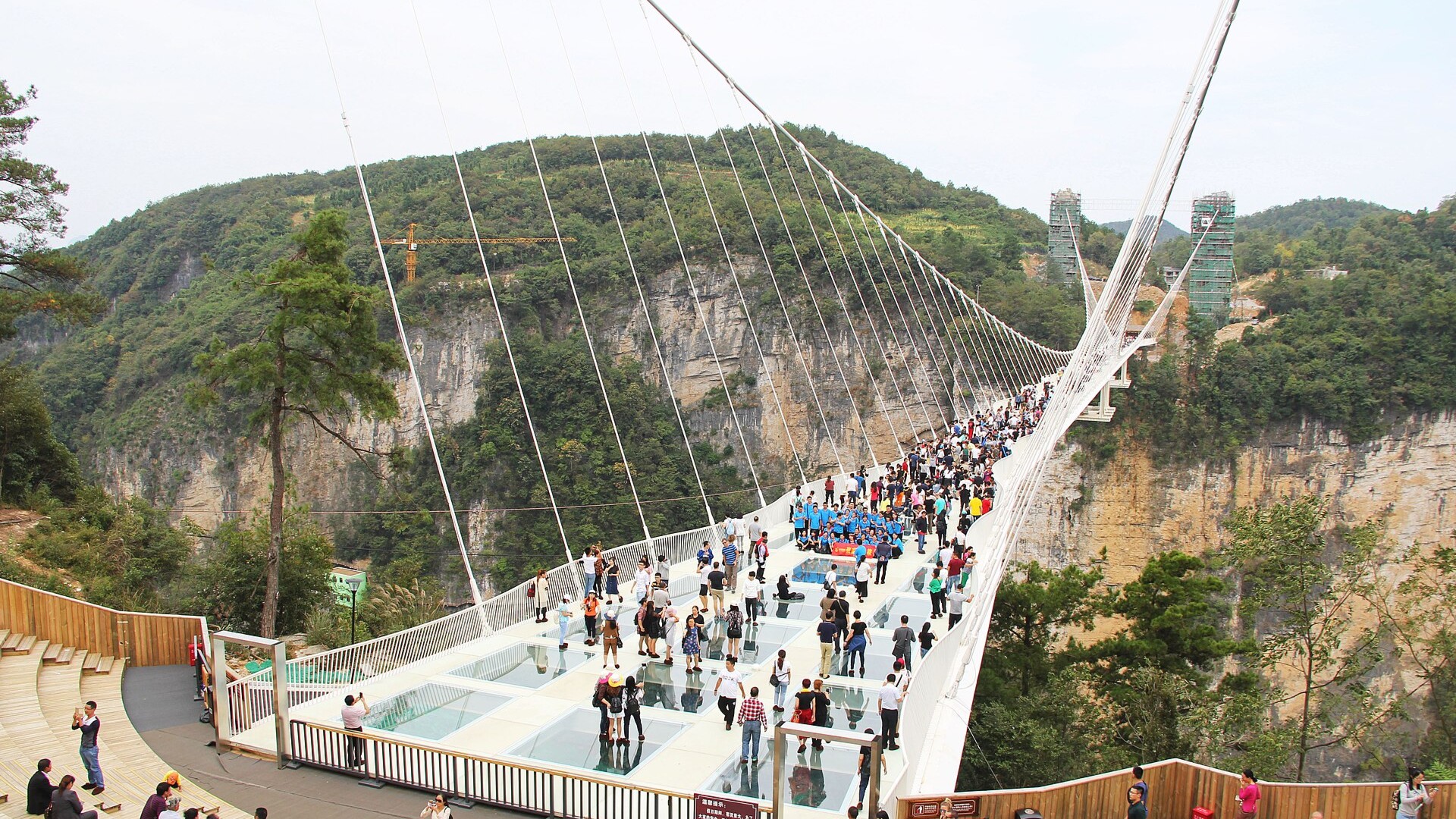
18. Zhangjiajie Glass Bridge (Hunan, China)
Designed by Haim Dotan across the dramatic Zhangjiajie Grand Canyon, this 430-meter pedestrian walkway hangs 300 meters in the air. Its glass deck incorporates ninety-nine three-layered tempered glass panels that hold up to eight hundred visitors at once, defying wind vortex shedding through curved side flaps.
©Wikimedia / HighestBridges
Advertisement
Swipe or tap ▶ to resume the countdown.
17. Oresund Bridge (Denmark To Sweden)
Connecting Copenhagen with Malmo since 2000, this 7.8-kilometer cable-stayed link transitions onto an artificial island and undersea tunnel. The hybrid design allows international maritime cargo shipping to pass unimpeded while supporting high-speed passenger trains and millions of trans-Baltic vehicles annually.
©Wikimedia / Mattias Hill
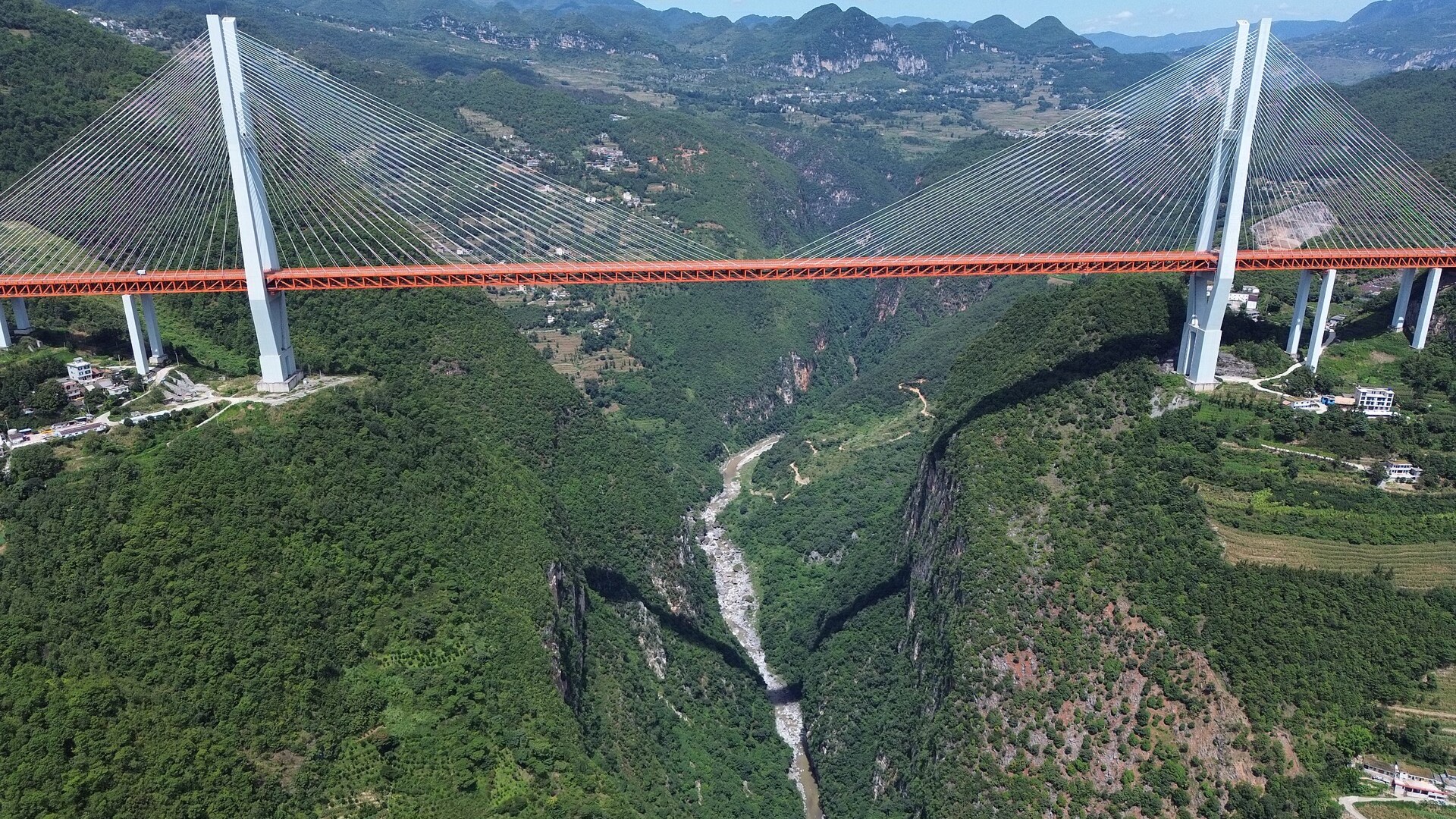
16. Beipanjiang Bridge Duge (Guizhou-Yunnan, China)
Hanging 565 meters above the rushing Beipan River valley, this mountain cable-stayed crossing opened to expressway traffic in 2016. Its 720-meter central span connects steep limestone cliffs across Guizhou and Yunnan, reducing hazardous mountain transit times between regional trade hubs from four hours to one.
©Wikimedia / Glabb
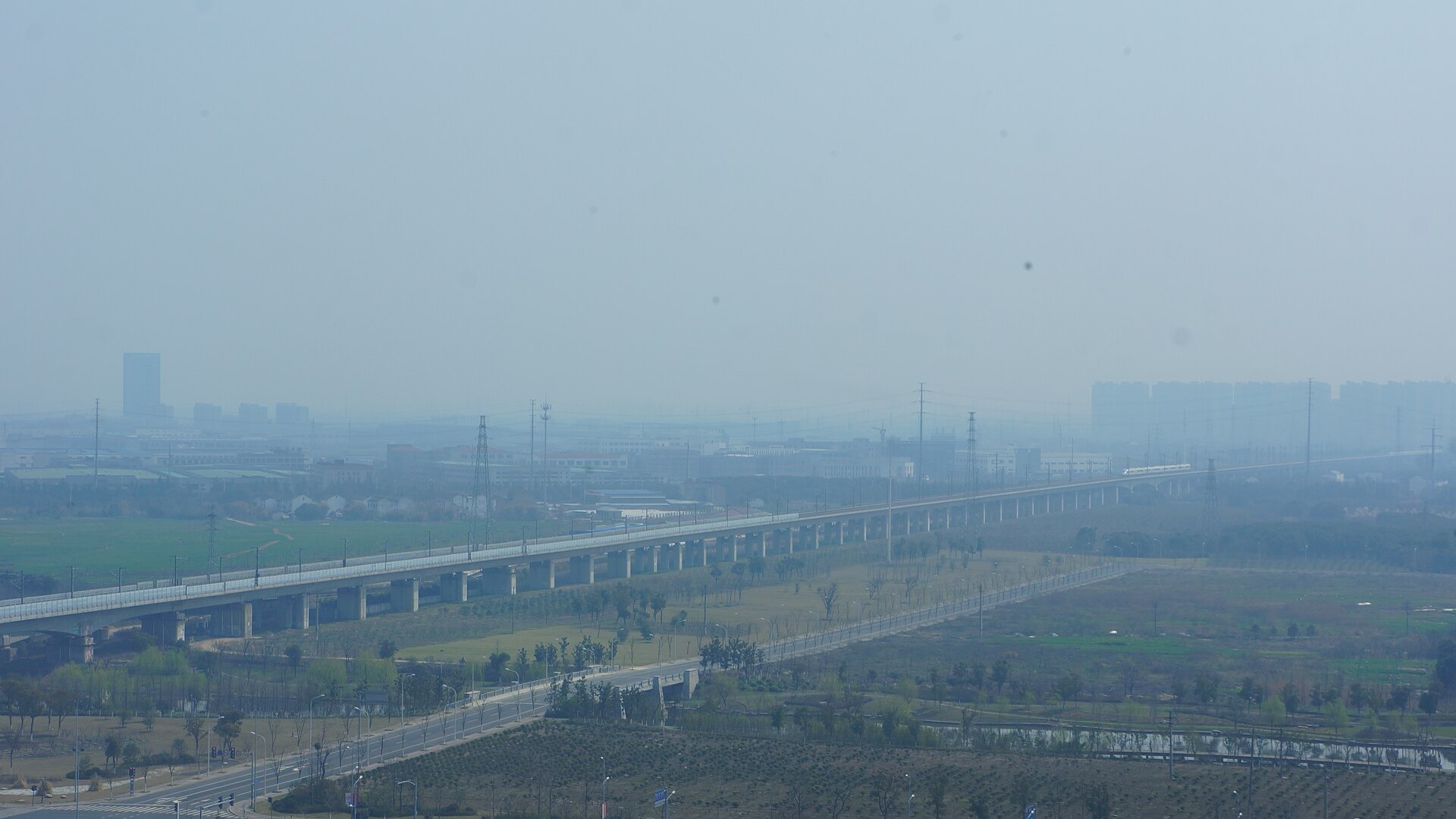
15. Danyang-Kunshan Grand Bridge (Jiangsu, China)
Measuring an extraordinary 164.8 kilometers along the Beijing-Shanghai High-Speed Railway, this massive viaduct holds the world record for length. Constructed in four years by 10,000 workers, it traverses low river valleys, open lakes, and rice paddies upon 9,500 concrete piers engineered for high-speed trains.
©Wikimedia / MNXANL
14. Golden Gate Bridge (San Francisco, USA)
Inaugurated in 1937 under chief engineer Joseph Strauss, this 2,737-meter orange landmark crosses the open mouth of San Francisco Bay. Its twin 227-meter Art Deco steel towers hold 129,000 kilometers of wrapped suspension wire, resisting fierce ocean gales, thick coastal fog, and strong incoming Pacific tides.
©Wikimedia / Frank Schulenburg
Advertisement
Swipe or tap ▶ to resume the countdown.
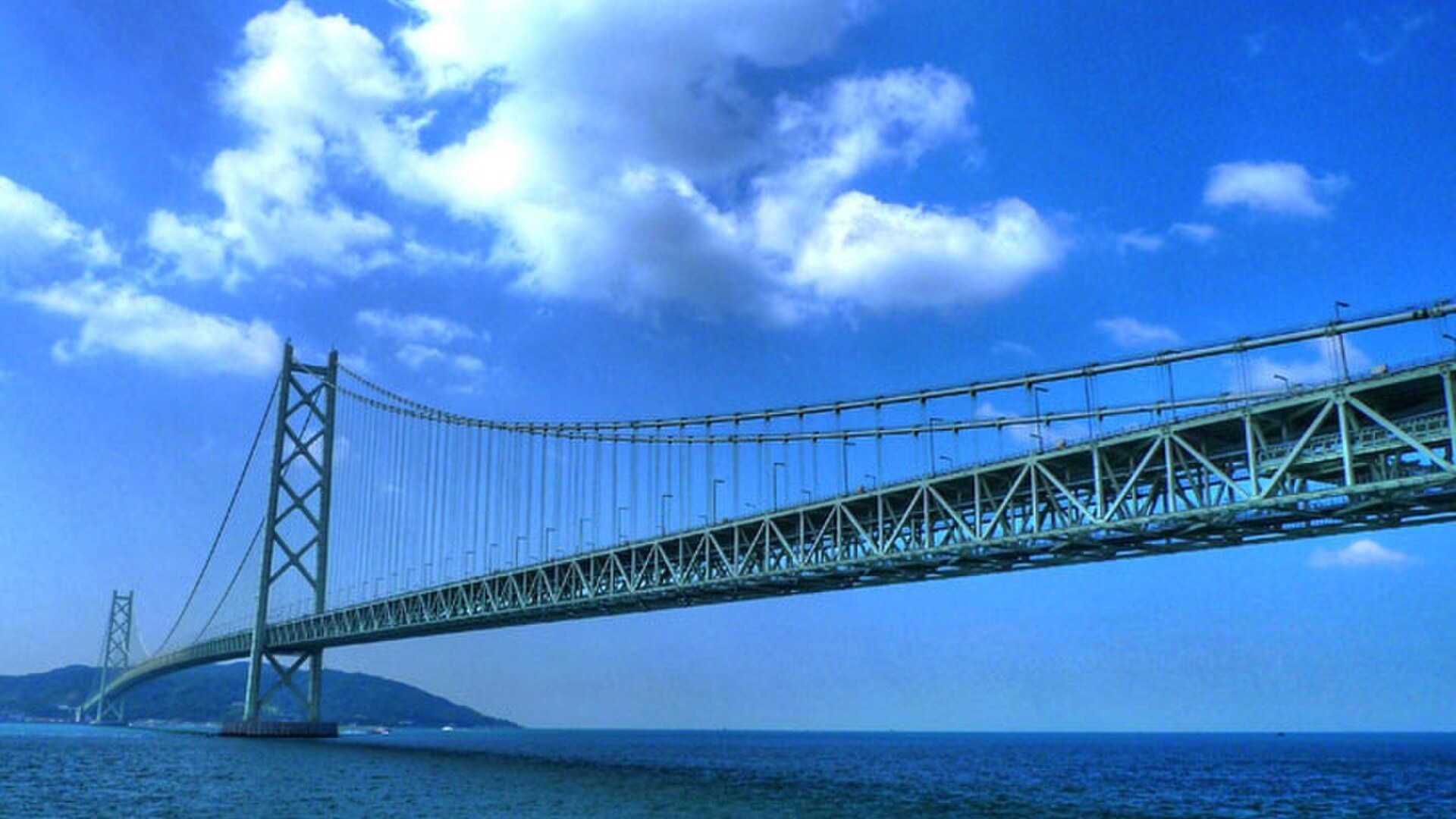
13. Akashi Kaikyo Bridge (Kobe-Awaji, Japan)
Completed in 1998 across the turbulent Akashi Strait, this colossal suspension bridge features a central span of 1,991 meters. Its two 298-meter steel towers survived the violent magnitude 7.2 Kobe earthquake during its construction, demonstrating how flexible dual-truss decks prevent destructive wind resonance.
©Wikimedia / studio IRONY
12. Vasco Da Gama Bridge (Lisbon, Portugal)
Stretching 12.3 kilometers across the Tagus River estuary, this six-lane expressway bridge opened in 1998 for the Lisbon World Exposition. Engineers designed its foundation piles to reach 95 meters deep into marine silt, securing the crossing against severe 250 km/h Atlantic gales and powerful seismic shocks.
©Wikimedia / File:Vasco da Gama Bridge B&W.jpg :
11. Brooklyn Bridge (New York City, USA)
Opened in 1883 to connect Manhattan and Brooklyn, this 1,825-meter crossing became the world's first steel-wire suspension bridge. Designed by John and Washington Roebling, its neo-Gothic limestone towers and diagonal stay cables were built using pressurized wooden caissons sunk deep into the bedrock of New York.
©Wikimedia / Andrew Choy
10. Tower Bridge (London, United Kingdom)
Completed in 1894 by Horace Jones and John Wolfe Barry, this landmark combines twin gothic towers with massive bascule spans. Massive counterweights and steam-powered hydraulic accumulators could swing the bridge open for tall ships in under sixty seconds, a task now carried out by modern electro-hydraulic drives.
©Wikimedia / Colin
Advertisement
Swipe or tap ▶ to resume the countdown.
9. Sydney Harbour Bridge (Sydney, Australia)
Opened in 1932 to link Sydney's northern suburbs with the central city, this iconic steel arch contains 52,800 tonnes of structural metal. The bridge spans 503 meters across open water, holding six million hand-driven rivets and eight road lanes alongside dual train tracks that support heavy regional transit.
©Wikimedia / Bernard Gagnon
8. Confederation Bridge (Prince Edward Island, Canada)
Spanning 12.9 kilometers across the Northumberland Strait since 1997, this post-tensioned concrete box girder links Prince Edward Island with New Brunswick. Its forty-four marine piers feature curved conical ice shields that shatter one-meter sea ice sheets, keeping transport open during harsh Canadian winters.
©Wikimedia / Confederation Bridge
7. Chapel Bridge (Lucerne, Switzerland)
Built diagonally across the Reuss River in 1333, this 204-meter wooden footbridge is one of Europe's oldest covered timber spans. Triangular interior pediment paintings depict Swiss history, while an adjoining octagonal stone water tower provided medieval city defense, archival storage, and local town protection.
©Wikimedia / Liridon
6. Rialto Bridge (Venice, Italy)
Designed by Antonio da Ponte and completed in 1591, this arched marble bridge carries pedestrians across Venice's Grand Canal. Resting securely upon 12,000 submerged timber piles, its 28-meter stone span defied contemporary critics by supporting two crowded rows of shops along with three central walking ramps.
©Wikimedia / Saffron Blaze
Advertisement
Swipe or tap ▶ to resume the countdown.
5. Pont Du Gard (Vers-Pont Du-Gard, France)
Constructed in the first century AD to carry fresh mountain water to Nimes, this limestone masterpiece reaches 48.8 meters in height. Roman builders used dry-stone construction across three tiered arcades, fitting giant shelly limestone blocks weighing up to six tonnes without using any adhesive mortar binds.
©Wikimedia / Krzysztof Golik
4. Stari Most (Mostar, Bosnia And Herzegovina)
Master architect Mimar Hayruddin completed this 29-meter single stone arch in 1566 over the Neretva River. Reconstructed stone by stone in 2004 using original tenelija limestone and mortise joints, the UNESCO-listed bridge remains an unmatched symbol of classical Balkan masonry and historical community renewal.
©Wikimedia / Ramirez
3. Bastei Bridge (Saxon Switzerland, Germany)
Erected in 1851 deep inside the Elbe Sandstone Mountains, this seven-arch stone structure rises 194 meters above the Elbe River valley. Skilled masons assembled local sandstone to replace an older wooden walkway, seamlessly anchoring 76 meters of roadway into jagged rock towers without destabilizing the cliff.
©Wikimedia / Bernd Thaller from Graz, Austria
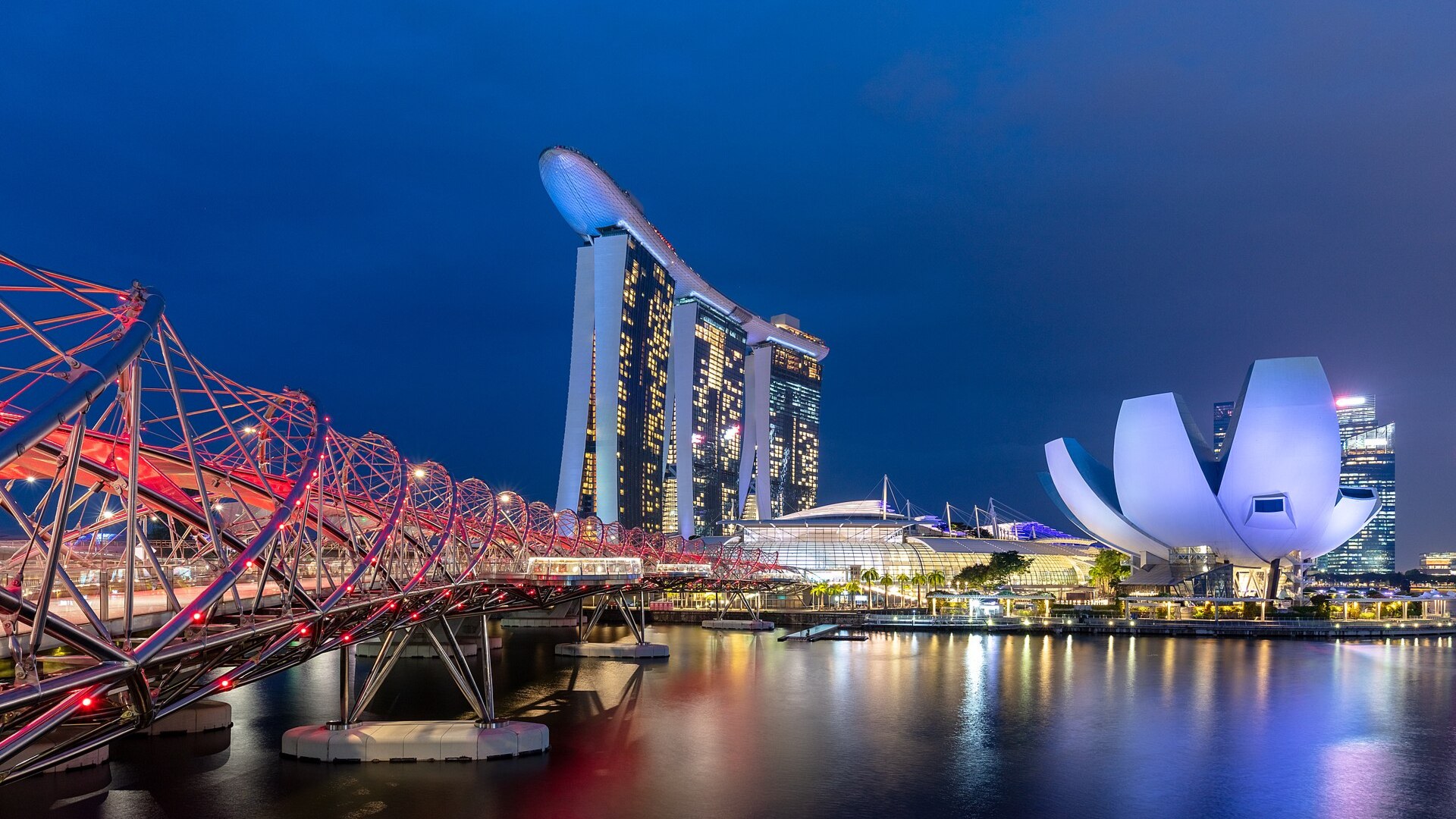
2. The Helix Bridge (Marina Bay, Singapore)
Unveiled in 2010 across Marina Bay, this 280-meter pedestrian walkway reflects the molecular geometry of human DNA. Fabricated from 1,700 tonnes of duplex stainless steel, the dual opposing spirals provide exceptional structural stiffness while reducing total steel consumption by over sixty-five percent overall.
©Wikimedia / Diego Delso
Advertisement
Swipe or tap ▶ to resume the countdown.
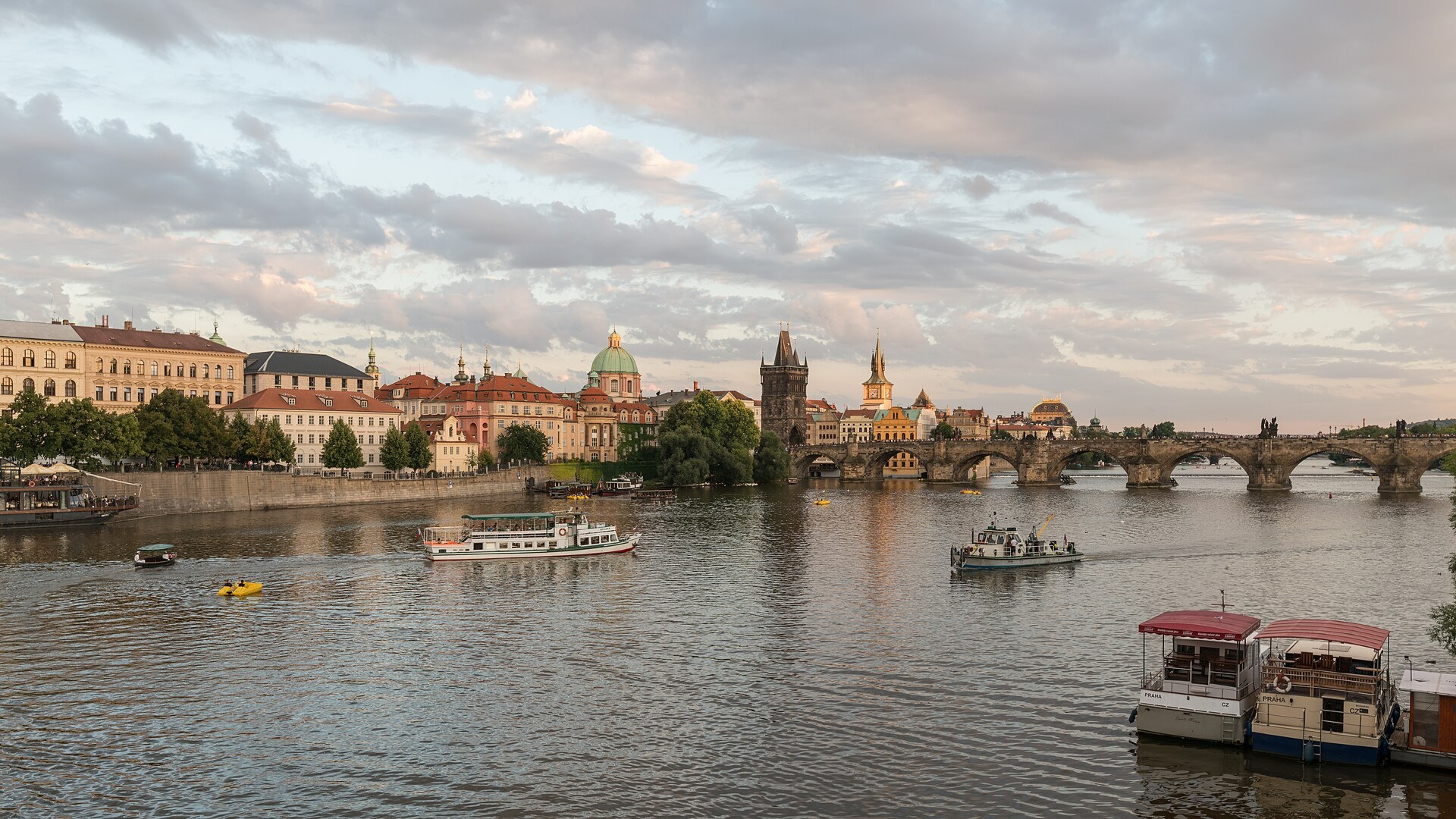
1. C (Prague, Czechia)
Completed in 1402 under King Charles IV, this Bohemian stone arch landmark spans 516 meters across the Vltava. Built with Bohemian sandstone blocks reinforced by egg mortar, its sixteen sturdy arches have withstood massive seasonal floods for six centuries while supporting thirty baroque statues along its roadway.

©Wikimedia / DXR
Advertisement
You've reached the end of the story. Thanks for reading!

20 UNESCO World Heritage Sites Located Away From Major Cities
Far from metropolitan centers, earth's most remote UNESCO World Heritage sites protect pristine wilderness and ancient sanctuaries. Drawing on documentation from UNESCO World Heritage records, National Geographic, and global park services, this countdown showcases 20 isolated wonders located far from major cities.
All 20 Entries in this Story
1915 Canakkale Bridge (Dardanelles, Turkey)
Inaugurated in 2022 across Turkey's Dardanelles Strait, this engineering colossus features a record-breaking central span of 2,023 meters. Its 318-meter steel towers and aerodynamic box girder deck withstand fierce winds, connecting European and Asian highways in six minutes instead of a lengthy ferry voyage.

Millau Viaduct (Aveyron, France)
Engineered by Michel Virlogeux and architect Norman Foster, this multi-span cable-stayed roadway opened in 2004 across southern France. Its tallest pylon stands at 343 meters, soaring higher than the Eiffel Tower to carry the A75 motorway route through clouds with minimal environmental impact on the Tarn valley.

Zhangjiajie Glass Bridge (Hunan, China)
Designed by Haim Dotan across the dramatic Zhangjiajie Grand Canyon, this 430-meter pedestrian walkway hangs 300 meters in the air. Its glass deck incorporates ninety-nine three-layered tempered glass panels that hold up to eight hundred visitors at once, defying wind vortex shedding through curved side flaps.

Oresund Bridge (Denmark To Sweden)
Connecting Copenhagen with Malmo since 2000, this 7.8-kilometer cable-stayed link transitions onto an artificial island and undersea tunnel. The hybrid design allows international maritime cargo shipping to pass unimpeded while supporting high-speed passenger trains and millions of trans-Baltic vehicles annually.

Beipanjiang Bridge Duge (Guizhou-Yunnan, China)
Hanging 565 meters above the rushing Beipan River valley, this mountain cable-stayed crossing opened to expressway traffic in 2016. Its 720-meter central span connects steep limestone cliffs across Guizhou and Yunnan, reducing hazardous mountain transit times between regional trade hubs from four hours to one.

Danyang-Kunshan Grand Bridge (Jiangsu, China)
Measuring an extraordinary 164.8 kilometers along the Beijing-Shanghai High-Speed Railway, this massive viaduct holds the world record for length. Constructed in four years by 10,000 workers, it traverses low river valleys, open lakes, and rice paddies upon 9,500 concrete piers engineered for high-speed trains.

Golden Gate Bridge (San Francisco, USA)
Inaugurated in 1937 under chief engineer Joseph Strauss, this 2,737-meter orange landmark crosses the open mouth of San Francisco Bay. Its twin 227-meter Art Deco steel towers hold 129,000 kilometers of wrapped suspension wire, resisting fierce ocean gales, thick coastal fog, and strong incoming Pacific tides.

Akashi Kaikyo Bridge (Kobe-Awaji, Japan)
Completed in 1998 across the turbulent Akashi Strait, this colossal suspension bridge features a central span of 1,991 meters. Its two 298-meter steel towers survived the violent magnitude 7.2 Kobe earthquake during its construction, demonstrating how flexible dual-truss decks prevent destructive wind resonance.

Vasco Da Gama Bridge (Lisbon, Portugal)
Stretching 12.3 kilometers across the Tagus River estuary, this six-lane expressway bridge opened in 1998 for the Lisbon World Exposition. Engineers designed its foundation piles to reach 95 meters deep into marine silt, securing the crossing against severe 250 km/h Atlantic gales and powerful seismic shocks.

Brooklyn Bridge (New York City, USA)
Opened in 1883 to connect Manhattan and Brooklyn, this 1,825-meter crossing became the world's first steel-wire suspension bridge. Designed by John and Washington Roebling, its neo-Gothic limestone towers and diagonal stay cables were built using pressurized wooden caissons sunk deep into the bedrock of New York.

Tower Bridge (London, United Kingdom)
Completed in 1894 by Horace Jones and John Wolfe Barry, this landmark combines twin gothic towers with massive bascule spans. Massive counterweights and steam-powered hydraulic accumulators could swing the bridge open for tall ships in under sixty seconds, a task now carried out by modern electro-hydraulic drives.

Sydney Harbour Bridge (Sydney, Australia)
Opened in 1932 to link Sydney's northern suburbs with the central city, this iconic steel arch contains 52,800 tonnes of structural metal. The bridge spans 503 meters across open water, holding six million hand-driven rivets and eight road lanes alongside dual train tracks that support heavy regional transit.

Confederation Bridge (Prince Edward Island, Canada)
Spanning 12.9 kilometers across the Northumberland Strait since 1997, this post-tensioned concrete box girder links Prince Edward Island with New Brunswick. Its forty-four marine piers feature curved conical ice shields that shatter one-meter sea ice sheets, keeping transport open during harsh Canadian winters.

Chapel Bridge (Lucerne, Switzerland)
Built diagonally across the Reuss River in 1333, this 204-meter wooden footbridge is one of Europe's oldest covered timber spans. Triangular interior pediment paintings depict Swiss history, while an adjoining octagonal stone water tower provided medieval city defense, archival storage, and local town protection.

Rialto Bridge (Venice, Italy)
Designed by Antonio da Ponte and completed in 1591, this arched marble bridge carries pedestrians across Venice's Grand Canal. Resting securely upon 12,000 submerged timber piles, its 28-meter stone span defied contemporary critics by supporting two crowded rows of shops along with three central walking ramps.

Pont Du Gard (Vers-Pont Du-Gard, France)
Constructed in the first century AD to carry fresh mountain water to Nimes, this limestone masterpiece reaches 48.8 meters in height. Roman builders used dry-stone construction across three tiered arcades, fitting giant shelly limestone blocks weighing up to six tonnes without using any adhesive mortar binds.

Stari Most (Mostar, Bosnia And Herzegovina)
Master architect Mimar Hayruddin completed this 29-meter single stone arch in 1566 over the Neretva River. Reconstructed stone by stone in 2004 using original tenelija limestone and mortise joints, the UNESCO-listed bridge remains an unmatched symbol of classical Balkan masonry and historical community renewal.

Bastei Bridge (Saxon Switzerland, Germany)
Erected in 1851 deep inside the Elbe Sandstone Mountains, this seven-arch stone structure rises 194 meters above the Elbe River valley. Skilled masons assembled local sandstone to replace an older wooden walkway, seamlessly anchoring 76 meters of roadway into jagged rock towers without destabilizing the cliff.

The Helix Bridge (Marina Bay, Singapore)
Unveiled in 2010 across Marina Bay, this 280-meter pedestrian walkway reflects the molecular geometry of human DNA. Fabricated from 1,700 tonnes of duplex stainless steel, the dual opposing spirals provide exceptional structural stiffness while reducing total steel consumption by over sixty-five percent overall.

C (Prague, Czechia)
Completed in 1402 under King Charles IV, this Bohemian stone arch landmark spans 516 meters across the Vltava. Built with Bohemian sandstone blocks reinforced by egg mortar, its sixteen sturdy arches have withstood massive seasonal floods for six centuries while supporting thirty baroque statues along its roadway.