Slideshow · Science
20 Lesser-Known Things About Mary and Joseph
Centuries of art and holiday tradition often obscure the real lives of Mary and Joseph in Roman Judea. Historical records, archaeological digs and ancient Jewish customs reveal a working-class couple who navigated harsh poverty, political exile and strict legal codes across Galilee, Bethlehem and Egypt.
By Most Viral Today
45 min ago

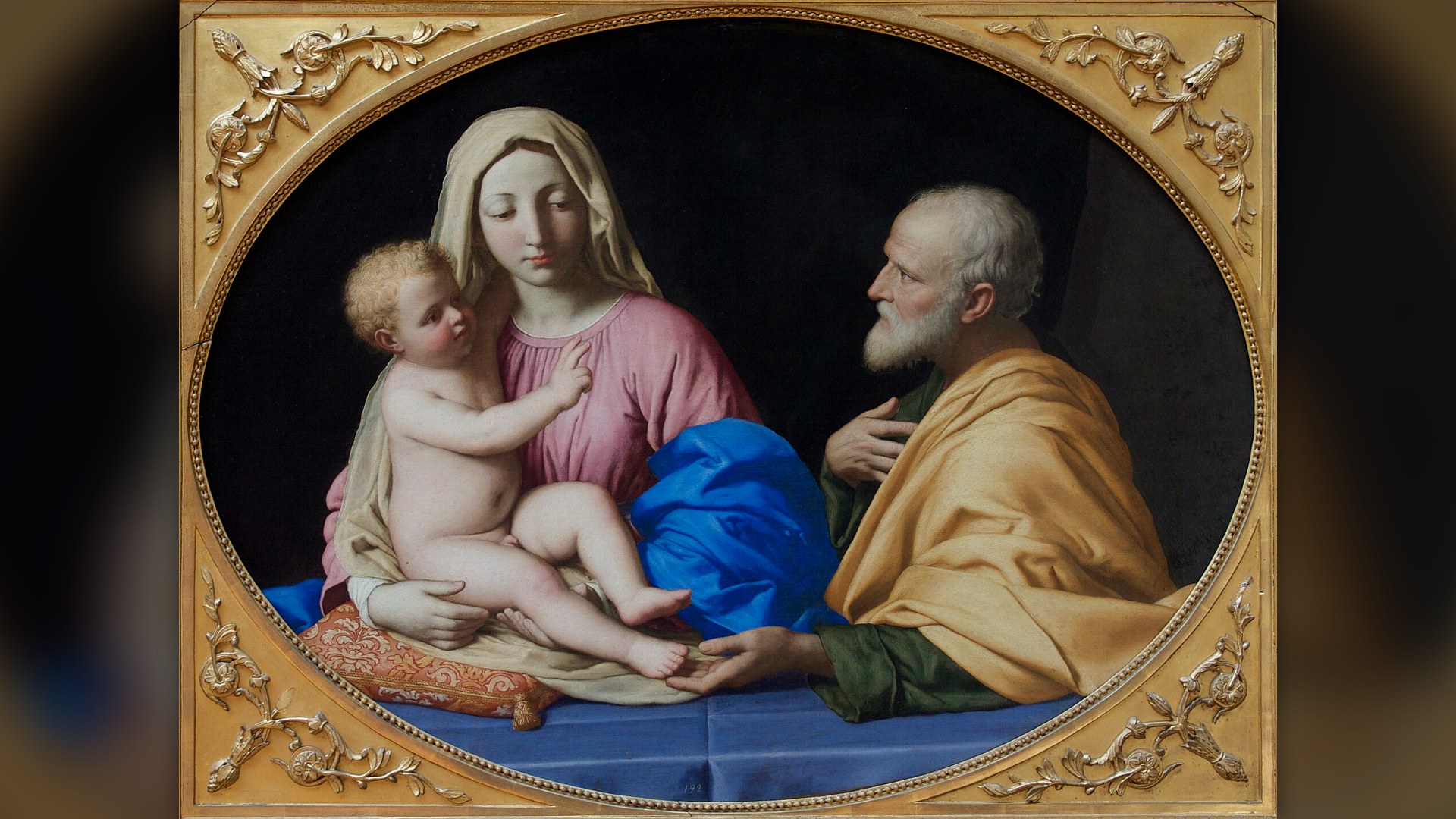
Uncovering the Forgotten Reality of the Holy Family 
20. Joseph Was A Tekton, Not Just A Woodworker 
19. Mary Was Likely In Her Early Teens 
18. Betrothal Carried Full Legal Marriage Status - AdvertisementSwipe or tap ▶ to continue countdown

17. Joseph Spoke Multiple Ancient Languages 
16. The Ninety Mile Journey To Bethlehem 
15. No Evidence Of An Innkeeper In Scripture 
14. The Nativity Likely Occurred In A Cave - AdvertisementSwipe or tap ▶ to continue countdown

13. The Modest Offering Of Two Pigeons 
12. The Magi Arrived Months After Birth 
11. Mary Displayed Immense Scriptural Literacy 
10. Joseph Never Speaks A Recorded Word - AdvertisementSwipe or tap ▶ to continue countdown

9. Joseph Broke Social Norms To Shield Mary 
8. Surviving As Political Refugees In Egypt 
7. Nazareth Was An Obscure Hill Hamlet 
6. Rebuilding The Nearby Metropolis Of Sepphoris - AdvertisementSwipe or tap ▶ to continue countdown

5. Raising A Large Household Of Siblings 
4. Joseph Vanishes Before Christ Ministry 
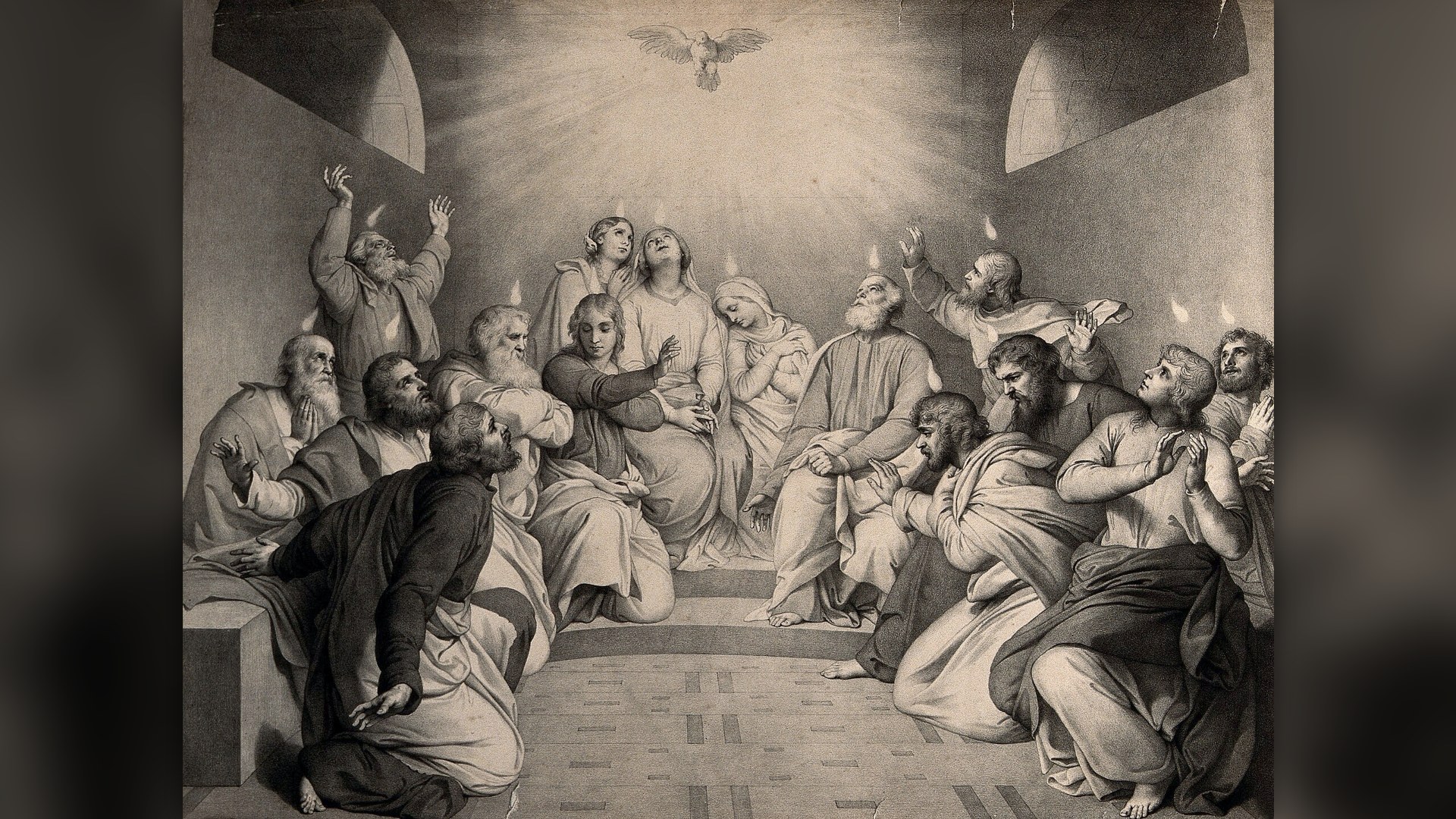
3. Mary Was An Active Leader In The Early Church 
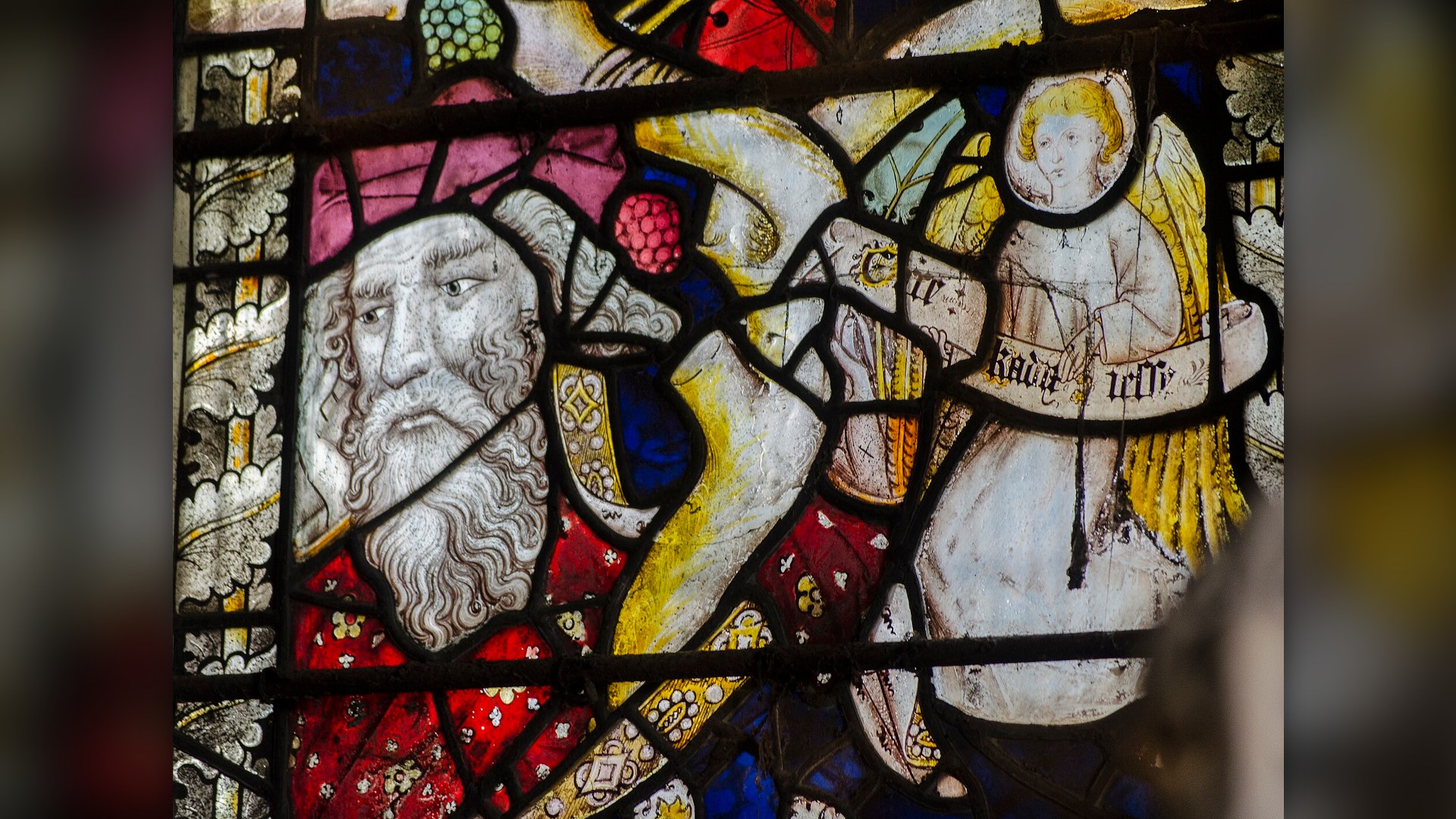
2. Dual Lineage Linked To The House Of David - AdvertisementSwipe or tap ▶ to continue countdown

1. Mary Parents Are Named In Early Apocrypha - Advertisement🔥 UP NEXT IN THIS SERIES◫ 21 Slides

20 Smartest Ways to Cut Winter Heating Bills
Winter heating bills can devour household budgets, but targeted adjustments can slash seasonal energy expenses by hundreds of dollars. Based on U.S. Department of Energy reports and energy efficiency studies, here are twenty proven strategies to optimize home heating, ranked from high-impact upgrades to daily habits.
Centuries of art and holiday tradition often obscure the real lives of Mary and Joseph in Roman Judea. Historical records, archaeological digs and ancient Jewish customs reveal a working-class couple who navigated harsh poverty, political exile and strict legal codes across Galilee, Bethlehem and Egypt.
Swipe or tap ▶ to begin the countdown
©Wikimedia / Leonardo da Vinci
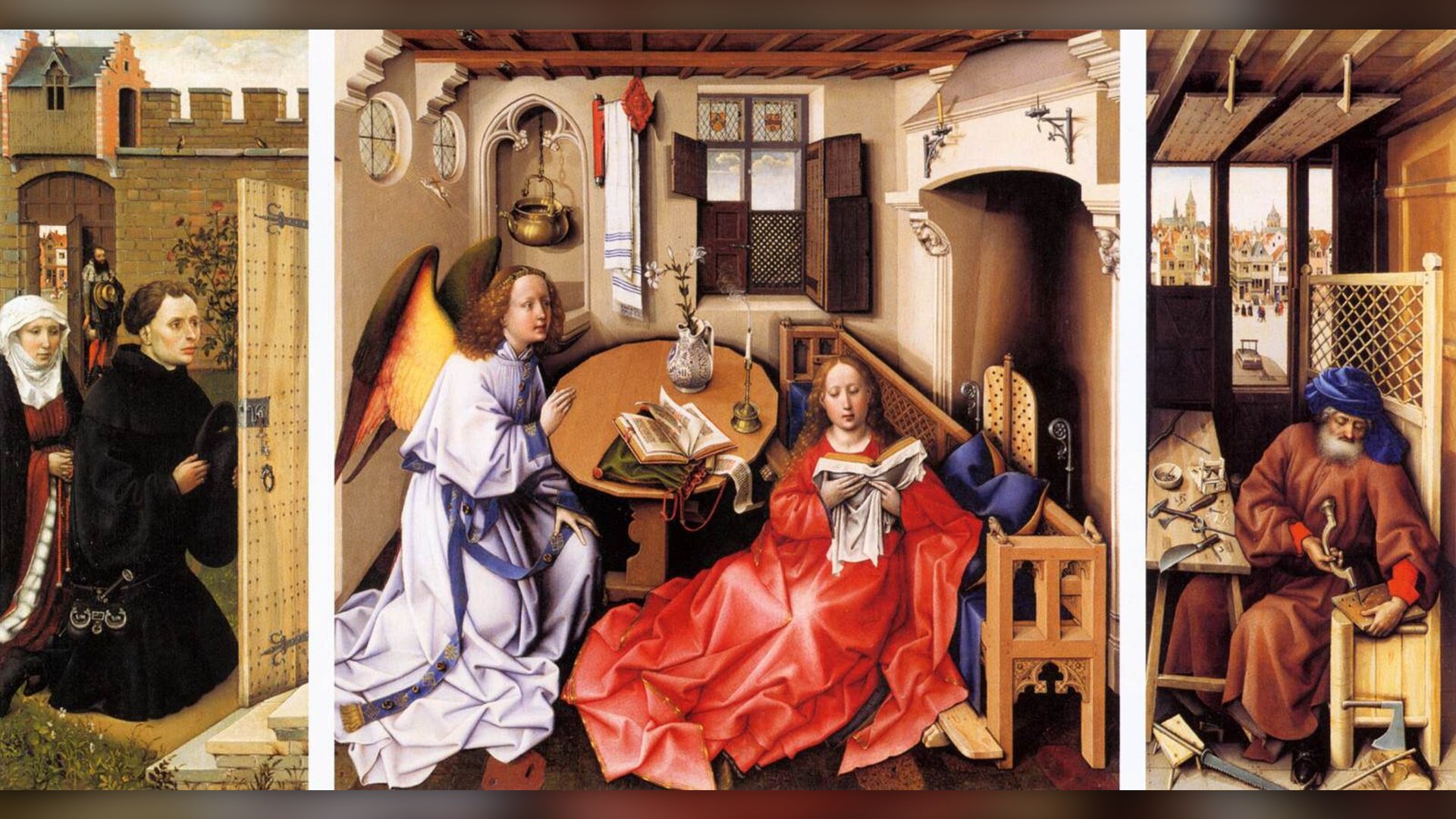
20. Joseph Was A Tekton, Not Just A Woodworker
In Gospel texts, Joseph is called a tekton. While traditionally translated as carpenter, the Greek word referred to an artisan or builder who shaped stone, wood and masonry. In the rocky hills of Galilee, timber was scarce, meaning Joseph spent most of his arduous days hauling heavy stone blocks.
©Wikimedia / Workshop of Robert Campin
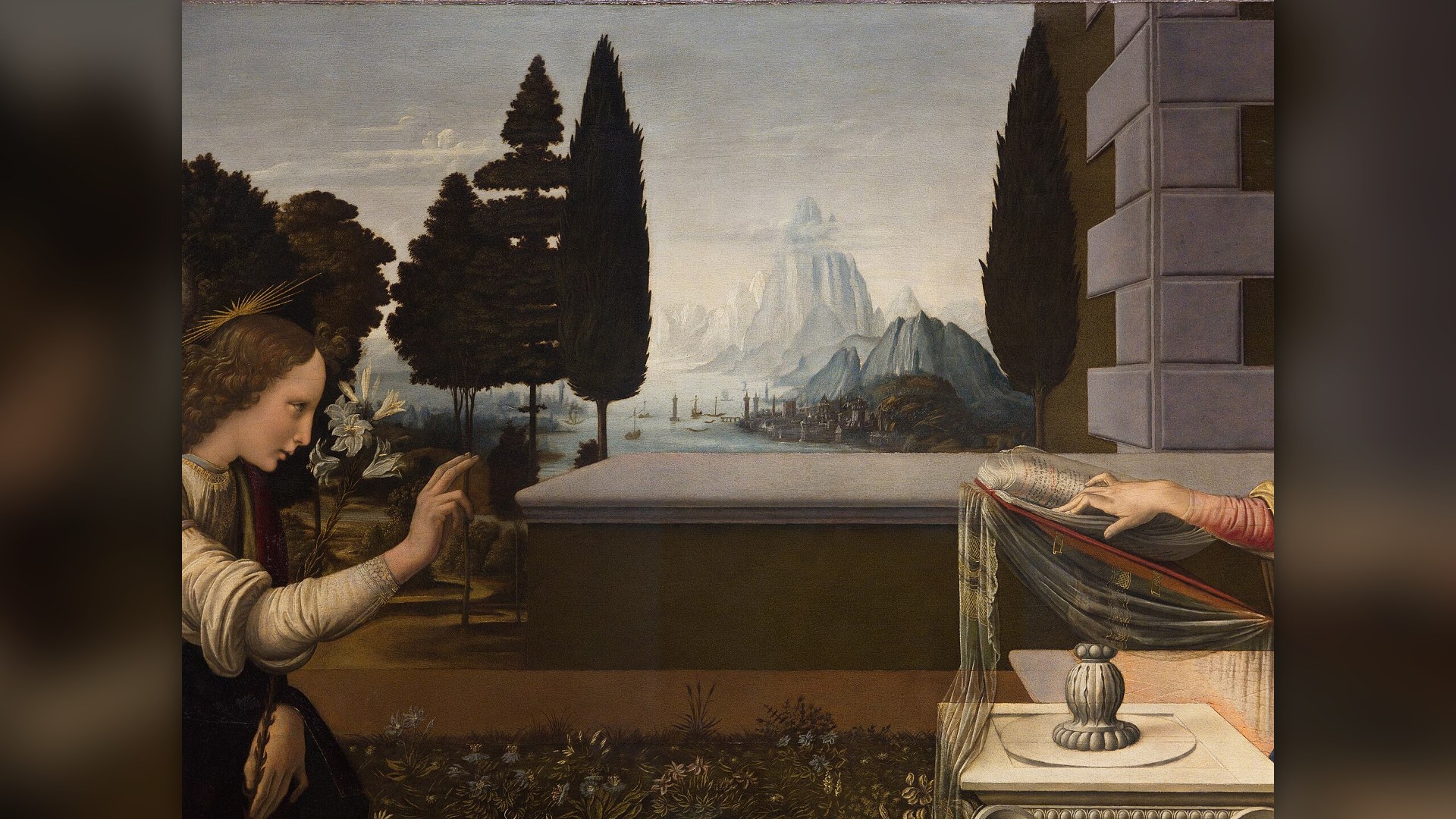
19. Mary Was Likely In Her Early Teens
Historical analysis of Second Temple Jewish customs indicates that girls entered arranged marriages shortly after reaching puberty. Mary was likely between twelve and fourteen years old when betrothed to Joseph. Taking on maternal duties at such an early age was standard practice in ancient rural society.
©Wikimedia / Leonardo da Vinci
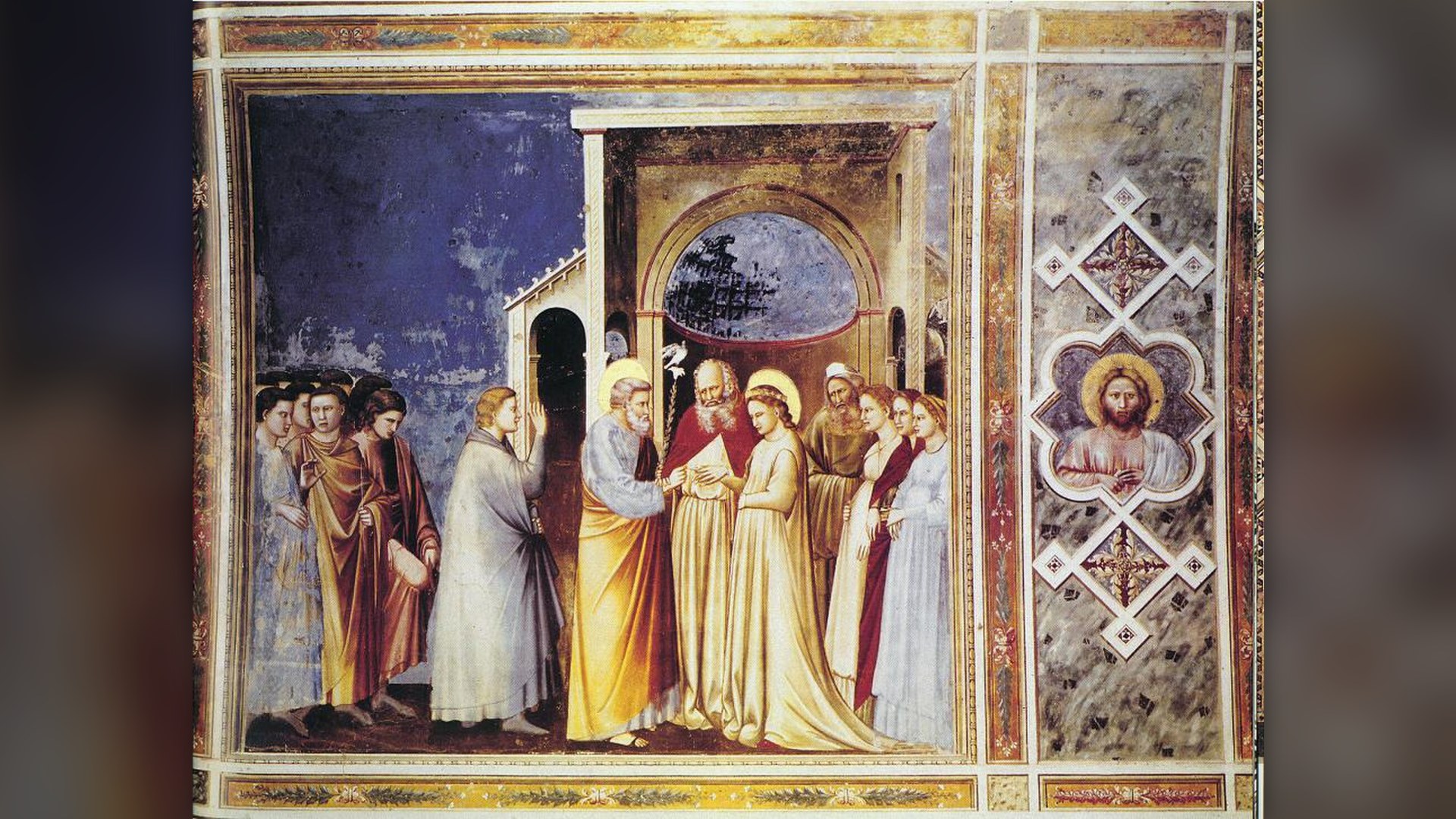
18. Betrothal Carried Full Legal Marriage Status
Ancient Judean marriage involved two distinct stages known as erusin and nissuin. The first stage, betrothal, legally bound Mary and Joseph as husband and wife. Breaking this contract required a formal religious divorce, which explains why pregnancy outside cohabitation carried severe legal penalties.
©Wikimedia / Giotto
Advertisement
Swipe or tap ▶ to resume the countdown.
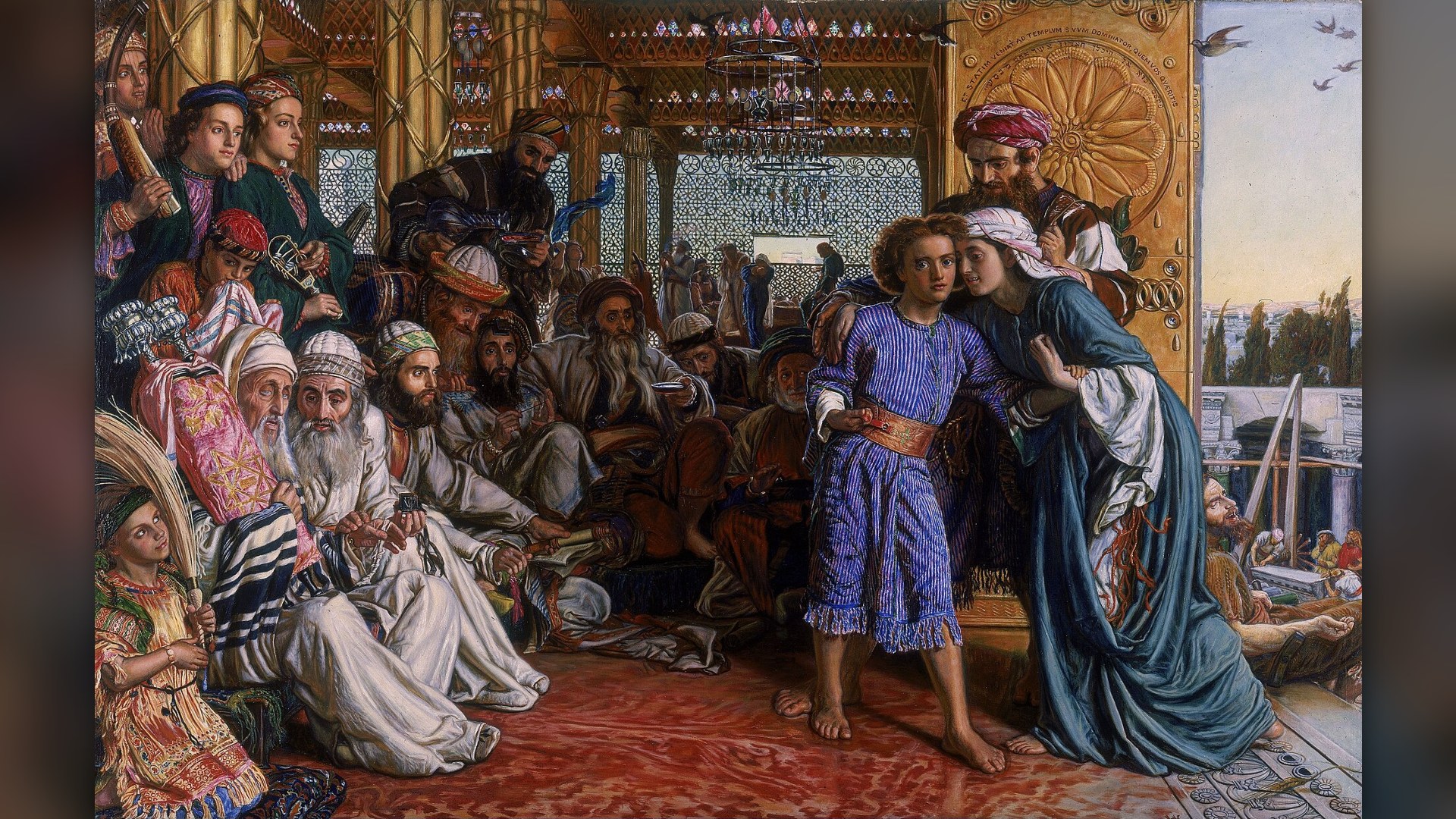
17. Joseph Spoke Multiple Ancient Languages
While Aramaic was the domestic mother tongue of Judean families, Joseph needed Hebrew for temple scripture readings. the booming trade economy of Roman Galilee required conversational Koine Greek. Joseph likely operated in all three languages to conduct trade and secure building contracts.
©Wikimedia / William Holman Hunt
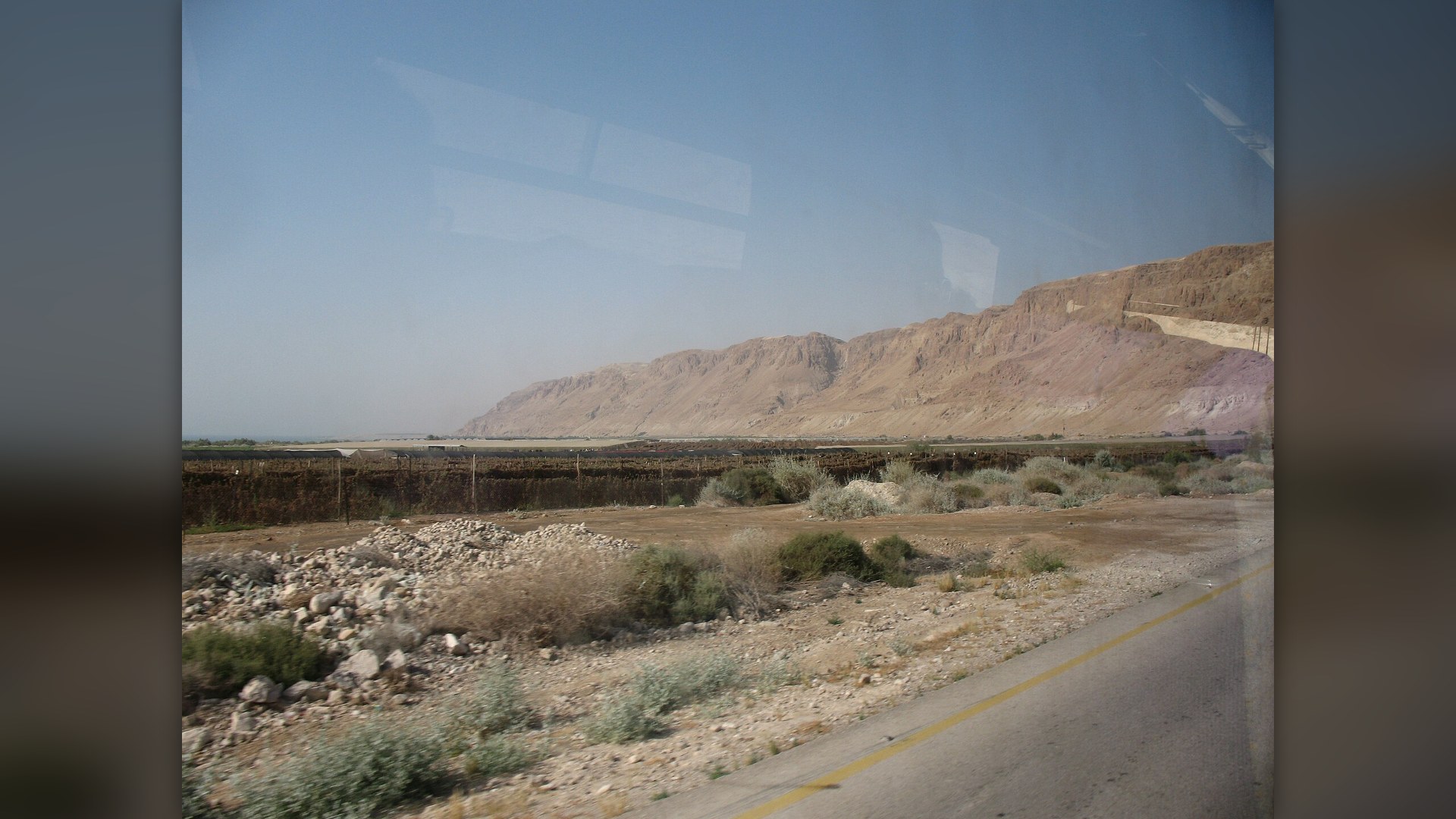
16. The Ninety Mile Journey To Bethlehem
Traveling from Nazareth to Bethlehem required navigating ninety miles of mountainous trails, river valleys and desert paths. For an expectant mother traveling on foot or riding a pack animal, the journey took upwards of eight to ten days while braving sudden winter flash floods and roadside bandit attacks.
©Wikimedia / James Emery from Douglasville, United States
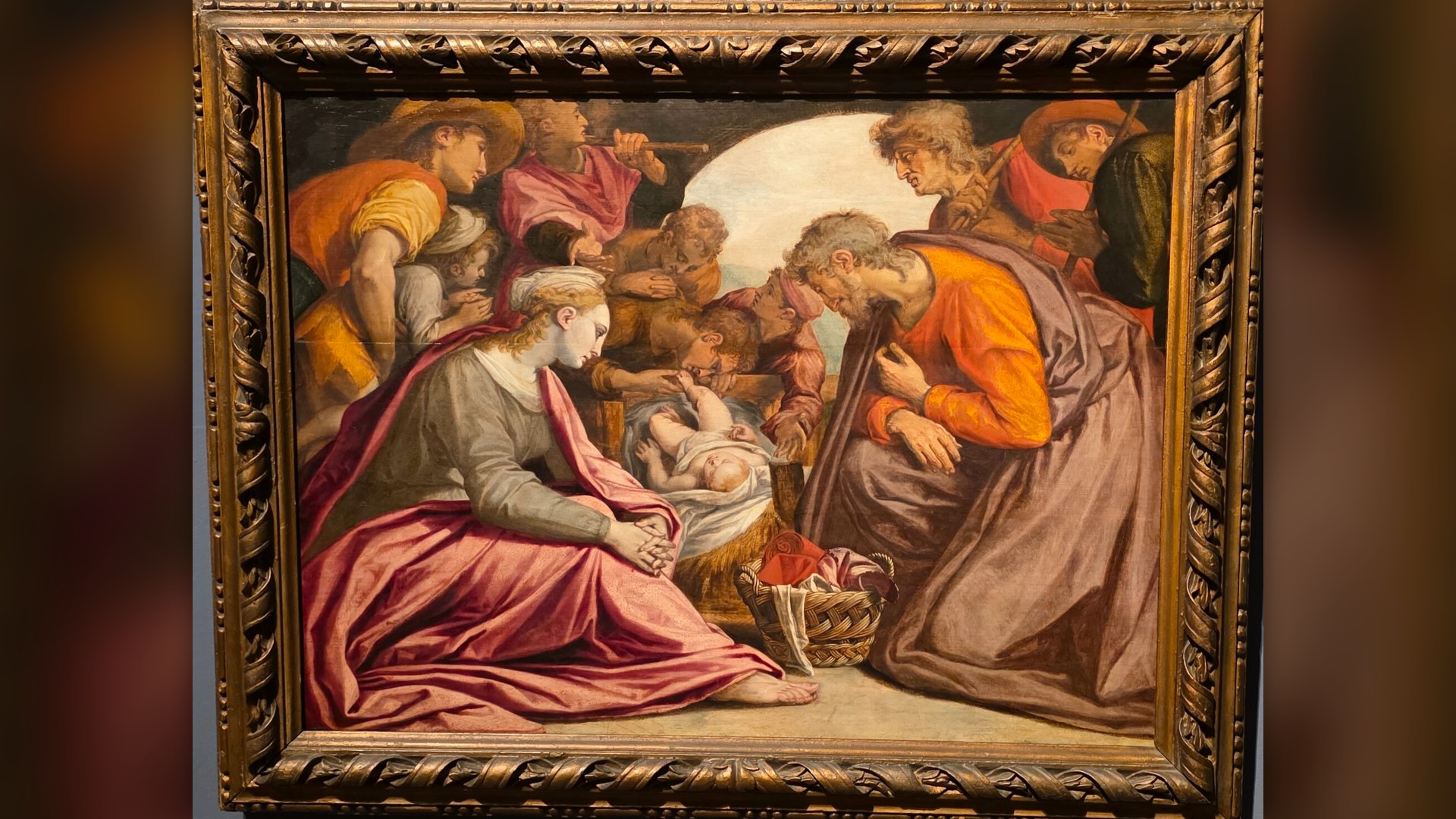
15. No Evidence Of An Innkeeper In Scripture
Holiday pageants regularly feature a gruff innkeeper turning the couple away, but ancient manuscripts mention no such character. The Greek word katalyma denotes a guest room in an ordinary family residence. Because Bethlehem homes were overflowing with census travelers, Mary gave birth in the lower quarters.
©Wikimedia / Yair-haklai
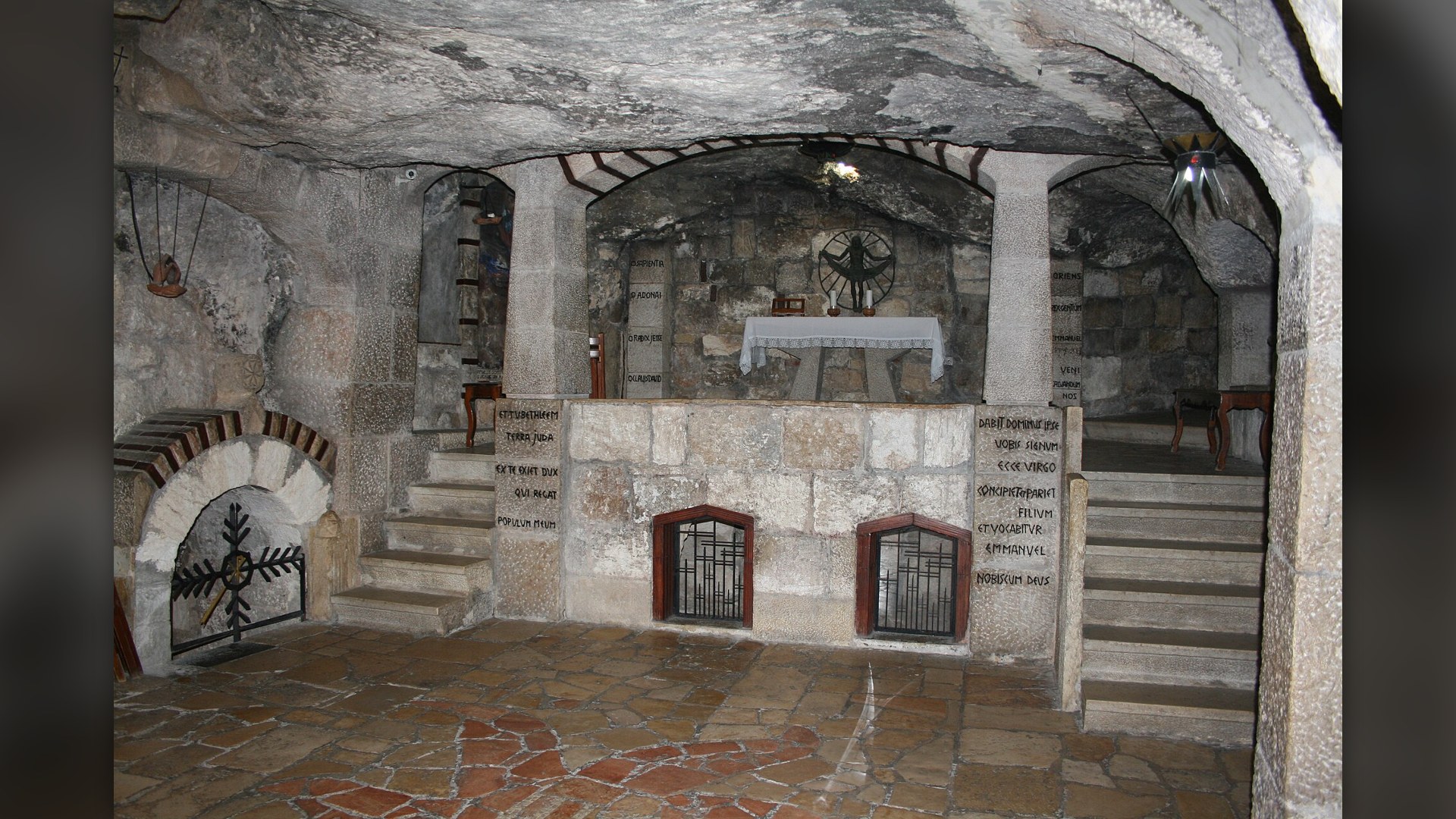
14. The Nativity Likely Occurred In A Cave
Traditional wooden stables stem from European medieval folklore rather than Middle Eastern geography. In first-century Judea, village homes sat atop limestone caverns that housed livestock at night. Mary likely gave birth in this lower hollow, wrapping her infant in cloth and laying him in a carved feed trough.
©Wikimedia / Diego Delso
Advertisement
Swipe or tap ▶ to resume the countdown.
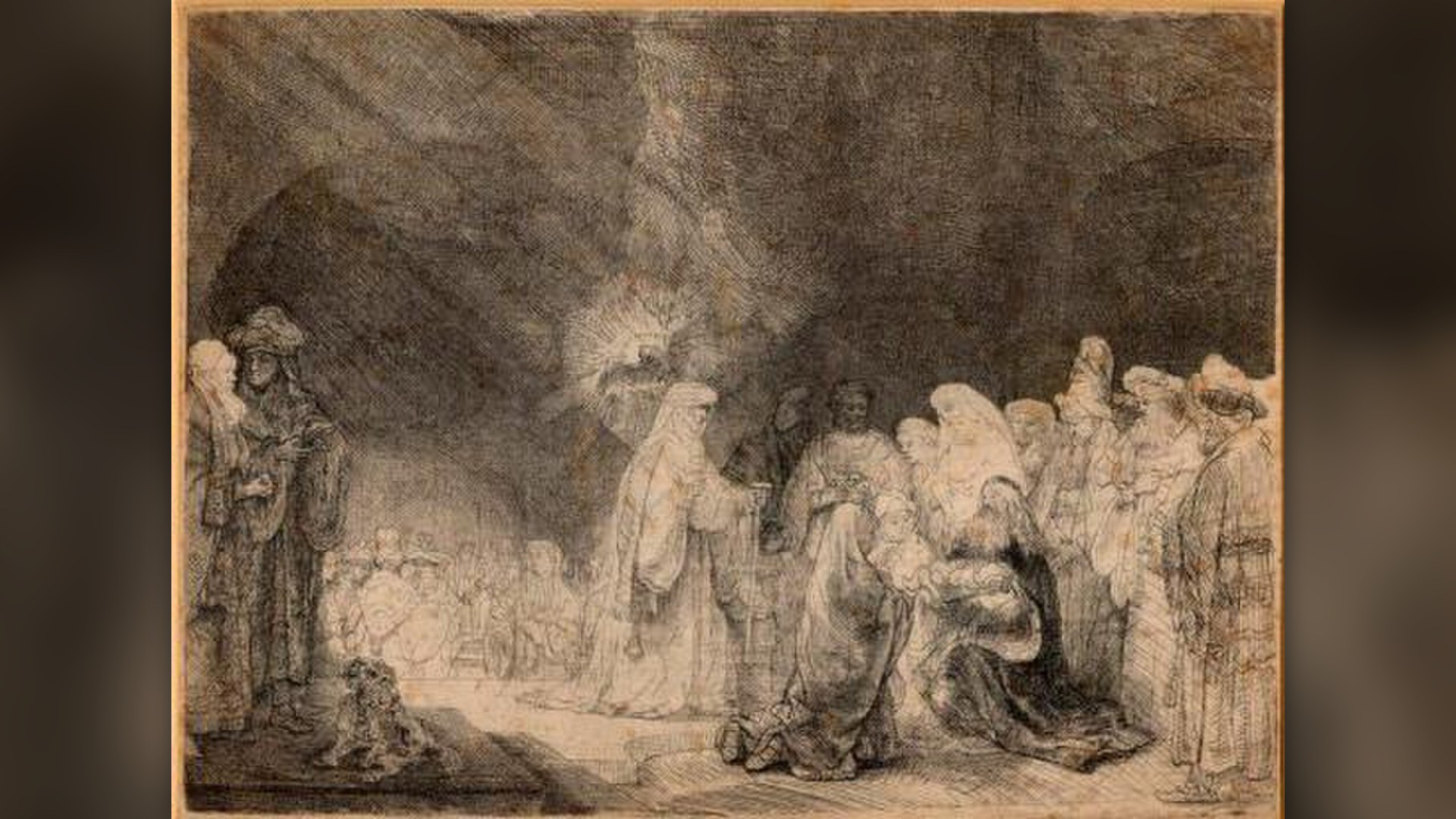
13. The Modest Offering Of Two Pigeons
Levitical code required mothers to present a lamb for ritual purification following childbirth. Families unable to afford a sheep were legally permitted to offer two turtledoves or small pigeons. When Mary and Joseph entered the Jerusalem temple, they gave birds, proving their modest financial standing.
©Wikimedia / Rembrandt van Rijn
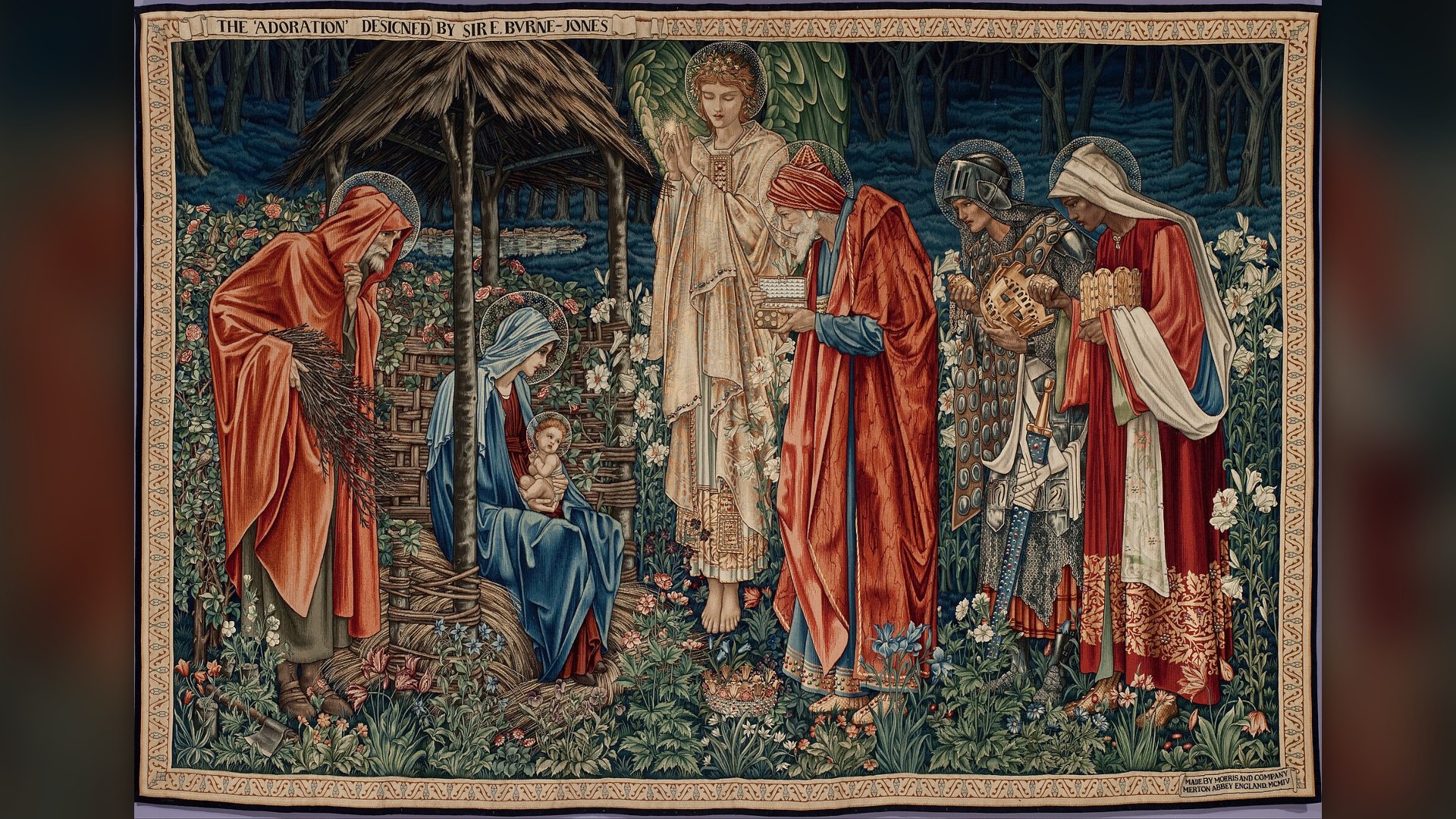
12. The Magi Arrived Months After Birth
Nativity scenes place eastern astrologers beside newborn cribs, but Gospel records indicate they arrived months later. The biblical narrative notes the travelers visited the family inside an established house, while King Herod ordered the slaughter of boys up to age two based on their calculated timeline.
©Wikimedia / Edward Burne-Jones
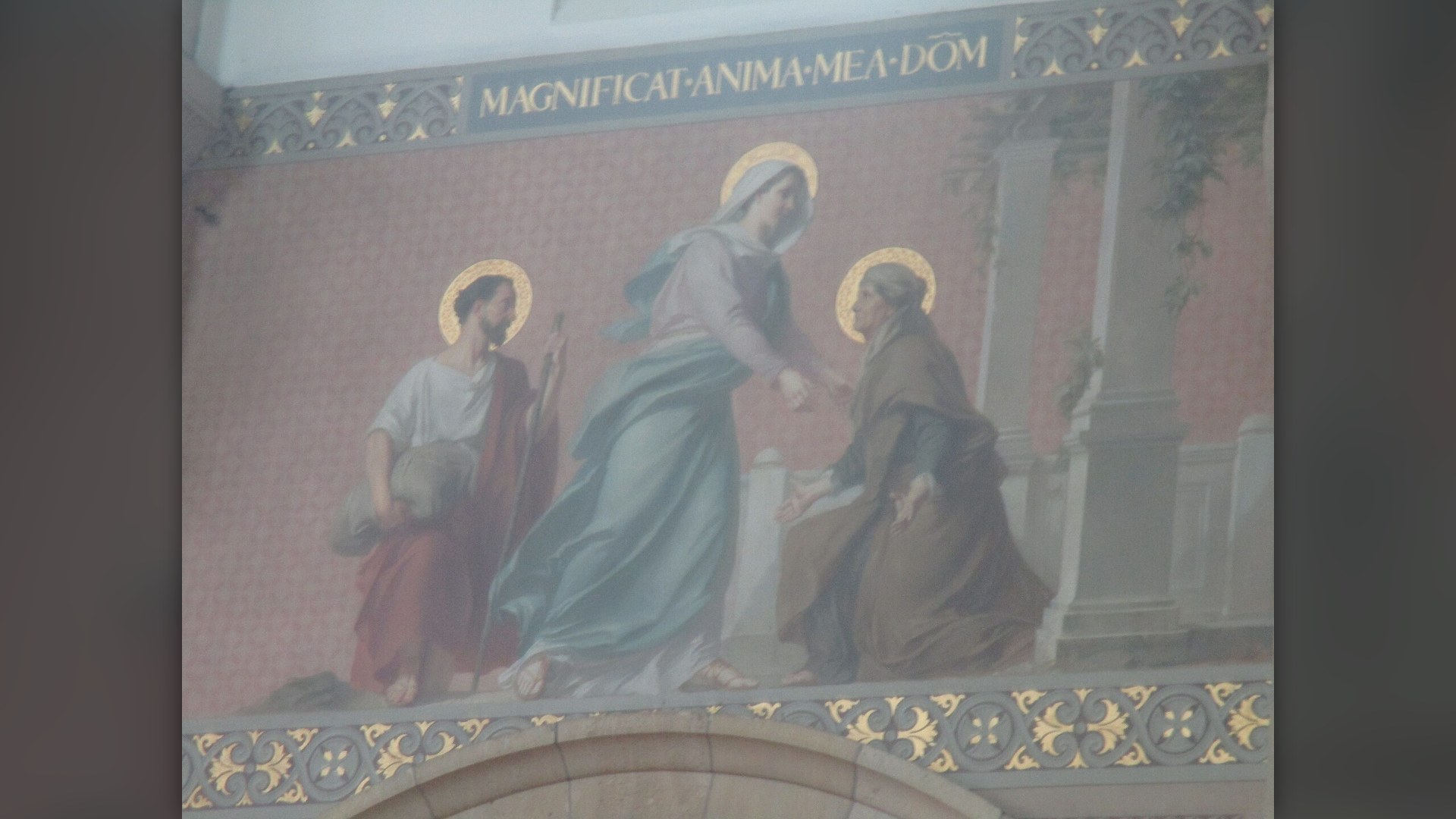
11. Mary Displayed Immense Scriptural Literacy
In her revolutionary hymn known as the Magnificat, Mary wove dozens of direct references to Hebrew scriptures, particularly the ancient song of Hannah. Her poetic vocabulary revealed deep immersion in sacred oral tradition and prophetic literature, an exceptional achievement for a provincial rural woman.
©Wikimedia / Thomon
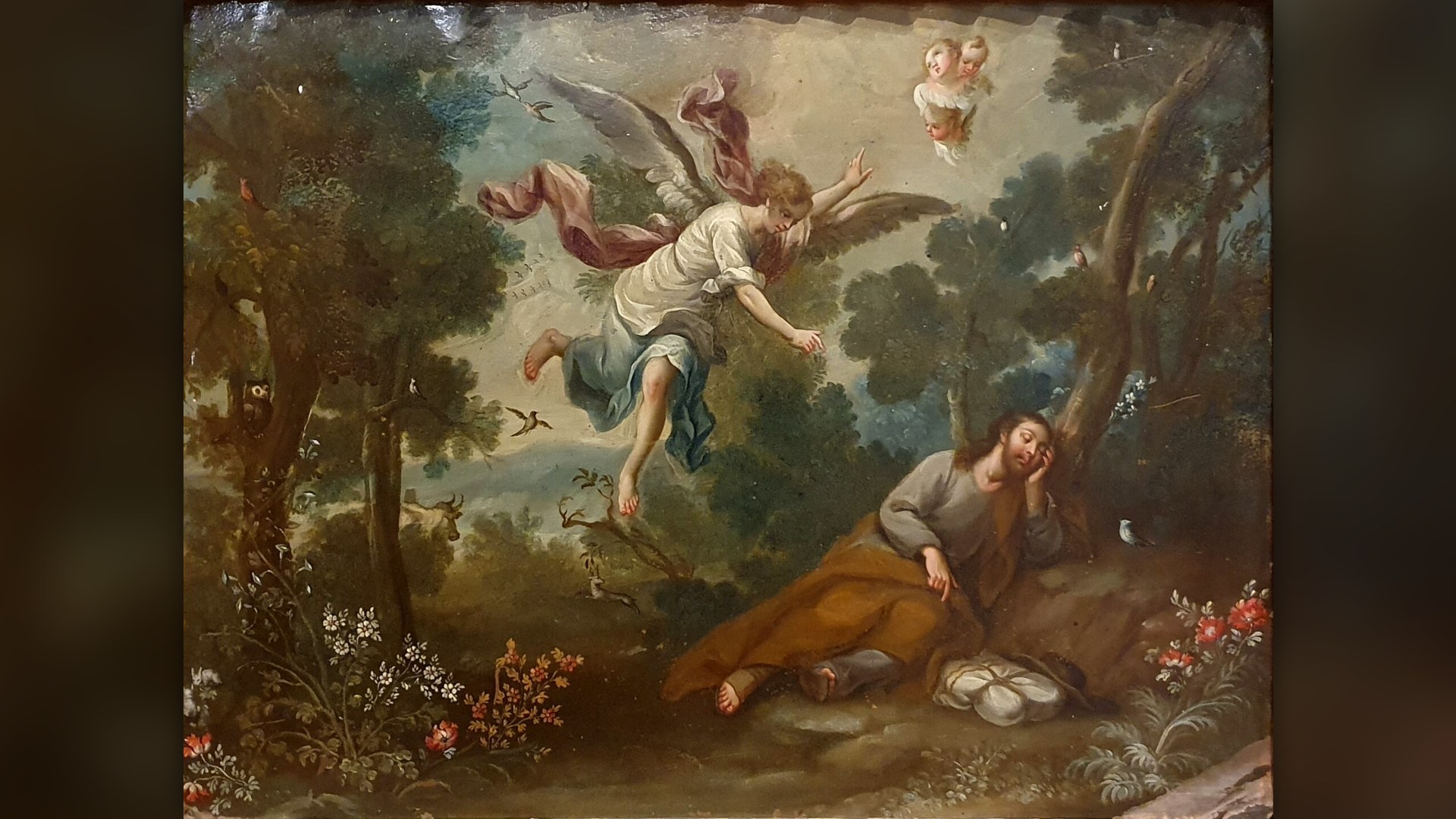
10. Joseph Never Speaks A Recorded Word
Despite serving as the guardian of Jesus, Joseph does not utter a single line in scriptural text. His entire biblical legacy is defined by direct decisive actions rather than dialogue. Each time he received divine instructions during sleep, he woke up immediately and carried out the protection of his household.
©Wikimedia / José Luiz
Advertisement
Swipe or tap ▶ to resume the countdown.
9. Joseph Broke Social Norms To Shield Mary
Under ancient Deuteronomic law, an unwed pregnancy invited public humiliation and potential execution. Joseph initially chose to dissolve the betrothal contract privately before deciding to marry Mary. By doing so, he assumed public gossip and familial censure upon himself to safeguard Mary and her child.
©Wikimedia / Sabalo22
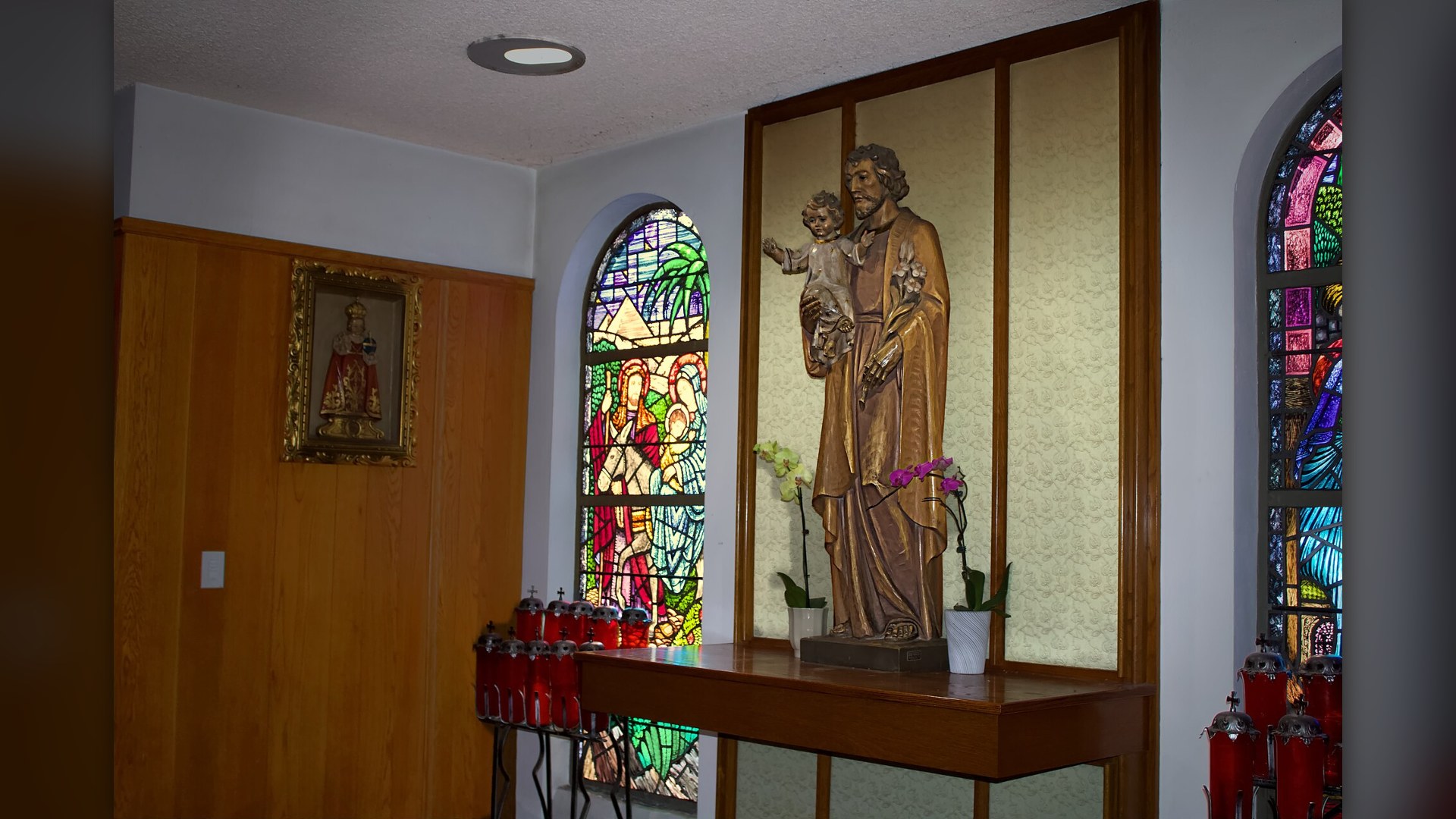
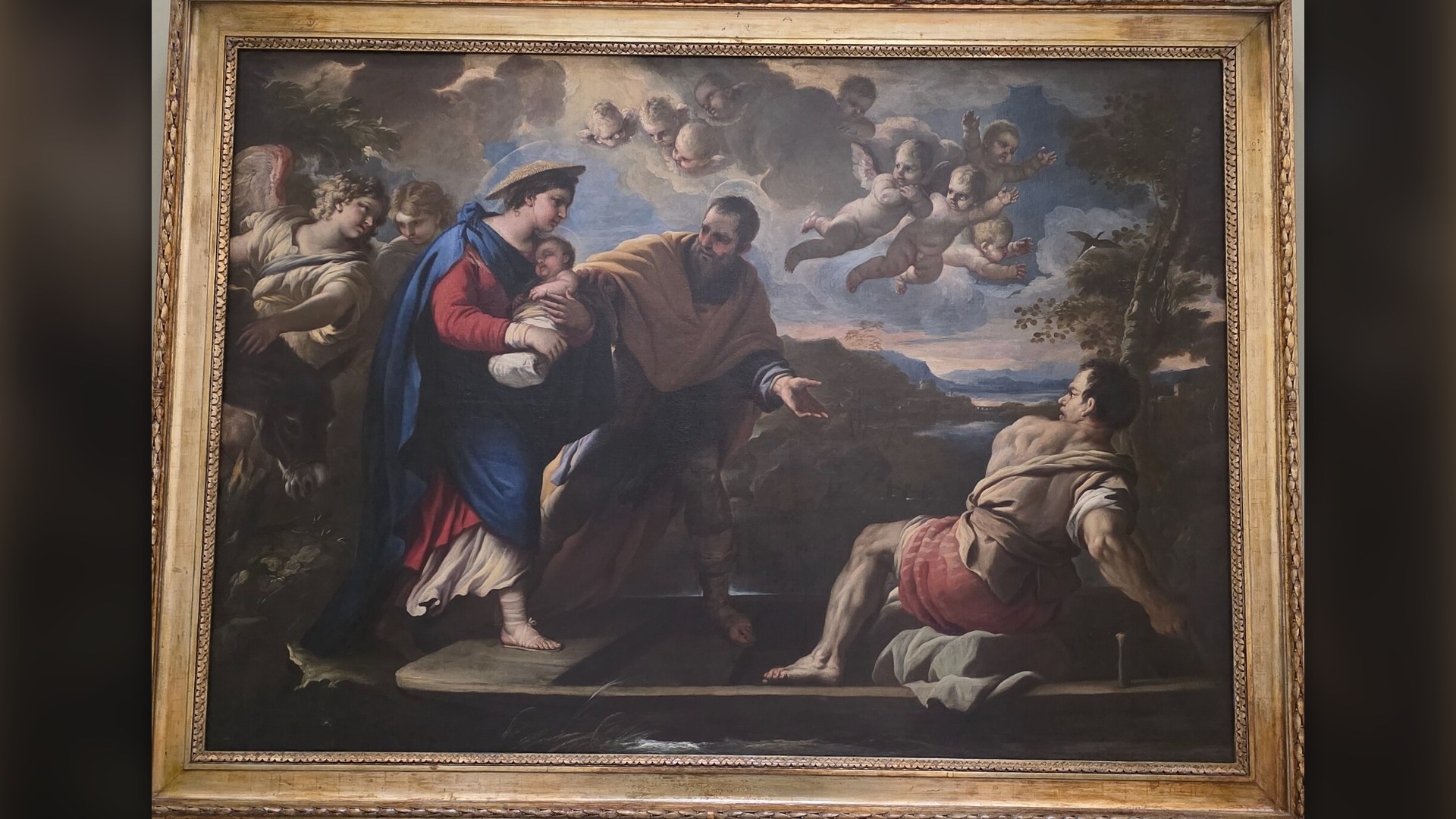
8. Surviving As Political Refugees In Egypt
Warned of Herod's murderous campaign, the young family fled across the Sinai Peninsula into Ptolemaic Egypt. They lived for several years as undocumented foreign refugees among established Jewish migrant enclaves in the Nile Delta, depending on portable craft skills until Herod passed away.
©Wikimedia / Yair-haklai
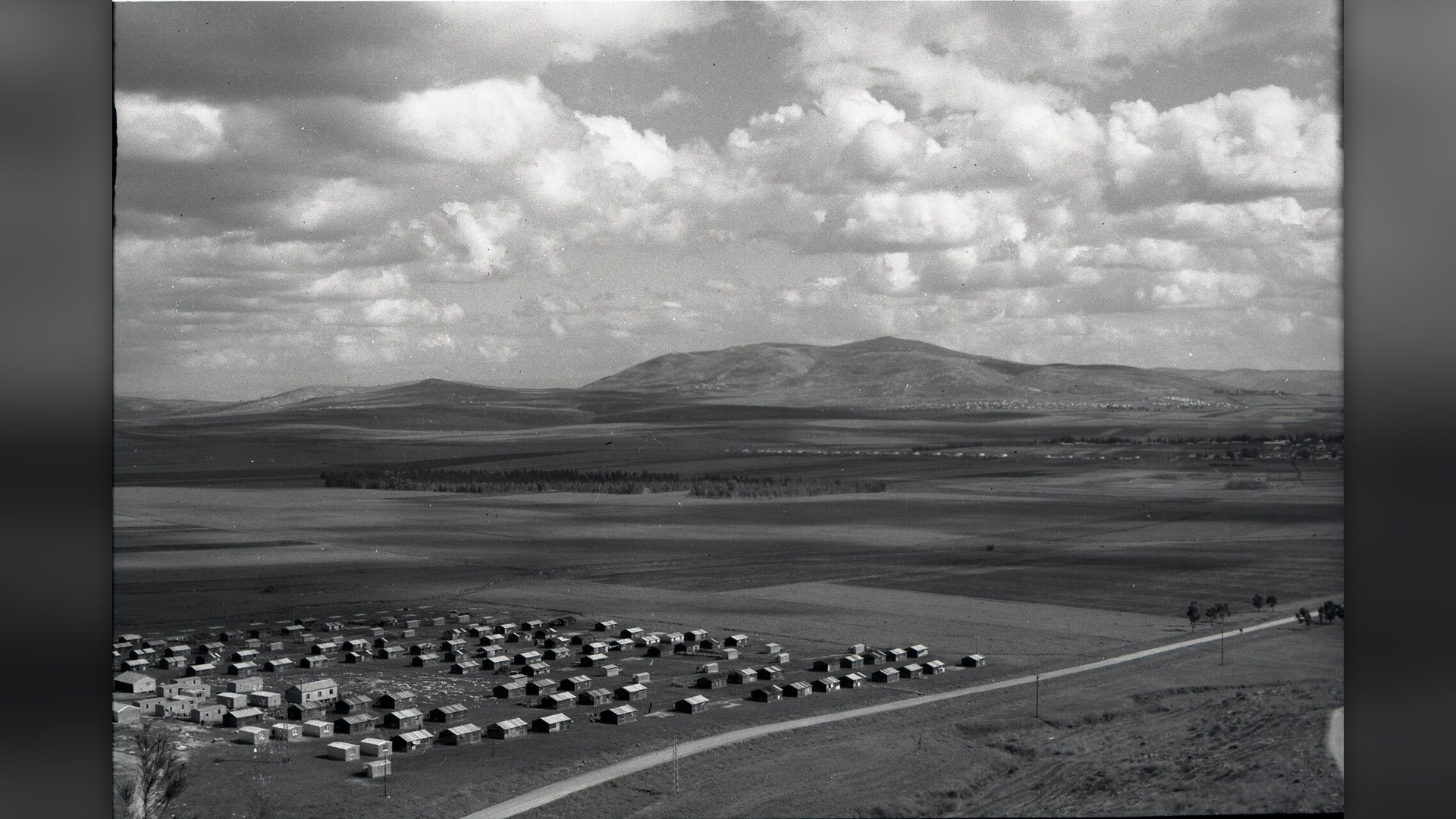
7. Nazareth Was An Obscure Hill Hamlet
Archaeological excavations reveal that Roman-era Nazareth was a tiny hamlet covering barely sixty acres, with a modest population between two and four hundred people. It lacked paved stone roads, city walls and municipal buildings, fostering tight-knit community surveillance where everyone knew neighbors.
©Wikimedia / Benno Rothenberg
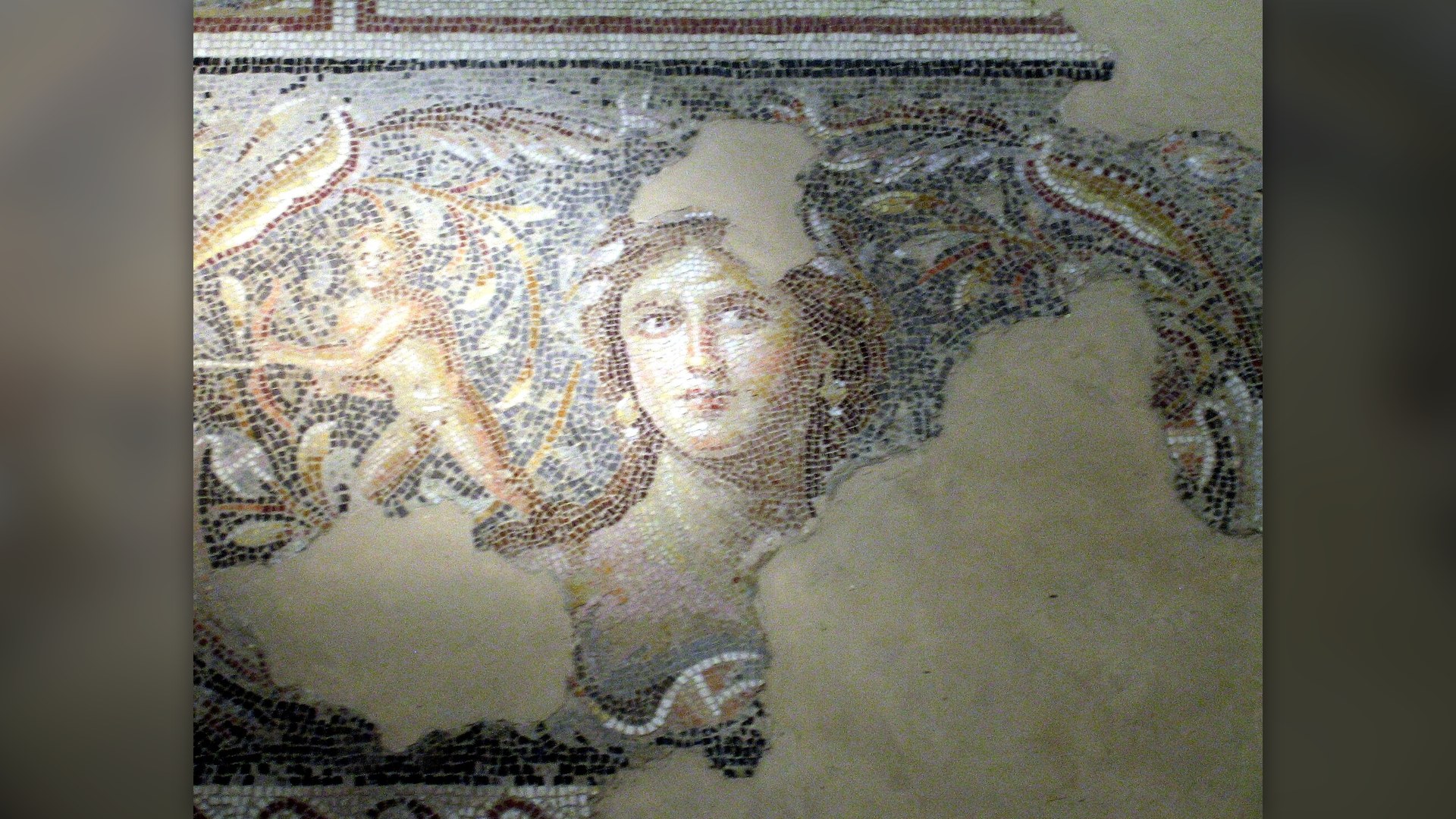
6. Rebuilding The Nearby Metropolis Of Sepphoris
Located just four miles north of Nazareth sat Sepphoris, the bustling regional capital rebuilt under Herod Antipas. As an expansive urban construction site, Sepphoris offered steady employment for builders like Joseph and Jesus, exposing rural Galilean craftsmen to cosmopolitan Greco-Roman design.
©Wikimedia / Tomisti
Advertisement
Swipe or tap ▶ to resume the countdown.
5. Raising A Large Household Of Siblings
Gospel records name four brothers belonging to the family, James, Joses, Judas and Simon, along with unnamed sisters. Christian traditions interpret these relations as subsequent children of Mary and Joseph, step-siblings from an earlier marriage, or close cousins living in extended kinship networks.
©Wikimedia / Giovanni Battista Salvi da Sassoferrato
4. Joseph Vanishes Before Christ Ministry
Joseph appears when Jesus was twelve in Jerusalem, but completely disappears by the time Christ begins public preaching. Because Jesus entrusted Mary care to the apostle John from the cross, historians conclude Joseph died beforehand, leaving Mary as an economically vulnerable widow in Roman Galilee.
©Wikimedia / Gsimonov
3. Mary Was An Active Leader In The Early Church
Mary journey did not conclude at Calvary. The Book of Acts records that she gathered alongside the apostles and disciples in prayer in an upper room in Jerusalem on Pentecost. Far from fading into isolation, she remained a revered matriarch and key eyewitness helping guide the nascent Christian movement.
©Wikimedia / Uploader Fæ
2. Dual Lineage Linked To The House Of David
Early Christian texts trace the royal bloodline of King David through Joseph in Matthew and Luke genealogies. Patristic authors like Justin Martyr similarly documented Mary descent from the lineage of David, fulfilling prophetic requirements that the messianic line spring directly from the root of Jesse.
©Wikimedia / Jules & Jenny from Lincoln, UK
Advertisement
Swipe or tap ▶ to resume the countdown.
1. Mary Parents Are Named In Early Apocrypha
The canonical New Testament leaves Mary parents anonymous, but second-century accounts such as the Protoevangelium of James name them as Joachim and Anne. These ancient writings preserved popular early Christian memory regarding Mary lineage, pious upbringing and childhood dedication within the temple.
©Wikimedia / Benedikt Dreyer
Advertisement
You've reached the end of the story. Thanks for reading!

20 Smartest Ways to Cut Winter Heating Bills
Winter heating bills can devour household budgets, but targeted adjustments can slash seasonal energy expenses by hundreds of dollars. Based on U.S. Department of Energy reports and energy efficiency studies, here are twenty proven strategies to optimize home heating, ranked from high-impact upgrades to daily habits.
All 20 Entries in this Story
1. Joseph Was A Tekton, Not Just A Woodworker
In Gospel texts, Joseph is called a tekton. While traditionally translated as carpenter, the Greek word referred to an artisan or builder who shaped stone, wood and masonry. In the rocky hills of Galilee, timber was scarce, meaning Joseph spent most of his arduous days hauling heavy stone blocks.

2. Mary Was Likely In Her Early Teens
Historical analysis of Second Temple Jewish customs indicates that girls entered arranged marriages shortly after reaching puberty. Mary was likely between twelve and fourteen years old when betrothed to Joseph. Taking on maternal duties at such an early age was standard practice in ancient rural society.

3. Betrothal Carried Full Legal Marriage Status
Ancient Judean marriage involved two distinct stages known as erusin and nissuin. The first stage, betrothal, legally bound Mary and Joseph as husband and wife. Breaking this contract required a formal religious divorce, which explains why pregnancy outside cohabitation carried severe legal penalties.

4. Joseph Spoke Multiple Ancient Languages
While Aramaic was the domestic mother tongue of Judean families, Joseph needed Hebrew for temple scripture readings. the booming trade economy of Roman Galilee required conversational Koine Greek. Joseph likely operated in all three languages to conduct trade and secure building contracts.

5. The Ninety Mile Journey To Bethlehem
Traveling from Nazareth to Bethlehem required navigating ninety miles of mountainous trails, river valleys and desert paths. For an expectant mother traveling on foot or riding a pack animal, the journey took upwards of eight to ten days while braving sudden winter flash floods and roadside bandit attacks.

6. No Evidence Of An Innkeeper In Scripture
Holiday pageants regularly feature a gruff innkeeper turning the couple away, but ancient manuscripts mention no such character. The Greek word katalyma denotes a guest room in an ordinary family residence. Because Bethlehem homes were overflowing with census travelers, Mary gave birth in the lower quarters.

7. The Nativity Likely Occurred In A Cave
Traditional wooden stables stem from European medieval folklore rather than Middle Eastern geography. In first-century Judea, village homes sat atop limestone caverns that housed livestock at night. Mary likely gave birth in this lower hollow, wrapping her infant in cloth and laying him in a carved feed trough.

8. The Modest Offering Of Two Pigeons
Levitical code required mothers to present a lamb for ritual purification following childbirth. Families unable to afford a sheep were legally permitted to offer two turtledoves or small pigeons. When Mary and Joseph entered the Jerusalem temple, they gave birds, proving their modest financial standing.

9. The Magi Arrived Months After Birth
Nativity scenes place eastern astrologers beside newborn cribs, but Gospel records indicate they arrived months later. The biblical narrative notes the travelers visited the family inside an established house, while King Herod ordered the slaughter of boys up to age two based on their calculated timeline.

10. Mary Displayed Immense Scriptural Literacy
In her revolutionary hymn known as the Magnificat, Mary wove dozens of direct references to Hebrew scriptures, particularly the ancient song of Hannah. Her poetic vocabulary revealed deep immersion in sacred oral tradition and prophetic literature, an exceptional achievement for a provincial rural woman.

11. Joseph Never Speaks A Recorded Word
Despite serving as the guardian of Jesus, Joseph does not utter a single line in scriptural text. His entire biblical legacy is defined by direct decisive actions rather than dialogue. Each time he received divine instructions during sleep, he woke up immediately and carried out the protection of his household.

12. Joseph Broke Social Norms To Shield Mary
Under ancient Deuteronomic law, an unwed pregnancy invited public humiliation and potential execution. Joseph initially chose to dissolve the betrothal contract privately before deciding to marry Mary. By doing so, he assumed public gossip and familial censure upon himself to safeguard Mary and her child.

13. Surviving As Political Refugees In Egypt
Warned of Herod's murderous campaign, the young family fled across the Sinai Peninsula into Ptolemaic Egypt. They lived for several years as undocumented foreign refugees among established Jewish migrant enclaves in the Nile Delta, depending on portable craft skills until Herod passed away.

14. Nazareth Was An Obscure Hill Hamlet
Archaeological excavations reveal that Roman-era Nazareth was a tiny hamlet covering barely sixty acres, with a modest population between two and four hundred people. It lacked paved stone roads, city walls and municipal buildings, fostering tight-knit community surveillance where everyone knew neighbors.

15. Rebuilding The Nearby Metropolis Of Sepphoris
Located just four miles north of Nazareth sat Sepphoris, the bustling regional capital rebuilt under Herod Antipas. As an expansive urban construction site, Sepphoris offered steady employment for builders like Joseph and Jesus, exposing rural Galilean craftsmen to cosmopolitan Greco-Roman design.

16. Raising A Large Household Of Siblings
Gospel records name four brothers belonging to the family, James, Joses, Judas and Simon, along with unnamed sisters. Christian traditions interpret these relations as subsequent children of Mary and Joseph, step-siblings from an earlier marriage, or close cousins living in extended kinship networks.

17. Joseph Vanishes Before Christ Ministry
Joseph appears when Jesus was twelve in Jerusalem, but completely disappears by the time Christ begins public preaching. Because Jesus entrusted Mary care to the apostle John from the cross, historians conclude Joseph died beforehand, leaving Mary as an economically vulnerable widow in Roman Galilee.

18. Mary Was An Active Leader In The Early Church
Mary journey did not conclude at Calvary. The Book of Acts records that she gathered alongside the apostles and disciples in prayer in an upper room in Jerusalem on Pentecost. Far from fading into isolation, she remained a revered matriarch and key eyewitness helping guide the nascent Christian movement.

19. Dual Lineage Linked To The House Of David
Early Christian texts trace the royal bloodline of King David through Joseph in Matthew and Luke genealogies. Patristic authors like Justin Martyr similarly documented Mary descent from the lineage of David, fulfilling prophetic requirements that the messianic line spring directly from the root of Jesse.

20. Mary Parents Are Named In Early Apocrypha
The canonical New Testament leaves Mary parents anonymous, but second-century accounts such as the Protoevangelium of James name them as Joachim and Anne. These ancient writings preserved popular early Christian memory regarding Mary lineage, pious upbringing and childhood dedication within the temple.