Slideshow · Travel
22 Holiest Towns and Cities in Europe
Across two millennia, European pilgrims have journeyed along rugged coastal trails and mountain passes to reach sacred shrines, apostolic tombs, and miraculous healing springs. Based on historical records from UNESCO, Britannica, and European cathedral archives, discover the continent most revered holy sanctuaries.
By Most Viral Today
31 min ago

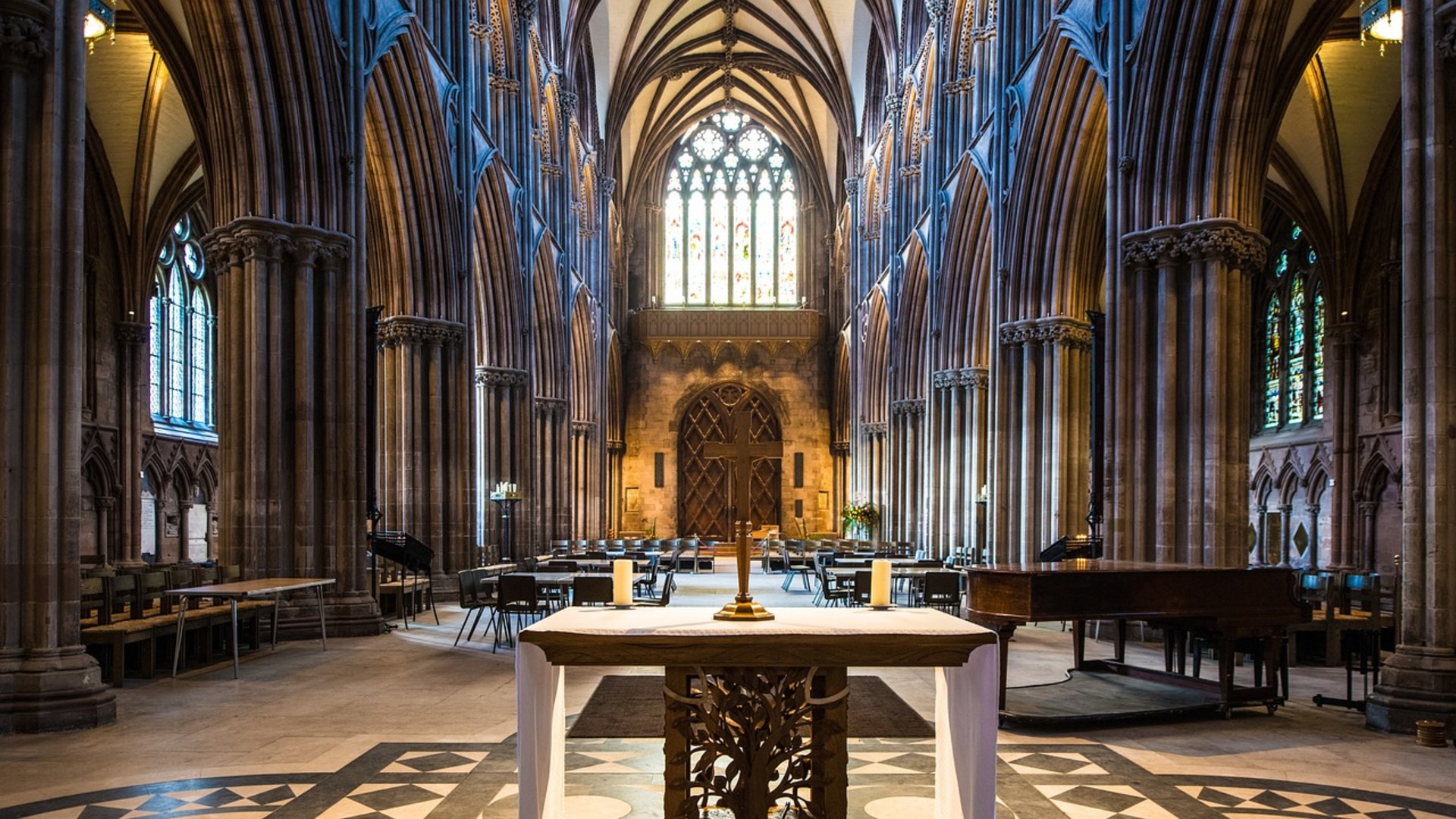
Sacred European Pilgrimage Sanctuary 
22. Athens, Greece: Circa 51 AD 
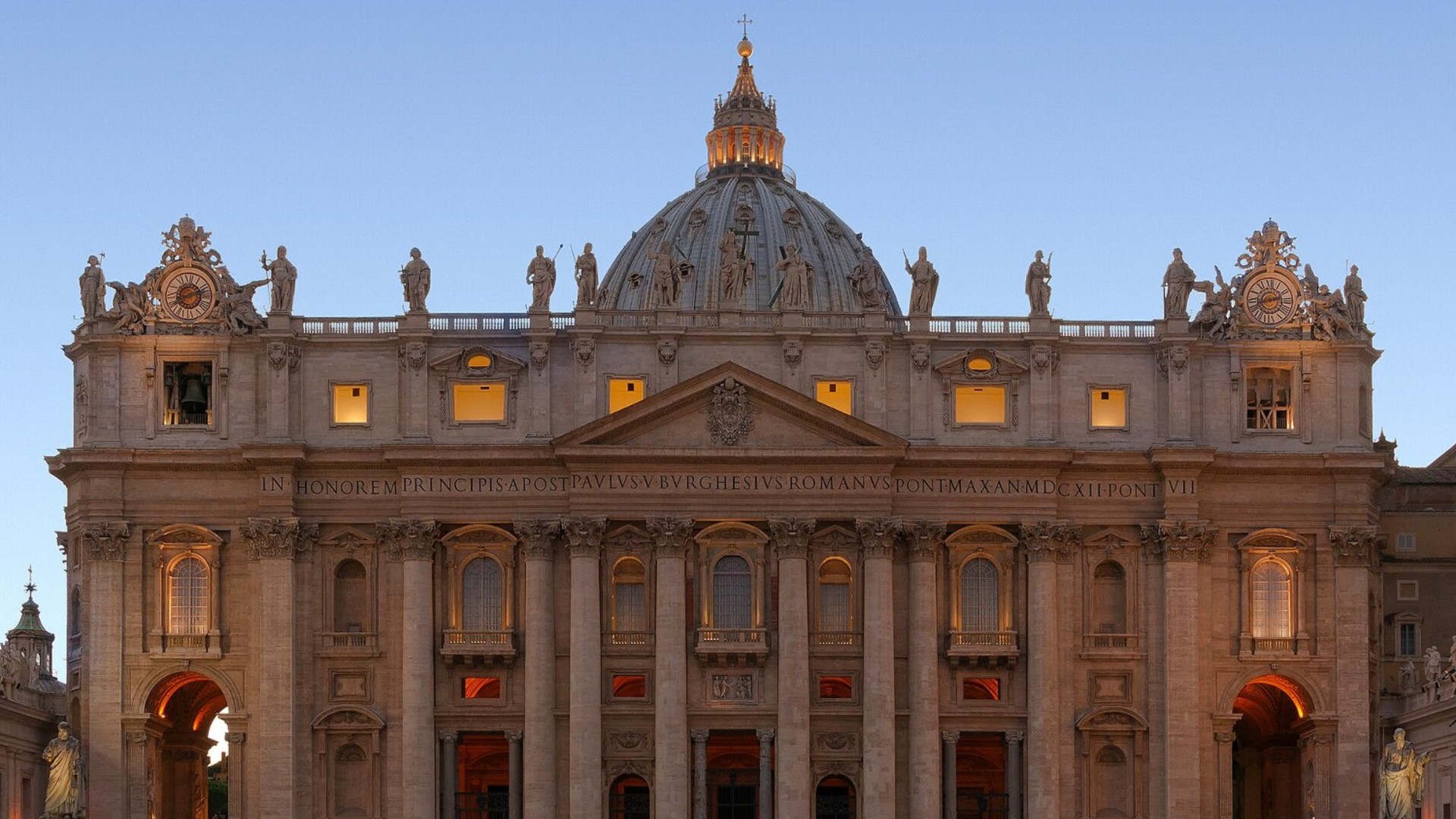
21. Rome, Italy: Circa 64 AD 
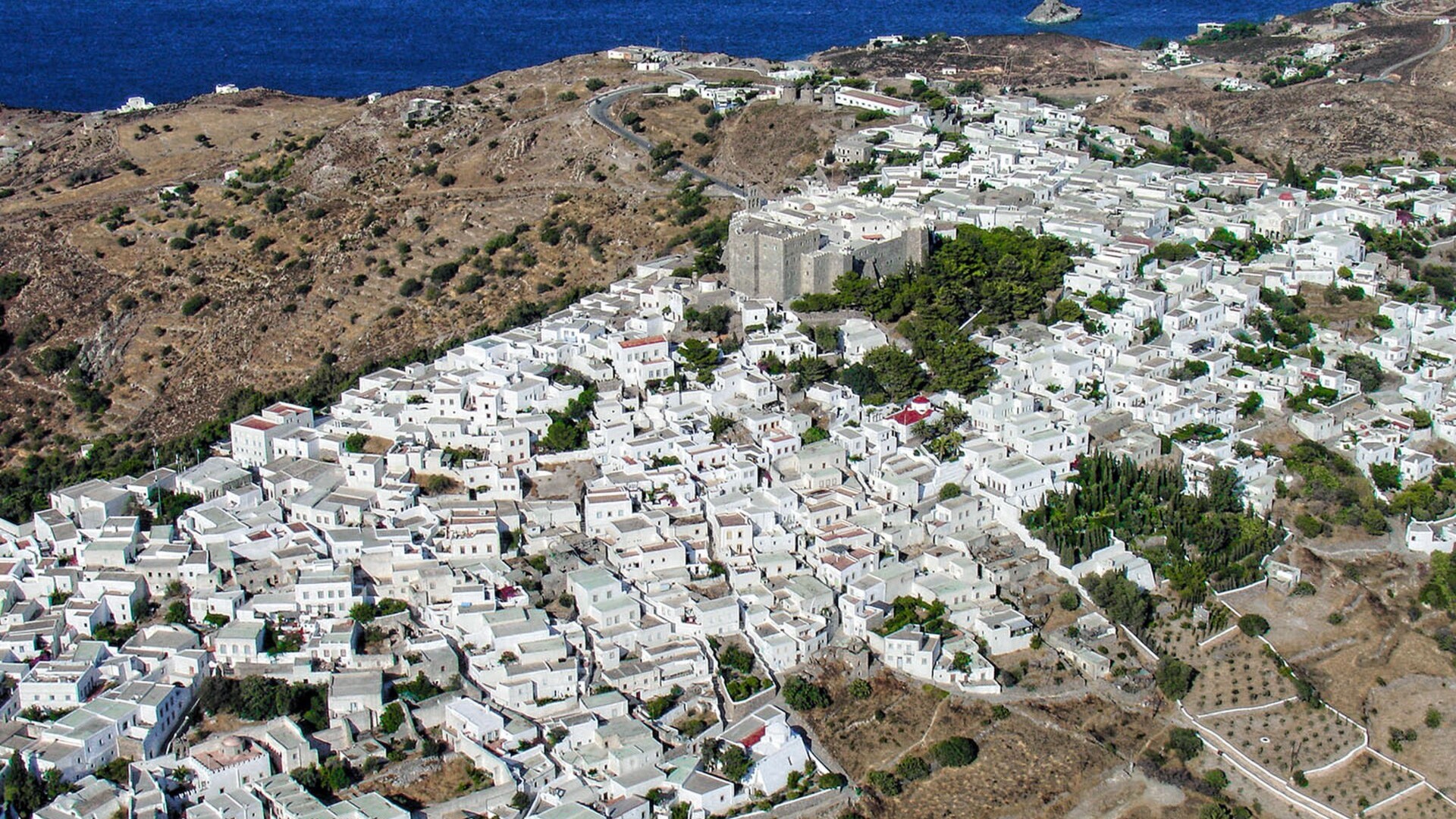
20. Patmos, Greece: Circa 95 AD - AdvertisementSwipe or tap ▶ to continue countdown

19. Lyon, France: 177 AD 
18. Milan, Italy: 313 AD 
17. Trier, Germany: 326 AD 
16. Tours, France: 371 AD - AdvertisementSwipe or tap ▶ to continue countdown

15. Monte Sant Angelo, Italy: 490 AD 
14. Iona, Scotland: 563 AD 
13. Canterbury, England: 597 AD 
12. Santiago De Compostela, Spain: 814 AD - AdvertisementSwipe or tap ▶ to continue countdown

11. Mount Athos, Greece: 883 AD 
10. Mariazell, Austria: 1157 AD 
9. Assisi, Italy: 1208 AD 
8. Padua, Italy: 1231 AD - AdvertisementSwipe or tap ▶ to continue countdown

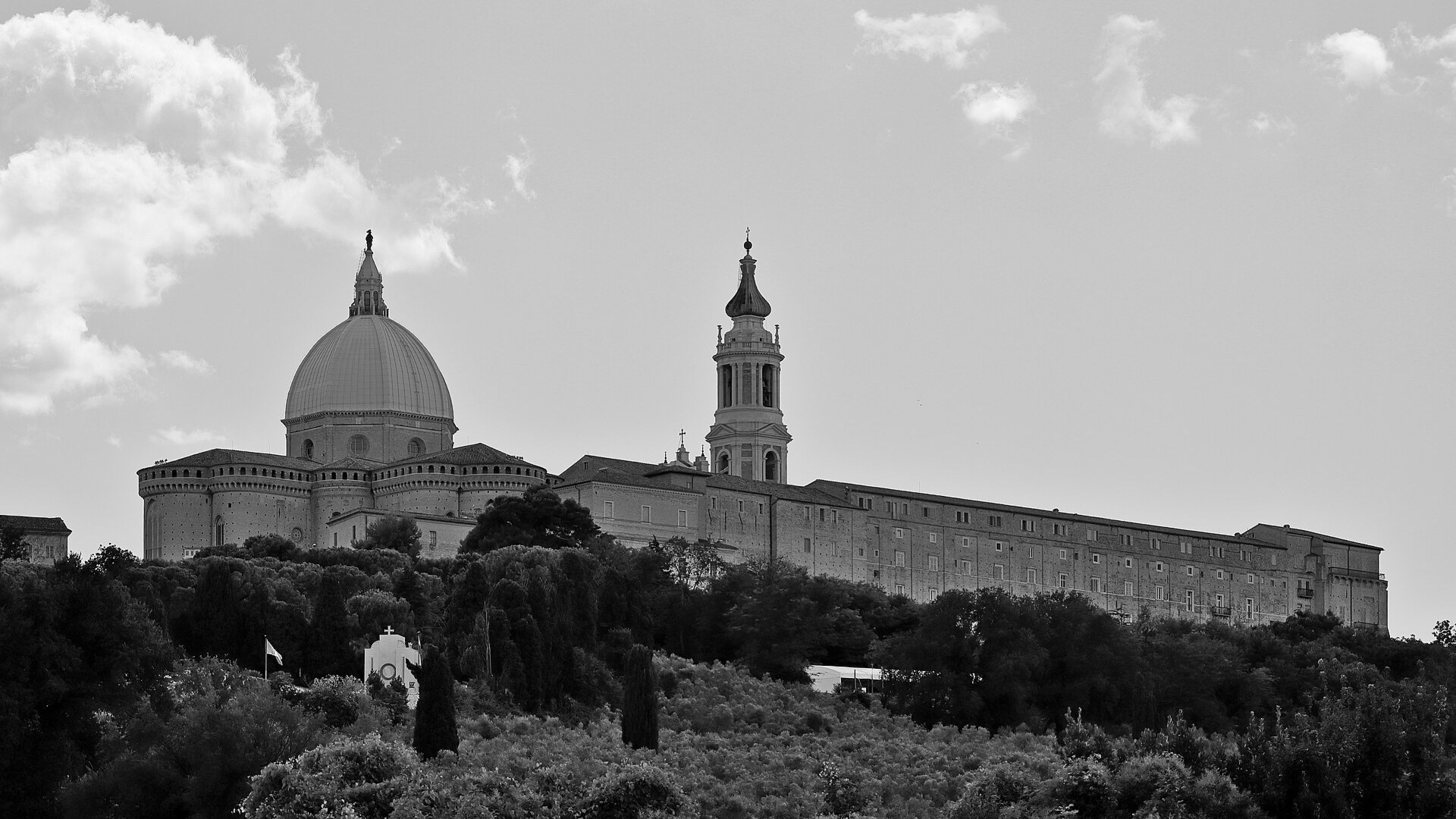
7. Loreto, Italy: 1294 AD 
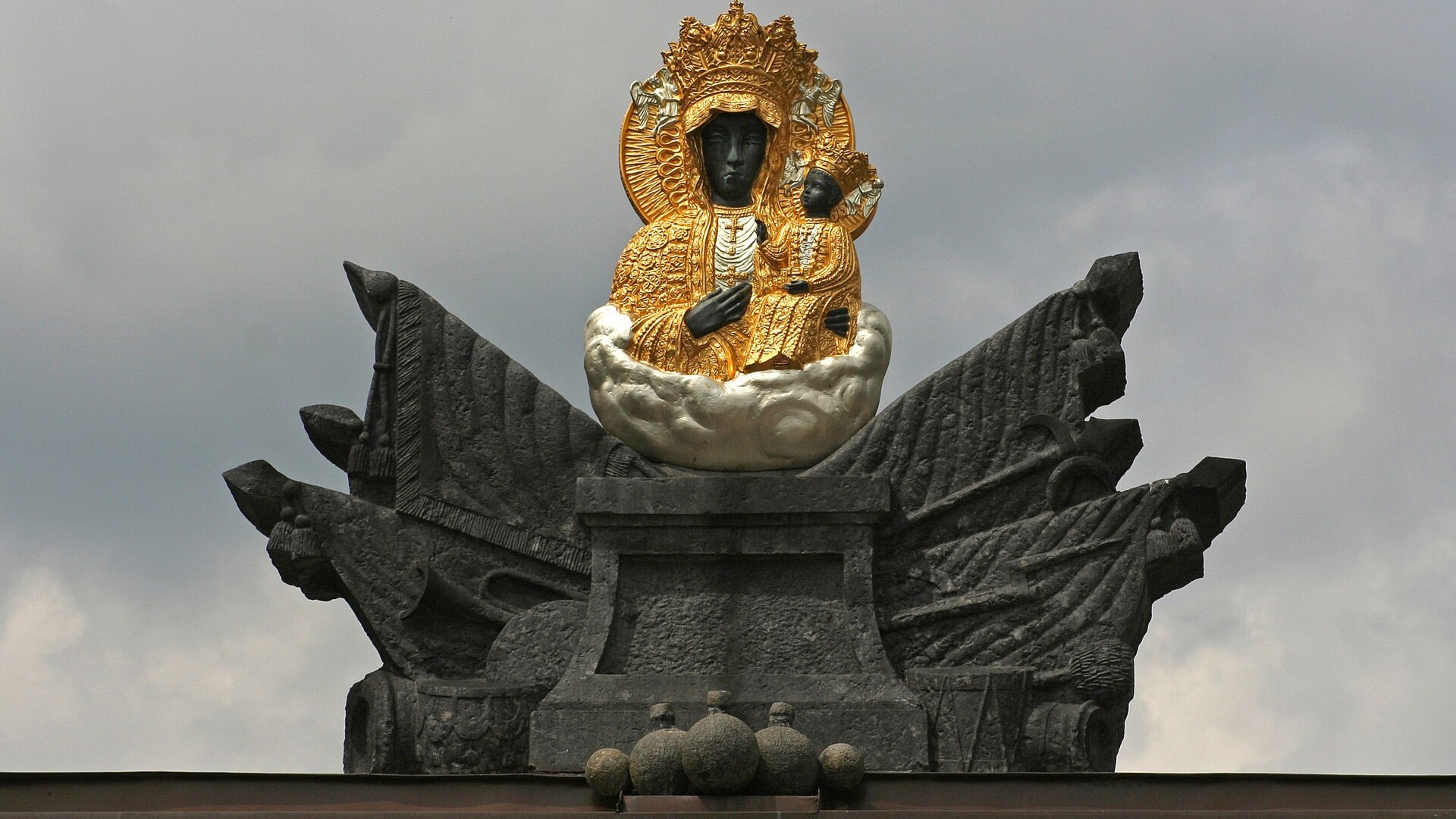
6. Czestochowa, Poland: 1382 AD 
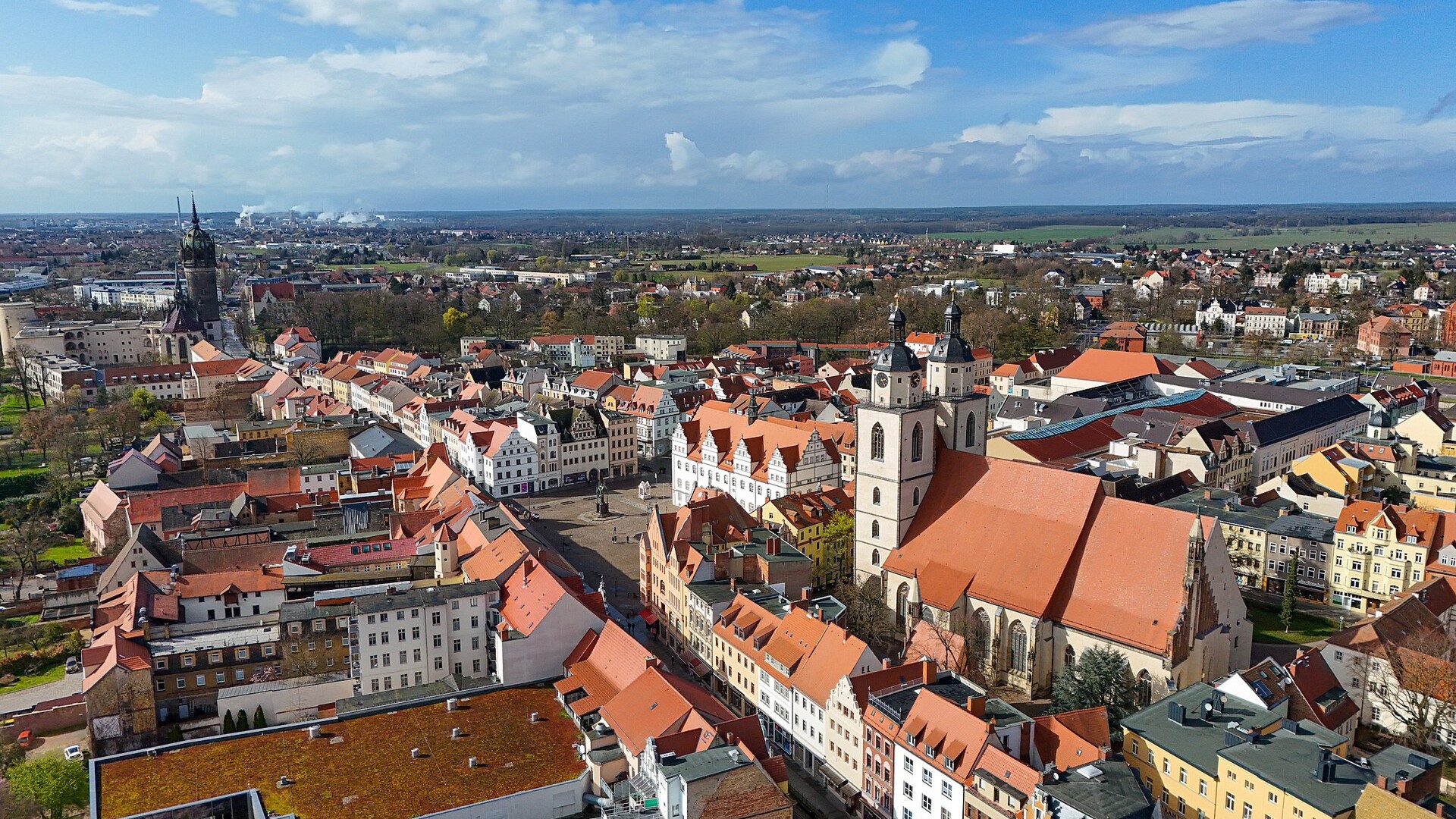
5. Wittenberg, Germany: 1517 AD 
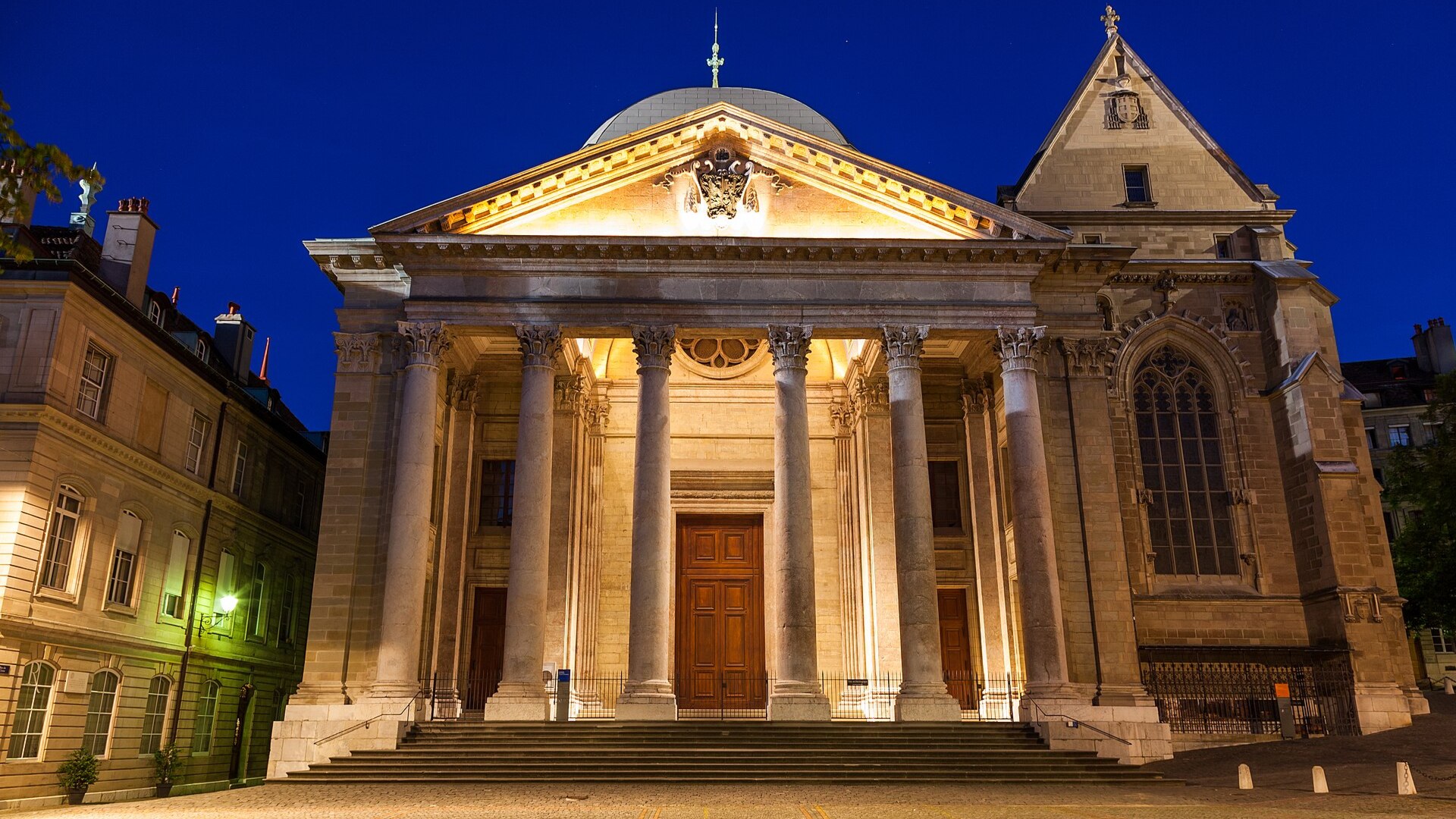
4. Geneva, Switzerland: 1536 AD - AdvertisementSwipe or tap ▶ to continue countdown

3. Lourdes, France: 1858 AD 
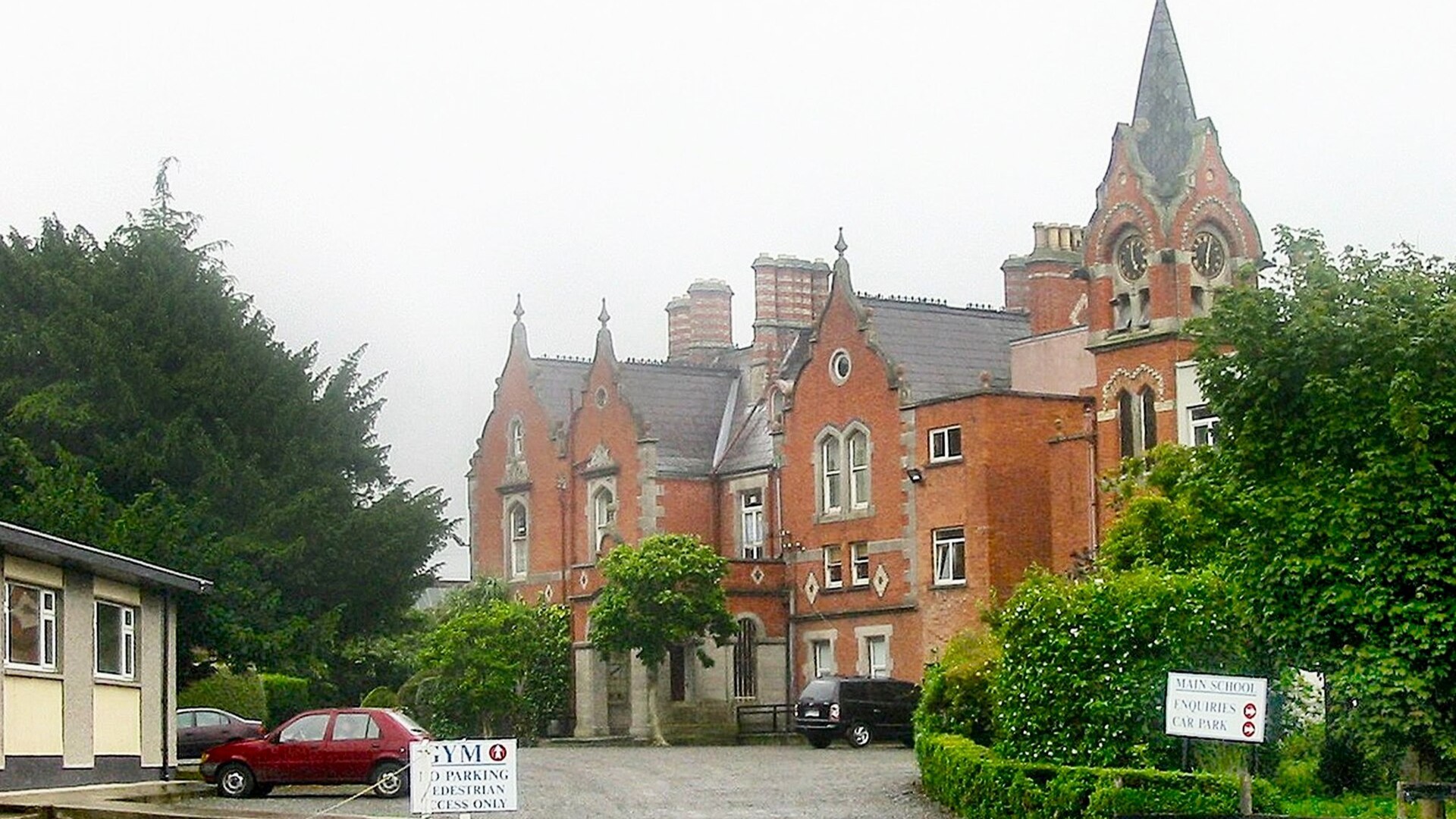
2. Knock, Ireland: 1879 AD 
1. Fatima, Portugal: 1917 AD - Advertisement🔥 UP NEXT IN THIS SERIES◫ 21 Slides

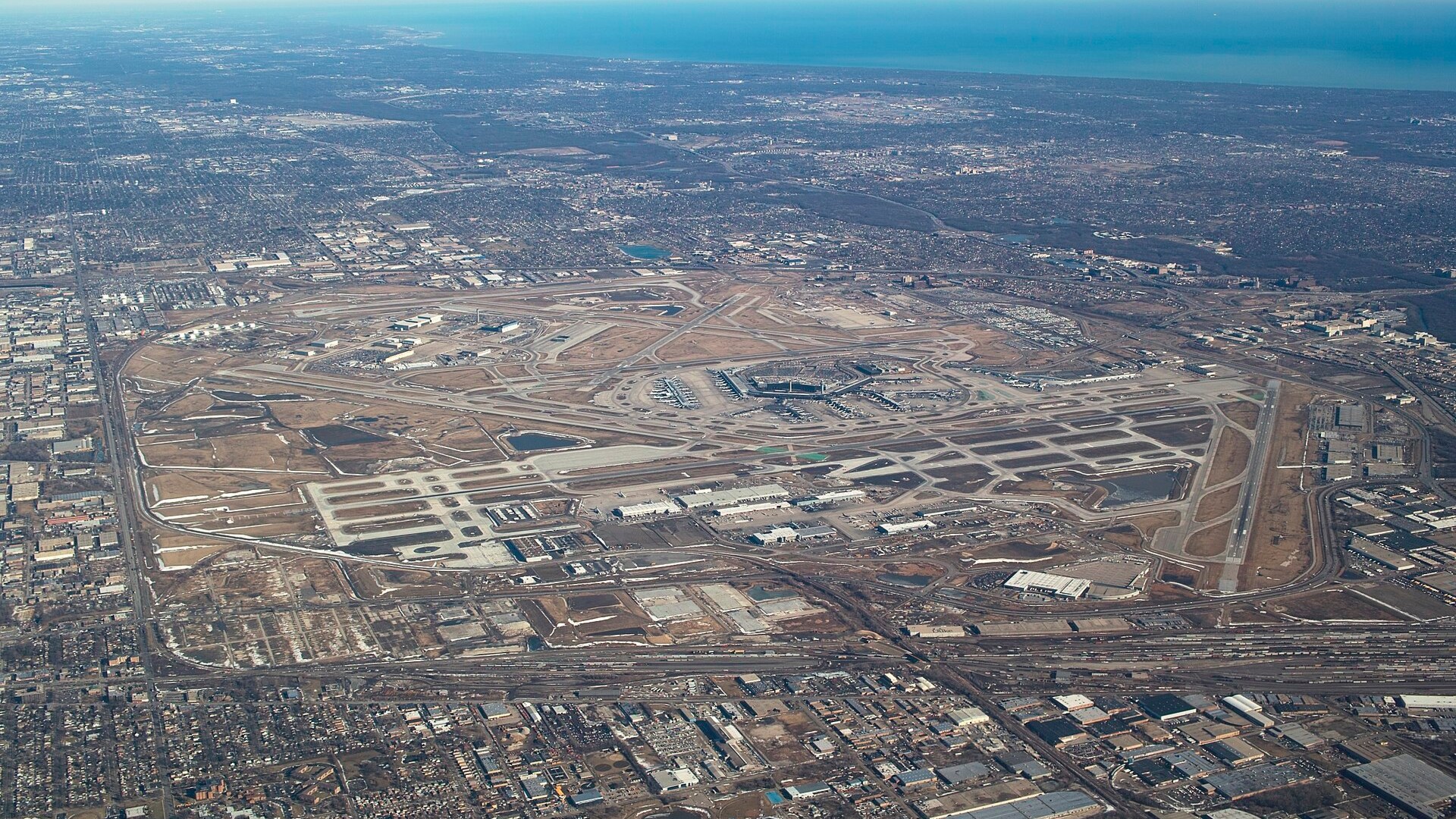
20 Milestones That Shaped Chicago O'Hare Airport Through the Decades
Chicago O'Hare International Airport grew from a World War II aircraft plant at Orchard Field into one of the busiest air hubs on Earth. Based on Chicago Department of Aviation archives, FAA records, and Britannica reporting, these 20 photos trace O'Hare from 1940s C-54 flights to modern 2026 ORDNext expansion.
Across two millennia, European pilgrims have journeyed along rugged coastal trails and mountain passes to reach sacred shrines, apostolic tombs, and miraculous healing springs. Based on historical records from UNESCO, Britannica, and European cathedral archives, discover the continent most revered holy sanctuaries.
Swipe or tap ▶ to begin the countdown
©Pixabay / DrNickStafford
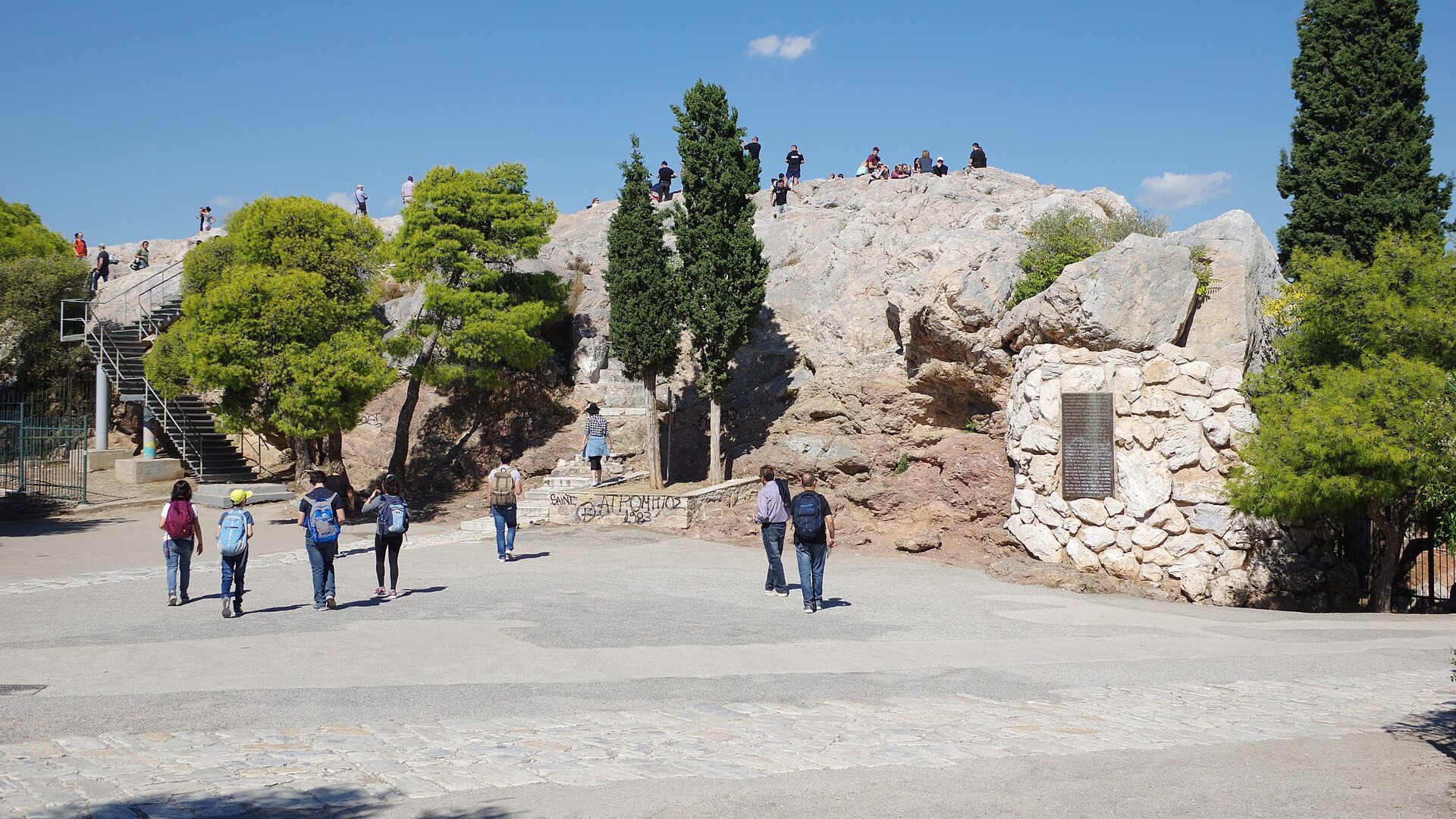
22. Athens, Greece: Circa 51 AD
Around 51 AD, the Apostle Paul addressed Athenian philosophers at the rocky outcrop of the Areopagus, introducing Christian monotheism to classical Greece. Today, pilgrims climb the ancient limestone steps to read the bronze plaque bearing Paul historic sermon overlooking the city below.
©Wikimedia / Berthold Werner
21. Rome, Italy: Circa 64 AD
Emperor Nero persecution in 64 AD led to the crucifixion of Saint Peter on Vatican Hill and the beheading of Saint Paul along the Ostian Way. Their underground tombs beneath Saint Peter Basilica and the Basilica of Saint Paul Outside the Walls form the central pilgrimage axis of Roman Catholicism.
©Wikimedia / Jebulon
20. Patmos, Greece: Circa 95 AD
Exiled by Roman Emperor Domitian around 95 AD, Saint John resided inside a rocky mountainside cave where he received apocalyptic visions of the heavenly kingdom. The hilltop Monastery of Saint John the Theologian and the Cave of the Apocalypse now welcome Eastern Orthodox and Western pilgrims.
©Wikimedia / airphoto.gr
Advertisement
Swipe or tap ▶ to resume the countdown.
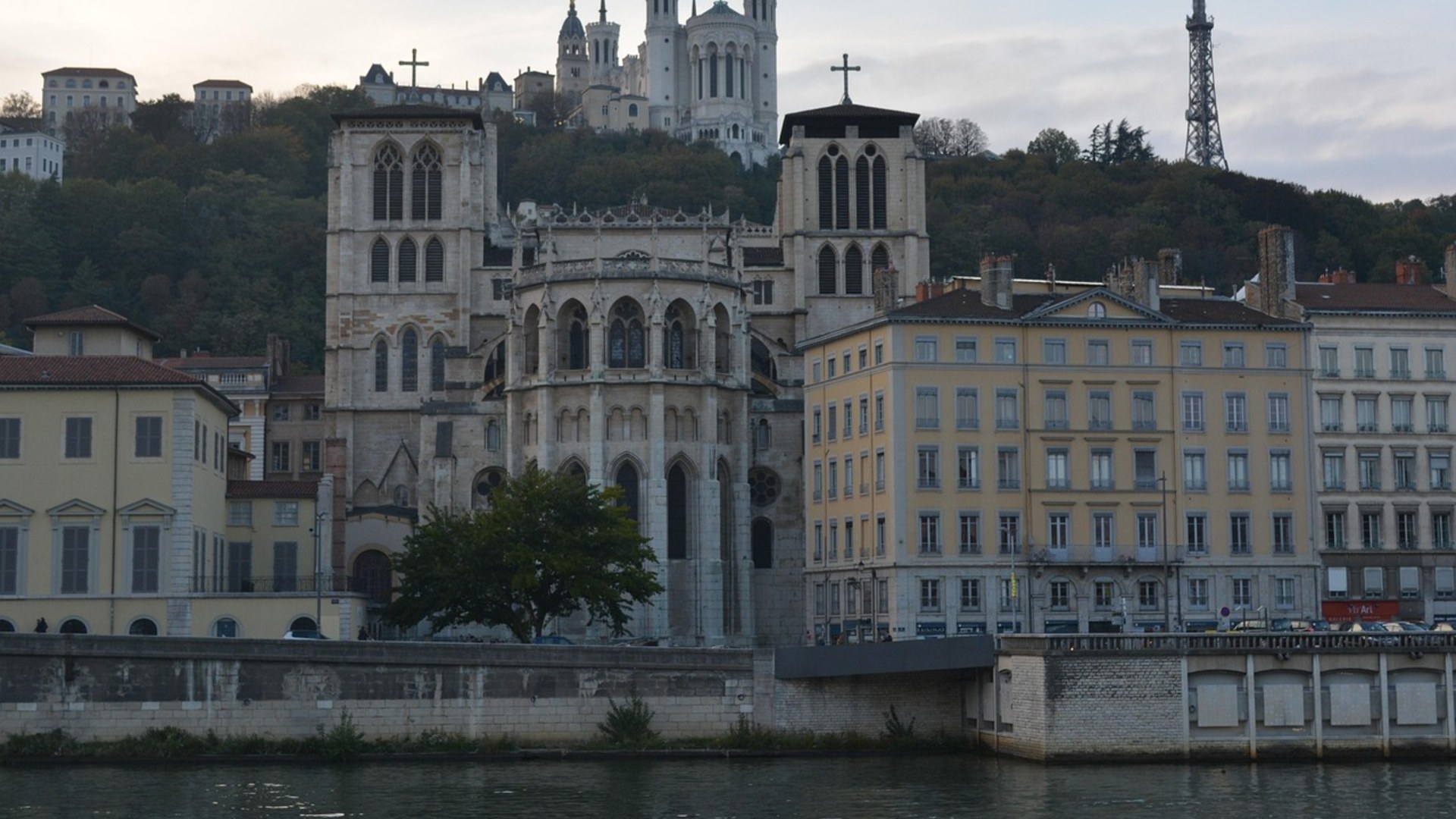
19. Lyon, France: 177 AD
Roman persecutions in Roman Lugdunum during 177 AD produced forty-eight celebrated martyrs, including the slave girl Saint Blandina and Bishop Pothinus. Saint Irenaeus succeeded them, penning foundational defenses of Christian orthodoxy that established Lyon as the historic capital of Gallic Christianity.
©Pixabay / Ben_Kerckx
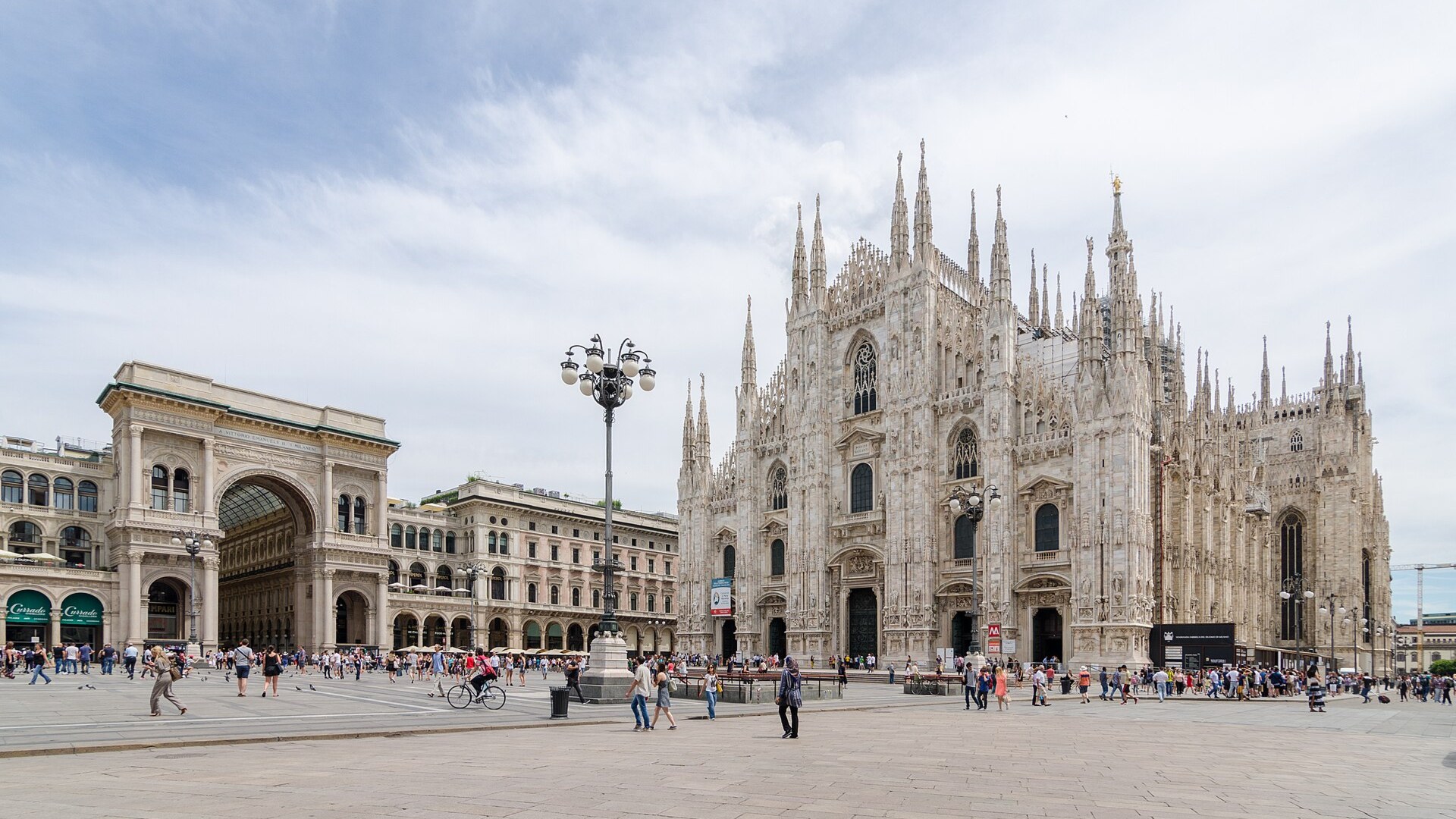
18. Milan, Italy: 313 AD
In February 313 AD, Emperor Constantine and Licinius signed the historic Edict of Milan, granting legal toleration to Christians across the Roman Empire. Later in the fourth century, Bishop Saint Ambrose defended church independence, baptizing Saint Augustine inside the ancient Milanese cathedral.
©Wikimedia / Steffen Schmitz
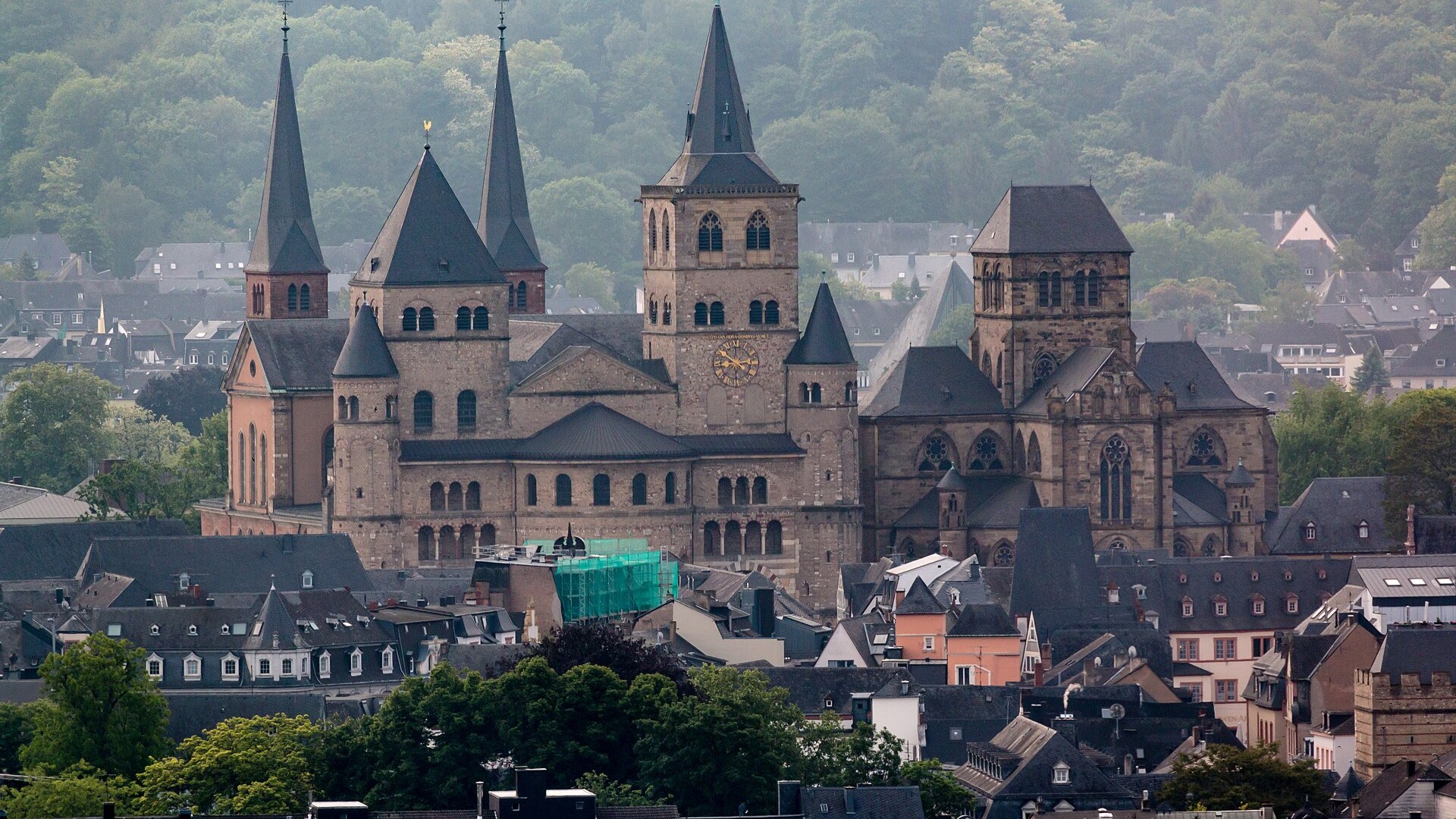
17. Trier, Germany: 326 AD
Following her pilgrimage to Jerusalem in 326 AD, Saint Helena sent relics to the imperial Roman capital of Augusta Treverorum, now modern Trier. Trier Cathedral, the oldest bishop seat in Germany, still safeguards the seamless tunic worn by Jesus Christ, drawing pilgrims for rare public expositions.
©Wikimedia / Dietmar Rabich
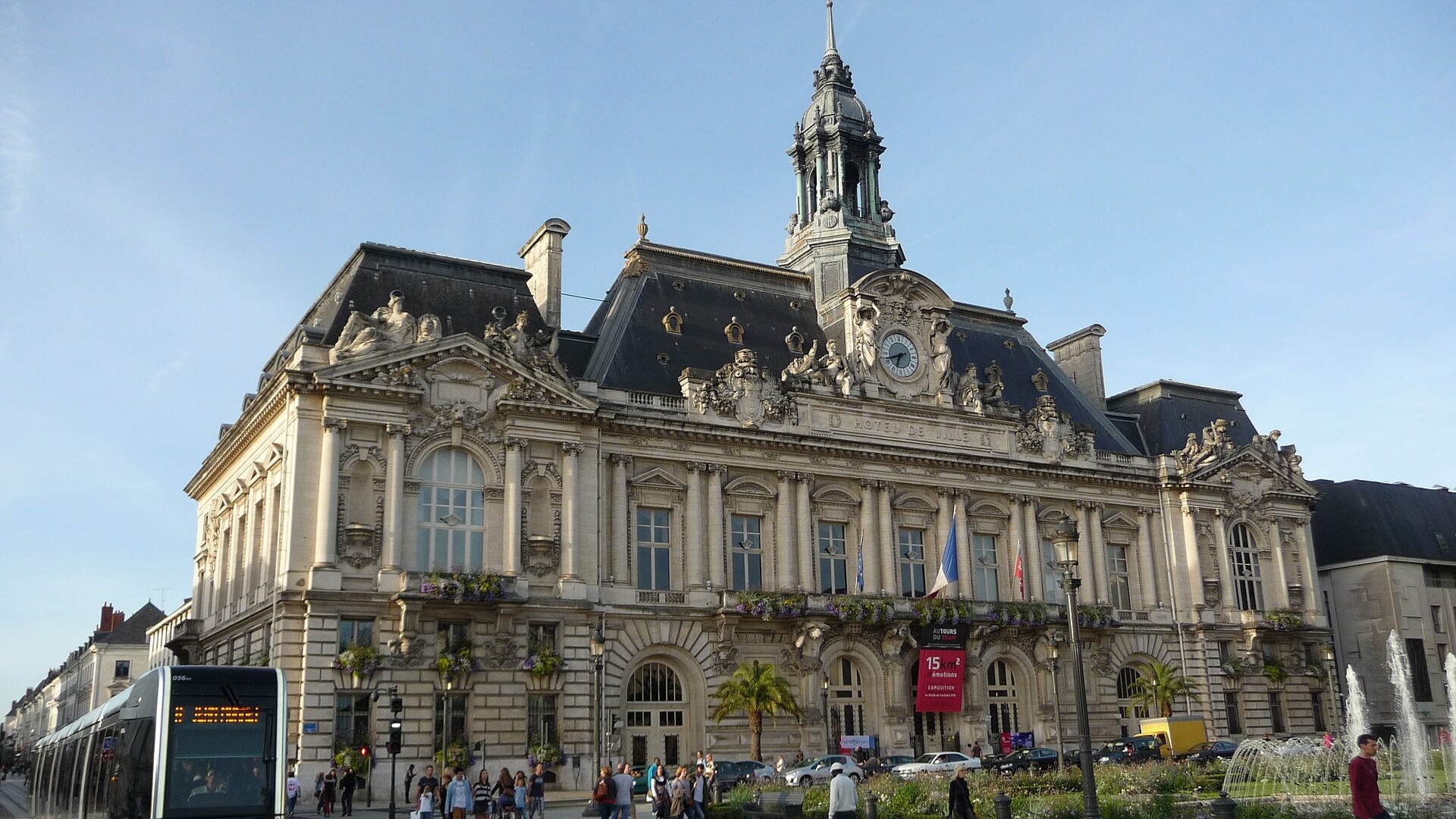
16. Tours, France: 371 AD
Consecrated bishop in 371 AD, Saint Martin founded monasteries across Gaul and converted rural populations through humility and charity. His tomb in Tours became the most celebrated pilgrimage stop in medieval France, establishing a primary gathering point along the historic Camino de Santiago trails.
©Wikimedia / Tours
Advertisement
Swipe or tap ▶ to resume the countdown.
15. Monte Sant Angelo, Italy: 490 AD
According to early medieval accounts from 490 AD, the Archangel Michael appeared three times to the local bishop, dedicating the natural cave as a place of divine protection. Kings, popes, and Saint Francis of Assisi made barefoot ascents up the Gargano promontory to pray inside the cavern shrine.
©Wikimedia / Falk2
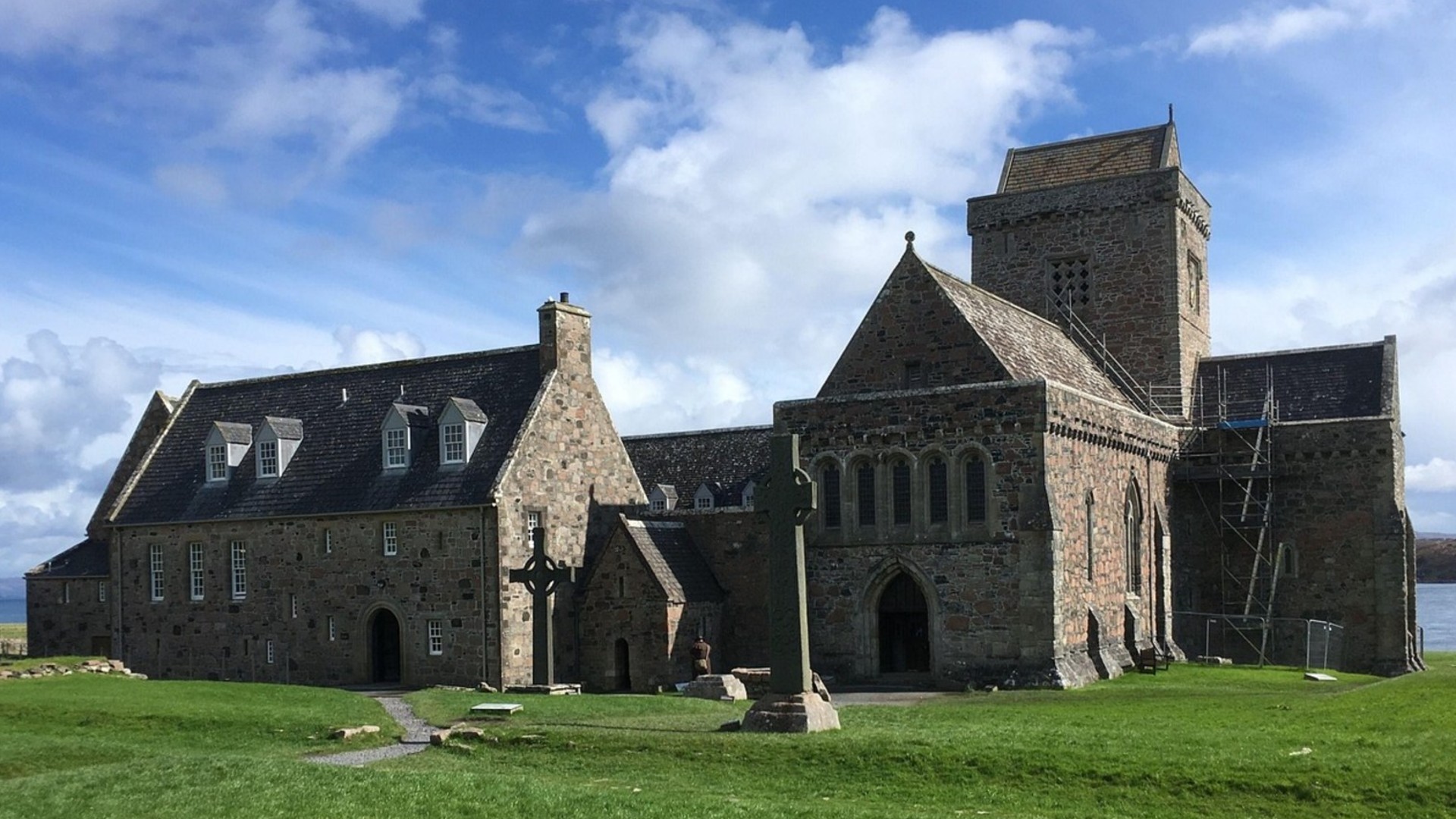
14. Iona, Scotland: 563 AD
Exiled from Ireland in 563 AD, Saint Columba landed on the remote Hebridean island of Iona with twelve companions to establish a monastic hub. Monks here copied magnificent illuminated manuscripts like the Book of Kells, transforming the windswept shore into the sacred cradle of Scottish Christianity.
©Pixabay / daisiem
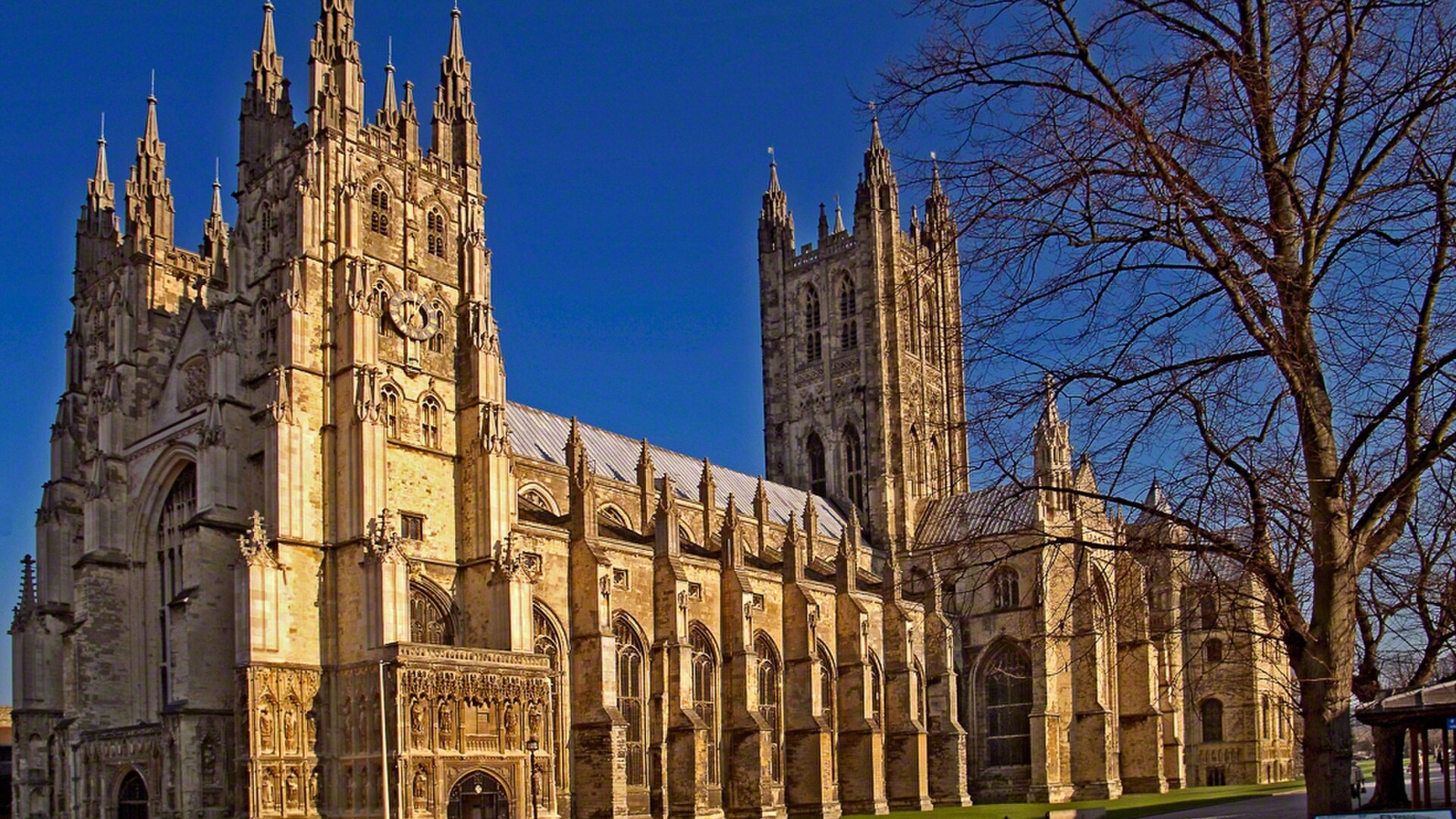
13. Canterbury, England: 597 AD
Sent by Pope Gregory the Great in 597 AD, Saint Augustine baptized the King of Kent and founded Canterbury Cathedral. The 1170 martyrdom of Archbishop Thomas Becket inside the cathedral choir transformed the city into the primary pilgrimage goal immortalized in Chaucer Canterbury Tales.
©Wikimedia / Canterbury
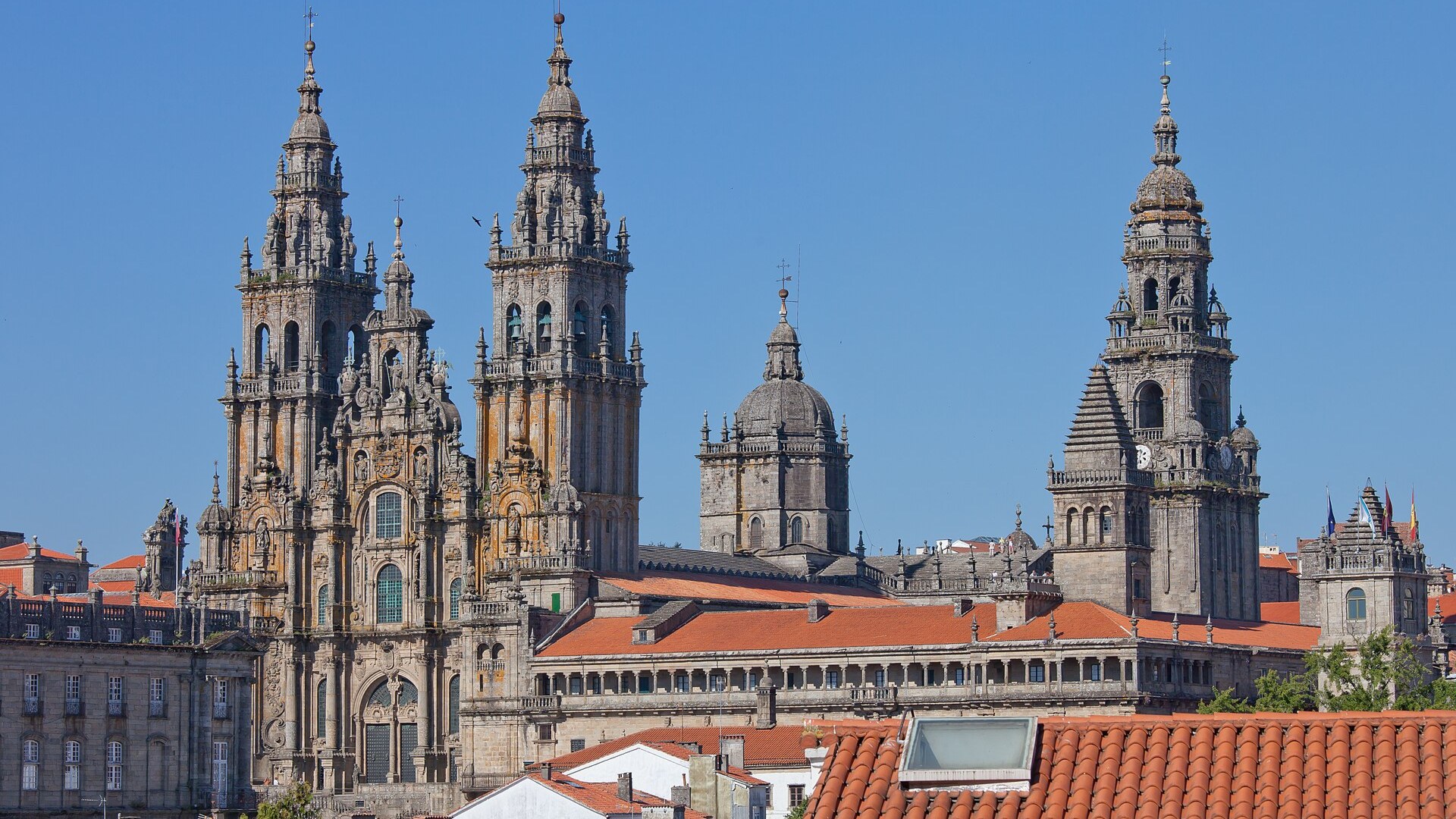
12. Santiago De Compostela, Spain: 814 AD
In 814 AD, the hermit Pelagius followed a celestial guiding star to find the lost burial site of the Apostle James. The magnificent granite cathedral subsequently built over the relics inspired hundreds of thousands of pilgrims to walk across the Pyrenees along the Way of Saint James.
©Wikimedia / Luis Miguel Bugallo Sánchez
Advertisement
Swipe or tap ▶ to resume the countdown.
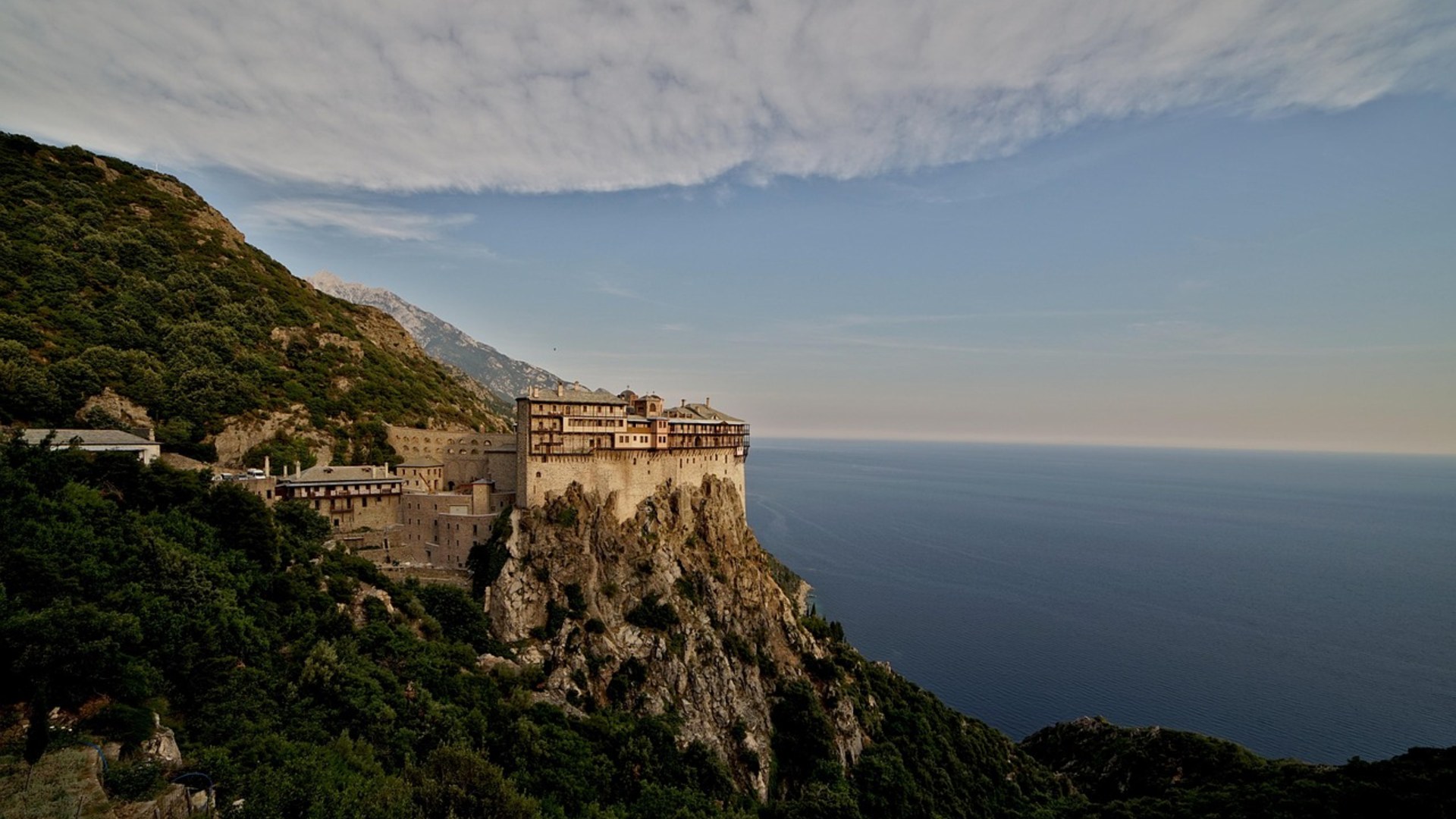
11. Mount Athos, Greece: 883 AD
Byzantine Emperor Basil I recognized the isolated Macedonian peninsula in 883 AD as an exclusive sanctuary for hermits and monks. Twenty historic Eastern Orthodox monasteries cling to rocky cliffs around the Holy Mountain, preserving ancient liturgical chant, sacred icons, and monastic ascetics.
©Pixabay / grzzl
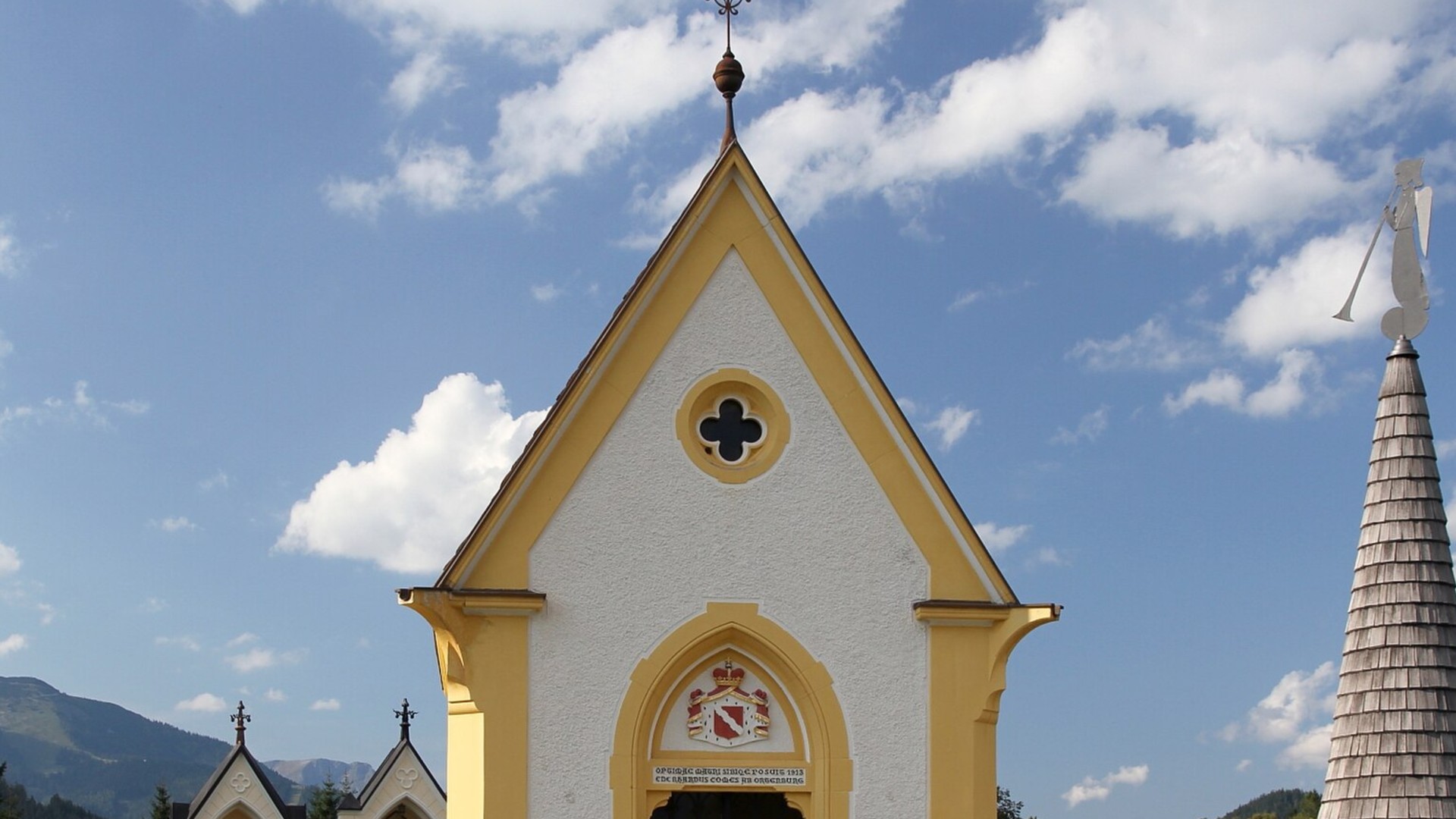
10. Mariazell, Austria: 1157 AD
In 1157 AD, Benedictine monk Magnus was sent into the alpine forests of Styria, where a giant boulder blocked his path until his linden wood Mary statue split the rock. The resulting Basilica of the Birth of the Virgin Mary became the premier spiritual heartland of Central European Catholicism.
©Wikimedia / C.Stadler, Bwag
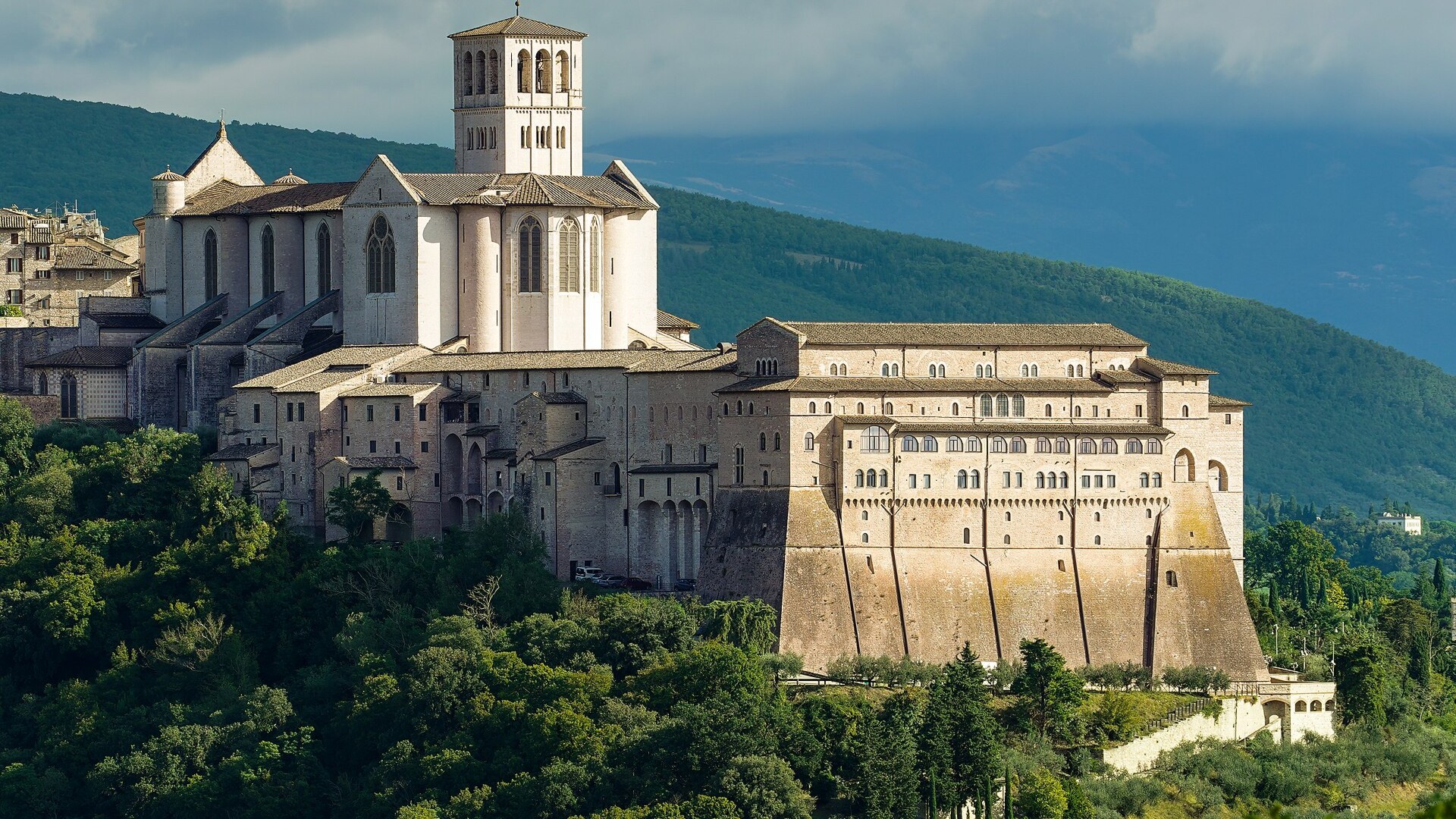
9. Assisi, Italy: 1208 AD
In 1208, young merchant son Francis heard a divine crucifix command at San Damiano to rebuild the church, leading him to renounce worldly wealth. Pilgrims today walk through medieval stone streets between the tomb of Saint Francis and the Basilica of Saint Clare overlooking the Spoleto valley.
©Wikimedia / This Photo was taken by Timothy A. Gonsalves . F
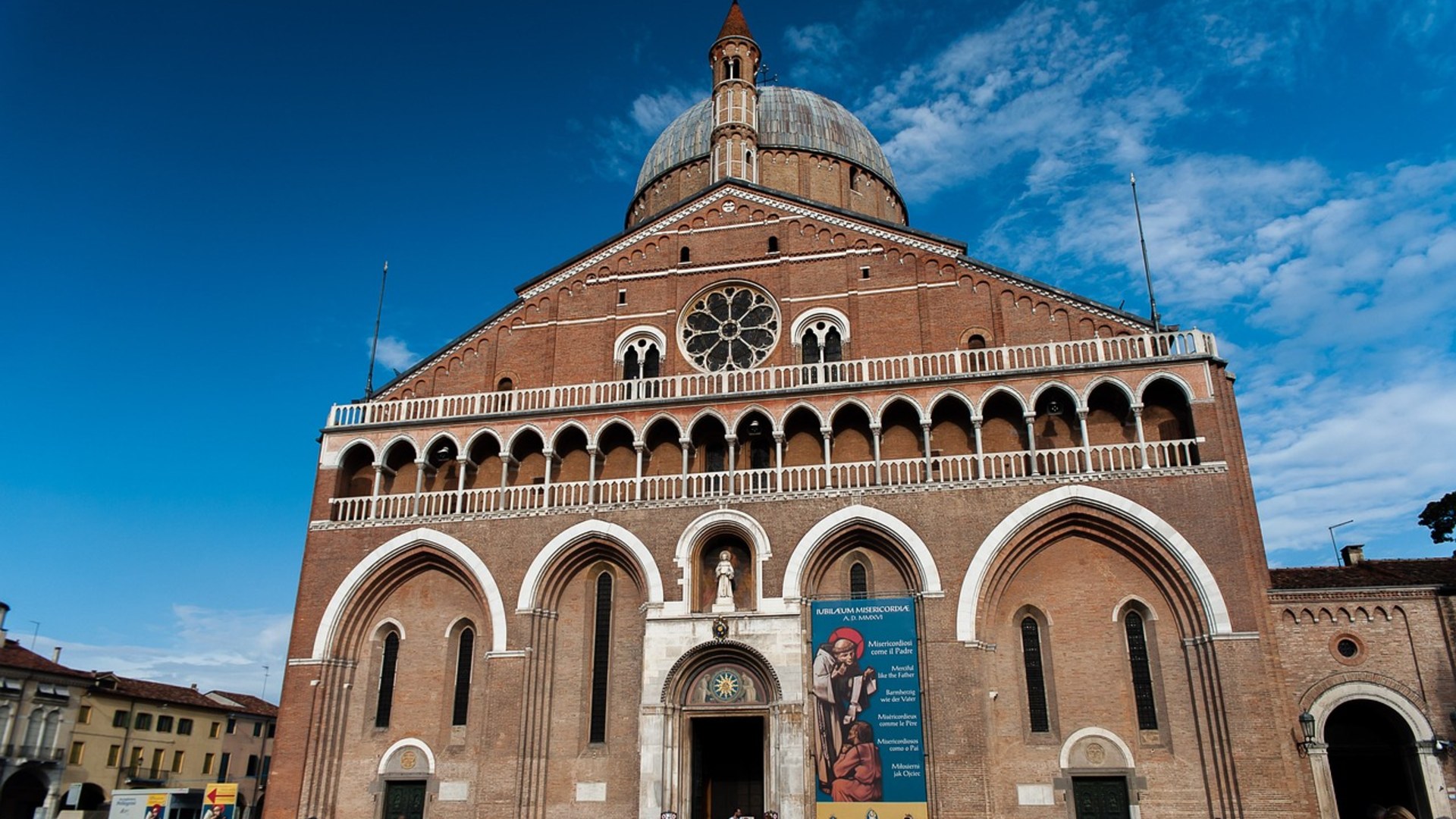
8. Padua, Italy: 1231 AD
Beloved across the Mediterranean for his powerful preaching and defense of the poor, Portuguese-born Saint Anthony died near Padua in June 1231. His towering eight-domed basilica holds his tomb and relics, attracting millions of faithful seeking lost items and intercession for families.
©Pixabay / postcardtrip
Advertisement
Swipe or tap ▶ to resume the countdown.
7. Loreto, Italy: 1294 AD
Pious tradition holds that crusader ships and angels relocated the stone walls of the Annunciation house from Palestine to Loreto in December 1294. Encased in sculpted Carrara marble inside the Basilica della Santa Casa, the modest stone house remains an iconic Italian Marian pilgrimage center.
©Wikimedia / Terragio67
6. Czestochowa, Poland: 1382 AD
Founded in 1382 by Duke Vladislaus of Opole, Jasna Gora Monastery preserves the revered Our Lady of Czestochowa icon, credited with saving Poland from Swedish invasion in 1655. Hundreds of thousands of Polish pilgrims complete traditional multi-day walking pilgrimages here every August.
©Wikimedia / Yarl
5. Wittenberg, Germany: 1517 AD
On October 31, 1517, Augustinian monk Martin Luther posted his critique of papal indulgences on the doors of All Saints Church in Wittenberg. The small Saxon university town became the intellectual and spiritual cradle of Protestantism, housing Luther home and historic Reformation libraries.
©Wikimedia / Wittenberg
4. Geneva, Switzerland: 1536 AD
French theologian John Calvin arrived in Geneva in 1536, establishing a model Christian republic centered on biblical scholarship and civic ethics. Saint Pierre Cathedral and the International Monument to the Reformation commemorate the Swiss city role as a global haven for religious freedom.
©Wikimedia / Fenliokao
Advertisement
Swipe or tap ▶ to resume the countdown.
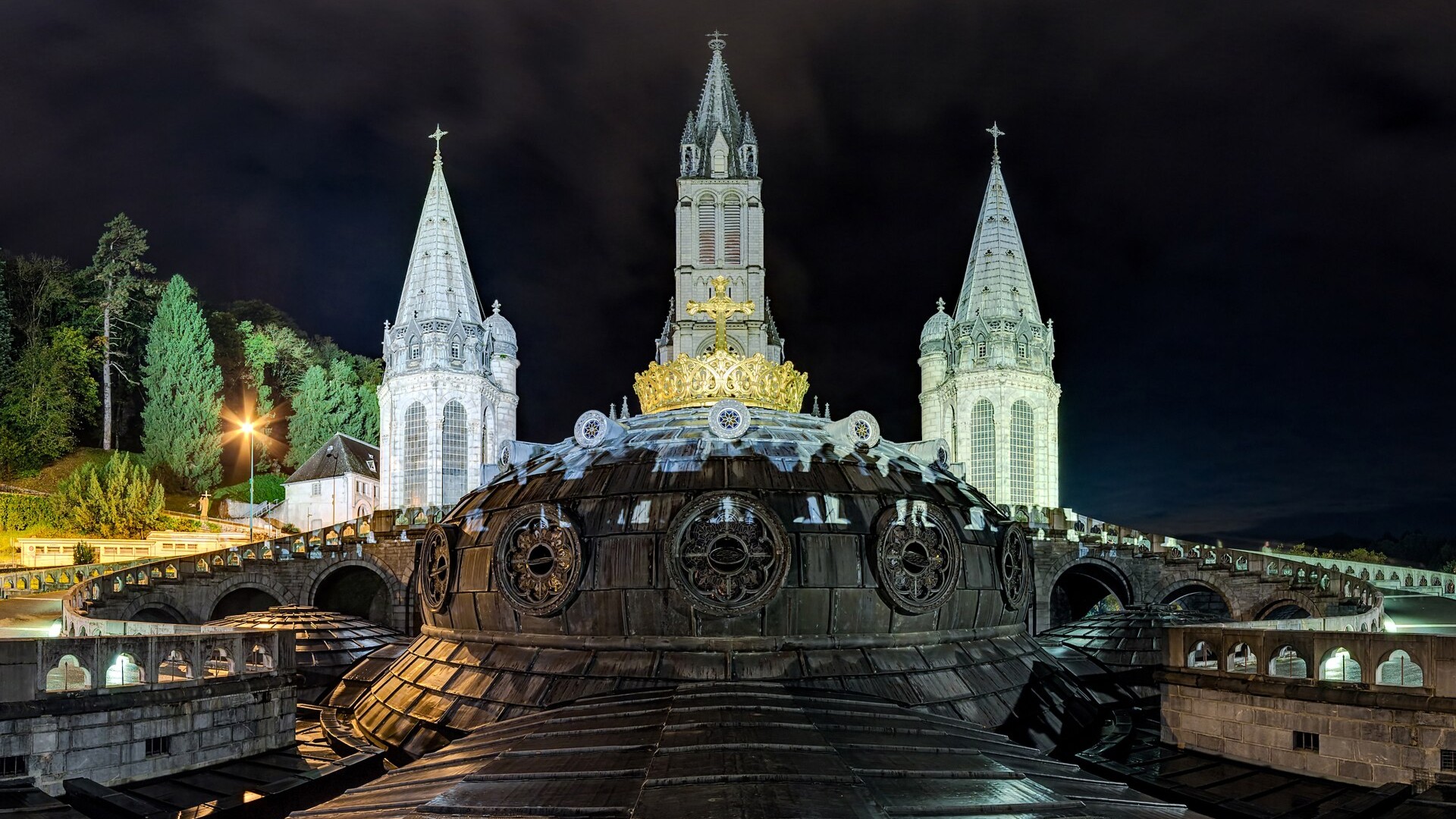
3. Lourdes, France: 1858 AD
Between February and July 1858, fourteen-year-old Bernadette Soubirous reported eighteen apparitions of the Immaculate Conception inside a rocky river cave. Today, over six million international pilgrims visit the Sanctuary of Our Lady of Lourdes annually to bathe in the restorative spring waters.
©Wikimedia / Moahim
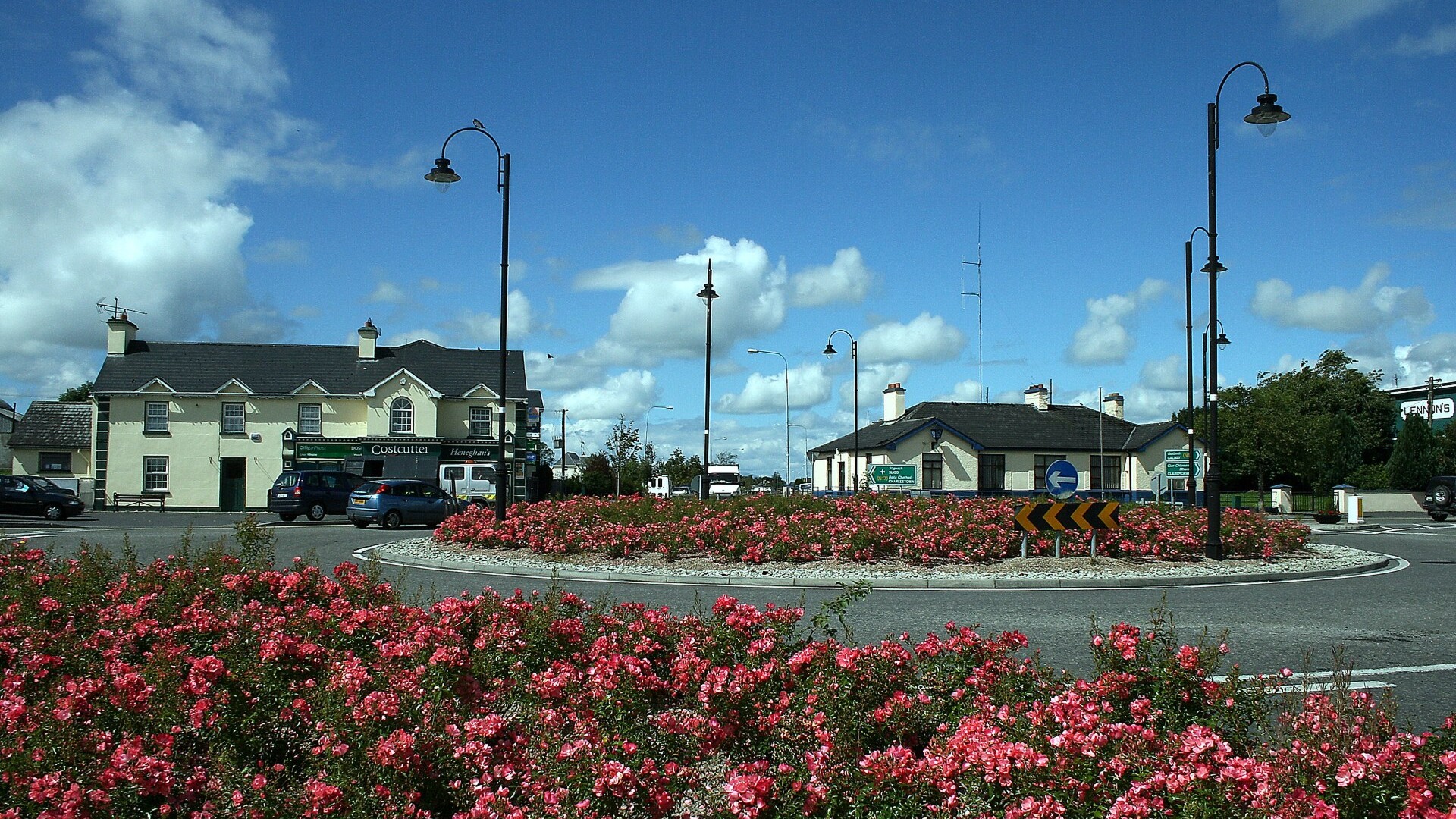
2. Knock, Ireland: 1879 AD
On a rain-swept evening in August 1879, villagers in County Mayo observed an illuminated vision of the Virgin Mary, Saint Joseph, and Saint John the Evangelist at the parish church gable. The rural shrine became Ireland National Marian Sanctuary, visited by Pope John Paul II and Pope Francis.
©Wikimedia / Knock, County Mayo
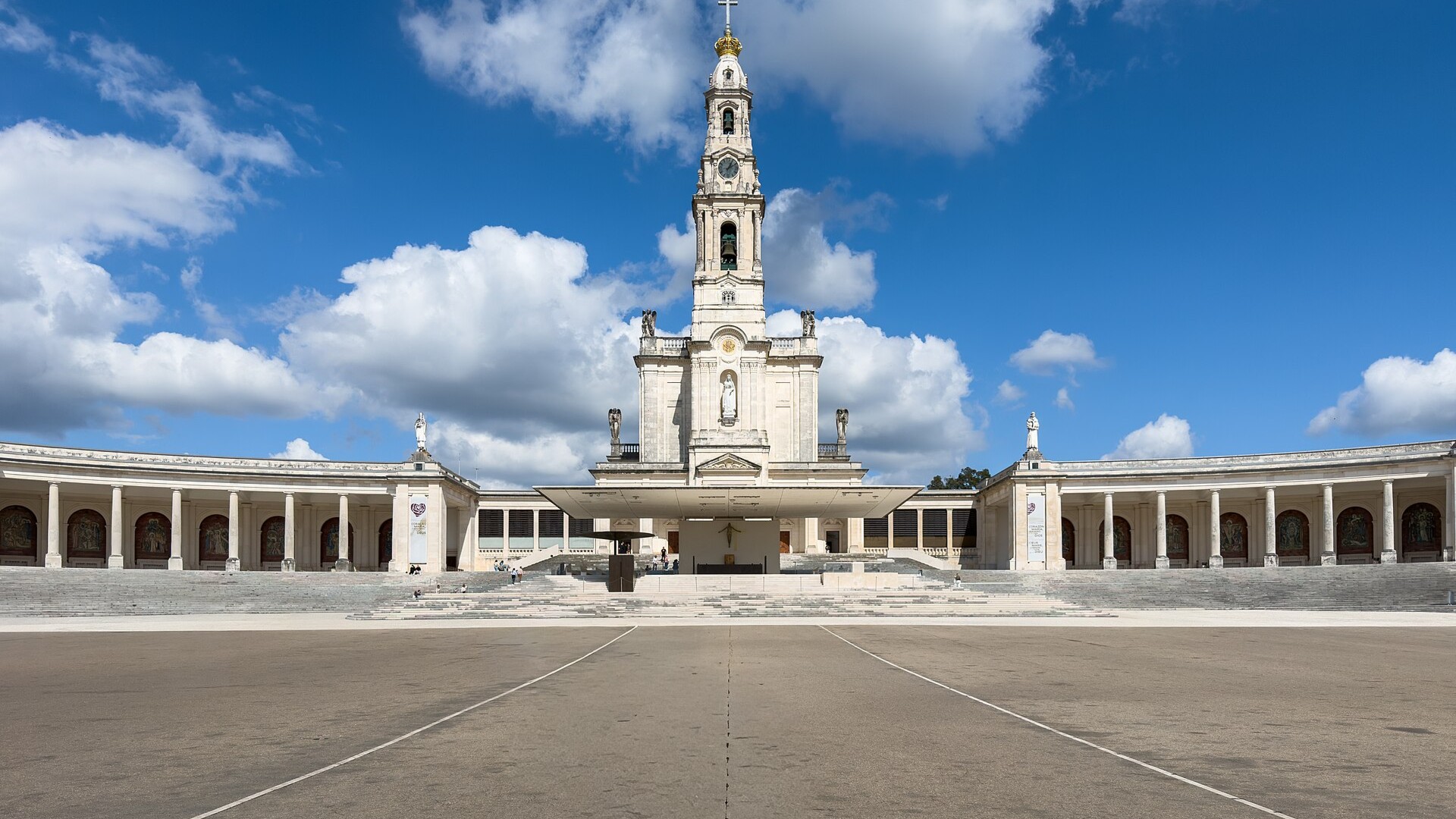
1. Fatima, Portugal: 1917 AD
Between May and October 1917, three young shepherds saw Marian apparitions at Cova da Iria, concluding with seventy thousand witnesses observing the sun dance in the sky. The vast Basilica of Our Lady of the Rosary now welcomes millions of candlelight procession pilgrims from across the globe.
©Wikimedia / Fátima, Portugal
Advertisement
You've reached the end of the story. Thanks for reading!

20 Milestones That Shaped Chicago O'Hare Airport Through the Decades
Chicago O'Hare International Airport grew from a World War II aircraft plant at Orchard Field into one of the busiest air hubs on Earth. Based on Chicago Department of Aviation archives, FAA records, and Britannica reporting, these 20 photos trace O'Hare from 1940s C-54 flights to modern 2026 ORDNext expansion.
All 22 Entries in this Story
Athens, Greece: Circa 51 AD
Around 51 AD, the Apostle Paul addressed Athenian philosophers at the rocky outcrop of the Areopagus, introducing Christian monotheism to classical Greece. Today, pilgrims climb the ancient limestone steps to read the bronze plaque bearing Paul historic sermon overlooking the city below.

Rome, Italy: Circa 64 AD
Emperor Nero persecution in 64 AD led to the crucifixion of Saint Peter on Vatican Hill and the beheading of Saint Paul along the Ostian Way. Their underground tombs beneath Saint Peter Basilica and the Basilica of Saint Paul Outside the Walls form the central pilgrimage axis of Roman Catholicism.

Patmos, Greece: Circa 95 AD
Exiled by Roman Emperor Domitian around 95 AD, Saint John resided inside a rocky mountainside cave where he received apocalyptic visions of the heavenly kingdom. The hilltop Monastery of Saint John the Theologian and the Cave of the Apocalypse now welcome Eastern Orthodox and Western pilgrims.

Lyon, France: 177 AD
Roman persecutions in Roman Lugdunum during 177 AD produced forty-eight celebrated martyrs, including the slave girl Saint Blandina and Bishop Pothinus. Saint Irenaeus succeeded them, penning foundational defenses of Christian orthodoxy that established Lyon as the historic capital of Gallic Christianity.

Milan, Italy: 313 AD
In February 313 AD, Emperor Constantine and Licinius signed the historic Edict of Milan, granting legal toleration to Christians across the Roman Empire. Later in the fourth century, Bishop Saint Ambrose defended church independence, baptizing Saint Augustine inside the ancient Milanese cathedral.

Trier, Germany: 326 AD
Following her pilgrimage to Jerusalem in 326 AD, Saint Helena sent relics to the imperial Roman capital of Augusta Treverorum, now modern Trier. Trier Cathedral, the oldest bishop seat in Germany, still safeguards the seamless tunic worn by Jesus Christ, drawing pilgrims for rare public expositions.

Tours, France: 371 AD
Consecrated bishop in 371 AD, Saint Martin founded monasteries across Gaul and converted rural populations through humility and charity. His tomb in Tours became the most celebrated pilgrimage stop in medieval France, establishing a primary gathering point along the historic Camino de Santiago trails.

Monte Sant Angelo, Italy: 490 AD
According to early medieval accounts from 490 AD, the Archangel Michael appeared three times to the local bishop, dedicating the natural cave as a place of divine protection. Kings, popes, and Saint Francis of Assisi made barefoot ascents up the Gargano promontory to pray inside the cavern shrine.

Iona, Scotland: 563 AD
Exiled from Ireland in 563 AD, Saint Columba landed on the remote Hebridean island of Iona with twelve companions to establish a monastic hub. Monks here copied magnificent illuminated manuscripts like the Book of Kells, transforming the windswept shore into the sacred cradle of Scottish Christianity.

Canterbury, England: 597 AD
Sent by Pope Gregory the Great in 597 AD, Saint Augustine baptized the King of Kent and founded Canterbury Cathedral. The 1170 martyrdom of Archbishop Thomas Becket inside the cathedral choir transformed the city into the primary pilgrimage goal immortalized in Chaucer Canterbury Tales.

Santiago De Compostela, Spain: 814 AD
In 814 AD, the hermit Pelagius followed a celestial guiding star to find the lost burial site of the Apostle James. The magnificent granite cathedral subsequently built over the relics inspired hundreds of thousands of pilgrims to walk across the Pyrenees along the Way of Saint James.

Mount Athos, Greece: 883 AD
Byzantine Emperor Basil I recognized the isolated Macedonian peninsula in 883 AD as an exclusive sanctuary for hermits and monks. Twenty historic Eastern Orthodox monasteries cling to rocky cliffs around the Holy Mountain, preserving ancient liturgical chant, sacred icons, and monastic ascetics.

Mariazell, Austria: 1157 AD
In 1157 AD, Benedictine monk Magnus was sent into the alpine forests of Styria, where a giant boulder blocked his path until his linden wood Mary statue split the rock. The resulting Basilica of the Birth of the Virgin Mary became the premier spiritual heartland of Central European Catholicism.

Assisi, Italy: 1208 AD
In 1208, young merchant son Francis heard a divine crucifix command at San Damiano to rebuild the church, leading him to renounce worldly wealth. Pilgrims today walk through medieval stone streets between the tomb of Saint Francis and the Basilica of Saint Clare overlooking the Spoleto valley.

Padua, Italy: 1231 AD
Beloved across the Mediterranean for his powerful preaching and defense of the poor, Portuguese-born Saint Anthony died near Padua in June 1231. His towering eight-domed basilica holds his tomb and relics, attracting millions of faithful seeking lost items and intercession for families.

Loreto, Italy: 1294 AD
Pious tradition holds that crusader ships and angels relocated the stone walls of the Annunciation house from Palestine to Loreto in December 1294. Encased in sculpted Carrara marble inside the Basilica della Santa Casa, the modest stone house remains an iconic Italian Marian pilgrimage center.

Czestochowa, Poland: 1382 AD
Founded in 1382 by Duke Vladislaus of Opole, Jasna Gora Monastery preserves the revered Our Lady of Czestochowa icon, credited with saving Poland from Swedish invasion in 1655. Hundreds of thousands of Polish pilgrims complete traditional multi-day walking pilgrimages here every August.

Wittenberg, Germany: 1517 AD
On October 31, 1517, Augustinian monk Martin Luther posted his critique of papal indulgences on the doors of All Saints Church in Wittenberg. The small Saxon university town became the intellectual and spiritual cradle of Protestantism, housing Luther home and historic Reformation libraries.

Geneva, Switzerland: 1536 AD
French theologian John Calvin arrived in Geneva in 1536, establishing a model Christian republic centered on biblical scholarship and civic ethics. Saint Pierre Cathedral and the International Monument to the Reformation commemorate the Swiss city role as a global haven for religious freedom.

Lourdes, France: 1858 AD
Between February and July 1858, fourteen-year-old Bernadette Soubirous reported eighteen apparitions of the Immaculate Conception inside a rocky river cave. Today, over six million international pilgrims visit the Sanctuary of Our Lady of Lourdes annually to bathe in the restorative spring waters.

Knock, Ireland: 1879 AD
On a rain-swept evening in August 1879, villagers in County Mayo observed an illuminated vision of the Virgin Mary, Saint Joseph, and Saint John the Evangelist at the parish church gable. The rural shrine became Ireland National Marian Sanctuary, visited by Pope John Paul II and Pope Francis.

Fatima, Portugal: 1917 AD
Between May and October 1917, three young shepherds saw Marian apparitions at Cova da Iria, concluding with seventy thousand witnesses observing the sun dance in the sky. The vast Basilica of Our Lady of the Rosary now welcomes millions of candlelight procession pilgrims from across the globe.