Slideshow · Lifestyle
22 Household Items You Should Reuse Instead of Throwing Away
Based on extension service guides from Cornell Cooperative Extension, Clemson Cooperative Extension, and the U.S. Environmental Protection Agency, these 22 common household items can be reused at home or in the garden. Each slide explains a documented second use for items most households toss in the trash.
By Most Viral Today
55 min agoradar-lead:signal:60d07c05-ae5e-4d35-87a9-146467349f2a

Everyday Kitchen Scraps and Packaging With Practical Second Uses 
22. Plastic Bread Clips 
21. Silica Gel Packets 
20. Mesh Produce Bags - AdvertisementSwipe or tap ▶ to continue countdown

19. Cardboard Toilet Paper Tubes 
18. Used Tea Bags 
17. Banana Peels 
16. Broken Terracotta Pots - AdvertisementSwipe or tap ▶ to continue countdown

15. Old Toothbrushes 
14. Aluminum Foil 
13. Stale Bread 
12. Newspaper Sheets - AdvertisementSwipe or tap ▶ to continue countdown

11. Empty Food Cans 
10. Plastic Milk Jugs 
9. Glass Candle Jars 
8. Old Bath Towels - AdvertisementSwipe or tap ▶ to continue countdown

7. Old Cotton T-Shirts 
6. Cardboard Egg Cartons 
5. Citrus Peels 
4. Wine Corks - AdvertisementSwipe or tap ▶ to continue countdown

3. Baking Soda 
2. Used Coffee Grounds 
1. Glass Mason Jars - Advertisement🔥 UP NEXT IN THIS SERIES◫ 21 Slides

20 Foods and Exercises That May Help Curb Sugar Cravings
Sudden sugar cravings often stem from rapid blood glucose dips, elevated stress, or fatigue. By pairing nutrient-dense foods rich in healthy fats, protein, and soluble fiber with targeted physical exercises, you can effectively curb appetite, stabilize metabolism, and regain steady daily energy without deprivation.
Based on extension service guides from Cornell Cooperative Extension, Clemson Cooperative Extension, and the U.S. Environmental Protection Agency, these 22 common household items can be reused at home or in the garden. Each slide explains a documented second use for items most households toss in the trash.
Swipe or tap ▶ to begin the countdown
© Photo by Morgane Perraud on Unsplash
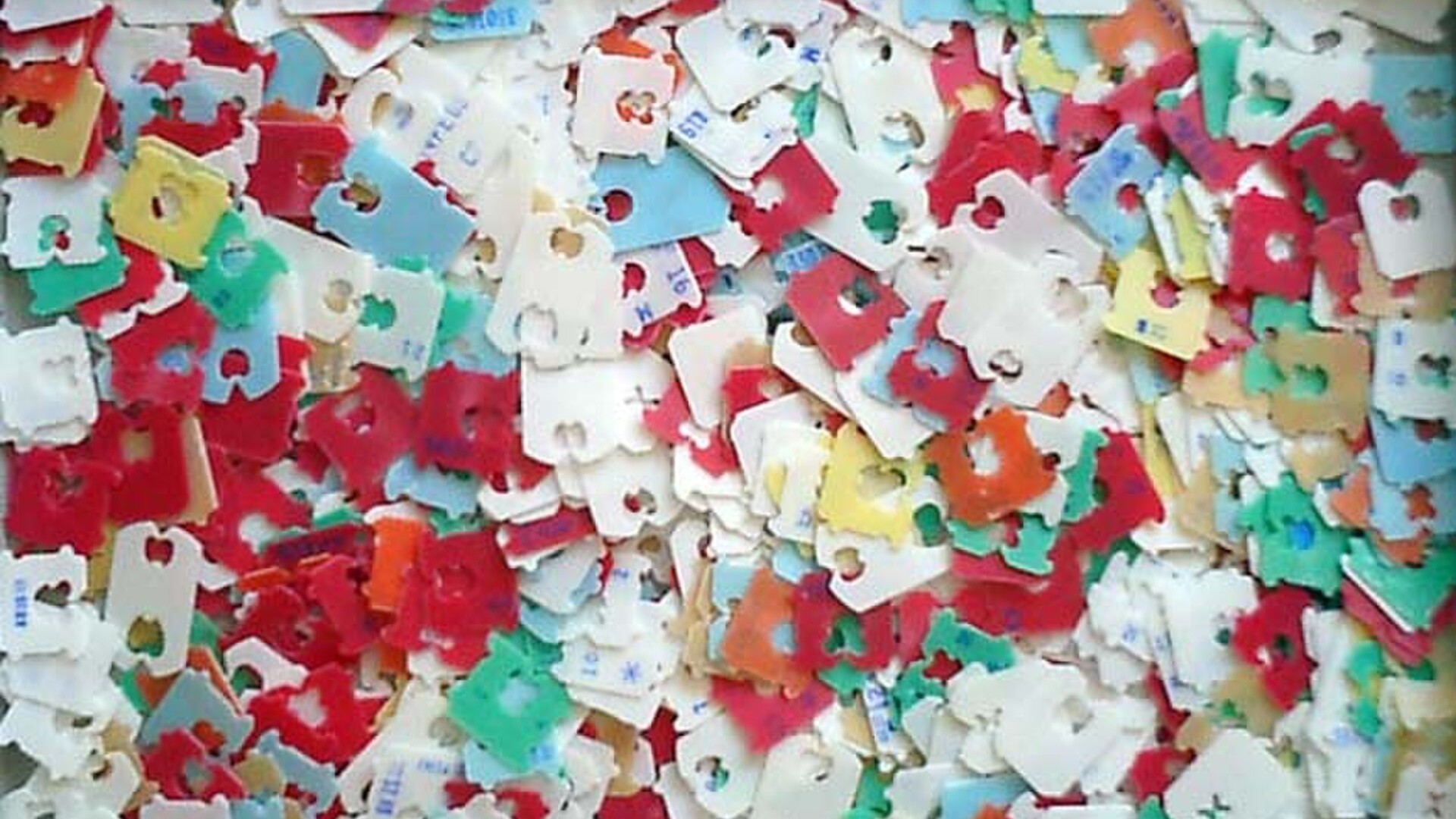
22. Plastic Bread Clips
Most bakery bags come sealed with small polystyrene clips that resist snapping under normal tension. Clip one onto a power strip cord and write the appliance name on the flat surface with a permanent marker. You can also fold the end of masking tape over a clip so the roll never sticks shut.
©Wikimedia / The original uploader was DopefishJustin
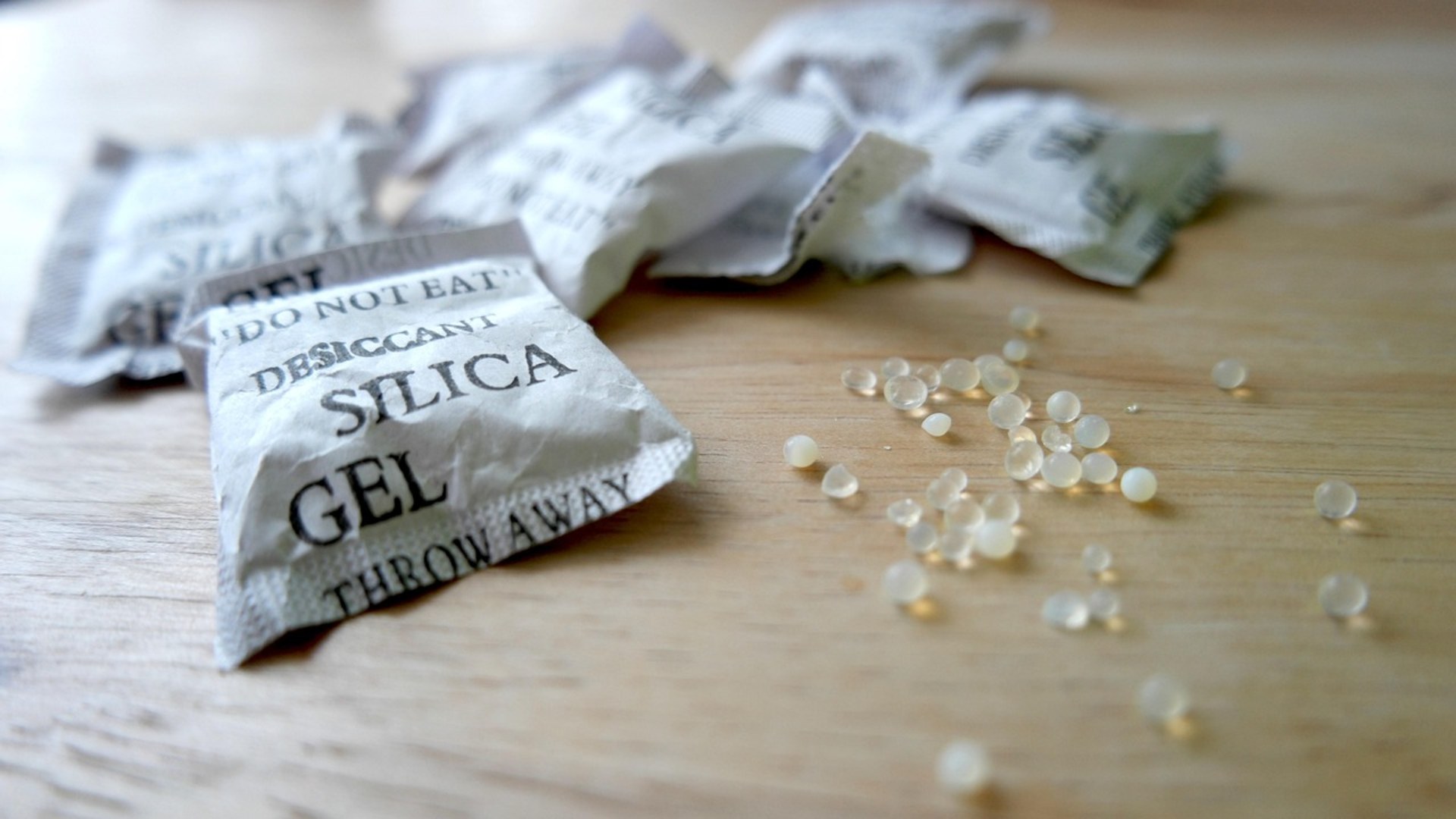
21. Silica Gel Packets
Those small paper packets packed inside shoeboxes and electronics contain porous silicon dioxide beads that pull water vapor from enclosed air. Toss a few into a metal toolbox to slow down rust on wrenches and drill bits. They also protect stored camera lenses, silver flatware, and seed packets from dampness.
©Pixabay / multifacetedgirl
20. Mesh Produce Bags
Onions, oranges, and avocados often arrive in sturdy polyethylene mesh sleeves that are rarely accepted in curbside recycling bins. Bunch a clean bag into a tight ball and tie it off with twine to scrub baked-on food from cast iron and nonstick pans. The open weave rinses clean under hot tap water.
©Pixabay / Arhazel
Advertisement
Swipe or tap ▶ to resume the countdown.
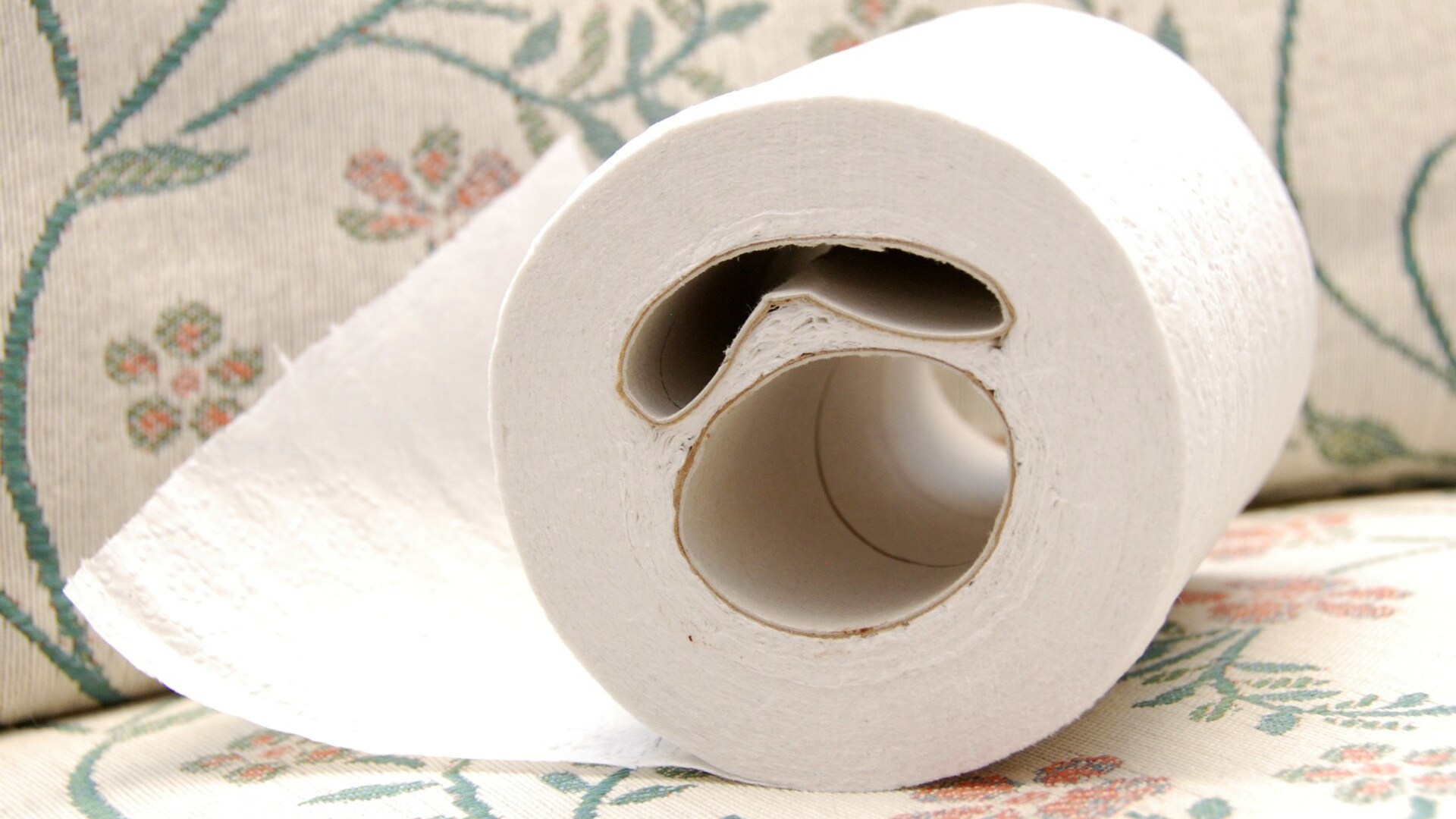
19. Cardboard Toilet Paper Tubes
Uncoated kraft cardboard tubes break down naturally in damp soil, making them reliable biodegradable pots for spring vegetable starts. Stand them upright in a shallow tray, fill with potting mix, and plant directly into garden beds once roots appear. Indoors, they keep coiled USB cables separated in a drawer.
©Wikimedia / slgckgc
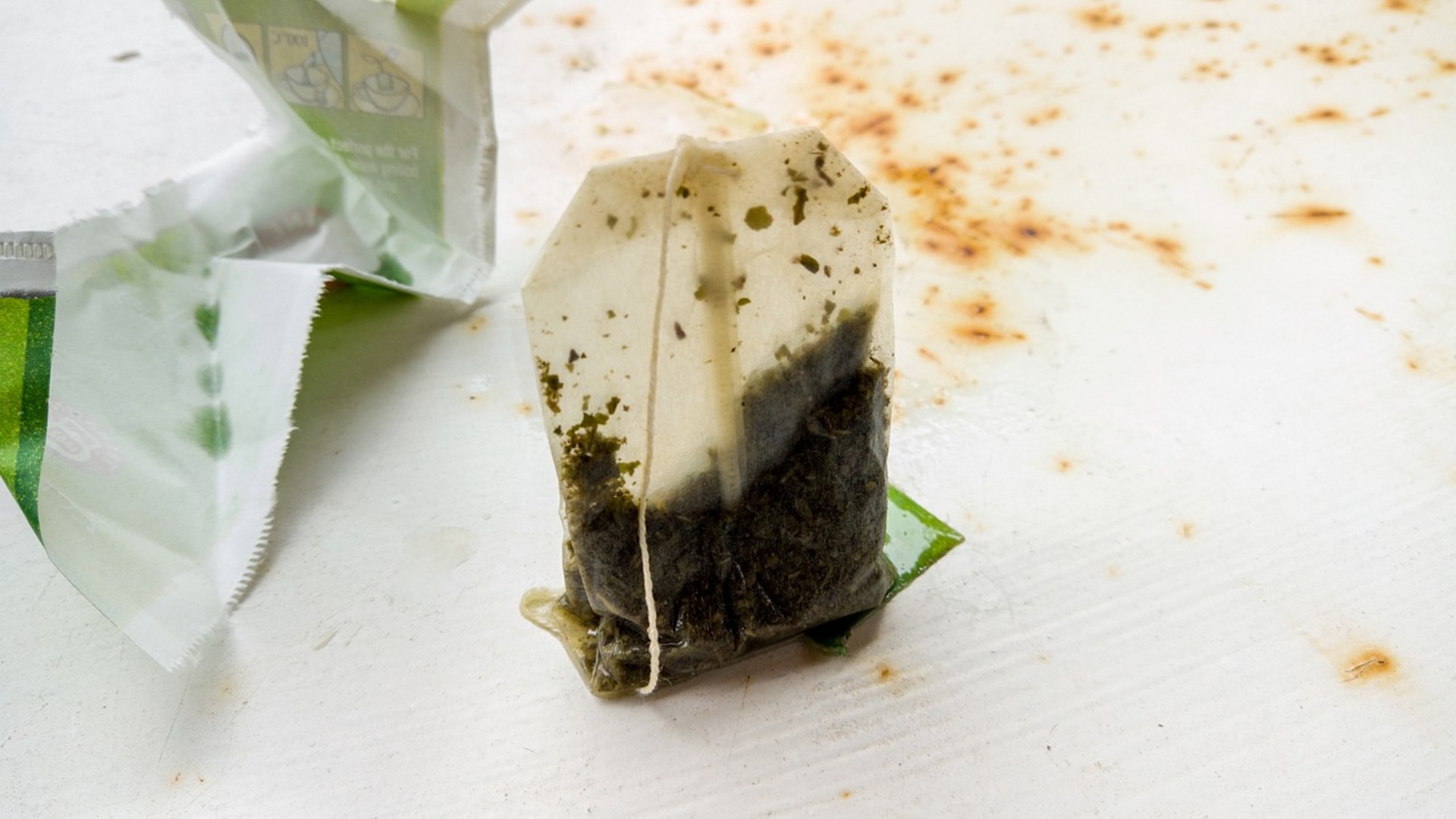
18. Used Tea Bags
Dried black or green tea leaves absorb stale smells inside refrigerators, gym shoes, and garbage pails without adding synthetic fragrance. Once cooled, damp tea bags also add nitrogen-rich organic matter when tucked into a backyard compost bin. Check that paper bags are plastic-free before burying them in soil.
©Pixabay / ha11ok
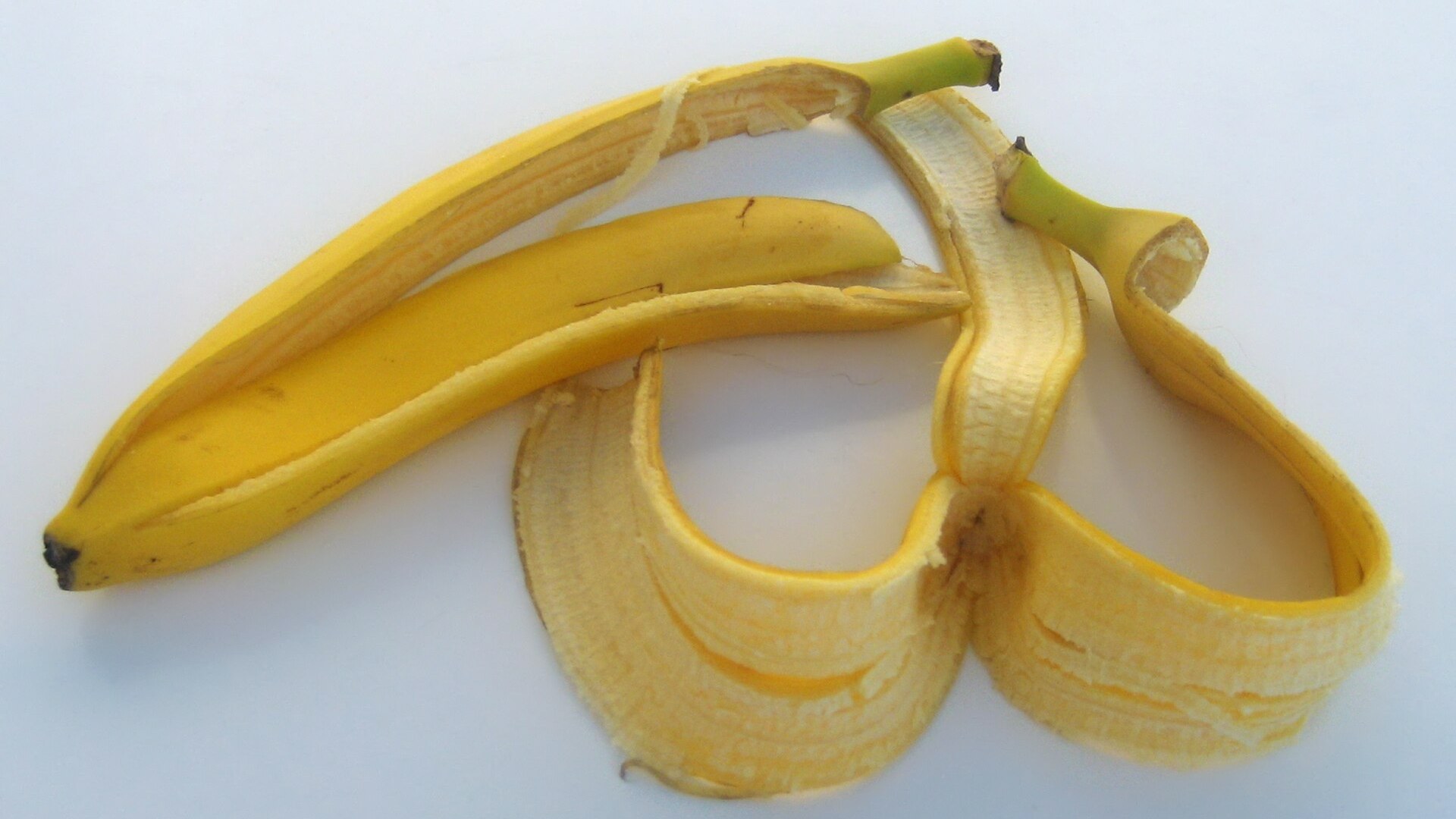
17. Banana Peels
University extension compost guides note that banana peels decompose rapidly and return potassium and phosphorus to garden soil when chopped and mixed with dry leaves. The soft white inner lining also contains natural oils and waxes. Rubbing it lightly across scuffed leather shoes lifts dust before a dry cloth buff.
©Wikimedia / Priwo
16. Broken Terracotta Pots
A cracked clay planter still holds plenty of value on the potting bench. Place curved shards over the drainage holes of intact containers to keep potting mix from washing out while still letting excess water escape. Larger smooth fragments also work as weatherproof plant markers when written on with paint pen.
©Wikimedia / PattayaPatrol
Advertisement
Swipe or tap ▶ to resume the countdown.
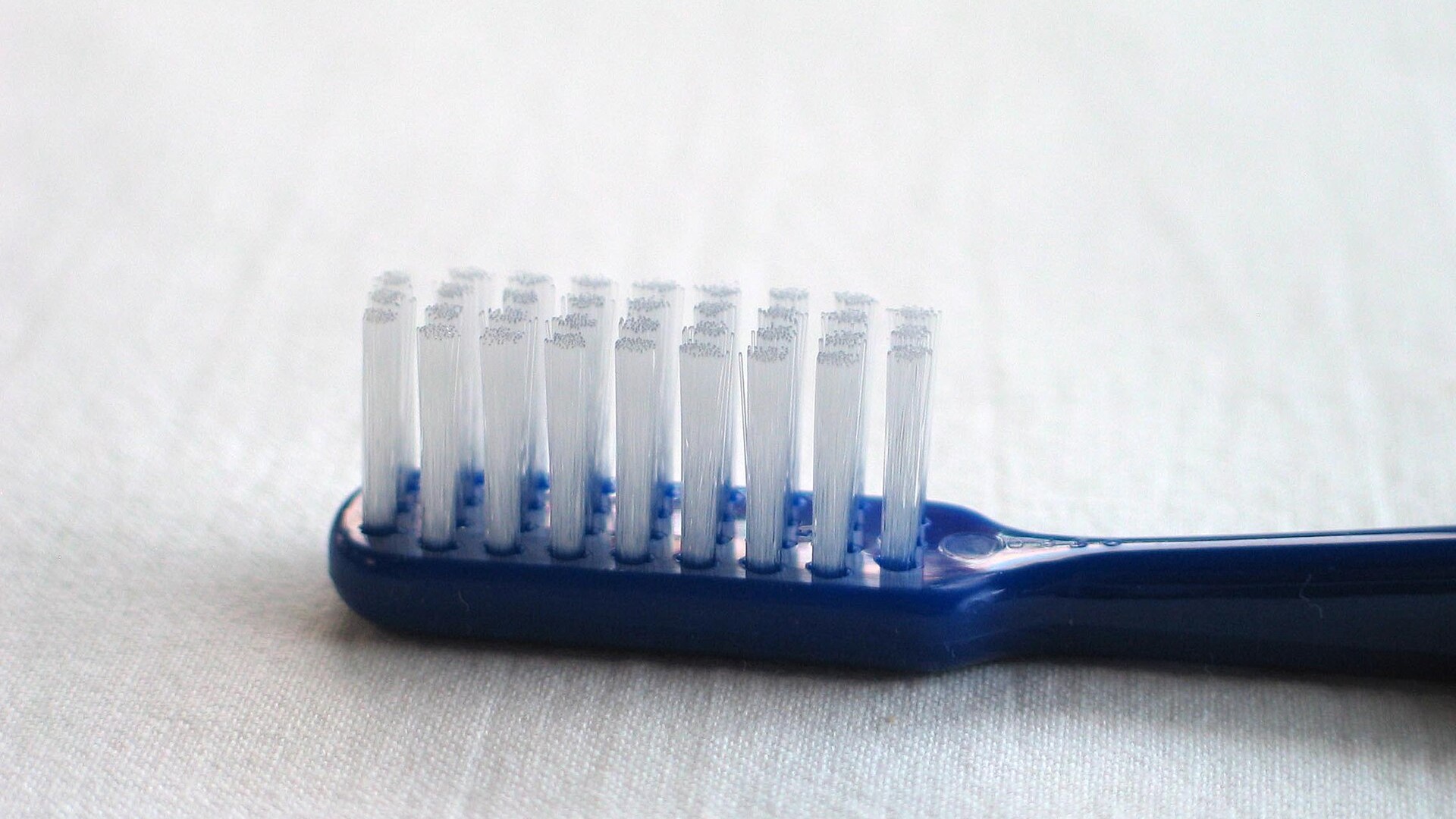
15. Old Toothbrushes
Dentists recommend replacing a toothbrush every three to four months, leaving a steady supply of narrow-head scrubbers for household detailing. Boiled and labeled with tape to keep them separate from bathroom items, old brushes clean faucet aerators, tile grout, window tracks, and bicycle chain links.
©Wikimedia / Jonas Bergsten
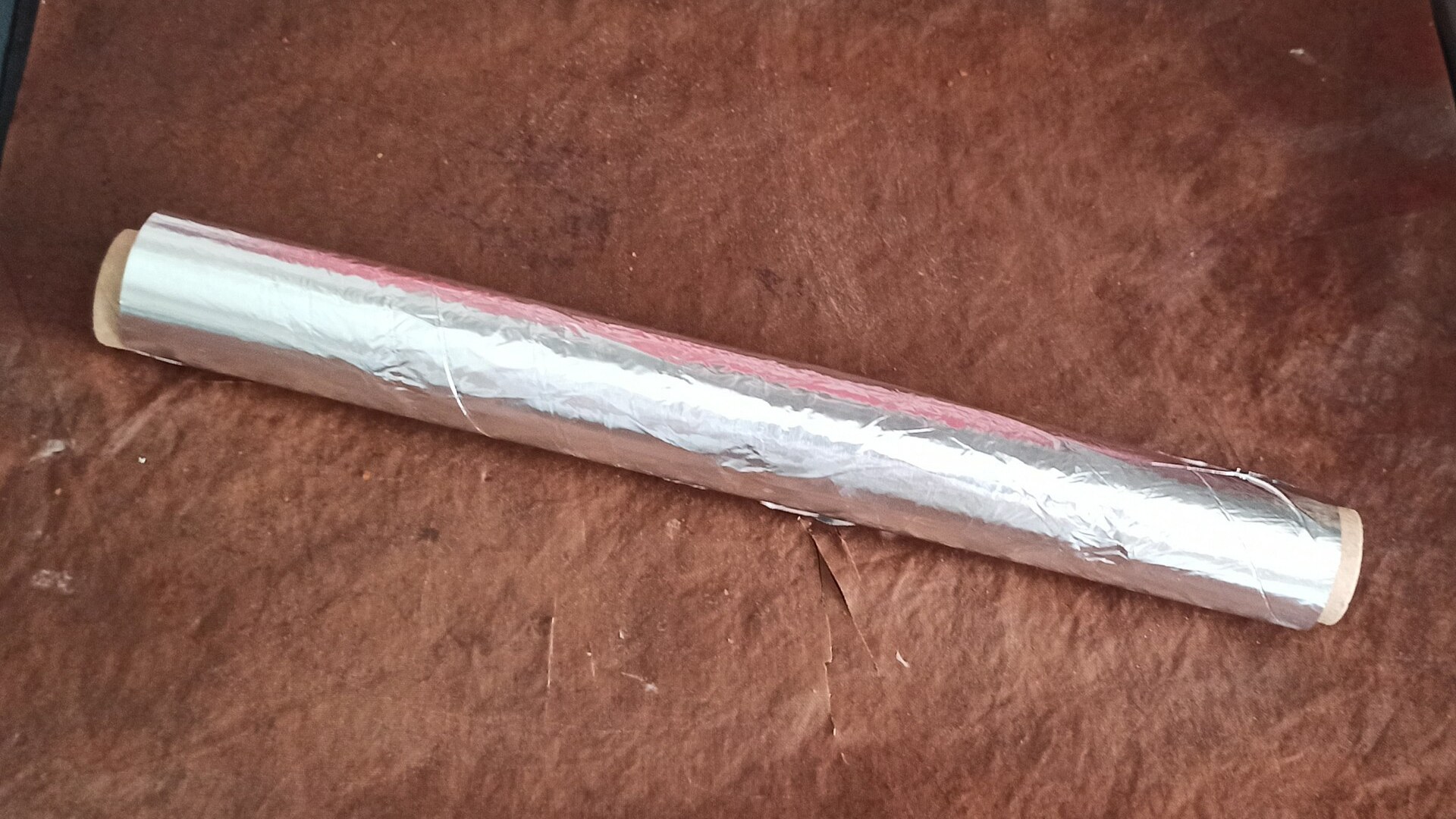
14. Aluminum Foil
Clean sheets of used aluminum foil do not have to head straight to the bin after wrapping leftovers. Roll a sheet into a firm ball to scrape charred buildup off cooled steel grill grates without leaving wire bristles behind. Foil also pairs with baking soda and hot water to lift tarnish from sterling silver.
©Wikimedia / Sokolikmawwer0
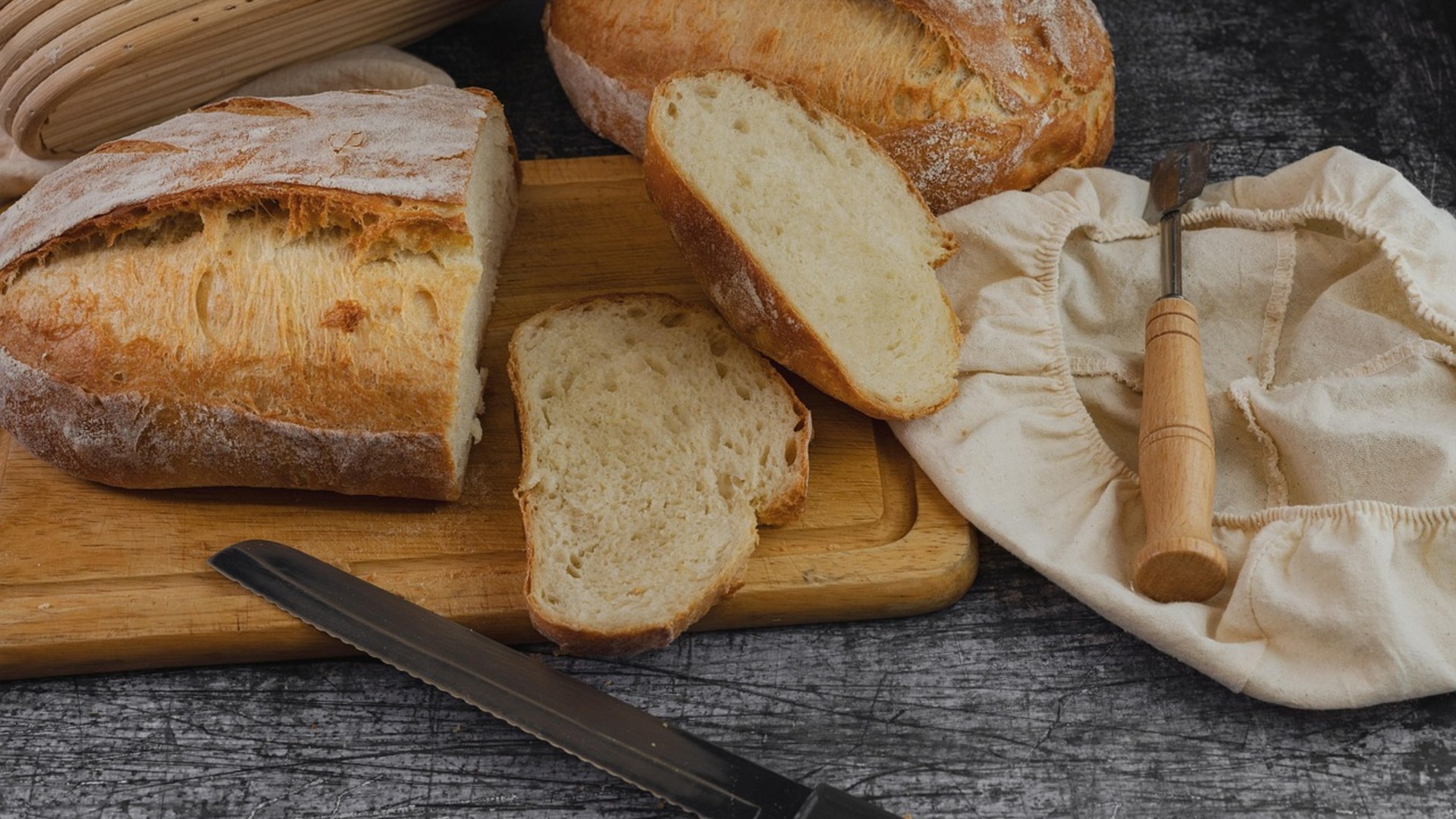
13. Stale Bread
Bread goes hard mainly because starch molecules crystallize as moisture shifts, not because it has spoiled. Cube stale crusty loaves for toasted salad croutons or pulse them in a food processor for seasoned breadcrumbs. Sealing half a slice inside a jar of hardened brown sugar also restores soft texture overnight.
©Pixabay / SylwesterL
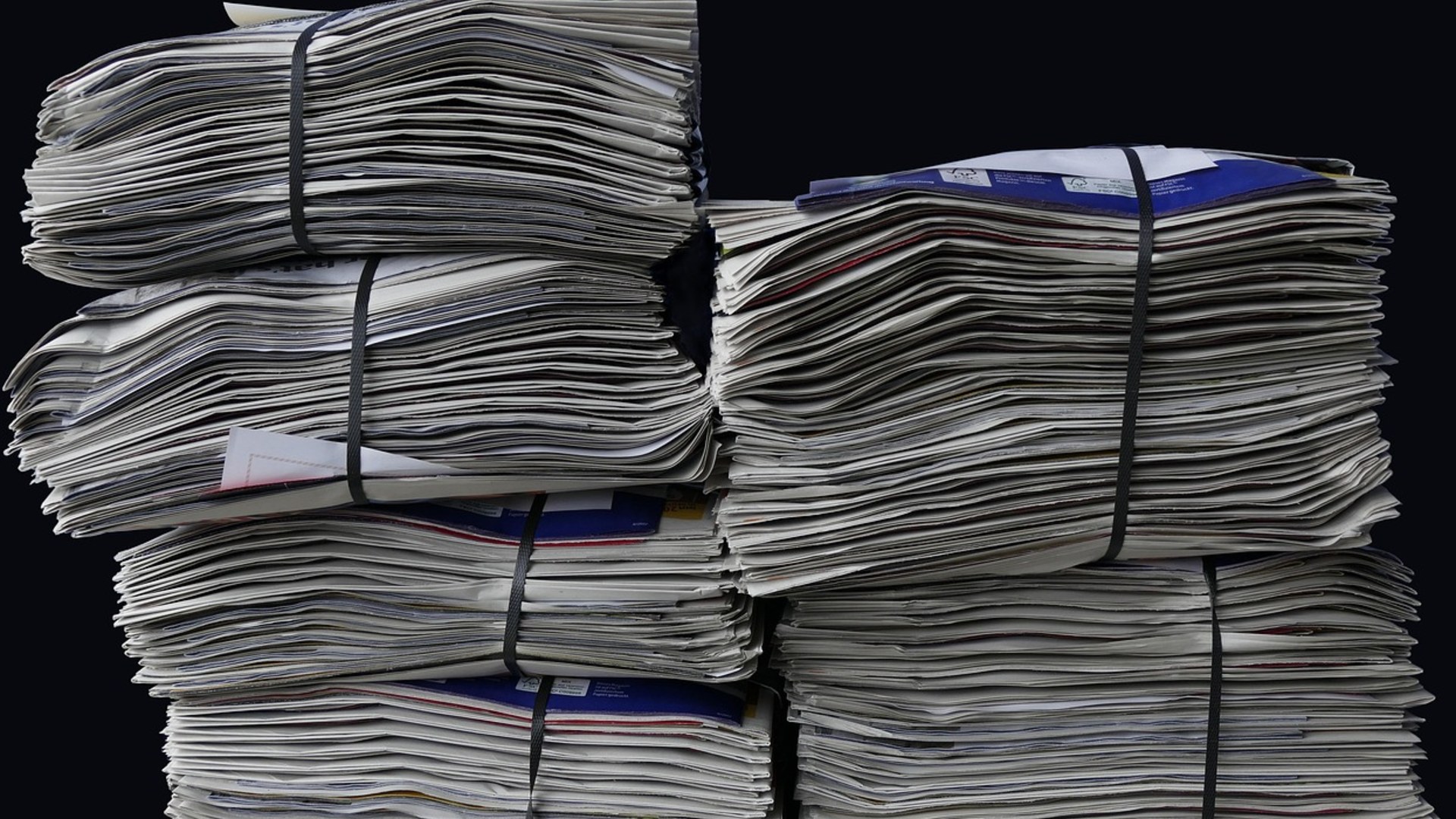
12. Newspaper Sheets
Unlike paper towels that shed lint on glass, tightly woven newsprint polishes windows and mirrors dry when paired with a basic vinegar-and-water spray. Outdoors, gardeners lay four to six overlapping sheets over damp soil before adding bark mulch. The paper smothers weeds while breaking down over the season.
©Pixabay / anaterate
Advertisement
Swipe or tap ▶ to resume the countdown.
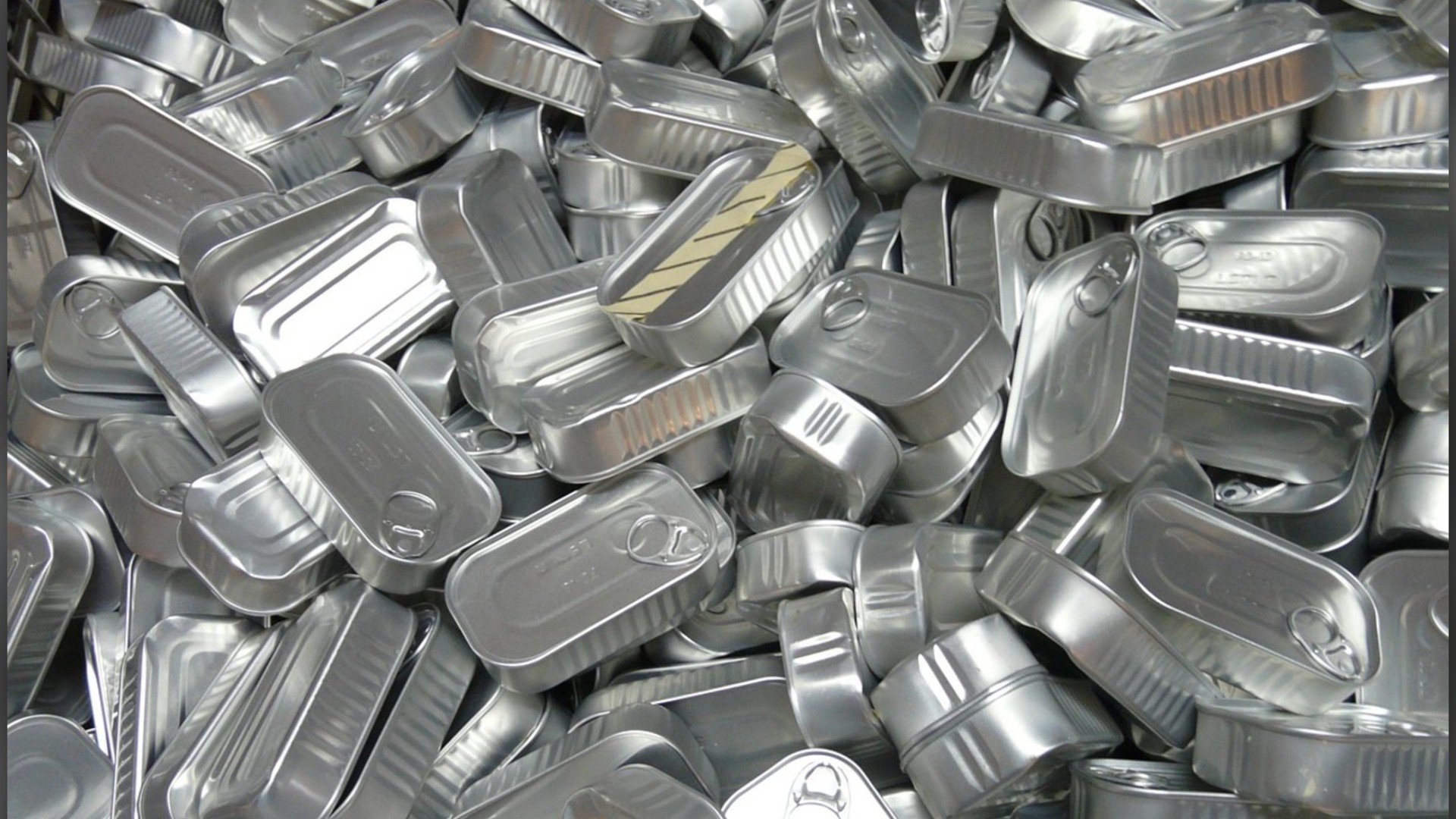
11. Empty Food Cans
Steel soup and vegetable cans are rigid, heat-safe, and easy to clean once paper labels are soaked off in warm soapy water. File down any sharp lip along the rim or cover it with masking tape before filling cans with pens, screwdrivers, or kitchen spatulas. Drilling bottom holes also turns them into sturdy planters.
©Pixabay / ajauregui
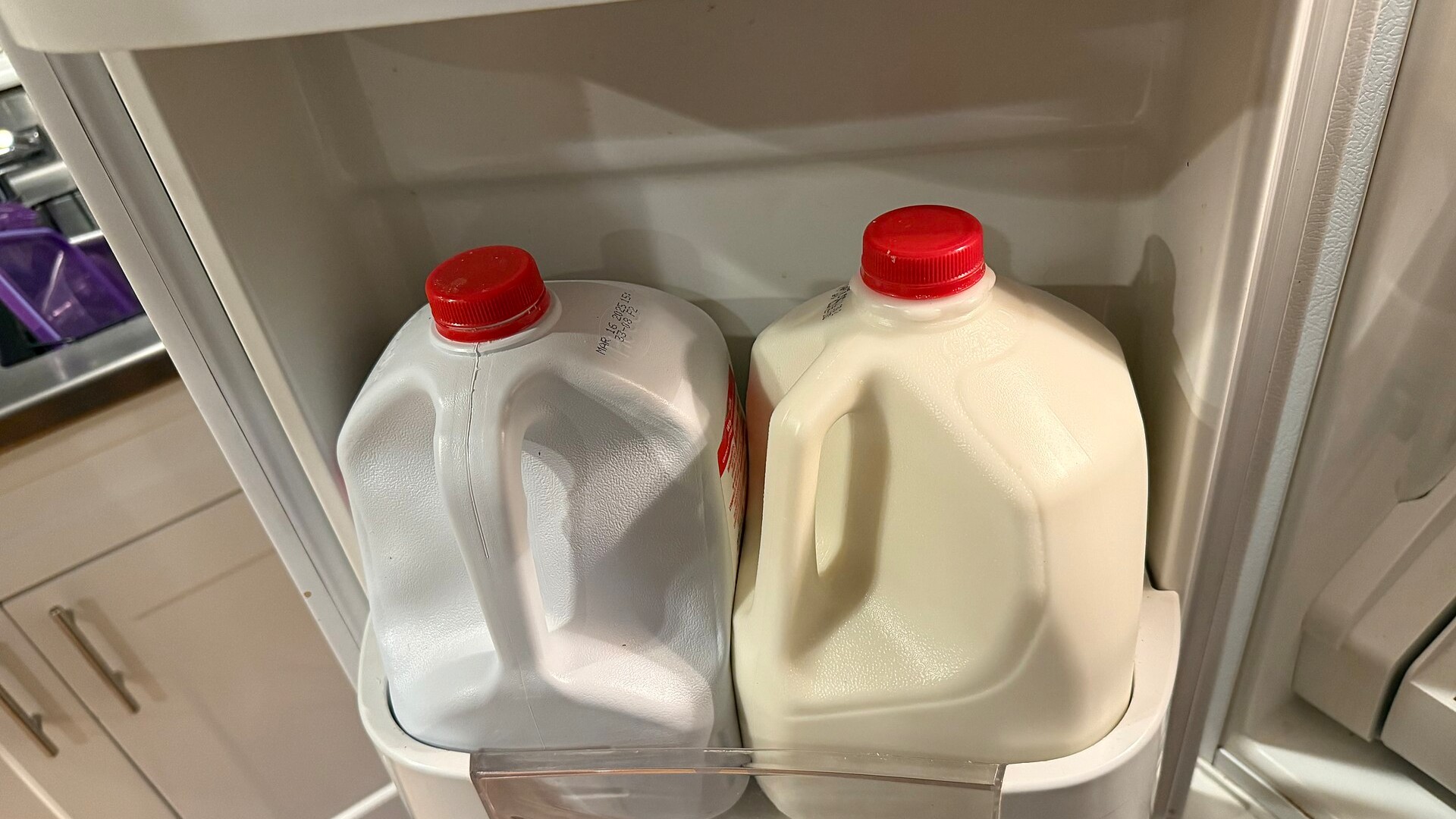
10. Plastic Milk Jugs
One-gallon milk jugs are molded from thick high-density polyethylene that cuts cleanly with utility shears. Keep the handle intact and trim away the lower opposite corner to make a wide scoop for potting soil, road salt, or pet kibble. Cutting off the bottom also creates a mini greenhouse cap over tender seedlings.
©Wikimedia / ArnoldReinhold
9. Glass Candle Jars
Once a candle burns down to its wick tab, the glass vessel is often thicker than regular tumblers. Chill the jar in the freezer for a few hours so leftover wax shrinks and pops out in one piece. After washing with hot soapy water, it neatly holds makeup brushes, cotton rounds, or spare keys.
©Wikimedia / 4028mdk09
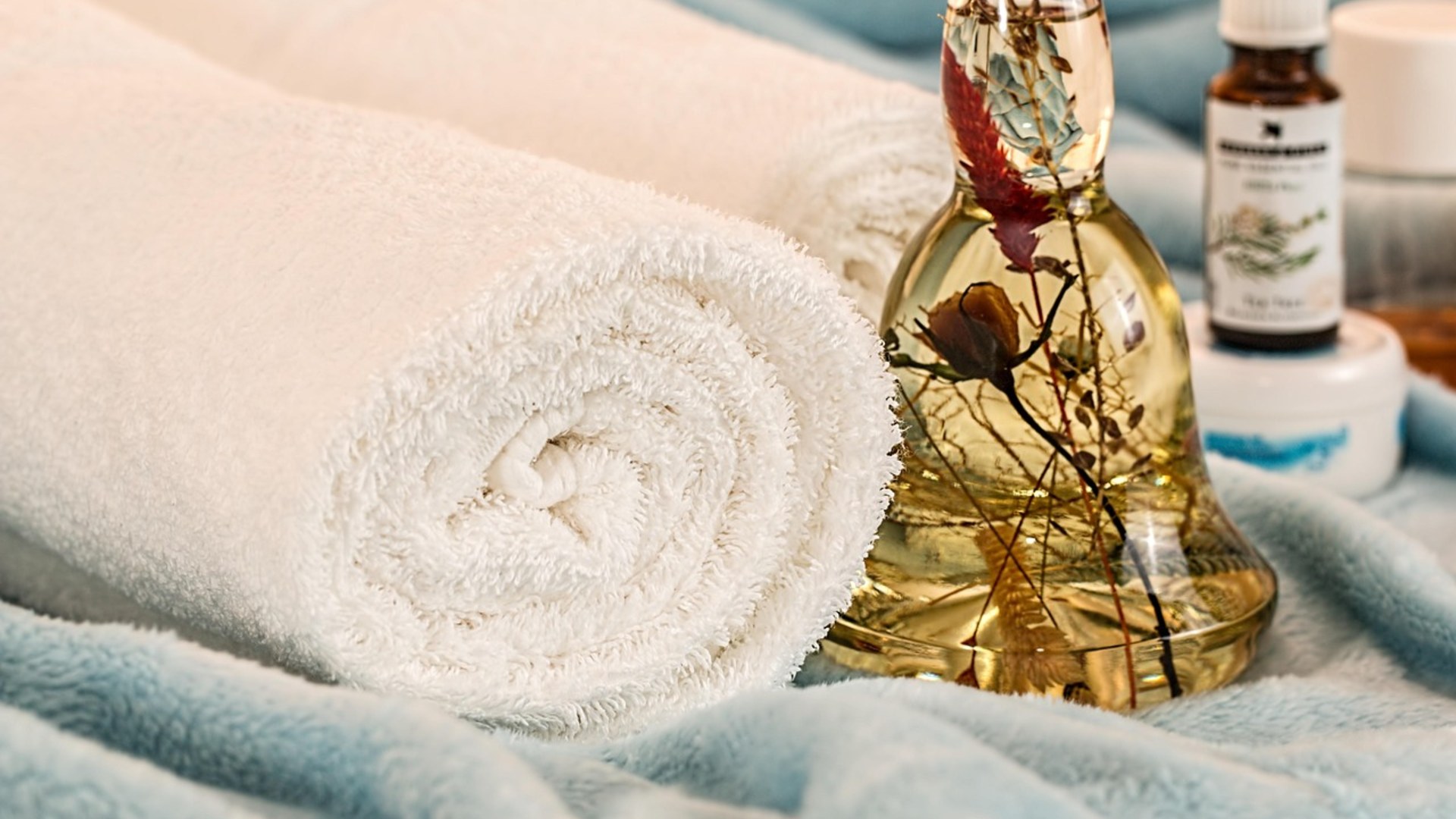
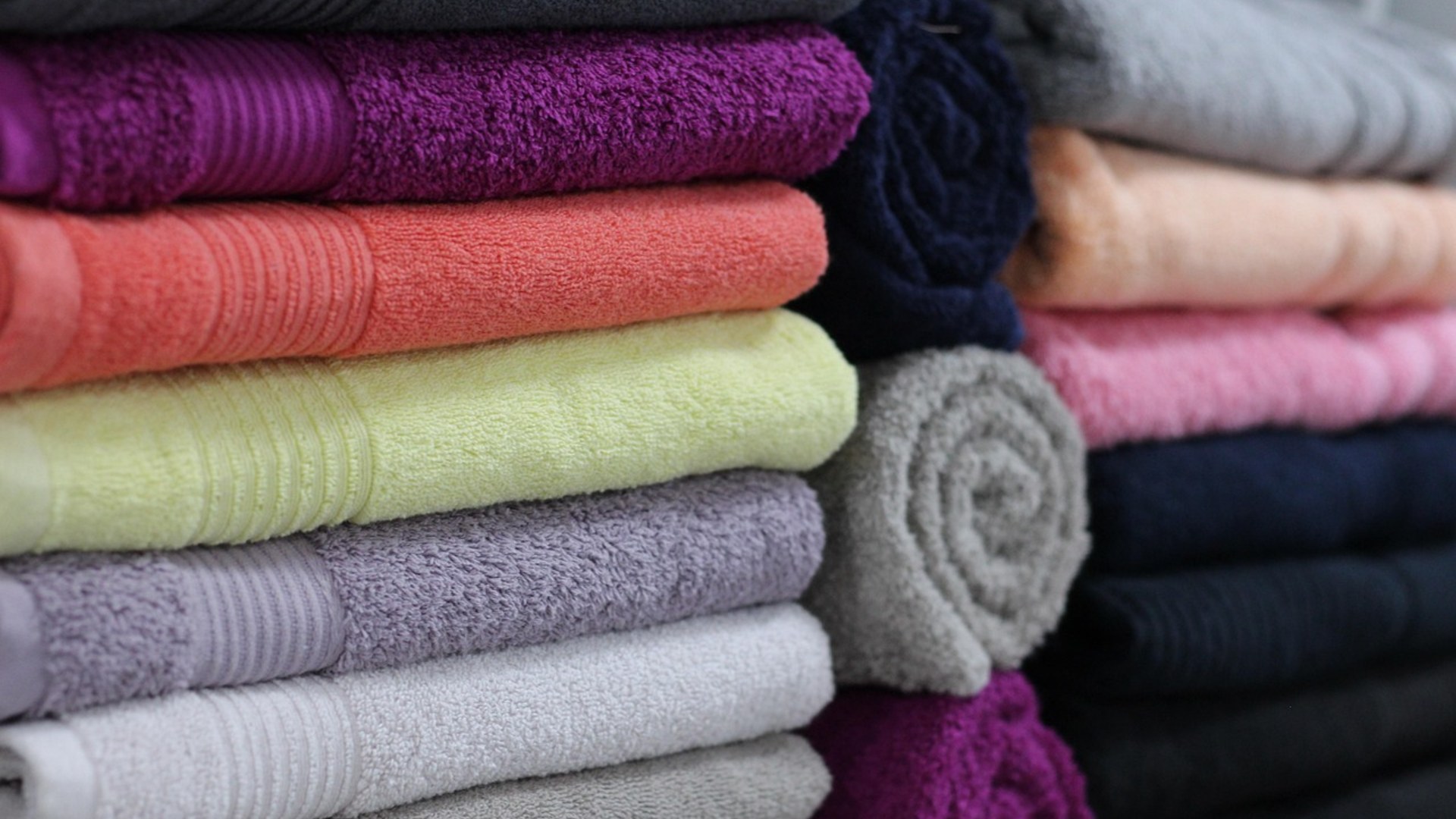
8. Old Bath Towels
Frayed cotton bath towels lose their plush feel long before the terry loops stop soaking up water. Cut stained towels into square rags for wiping wet car interiors, drying muddy dog paws at the back door, or catching oil drips in the garage. Intact towels also cushion framed glass and dishes during a household move.
©Pixabay / Gentelle_Linen
Advertisement
Swipe or tap ▶ to resume the countdown.
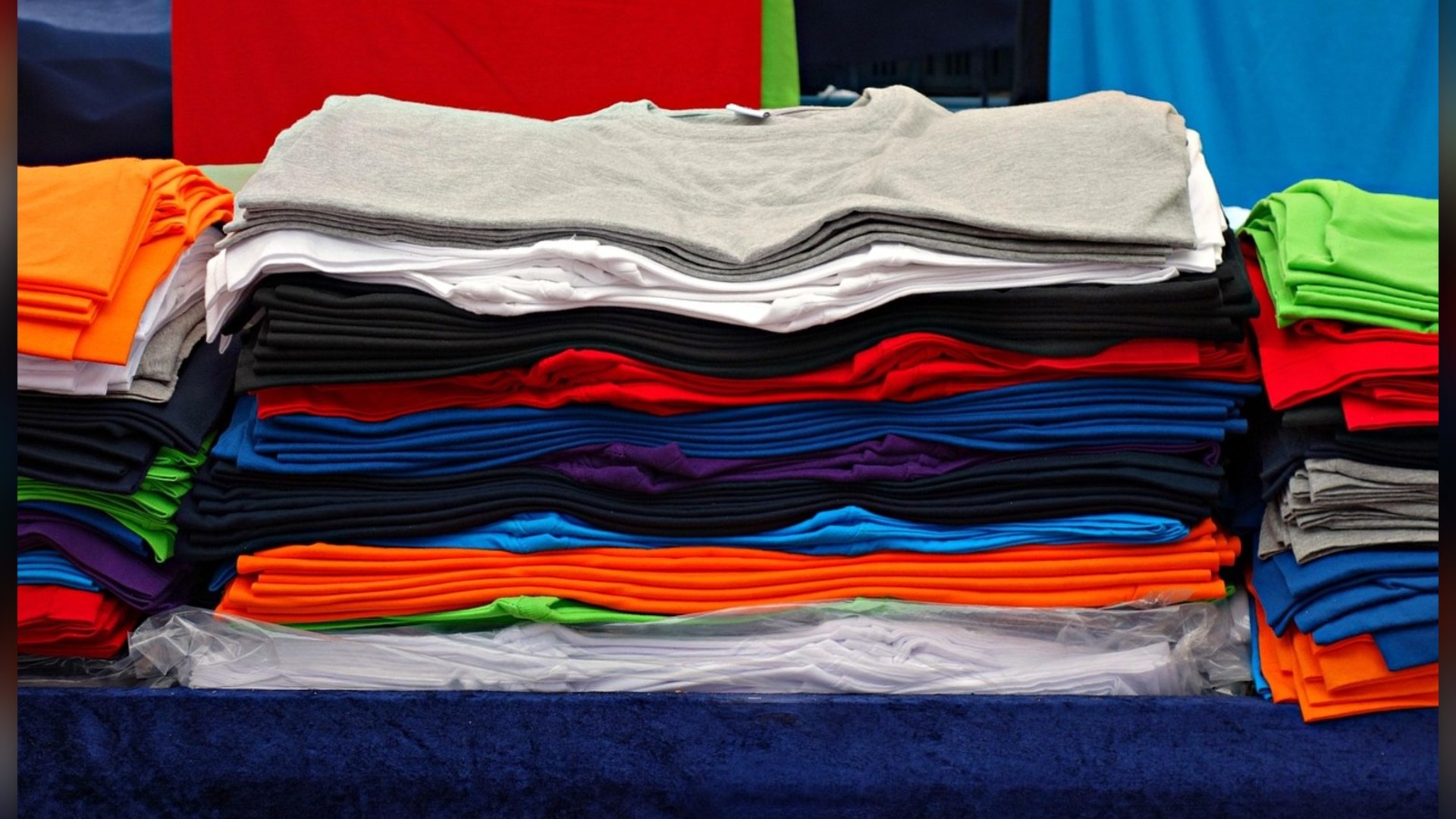
7. Old Cotton T-Shirts
Well-washed cotton jersey fabric is softer than paper towels and leaves no fuzz on camera screens, car dashboards, or varnished wood furniture. Beyond dusting rags, cutting off the sleeves and collar and knotting the bottom hem turns an outgrown shirt into a washable produce tote in under five minutes.
©Pixabay / MabelAmber
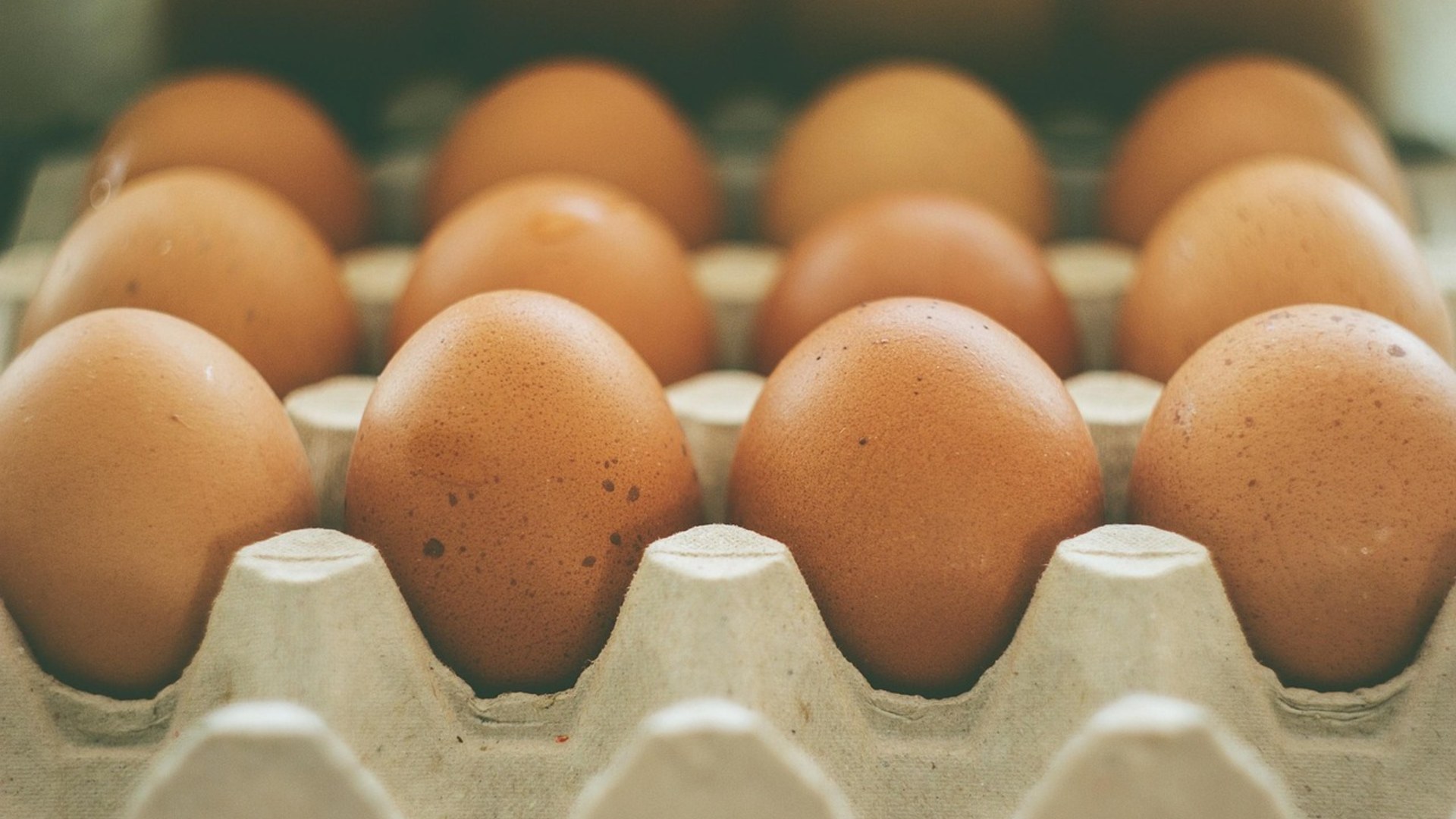
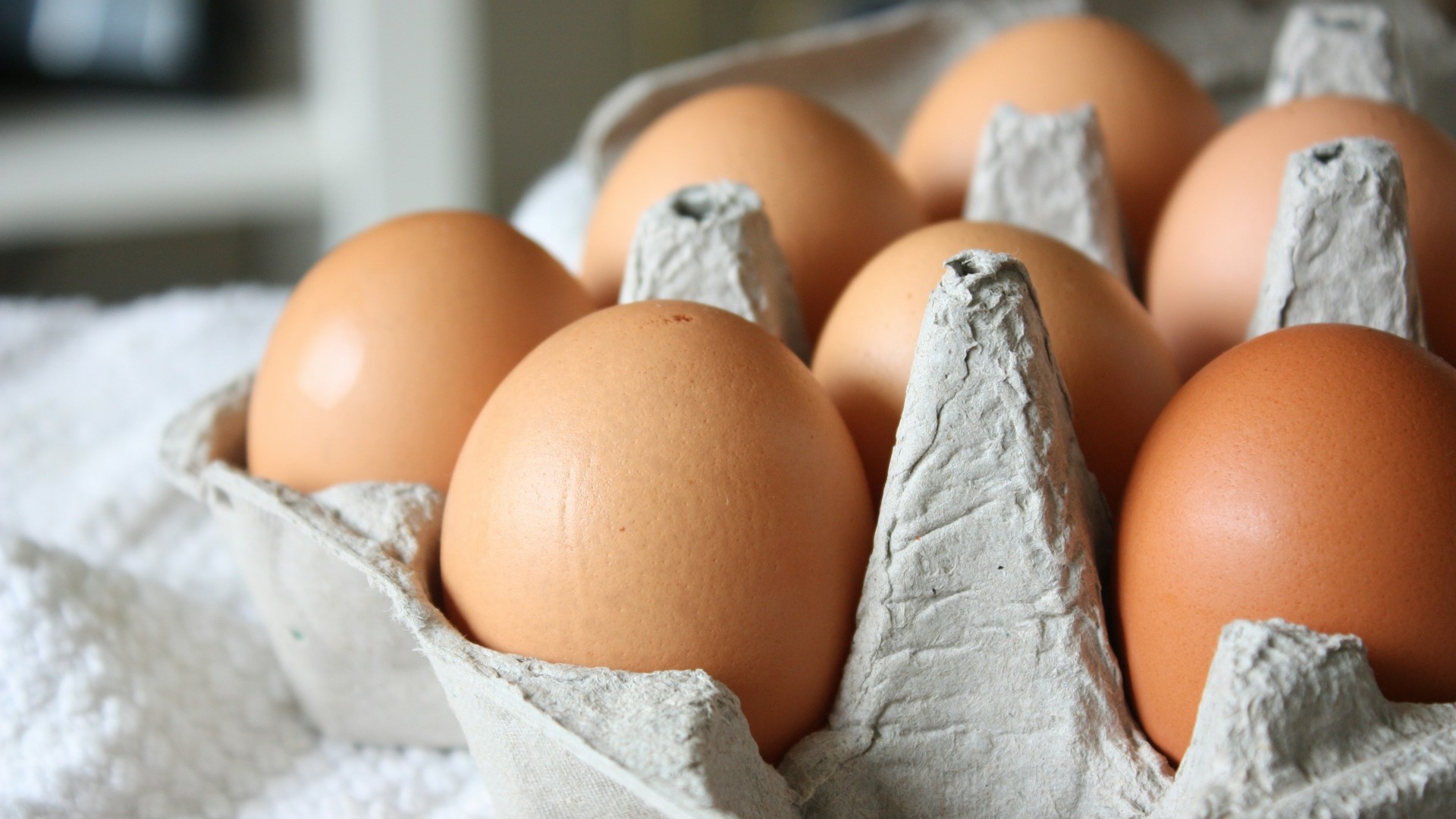
6. Cardboard Egg Cartons
Pressed paperboard egg cartons provide twelve separate cups that keep tiny items from scattering inside junk drawers. Use them in a workshop to sort screws, washers, and picture hooks by size, or pad each cup with tissue paper to protect glass ornaments. Unbleached cartons can also be torn up as compost brown material.
©Pixabay / tookapic
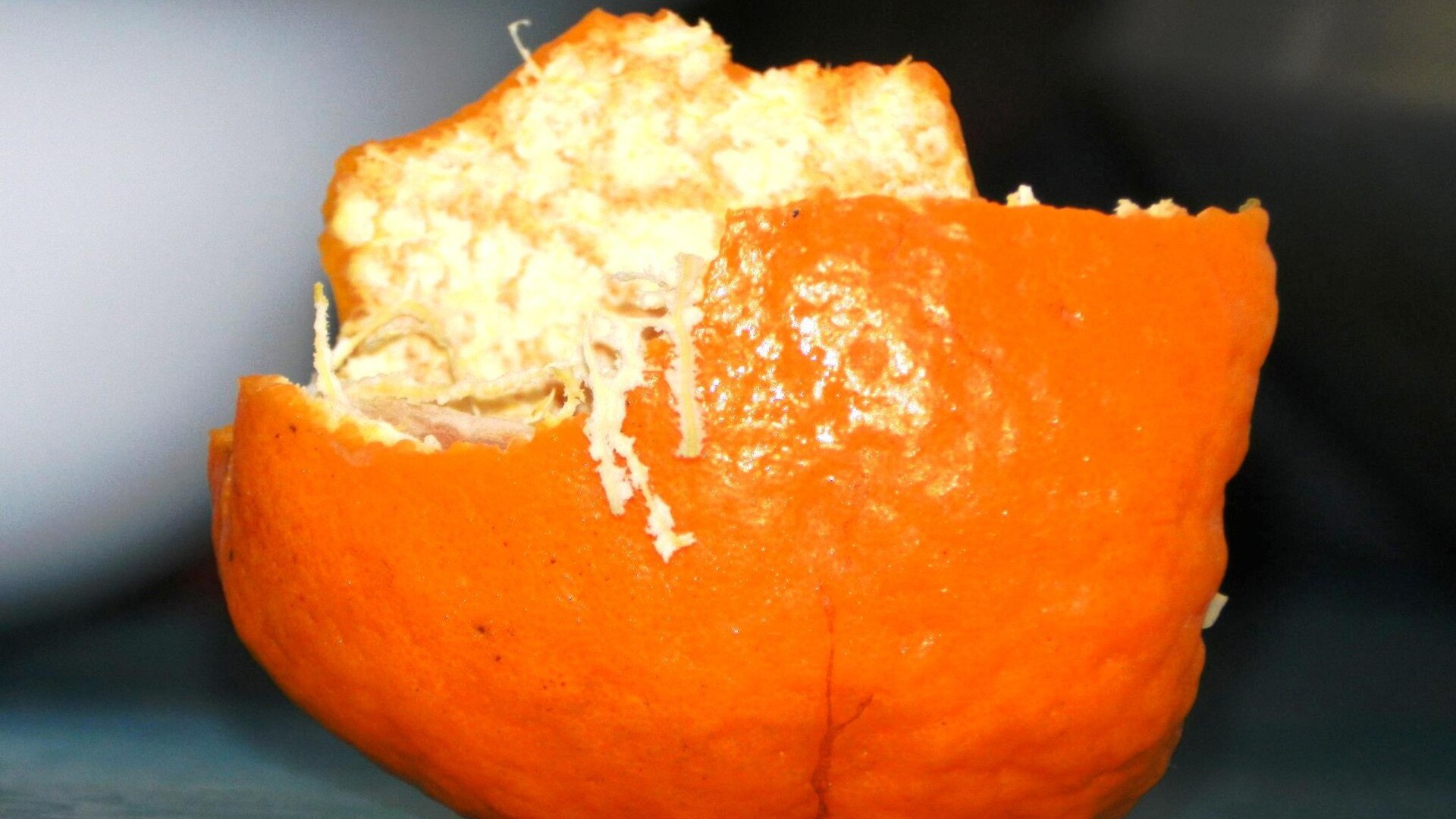
5. Citrus Peels
Citrus rinds contain natural d-limonene, a solvent oil widely used to cut kitchen grease. Pack leftover orange or lemon peels into a jar, cover them with white vinegar, and steep for two weeks before straining into a spray bottle for countertops. Dropping a few strips down a garbage disposal also freshens the drain.
©Wikimedia / Md. Asad-Uz-Zaman Shakil
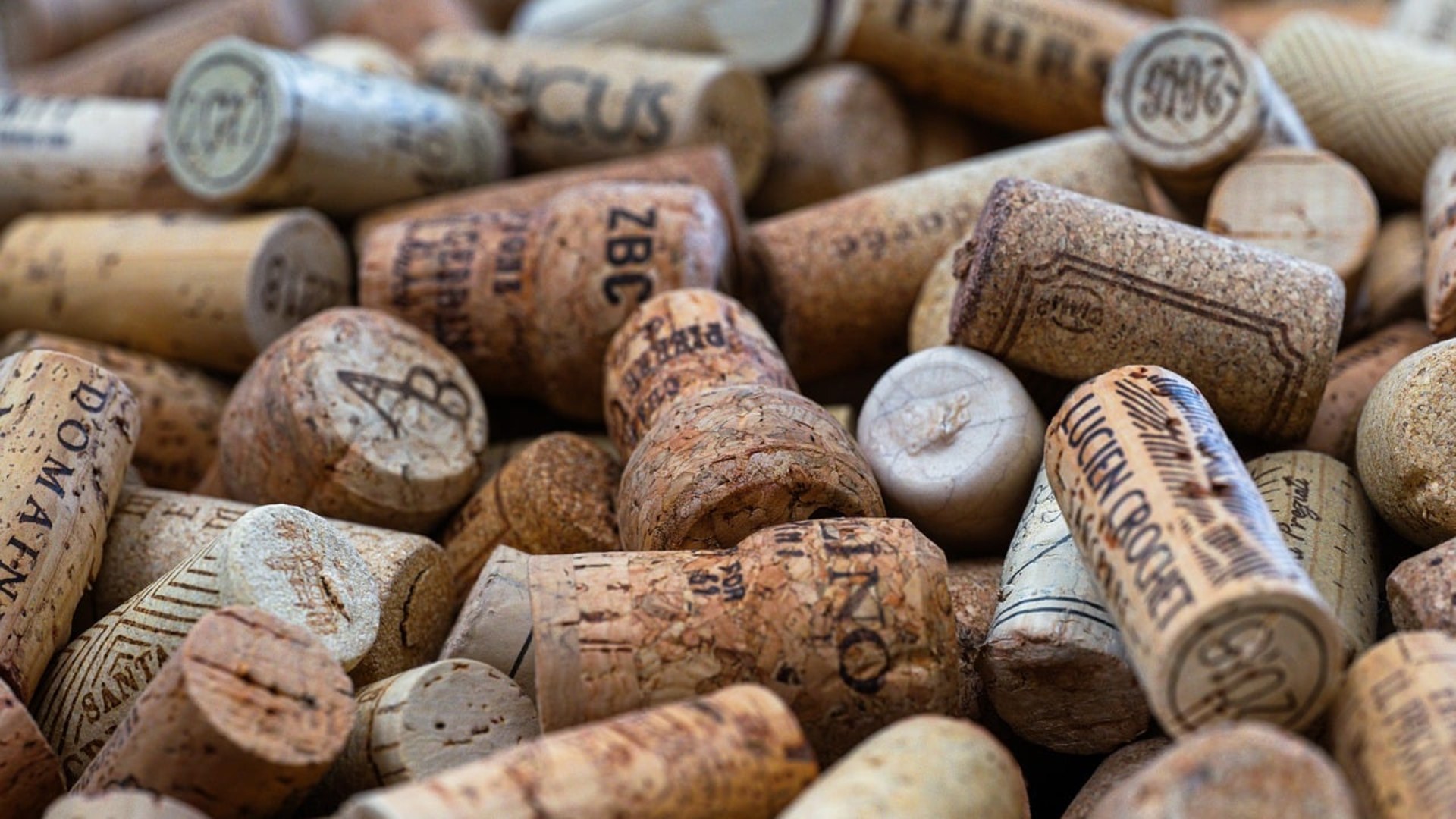
4. Wine Corks
Natural tree-bark cork is springy, water-resistant, and slow to conduct heat. Glue sliced rounds onto a small wood backing to build a custom trivet for hot cookware, or stand whole corks in a shallow tray for a self-healing bulletin board. Corks also absorb moisture when tucked inside damp basement storage bins.
©Pixabay / fotoblend
Advertisement
Swipe or tap ▶ to resume the countdown.
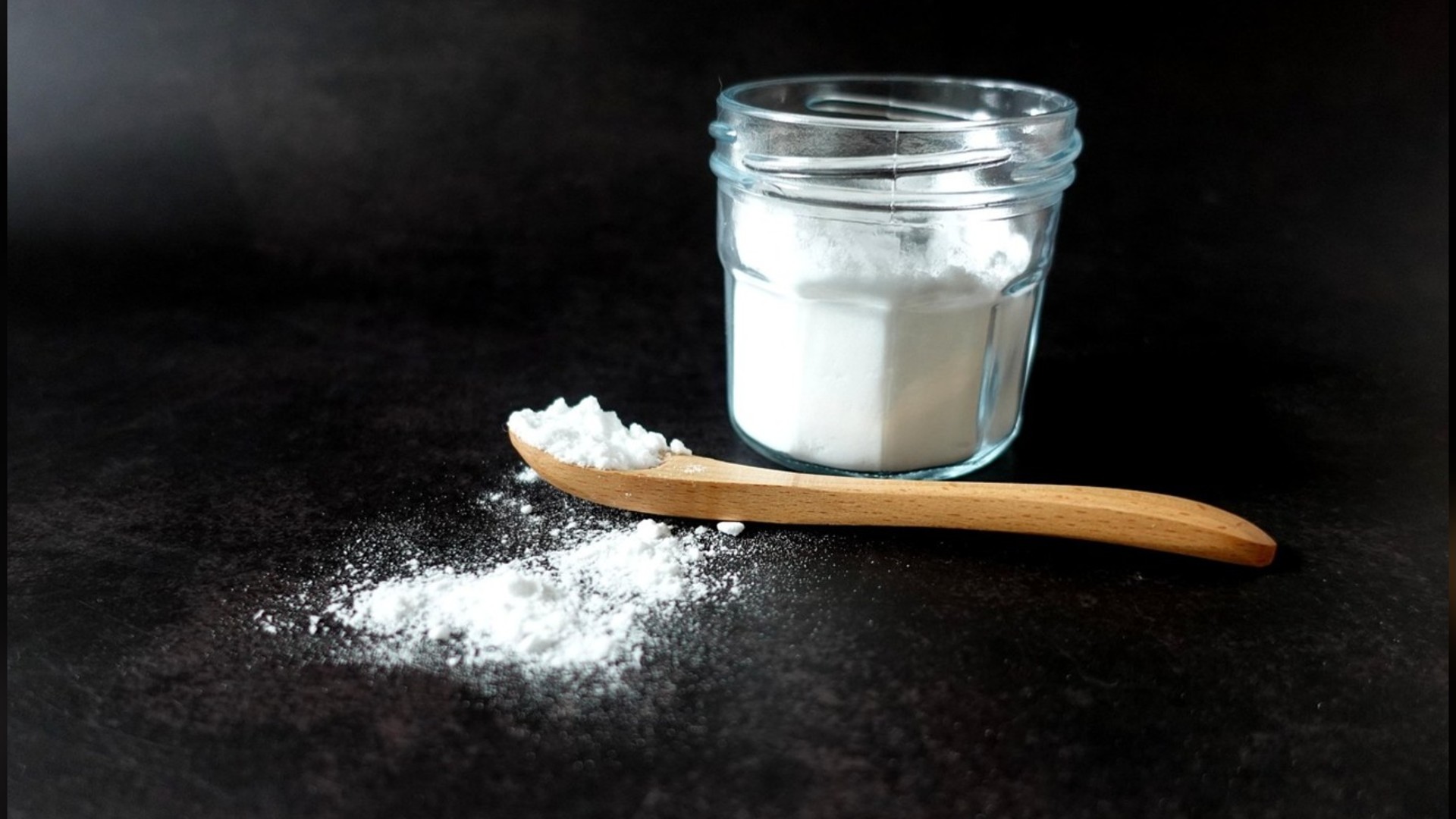
3. Baking Soda
Even after losing its baking power, sodium bicarbonate remains useful for cleaning. Its mild abrasiveness helps scrub sinks, ceramic stovetops, and cutting boards without scratching surfaces. Pouring half a cup down a drain with hot water can also help reduce unpleasant sink odors.
©Pixabay / Azza_Hafizah
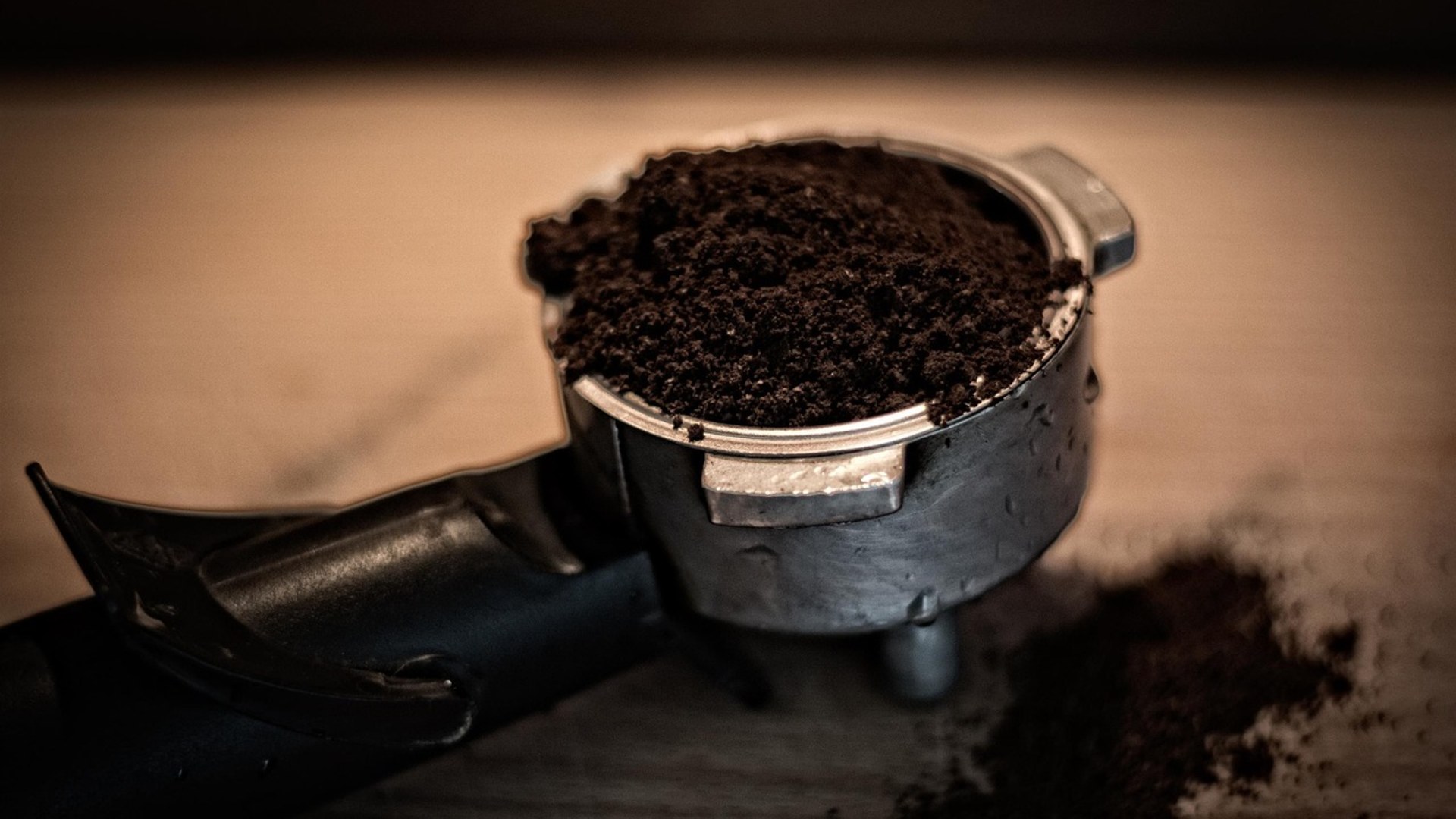
2. Used Coffee Grounds
Extension soil guides classify brewed coffee grounds as a green compost material with roughly two percent nitrogen by volume. Mix them into compost bins with dry leaves or shredded paper to avoid clumping. At the sink, rubbing damp grounds between your hands lifts garlic and onion odors.
©Pixabay / jarmoluk
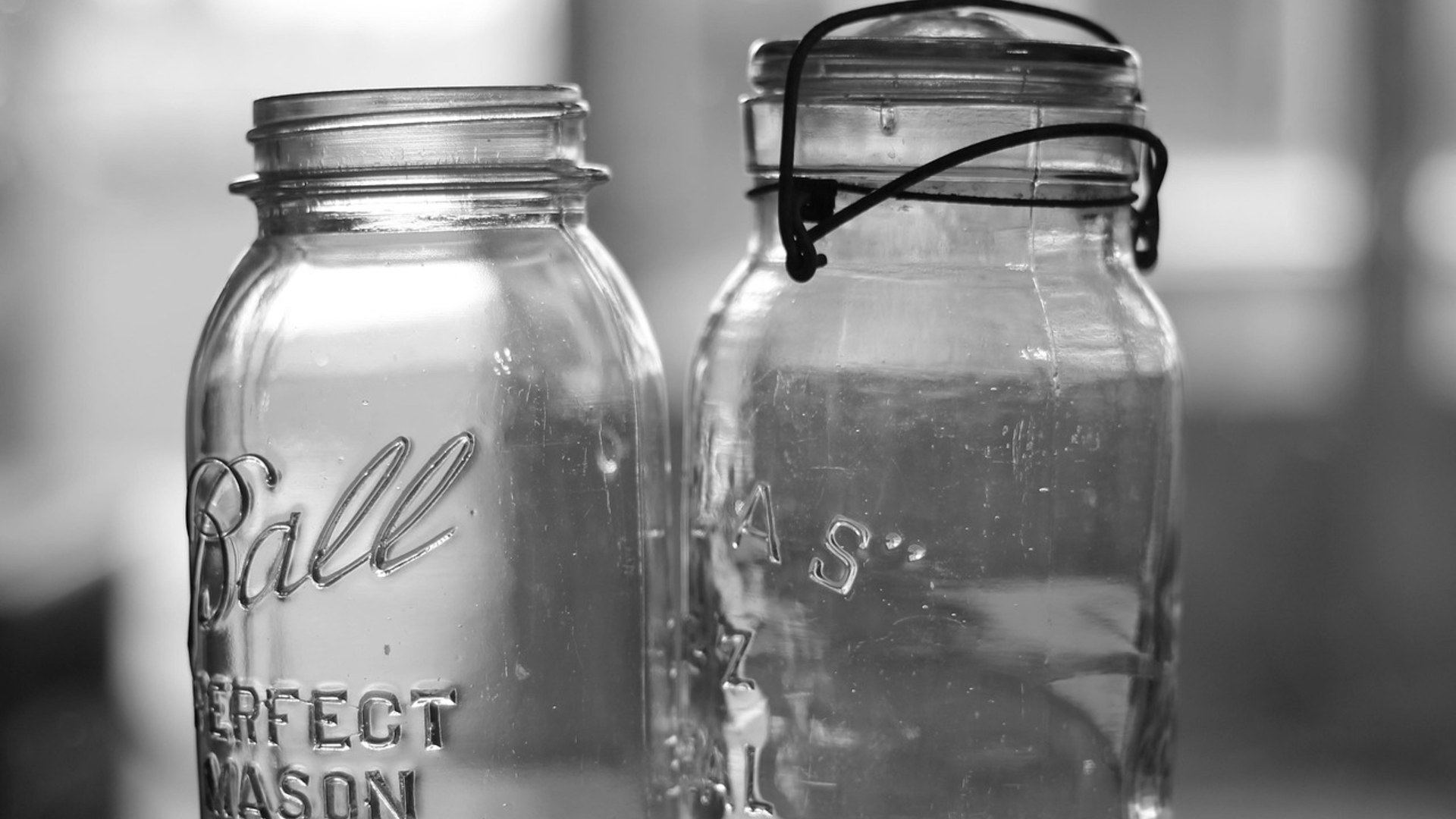
1. Glass Mason Jars
Thick glass jars from sauces and pickles seal out pantry pests and humidity far better than thin plastic bags. Wash labels off with warm water and baking soda, then store rice, lentils, coffee beans, or overnight oats inside. In garages, clear glass also lets you spot sorted bolts and nails at a glance.

©Pixabay / LaciCarroll
Advertisement
You've reached the end of the story. Thanks for reading!

20 Foods and Exercises That May Help Curb Sugar Cravings
Sudden sugar cravings often stem from rapid blood glucose dips, elevated stress, or fatigue. By pairing nutrient-dense foods rich in healthy fats, protein, and soluble fiber with targeted physical exercises, you can effectively curb appetite, stabilize metabolism, and regain steady daily energy without deprivation.
All 22 Entries in this Story
22. Plastic Bread Clips
Most bakery bags come sealed with small polystyrene clips that resist snapping under normal tension. Clip one onto a power strip cord and write the appliance name on the flat surface with a permanent marker. You can also fold the end of masking tape over a clip so the roll never sticks shut.

21. Silica Gel Packets
Those small paper packets packed inside shoeboxes and electronics contain porous silicon dioxide beads that pull water vapor from enclosed air. Toss a few into a metal toolbox to slow down rust on wrenches and drill bits. They also protect stored camera lenses, silver flatware, and seed packets from dampness.

20. Mesh Produce Bags
Onions, oranges, and avocados often arrive in sturdy polyethylene mesh sleeves that are rarely accepted in curbside recycling bins. Bunch a clean bag into a tight ball and tie it off with twine to scrub baked-on food from cast iron and nonstick pans. The open weave rinses clean under hot tap water.

19. Cardboard Toilet Paper Tubes
Uncoated kraft cardboard tubes break down naturally in damp soil, making them reliable biodegradable pots for spring vegetable starts. Stand them upright in a shallow tray, fill with potting mix, and plant directly into garden beds once roots appear. Indoors, they keep coiled USB cables separated in a drawer.

18. Used Tea Bags
Dried black or green tea leaves absorb stale smells inside refrigerators, gym shoes, and garbage pails without adding synthetic fragrance. Once cooled, damp tea bags also add nitrogen-rich organic matter when tucked into a backyard compost bin. Check that paper bags are plastic-free before burying them in soil.

17. Banana Peels
University extension compost guides note that banana peels decompose rapidly and return potassium and phosphorus to garden soil when chopped and mixed with dry leaves. The soft white inner lining also contains natural oils and waxes. Rubbing it lightly across scuffed leather shoes lifts dust before a dry cloth buff.

16. Broken Terracotta Pots
A cracked clay planter still holds plenty of value on the potting bench. Place curved shards over the drainage holes of intact containers to keep potting mix from washing out while still letting excess water escape. Larger smooth fragments also work as weatherproof plant markers when written on with paint pen.

15. Old Toothbrushes
Dentists recommend replacing a toothbrush every three to four months, leaving a steady supply of narrow-head scrubbers for household detailing. Boiled and labeled with tape to keep them separate from bathroom items, old brushes clean faucet aerators, tile grout, window tracks, and bicycle chain links.

14. Aluminum Foil
Clean sheets of used aluminum foil do not have to head straight to the bin after wrapping leftovers. Roll a sheet into a firm ball to scrape charred buildup off cooled steel grill grates without leaving wire bristles behind. Foil also pairs with baking soda and hot water to lift tarnish from sterling silver.

13. Stale Bread
Bread goes hard mainly because starch molecules crystallize as moisture shifts, not because it has spoiled. Cube stale crusty loaves for toasted salad croutons or pulse them in a food processor for seasoned breadcrumbs. Sealing half a slice inside a jar of hardened brown sugar also restores soft texture overnight.

12. Newspaper Sheets
Unlike paper towels that shed lint on glass, tightly woven newsprint polishes windows and mirrors dry when paired with a basic vinegar-and-water spray. Outdoors, gardeners lay four to six overlapping sheets over damp soil before adding bark mulch. The paper smothers weeds while breaking down over the season.

11. Empty Food Cans
Steel soup and vegetable cans are rigid, heat-safe, and easy to clean once paper labels are soaked off in warm soapy water. File down any sharp lip along the rim or cover it with masking tape before filling cans with pens, screwdrivers, or kitchen spatulas. Drilling bottom holes also turns them into sturdy planters.

10. Plastic Milk Jugs
One-gallon milk jugs are molded from thick high-density polyethylene that cuts cleanly with utility shears. Keep the handle intact and trim away the lower opposite corner to make a wide scoop for potting soil, road salt, or pet kibble. Cutting off the bottom also creates a mini greenhouse cap over tender seedlings.

9. Glass Candle Jars
Once a candle burns down to its wick tab, the glass vessel is often thicker than regular tumblers. Chill the jar in the freezer for a few hours so leftover wax shrinks and pops out in one piece. After washing with hot soapy water, it neatly holds makeup brushes, cotton rounds, or spare keys.

8. Old Bath Towels
Frayed cotton bath towels lose their plush feel long before the terry loops stop soaking up water. Cut stained towels into square rags for wiping wet car interiors, drying muddy dog paws at the back door, or catching oil drips in the garage. Intact towels also cushion framed glass and dishes during a household move.

7. Old Cotton T-Shirts
Well-washed cotton jersey fabric is softer than paper towels and leaves no fuzz on camera screens, car dashboards, or varnished wood furniture. Beyond dusting rags, cutting off the sleeves and collar and knotting the bottom hem turns an outgrown shirt into a washable produce tote in under five minutes.

6. Cardboard Egg Cartons
Pressed paperboard egg cartons provide twelve separate cups that keep tiny items from scattering inside junk drawers. Use them in a workshop to sort screws, washers, and picture hooks by size, or pad each cup with tissue paper to protect glass ornaments. Unbleached cartons can also be torn up as compost brown material.

5. Citrus Peels
Citrus rinds contain natural d-limonene, a solvent oil widely used to cut kitchen grease. Pack leftover orange or lemon peels into a jar, cover them with white vinegar, and steep for two weeks before straining into a spray bottle for countertops. Dropping a few strips down a garbage disposal also freshens the drain.

4. Wine Corks
Natural tree-bark cork is springy, water-resistant, and slow to conduct heat. Glue sliced rounds onto a small wood backing to build a custom trivet for hot cookware, or stand whole corks in a shallow tray for a self-healing bulletin board. Corks also absorb moisture when tucked inside damp basement storage bins.

3. Baking Soda
Even after losing its baking power, sodium bicarbonate remains useful for cleaning. Its mild abrasiveness helps scrub sinks, ceramic stovetops, and cutting boards without scratching surfaces. Pouring half a cup down a drain with hot water can also help reduce unpleasant sink odors.

2. Used Coffee Grounds
Extension soil guides classify brewed coffee grounds as a green compost material with roughly two percent nitrogen by volume. Mix them into compost bins with dry leaves or shredded paper to avoid clumping. At the sink, rubbing damp grounds between your hands lifts garlic and onion odors.

1. Glass Mason Jars
Thick glass jars from sauces and pickles seal out pantry pests and humidity far better than thin plastic bags. Wash labels off with warm water and baking soda, then store rice, lentils, coffee beans, or overnight oats inside. In garages, clear glass also lets you spot sorted bolts and nails at a glance.