Slideshow · Health
20 Remarkable Ways Walking 30 Minutes a Day Changes Your Body
A daily half-hour brisk walk triggers rapid shifts in human physiology, from surging neurochemistry to lowered vascular pressure. Based on clinical datasets from Harvard Medical School, the CDC, and the American Heart Association, these 20 documented adaptations explain how daily steps reshape your body.
By Most Viral Today
56 min ago

What Really Happens Inside Your Cells, Brain, and Arteries When You Walk 
20. Synovial Fluid Circulation 
19. Gastric Motility And Intestinal Transit 
18. Adenosine Buildup And Restorative Sleep - AdvertisementSwipe or tap ▶ to continue countdown

17. Bone Mineral Density Preservation 
16. Endothelial Nitric Oxide Production 
15. Natural Killer Immune Cell Mobilization 
14. Cortisol Breakdown And Stress Reduction - AdvertisementSwipe or tap ▶ to continue countdown

13. Lipid Profile Optimization 
12. Postprandial Blood Sugar Blunting 
11. Calf Muscle Venous Pumping 
10. Resting Heart Rate And Vagal Tone - AdvertisementSwipe or tap ▶ to continue countdown

9. Intraocular Pressure Reduction 
8. Gut Microbiome Diversity Growth 
7. Alveolar Gas Exchange Expansion 
6. Hippocampal Neurogenesis And BDNF - AdvertisementSwipe or tap ▶ to continue countdown

5. Posture Realignment And Spinal Decompression 
4. Peripheral Insulin Sensitivity Recovery 
3. Systemic Blood Pressure Reduction 
2. Lymphatic Fluid Drainage - AdvertisementSwipe or tap ▶ to continue countdown

1. All-Cause Mortality Risk Cut - Advertisement🔥 UP NEXT IN THIS SERIES◫ 23 Slides

22 Everyday Foods and Drinks That Can Keep You Awake at Night
Caffeine is only one reason evening snacks disrupt rest. Drawing on USDA nutrient figures, FDA guidance and National Library of Medicine sleep studies, this gallery counts down 22 everyday foods and drinks whose stimulants, acids, tyramine or fluids trigger nighttime heartburn, alertness or bathroom trips.
A daily half-hour brisk walk triggers rapid shifts in human physiology, from surging neurochemistry to lowered vascular pressure. Based on clinical datasets from Harvard Medical School, the CDC, and the American Heart Association, these 20 documented adaptations explain how daily steps reshape your body.
Swipe or tap ▶ to begin the countdown
©Pixabay / stevepb & Wikimedia / MismibaTinasheMadando
20. Synovial Fluid Circulation
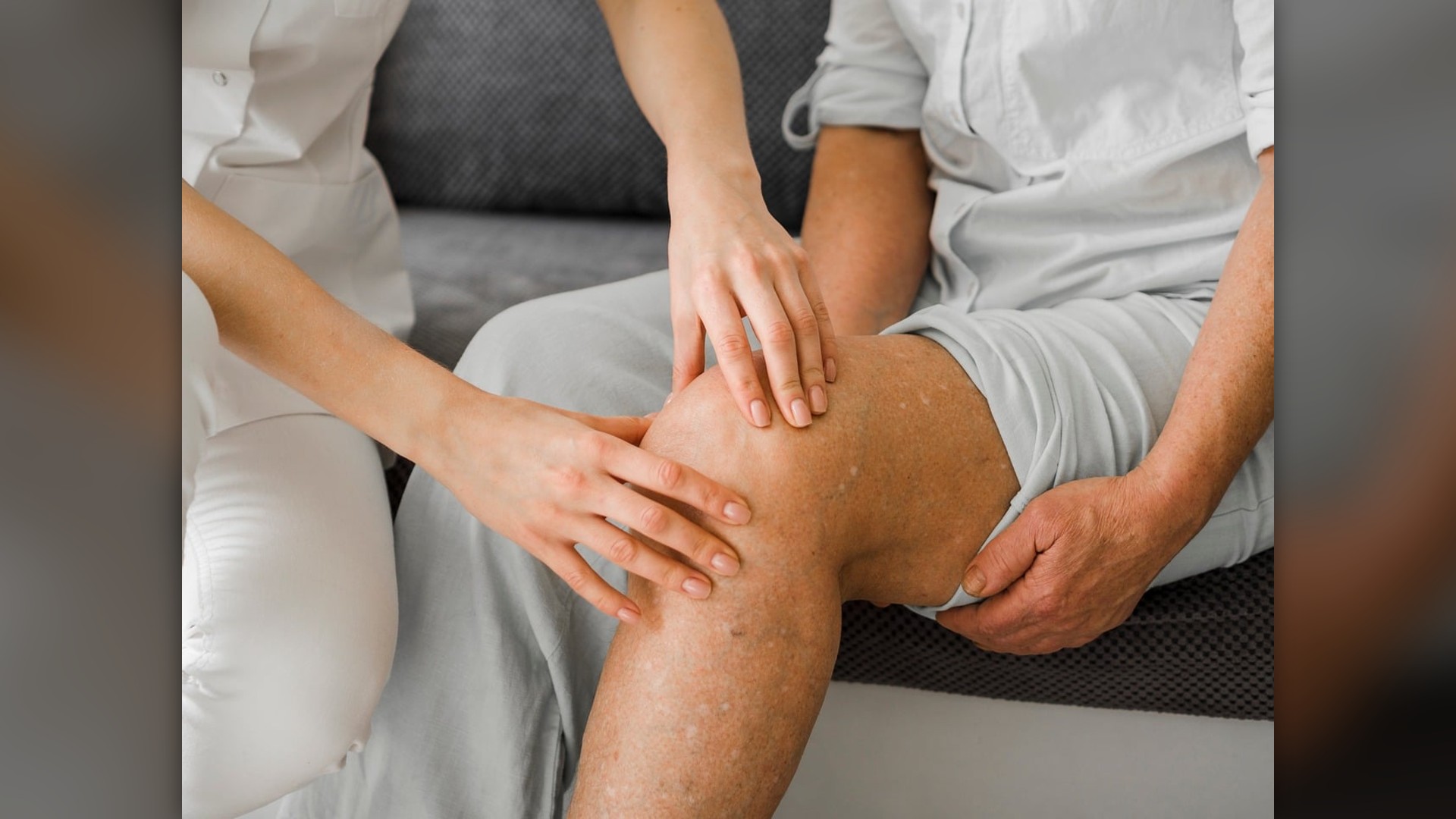
Cartilage lacks an internal blood supply, relying entirely on movement for nourishment. Walking compresses joint tissue, forcing synovial fluid through cartilage surfaces to deliver oxygen and sweep away debris. The Arthritis Foundation confirms 30 minutes daily eases chronic knee stiffness.
©Pixabay / kumarsu6745_
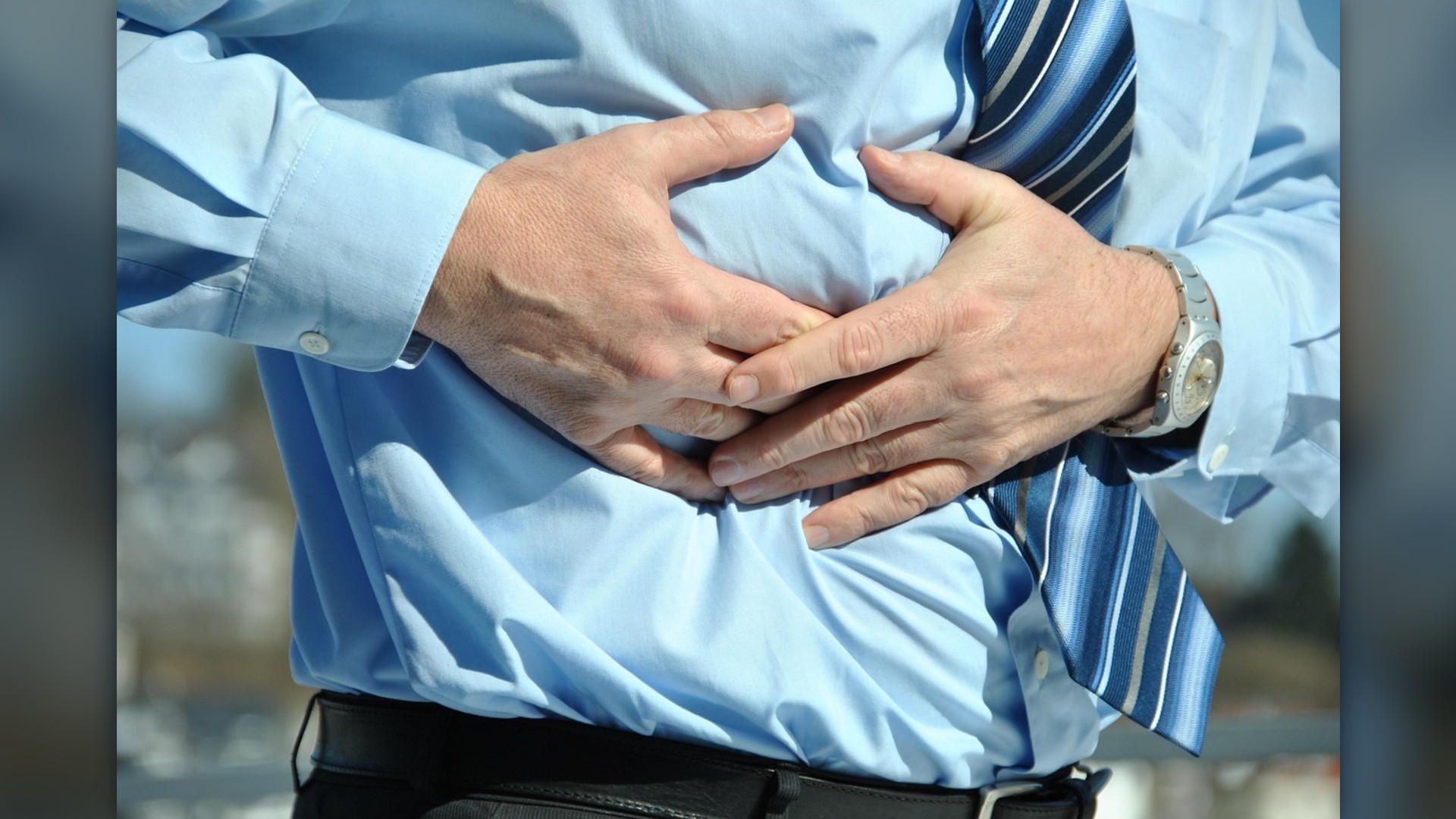
19. Gastric Motility And Intestinal Transit
A post-meal walk stimulates abdominal muscle contraction and parasympathetic tone, moving food through the gastrointestinal tract. Research in the World Journal of Gastroenterology shows 30 minutes of mild activity accelerates stomach emptying, easing bloating and curbing acid reflux.
©Pixabay / HansMartinPaul
18. Adenosine Buildup And Restorative Sleep
Physical exertion consumes cellular energy, generating adenosine in brain tissue to deepen slow-wave sleep. In a landmark Stanford Medicine trial published in JAMA, older adults engaging in regular moderate exercise cut sleep onset latency by roughly 15 minutes and gained 45 minutes of nightly rest.
©Pixabay / cuncon
Advertisement
Swipe or tap ▶ to resume the countdown.
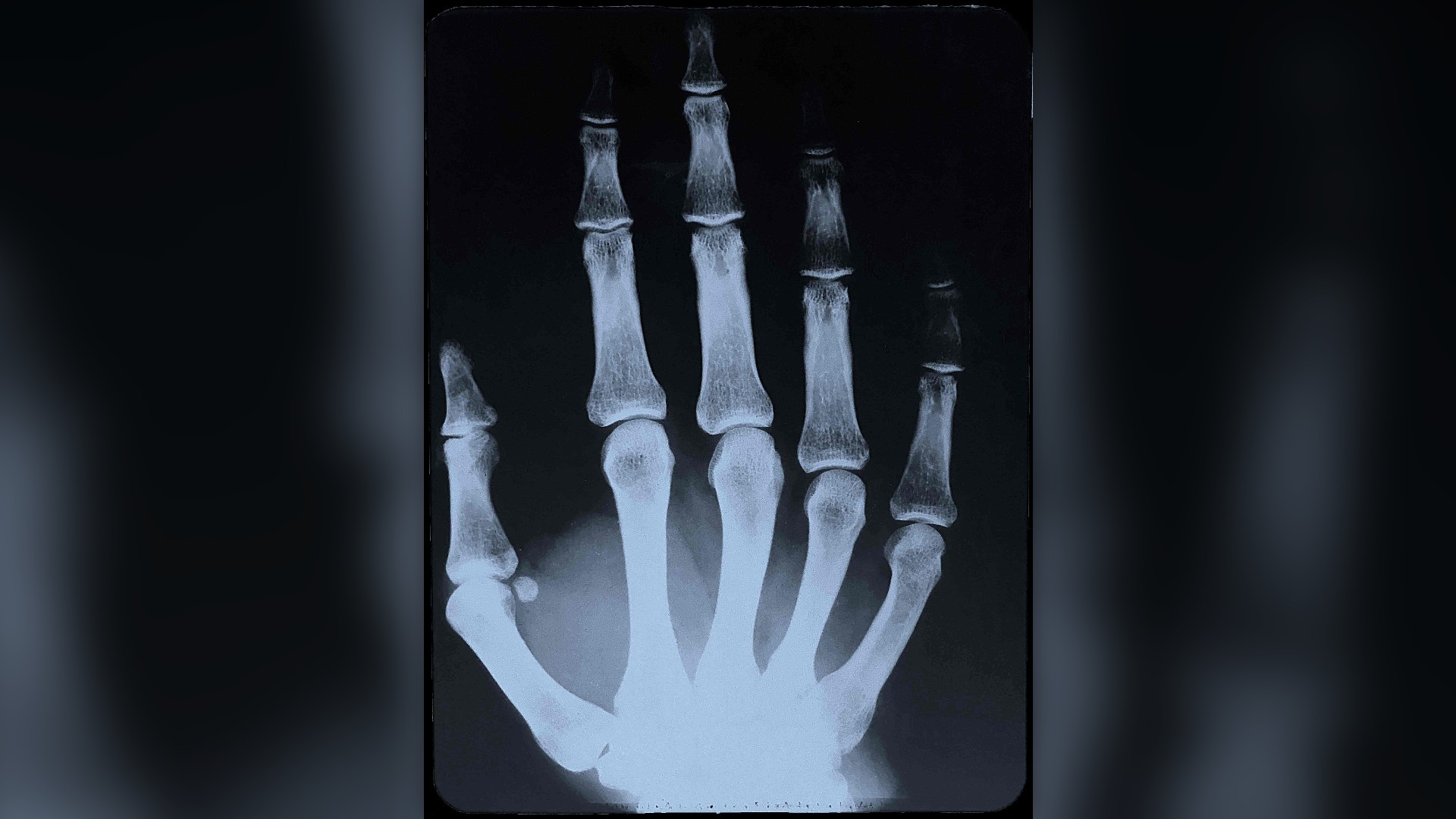
17. Bone Mineral Density Preservation
Each foot strike delivers a mechanical impulse equal to 1.2 times body weight, stimulating osteoblasts to deposit fresh calcium into cortical bone. Harvard Health records that postmenopausal women walking 30 minutes daily cut their risk of hip fractures by 40 percent over ten years.
©Wikimedia / Photojack50
16. Endothelial Nitric Oxide Production
Increased blood flow exerts shear stress against the inner arterial lining, prompting endothelial cells to synthesize nitric oxide gas. This molecule signals vascular smooth muscle to relax, widening blood vessels. Clinical trials show this pathway improves arterial compliance within three weeks.
©Pixabay / IMGMIDI
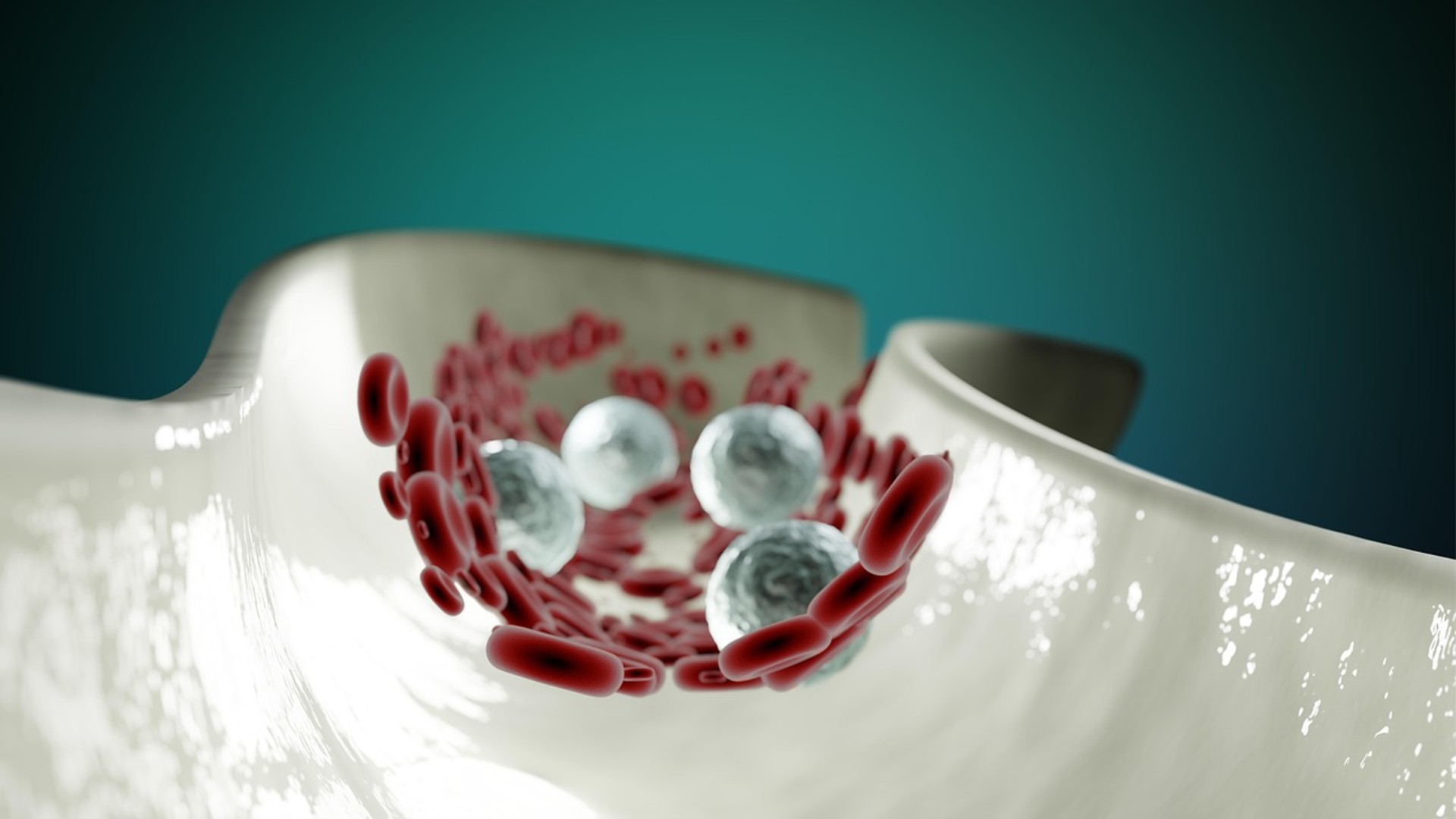
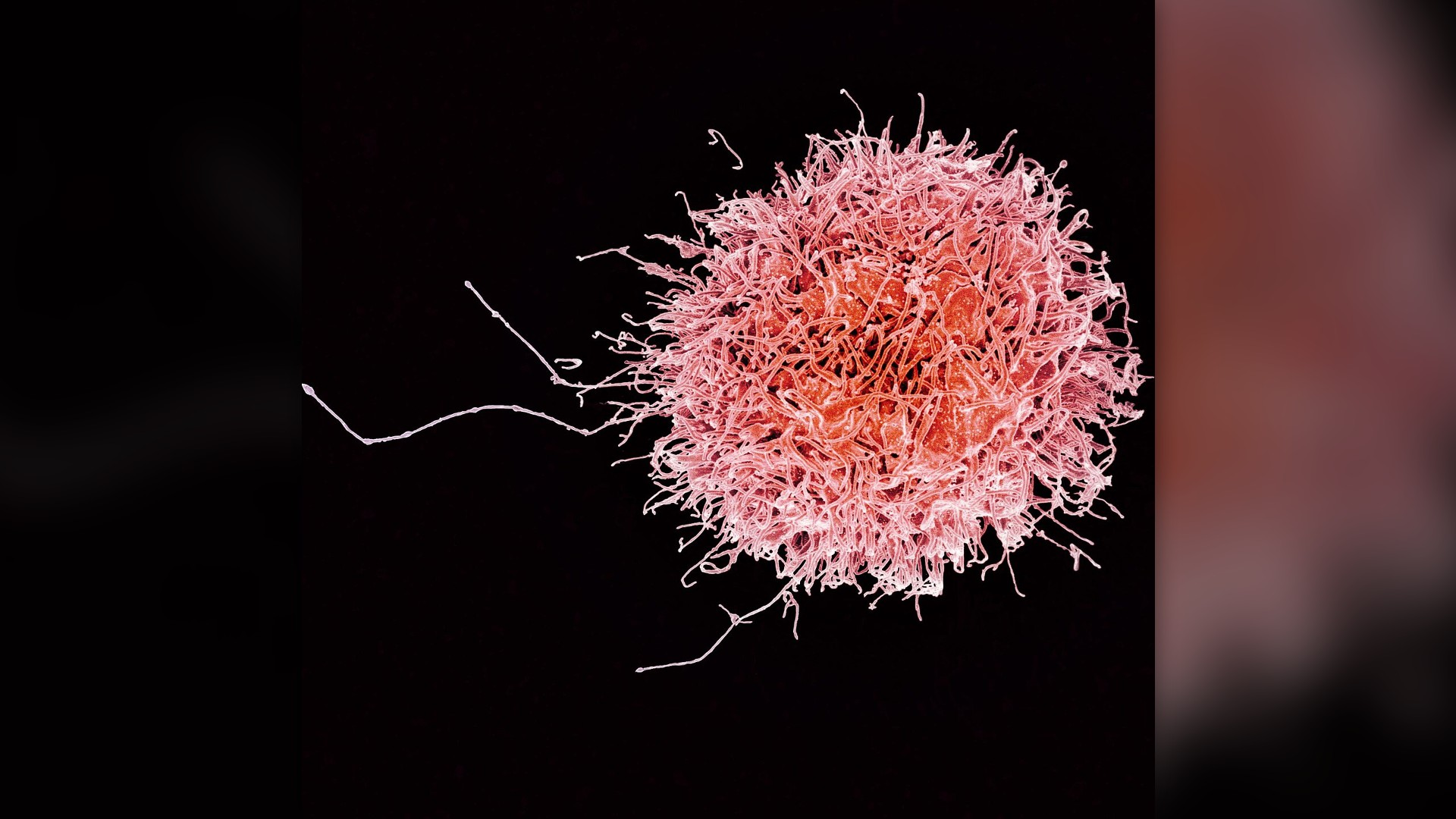
15. Natural Killer Immune Cell Mobilization
A 30-minute session mobilizes billions of natural killer cells and neutrophils from bone marrow into active circulation. Data from Appalachian State University found people who walked briskly 5 days a week suffered 43 percent fewer sick days from upper respiratory infections.
©Wikimedia / NIAID
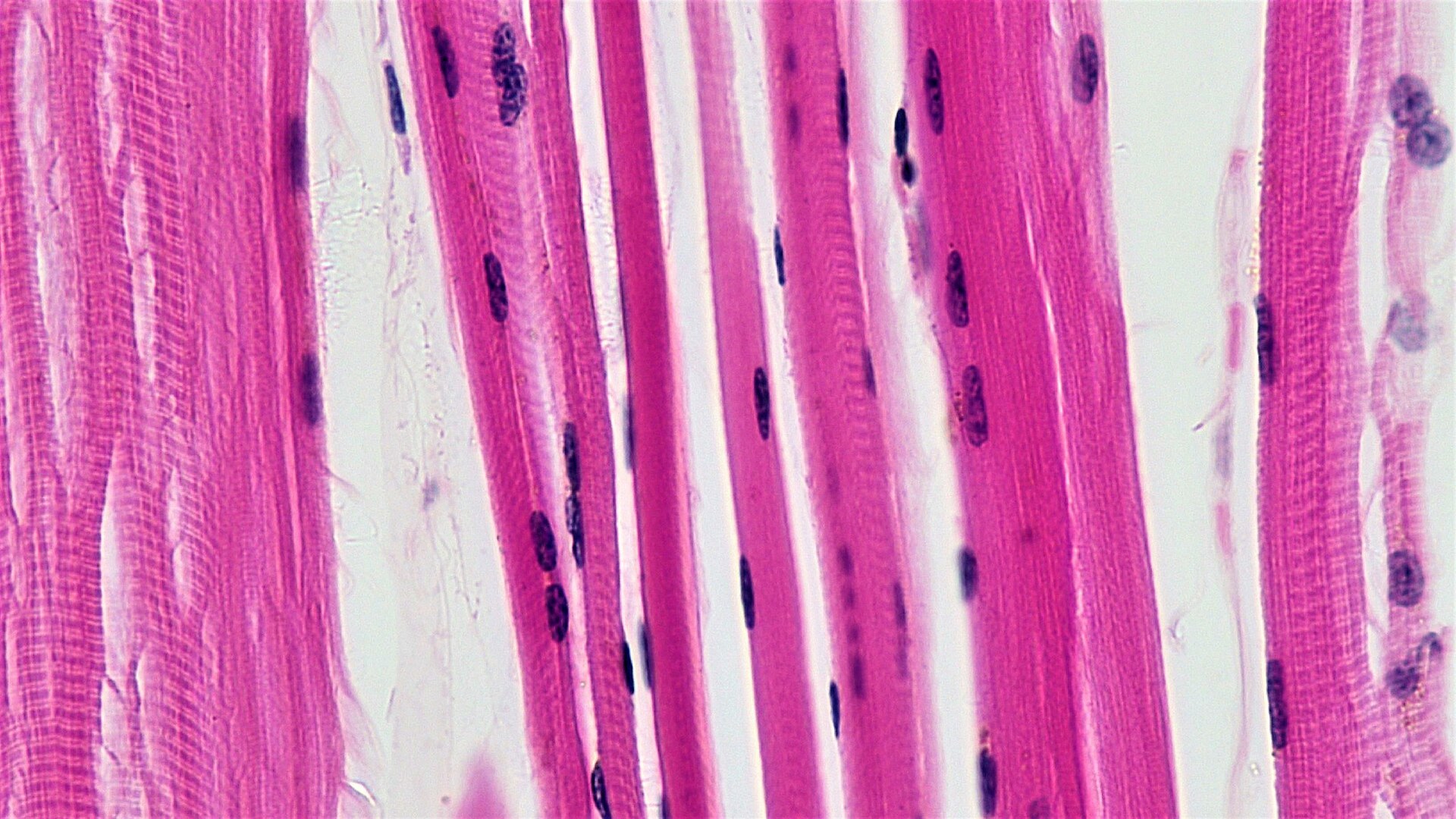
14. Cortisol Breakdown And Stress Reduction
Rhythmic, aerobic movement signals the adrenal glands to temper systemic cortisol production. Concurrently, sensory motor pathways stimulate beta-endorphin release, lifting mood. Mayo Clinic data indicates a 30-minute outdoor walk reduces perceived workplace anxiety by up to 28 percent.
©Wikimedia / MismibaTinasheMadando
Advertisement
Swipe or tap ▶ to resume the countdown.
13. Lipid Profile Optimization
Sustained walking activates lipoprotein lipase enzymes along capillary walls, clearing excess triglycerides from circulating blood. Clinical trials show daily walking typically raises protective HDL cholesterol by 3 to 6 percent while converting small, dense LDL particles into safer, buoyant forms.
©Pixabay / DarkoStojanovic
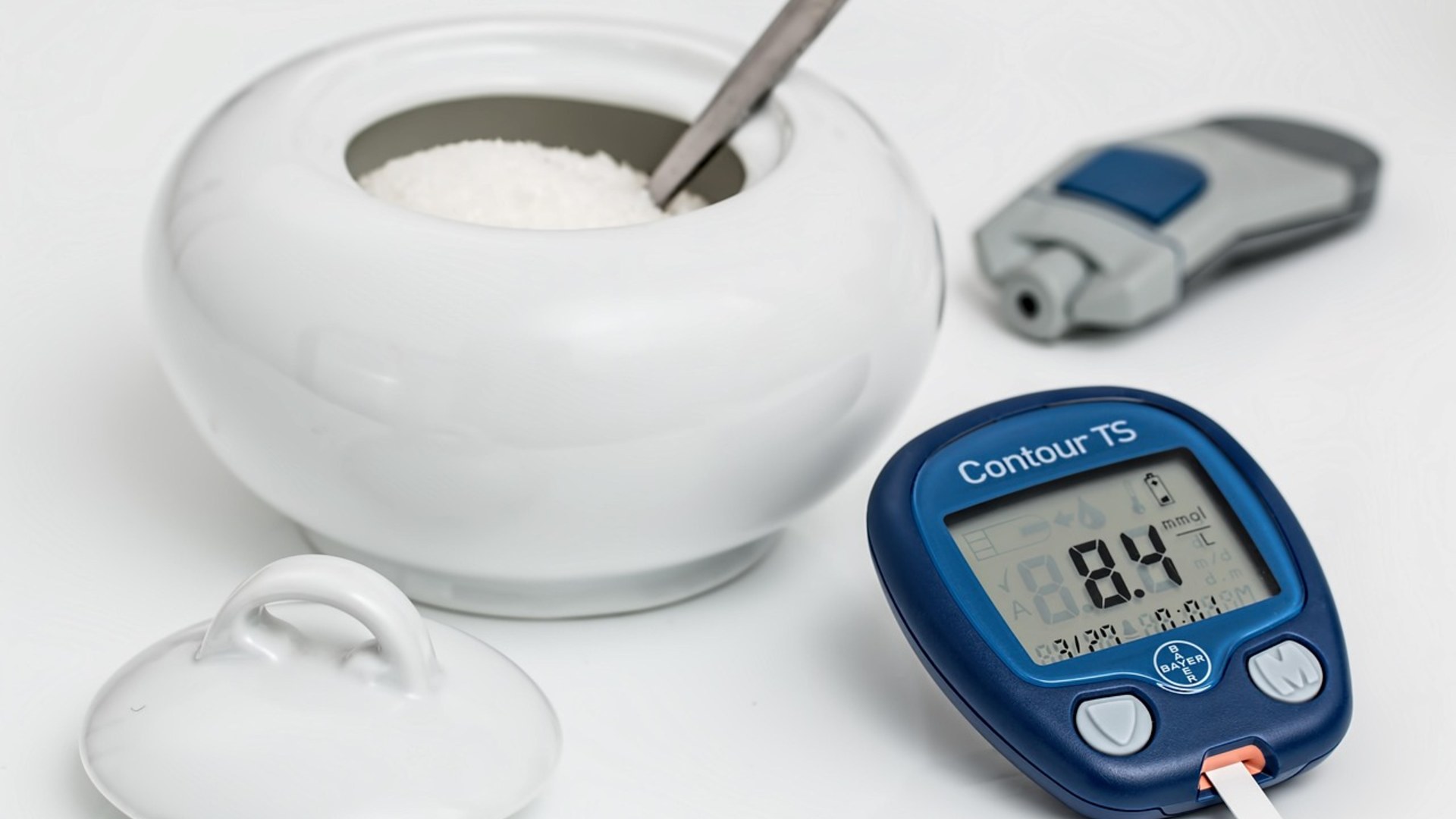
12. Postprandial Blood Sugar Blunting
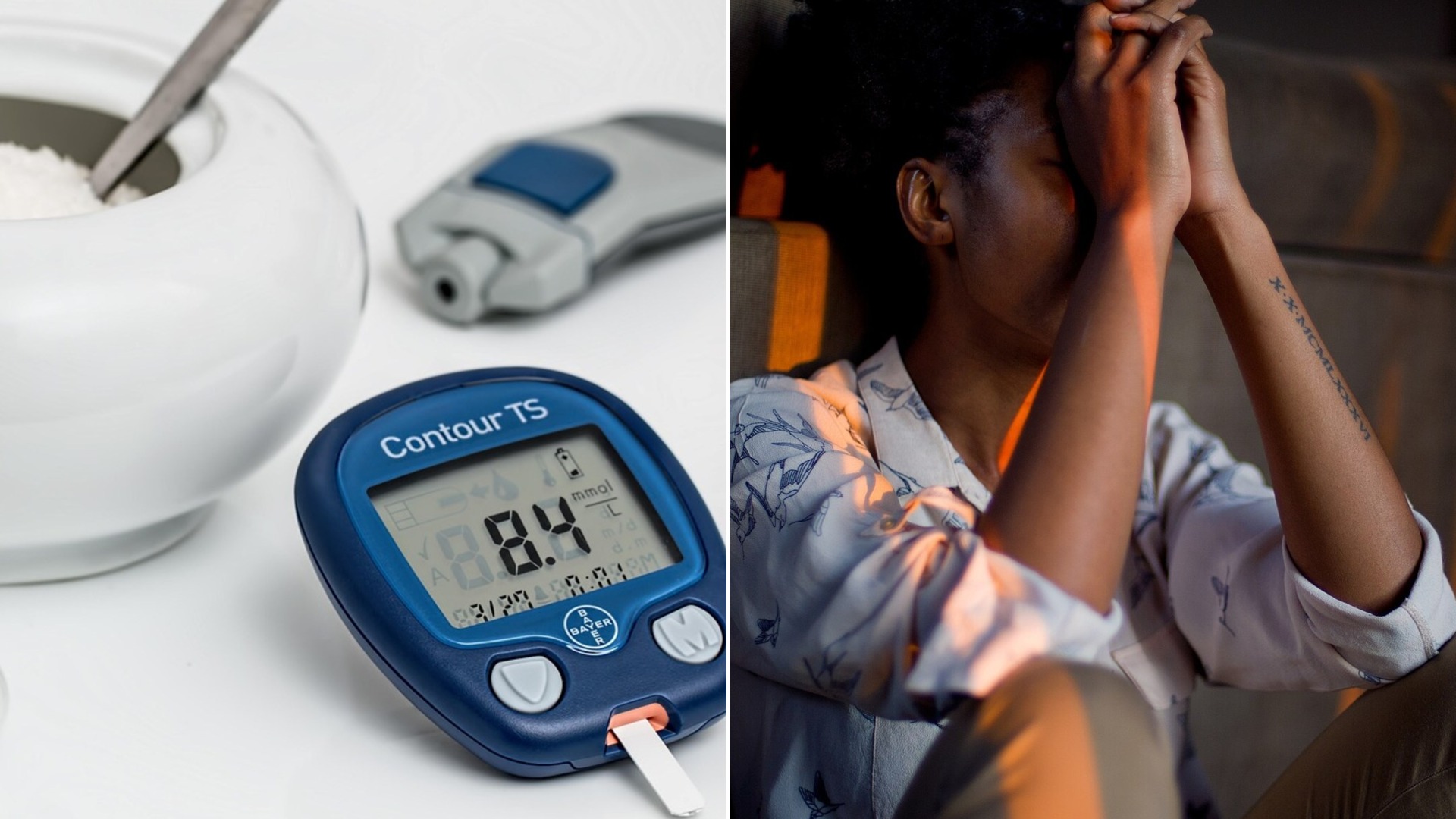
Contracting skeletal muscles activate GLUT4 transporter proteins independently of insulin, drawing glucose directly from the bloodstream. A trial in Sports Medicine established that a short brisk walk immediately after eating reduces postprandial glucose spikes by up to 17 percent.
©Pixabay / stevepb
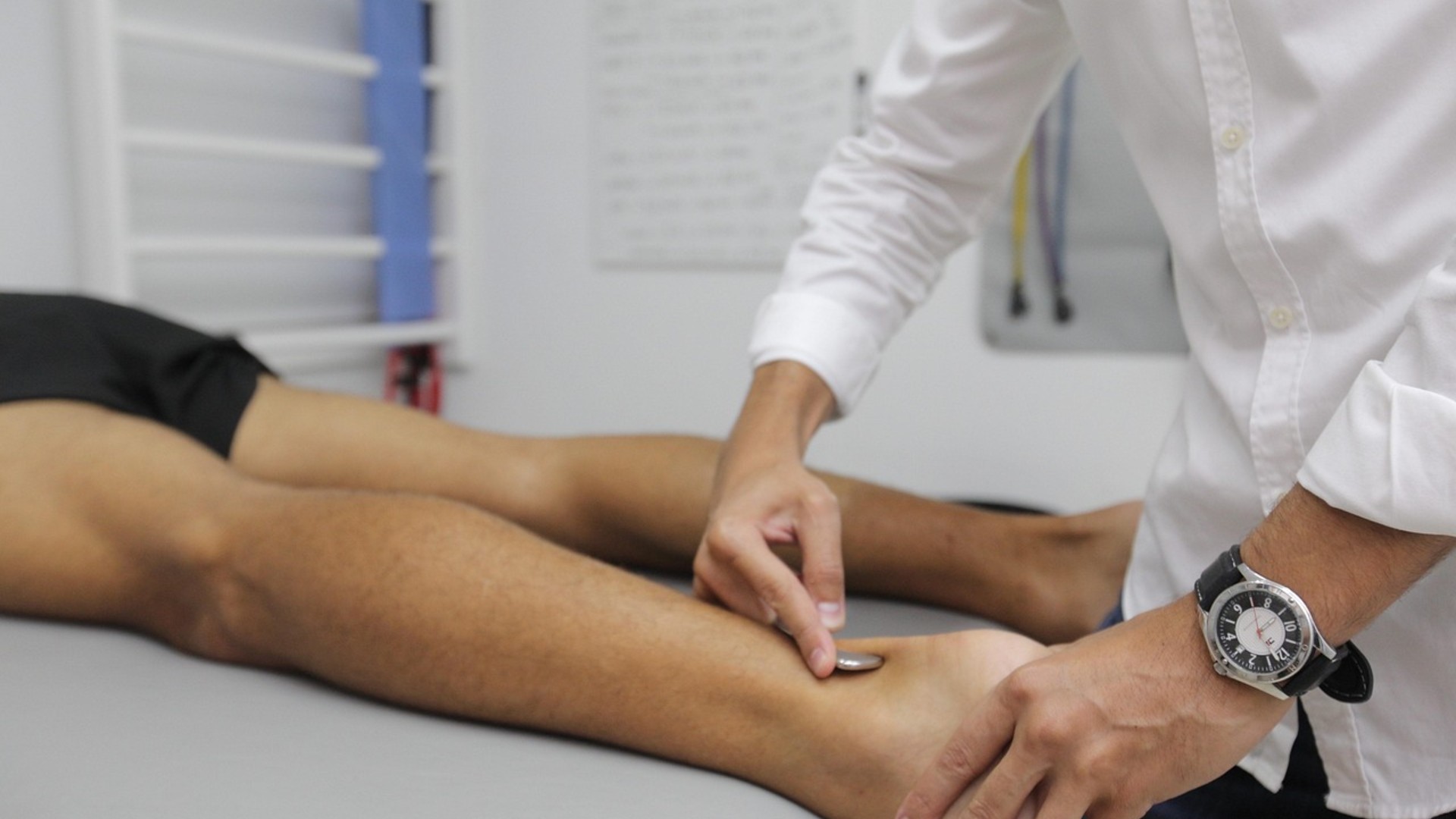
11. Calf Muscle Venous Pumping
Deep veins in the lower legs rely on surrounding soleus muscles to move deoxygenated blood upward. Stepping contracts the calf muscle pump, forcing venous valves open and reducing pooling. Johns Hopkins Medicine notes this action cuts peripheral swelling and lowers deep vein thrombosis risk.
©Pixabay / rodrigobernasc
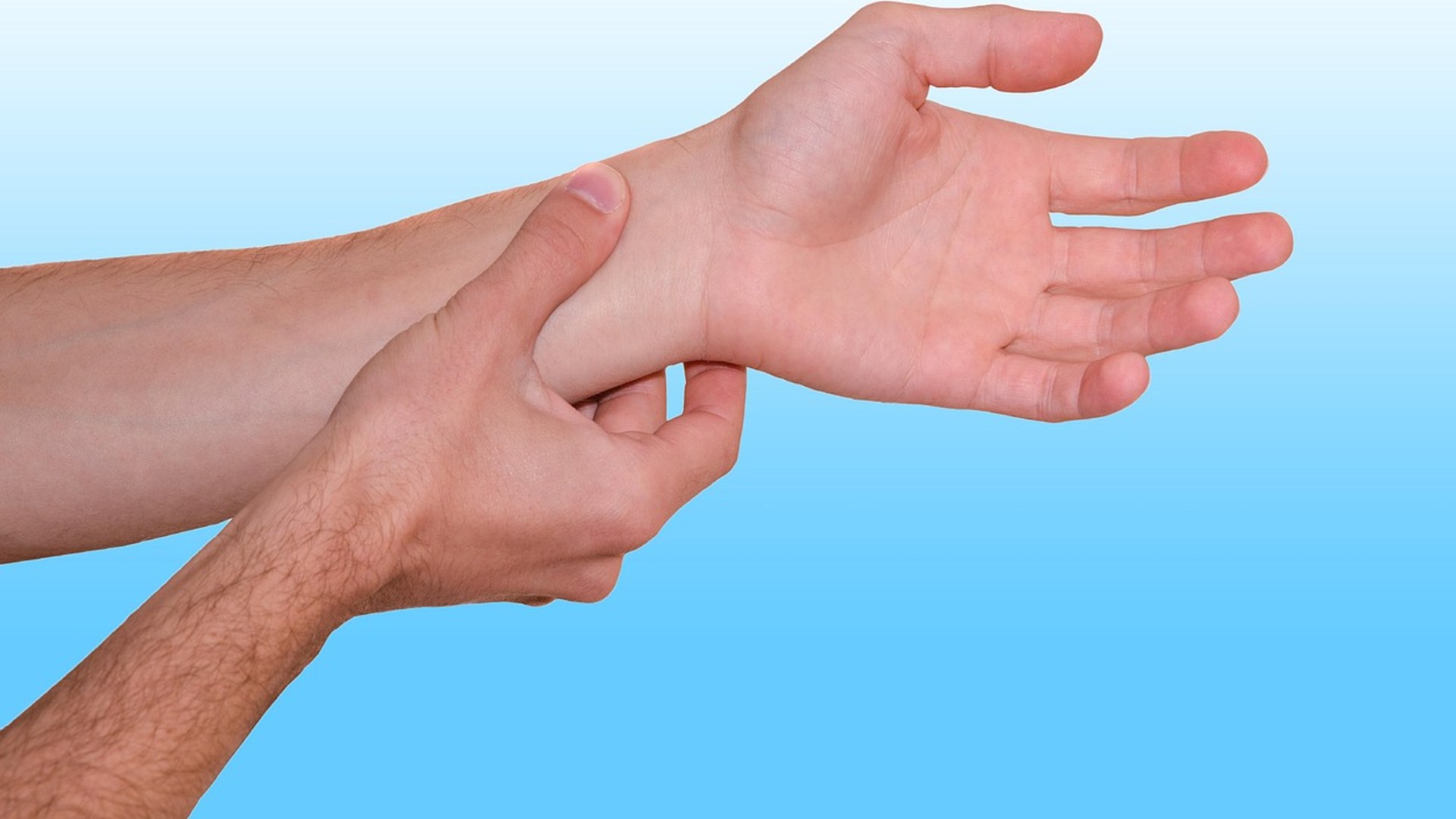
10. Resting Heart Rate And Vagal Tone
Regular brisk walking strengthens parasympathetic nerve activity while improving arterial elasticity. Enhanced vagal tone calms sympathetic output, allowing the myocardium to beat less frequently during quiet periods. British Heart Foundation data shows consistent walkers drop around 5 beats per minute.
©Pixabay / Georgex25
Advertisement
Swipe or tap ▶ to resume the countdown.
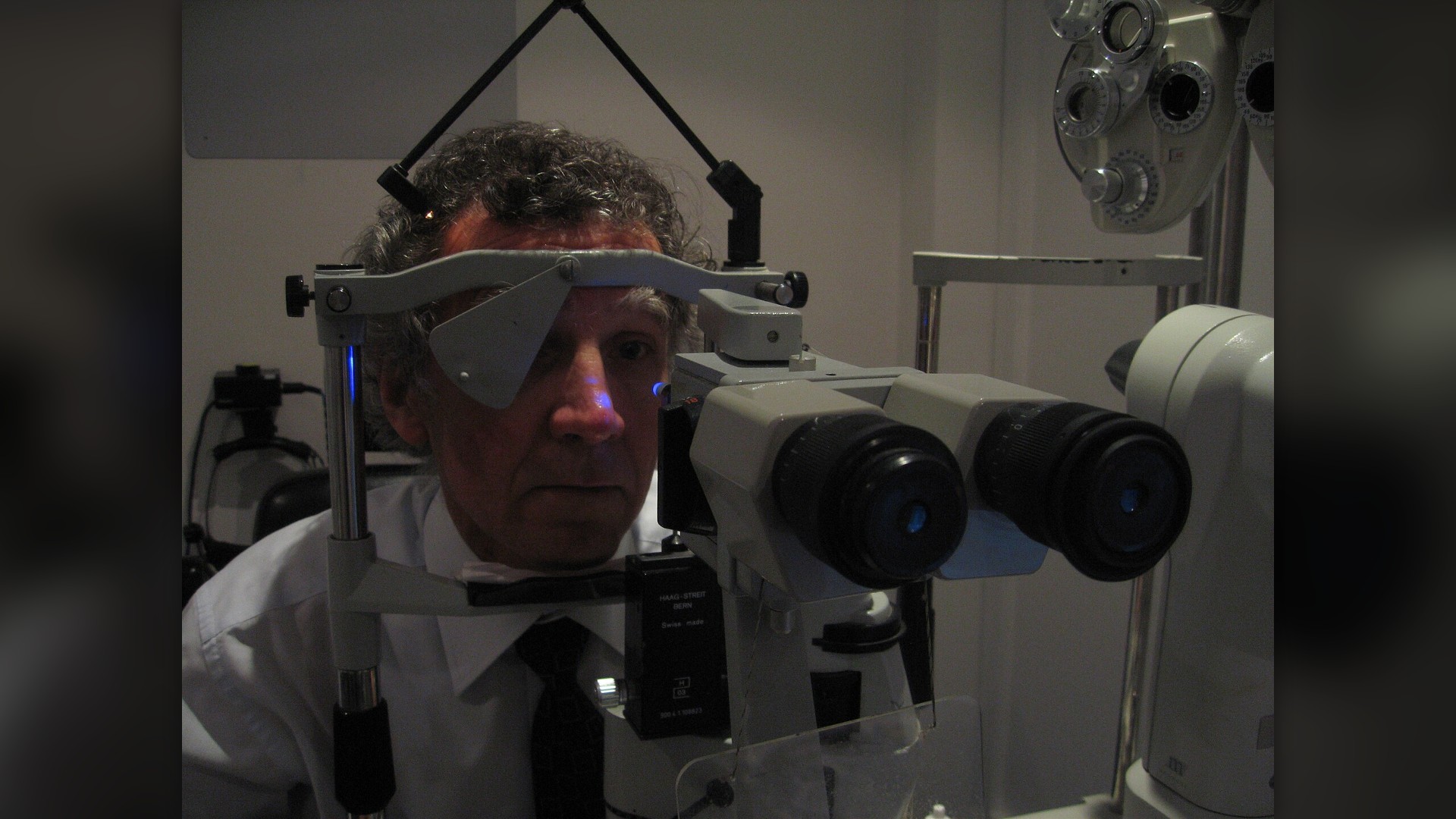
9. Intraocular Pressure Reduction
Brisk walking enhances aqueous humor outflow from the anterior eye chamber, reducing internal pressure. The American Academy of Ophthalmology notes that moderate aerobic exercise lowers intraocular pressure by 1 to 3 mm Hg for up to an hour post-exercise, protecting fragile retinal nerve fibers.
©Wikimedia / Intraocular pressure
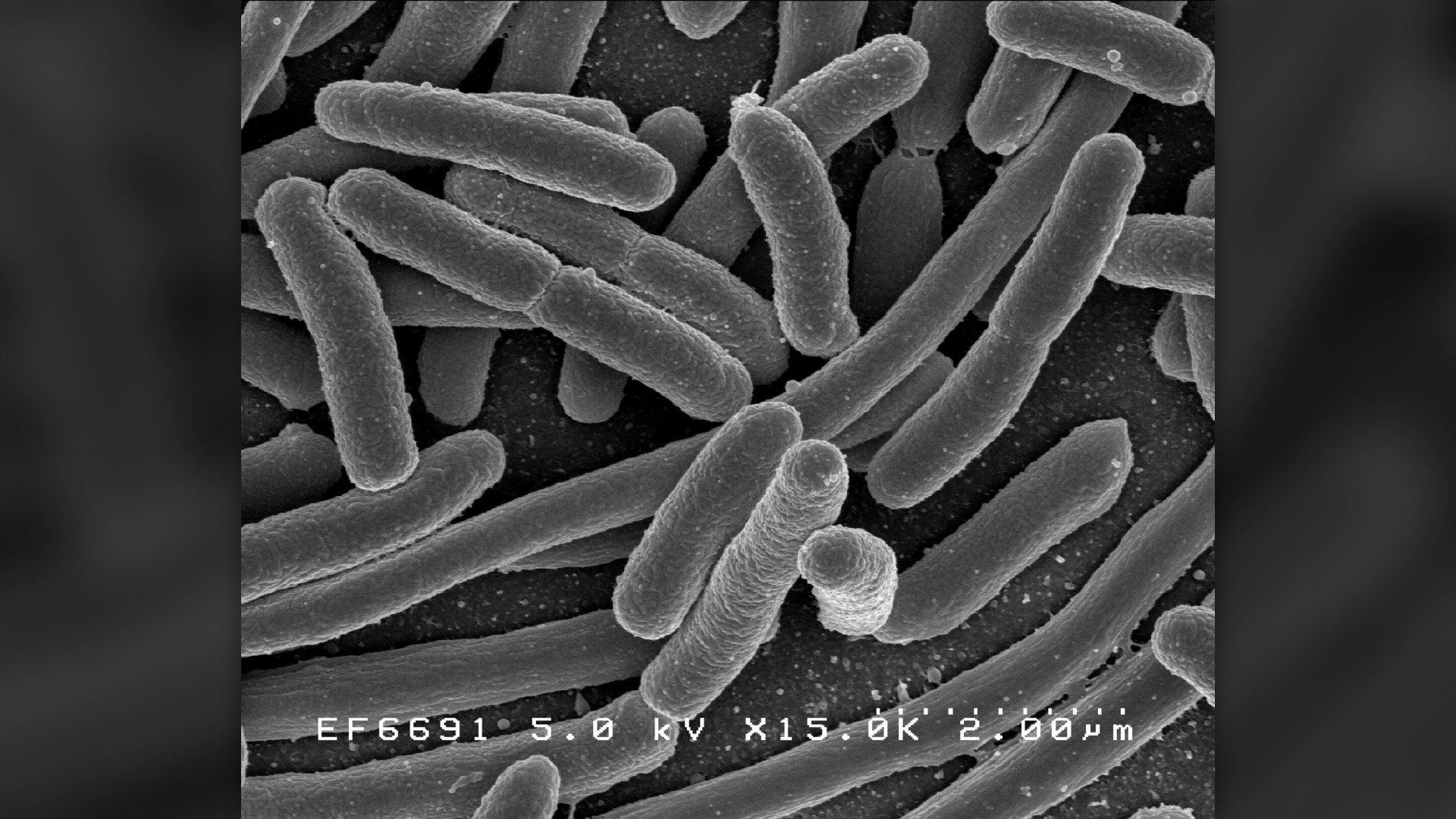
8. Gut Microbiome Diversity Growth
Mild cardio alters intestinal transit time and blood flow, encouraging colonization by beneficial strains like Faecalibacterium prausnitzii. Researchers at the University of Illinois found six weeks of daily walking raised butyrate-producing microbes that reduce gut inflammation.
©Wikimedia / Gut microbiota
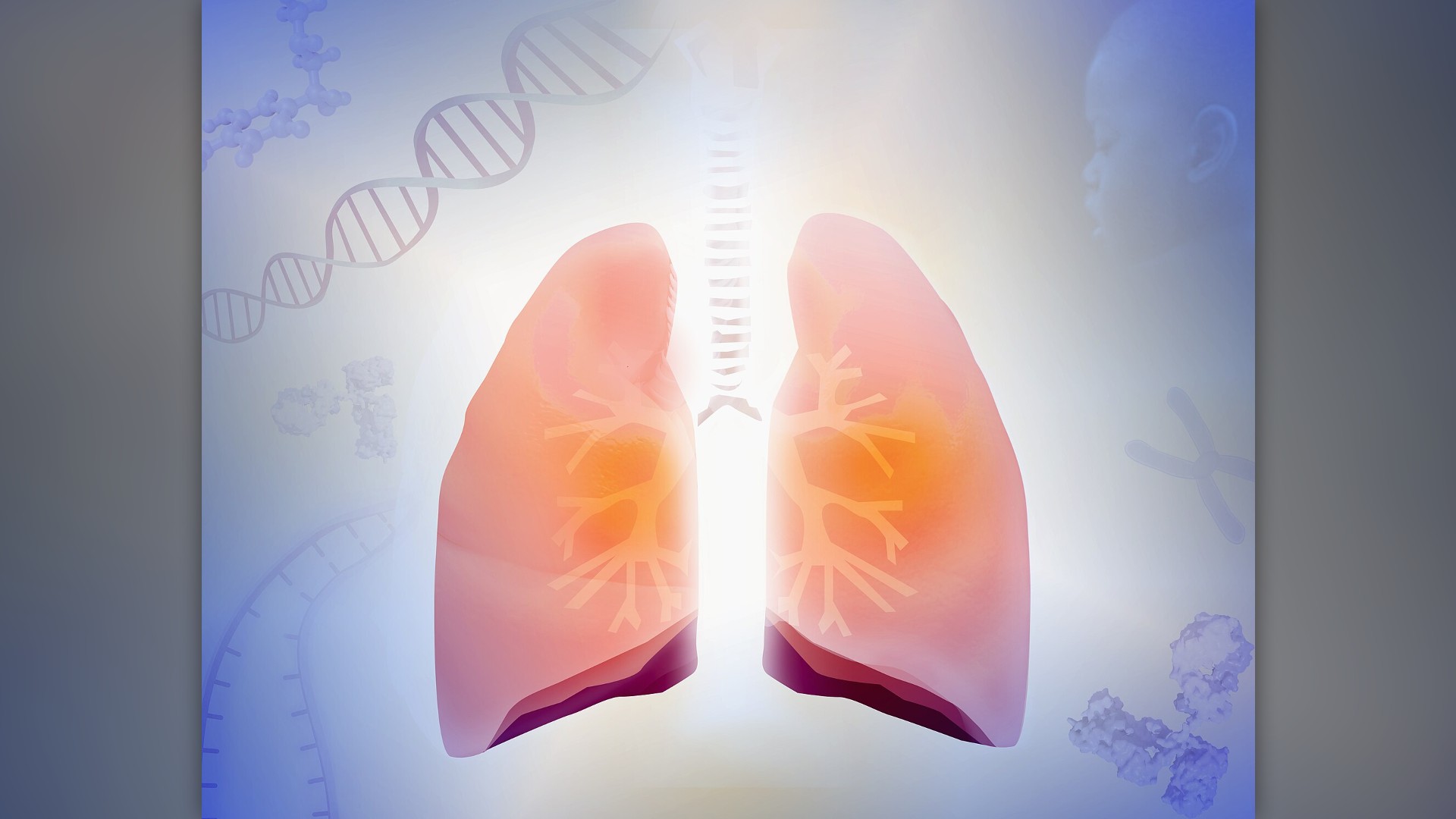
7. Alveolar Gas Exchange Expansion
During steady walking, pulmonary blood flow expands to fill previously collapsed capillary networks across upper lung lobes. This recruitment widens surface area for gas exchange, boosting systemic VO2 max. The American Lung Association recommends brisk walking to build vital respiratory reserve.
©Wikimedia / NIAID
6. Hippocampal Neurogenesis And BDNF
Aerobic walking raises brain-derived neurotrophic factor, a protein that promotes the survival and genesis of neurons in the hippocampus. University of Pittsburgh imaging trials revealed that one year of daily 30-minute walks enlarged hippocampal brain volume by two percent, reversing age-related decline.
©Pixabay / geralt
Advertisement
Swipe or tap ▶ to resume the countdown.
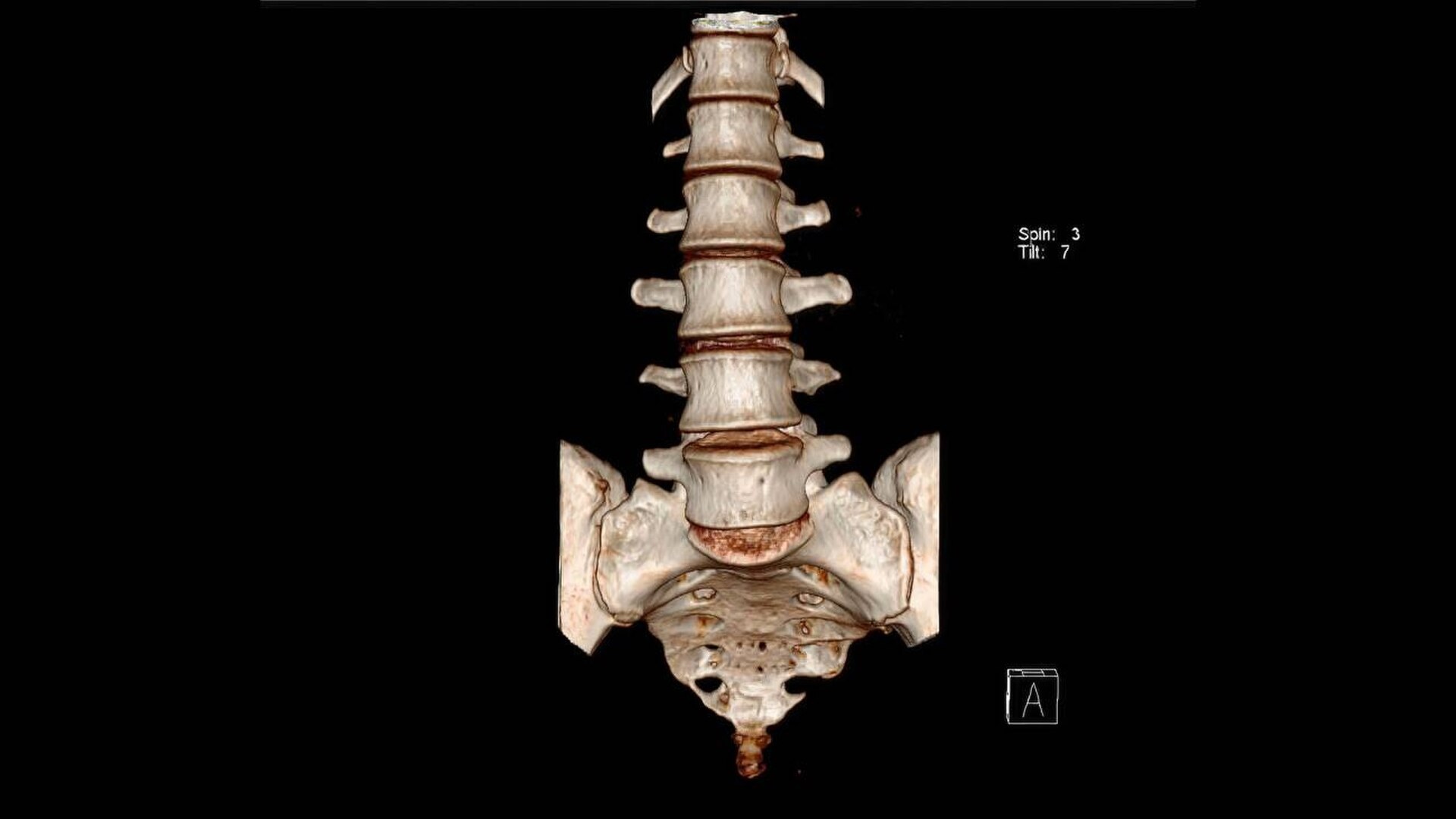
5. Posture Realignment And Spinal Decompression
Upright ambulation activates the multifidus and erector spinae muscles along the spine. Rhythmic stepping gently decompresses lumbar discs while reinforcing pelvic stability. The American Chiropractic Association reports that daily brisk walking significantly reduces mechanical lower back pain.
©Wikimedia / Goleisureintl
4. Peripheral Insulin Sensitivity Recovery
Muscular contractions deplete glycogen stores and burn intramyocellular lipid droplets, restoring insulin receptor function. In the landmark Diabetes Prevention Program trial, 150 minutes weekly of brisk walking, paired with modest dietary changes, cut progression to Type 2 diabetes by 58 percent.
©Wikimedia / Community College Bioscience
3. Systemic Blood Pressure Reduction
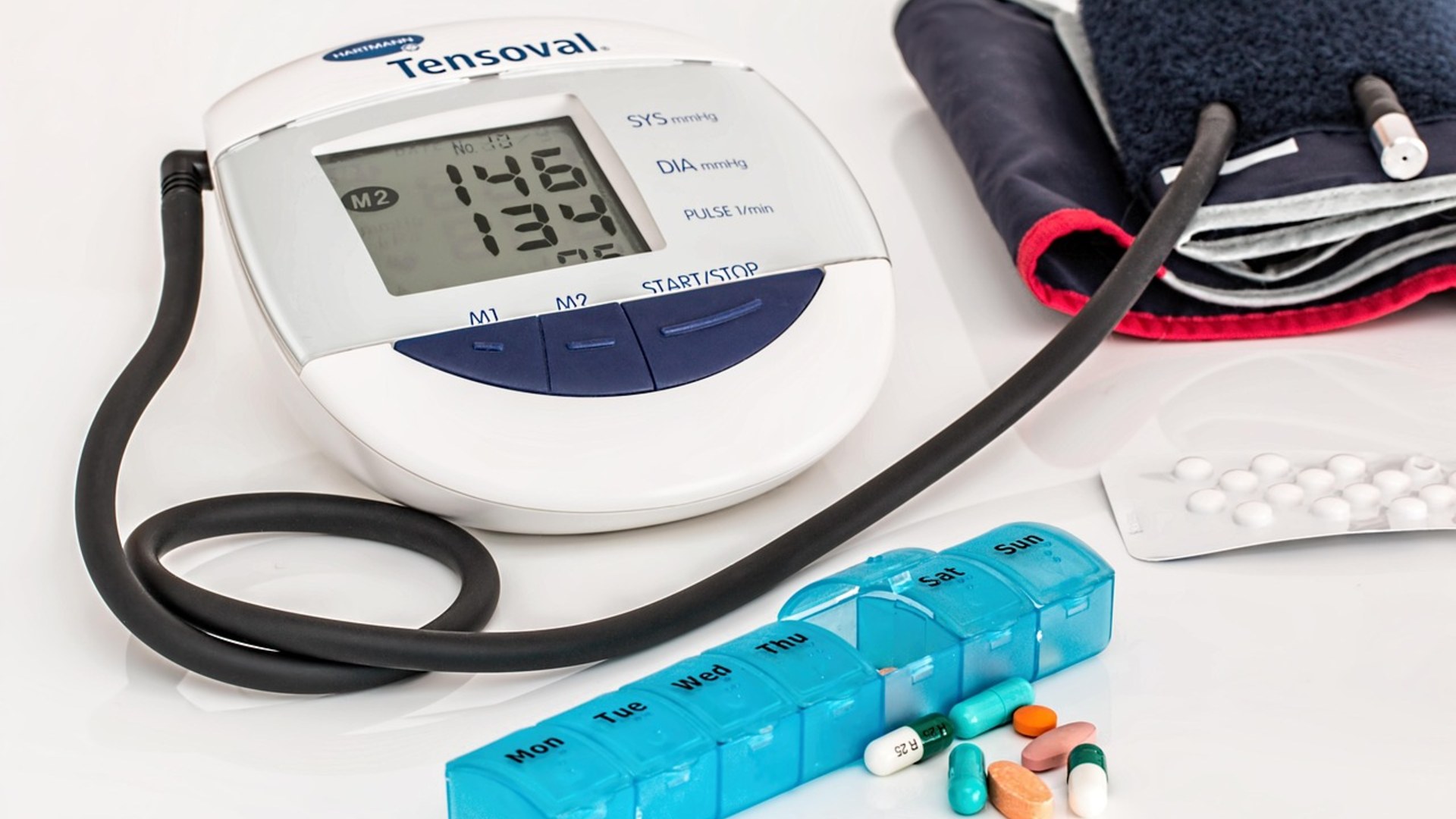
Post-exercise hypotension sets in after a 30-minute walk, keeping vascular resistance low for up to 22 hours. A meta-analysis in Hypertension found consistent daily walking reduces systolic blood pressure by an average of 4.1 mm Hg and diastolic by 1.8 mm Hg, rivaling primary anti-hypertensive drugs.
©Pixabay / stevepb
2. Lymphatic Fluid Drainage
Unlike blood, lymph fluid has no central heart to drive circulation, relying on body movement to squeeze one-way lymphatic vessels. Continuous stepping speeds lymphatic flow by up to fifteen-fold, draining interstitial cellular waste. Clinical physiologists recommend walking to reduce leg edema.
©Wikimedia / Laboratoires Servier
Advertisement
Swipe or tap ▶ to resume the countdown.
1. All-Cause Mortality Risk Cut
A Lancet Public Health meta-analysis of over 47,000 adults confirmed that reaching 6,000 to 10,000 daily steps cuts premature mortality risk by 40 to 53 percent. A 30-minute brisk walk adds roughly 3,500 steps, lifting sedentary individuals into this high-protection zone across all vital organs.

©Wikimedia / bluesbby from Mountain View, USA
Advertisement
You've reached the end of the story. Thanks for reading!

22 Everyday Foods and Drinks That Can Keep You Awake at Night
Caffeine is only one reason evening snacks disrupt rest. Drawing on USDA nutrient figures, FDA guidance and National Library of Medicine sleep studies, this gallery counts down 22 everyday foods and drinks whose stimulants, acids, tyramine or fluids trigger nighttime heartburn, alertness or bathroom trips.
All 20 Entries in this Story
20. Synovial Fluid Circulation
Cartilage lacks an internal blood supply, relying entirely on movement for nourishment. Walking compresses joint tissue, forcing synovial fluid through cartilage surfaces to deliver oxygen and sweep away debris. The Arthritis Foundation confirms 30 minutes daily eases chronic knee stiffness.

19. Gastric Motility And Intestinal Transit
A post-meal walk stimulates abdominal muscle contraction and parasympathetic tone, moving food through the gastrointestinal tract. Research in the World Journal of Gastroenterology shows 30 minutes of mild activity accelerates stomach emptying, easing bloating and curbing acid reflux.

18. Adenosine Buildup And Restorative Sleep
Physical exertion consumes cellular energy, generating adenosine in brain tissue to deepen slow-wave sleep. In a landmark Stanford Medicine trial published in JAMA, older adults engaging in regular moderate exercise cut sleep onset latency by roughly 15 minutes and gained 45 minutes of nightly rest.

17. Bone Mineral Density Preservation
Each foot strike delivers a mechanical impulse equal to 1.2 times body weight, stimulating osteoblasts to deposit fresh calcium into cortical bone. Harvard Health records that postmenopausal women walking 30 minutes daily cut their risk of hip fractures by 40 percent over ten years.

16. Endothelial Nitric Oxide Production
Increased blood flow exerts shear stress against the inner arterial lining, prompting endothelial cells to synthesize nitric oxide gas. This molecule signals vascular smooth muscle to relax, widening blood vessels. Clinical trials show this pathway improves arterial compliance within three weeks.

15. Natural Killer Immune Cell Mobilization
A 30-minute session mobilizes billions of natural killer cells and neutrophils from bone marrow into active circulation. Data from Appalachian State University found people who walked briskly 5 days a week suffered 43 percent fewer sick days from upper respiratory infections.

14. Cortisol Breakdown And Stress Reduction
Rhythmic, aerobic movement signals the adrenal glands to temper systemic cortisol production. Concurrently, sensory motor pathways stimulate beta-endorphin release, lifting mood. Mayo Clinic data indicates a 30-minute outdoor walk reduces perceived workplace anxiety by up to 28 percent.

13. Lipid Profile Optimization
Sustained walking activates lipoprotein lipase enzymes along capillary walls, clearing excess triglycerides from circulating blood. Clinical trials show daily walking typically raises protective HDL cholesterol by 3 to 6 percent while converting small, dense LDL particles into safer, buoyant forms.

12. Postprandial Blood Sugar Blunting
Contracting skeletal muscles activate GLUT4 transporter proteins independently of insulin, drawing glucose directly from the bloodstream. A trial in Sports Medicine established that a short brisk walk immediately after eating reduces postprandial glucose spikes by up to 17 percent.

11. Calf Muscle Venous Pumping
Deep veins in the lower legs rely on surrounding soleus muscles to move deoxygenated blood upward. Stepping contracts the calf muscle pump, forcing venous valves open and reducing pooling. Johns Hopkins Medicine notes this action cuts peripheral swelling and lowers deep vein thrombosis risk.

10. Resting Heart Rate And Vagal Tone
Regular brisk walking strengthens parasympathetic nerve activity while improving arterial elasticity. Enhanced vagal tone calms sympathetic output, allowing the myocardium to beat less frequently during quiet periods. British Heart Foundation data shows consistent walkers drop around 5 beats per minute.

9. Intraocular Pressure Reduction
Brisk walking enhances aqueous humor outflow from the anterior eye chamber, reducing internal pressure. The American Academy of Ophthalmology notes that moderate aerobic exercise lowers intraocular pressure by 1 to 3 mm Hg for up to an hour post-exercise, protecting fragile retinal nerve fibers.

8. Gut Microbiome Diversity Growth
Mild cardio alters intestinal transit time and blood flow, encouraging colonization by beneficial strains like Faecalibacterium prausnitzii. Researchers at the University of Illinois found six weeks of daily walking raised butyrate-producing microbes that reduce gut inflammation.

7. Alveolar Gas Exchange Expansion
During steady walking, pulmonary blood flow expands to fill previously collapsed capillary networks across upper lung lobes. This recruitment widens surface area for gas exchange, boosting systemic VO2 max. The American Lung Association recommends brisk walking to build vital respiratory reserve.

6. Hippocampal Neurogenesis And BDNF
Aerobic walking raises brain-derived neurotrophic factor, a protein that promotes the survival and genesis of neurons in the hippocampus. University of Pittsburgh imaging trials revealed that one year of daily 30-minute walks enlarged hippocampal brain volume by two percent, reversing age-related decline.

5. Posture Realignment And Spinal Decompression
Upright ambulation activates the multifidus and erector spinae muscles along the spine. Rhythmic stepping gently decompresses lumbar discs while reinforcing pelvic stability. The American Chiropractic Association reports that daily brisk walking significantly reduces mechanical lower back pain.

4. Peripheral Insulin Sensitivity Recovery
Muscular contractions deplete glycogen stores and burn intramyocellular lipid droplets, restoring insulin receptor function. In the landmark Diabetes Prevention Program trial, 150 minutes weekly of brisk walking, paired with modest dietary changes, cut progression to Type 2 diabetes by 58 percent.

3. Systemic Blood Pressure Reduction
Post-exercise hypotension sets in after a 30-minute walk, keeping vascular resistance low for up to 22 hours. A meta-analysis in Hypertension found consistent daily walking reduces systolic blood pressure by an average of 4.1 mm Hg and diastolic by 1.8 mm Hg, rivaling primary anti-hypertensive drugs.

2. Lymphatic Fluid Drainage
Unlike blood, lymph fluid has no central heart to drive circulation, relying on body movement to squeeze one-way lymphatic vessels. Continuous stepping speeds lymphatic flow by up to fifteen-fold, draining interstitial cellular waste. Clinical physiologists recommend walking to reduce leg edema.

1. All-Cause Mortality Risk Cut
A Lancet Public Health meta-analysis of over 47,000 adults confirmed that reaching 6,000 to 10,000 daily steps cuts premature mortality risk by 40 to 53 percent. A 30-minute brisk walk adds roughly 3,500 steps, lifting sedentary individuals into this high-protection zone across all vital organs.