Slideshow · Viral
25 Everyday Tasks AI Already Does Better Than Any Human
How Smart Algorithms Quietly Outperform Us on Daily Routine Chores

By Most Viral Today
27 Oct 2026

25 Everyday Tasks AI Already Does Better Than Any Human 
25. Subscription Tracking 
24. Trip Itinerary Mapping 
23. Home Maintenance Reminders - AdvertisementSwipe or tap ▶ to continue countdown

22. Text To-Speech Audiobook Generation 
21. Email Sorting 
20. Dictation Typing 
19. Gift Idea Brainstorming - AdvertisementSwipe or tap ▶ to continue countdown

18. Pronunciation Feedback 
17. Package Delivery Estimating 
16. Plant Disease Diagnosis 
15. Smart Alarm Management - AdvertisementSwipe or tap ▶ to continue countdown

14. Drafting Routine Correspondence 
13. Playlist Recommendation 
12. Price Comparison 
11. Personalised Workout Scaling - AdvertisementSwipe or tap ▶ to continue countdown

10. Budget Categorisation 
9. Audio Transcribing 
8. Calendar Scheduling 
7. Document Summarisation - AdvertisementSwipe or tap ▶ to continue countdown

6. Smart Home Climate Control 
5. Meal Planning From Leftovers 
4. Route Optimisation 
3. Language Translation - AdvertisementSwipe or tap ▶ to continue countdown

2. Grammar And Spell Checking 
1. Spam Filtering - Advertisement🔥 UP NEXT IN THIS SERIES◫ 21 Slides

20 Iconic Historical Photos and the Archive Clues Behind Them
Contact sheets, cracked glass plates, and NASA mission logs preserve the hidden steps behind 20 famous photographs. Drawing on records from the Library of Congress, the National Archives, NASA, and the Smithsonian, this countdown traces how cropping, camera setups, and double exposures shaped each frame.
Most people picture artificial intelligence as humanoid robots or complex science projects. In reality, machine learning already runs dozens of mundane chores on your phone, laptop, and home devices faster and more accurately than any person could.
Swipe or tap ▶ to begin the countdown
©Wikimedia / Wikimedia Contributor & Pixabay / ColiN00B
25. Subscription Tracking
Free trials and small monthly memberships easily get buried in bank statements. Financial AI tools scan years of digital receipts and card activity in seconds, spotting duplicate billing, silent fee increases, and unused streaming accounts before the next renewal date hits.
©Pixabay / AS_Photography
24. Trip Itinerary Mapping
Planning a multi-stop city break by hand often leads to wasted hours zig-zagging across town on subways or buses. AI travel planners solve this classic routing puzzle instantly, grouping nearby landmarks by neighbourhood and opening hours so you spend your trip exploring instead of commuting.
©Pixabay / piviso
23. Home Maintenance Reminders
Most homeowners only remember to service a boiler or replace an air filter after an appliance breaks down. Connected home sensors track actual run-time hours, local air quality, and seasonal weather loads to alert you right before parts wear out, preventing expensive emergency repairs.
©Pixabay / IqbalStock
Advertisement
Swipe or tap ▶ to resume the countdown.
22. Text To-Speech Audiobook Generation
Old computer voices sounded flat and robotic, making long reports painful to hear. Modern neural speech models read punctuation, context, and sentence structure to produce warm, human-sounding narration, turning any 50-page work PDF or web article into a personal podcast for your commute.
©Wikimedia / Vu Hoang
21. Email Sorting
Sorting through hundreds of daily newsletters, store receipts, and urgent work threads manually drains focus every morning. Inbox classifiers evaluate sender history, subject lines, and which messages you actually open to keep important human emails front and center.
©Pixabay / diedryreyes3456
20. Dictation Typing
The average office worker types around 40 words per minute, while natural speech easily reaches 150 words per minute. AI voice dictation captures your spoken thoughts at full speed, inserting punctuation and fixing homophones on the fly as you talk to your phone or computer.
©Pixabay / Pexels Studio
19. Gift Idea Brainstorming
Shopping for a relative who loves sourdough baking, vintage cycling, and mystery novels can leave you staring at a blank search bar. AI assistants combine multiple quirky interests with a strict price cap in seconds, suggesting tailored presents you would never think to search for alone.
©Pixabay / blickpixel
Advertisement
Swipe or tap ▶ to resume the countdown.
18. Pronunciation Feedback
Practising a new language alone often means repeating the same vowel or stress mistake without realising it. Speech-coaching apps break your voice down syllable by syllable, pinpointing exact tongue placement and intonation errors on screen with endless patience at any hour of the night.
©Pixabay / Anilsharma26
17. Package Delivery Estimating
Gone are the days of waiting home from 8 a.m. to 8 p.m. for a parcel. Logistics algorithms combine live van GPS coordinates, remaining stops on the driver's route, local roadworks, and average walking times from kerb to doorstep to narrow your delivery window down to minutes.
©Pixabay / Tumisu
16. Plant Disease Diagnosis
To an untrained eye, overwatering, root rot, and nitrogen deficiency all look like the same yellowing leaf. Computer vision models trained on millions of botanical images spot subtle fungal spots, spider mites, or sunburn from one phone snapshot and tell you how to save the plant.
©Pixabay / DomPixabay
15. Smart Alarm Management
A standard alarm clock blasts at a fixed minute even if your brain is in the middle of deep restorative sleep, leaving you groggy for hours. Smart alarms use watch sensors or bedroom microphones to detect subtle movement shifts, chiming gently during your lightest sleep phase.
©Pixabay / geralt
Advertisement
Swipe or tap ▶ to resume the countdown.
14. Drafting Routine Correspondence
People often agonise for 20 minutes over a three-sentence message disputing a landlord charge, requesting a refund, or calling in sick. AI writing tools strip out the emotional stress and produce calm, firm, well-structured notes that get results without sounding confrontational.
©Pixabay / StartupStockPhotos
13. Playlist Recommendation
No human DJ could compare your late-night song skips against the listening patterns of 500 million other music fans. Audio recommendation engines analyse tempo, acoustic energy, chord progressions, and user overlap to surface obscure tracks that match your exact mood on any given day.
©Pixabay / Firmbee
12. Price Comparison
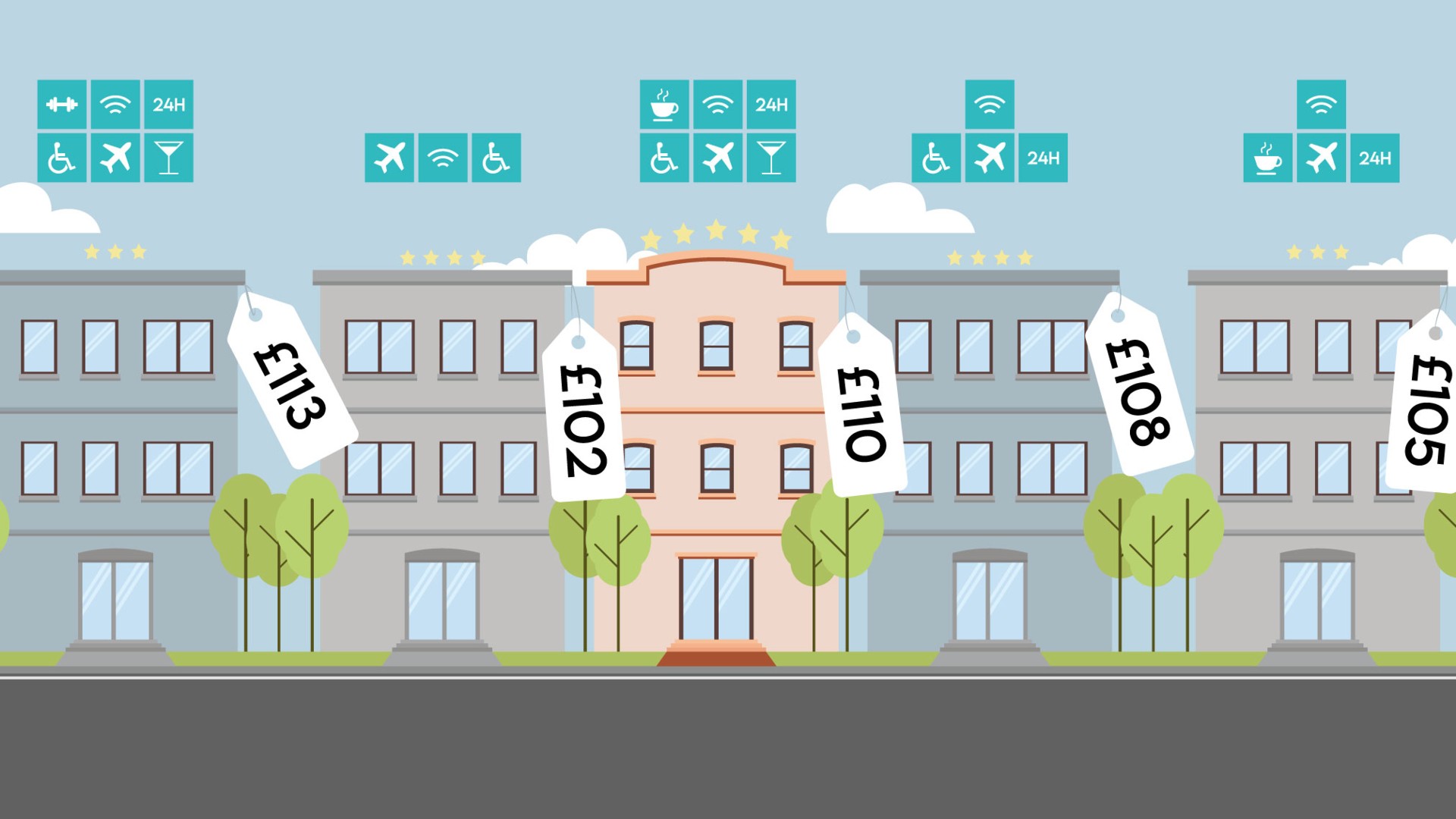
Checking a dozen browser tabs still misses regional retailers, bundle discounts, and historical price drops. Shopping algorithms monitor millions of product listings, shipping fees, and working coupon codes in real time, telling you whether to buy now or wait for a seasonal sale.
©Wikimedia / Familydestinationsguide.com Images
11. Personalised Workout Scaling
Sticking blindly to a printed training plan after a terrible night of sleep is a fast track to injury or burnout. AI fitness coaches read your overnight heart-rate variability, resting pulse, and recent training load from your watch to dial today's reps or running pace up or down.
©Pixabay / fancycrave1
Advertisement
Swipe or tap ▶ to resume the countdown.
10. Budget Categorisation
Logging every coffee, train ticket, and supermarket bill into a spreadsheet by hand is so tedious that most people quit by mid-month. Modern banking AI decodes cryptic merchant codes on your statement and groups every purchase into groceries, utilities, or dining automatically.
©Pixabay / stevepb
9. Audio Transcribing
A professional human transcriptionist typically needs four hours to type out a single hour of recorded interviews or lecture audio. Speech-to-text models process that same hour-long recording in less than a minute, separating different speakers and adding clickable time stamps.
©Pixabay / ClickerHappy
8. Calendar Scheduling
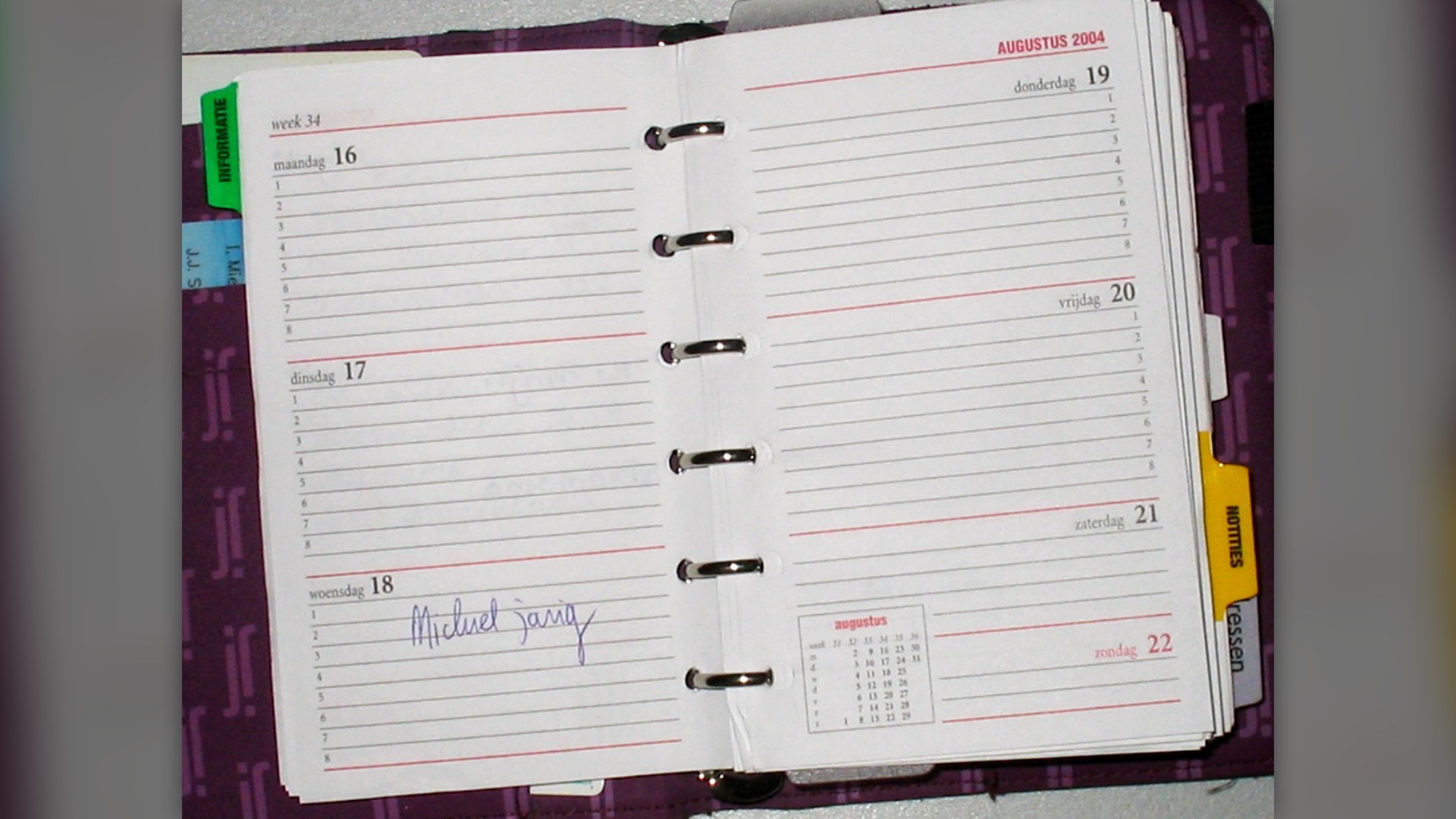
Trying to book a 30-minute call across five busy colleagues in three time zones can trigger a dozen back-and-forth messages. AI scheduling assistants cross-check everyone's availability, buffer times, and focus blocks simultaneously to lock in the best slot on the first try.
©Wikimedia / M.Minderhoud
7. Document Summarisation
Almost nobody reads a 90-page software licence, mortgage disclosure, or quarterly report from cover to cover. Language models digest tens of thousands of words in seconds, extracting key obligations, cancellation penalties, and action items so you can spot the fine print right away.
©Wikimedia / Blogtrepreneur
Advertisement
Swipe or tap ▶ to resume the countdown.
6. Smart Home Climate Control
People constantly forget to turn the heating down before leaving for work or crank the cooling too high when returning home. Learning thermostats track when rooms are occupied, check incoming weather fronts, and pre-warm or cool your house using the least energy possible.
©Wikimedia / Shixart1985
5. Meal Planning From Leftovers
Staring at half a bell pepper, two eggs, wilted spinach, and a jar of capers at 7 p.m. usually ends in an expensive takeaway order. AI kitchen tools take a quick photo or list of whatever is left on your shelves and build step-by-step dinner recipes that use up every ingredient.
©Wikimedia / Alabama Extension
4. Route Optimisation
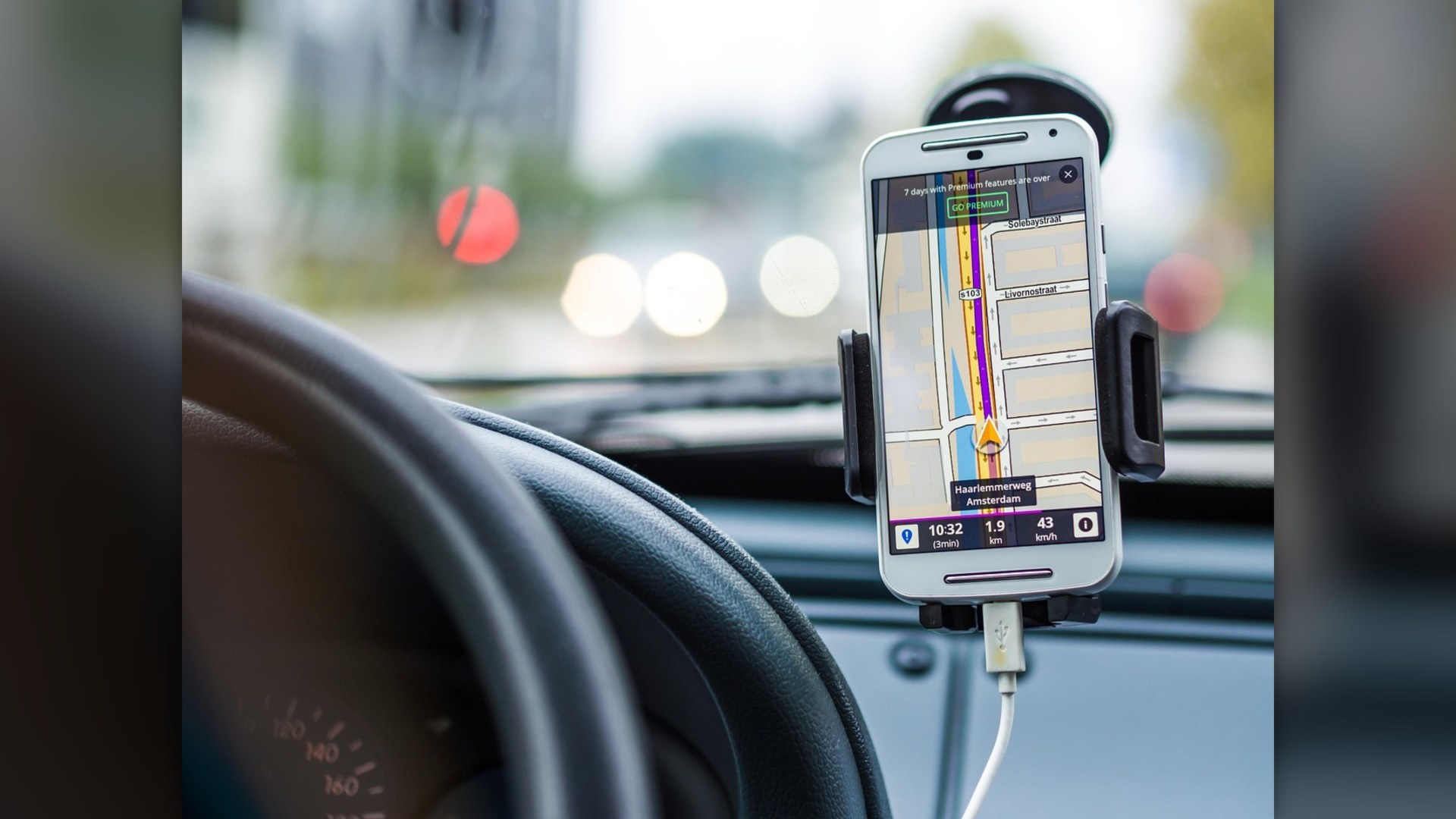
Even a veteran taxi driver only knows what traffic looks like on the street directly ahead. Navigation AI ingests anonymised speed data from millions of phones, accident reports, and historical road bottlenecks at once, rerouting you around gridlock before you ever see brake lights.
©Pixabay / DariuszSankowski
3. Language Translation
Looking up foreign menus, train signs, or business emails word by word in a pocket dictionary used to take ages. Neural translation engines process whole sentences across more than 100 languages instantly, preserving local idioms and technical terms at superhuman speed.
©Pixabay / libellule789
Advertisement
Swipe or tap ▶ to resume the countdown.
2. Grammar And Spell Checking
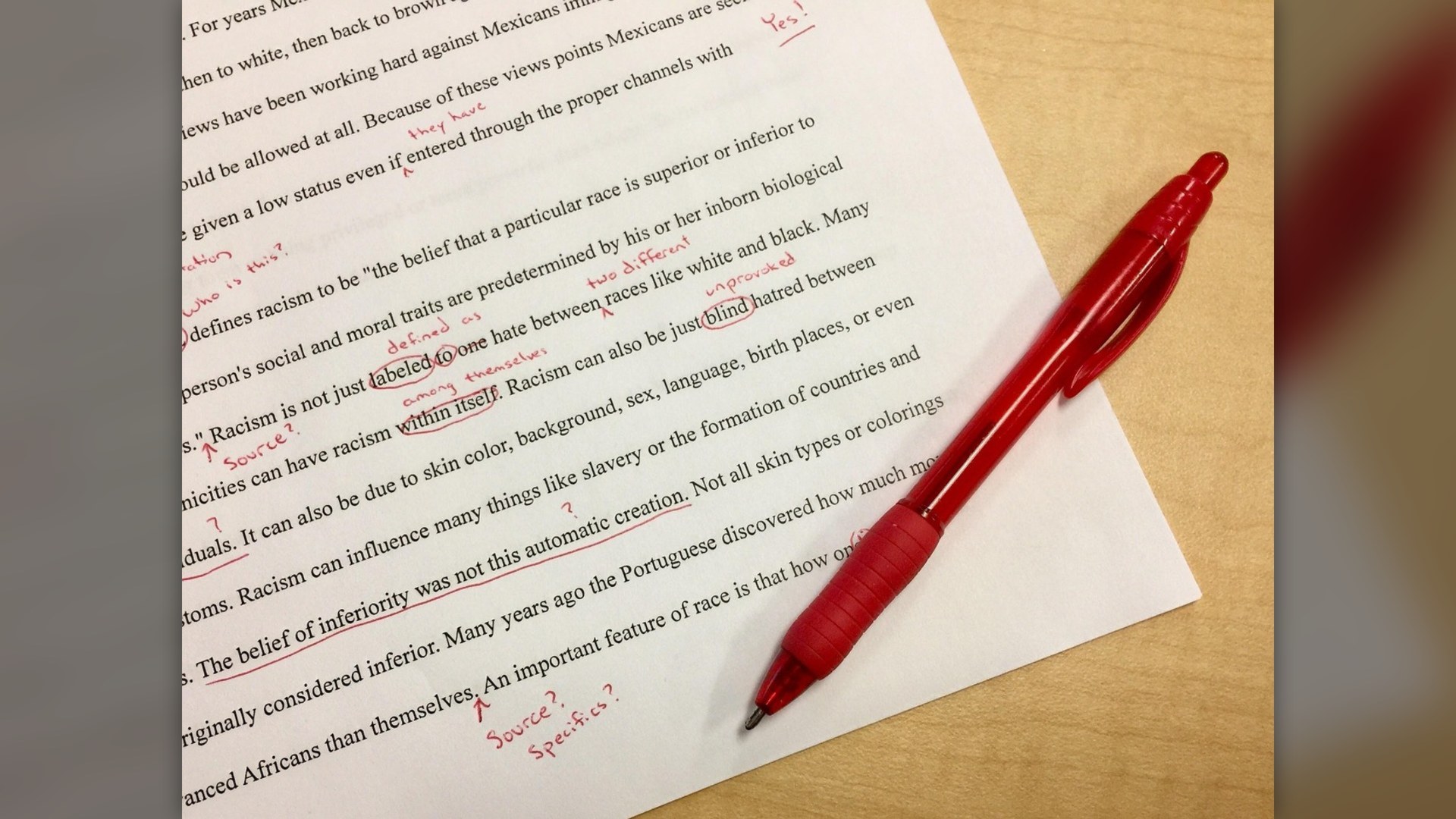
Human brains naturally skim over their own writing mistakes because we read what we meant to type rather than what is on the page. AI proofreaders scan entire reports in a blink, flagging misplaced commas, clumsy passive phrasing, and accidental shifts in tone with zero fatigue.
©Pixabay / annekarakash
1. Spam Filtering
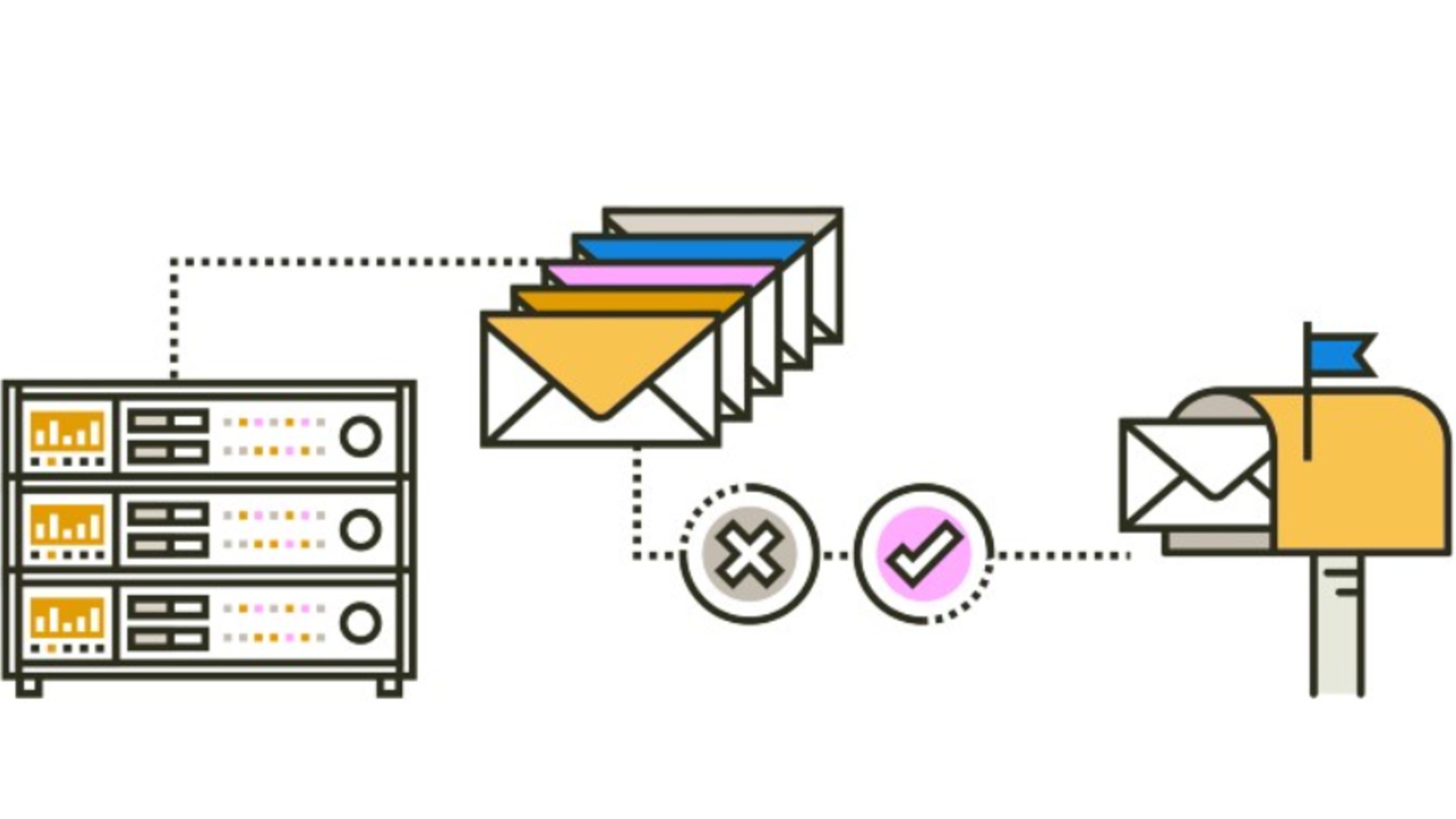
Without AI guarding your inbox, legitimate messages would drown beneath billions of daily phishing lures, malware attachments, and scam offers. Machine learning filters inspect sender reputation, hidden code, and phrasing anomalies in milliseconds, stopping over 99.9% of spam automatically.

©Wikimedia / Cloud-hosted spam filter
Advertisement
You've reached the end of the story. Thanks for reading!

20 Iconic Historical Photos and the Archive Clues Behind Them
Contact sheets, cracked glass plates, and NASA mission logs preserve the hidden steps behind 20 famous photographs. Drawing on records from the Library of Congress, the National Archives, NASA, and the Smithsonian, this countdown traces how cropping, camera setups, and double exposures shaped each frame.
All 25 Entries in this Story
25. Subscription Tracking
Free trials and small monthly memberships easily get buried in bank statements. Financial AI tools scan years of digital receipts and card activity in seconds, spotting duplicate billing, silent fee increases, and unused streaming accounts before the next renewal date hits.

24. Trip Itinerary Mapping
Planning a multi-stop city break by hand often leads to wasted hours zig-zagging across town on subways or buses. AI travel planners solve this classic routing puzzle instantly, grouping nearby landmarks by neighbourhood and opening hours so you spend your trip exploring instead of commuting.

23. Home Maintenance Reminders
Most homeowners only remember to service a boiler or replace an air filter after an appliance breaks down. Connected home sensors track actual run-time hours, local air quality, and seasonal weather loads to alert you right before parts wear out, preventing expensive emergency repairs.

22. Text To-Speech Audiobook Generation
Old computer voices sounded flat and robotic, making long reports painful to hear. Modern neural speech models read punctuation, context, and sentence structure to produce warm, human-sounding narration, turning any 50-page work PDF or web article into a personal podcast for your commute.

21. Email Sorting
Sorting through hundreds of daily newsletters, store receipts, and urgent work threads manually drains focus every morning. Inbox classifiers evaluate sender history, subject lines, and which messages you actually open to keep important human emails front and center.

20. Dictation Typing
The average office worker types around 40 words per minute, while natural speech easily reaches 150 words per minute. AI voice dictation captures your spoken thoughts at full speed, inserting punctuation and fixing homophones on the fly as you talk to your phone or computer.

19. Gift Idea Brainstorming
Shopping for a relative who loves sourdough baking, vintage cycling, and mystery novels can leave you staring at a blank search bar. AI assistants combine multiple quirky interests with a strict price cap in seconds, suggesting tailored presents you would never think to search for alone.

18. Pronunciation Feedback
Practising a new language alone often means repeating the same vowel or stress mistake without realising it. Speech-coaching apps break your voice down syllable by syllable, pinpointing exact tongue placement and intonation errors on screen with endless patience at any hour of the night.

17. Package Delivery Estimating
Gone are the days of waiting home from 8 a.m. to 8 p.m. for a parcel. Logistics algorithms combine live van GPS coordinates, remaining stops on the driver's route, local roadworks, and average walking times from kerb to doorstep to narrow your delivery window down to minutes.

16. Plant Disease Diagnosis
To an untrained eye, overwatering, root rot, and nitrogen deficiency all look like the same yellowing leaf. Computer vision models trained on millions of botanical images spot subtle fungal spots, spider mites, or sunburn from one phone snapshot and tell you how to save the plant.

15. Smart Alarm Management
A standard alarm clock blasts at a fixed minute even if your brain is in the middle of deep restorative sleep, leaving you groggy for hours. Smart alarms use watch sensors or bedroom microphones to detect subtle movement shifts, chiming gently during your lightest sleep phase.

14. Drafting Routine Correspondence
People often agonise for 20 minutes over a three-sentence message disputing a landlord charge, requesting a refund, or calling in sick. AI writing tools strip out the emotional stress and produce calm, firm, well-structured notes that get results without sounding confrontational.

13. Playlist Recommendation
No human DJ could compare your late-night song skips against the listening patterns of 500 million other music fans. Audio recommendation engines analyse tempo, acoustic energy, chord progressions, and user overlap to surface obscure tracks that match your exact mood on any given day.

12. Price Comparison
Checking a dozen browser tabs still misses regional retailers, bundle discounts, and historical price drops. Shopping algorithms monitor millions of product listings, shipping fees, and working coupon codes in real time, telling you whether to buy now or wait for a seasonal sale.

11. Personalised Workout Scaling
Sticking blindly to a printed training plan after a terrible night of sleep is a fast track to injury or burnout. AI fitness coaches read your overnight heart-rate variability, resting pulse, and recent training load from your watch to dial today's reps or running pace up or down.

10. Budget Categorisation
Logging every coffee, train ticket, and supermarket bill into a spreadsheet by hand is so tedious that most people quit by mid-month. Modern banking AI decodes cryptic merchant codes on your statement and groups every purchase into groceries, utilities, or dining automatically.

9. Audio Transcribing
A professional human transcriptionist typically needs four hours to type out a single hour of recorded interviews or lecture audio. Speech-to-text models process that same hour-long recording in less than a minute, separating different speakers and adding clickable time stamps.

8. Calendar Scheduling
Trying to book a 30-minute call across five busy colleagues in three time zones can trigger a dozen back-and-forth messages. AI scheduling assistants cross-check everyone's availability, buffer times, and focus blocks simultaneously to lock in the best slot on the first try.

7. Document Summarisation
Almost nobody reads a 90-page software licence, mortgage disclosure, or quarterly report from cover to cover. Language models digest tens of thousands of words in seconds, extracting key obligations, cancellation penalties, and action items so you can spot the fine print right away.

6. Smart Home Climate Control
People constantly forget to turn the heating down before leaving for work or crank the cooling too high when returning home. Learning thermostats track when rooms are occupied, check incoming weather fronts, and pre-warm or cool your house using the least energy possible.

5. Meal Planning From Leftovers
Staring at half a bell pepper, two eggs, wilted spinach, and a jar of capers at 7 p.m. usually ends in an expensive takeaway order. AI kitchen tools take a quick photo or list of whatever is left on your shelves and build step-by-step dinner recipes that use up every ingredient.

4. Route Optimisation
Even a veteran taxi driver only knows what traffic looks like on the street directly ahead. Navigation AI ingests anonymised speed data from millions of phones, accident reports, and historical road bottlenecks at once, rerouting you around gridlock before you ever see brake lights.

3. Language Translation
Looking up foreign menus, train signs, or business emails word by word in a pocket dictionary used to take ages. Neural translation engines process whole sentences across more than 100 languages instantly, preserving local idioms and technical terms at superhuman speed.

2. Grammar And Spell Checking
Human brains naturally skim over their own writing mistakes because we read what we meant to type rather than what is on the page. AI proofreaders scan entire reports in a blink, flagging misplaced commas, clumsy passive phrasing, and accidental shifts in tone with zero fatigue.

1. Spam Filtering
Without AI guarding your inbox, legitimate messages would drown beneath billions of daily phishing lures, malware attachments, and scam offers. Machine learning filters inspect sender reputation, hidden code, and phrasing anomalies in milliseconds, stopping over 99.9% of spam automatically.