Slideshow · Science
25 Famous Archaeological Treasures Ever Unearthed Around the World
Archaeologists have pulled royal burial masks, sunken bronze computers, and carved law steles from tombs, bogs, and shipwrecks worldwide. Based on records from the British Museum, the Louvre, and national collections in Athens, Berlin, and Cairo, these 25 finds transformed how historians read the ancient past.
By Most Viral Today
15 min agopitch:2a6af2f3-67d8-4f67-9b10-20ba458d6c40

From Ancient Gold Masks to Lost Civilizations Underground 
25. Vindolanda Tablets 
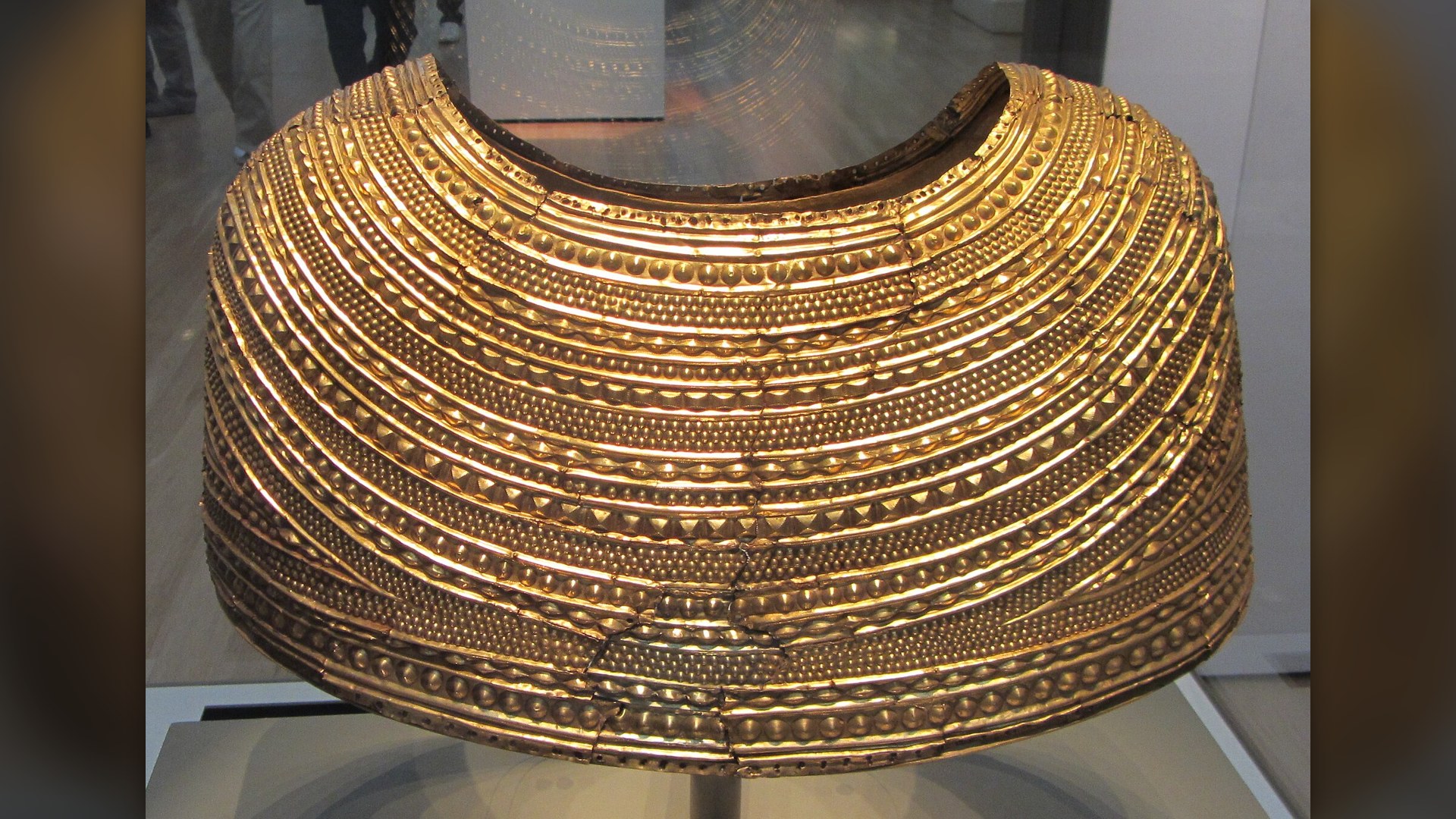
24. Mold Gold Cape 
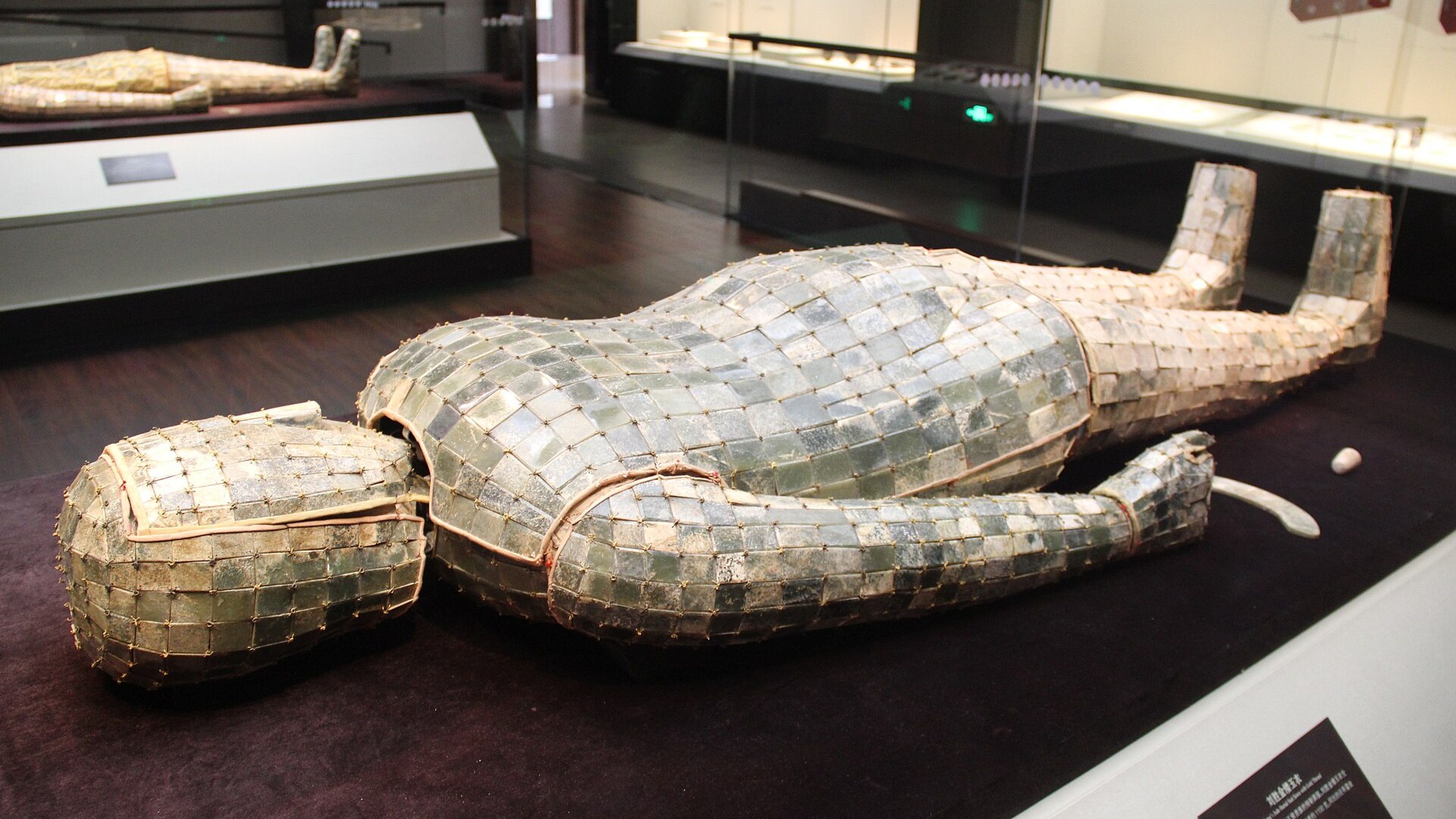
23. Jade Burial Suit Of Liu Sheng - AdvertisementSwipe or tap ▶ to continue countdown

22. Battersea Shield 
21. Gundestrup Cauldron 
20. Hoxne Hoard 
19. Lycurgus Cup - AdvertisementSwipe or tap ▶ to continue countdown

18. Phaistos Disc 
17. Nebra Sky Disc 
16. Venus Of Willendorf 
15. Standard Of Ur - AdvertisementSwipe or tap ▶ to continue countdown

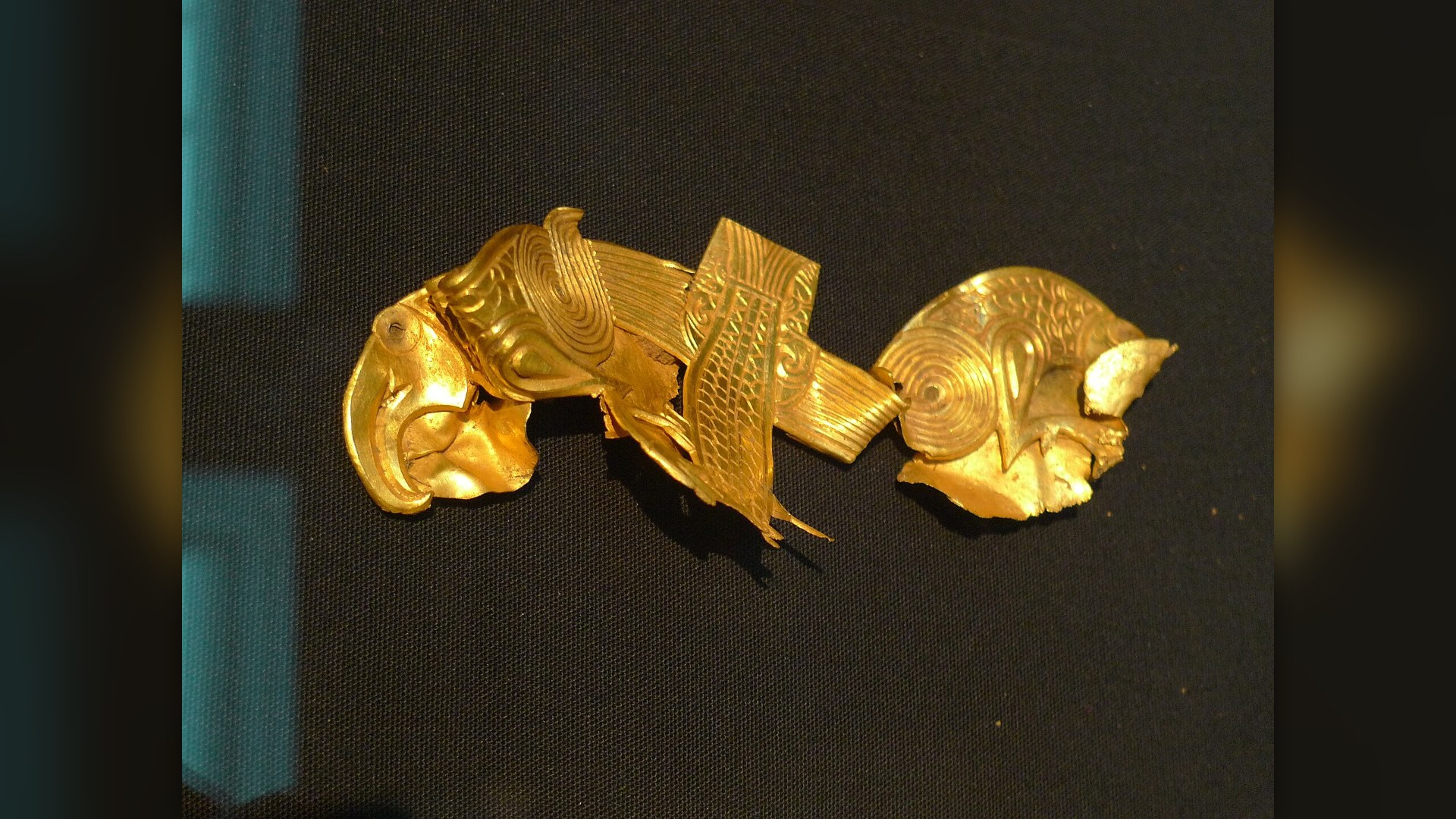
14. Staffordshire Hoard 
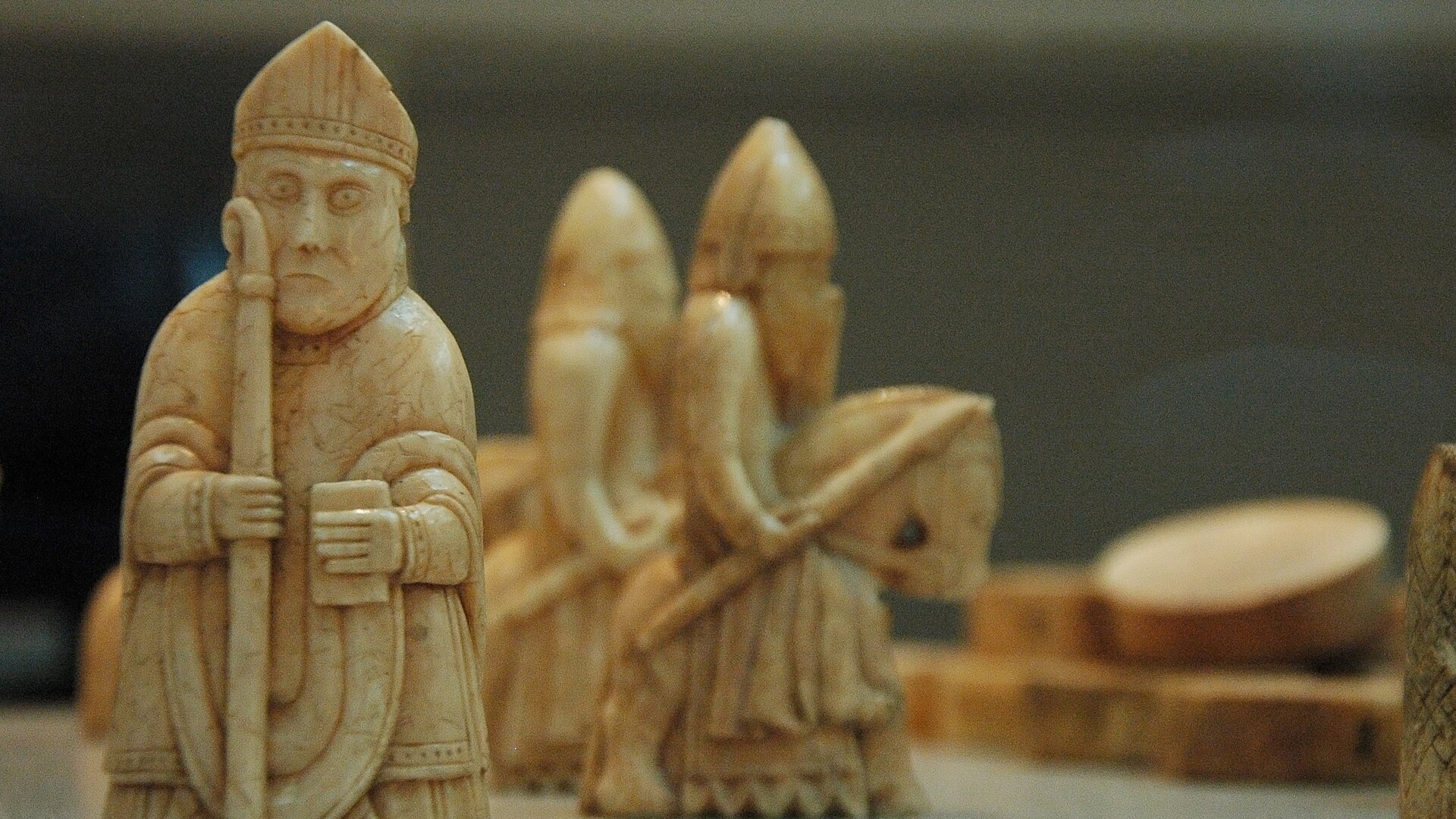
13. Lewis Chessmen 
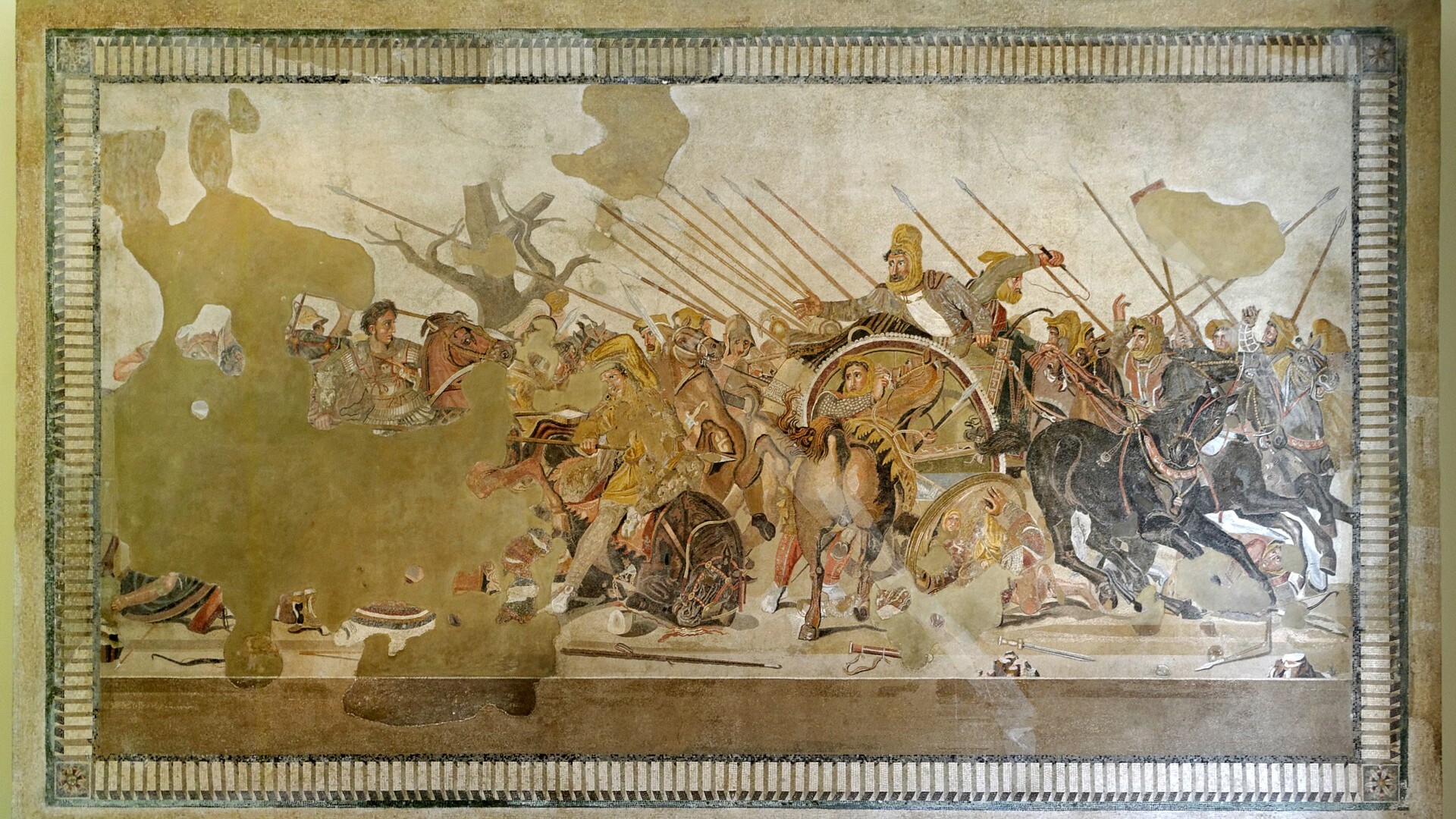
12. Alexander Mosaic 
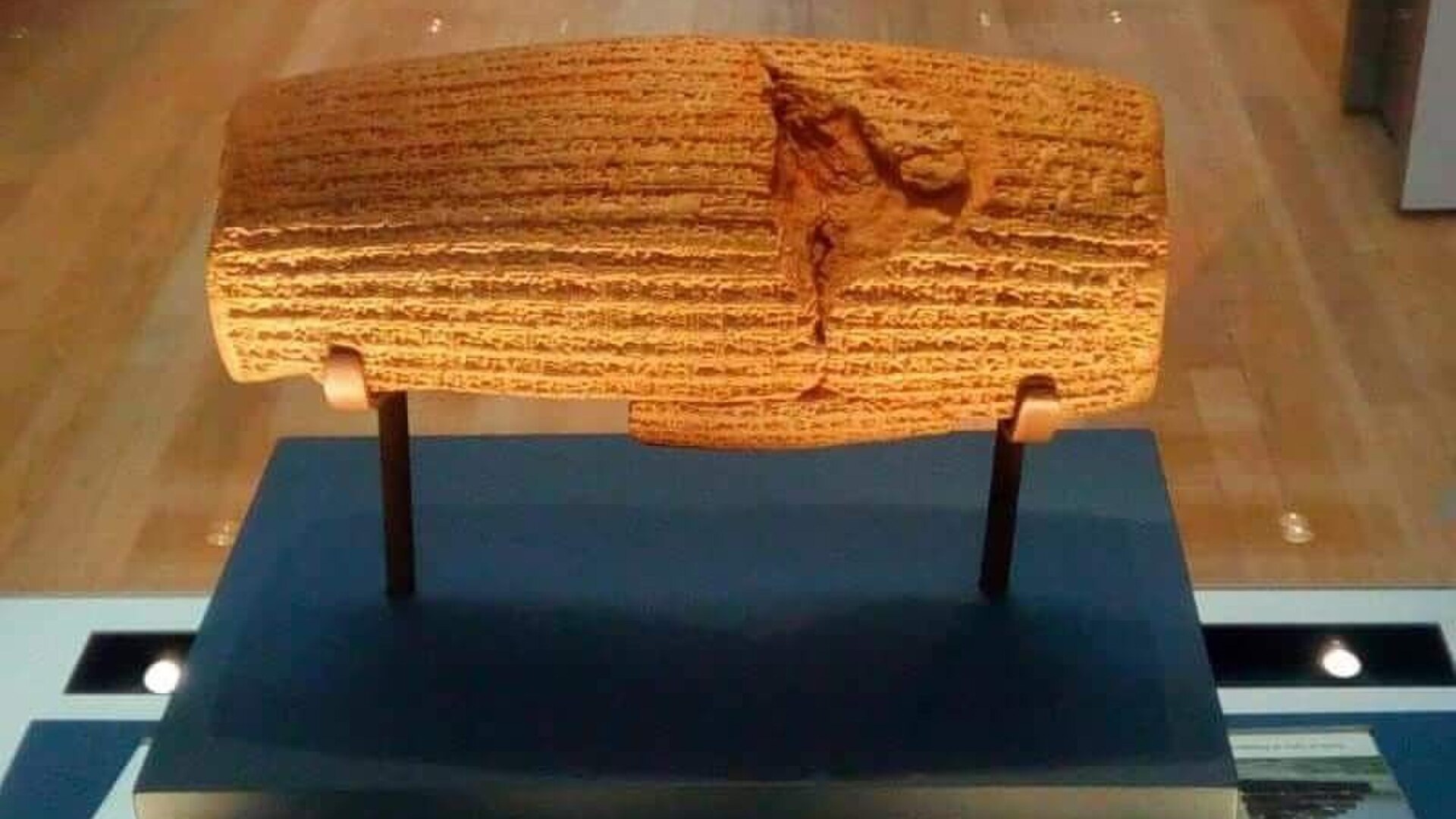
11. Cyrus Cylinder - AdvertisementSwipe or tap ▶ to continue countdown

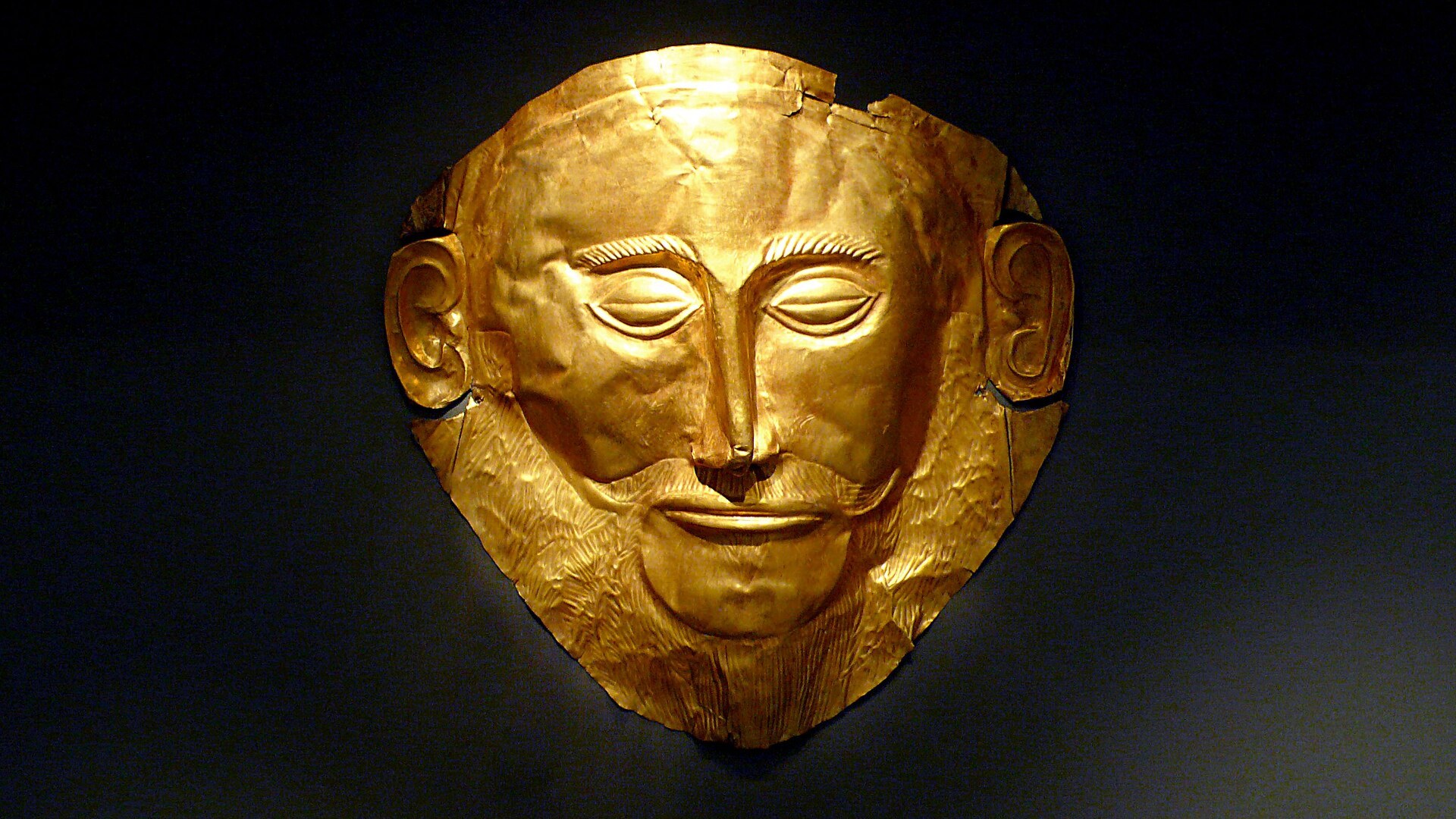
10. Mask Of Agamemnon 
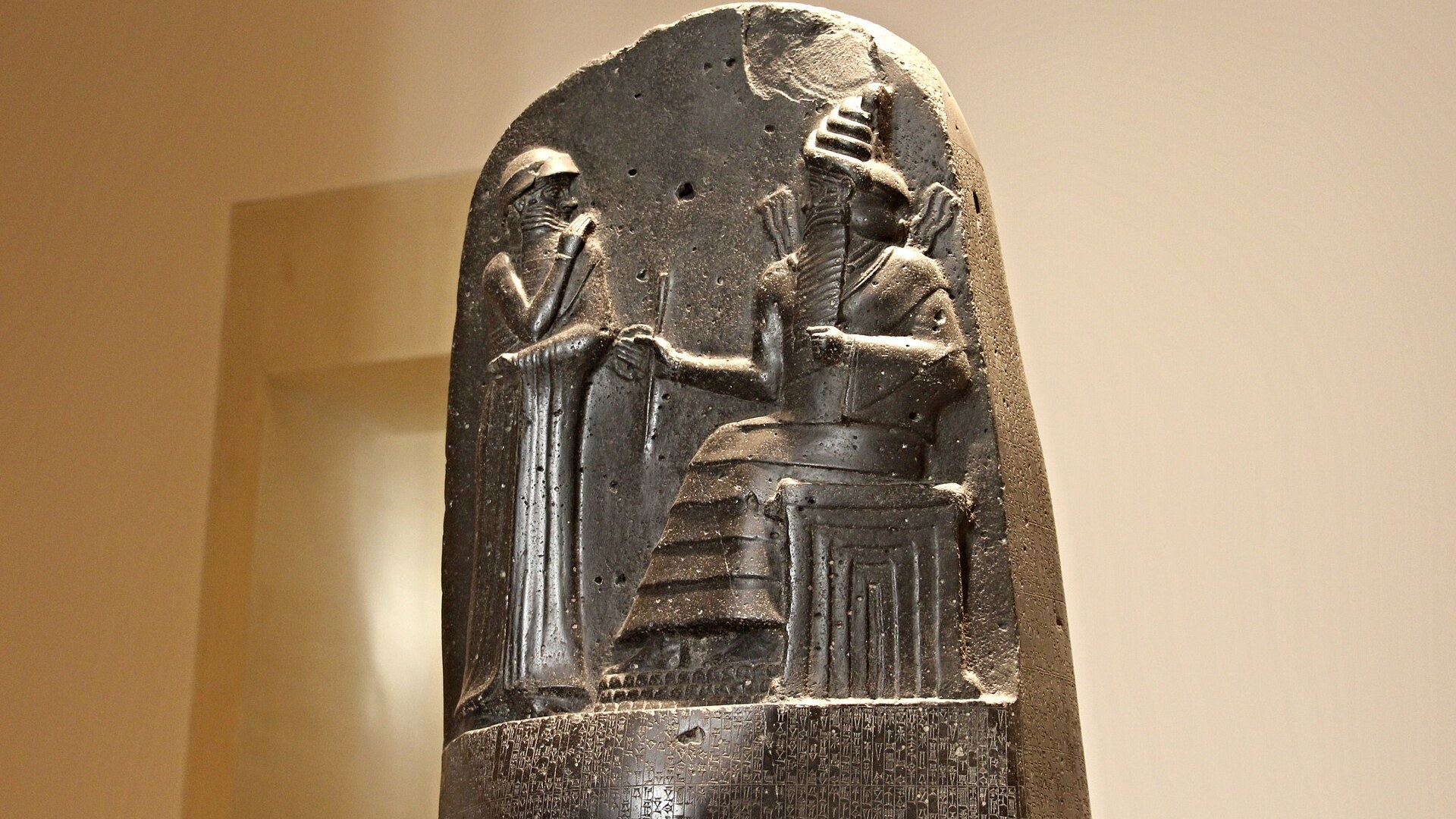
9. Code Of Hammurabi Stele 
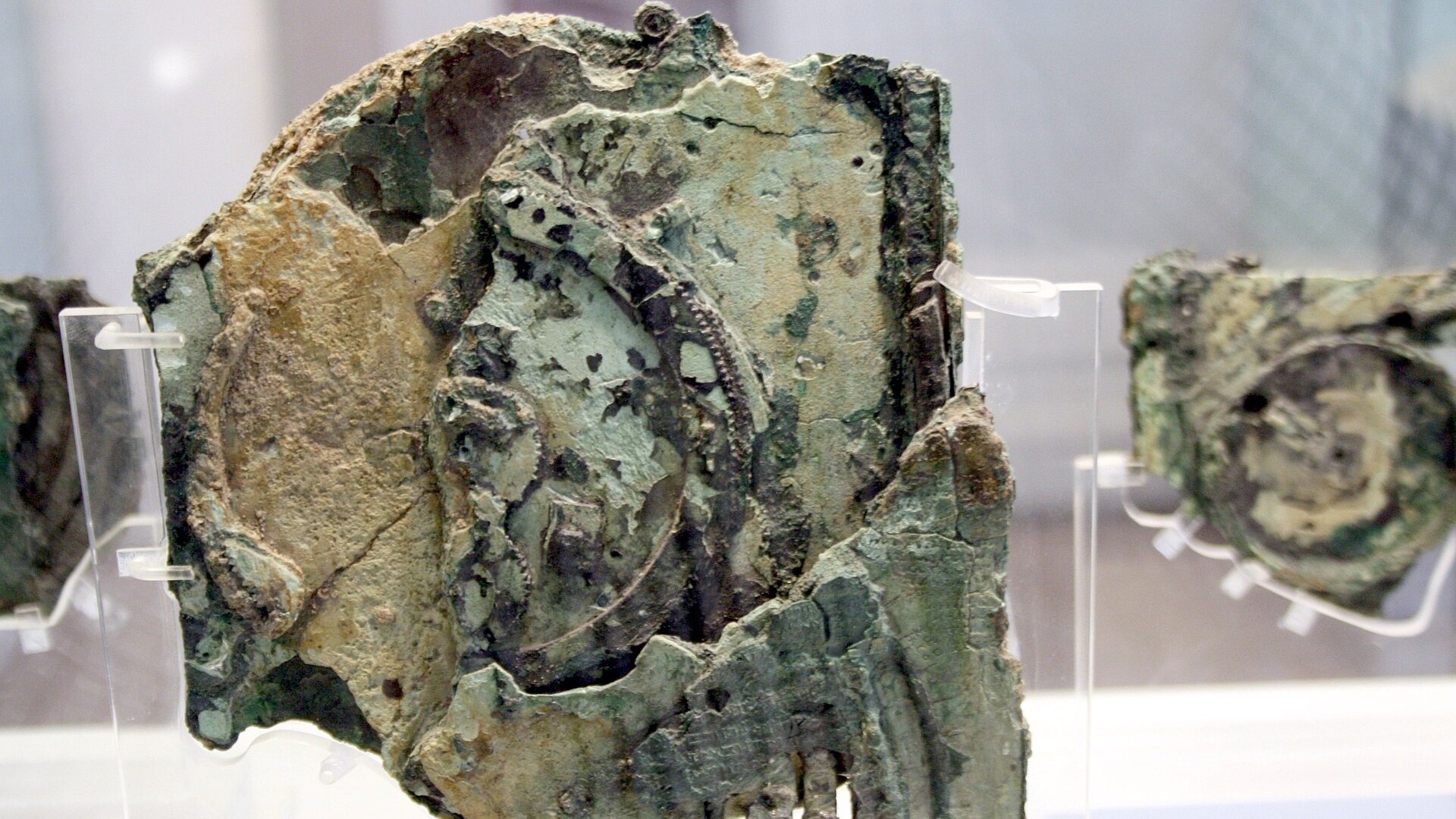
8. Antikythera Mechanism 
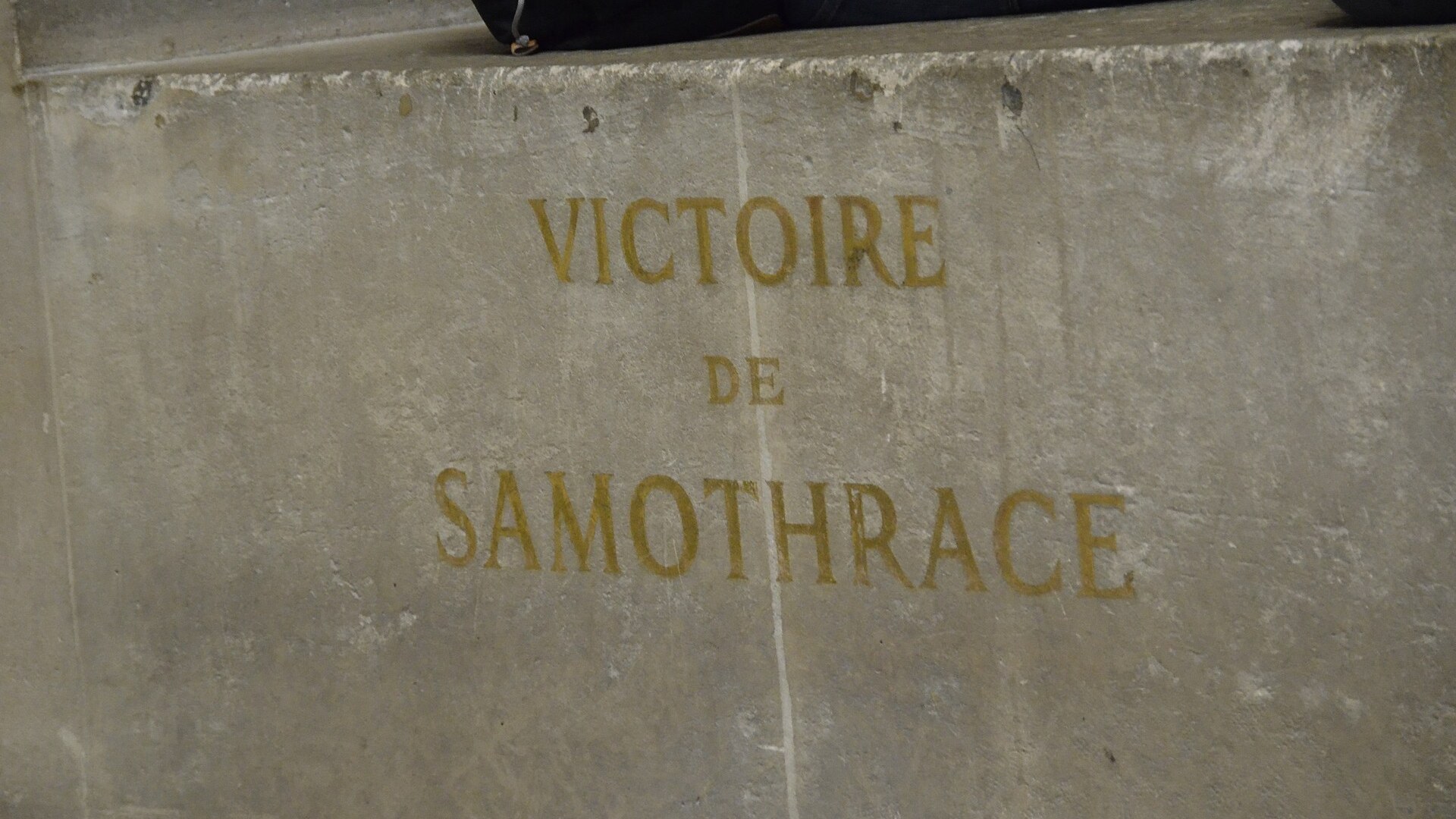
7. Winged Victory Of Samothrace - AdvertisementSwipe or tap ▶ to continue countdown

6. Bust Of Nefertiti 
5. Sutton Hoo Helmet 
4. Dead Sea Scrolls 
3. Terracotta Army - AdvertisementSwipe or tap ▶ to continue countdown

2. Rosetta Stone 
1. Tutankhamun's Golden Mask - Advertisement🔥 UP NEXT IN THIS SERIES◫ 21 Slides

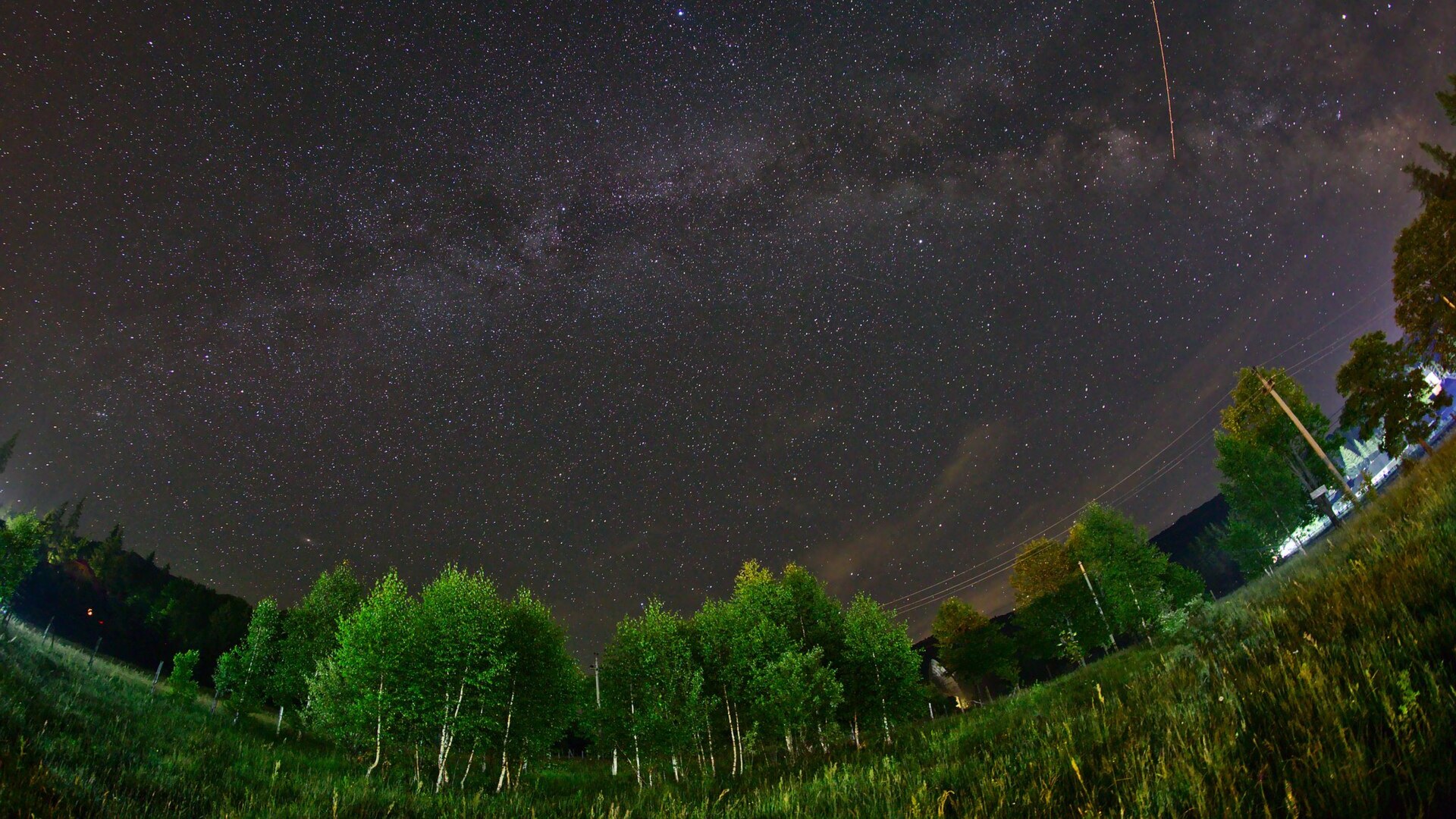
20 Brightest Stars in the Night Sky Ranked by Magnitude
Stargazers have looked to the night sky for millennia to navigate oceans and chart constellations. Apparent visual magnitude measures how luminous a celestial body appears from Earth, with lower and negative numbers indicating brighter beacons. Here is the definitive countdown of the twenty brightest stars visible from Earth.
Archaeologists have pulled royal burial masks, sunken bronze computers, and carved law steles from tombs, bogs, and shipwrecks worldwide. Based on records from the British Museum, the Louvre, and national collections in Athens, Berlin, and Cairo, these 25 finds transformed how historians read the ancient past.
Swipe or tap ▶ to begin the countdown
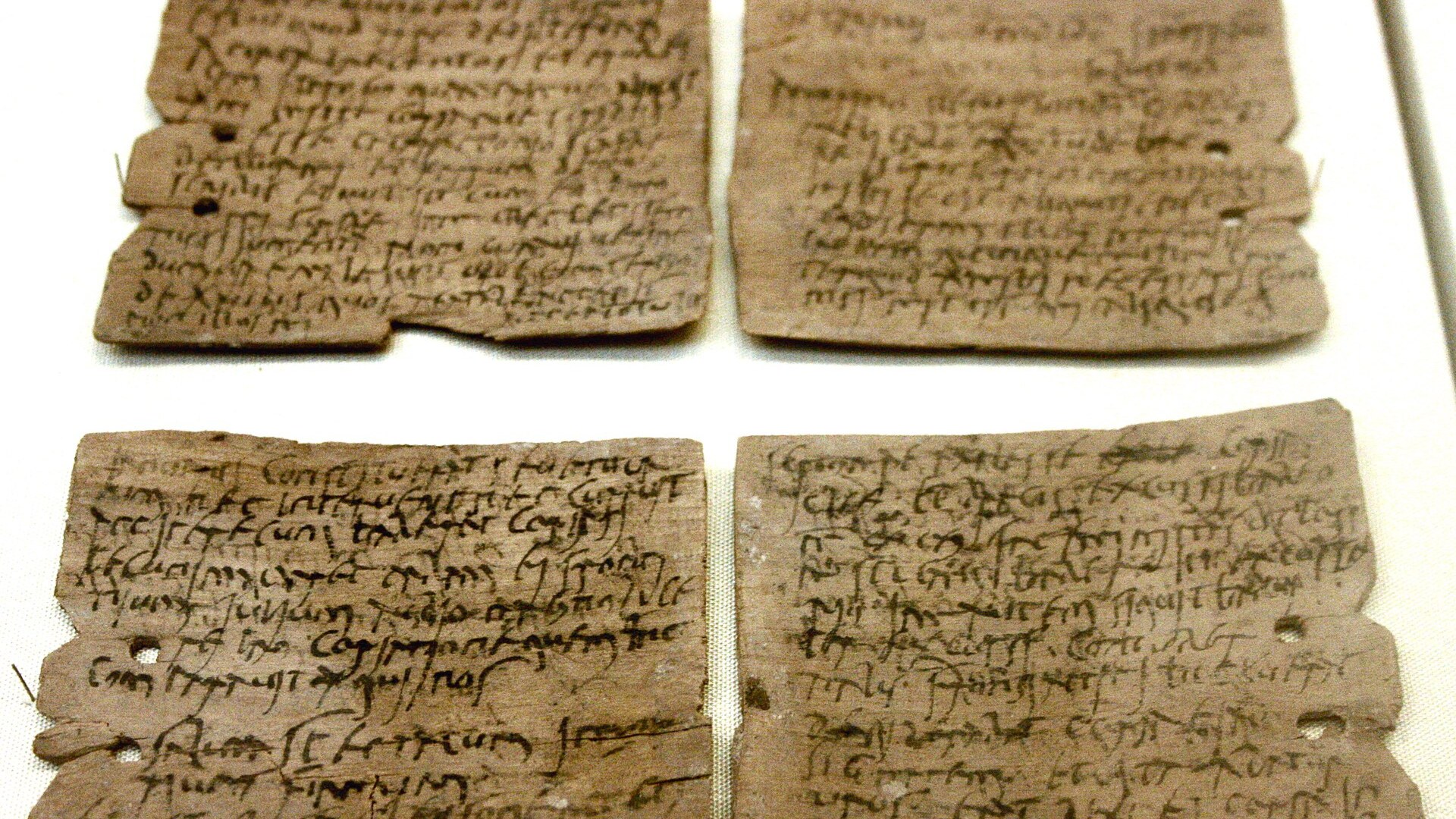
25. Vindolanda Tablets
Excavated at Vindolanda in northern England starting in 1973, these thin birch and alder leaves date to the 1st and 2nd centuries CE. Waterlogged soil preserved soldiers' supply lists, duty rosters, and a birthday party invitation from Claudia Severa.
©Wikimedia / Michel wal (travail personnel (own work))
24. Mold Gold Cape
Workmen quarrying stone near Mold in Flintshire, Wales, uncovered this 3,700-year-old garment inside a burial mound in 1833. Weighing 560 grams, the embossed sheet gold was crafted between 1900 and 1600 BCE and is now housed at the British Museum.
©Wikimedia / BabelStone
23. Jade Burial Suit Of Liu Sheng
Chinese archaeologists opened the rock-cut Mancheng tomb in Hebei in 1968 and found the ruler who died in 113 BCE encased in stone. Skilled artisans linked nearly 2,500 polished jade tiles with over a kilogram of gold wire to preserve his body.
©Wikimedia / Gary Todd
Advertisement
Swipe or tap ▶ to resume the countdown.
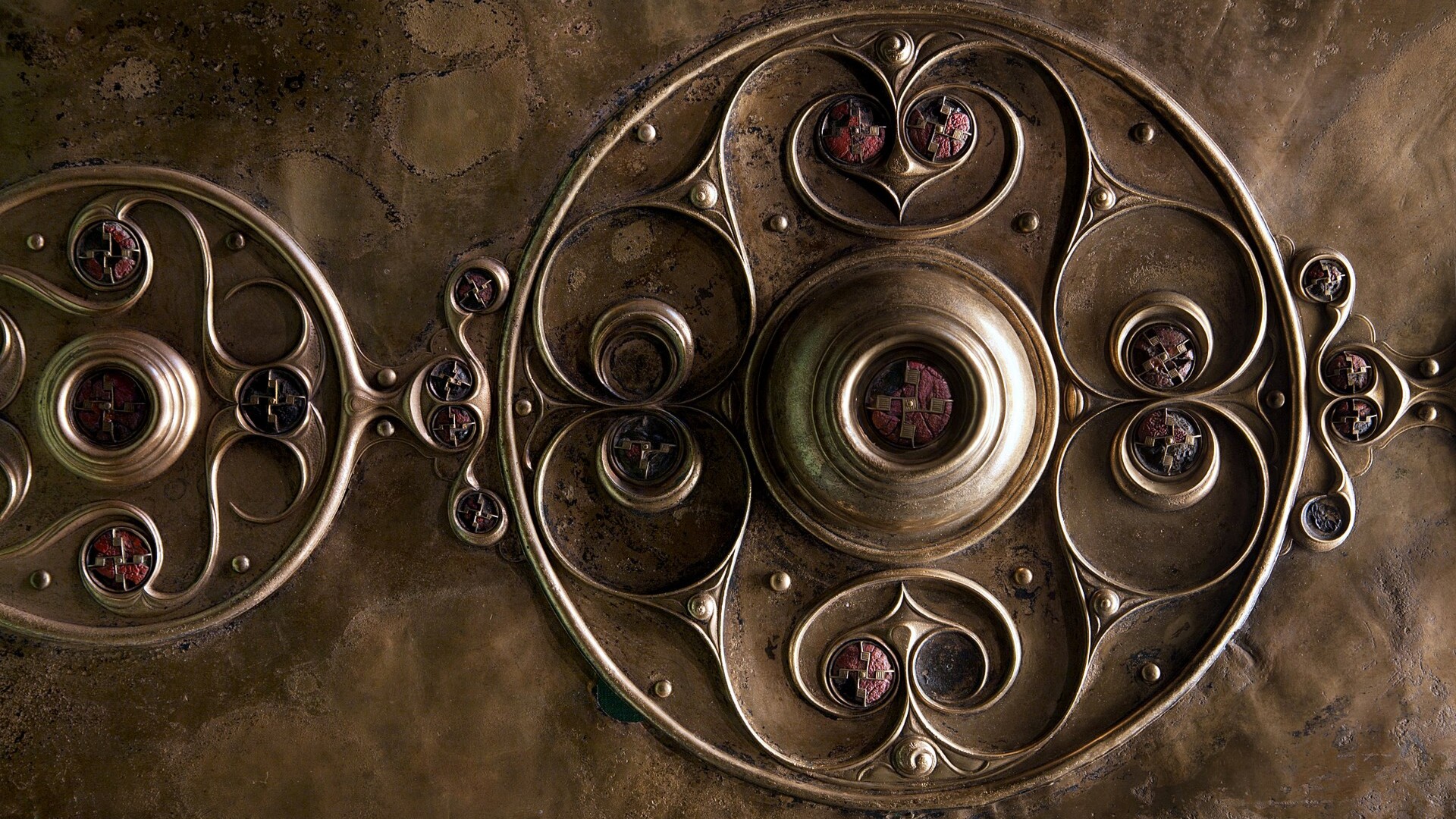
22. Battersea Shield
Workers building Chelsea Bridge pulled this Iron Age masterpiece from the riverbed in London in 1857. Dating to roughly 350 to 50 BCE, the bronze facing features swirling La Tene relief patterns studded with 27 pieces of bright red opaque glass.
©Wikimedia / Jorge Royan
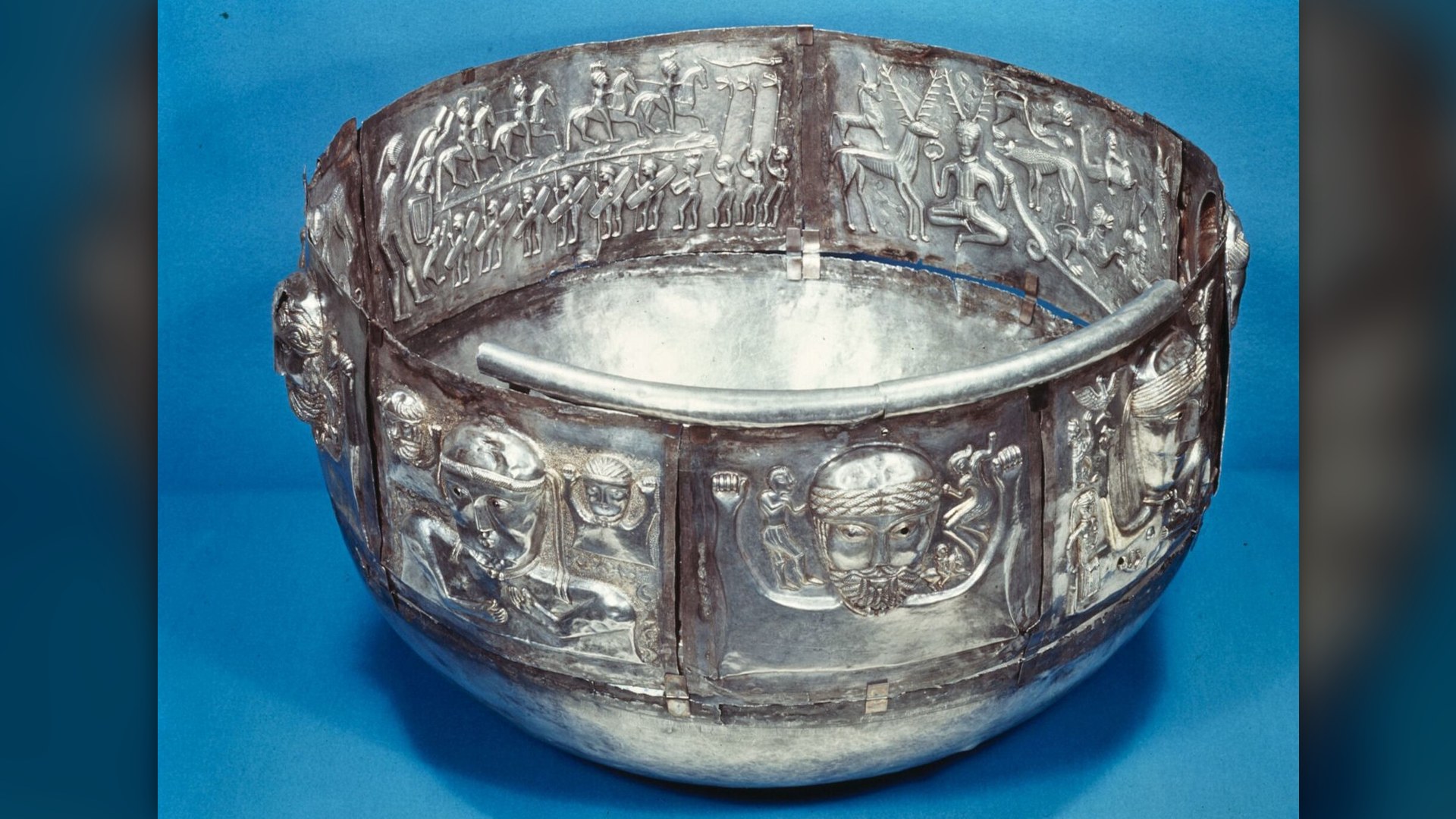
21. Gundestrup Cauldron
Peat cutters discovered 13 silver plates stacked neatly together near Gundestrup in northern Jutland in 1891. Gilded reliefs across the vessel depict horned deities, elephants, and warriors, blending Celtic motifs with Thracian metalworking styles.
©Wikimedia / Nationalmuseet, Lennart Larsen
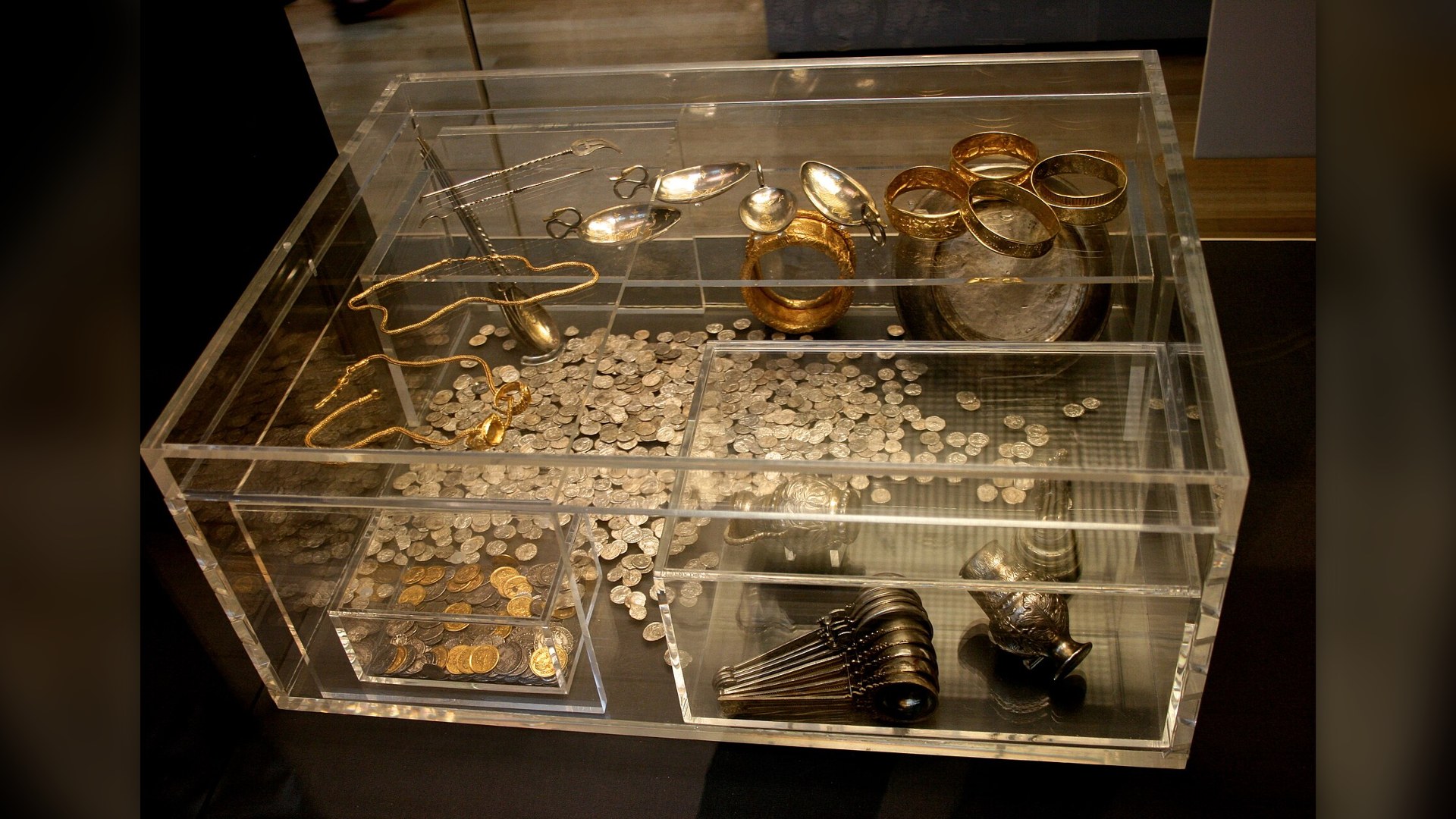
20. Hoxne Hoard
Retired gardener Eric Lawes located the 5th-century treasure in 1992 while searching a field near Hoxne with a metal detector for a lost hammer. Inside an oak chest lay more than 15,000 gold and silver coins alongside gilded spoons and pepper pots.
©Wikimedia / Photograph by Mike Peel ( www.mikepeel.net )
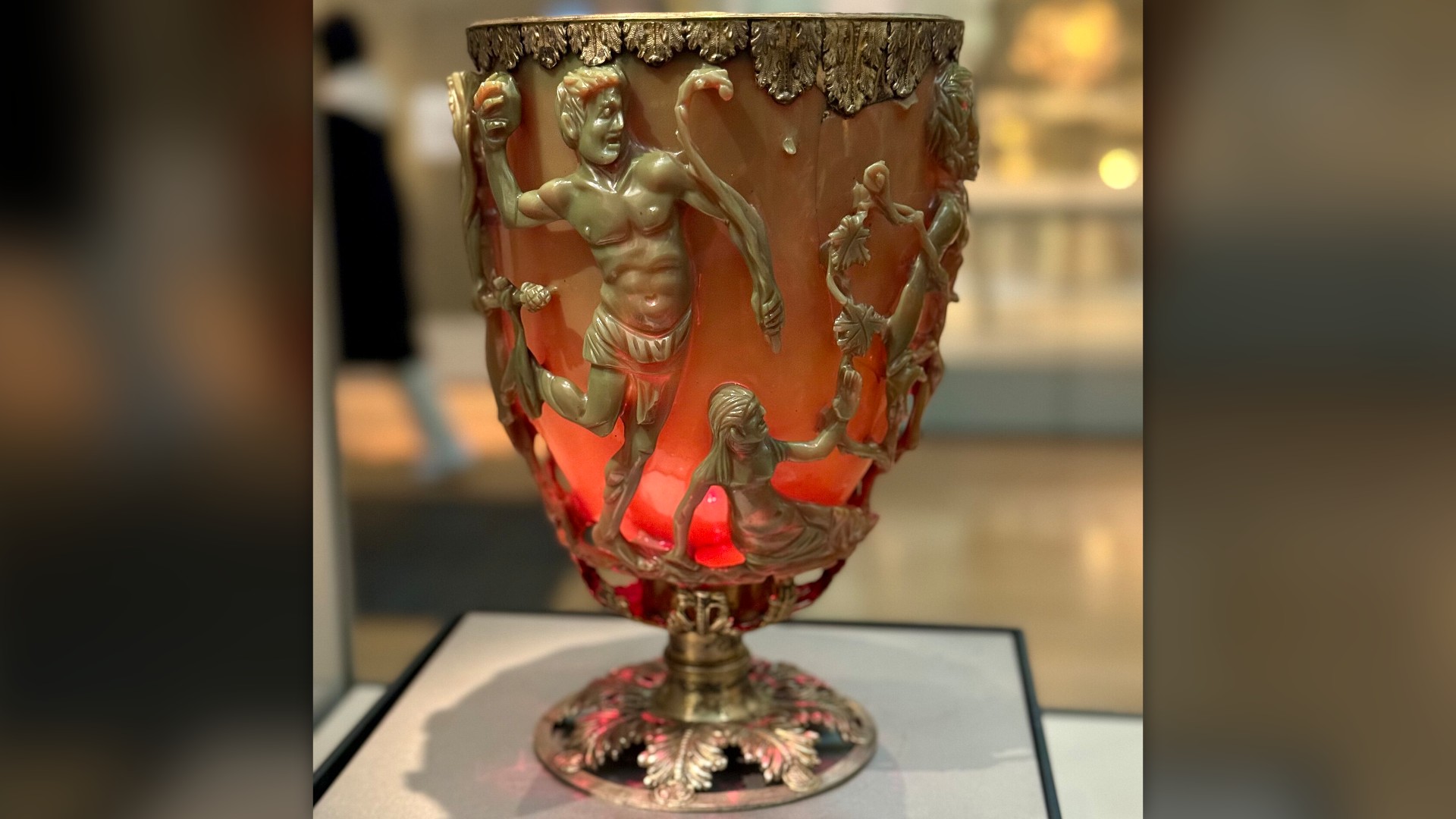
19. Lycurgus Cup
Crafted in the late Roman Empire, this carved cage cup appears opaque jade green in daylight and glows ruby red when lit from behind. Tiny particles of gold and silver embedded in the glass create the optical effect seen at the British Museum.
©Wikimedia / Chappsnet
Advertisement
Swipe or tap ▶ to resume the countdown.
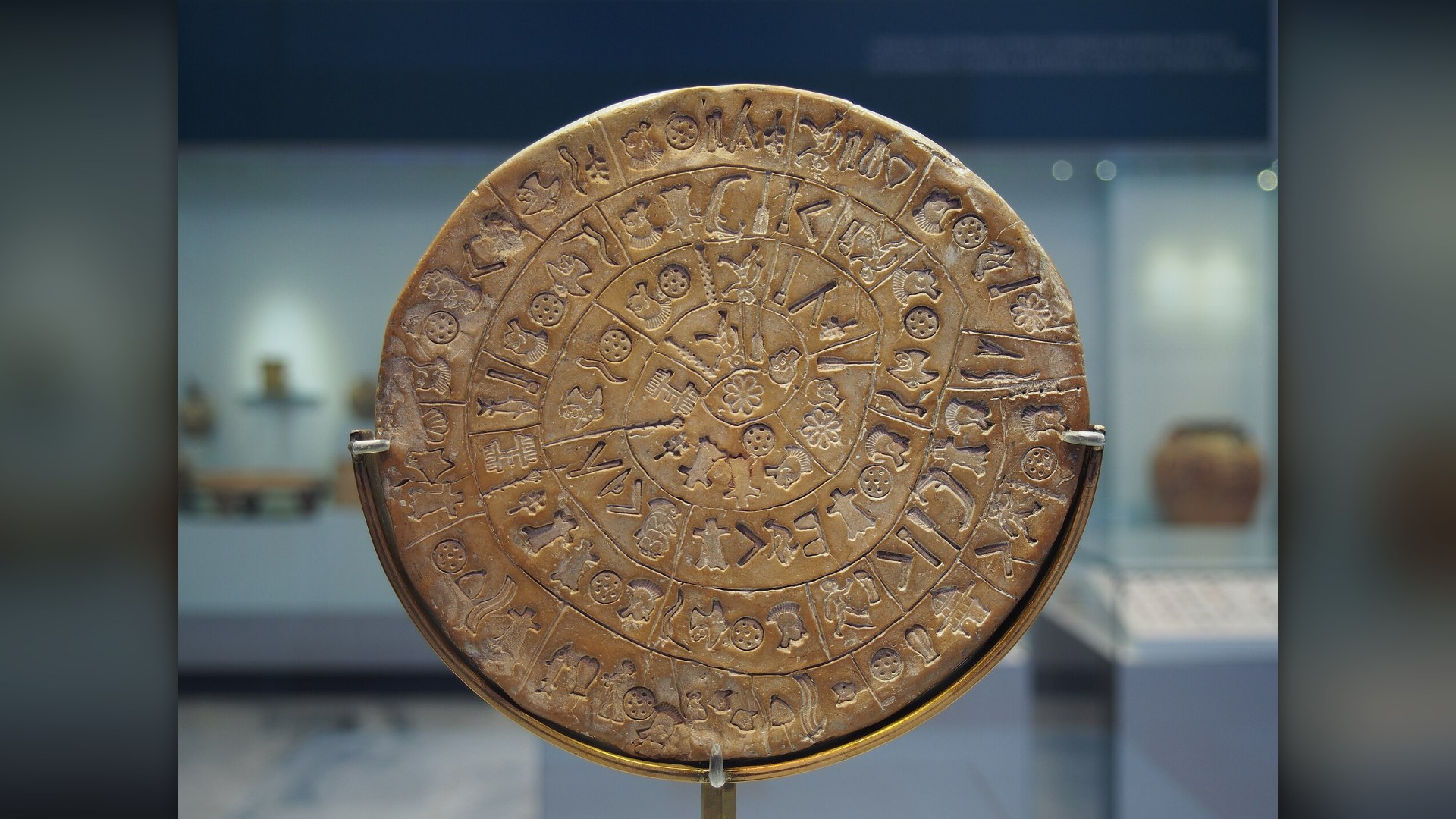
18. Phaistos Disc
Italian archaeologist Luigi Pernier unearthed the 15-centimeter terracotta disc inside the palace ruins of Phaistos on Crete in 1908. Forty-five distinct symbols were pressed into wet clay using movable stamps before the object was baked hard.
©Wikimedia / C messier
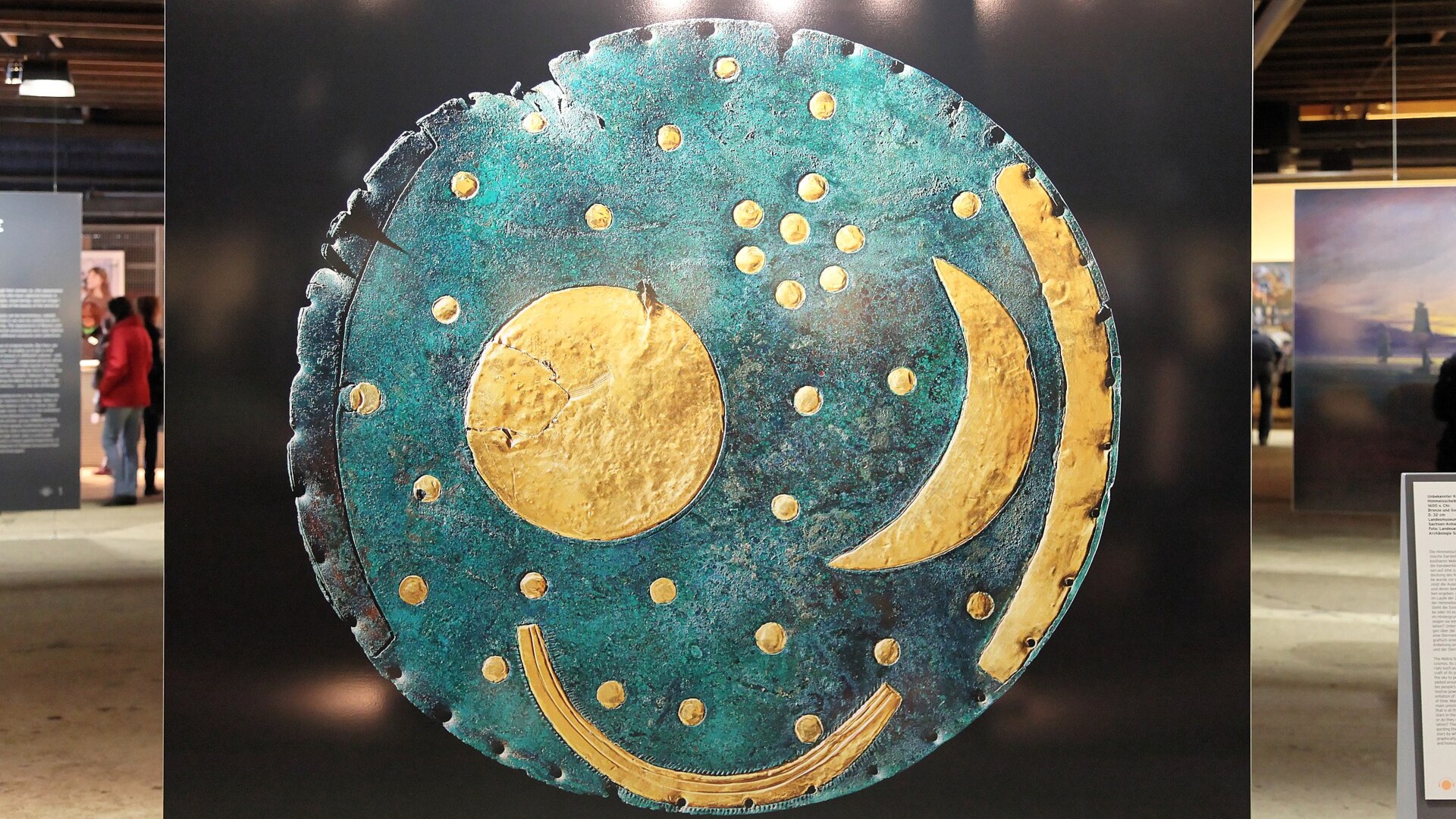
17. Nebra Sky Disc
Treasure hunters dug the 30-centimeter plate from a hilltop enclosure near Nebra in Saxony-Anhalt, Germany, in 1999 before police recovered it in 2002. Researchers identified the seven-star cluster on its blue-green surface as the Pleiades.
©Wikimedia / reproduction photo: Juraj Lipták exhibition phot
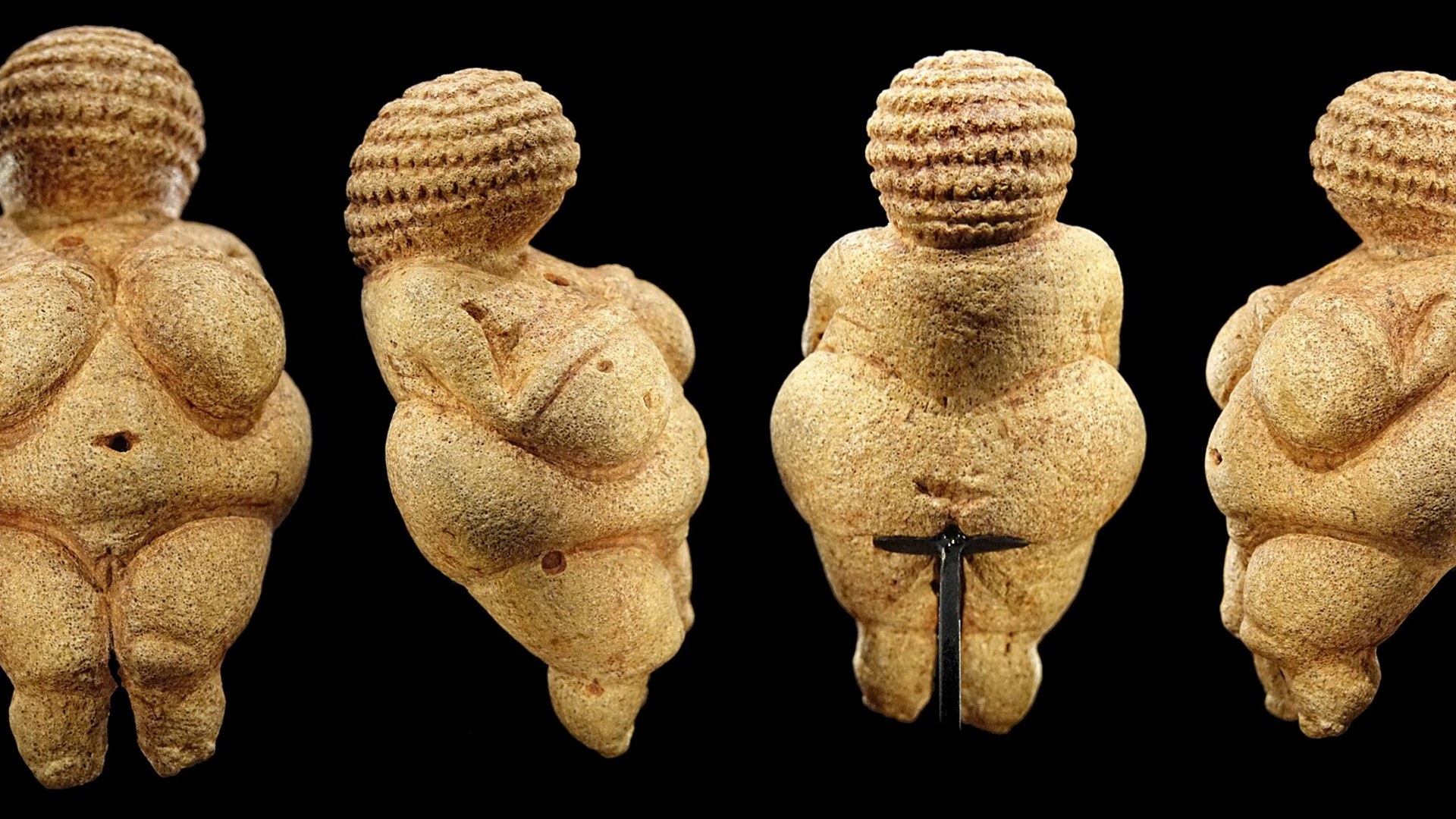
16. Venus Of Willendorf
Excavators working along a Danube railway line in Lower Austria uncovered the Paleolithic carving near Willendorf in 1908. Traces of red ochre cling to the oolitic limestone, and the stone itself came from a quarry far from the riverbank camp.
©Wikimedia / Bjørn Christian Tørrissen
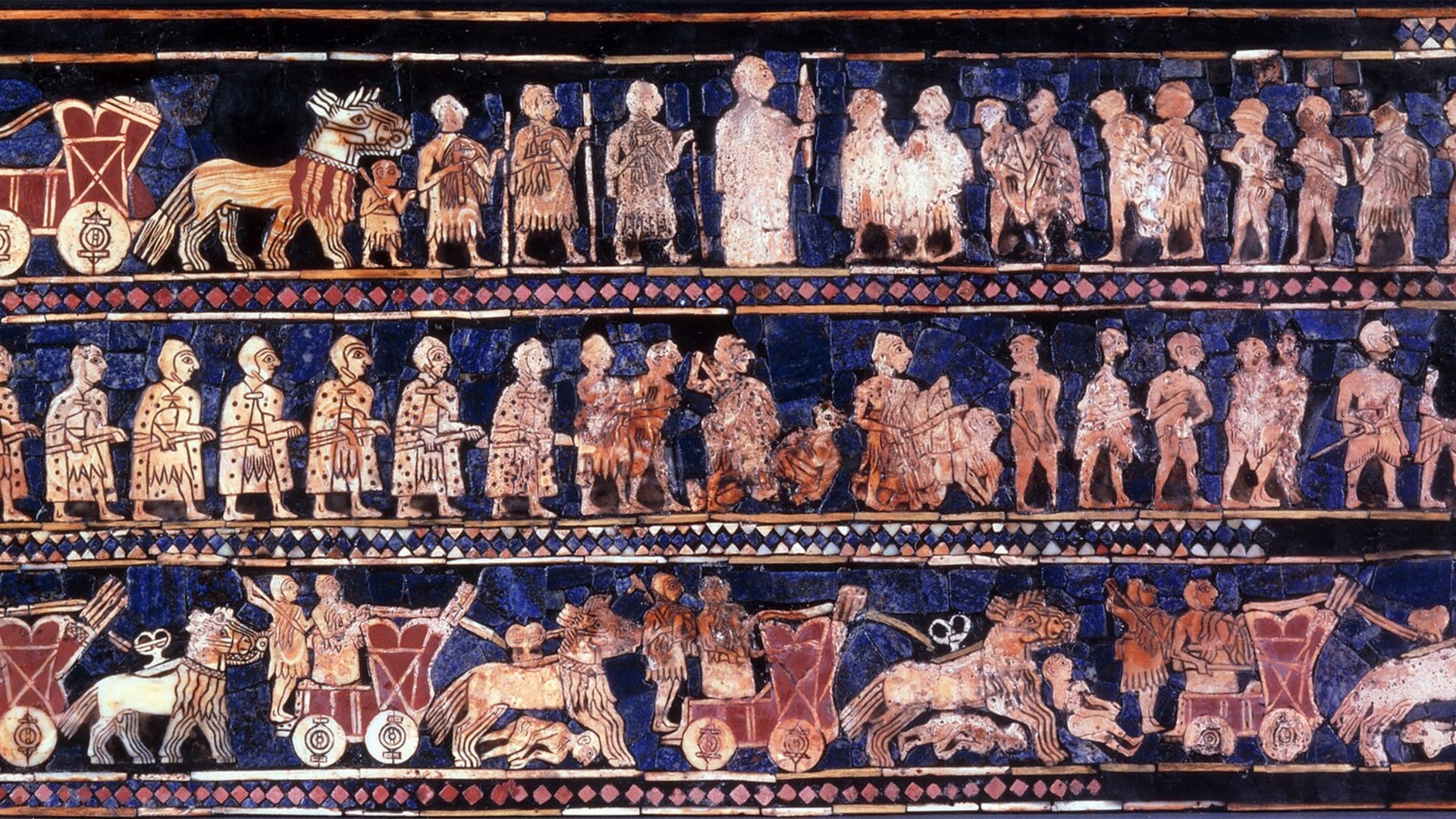
15. Standard Of Ur
Leonard Woolley excavated the hollow wooden wedge from a royal grave in southern Iraq during the late 1920s. One side shows Sumerian chariots trampling enemies, while the opposite panel depicts a peaceful banquet with musicians and livestock.
©Wikimedia / Unknown author Unknown author
Advertisement
Swipe or tap ▶ to resume the countdown.
14. Staffordshire Hoard
Detectorist Terry Herbert uncovered the buried cache near Hammerwich in Staffordshire in July 2009. Dating mostly to the 7th century CE, the collection consists almost entirely of martial gear, including garnet-inlaid sword pommels and helmet plates.
©Wikimedia / Jon Callas from San Jose, USA
13. Lewis Chessmen
Discovered inside a stone chamber on the Isle of Lewis in 1831, the set includes solemn kings, seated queens, and wild-eyed berserker rooks biting their shields. Scholars trace the late 12th-century carvings to master workshops in Trondheim, Norway.
©Wikimedia / Helen Simonsson
12. Alexander Mosaic
Uncovered in the House of the Faun in Pompeii in 1831, the 5.8-meter-wide pavement dates to around 100 BCE. It captures Alexander the Great charging on his horse Bucephalus as King Darius III of Persia wheels his chariot around in battle.
©Wikimedia / Alexander Mosaic
11. Cyrus Cylinder
Assyriologist Hormuzd Rassam found the cuneiform-covered cylinder in the foundations of Babylon in 1879. Written in Akkadian, the decree tells how the Persian ruler restored local sanctuaries and allowed displaced peoples to return home.
©Wikimedia / SpeakingArch
Advertisement
Swipe or tap ▶ to resume the countdown.
10. Mask Of Agamemnon
German archaeologist Heinrich Schliemann unearthed the mustachioed gold mask in Greece in 1876 and linked it to Homer's Trojan War king. Later dating placed Shaft Grave V around 1550 to 1500 BCE, roughly three centuries before the Troy legend.
©Wikimedia / Xuan Che
9. Code Of Hammurabi Stele
French excavators found the 2.25-meter monument in pieces at Susa, Iran, in 1901, centuries after Elamite raiders carried it off from Babylon. Dating to around 1750 BCE, its Akkadian columns list penalties covering trade, property, and family.
©Wikimedia / Fred Romero from Paris, France
8. Antikythera Mechanism
Sponge divers spotted the sunken Roman-era cargo ship off Antikythera island in 1900, recovering more than 30 meshing bronze gearwheels. X-ray imaging revealed an astronomical computer from the 2nd or 1st century BCE that tracked eclipses and Olympics.
©Wikimedia / Giovanni Dall'Orto
7. Winged Victory Of Samothrace
French consul Charles Champoiseau excavated over 100 fragments of Parian marble on the Aegean island of Samothrace in 1863. Carved around 190 BCE to commemorate a naval triumph, the wind-swept figure now commands the Louvre's Daru staircase.
©Wikimedia / SpirosK photography from Athens, Greece
Advertisement
Swipe or tap ▶ to resume the countdown.
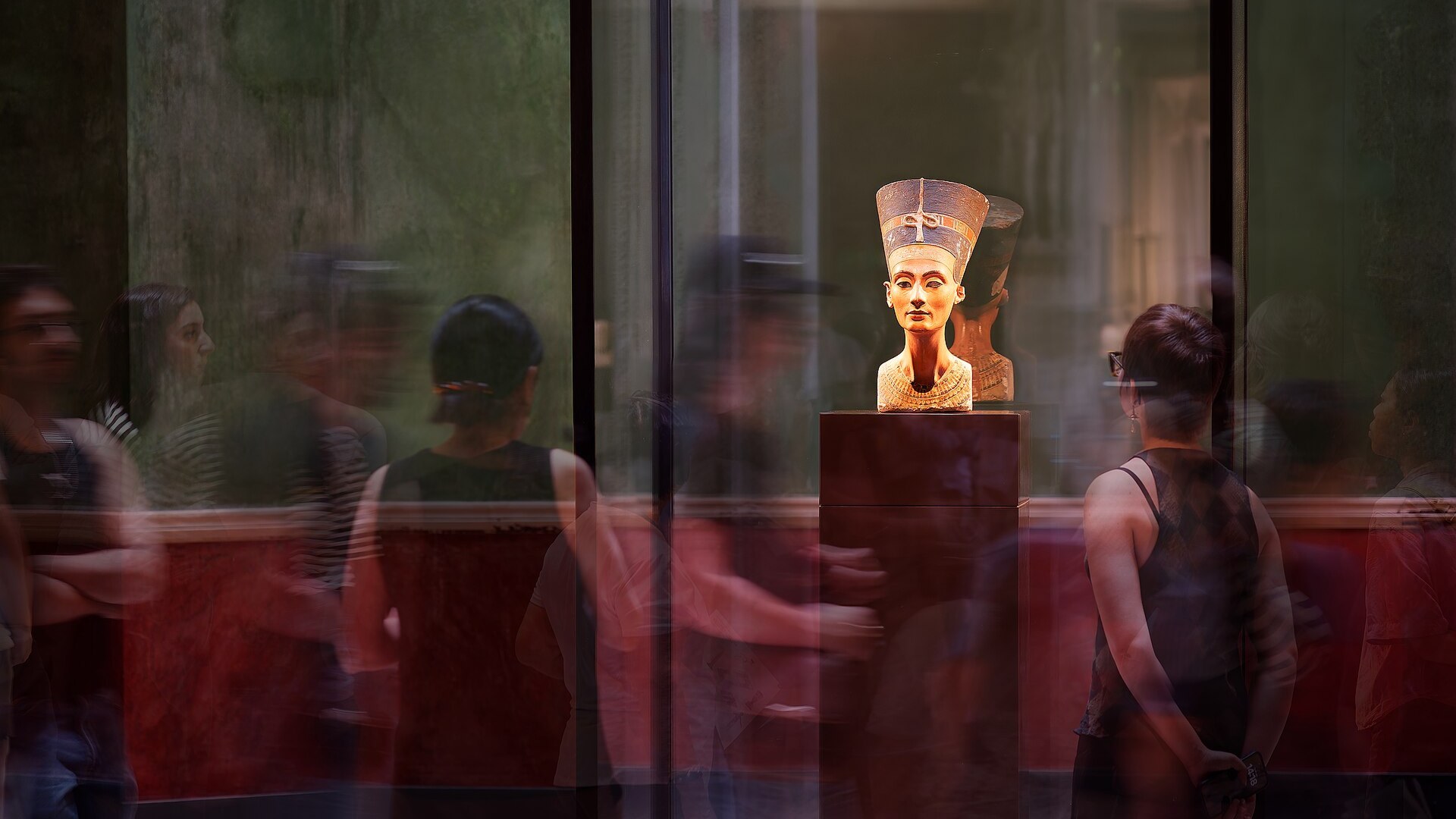
6. Bust Of Nefertiti
German excavators led by Ludwig Borchardt lifted the intact bust from a collapsed room at Amarna in December 1912. Sculptor Thutmose appears to have kept the stucco-layered portrait of Queen Nefertiti, dating to c. 1345 BCE, as a studio model.
©Wikimedia / Laurens R. Krol
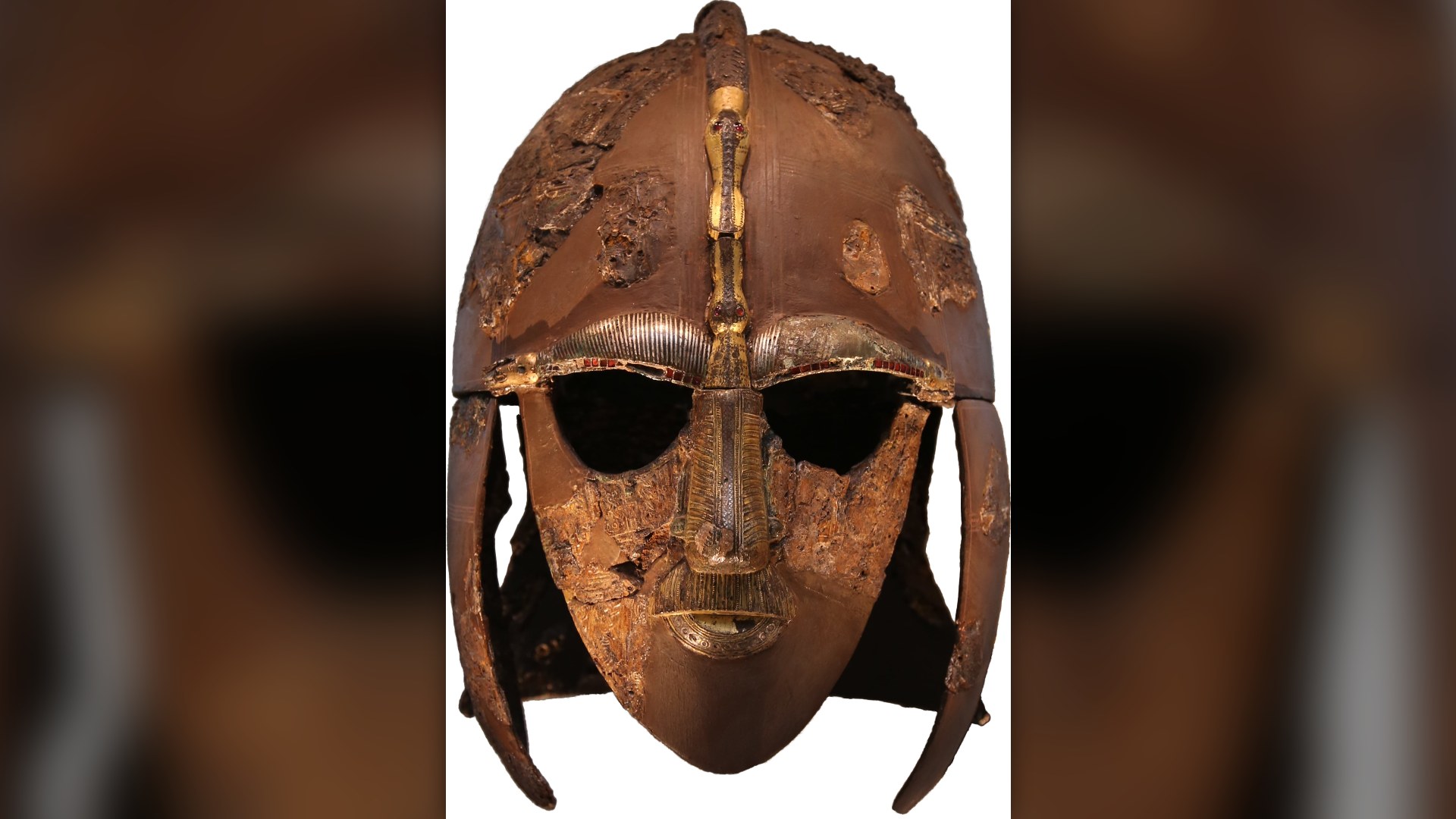
5. Sutton Hoo Helmet
Local archaeologist Basil Brown dug into Mound 1 at Sutton Hoo in Suffolk in 1939 and uncovered an 89-foot 7th-century ship burial. Conservators pieced the iron and tinned-bronze helmet together, revealing dragon-headed eyebrows and a silvered mustache.
©Wikimedia / user:Geni
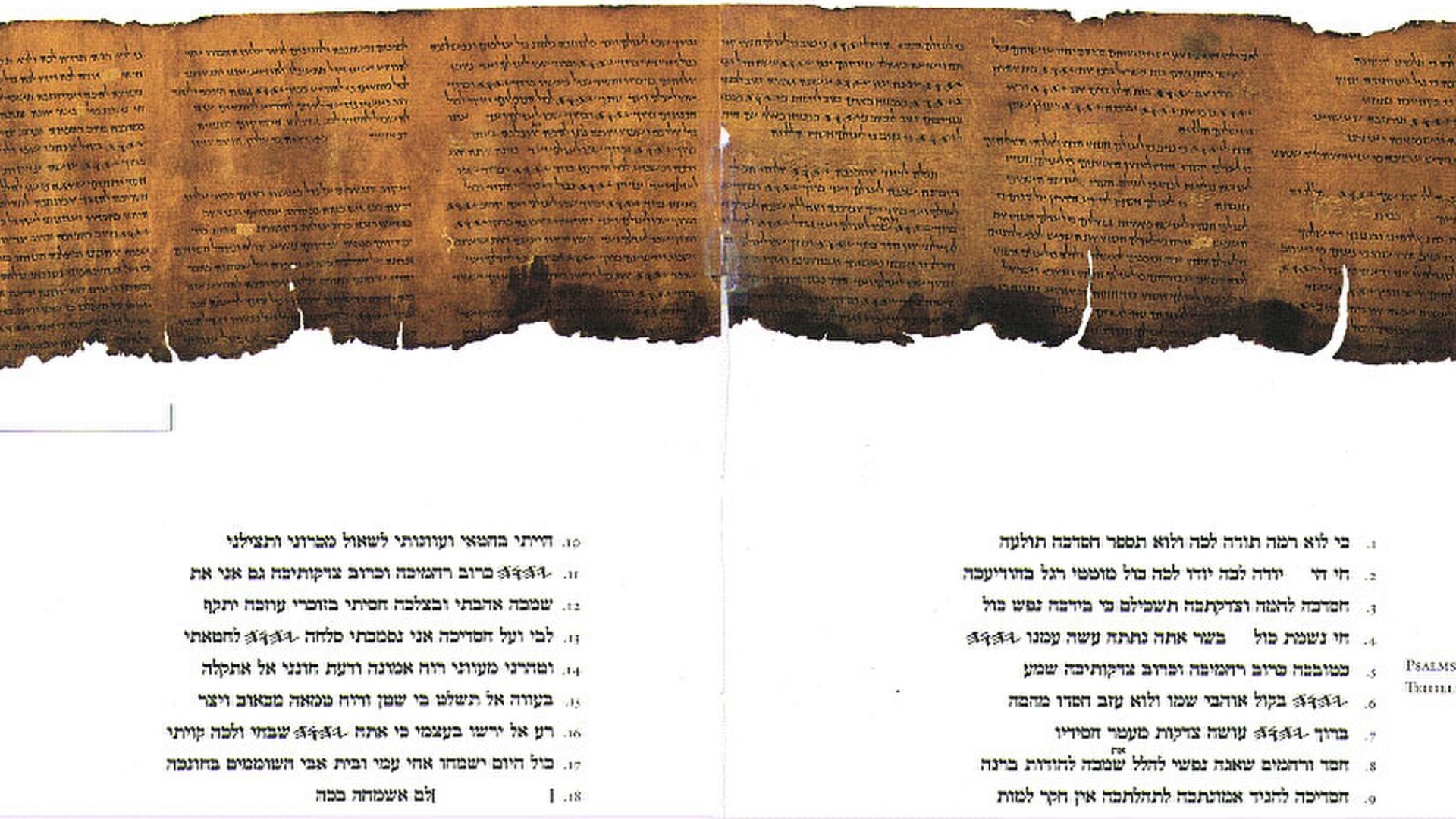
4. Dead Sea Scrolls
Bedouin shepherds searching for a stray goat stumbled across clay jars holding ancient parchment scrolls at Qumran in 1947. Excavations across 11 caves yielded roughly 900 texts dating from the 3rd century BCE to the 1st century CE.
©Wikimedia / the Israel Antiquities Authority 1993
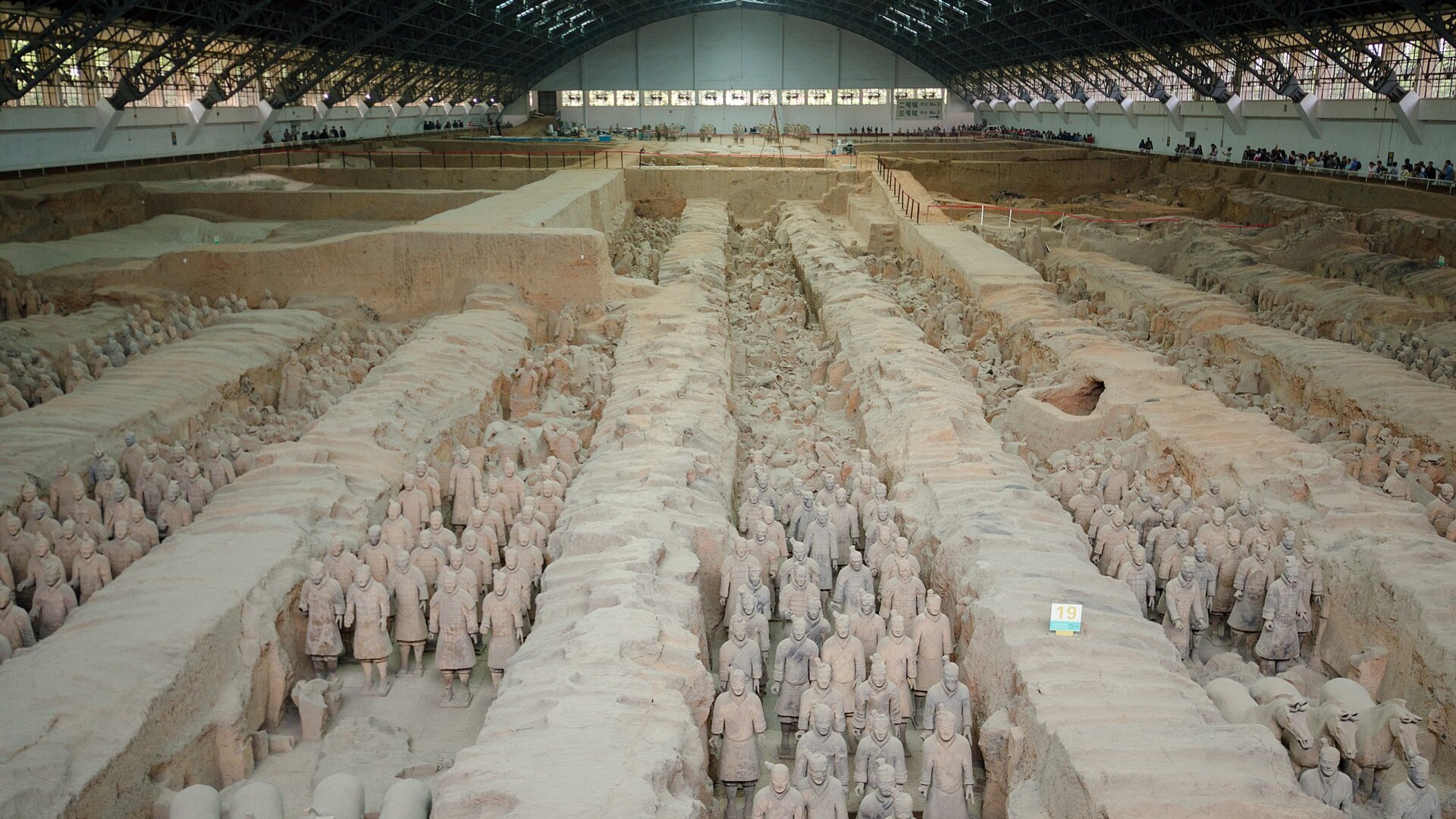
3. Terracotta Army
Farmers drilling a well outside Xi'an in March 1974 struck terracotta fragments belonging to the vast necropolis of Qin Shi Huang, who died in 210 BCE. Archaeologists have uncovered more than 8,000 individualized infantrymen, archers, horses, and bronze chariots.
©Wikimedia / xiquinhosilva
Advertisement
Swipe or tap ▶ to resume the countdown.
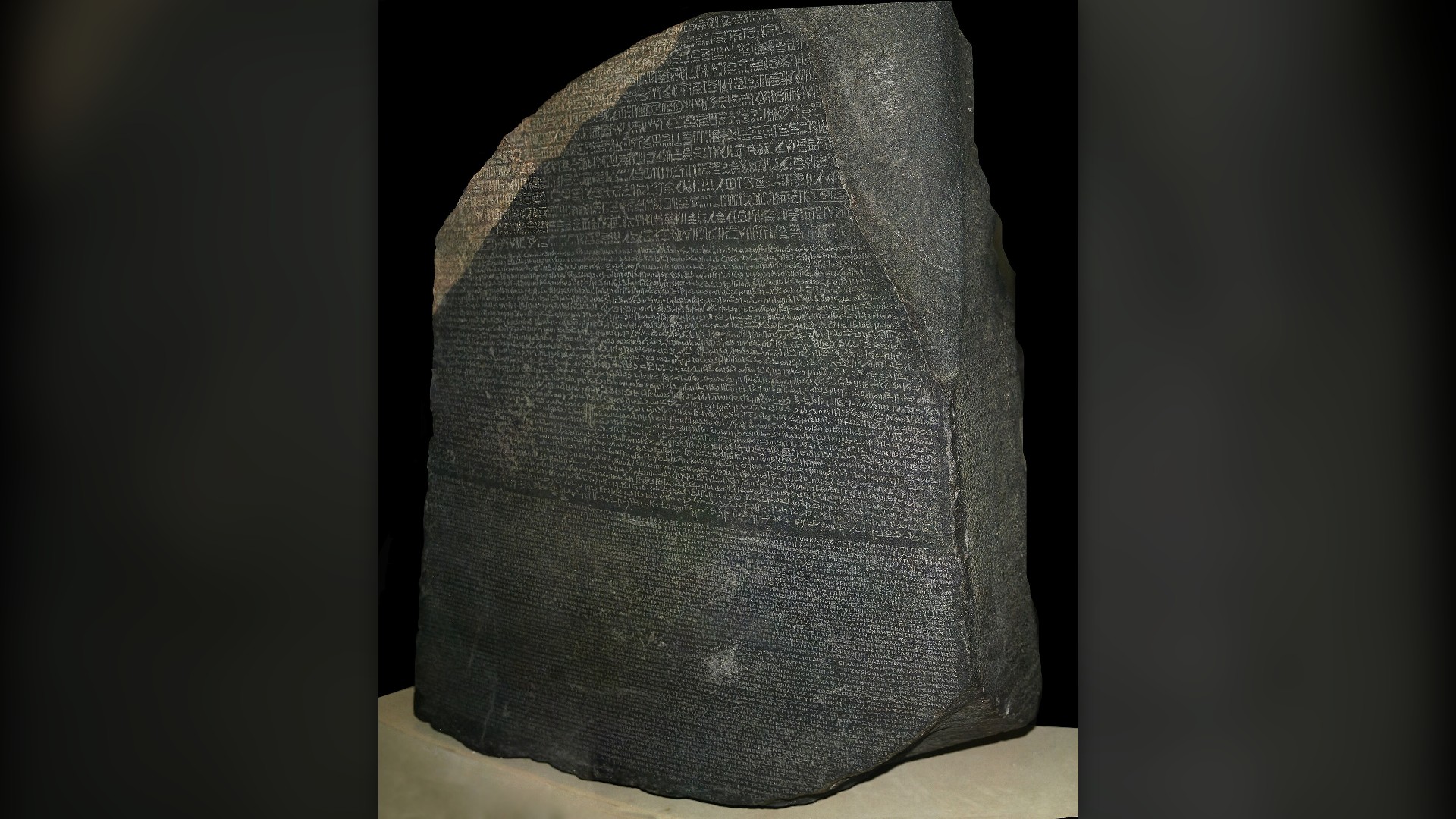
2. Rosetta Stone
French troops fortifying a wall near Rashid in Egypt uncovered the 196 BCE royal decree in July 1799. Because the granodiorite slab repeats the same text in hieroglyphs, Demotic script, and Ancient Greek, Jean-Francois Champollion cracked the code in 1822.
©Wikimedia / Rosetta Stone
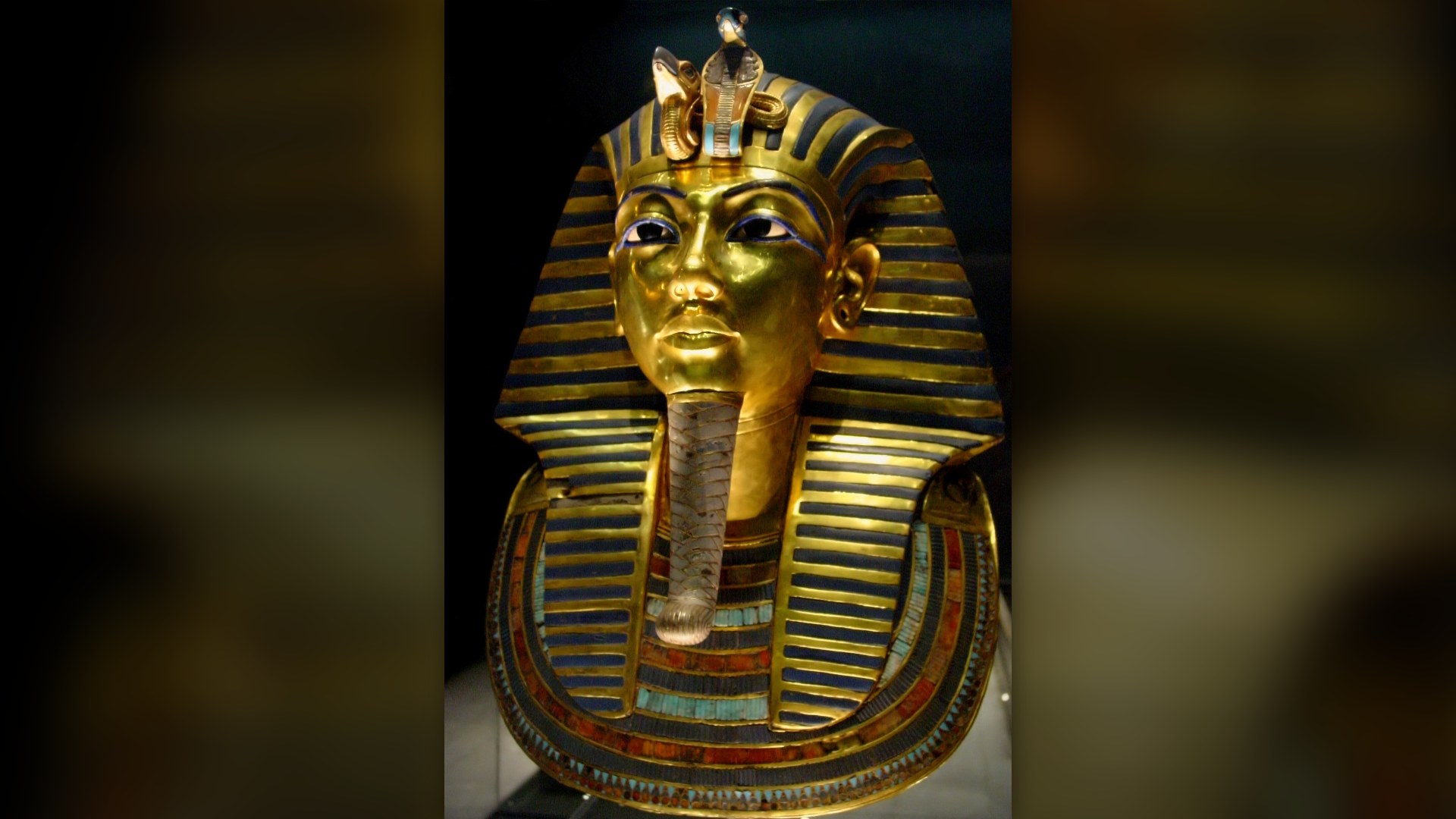
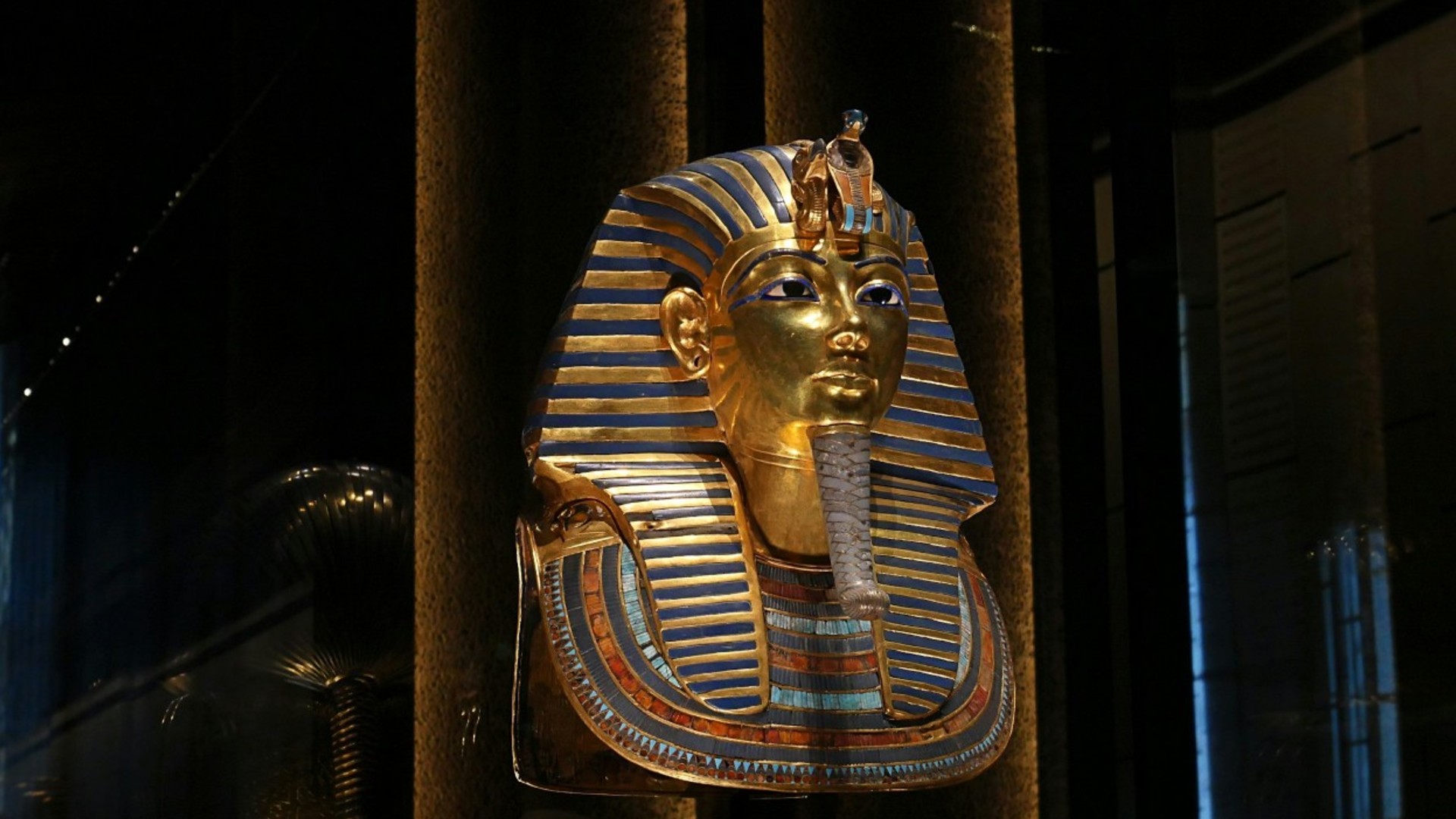
1. Tutankhamun's Golden Mask
Howard Carter opened Tutankhamun's sealed burial chamber in November 1922 and lifted the 54-centimeter mask from the pharaoh's mummy in 1925. Crafted from gold alloy inlaid with lapis lazuli, quartz, and obsidian, it bears protective spells on the back.
©Wikimedia / Bjørn Christian Tørrissen
Advertisement
You've reached the end of the story. Thanks for reading!

20 Brightest Stars in the Night Sky Ranked by Magnitude
Stargazers have looked to the night sky for millennia to navigate oceans and chart constellations. Apparent visual magnitude measures how luminous a celestial body appears from Earth, with lower and negative numbers indicating brighter beacons. Here is the definitive countdown of the twenty brightest stars visible from Earth.
All 25 Entries in this Story
#25. Vindolanda Tablets
Excavated at Vindolanda in northern England starting in 1973, these thin birch and alder leaves date to the 1st and 2nd centuries CE. Waterlogged soil preserved soldiers' supply lists, duty rosters, and a birthday party invitation from Claudia Severa.

#24. Mold Gold Cape
Workmen quarrying stone near Mold in Flintshire, Wales, uncovered this 3,700-year-old garment inside a burial mound in 1833. Weighing 560 grams, the embossed sheet gold was crafted between 1900 and 1600 BCE and is now housed at the British Museum.

#23. Jade Burial Suit Of Liu Sheng
Chinese archaeologists opened the rock-cut Mancheng tomb in Hebei in 1968 and found the ruler who died in 113 BCE encased in stone. Skilled artisans linked nearly 2,500 polished jade tiles with over a kilogram of gold wire to preserve his body.

#22. Battersea Shield
Workers building Chelsea Bridge pulled this Iron Age masterpiece from the riverbed in London in 1857. Dating to roughly 350 to 50 BCE, the bronze facing features swirling La Tene relief patterns studded with 27 pieces of bright red opaque glass.

#21. Gundestrup Cauldron
Peat cutters discovered 13 silver plates stacked neatly together near Gundestrup in northern Jutland in 1891. Gilded reliefs across the vessel depict horned deities, elephants, and warriors, blending Celtic motifs with Thracian metalworking styles.

#20. Hoxne Hoard
Retired gardener Eric Lawes located the 5th-century treasure in 1992 while searching a field near Hoxne with a metal detector for a lost hammer. Inside an oak chest lay more than 15,000 gold and silver coins alongside gilded spoons and pepper pots.

#19. Lycurgus Cup
Crafted in the late Roman Empire, this carved cage cup appears opaque jade green in daylight and glows ruby red when lit from behind. Tiny particles of gold and silver embedded in the glass create the optical effect seen at the British Museum.

#18. Phaistos Disc
Italian archaeologist Luigi Pernier unearthed the 15-centimeter terracotta disc inside the palace ruins of Phaistos on Crete in 1908. Forty-five distinct symbols were pressed into wet clay using movable stamps before the object was baked hard.

#17. Nebra Sky Disc
Treasure hunters dug the 30-centimeter plate from a hilltop enclosure near Nebra in Saxony-Anhalt, Germany, in 1999 before police recovered it in 2002. Researchers identified the seven-star cluster on its blue-green surface as the Pleiades.

#16. Venus Of Willendorf
Excavators working along a Danube railway line in Lower Austria uncovered the Paleolithic carving near Willendorf in 1908. Traces of red ochre cling to the oolitic limestone, and the stone itself came from a quarry far from the riverbank camp.

#15. Standard Of Ur
Leonard Woolley excavated the hollow wooden wedge from a royal grave in southern Iraq during the late 1920s. One side shows Sumerian chariots trampling enemies, while the opposite panel depicts a peaceful banquet with musicians and livestock.

#14. Staffordshire Hoard
Detectorist Terry Herbert uncovered the buried cache near Hammerwich in Staffordshire in July 2009. Dating mostly to the 7th century CE, the collection consists almost entirely of martial gear, including garnet-inlaid sword pommels and helmet plates.

#13. Lewis Chessmen
Discovered inside a stone chamber on the Isle of Lewis in 1831, the set includes solemn kings, seated queens, and wild-eyed berserker rooks biting their shields. Scholars trace the late 12th-century carvings to master workshops in Trondheim, Norway.

#12. Alexander Mosaic
Uncovered in the House of the Faun in Pompeii in 1831, the 5.8-meter-wide pavement dates to around 100 BCE. It captures Alexander the Great charging on his horse Bucephalus as King Darius III of Persia wheels his chariot around in battle.

#11. Cyrus Cylinder
Assyriologist Hormuzd Rassam found the cuneiform-covered cylinder in the foundations of Babylon in 1879. Written in Akkadian, the decree tells how the Persian ruler restored local sanctuaries and allowed displaced peoples to return home.

#10. Mask Of Agamemnon
German archaeologist Heinrich Schliemann unearthed the mustachioed gold mask in Greece in 1876 and linked it to Homer's Trojan War king. Later dating placed Shaft Grave V around 1550 to 1500 BCE, roughly three centuries before the Troy legend.

#9. Code Of Hammurabi Stele
French excavators found the 2.25-meter monument in pieces at Susa, Iran, in 1901, centuries after Elamite raiders carried it off from Babylon. Dating to around 1750 BCE, its Akkadian columns list penalties covering trade, property, and family.

#8. Antikythera Mechanism
Sponge divers spotted the sunken Roman-era cargo ship off Antikythera island in 1900, recovering more than 30 meshing bronze gearwheels. X-ray imaging revealed an astronomical computer from the 2nd or 1st century BCE that tracked eclipses and Olympics.

#7. Winged Victory Of Samothrace
French consul Charles Champoiseau excavated over 100 fragments of Parian marble on the Aegean island of Samothrace in 1863. Carved around 190 BCE to commemorate a naval triumph, the wind-swept figure now commands the Louvre's Daru staircase.

#6. Bust Of Nefertiti
German excavators led by Ludwig Borchardt lifted the intact bust from a collapsed room at Amarna in December 1912. Sculptor Thutmose appears to have kept the stucco-layered portrait of Queen Nefertiti, dating to c. 1345 BCE, as a studio model.

#5. Sutton Hoo Helmet
Local archaeologist Basil Brown dug into Mound 1 at Sutton Hoo in Suffolk in 1939 and uncovered an 89-foot 7th-century ship burial. Conservators pieced the iron and tinned-bronze helmet together, revealing dragon-headed eyebrows and a silvered mustache.

#4. Dead Sea Scrolls
Bedouin shepherds searching for a stray goat stumbled across clay jars holding ancient parchment scrolls at Qumran in 1947. Excavations across 11 caves yielded roughly 900 texts dating from the 3rd century BCE to the 1st century CE.

#3. Terracotta Army
Farmers drilling a well outside Xi'an in March 1974 struck terracotta fragments belonging to the vast necropolis of Qin Shi Huang, who died in 210 BCE. Archaeologists have uncovered more than 8,000 individualized infantrymen, archers, horses, and bronze chariots.

#2. Rosetta Stone
French troops fortifying a wall near Rashid in Egypt uncovered the 196 BCE royal decree in July 1799. Because the granodiorite slab repeats the same text in hieroglyphs, Demotic script, and Ancient Greek, Jean-Francois Champollion cracked the code in 1822.

#1. Tutankhamun's Golden Mask
Howard Carter opened Tutankhamun's sealed burial chamber in November 1922 and lifted the 54-centimeter mask from the pharaoh's mummy in 1925. Crafted from gold alloy inlaid with lapis lazuli, quartz, and obsidian, it bears protective spells on the back.