Slideshow · Animals
20 Naturally Tailless and Bobtail Dog and Cat Breeds
While surgical docking was historically common across working kennels, many domestic canine and feline breeds carry natural genetic mutations that produce absent or shortened tails. This visual guide highlights ten dogs and ten cats renowned for their natural bobtail genetics, working histories, and distinct builds.
By Most Viral Today
27 min ago

Naturally Tailless and Bobtail Dogs and Cats 
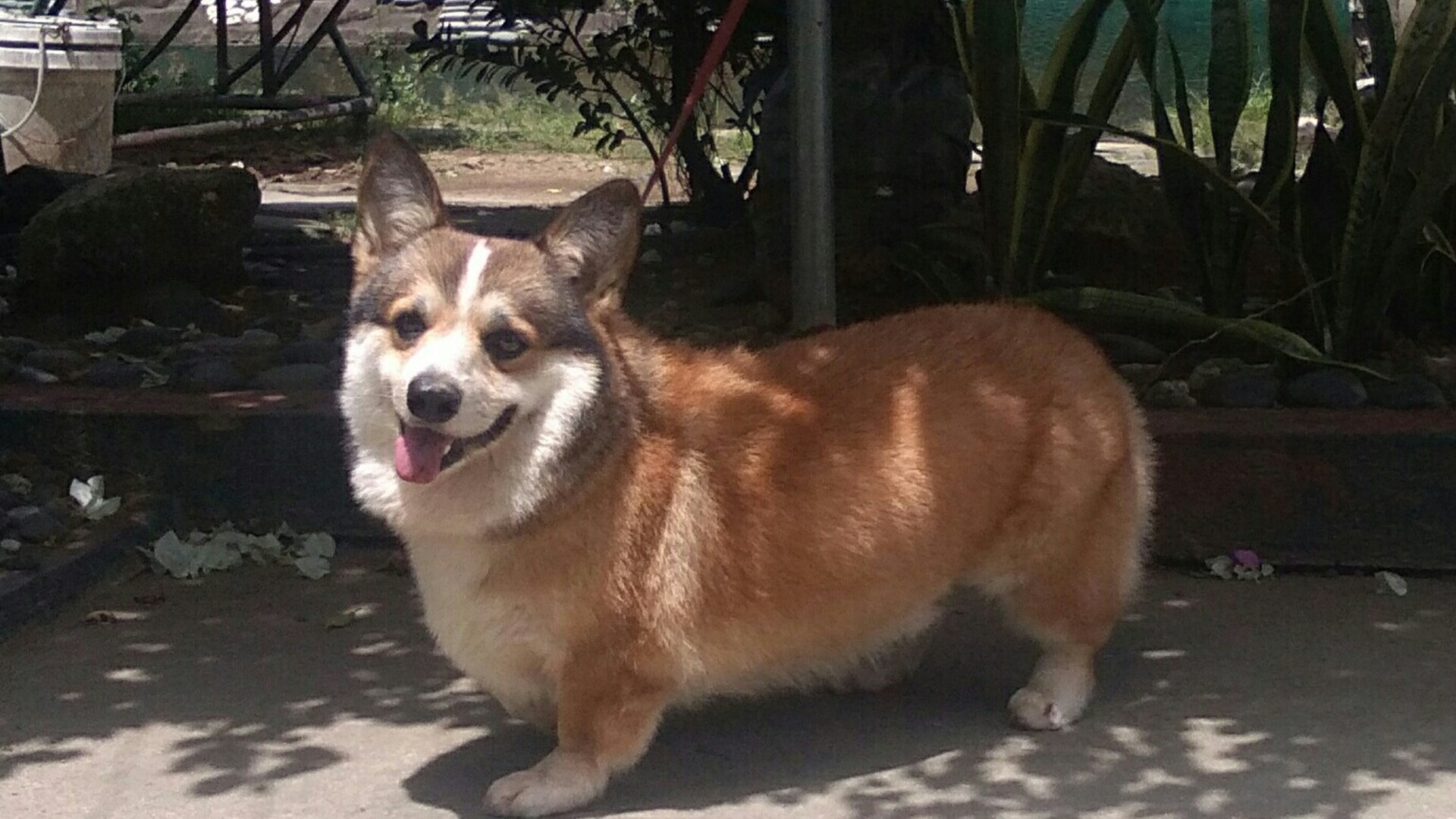
20. Pembroke Welsh Corgi (Natural Bobtail Dog) 
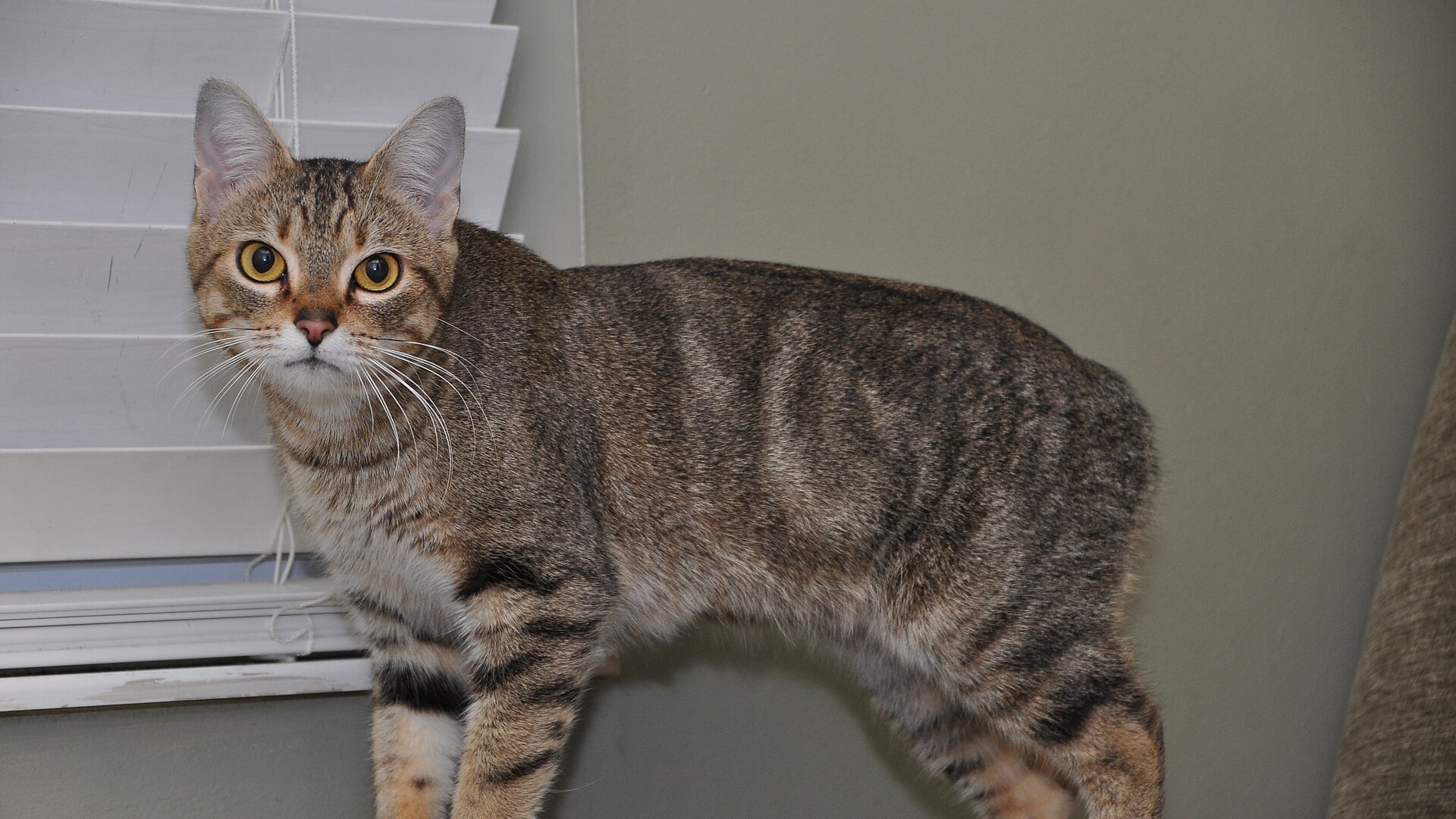
19. Manx Cat (Naturally Tailless) 
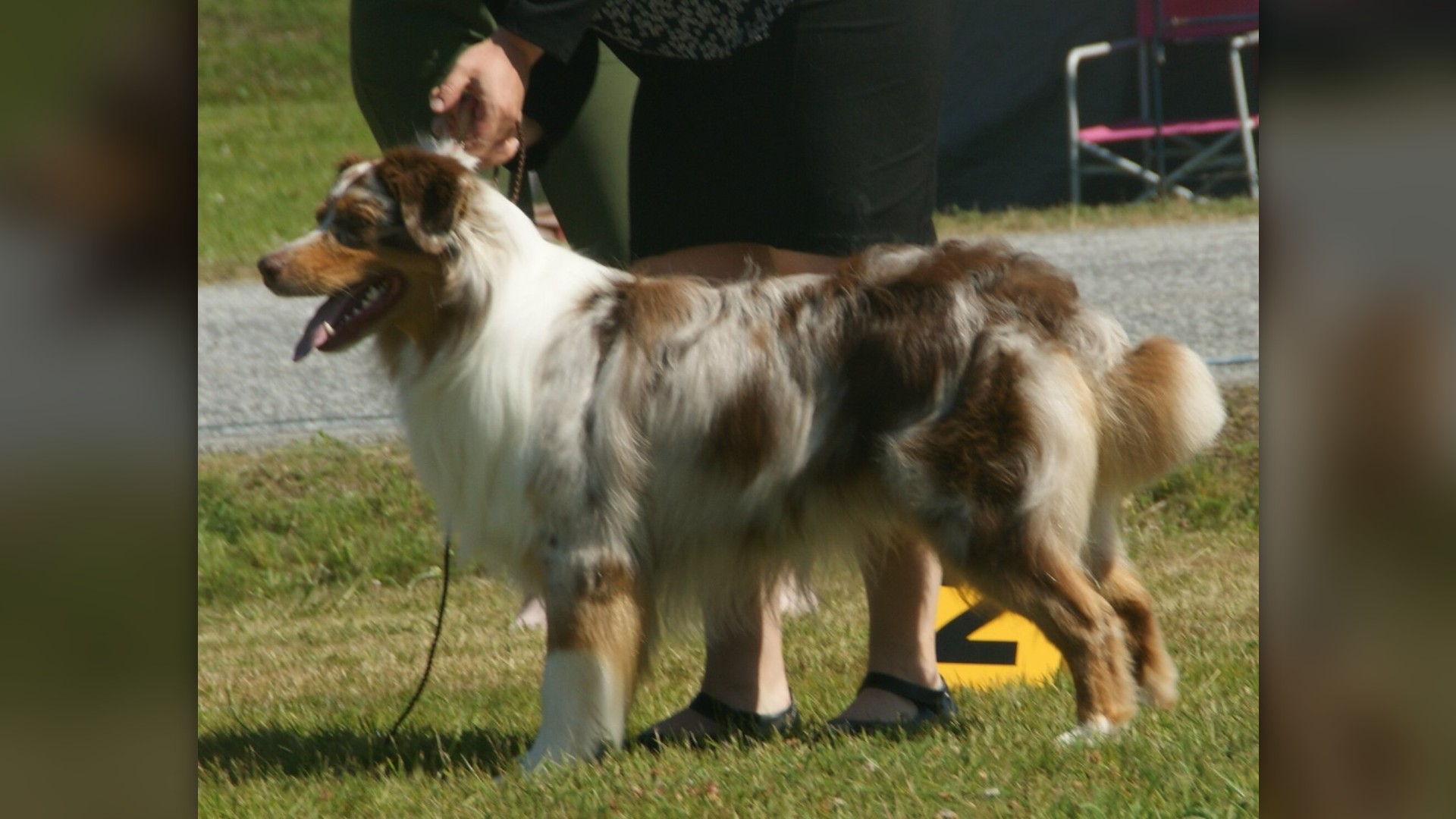
18. Australian Shepherd (Natural Bobtail Dog) - AdvertisementSwipe or tap ▶ to continue countdown

17. Cymric Cat (Naturally Tailless) 
16. Schipperke (Naturally Tailless Dog) 
15. Australian Stumpy Tail Cattle Dog (Natural Bobtail) 
14. Japanese Bobtail Cat (Natural Bobtail) - AdvertisementSwipe or tap ▶ to continue countdown

13. American Bobtail Cat (Natural Bobtail) 
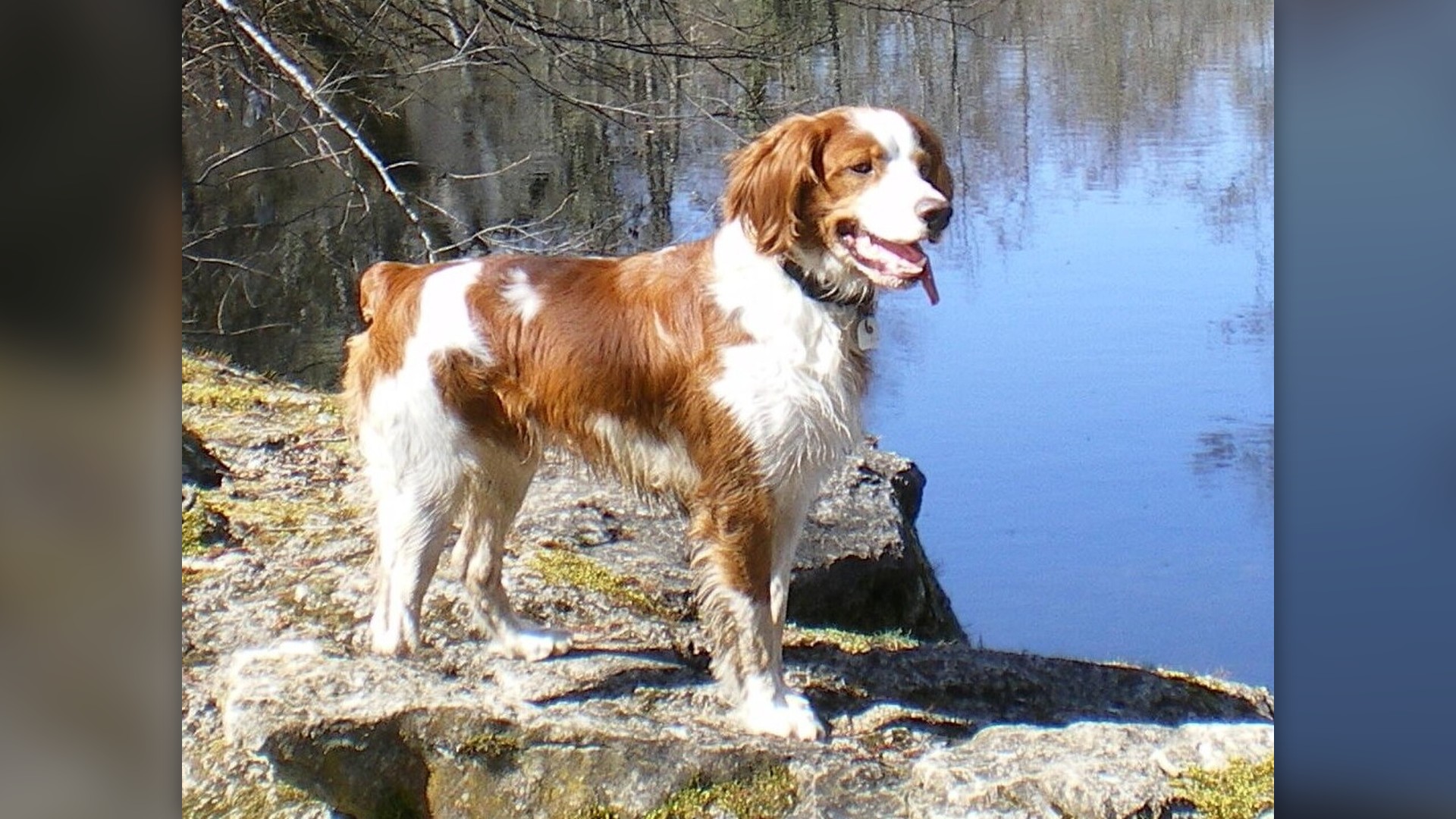
12. Brittany Spaniel (Natural Bobtail Dog) 
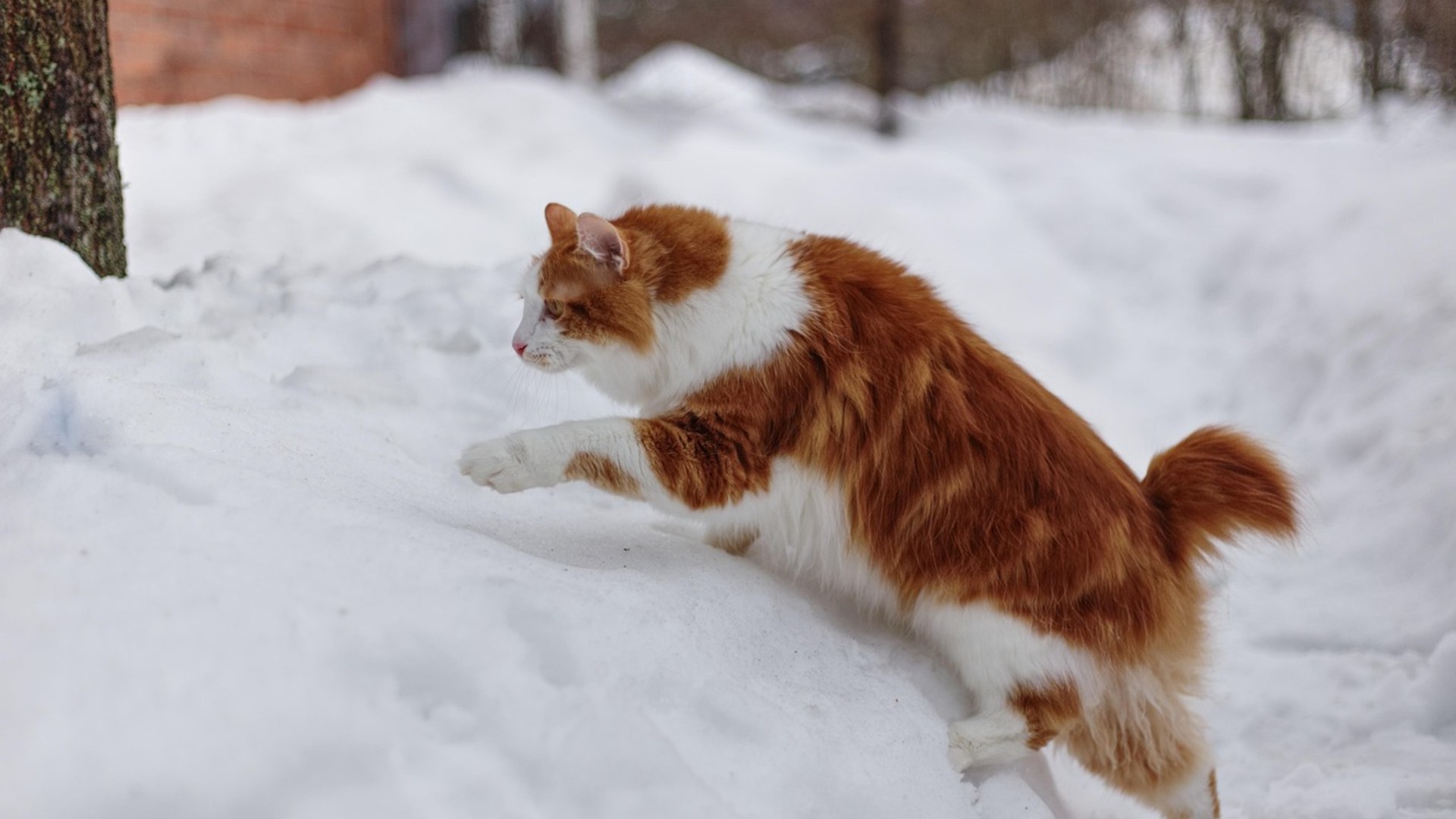
11. Kurilian Bobtail Cat (Natural Bobtail) 
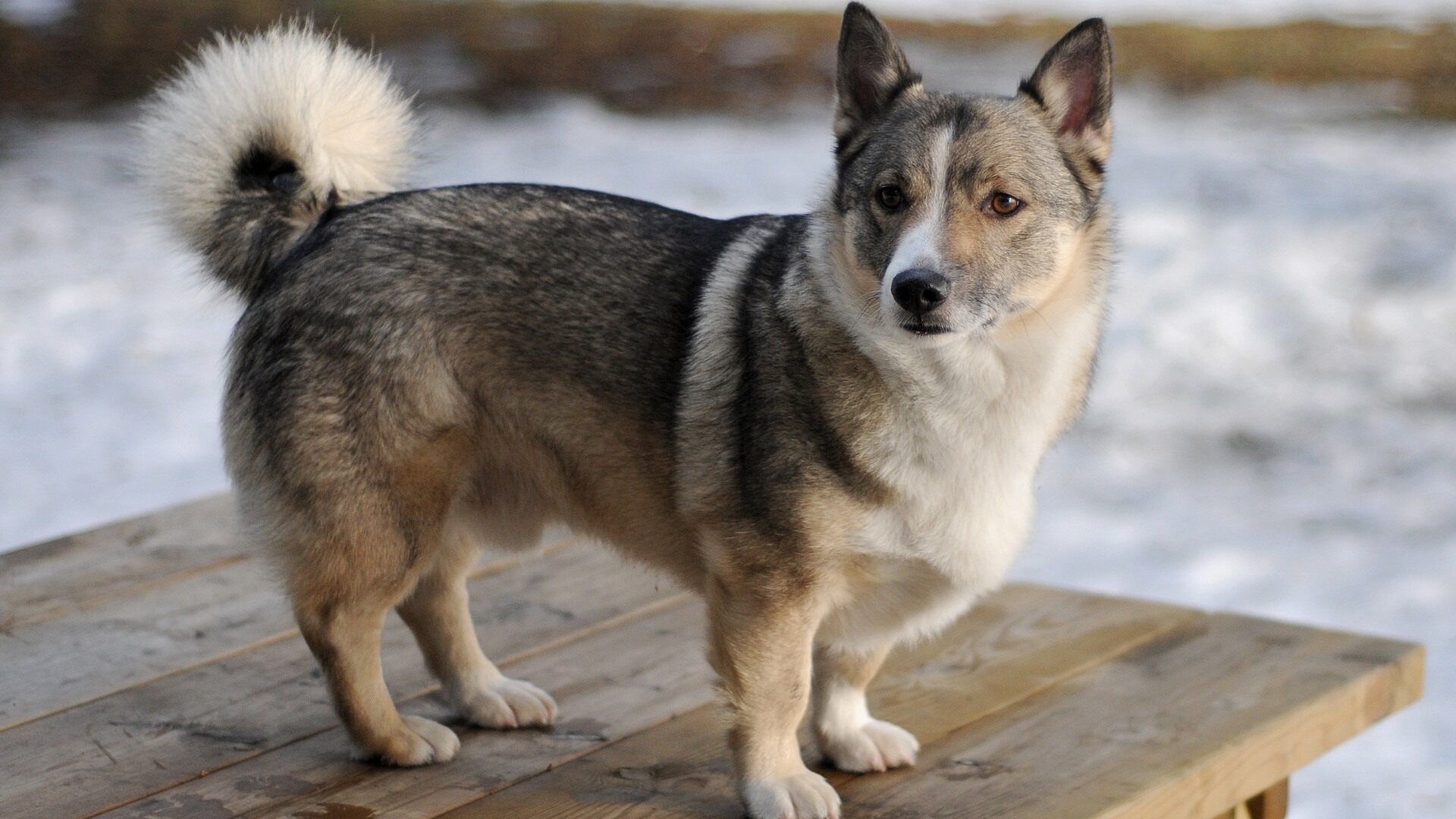
10. Swedish Vallhund (Natural Bobtail Dog) - AdvertisementSwipe or tap ▶ to continue countdown

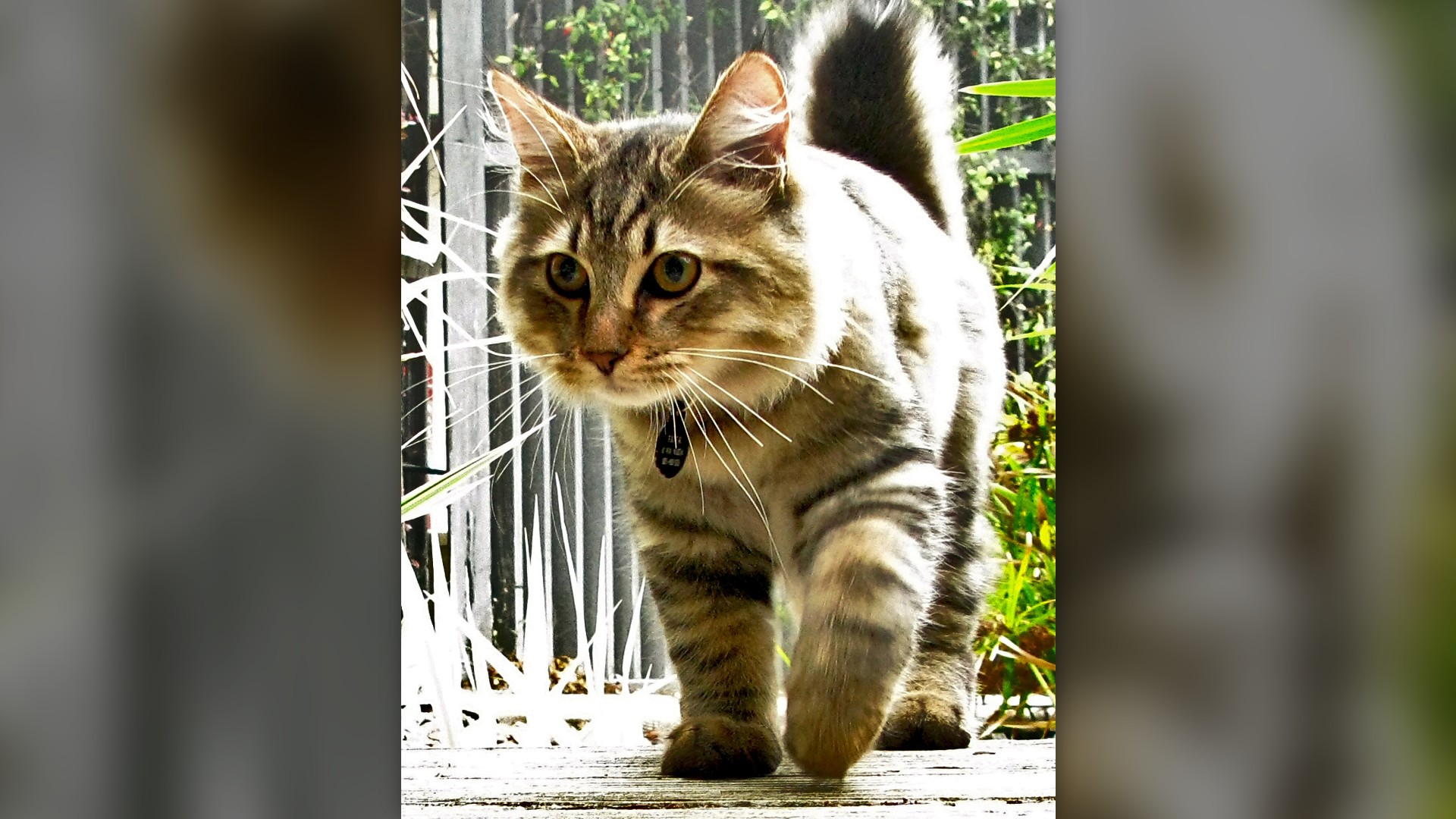
9. Pixie-Bob Cat (Natural Bobtail) 
8. Boston Terrier (Natural Bobtail Dog) 
7. Highlander Cat (Natural Bobtail) 
6. Mekong Bobtail Cat (Natural Bobtail) - AdvertisementSwipe or tap ▶ to continue countdown

5. French Bulldog (Natural Bobtail Dog) 
4. Croatian Sheepdog (Naturally Tailless Dog) 
3. Toybob Cat (Natural Bobtail) 
2. Karelian Bobtail Cat (Natural Bobtail) - AdvertisementSwipe or tap ▶ to continue countdown

1. Braque Du Bourbonnais (Natural Bobtail Dog) - Advertisement🔥 UP NEXT IN THIS SERIES◫ 21 Slides

20 Completely Transparent Animals in Nature
In the wild, concealment is often the ultimate key to survival, prompting diverse species to evolve completely see-through bodies. From rainforest glass frogs and winged butterflies to deep-sea squids and glass octopuses, these 20 extraordinary creatures demonstrate how nature turns transparency into biological armor.
Distinguishing inherited bobtail genetics from cosmetic tail docking is vital for pet owners and breed historians. Based on official breed standards from the American Kennel Club, The International Cat Association, and Cat Fanciers Association, this guide examines twenty breeds born naturally tailless or short-tailed.
Swipe or tap ▶ to begin the countdown
©Wikimedia / mjk23 & Wikimedia / tomall
20. Pembroke Welsh Corgi (Natural Bobtail Dog)
The Pembroke Welsh Corgi carries an autosomal dominant mutation in the T-box transcription factor gene that causes a natural bobtail. While historically docked for herding cattle across rough Welsh pastures, many modern puppies are born with just an inch of tail or no tail at all.
©Wikimedia / Pembroke Welsh Corgi
19. Manx Cat (Naturally Tailless)
The Manx cat owes its complete taillessness to a spontaneous dominant genetic mutation that spread throughout the isolated Isle of Man. Show standards classify individuals as rumpies with zero tail, riser cats with a small cartilage bump, or stumpies carrying a partial tail.
©Wikimedia / Michelle Weigold
18. Australian Shepherd (Natural Bobtail Dog)
Australian Shepherds inherit a natural bobtail via the same T-box gene mutation identified in Corgis. Ranchers in the western United States favored compact tails because they prevented dangerous burs, brush entanglement, and livestock trampling injury during long days managing livestock.
©Wikimedia / Canarian
Advertisement
Swipe or tap ▶ to resume the countdown.
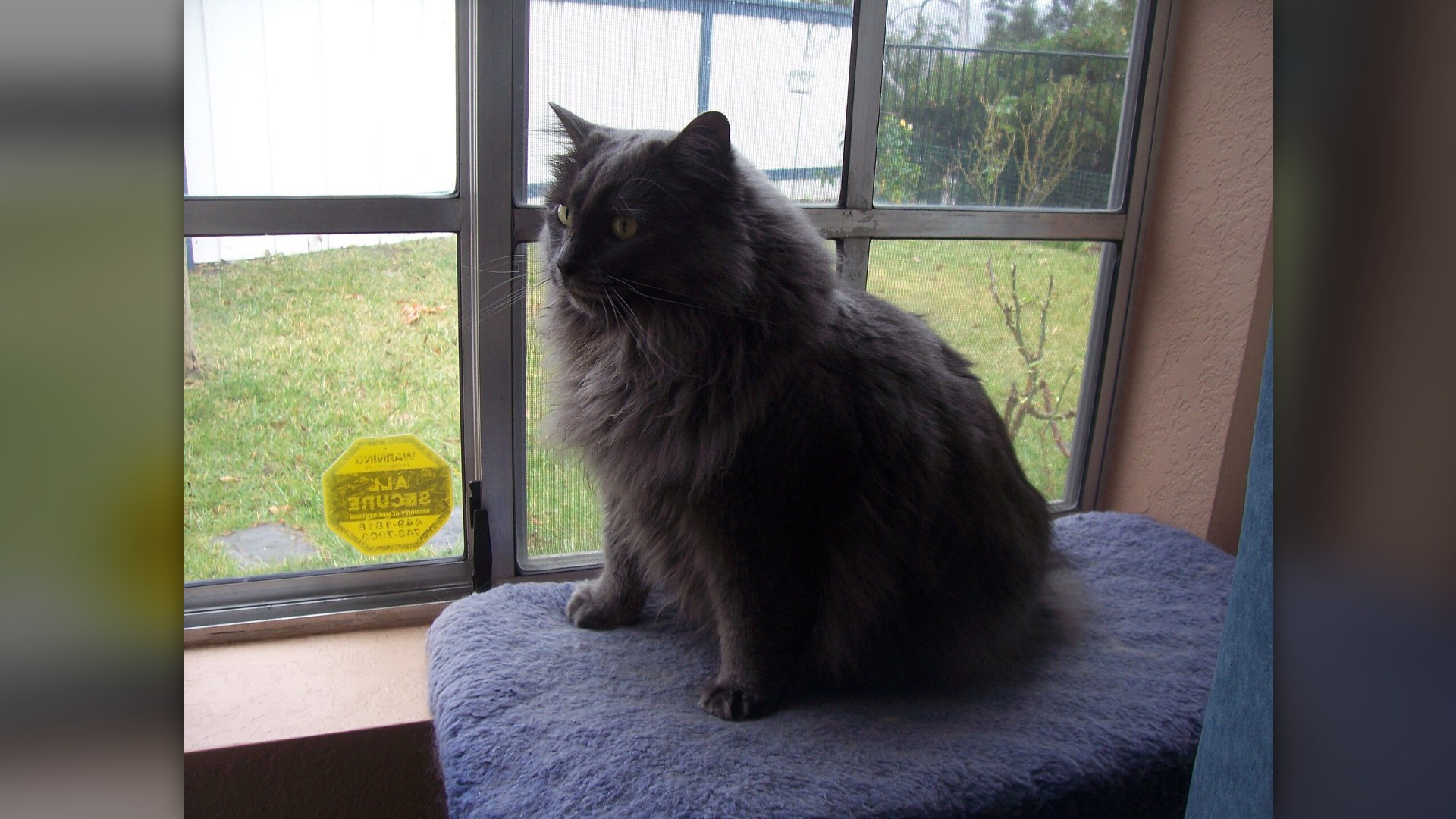
17. Cymric Cat (Naturally Tailless)
Recognized as a distinct championship breed by several registries, the Cymric shares the exact tailless genetic profile of the shorthair Manx. Its round silhouette is accentuated by powerful hind legs and a dense double coat that softens its rounded, completely tailless rear.
©Wikimedia / Robertlucien
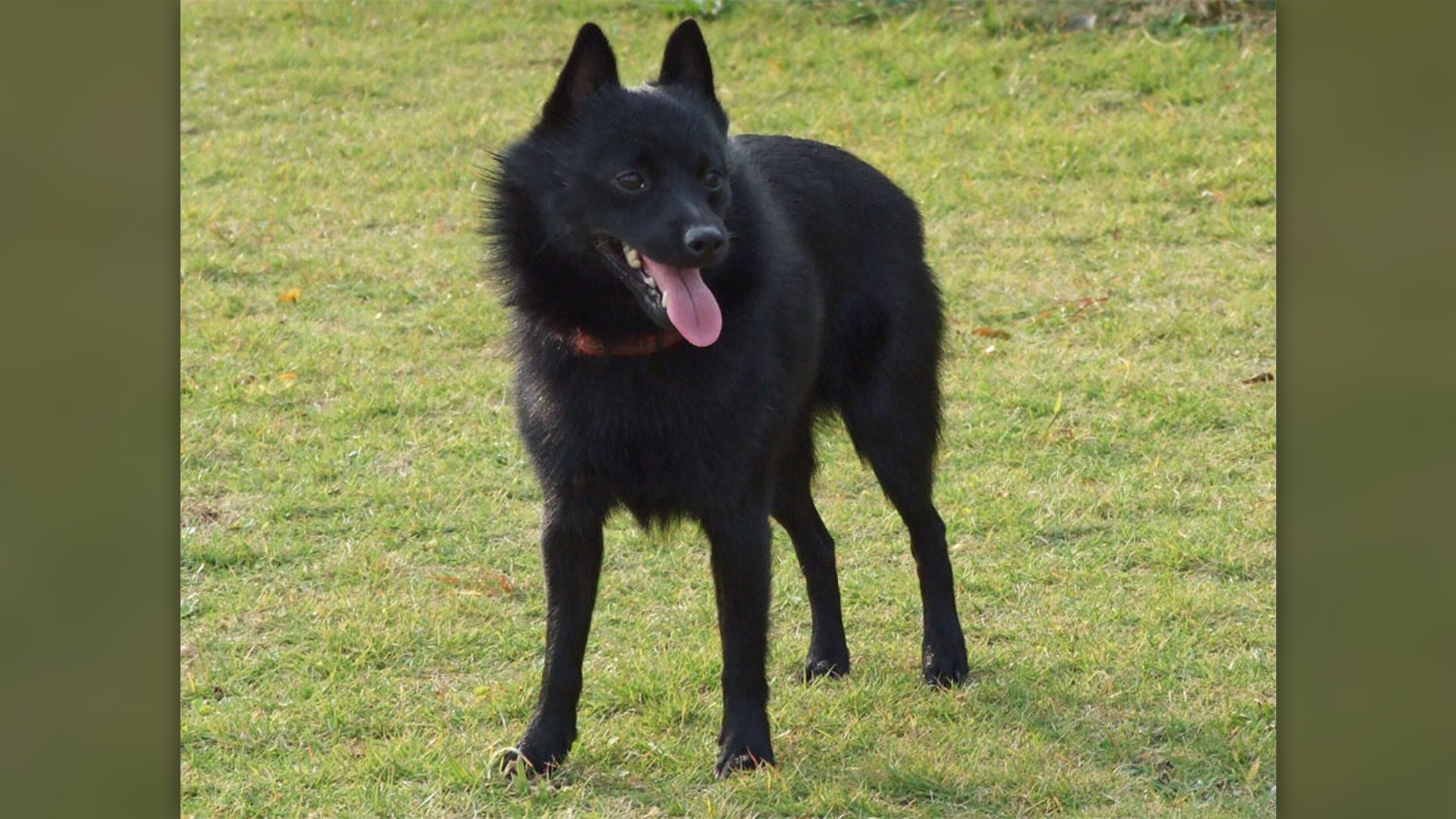
16. Schipperke (Naturally Tailless Dog)
Bred along Flemish canals as barge watchdogs and rat hunters, Schipperkes are commonly born without a tail due to ancestral genetics. The absence of a tail enhances their thick neck ruff and compact cobby physique, giving this active breed its classic miniature black bear profile.
©Wikimedia / Schipperke
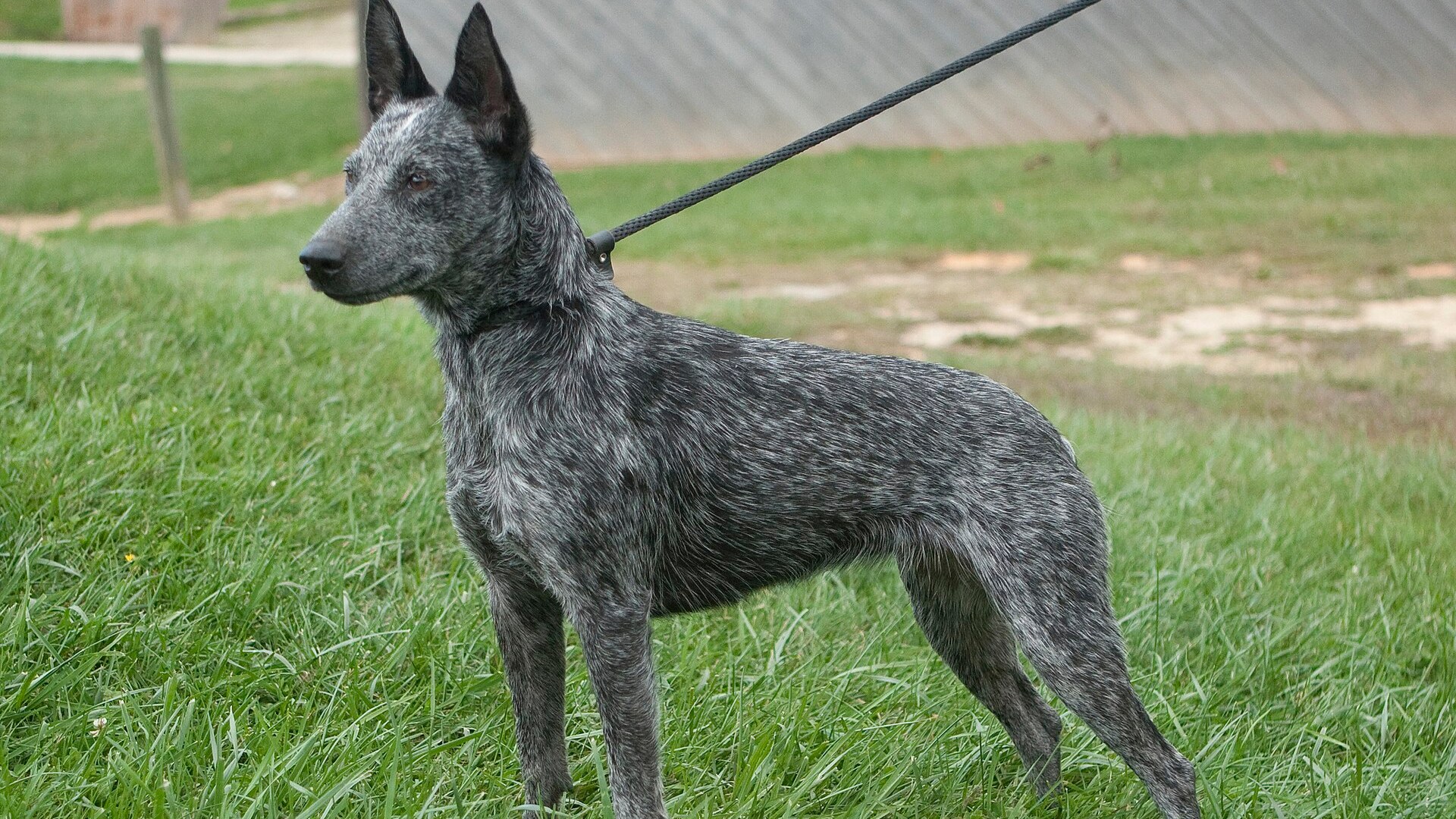
15. Australian Stumpy Tail Cattle Dog (Natural Bobtail)
Distinct from the Australian Cattle Dog, the Stumpy Tail is an ancient droving breed developed by crossing early British herding dogs with native dingoes. Its breed standard strictly requires a natural bobtail not exceeding four inches in length, driven by natural inherited genetics.
©Wikimedia / Wendy Hodges
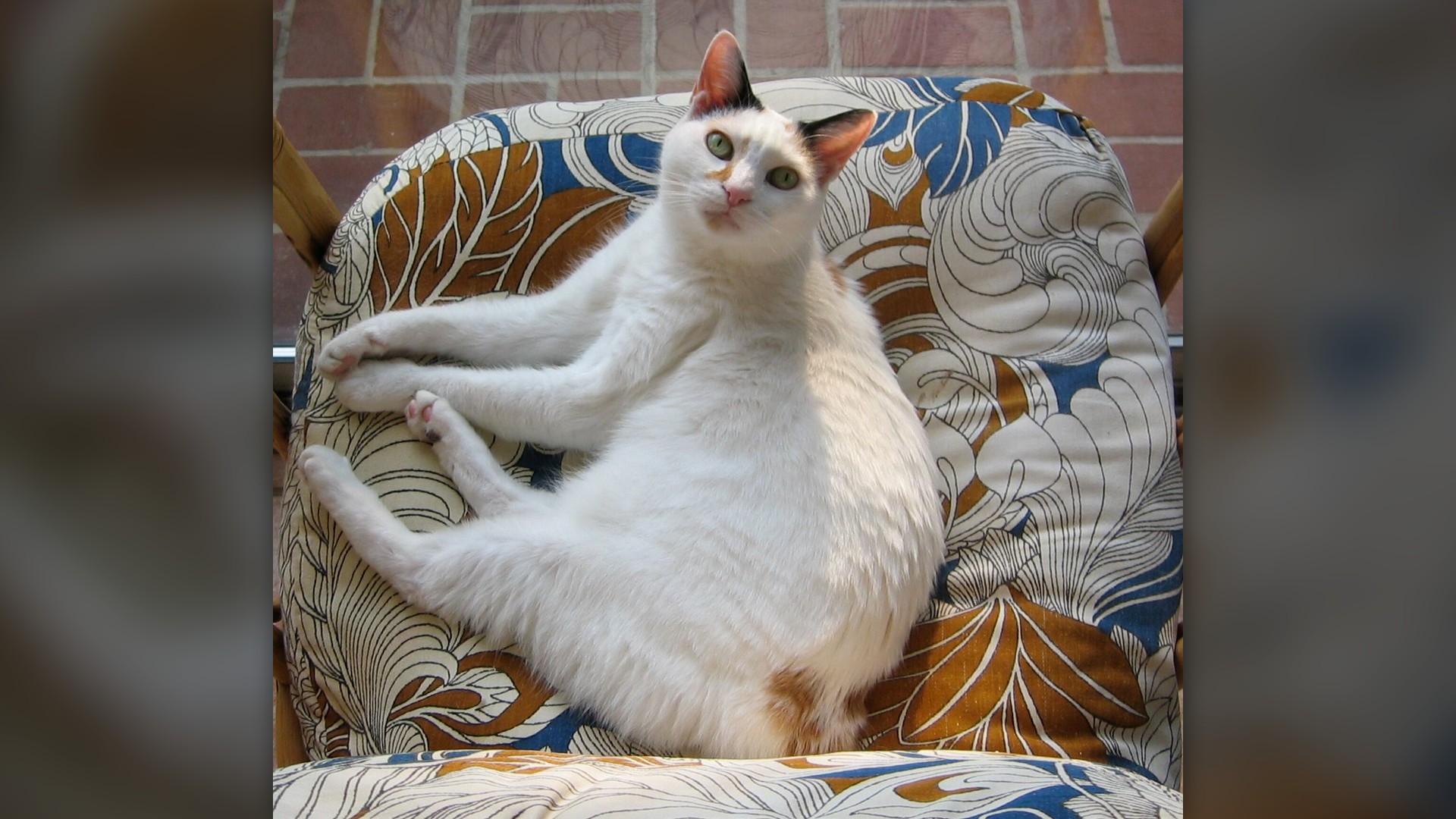
14. Japanese Bobtail Cat (Natural Bobtail)
Revered in Japanese folklore for centuries, the Japanese Bobtail possesses a recessive mutation that restricts the tail to no more than three inches. Every tail is uniquely curled, kinked, or angled, creating a distinctive bunny-like puff that resembles a blossom when viewed from behind.
©Wikimedia / jonny - m t
Advertisement
Swipe or tap ▶ to resume the countdown.
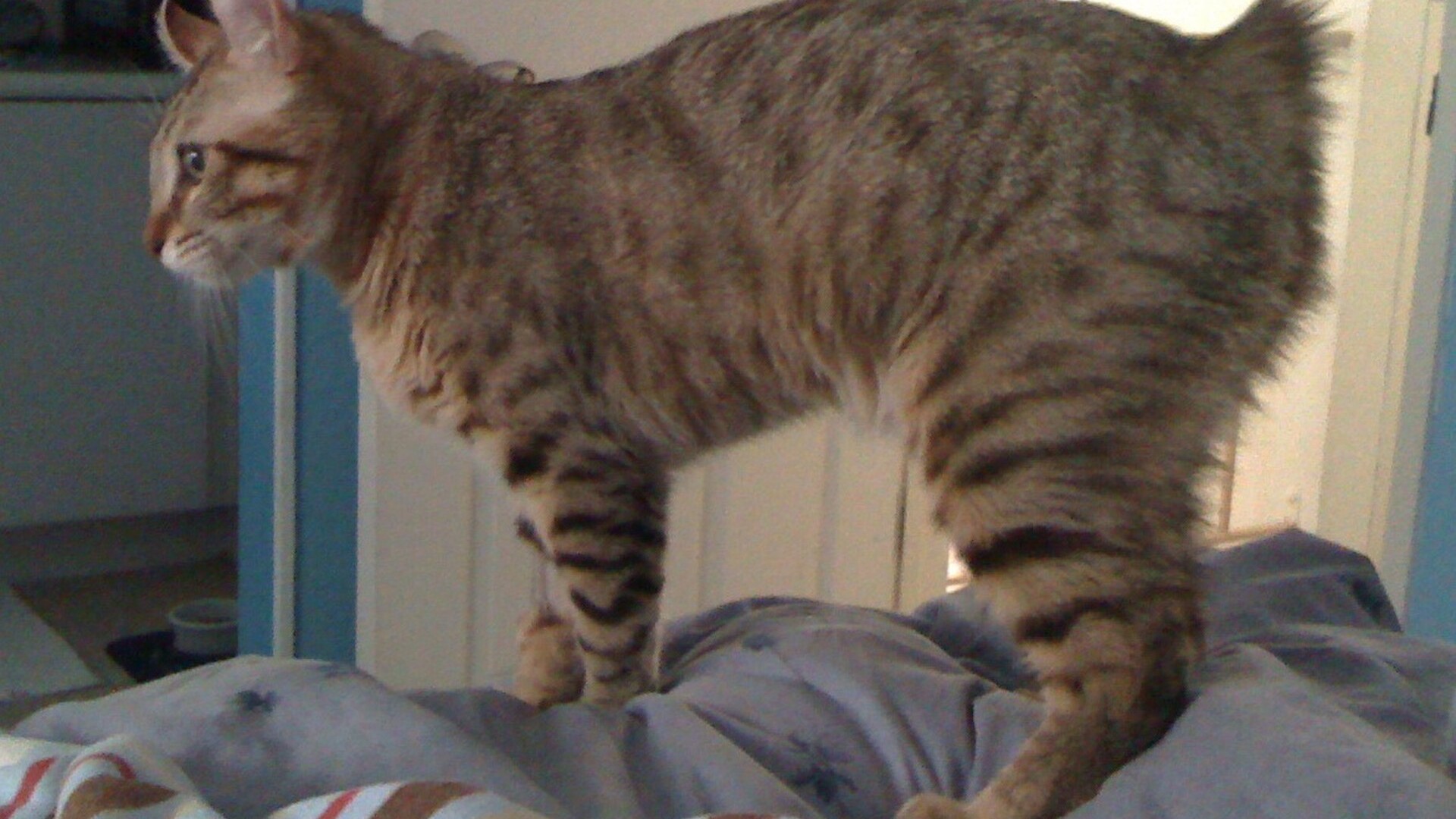
13. American Bobtail Cat (Natural Bobtail)
The American Bobtail emerged from a natural bobtailed brown tabby found in Arizona during the 1960s. Unlike the Manx gene, the American Bobtail mutation produces a healthy, flexible tail measuring two to four inches. The breed displays a muscular body and an alert, predatory gaze.
©Wikimedia / American Bobtail
12. Brittany Spaniel (Natural Bobtail Dog)
Hailing from northwestern France, many Brittany puppies inherit a natural anury or brachyury gene that leaves them with no tail or a stub under four inches. Renowned for boundless energy and versatile pointing skills, their naturally compact rear avoids painful briar snagging in dense brush.
©Wikimedia / Brittany Spaniel
11. Kurilian Bobtail Cat (Natural Bobtail)
The Kurilian Bobtail developed through natural isolation on remote volcanic islands between Russia and Japan. Its spiraled pom-pom tail consists of two to ten kinked vertebrae, complementing an athletic build, water-resistant fur, and an innate hunting instinct praised by island fishermen.
©Pixabay / lindarczyk
10. Swedish Vallhund (Natural Bobtail Dog)
Known in Sweden as the Vastgotaspets, this ancient spitz-type cattle drover carries natural bobtail alleles that yield various tail lengths in the same litter. Low to the ground and remarkably sturdy, the breed used its compact rear to avoid dangerous kicks while nipping at dairy cattle heels.
©Wikimedia / Swedish Vallhund
Advertisement
Swipe or tap ▶ to resume the countdown.
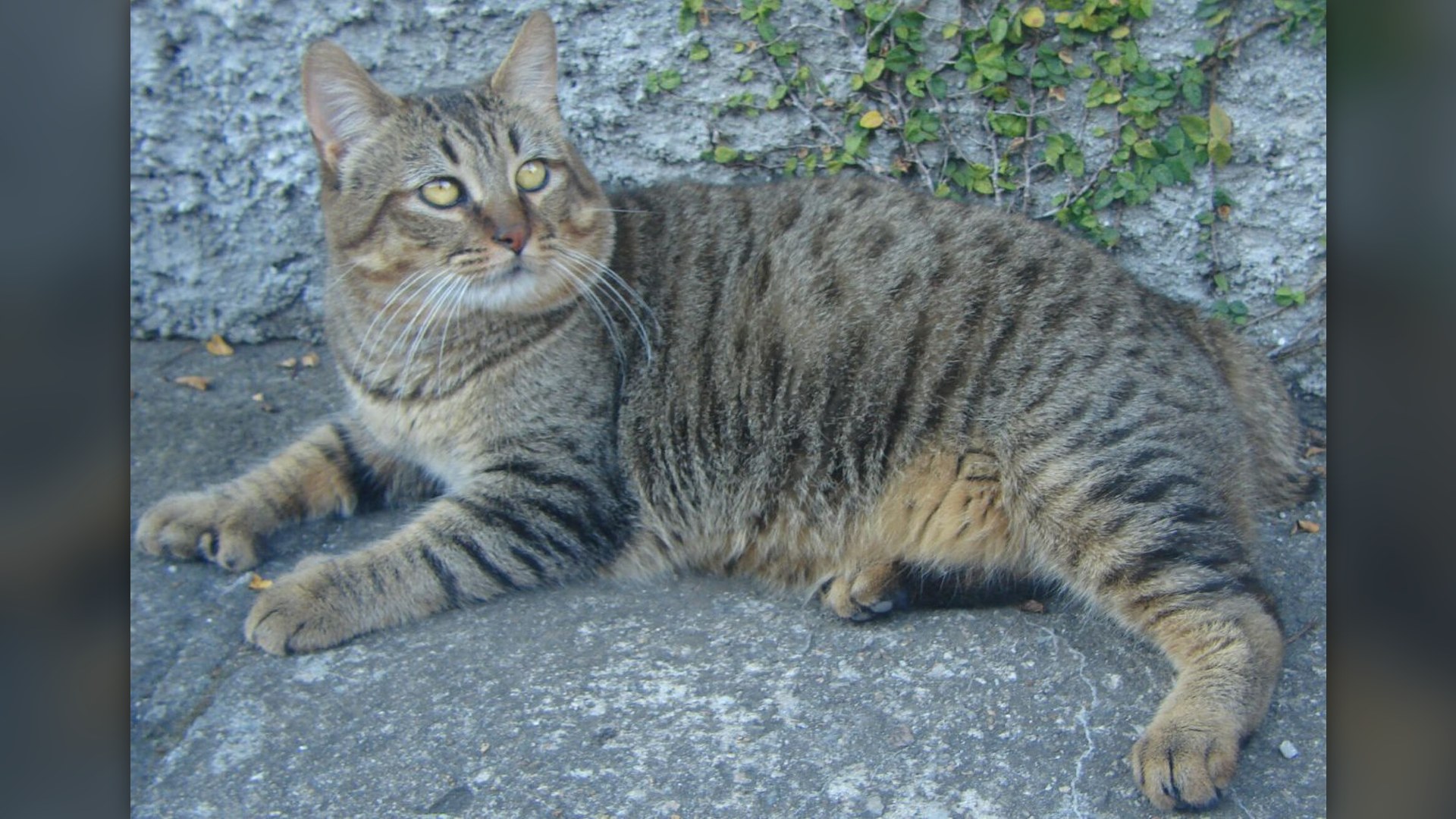
9. Pixie-Bob Cat (Natural Bobtail)
Originating in the Pacific Northwest during the 1980s, the Pixie-Bob was carefully bred to resemble wild bobcats while maintaining a gentle disposition. Breed standards mandate a naturally truncated tail measuring between two and six inches, accompanied by a spotted coat and lynx tips.
©Wikimedia / Simone Johnsson from Curitiba, Brazil
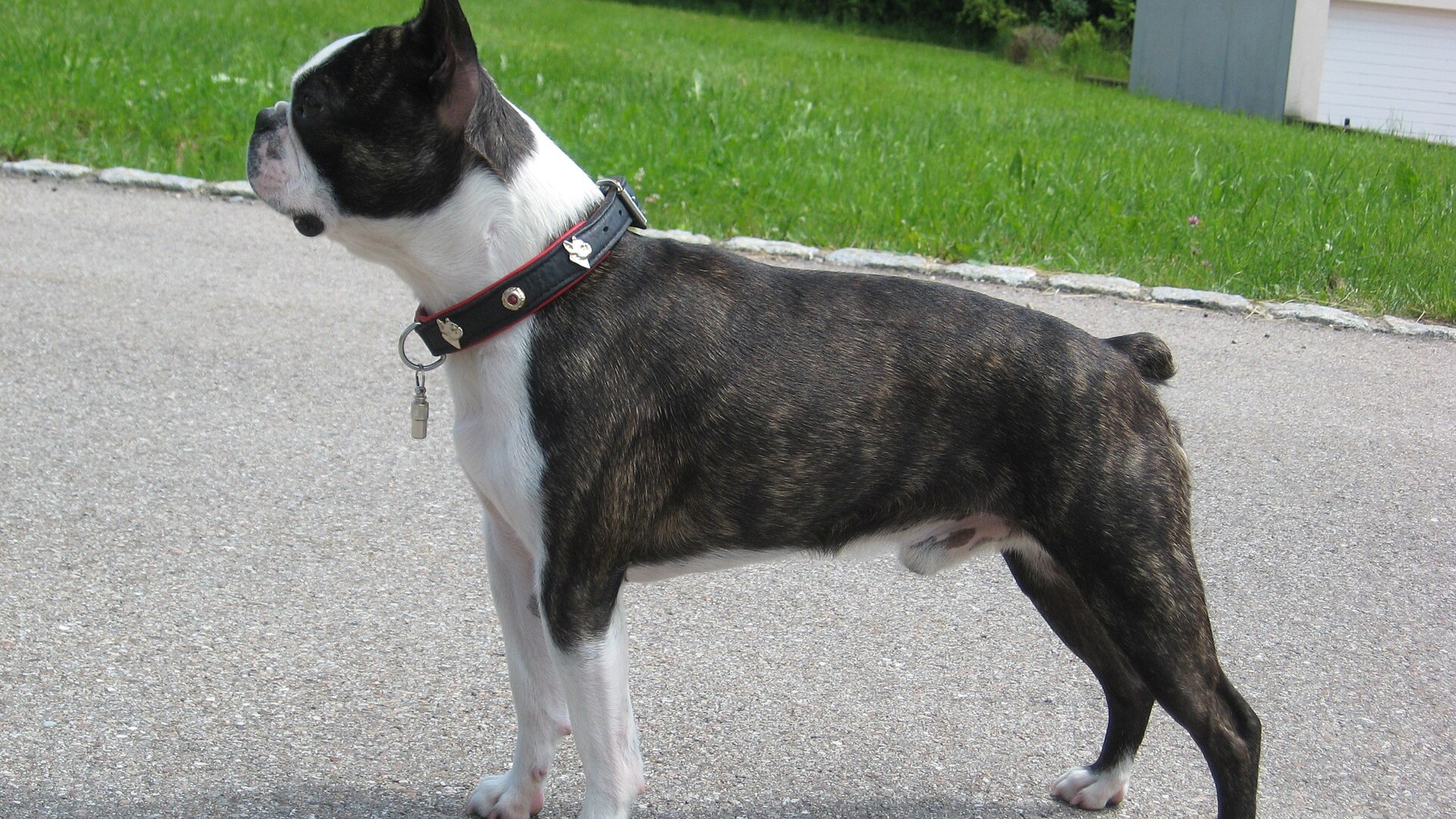
8. Boston Terrier (Natural Bobtail Dog)
Known as the American Gentleman for its dapper tuxedo coat, the Boston Terrier never requires surgical docking because its tail is naturally stunted. Caused by inherited vertebral mutations, the tail typically measures less than two inches and rests snugly against the low croup.
©Wikimedia / Boston Terrier
7. Highlander Cat (Natural Bobtail)
Developed in 2004 by blending Desert Lynx ancestry with jungle curl lineages, the Highlander is admired for its striking appearance. Its naturally truncated bobtail must measure at least two inches, balancing an imposing muscular structure with curled ear cartilage and big round paws.
©Wikimedia / TAnthony
6. Mekong Bobtail Cat (Natural Bobtail)
Native across Thailand, Vietnam, and surrounding Mekong River regions, this elegant cat was cherished by royal courts as a guardian companion. Its signature short tail contains multiple tiny curves and kinks hidden beneath silky point-colored fur, with no two tails sharing the same shape.
©Wikimedia / Alex Opryatin
Advertisement
Swipe or tap ▶ to resume the countdown.
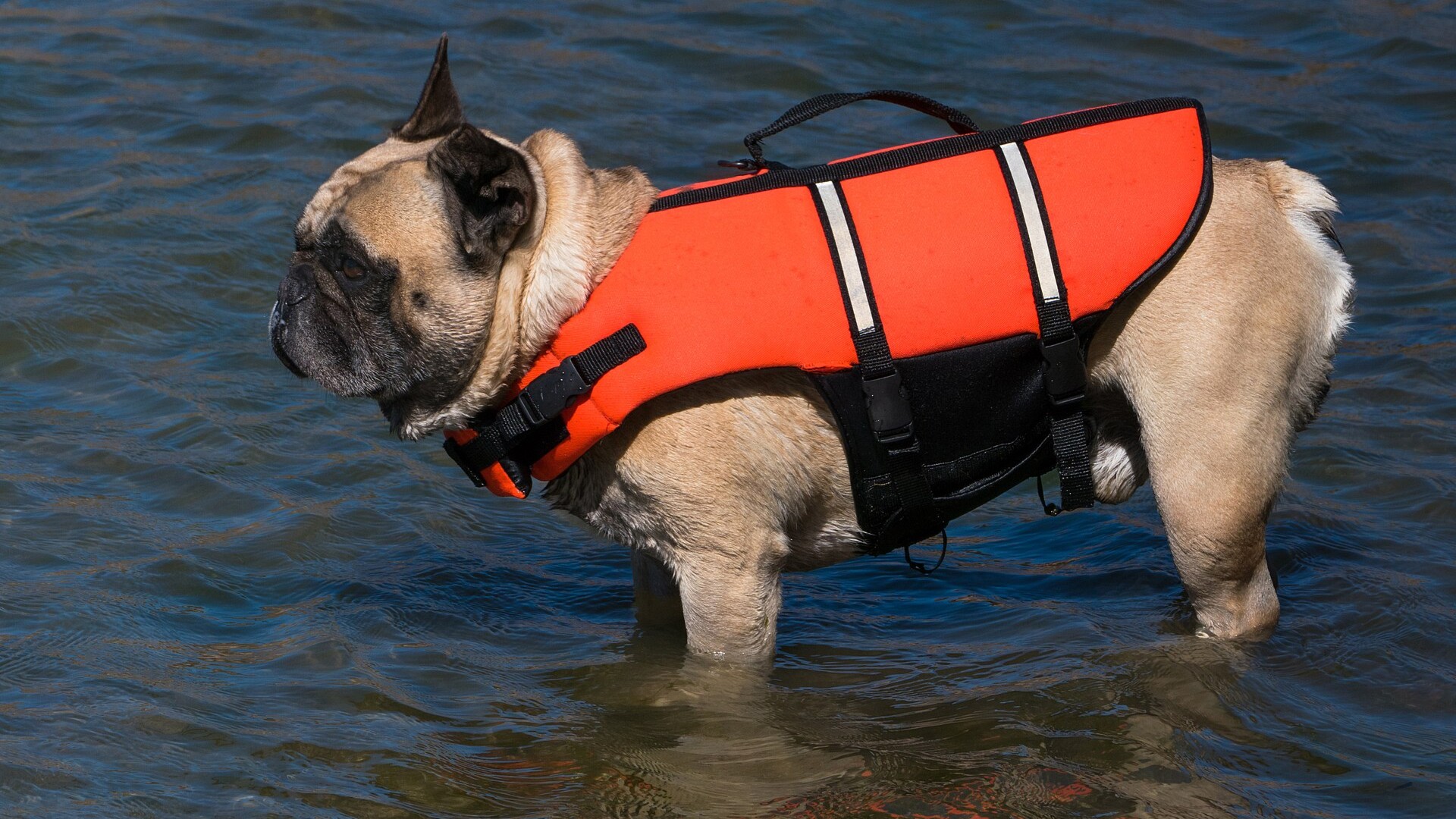
5. French Bulldog (Natural Bobtail Dog)
French Bulldogs inherit a genetic condition known as hemivertebrae, which naturally stunts and kinks their tail bones into a compact button or corkscrew. Official kennel club standards strictly disqualify docked tails, mandating that every Frenchie exhibit its natural short tail intact.
©Wikimedia / W.carter
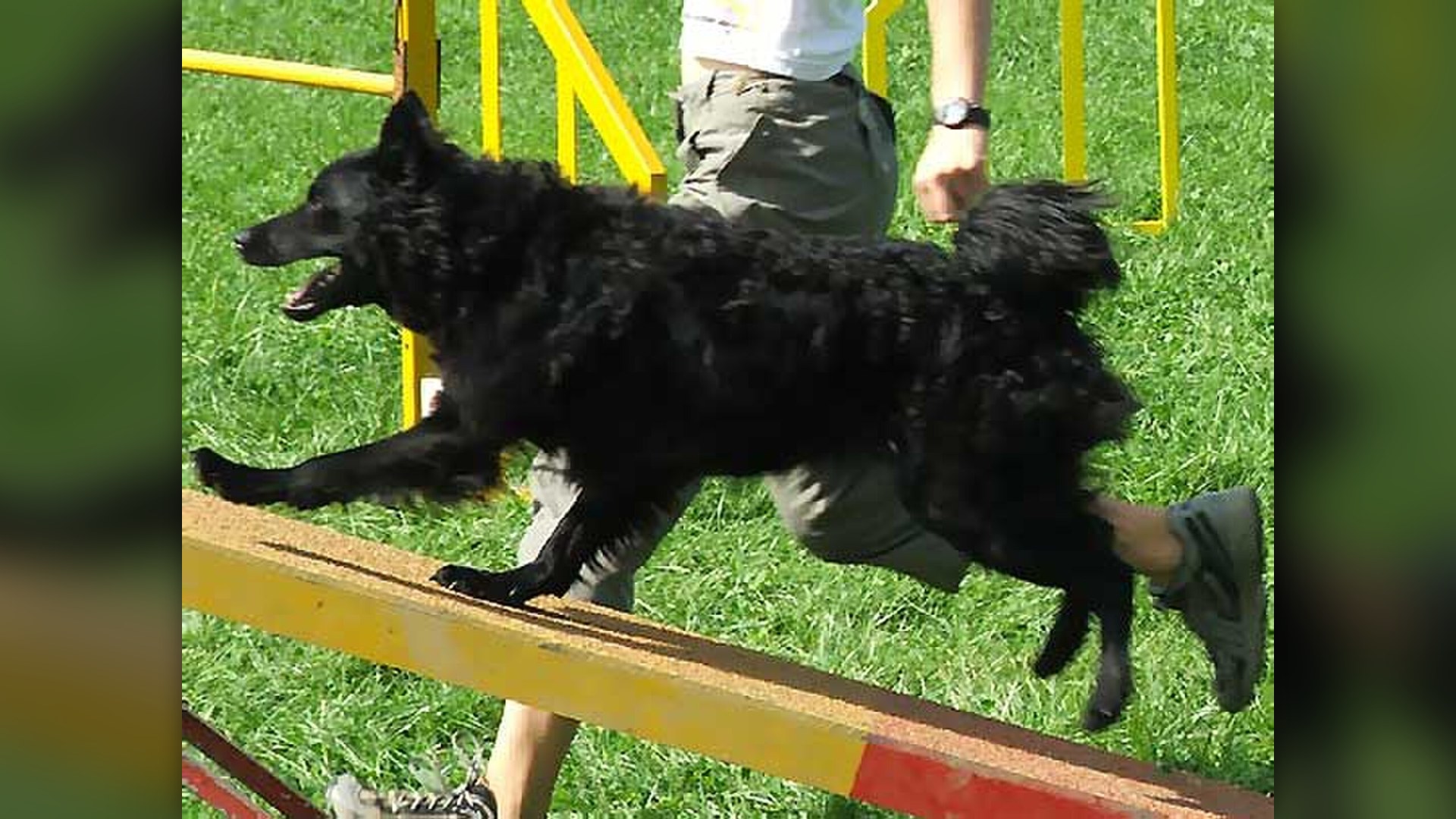
4. Croatian Sheepdog (Naturally Tailless Dog)
Documented in archival manuscripts from Slavonia dating back to the fourteenth century, the Croatian Sheepdog is a hardy working drover. Many puppies are born with an inherited natural bobtail or complete anury, giving their dense wavy black coat a distinctive, utilitarian silhouette.
©Wikimedia / Michala Mračková
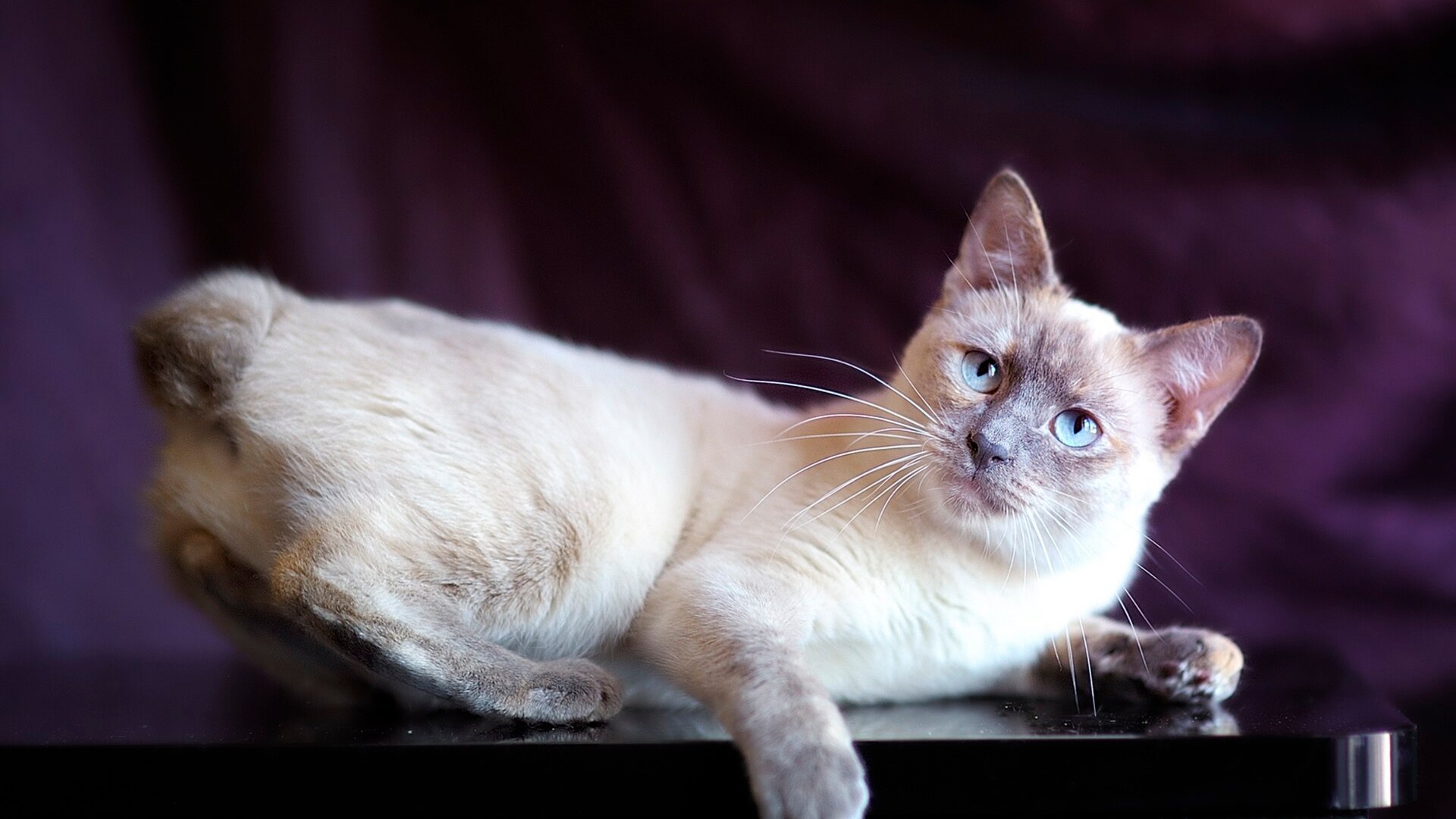
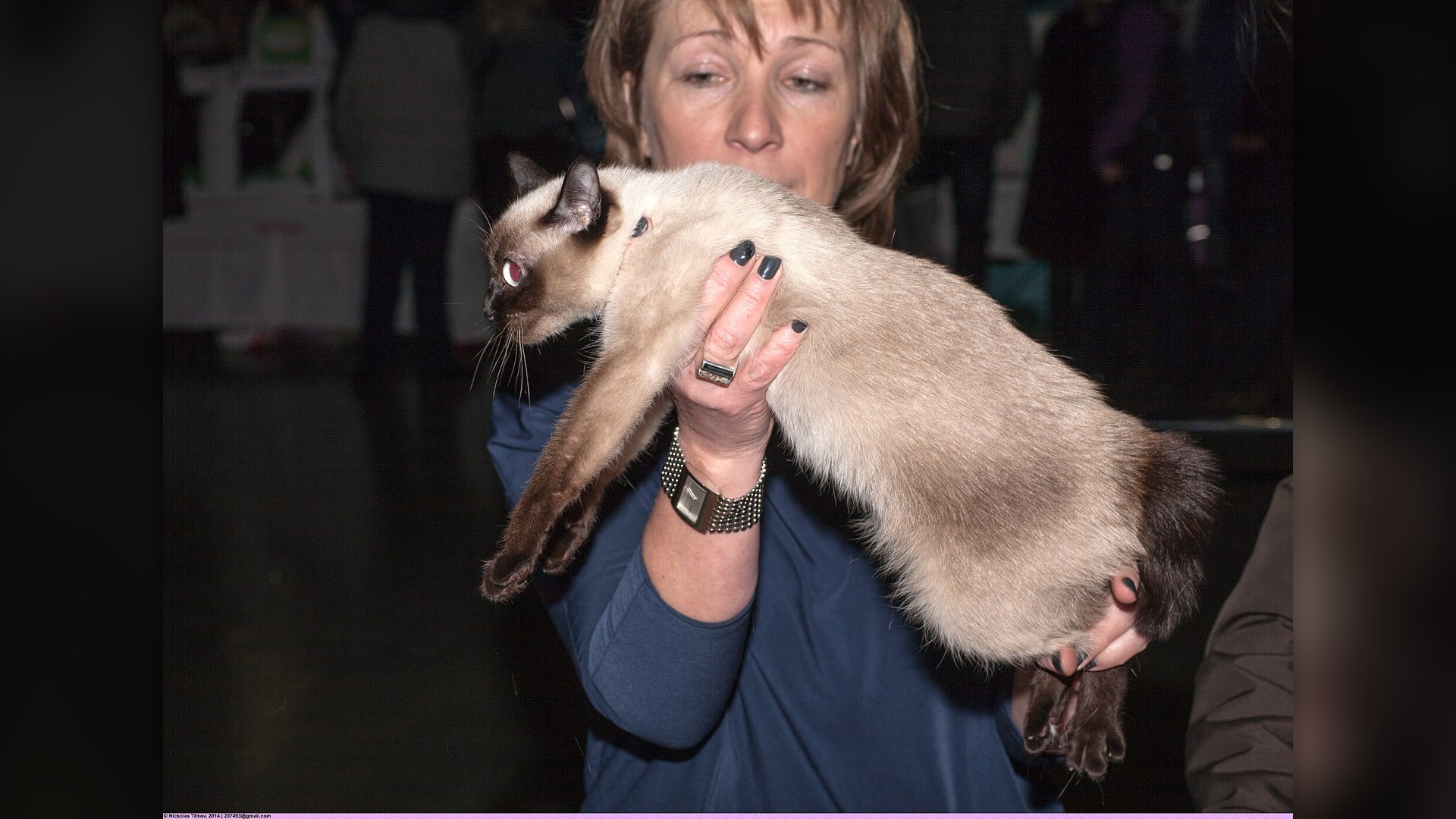
3. Toybob Cat (Natural Bobtail)
Originating in Russia during the late 1980s, the Toybob is one of the smallest cat breeds in the feline world. Despite its diminutive toy proportions, it is a naturally occurring mutation rather than a miniaturized designer hybrid, featuring a cute kinked bobtail containing tiny fused bones.
©Wikimedia / Nickolas Titkov from Moscow, Russian Federation
2. Karelian Bobtail Cat (Natural Bobtail)
Originating in the Lake Ladoga region near Finland, the Karelian Bobtail is an ancient landrace cat whose short tail developed entirely independently from the Manx. Its tail measures between one and five inches, ending in an adorable, feathery pom-pom that matches its dense winter coat.
©Wikimedia / tomall
Advertisement
Swipe or tap ▶ to resume the countdown.
1. Braque Du Bourbonnais (Natural Bobtail Dog)
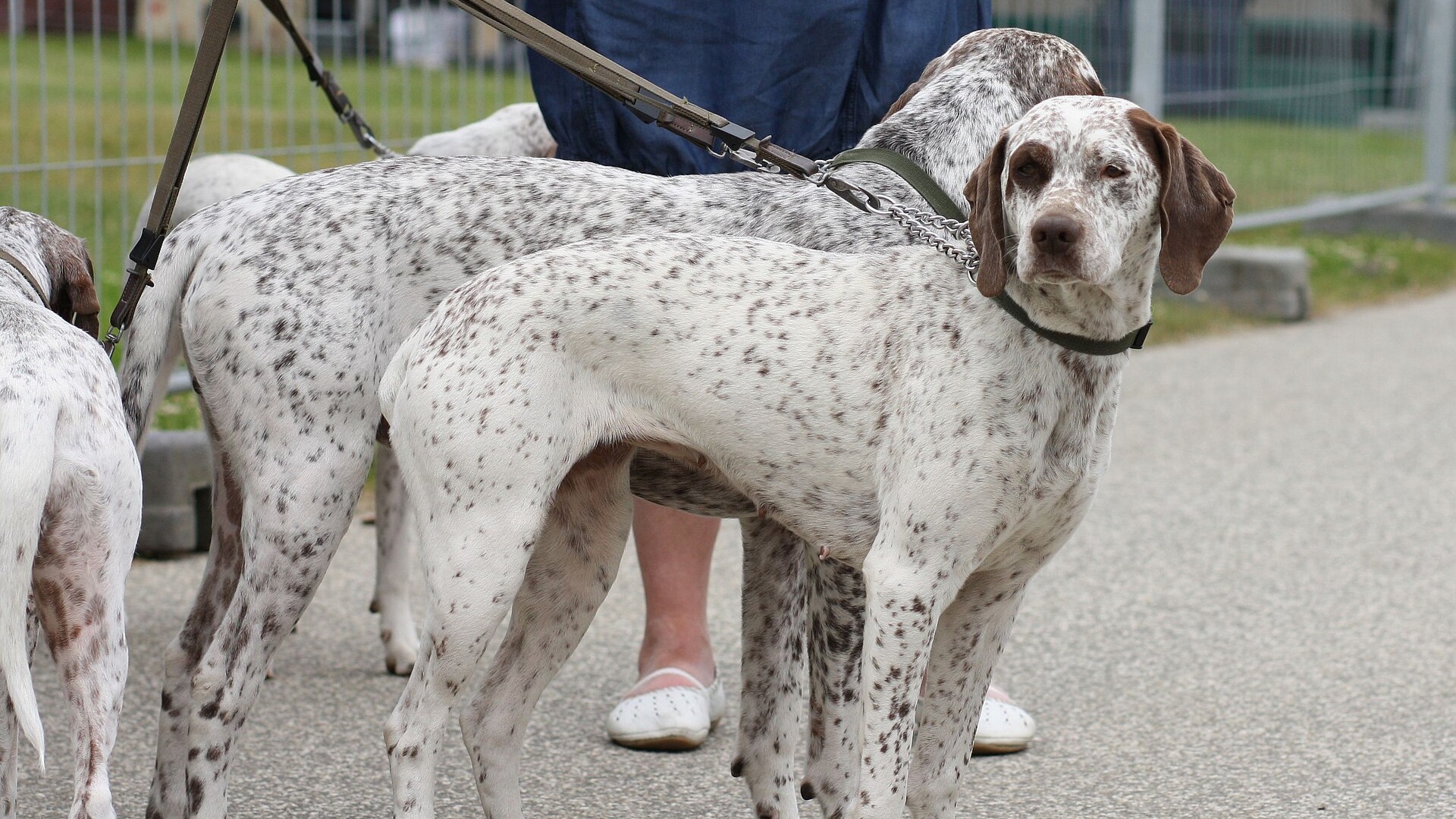
Dating back to Renaissance France, this versatile gundog has historically been nicknamed the short-tail pointer. Selective breeding preserved its natural bobtail trait alongside an unusual ticked coat pattern. Today, French club registries recognize both naturally tailless and short-stubbed specimens.

©Wikimedia / mjk23
Advertisement
You've reached the end of the story. Thanks for reading!

20 Completely Transparent Animals in Nature
In the wild, concealment is often the ultimate key to survival, prompting diverse species to evolve completely see-through bodies. From rainforest glass frogs and winged butterflies to deep-sea squids and glass octopuses, these 20 extraordinary creatures demonstrate how nature turns transparency into biological armor.
All 20 Entries in this Story
Pembroke Welsh Corgi (Natural Bobtail Dog)
The Pembroke Welsh Corgi carries an autosomal dominant mutation in the T-box transcription factor gene that causes a natural bobtail. While historically docked for herding cattle across rough Welsh pastures, many modern puppies are born with just an inch of tail or no tail at all.

Manx Cat (Naturally Tailless)
The Manx cat owes its complete taillessness to a spontaneous dominant genetic mutation that spread throughout the isolated Isle of Man. Show standards classify individuals as rumpies with zero tail, riser cats with a small cartilage bump, or stumpies carrying a partial tail.

Australian Shepherd (Natural Bobtail Dog)
Australian Shepherds inherit a natural bobtail via the same T-box gene mutation identified in Corgis. Ranchers in the western United States favored compact tails because they prevented dangerous burs, brush entanglement, and livestock trampling injury during long days managing livestock.

Cymric Cat (Naturally Tailless)
Recognized as a distinct championship breed by several registries, the Cymric shares the exact tailless genetic profile of the shorthair Manx. Its round silhouette is accentuated by powerful hind legs and a dense double coat that softens its rounded, completely tailless rear.

Schipperke (Naturally Tailless Dog)
Bred along Flemish canals as barge watchdogs and rat hunters, Schipperkes are commonly born without a tail due to ancestral genetics. The absence of a tail enhances their thick neck ruff and compact cobby physique, giving this active breed its classic miniature black bear profile.

Australian Stumpy Tail Cattle Dog (Natural Bobtail)
Distinct from the Australian Cattle Dog, the Stumpy Tail is an ancient droving breed developed by crossing early British herding dogs with native dingoes. Its breed standard strictly requires a natural bobtail not exceeding four inches in length, driven by natural inherited genetics.

Japanese Bobtail Cat (Natural Bobtail)
Revered in Japanese folklore for centuries, the Japanese Bobtail possesses a recessive mutation that restricts the tail to no more than three inches. Every tail is uniquely curled, kinked, or angled, creating a distinctive bunny-like puff that resembles a blossom when viewed from behind.

American Bobtail Cat (Natural Bobtail)
The American Bobtail emerged from a natural bobtailed brown tabby found in Arizona during the 1960s. Unlike the Manx gene, the American Bobtail mutation produces a healthy, flexible tail measuring two to four inches. The breed displays a muscular body and an alert, predatory gaze.

Brittany Spaniel (Natural Bobtail Dog)
Hailing from northwestern France, many Brittany puppies inherit a natural anury or brachyury gene that leaves them with no tail or a stub under four inches. Renowned for boundless energy and versatile pointing skills, their naturally compact rear avoids painful briar snagging in dense brush.

Kurilian Bobtail Cat (Natural Bobtail)
The Kurilian Bobtail developed through natural isolation on remote volcanic islands between Russia and Japan. Its spiraled pom-pom tail consists of two to ten kinked vertebrae, complementing an athletic build, water-resistant fur, and an innate hunting instinct praised by island fishermen.

Swedish Vallhund (Natural Bobtail Dog)
Known in Sweden as the Vastgotaspets, this ancient spitz-type cattle drover carries natural bobtail alleles that yield various tail lengths in the same litter. Low to the ground and remarkably sturdy, the breed used its compact rear to avoid dangerous kicks while nipping at dairy cattle heels.

Pixie-Bob Cat (Natural Bobtail)
Originating in the Pacific Northwest during the 1980s, the Pixie-Bob was carefully bred to resemble wild bobcats while maintaining a gentle disposition. Breed standards mandate a naturally truncated tail measuring between two and six inches, accompanied by a spotted coat and lynx tips.

Boston Terrier (Natural Bobtail Dog)
Known as the American Gentleman for its dapper tuxedo coat, the Boston Terrier never requires surgical docking because its tail is naturally stunted. Caused by inherited vertebral mutations, the tail typically measures less than two inches and rests snugly against the low croup.

Highlander Cat (Natural Bobtail)
Developed in 2004 by blending Desert Lynx ancestry with jungle curl lineages, the Highlander is admired for its striking appearance. Its naturally truncated bobtail must measure at least two inches, balancing an imposing muscular structure with curled ear cartilage and big round paws.

Mekong Bobtail Cat (Natural Bobtail)
Native across Thailand, Vietnam, and surrounding Mekong River regions, this elegant cat was cherished by royal courts as a guardian companion. Its signature short tail contains multiple tiny curves and kinks hidden beneath silky point-colored fur, with no two tails sharing the same shape.

French Bulldog (Natural Bobtail Dog)
French Bulldogs inherit a genetic condition known as hemivertebrae, which naturally stunts and kinks their tail bones into a compact button or corkscrew. Official kennel club standards strictly disqualify docked tails, mandating that every Frenchie exhibit its natural short tail intact.

Croatian Sheepdog (Naturally Tailless Dog)
Documented in archival manuscripts from Slavonia dating back to the fourteenth century, the Croatian Sheepdog is a hardy working drover. Many puppies are born with an inherited natural bobtail or complete anury, giving their dense wavy black coat a distinctive, utilitarian silhouette.

Toybob Cat (Natural Bobtail)
Originating in Russia during the late 1980s, the Toybob is one of the smallest cat breeds in the feline world. Despite its diminutive toy proportions, it is a naturally occurring mutation rather than a miniaturized designer hybrid, featuring a cute kinked bobtail containing tiny fused bones.

Karelian Bobtail Cat (Natural Bobtail)
Originating in the Lake Ladoga region near Finland, the Karelian Bobtail is an ancient landrace cat whose short tail developed entirely independently from the Manx. Its tail measures between one and five inches, ending in an adorable, feathery pom-pom that matches its dense winter coat.

Braque Du Bourbonnais (Natural Bobtail Dog)
Dating back to Renaissance France, this versatile gundog has historically been nicknamed the short-tail pointer. Selective breeding preserved its natural bobtail trait alongside an unusual ticked coat pattern. Today, French club registries recognize both naturally tailless and short-stubbed specimens.