Slideshow · Animals
20 Completely Transparent Animals in Nature
In the wild, concealment is often the ultimate key to survival, prompting diverse species to evolve completely see-through bodies. From rainforest glass frogs and winged butterflies to deep-sea squids and glass octopuses, these 20 extraordinary creatures demonstrate how nature turns transparency into biological armor.
By Most Viral Today
28 min ago

Nature Masterpieces of Natural Invisibility 
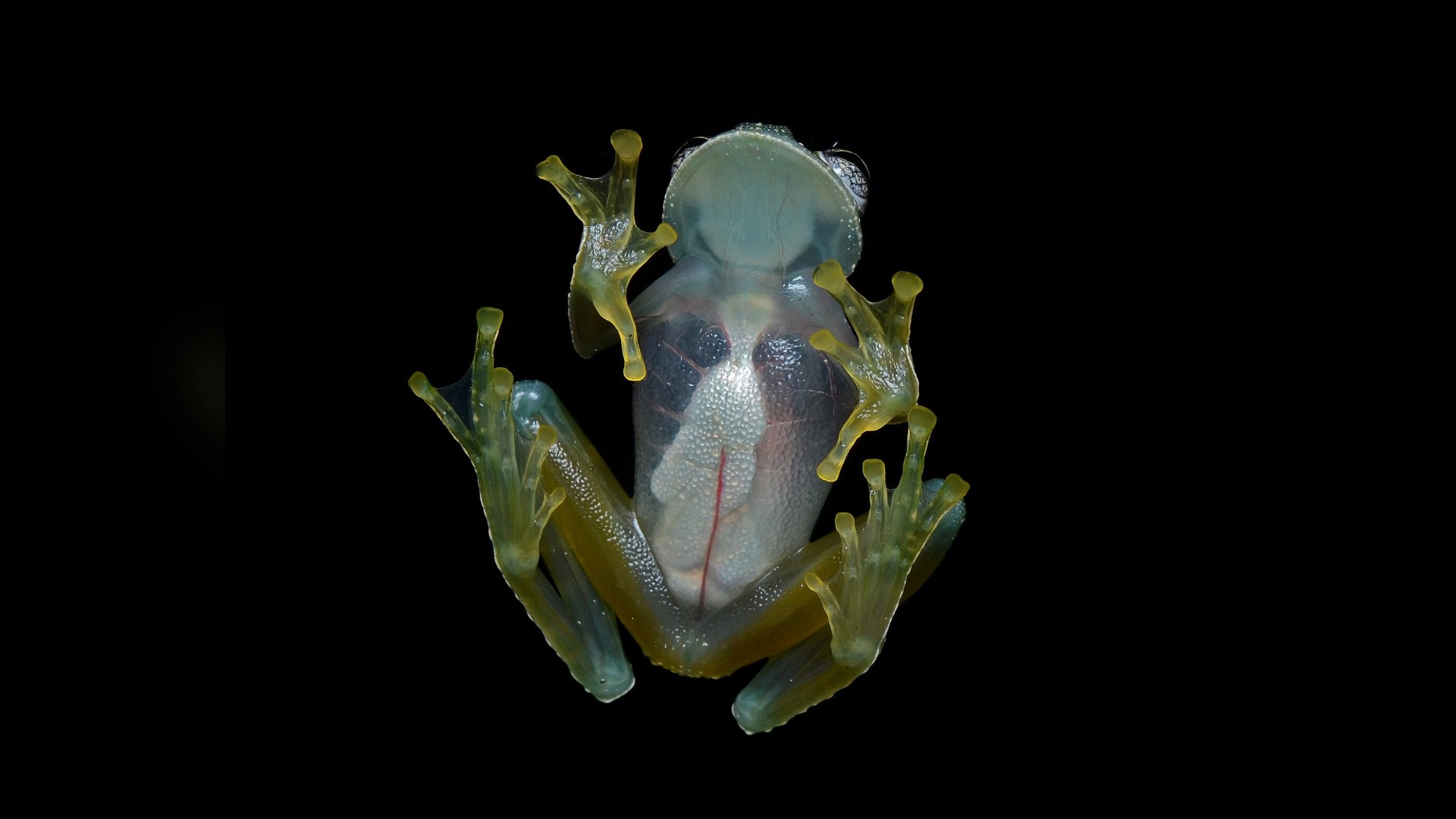
20. Glass Frog 
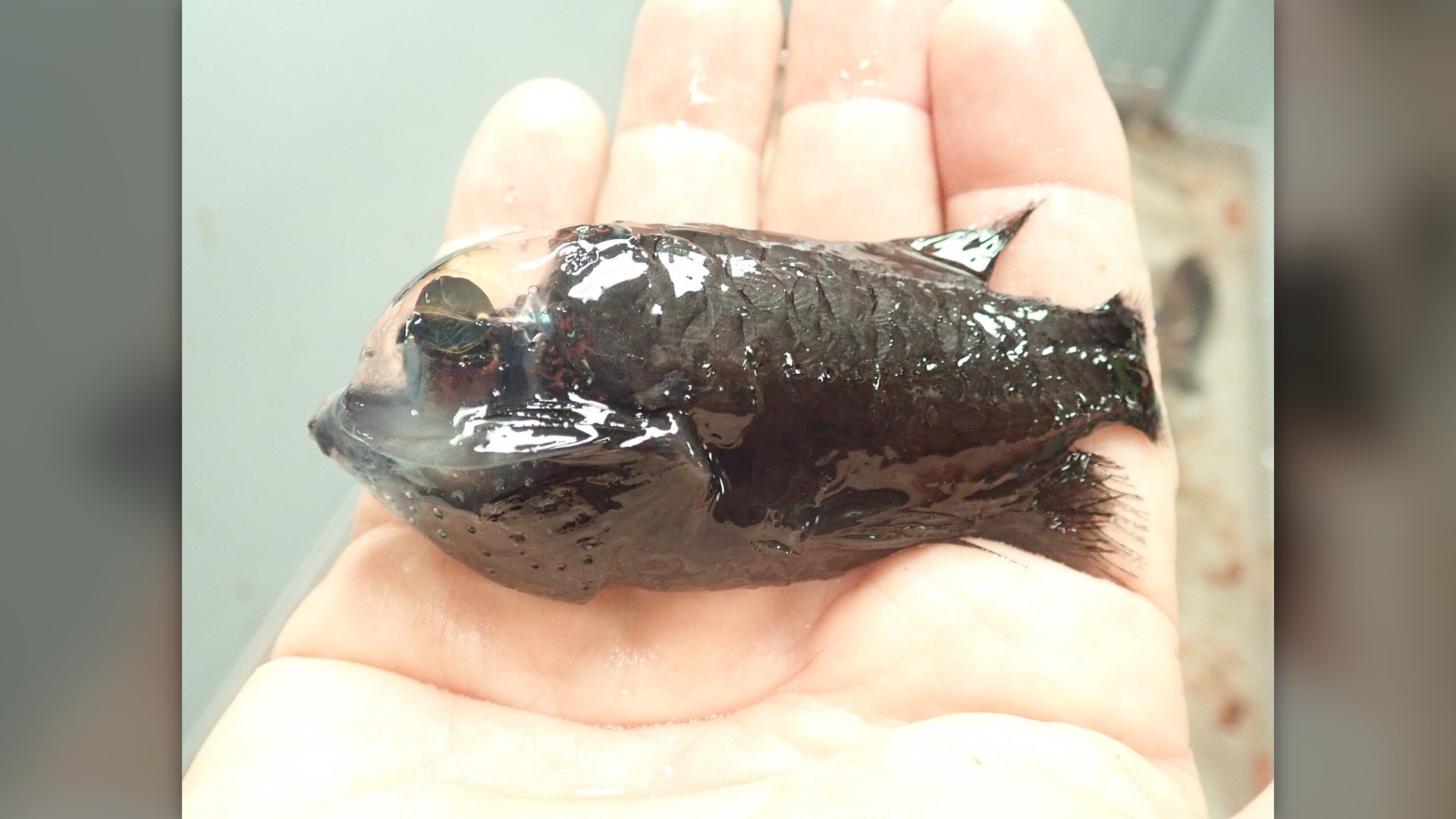
19. Pacific Barreleye Fish 
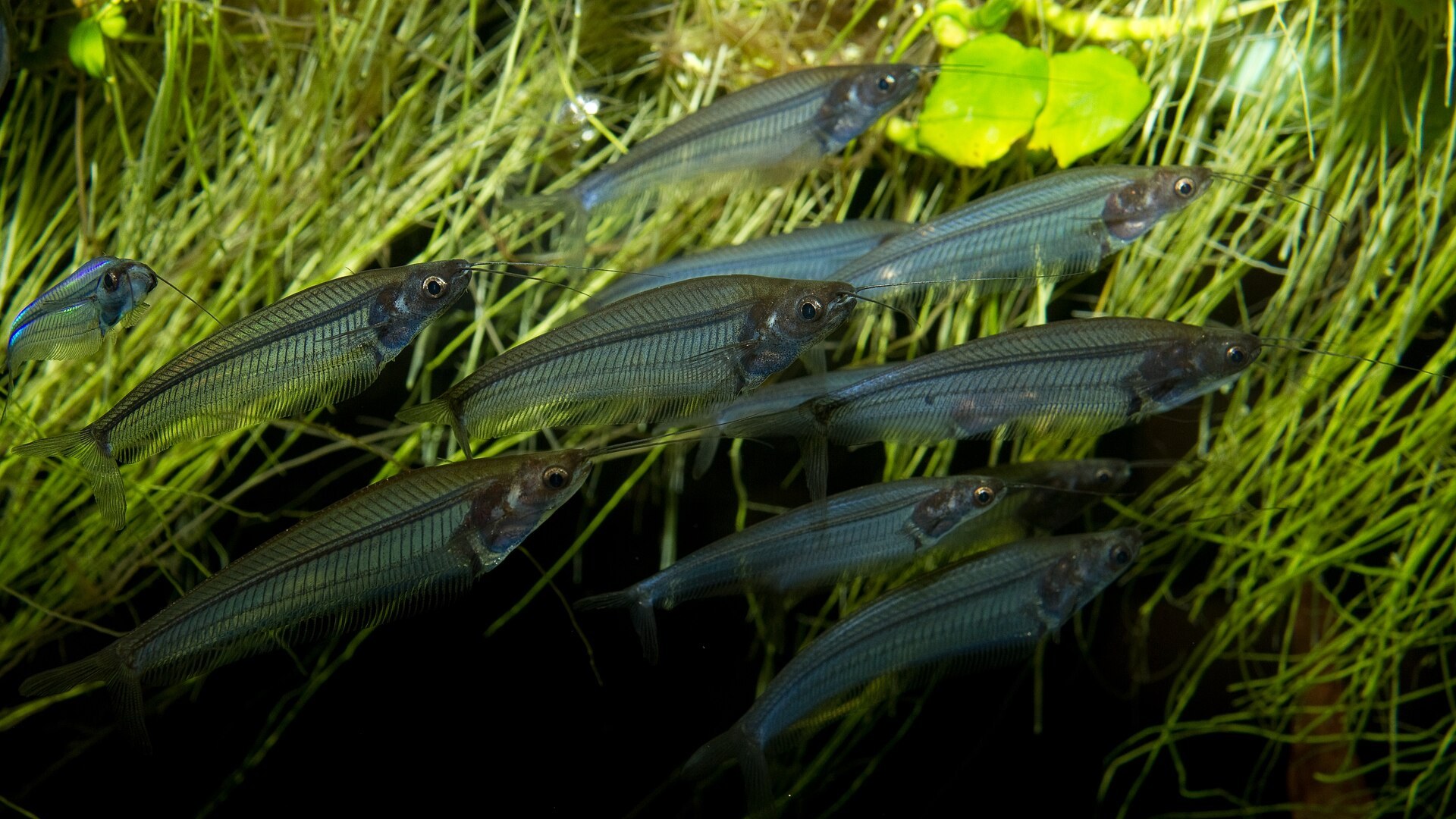
18. Asian Glass Catfish - AdvertisementSwipe or tap ▶ to continue countdown

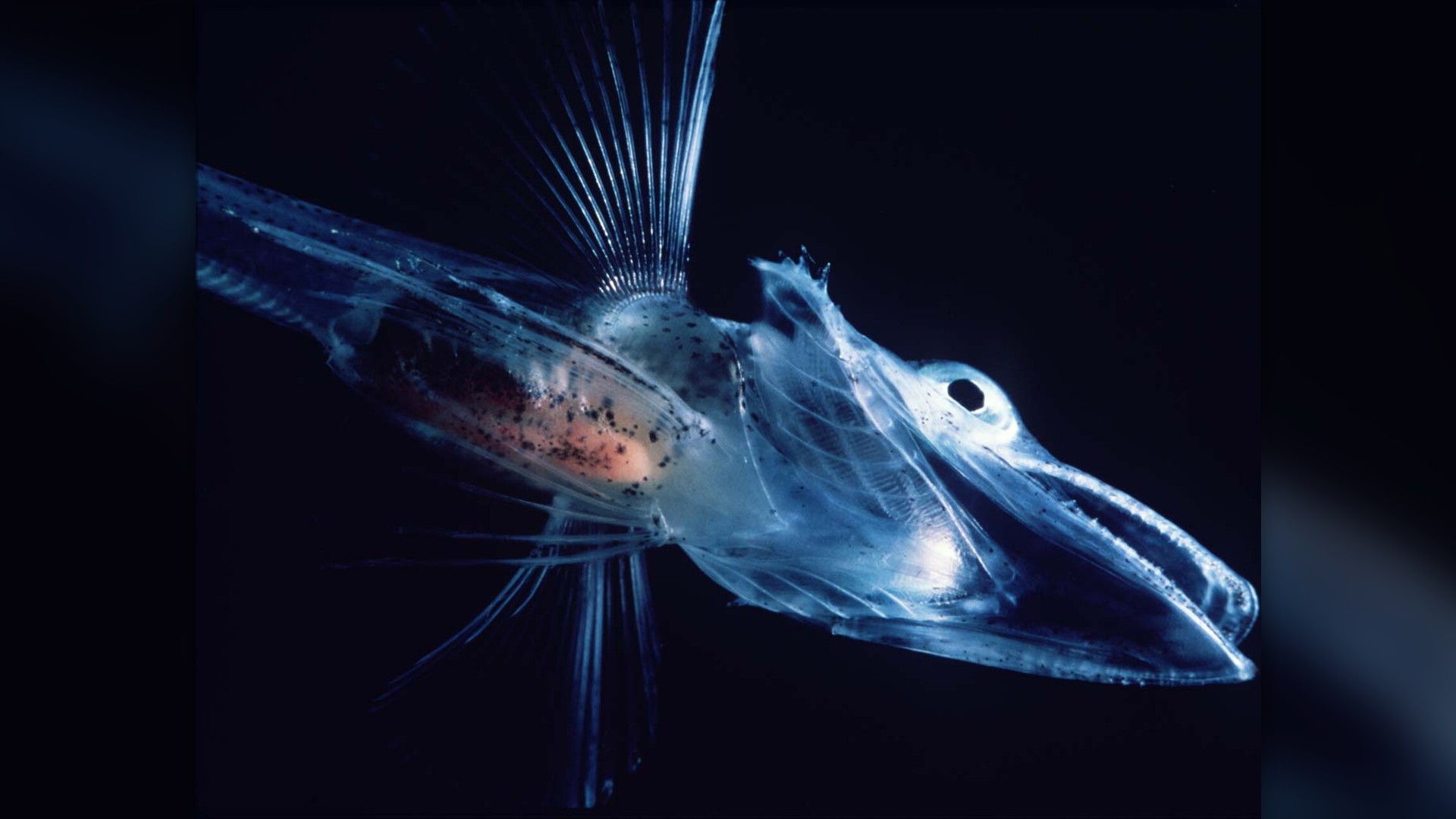
17. Crocodile Icefish 
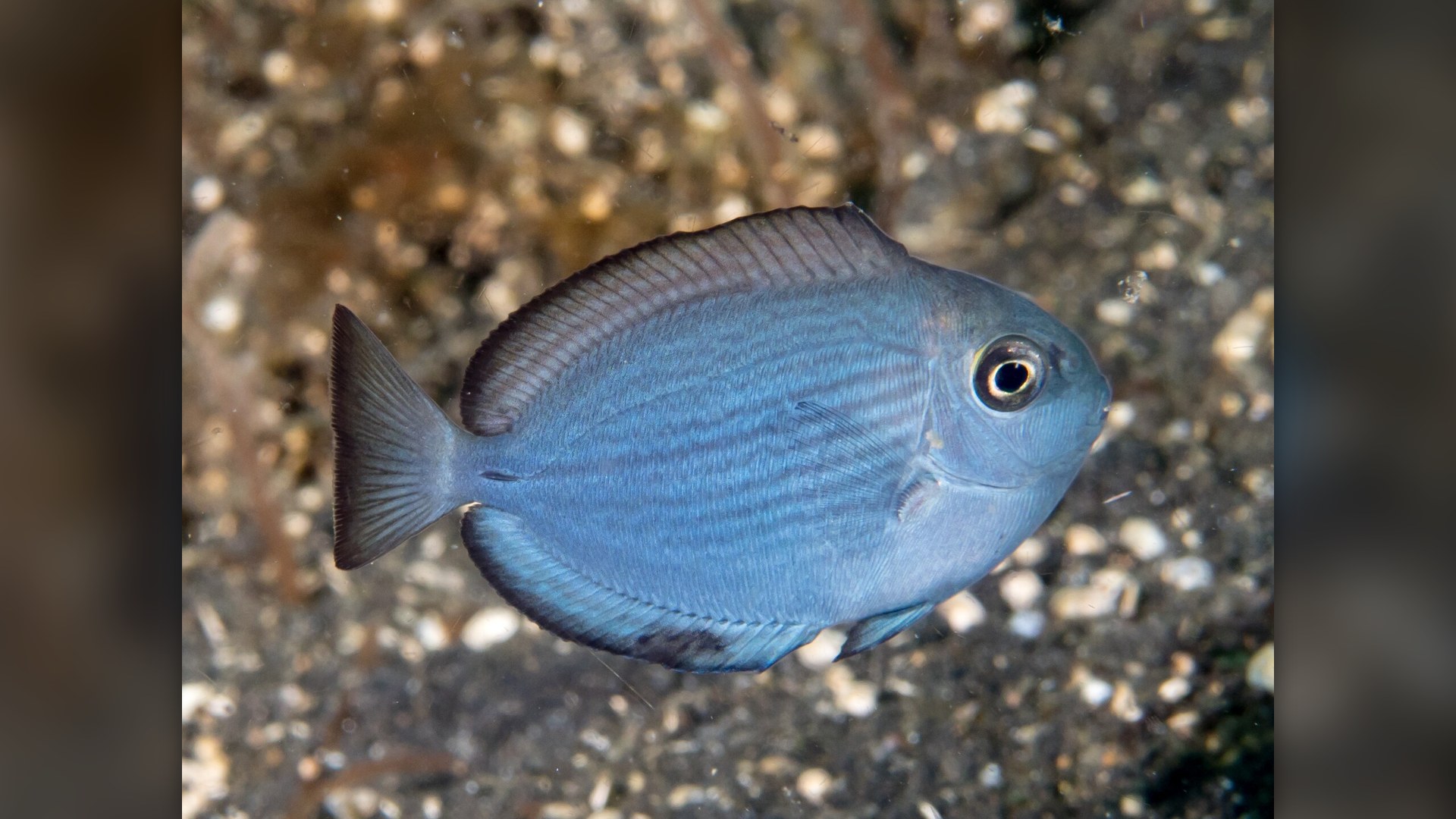
16. Juvenile Surgeonfish 
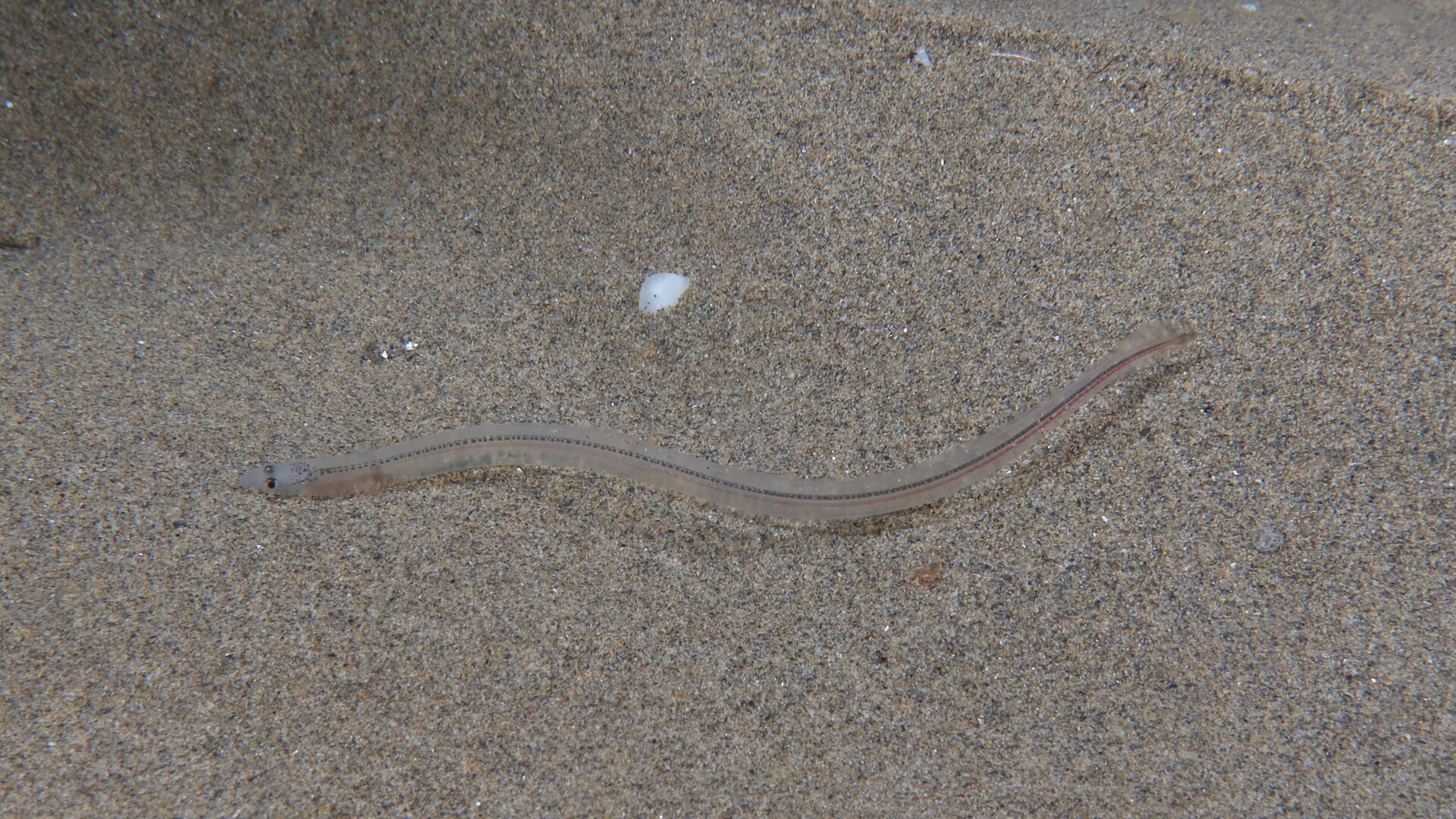
15. European Eel Larva 
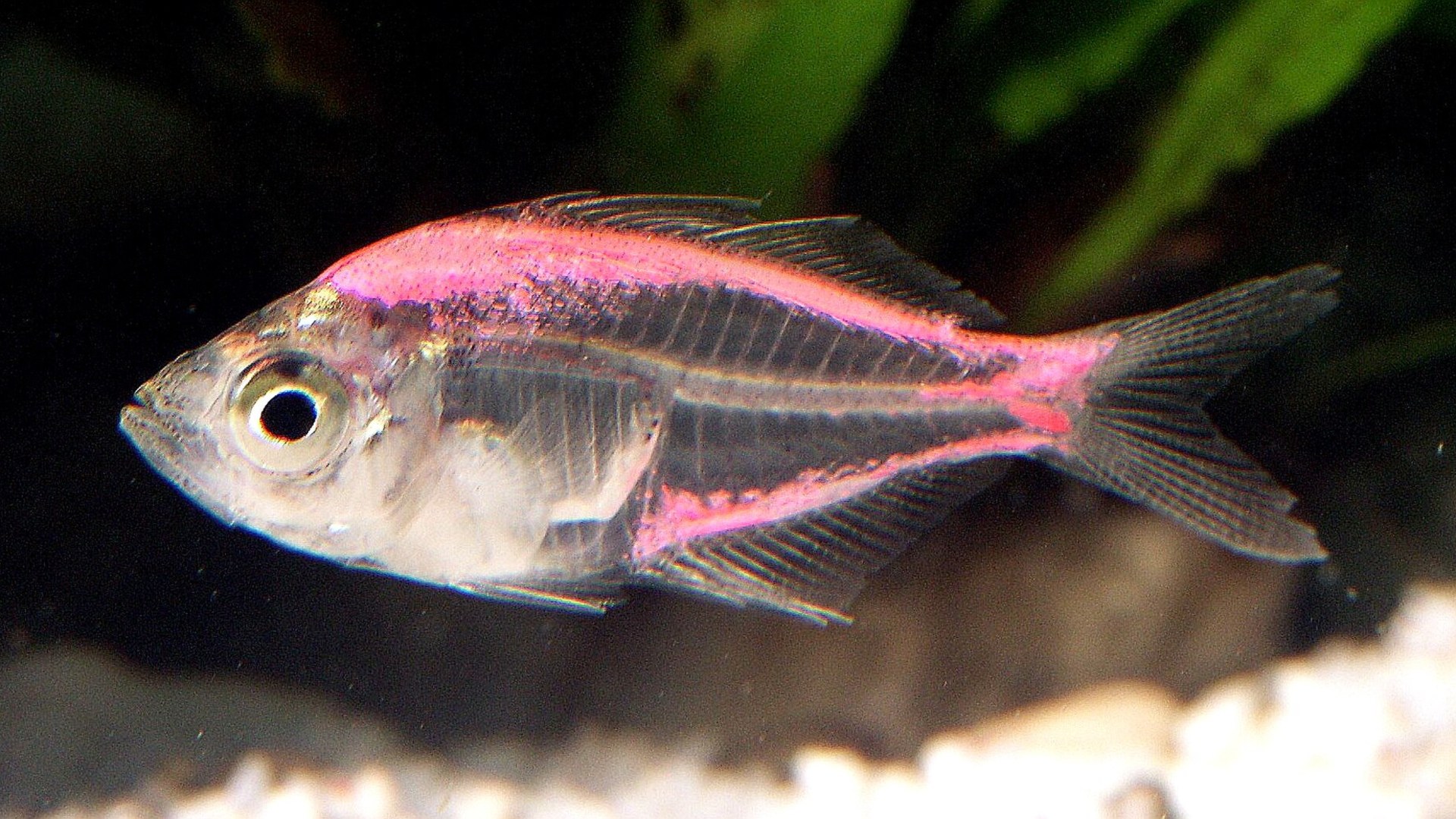
14. Indian Glassy Fish - AdvertisementSwipe or tap ▶ to continue countdown

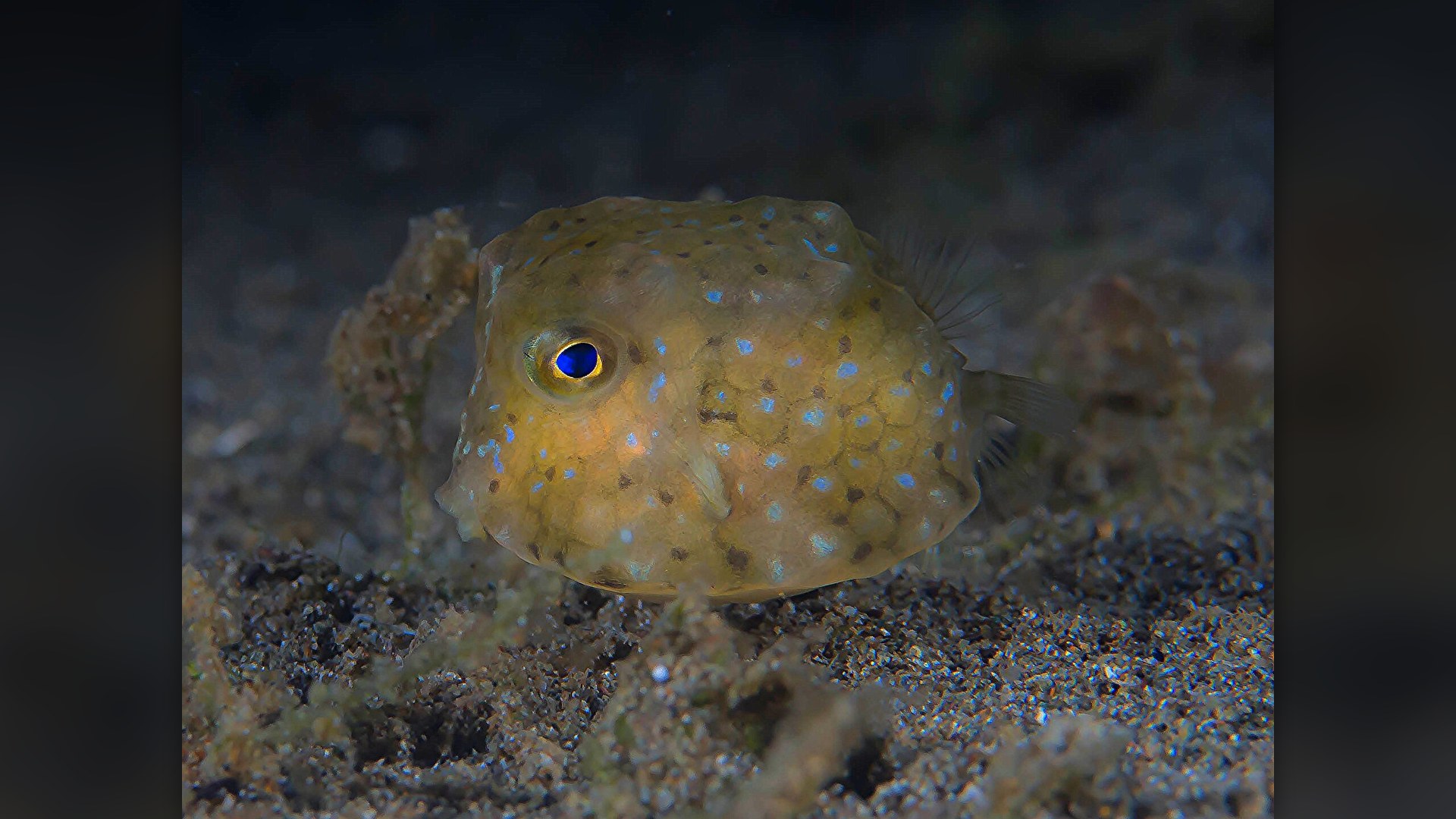
13. Juvenile Cowfish 
12. Glassy Sweeper 
11. Translucent Flounder Larva 
10. Glass Octopus - AdvertisementSwipe or tap ▶ to continue countdown

9. Glass Squid 
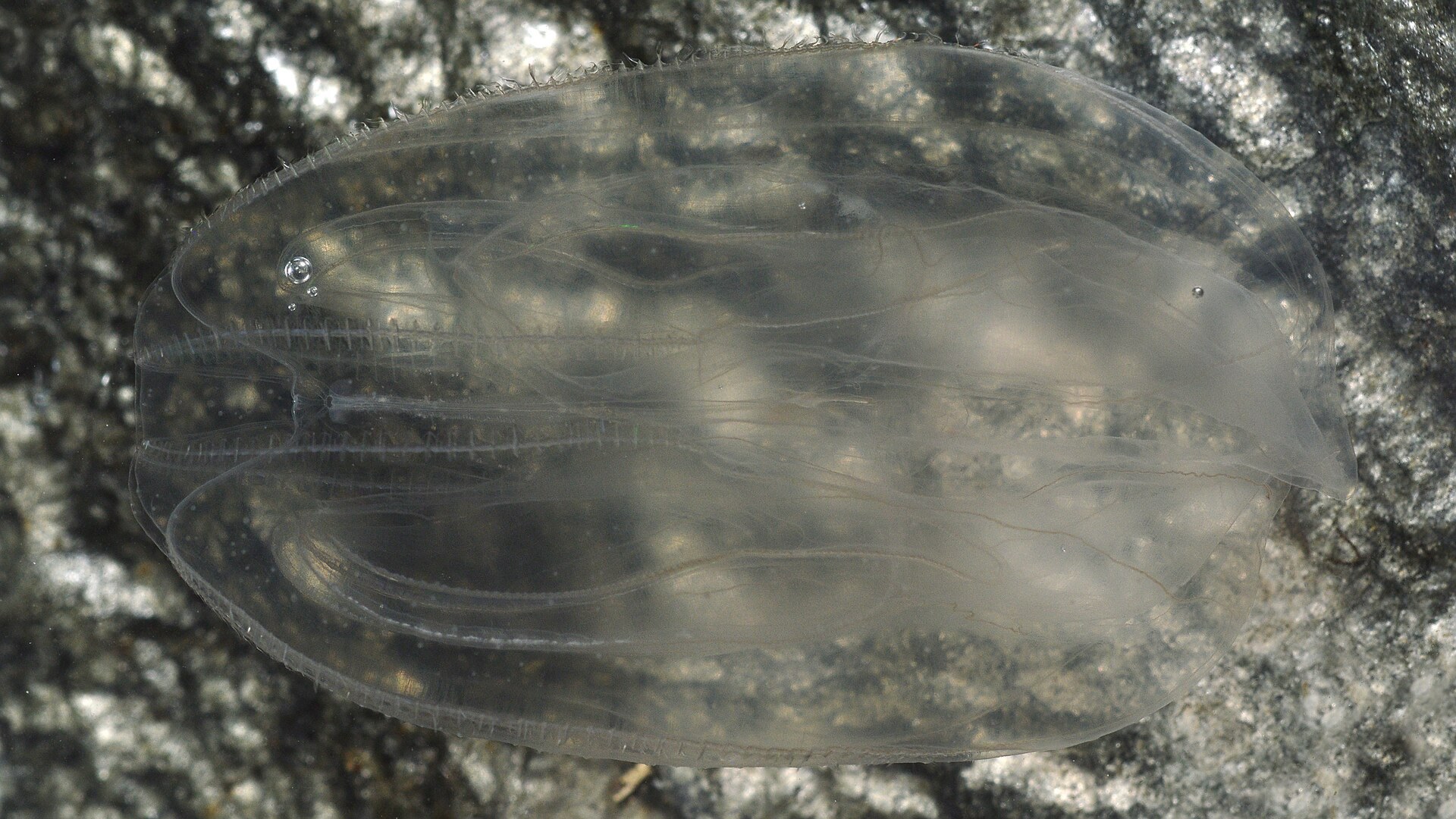
8. Sea Walnut 
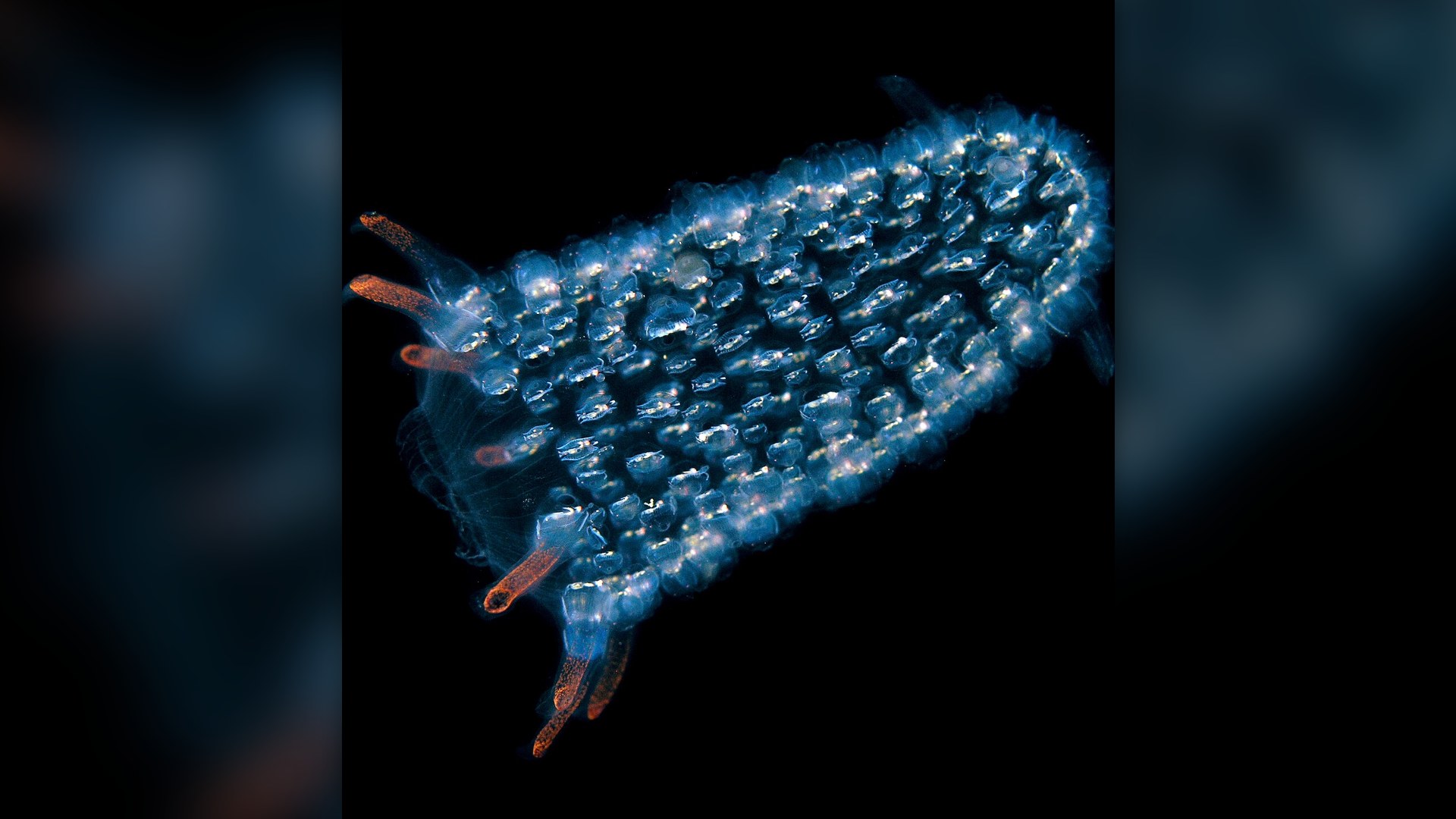
7. Colonial Salp 
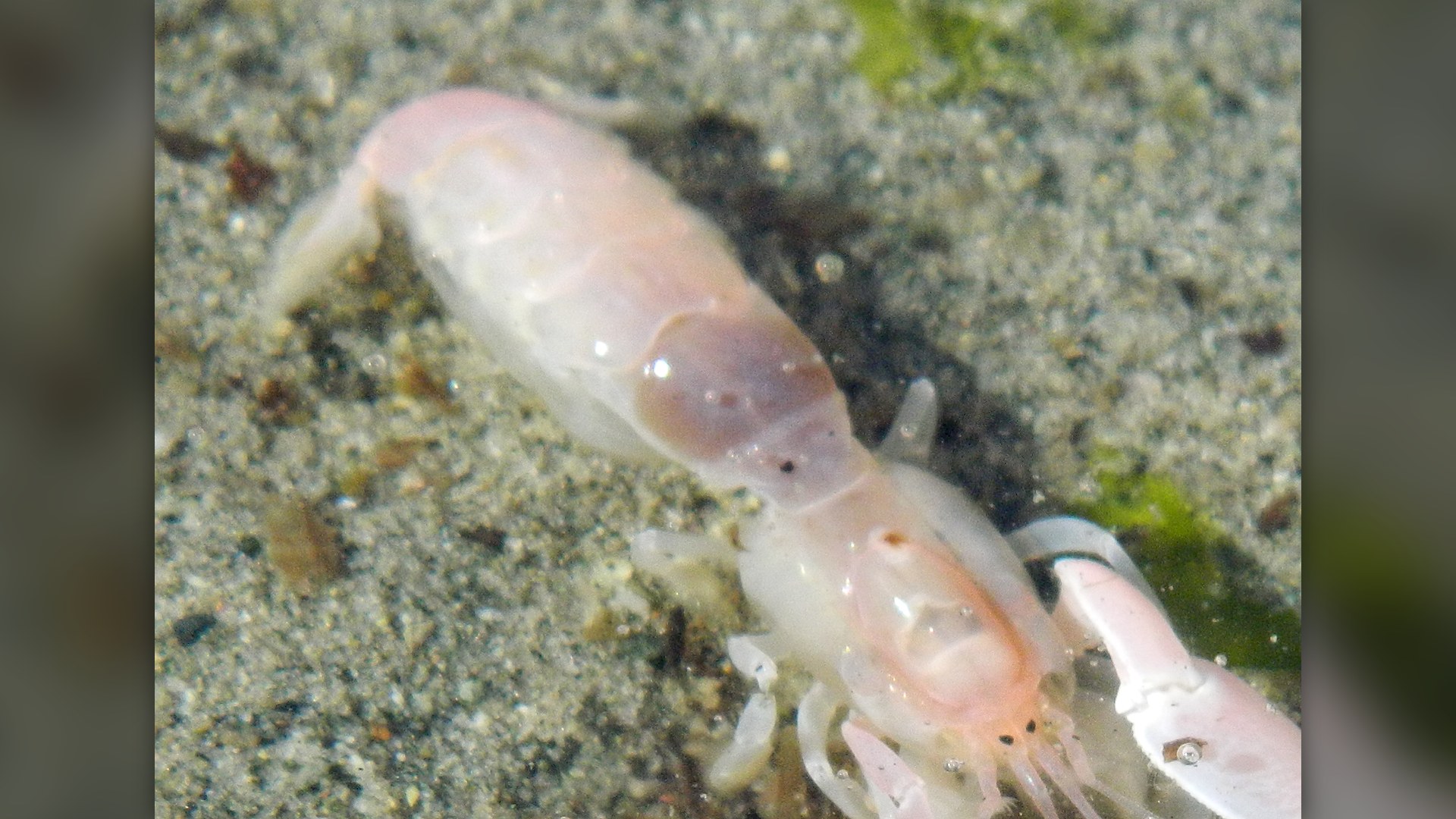
6. Ghost Shrimp - AdvertisementSwipe or tap ▶ to continue countdown

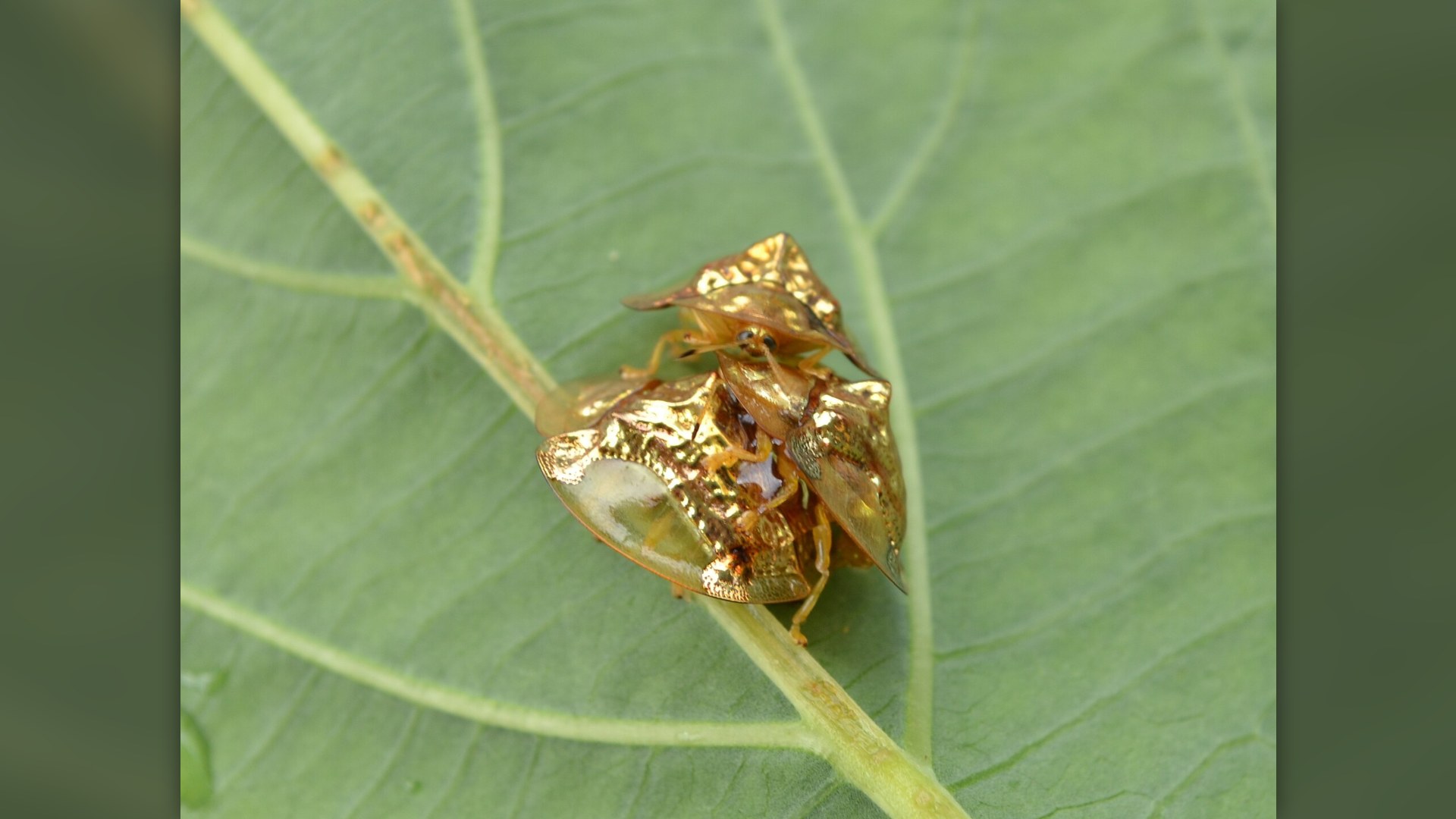
5. Golden Tortoise Beetle 
4. Transparent Sea Cucumber 
3. Croatian Cave Snail 
2. Glasswing Butterfly - AdvertisementSwipe or tap ▶ to continue countdown

1. Sea Angel - Advertisement🔥 UP NEXT IN THIS SERIES◫ 21 Slides

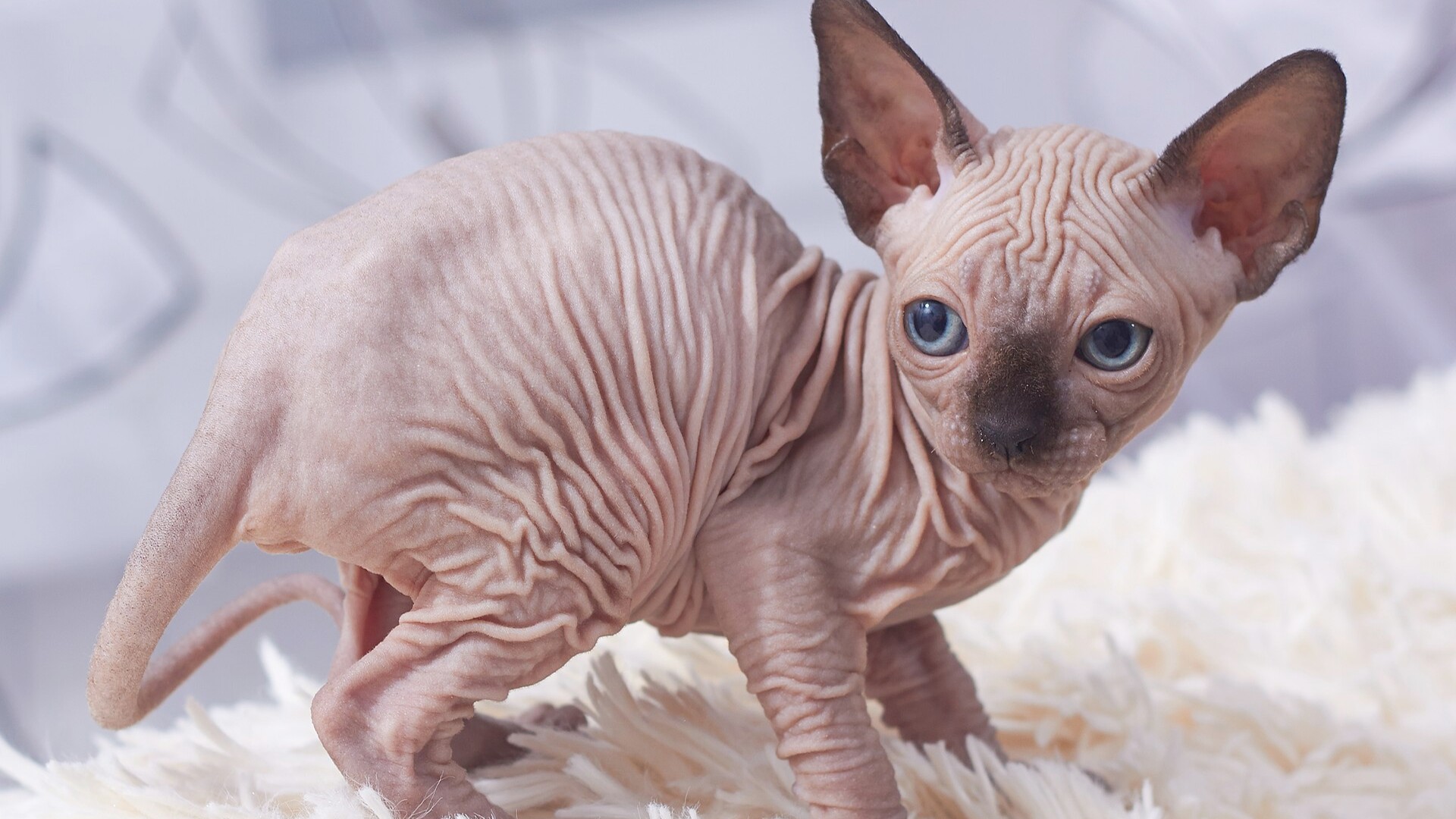
20 Naturally Tailless and Bobtail Dog and Cat Breeds
While surgical docking was historically common across working kennels, many domestic canine and feline breeds carry natural genetic mutations that produce absent or shortened tails. This visual guide highlights ten dogs and ten cats renowned for their natural bobtail genetics, working histories, and distinct builds.
Concealment in nature reaches its peak when animals evolve living tissues that let light pass straight through. Based on research from National Geographic, Discover Wildlife, and BBC Science Focus, these 20 glassy species turn near invisibility into a powerful shield against predators across land, air, and deep oceans.
Swipe or tap ▶ to begin the countdown
© Photo by Ben Berwers on Unsplash
20. Glass Frog
Native to Central and South American cloud forests, glass frogs possess lime-green backs and transparent abdominal skin that exposes their internal organs. During daytime slumber on sunlit leaves, they filter nearly ninety percent of their red blood cells into their liver, increasing transparency and evading predators.
©Wikimedia / Geoff Gallice from Gainesville, FL, USA
19. Pacific Barreleye Fish
Dwelling in Pacific depths between two thousand and twenty-six hundred feet, the barreleye fish features a delicate fluid-filled transparent canopy over its cranium. Inside this glassy dome, tubular green-pigmented eyes rotate vertically to detect faint silhouettes of prey drifting beneath filtering sunlight.
©Wikimedia / Exploring Pelagic Biodiversity of the Gulf of Al
18. Asian Glass Catfish
Inhabiting slow-moving freshwater river basins in Thailand and Malaysia, the ghost catfish lacks body pigmentation in its muscular flesh. Light travels directly through its torso, revealing an intact vertebral column and silvery visceral sac situated right behind the skull to confuse predatory river fish.
©Wikimedia / TomCatX
Advertisement
Swipe or tap ▶ to resume the countdown.
17. Crocodile Icefish
Endemic to Southern Ocean waters hovering near freezing, crocodile icefish survive without hemoglobin, producing transparent blood that circulates oxygen directly dissolved in plasma. Their scaleless skin is translucent enough to expose white bones and cranial anatomy against the snowy Antarctic sea floor.
©Wikimedia / user:uwe kils
16. Juvenile Surgeonfish
Prior to developing the bold blue and yellow coloration of adult tangs, young surgeonfish drift in open tropical oceans with transparent bodies. This glassy phase reveals tiny organ packets and gossamer skeletal structures, providing critical ocean camouflage until settling safely into protective coral reefs.
©Wikimedia / Rickard Zerpe
15. European Eel Larva
Hatching in the Sargasso Sea, larval European eels spend up to three years drifting thousands of miles toward European coastlines. Known as leptocephali, their flattened, leaf-shaped bodies are composed of clear gelatinous tissue, rendering them virtually invisible to pelagic predators in sunlit waters.
©Wikimedia / jujurenoult
14. Indian Glassy Fish
Indigenous to stagnant and flowing freshwaters across India and Myanmar, the Indian glassy fish boasts paper-thin translucent flesh. Its complete spinal column, paired ribs, and reflective swim bladder are clearly visible from both flanks, helping dense schools blend seamlessly into weed-choked shallows.
©Wikimedia / w:en:User:Quatermass
Advertisement
Swipe or tap ▶ to resume the countdown.
13. Juvenile Cowfish
Before forming the rigid, opaque carapace characteristic of adult boxfish, pea-sized juvenile cowfish drift with translucent, hexagonal-plated bodies. Dotted with minute fluorescent specks, their see-through frames provide optical evasion while navigating open seagrass beds and shallow reef crests.
©Wikimedia / Rickard Zerpe
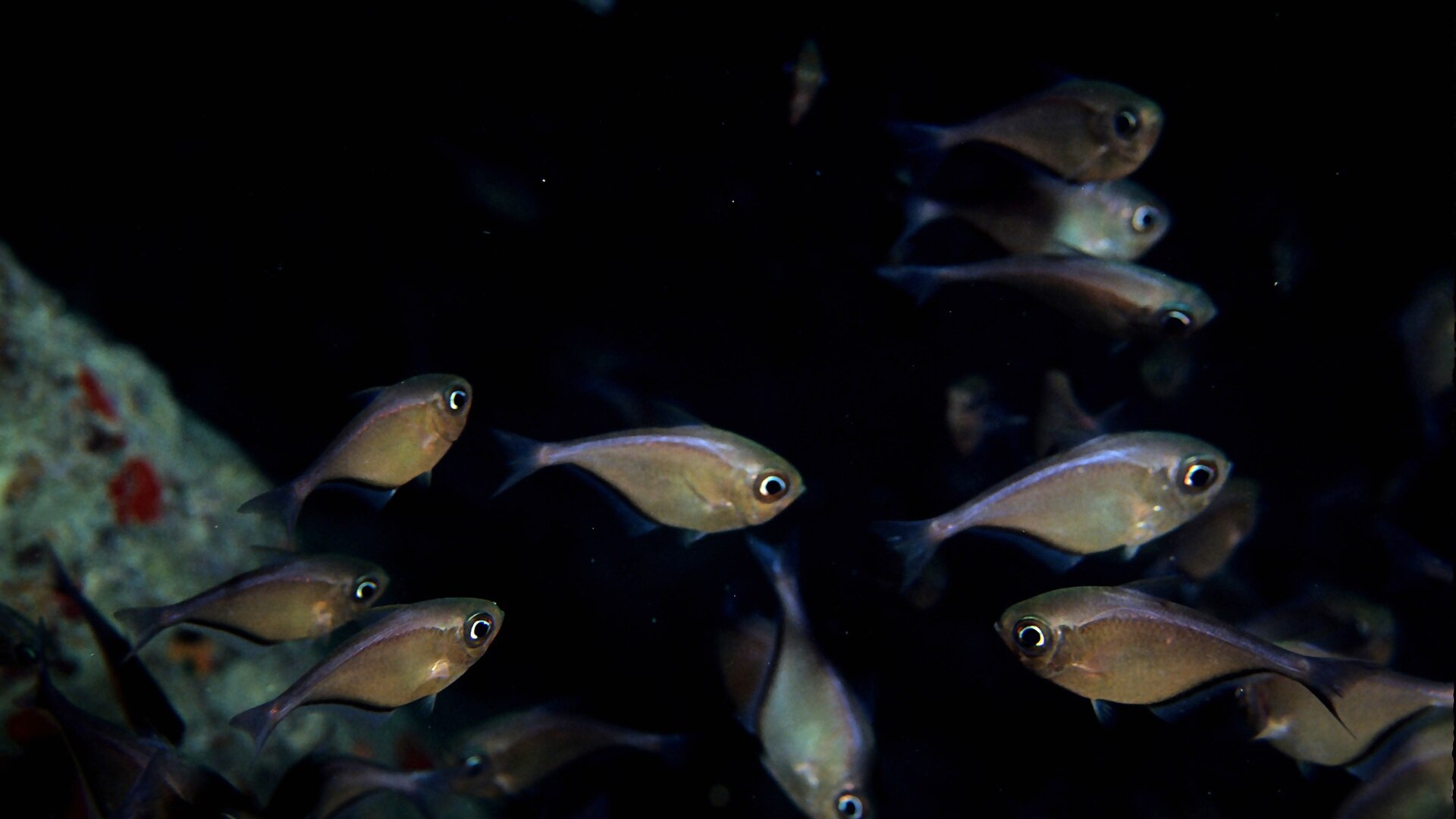
12. Glassy Sweeper
Dwelling across Indo-Pacific coral reefs, the glassy sweeper congregates in vast, shimmering schools inside dark reef caves. Its semi-transparent body and reflective silvery abdominal cavity help the fish scatter incoming light, confusing predatory groupers and jacks.
©Wikimedia / NOAA Photo Library
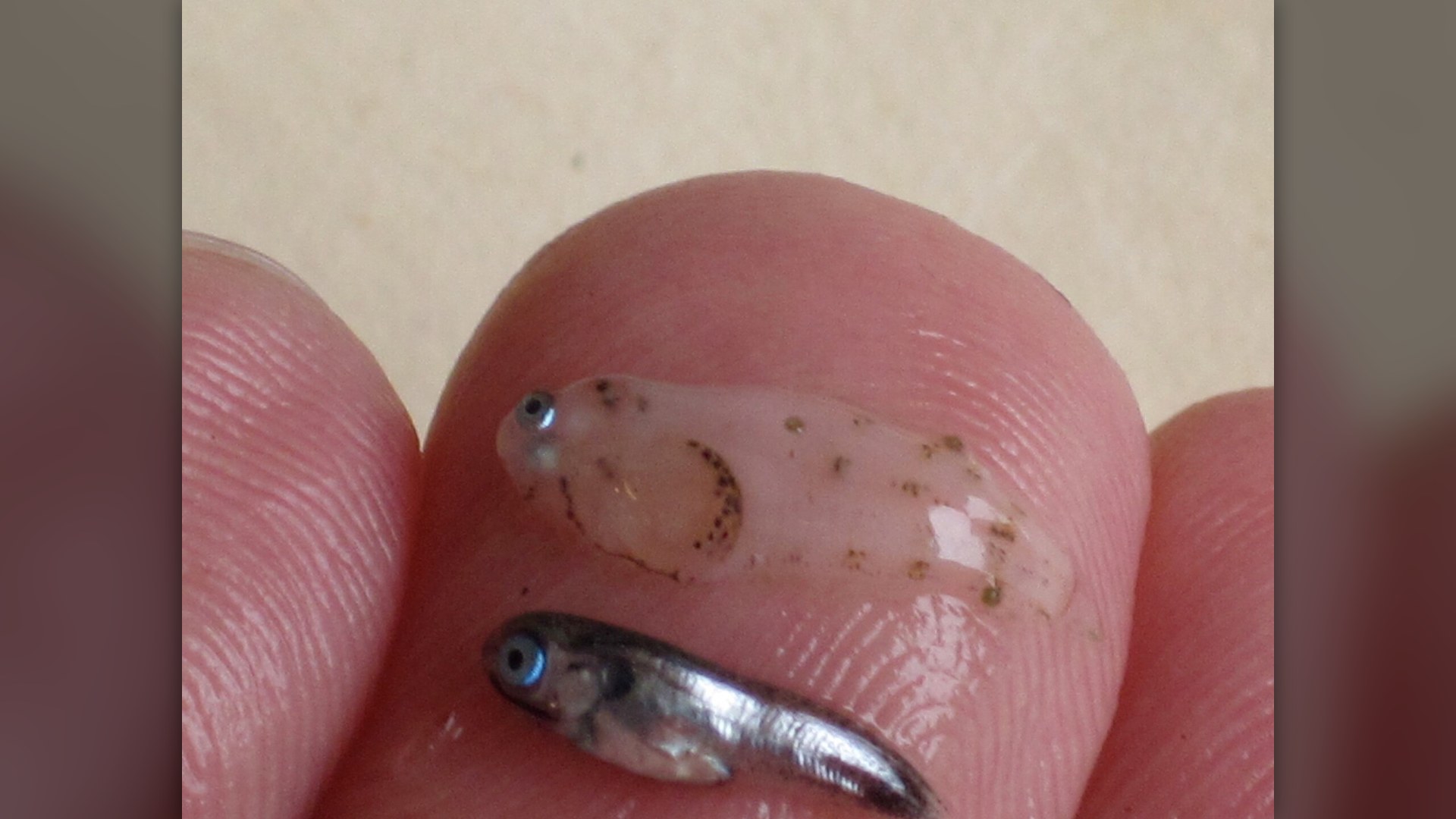
11. Translucent Flounder Larva
Newly hatched flatfish larvae swim upright in the open ocean with perfect bilateral symmetry and glass-like bodies. Only as they mature does one eye migrate across the skull to the opposite flank, accompanied by dense pigmentation that readies the bottom-dwelling fish for life flattened on sandy ocean floors.
©Wikimedia / NOAA Photo Library
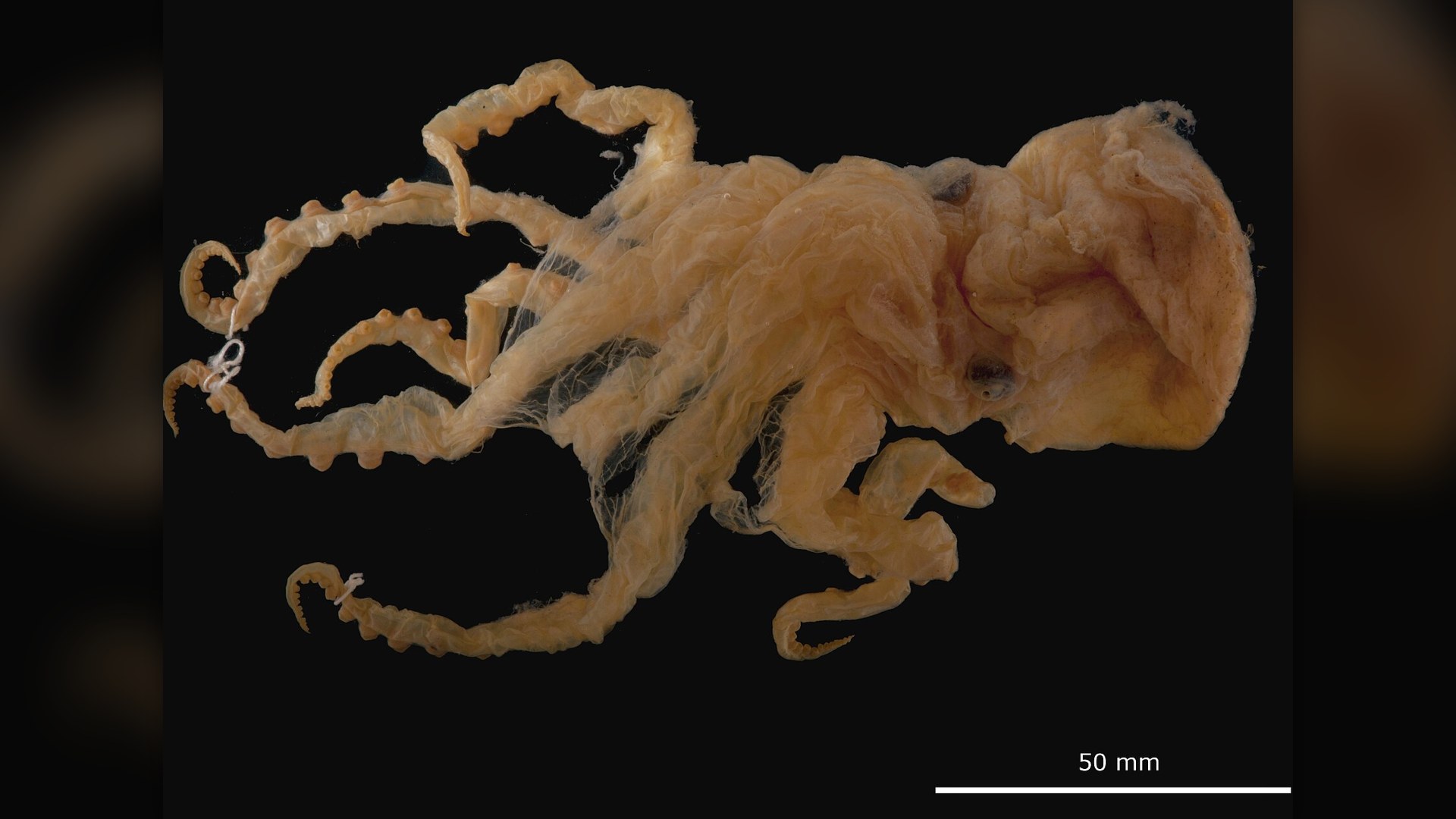
10. Glass Octopus
Drifting in tropical and subtropical ocean depths down to three thousand feet, the glass octopus features near-total transparency. Aside from elongated rectangular eyes that minimize upward shadows and a compact digestive tract, its mantle, arms, and suckers allow light to pass through unobstructed.
©Wikimedia / Natural History Museum of Denmark
Advertisement
Swipe or tap ▶ to resume the countdown.
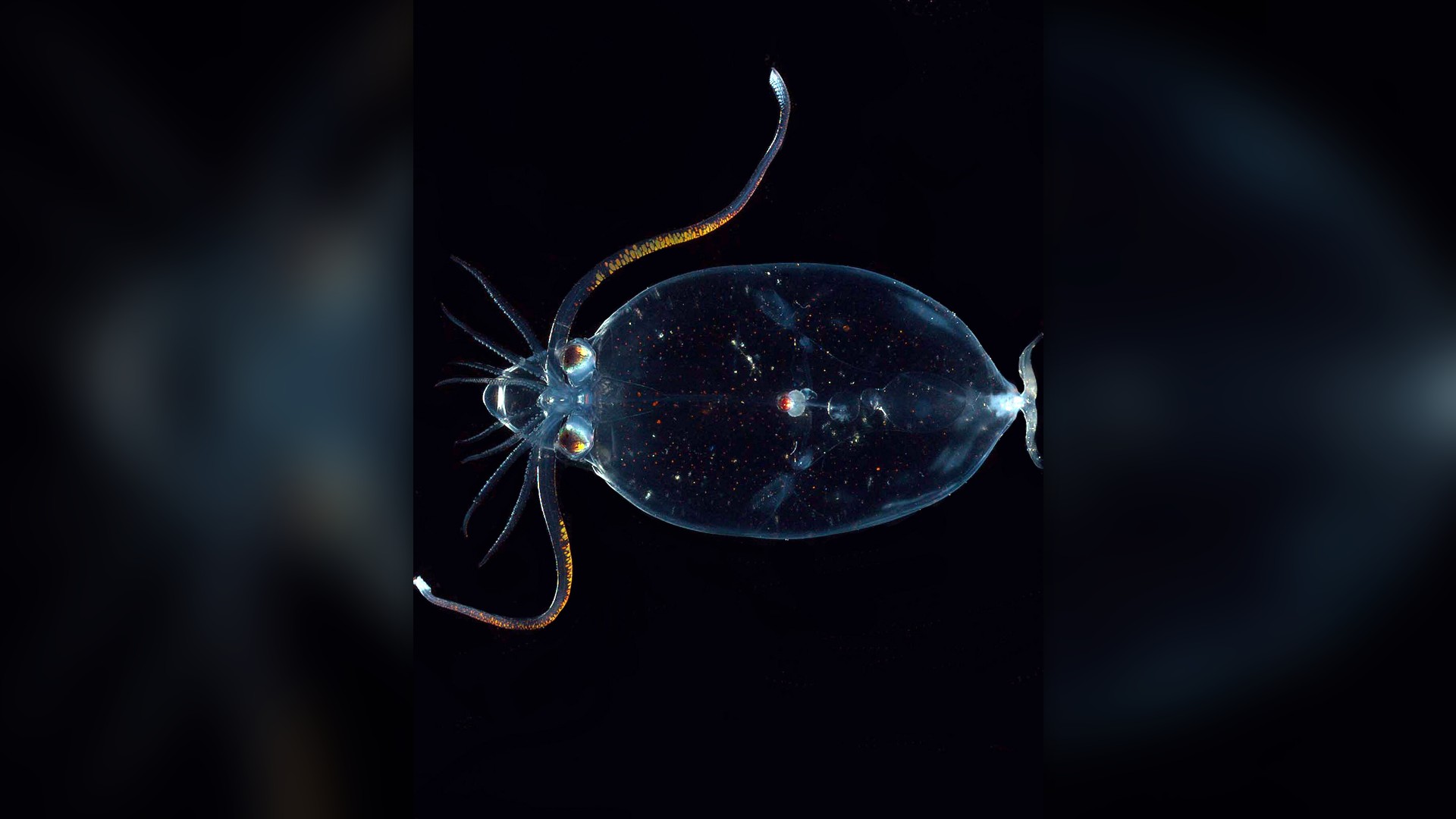
9. Glass Squid
Members of the family Cranchiidae spend much of their lives in the twilight and midnight ocean zones. Their balloon-shaped transparent mantles are filled with ammonium chloride fluid for buoyancy, and they rotate an opaque cigar-shaped digestive gland vertically to eliminate revealing shadows below.
©Wikimedia / Edie Widder
8. Sea Walnut
Native to western Atlantic coastal waters, Mnemiopsis leidyi is a lobate comb jelly lacking stinging cells. Its body is composed almost entirely of water and transparent jelly, propelled by eight longitudinal rows of fused microscopic cilia that scatter light into mesmerizing, iridescent rainbow waves.
©Openverse / Ryan Hodnett
7. Colonial Salp
Contracting muscular bands to pump seawater through internal feeding nets, salps represent some of the most efficient filter feeders on Earth. Their barrel-shaped gelatinous bodies link together into vast colonial chains that drift through open oceans, sequestering massive amounts of carbon.
©Wikimedia / Nick Hobgood
6. Ghost Shrimp
Commonly found in North American brackish estuaries and freshwater streams, ghost shrimp possess an unpigmented chitinous shell. Observers can witness digestive organs processing ingested food, as well as bright green egg clusters carried by brooding females beneath their transparent tail segments.
©Wikimedia / Enziarro / Joseph Stansbury Rosin
Advertisement
Swipe or tap ▶ to resume the countdown.
5. Golden Tortoise Beetle
Found on sweet potato vines and morning glory foliage across North America, the golden tortoise beetle features a clear outer cuticle flange. By altering microscopic fluid channels beneath this transparent shield, the beetle flashes metallic gold or reveals clear margins that mimic harmless water droplets.
©Wikimedia / Kristof Zyskowski & Yulia Bereshpolova
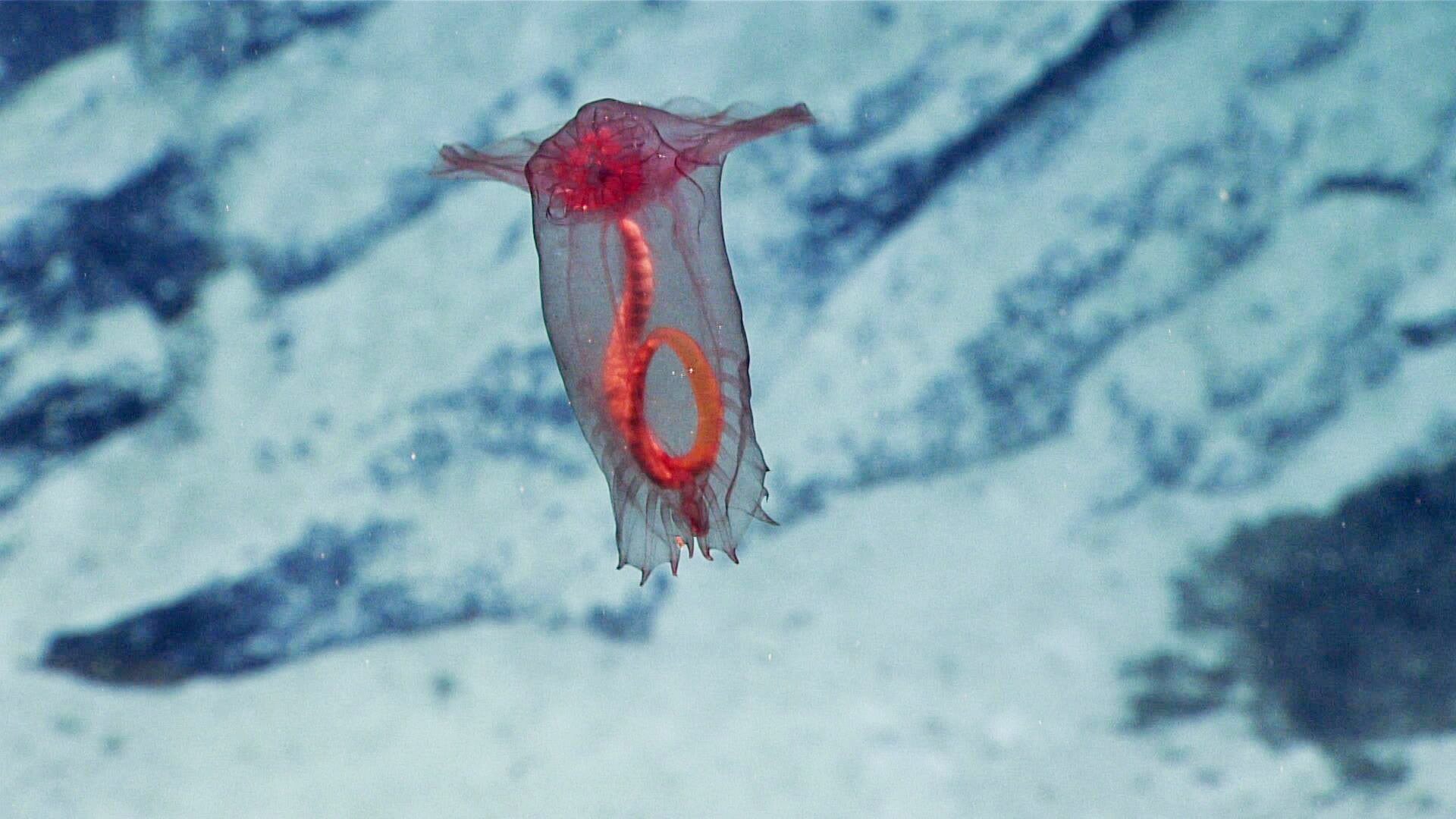
4. Transparent Sea Cucumber
Inhabiting deep benthic zones over eight thousand feet beneath the surface, swimming sea cucumbers in the genus Enypniastes possess translucent pink-tinted skin. The creature transparent flesh clearly displays its convoluted intestinal tract digesting nutrient-rich marine snow along the abyssal floor.
©Wikimedia / NOAA Okeanos Explorer
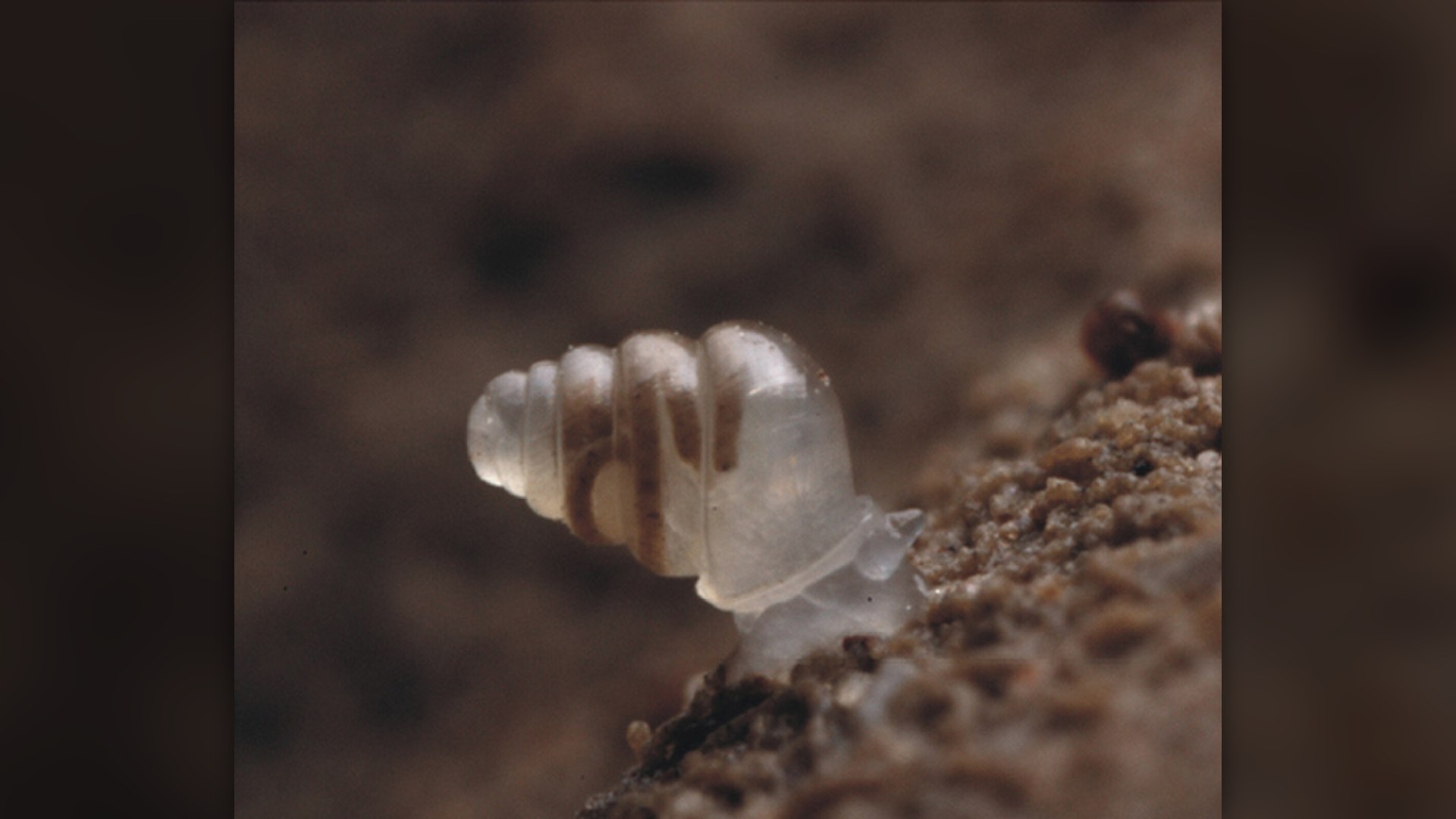
3. Croatian Cave Snail
Discovered deep within Croatia Lukina Jama cave system nearly one thousand meters below the surface, Zospeum tholussum is a microscopic subterranean snail. Lacking eyes and skin pigment entirely, it builds an exquisite translucent dome shell that lets light pass through its ghostly, miniature frame.
©Wikimedia / J. Bedek, Alexander M. Weigand
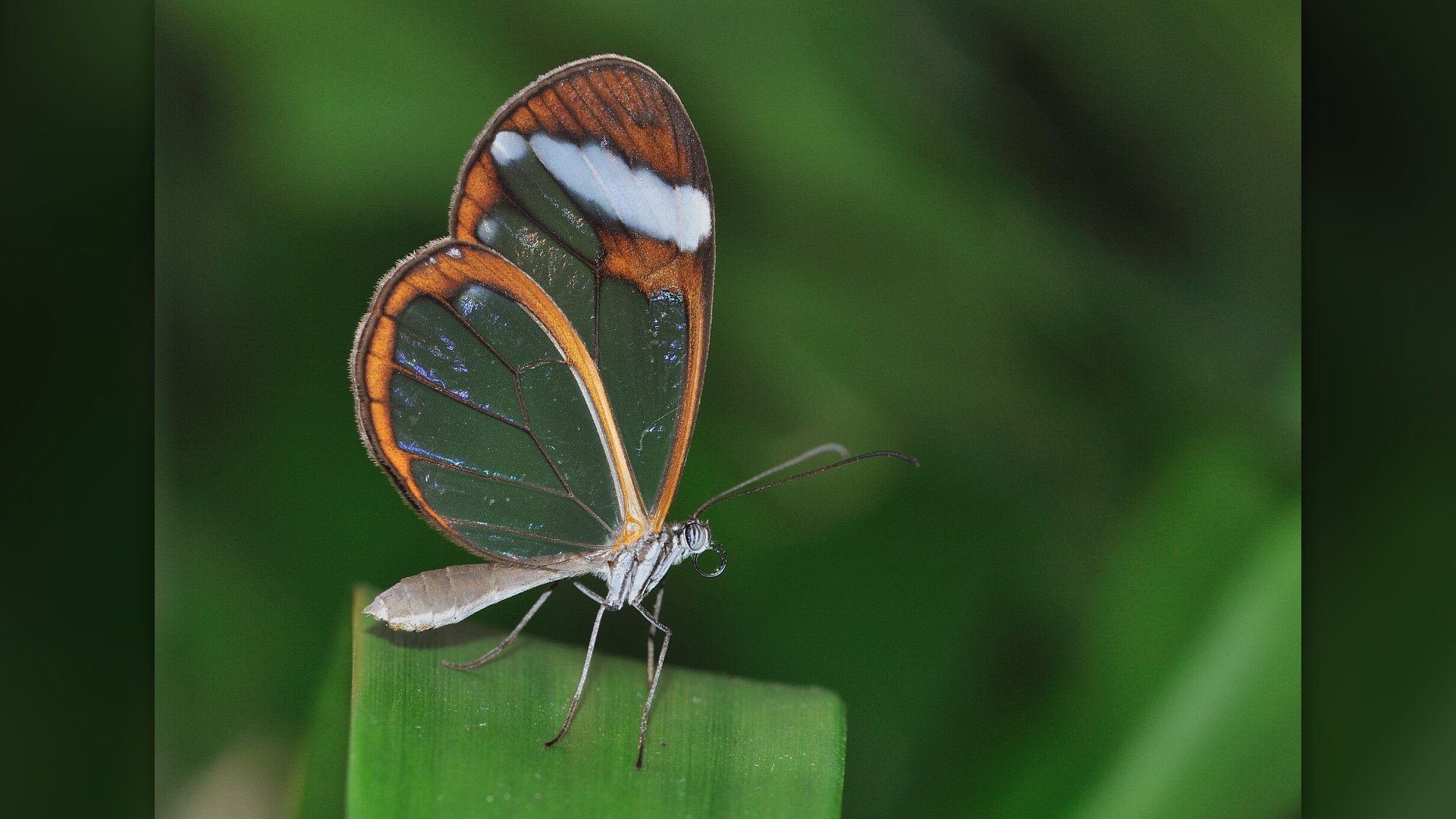
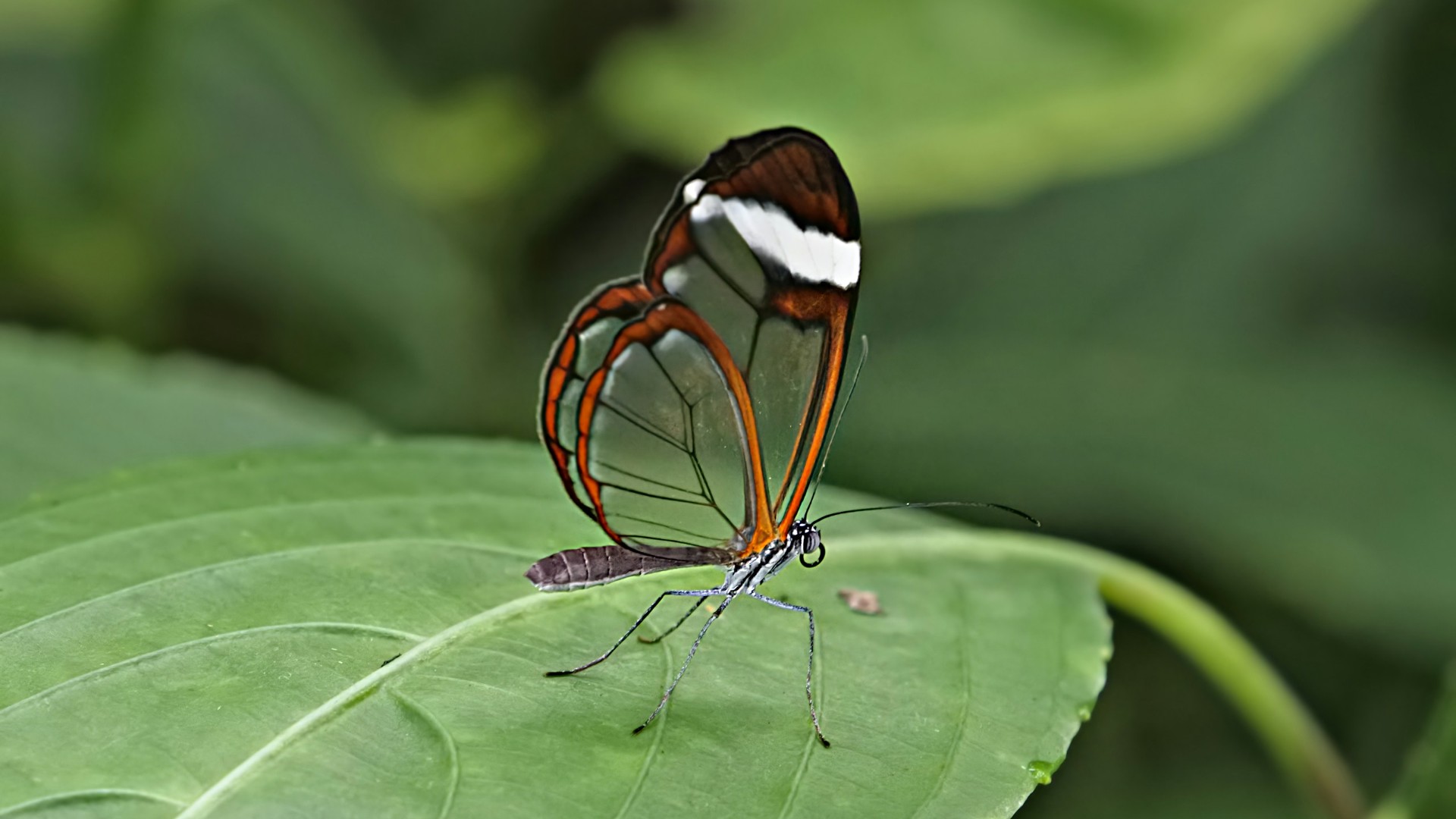
2. Glasswing Butterfly
Inhabiting Central American rainforests, the glasswing butterfly ditches colorful wing scales in favor of clear panes of chitin. Its transparent wing centers feature irregular microscopic nanopillars that prevent optical reflection, allowing the insect to blend invisibly against leafy jungle backdrops.
©Wikimedia / Quartl
Advertisement
Swipe or tap ▶ to resume the countdown.
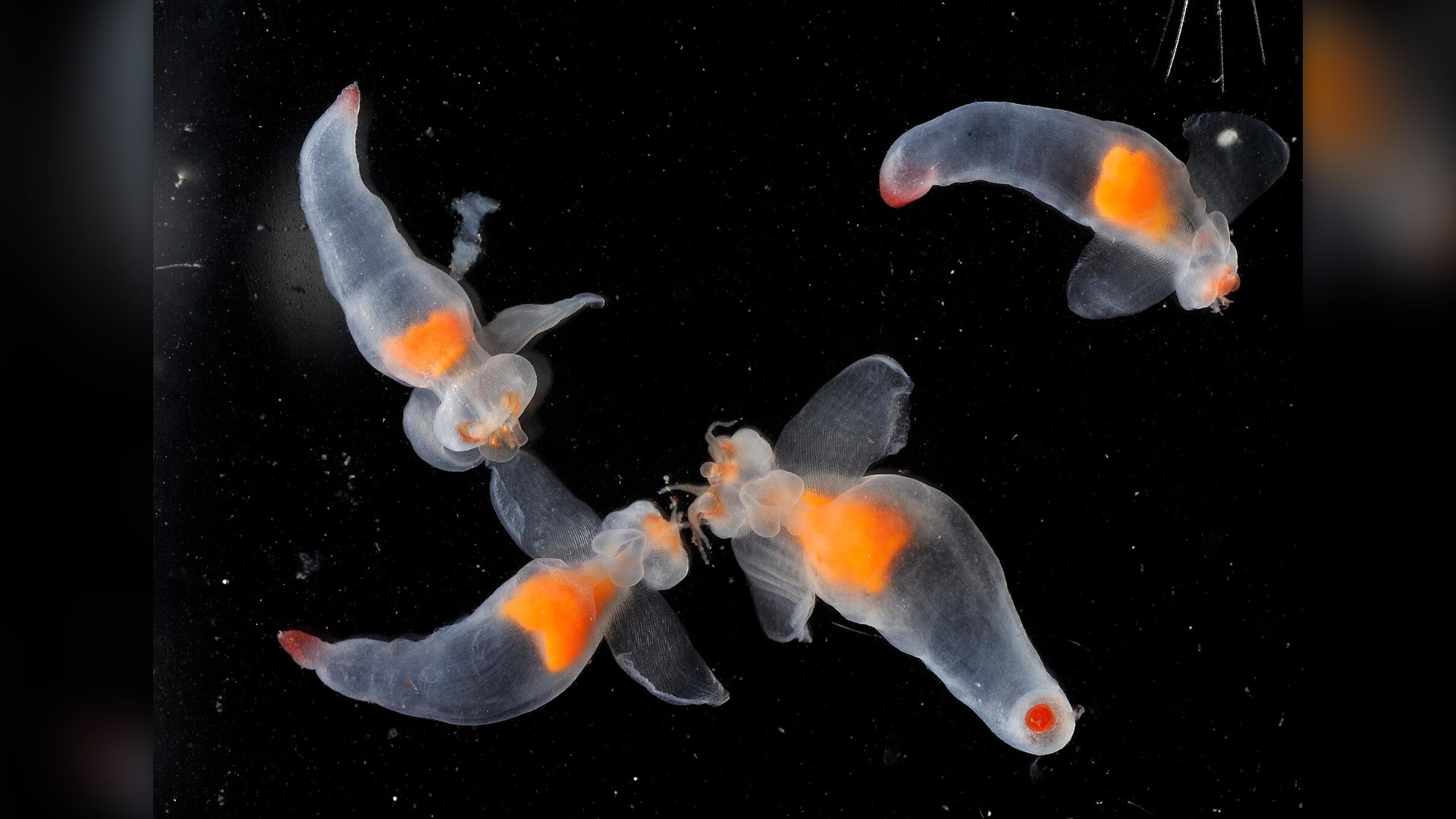
1. Sea Angel
Gliding through freezing Arctic and Antarctic currents, Clione limacina is a shell-less swimming pteropod. Its crystalline, gelatinous body features wing-like parapodia used for propulsion, with bright red and amber visceral organs visible at its core as it hunts microscopic shelled sea butterflies.

©Wikimedia / Olivier Dugornay (IFREMER, Pôle Images, Centre B
Advertisement
You've reached the end of the story. Thanks for reading!

20 Naturally Tailless and Bobtail Dog and Cat Breeds
While surgical docking was historically common across working kennels, many domestic canine and feline breeds carry natural genetic mutations that produce absent or shortened tails. This visual guide highlights ten dogs and ten cats renowned for their natural bobtail genetics, working histories, and distinct builds.
All 20 Entries in this Story
Glass Frog
Native to Central and South American cloud forests, glass frogs possess lime-green backs and transparent abdominal skin that exposes their internal organs. During daytime slumber on sunlit leaves, they filter nearly ninety percent of their red blood cells into their liver, increasing transparency and evading predators.

Pacific Barreleye Fish
Dwelling in Pacific depths between two thousand and twenty-six hundred feet, the barreleye fish features a delicate fluid-filled transparent canopy over its cranium. Inside this glassy dome, tubular green-pigmented eyes rotate vertically to detect faint silhouettes of prey drifting beneath filtering sunlight.

Asian Glass Catfish
Inhabiting slow-moving freshwater river basins in Thailand and Malaysia, the ghost catfish lacks body pigmentation in its muscular flesh. Light travels directly through its torso, revealing an intact vertebral column and silvery visceral sac situated right behind the skull to confuse predatory river fish.

Crocodile Icefish
Endemic to Southern Ocean waters hovering near freezing, crocodile icefish survive without hemoglobin, producing transparent blood that circulates oxygen directly dissolved in plasma. Their scaleless skin is translucent enough to expose white bones and cranial anatomy against the snowy Antarctic sea floor.

Juvenile Surgeonfish
Prior to developing the bold blue and yellow coloration of adult tangs, young surgeonfish drift in open tropical oceans with transparent bodies. This glassy phase reveals tiny organ packets and gossamer skeletal structures, providing critical ocean camouflage until settling safely into protective coral reefs.

European Eel Larva
Hatching in the Sargasso Sea, larval European eels spend up to three years drifting thousands of miles toward European coastlines. Known as leptocephali, their flattened, leaf-shaped bodies are composed of clear gelatinous tissue, rendering them virtually invisible to pelagic predators in sunlit waters.

Indian Glassy Fish
Indigenous to stagnant and flowing freshwaters across India and Myanmar, the Indian glassy fish boasts paper-thin translucent flesh. Its complete spinal column, paired ribs, and reflective swim bladder are clearly visible from both flanks, helping dense schools blend seamlessly into weed-choked shallows.

Juvenile Cowfish
Before forming the rigid, opaque carapace characteristic of adult boxfish, pea-sized juvenile cowfish drift with translucent, hexagonal-plated bodies. Dotted with minute fluorescent specks, their see-through frames provide optical evasion while navigating open seagrass beds and shallow reef crests.

Glassy Sweeper
Dwelling across Indo-Pacific coral reefs, the glassy sweeper congregates in vast, shimmering schools inside dark reef caves. Its semi-transparent body and reflective silvery abdominal cavity help the fish scatter incoming light, confusing predatory groupers and jacks.

Translucent Flounder Larva
Newly hatched flatfish larvae swim upright in the open ocean with perfect bilateral symmetry and glass-like bodies. Only as they mature does one eye migrate across the skull to the opposite flank, accompanied by dense pigmentation that readies the bottom-dwelling fish for life flattened on sandy ocean floors.

Glass Octopus
Drifting in tropical and subtropical ocean depths down to three thousand feet, the glass octopus features near-total transparency. Aside from elongated rectangular eyes that minimize upward shadows and a compact digestive tract, its mantle, arms, and suckers allow light to pass through unobstructed.

Glass Squid
Members of the family Cranchiidae spend much of their lives in the twilight and midnight ocean zones. Their balloon-shaped transparent mantles are filled with ammonium chloride fluid for buoyancy, and they rotate an opaque cigar-shaped digestive gland vertically to eliminate revealing shadows below.

Sea Walnut
Native to western Atlantic coastal waters, Mnemiopsis leidyi is a lobate comb jelly lacking stinging cells. Its body is composed almost entirely of water and transparent jelly, propelled by eight longitudinal rows of fused microscopic cilia that scatter light into mesmerizing, iridescent rainbow waves.

Colonial Salp
Contracting muscular bands to pump seawater through internal feeding nets, salps represent some of the most efficient filter feeders on Earth. Their barrel-shaped gelatinous bodies link together into vast colonial chains that drift through open oceans, sequestering massive amounts of carbon.

Ghost Shrimp
Commonly found in North American brackish estuaries and freshwater streams, ghost shrimp possess an unpigmented chitinous shell. Observers can witness digestive organs processing ingested food, as well as bright green egg clusters carried by brooding females beneath their transparent tail segments.

Golden Tortoise Beetle
Found on sweet potato vines and morning glory foliage across North America, the golden tortoise beetle features a clear outer cuticle flange. By altering microscopic fluid channels beneath this transparent shield, the beetle flashes metallic gold or reveals clear margins that mimic harmless water droplets.

Transparent Sea Cucumber
Inhabiting deep benthic zones over eight thousand feet beneath the surface, swimming sea cucumbers in the genus Enypniastes possess translucent pink-tinted skin. The creature transparent flesh clearly displays its convoluted intestinal tract digesting nutrient-rich marine snow along the abyssal floor.

Croatian Cave Snail
Discovered deep within Croatia Lukina Jama cave system nearly one thousand meters below the surface, Zospeum tholussum is a microscopic subterranean snail. Lacking eyes and skin pigment entirely, it builds an exquisite translucent dome shell that lets light pass through its ghostly, miniature frame.

Glasswing Butterfly
Inhabiting Central American rainforests, the glasswing butterfly ditches colorful wing scales in favor of clear panes of chitin. Its transparent wing centers feature irregular microscopic nanopillars that prevent optical reflection, allowing the insect to blend invisibly against leafy jungle backdrops.

Sea Angel
Gliding through freezing Arctic and Antarctic currents, Clione limacina is a shell-less swimming pteropod. Its crystalline, gelatinous body features wing-like parapodia used for propulsion, with bright red and amber visceral organs visible at its core as it hunts microscopic shelled sea butterflies.