Slideshow · Animals
25 Territorial and Dangerous Wild Animals on Earth, Ranked
From unpredictable apex predators to small beasts with venomous strikes, wildlife can turn deadly in seconds. Explore 25 of the world's most aggressive animals ranked.
By Most Viral Today
49 min ago

25 Most Territorial and Dangerous Wild Animals on Earth 
25. Black Mamba 
24. King Cobra 
23. Bullet Ant - AdvertisementSwipe or tap ▶ to continue countdown

22. Sydney Funnel-Web Spider 
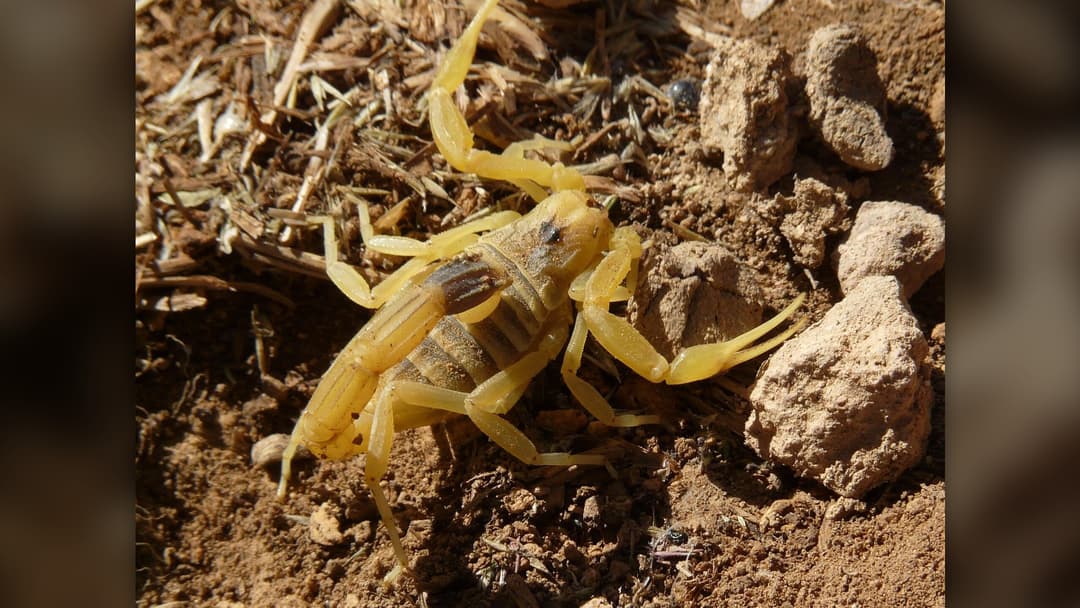
21. Deathstalker Scorpion 
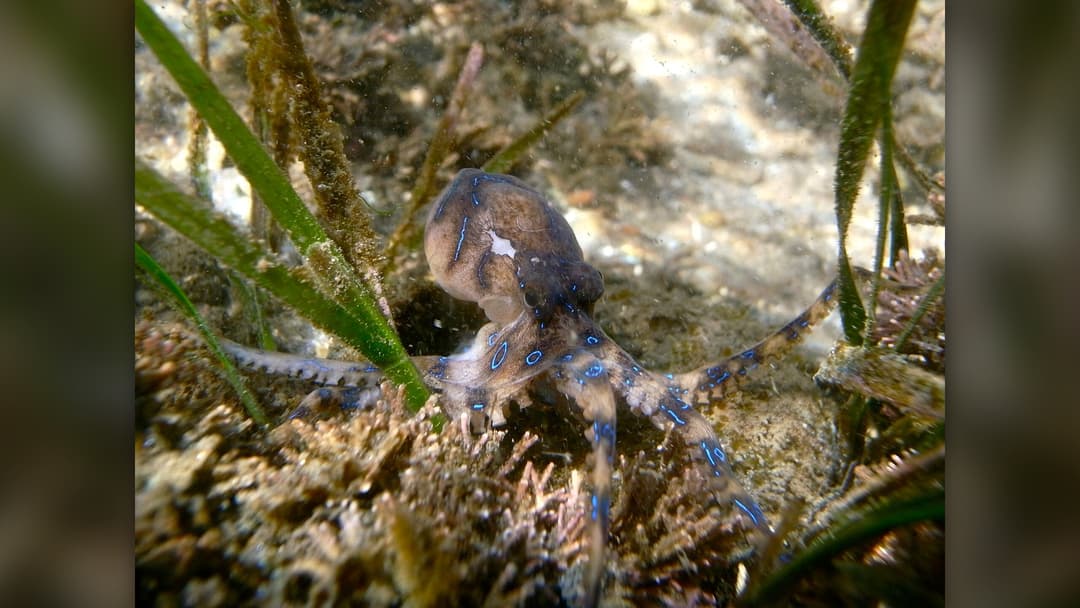
20. Blue-Ringed Octopus 
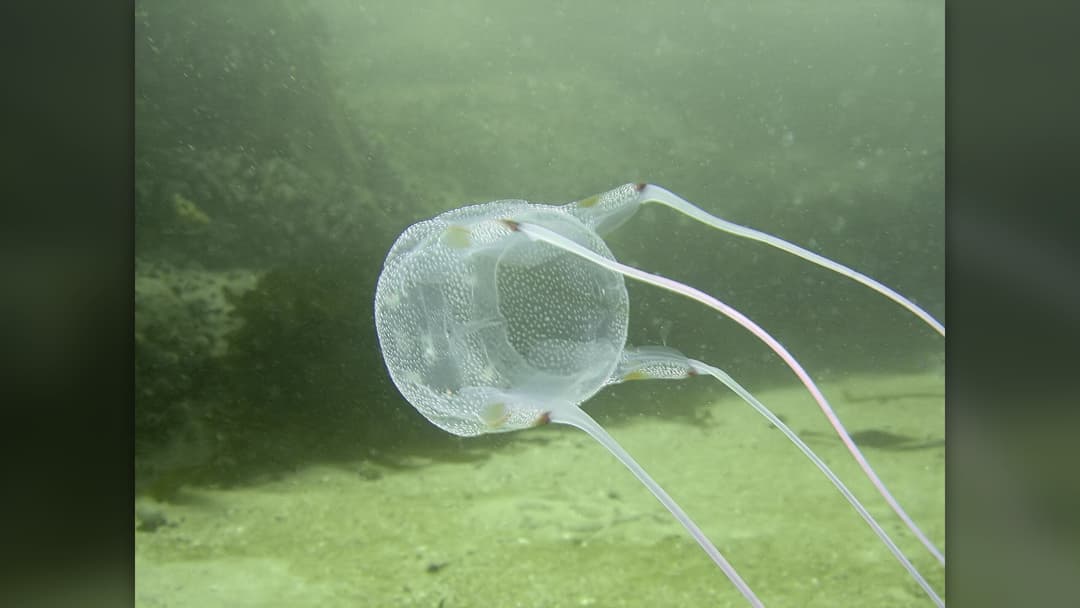
19. Box Jellyfish - AdvertisementSwipe or tap ▶ to continue countdown

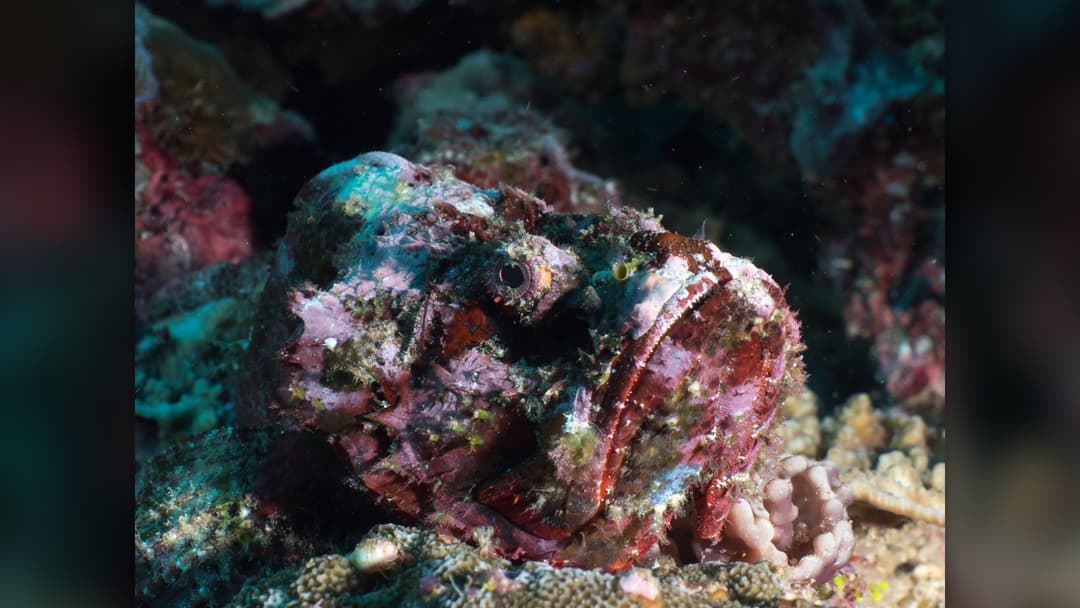
18. Reef Stonefish 
17. Great White Shark 
16. Bull Shark 
15. Leopard Seal - AdvertisementSwipe or tap ▶ to continue countdown

14. Giant Moray Eel 
13. Red-Bellied Piranha 
12. Electric Eel 
11. North American Moose - AdvertisementSwipe or tap ▶ to continue countdown

10. Grizzly Bear 
9. Polar Bear 
8. African Lion 
7. Bengal Tiger - AdvertisementSwipe or tap ▶ to continue countdown

6. Honey Badger 
5. Cape Buffalo 
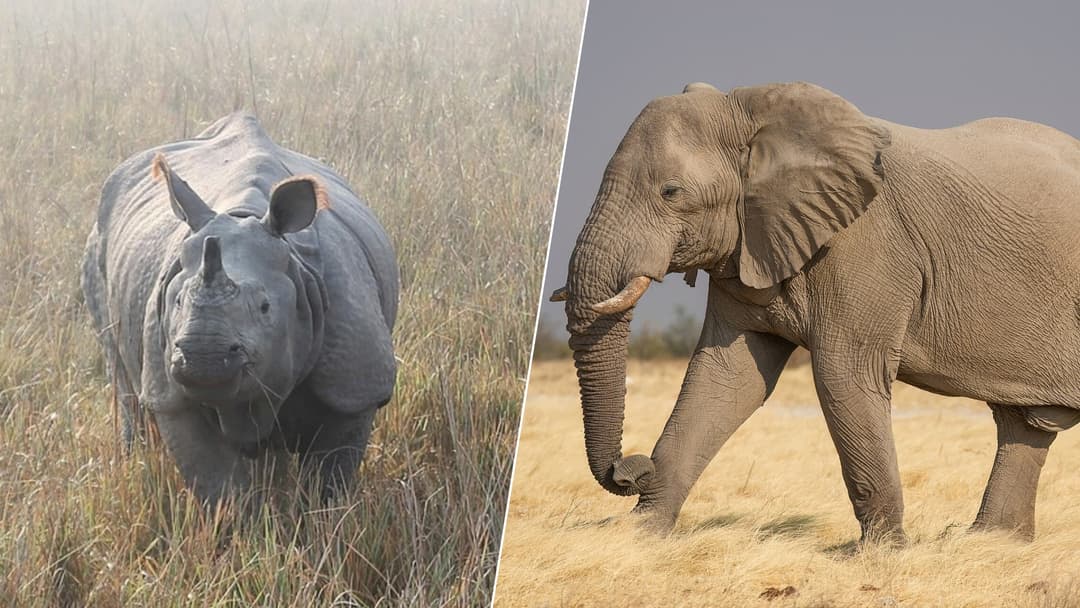
4. Black Rhinoceros 
3. African Bush Elephant - AdvertisementSwipe or tap ▶ to continue countdown

2. Hippopotamus 
1. Saltwater Crocodile - Advertisement🔥 UP NEXT IN THIS SERIES◫ 21 Slides

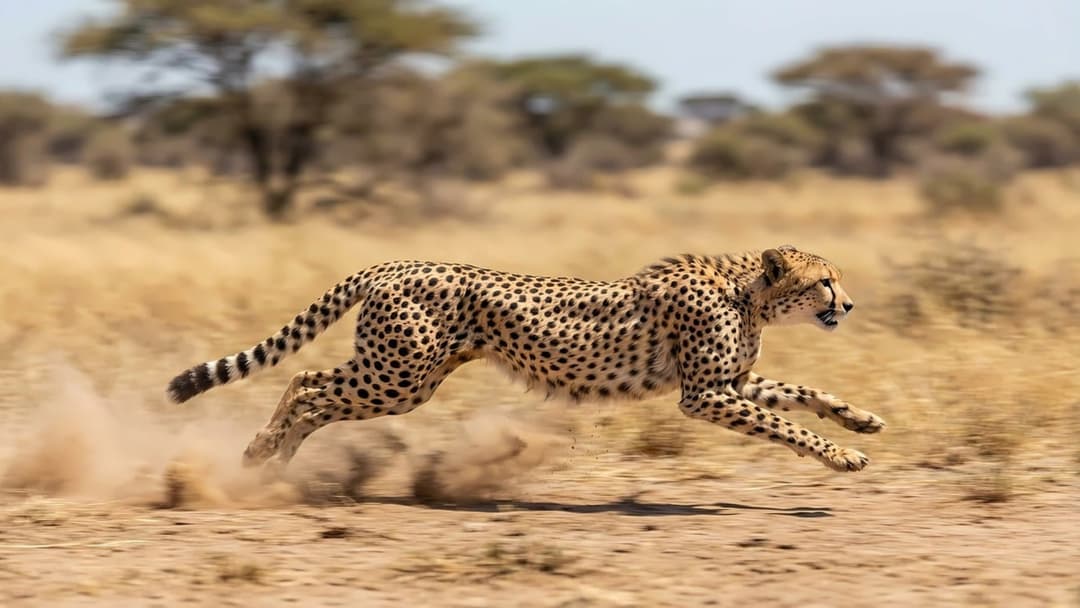
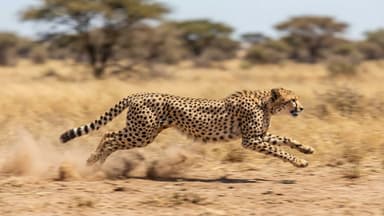
20 Fastest Land Animals Ranked by Running Speed
Across open savannas, grasslands, and prairies, terrestrial speed is the ultimate evolutionary tool for both survival and hunting. Drawing on biomechanical field measurements from Guinness World Records and zoological studies, this countdown ranks the twenty fastest land animals by their top verified sprint velocity.
Nature produces astonishing survival strategies, but few behaviors are as formidable as raw territorial aggression. Discover forty wild animal species known for fierce defense mechanisms and fearsome temperaments ranked.
Swipe or tap ▶ to begin the countdown
©Wikimedia / Ikiwaner & Wikimedia / Saltwater crocodile
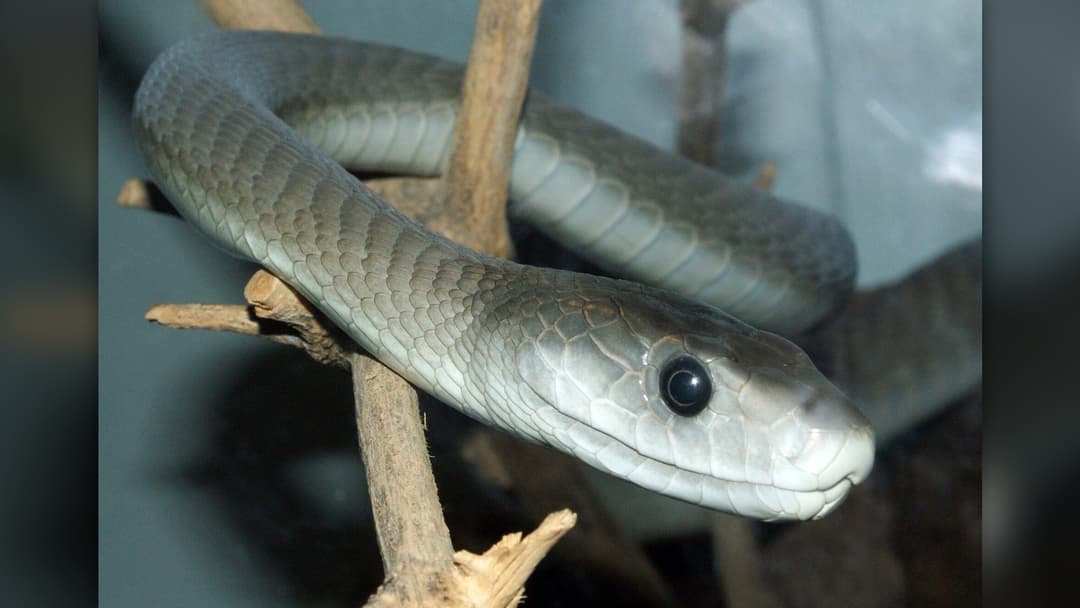
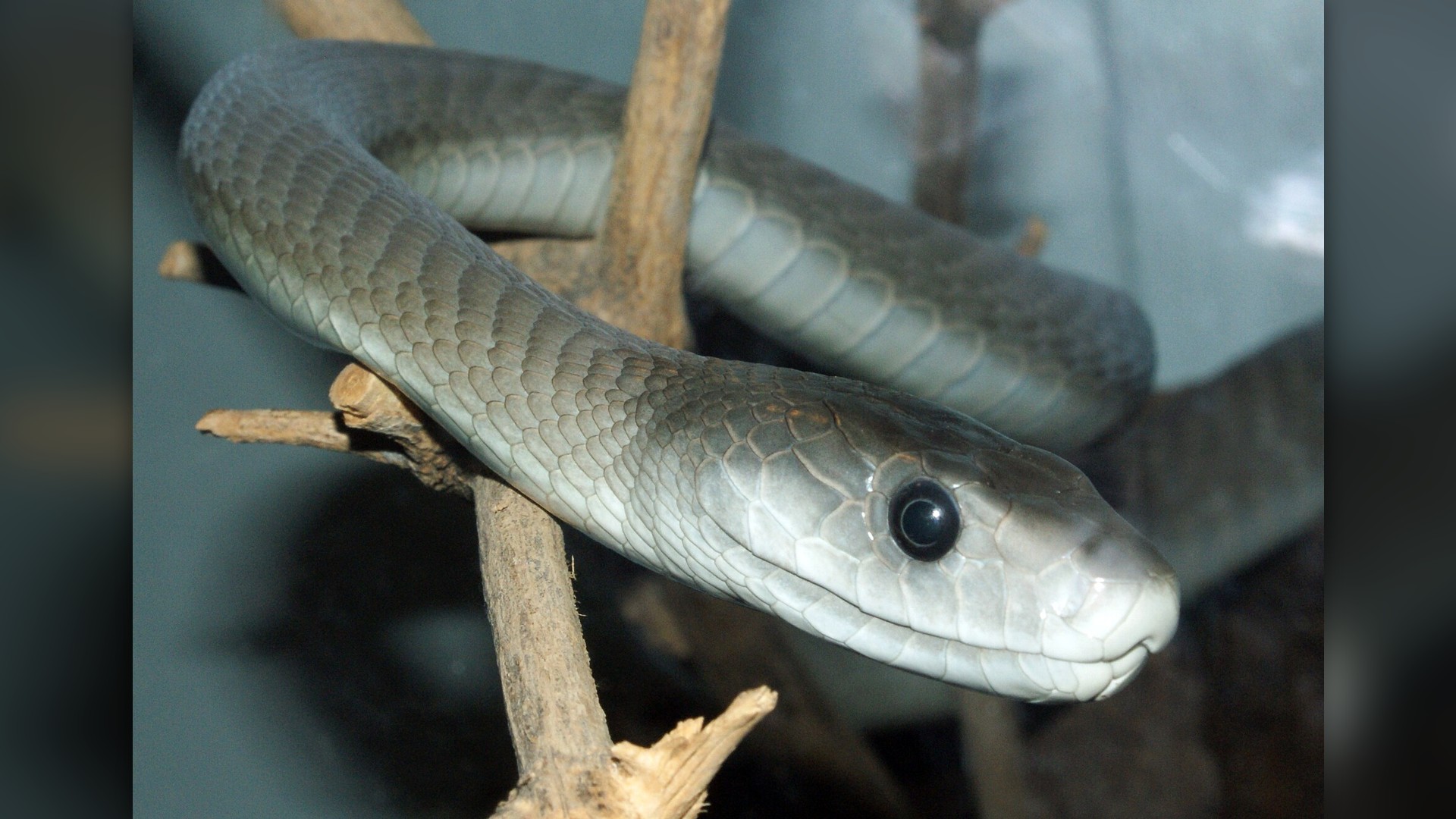
25. Black Mamba
Despite its brown scales, the black mamba is named for the inky interior lining of its mouth, which it displays as a threat. Capable of moving at twelve miles per hour, cornered mambas deliver potent neurotoxins that prove fatal without antivenom.
©Wikimedia / Black mamba
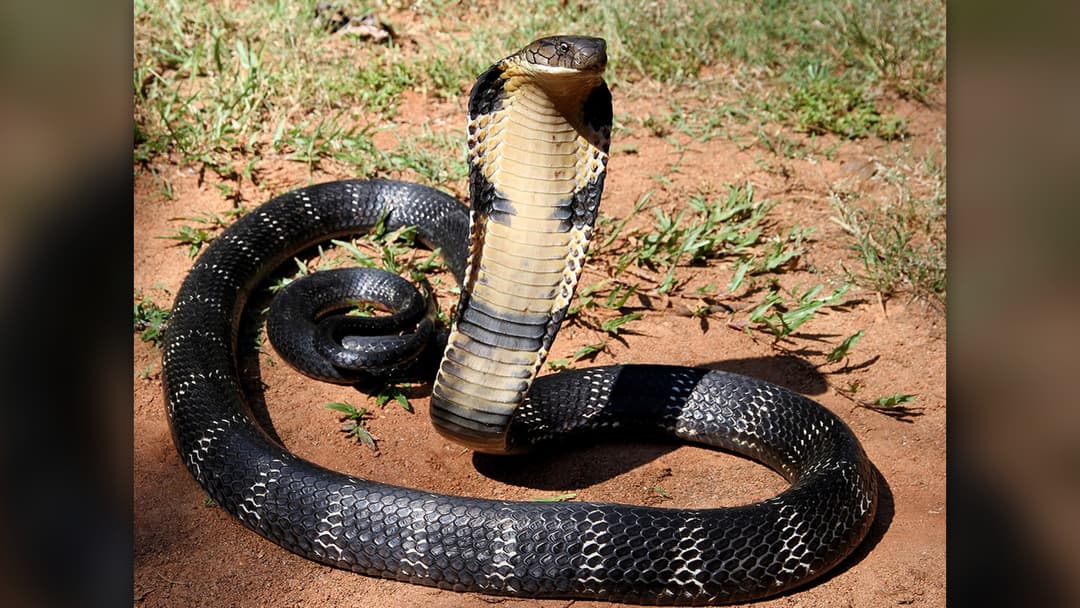
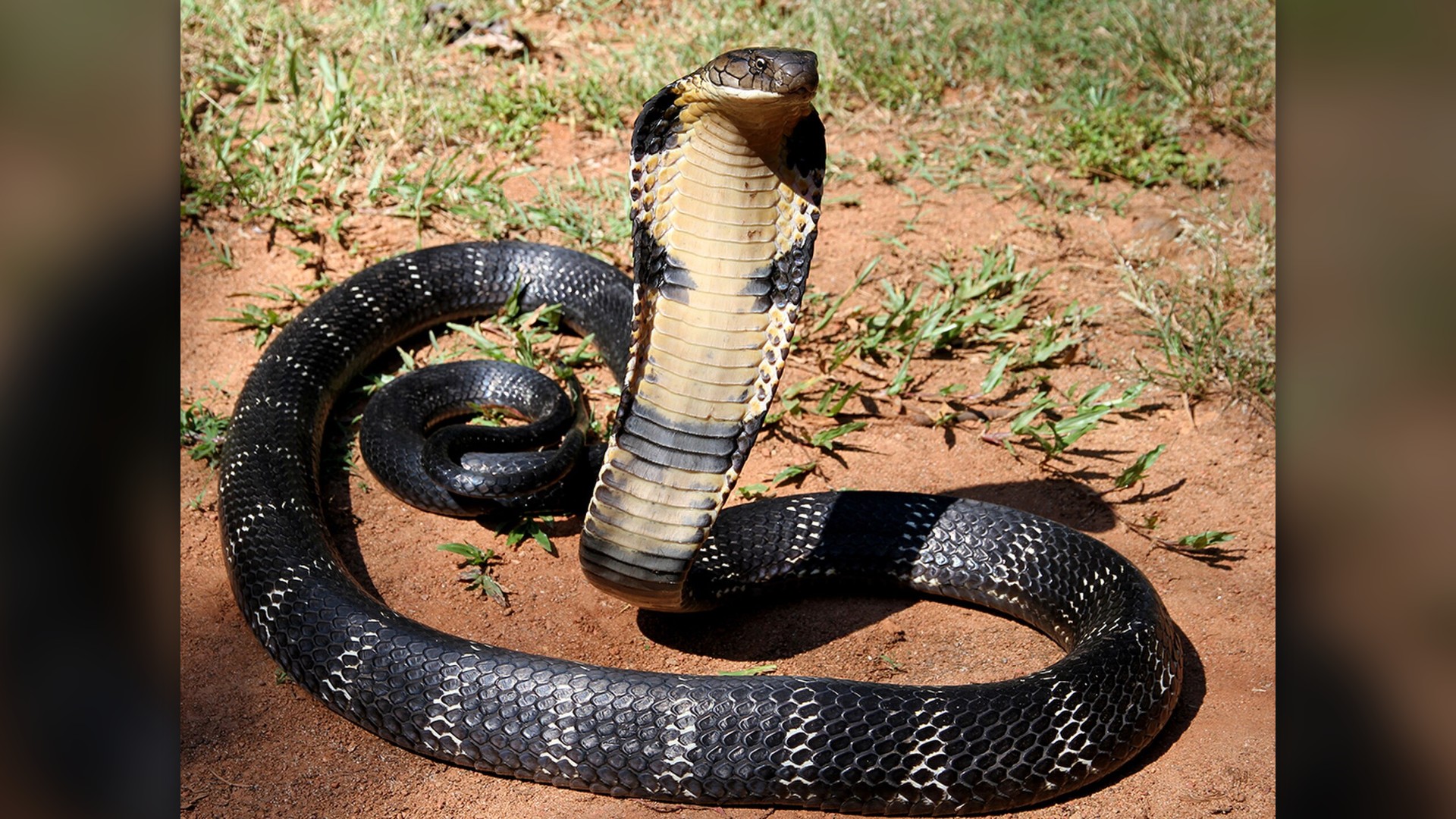
24. King Cobra
Reaching lengths of eighteen feet, the king cobra primarily hunts other serpents across Asian rainforests. Female cobras are the only snakes that construct physical leaf nests, which they guard with aggressive charges against any intruder.
©Wikimedia / King cobra
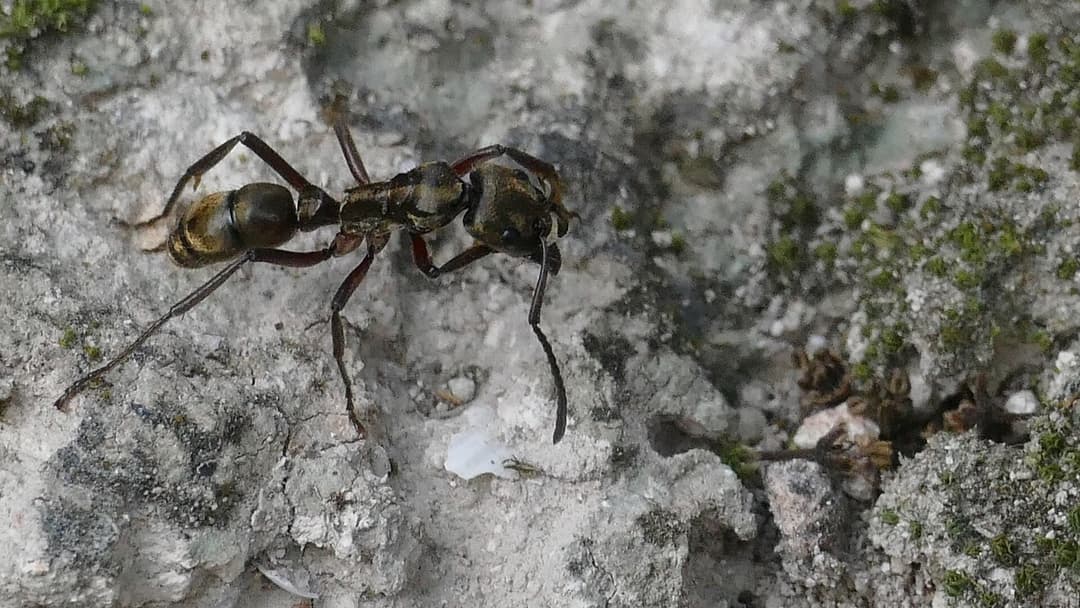
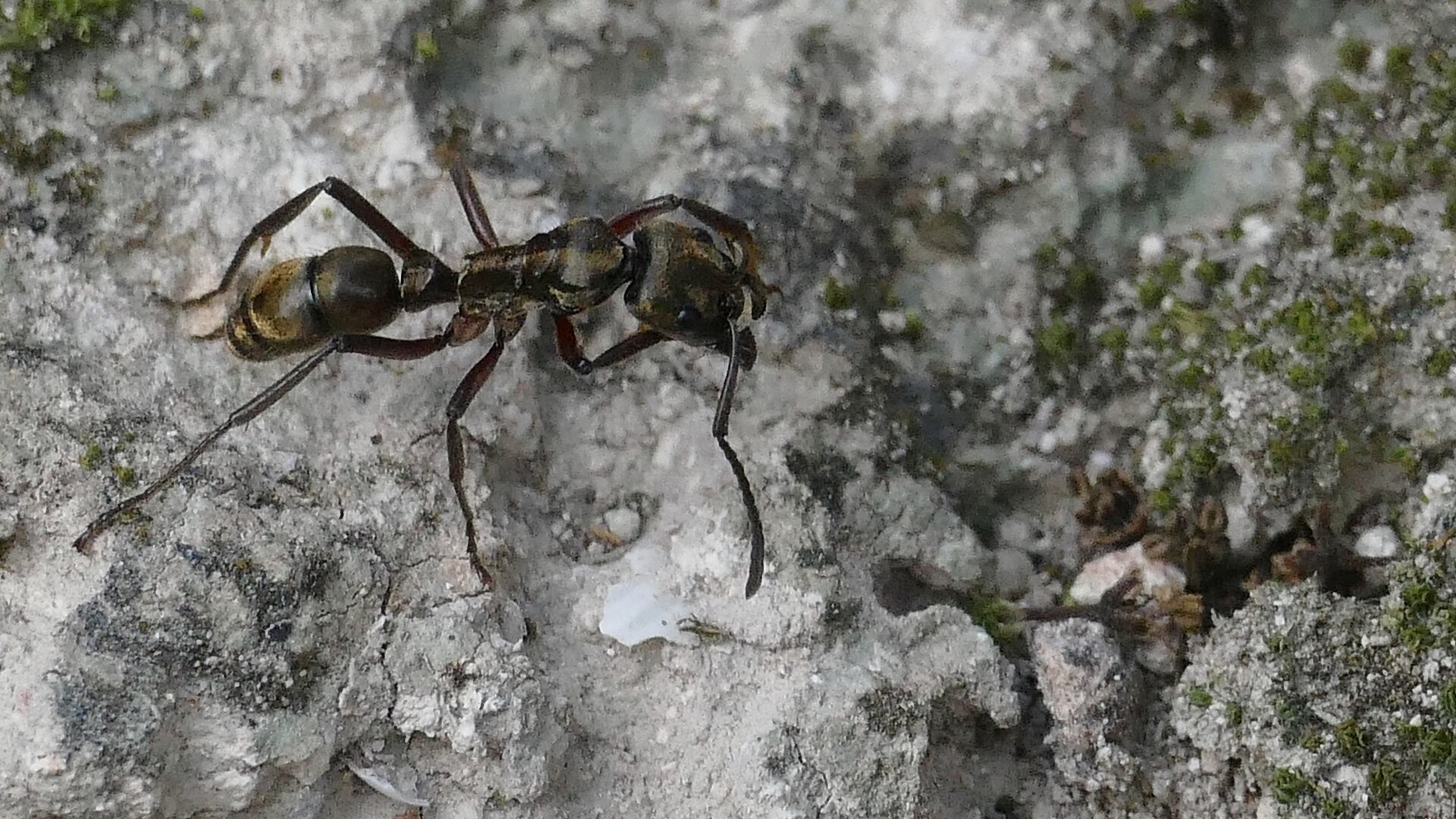
23. Bullet Ant
Found in Central and South American humid forests, the bullet ant delivers venom causing burning agony that lasts for twenty-four hours. Colonies fiercely protect their tree trunk forage trails, dropping onto passing mammals that disturb their nests.
©Wikimedia / Bernard DUPONT
Advertisement
Swipe or tap ▶ to resume the countdown.
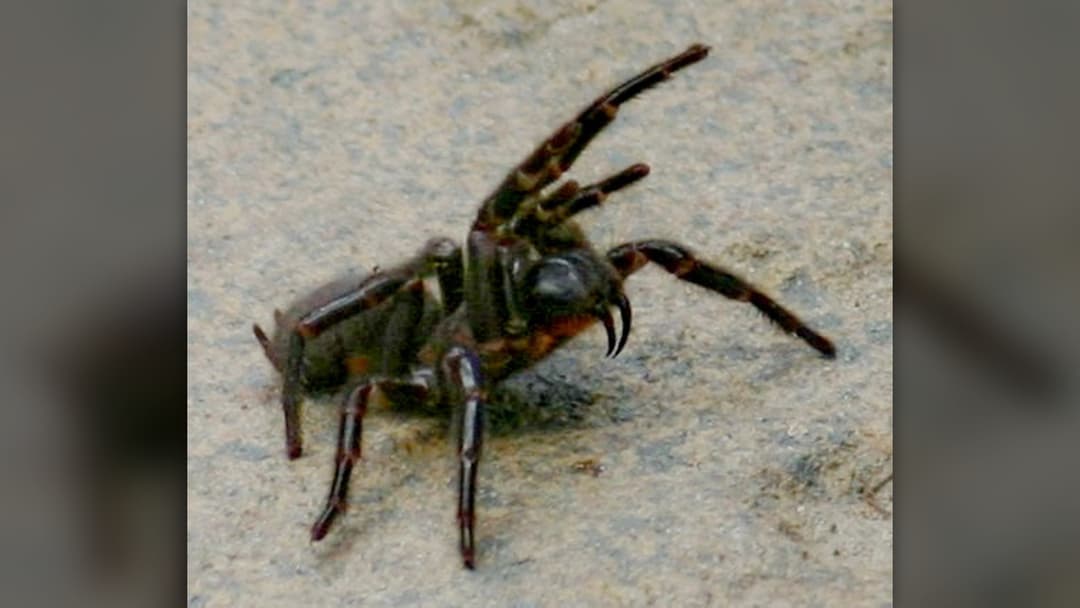
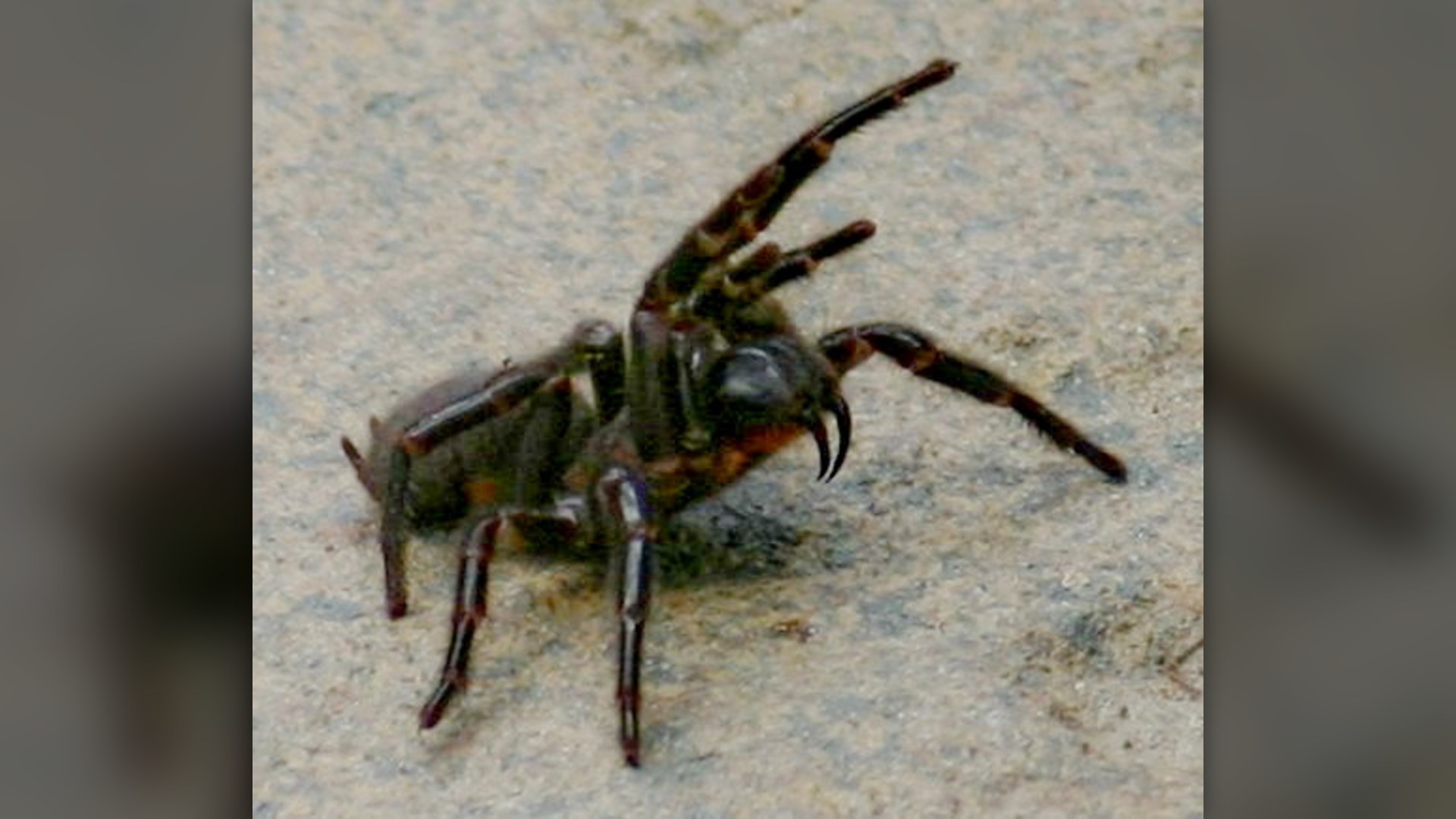
22. Sydney Funnel-Web Spider
Encountered in moist urban and bushland habitats around Sydney, males roam in search of mates during summer months. When disturbed, the spider will repeatedly strike downward with powerful chelicerae capable of piercing fingernails.
©Wikimedia / User:Tirin
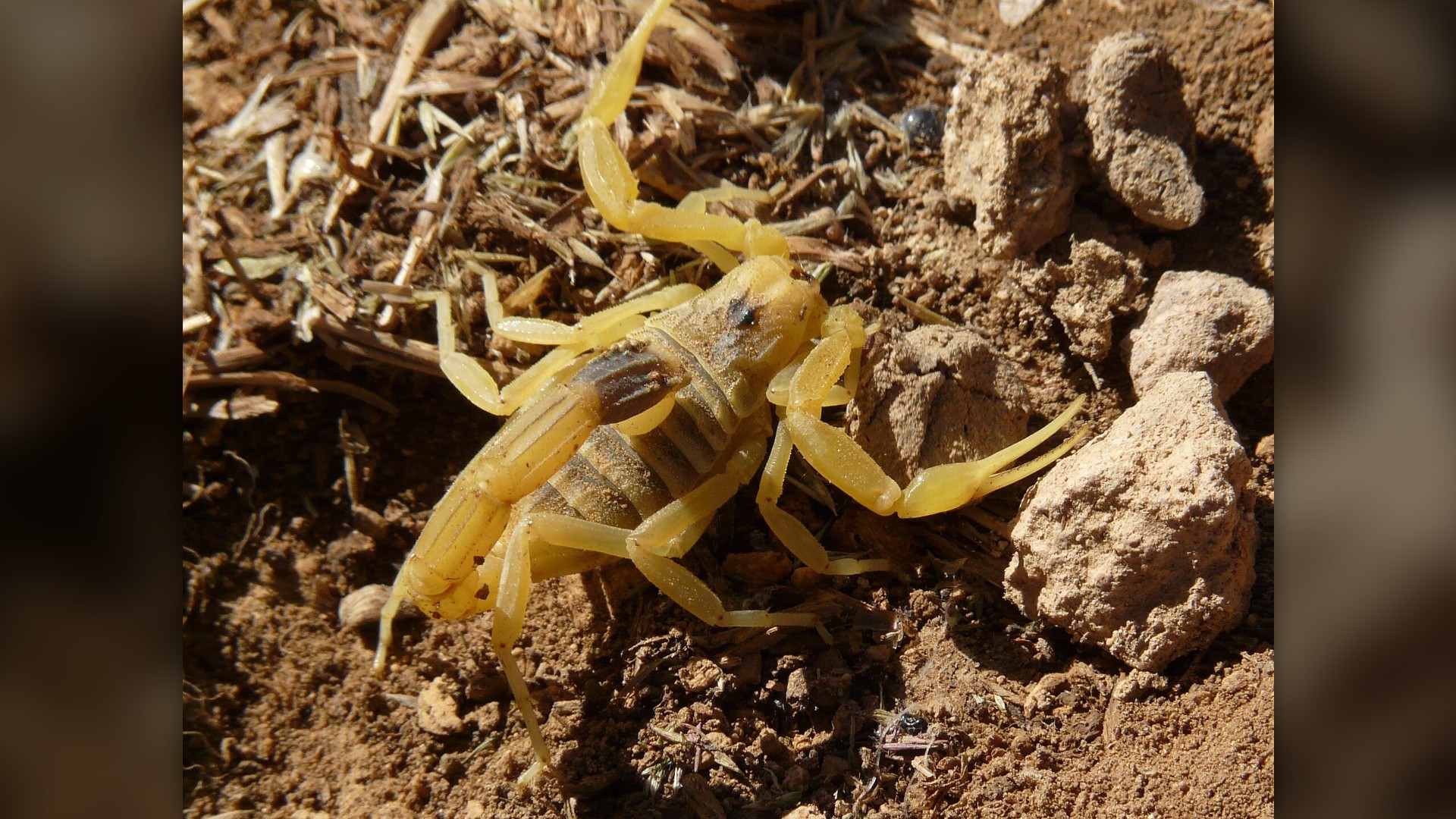
21. Deathstalker Scorpion
Inhabiting arid scrublands across North Africa and the Middle East, this pale yellow scorpion is highly territorial. It reacts aggressively to minor ground vibrations by rapidly lashing its tail to stun prey and deter larger threats.
©Wikimedia / Alastair Rae from London, United Kingdom
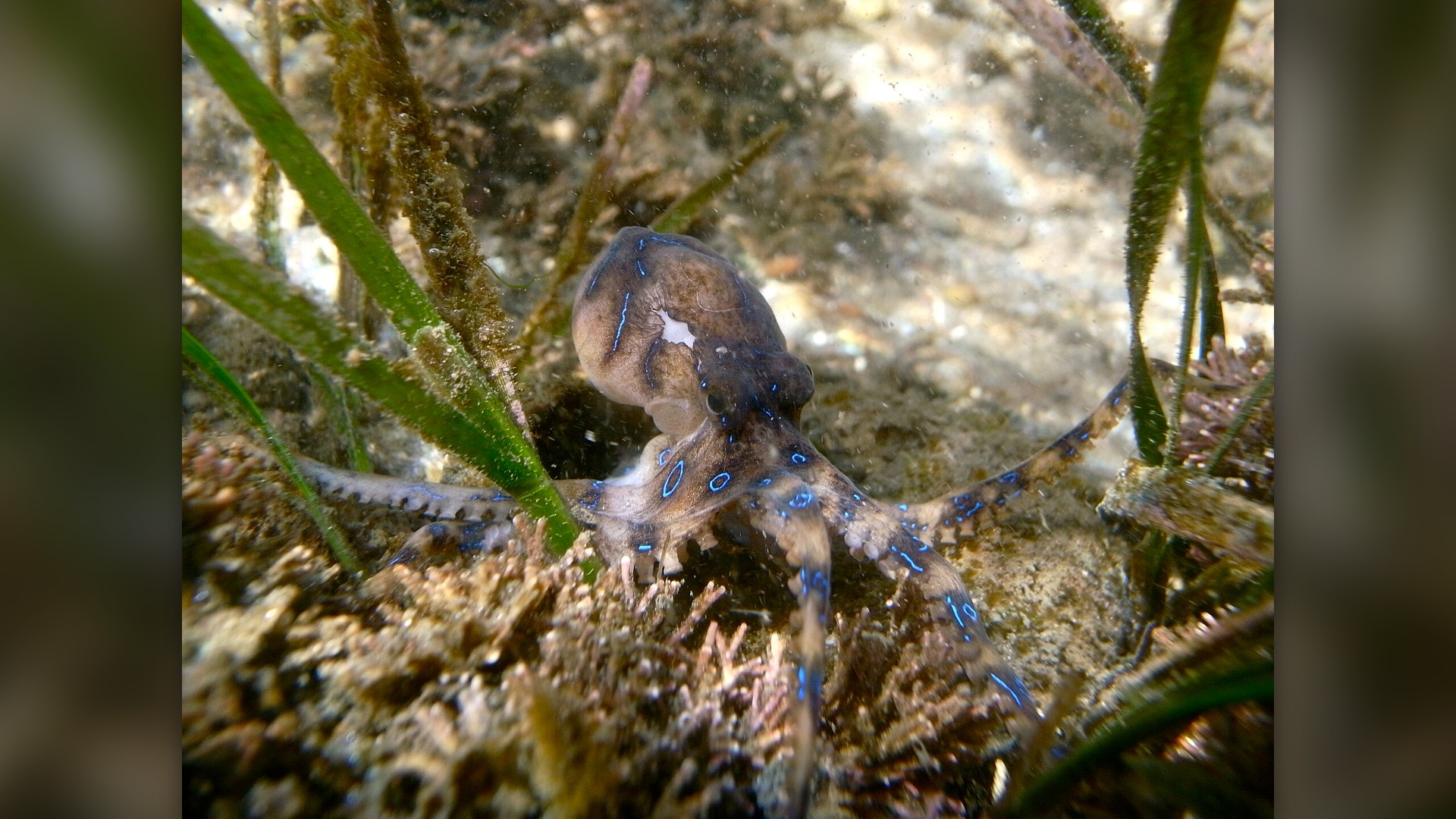
20. Blue-Ringed Octopus
Native to the Pacific and Indian oceans, the blue-ringed octopus carries enough tetrodotoxin to paralyze multiple adult humans. Despite measuring only a few inches across, it will bite defensively if stepped on or handled in rocky shallows.
©Wikimedia / Sylke Rohrlach
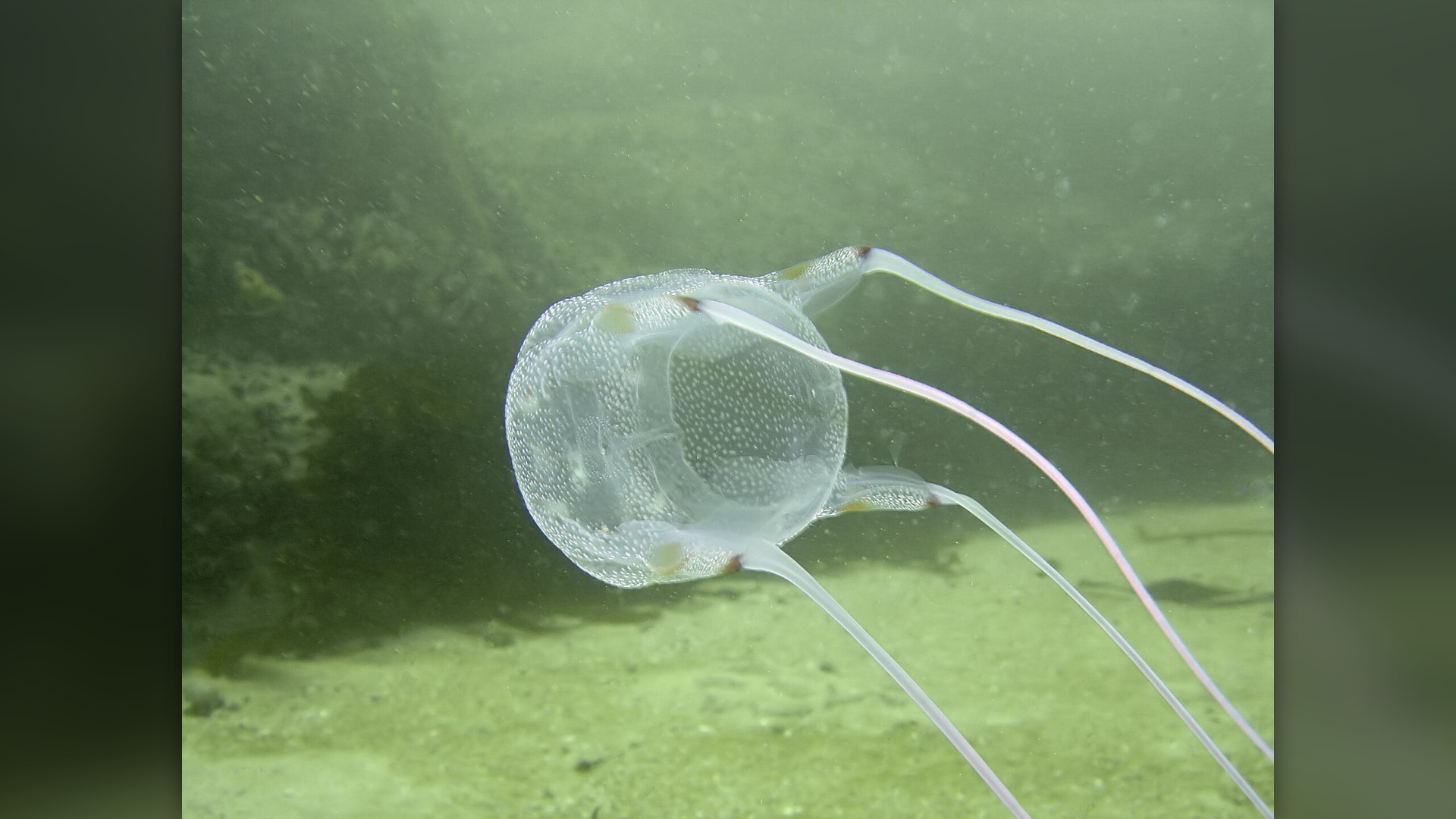
19. Box Jellyfish
Possessing true eyes that enable active swimming, the sea wasp hunts small fish along coastal shallows. Its ten-foot tentacles hold millions of microscopic venom harpoons that trigger intense cardiac arrest upon touching human skin.
©Wikimedia / Peter Southwood
Advertisement
Swipe or tap ▶ to resume the countdown.
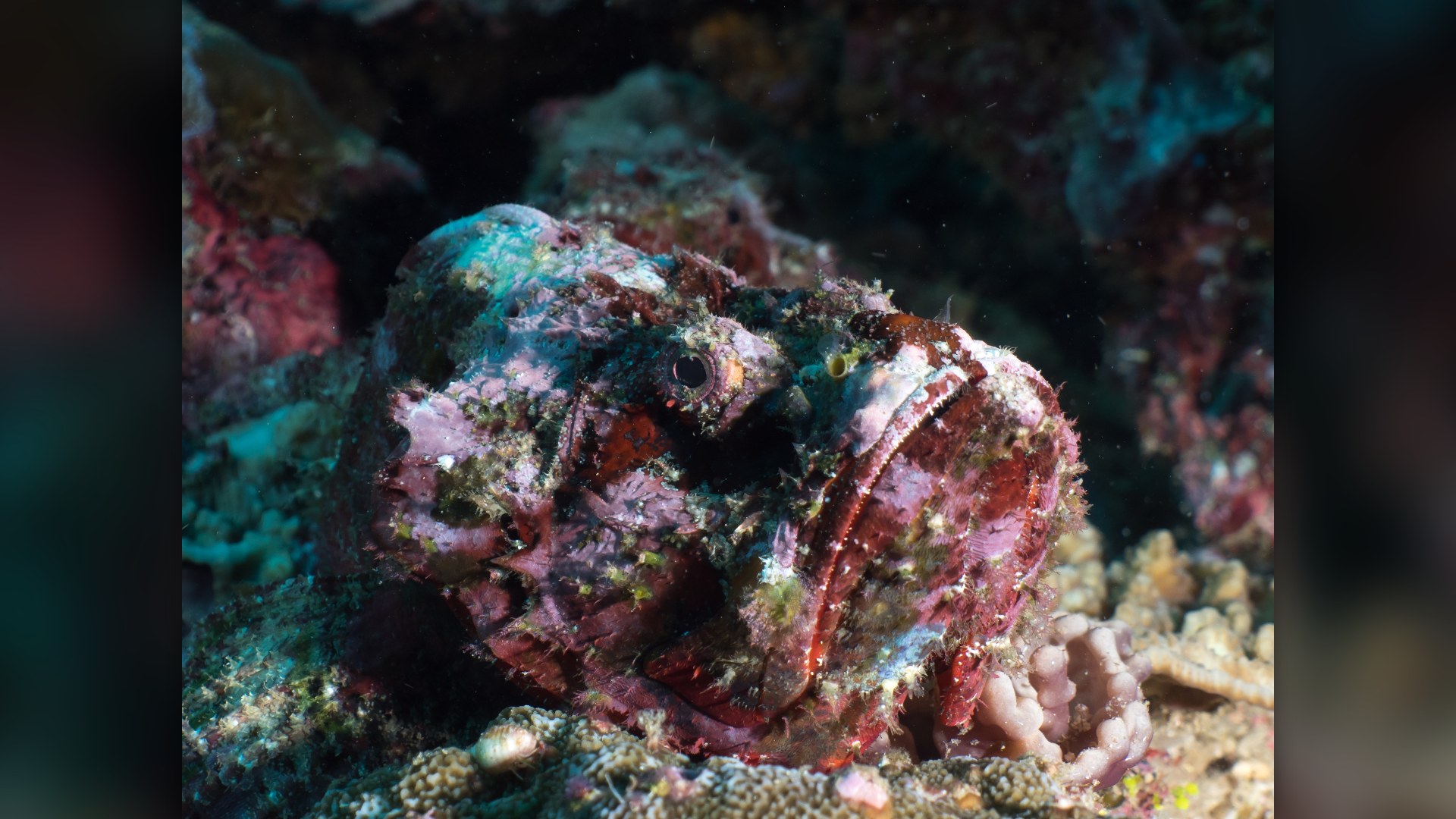
18. Reef Stonefish
Resembling encrusted coral or rock on the seabed, this ambush predator remains motionless until stepped upon. When threatened, it raises razor-sharp dorsal spines that inject debilitating venom directly into the soles of unsuspecting waders.
©Wikimedia / Rickard Zerpe
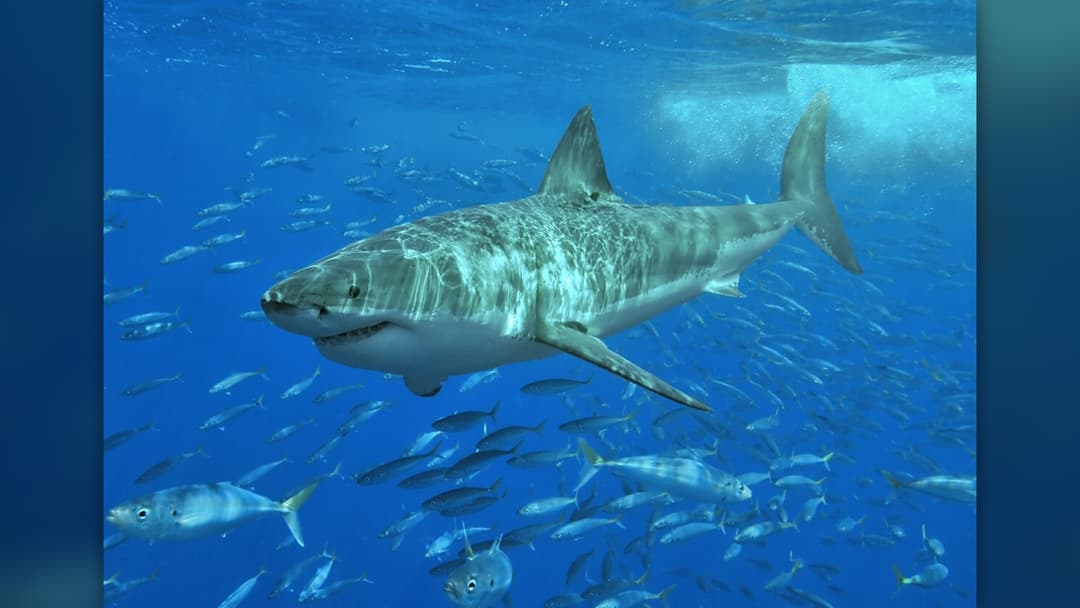
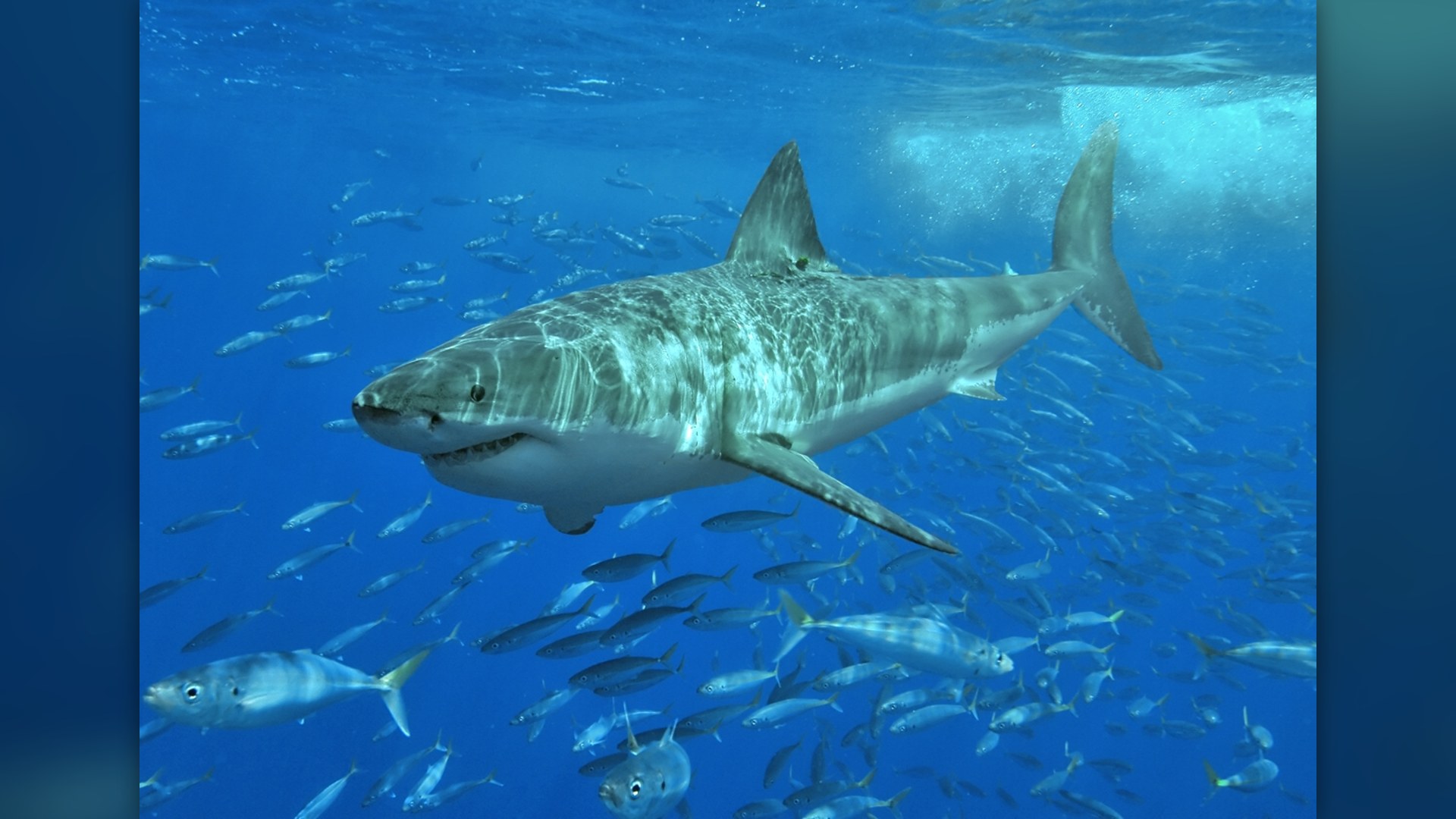
17. Great White Shark
Reaching lengths exceeding twenty feet, great whites detect minute electrical impulses from prey. While not typically viewing humans as food, their exploratory bites and territorial strikes against surfcraft highlight their apex power.
©Wikimedia / Pterantula (Terry Goss) at en.wikipedia
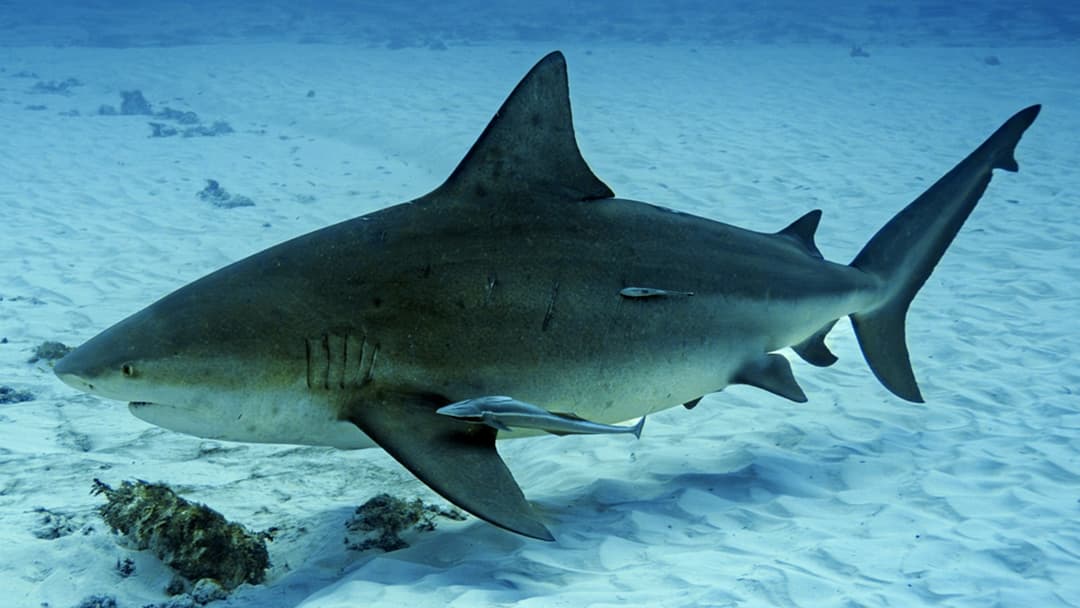
16. Bull Shark
With high testosterone levels and blunt snouts, bull sharks exhibit notoriously unpredictable behavior in murky waters. They are responsible for numerous nearshore attacks around the world due to their preference for shallow swimming zones.
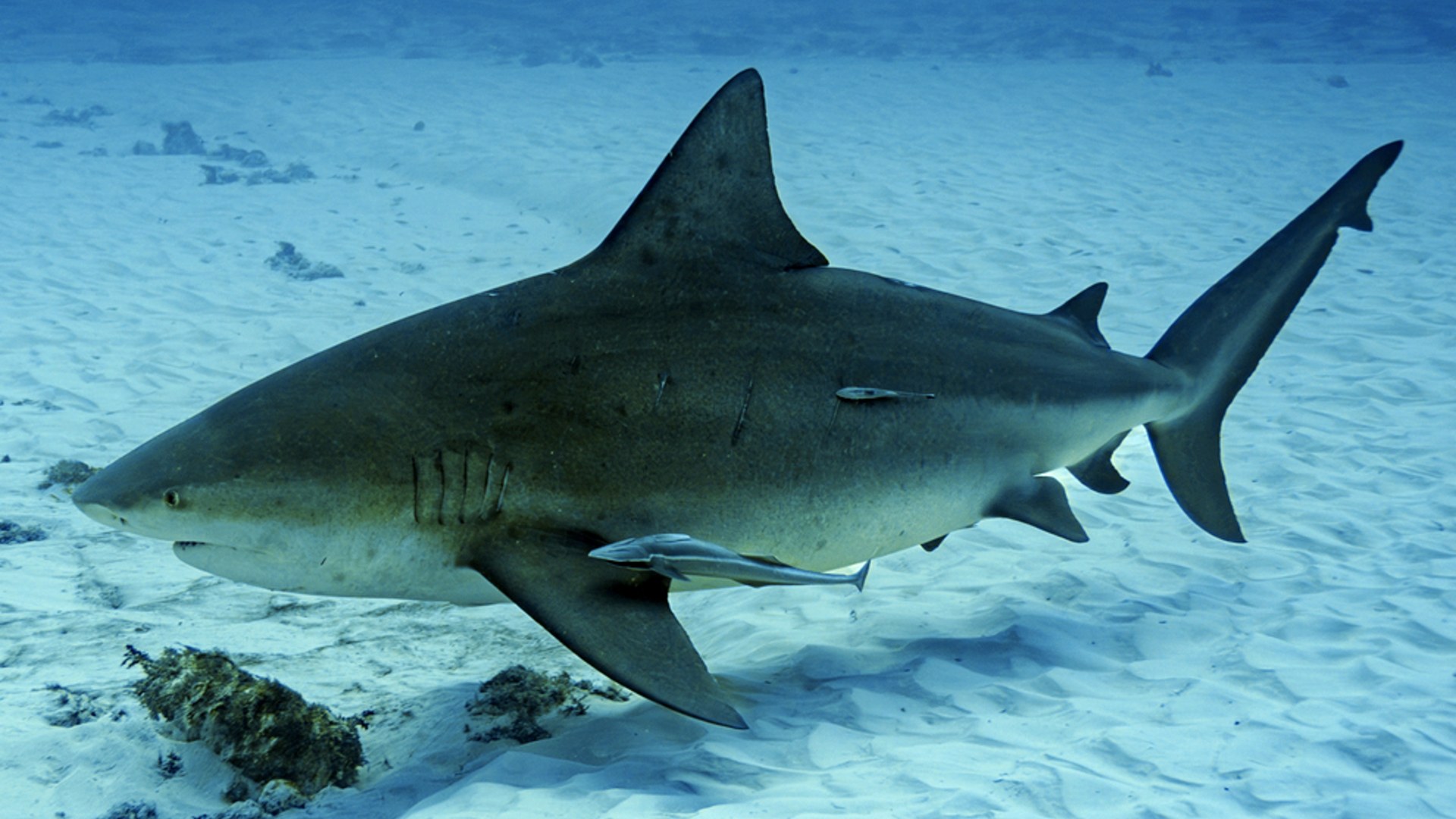
©Wikimedia / João D'Andretta
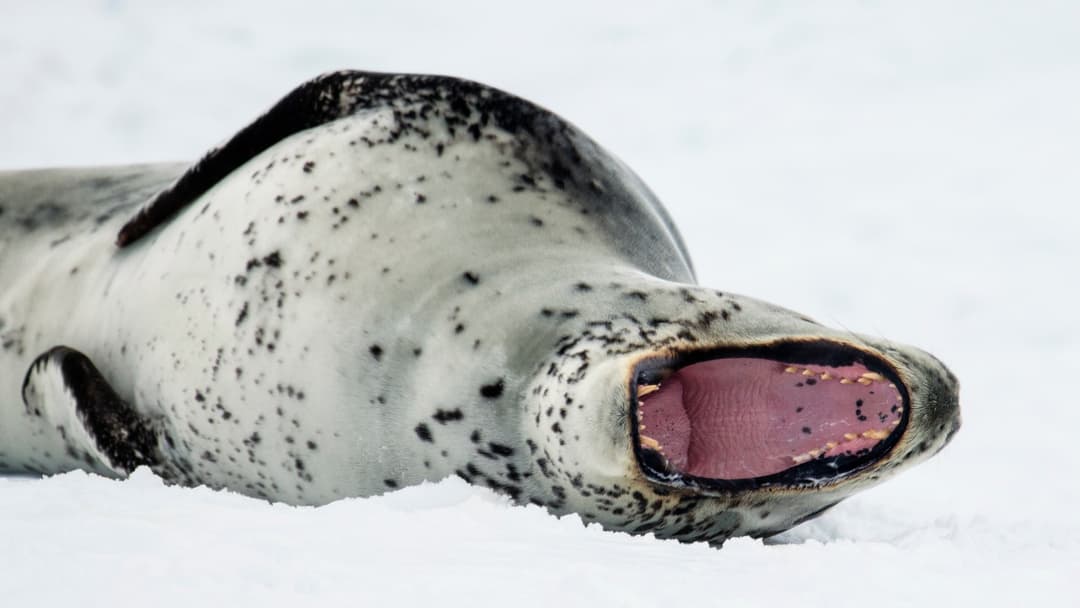
15. Leopard Seal
Growing up to eleven feet in length, leopard seals patrol pack ice borders with massive canine teeth and snake-like heads. They fiercely defend prime breathing holes and have been known to aggressively inspect and bite research dinghies.
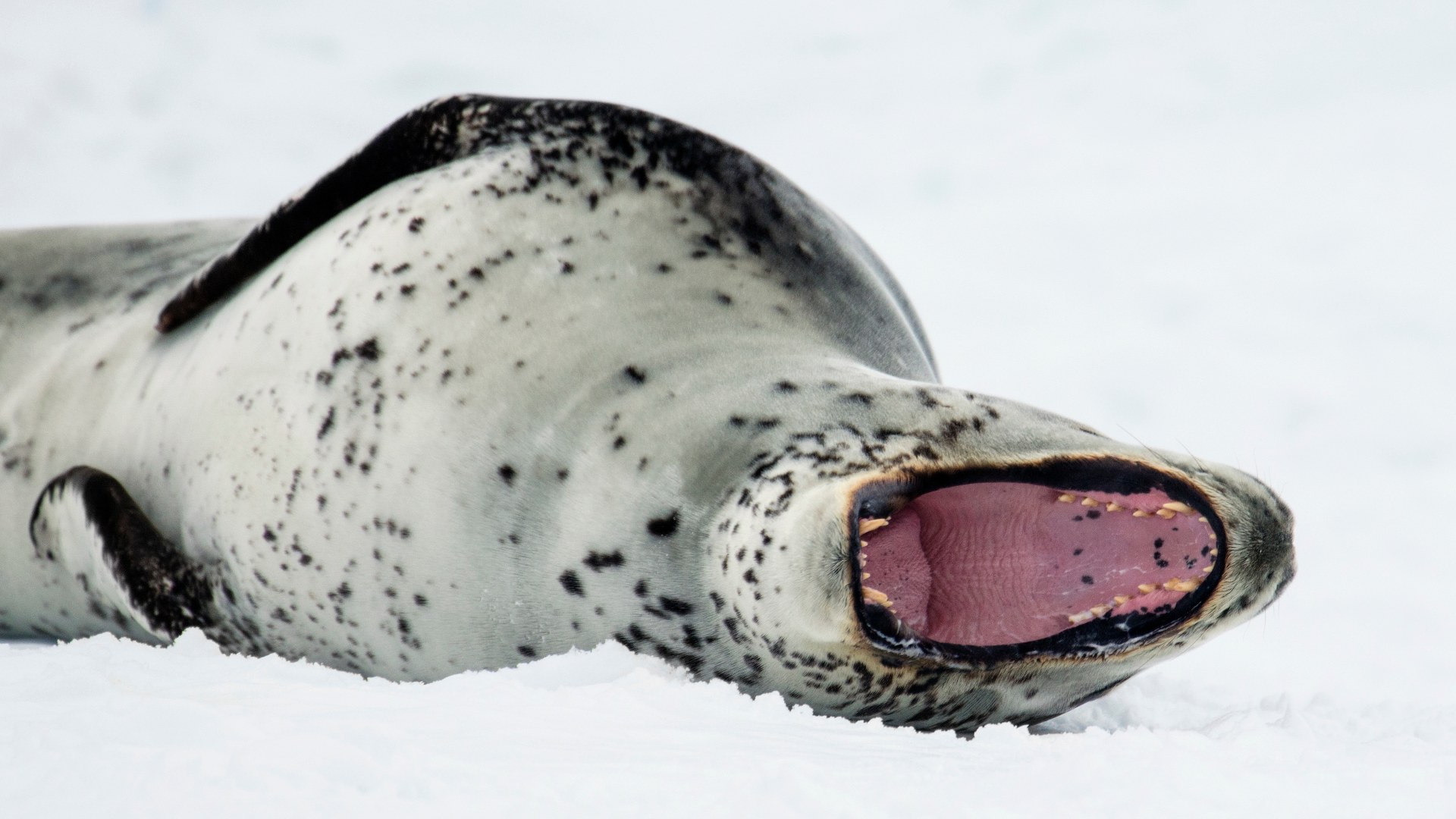
©Wikimedia / Godot13
Advertisement
Swipe or tap ▶ to resume the countdown.
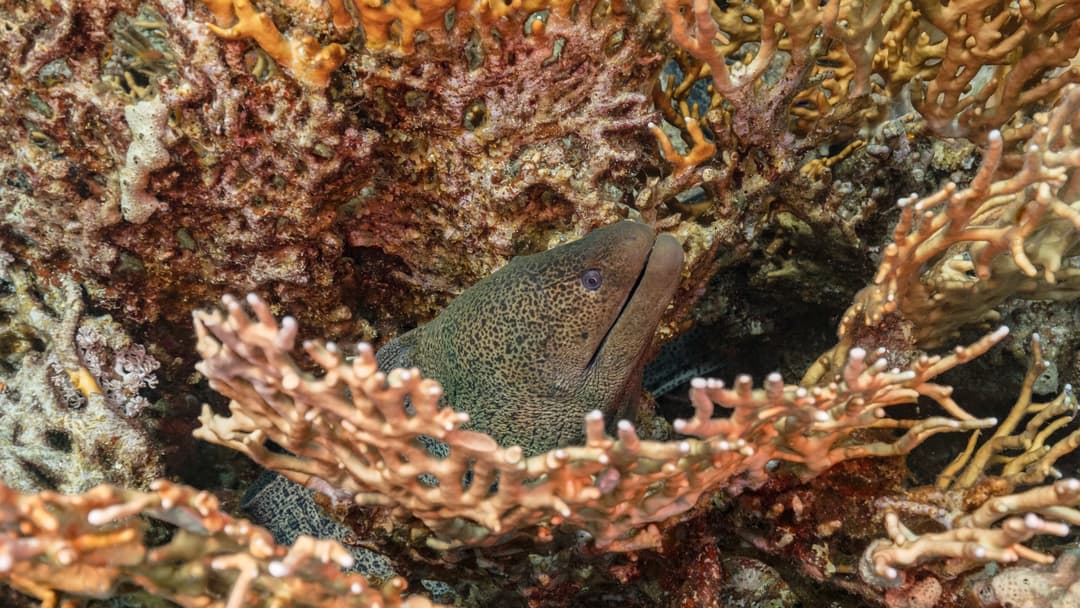
14. Giant Moray Eel
Possessing secondary pharyngeal jaws inside its throat to drag food backward, the giant moray defends its lair aggressively. Divers who reach into rocky crevices often trigger lightning-fast strikes that cause severe lacerations.
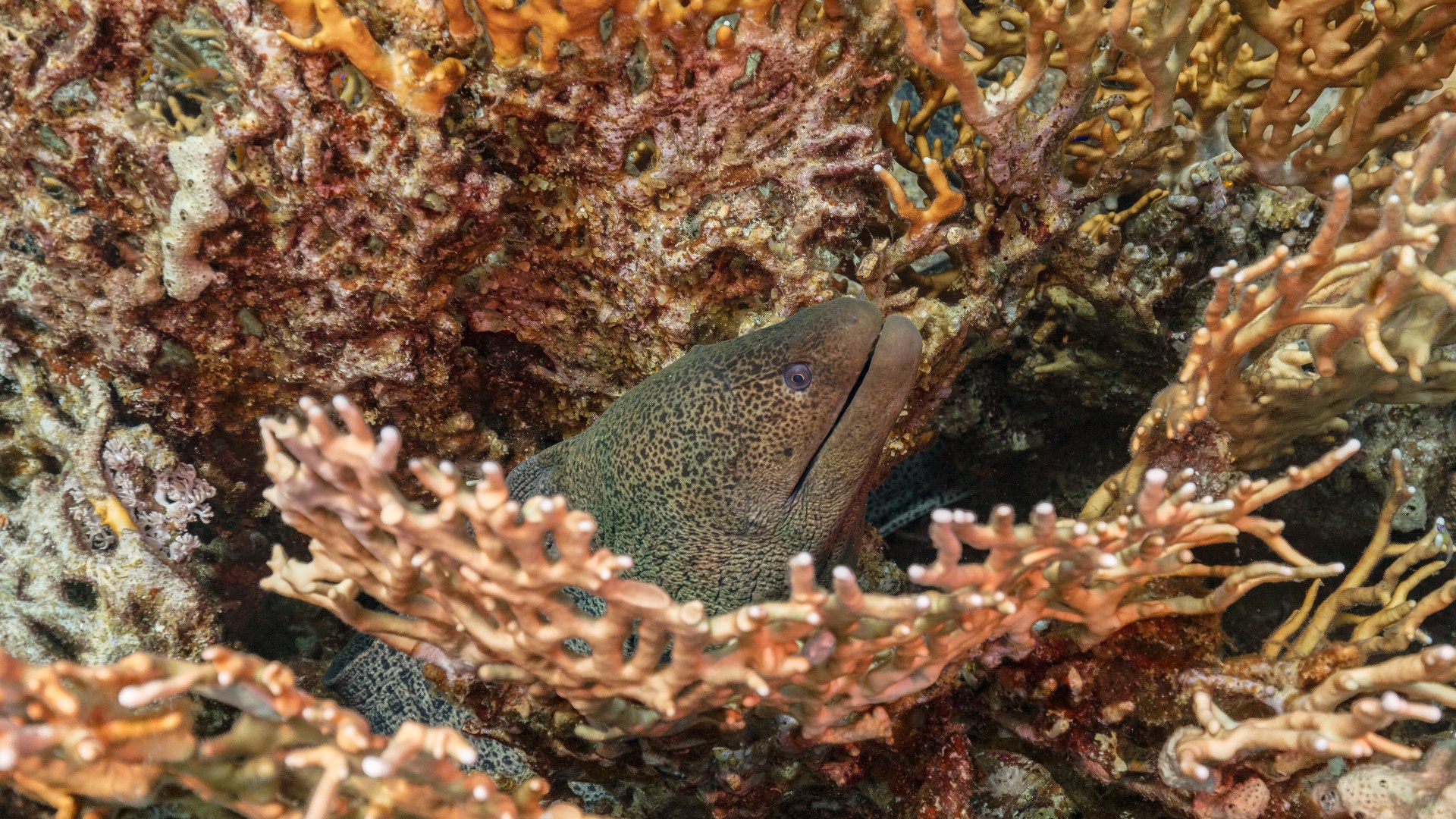
©Wikimedia / Diego Delso
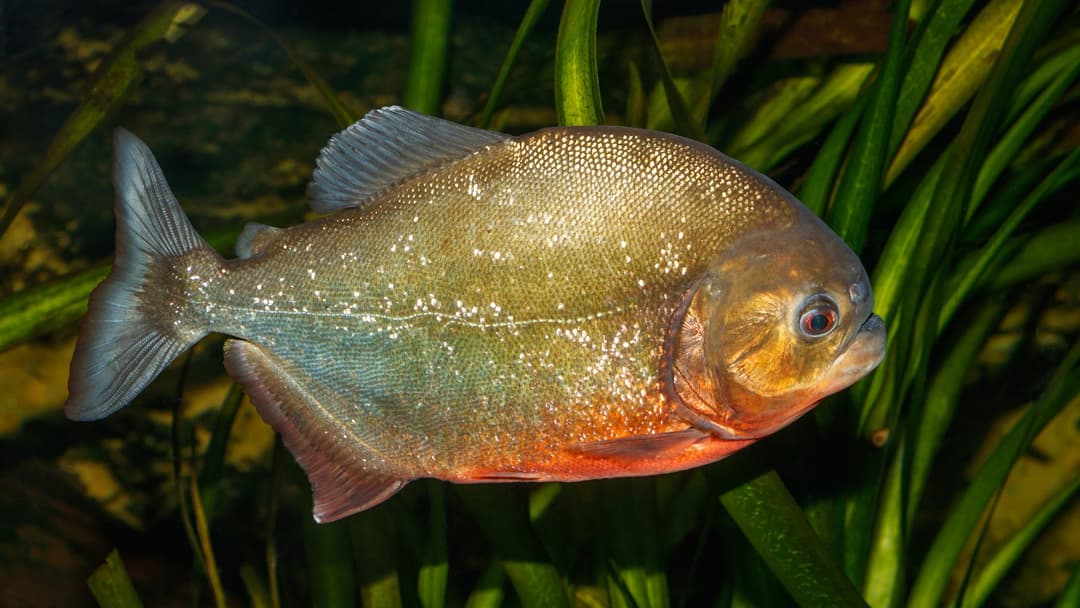
13. Red-Bellied Piranha
Inhabiting South American river basins, red-bellied piranhas swarm quickly when scenting blood or erratic splashing. While Hollywood exaggerates their appetite, drought conditions make crowded schools exceptionally aggressive and dangerous.
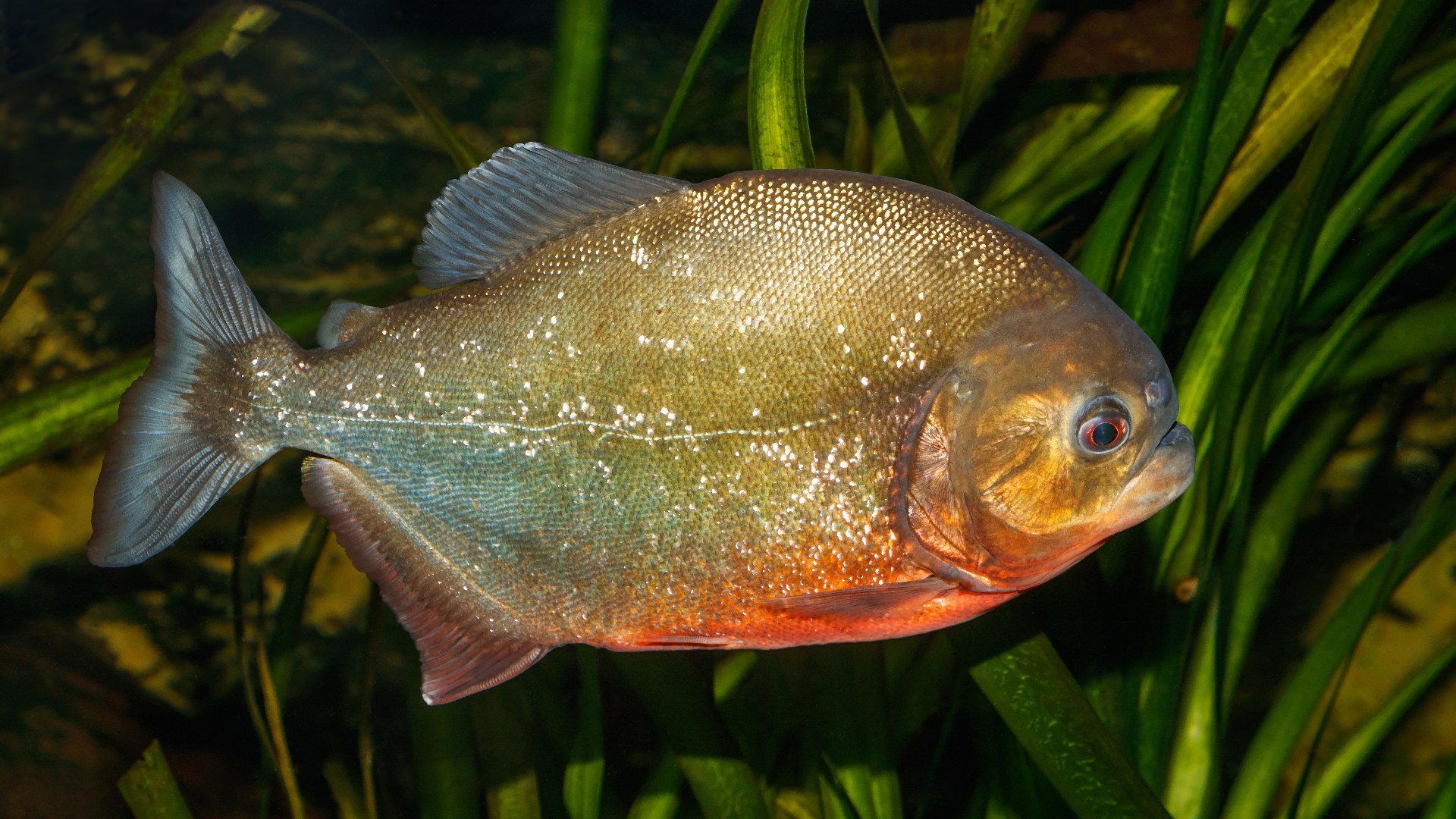
©Wikimedia / H. Zell
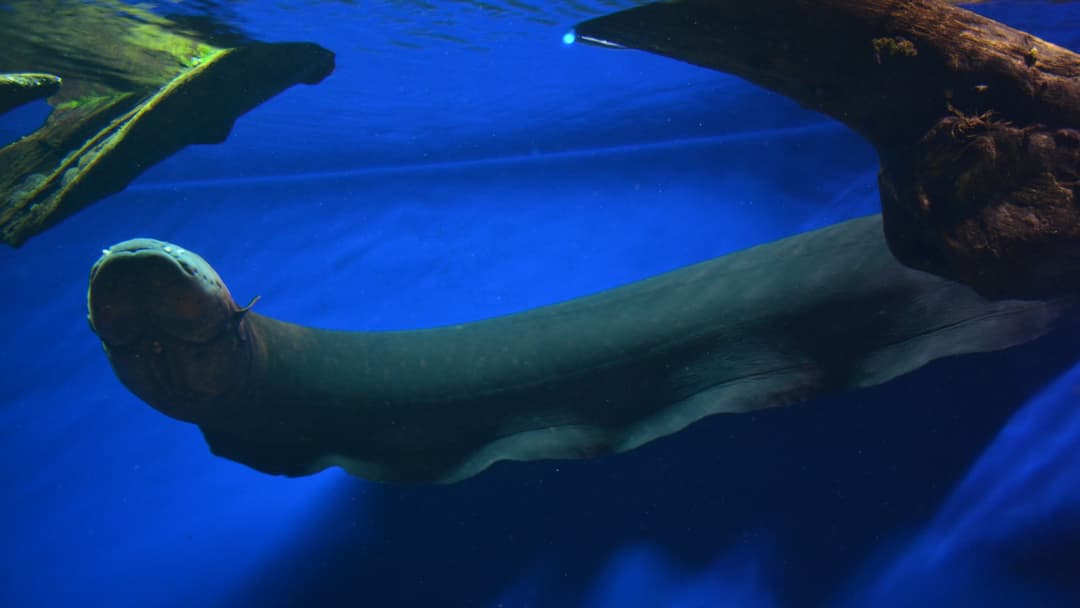
12. Electric Eel
Native to the murky waters of the Amazon and Orinoco basins, the electric eel uses specialized electrolyte organs. Cornered eels will leap from the water to press their chins directly against invaders, maximizing electric shock output.
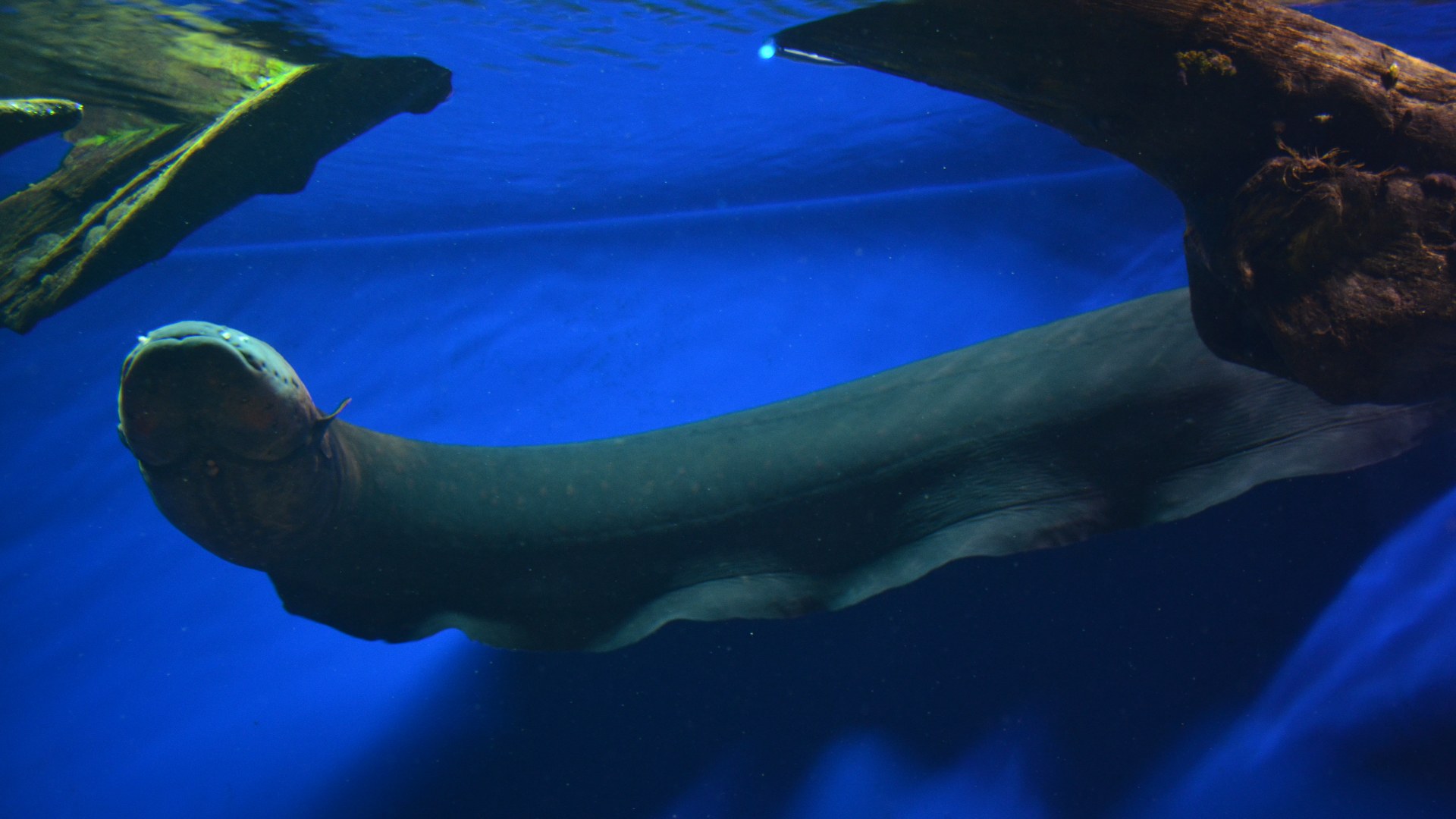
©Wikimedia / shankar s. from Dubai, united arab emirates
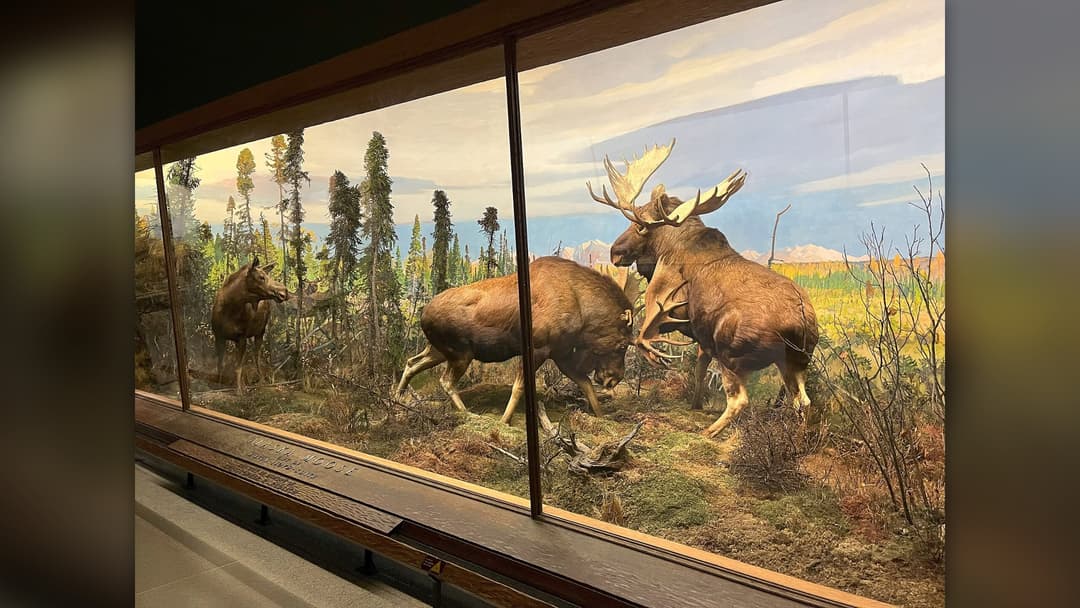
11. North American Moose
Standing up to seven feet at the shoulder, moose dominate boreal forests across North America. During the autumn rut and spring calving, bulls and protective mothers aggressively charge anything that enters their personal space.
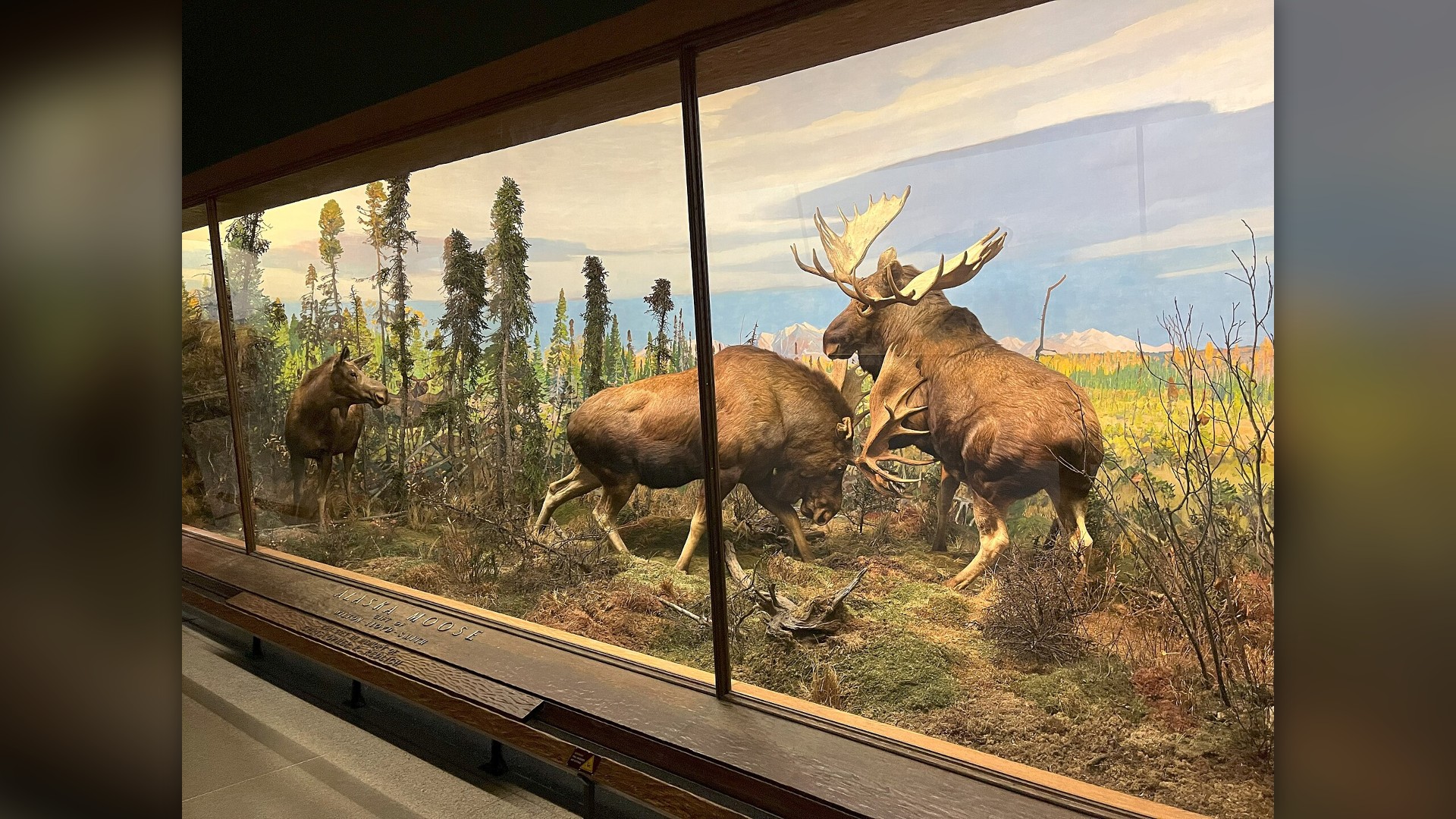
©Wikimedia / Vicpeters
Advertisement
Swipe or tap ▶ to resume the countdown.
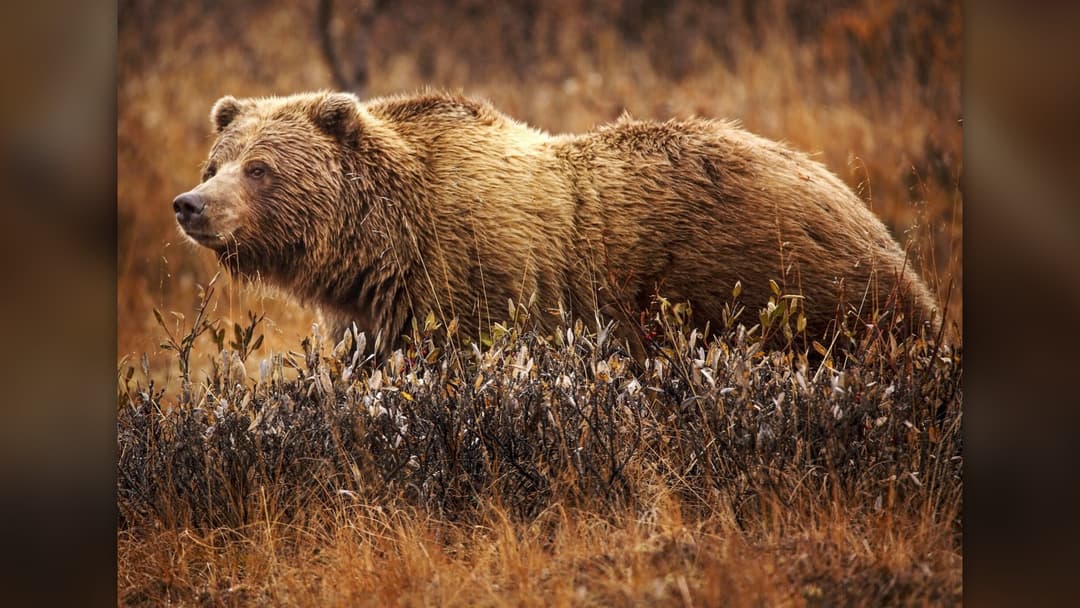
10. Grizzly Bear
Unlike black bears that often flee up trees, North American grizzlies evolved in open plains to stand and fight. Sows protecting cubs or adults claiming carcass caches will charge intruders at thirty-five miles per hour.
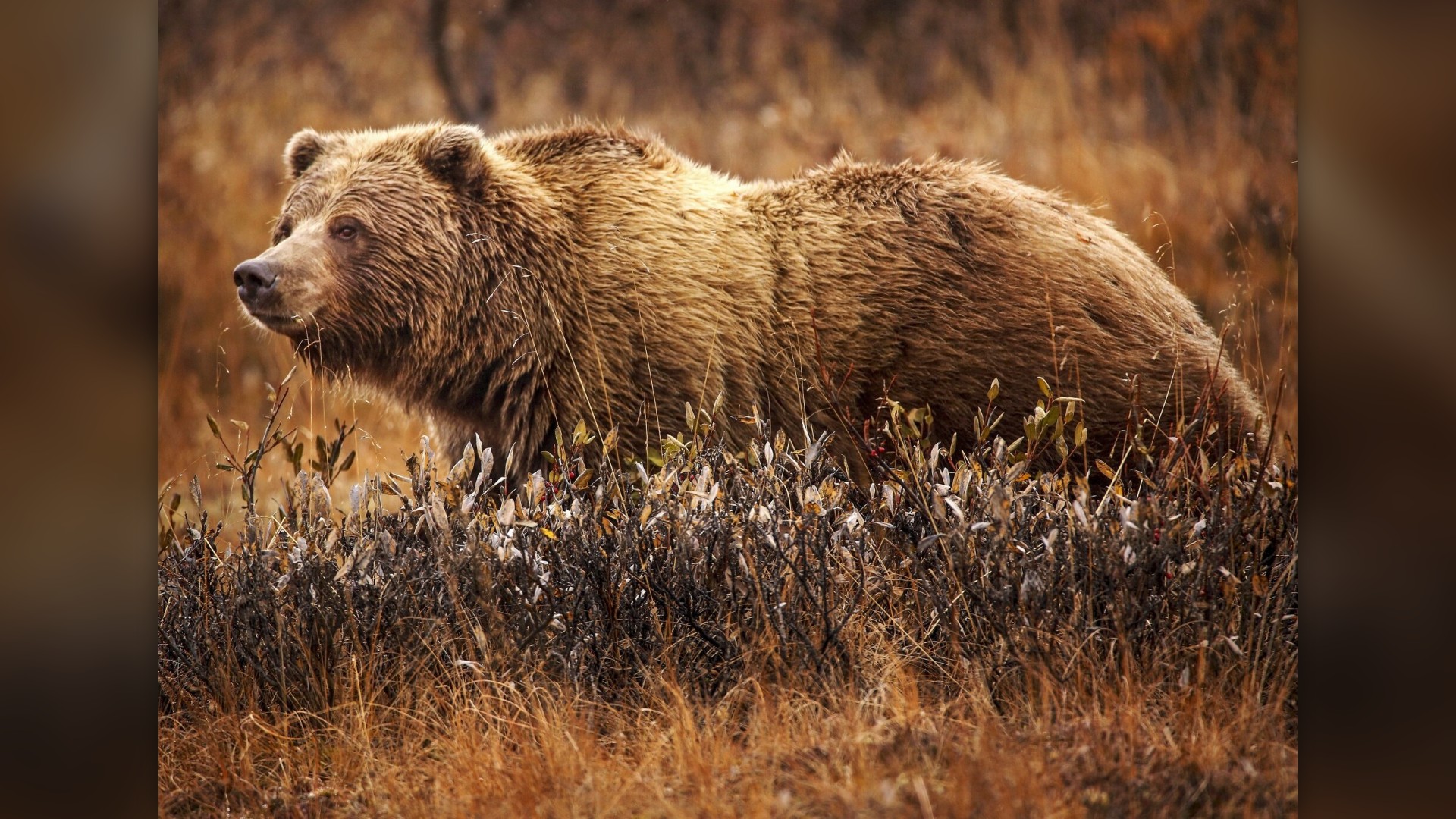
©Wikimedia / Grizzly bear
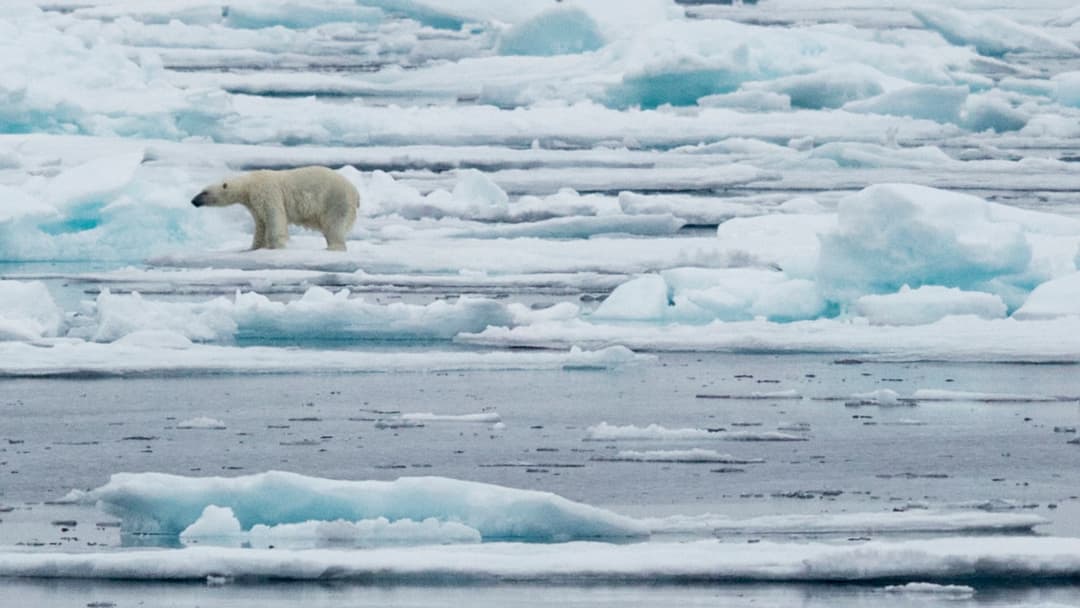
9. Polar Bear
Polar bears endure extreme conditions while hunting seals on northern ice sheets. Because terrestrial food is scarce, hungry bears view virtually any moving creature as a viable meal, making encounters around Arctic settlements extremely hazardous.
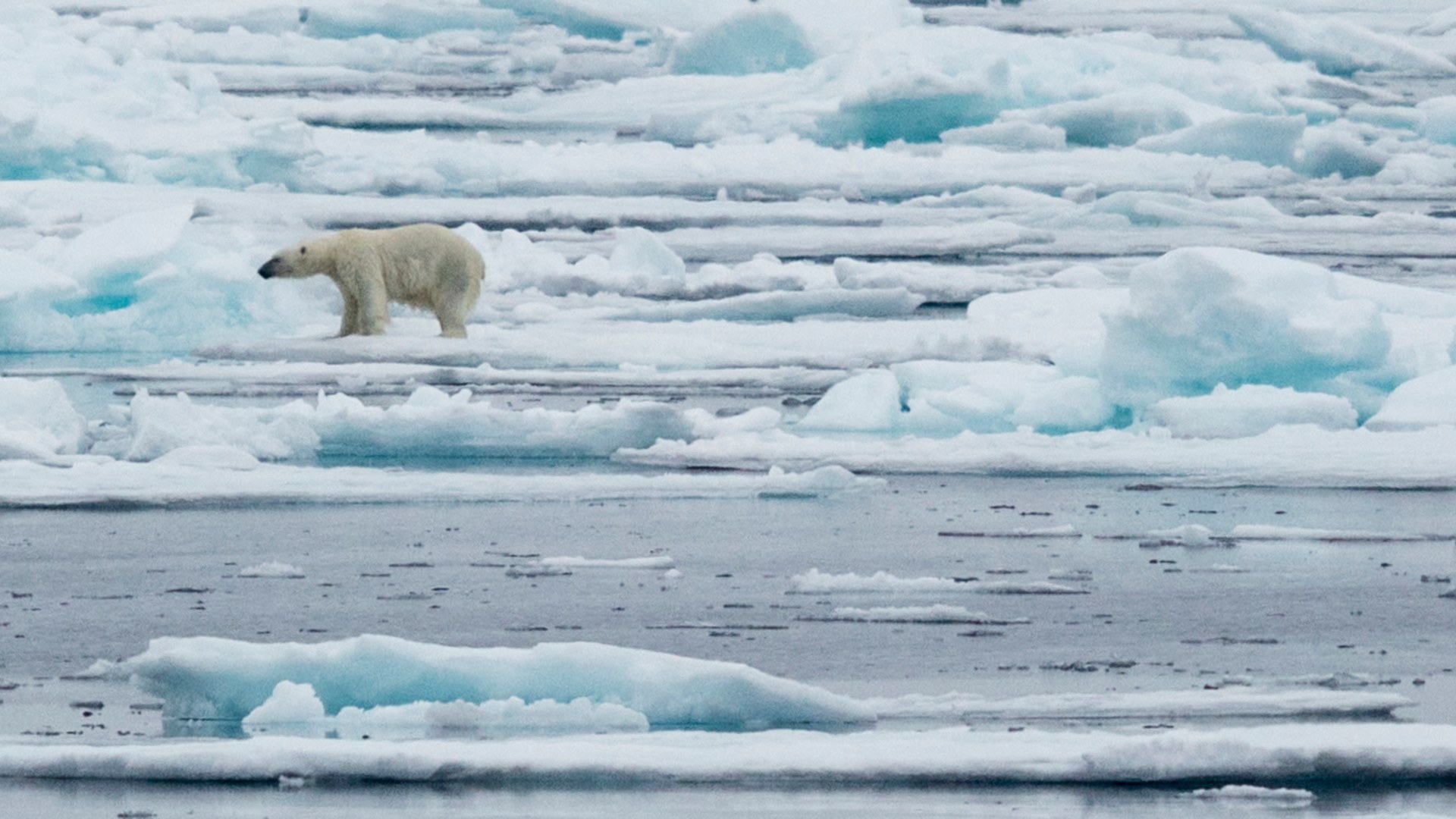
©Wikimedia / Godot13
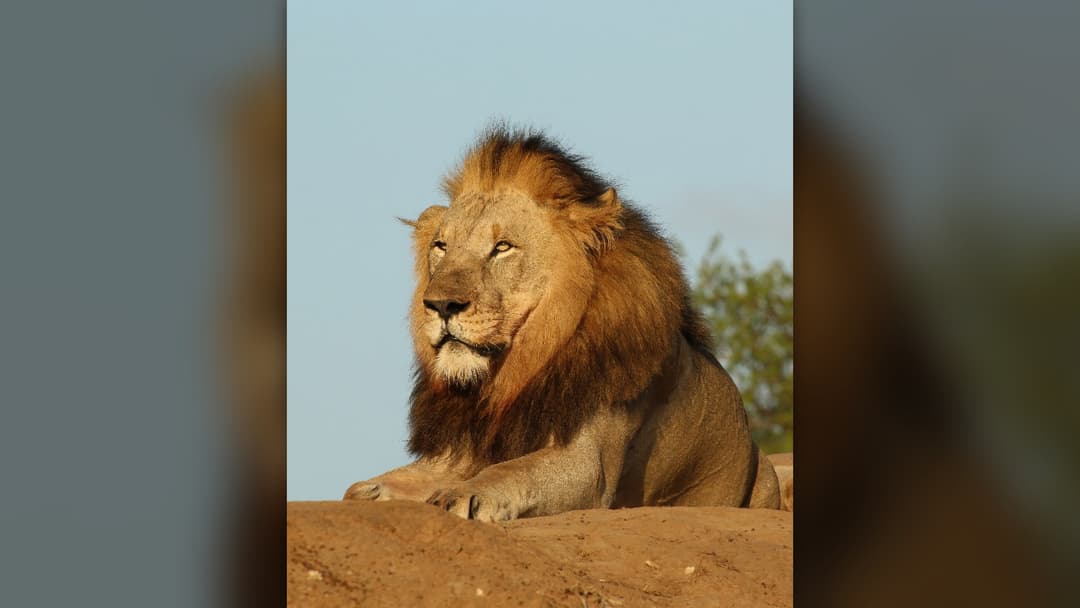
8. African Lion
Prides operate structured social groups where males patrol border perimeters and repel rival coalitions. Intruding hyenas or nomadic lions face violent battles that frequently result in fatal puncture wounds from massive jaws.
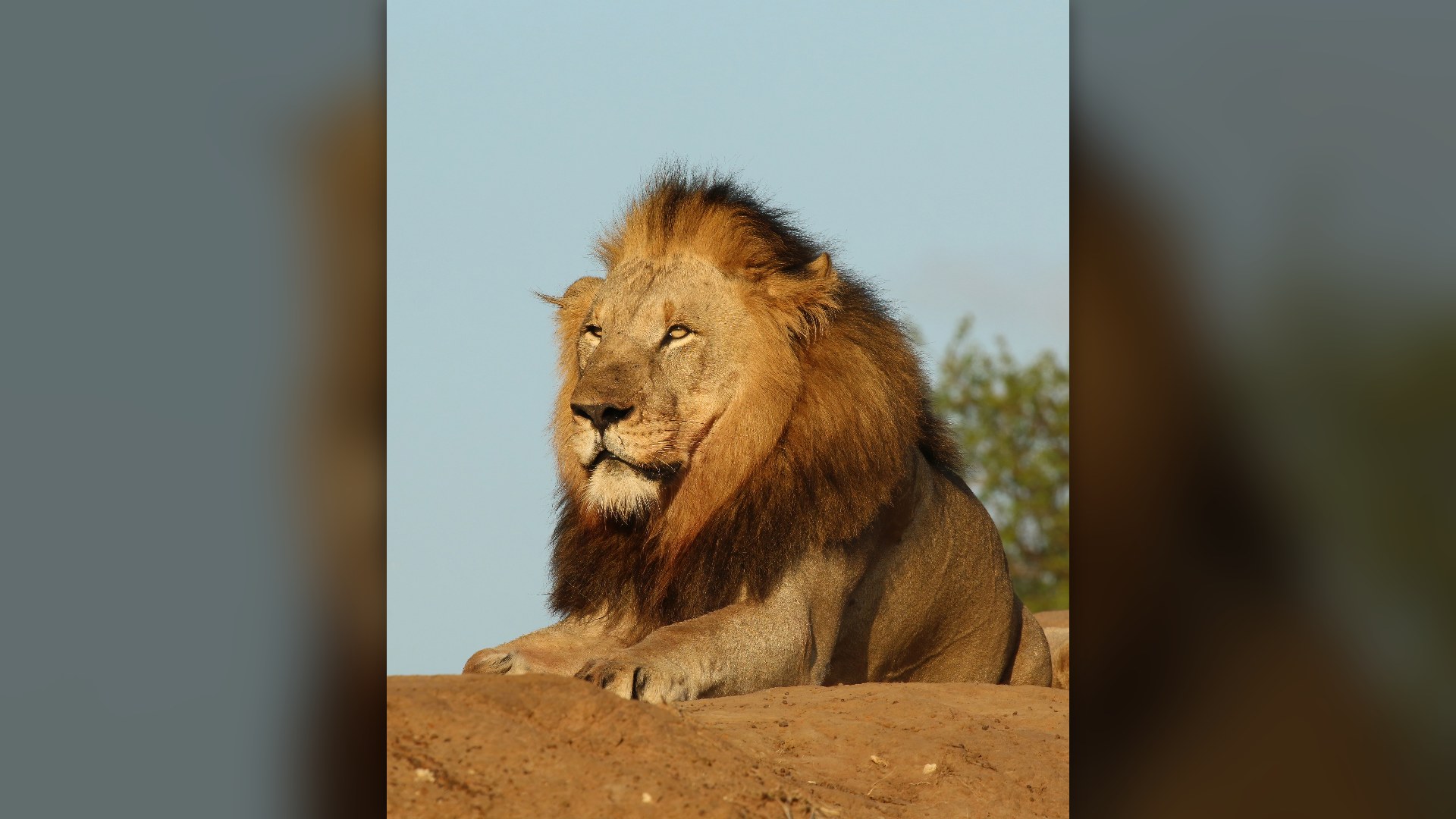
©Wikimedia / Charles J. Sharp
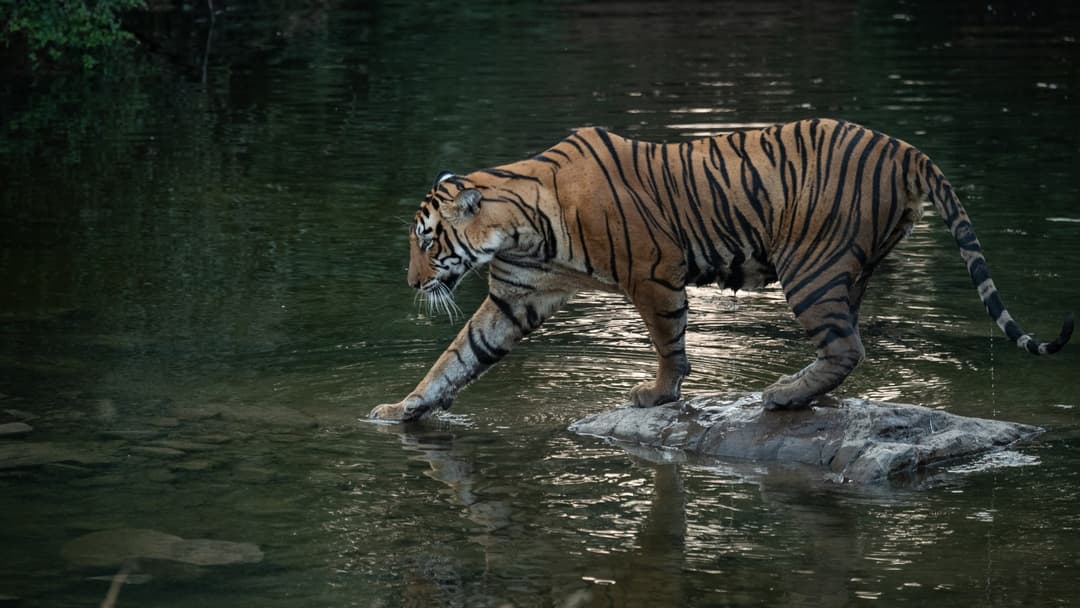
7. Bengal Tiger
Roaming mangrove swamps and dense tropical forests across India, Bengal tigers require expansive hunting grounds. Males vigorously patrol their boundaries and will launch deadly fights against rival cats that cross scent markings.
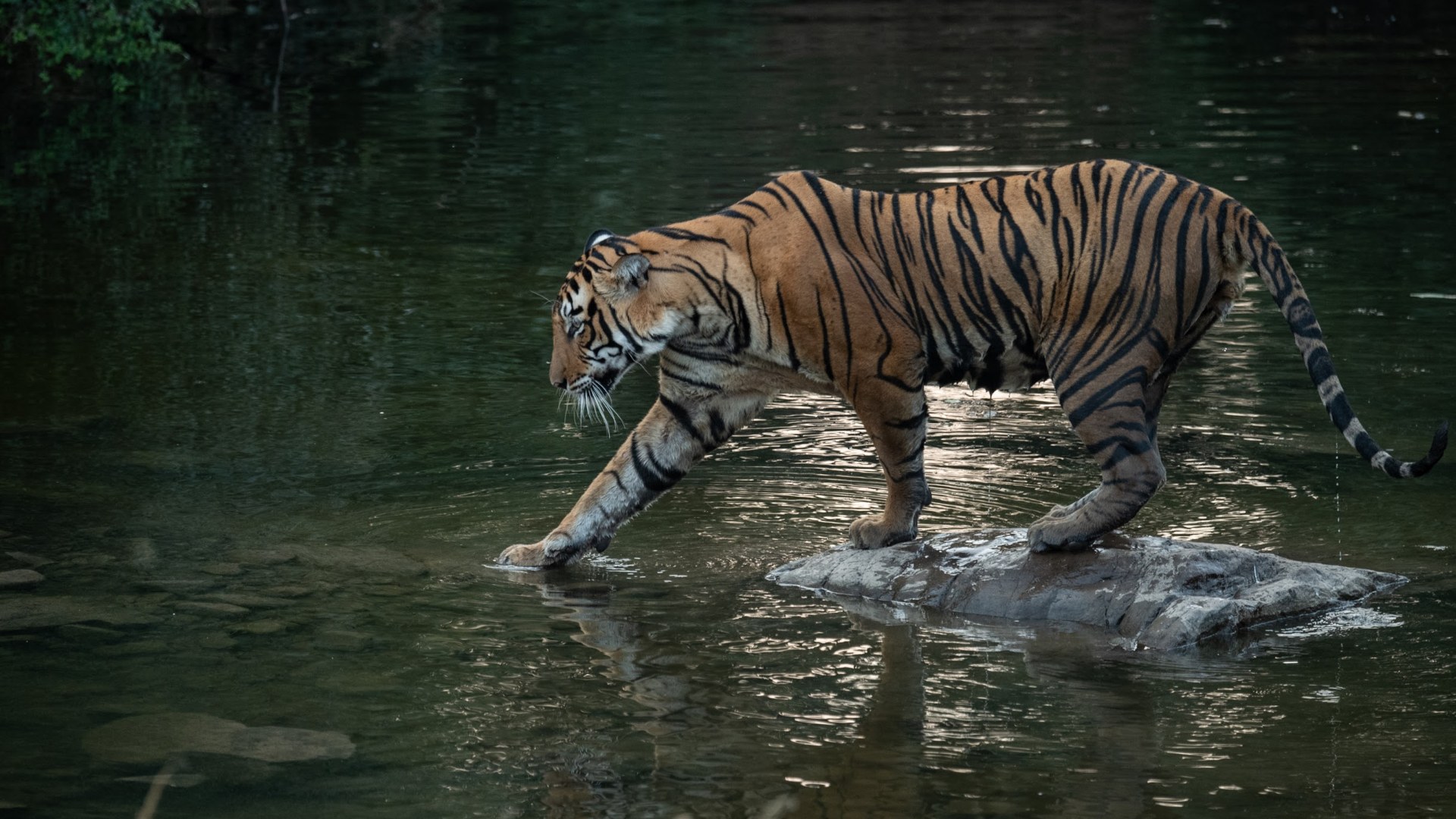
©Wikimedia / Drvidyashankar74
Advertisement
Swipe or tap ▶ to resume the countdown.
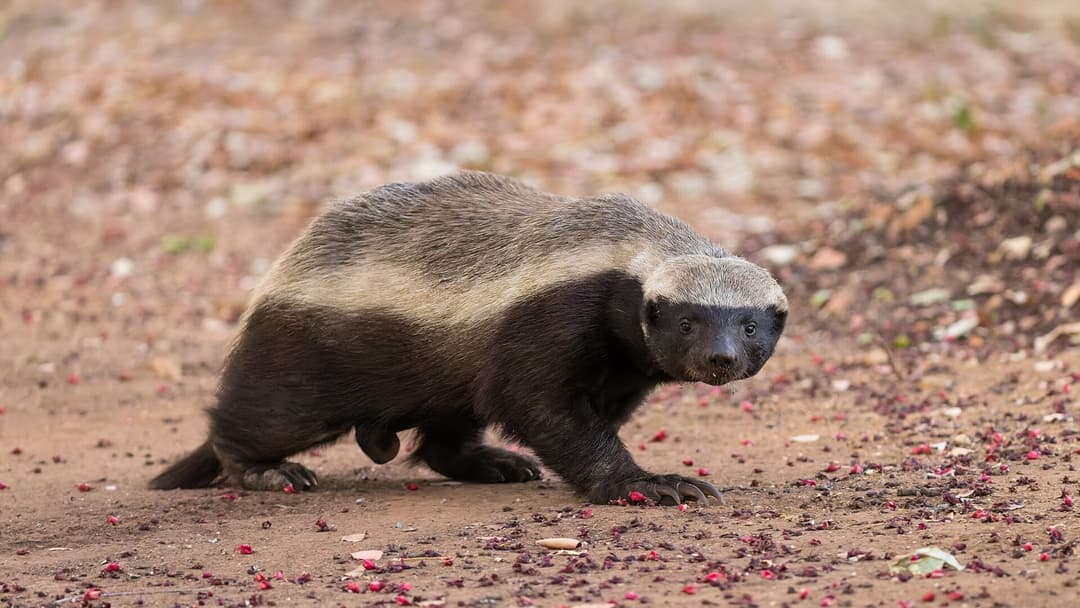
6. Honey Badger
Possessing loose, rubbery skin that allows it to twist inside an attacker's grip, the honey badger never retreats. Its thick hide resists bee stings and dog bites while its sharp claws and savage grit deter much larger carnivores.
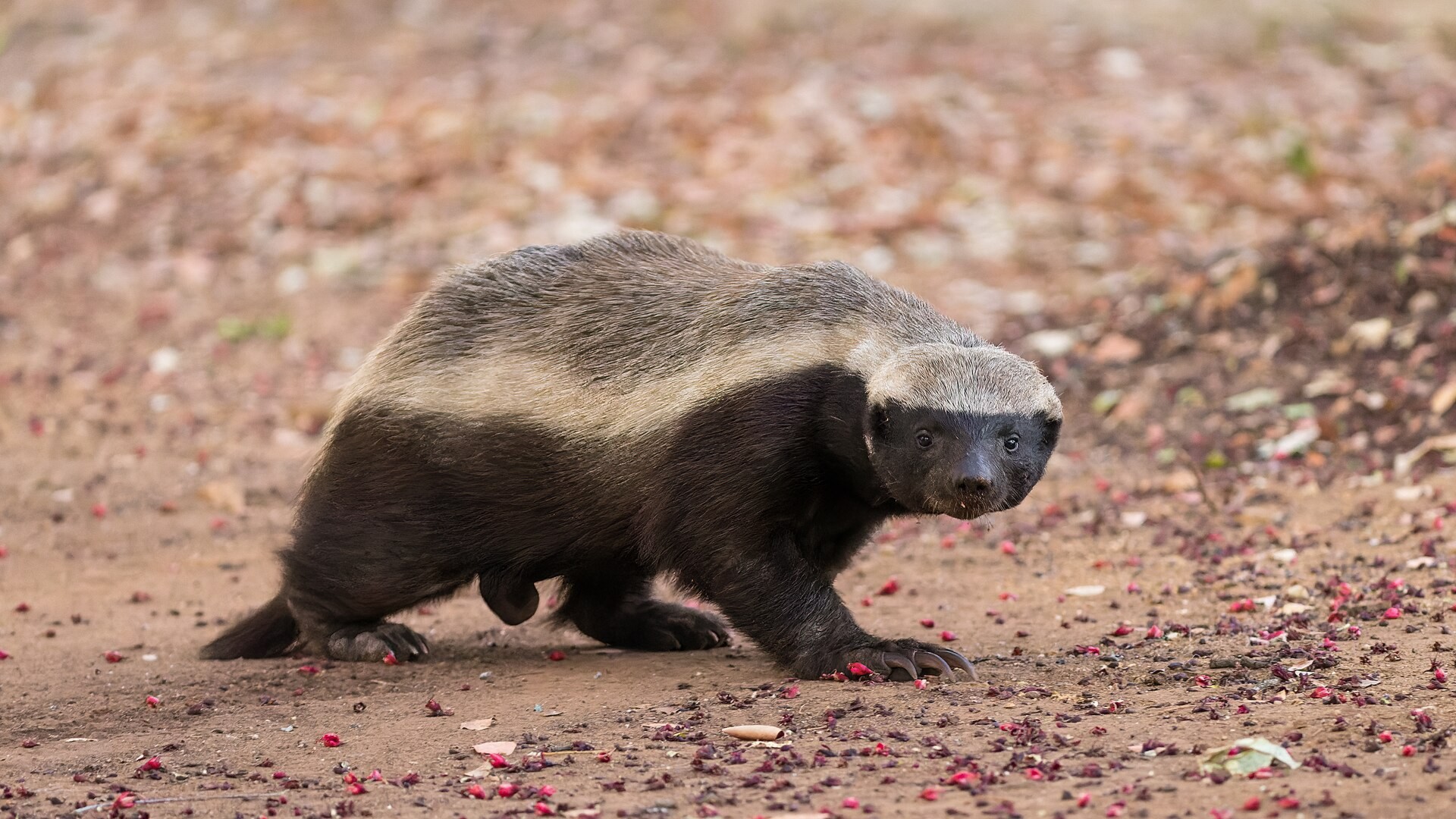
©Wikimedia / Honey badger
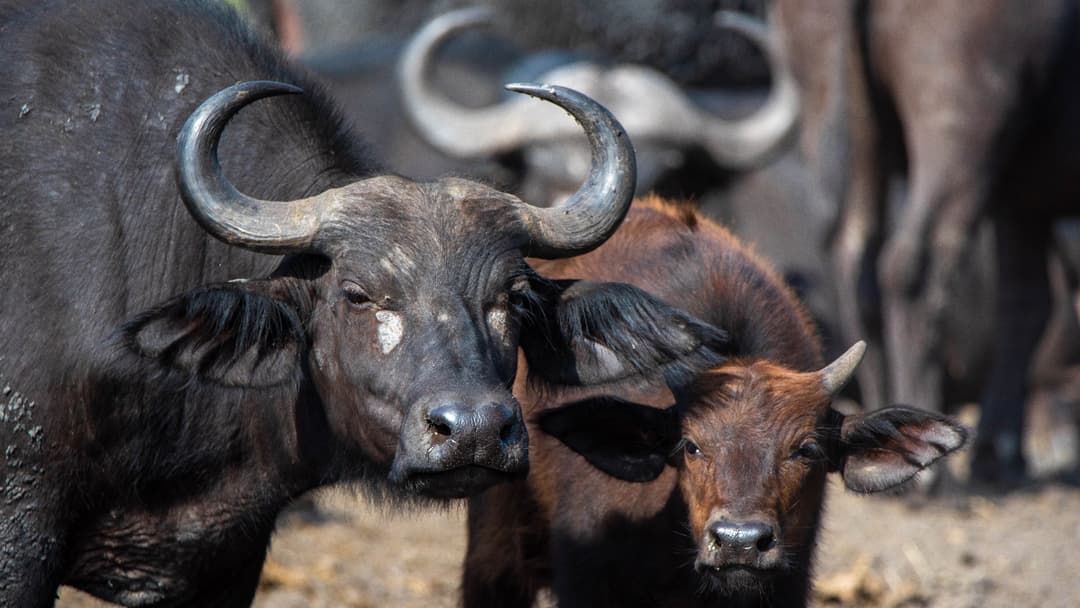
5. Cape Buffalo
Cape buffalo herds rely on collective defense to protect calves from lion prides, often goring predators with curved horns. Wounded or solitary bulls are notoriously vengeful, circling back to stalk and trample perceived threats.
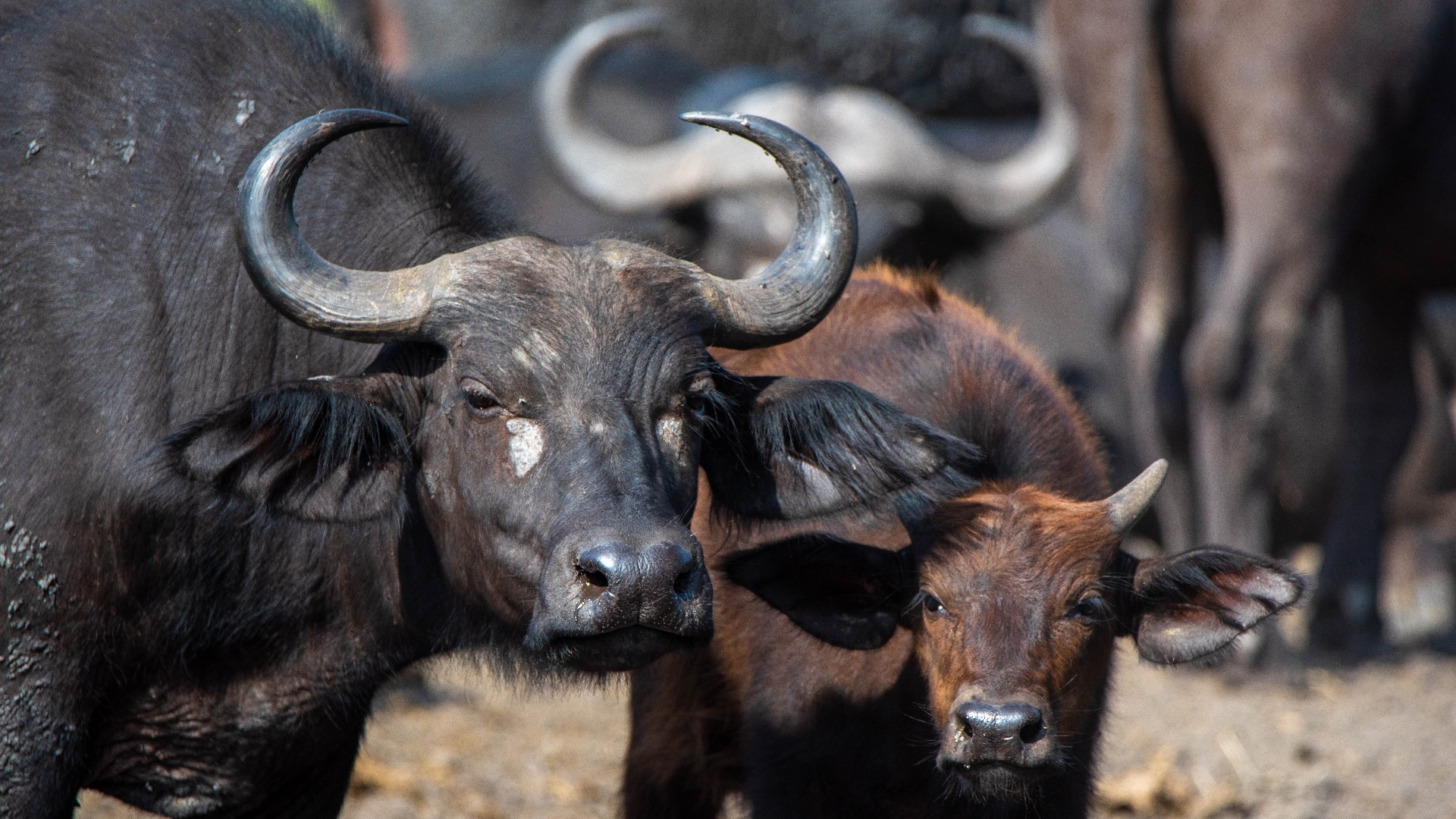
©Wikimedia / Timothy Akolamazima
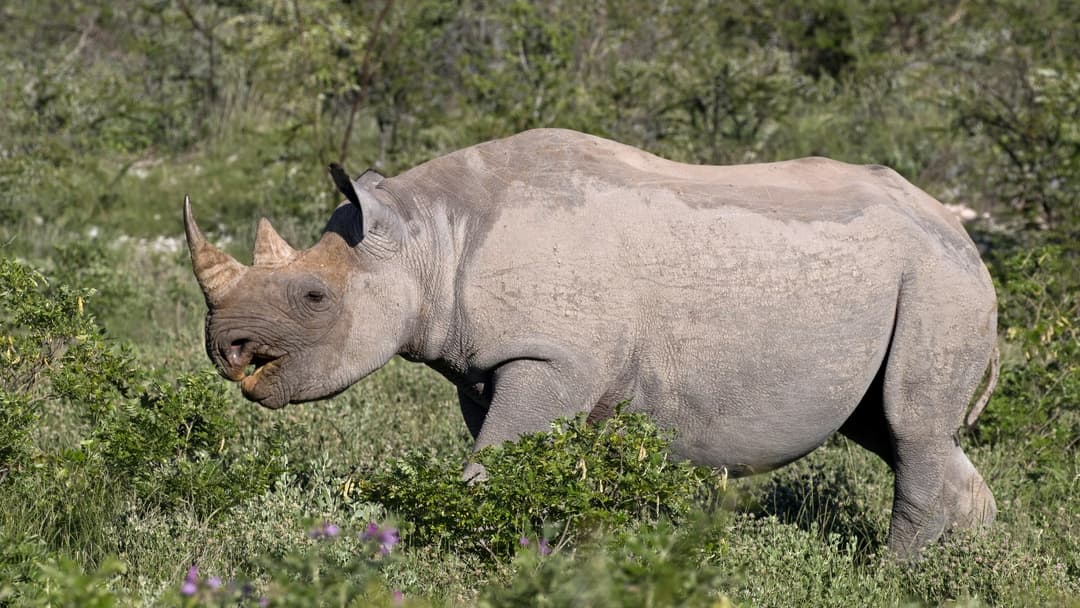
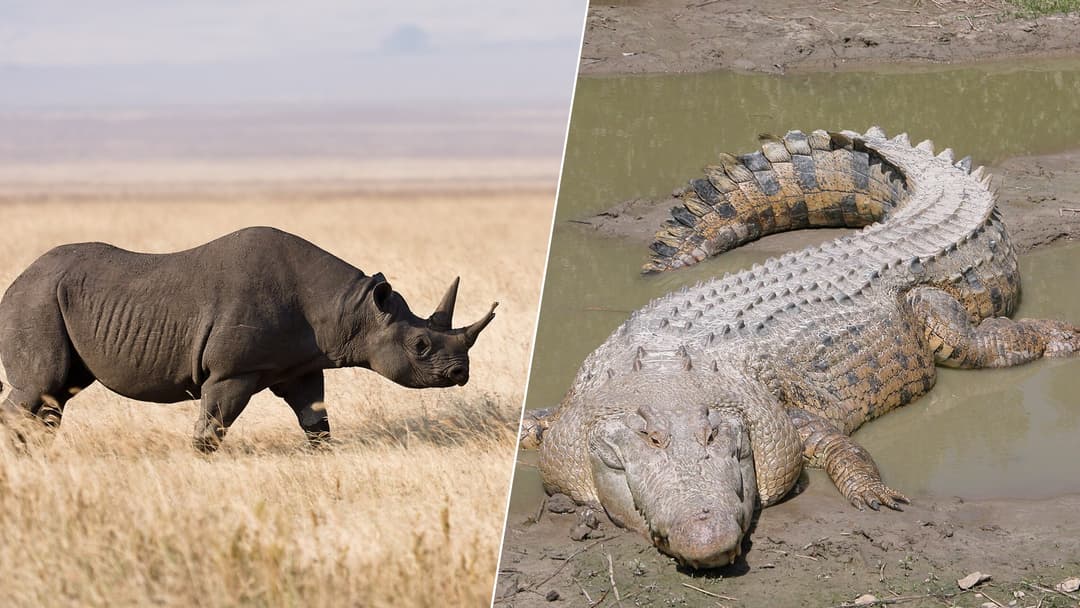
4. Black Rhinoceros
Possessing a hooked lip to browse woody vegetation, the black rhino is far more aggressive than its larger white rhino cousin. When startled, it will charge blindly at thirty miles per hour, smashing through trees and vehicles.
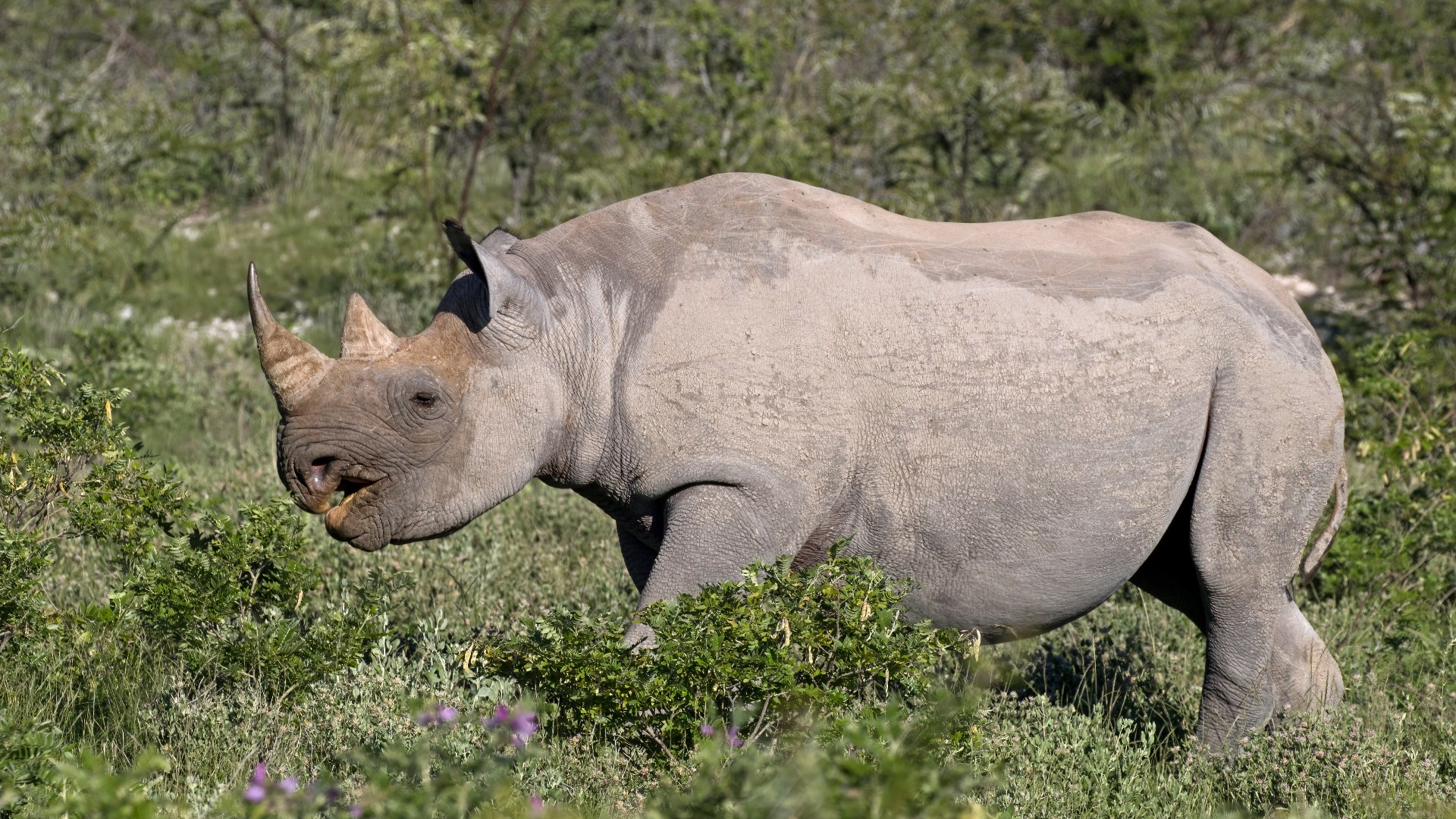
©Wikimedia / Charles J. Sharp
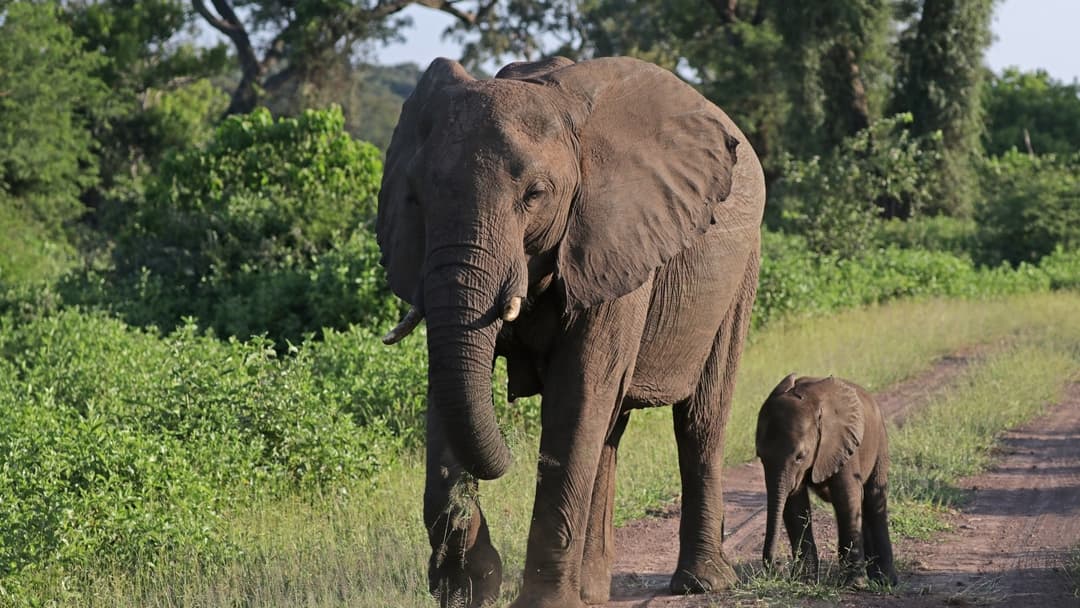
3. African Bush Elephant
During musth, male elephants experience testosterone surges sixty times higher than normal, causing sudden violent outbursts. Matriarchs leading family herds will fearlessly charge vehicles and predators that threaten baby elephants.
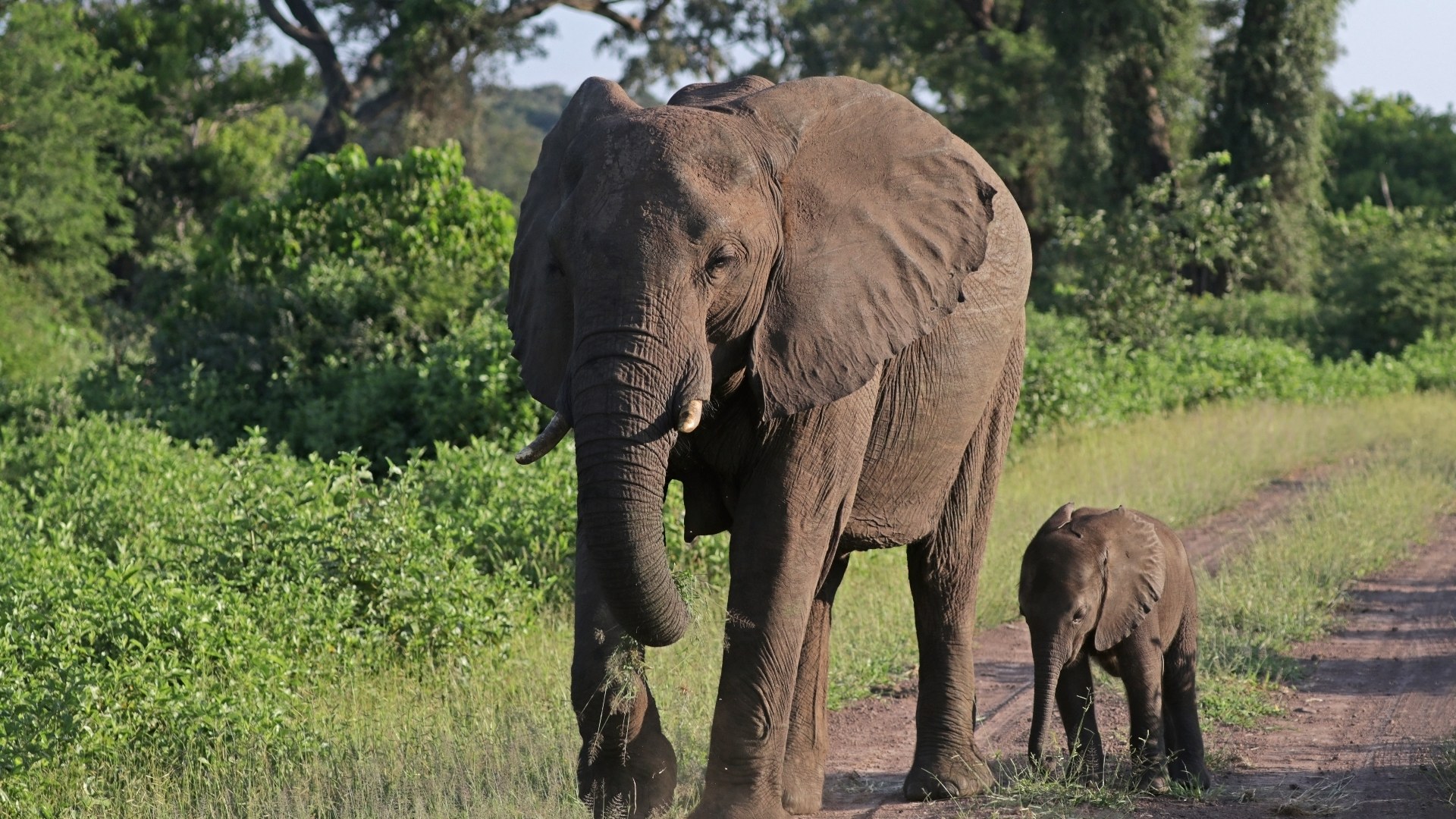
©Wikimedia / Charles J. Sharp
Advertisement
Swipe or tap ▶ to resume the countdown.
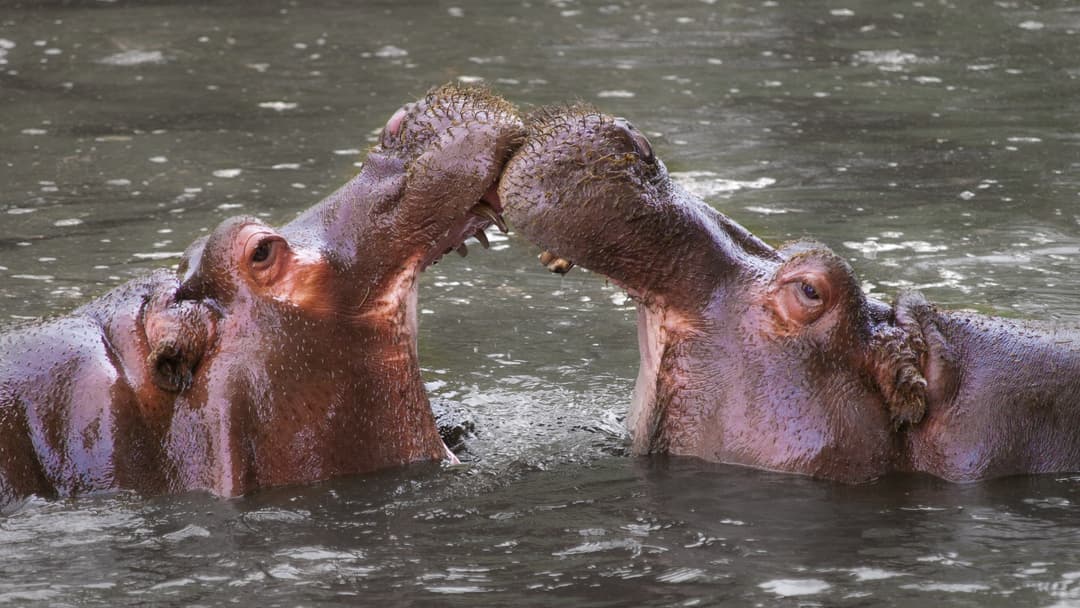
2. Hippopotamus
Dominating rivers and lakes, male hippos defend stretches of water with massive ivory canines that can bite small boats in half. They will aggressively pursue anything that blocks their return path to water, killing hundreds of people annually.
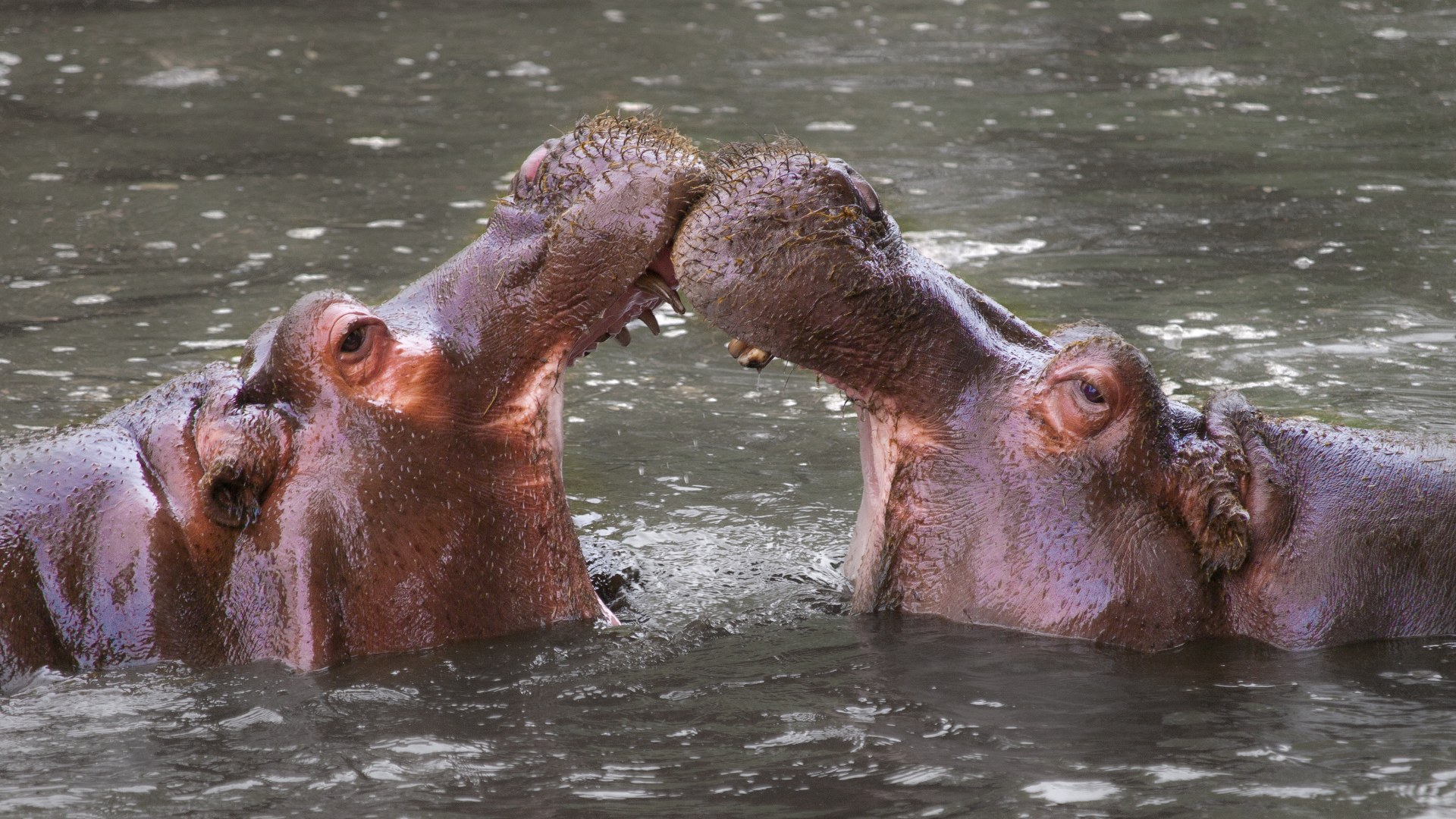
©Wikimedia / William Warby
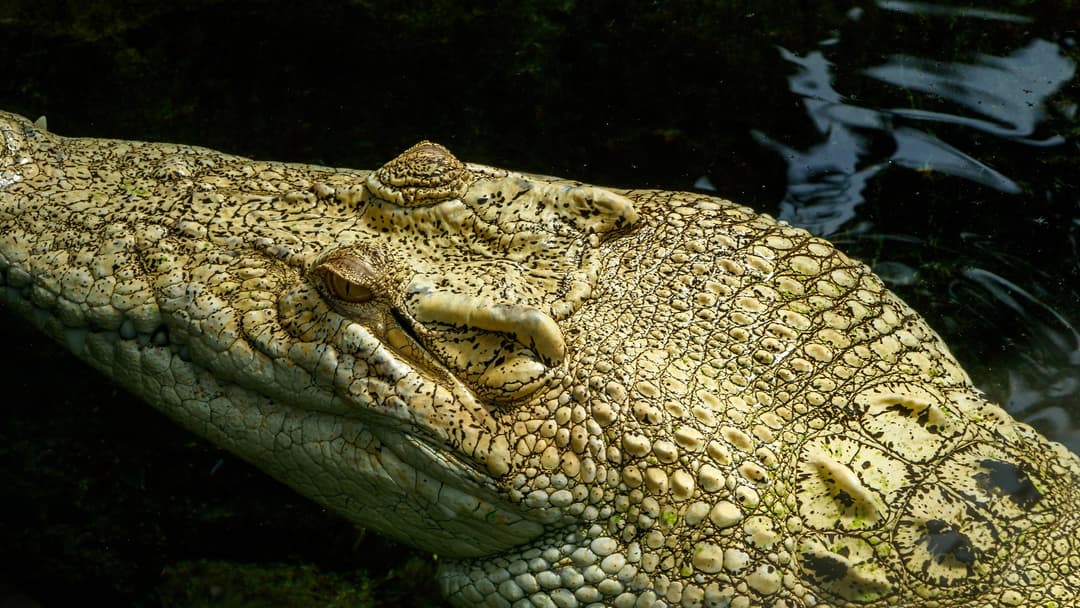
1. Saltwater Crocodile
Growing past twenty feet in length, the saltwater crocodile treats anything entering its estuary habitat as immediate prey. Its explosive ambush speed, territorial aggression, and suffocating death roll make it the most feared predator on earth.
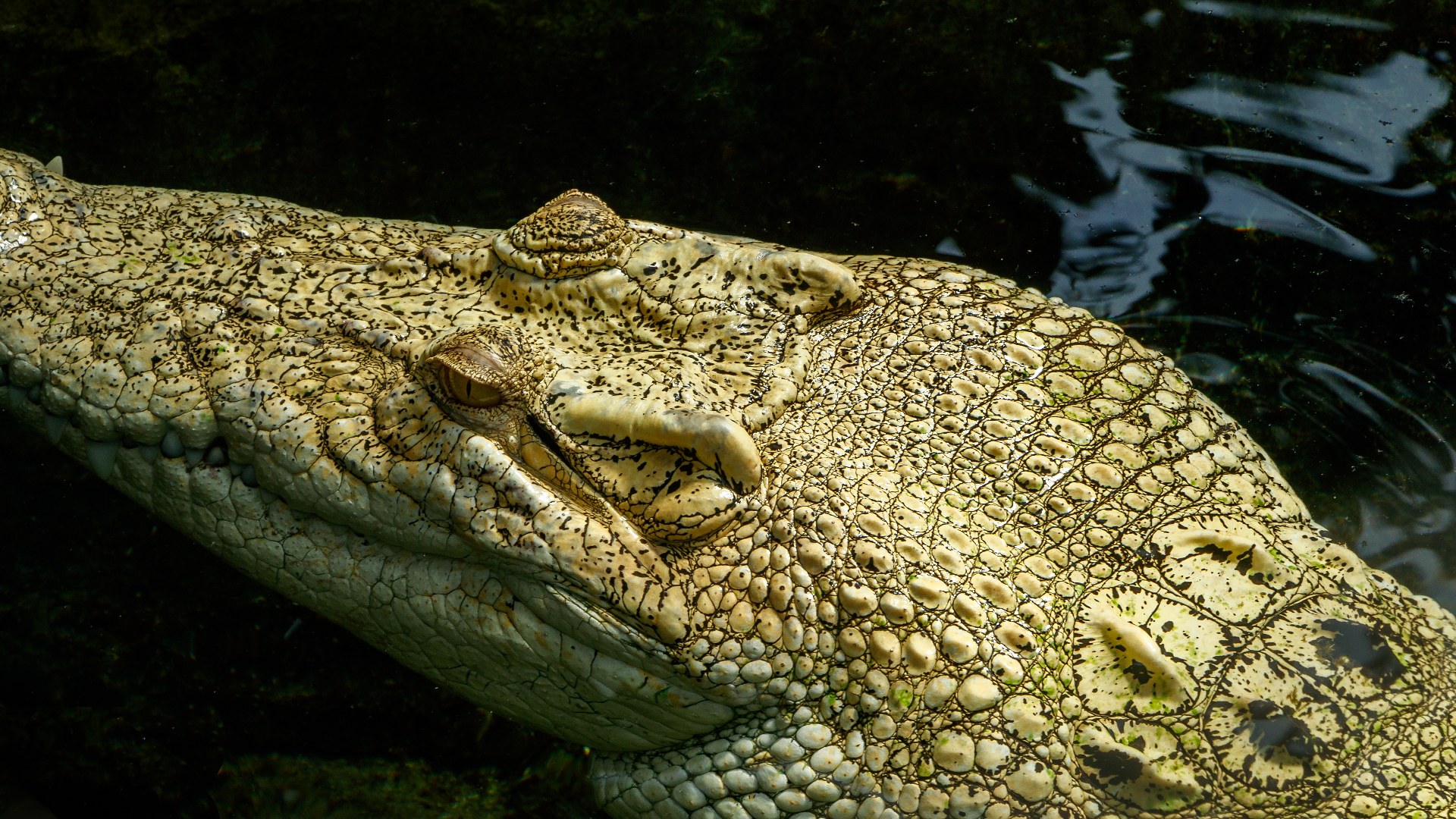
©Wikimedia / H. Zell
Advertisement
You've reached the end of the story. Thanks for reading!

20 Fastest Land Animals Ranked by Running Speed
Across open savannas, grasslands, and prairies, terrestrial speed is the ultimate evolutionary tool for both survival and hunting. Drawing on biomechanical field measurements from Guinness World Records and zoological studies, this countdown ranks the twenty fastest land animals by their top verified sprint velocity.
All 25 Entries in this Story
25. Black Mamba
Despite its brown scales, the black mamba is named for the inky interior lining of its mouth, which it displays as a threat. Capable of moving at twelve miles per hour, cornered mambas deliver potent neurotoxins that prove fatal without antivenom.

24. King Cobra
Reaching lengths of eighteen feet, the king cobra primarily hunts other serpents across Asian rainforests. Female cobras are the only snakes that construct physical leaf nests, which they guard with aggressive charges against any intruder.

23. Bullet Ant
Found in Central and South American humid forests, the bullet ant delivers venom causing burning agony that lasts for twenty-four hours. Colonies fiercely protect their tree trunk forage trails, dropping onto passing mammals that disturb their nests.

22. Sydney Funnel-Web Spider
Encountered in moist urban and bushland habitats around Sydney, males roam in search of mates during summer months. When disturbed, the spider will repeatedly strike downward with powerful chelicerae capable of piercing fingernails.

21. Deathstalker Scorpion
Inhabiting arid scrublands across North Africa and the Middle East, this pale yellow scorpion is highly territorial. It reacts aggressively to minor ground vibrations by rapidly lashing its tail to stun prey and deter larger threats.

20. Blue-Ringed Octopus
Native to the Pacific and Indian oceans, the blue-ringed octopus carries enough tetrodotoxin to paralyze multiple adult humans. Despite measuring only a few inches across, it will bite defensively if stepped on or handled in rocky shallows.

19. Box Jellyfish
Possessing true eyes that enable active swimming, the sea wasp hunts small fish along coastal shallows. Its ten-foot tentacles hold millions of microscopic venom harpoons that trigger intense cardiac arrest upon touching human skin.

18. Reef Stonefish
Resembling encrusted coral or rock on the seabed, this ambush predator remains motionless until stepped upon. When threatened, it raises razor-sharp dorsal spines that inject debilitating venom directly into the soles of unsuspecting waders.

17. Great White Shark
Reaching lengths exceeding twenty feet, great whites detect minute electrical impulses from prey. While not typically viewing humans as food, their exploratory bites and territorial strikes against surfcraft highlight their apex power.

16. Bull Shark
With high testosterone levels and blunt snouts, bull sharks exhibit notoriously unpredictable behavior in murky waters. They are responsible for numerous nearshore attacks around the world due to their preference for shallow swimming zones.

15. Leopard Seal
Growing up to eleven feet in length, leopard seals patrol pack ice borders with massive canine teeth and snake-like heads. They fiercely defend prime breathing holes and have been known to aggressively inspect and bite research dinghies.

14. Giant Moray Eel
Possessing secondary pharyngeal jaws inside its throat to drag food backward, the giant moray defends its lair aggressively. Divers who reach into rocky crevices often trigger lightning-fast strikes that cause severe lacerations.

13. Red-Bellied Piranha
Inhabiting South American river basins, red-bellied piranhas swarm quickly when scenting blood or erratic splashing. While Hollywood exaggerates their appetite, drought conditions make crowded schools exceptionally aggressive and dangerous.

12. Electric Eel
Native to the murky waters of the Amazon and Orinoco basins, the electric eel uses specialized electrolyte organs. Cornered eels will leap from the water to press their chins directly against invaders, maximizing electric shock output.

11. North American Moose
Standing up to seven feet at the shoulder, moose dominate boreal forests across North America. During the autumn rut and spring calving, bulls and protective mothers aggressively charge anything that enters their personal space.

10. Grizzly Bear
Unlike black bears that often flee up trees, North American grizzlies evolved in open plains to stand and fight. Sows protecting cubs or adults claiming carcass caches will charge intruders at thirty-five miles per hour.

9. Polar Bear
Polar bears endure extreme conditions while hunting seals on northern ice sheets. Because terrestrial food is scarce, hungry bears view virtually any moving creature as a viable meal, making encounters around Arctic settlements extremely hazardous.

8. African Lion
Prides operate structured social groups where males patrol border perimeters and repel rival coalitions. Intruding hyenas or nomadic lions face violent battles that frequently result in fatal puncture wounds from massive jaws.

7. Bengal Tiger
Roaming mangrove swamps and dense tropical forests across India, Bengal tigers require expansive hunting grounds. Males vigorously patrol their boundaries and will launch deadly fights against rival cats that cross scent markings.

6. Honey Badger
Possessing loose, rubbery skin that allows it to twist inside an attacker's grip, the honey badger never retreats. Its thick hide resists bee stings and dog bites while its sharp claws and savage grit deter much larger carnivores.

5. Cape Buffalo
Cape buffalo herds rely on collective defense to protect calves from lion prides, often goring predators with curved horns. Wounded or solitary bulls are notoriously vengeful, circling back to stalk and trample perceived threats.

4. Black Rhinoceros
Possessing a hooked lip to browse woody vegetation, the black rhino is far more aggressive than its larger white rhino cousin. When startled, it will charge blindly at thirty miles per hour, smashing through trees and vehicles.

3. African Bush Elephant
During musth, male elephants experience testosterone surges sixty times higher than normal, causing sudden violent outbursts. Matriarchs leading family herds will fearlessly charge vehicles and predators that threaten baby elephants.

2. Hippopotamus
Dominating rivers and lakes, male hippos defend stretches of water with massive ivory canines that can bite small boats in half. They will aggressively pursue anything that blocks their return path to water, killing hundreds of people annually.

1. Saltwater Crocodile
Growing past twenty feet in length, the saltwater crocodile treats anything entering its estuary habitat as immediate prey. Its explosive ambush speed, territorial aggression, and suffocating death roll make it the most feared predator on earth.