Slideshow · Viral
Foods That Smell Terrible but Have Millions of Fans
By Most Viral Today
27 Oct 2026

Foods That Smell Terrible but Have Millions of Fans 
20. Swedish Surstromming 
19. Southeast Asian Durian 
18. French Epoisses Cheese - AdvertisementSwipe or tap ▶ to continue countdown

17. Korean Hongeo Hoe 
16. Icelandic Hakarl 
15. Scandinavian Lutefisk 
14. Night Market Stinky Tofu - AdvertisementSwipe or tap ▶ to continue countdown

13. Limburger Cheese 
12. Japanese Kusaya Dried Fish 
11. Belacan Shrimp Paste 
10. Doenjang Soybean Paste - AdvertisementSwipe or tap ▶ to continue countdown

9. Asafetida Hing Spice 
8. Traditional Fish Sauce 
7. Century Eggs 
6. Natto Fermented Soybeans - AdvertisementSwipe or tap ▶ to continue countdown

5. Roquefort Blue Cheese 
4. Taleggio Washed Rind Cheese 
3. Black Truffles 
2. Aged Black Garlic - AdvertisementSwipe or tap ▶ to continue countdown

1. Kimchi Fermented Cabbage - Advertisement🔥 UP NEXT IN THIS SERIES◫ 21 Slides

20 Iconic Historical Photos and the Archive Clues Behind Them
Contact sheets, cracked glass plates, and NASA mission logs preserve the hidden steps behind 20 famous photographs. Drawing on records from the Library of Congress, the National Archives, NASA, and the Smithsonian, this countdown traces how cropping, camera setups, and double exposures shaped each frame.
From pungent fermented seafood and sulfurous jungle fruits to sharp European cheeses, these legendary delicacies test the senses. Discover twenty pungent foods whose shocking aromas hide extraordinary flavors beloved by millions.
Swipe or tap ▶ to begin the countdown
©Wikimedia / egg (Hong, Yun Seon) & Wikimedia / 方畢可
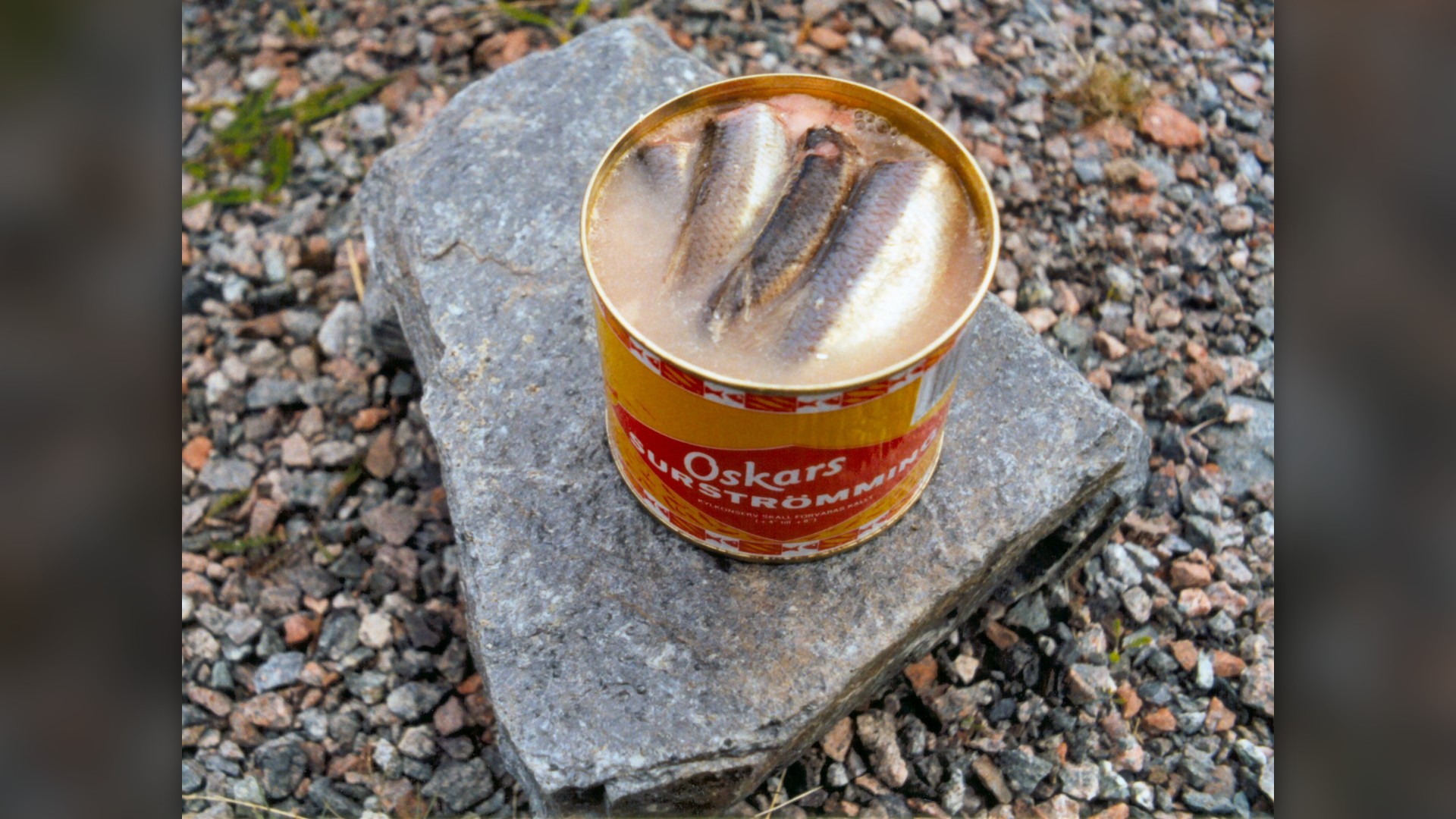
20. Swedish Surstromming
Lightly salted Baltic herring ferments inside sealed metal tins for months until the cans swell from gas pressure. Opened strictly outdoors under water, it is eaten on thin flatbread with sour cream and potatoes.
©Wikimedia / Surströmming
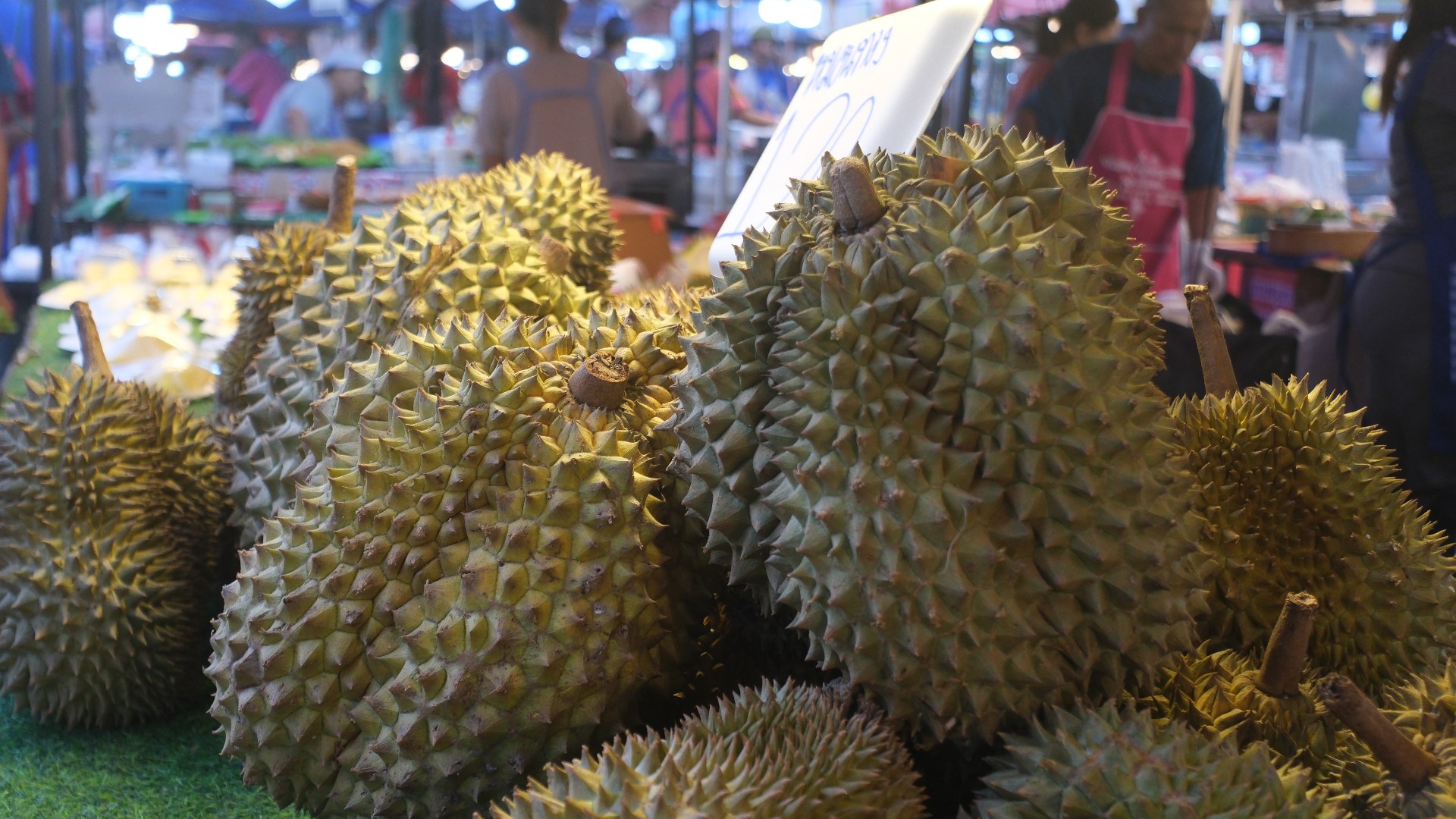
19. Southeast Asian Durian
With an aroma compared to onions, gym socks, and turpentine, fresh durian is banned on mass transit across Southeast Asia. Yet beneath the spiky husk lies a rich custard celebrated by hundreds of millions of devotees across the globe.
©Wikimedia / PattayaPatrol
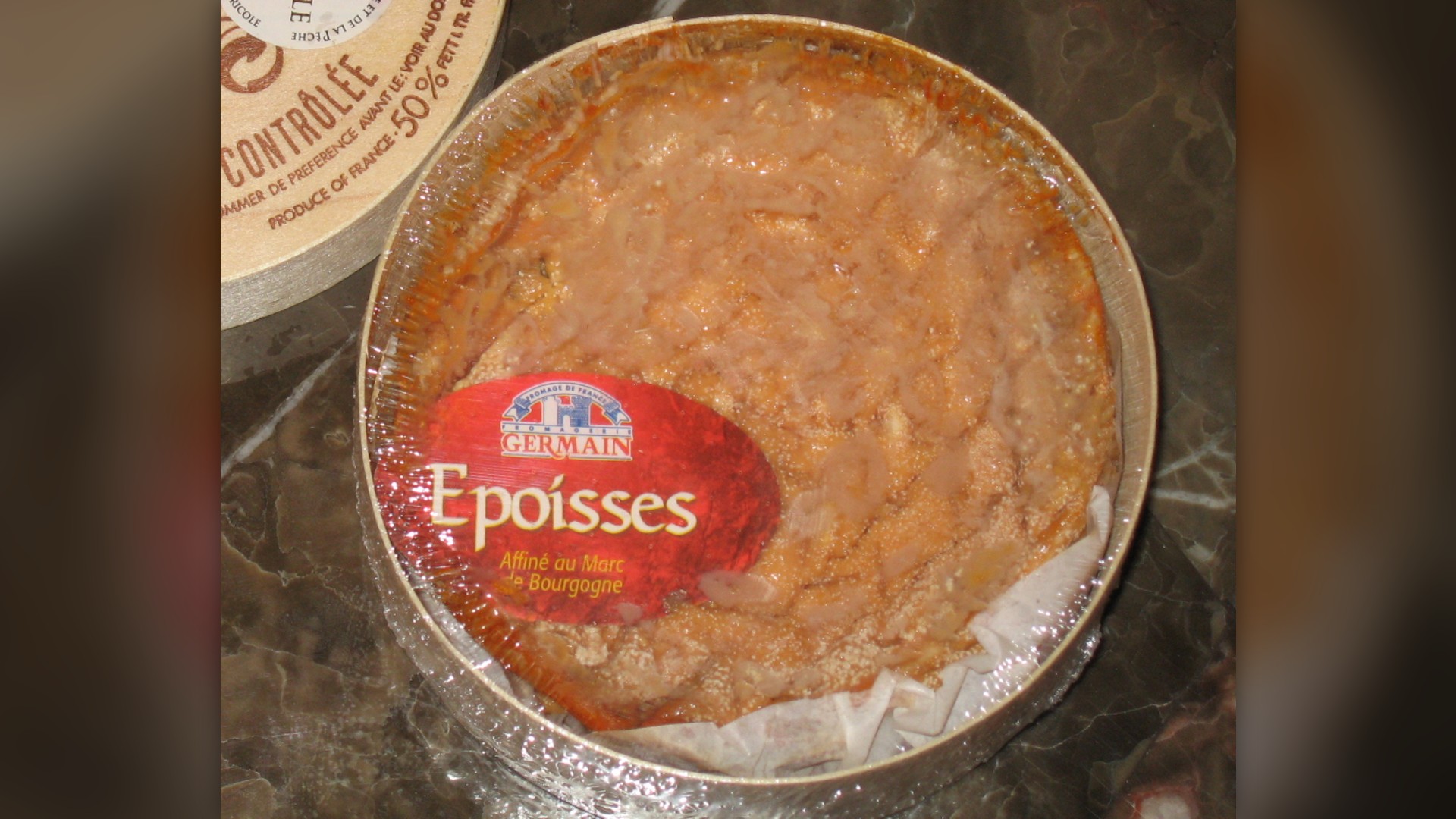
18. French Epoisses Cheese
Epoisses de Bourgogne is washed regularly with pomace brandy during aging. The wash fosters orange bacterial cultures that generate pungent odors of barnyard and damp earth. French folklore claims the cheese was once banned on public transport because its powerful odor quickly overwhelmed railway cars.
©Wikimedia / en:user:Sominsky
Advertisement
Swipe or tap ▶ to resume the countdown.
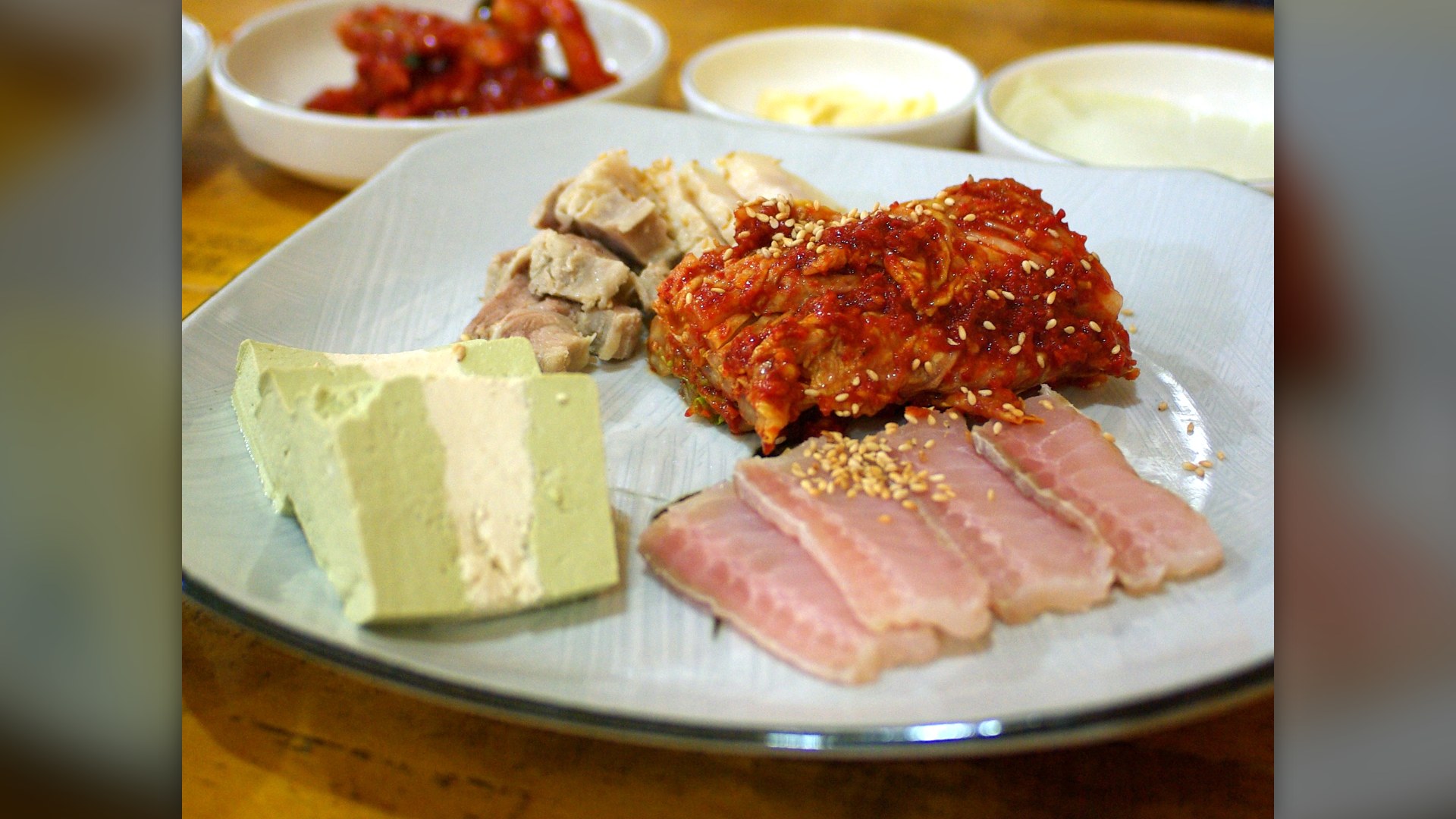
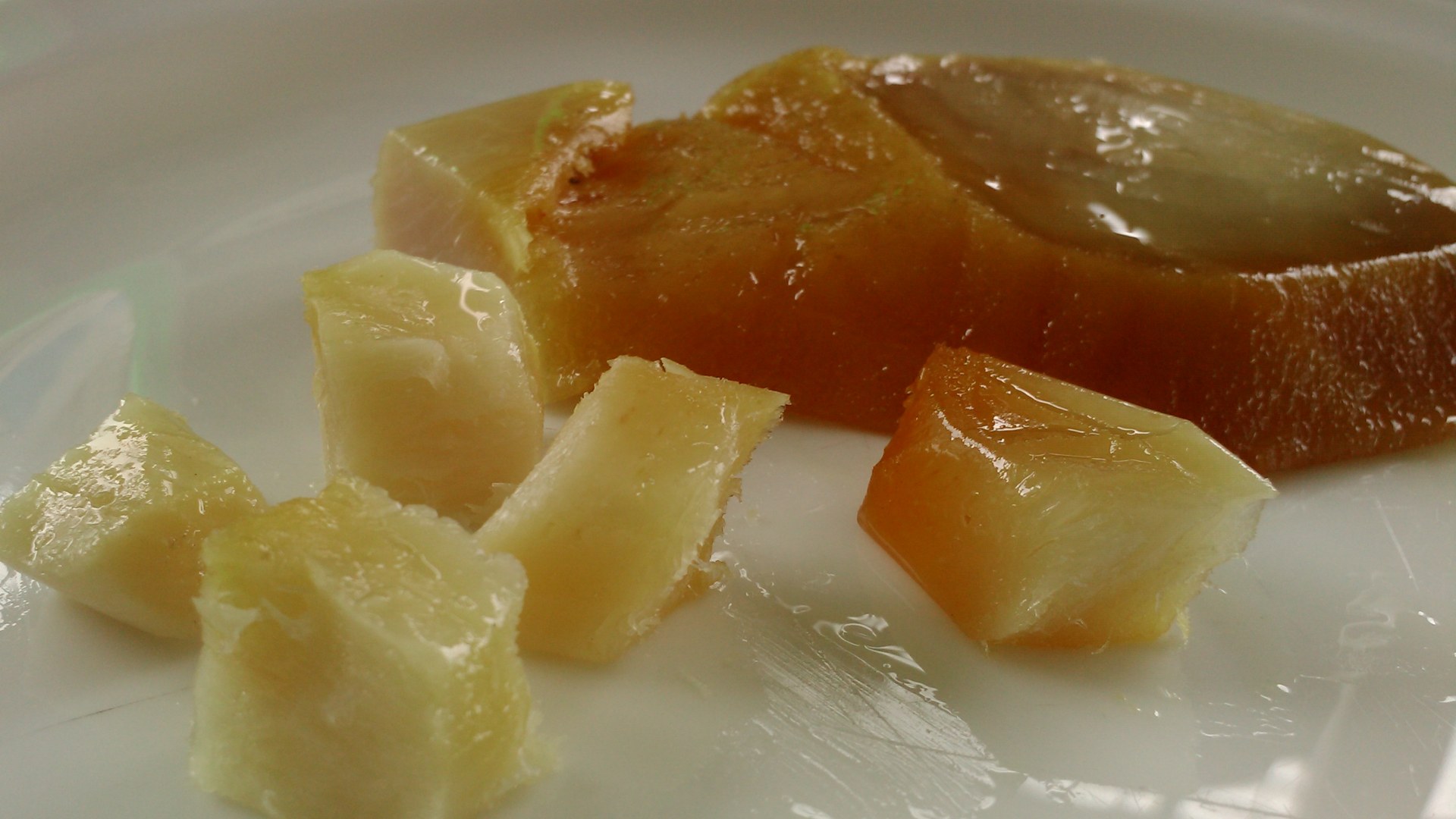
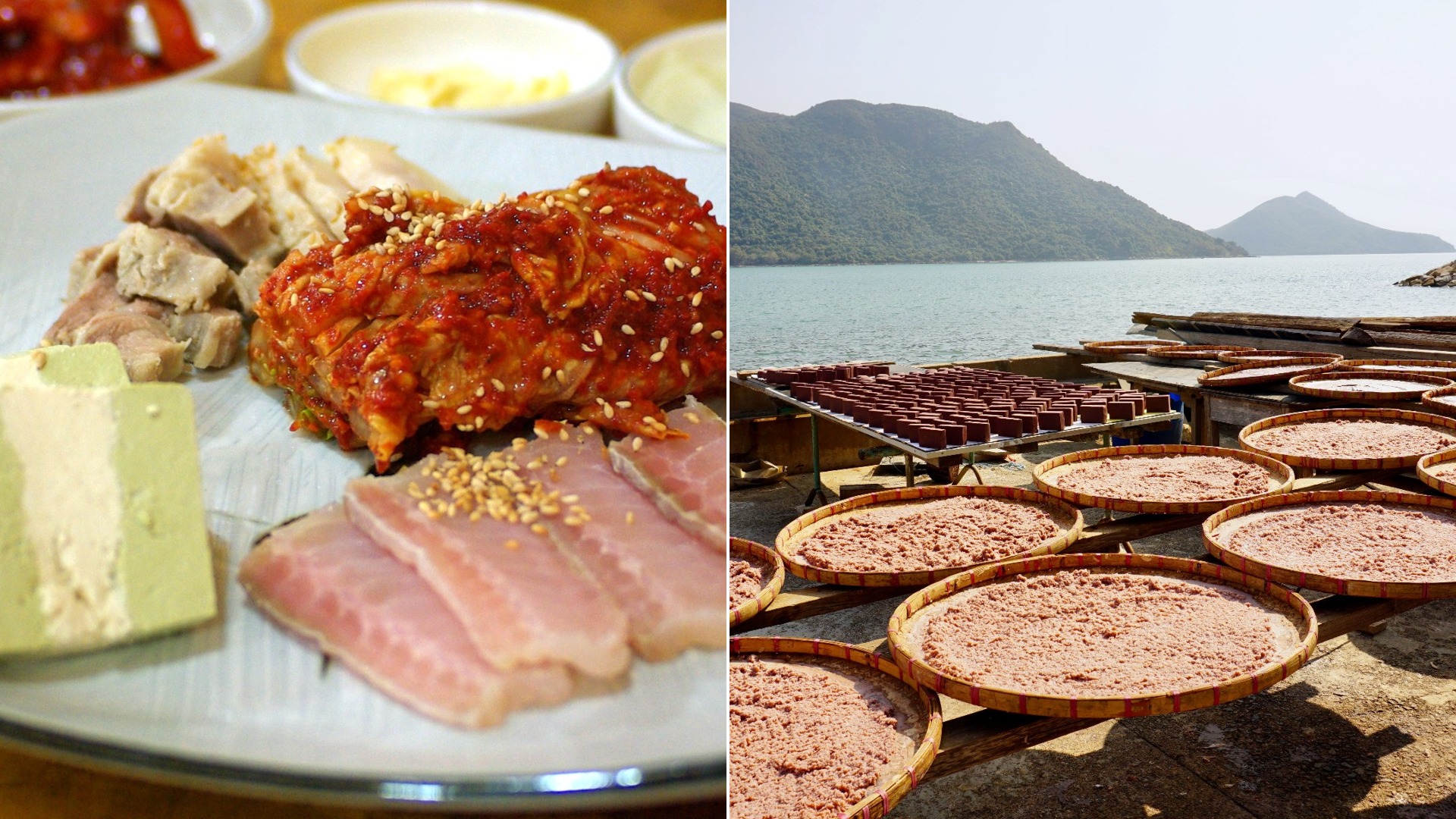
17. Korean Hongeo Hoe
Skate fish excrete uric acid through their skin, which naturally transforms into ammonia as the fish ferments. Sliced thin and eaten with pork belly and aged kimchi, the pungent vapor clears sinuses instantly.
©Wikimedia / egg (Hong, Yun Seon)
16. Icelandic Hakarl
Fresh Greenland shark is poisonous due to high urea content. To make it edible, Icelandic fishermen bury the shark in gravel for months, creating an overwhelming ammonia aroma traditionally washed down with brennivin.
©Wikimedia / Xfigpower
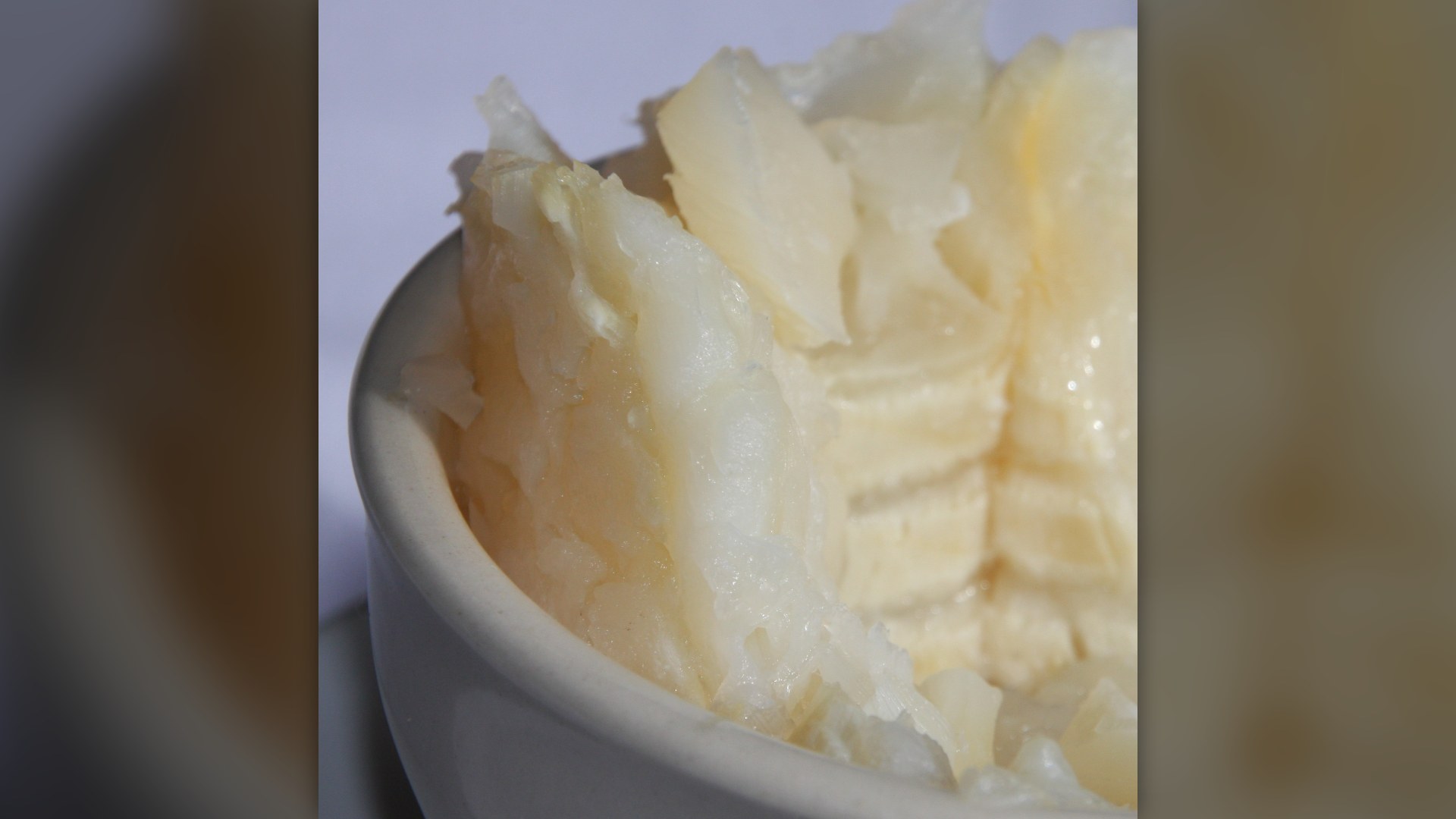
15. Scandinavian Lutefisk
A traditional Nordic holiday feast, dried cod is soaked in water and sodium hydroxide lye. The alkaline process produces a sharp caustic aroma, but fans eagerly smother the tender fish in melted butter and bacon.
©Wikimedia / Jonathunder
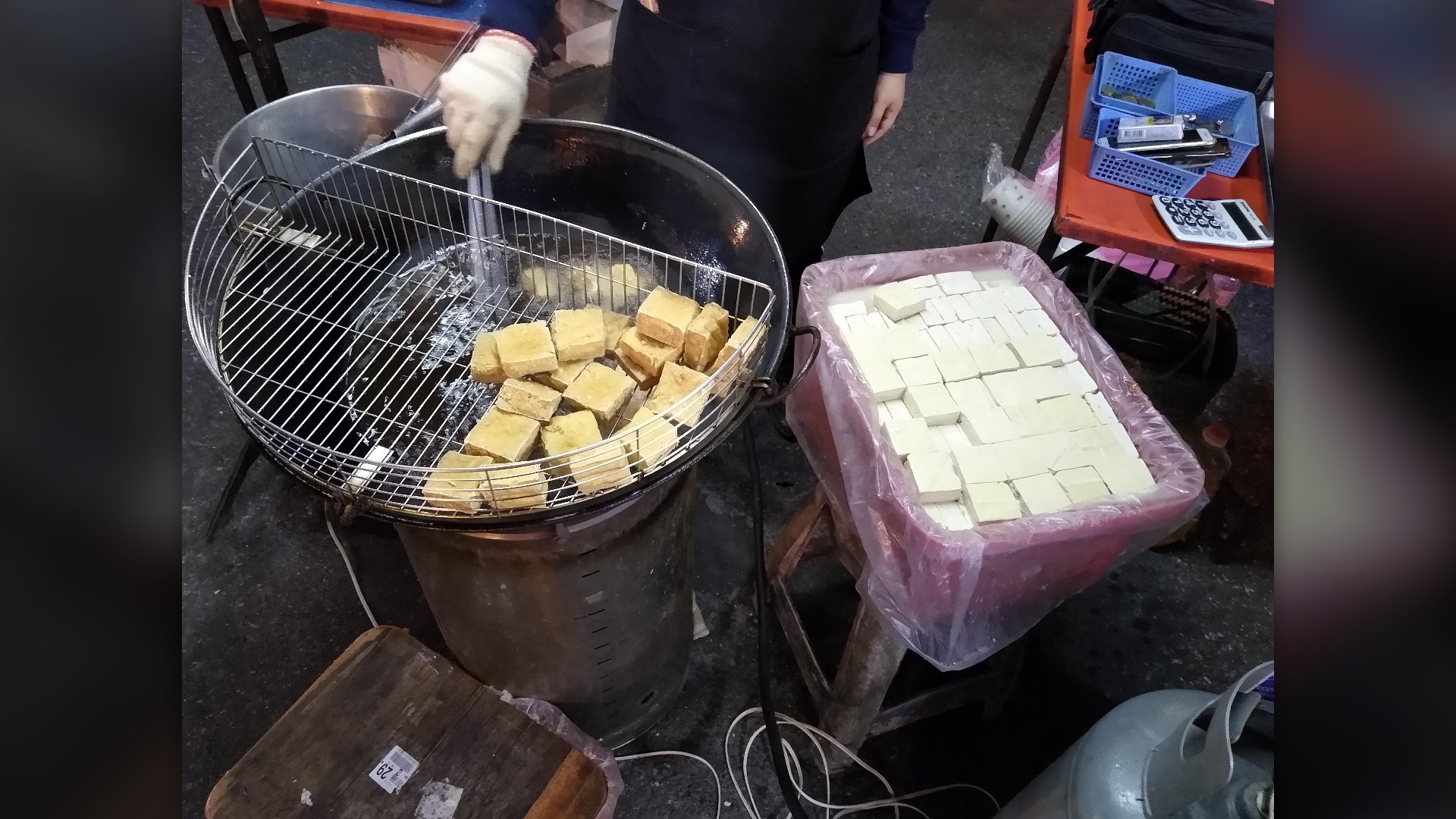
14. Night Market Stinky Tofu
Fermented for months in brine made from vegetables, bamboo shoots, and dried shrimp, stinky tofu can be smelled blocks away in night markets. Deep fried until golden and served with pickled cabbage, it is crispy perfection.
©Wikimedia / Mx. Granger
Advertisement
Swipe or tap ▶ to resume the countdown.
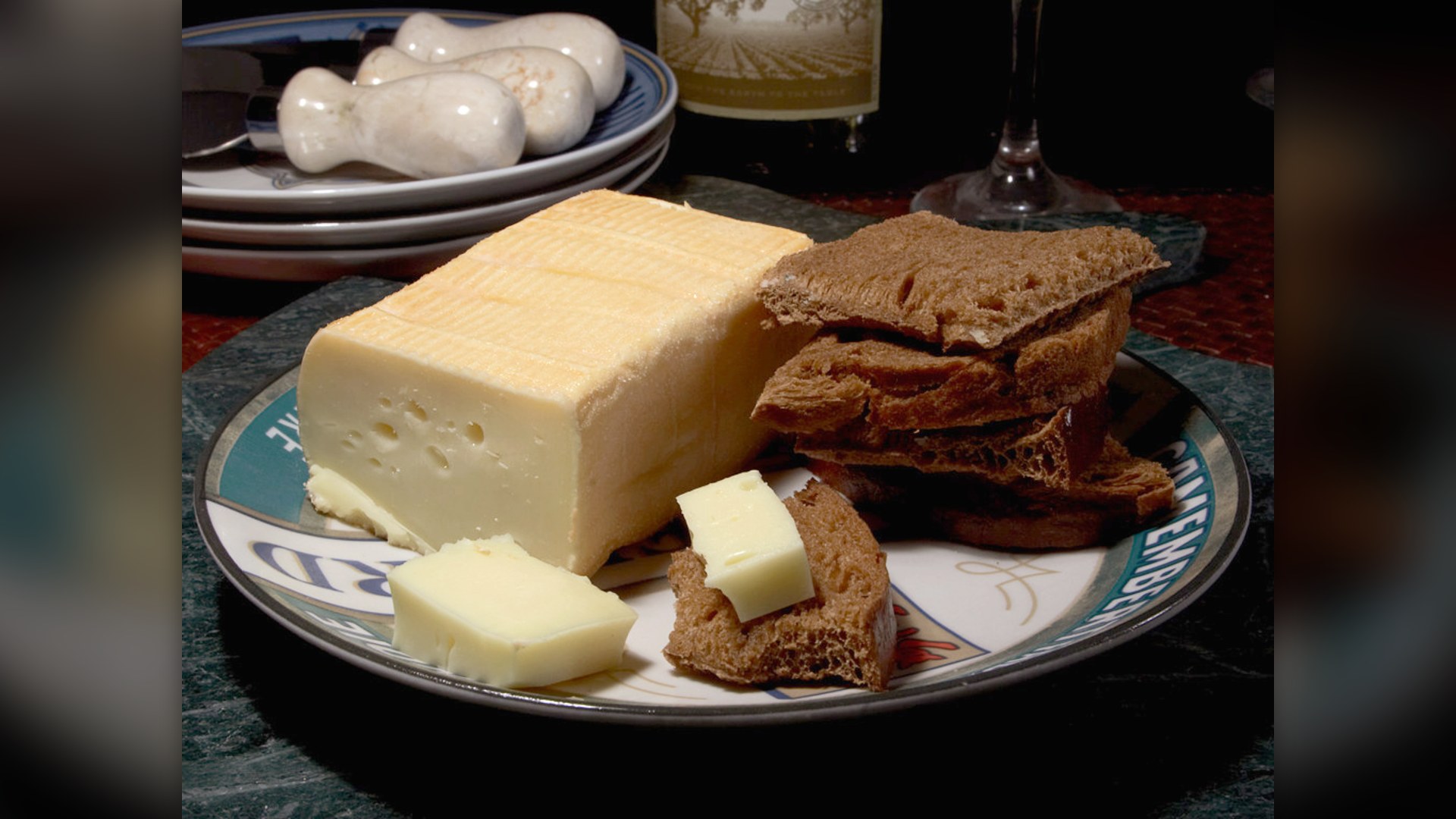
13. Limburger Cheese
Originating in nineteenth century Belgium and perfected in Germany, Limburger is aged using the same bacteria found on human skin. Smear it on dark rye bread with raw red onion for a beloved classic sandwich.
©Wikimedia / Original photo by John Sullivan. Edit own work.
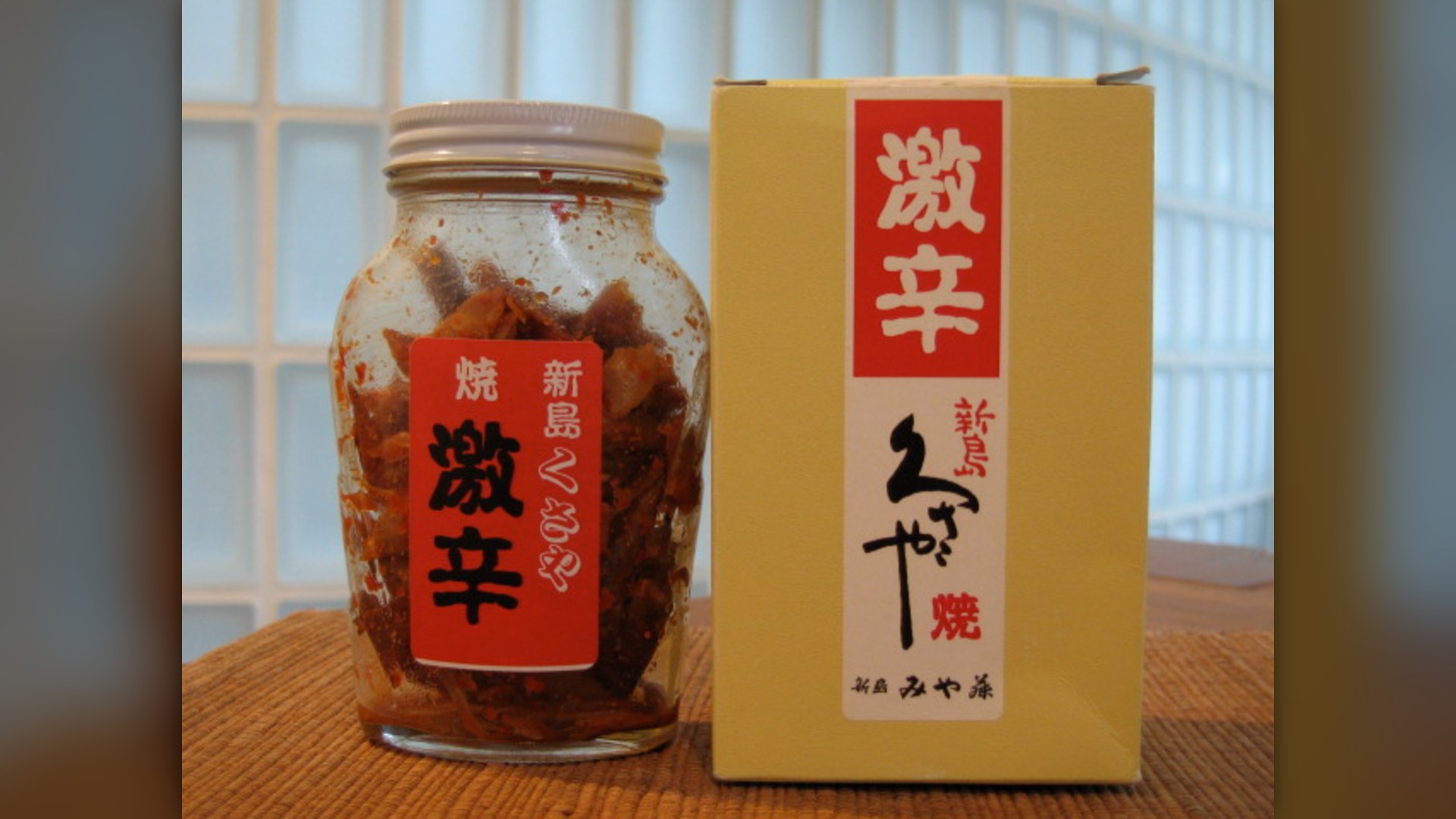
12. Japanese Kusaya Dried Fish
Originating in Tokyo's Izu Islands, mackerel is soaked in heirloom fermented brine before sun drying. The resulting smell is famously pungent, yet islanders cherish its deep, savory flavor alongside sake.
©Wikimedia / No machine-readable author provided.
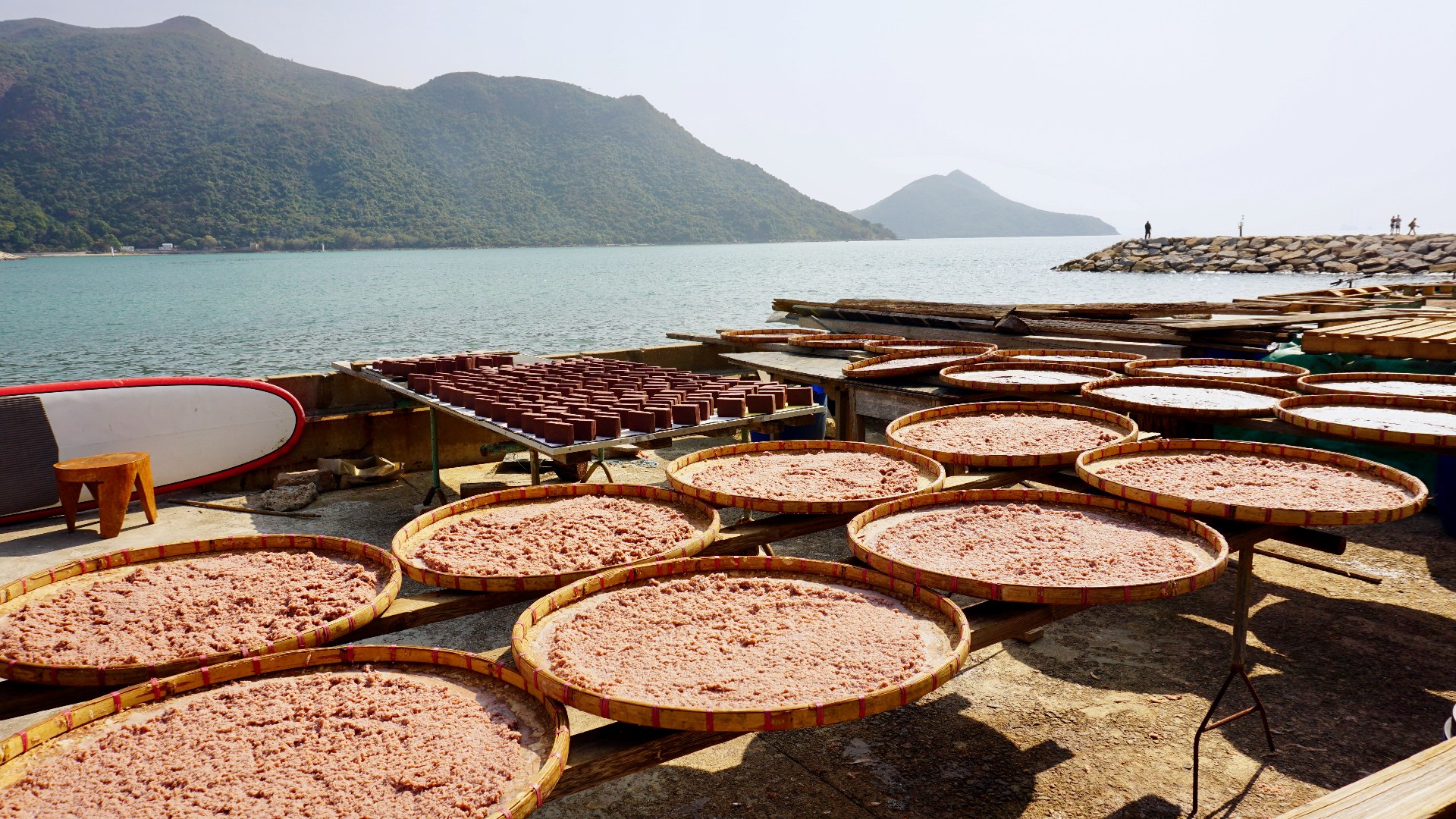
11. Belacan Shrimp Paste
A cornerstone of Malaysian and Indonesian sambals, belacan is made by fermenting silver krill in the tropical sun. Toasting a slab over open flame fills the entire street with pungent seafood aroma before enhancing curries.
©Wikimedia / 方畢可
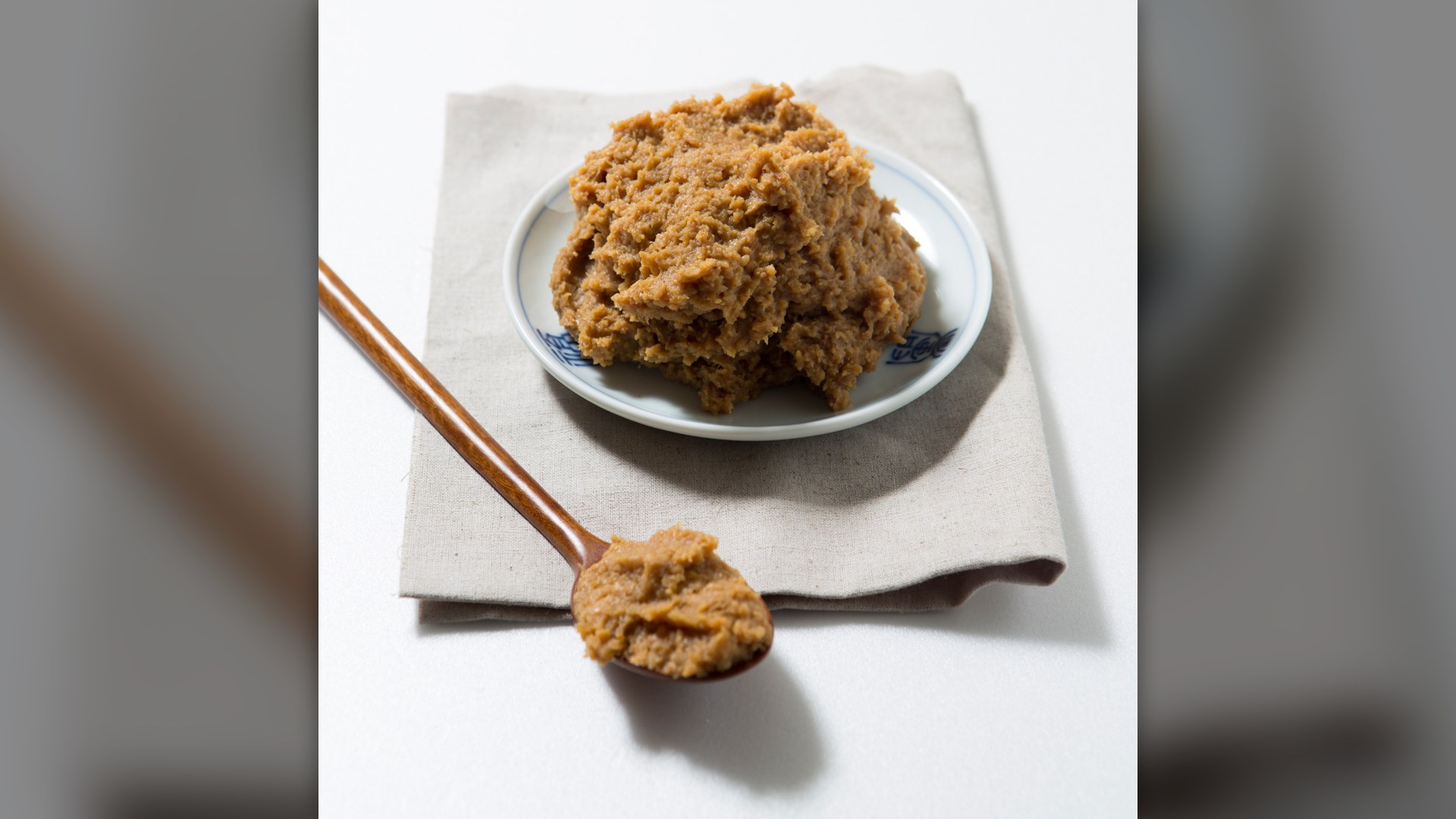
10. Doenjang Soybean Paste
Dried in airy earthen pots, fermented soybean bricks release a strong earthy funk as beneficial microbes develop. When simmered into doenjang jjigae stew with tofu and vegetables, the paste creates pure comfort.
©Wikimedia / 국립국어원
Advertisement
Swipe or tap ▶ to resume the countdown.
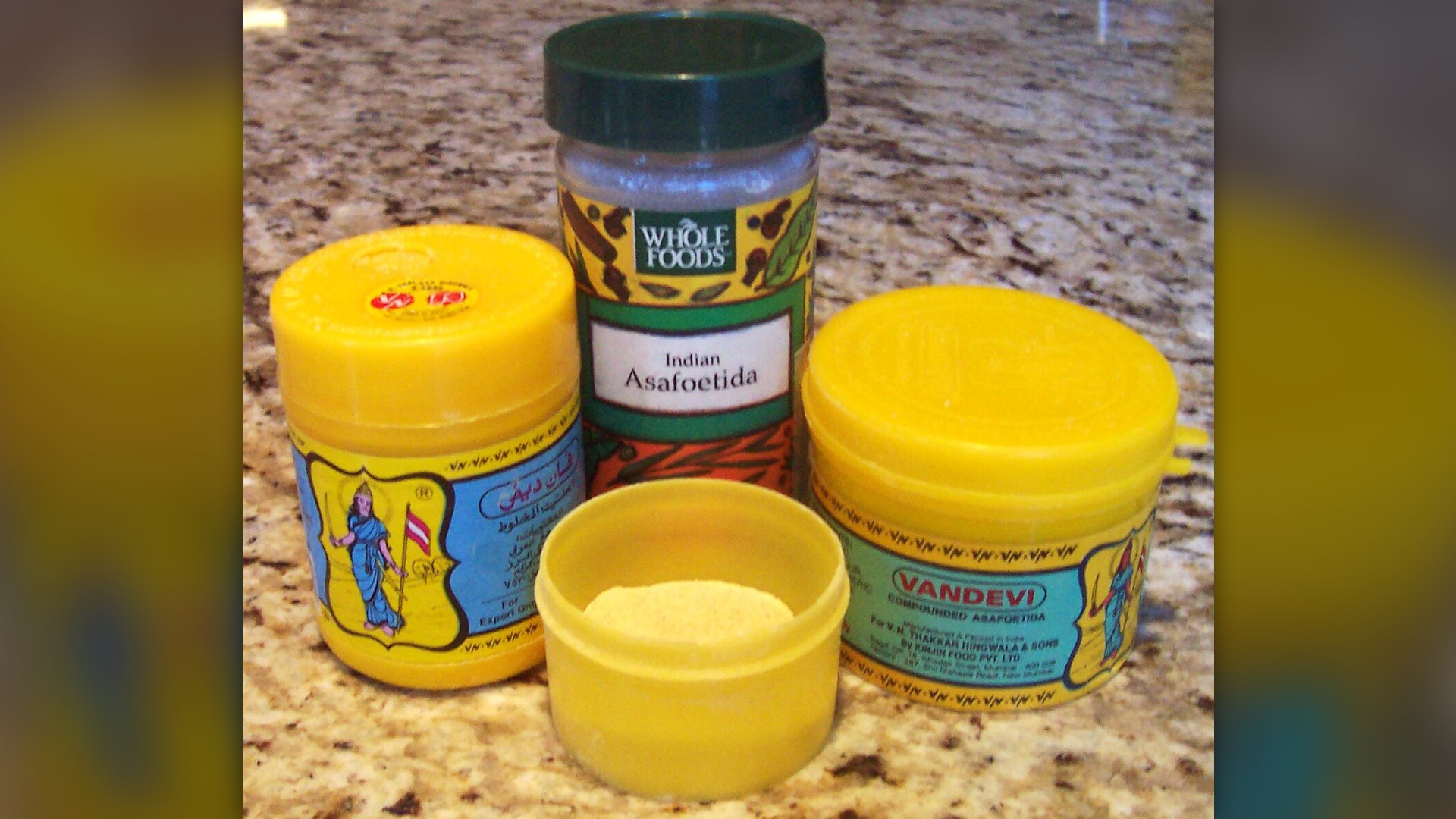
9. Asafetida Hing Spice
Known historically as devil's dung due to its sulfurous raw aroma, asafetida is a staple in Indian cooking. Once bloomed in warm oil or ghee, its pungent sulfur scent transforms into a fragrant aroma like leeks.
©Wikimedia / Public Contributor
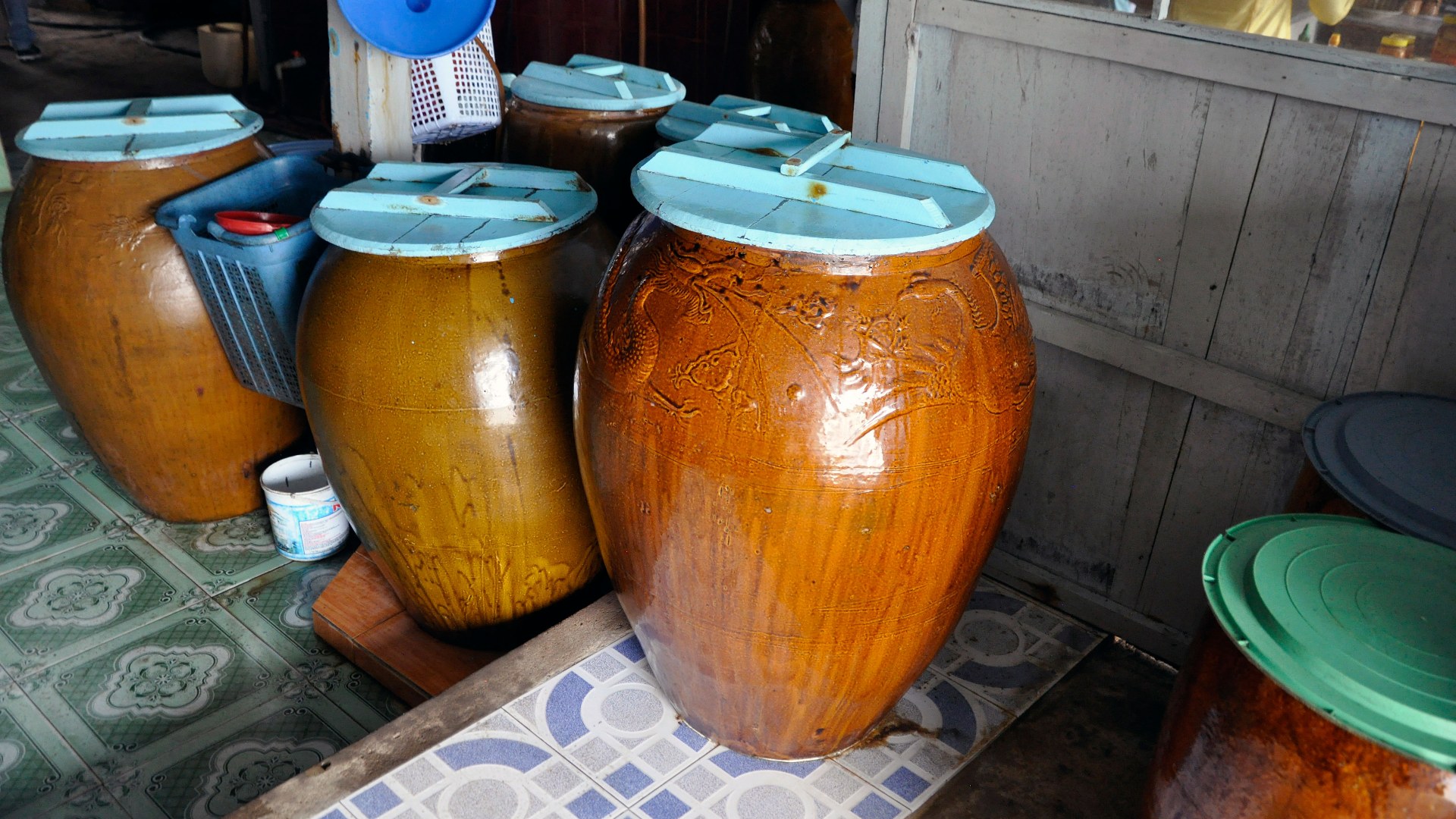
8. Traditional Fish Sauce
Essential across Vietnamese and Thai cooking, fish sauce is produced by fermenting salted anchovies under the tropical sun. While the raw bottle aroma is intensely pungent, a few drops add unmatched savory depth.
©Wikimedia / P. Hughes
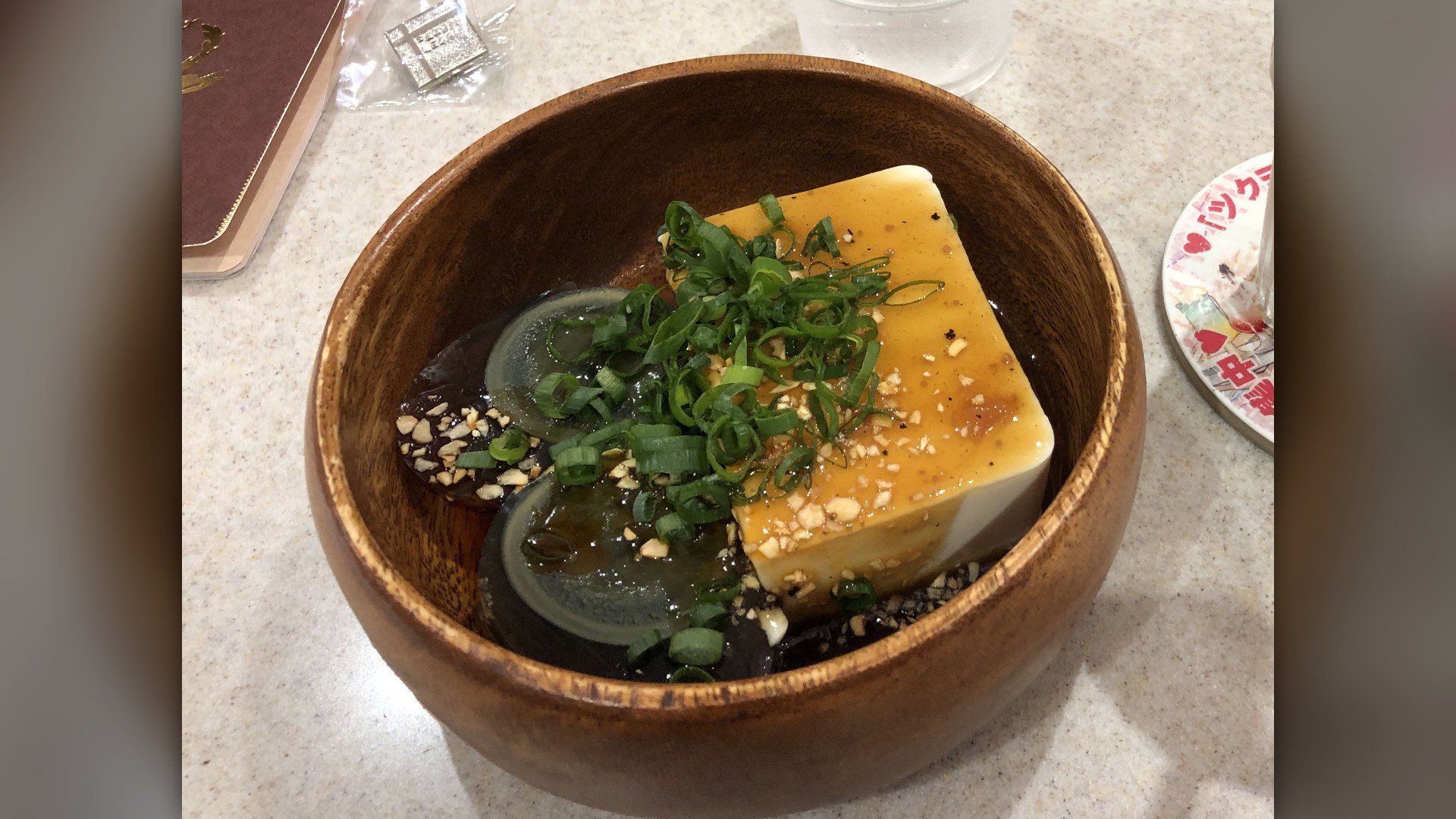
7. Century Eggs
Cured in clay, ash, and quicklime for months, century eggs develop translucent amber whites and creamy green yolks. The initial sulfur scent fades into an umami-rich, velvety snack paired with congee.
©Wikimedia / Cassiopeia sweet
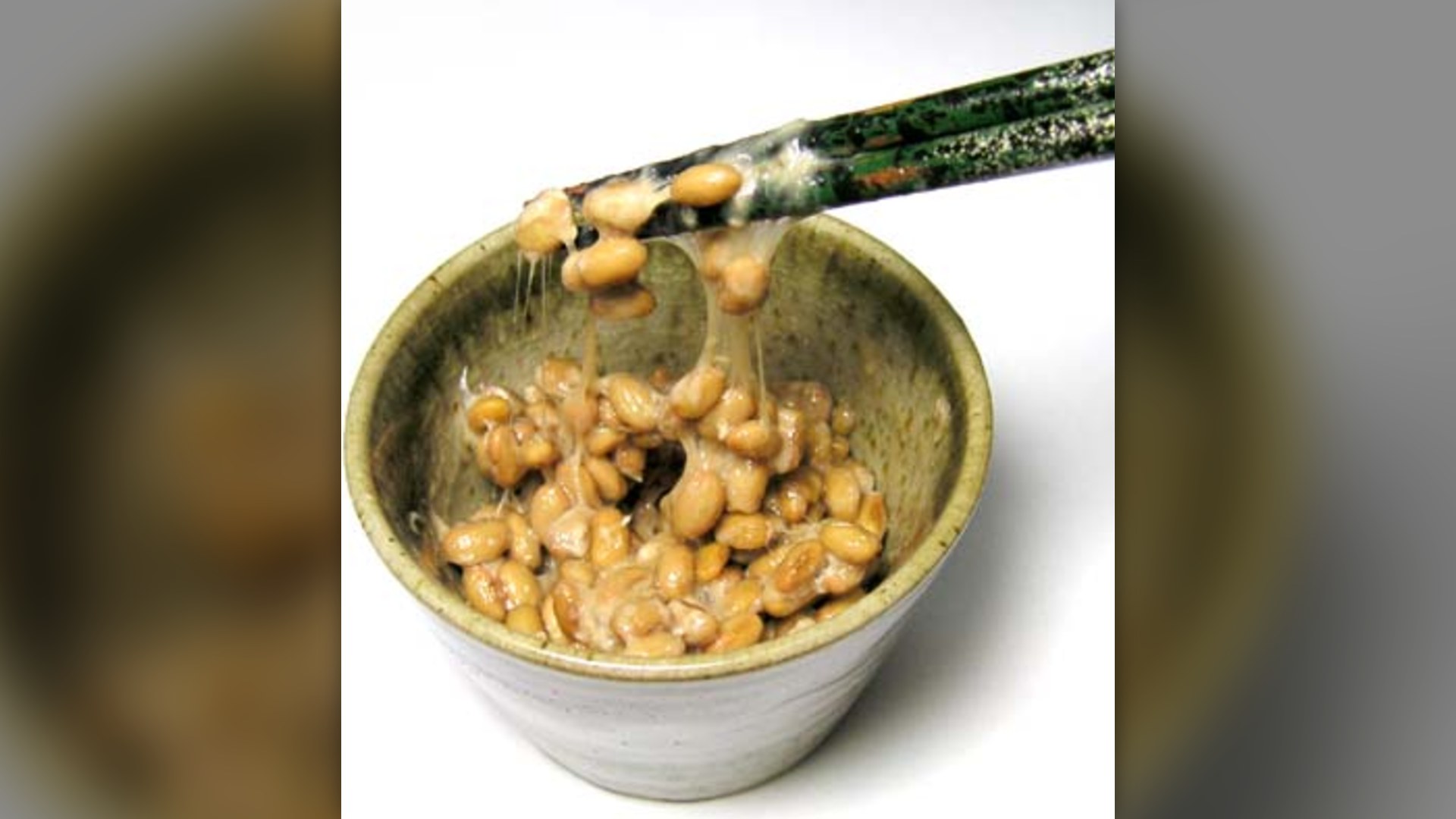
6. Natto Fermented Soybeans
A breakfast staple across Japan, natto is made by fermenting soybeans with Bacillus subtilis. Its viscous strings and pungent fermented odor challenge newcomers, yet millions praise its nutty flavor and nutrients.
©Wikimedia / User:Gleam
Advertisement
Swipe or tap ▶ to resume the countdown.
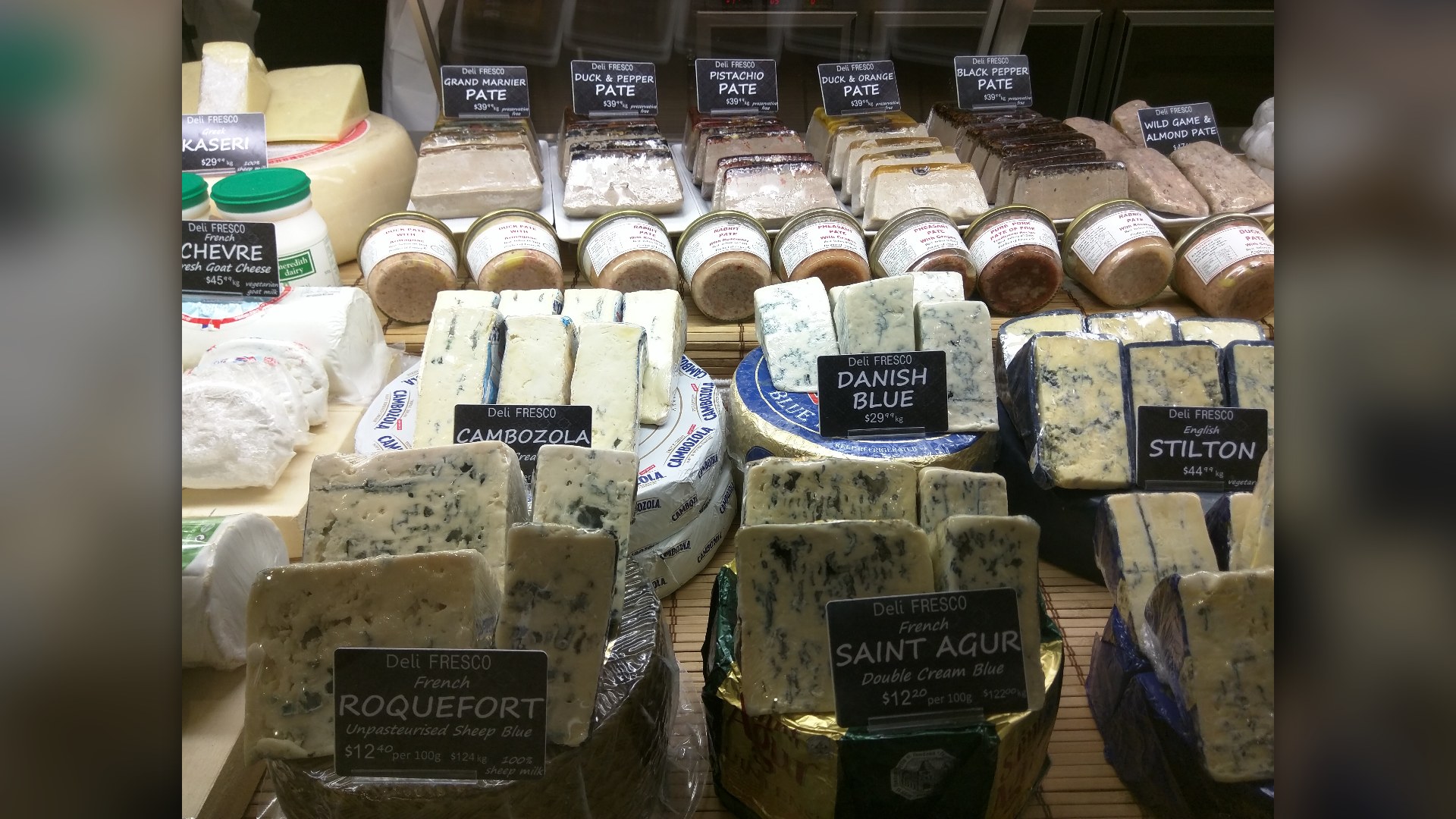
5. Roquefort Blue Cheese
Aged in damp limestone caves in southern France, Roquefort carries veins of blue mold producing sharp, pungent aromas. Despite its intimidating scent, it delivers a luxurious salty and tangy melt.
©Wikimedia / Maksym Kozlenko
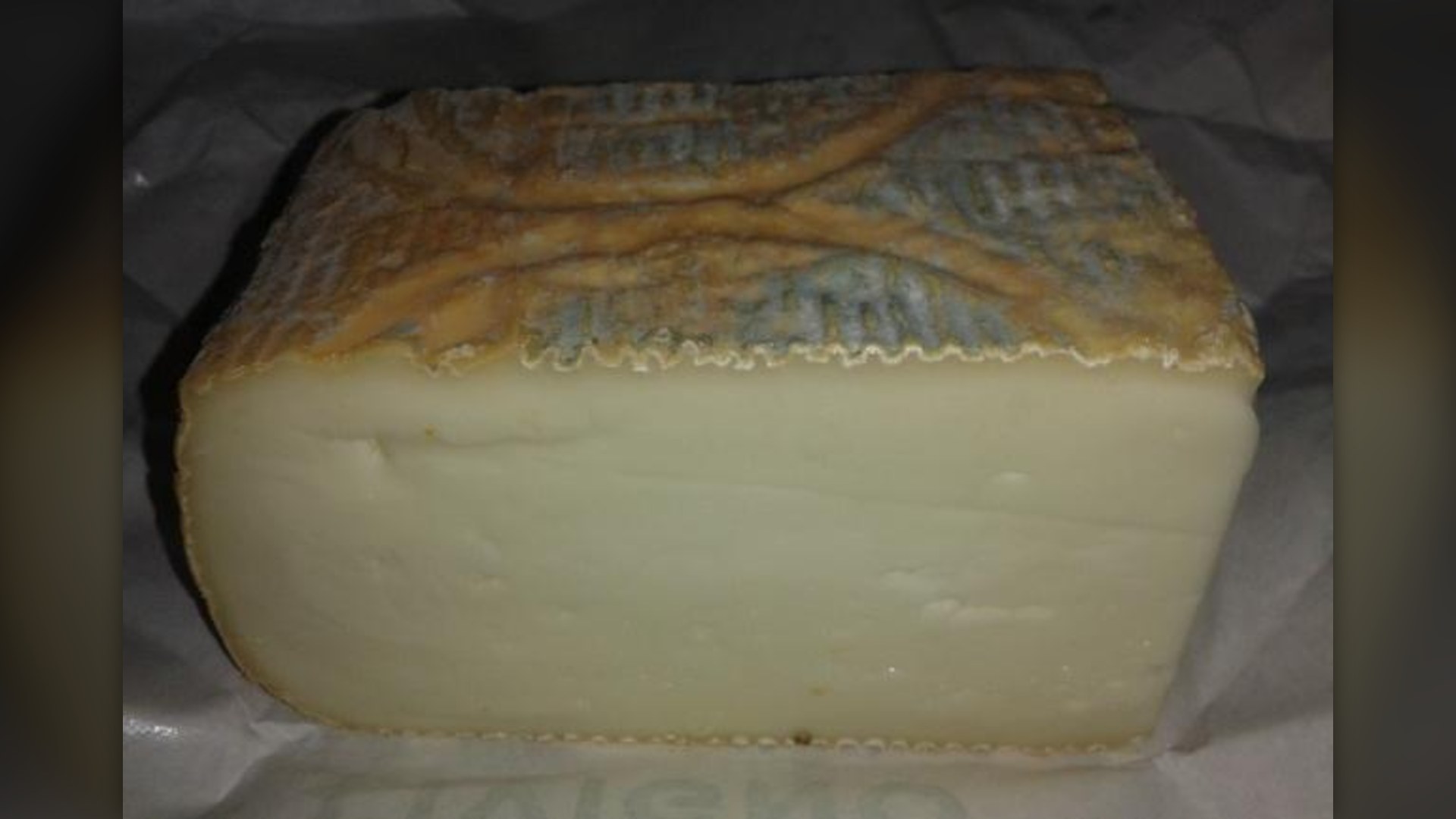
4. Taleggio Washed Rind Cheese
Hailing from Lombardy, Taleggio is washed with sea water during aging, creating a damp orange rind with a barnyard aroma. Beneath the pungent crust lies an extraordinarily mild, creamy, and buttery paste.
©Wikimedia / FakirNL
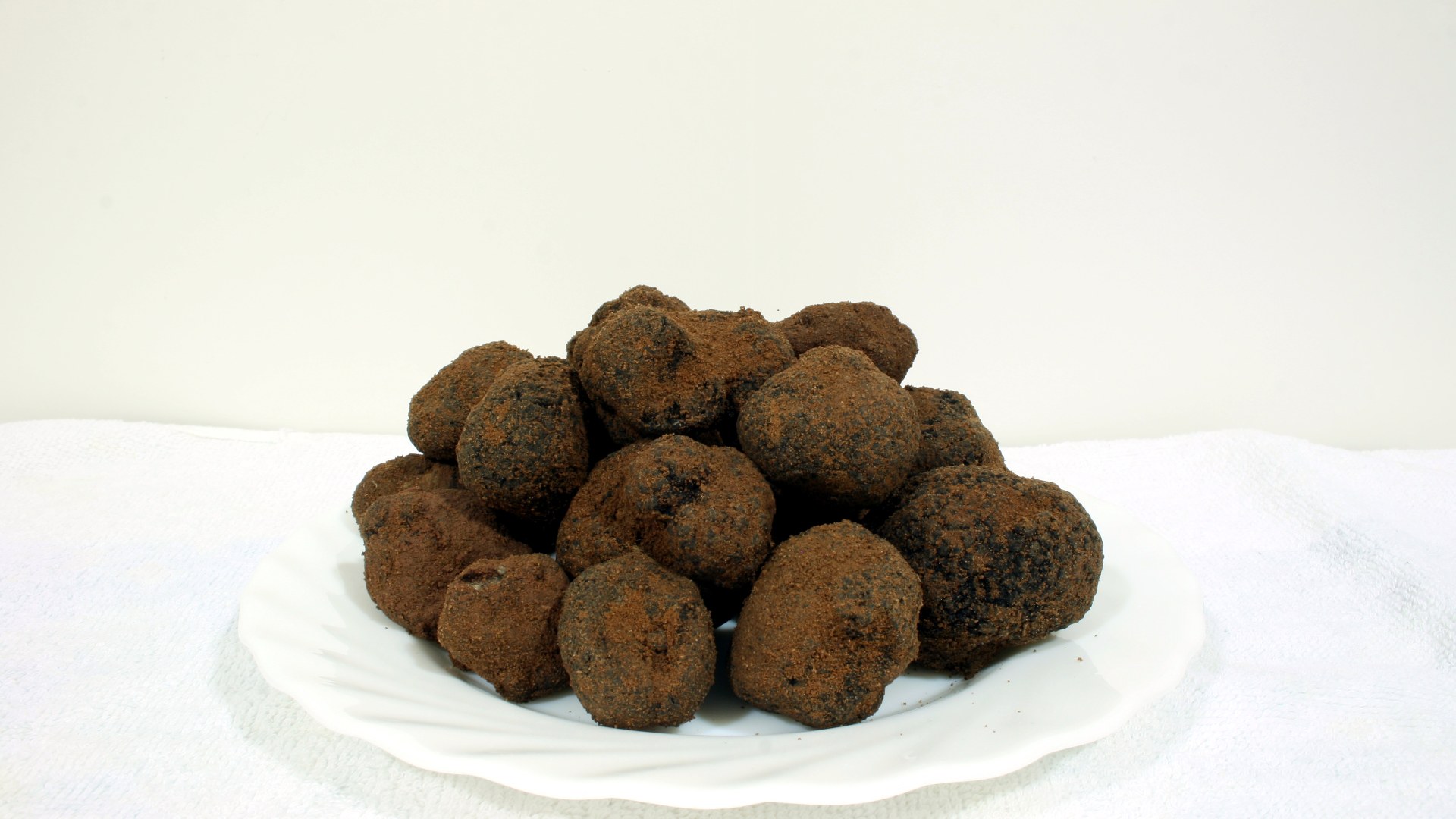
3. Black Truffles
Harvested from oak tree roots using trained dogs, black truffles produce a pungent aroma rich in sulfurous compounds. Chefs and food lovers pay thousands of dollars per pound to shave this aroma over fresh pasta.
©Wikimedia / Diego Delso
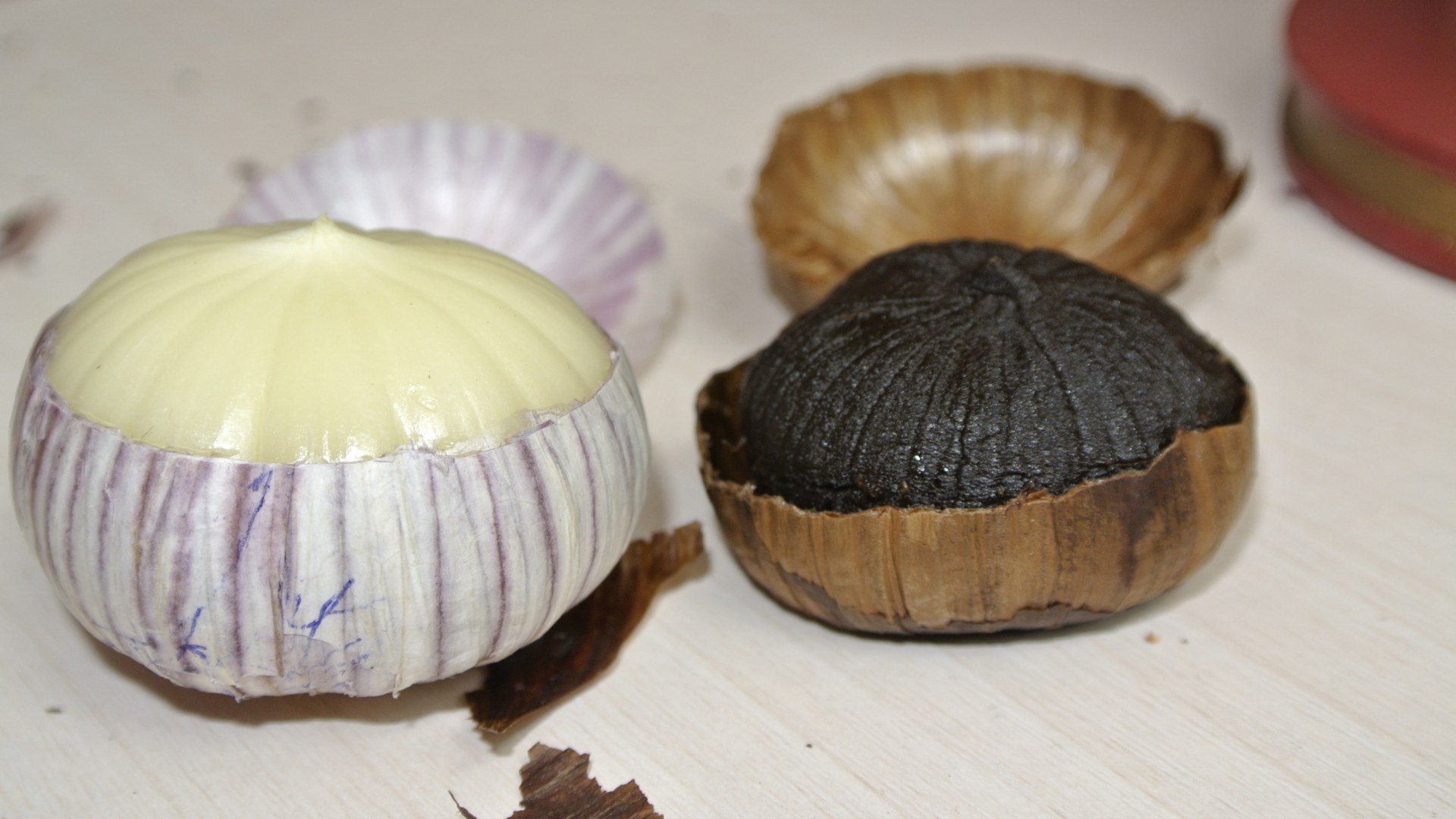
2. Aged Black Garlic
Aged for weeks under controlled heat and humidity, garlic cloves turn jet black as sugars break down. The harsh raw pungency transforms into a complex aroma of balsamic vinegar, tamarind, and earthy sweetness.
©Wikimedia / Blackgarlics
Advertisement
Swipe or tap ▶ to resume the countdown.
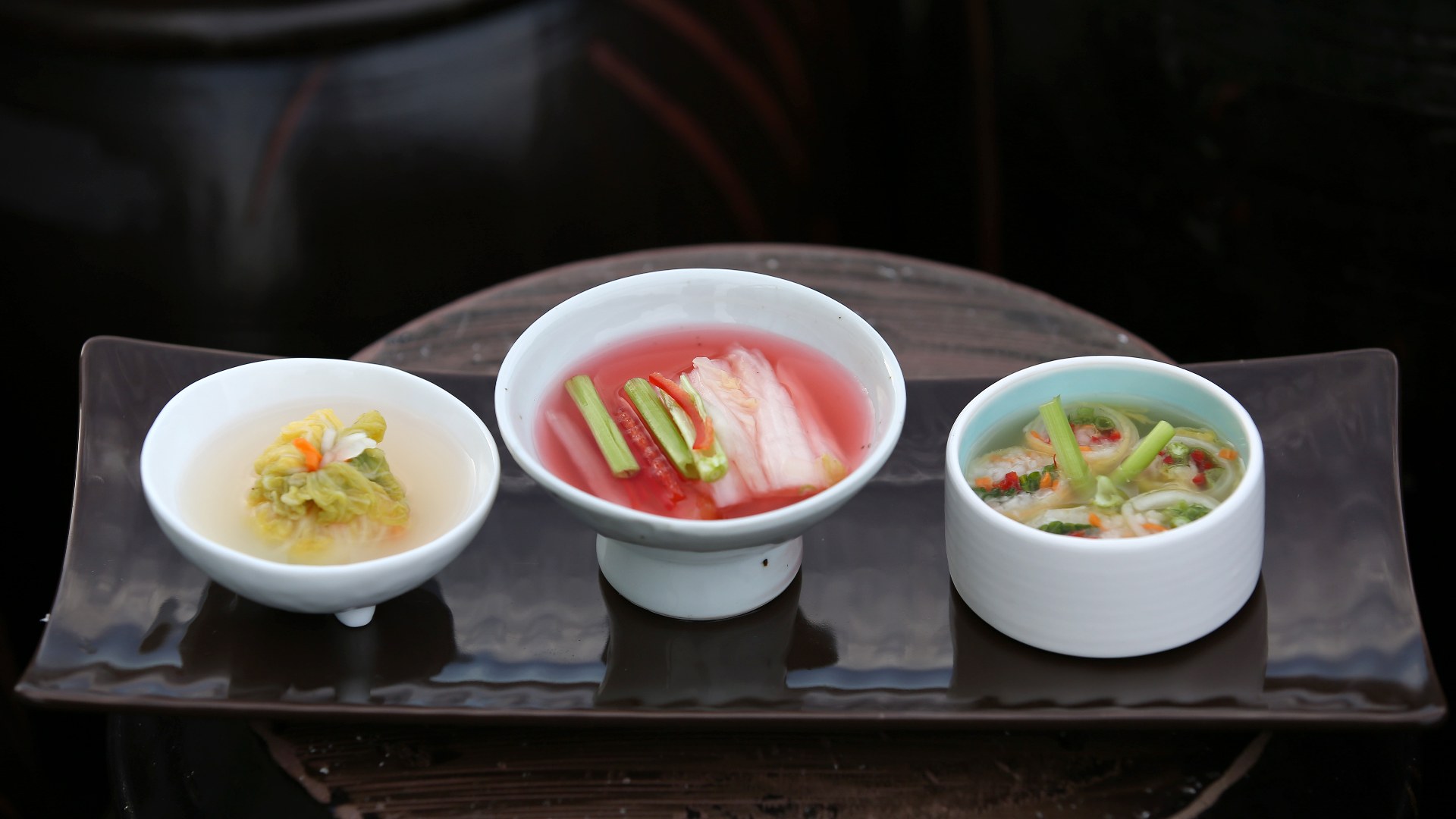
1. Kimchi Fermented Cabbage
Fermented with garlic, ginger, and chili peppers, Korea's national dish carries a pungent sour aroma that fills the kitchen. Millions consume it daily for its spicy crunch, rich probiotics, and deep savory flavor.

©Wikimedia / korea.net
Advertisement
You've reached the end of the story. Thanks for reading!

20 Iconic Historical Photos and the Archive Clues Behind Them
Contact sheets, cracked glass plates, and NASA mission logs preserve the hidden steps behind 20 famous photographs. Drawing on records from the Library of Congress, the National Archives, NASA, and the Smithsonian, this countdown traces how cropping, camera setups, and double exposures shaped each frame.
All 20 Entries in this Story
20. Swedish Surstromming
Lightly salted Baltic herring ferments inside sealed metal tins for months until the cans swell from gas pressure. Opened strictly outdoors under water, it is eaten on thin flatbread with sour cream and potatoes.

19. Southeast Asian Durian
With an aroma compared to onions, gym socks, and turpentine, fresh durian is banned on mass transit across Southeast Asia. Yet beneath the spiky husk lies a rich custard celebrated by hundreds of millions of devotees across the globe.

18. French Epoisses Cheese
Epoisses de Bourgogne is washed regularly with pomace brandy during aging. The wash fosters orange bacterial cultures that generate pungent odors of barnyard and damp earth. French folklore claims the cheese was once banned on public transport because its powerful odor quickly overwhelmed railway cars.

17. Korean Hongeo Hoe
Skate fish excrete uric acid through their skin, which naturally transforms into ammonia as the fish ferments. Sliced thin and eaten with pork belly and aged kimchi, the pungent vapor clears sinuses instantly.

16. Icelandic Hakarl
Fresh Greenland shark is poisonous due to high urea content. To make it edible, Icelandic fishermen bury the shark in gravel for months, creating an overwhelming ammonia aroma traditionally washed down with brennivin.

15. Scandinavian Lutefisk
A traditional Nordic holiday feast, dried cod is soaked in water and sodium hydroxide lye. The alkaline process produces a sharp caustic aroma, but fans eagerly smother the tender fish in melted butter and bacon.

14. Night Market Stinky Tofu
Fermented for months in brine made from vegetables, bamboo shoots, and dried shrimp, stinky tofu can be smelled blocks away in night markets. Deep fried until golden and served with pickled cabbage, it is crispy perfection.

13. Limburger Cheese
Originating in nineteenth century Belgium and perfected in Germany, Limburger is aged using the same bacteria found on human skin. Smear it on dark rye bread with raw red onion for a beloved classic sandwich.

12. Japanese Kusaya Dried Fish
Originating in Tokyo's Izu Islands, mackerel is soaked in heirloom fermented brine before sun drying. The resulting smell is famously pungent, yet islanders cherish its deep, savory flavor alongside sake.

11. Belacan Shrimp Paste
A cornerstone of Malaysian and Indonesian sambals, belacan is made by fermenting silver krill in the tropical sun. Toasting a slab over open flame fills the entire street with pungent seafood aroma before enhancing curries.

10. Doenjang Soybean Paste
Dried in airy earthen pots, fermented soybean bricks release a strong earthy funk as beneficial microbes develop. When simmered into doenjang jjigae stew with tofu and vegetables, the paste creates pure comfort.

9. Asafetida Hing Spice
Known historically as devil's dung due to its sulfurous raw aroma, asafetida is a staple in Indian cooking. Once bloomed in warm oil or ghee, its pungent sulfur scent transforms into a fragrant aroma like leeks.

8. Traditional Fish Sauce
Essential across Vietnamese and Thai cooking, fish sauce is produced by fermenting salted anchovies under the tropical sun. While the raw bottle aroma is intensely pungent, a few drops add unmatched savory depth.

7. Century Eggs
Cured in clay, ash, and quicklime for months, century eggs develop translucent amber whites and creamy green yolks. The initial sulfur scent fades into an umami-rich, velvety snack paired with congee.

6. Natto Fermented Soybeans
A breakfast staple across Japan, natto is made by fermenting soybeans with Bacillus subtilis. Its viscous strings and pungent fermented odor challenge newcomers, yet millions praise its nutty flavor and nutrients.

5. Roquefort Blue Cheese
Aged in damp limestone caves in southern France, Roquefort carries veins of blue mold producing sharp, pungent aromas. Despite its intimidating scent, it delivers a luxurious salty and tangy melt.

4. Taleggio Washed Rind Cheese
Hailing from Lombardy, Taleggio is washed with sea water during aging, creating a damp orange rind with a barnyard aroma. Beneath the pungent crust lies an extraordinarily mild, creamy, and buttery paste.

3. Black Truffles
Harvested from oak tree roots using trained dogs, black truffles produce a pungent aroma rich in sulfurous compounds. Chefs and food lovers pay thousands of dollars per pound to shave this aroma over fresh pasta.

2. Aged Black Garlic
Aged for weeks under controlled heat and humidity, garlic cloves turn jet black as sugars break down. The harsh raw pungency transforms into a complex aroma of balsamic vinegar, tamarind, and earthy sweetness.

1. Kimchi Fermented Cabbage
Fermented with garlic, ginger, and chili peppers, Korea's national dish carries a pungent sour aroma that fills the kitchen. Millions consume it daily for its spicy crunch, rich probiotics, and deep savory flavor.