Slideshow · Viral
Why Do Americans Fear Going There? Spookiest Historical Sites In The USA
From Abandoned Asylums To Cursed Ghost Towns, These Landmarks Terrify
By Most Viral Today
27 Oct 2026

Why Do Americans Fear Going There? Spookiest Historical Sites In The USA 
20. Eastern State Penitentiary 
19. Waverly Hills Sanatorium 
18. The Lizzie Borden House - AdvertisementSwipe or tap ▶ to continue countdown

17. Gettysburg Battlefield 
16. Trans-Allegheny Lunatic Asylum 
15. The Stanley Hotel 
14. The Whaley House - AdvertisementSwipe or tap ▶ to continue countdown

13. Alcatraz Federal Penitentiary 
12. The Myrtles Plantation 
11. Villisca Axe Murder House 
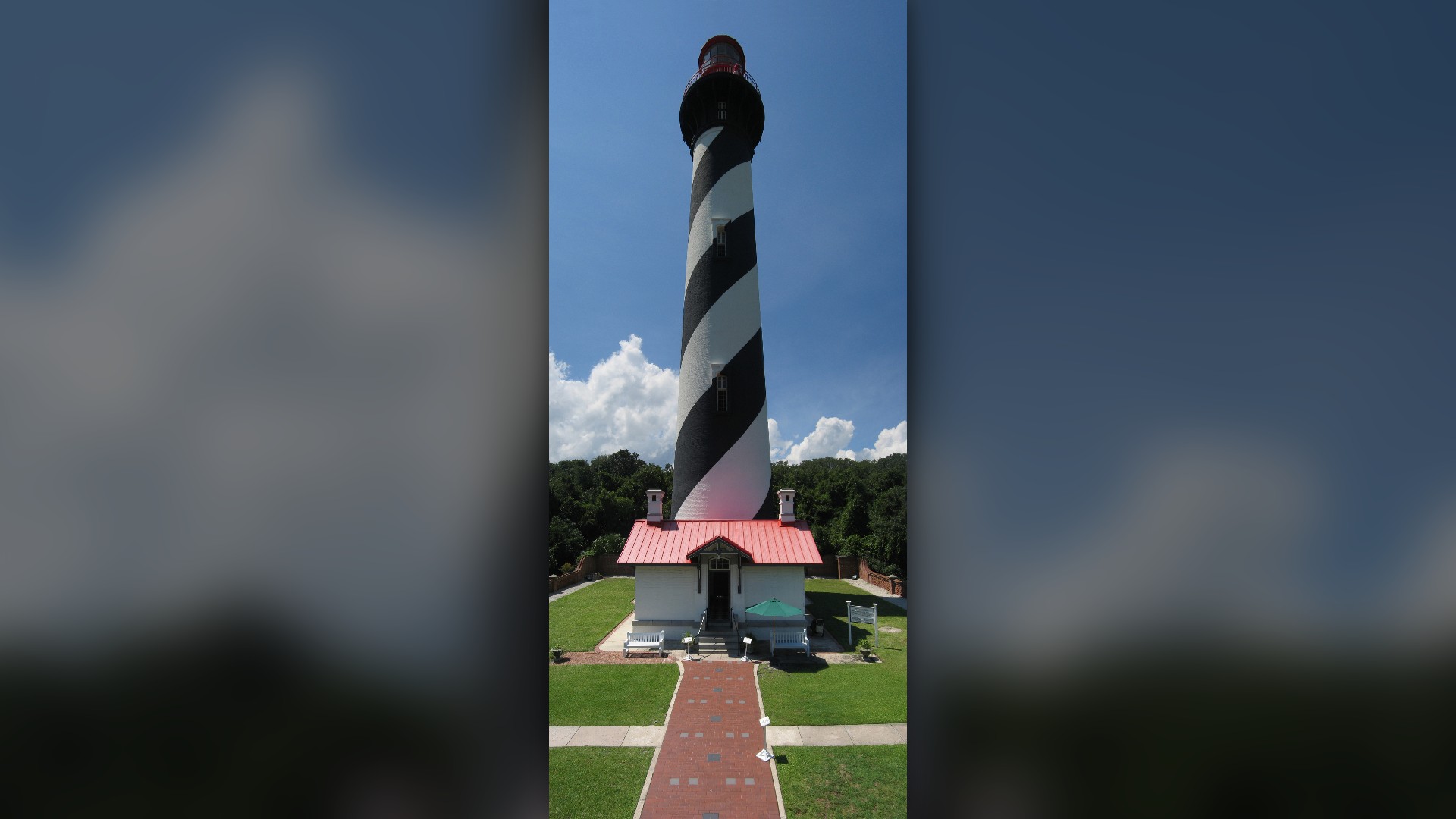
10. St. Augustine Lighthouse - AdvertisementSwipe or tap ▶ to continue countdown

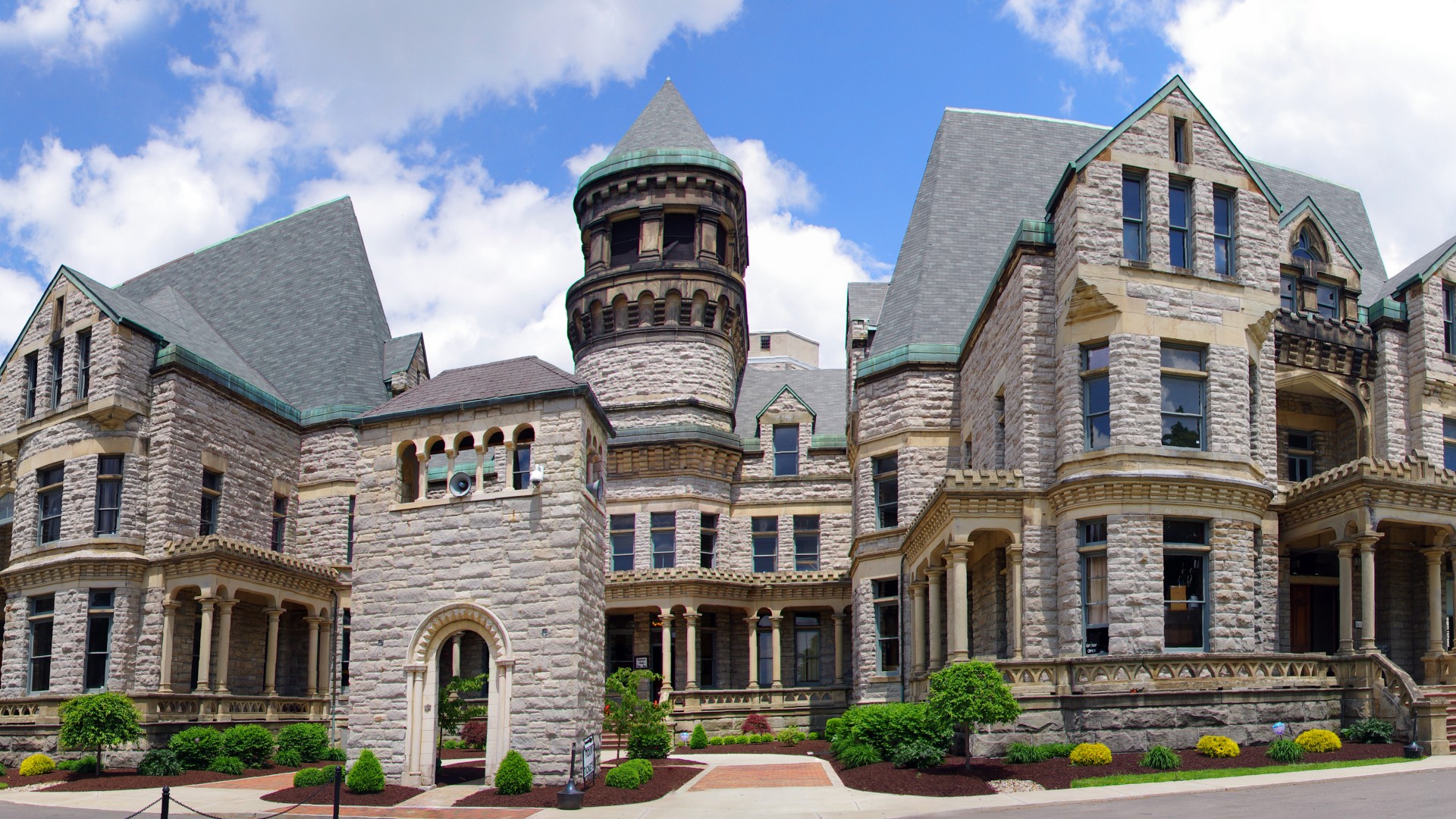
9. Ohio State Reformatory 
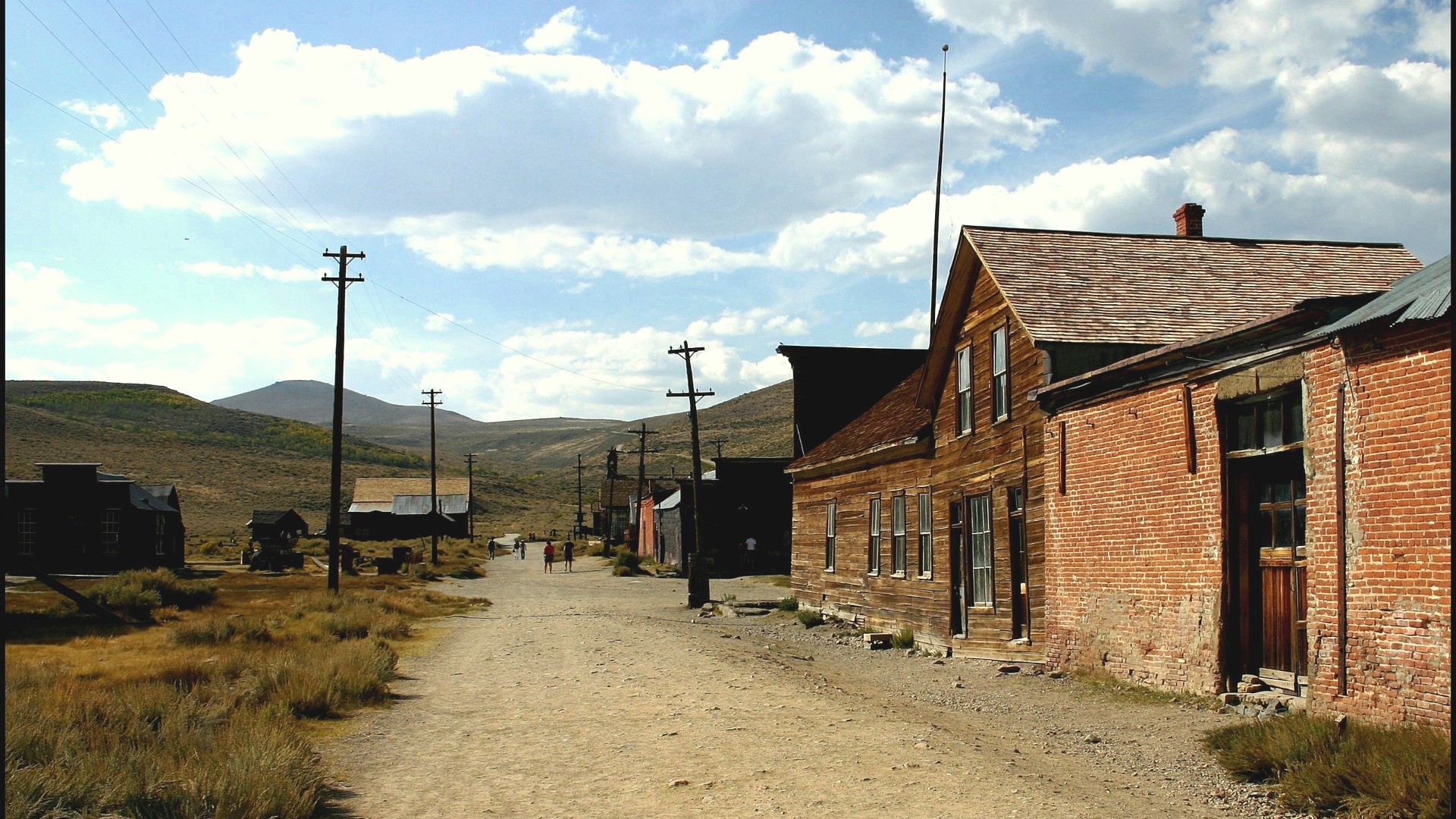
8. Bodie Ghost Town 
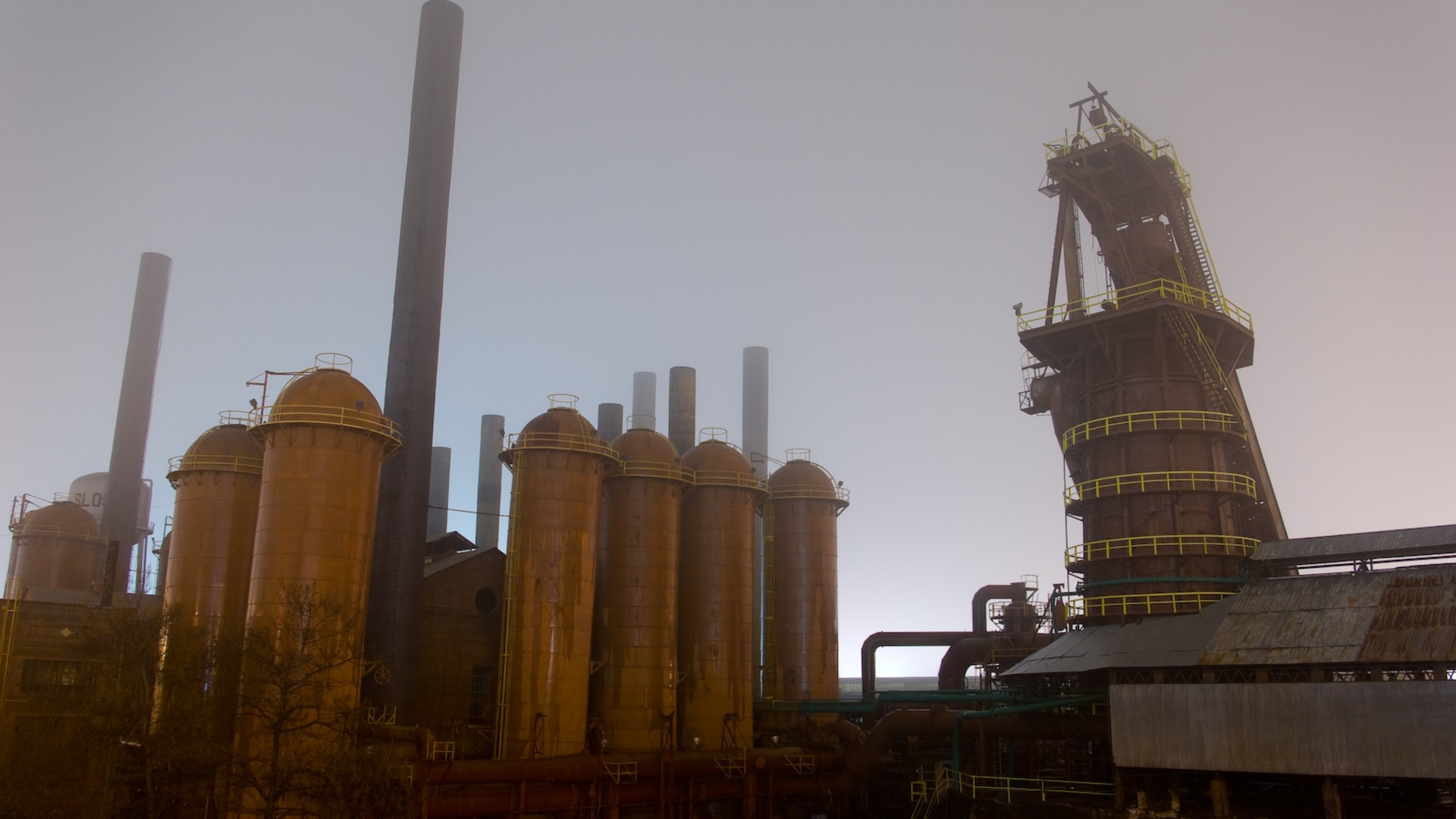
7. Sloss Furnaces 
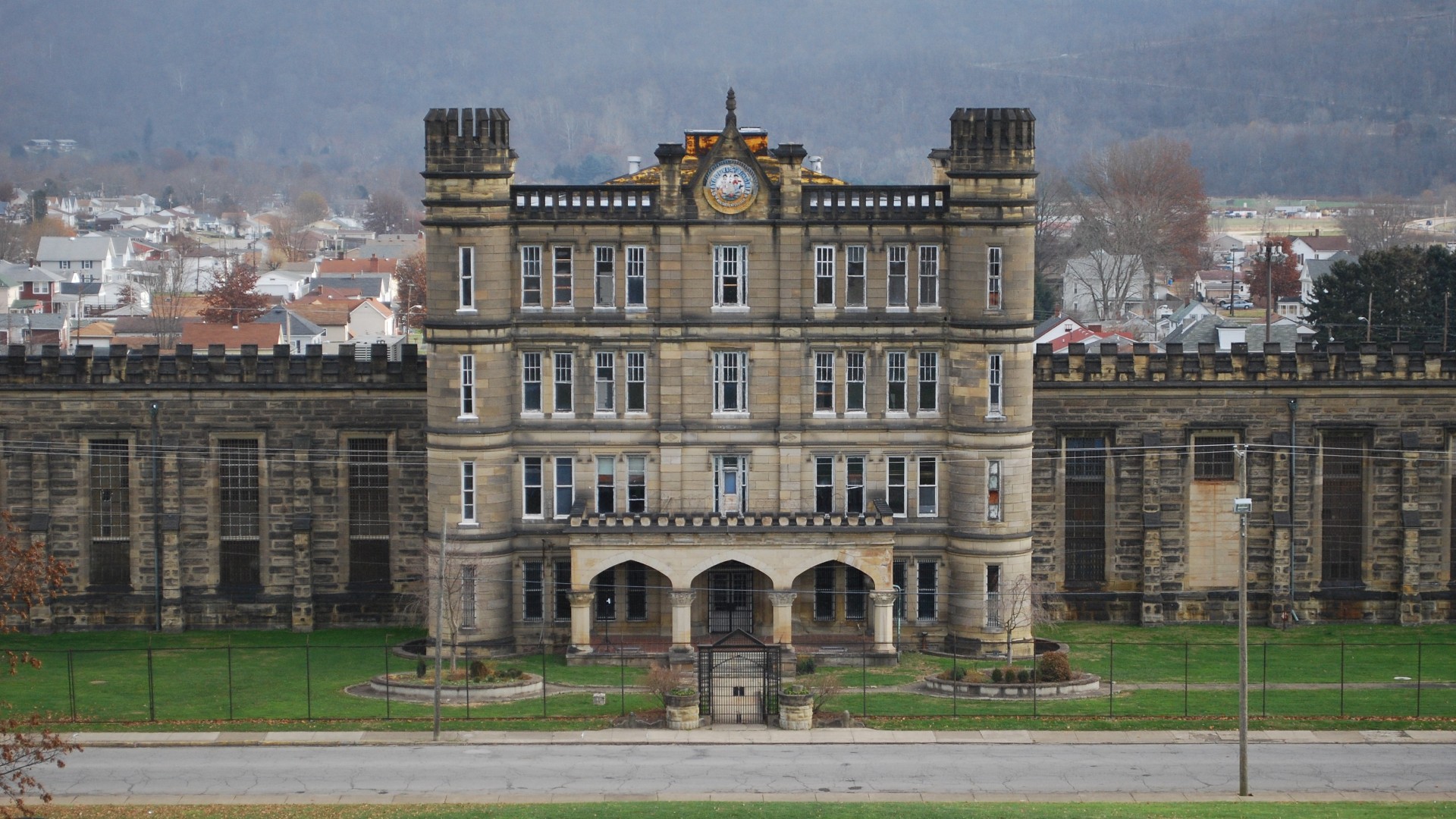
6. Moundsville Penitentiary - AdvertisementSwipe or tap ▶ to continue countdown

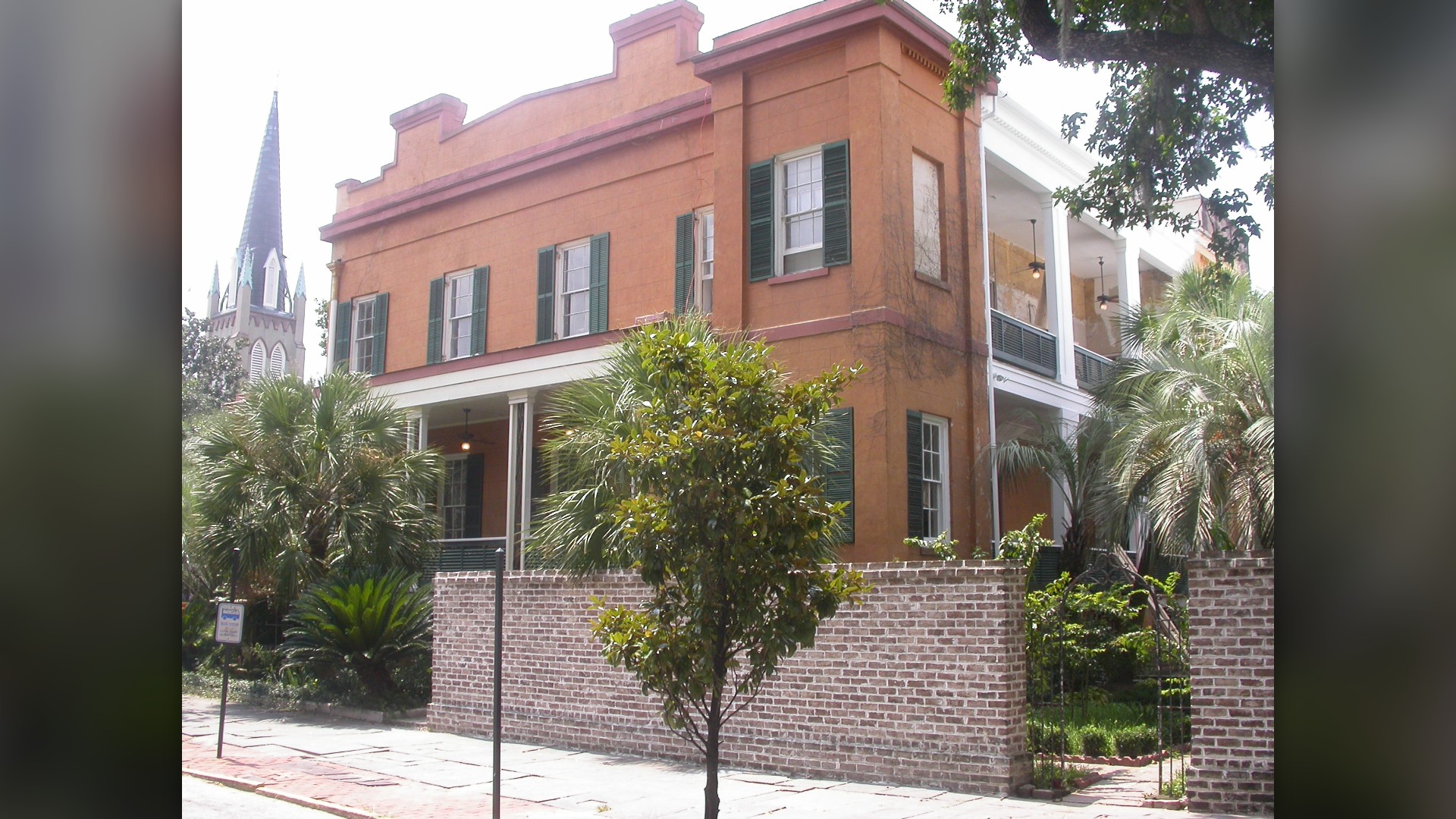
5. The Sorrel-Weed House 
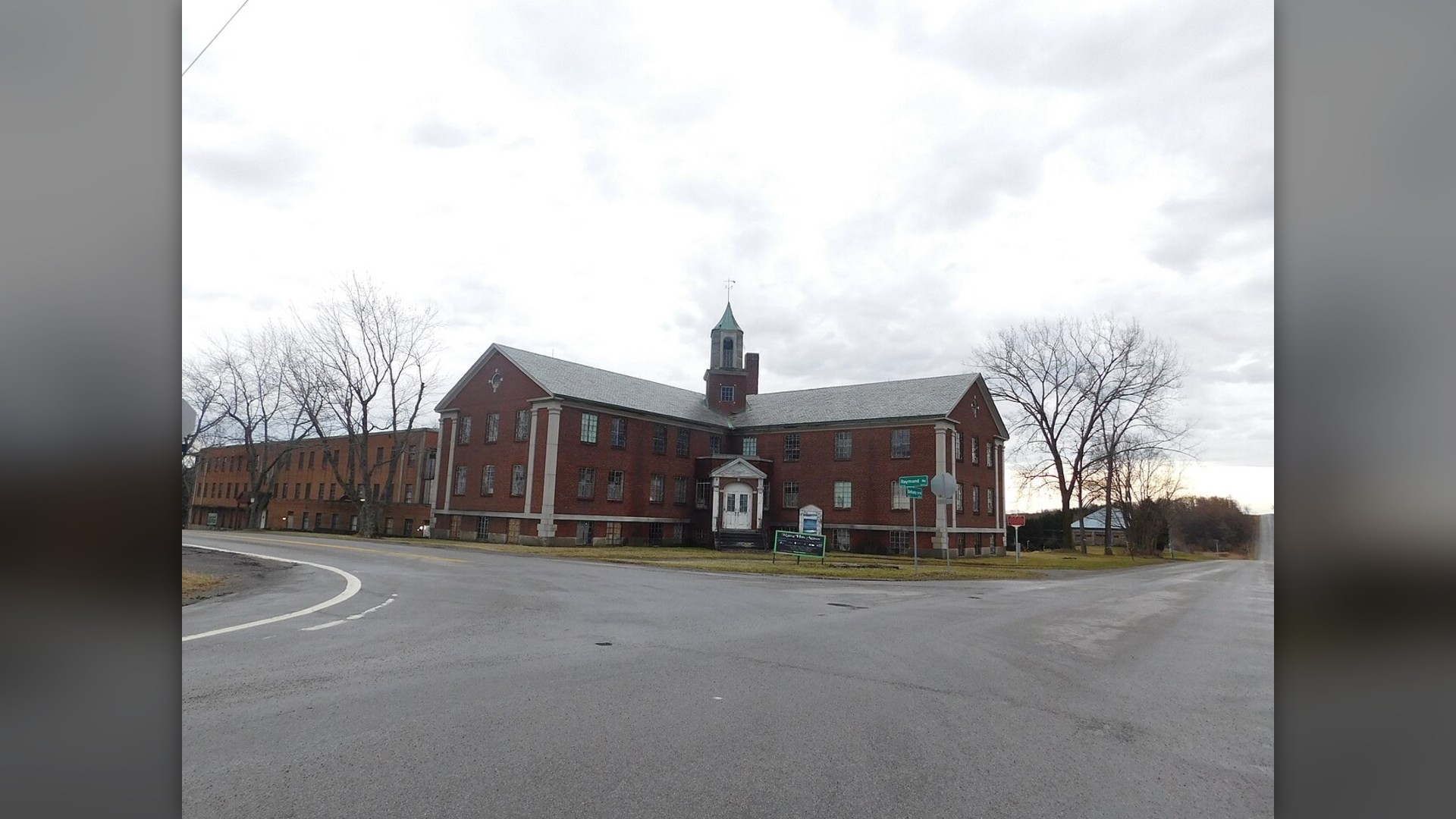
4. Rolling Hills Asylum 
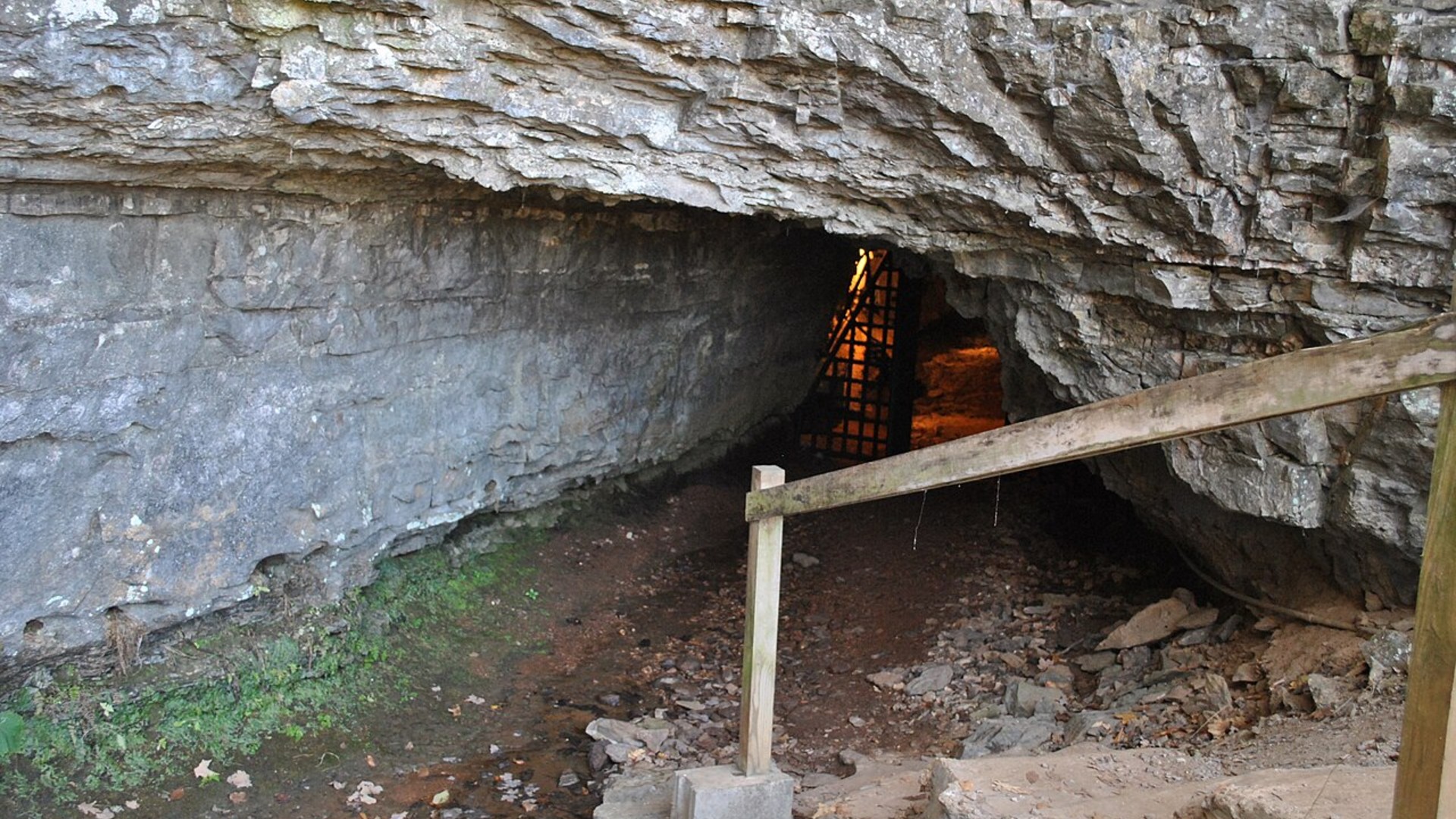
3. The Bell Witch Cave 
2. Old Charleston Jail - AdvertisementSwipe or tap ▶ to continue countdown

1. The Shanghai Tunnels - Advertisement🔥 UP NEXT IN THIS SERIES◫ 21 Slides

20 Iconic Historical Photos and the Archive Clues Behind Them
Contact sheets, cracked glass plates, and NASA mission logs preserve the hidden steps behind 20 famous photographs. Drawing on records from the Library of Congress, the National Archives, NASA, and the Smithsonian, this countdown traces how cropping, camera setups, and double exposures shaped each frame.
Across the United States stand historic prisons, hospitals, battlefields, and mansions where documented tragedy left a chilling reputation. From crumbling solitary cellblocks in Philadelphia to subterranean kidnapping tunnels in Oregon, here are twenty spooky American landmarks and why visitors fear them.
Swipe or tap ▶ to begin the countdown
©Unsplash / M.T ElGassier & Wikimedia / Www78
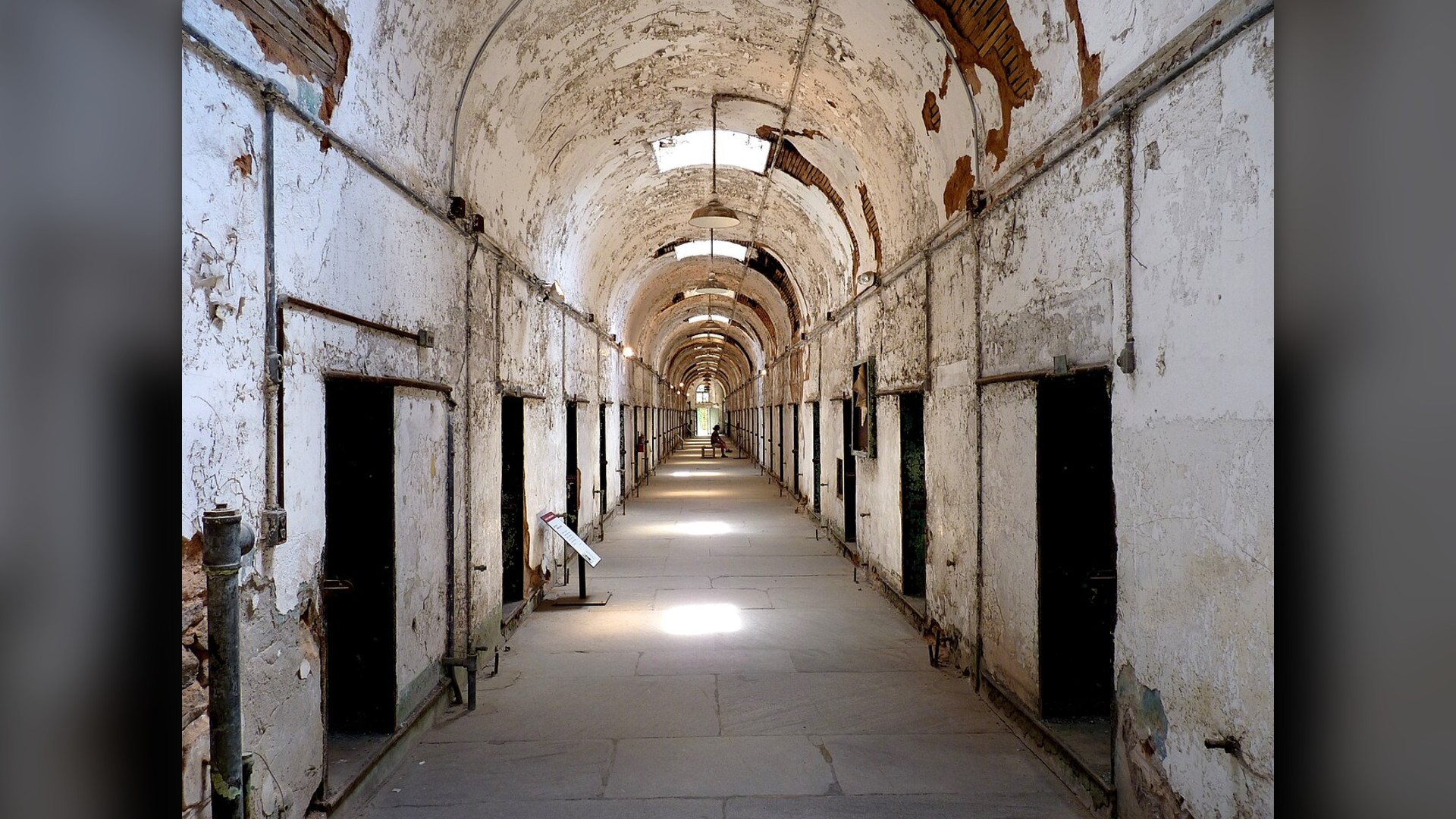
20. Eastern State Penitentiary
Opened in Philadelphia in 1829, Eastern State Penitentiary pioneered the Pennsylvania system of total solitary confinement, hooding prisoners whenever they left their stone cells. Visitors dread walking Cellblocks 4 and 12, where guards and tourists report darting shadow figures and disembodied sobs.
©Wikimedia / Dudva
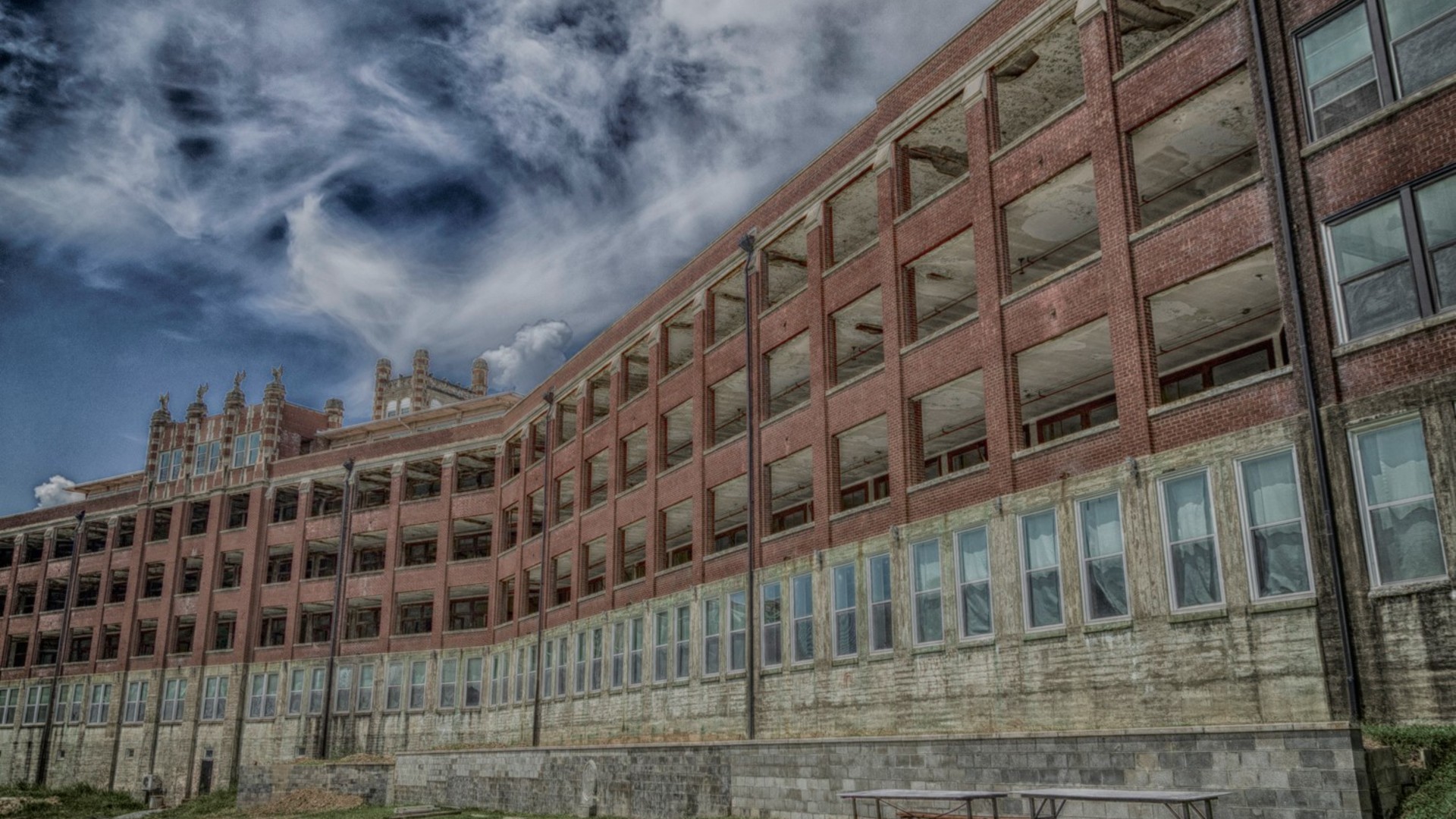
19. Waverly Hills Sanatorium
Built in Louisville, Kentucky, to combat a devastating white plague tuberculosis outbreak, Waverly Hills saw thousands of patients perish before antibiotics arrived. Guests fear the 500-foot concrete death tunnel used to discretely lower coffins and Room 502, where nurses reportedly took their own lives.
©Wikimedia / Royasfoto73
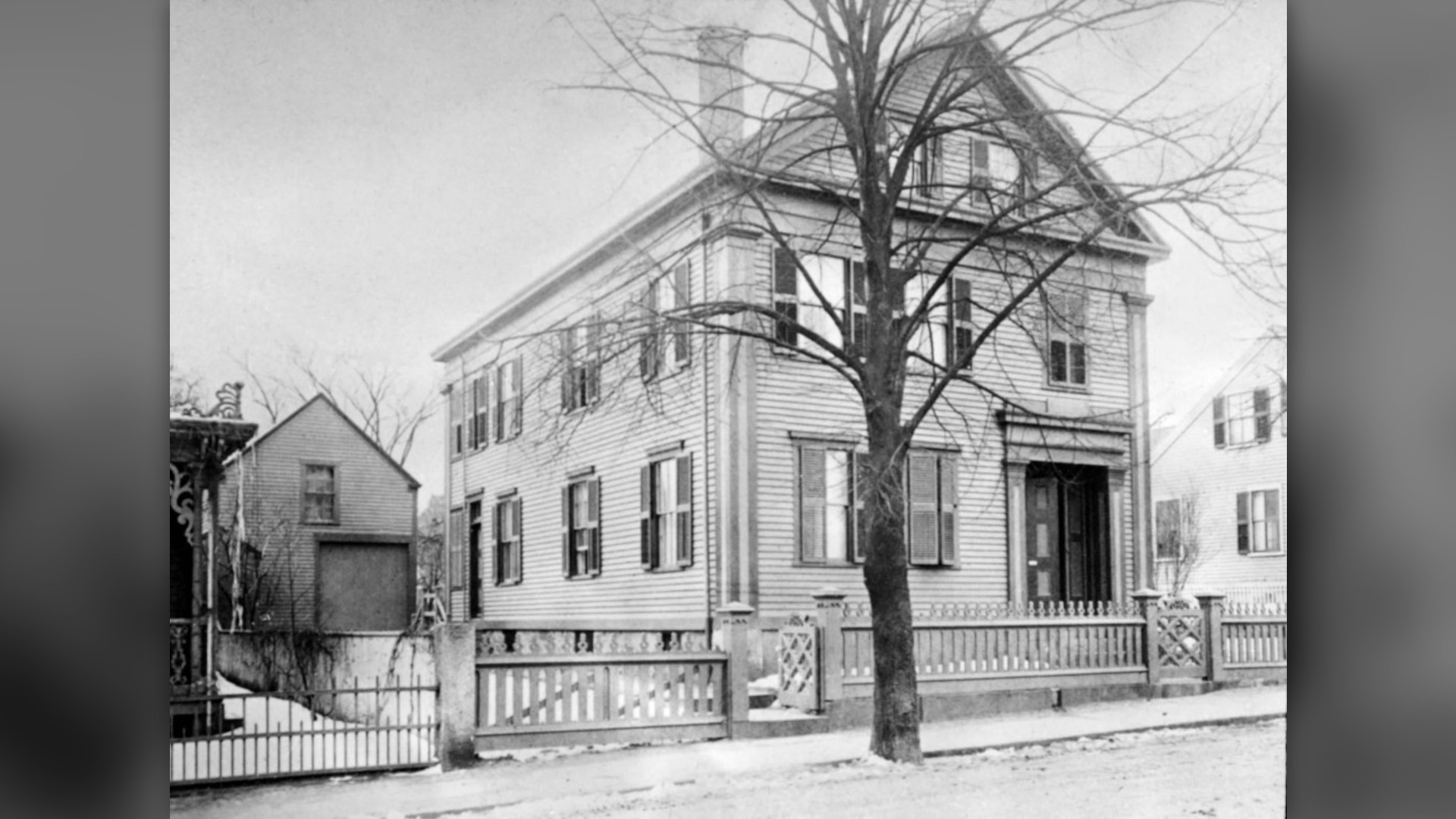
18. The Lizzie Borden House
On August 4, 1892, Andrew and Abby Borden were fatally struck with a hatchet inside their residence at 92 Second Street in Fall River, Massachusetts. Though Lizzie Borden was acquitted, overnight guests in the John Morse room report waking to shadowy figures, muffled weeping, and footsteps on the stairs.
©Wikimedia / 1892 image
Advertisement
Swipe or tap ▶ to resume the countdown.
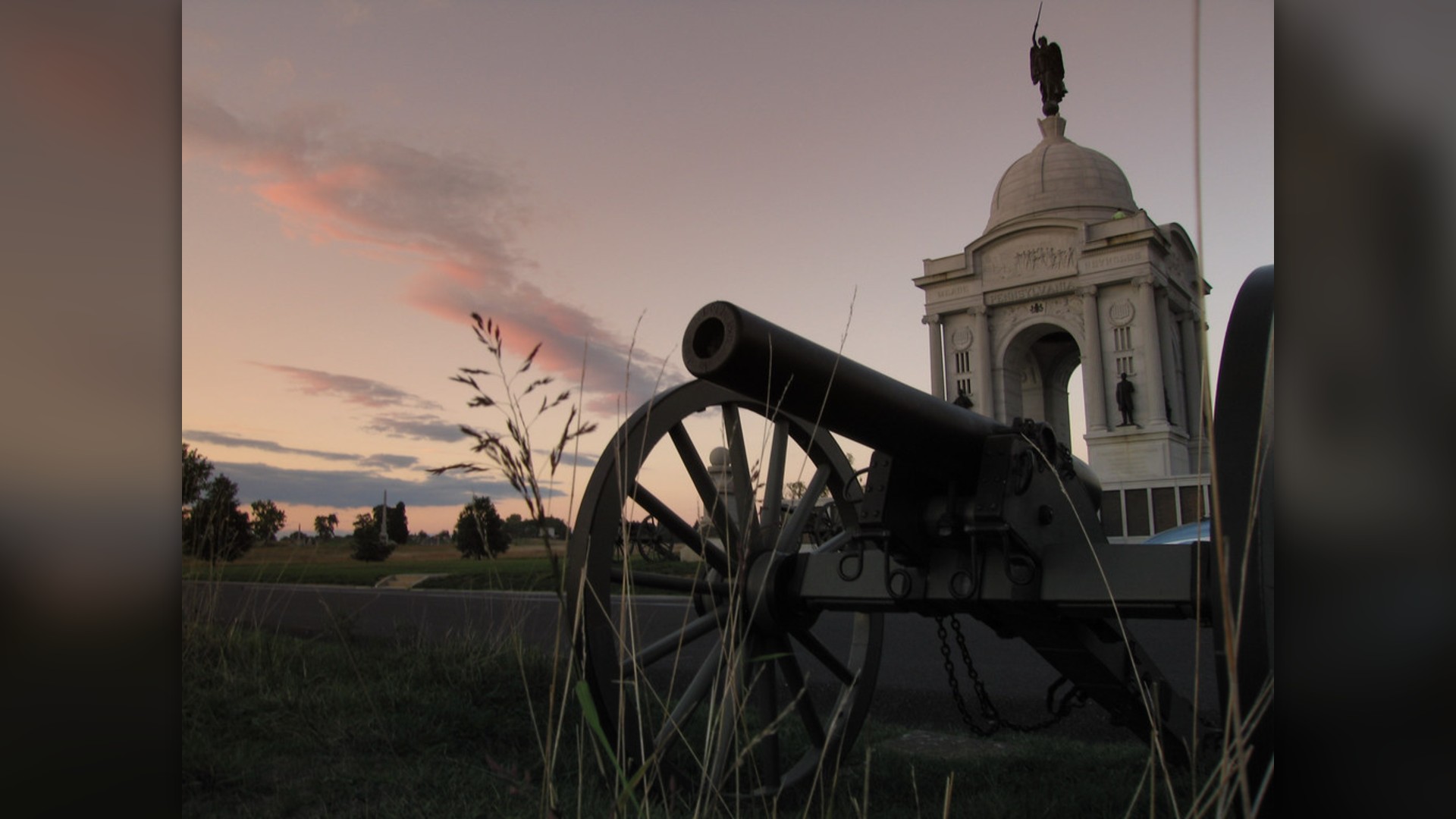
17. Gettysburg Battlefield
Three days of brutal combat in July 1863 left more than 50,000 Union and Confederate soldiers dead, wounded, or missing across Gettysburg, Pennsylvania. Visitors dread walking near the boulders of Devil's Den and Pickett's Charge after dusk, citing phantom musket fire, drumbeats, and camera malfunctions.
©Openverse / pabsanch
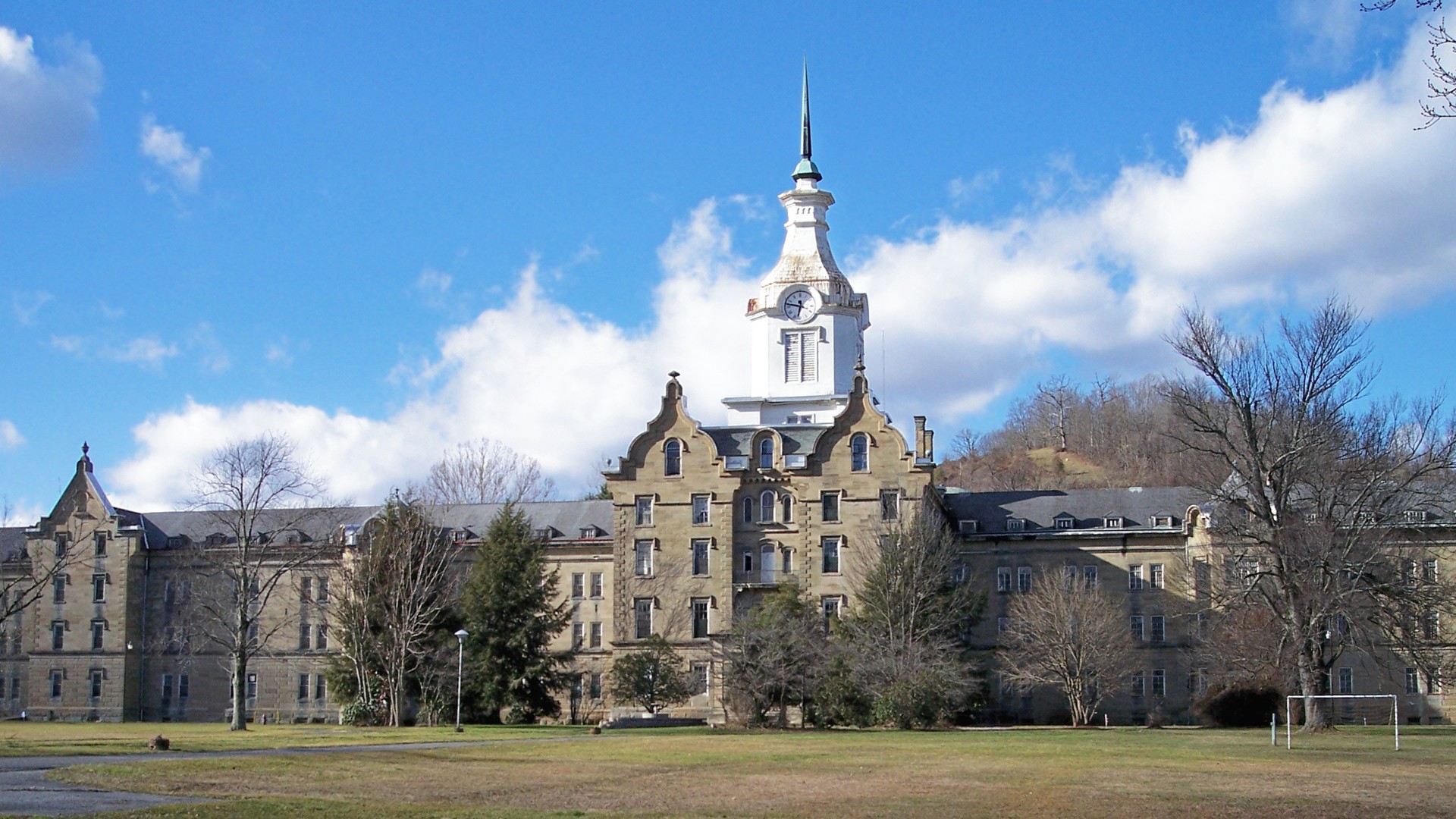
16. Trans-Allegheny Lunatic Asylum
Designed to house 250 psychiatric patients in Weston, West Virginia, this hand-cut sandstone complex packed in more than 2,400 residents by the 1950s amid ice-pick lobotomies and restraint cages. Tourists fear the fourth-floor ward, where slamming doors and unseen hands regularly send people running.
©Wikimedia / Trans-Allegheny Lunatic Asylum
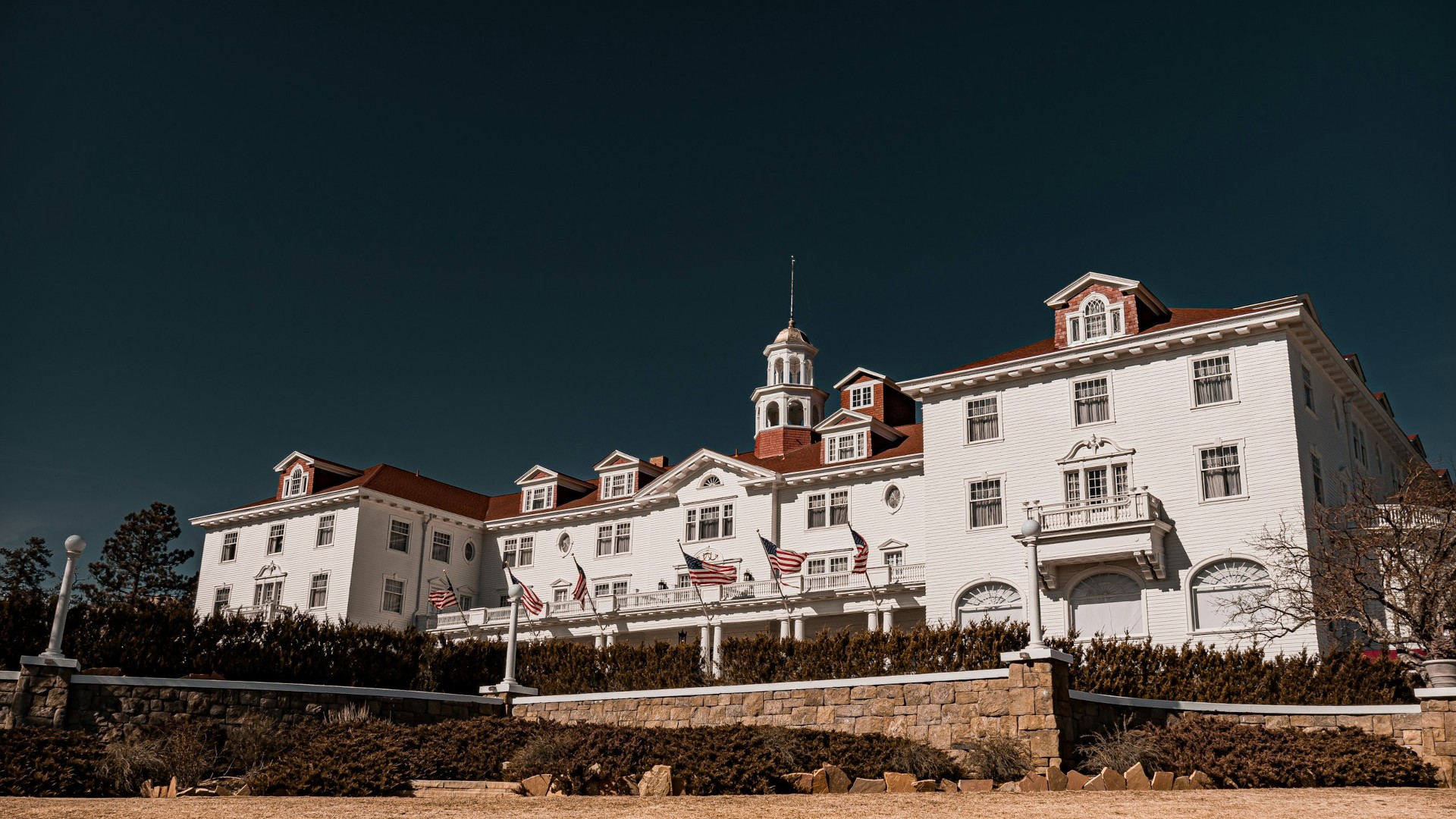
15. The Stanley Hotel
After spending a solitary autumn night in Room 217 at The Stanley Hotel in Estes Park, Colorado, in 1974, author Stephen King conceived The Shining. Guests still fear booking the fourth floor, where formerly housed children's nannies and giggling spirits reportedly flick lights and unpack luggage.
© Photo by Padraig O'Flannery on Unsplash
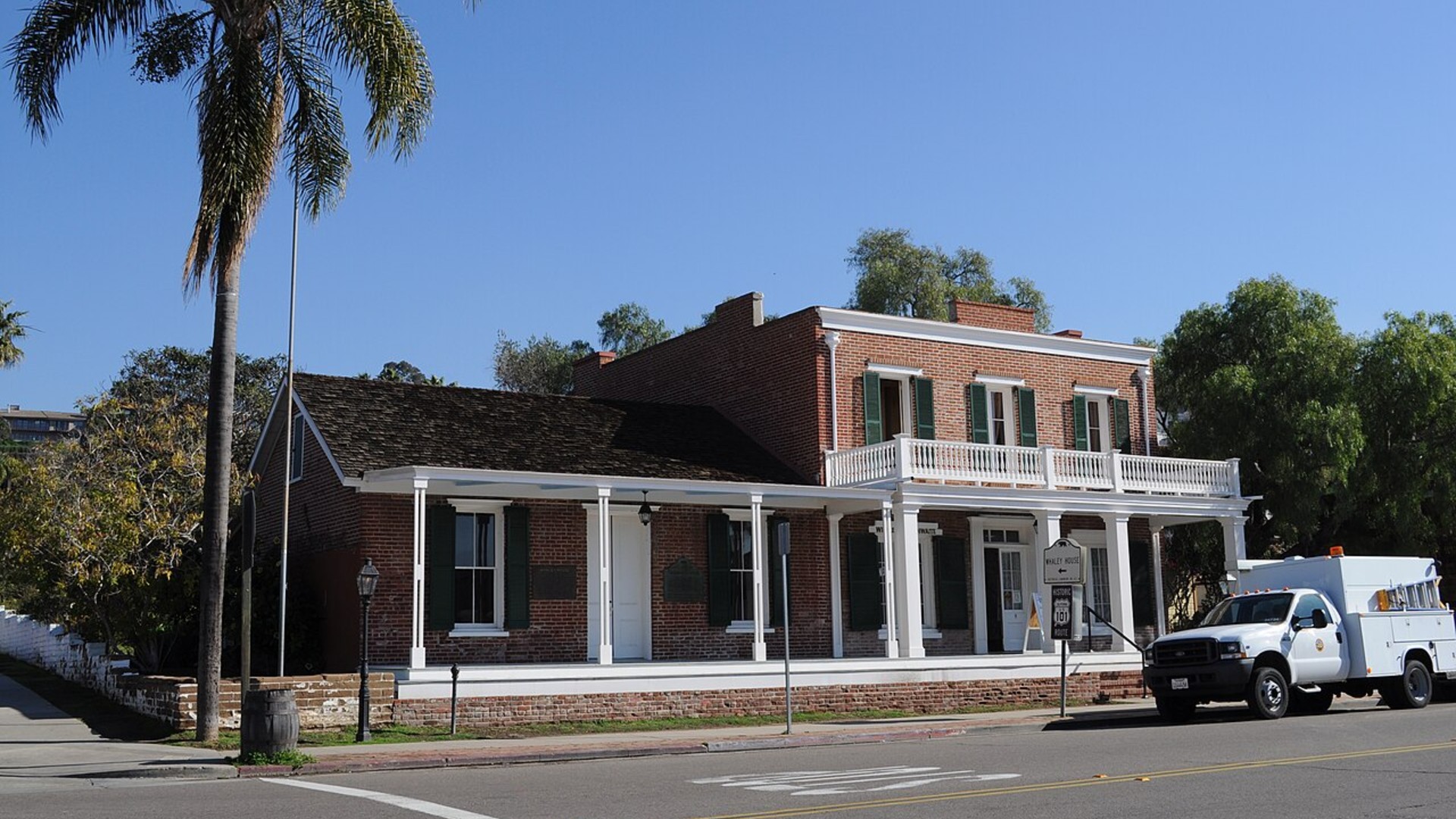
14. The Whaley House
Constructed in 1857 by merchant Thomas Whaley in Old Town San Diego, this Greek Revival brick home stands on the exact plot where Boatman Yankee Jim Robinson was publicly hanged five years earlier. Compounded by family suicides inside the parlor, visitors report choking sensations and heavy footsteps.
©Wikimedia / Joe Mabel
Advertisement
Swipe or tap ▶ to resume the countdown.
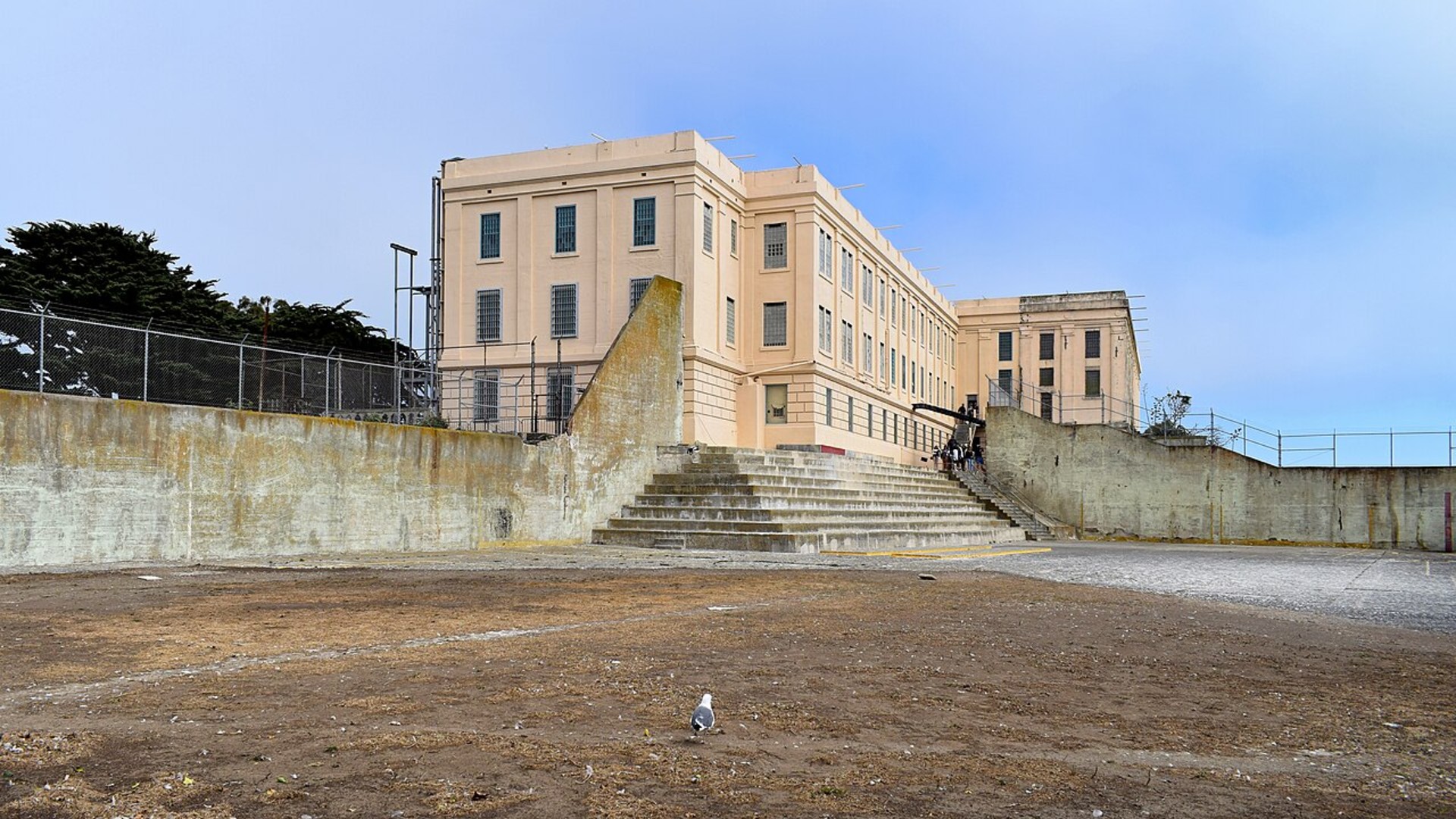
13. Alcatraz Federal Penitentiary
Surrounded by freezing San Francisco Bay currents, Alcatraz housed America's most ruthless federal prisoners from 1934 to 1963. Night tour visitors fear stepping inside the pitch-black solitary "Hole" cells of D-Block, particularly Cell 14D, where sudden temperature drops and metallic clanging echo.
©Wikimedia / Photograph: Radomianin
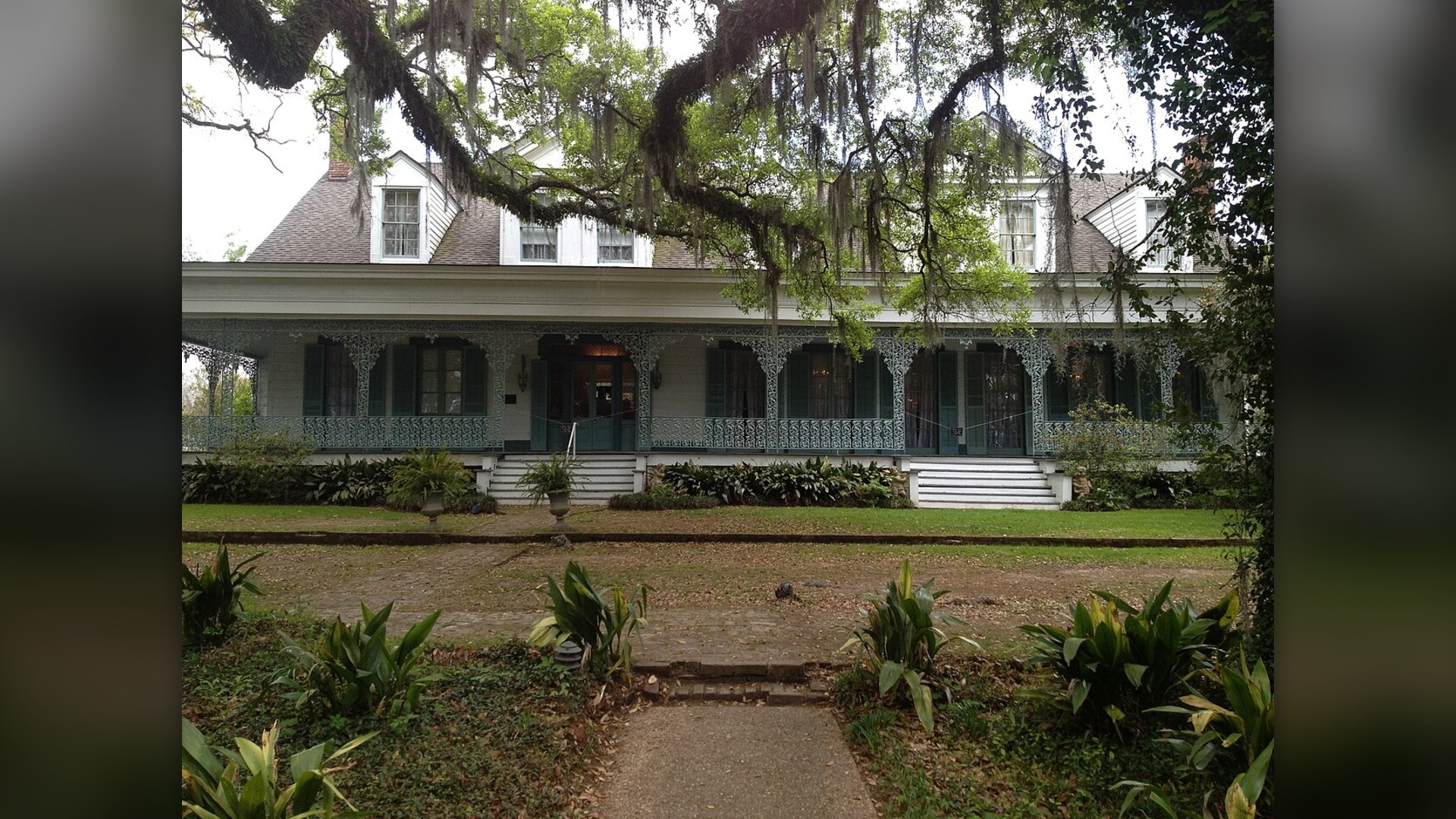
12. The Myrtles Plantation
Built in 1796 in St. Francisville, Louisiana, the Myrtles Plantation is steeped in antebellum folklore involving fatal shootings, yellow fever deaths, and an enslaved woman named Chloe. Travelers fear gazing into its tarnished hallway mirror, which allegedly holds handprints that cannot be polished out.
©Wikimedia / User:Cking81
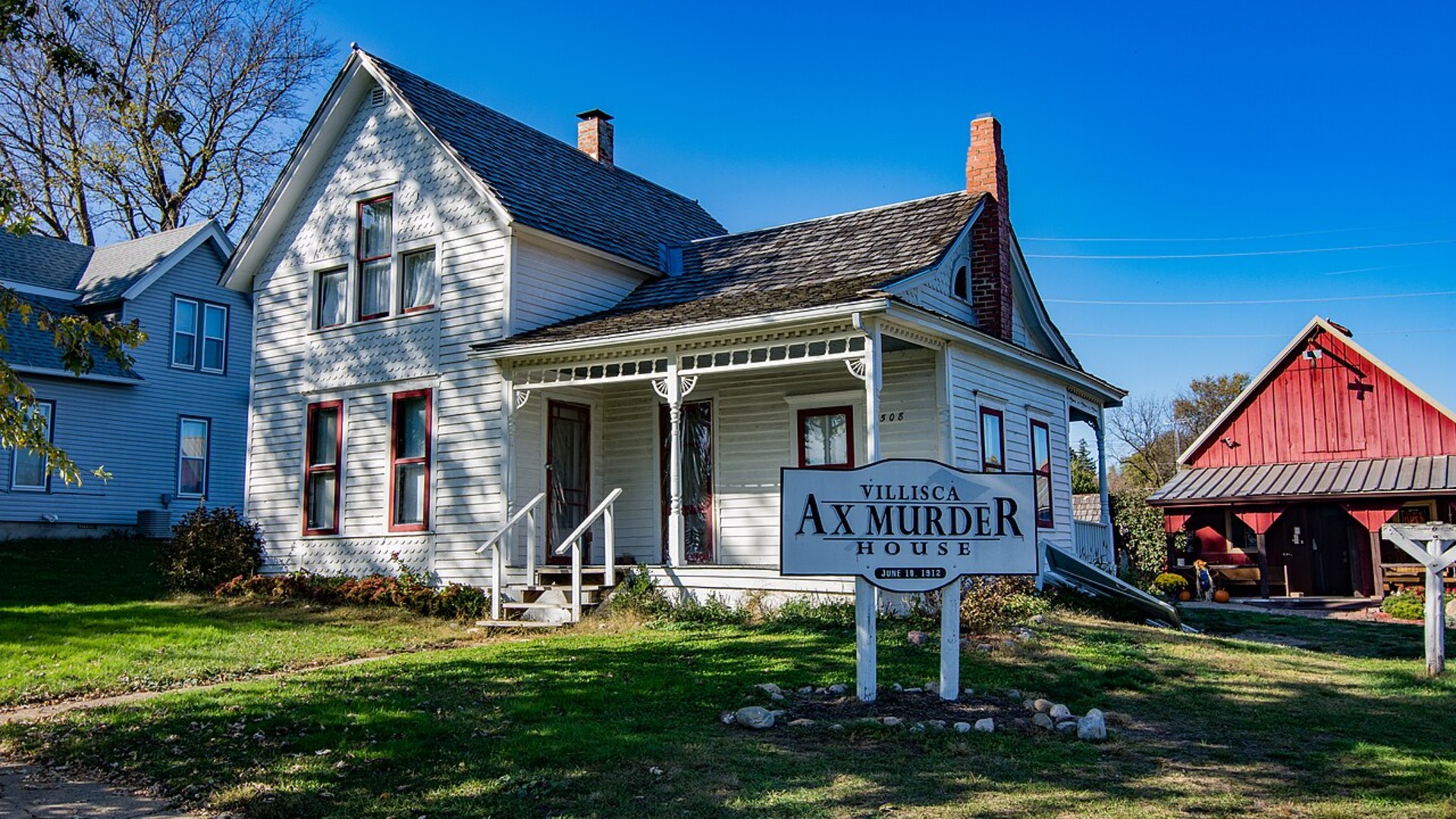
11. Villisca Axe Murder House
On the night of June 9, 1912, an unknown intruder hid in the attic of the Josiah Moore home in Villisca, Iowa, and bludgeoned two adults and six sleeping children to death. Preserved without indoor plumbing or electricity, the house terrifies visitors with children's voices and moving objects.
©Wikimedia / Jason McLaren
10. St. Augustine Lighthouse
While the current 165-foot striped tower in St. Augustine, Florida, was being constructed in 1873, three young girls drowned when a railway cart they were riding plunged into the bay. Climbers ascending the 219 cast-iron steps after dark report hearing giggling girls and smelling strong cigar smoke.
©Wikimedia / St. Augustine Light
Advertisement
Swipe or tap ▶ to resume the countdown.
9. Ohio State Reformatory
Immortalized on film in The Shawshank Redemption, the Ohio State Reformatory in Mansfield held more than 150,000 inmates between 1896 and 1990 before closing due to brutal conditions. Visitors fear its towering six-tier East Cell Block and basement solitary cells, where diseases and violence claimed hundreds.
©Wikimedia / Ohio State Reformatory
8. Bodie Ghost Town
Preserved in a state of arrested decay high in California's Sierra Nevada mountains, Bodie was once a lawless 1880s gold-mining boomtown of 10,000 residents and daily gunfights. Park rangers receive dozens of mailed packages every year from terrified tourists returning stolen rocks to lift the Bodie Curse.
©Wikimedia / Bodie, California
7. Sloss Furnaces
Operating in Birmingham, Alabama, from 1882 to 1971, Sloss Furnaces subjected blast-furnace laborers to blistering heat, carbon monoxide gas, and deadly molten iron spills. Locals fear the catwalks where cruel graveyard-shift foreman James "Slag" Wormwood allegedly fell into a vat of liquid ore in 1906.
©NPS-NOAA-USGS / Robert S. Donovan from Auburn, AL, USA
6. Moundsville Penitentiary
Behind the crenellated stone walls of West Virginia Penitentiary in Moundsville, 85 men were hanged and nine were electrocuted in "Old Sparky" before capital punishment ended. Visitors dread the basement Sugar Shack recreation room and North Hall, where 36 murders occurred during a violent 1986 riot alone.
©Wikimedia / West Virginia Penitentiary
Advertisement
Swipe or tap ▶ to resume the countdown.
5. The Sorrel-Weed House
Completed in 1841 on Madison Square in Savannah, Georgia, the Greek Revival Sorrel-Weed House is tied to the tragic deaths of Matilda Sorrel, who leaped from a second-story balcony, and an enslaved woman named Molly. Tourists often flee the rear carriage quarters after feeling sudden chest pressure.
©Wikimedia / User:Cincinnatus7
4. Rolling Hills Asylum
Established in 1827 as the Genesee County Poorhouse in East Bethany, New York, this brick complex housed orphans, widows, tuberculosis patients, and the mentally ill for more than a century. With over 1,700 documented deaths on the grounds, visitors fear the "Shadow Hallway" and unmarked cemetery.
©Wikimedia / Adam Moss
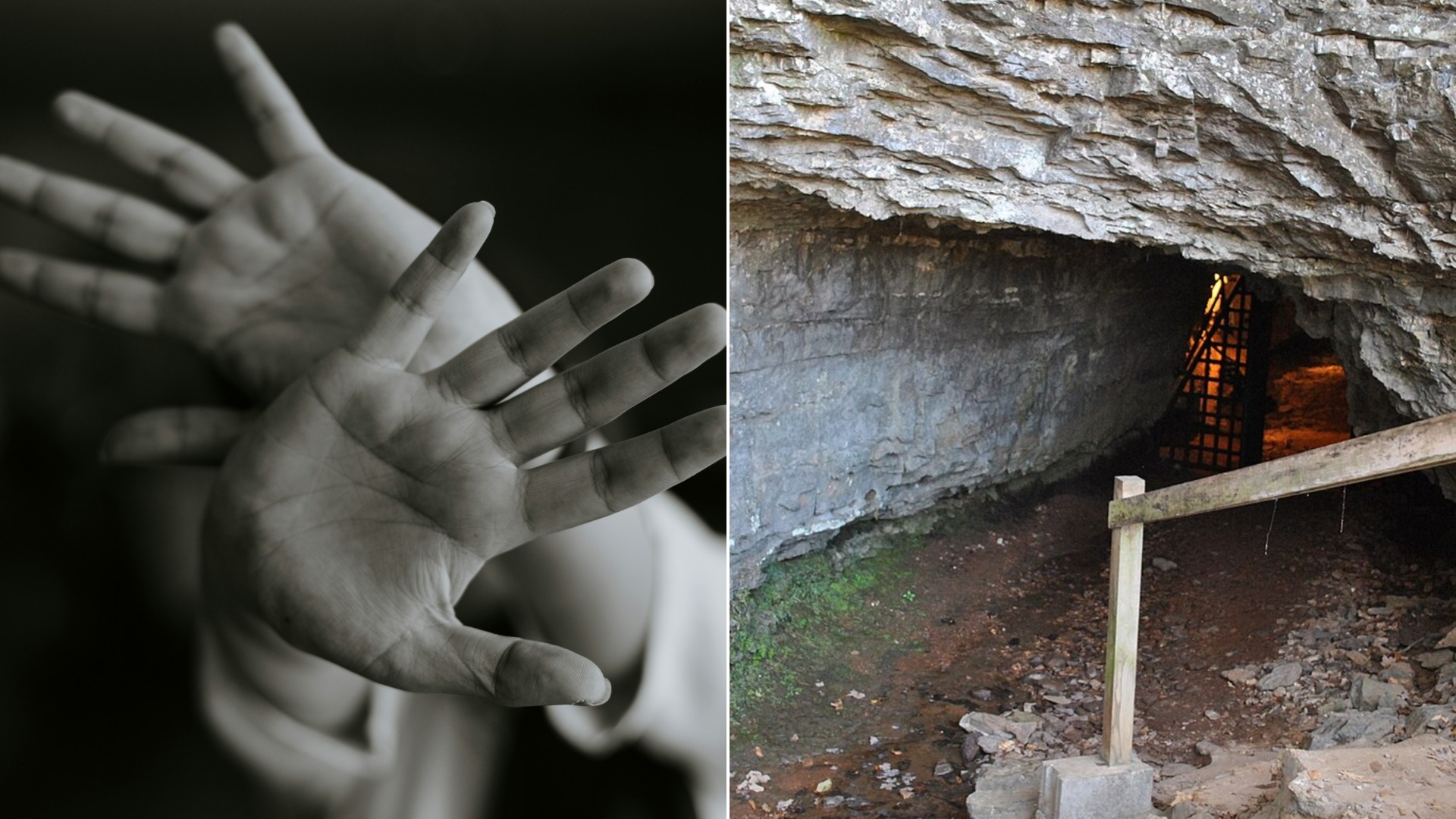
3. The Bell Witch Cave
Carved into a limestone bluff along the Red River in Adams, Tennessee, this 490-foot cavern sits beside the former homestead of pioneer farmer John Bell Sr. Between 1817 and 1821, an unseen entity known as Kate allegedly tormented the Bell family with voices, slaps, and poison, leaving the cave feared today.
©Wikimedia / Www78
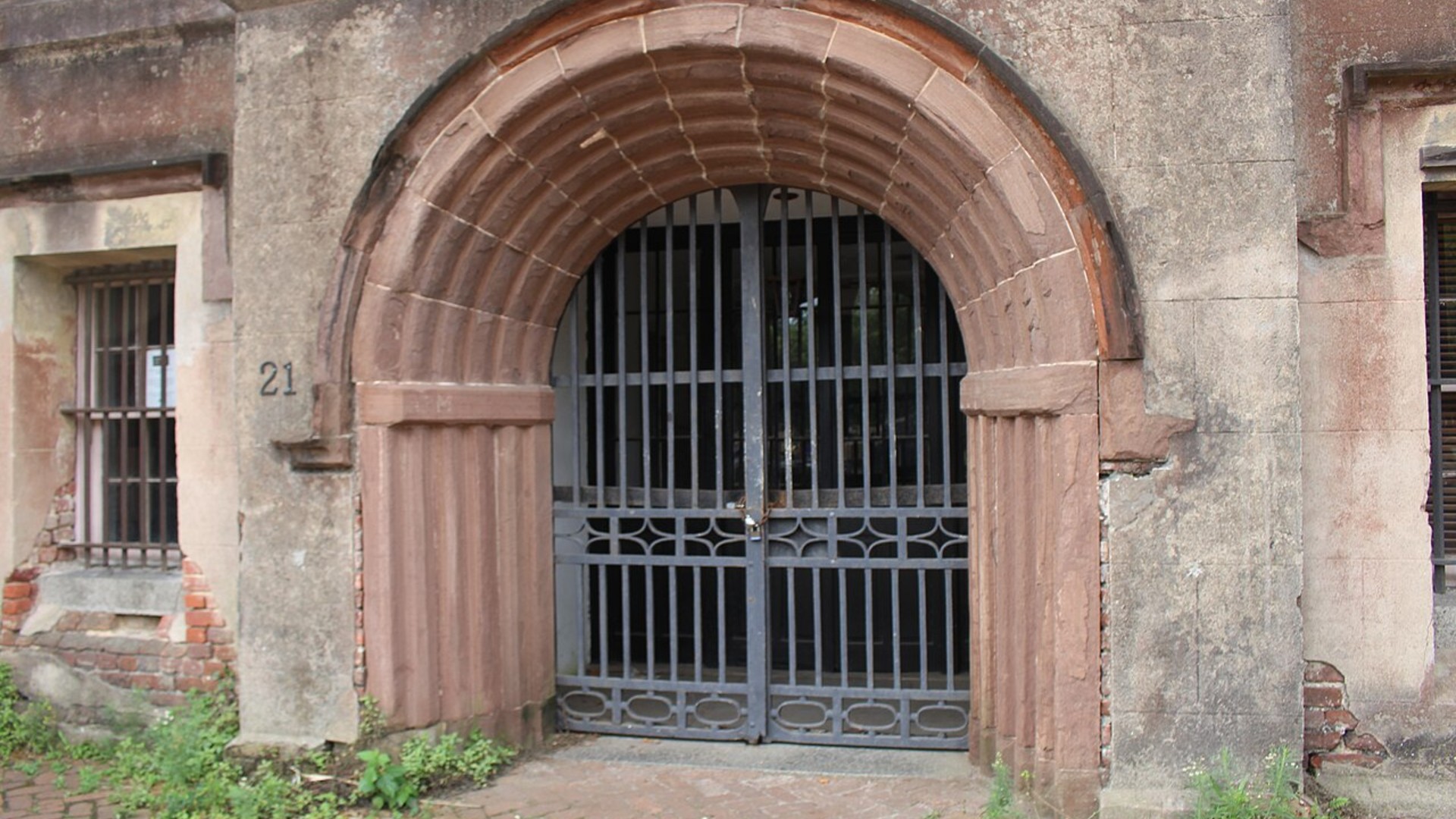
2. Old Charleston Jail
Operating from 1802 until 1939 in Charleston, South Carolina, the Old City Jail held high-seas pirates, Union prisoners of war, and highwaywoman Lavinia Fisher, who was hanged there in 1820. Thousands perished from typhus and yellow fever inside its iron-barred rooms, fueling accounts of heavy chains and dread.
©Wikimedia / Michael Rivera
Advertisement
Swipe or tap ▶ to resume the countdown.
1. The Shanghai Tunnels
Running beneath Portland, Oregon's Old Town Chinatown neighborhood, a network of damp brick basement passages connected 19th-century saloons to the Willamette River waterfront. Folklore holds that crimps drugged unsuspecting men, dropped them through trapdoors, and sold them as forced labor to outbound ships.

©Wikimedia / Public Contributor
Advertisement
You've reached the end of the story. Thanks for reading!

20 Iconic Historical Photos and the Archive Clues Behind Them
Contact sheets, cracked glass plates, and NASA mission logs preserve the hidden steps behind 20 famous photographs. Drawing on records from the Library of Congress, the National Archives, NASA, and the Smithsonian, this countdown traces how cropping, camera setups, and double exposures shaped each frame.
All 20 Entries in this Story
Eastern State Penitentiary
Opened in Philadelphia in 1829, Eastern State Penitentiary pioneered the Pennsylvania system of total solitary confinement, hooding prisoners whenever they left their stone cells. Visitors dread walking Cellblocks 4 and 12, where guards and tourists report darting shadow figures and disembodied sobs.

Waverly Hills Sanatorium
Built in Louisville, Kentucky, to combat a devastating white plague tuberculosis outbreak, Waverly Hills saw thousands of patients perish before antibiotics arrived. Guests fear the 500-foot concrete death tunnel used to discretely lower coffins and Room 502, where nurses reportedly took their own lives.

The Lizzie Borden House
On August 4, 1892, Andrew and Abby Borden were fatally struck with a hatchet inside their residence at 92 Second Street in Fall River, Massachusetts. Though Lizzie Borden was acquitted, overnight guests in the John Morse room report waking to shadowy figures, muffled weeping, and footsteps on the stairs.

Gettysburg Battlefield
Three days of brutal combat in July 1863 left more than 50,000 Union and Confederate soldiers dead, wounded, or missing across Gettysburg, Pennsylvania. Visitors dread walking near the boulders of Devil's Den and Pickett's Charge after dusk, citing phantom musket fire, drumbeats, and camera malfunctions.

Trans-Allegheny Lunatic Asylum
Designed to house 250 psychiatric patients in Weston, West Virginia, this hand-cut sandstone complex packed in more than 2,400 residents by the 1950s amid ice-pick lobotomies and restraint cages. Tourists fear the fourth-floor ward, where slamming doors and unseen hands regularly send people running.

The Stanley Hotel
After spending a solitary autumn night in Room 217 at The Stanley Hotel in Estes Park, Colorado, in 1974, author Stephen King conceived The Shining. Guests still fear booking the fourth floor, where formerly housed children's nannies and giggling spirits reportedly flick lights and unpack luggage.

The Whaley House
Constructed in 1857 by merchant Thomas Whaley in Old Town San Diego, this Greek Revival brick home stands on the exact plot where Boatman Yankee Jim Robinson was publicly hanged five years earlier. Compounded by family suicides inside the parlor, visitors report choking sensations and heavy footsteps.

Alcatraz Federal Penitentiary
Surrounded by freezing San Francisco Bay currents, Alcatraz housed America's most ruthless federal prisoners from 1934 to 1963. Night tour visitors fear stepping inside the pitch-black solitary "Hole" cells of D-Block, particularly Cell 14D, where sudden temperature drops and metallic clanging echo.

The Myrtles Plantation
Built in 1796 in St. Francisville, Louisiana, the Myrtles Plantation is steeped in antebellum folklore involving fatal shootings, yellow fever deaths, and an enslaved woman named Chloe. Travelers fear gazing into its tarnished hallway mirror, which allegedly holds handprints that cannot be polished out.

Villisca Axe Murder House
On the night of June 9, 1912, an unknown intruder hid in the attic of the Josiah Moore home in Villisca, Iowa, and bludgeoned two adults and six sleeping children to death. Preserved without indoor plumbing or electricity, the house terrifies visitors with children's voices and moving objects.

St. Augustine Lighthouse
While the current 165-foot striped tower in St. Augustine, Florida, was being constructed in 1873, three young girls drowned when a railway cart they were riding plunged into the bay. Climbers ascending the 219 cast-iron steps after dark report hearing giggling girls and smelling strong cigar smoke.

Ohio State Reformatory
Immortalized on film in The Shawshank Redemption, the Ohio State Reformatory in Mansfield held more than 150,000 inmates between 1896 and 1990 before closing due to brutal conditions. Visitors fear its towering six-tier East Cell Block and basement solitary cells, where diseases and violence claimed hundreds.

Bodie Ghost Town
Preserved in a state of arrested decay high in California's Sierra Nevada mountains, Bodie was once a lawless 1880s gold-mining boomtown of 10,000 residents and daily gunfights. Park rangers receive dozens of mailed packages every year from terrified tourists returning stolen rocks to lift the Bodie Curse.

Sloss Furnaces
Operating in Birmingham, Alabama, from 1882 to 1971, Sloss Furnaces subjected blast-furnace laborers to blistering heat, carbon monoxide gas, and deadly molten iron spills. Locals fear the catwalks where cruel graveyard-shift foreman James "Slag" Wormwood allegedly fell into a vat of liquid ore in 1906.

Moundsville Penitentiary
Behind the crenellated stone walls of West Virginia Penitentiary in Moundsville, 85 men were hanged and nine were electrocuted in "Old Sparky" before capital punishment ended. Visitors dread the basement Sugar Shack recreation room and North Hall, where 36 murders occurred during a violent 1986 riot alone.

The Sorrel-Weed House
Completed in 1841 on Madison Square in Savannah, Georgia, the Greek Revival Sorrel-Weed House is tied to the tragic deaths of Matilda Sorrel, who leaped from a second-story balcony, and an enslaved woman named Molly. Tourists often flee the rear carriage quarters after feeling sudden chest pressure.

Rolling Hills Asylum
Established in 1827 as the Genesee County Poorhouse in East Bethany, New York, this brick complex housed orphans, widows, tuberculosis patients, and the mentally ill for more than a century. With over 1,700 documented deaths on the grounds, visitors fear the "Shadow Hallway" and unmarked cemetery.

The Bell Witch Cave
Carved into a limestone bluff along the Red River in Adams, Tennessee, this 490-foot cavern sits beside the former homestead of pioneer farmer John Bell Sr. Between 1817 and 1821, an unseen entity known as Kate allegedly tormented the Bell family with voices, slaps, and poison, leaving the cave feared today.

Old Charleston Jail
Operating from 1802 until 1939 in Charleston, South Carolina, the Old City Jail held high-seas pirates, Union prisoners of war, and highwaywoman Lavinia Fisher, who was hanged there in 1820. Thousands perished from typhus and yellow fever inside its iron-barred rooms, fueling accounts of heavy chains and dread.

The Shanghai Tunnels
Running beneath Portland, Oregon's Old Town Chinatown neighborhood, a network of damp brick basement passages connected 19th-century saloons to the Willamette River waterfront. Folklore holds that crimps drugged unsuspecting men, dropped them through trapdoors, and sold them as forced labor to outbound ships.