Slideshow · Viral
Things That Were Normal 50 Years Ago But Unthinkable Today, Ranked
Everyday habits from the 1970s that would leave people speechless today
By Most Viral Today
28 Oct 2026

Things That Were Normal 50 Years Ago But Unthinkable Today, Ranked: Explore th 
20. Riding Bikes Without Helmets 
19. Playing Outside Until The Streetlights Came On 
18. Relying Entirely On Paper Maps - AdvertisementSwipe or tap ▶ to continue countdown

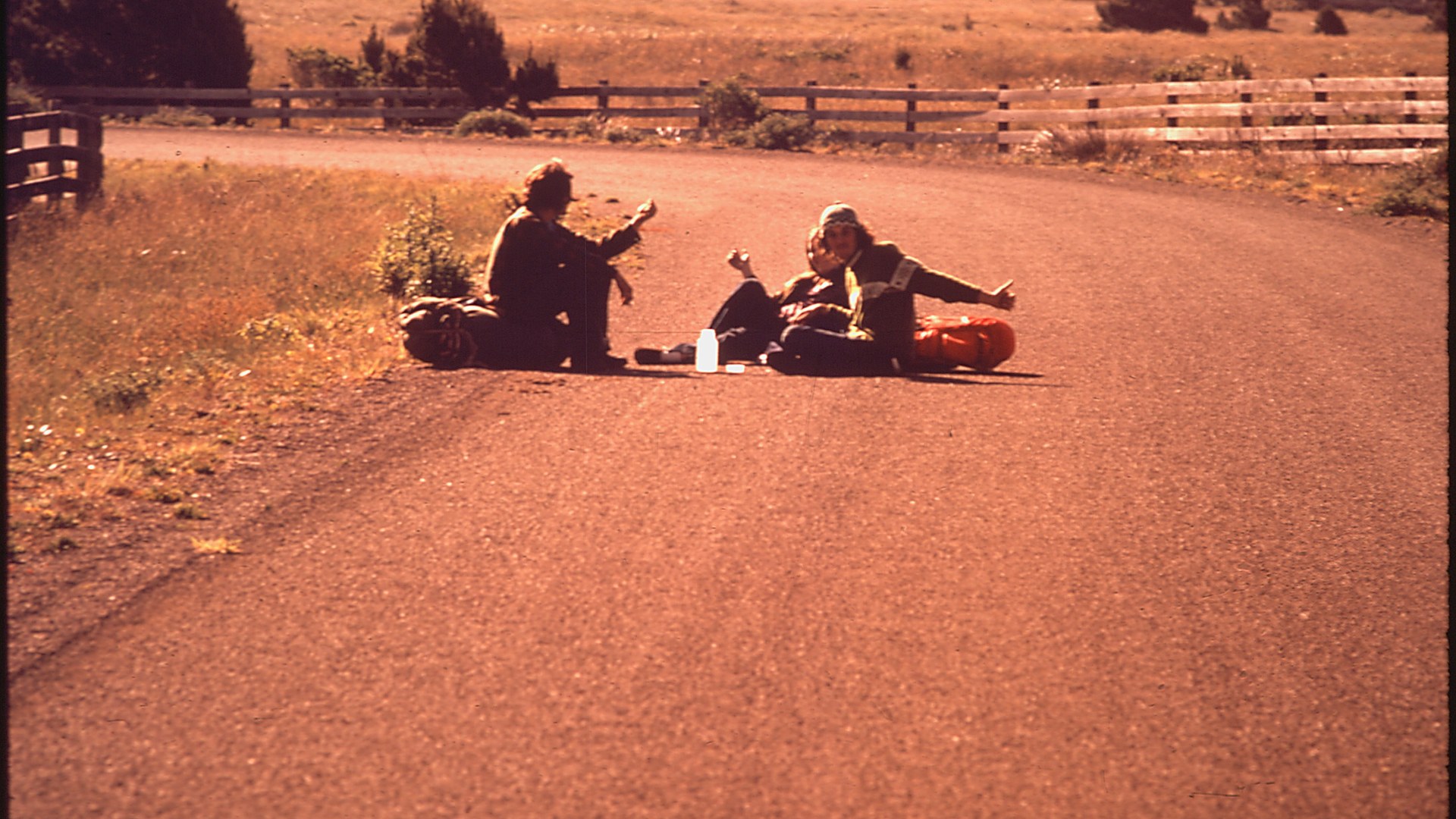
17. Hitchhiking As Standard Transport 
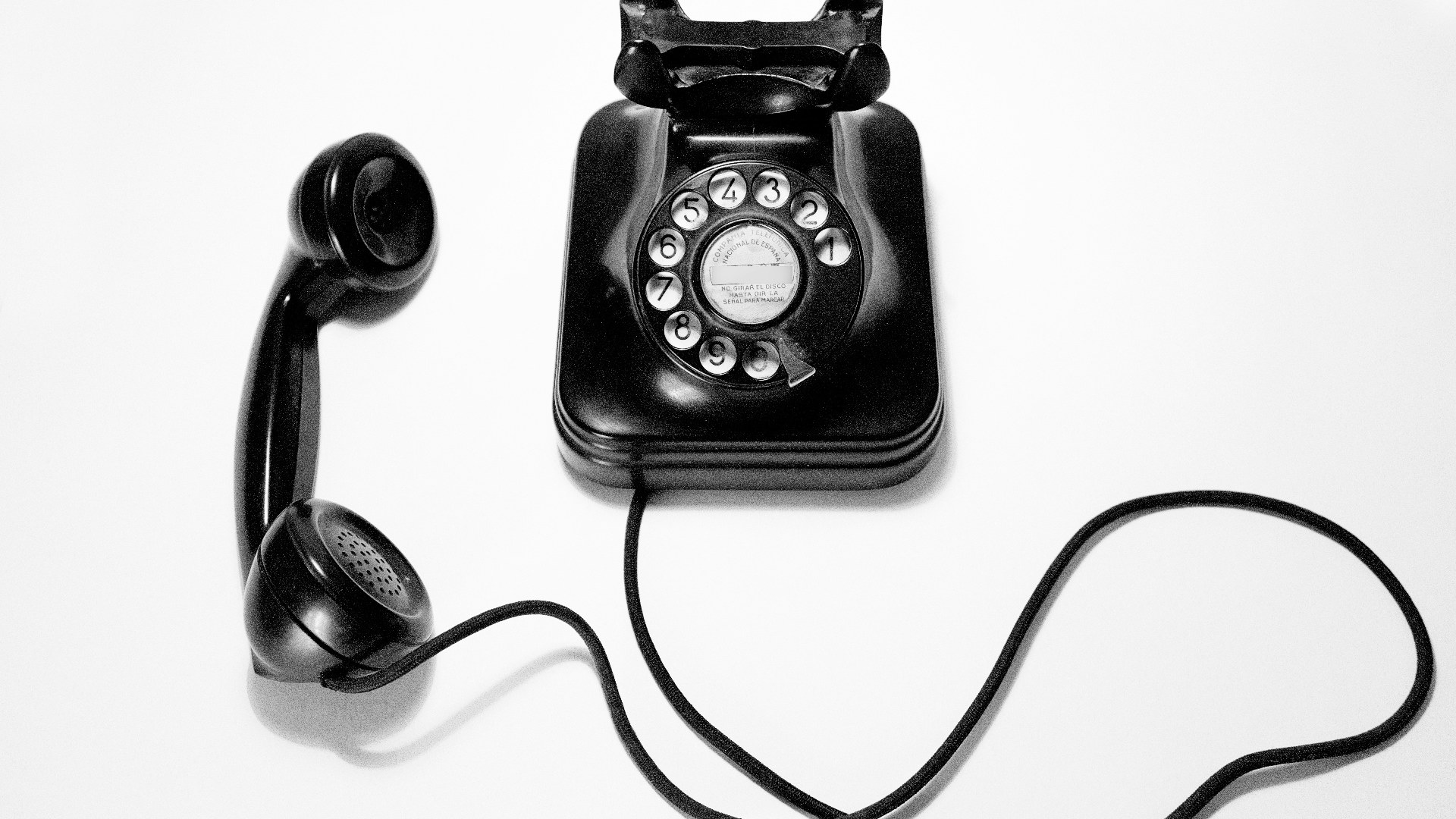
16. Remembering Phone Numbers By Heart 
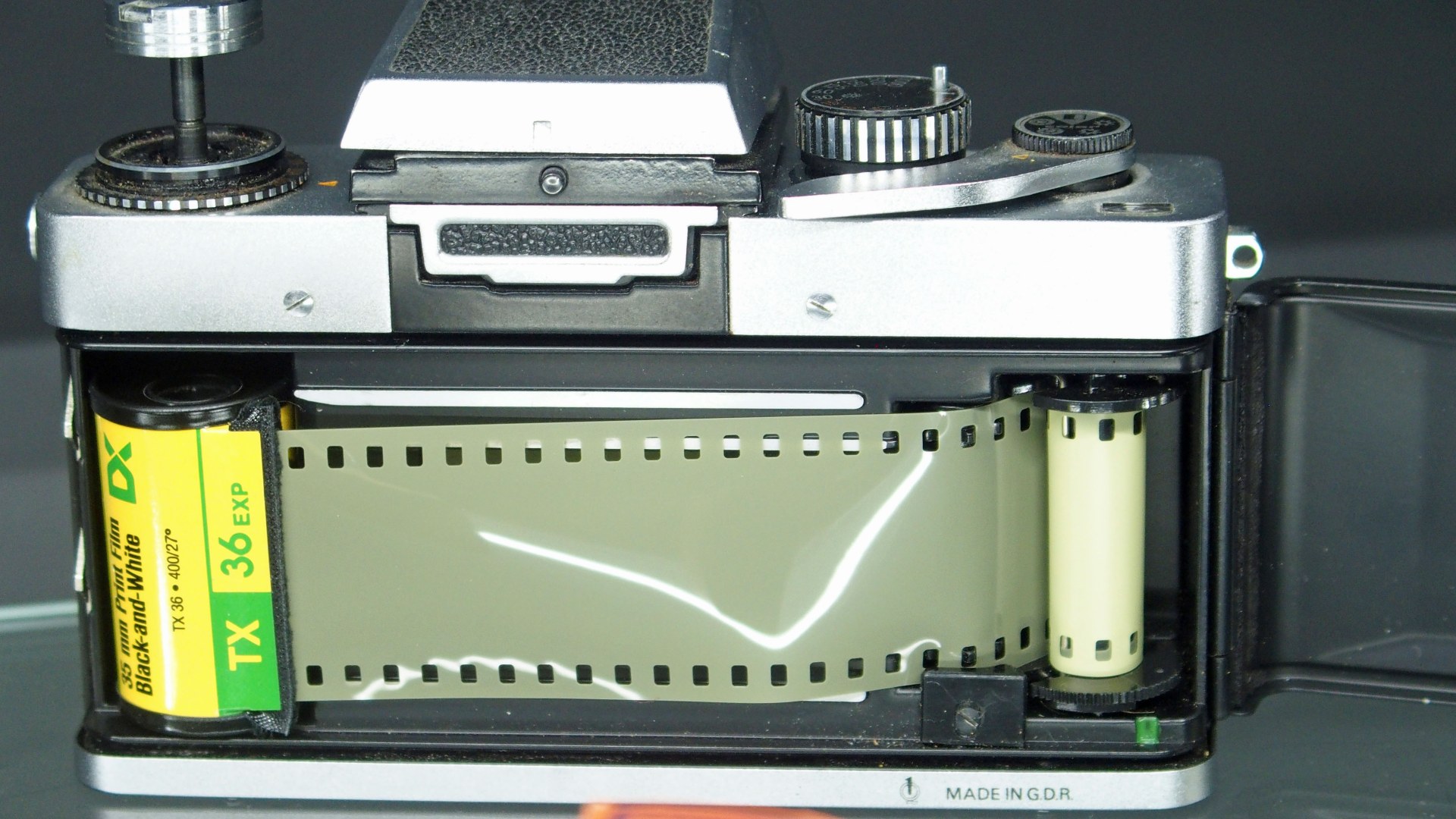
15. Waiting Weeks To See Photos 
14. Blunt Weight-Loss Advertisements - AdvertisementSwipe or tap ▶ to continue countdown

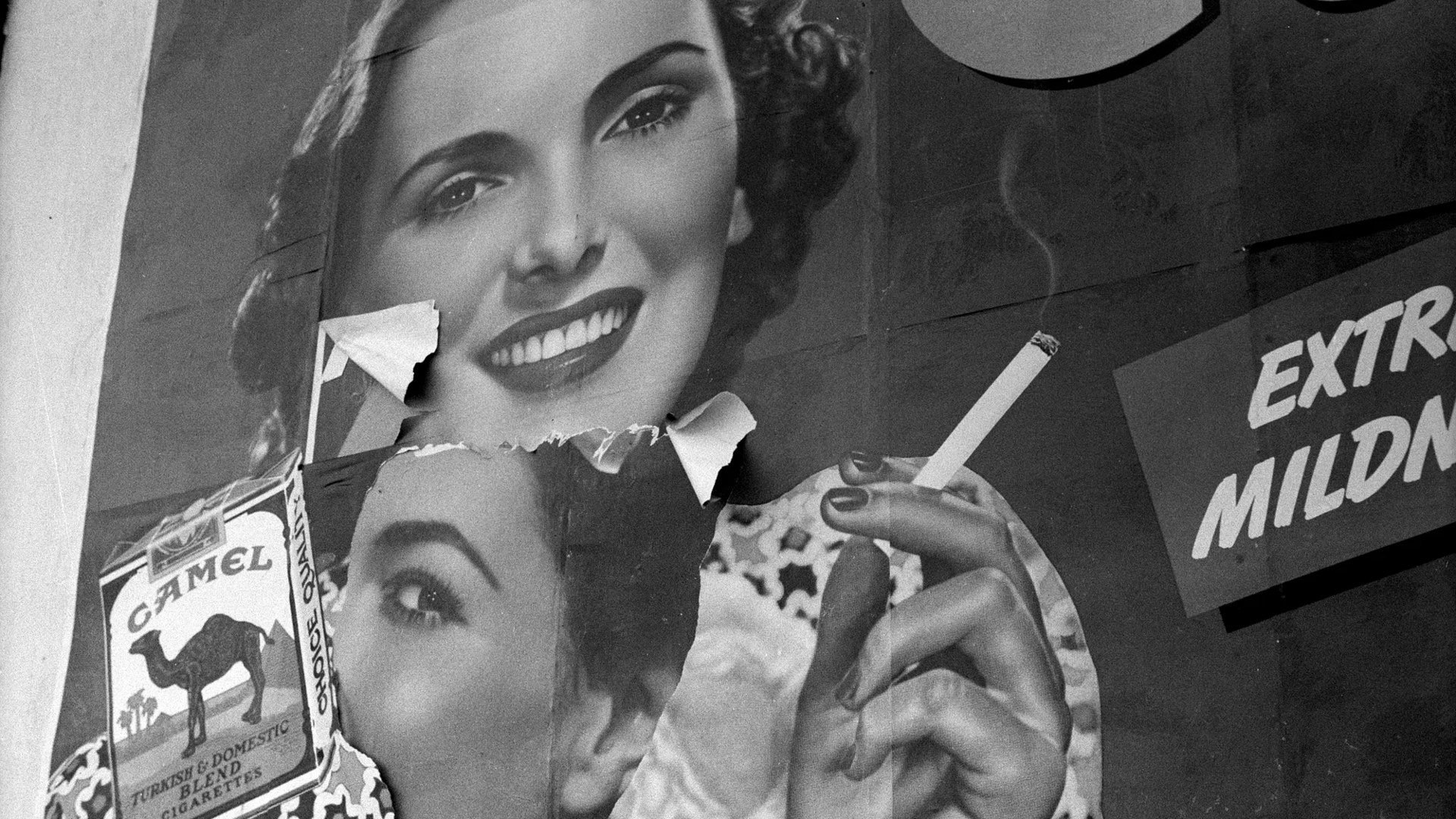
13. Explicit Smoking Ads On Television 
12. Cluttered, Paper-Heavy Offices 
11. Blatant Casual Workplace Sexism 
10. Liquid Lunches - AdvertisementSwipe or tap ▶ to continue countdown

9. Lead-Based Paint And Leaded Petrol 
8. Asbestos As A Miracle Material 
7. Hospital Patients Smoking In Bed 
6. Letting Kids Ride In Open Pickup Truck Beds - AdvertisementSwipe or tap ▶ to continue countdown

5. Buying Cigarettes As A Young Child 
4. Driving Without A Seatbelt 
3. Driving While Heavily Intoxicated 
2. Smoking On Airplanes - AdvertisementSwipe or tap ▶ to continue countdown

1. Zero Child Car Seats - Advertisement🔥 UP NEXT IN THIS SERIES◫ 21 Slides

20 Iconic Historical Photos and the Archive Clues Behind Them
Contact sheets, cracked glass plates, and NASA mission logs preserve the hidden steps behind 20 famous photographs. Drawing on records from the Library of Congress, the National Archives, NASA, and the Smithsonian, this countdown traces how cropping, camera setups, and double exposures shaped each frame.
Look back just fifty years to the mid-1970s and everyday life looks like another planet. From smoke-filled airplane cabins and leaded petrol to kids riding loose in pickup truck beds, here are 20 habits that were completely normal 50 years ago, ranked from mild to jaw-dropping.
Swipe or tap ▶ to begin the countdown
©Wikimedia / U.S. National Archives & Antonio Kless
20. Riding Bikes Without Helmets
Fifty years ago, children and adults routinely pedaled bicycles down busy city streets with zero head protection. Bike helmets were not sold as a standard consumer product in the early 1970s, and the first modern polystyrene bicycle helmet did not hit the market until 1975.
©Unsplash / Joppe Spaa
19. Playing Outside Until The Streetlights Came On
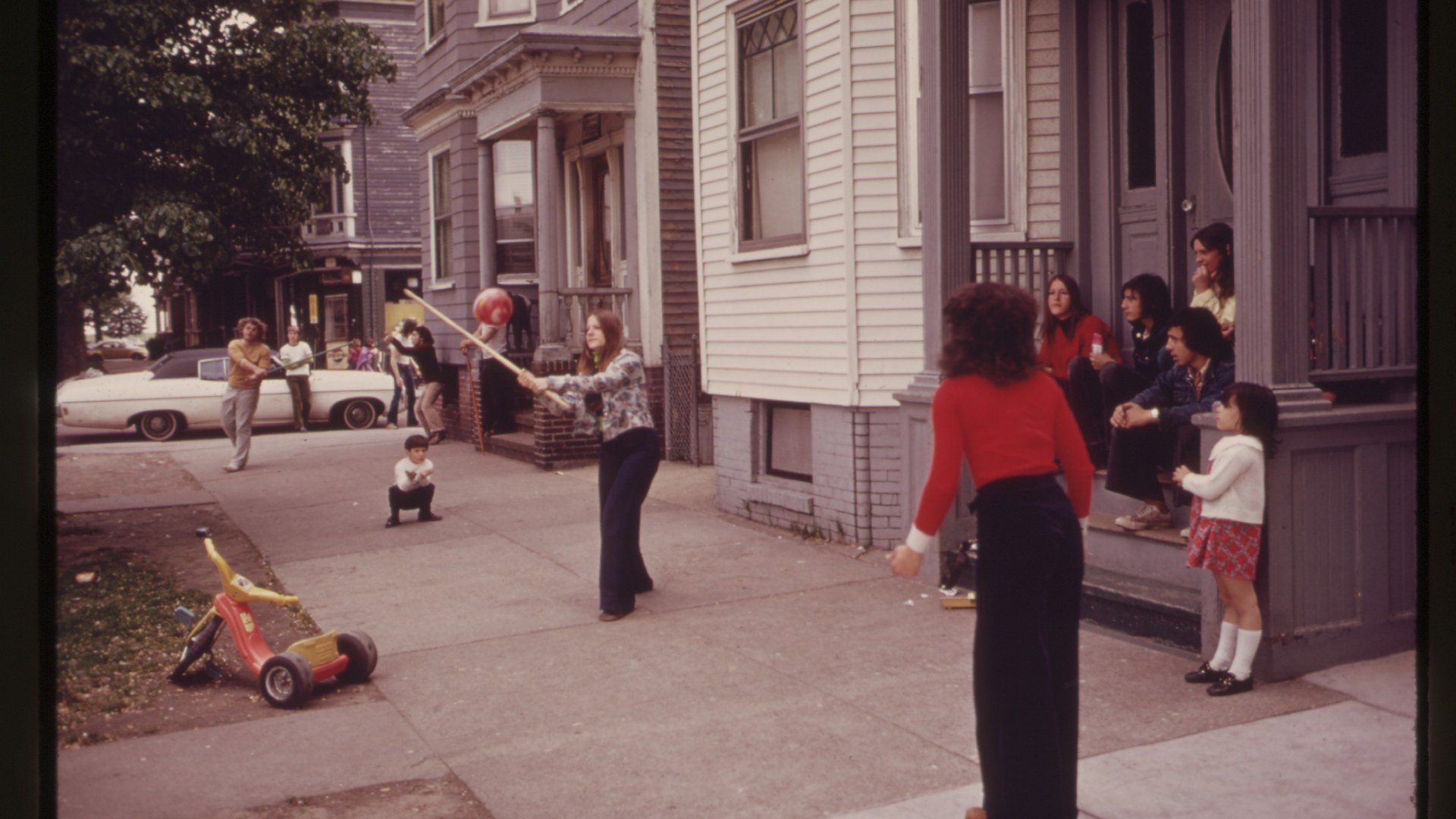
In the 1970s, children as young as five walked out the front door after breakfast and roamed entire neighborhoods for hours with zero adult supervision. Without cell phones or GPS trackers, parents operated under one universal rule to be back inside when the streetlights turned on.
©Wikimedia / U.S. National Archives
18. Relying Entirely On Paper Maps
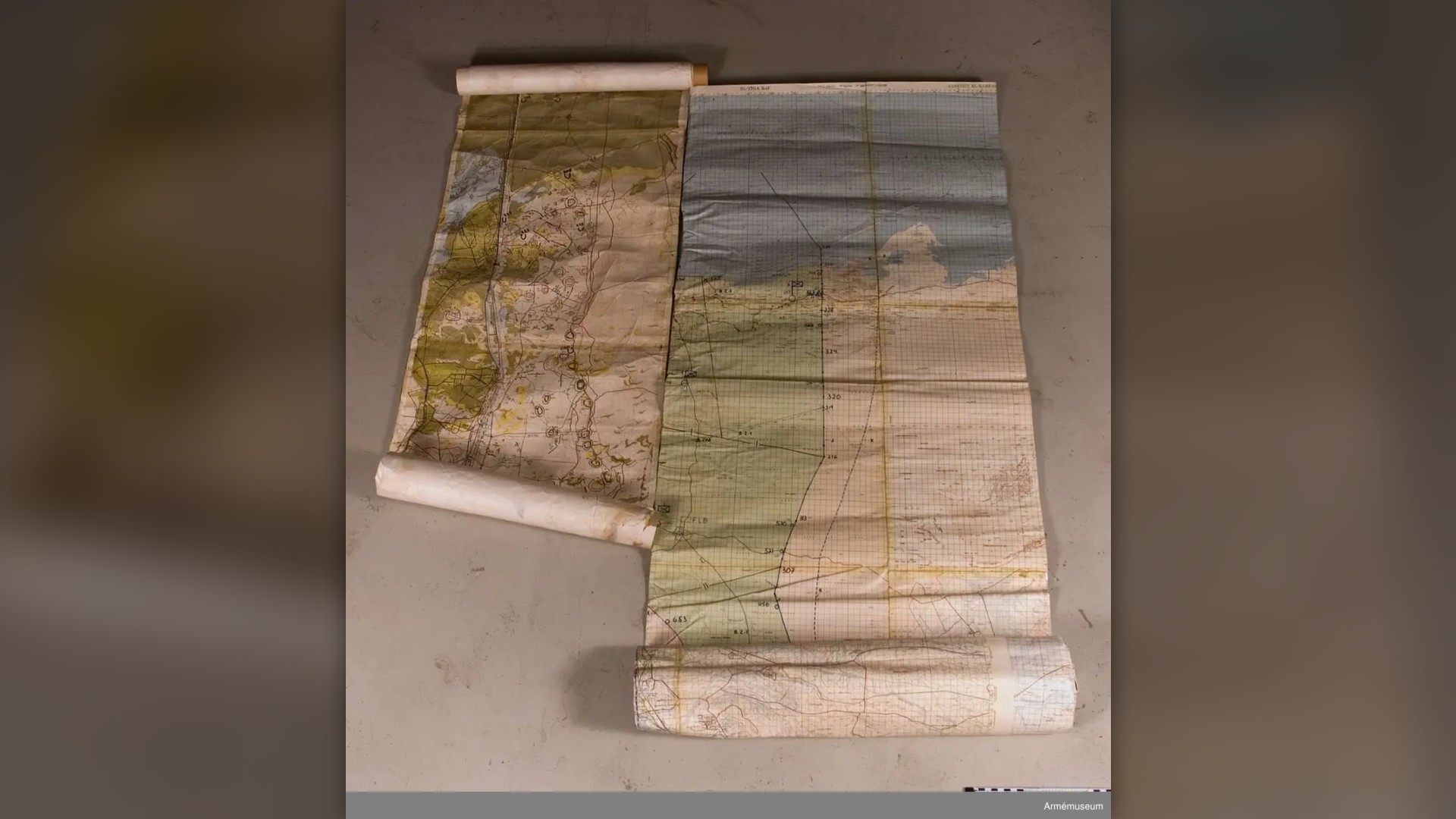
Before GPS and smartphone navigation apps, every glove compartment was stuffed with accordion-folded paper road maps. Getting lost meant pulling over to spread a giant map across the dashboard or stopping at a roadside petrol station to ask a stranger for directions.
©Europeana / Army Museum
Advertisement
Swipe or tap ▶ to resume the countdown.
17. Hitchhiking As Standard Transport
Standing on the shoulder of a highway with an outstretched thumb and a cardboard sign was a mainstream way to travel in the 1970s. College students and young travelers routinely climbed into cars with complete strangers to cross state lines or get to campus.
©Wikimedia / Tomas Sennett
16. Remembering Phone Numbers By Heart
Because rotary telephones had no digital memory or contact lists, people memorized dozens of phone numbers for family, friends, and local shops. Every kitchen wall had a corded landline paired with a thick telephone directory and a handwritten address book.
©Unsplash / Quino Al
15. Waiting Weeks To See Photos
Snapping a photo in the 1970s meant loading a roll of film into a camera and having zero idea how the shot turned out. Once the roll finished, you dropped the canister off at a pharmacy or photo lab and waited days or weeks to see if the prints were in focus.
©Wikimedia / Kotivalo
14. Blunt Weight-Loss Advertisements
Print magazines fifty years ago ran blunt weight-loss advertisements that openly shamed readers over their waistlines. Mainstream ads pitched motorized vibrating waist belts alongside diet candies and prescription amphetamine pills before regulators pulled the stimulants.
©Pixabay / PublicDomainPictures
Advertisement
Swipe or tap ▶ to resume the countdown.
13. Explicit Smoking Ads On Television
For decades, tobacco companies poured millions into television, radio, and magazine ads featuring rugged characters, athletes, and physicians to portray smoking as soothing and glamorous. Broadcast TV ads were finally banned in the United States in 1971.
©Wikimedia / John Vachon
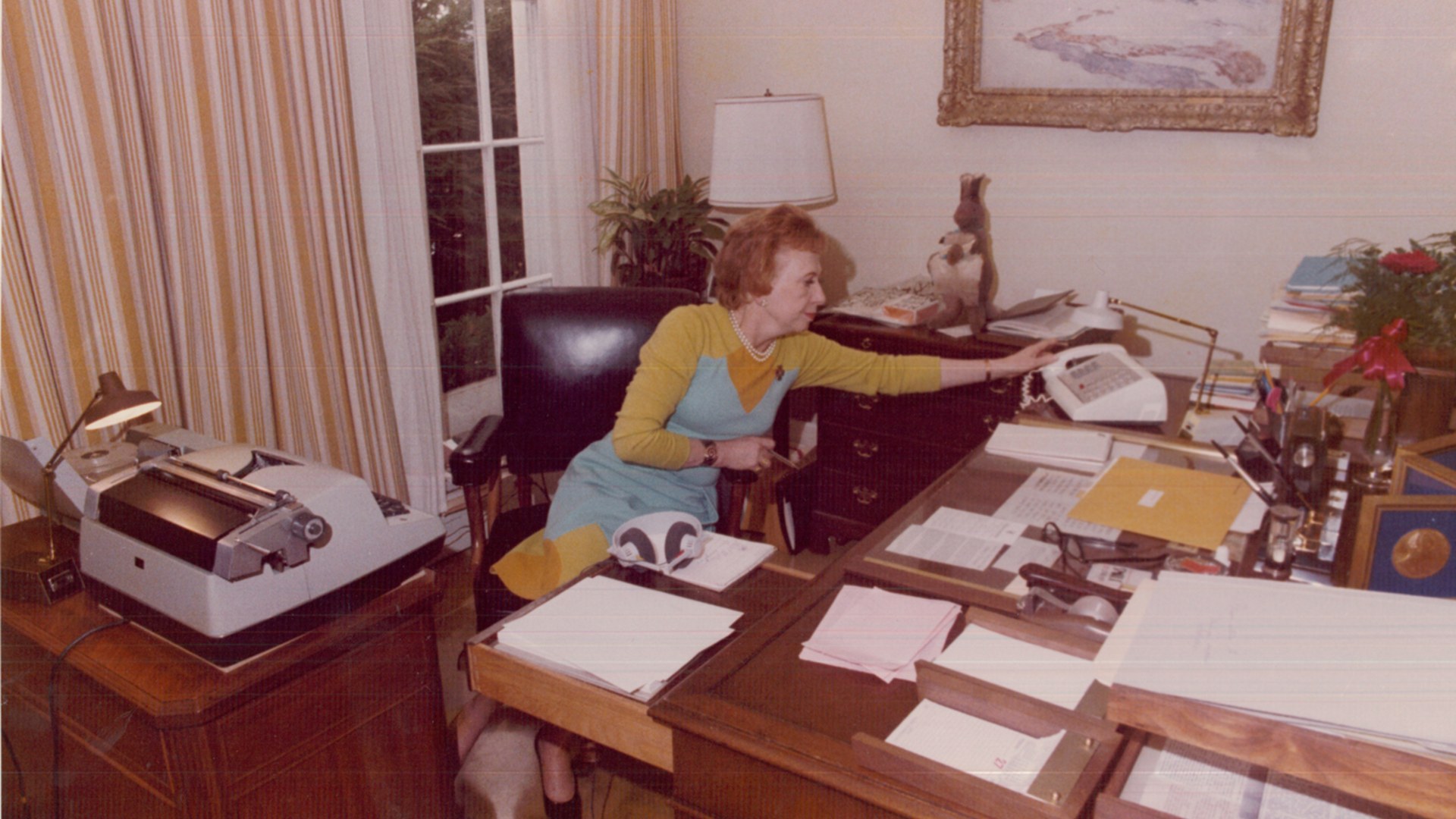
12. Cluttered, Paper-Heavy Offices
Before personal computers and email, a 1970s corporate office was a loud maze of manual typewriters, clattering Telex machines, and towering metal filing cabinets. Making a copy of a letter required sandwiching messy sheets of black carbon paper between pages.
©DVIDS / Air Force photo by Holly Leonard
11. Blatant Casual Workplace Sexism
In the early 1970s, newspaper classifieds segregated jobs under Help Wanted Male and Help Wanted Female columns until the U.S. Supreme Court barred the practice in 1973. Female staff were routinely steered into typing pools and asked about marriage plans in interviews.
©Wikimedia / U.S. National Archives
10. Liquid Lunches
In the 1970s corporate world, ordering two or three martinis, whiskies, or beers during a weekday business lunch was normal office culture. Executives and office workers drank through midday restaurant meetings and walked right back to their desks for the afternoon.
©Wikimedia / Shixart1985
Advertisement
Swipe or tap ▶ to resume the countdown.
9. Lead-Based Paint And Leaded Petrol
Fifty years ago, nearly every car burned leaded petrol while interior walls and cribs remained coated in lead-based household paint, exposing millions of children to toxic heavy metals daily. Residential lead paint was not banned in the United States until 1978.
©Wikimedia / David Falconer
8. Asbestos As A Miracle Material
Praised for decades as a fire-retardant miracle mineral, asbestos lined school ceilings, home heating pipes, vinyl floor tiles, and even handheld electric hairdryers in the 1970s before medical proof of mesothelioma and lung cancer prompted widespread bans.
©Wikimedia / Chrysotile
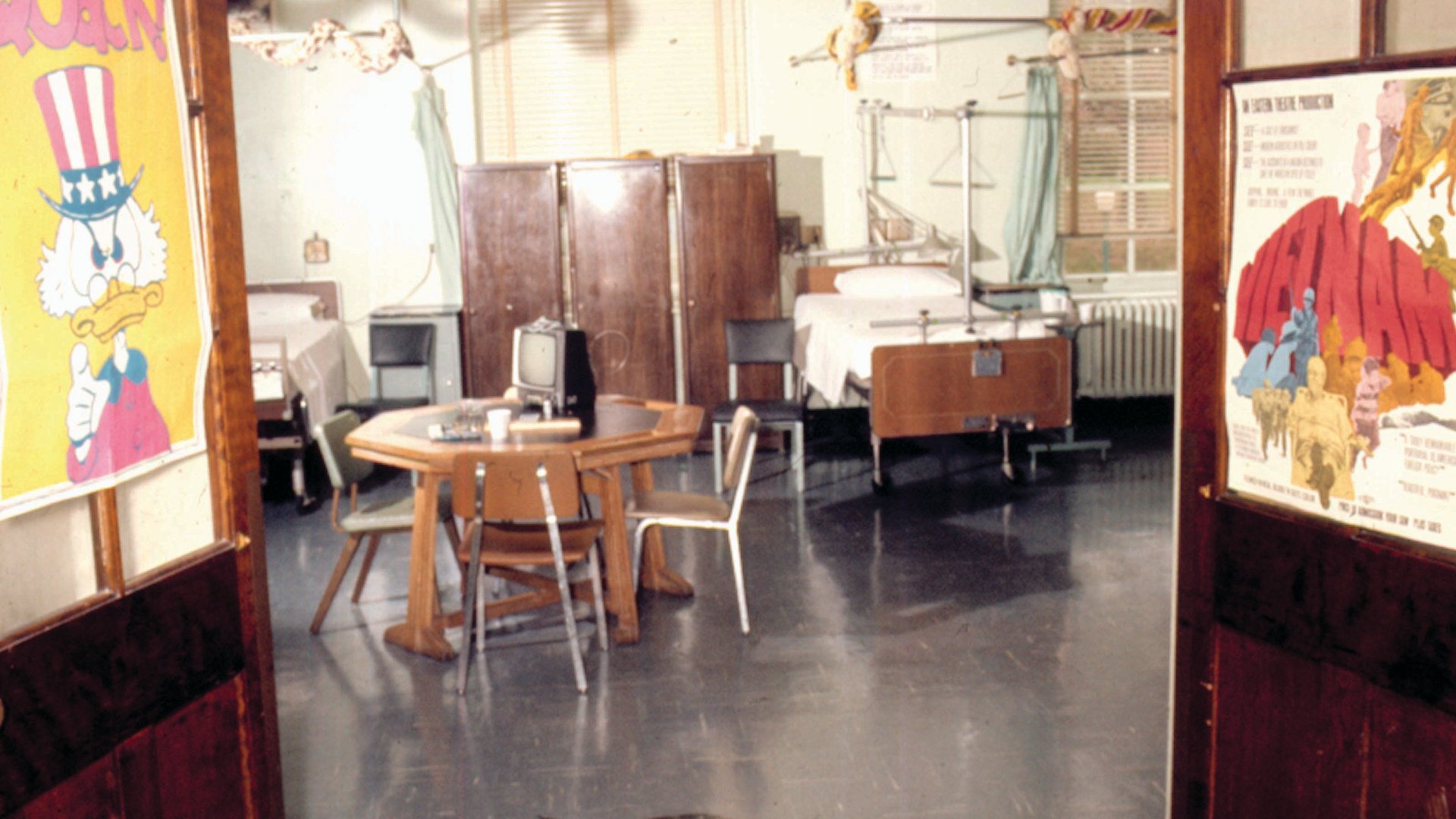
7. Hospital Patients Smoking In Bed
Fifty years ago, recovering patients routinely lit cigarettes while propped up in hospital beds, visitors smoked in waiting rooms, and physicians carried cigarette packs on ward rounds. Hospital gift shops even sold cigarettes before healthcare smoking bans took hold.
©Wikimedia / Otis Historical Archives
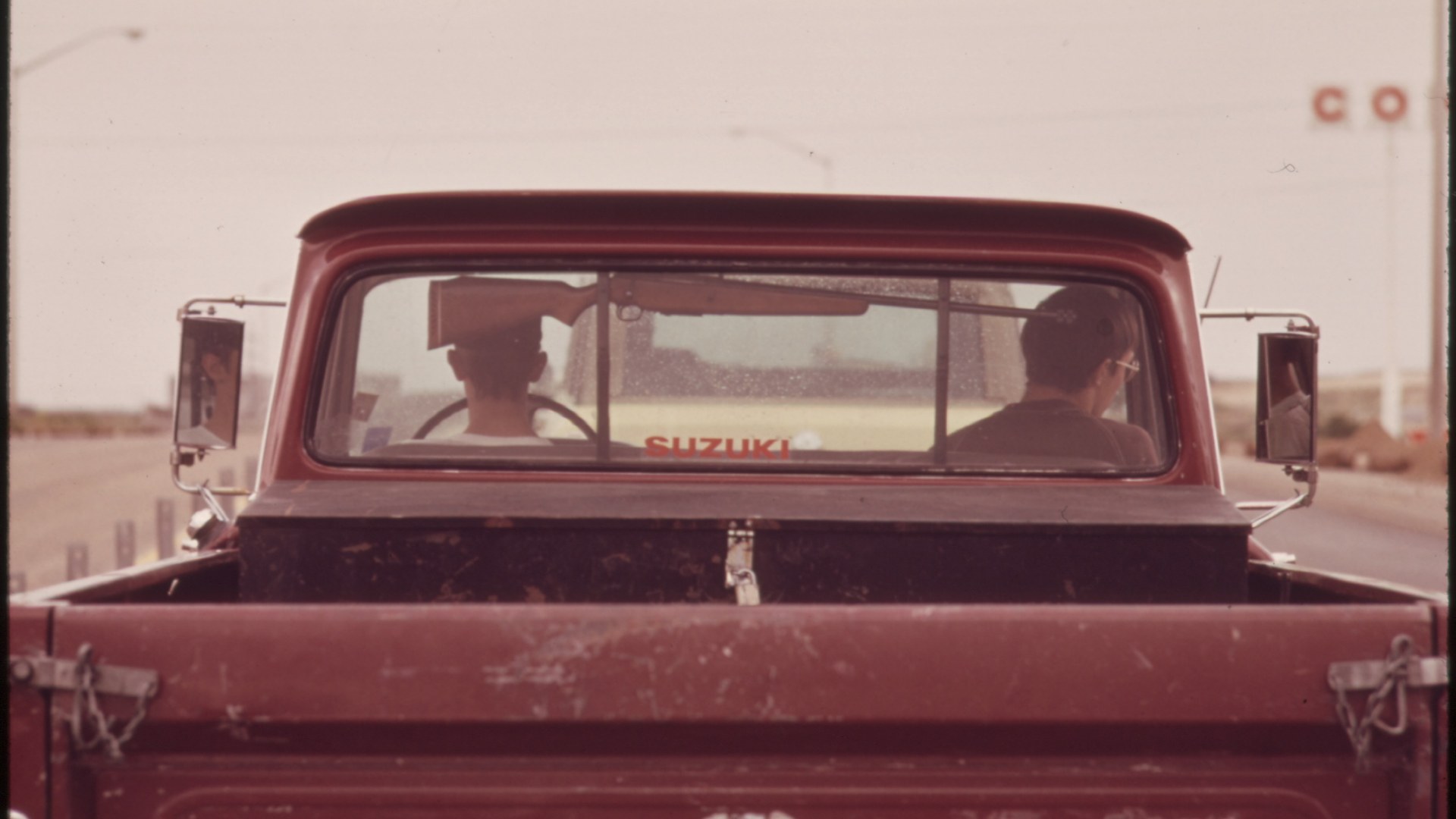
6. Letting Kids Ride In Open Pickup Truck Beds
On warm afternoons in the 1970s, it was completely ordinary to see kids sitting loose in the open steel cargo bed of a pickup truck cruising down a fast highway. With no seatbelts or enclosure, children sat on wheel wells while wind whipped past at 60 miles per hour.
©Wikimedia / Boyd Norton
Advertisement
Swipe or tap ▶ to resume the countdown.
5. Buying Cigarettes As A Young Child
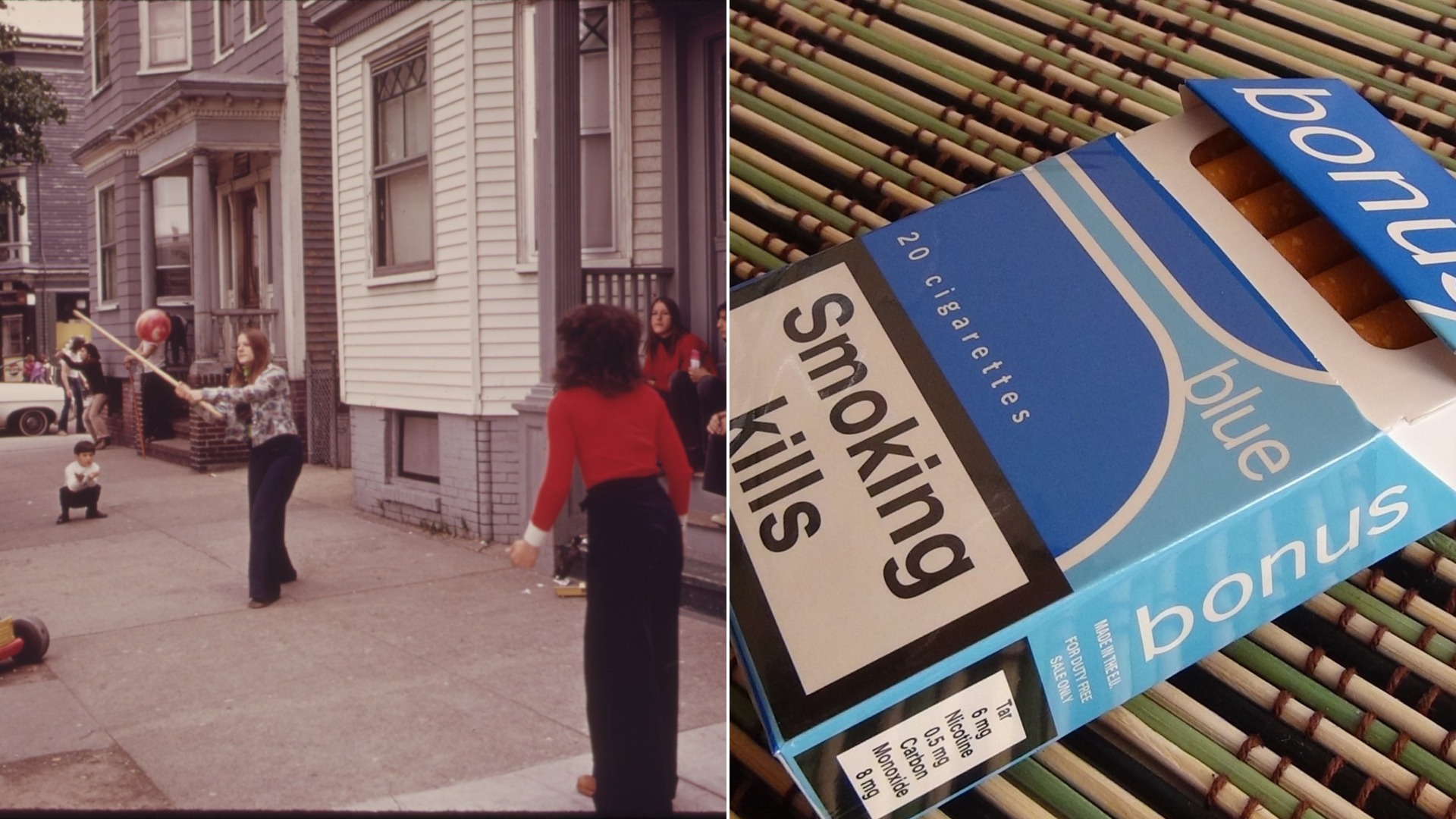
Before strict age-verification laws, parents routinely sent 10-year-olds to the corner shop with spare change and a handwritten note to buy a pack of cigarettes for them. Clerks handed the pack right over, and coin-operated cigarette vending machines sat in diners.
©Wikimedia / Antonio Kless
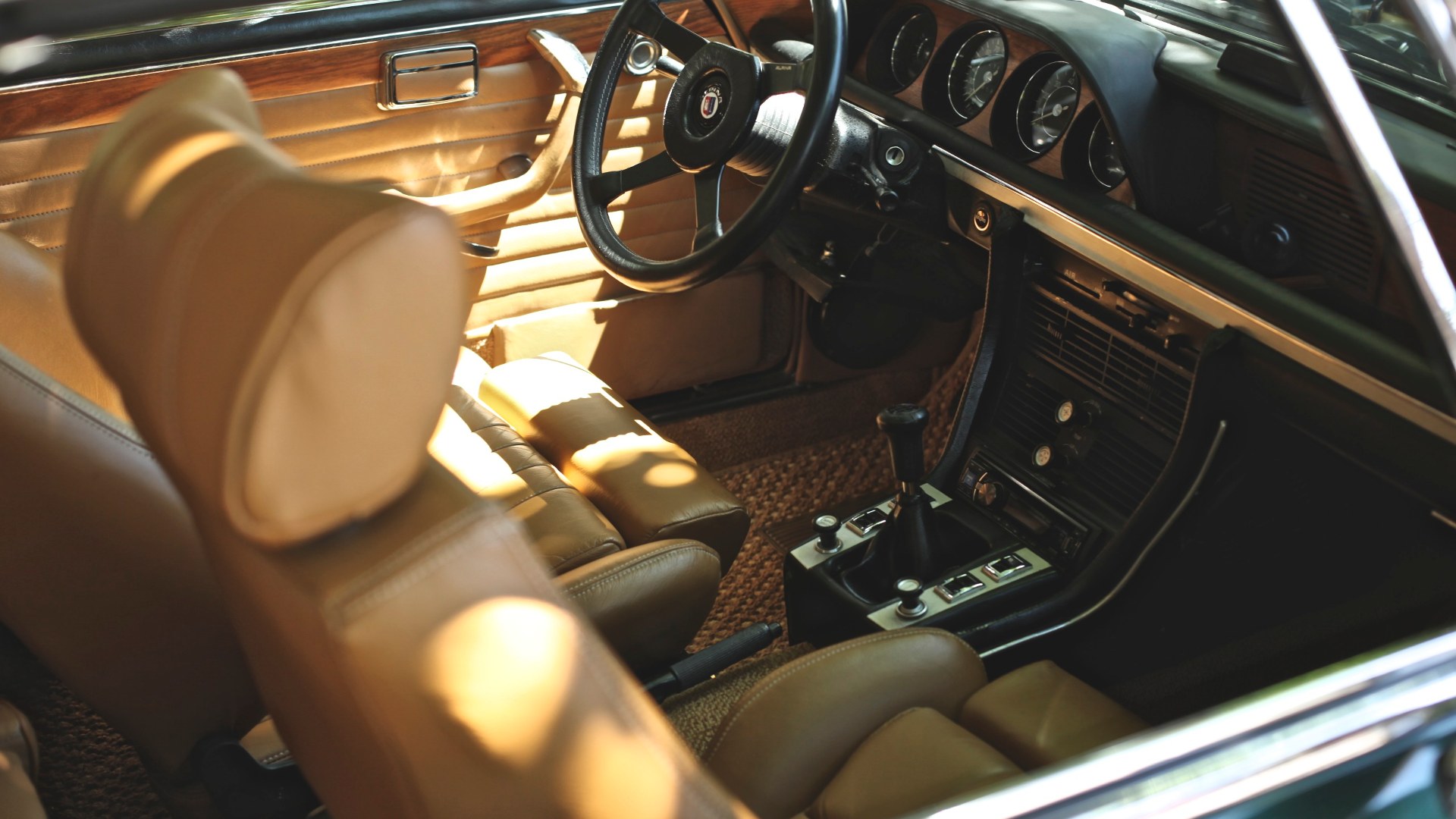
4. Driving Without A Seatbelt
With no mandatory seatbelt laws in the United States during the 1970s, most drivers and passengers viewed belts as an optional inconvenience. Families piled onto wide vinyl front bench seats and held babies on a passenger's lap while cruising down the highway.
©Wikimedia / Sean DuBois seandubois
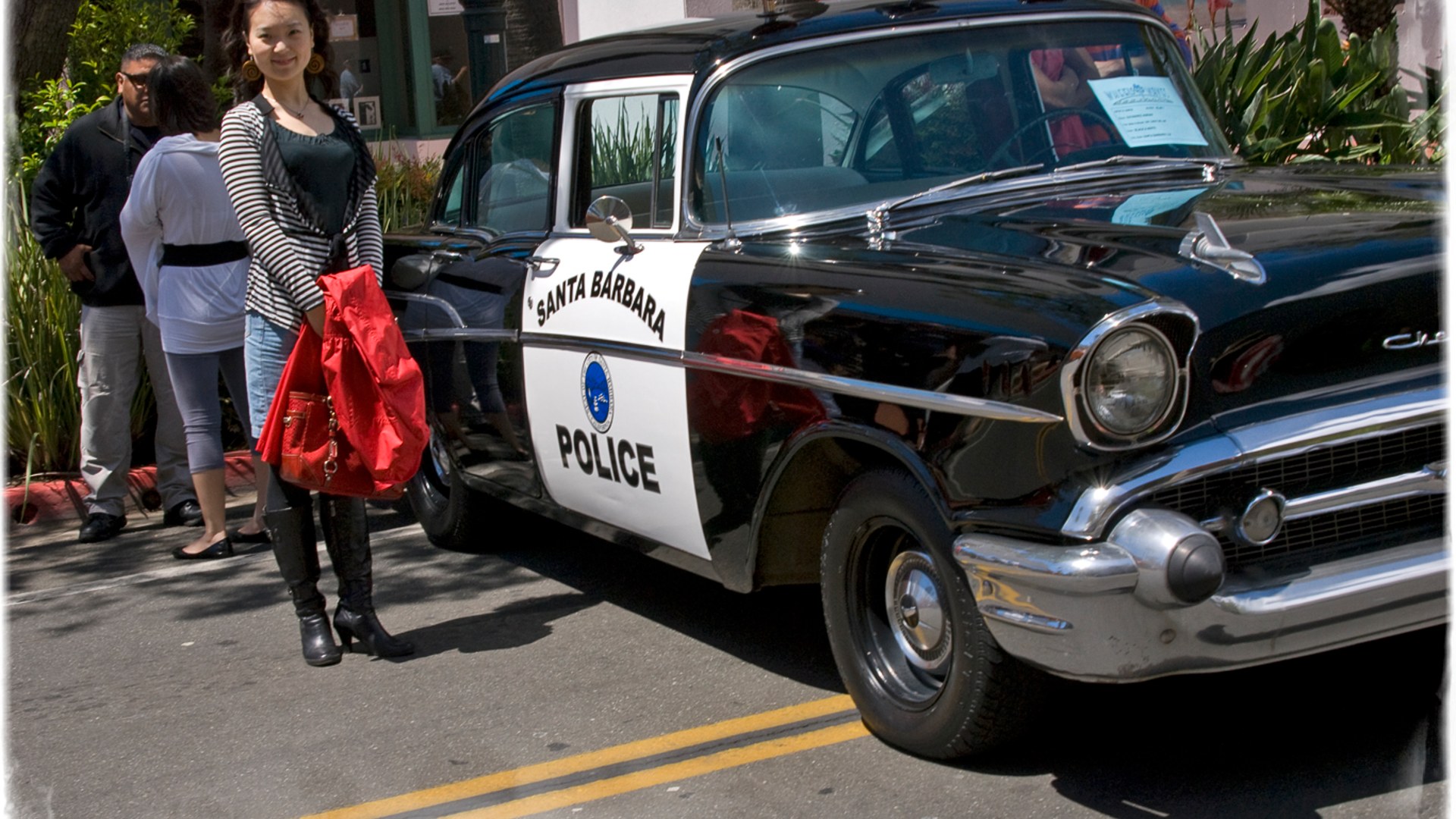
3. Driving While Heavily Intoxicated
In the 1970s, legal blood alcohol limits in many states sat as high as 0.15 percent. Drivers pulled over after heavy drinking were frequently told by patrol officers to drive carefully or follow the police cruiser home rather than facing an immediate DUI arrest.
©Wikimedia / Damian Gadal
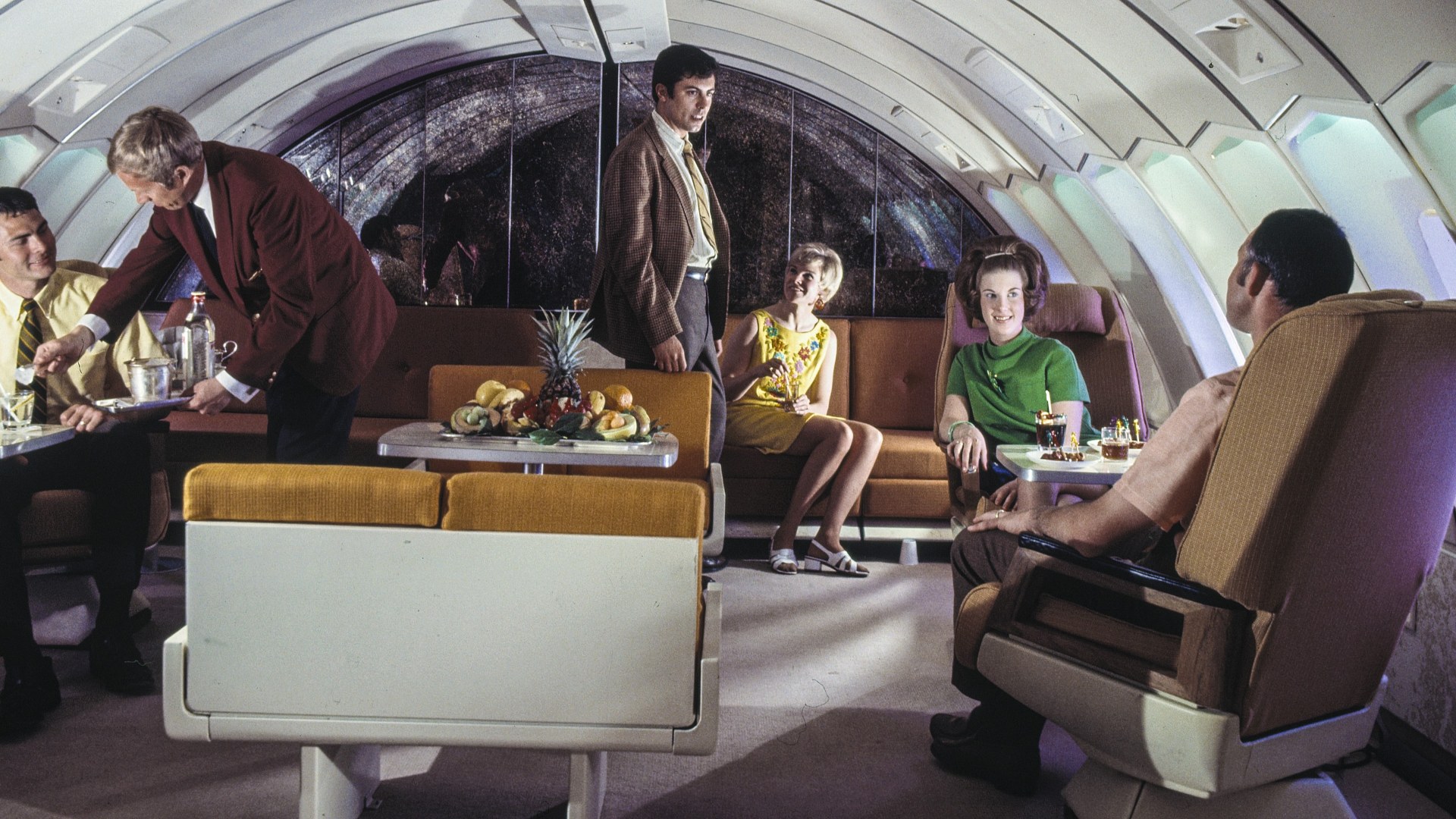
2. Smoking On Airplanes
Stepping onto a commercial jetliner fifty years ago meant breathing a thick haze of blue tobacco smoke for the entire flight. Every seat had a built-in metal armrest ashtray, and the no-smoking sign above the aisle only switched on during takeoff and landing.
©Wikimedia / SAS Museet
Advertisement
Swipe or tap ▶ to resume the countdown.
1. Zero Child Car Seats
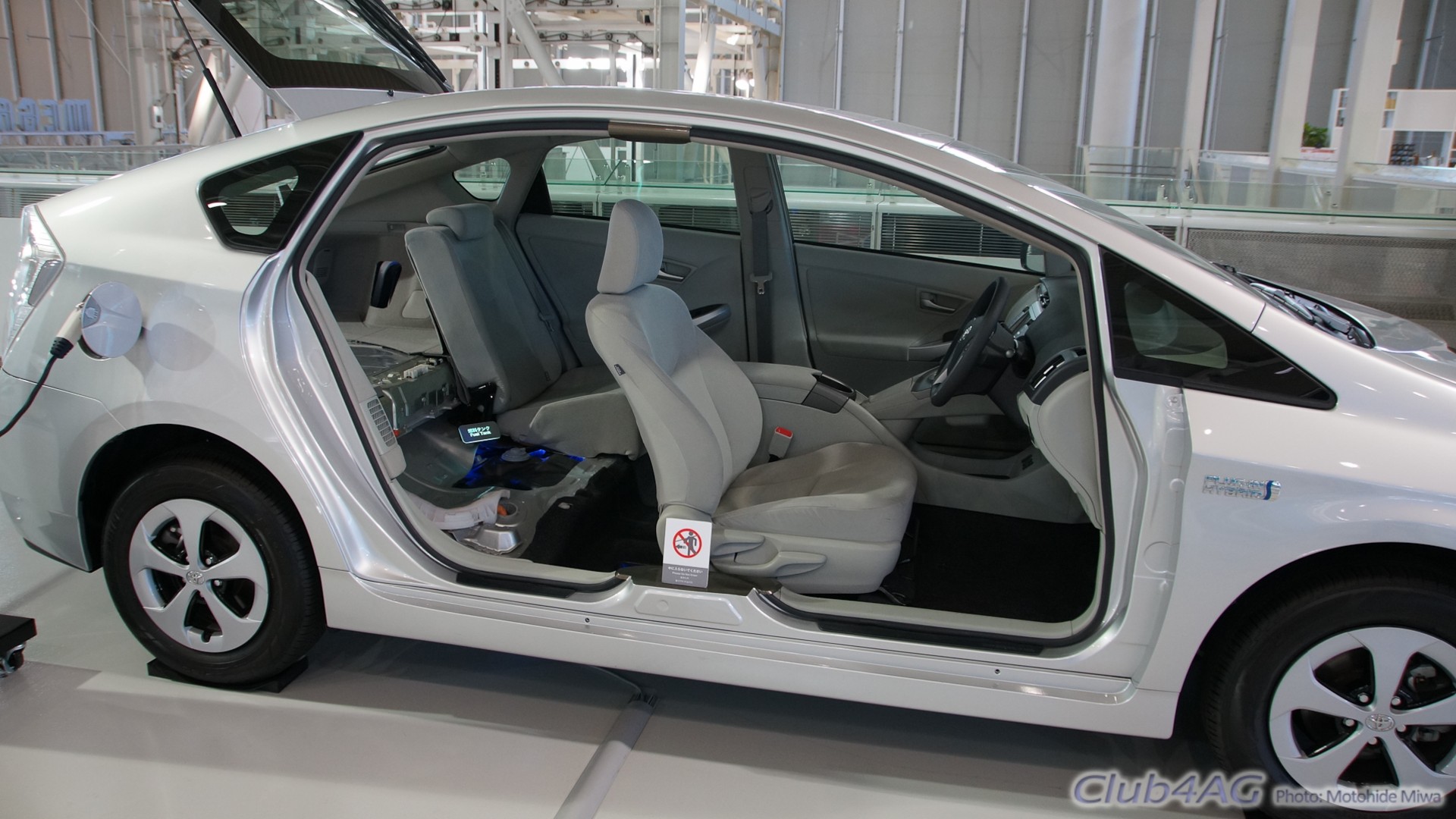
With zero mandatory child car seat laws in the early 1970s, newborn babies were routinely brought home from the hospital lying loose in a carrycot on the back seat, held in a parent's arms up front, or tucked onto the rear window parcel shelf.

©Wikimedia / Moto "Club4AG" Miwa from USA
Advertisement
You've reached the end of the story. Thanks for reading!

20 Iconic Historical Photos and the Archive Clues Behind Them
Contact sheets, cracked glass plates, and NASA mission logs preserve the hidden steps behind 20 famous photographs. Drawing on records from the Library of Congress, the National Archives, NASA, and the Smithsonian, this countdown traces how cropping, camera setups, and double exposures shaped each frame.
All 20 Entries in this Story
20. Riding Bikes Without Helmets
Fifty years ago, children and adults routinely pedaled bicycles down busy city streets with zero head protection. Bike helmets were not sold as a standard consumer product in the early 1970s, and the first modern polystyrene bicycle helmet did not hit the market until 1975.

19. Playing Outside Until The Streetlights Came On
In the 1970s, children as young as five walked out the front door after breakfast and roamed entire neighborhoods for hours with zero adult supervision. Without cell phones or GPS trackers, parents operated under one universal rule to be back inside when the streetlights turned on.

18. Relying Entirely On Paper Maps
Before GPS and smartphone navigation apps, every glove compartment was stuffed with accordion-folded paper road maps. Getting lost meant pulling over to spread a giant map across the dashboard or stopping at a roadside petrol station to ask a stranger for directions.

17. Hitchhiking As Standard Transport
Standing on the shoulder of a highway with an outstretched thumb and a cardboard sign was a mainstream way to travel in the 1970s. College students and young travelers routinely climbed into cars with complete strangers to cross state lines or get to campus.

16. Remembering Phone Numbers By Heart
Because rotary telephones had no digital memory or contact lists, people memorized dozens of phone numbers for family, friends, and local shops. Every kitchen wall had a corded landline paired with a thick telephone directory and a handwritten address book.

15. Waiting Weeks To See Photos
Snapping a photo in the 1970s meant loading a roll of film into a camera and having zero idea how the shot turned out. Once the roll finished, you dropped the canister off at a pharmacy or photo lab and waited days or weeks to see if the prints were in focus.

14. Blunt Weight-Loss Advertisements
Print magazines fifty years ago ran blunt weight-loss advertisements that openly shamed readers over their waistlines. Mainstream ads pitched motorized vibrating waist belts alongside diet candies and prescription amphetamine pills before regulators pulled the stimulants.

13. Explicit Smoking Ads On Television
For decades, tobacco companies poured millions into television, radio, and magazine ads featuring rugged characters, athletes, and physicians to portray smoking as soothing and glamorous. Broadcast TV ads were finally banned in the United States in 1971.

12. Cluttered, Paper-Heavy Offices
Before personal computers and email, a 1970s corporate office was a loud maze of manual typewriters, clattering Telex machines, and towering metal filing cabinets. Making a copy of a letter required sandwiching messy sheets of black carbon paper between pages.

11. Blatant Casual Workplace Sexism
In the early 1970s, newspaper classifieds segregated jobs under Help Wanted Male and Help Wanted Female columns until the U.S. Supreme Court barred the practice in 1973. Female staff were routinely steered into typing pools and asked about marriage plans in interviews.

10. Liquid Lunches
In the 1970s corporate world, ordering two or three martinis, whiskies, or beers during a weekday business lunch was normal office culture. Executives and office workers drank through midday restaurant meetings and walked right back to their desks for the afternoon.

9. Lead-Based Paint And Leaded Petrol
Fifty years ago, nearly every car burned leaded petrol while interior walls and cribs remained coated in lead-based household paint, exposing millions of children to toxic heavy metals daily. Residential lead paint was not banned in the United States until 1978.

8. Asbestos As A Miracle Material
Praised for decades as a fire-retardant miracle mineral, asbestos lined school ceilings, home heating pipes, vinyl floor tiles, and even handheld electric hairdryers in the 1970s before medical proof of mesothelioma and lung cancer prompted widespread bans.

7. Hospital Patients Smoking In Bed
Fifty years ago, recovering patients routinely lit cigarettes while propped up in hospital beds, visitors smoked in waiting rooms, and physicians carried cigarette packs on ward rounds. Hospital gift shops even sold cigarettes before healthcare smoking bans took hold.

6. Letting Kids Ride In Open Pickup Truck Beds
On warm afternoons in the 1970s, it was completely ordinary to see kids sitting loose in the open steel cargo bed of a pickup truck cruising down a fast highway. With no seatbelts or enclosure, children sat on wheel wells while wind whipped past at 60 miles per hour.

5. Buying Cigarettes As A Young Child
Before strict age-verification laws, parents routinely sent 10-year-olds to the corner shop with spare change and a handwritten note to buy a pack of cigarettes for them. Clerks handed the pack right over, and coin-operated cigarette vending machines sat in diners.

4. Driving Without A Seatbelt
With no mandatory seatbelt laws in the United States during the 1970s, most drivers and passengers viewed belts as an optional inconvenience. Families piled onto wide vinyl front bench seats and held babies on a passenger's lap while cruising down the highway.

3. Driving While Heavily Intoxicated
In the 1970s, legal blood alcohol limits in many states sat as high as 0.15 percent. Drivers pulled over after heavy drinking were frequently told by patrol officers to drive carefully or follow the police cruiser home rather than facing an immediate DUI arrest.

2. Smoking On Airplanes
Stepping onto a commercial jetliner fifty years ago meant breathing a thick haze of blue tobacco smoke for the entire flight. Every seat had a built-in metal armrest ashtray, and the no-smoking sign above the aisle only switched on during takeoff and landing.

1. Zero Child Car Seats
With zero mandatory child car seat laws in the early 1970s, newborn babies were routinely brought home from the hospital lying loose in a carrycot on the back seat, held in a parent's arms up front, or tucked onto the rear window parcel shelf.