Slideshow · Health
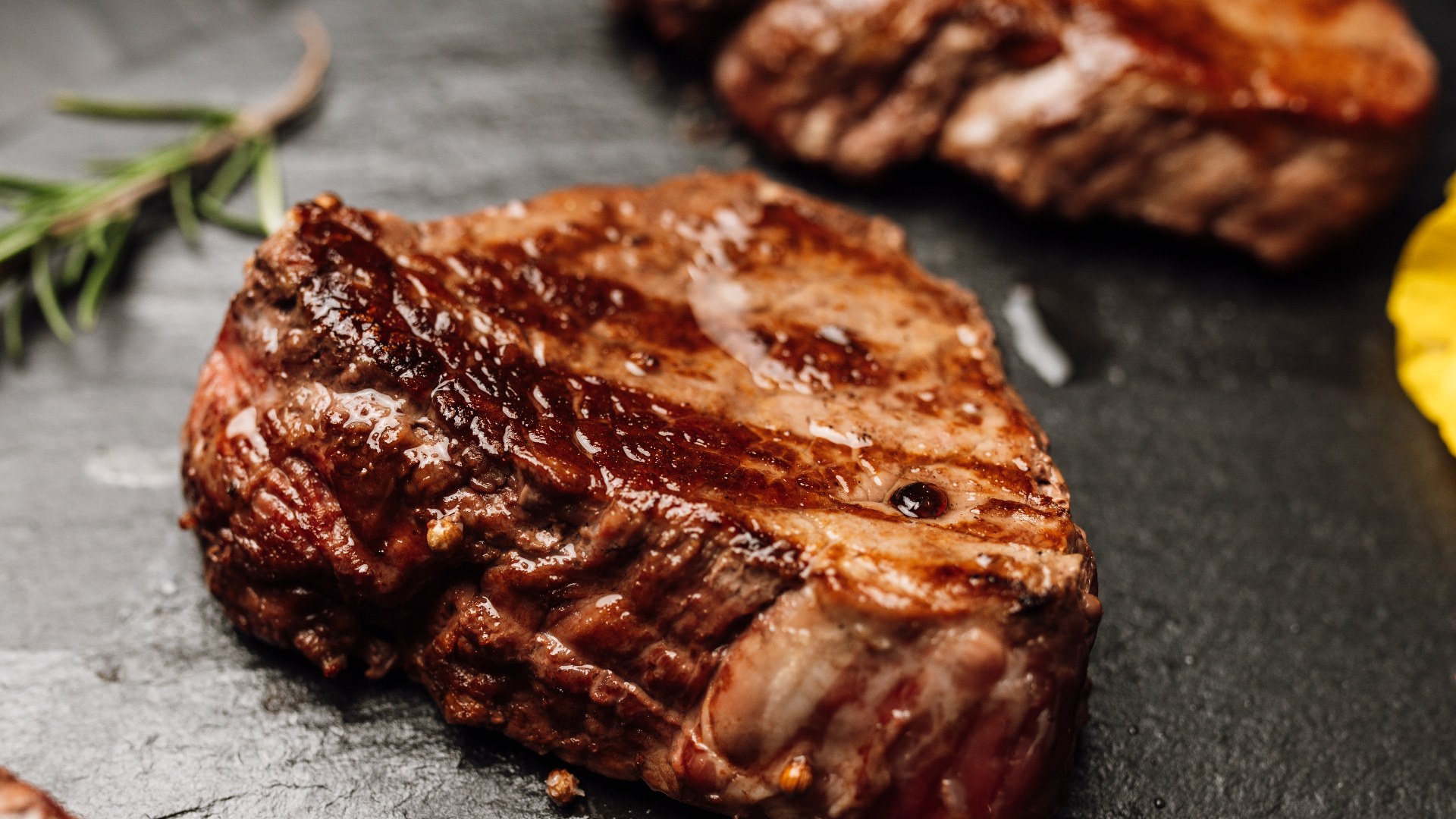
Studies Show Why Americans Eat So Much Beef
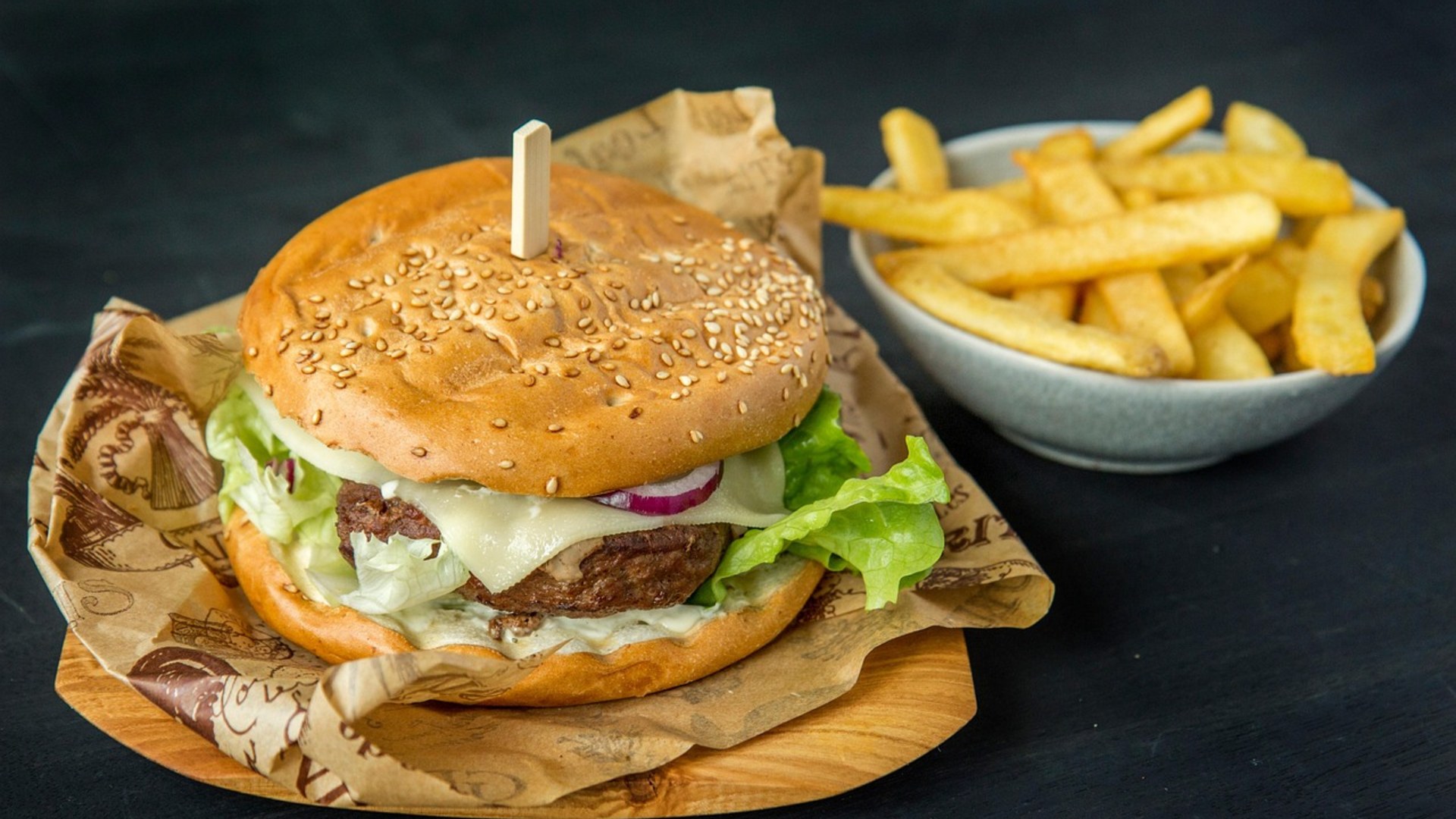
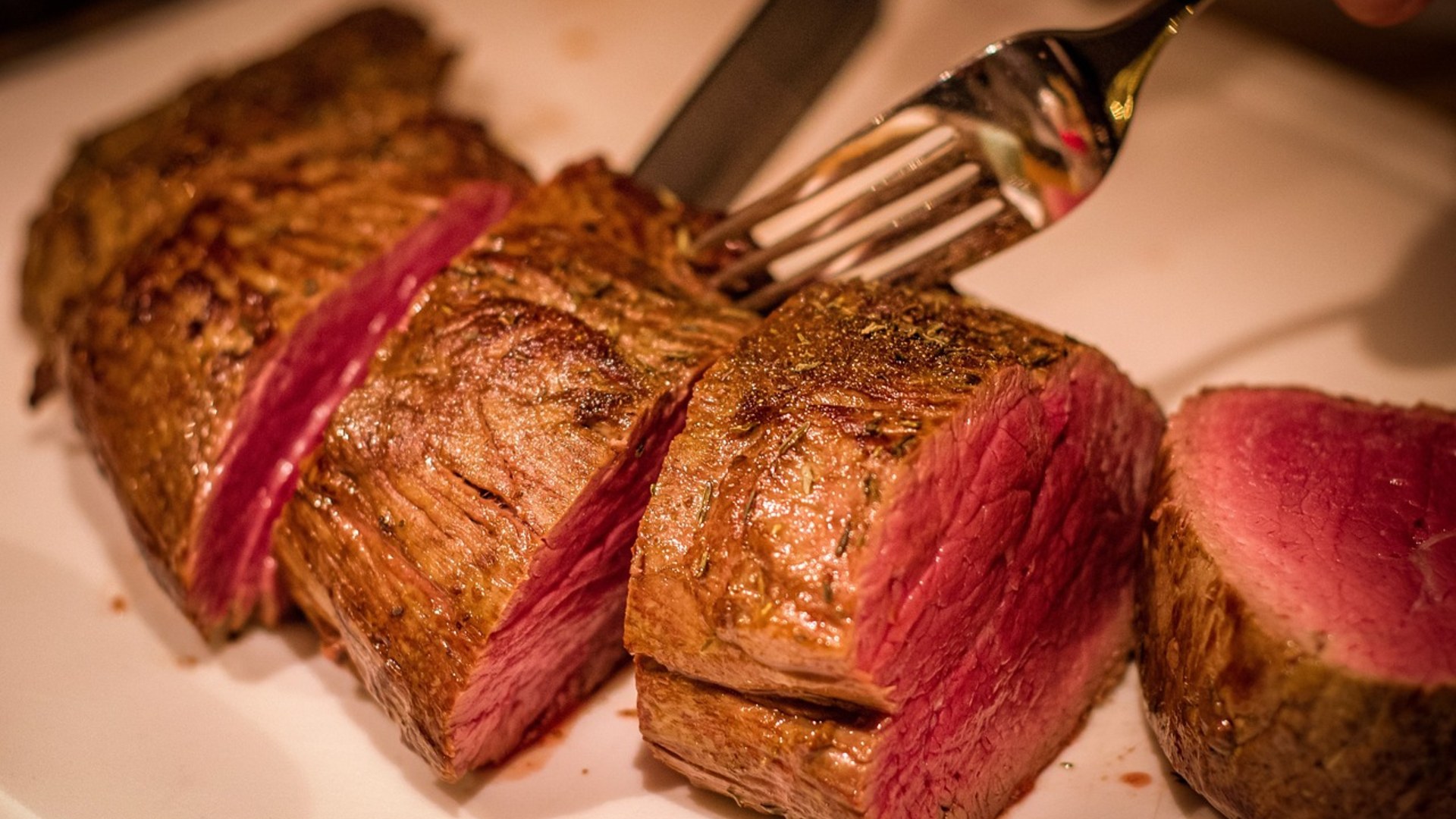
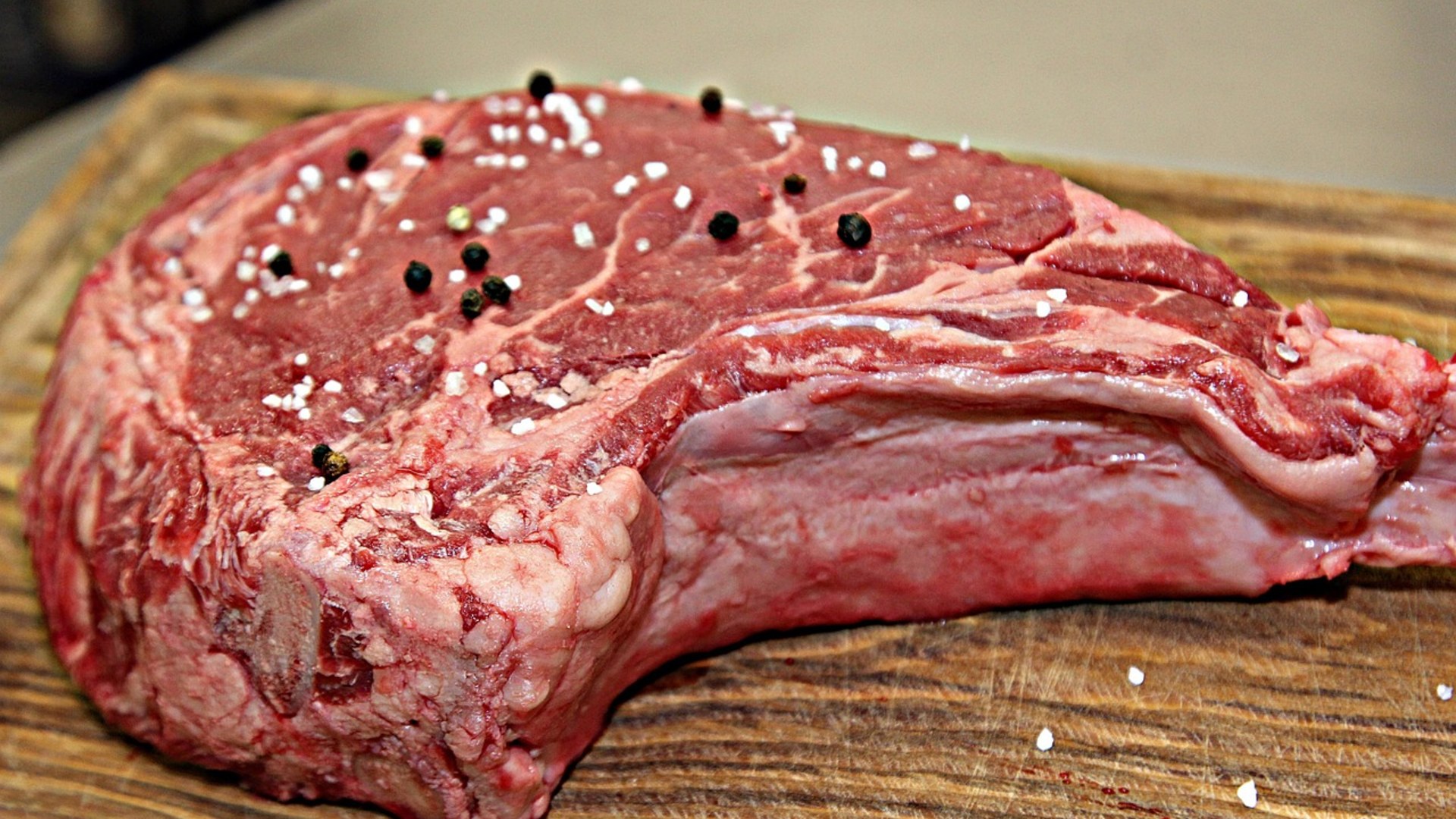
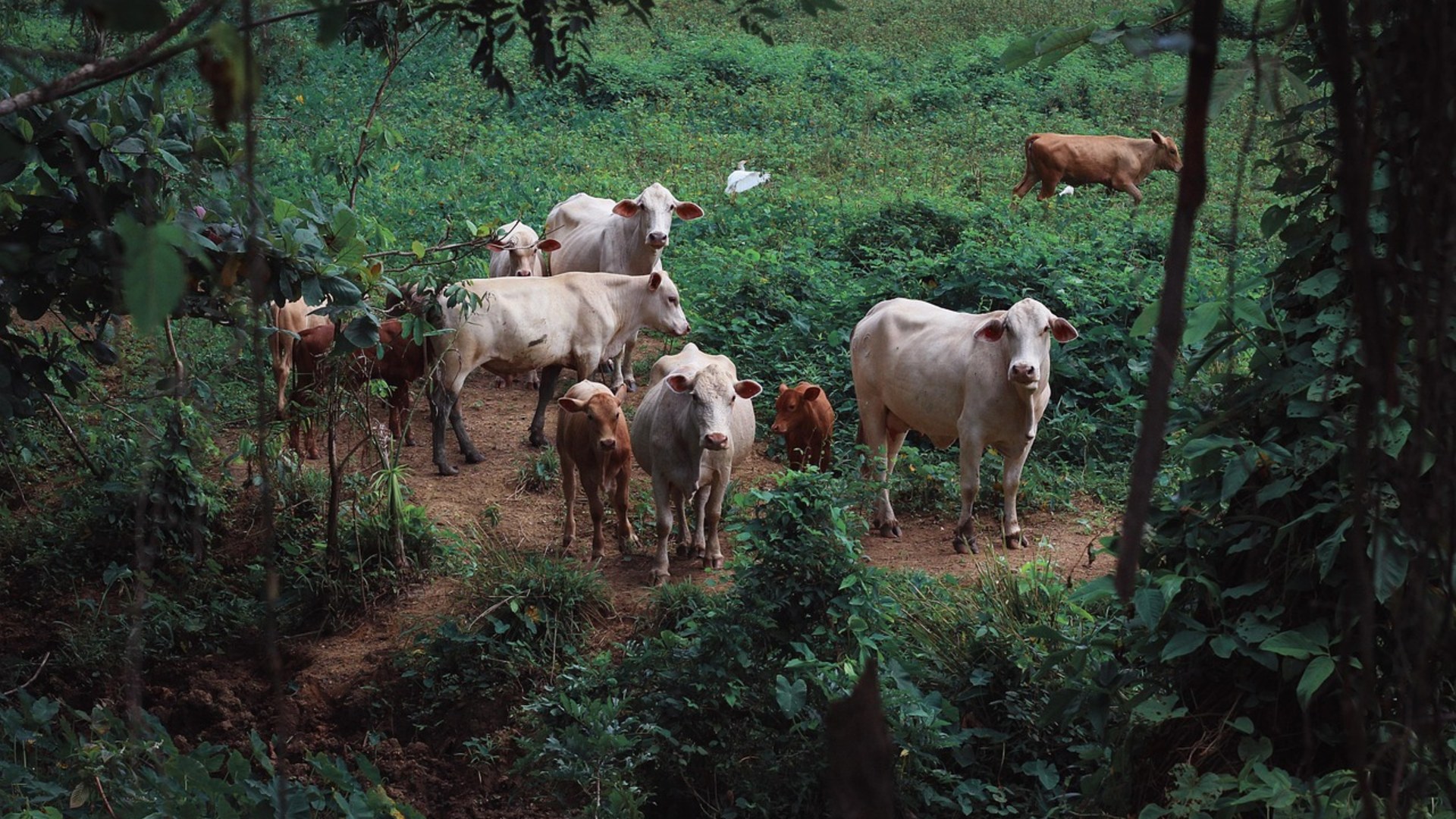
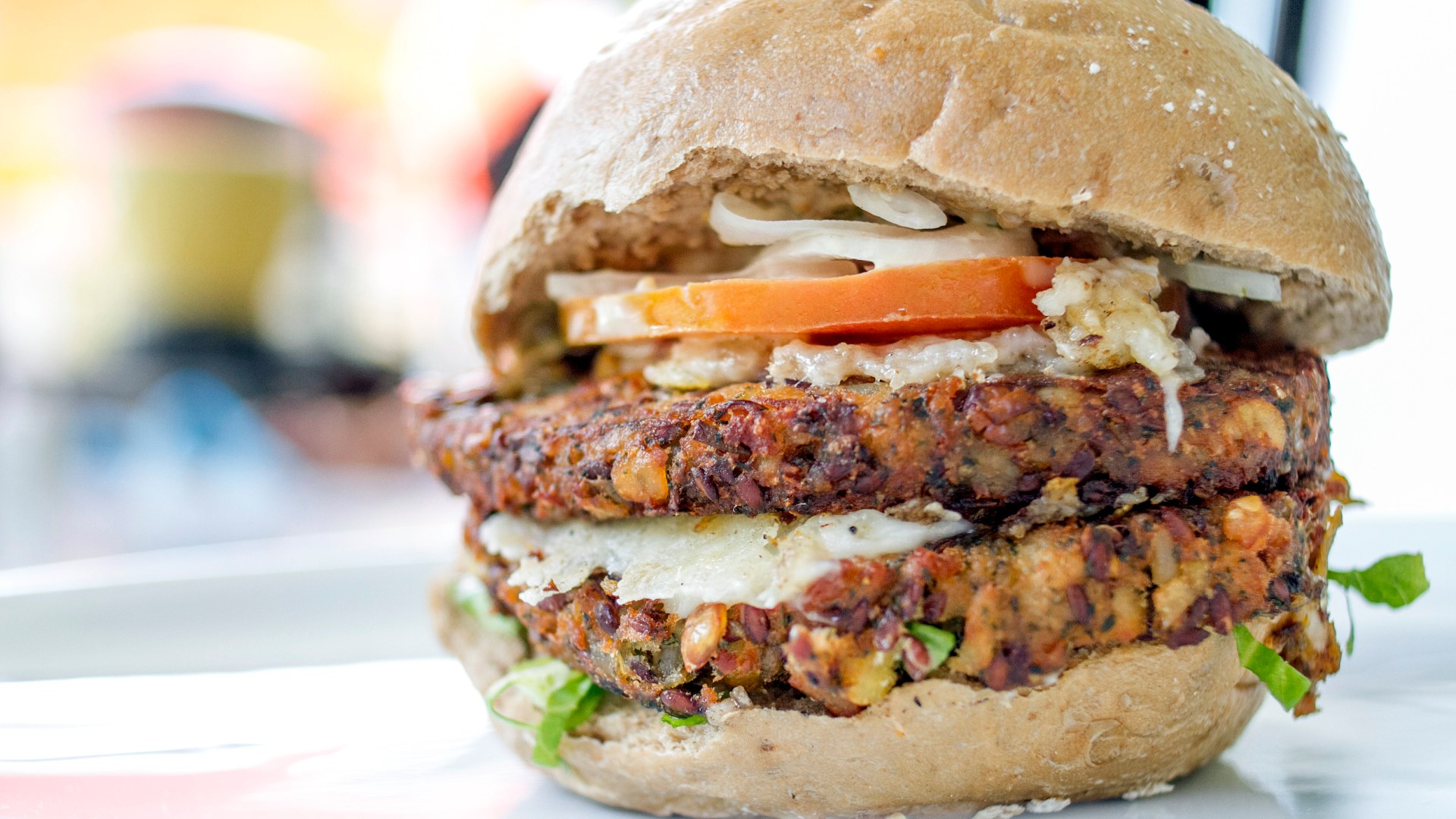
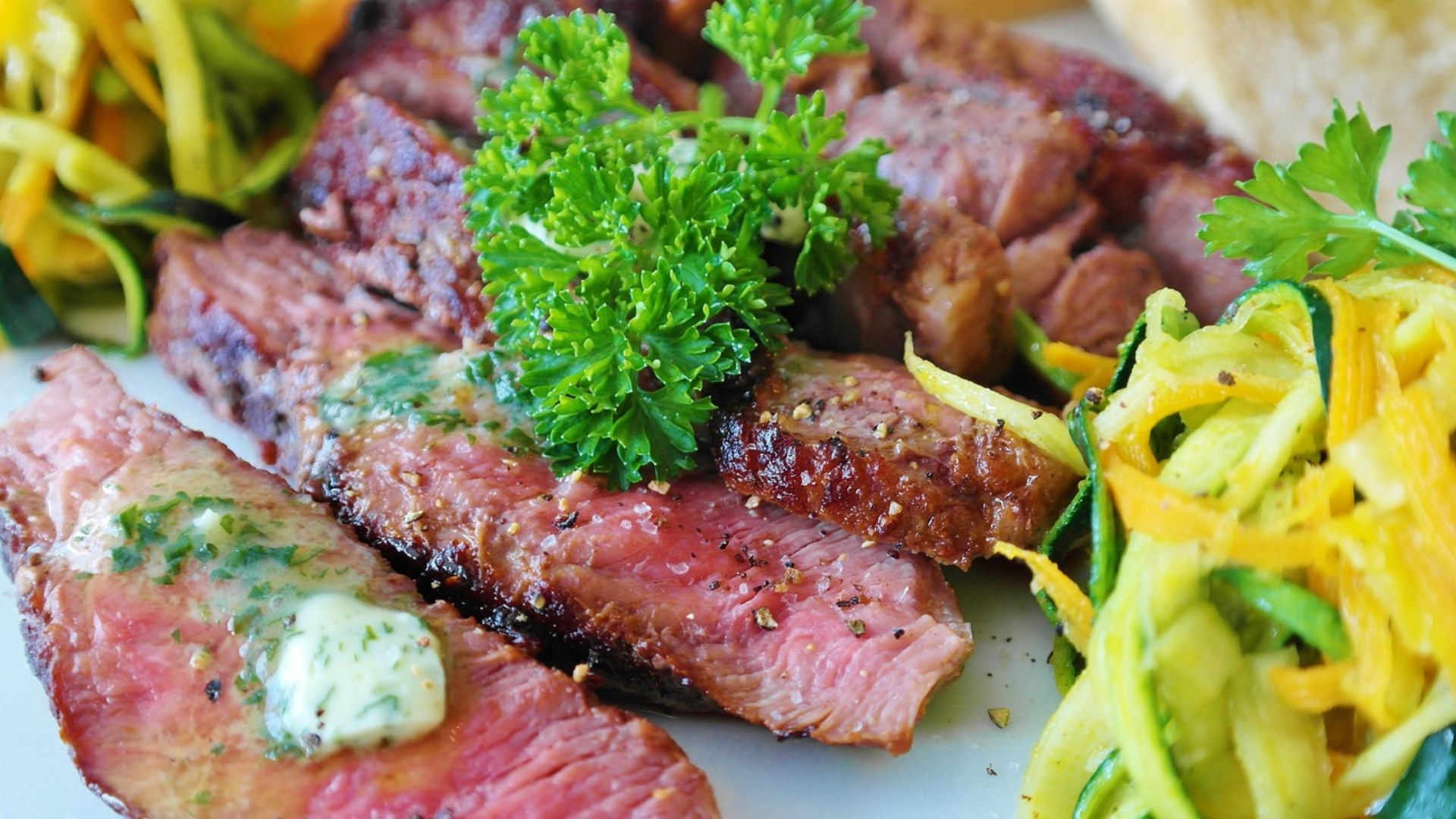
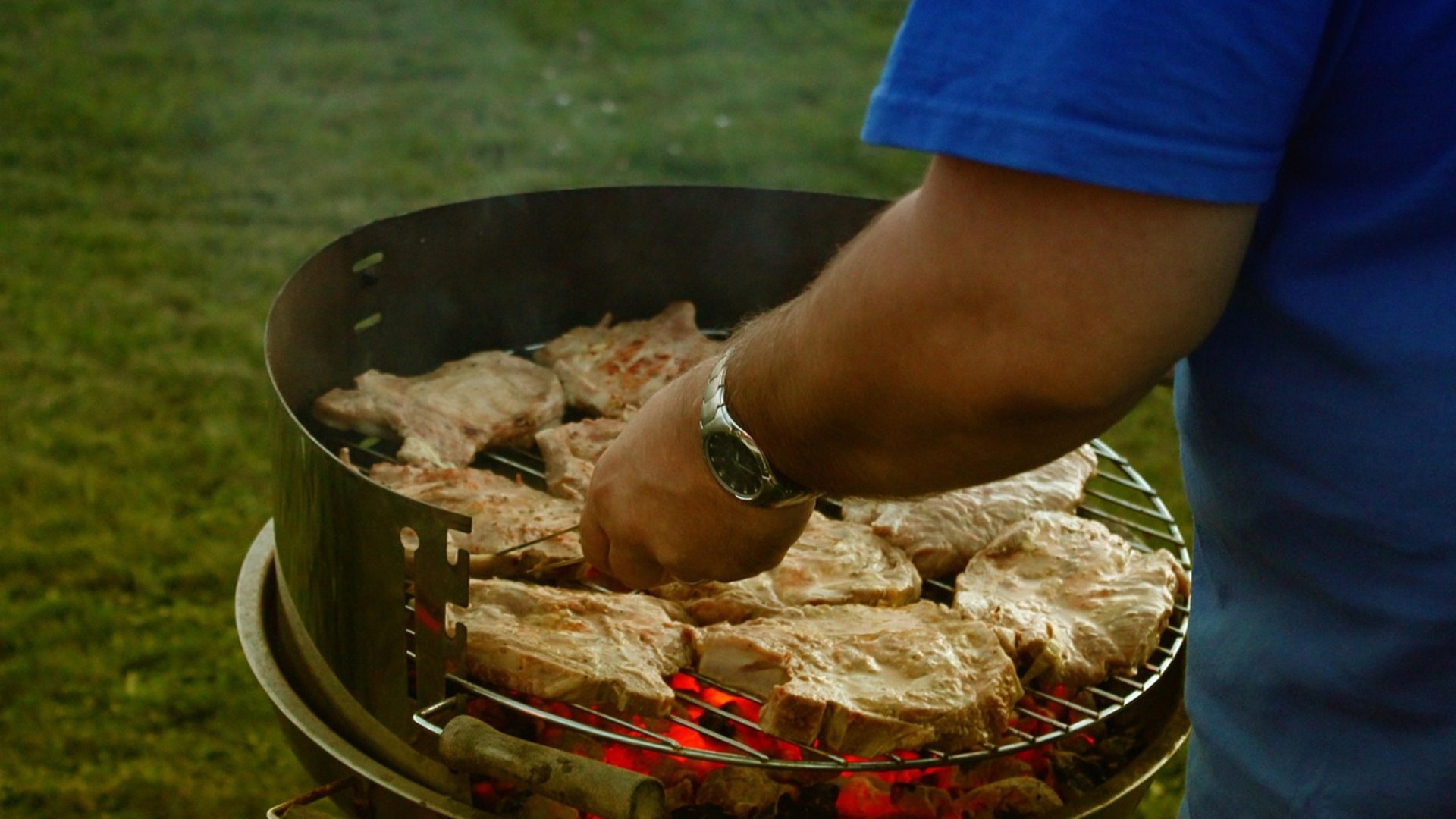
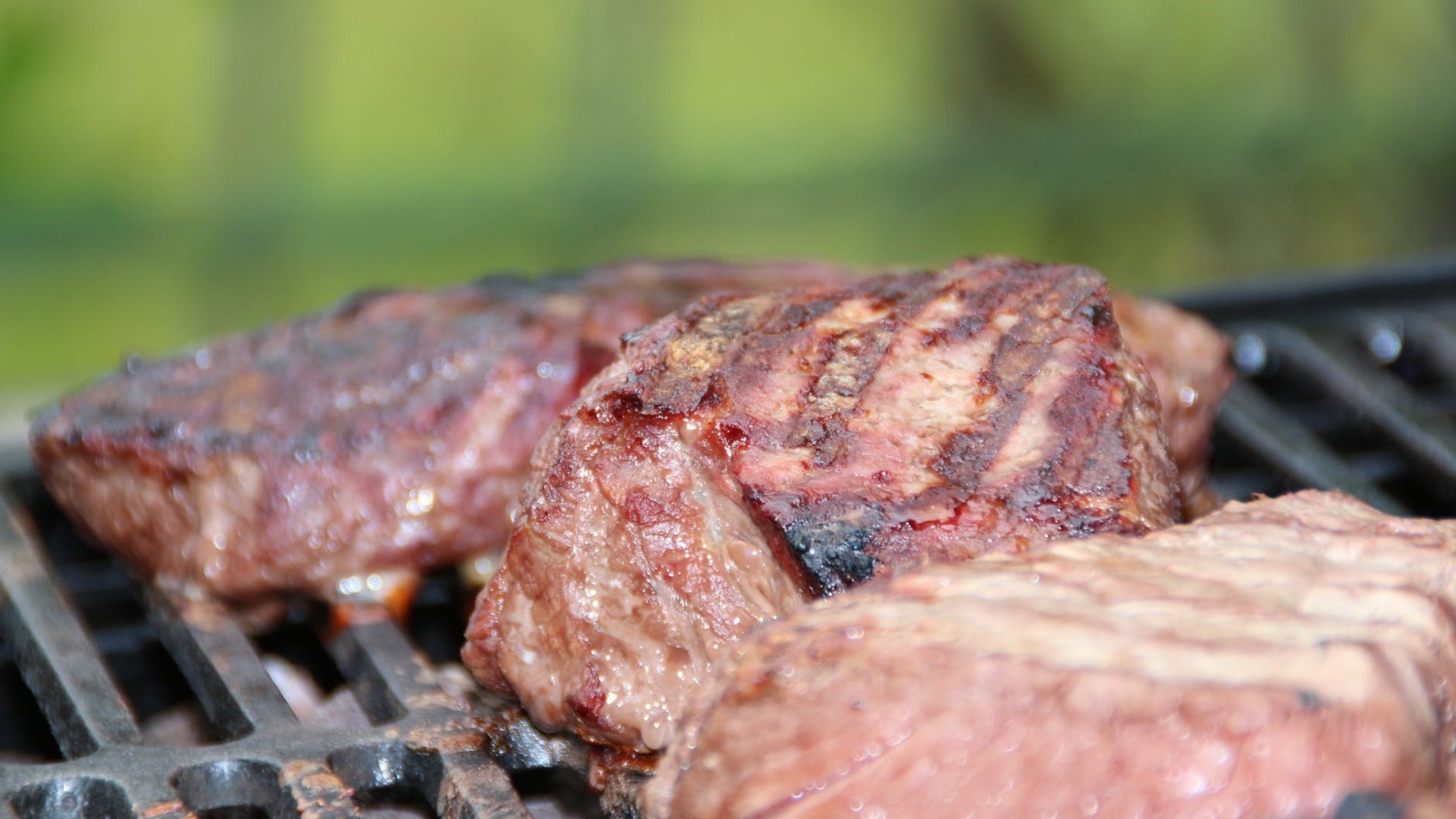
From 19th-century rail cars and industrial feedlots to iconic 1990s ad campaigns, here are 20 reasons behind America's unmatched appetite for beef.
By Most Viral Today
28 Oct 2026

Studies Show Why Americans Eat So Much Beef 
20. Settler Legacy 
19. Bison Displacement 
18. Refrigerated Rail Cars - AdvertisementSwipe or tap ▶ to continue countdown

17. Industrial Feedlot Scale 
16. Massive Output Infrastructure 
15. The Slow Supply Chain 
14. Drought Resilience - AdvertisementSwipe or tap ▶ to continue countdown

13. Net Importers 
12. The Past Peak 
11. Chicken's Takeover 
10. The "What's For Dinner" Effect - AdvertisementSwipe or tap ▶ to continue countdown

9. Lobbying The Guidelines 
8. Defying Health Warnings 
7. Environmental Disconnect 
6. The Flexitarian Shift - AdvertisementSwipe or tap ▶ to continue countdown

5. The Protein Obsession 
4. Masculinity And Meat 
3. Cultural Identity 
2. Global Dominance - AdvertisementSwipe or tap ▶ to continue countdown

1. The 12% Rule - Advertisement🔥 UP NEXT IN THIS SERIES◫ 23 Slides

22 Everyday Foods and Drinks That Can Keep You Awake at Night
Caffeine is only one reason evening snacks disrupt rest. Drawing on USDA nutrient figures, FDA guidance and National Library of Medicine sleep studies, this gallery counts down 22 everyday foods and drinks whose stimulants, acids, tyramine or fluids trigger nighttime heartburn, alertness or bathroom trips.
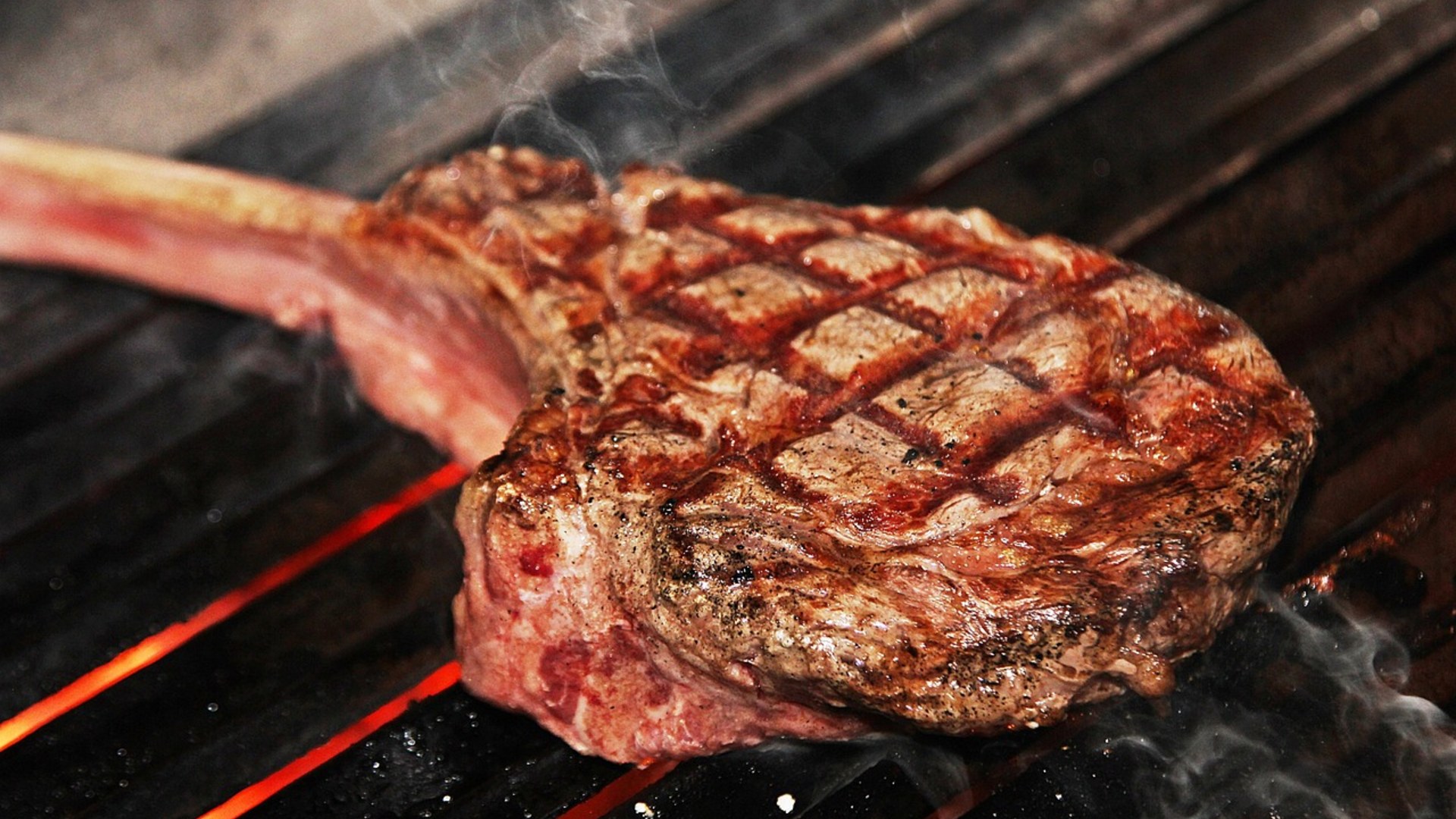
From 19th-century refrigerated rail cars and industrial feedlots to iconic 1990s ad campaigns, discover the 20 forces driving America's massive appetite for beef.
Swipe or tap ▶ to begin the countdown
©Unsplash / Dyana Wing So & Pixabay / antje89
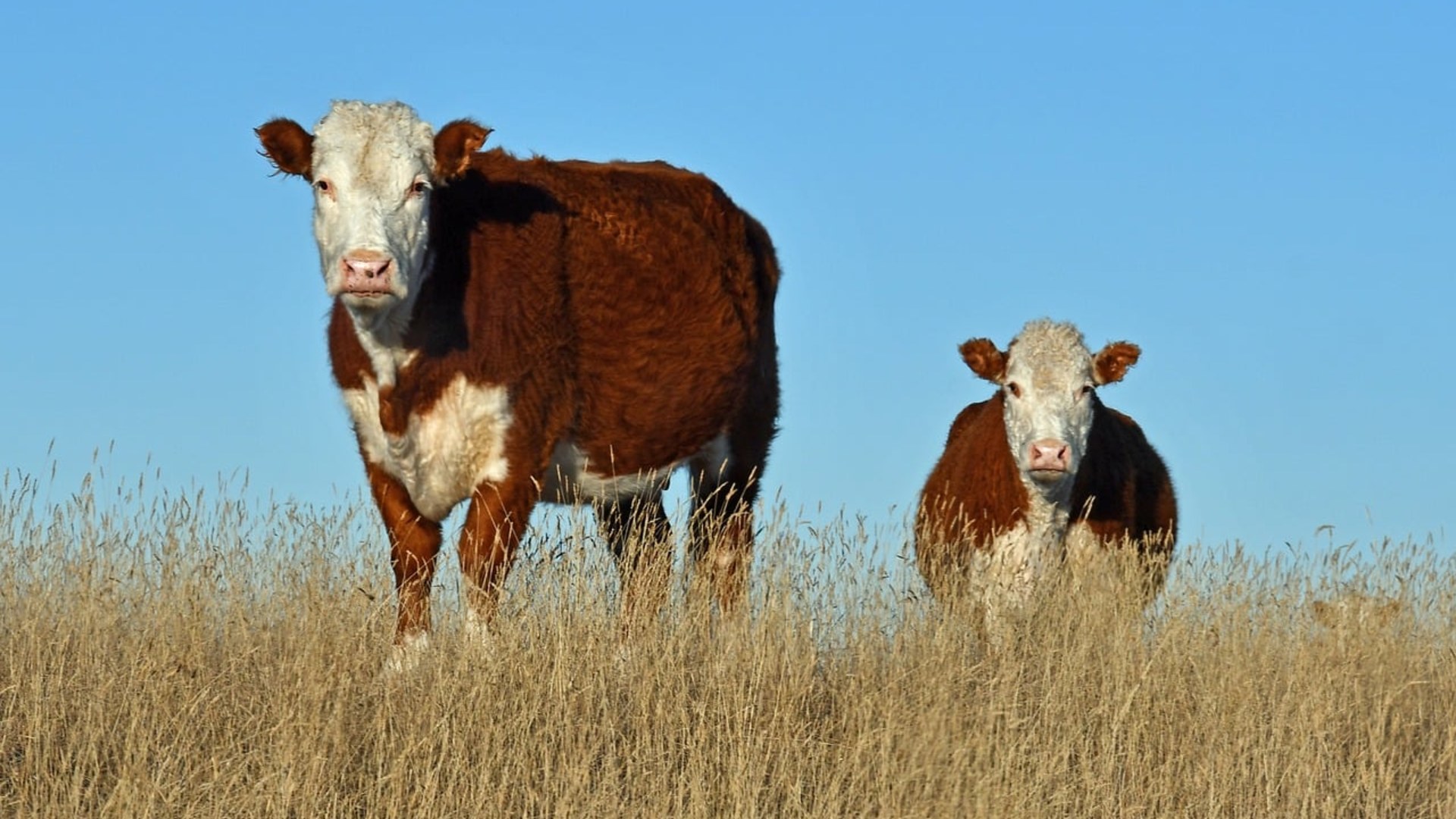
20. Settler Legacy
The American love for beef is a literal foundational element of colonial history, as European settlers explicitly used vast expanses of seized Indigenous lands to introduce open-range cattle grazing.
©Pixabay / Cowboypo8
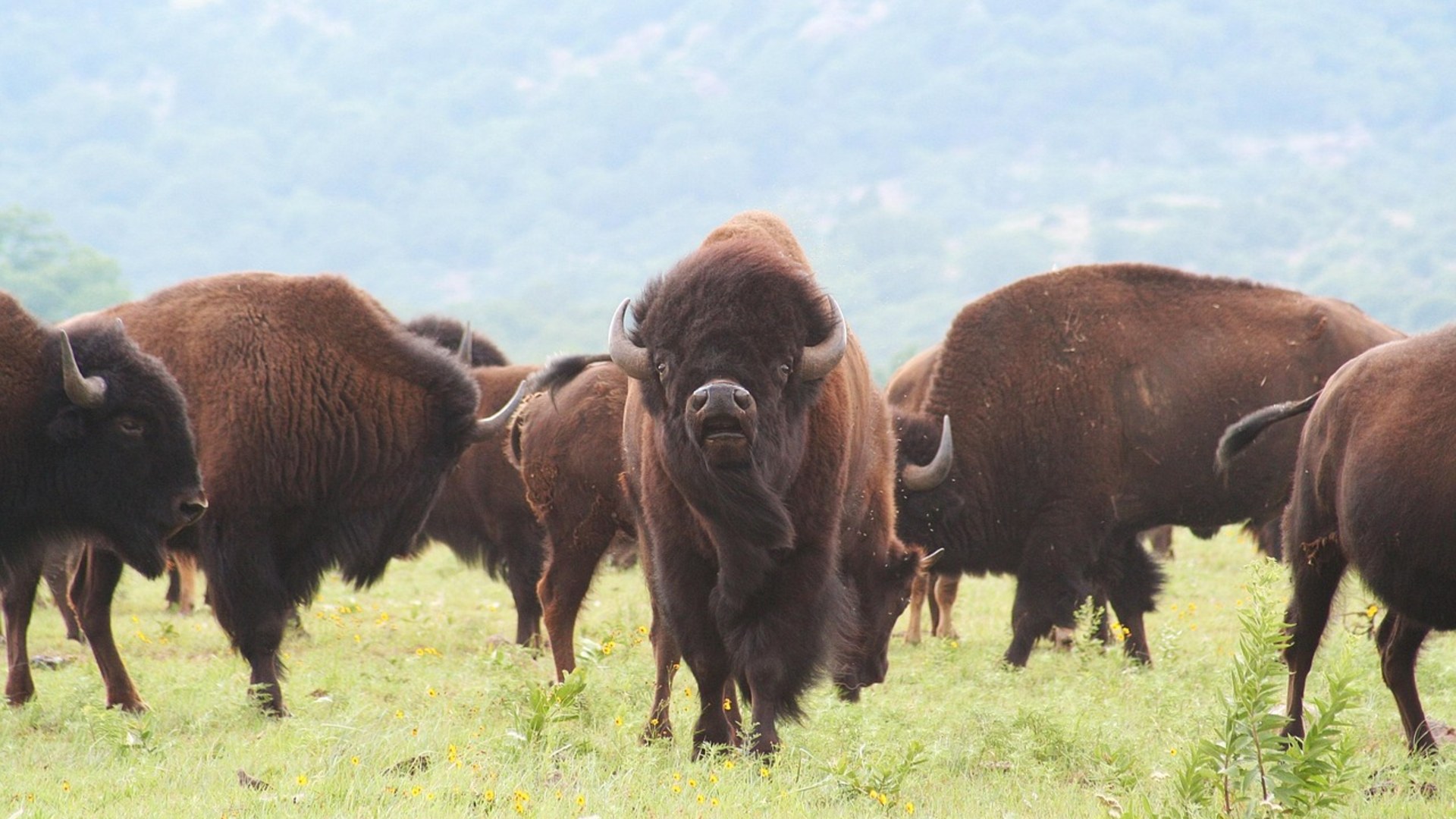
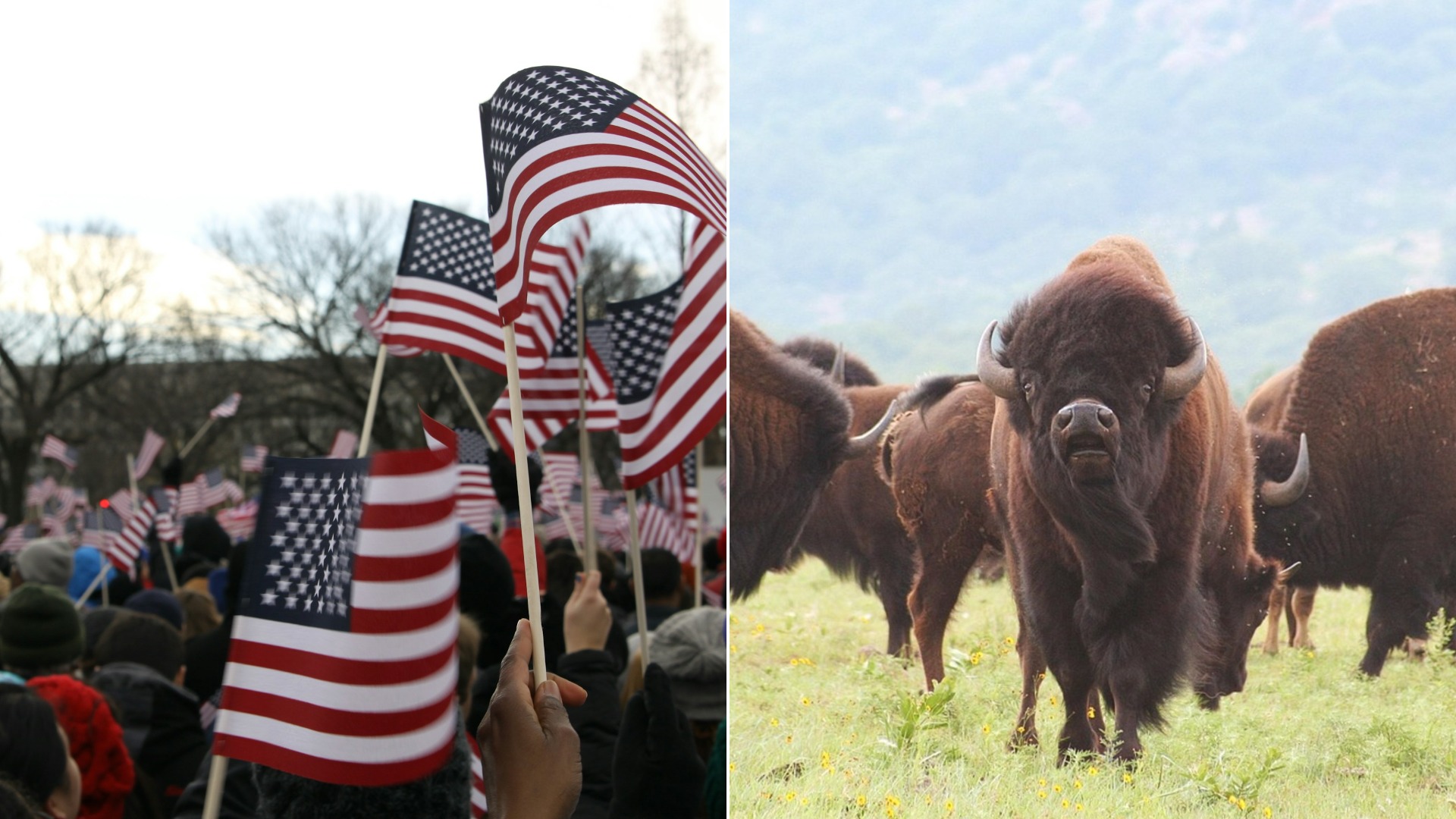
19. Bison Displacement
The rapid expansion of the American cattle empire in the late 1800s directly coincided with the systematic, near-extinction of tens of millions of wild bison across the Great Plains after the Civil War.
©Pixabay / antje89
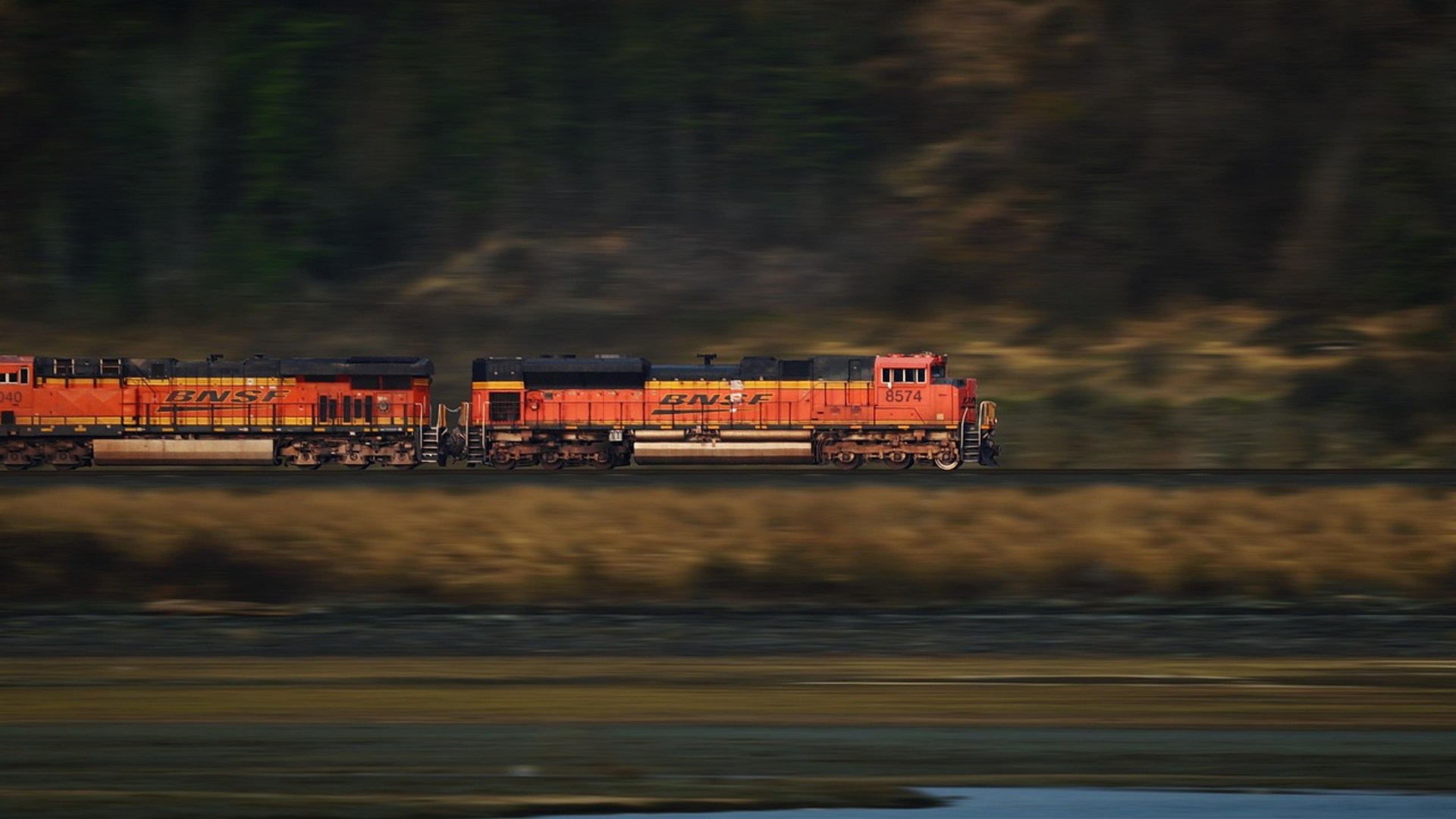
18. Refrigerated Rail Cars
The invention of the refrigerated rail car in the 19th century completely revolutionized the American diet by allowing fresh beef to be shipped thousands of miles from midwestern slaughterhouses to coastal cities.
©Pixabay / BlenderTimer
Advertisement
Swipe or tap ▶ to resume the countdown.
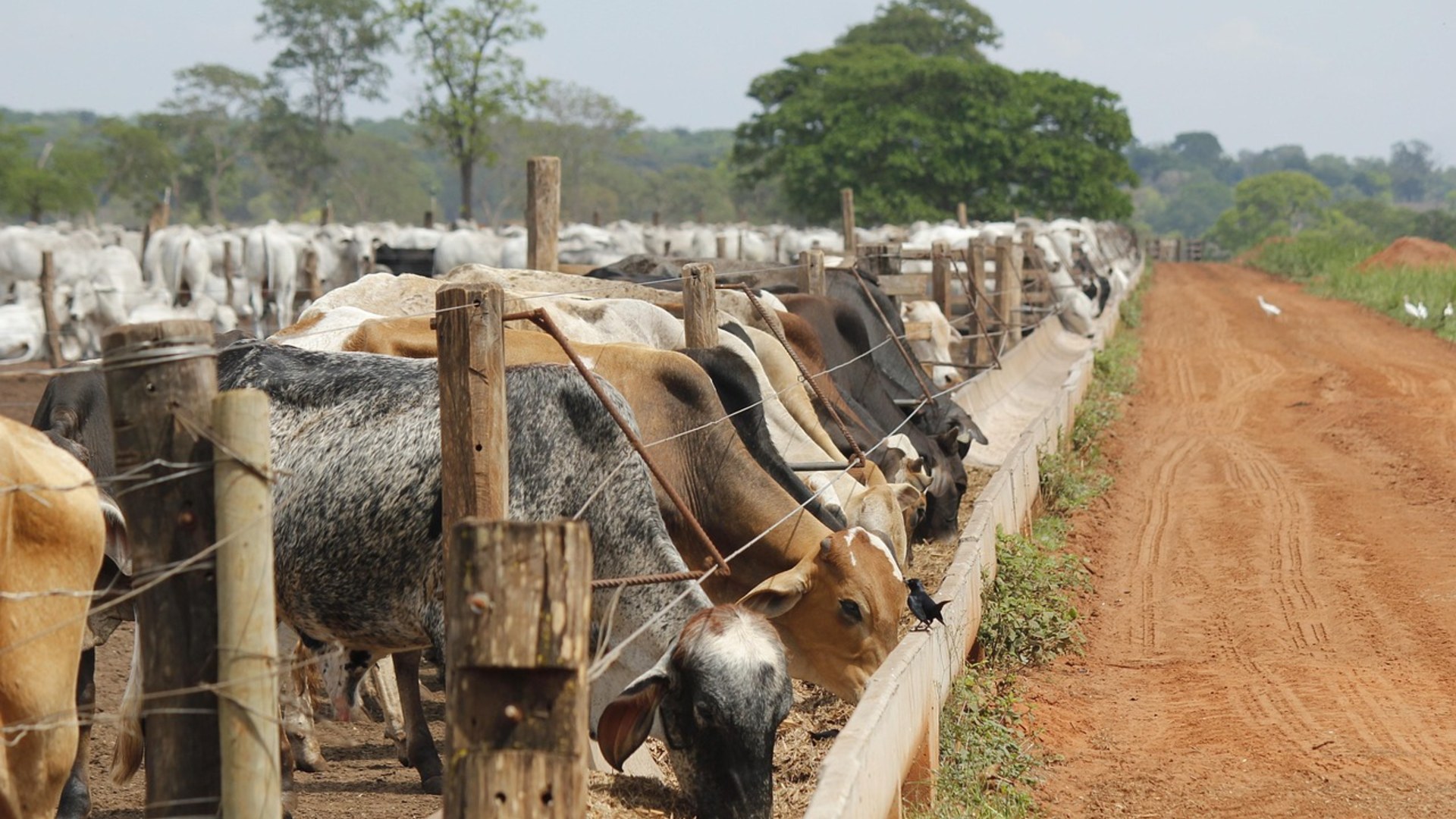
17. Industrial Feedlot Scale
The United States pioneered the modern industrial feedlot system in the mid-20th century, creating a highly efficient agricultural infrastructure designed to fatten cattle on grain as quickly and cheaply as possible.
©Pixabay / Herney
16. Massive Output Infrastructure
The domestic processing and meatpacking infrastructure is so massive that the United States remains one of the world's top beef producers, turning livestock into an economic powerhouse.
©Pixabay / Jai79
15. The Slow Supply Chain
Unlike poultry or pork, the biological "cattle cycle" takes roughly seven years from breeding to market adjustments, meaning the beef industry is remarkably slow to adapt to shifting consumer habits.
©Pixabay / pen_ash
14. Drought Resilience
Recent historic droughts and soaring grain prices have shrunk U.S. cattle herds to record lows, but relentless consumer appetite has kept retail beef prices high rather than causing demand to drop off.
©Pixabay / HikwaMehluli
Advertisement
Swipe or tap ▶ to resume the countdown.
13. Net Importers
Even though the United States produces 26 billion pounds of beef annually, domestic appetite, especially for lean ground beef, is so high that the country still imports extra beef to meet demand.
©Pixabay / dendoktoor
12. The Past Peak
Current consumption is actually lower than it used to be. American beef consumption hit its all-time historic peak 50 years ago, in 1976, at 91.5 pounds per person per year.
©Pixabay / bohacekmarek
11. Chicken's Takeover
Despite beef's iconic cultural status, total poultry consumption eventually surpassed red meat in the United States because chicken became significantly cheaper to produce and was marketed as a heart-healthier option.
©Pixabay / mygraphx
10. The "What's For Dinner" Effect
Massive, federally overseen checkoff marketing campaigns in the 1990s, most famously "Beef. It's What's for Dinner.", specifically engineered the modern American consumer's psychological craving for beef.
©Pixabay / CGFotoOnline
Advertisement
Swipe or tap ▶ to resume the countdown.
9. Lobbying The Guidelines
In the late 20th century, the cattle and beef lobby successfully pressured federal agencies to alter and soften explicit health warnings about red meat in official U.S. dietary guidelines.
©Wikimedia / Martin Falbisoner
8. Defying Health Warnings
American beef demand remained largely unfazed even after the World Health Organization's International Agency for Research on Cancer officially classified red meat as "probably carcinogenic" to humans.
©Pixabay / ReinhardThrainer
7. Environmental Disconnect
While beef production is up to 10 times more carbon-intensive per gram of protein than chicken, environmental concerns have had a relatively small impact on core American consumer habits.
©Pixabay / Leamsii
6. The Flexitarian Shift
While heavy meat eaters keep national averages high, younger generations are driving a quiet counter-movement toward "flexitarian" lifestyles and plant-based alternatives.
©Wikimedia / Veggie burger
Advertisement
Swipe or tap ▶ to resume the countdown.
5. The Protein Obsession
Modern fitness, keto, and strength-training trends have created an intense cultural focus on dietary protein, keeping beef highly relevant for muscle-building and active lifestyles.
©Pixabay / RitaE
4. Masculinity And Meat
Sociological studies show that beef consumption in the United States is deeply tied to traditional cultural ideals of masculinity, heavily influencing fast-food advertising and male dietary choices.
©Pixabay / guvo59
3. Cultural Identity
From Fourth of July backyard barbecues and Texas smokehouses to iconic fast-food drive-thrus, beef is deeply woven into the very fabric of American social traditions and daily life.
©Wikimedia / HolgersFotografie
2. Global Dominance
Despite making up less than 5% of the world's total population, the United States devours nearly a quarter (22.4%) of the entire planet's beef supply every year.
©Wikimedia / Shixart1985
Advertisement
Swipe or tap ▶ to resume the countdown.
1. The 12% Rule
A landmark nutrition study revealed that just 12% of the U.S. population, primarily men aged 50 to 65, is responsible for eating half of all the beef consumed in the country on any given day.

©Pixabay / ReinhardThrainer
Advertisement
You've reached the end of the story. Thanks for reading!

22 Everyday Foods and Drinks That Can Keep You Awake at Night
Caffeine is only one reason evening snacks disrupt rest. Drawing on USDA nutrient figures, FDA guidance and National Library of Medicine sleep studies, this gallery counts down 22 everyday foods and drinks whose stimulants, acids, tyramine or fluids trigger nighttime heartburn, alertness or bathroom trips.
All 20 Entries in this Story
20. Settler Legacy
The American love for beef is a literal foundational element of colonial history, as European settlers explicitly used vast expanses of seized Indigenous lands to introduce open-range cattle grazing.

19. Bison Displacement
The rapid expansion of the American cattle empire in the late 1800s directly coincided with the systematic, near-extinction of tens of millions of wild bison across the Great Plains after the Civil War.

18. Refrigerated Rail Cars
The invention of the refrigerated rail car in the 19th century completely revolutionized the American diet by allowing fresh beef to be shipped thousands of miles from midwestern slaughterhouses to coastal cities.

17. Industrial Feedlot Scale
The United States pioneered the modern industrial feedlot system in the mid-20th century, creating a highly efficient agricultural infrastructure designed to fatten cattle on grain as quickly and cheaply as possible.

16. Massive Output Infrastructure
The domestic processing and meatpacking infrastructure is so massive that the United States remains one of the world's top beef producers, turning livestock into an economic powerhouse.

15. The Slow Supply Chain
Unlike poultry or pork, the biological "cattle cycle" takes roughly seven years from breeding to market adjustments, meaning the beef industry is remarkably slow to adapt to shifting consumer habits.

14. Drought Resilience
Recent historic droughts and soaring grain prices have shrunk U.S. cattle herds to record lows, but relentless consumer appetite has kept retail beef prices high rather than causing demand to drop off.

13. Net Importers
Even though the United States produces 26 billion pounds of beef annually, domestic appetite, especially for lean ground beef, is so high that the country still imports extra beef to meet demand.

12. The Past Peak
Current consumption is actually lower than it used to be. American beef consumption hit its all-time historic peak 50 years ago, in 1976, at 91.5 pounds per person per year.

11. Chicken's Takeover
Despite beef's iconic cultural status, total poultry consumption eventually surpassed red meat in the United States because chicken became significantly cheaper to produce and was marketed as a heart-healthier option.

10. The "What's For Dinner" Effect
Massive, federally overseen checkoff marketing campaigns in the 1990s, most famously "Beef. It's What's for Dinner.", specifically engineered the modern American consumer's psychological craving for beef.

9. Lobbying The Guidelines
In the late 20th century, the cattle and beef lobby successfully pressured federal agencies to alter and soften explicit health warnings about red meat in official U.S. dietary guidelines.

8. Defying Health Warnings
American beef demand remained largely unfazed even after the World Health Organization's International Agency for Research on Cancer officially classified red meat as "probably carcinogenic" to humans.

7. Environmental Disconnect
While beef production is up to 10 times more carbon-intensive per gram of protein than chicken, environmental concerns have had a relatively small impact on core American consumer habits.

6. The Flexitarian Shift
While heavy meat eaters keep national averages high, younger generations are driving a quiet counter-movement toward "flexitarian" lifestyles and plant-based alternatives.

5. The Protein Obsession
Modern fitness, keto, and strength-training trends have created an intense cultural focus on dietary protein, keeping beef highly relevant for muscle-building and active lifestyles.

4. Masculinity And Meat
Sociological studies show that beef consumption in the United States is deeply tied to traditional cultural ideals of masculinity, heavily influencing fast-food advertising and male dietary choices.

3. Cultural Identity
From Fourth of July backyard barbecues and Texas smokehouses to iconic fast-food drive-thrus, beef is deeply woven into the very fabric of American social traditions and daily life.

2. Global Dominance
Despite making up less than 5% of the world's total population, the United States devours nearly a quarter (22.4%) of the entire planet's beef supply every year.

1. The 12% Rule
A landmark nutrition study revealed that just 12% of the U.S. population, primarily men aged 50 to 65, is responsible for eating half of all the beef consumed in the country on any given day.