Slideshow · Science
20 Mars Discoveries That Changed What We Know About the Planet
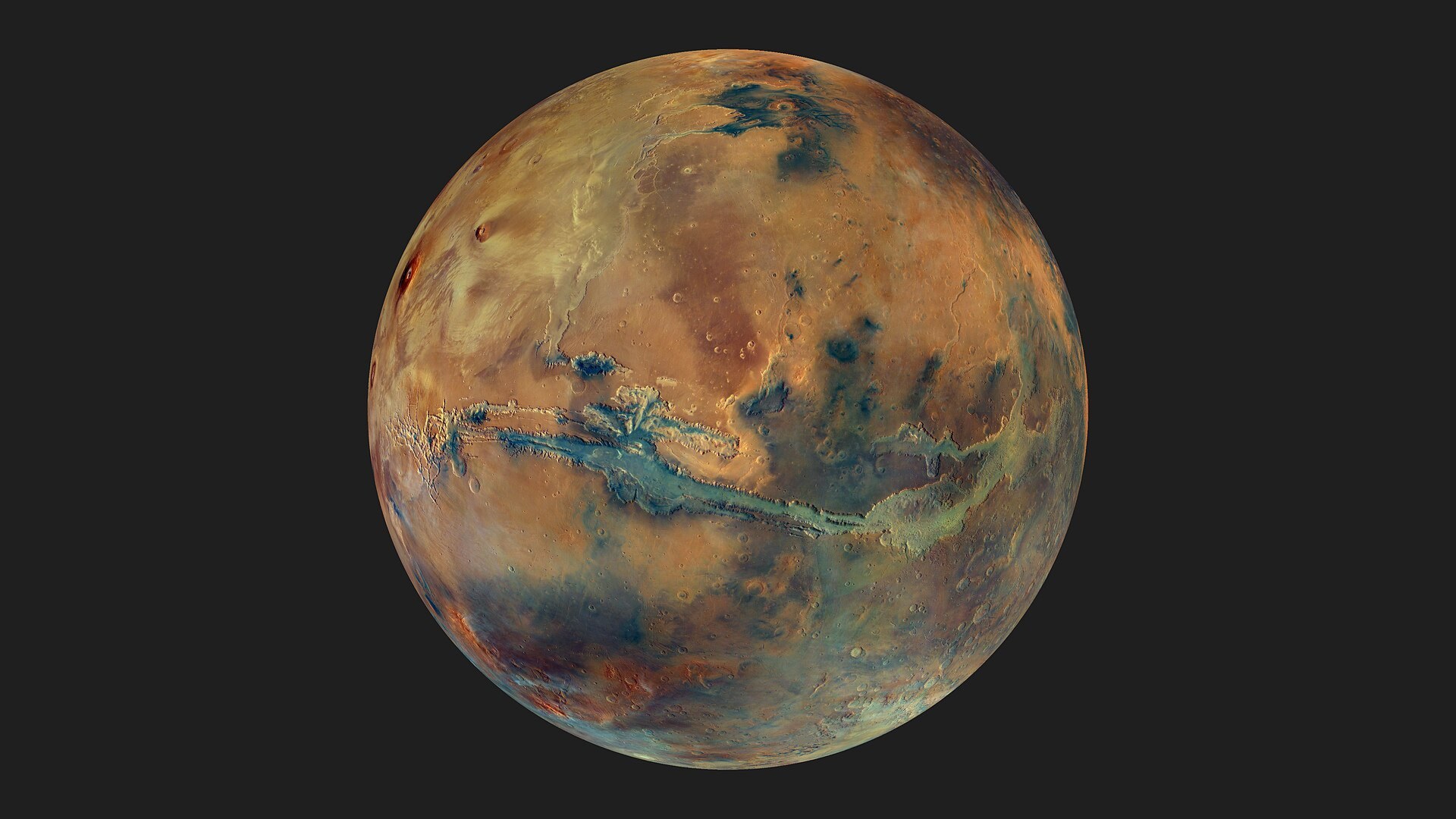
For centuries Mars looked like a dead desert world, but decades of robotic exploration overturned that picture. Orbital radar and surface rovers revealed ancient river deltas, deep underground ice sheets, organic carbon, and active marsquakes that prove the Red Planet once had everything required to host life.

All 20 Entries in this Story
#20 Massive Dust Devils Tower Thousands Of Feet High
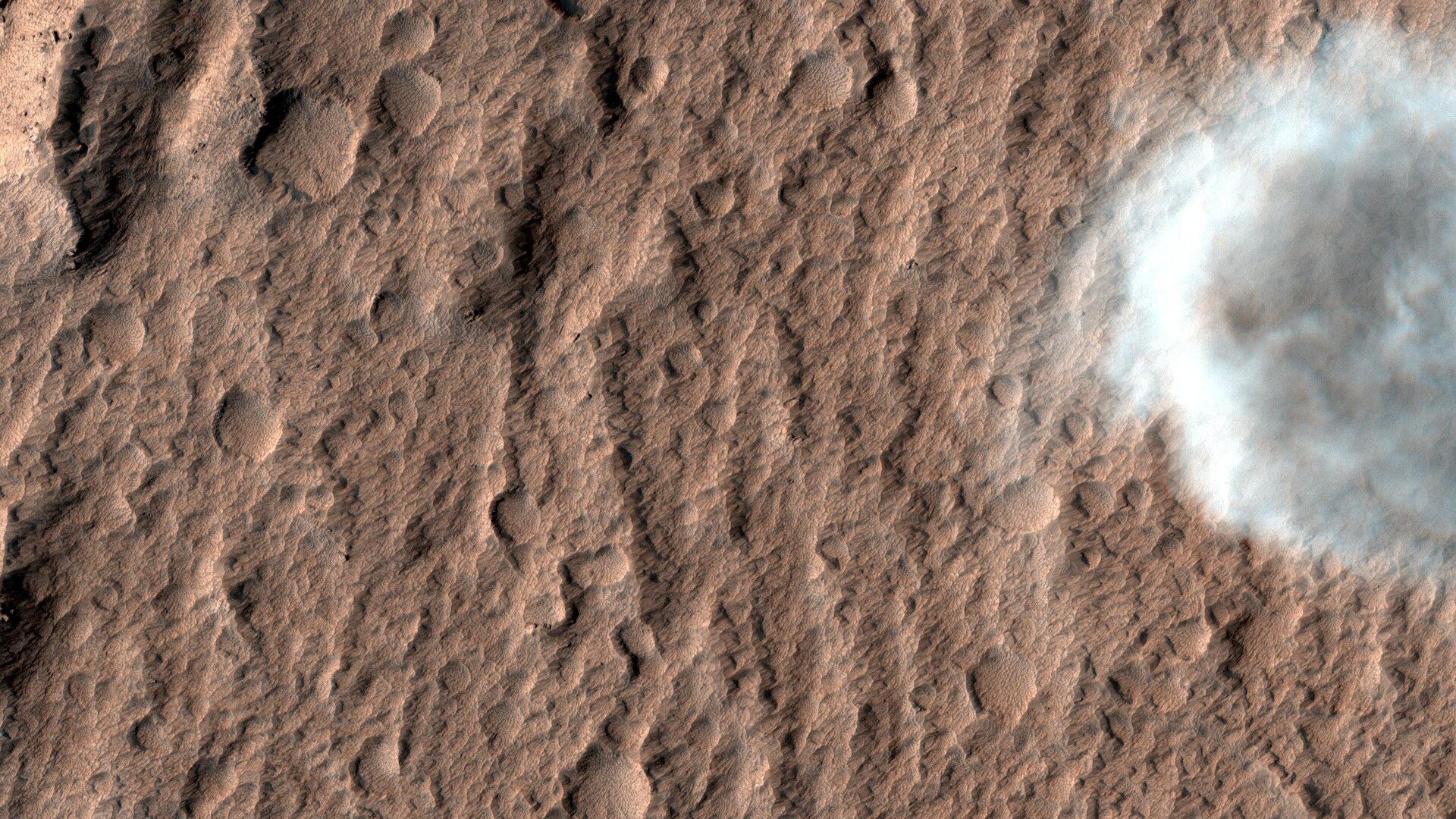
Mars orbiters and rovers documented dust devils stretching over eight kilometers into the thin atmosphere. In 2005, these vortices famously swept accumulated dust off the Spirit rover solar arrays, extending its mission by years. They drive the planet global atmospheric dust cycle.
#19 Ancient Mega-Floods Carved Vast Outflow Channels
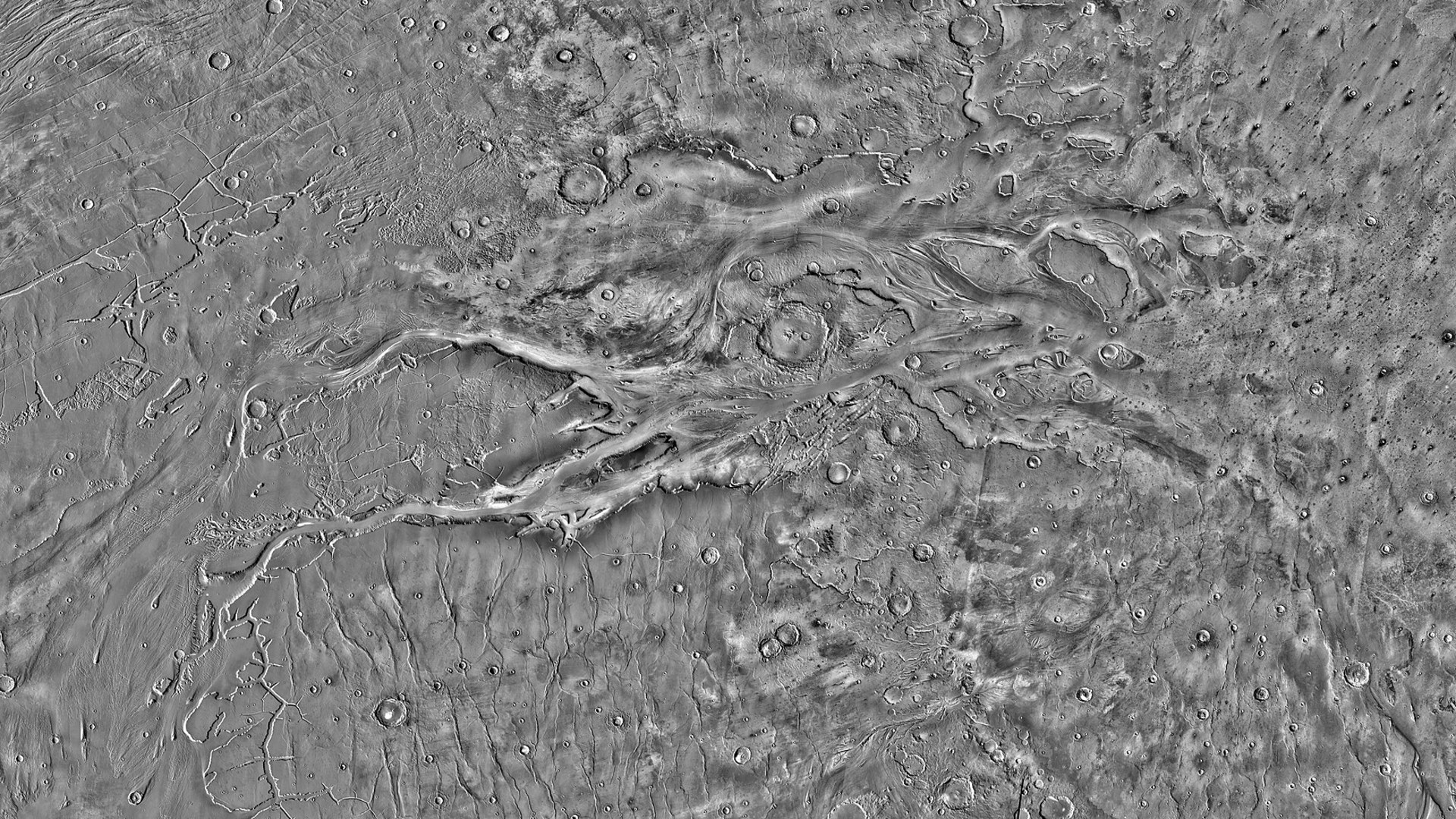
Orbital imagery from the Mariner 9 and Viking missions showed massive dry channels like Kasei Valles carved by torrential floods billions of years ago. Scientists calculated that water discharge rates exceeded millions of cubic meters per second, dwarfing any known river surge on Earth.
#18 Olympus Mons Stands As The Solar System's Tallest Volcano
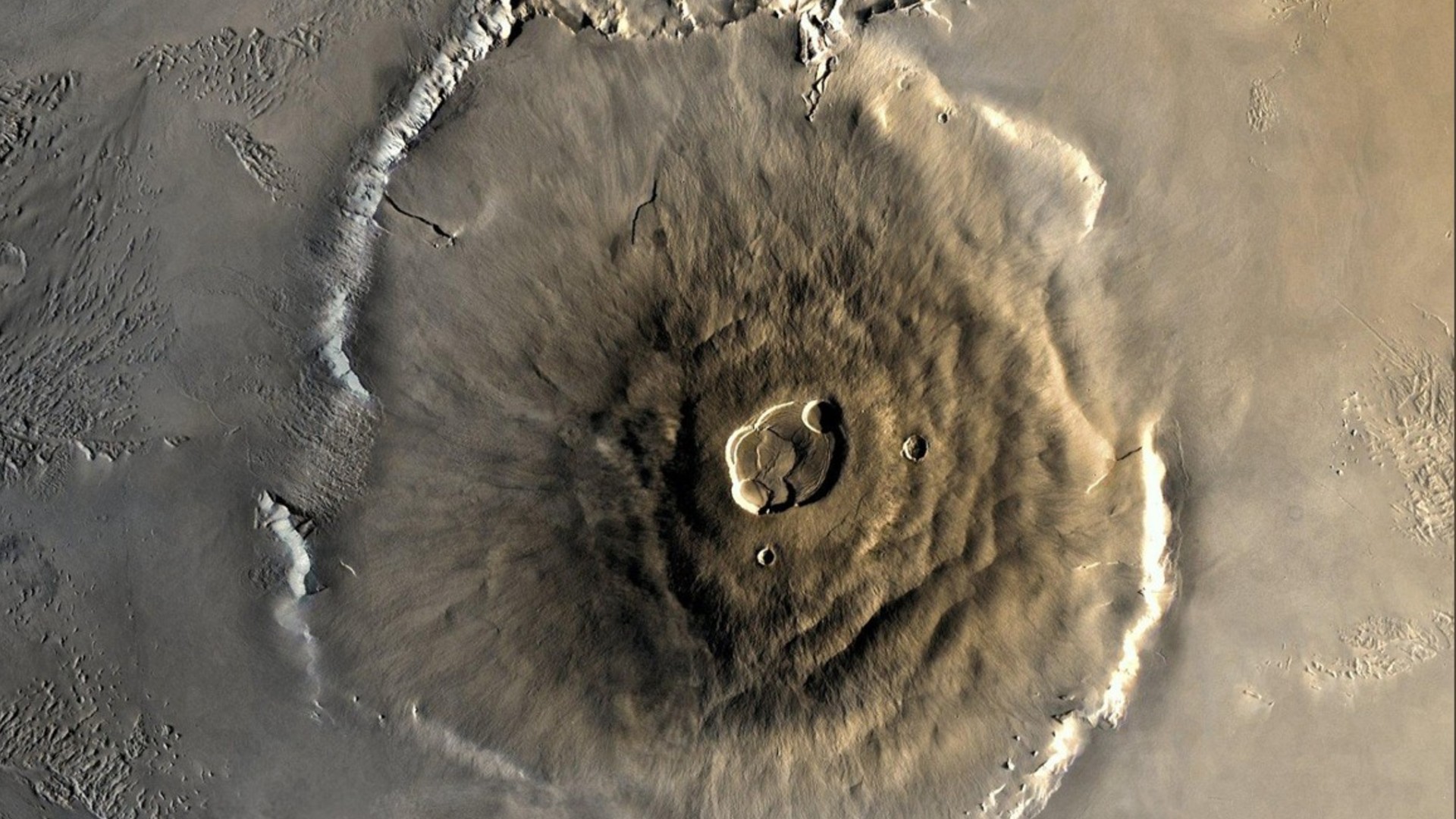
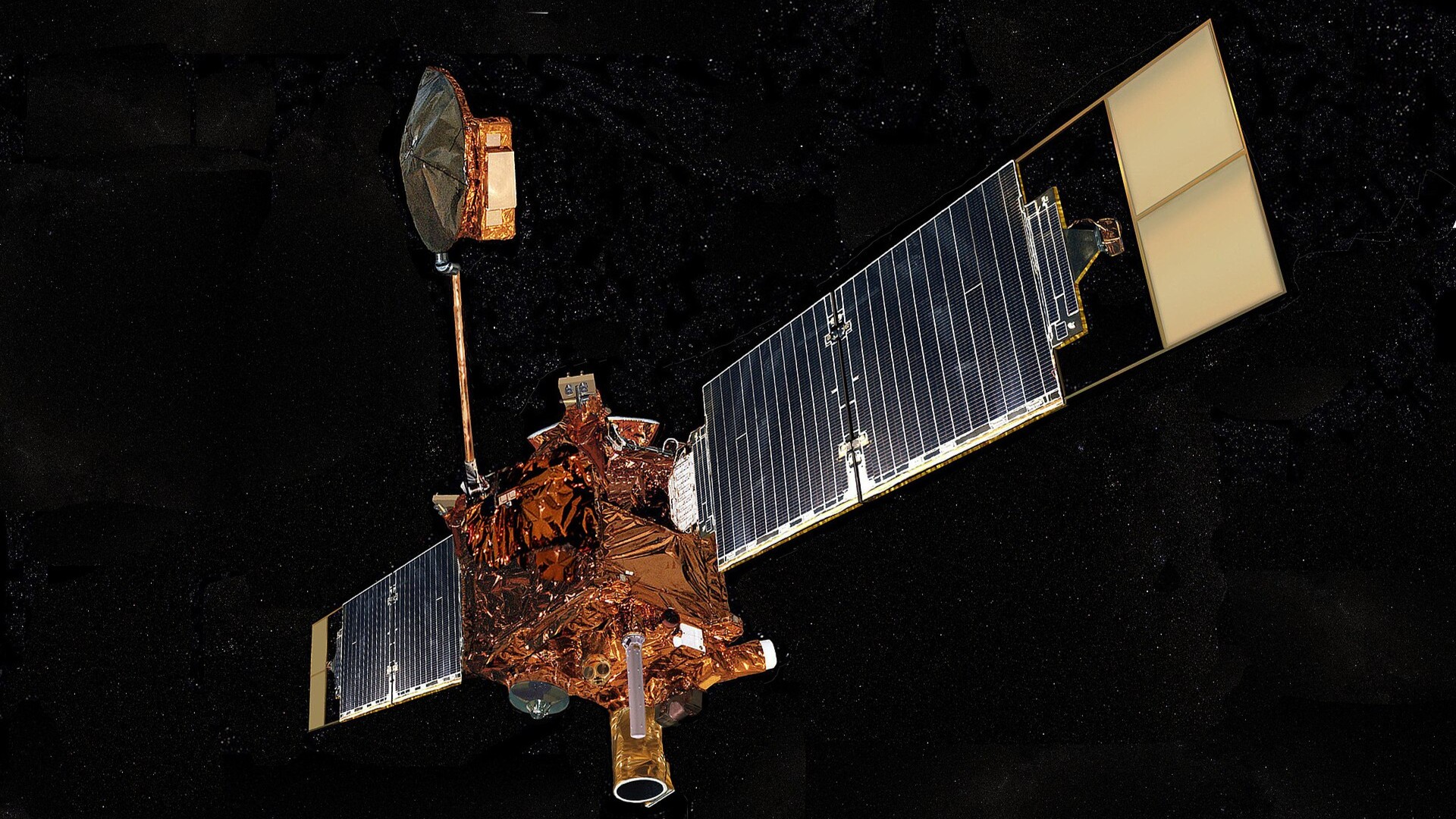
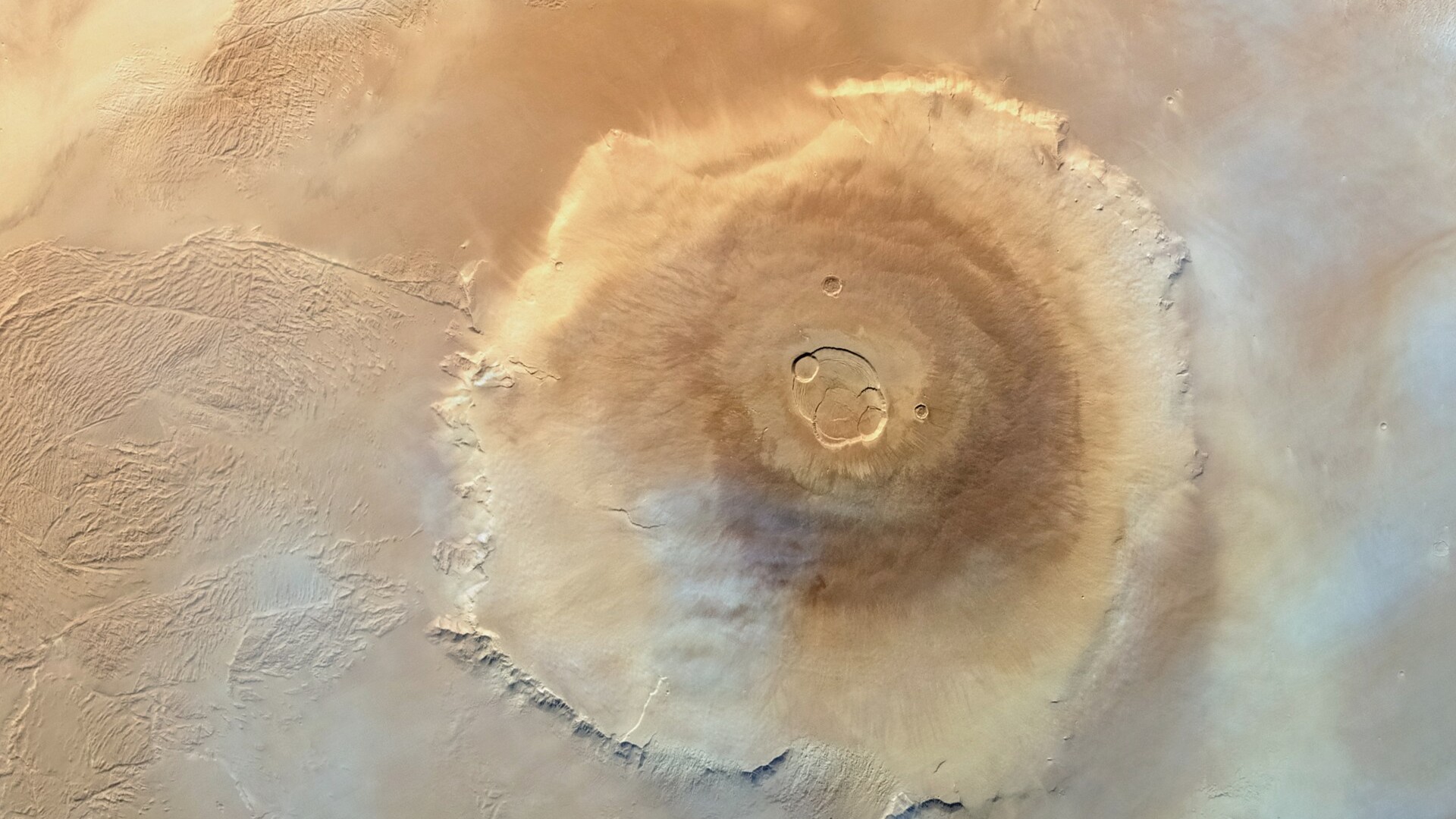
Rising 21.9 kilometers above the Martian datum, Olympus Mons spans a footprint larger than the state of Arizona. Data from the Mars Global Surveyor revealed that the crust beneath Mars never shifted over tectonic plates, allowing magma to pile into a single colossal shield over billions of years.
#17 The Solar Wind Stripped Away The Ancient Atmosphere
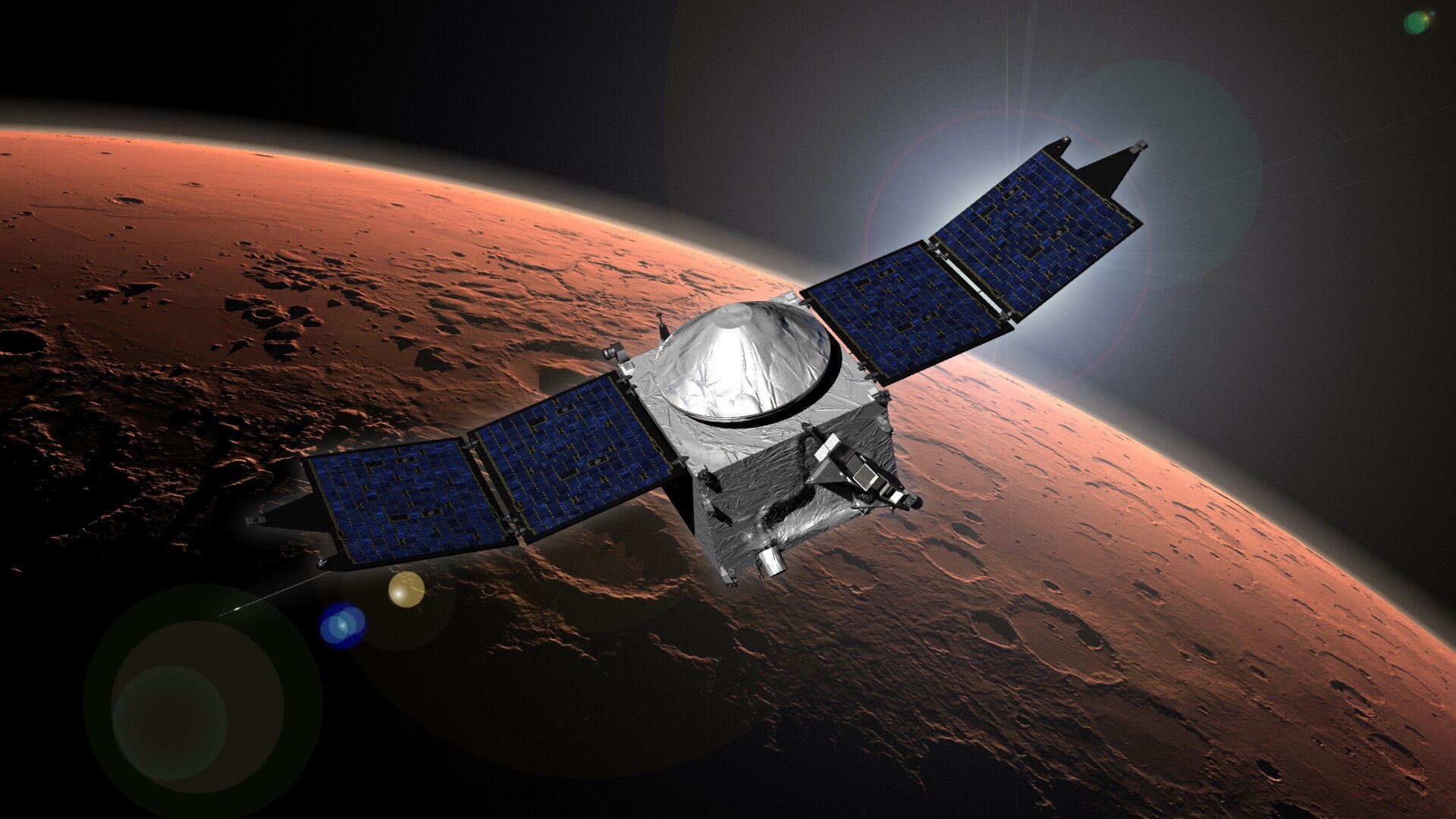
NASA MAVEN orbiter began measuring the Martian upper atmosphere in 2014 and discovered solar storms actively strip away ions. Without a global magnetic field to shield it, Mars lost most of its dense atmosphere to the Sun over billions of years, transforming its surface into a frigid desert.
#16 Boron And Clay Minerals Prove Groundwaters Circulated
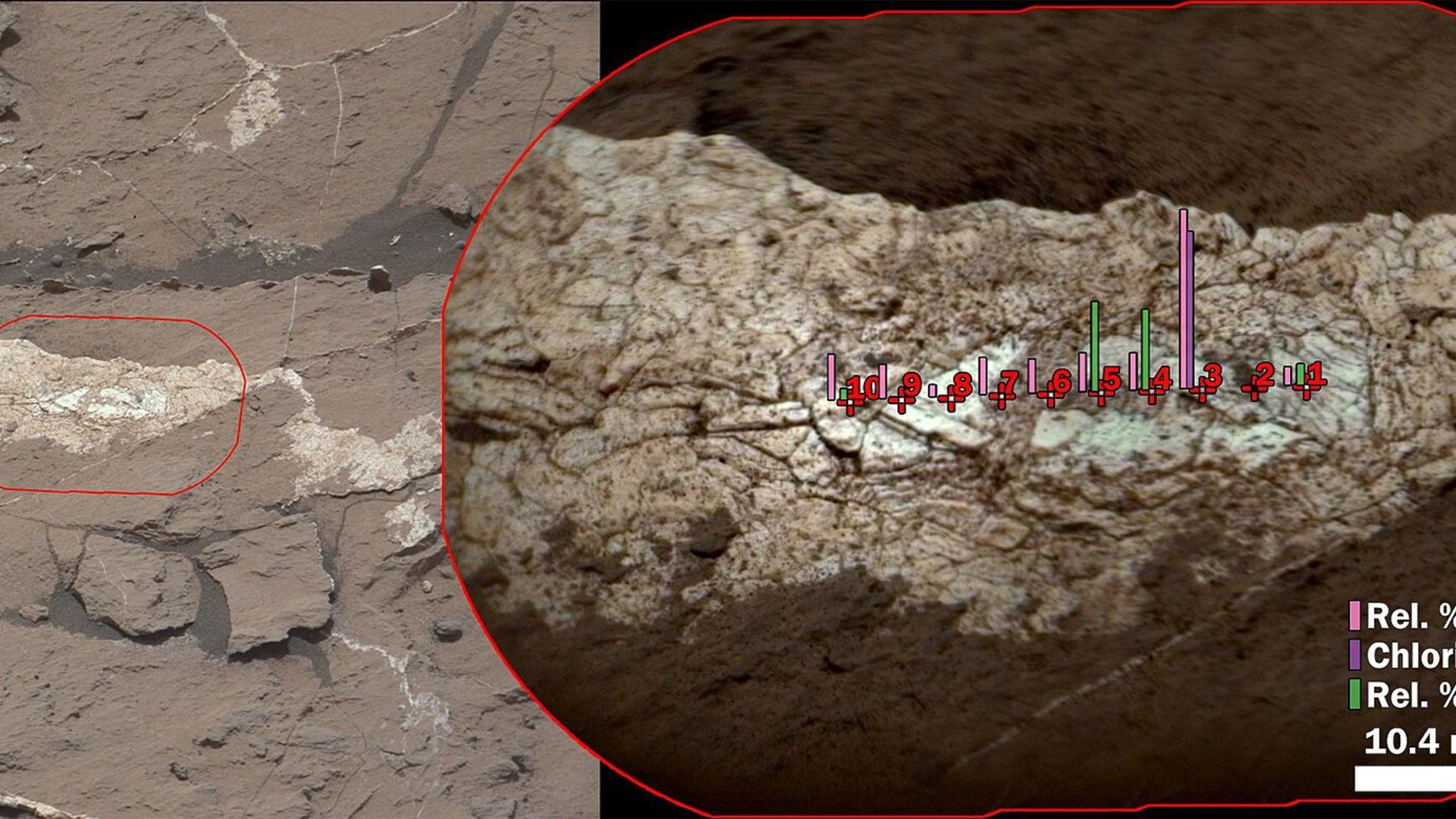
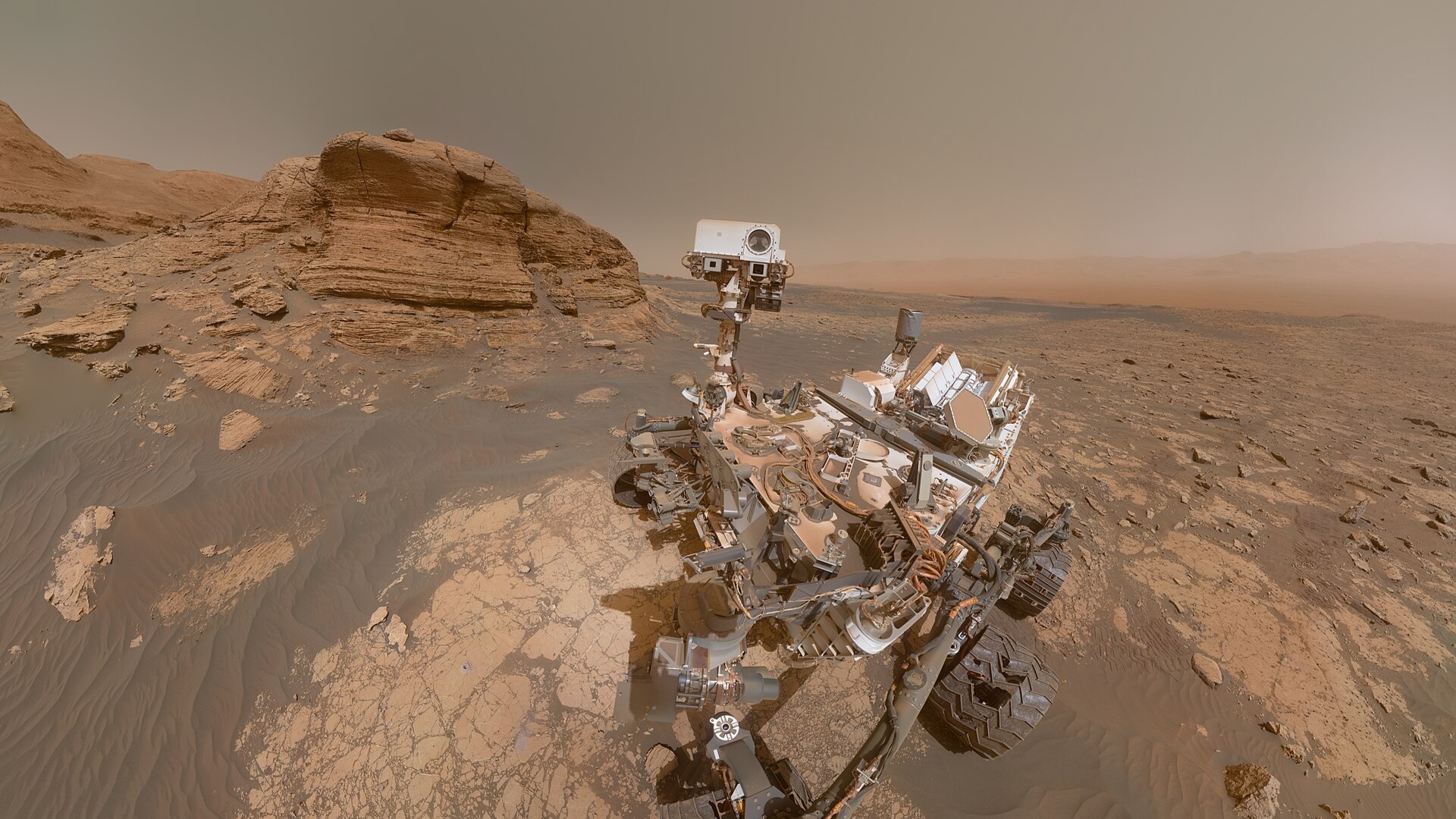
In 2016, the Curiosity rover detected boron inside calcium sulfate mineral veins in Gale Crater. Boron forms when groundwater evaporates in warm, neutral pH conditions. The find confirmed that Martian groundwater persisted beneath the surface long after surface water dried up.
#15 Seasonal Carbon Dioxide Geysers Erupt At The South Pole
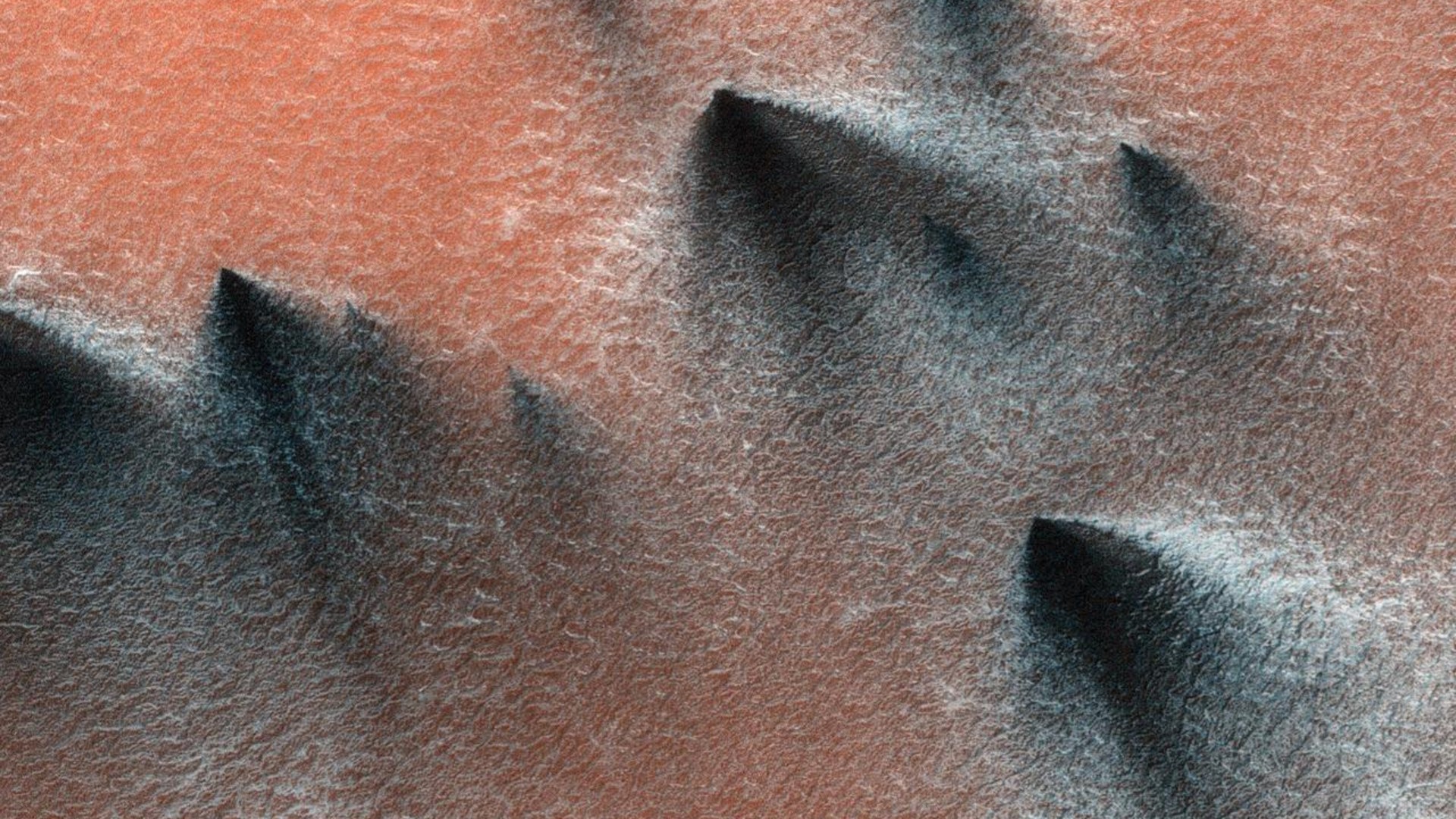
High-resolution images from the Mars Reconnaissance Orbiter captured dark spider-like plumes erupting across the southern ice cap each spring. Trapped carbon dioxide gas builds pressure beneath seasonal dry ice slabs and violently bursts out at speeds up to 160 kilometers per hour.
#14 Water Ice Sits Just Inches Beneath The Martian Surface
In June 2008, NASA Phoenix lander scraped a trench near the north pole and exposed white material that vaporized over four days, confirming pure water ice. Subsequent orbital radar scans proved shallow permafrost covers millions of square kilometers across mid and polar latitudes.
#13 Curiosity Detected Fluctuating Methane In The Atmosphere
NASA Curiosity rover repeatedly measured background levels of methane in Gale Crater with seasonal spikes reaching 21 parts per billion. Because methane breaks down rapidly under ultraviolet sunlight, an active underground source, either biological or geochemical, must continually release it today.
#12 Mars Had A Global Magnetic Field That Abruptly Shut Down
In 1999, the Mars Global Surveyor detected alternating magnetic stripes frozen into ancient southern crustal rocks. The discovery showed Mars once possessed a core-generated magnetic dynamo like Earth, which shut down roughly four billion years ago and left the atmosphere vulnerable to erosion.
#11 Water Frost Forms Daily Across Giant Martian Volcanoes
In June 2024, the European Space Agency ExoMars Trace Gas Orbiter and Mars Express spotted morning water frost atop Olympus Mons and Tharsis volcanoes. The discovery proved that active microclimates circulate atmospheric water vapor and condense roughly 150,000 tons of ice each day.
#10 Marsquakes Prove The Red Planet Is Still Geologically Alive
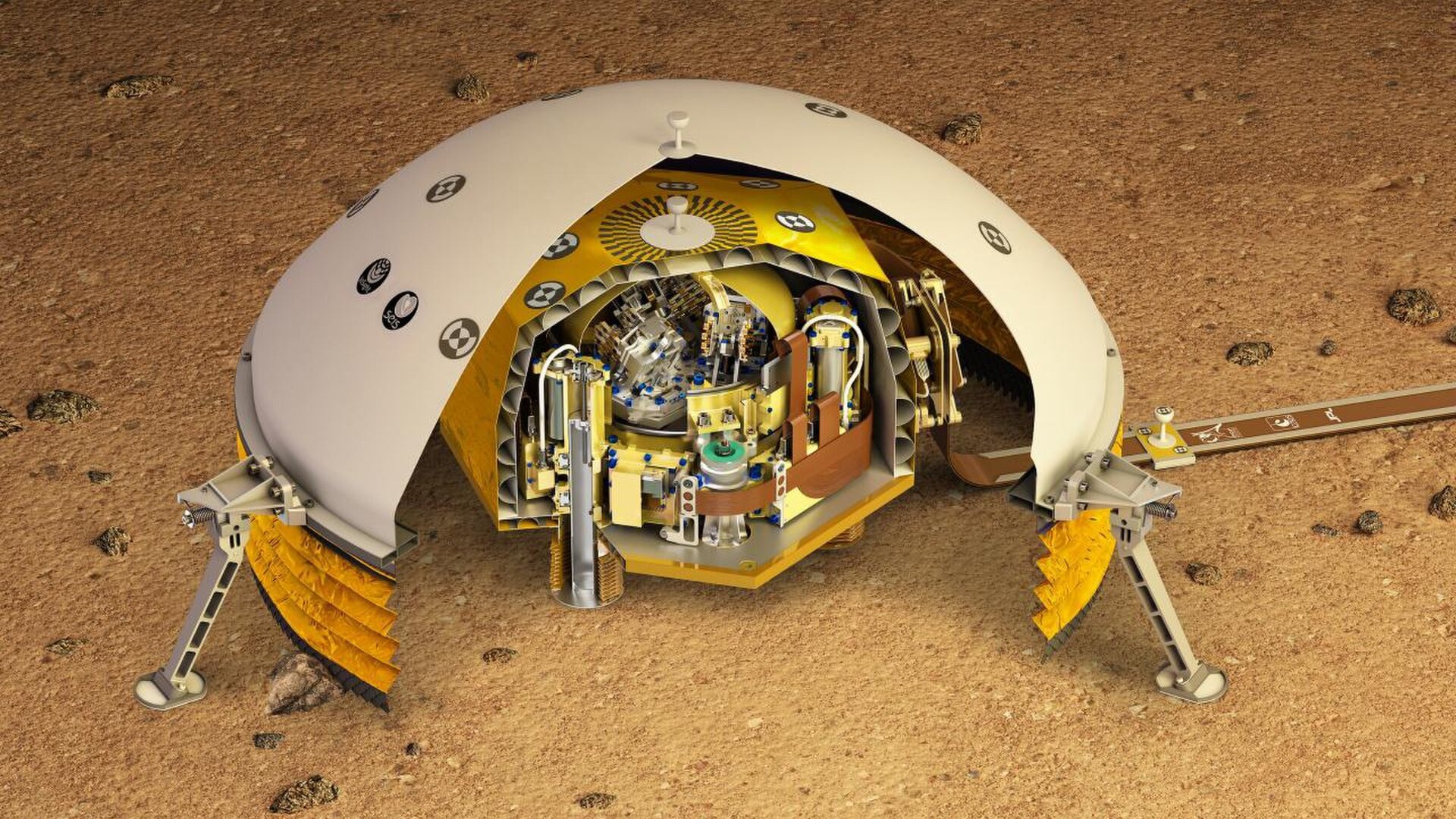
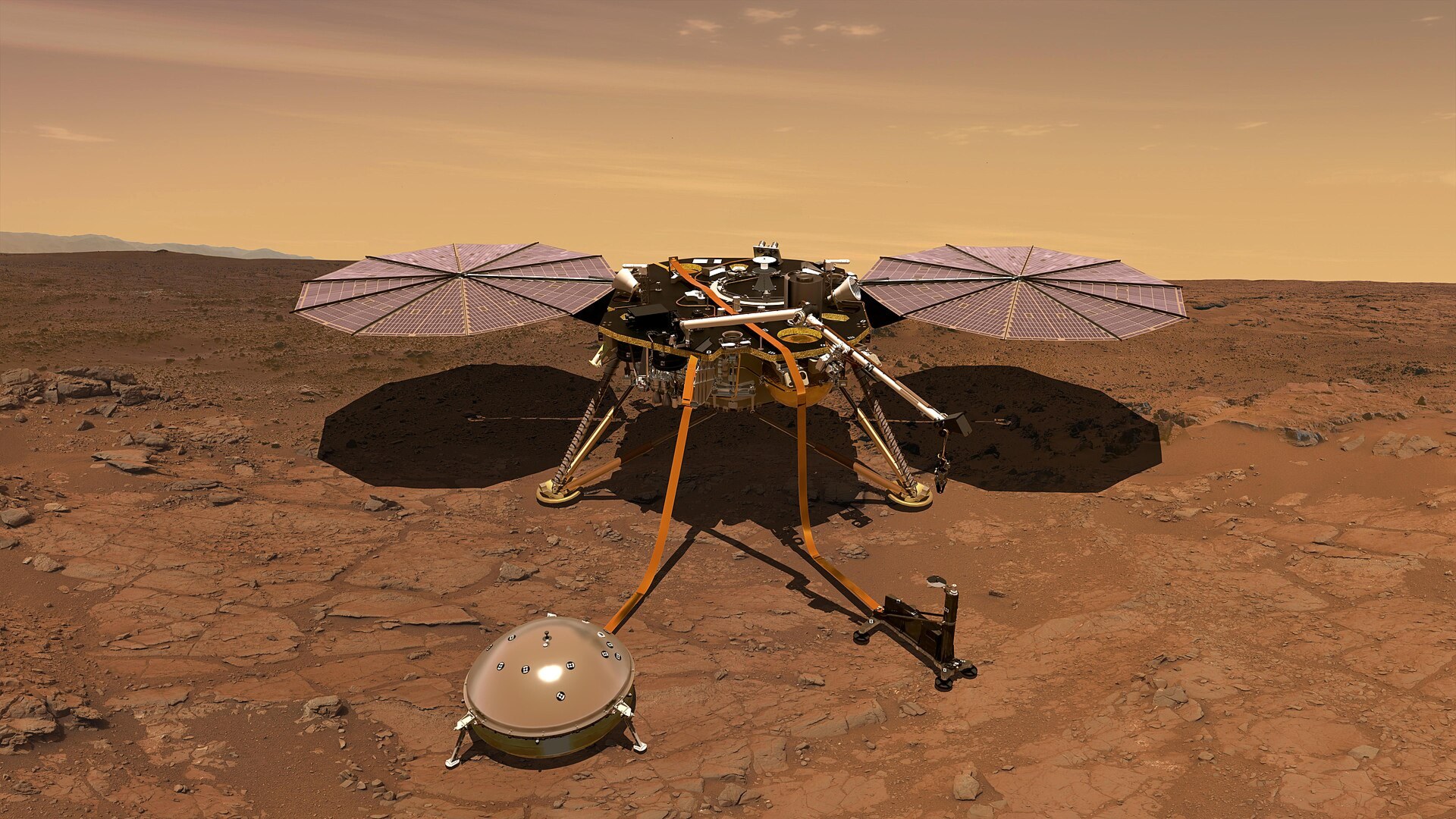
Operating from 2018 to 2022, NASA InSight lander placed an ultra-sensitive seismometer directly on Martian soil. It recorded more than 1,300 marsquakes, including a magnitude 4.7 quake in May 2022. The data proved the interior is not geologically dead and revealed a large liquid iron-nickel core.
#9 Ancient Mudstones Preserved Complex Organic Molecules
In 2018, the Curiosity rover sampled 3.5 billion year old mudstone at Gale Crater and extracted sulfur-bound thiophenes, benzenes, and aliphatic hydrocarbons. The organic molecules proved that carbon building blocks could survive harsh surface radiation intact inside ancient Martian sedimentary rock.
#8 Jezero Crater Contains A Well-Preserved Ancient River Delta
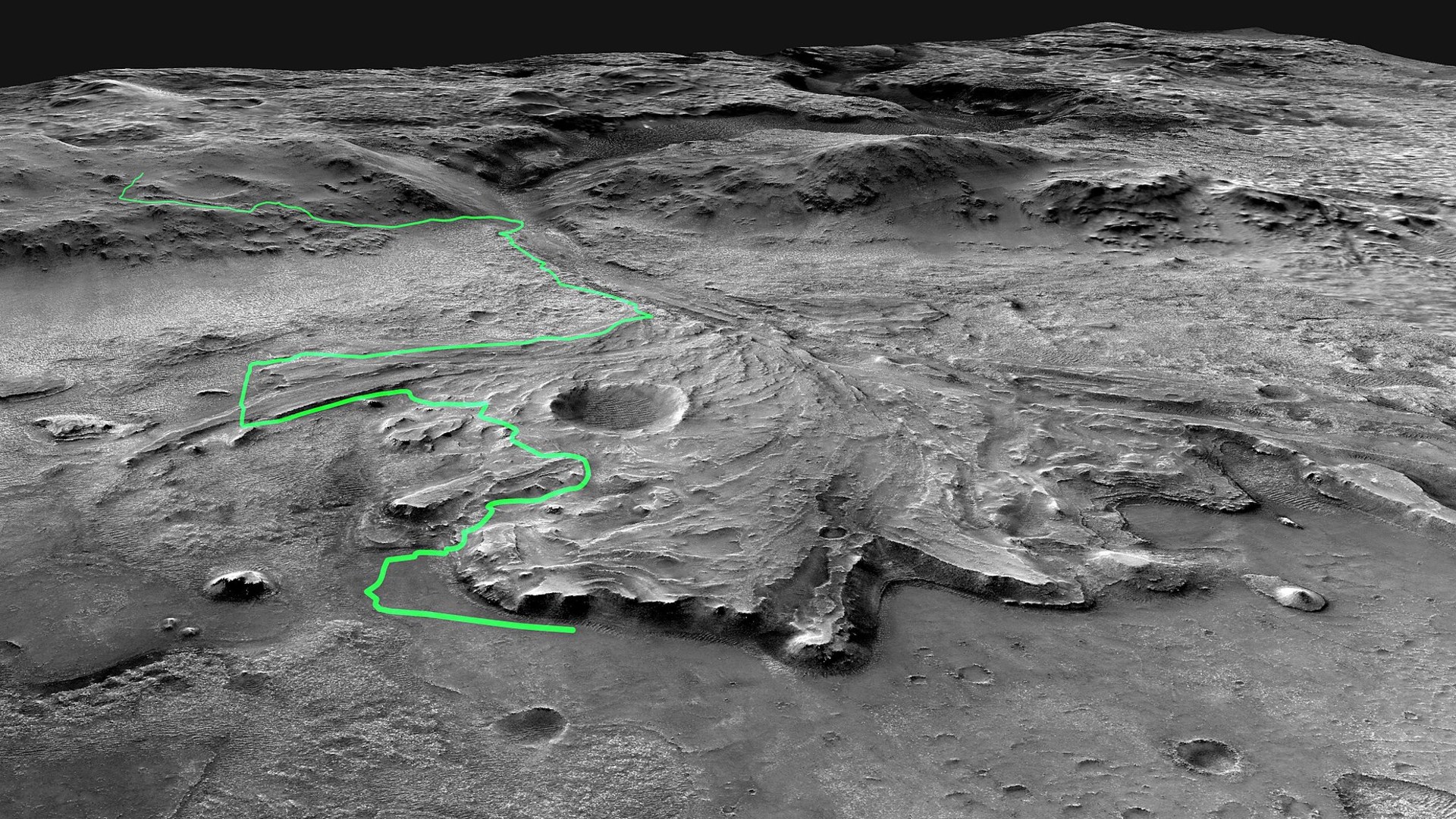
Landing in February 2021, NASA Perseverance rover confirmed that Jezero Crater once held a deep lake fed by a winding river. Distinct sedimentary layers and rounded riverbed pebbles demonstrated that water flowed with enough energy to carry heavy gravel, creating prime habitats for fossil microbes.
#7 Medusae Fossae Holds A Massive Subsurface Water Glacier
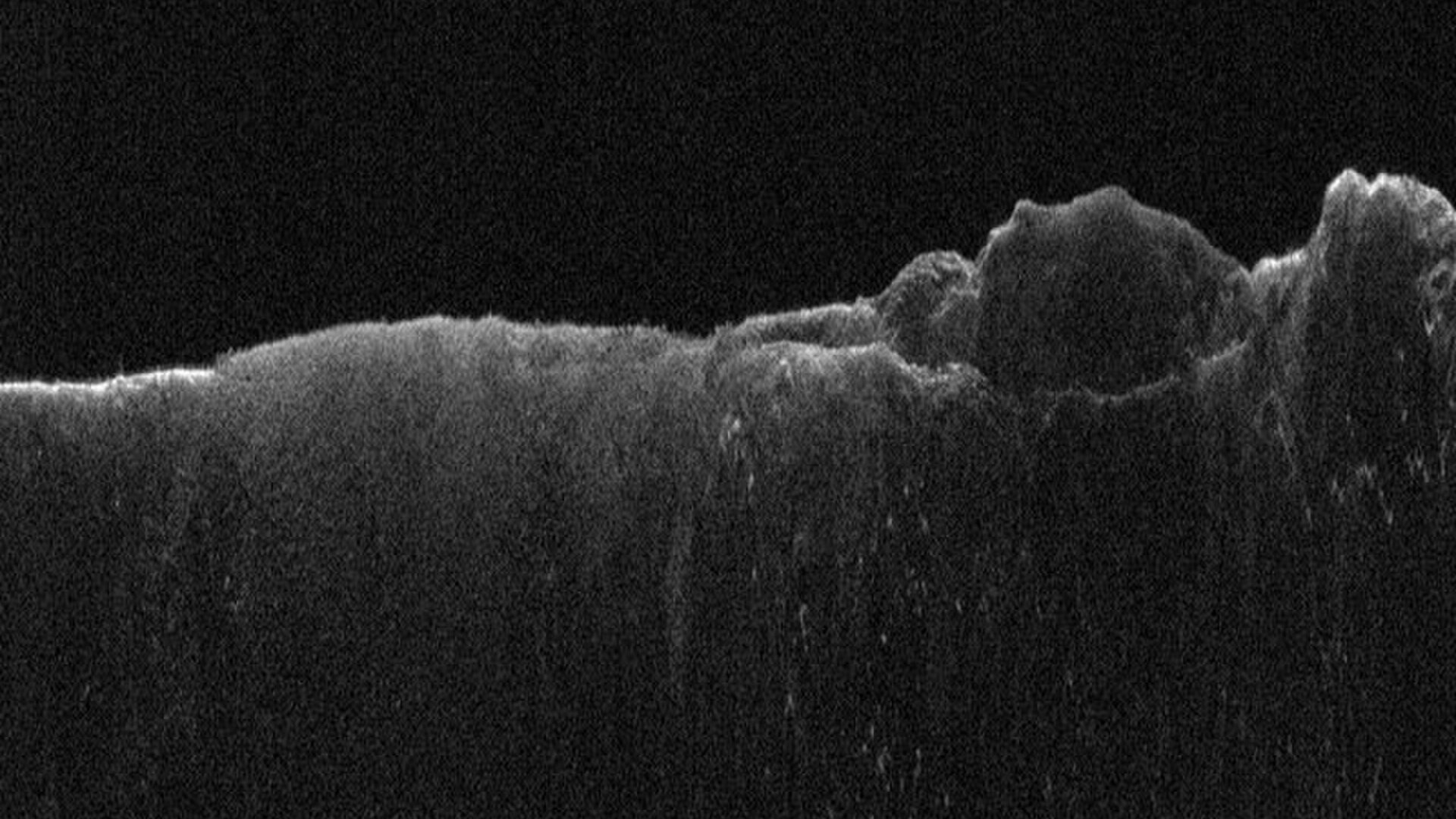
In January 2024, the European Space Agency Mars Express orbiter re-analyzed radar data from the Medusae Fossae Formation along the equator. The data revealed porous volcanic dust encasing water ice deposits up to 3.7 kilometers thick, holding enough water to submerge all of Mars in two meters of water.
#6 Martian Meteorites On Earth Retain Trapped Ancient Gases
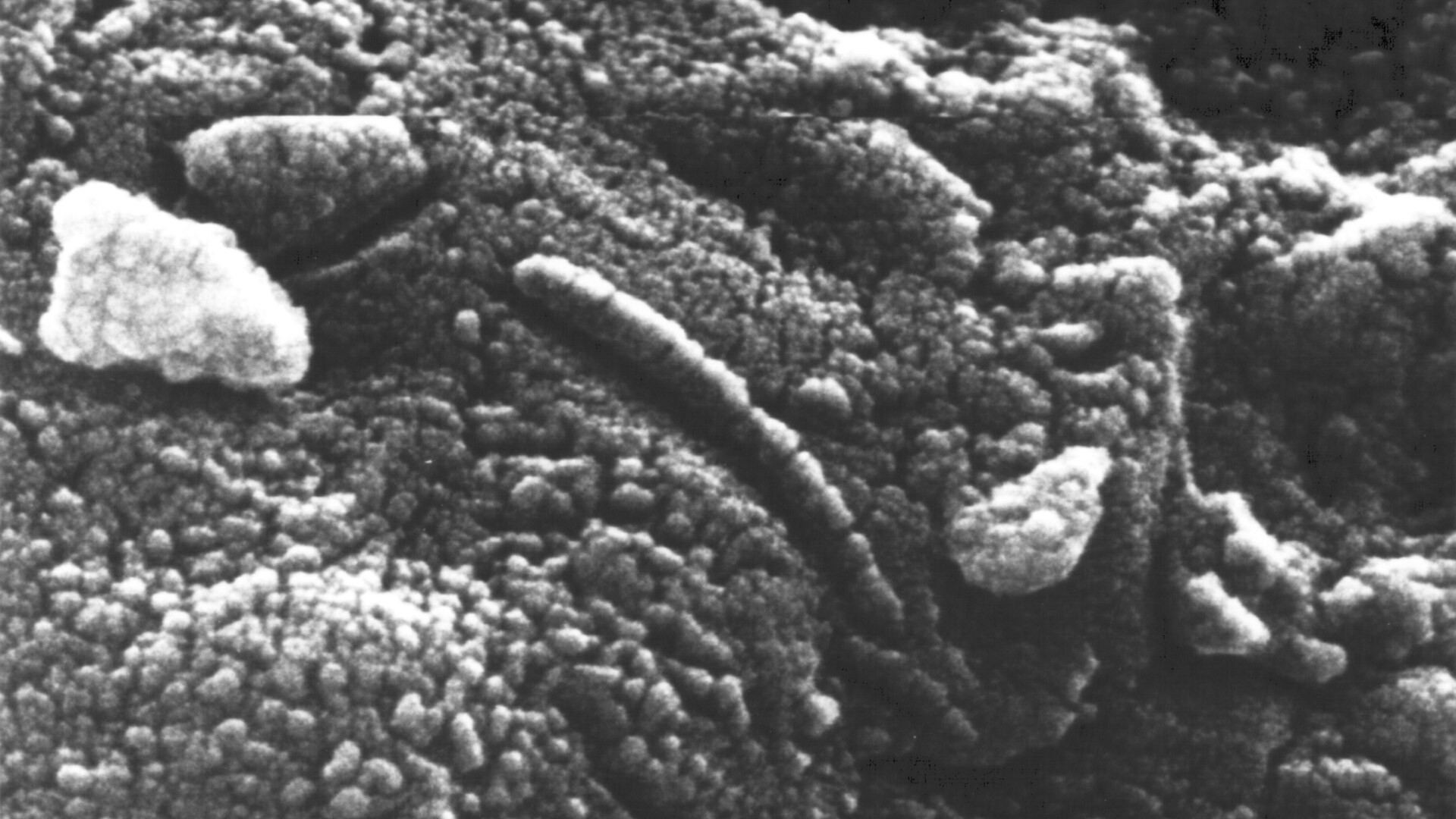
Analyses of meteorites such as EETA79001 and ALH84001 revealed trapped gases identical in noble gas and nitrogen isotopes to measurements made by the Viking landers in 1976. The meteorites proved that rocks can travel between planets and offered direct laboratory samples of the ancient crust.
#5 Lake Gale Sustained Drinkable Freshwater For Millions Of Years
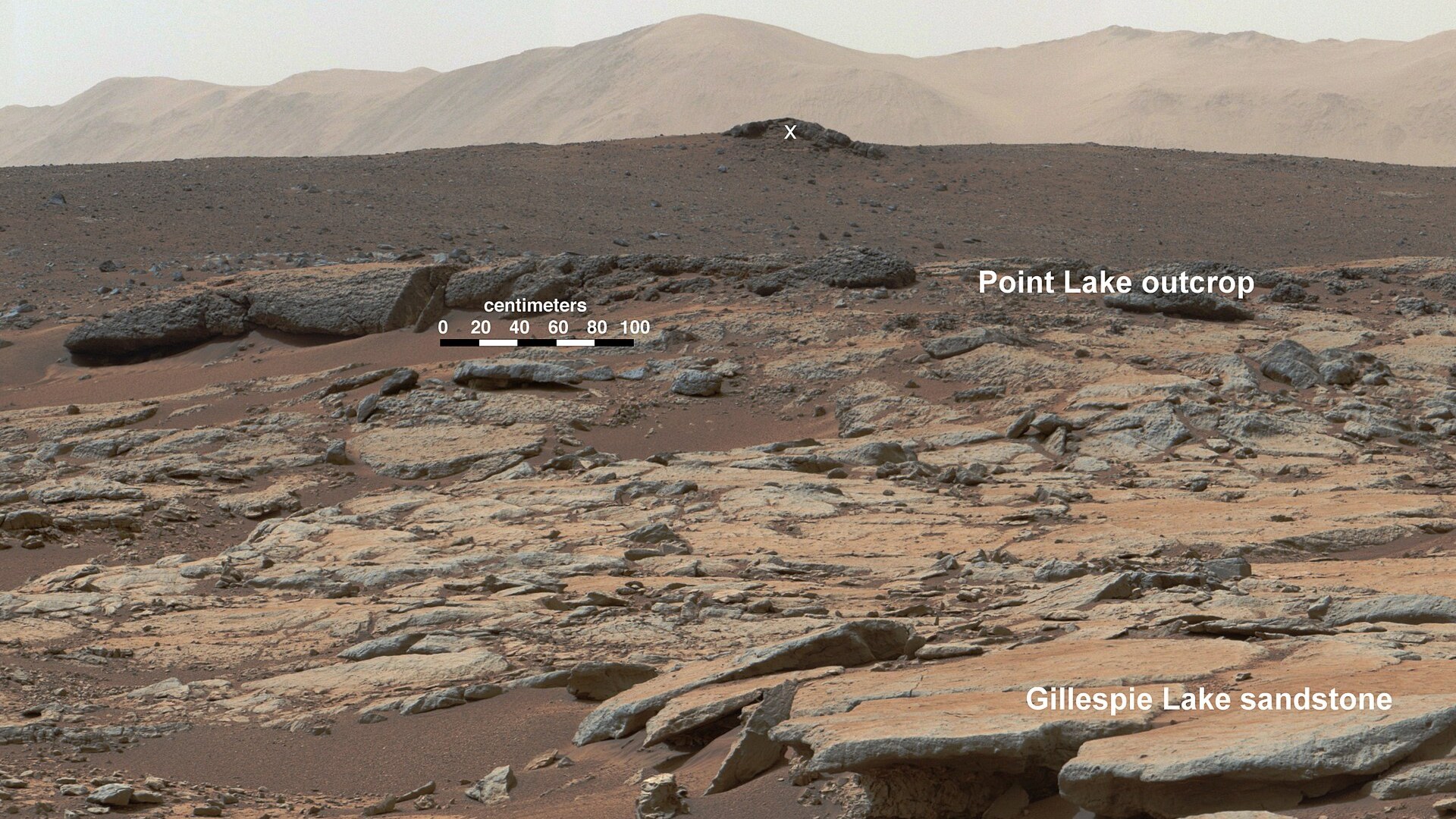
Drilling into mudstones at Yellowknife Bay in 2013, Curiosity found clay minerals, carbon, hydrogen, oxygen, and phosphorus. The water was neither too acidic nor too salty, confirming a stable freshwater lake system that could have sustained microbial life continuously for millions of years.
#4 A Vast Ocean Once Covered The Martian Northern Lowlands
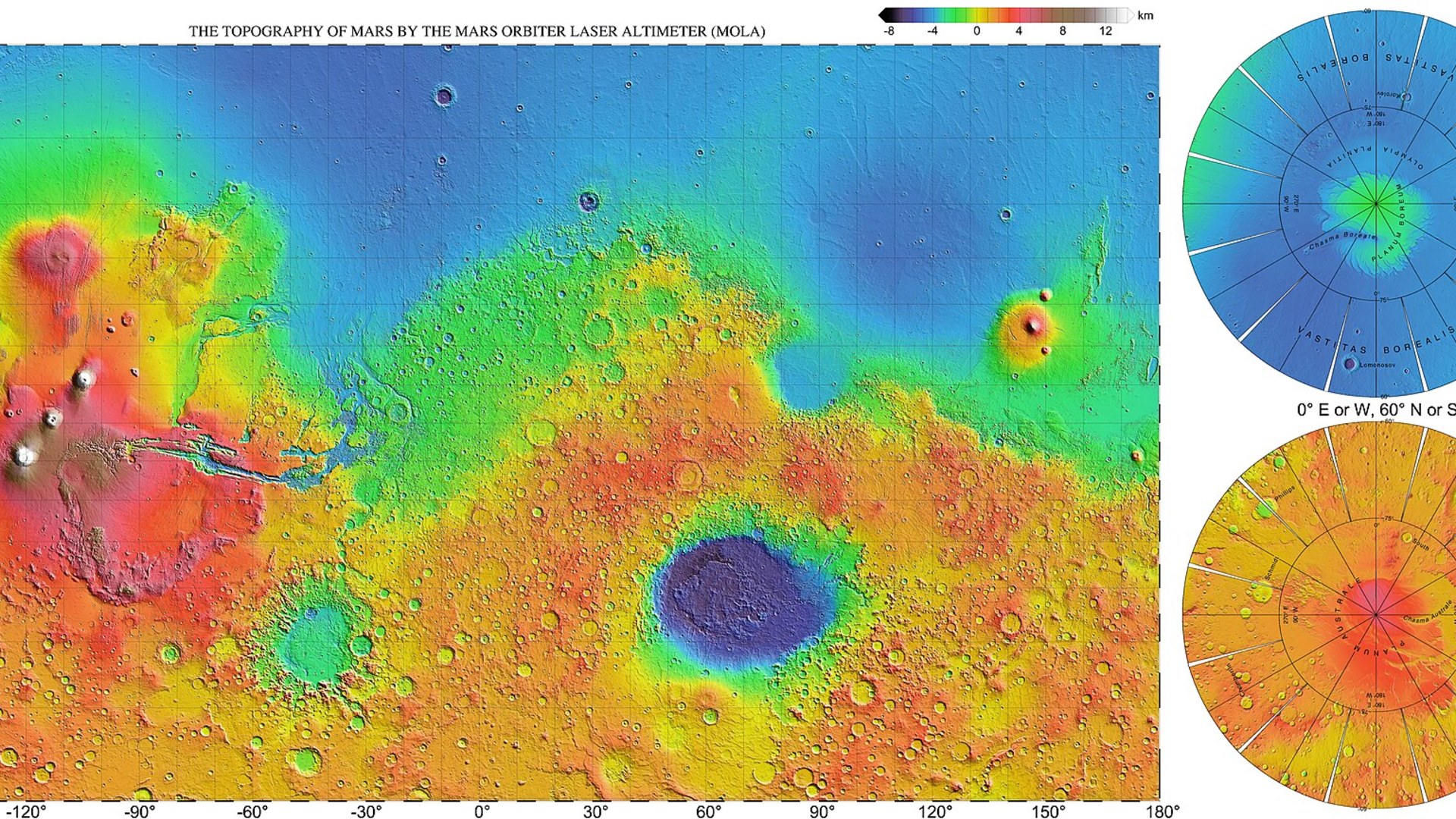
Planetary scientists analyzing terrain elevations and radar returns identified ancient coastal wave terraces and sedimentary delta beds across the northern plains. Billions of years ago, the northern lowlands likely held an ocean covering up to a third of the Martian surface area.
#3 Perseverance Discovered Potential Biosignature Rocks At Cheyava Falls
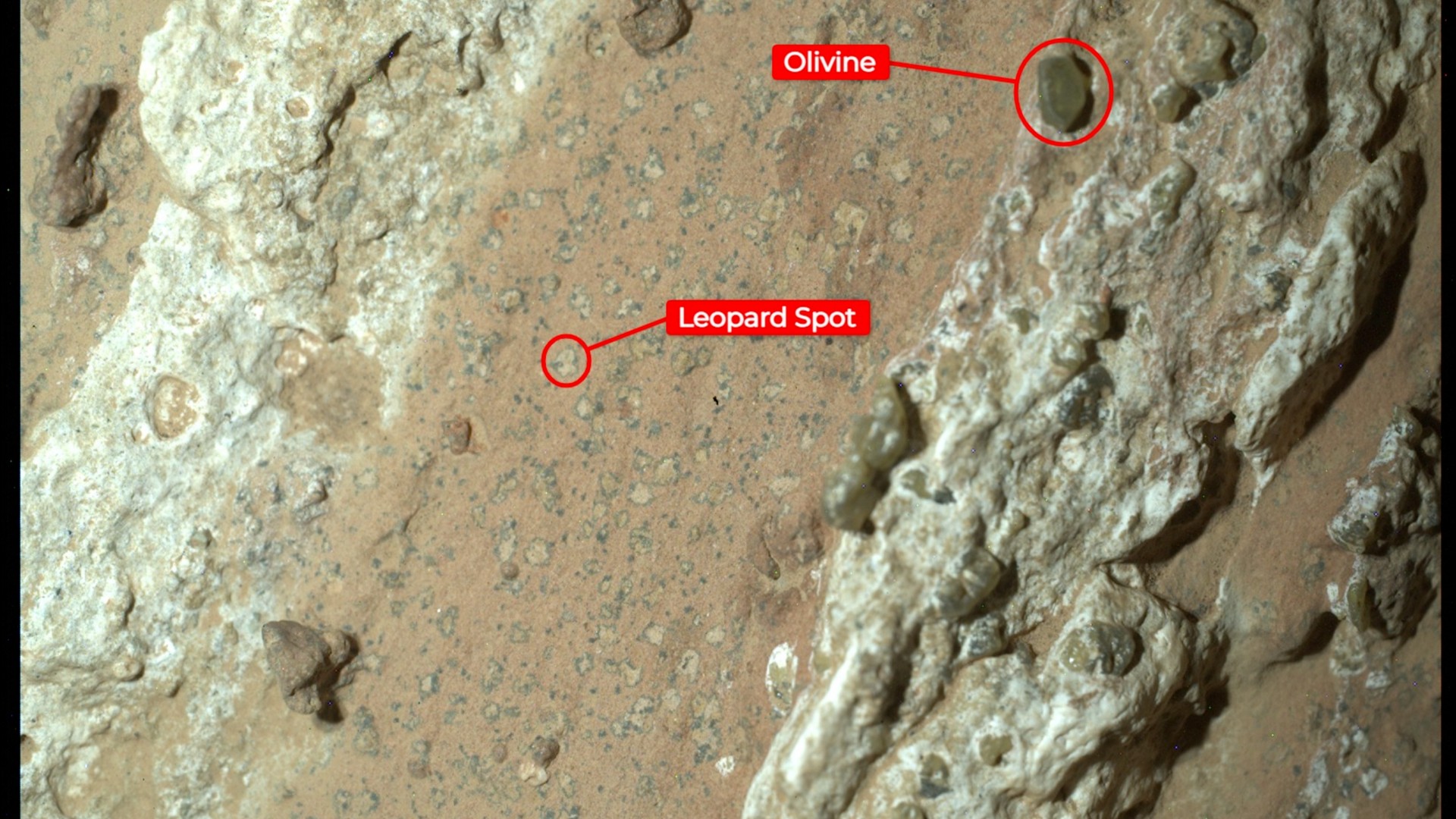
In July 2024, NASA Perseverance rover drilled a core sample named Cheyava Falls in Neretva Vallis. The rock features millimeter-sized reduction spots surrounded by black iron phosphate rings, formed by chemical reactions that on Earth often provide energy sources for subsurface microbial life.
#2 Vast Reservoirs Of Liquid Water Lie Deep In The Martian Crust
In August 2024, a study in the Proceedings of the National Academy of Sciences analyzed seismic waves recorded by NASA InSight. The results showed that fractured igneous rocks between 11.5 and 20 kilometers deep are saturated with liquid water, containing enough liquid to fill an ancient Martian ocean.
#1 Mars Possessed Every Requirement Needed To Support Life
Discoveries across five rovers and ten orbiters demonstrated that ancient Mars possessed liquid water, essential bio-elements, long-lasting energy gradients, and neutral groundwater. The planet was fully habitable early in its history, turning the search for ancient extraterrestrial life into a focused reality.