Slideshow · Science
20 Indoor Plants That Can Grow in Rooms With Limited Natural Light
North-facing windows, basement apartments, and dim interior hallways often present major hurdles for indoor gardeners. Fortunately, botanical species native to dense rainforest floors have evolved specialized broad leaves and dark pigments to thrive under minimal foot-candles. Here are 20 resilient shade plants.
By Most Viral Today
28 min ago

Lush Understory Species Adapted to Thrive in Low Light Home Corners 
20. Silver Inch Plant 
19. Arrowhead Vine 
18. Baby Rubber Plant - AdvertisementSwipe or tap ▶ to continue countdown

17. Fishbone Prayer Plant 
16. Krauss Spike Moss 
15. Mistletoe Cactus 
14. Aluminum Plant - AdvertisementSwipe or tap ▶ to continue countdown

13. Bird Nest Fern 
12. White Nerve Plant 
11. Satin Pothos 
10. Corn Plant Dracaena - AdvertisementSwipe or tap ▶ to continue countdown

9. Red Prayer Plant 
8. Peacock Plant 
7. Painted Leaf Begonia 
6. Chinese Evergreen - AdvertisementSwipe or tap ▶ to continue countdown

5. Heartleaf Philodendron 
4. Cast Iron Plant 
3. Parlor Palm 
2. ZZ Plant - AdvertisementSwipe or tap ▶ to continue countdown

1. Snake Plant - Advertisement🔥 UP NEXT IN THIS SERIES◫ 21 Slides

20 Brightest Stars in the Night Sky Ranked by Magnitude
Stargazers have looked to the night sky for millennia to navigate oceans and chart constellations. Apparent visual magnitude measures how luminous a celestial body appears from Earth, with lower and negative numbers indicating brighter beacons. Here is the definitive countdown of the twenty brightest stars visible from Earth.
North-facing windows, basement apartments, and dim interior hallways often present major hurdles for indoor gardeners. Fortunately, botanical species native to dense rainforest floors have evolved specialized broad leaves and dark pigments to thrive under minimal foot-candles. Here are 20 resilient shade plants.
Swipe or tap ▶ to begin the countdown
©Pixabay / Pexels
20. Silver Inch Plant
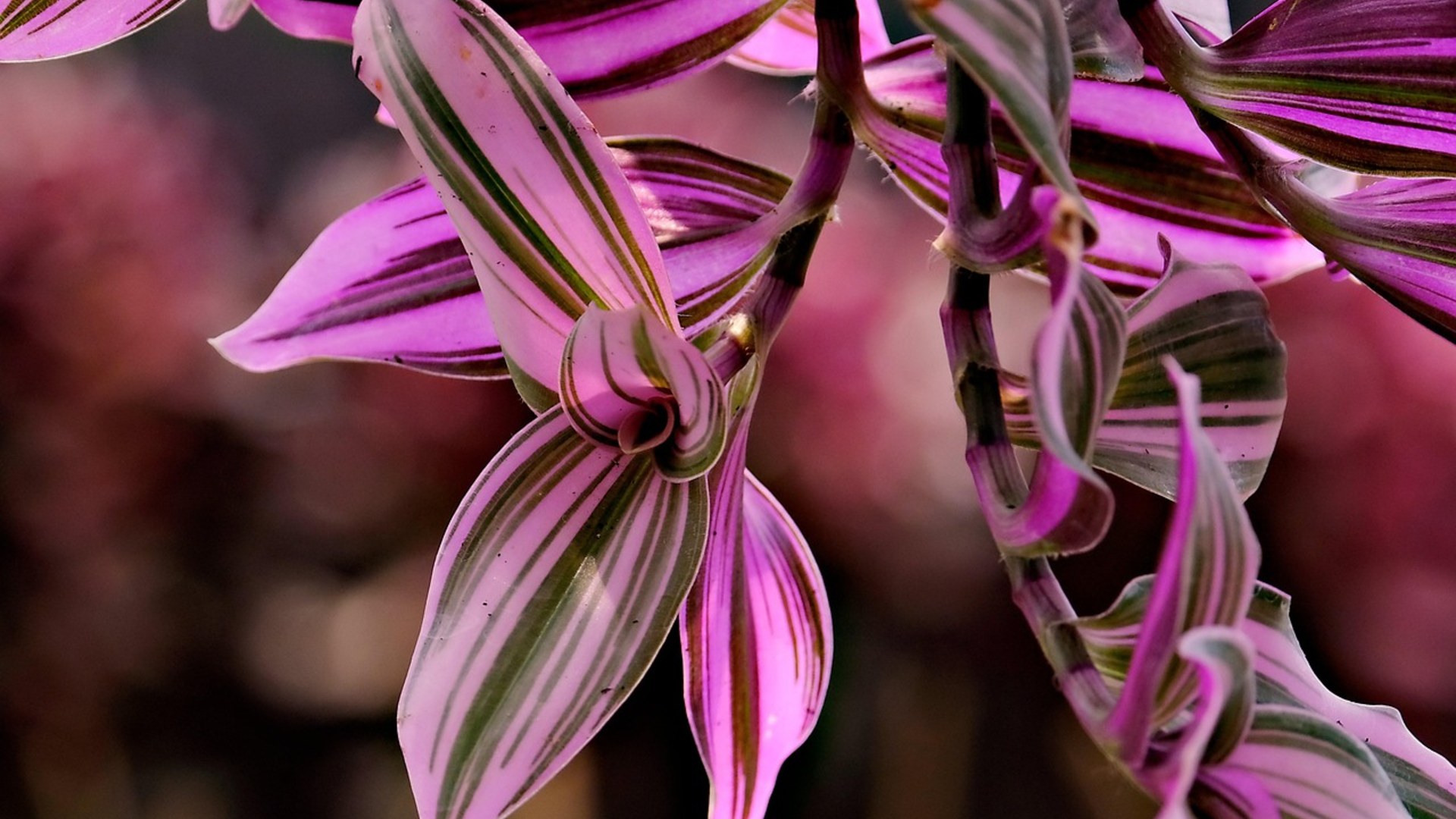
Tradescantia zebrina produces metallic silver stripes flanked by rich magenta undersides. Originating in shaded Mexican scrub forests, this resilient creeper handles indirect lighting with ease. Pinching back trailing vine tips promotes denser stem development when growing in north-facing bedrooms.
©Pixabay / ignartonosbg
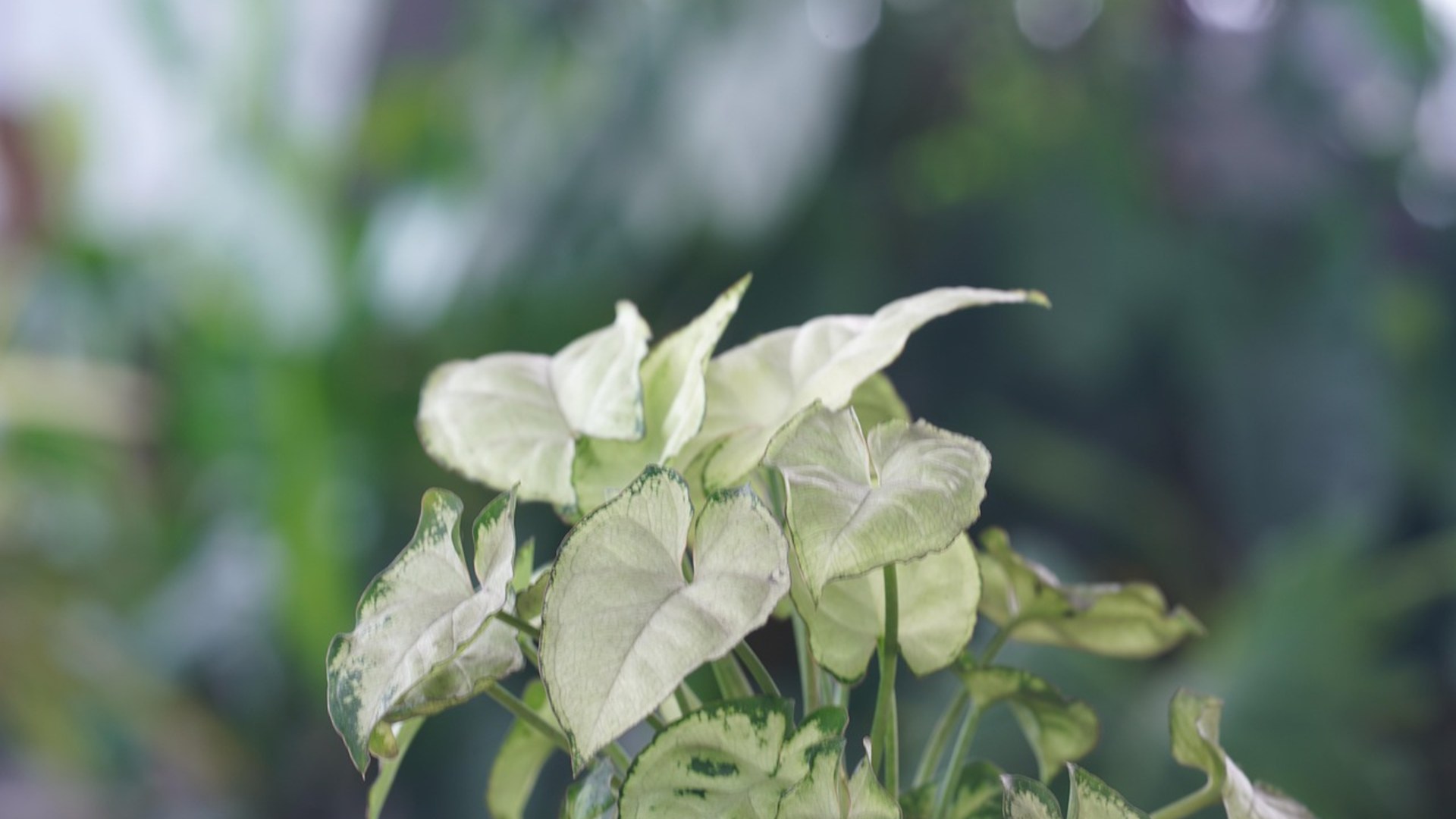
19. Arrowhead Vine
Syngonium podophyllum originates in damp tropical forests where saplings scramble up shaded tree trunks. The juvenile leaves display creamy variegation that persists well under low lighting. Keeping the potting soil evenly moist prevents lower leaf loss in cozy interior corridors.
©Pixabay / ignartonosbg
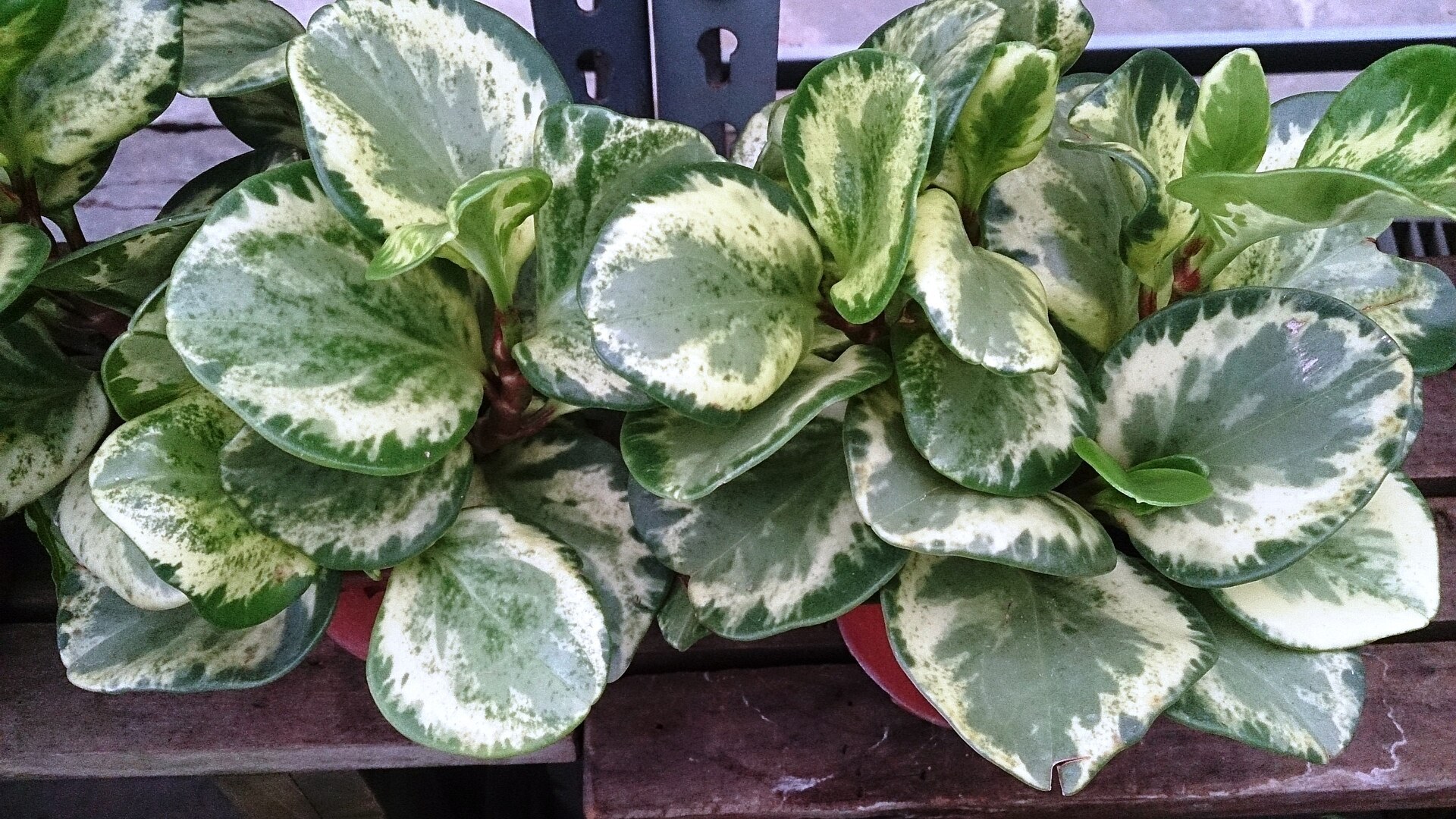
18. Baby Rubber Plant
Peperomia obtusifolia features cupped, leathery leaves that retain water, making it forgiving of sporadic care. It native rainforest floor habitat equips this compact perennial to photosynthesize under weak ambient light, making it a reliable accent for windowless office cubicles.
©Wikimedia / Mokkie
Advertisement
Swipe or tap ▶ to resume the countdown.
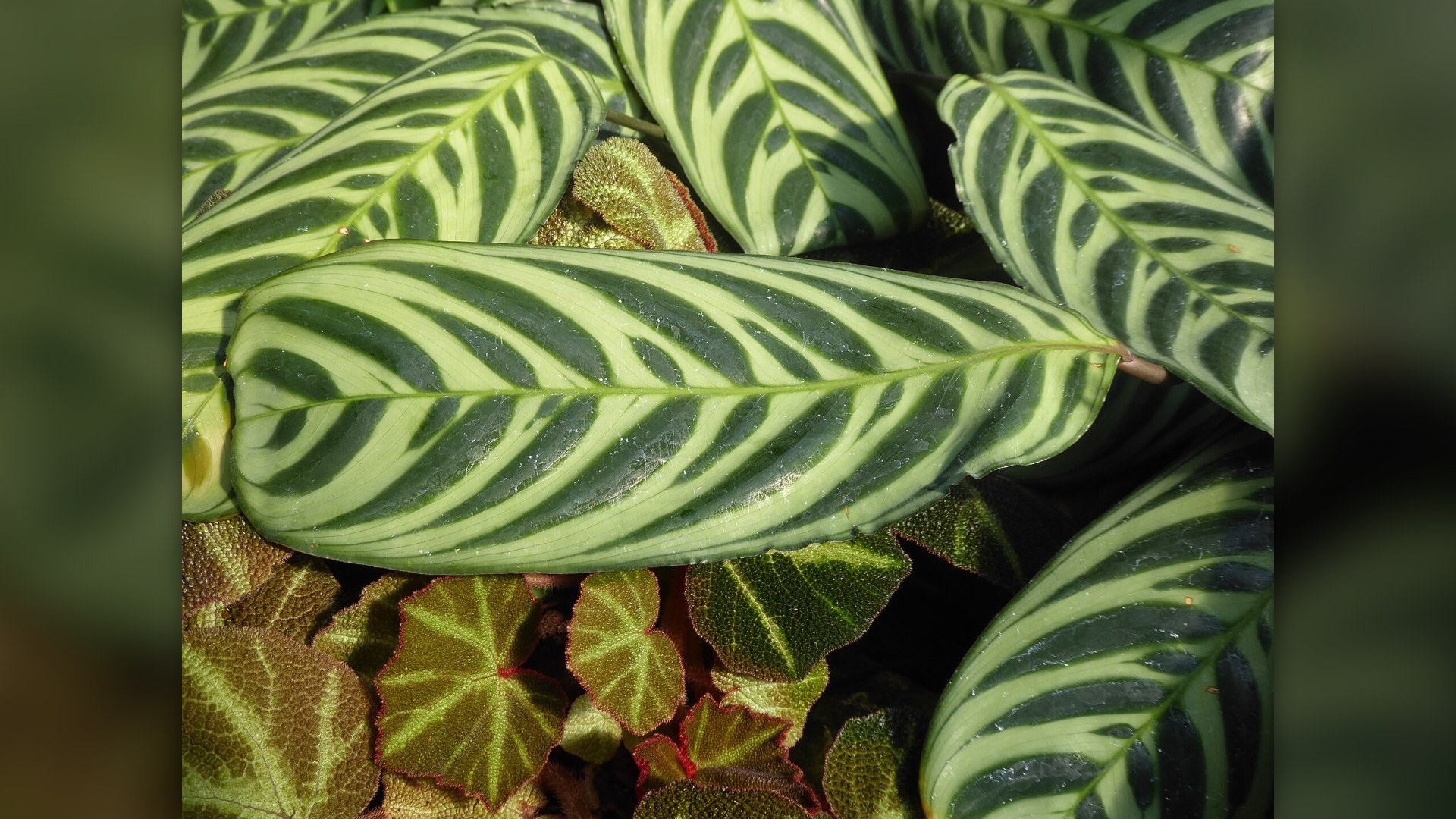
17. Fishbone Prayer Plant
Ctenanthe burle-marxii produces striking silver foliage adorned with alternating dark green stripes. Because it grows beneath dense South American canopies, direct sunshine scorches its delicate foliage. Humid bathroom counters and shaded desks offer the ideal sheltered sanctuary.
©Wikimedia / Syrio
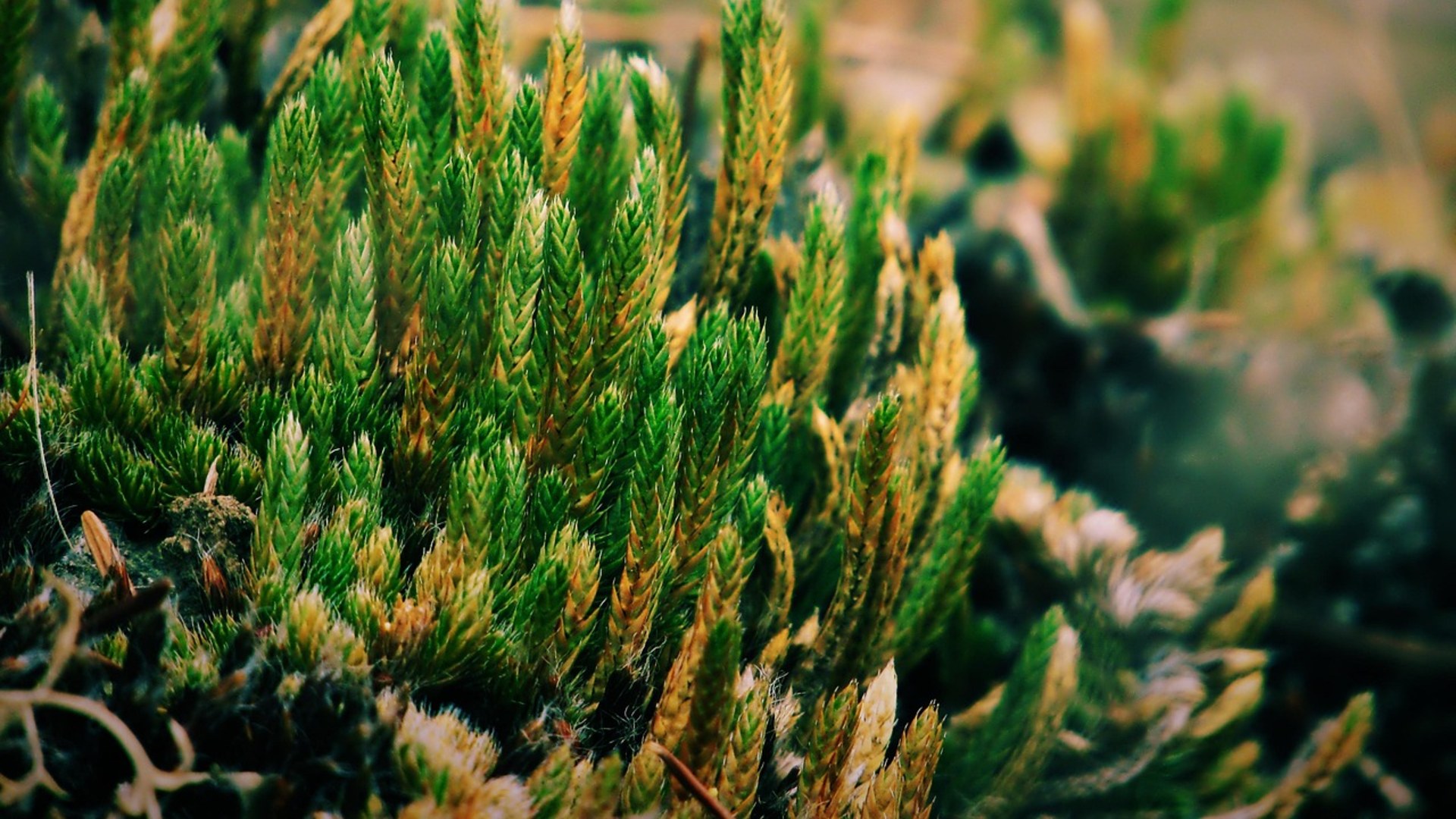
16. Krauss Spike Moss
Selaginella kraussiana forms dense emerald carpets that naturally inhabit sheltered forest banks across southern Africa. Requiring minimal light to thrive, this primitive vascular plant excels inside sealed glass cloches and humid basement terrariums where bright rays never penetrate.
©Pixabay / BlenderTimer
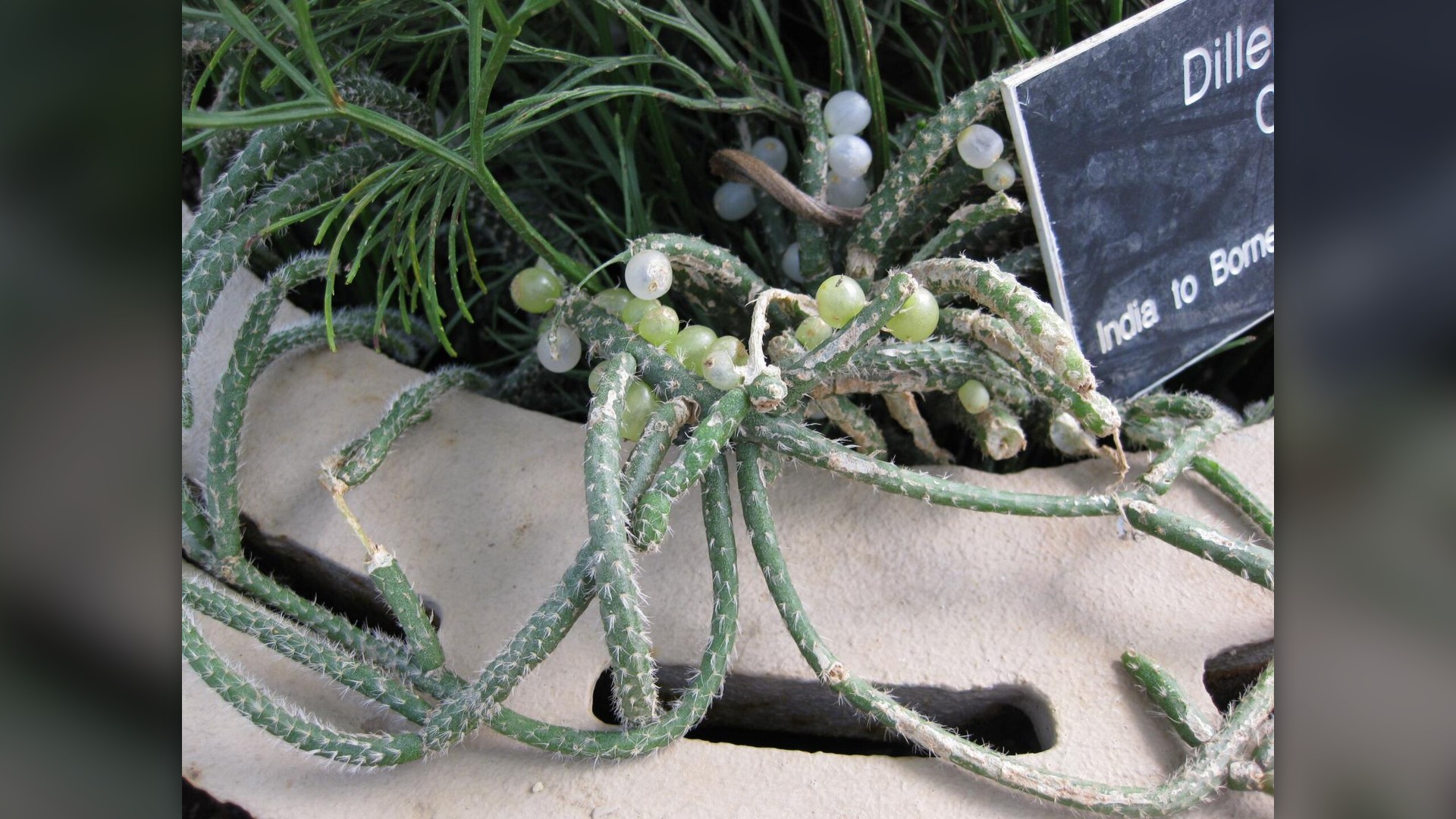
15. Mistletoe Cactus
Unlike desert cacti, Rhipsalis baccifera grows as an epiphyte perched beneath tropical tree branches. Its trailing thread-like stems lack sharp thorns and easily tolerate deep domestic shade. Occasional misting helps simulate the foggy rainforest canopies where it naturally thrives.
©Wikimedia / Raffi Kojian
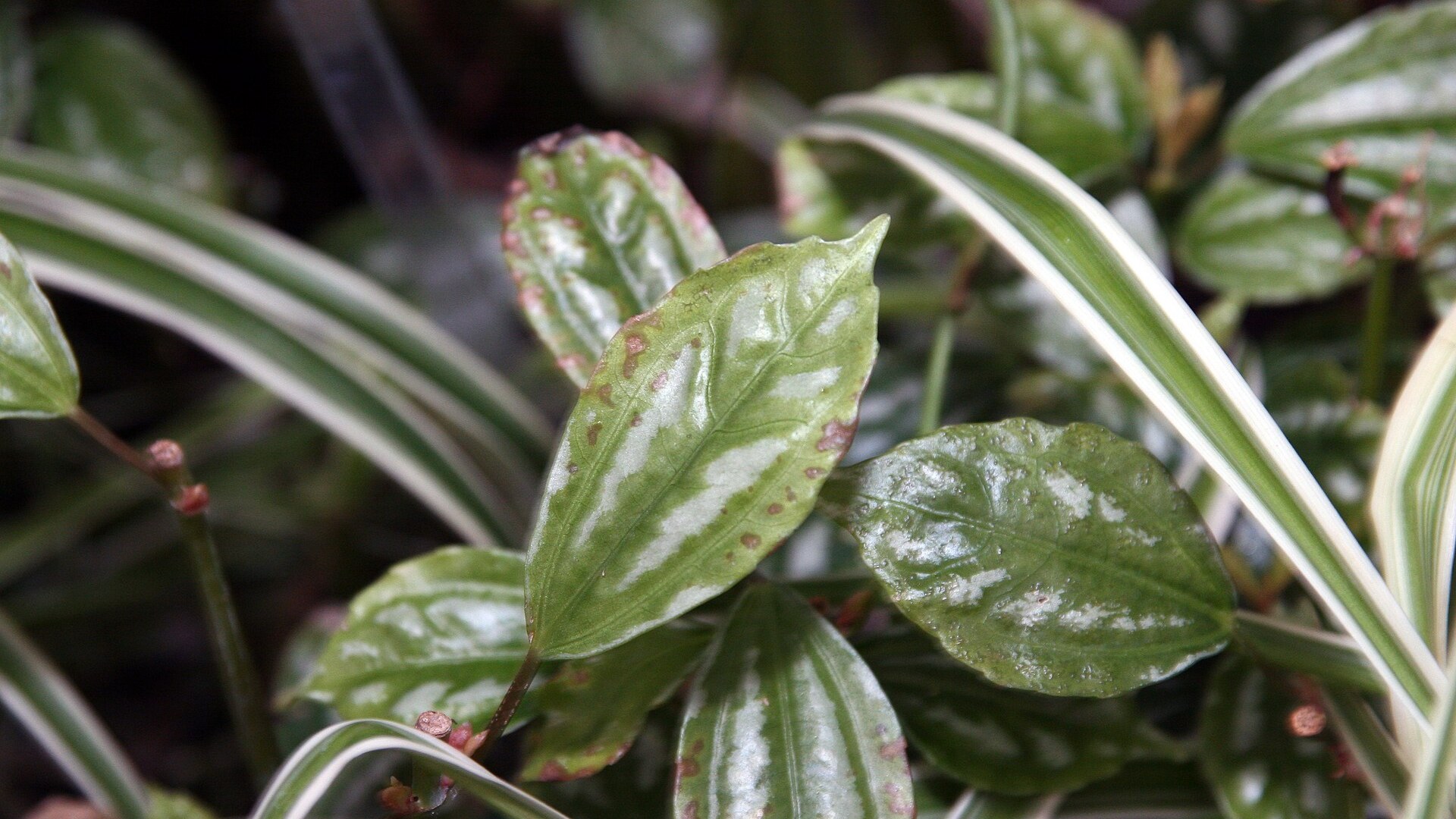
14. Aluminum Plant
Pilea cadierei is recognized for quilted green leaves coated in raised silver variegation that resembles brushed metal. These reflective patches help scatter faint ambient photons toward photosynthetic chloroplasts, allowing the plant to thrive across dimly lit coffee tables.
©Wikimedia / Photo by David J. Stang
Advertisement
Swipe or tap ▶ to resume the countdown.
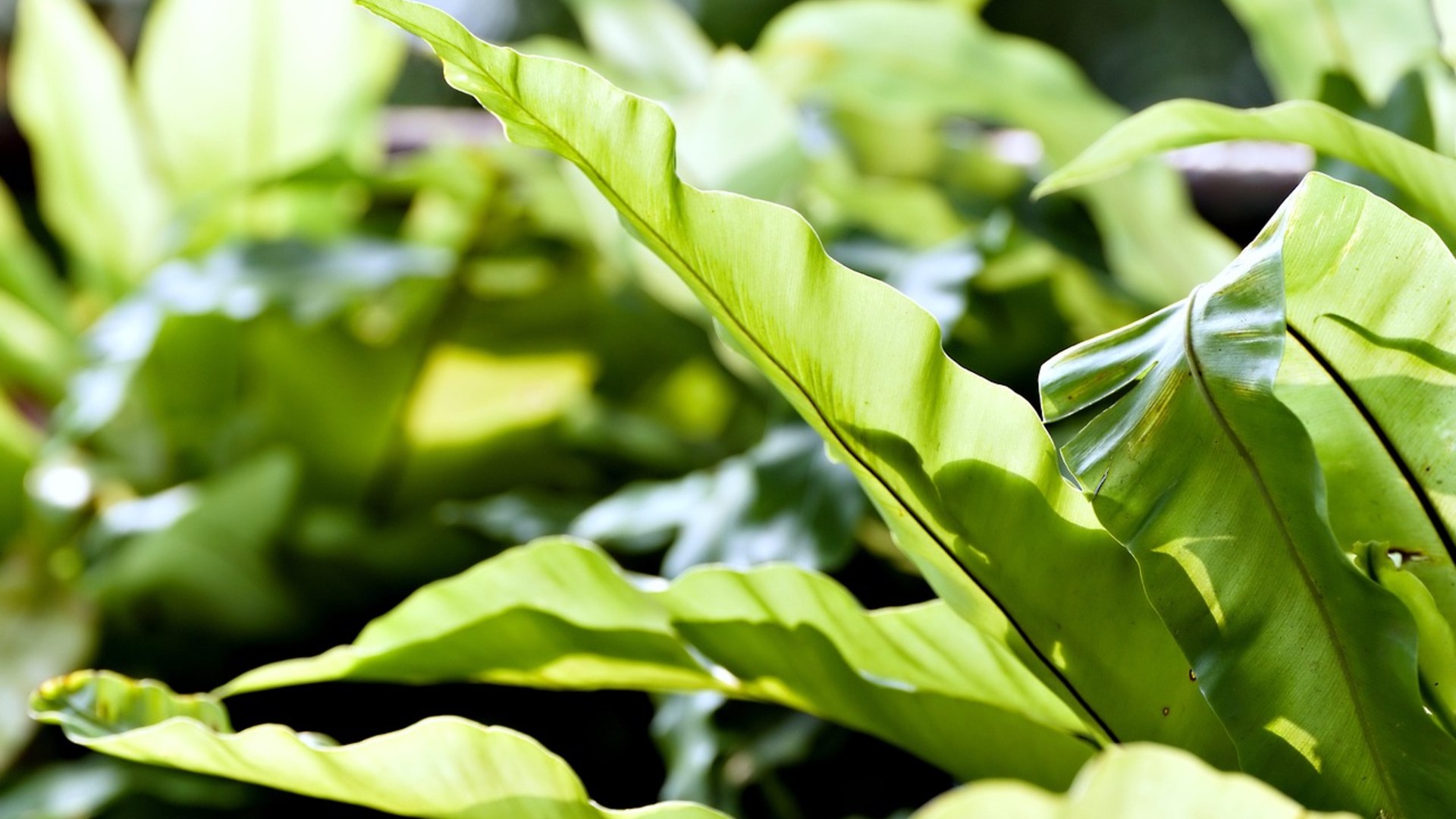
13. Bird Nest Fern
Asplenium nidus forms an architectural rosette of glossy, undivided fronds with crinkled margins. Adapted to life on tree crotches deep within tropical jungles, it prefers filtered ambient glow and steady moisture. Bathrooms with frosted glass provide comfortable conditions.
©Pixabay / ignartonosbg
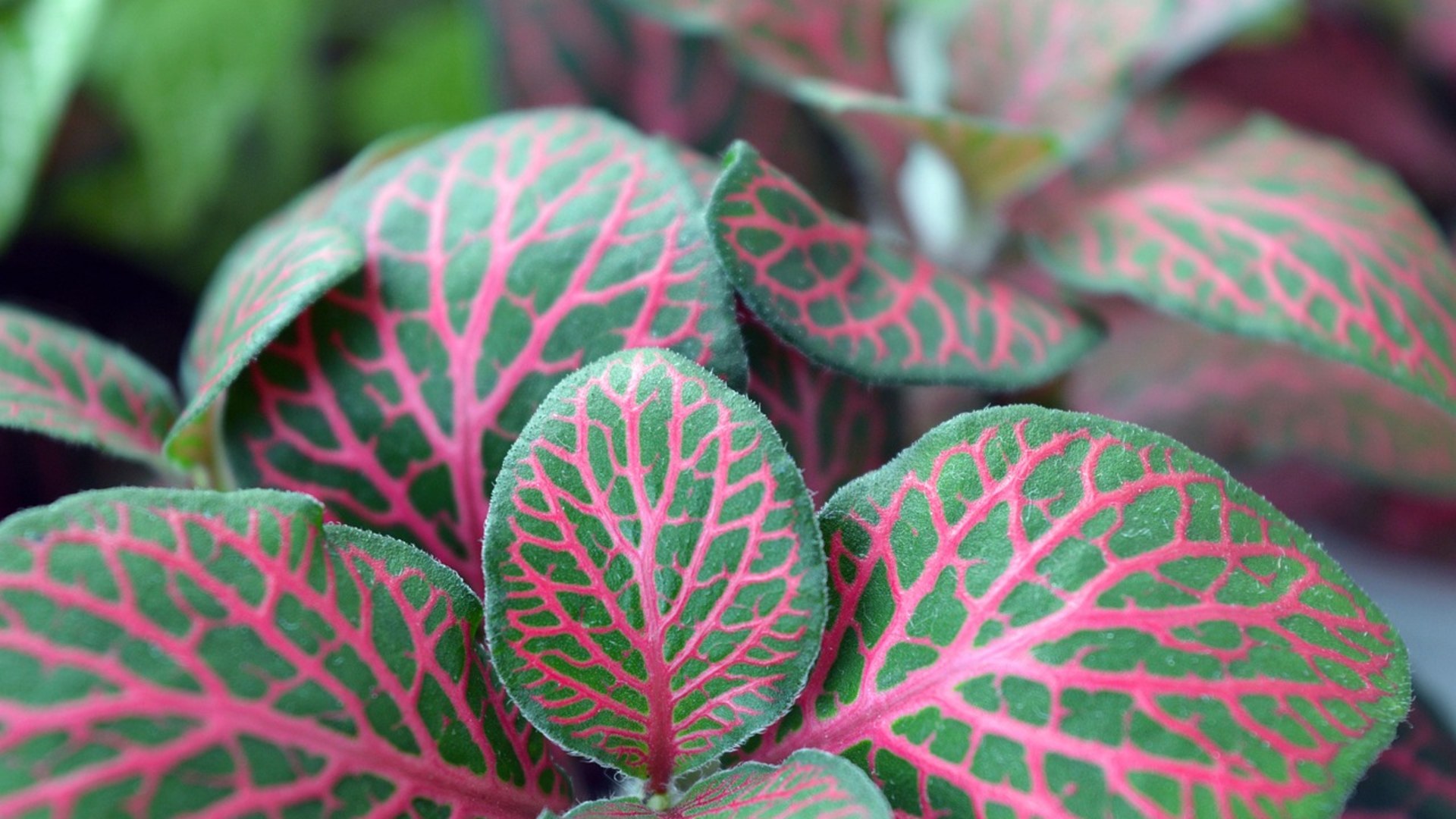
12. White Nerve Plant
Fittonia albivenis displays intricate networks of pure white veins across deep green leaves. Thriving in the deep Peruvian rainforest understory, it quickly wilts if exposed to harsh window beams. Enclosed glass containers maintain the humidity it needs to sustain low-light vigor.
©Pixabay / AKuptsova
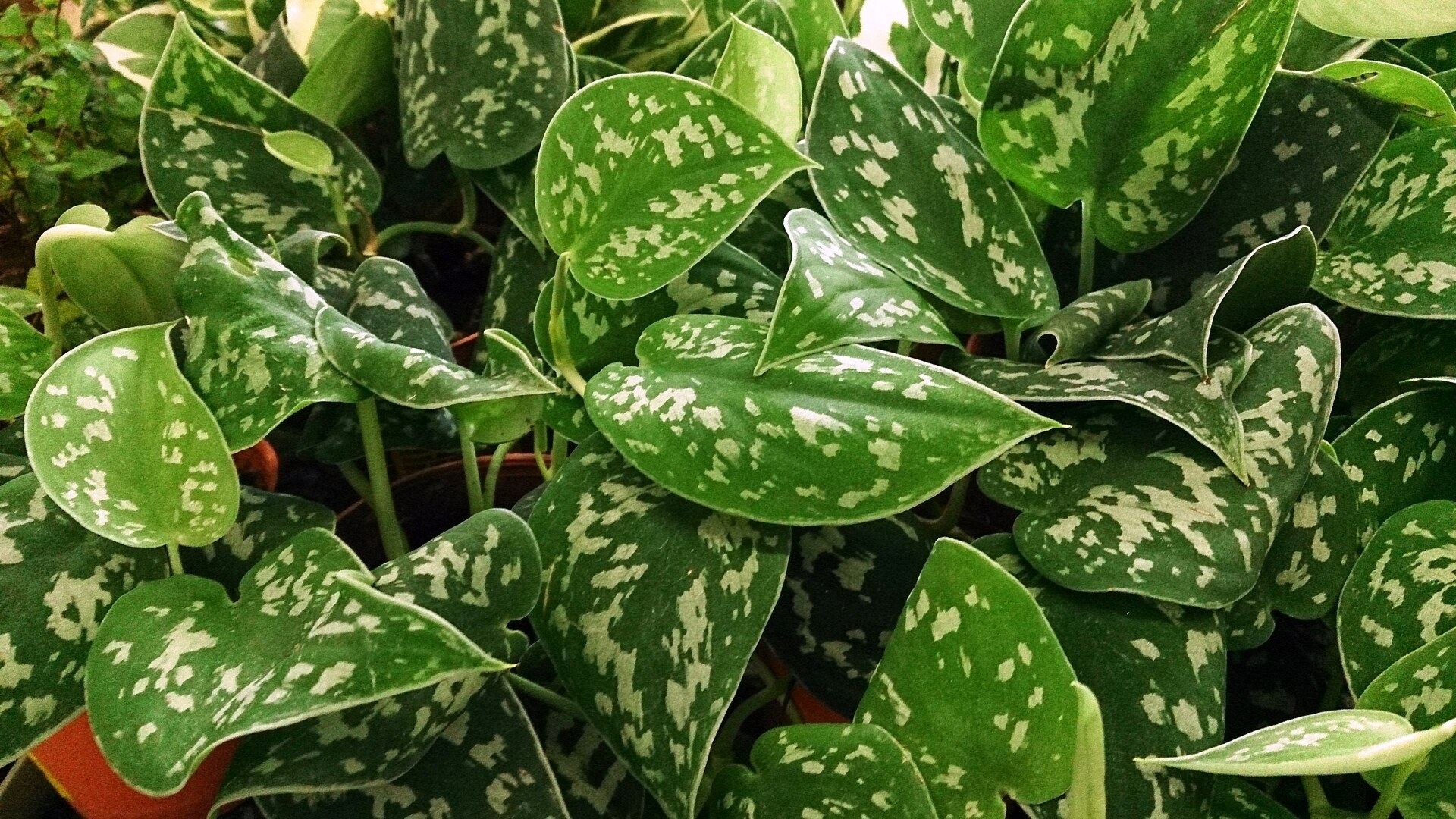
11. Satin Pothos
Scindapsus pictus features heart-shaped leaves dotted with reflective silvery splotches that capture sparse rays. Slower-growing than common green vines, this Southeast Asian native tolerates low foot-candle conditions without shedding its signature speckled patterning.
©Wikimedia / Mokkie
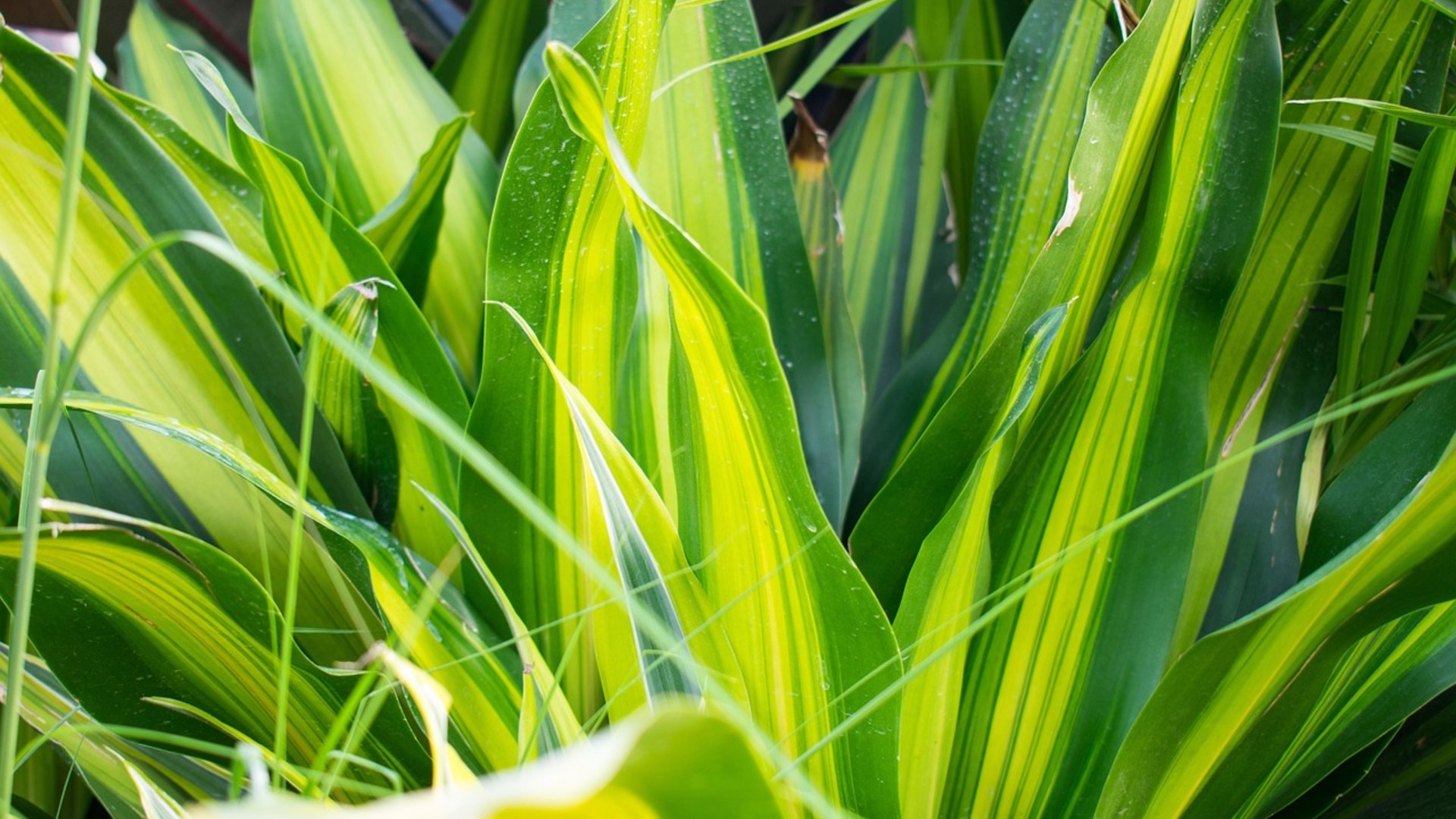
10. Corn Plant Dracaena
Dracaena fragrans features broad strap-like leaves resembling maize foliage atop thick fibrous stems. Its slow metabolic rate allows it to survive in interior spaces illuminated solely by overhead fluorescent lamps, making it a fixture in corporate lobbies and quiet home offices.
©Pixabay / lin2015
Advertisement
Swipe or tap ▶ to resume the countdown.
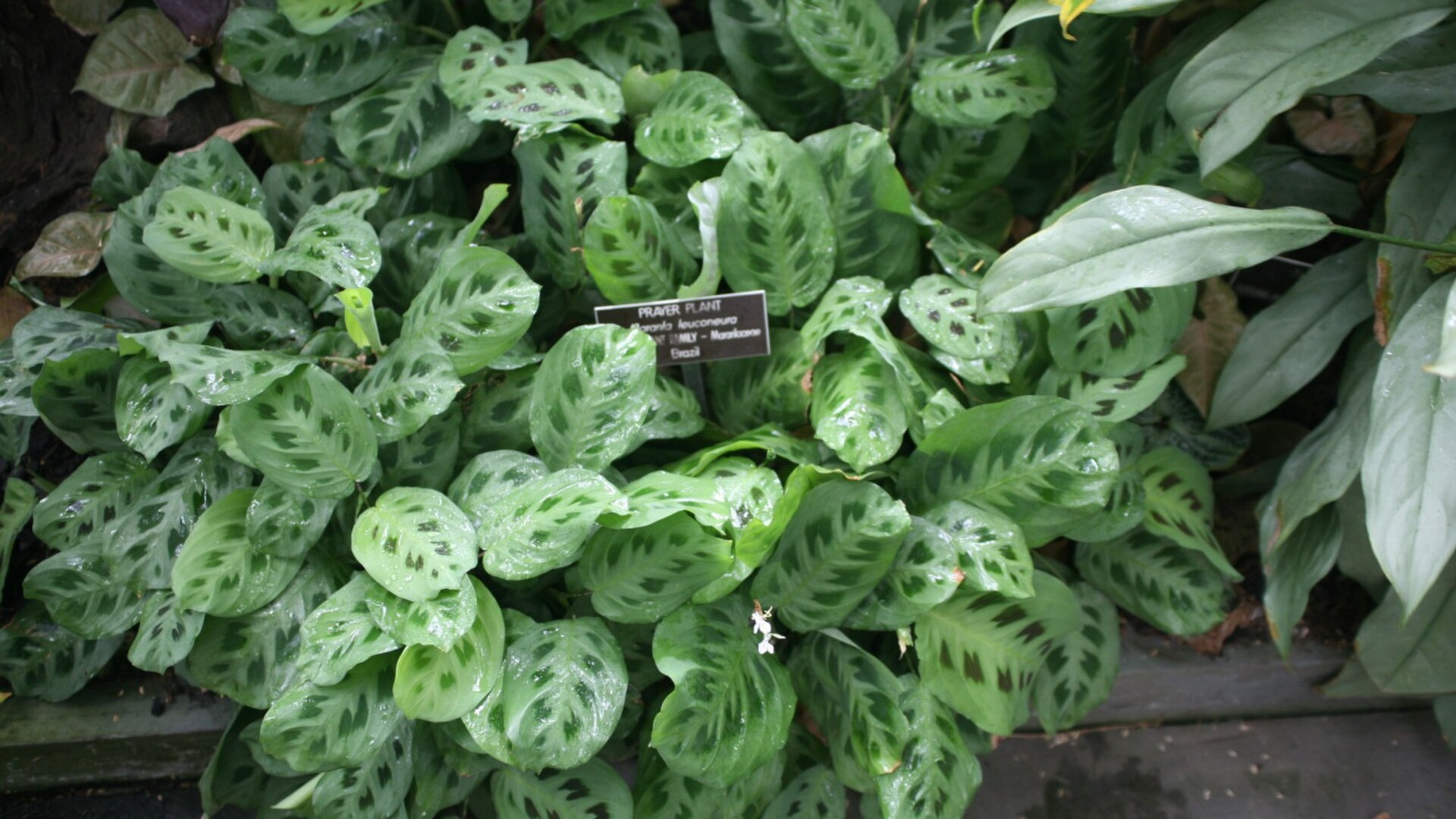
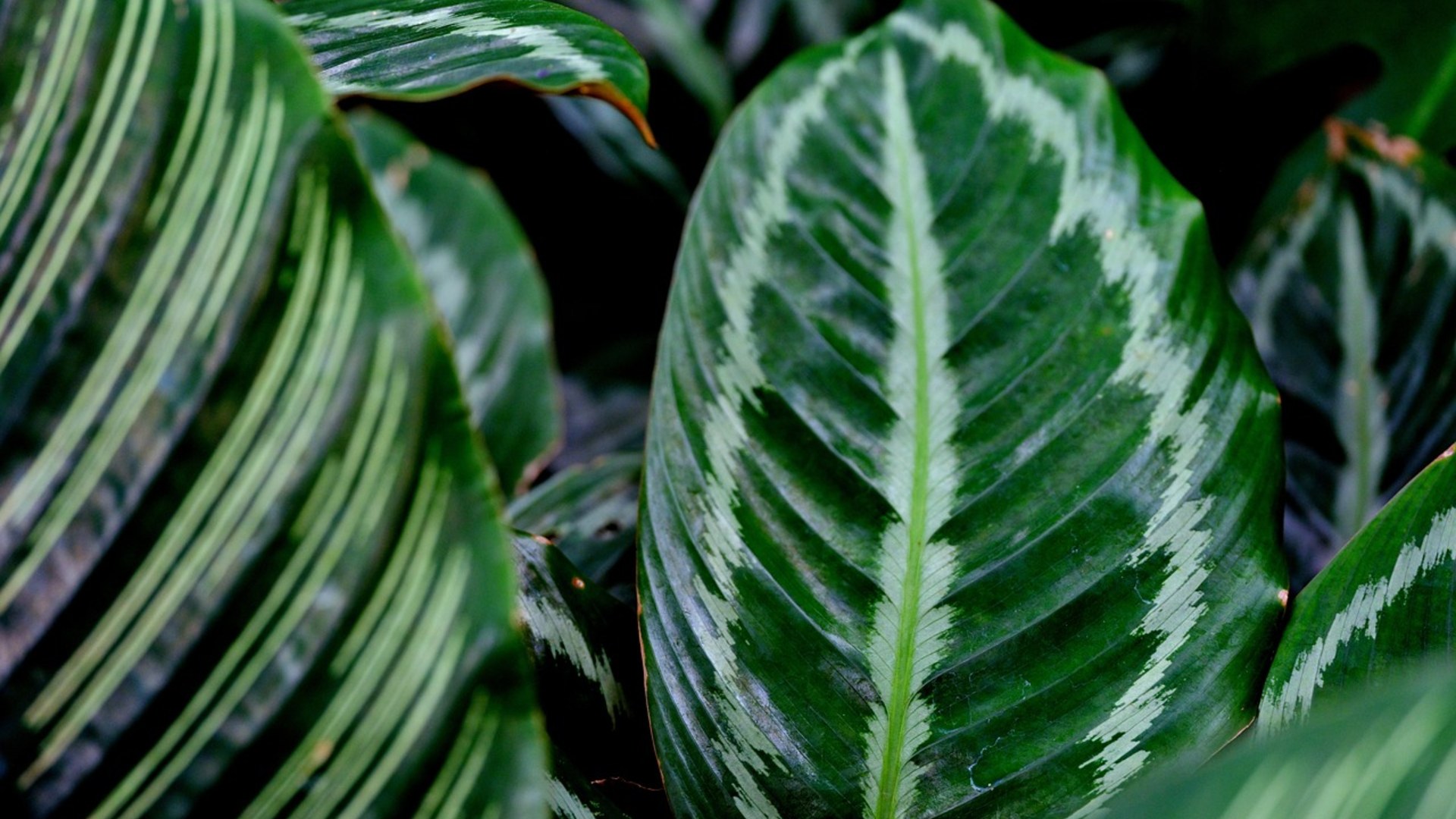
9. Red Prayer Plant
Maranta leuconeura raises its foliage upright at night in a prayer posture, lowering them flat during daytime hours. Native to Brazilian jungle floors, it thrives in muted light where delicate red veining and chartreuse centers remain vivid without bleaching from solar heat.
©Wikimedia / Cliff from Arlington, Virginia, USA
8. Peacock Plant
Goeppertia makoyana produces pale green paper-thin foliage painted with deep green feathered ovals and purple undersides. It demands indirect shade, as solar rays quickly curl leaf edges. Distilled water and filtered ambient illumination keep this Brazilian native healthy.
©Pixabay / ignartonosbg
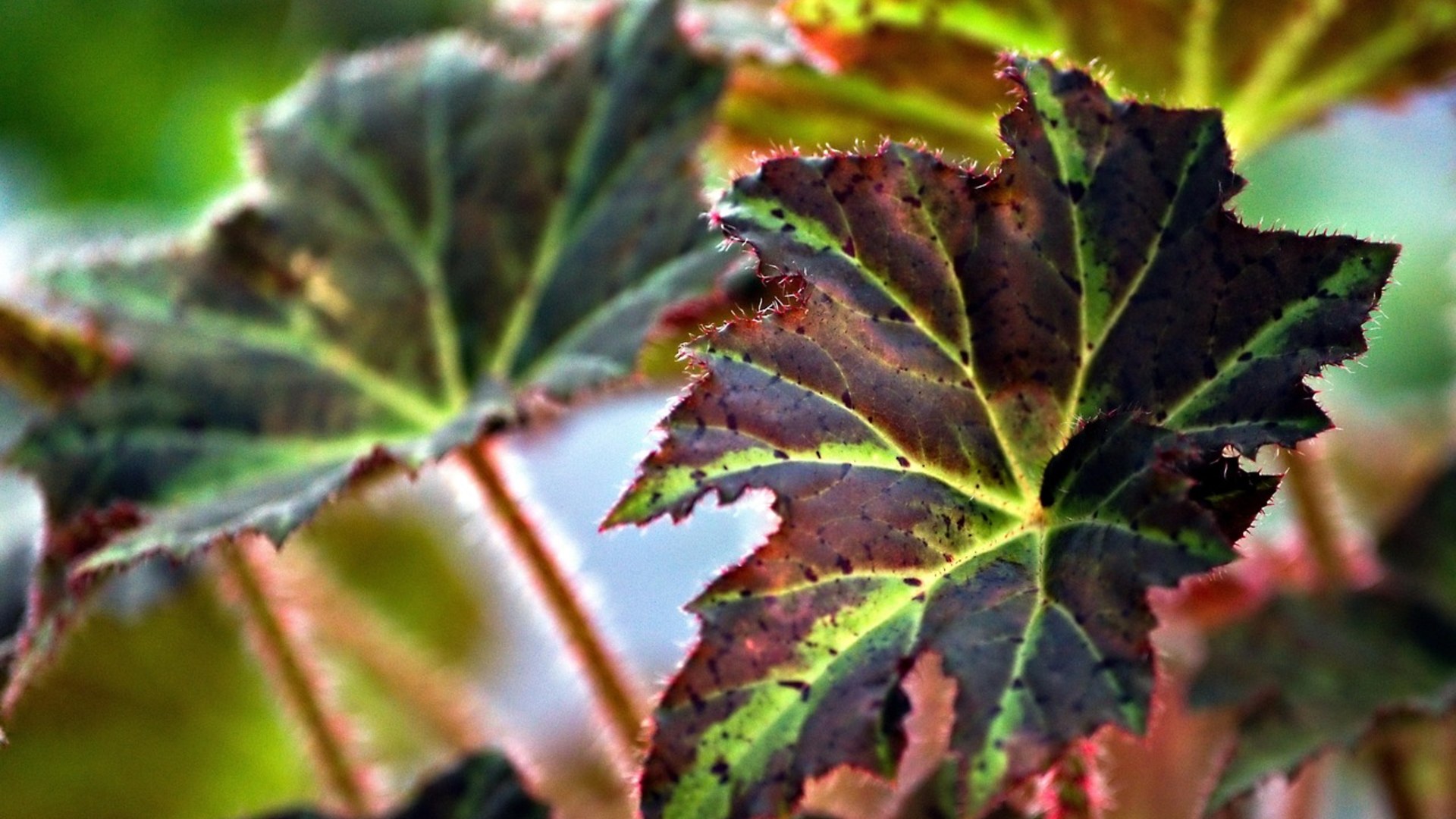
7. Painted Leaf Begonia
Begonia rex is cultivated for ornamental foliage splashed in silver, burgundy, and emerald. Native to East Asian subtropical valleys, it relies on high leaf surface area to absorb scattered rays, proving that shade-dwelling houseplants can offer colorful visual impact.
©Pixabay / ignartonosbg
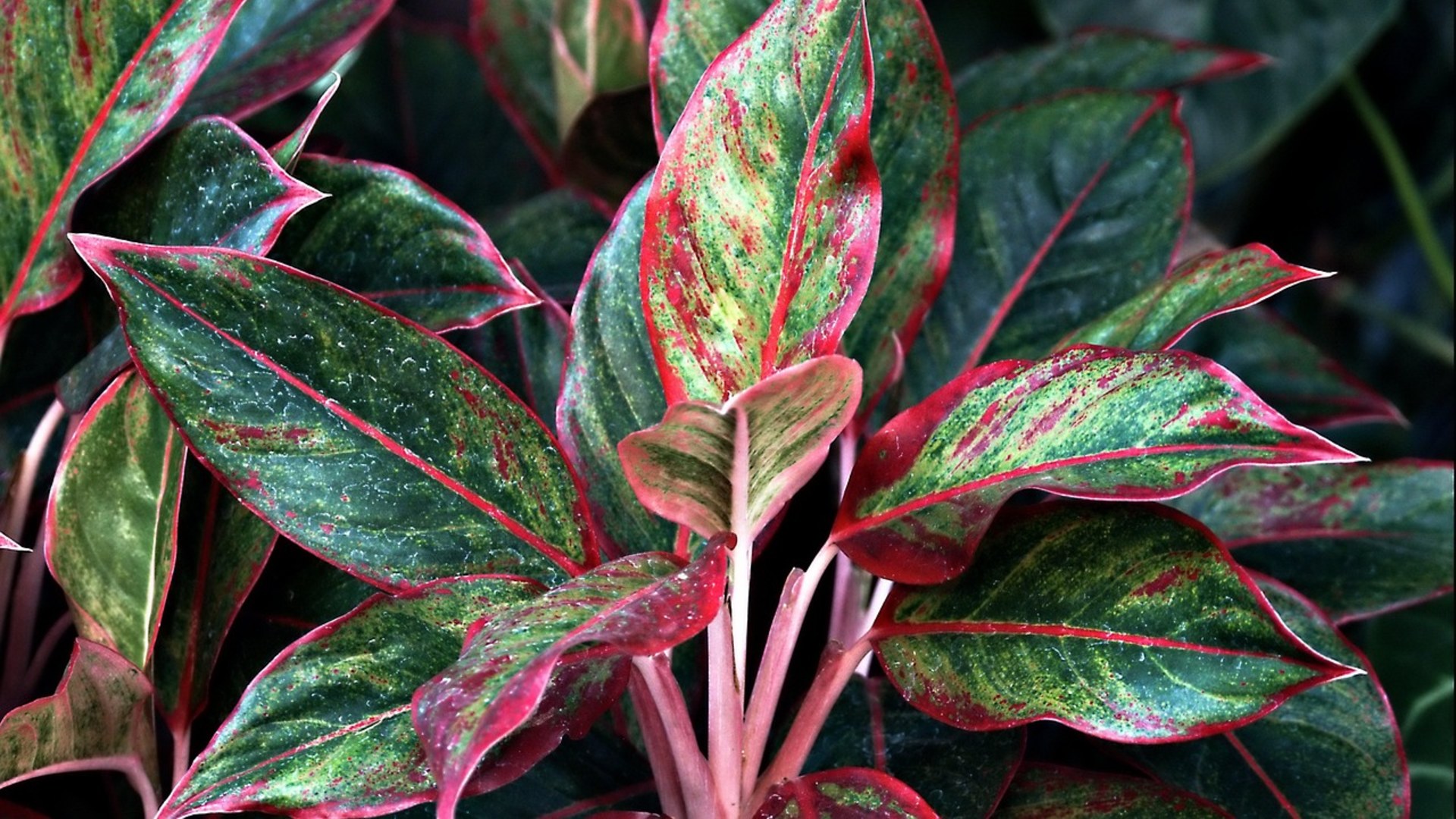
6. Chinese Evergreen
Aglaonema commutatum ranks among the easiest foliage plants to maintain in low light. Asian forest canopies taught this slow-growing aroid to endure dim conditions and infrequent watering, while its thick variegated leaves resist typical dry air from central heating systems.
©Pixabay / ignartonosbg
Advertisement
Swipe or tap ▶ to resume the countdown.
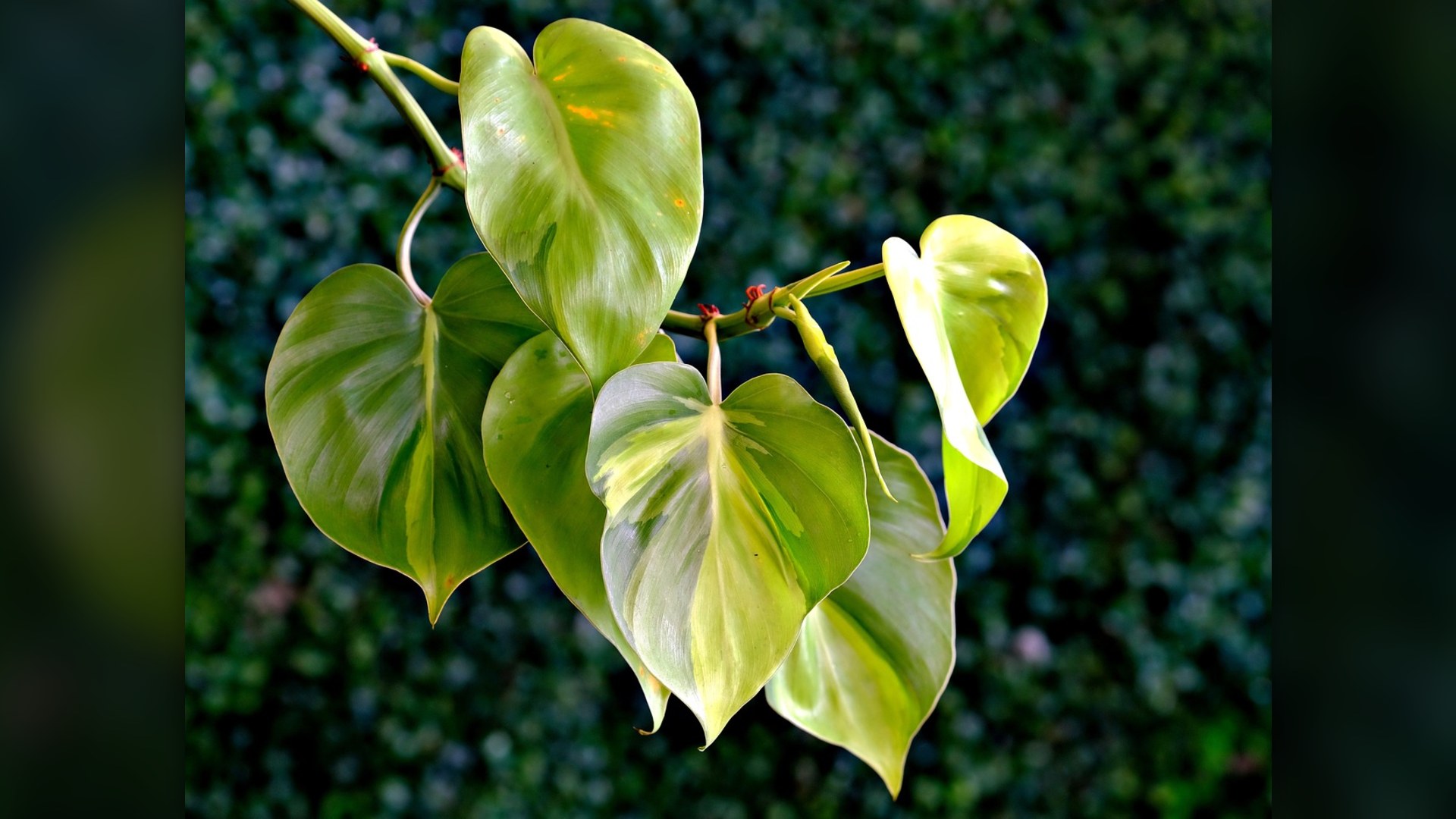
5. Heartleaf Philodendron
Philodendron hederaceum produces glossy emerald heart-shaped leaves on trailing runners. Adaptable across diverse settings, it survives in north-facing bedrooms and dimly lit hallways, requiring only modest watering when the top inches of potting soil dry out completely.
©Pixabay / ignartonosbg
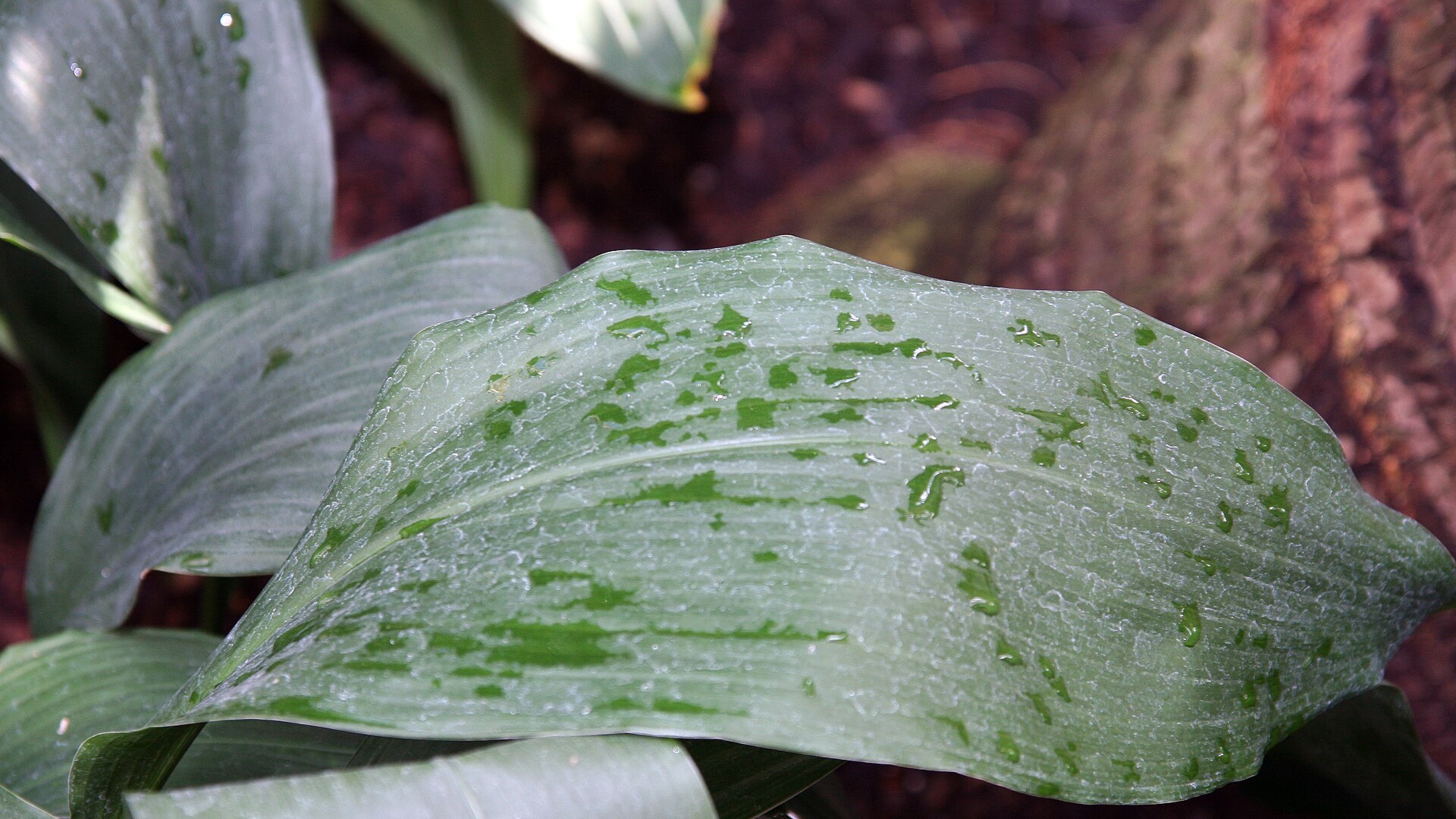
4. Cast Iron Plant
Aspidistra elatior earned its durable reputation in Victorian parlors where coal smoke and heavy drapes suffocated fragile plants. Its broad, tough leaves withstand prolonged periods of low light, irregular watering, and temperature swings, earning its moniker as an indestructible green companion.
©Wikimedia / Photo by David J. Stang
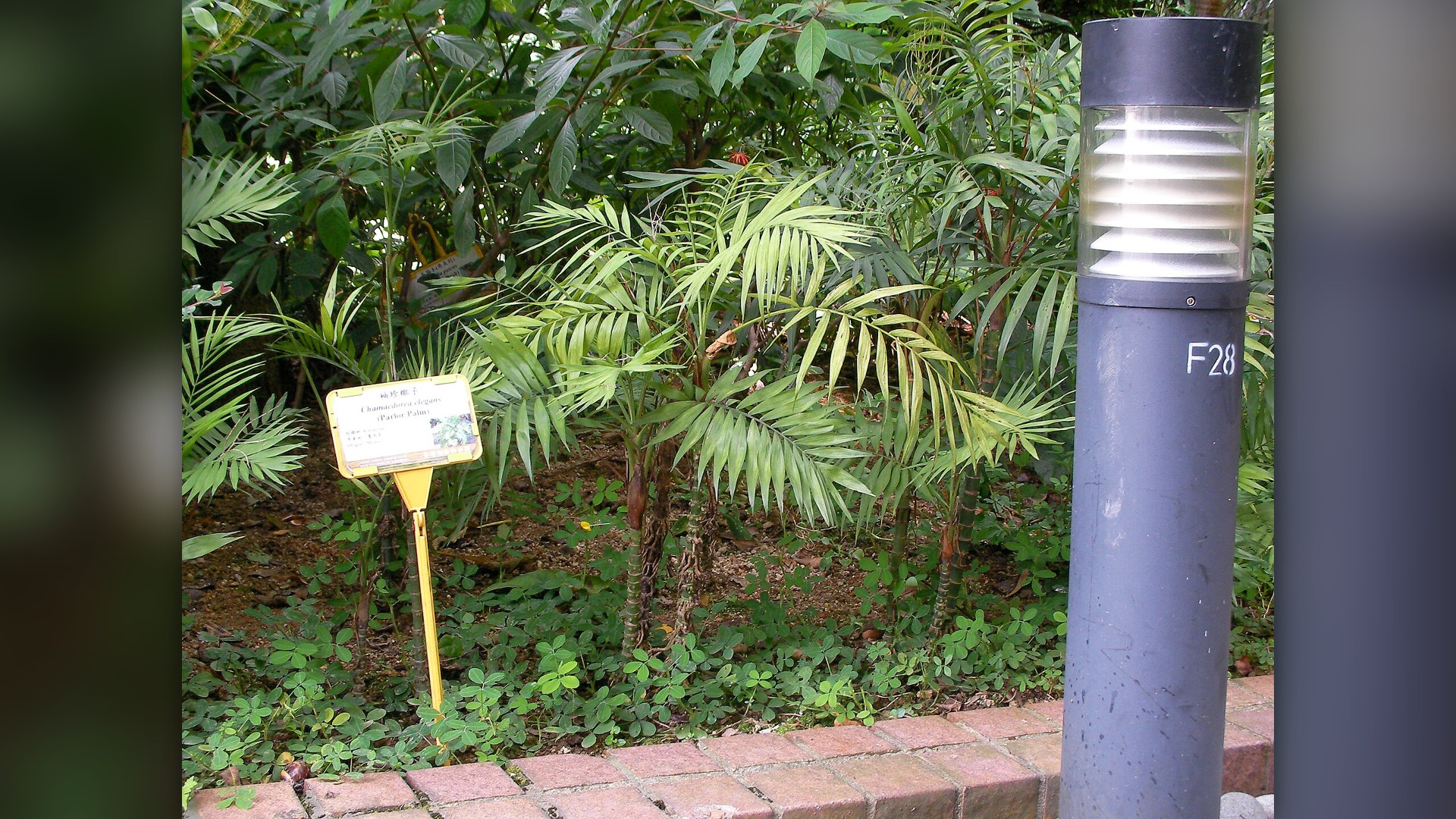
3. Parlor Palm
Chamaedorea elegans is a slow-growing dwarf palm native to dense rainforest floors in Guatemala and Mexico. Flourishing under modest foot-candle ratings, it forms delicate fronds that purify interior air while gracefully adapting to lower room humidity than other palm varieties.
©Wikimedia / Tequila 13:54, 24 June 2007 (UTC)
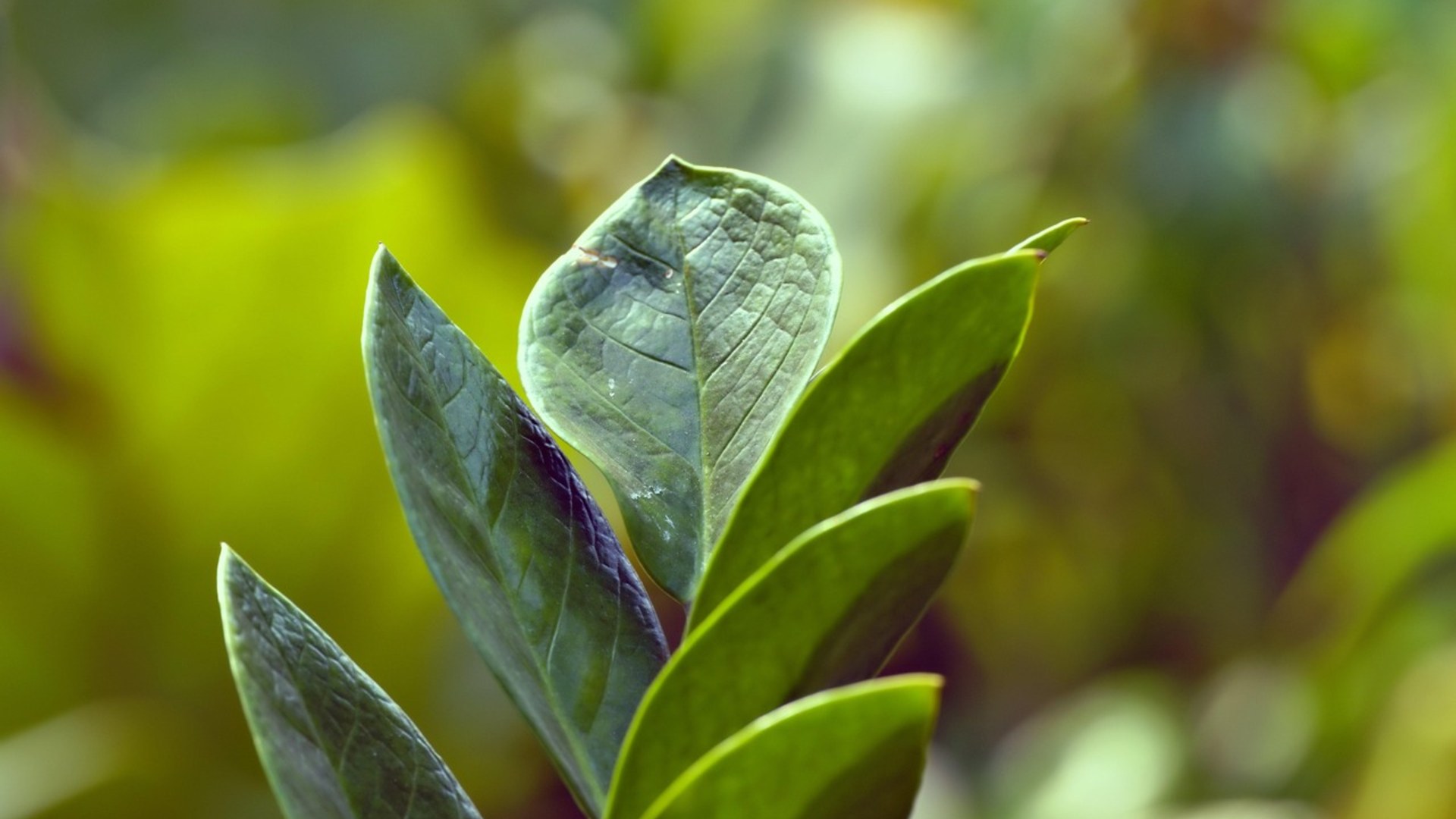
2. ZZ Plant
Zamioculcas zamiifolia features glossy, wax-coated foliage attached to swollen petioles. Native to dry East African scrublands, its underground potato-like rhizomes store reserves of moisture and nutrients, allowing the plant to thrive in windowless offices illuminated solely by bulbs.
©Pixabay / ignartonosbg
Advertisement
Swipe or tap ▶ to resume the countdown.
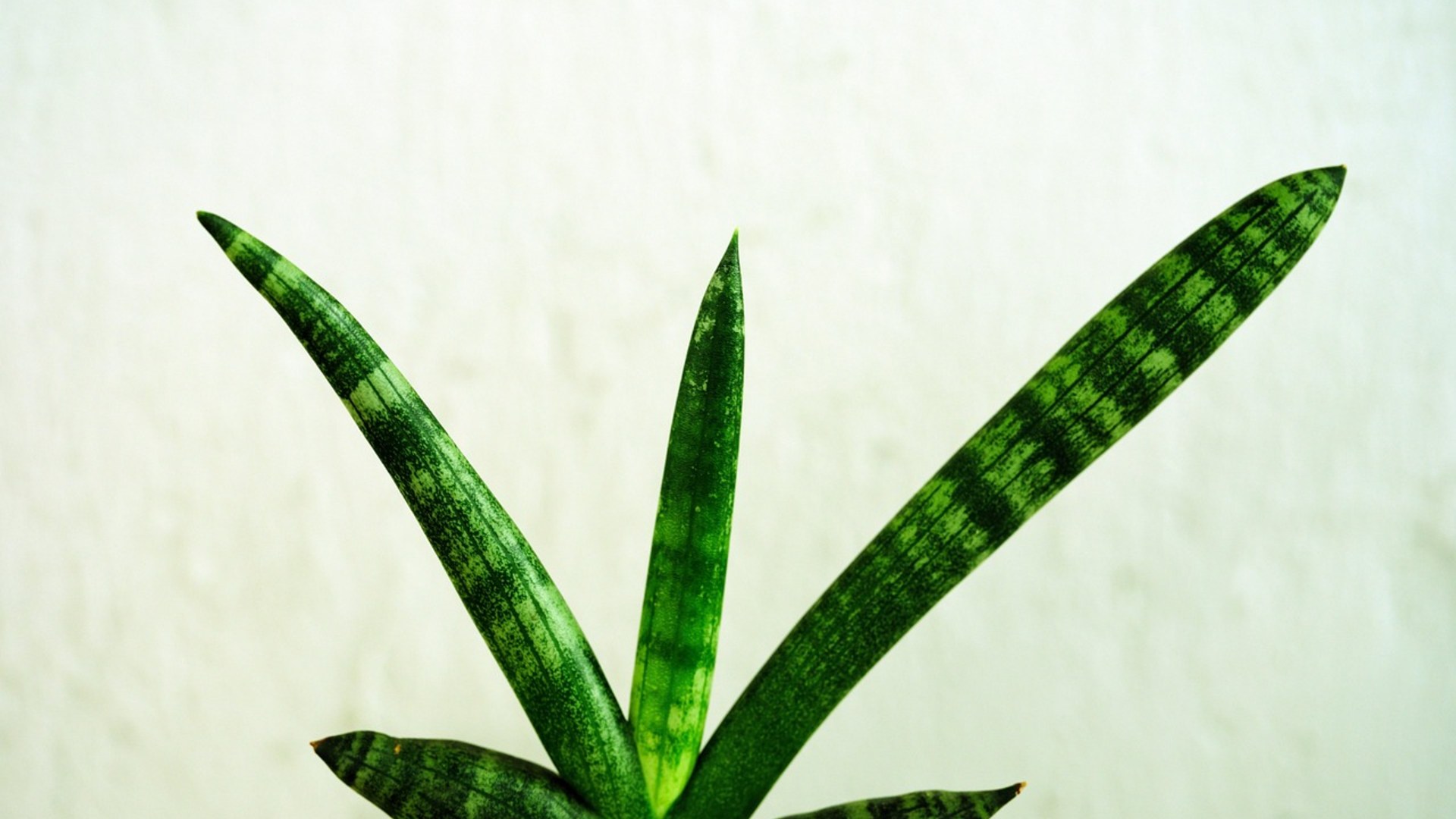
1. Snake Plant
Dracaena trifasciata utilizes Crassulacean Acid Metabolism to open stomata solely at night, preventing moisture loss in harsh conditions. Its upright sword-like blades survive for months in dark corners, requiring minimal watering while maintaining striking architectural structure.

©Pixabay / ignartonosbg
Advertisement
You've reached the end of the story. Thanks for reading!

20 Brightest Stars in the Night Sky Ranked by Magnitude
Stargazers have looked to the night sky for millennia to navigate oceans and chart constellations. Apparent visual magnitude measures how luminous a celestial body appears from Earth, with lower and negative numbers indicating brighter beacons. Here is the definitive countdown of the twenty brightest stars visible from Earth.
All 20 Entries in this Story
20. Silver Inch Plant
Tradescantia zebrina produces metallic silver stripes flanked by rich magenta undersides. Originating in shaded Mexican scrub forests, this resilient creeper handles indirect lighting with ease. Pinching back trailing vine tips promotes denser stem development when growing in north-facing bedrooms.

19. Arrowhead Vine
Syngonium podophyllum originates in damp tropical forests where saplings scramble up shaded tree trunks. The juvenile leaves display creamy variegation that persists well under low lighting. Keeping the potting soil evenly moist prevents lower leaf loss in cozy interior corridors.

18. Baby Rubber Plant
Peperomia obtusifolia features cupped, leathery leaves that retain water, making it forgiving of sporadic care. It native rainforest floor habitat equips this compact perennial to photosynthesize under weak ambient light, making it a reliable accent for windowless office cubicles.

17. Fishbone Prayer Plant
Ctenanthe burle-marxii produces striking silver foliage adorned with alternating dark green stripes. Because it grows beneath dense South American canopies, direct sunshine scorches its delicate foliage. Humid bathroom counters and shaded desks offer the ideal sheltered sanctuary.

16. Krauss Spike Moss
Selaginella kraussiana forms dense emerald carpets that naturally inhabit sheltered forest banks across southern Africa. Requiring minimal light to thrive, this primitive vascular plant excels inside sealed glass cloches and humid basement terrariums where bright rays never penetrate.

15. Mistletoe Cactus
Unlike desert cacti, Rhipsalis baccifera grows as an epiphyte perched beneath tropical tree branches. Its trailing thread-like stems lack sharp thorns and easily tolerate deep domestic shade. Occasional misting helps simulate the foggy rainforest canopies where it naturally thrives.

14. Aluminum Plant
Pilea cadierei is recognized for quilted green leaves coated in raised silver variegation that resembles brushed metal. These reflective patches help scatter faint ambient photons toward photosynthetic chloroplasts, allowing the plant to thrive across dimly lit coffee tables.

13. Bird Nest Fern
Asplenium nidus forms an architectural rosette of glossy, undivided fronds with crinkled margins. Adapted to life on tree crotches deep within tropical jungles, it prefers filtered ambient glow and steady moisture. Bathrooms with frosted glass provide comfortable conditions.

12. White Nerve Plant
Fittonia albivenis displays intricate networks of pure white veins across deep green leaves. Thriving in the deep Peruvian rainforest understory, it quickly wilts if exposed to harsh window beams. Enclosed glass containers maintain the humidity it needs to sustain low-light vigor.

11. Satin Pothos
Scindapsus pictus features heart-shaped leaves dotted with reflective silvery splotches that capture sparse rays. Slower-growing than common green vines, this Southeast Asian native tolerates low foot-candle conditions without shedding its signature speckled patterning.

10. Corn Plant Dracaena
Dracaena fragrans features broad strap-like leaves resembling maize foliage atop thick fibrous stems. Its slow metabolic rate allows it to survive in interior spaces illuminated solely by overhead fluorescent lamps, making it a fixture in corporate lobbies and quiet home offices.

9. Red Prayer Plant
Maranta leuconeura raises its foliage upright at night in a prayer posture, lowering them flat during daytime hours. Native to Brazilian jungle floors, it thrives in muted light where delicate red veining and chartreuse centers remain vivid without bleaching from solar heat.

8. Peacock Plant
Goeppertia makoyana produces pale green paper-thin foliage painted with deep green feathered ovals and purple undersides. It demands indirect shade, as solar rays quickly curl leaf edges. Distilled water and filtered ambient illumination keep this Brazilian native healthy.

7. Painted Leaf Begonia
Begonia rex is cultivated for ornamental foliage splashed in silver, burgundy, and emerald. Native to East Asian subtropical valleys, it relies on high leaf surface area to absorb scattered rays, proving that shade-dwelling houseplants can offer colorful visual impact.

6. Chinese Evergreen
Aglaonema commutatum ranks among the easiest foliage plants to maintain in low light. Asian forest canopies taught this slow-growing aroid to endure dim conditions and infrequent watering, while its thick variegated leaves resist typical dry air from central heating systems.

5. Heartleaf Philodendron
Philodendron hederaceum produces glossy emerald heart-shaped leaves on trailing runners. Adaptable across diverse settings, it survives in north-facing bedrooms and dimly lit hallways, requiring only modest watering when the top inches of potting soil dry out completely.

4. Cast Iron Plant
Aspidistra elatior earned its durable reputation in Victorian parlors where coal smoke and heavy drapes suffocated fragile plants. Its broad, tough leaves withstand prolonged periods of low light, irregular watering, and temperature swings, earning its moniker as an indestructible green companion.

3. Parlor Palm
Chamaedorea elegans is a slow-growing dwarf palm native to dense rainforest floors in Guatemala and Mexico. Flourishing under modest foot-candle ratings, it forms delicate fronds that purify interior air while gracefully adapting to lower room humidity than other palm varieties.

2. ZZ Plant
Zamioculcas zamiifolia features glossy, wax-coated foliage attached to swollen petioles. Native to dry East African scrublands, its underground potato-like rhizomes store reserves of moisture and nutrients, allowing the plant to thrive in windowless offices illuminated solely by bulbs.

1. Snake Plant
Dracaena trifasciata utilizes Crassulacean Acid Metabolism to open stomata solely at night, preventing moisture loss in harsh conditions. Its upright sword-like blades survive for months in dark corners, requiring minimal watering while maintaining striking architectural structure.