Slideshow · Animals
22 Animals That Mastered Tool Use in the Wild
From primates crafting termite probes to octopuses carrying coconut armor and birds manufacturing stepped leaf hooks, tool use extends across the animal kingdom. This gallery examines twenty-two animals that mastered tool use in the wild, exploring field observations, learned traditions, and cognitive breakthroughs.
By Most Viral Today
1 hour ago

Cover: Animals Using Tools in the Wild 
22. Black-Spotted Tuskfish 
21. Archerfish 
20. Burrowing Owl - AdvertisementSwipe or tap ▶ to continue countdown

19. Green Heron 
18. Sea Otter 
17. Egyptian Vulture 
16. Veined Octopus - AdvertisementSwipe or tap ▶ to continue countdown

15. Antlion 
14. Weaver Ant 
13. American Alligator 
12. Woodpecker Finch - AdvertisementSwipe or tap ▶ to continue countdown

11. Bottlenose Dolphin 
10. Brown Bear 
9. Bearded Capuchin 
8. Mandrill - AdvertisementSwipe or tap ▶ to continue countdown

7. Dingo 
6. Goffin's Cockatoo 
5. Asian Elephant 
4. Bornean Orangutan - AdvertisementSwipe or tap ▶ to continue countdown

3. Western Gorilla 
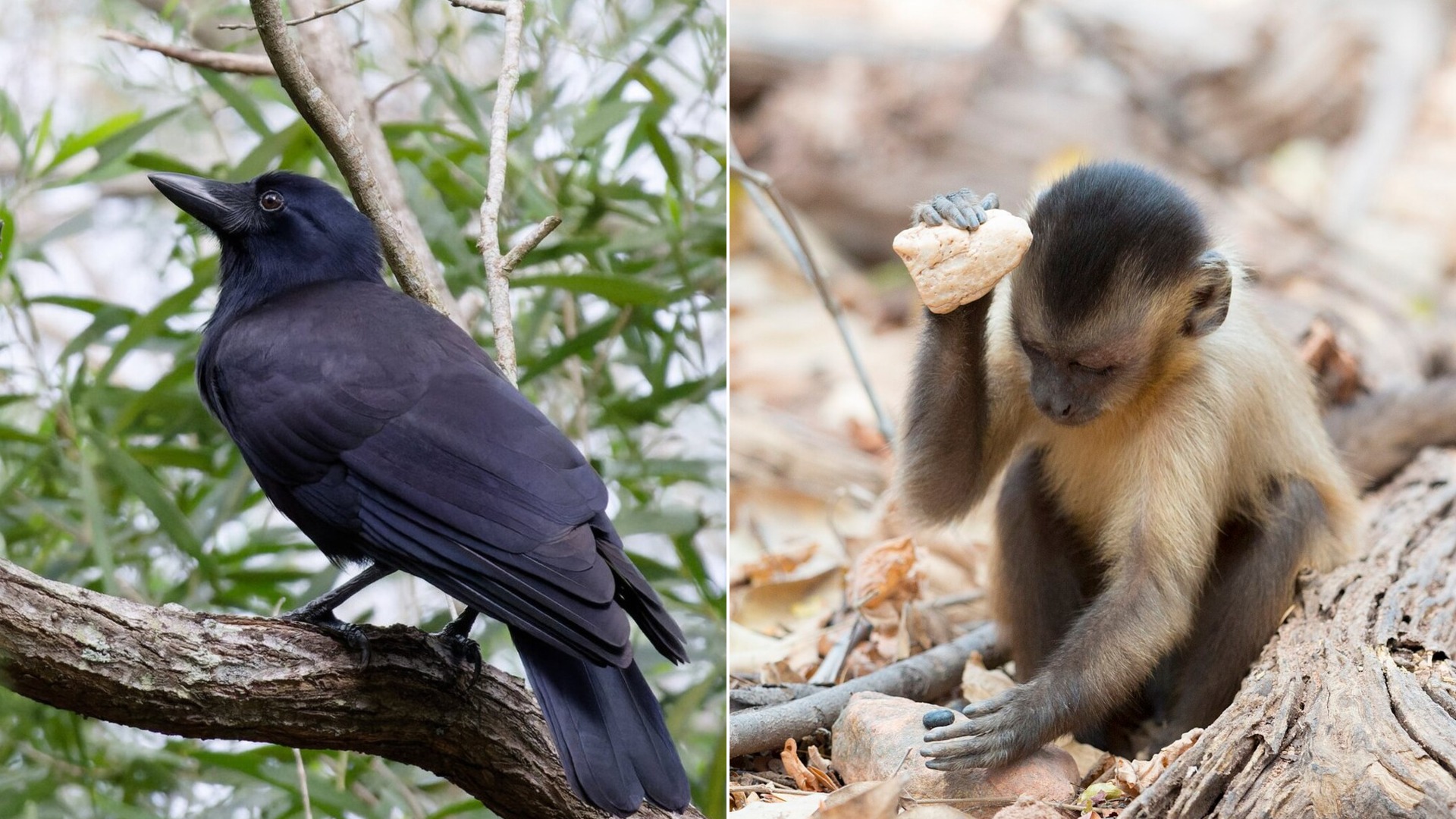
2. New Caledonian Crow 
1. Chimpanzee - Advertisement🔥 UP NEXT IN THIS SERIES◫ 23 Slides

22 Birds Known for Aggressive Behavior Toward Humans
While birds often symbolize flight and beauty, several species possess lethal adaptations ranging from dagger claws to neurotoxins. Based on wildlife data from the Smithsonian Institution, Guinness World Records and National Geographic, here are twenty-two of the most hazardous avian species in the wild ranked.
This gallery investigates twenty-two animal species that utilize tools in the wild, arranged in ascending order of mechanical complexity and cognitive planning. Field research data and observational findings come from behavioral studies published in Nature, Animal Cognition, Current Biology, and primate journals.
Swipe or tap ▶ to begin the countdown
©Wikimedia / New Caledonian crow & Wikimedia / Tiago Falótico
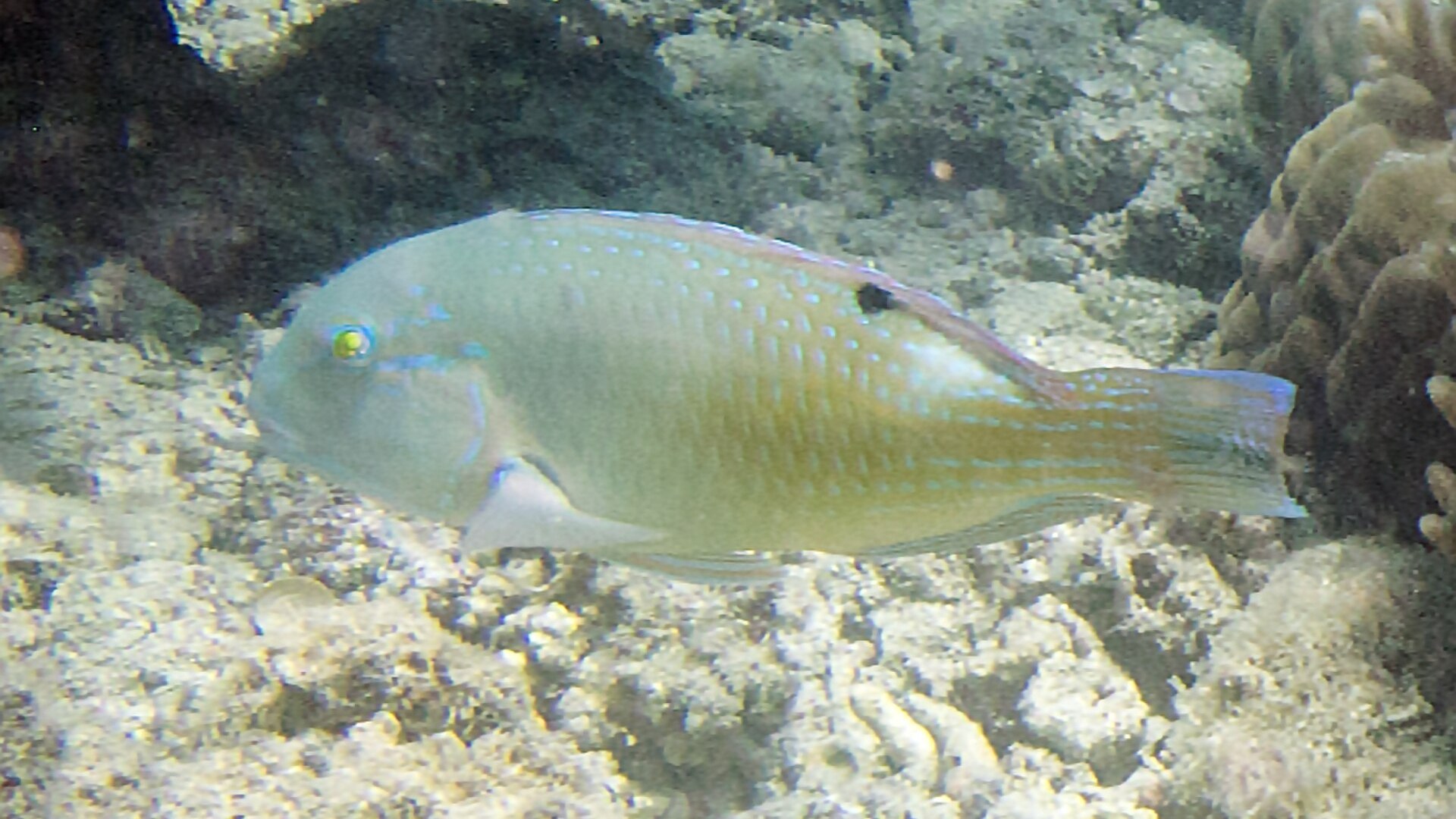
22. Black-Spotted Tuskfish
The black-spotted tuskfish Choerodon schoenleinii exhibits true anvil tool use on the Great Barrier Reef. The reef fish grips clams in its jaws and repeatedly smashes them against specific anvil stones to fracture the hard shells. Marine biologists documented this deliberate mechanical action using underwater video.
©Wikimedia / Paul Asman and Jill Lenoble
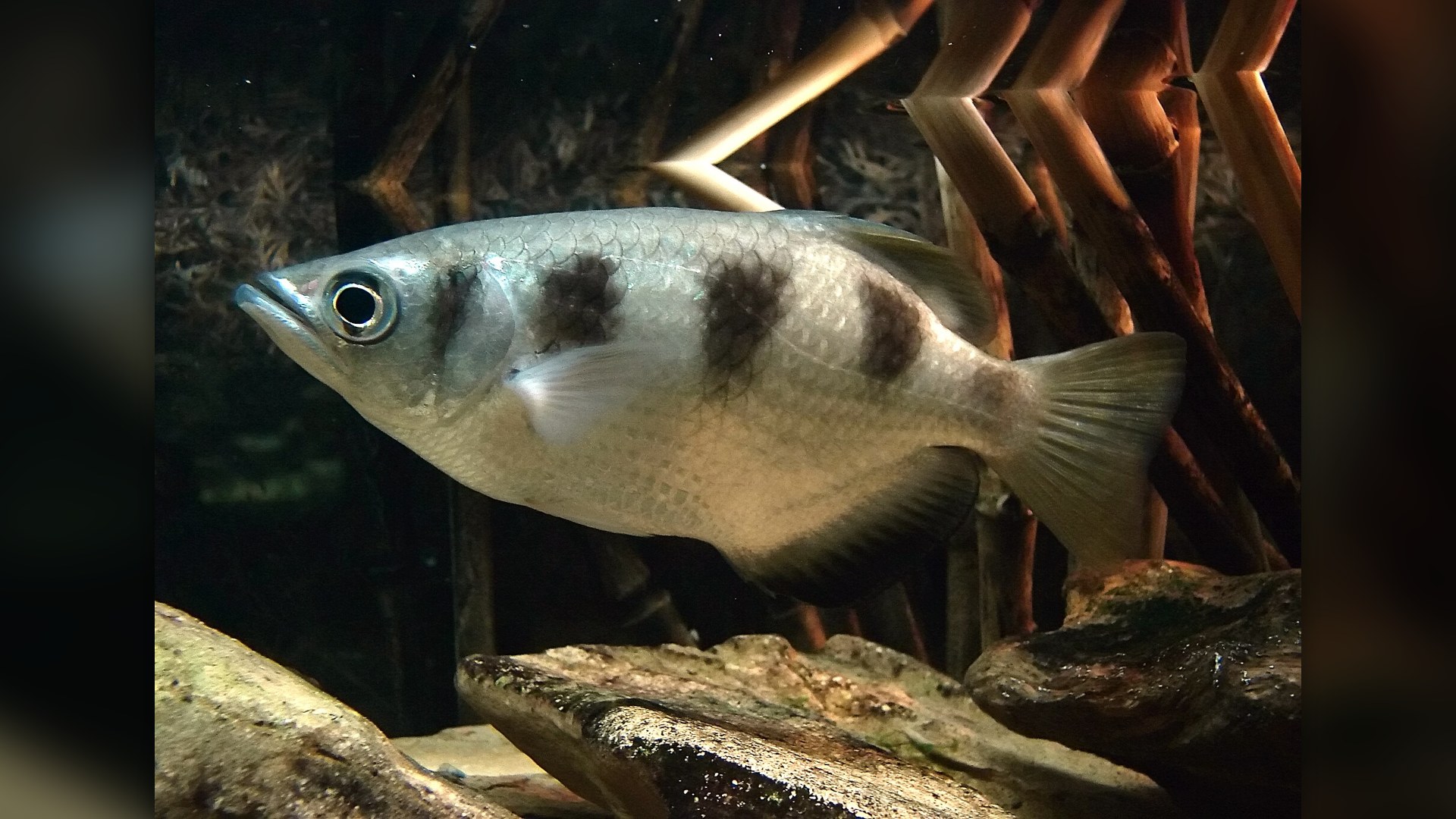
21. Archerfish
Banded archerfish Toxotes jaculatrix transform water into a hydrodynamic weapon. By pressing their tongue against a groove in the roof of their mouth, they shoot pressurized water droplets up to six feet above the surface. The fish calculate refraction angles instantly to knock unsuspecting insects off foliage.
©Wikimedia / Chrumps
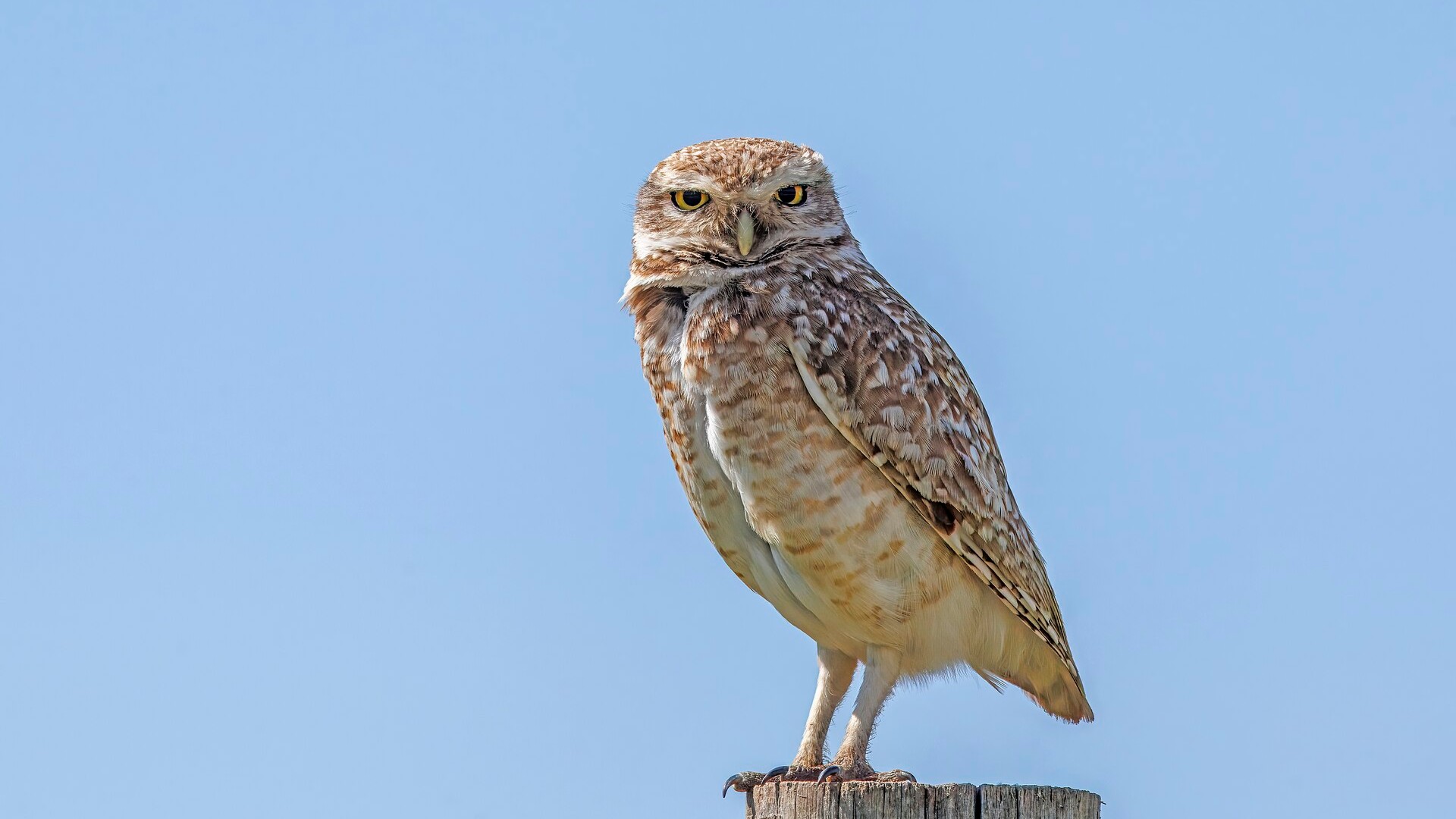
20. Burrowing Owl
Burrowing owls Athene cunicularia in western North America collect mammal dung and arrange it neatly around their burrow entrances. Research reveals this behavior serves as bait rather than camouflage. The dung attracts dung beetles and other insects, allowing the owls to harvest food on their own doorsteps.
©Wikimedia / Burrowing owl
Advertisement
Swipe or tap ▶ to resume the countdown.
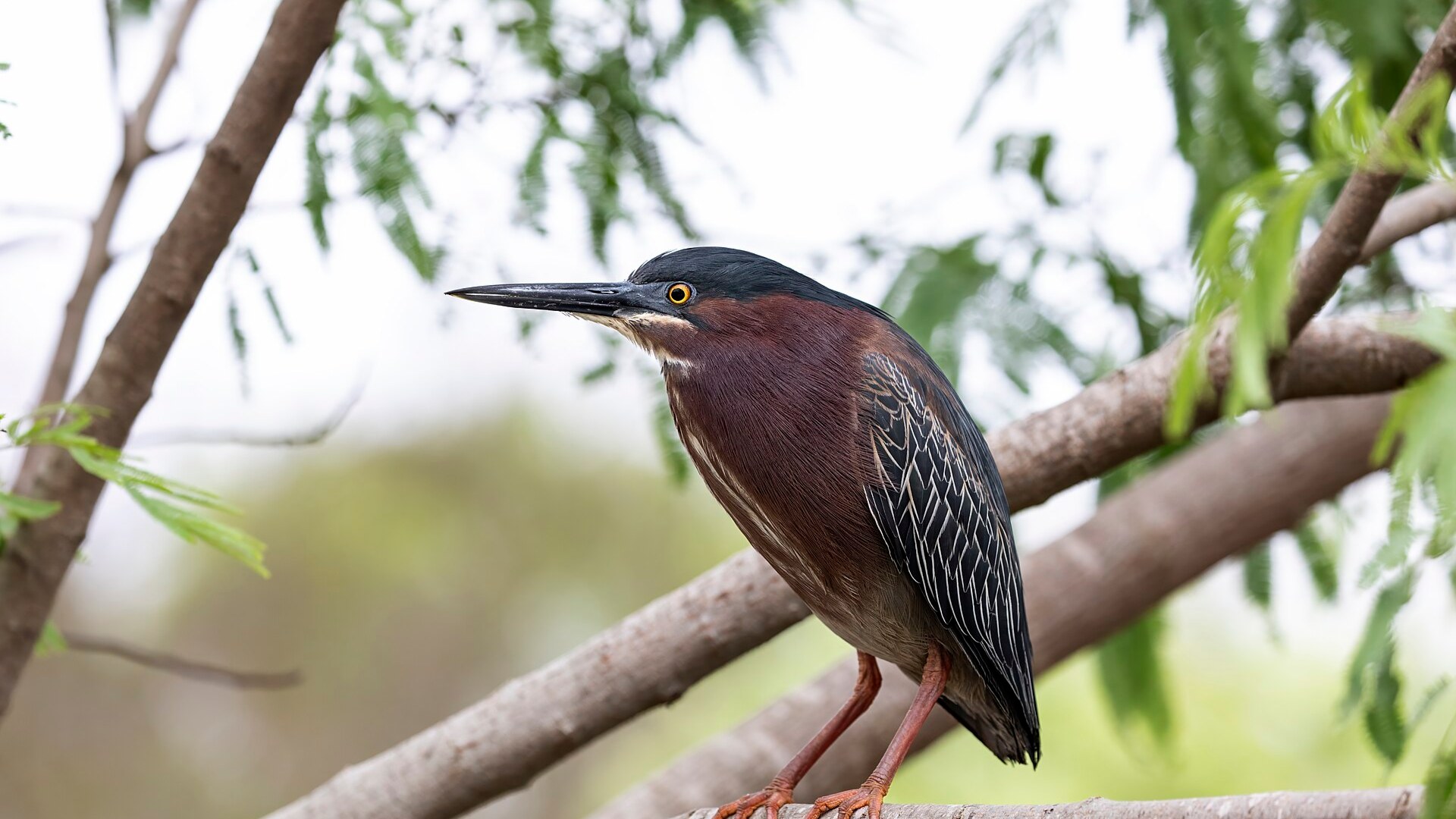
19. Green Heron
Green herons Butorides virescens are among the few bird species observed using bait to hunt aquatic prey. The herons drop breadcrumbs, twigs, feathers, and insects onto the water surface, standing motionless until curious fish swim near. When a fish investigates the floating bait, the heron strikes swiftly.
©Wikimedia / Chuck Homler d/b/a Focus On Wildlife
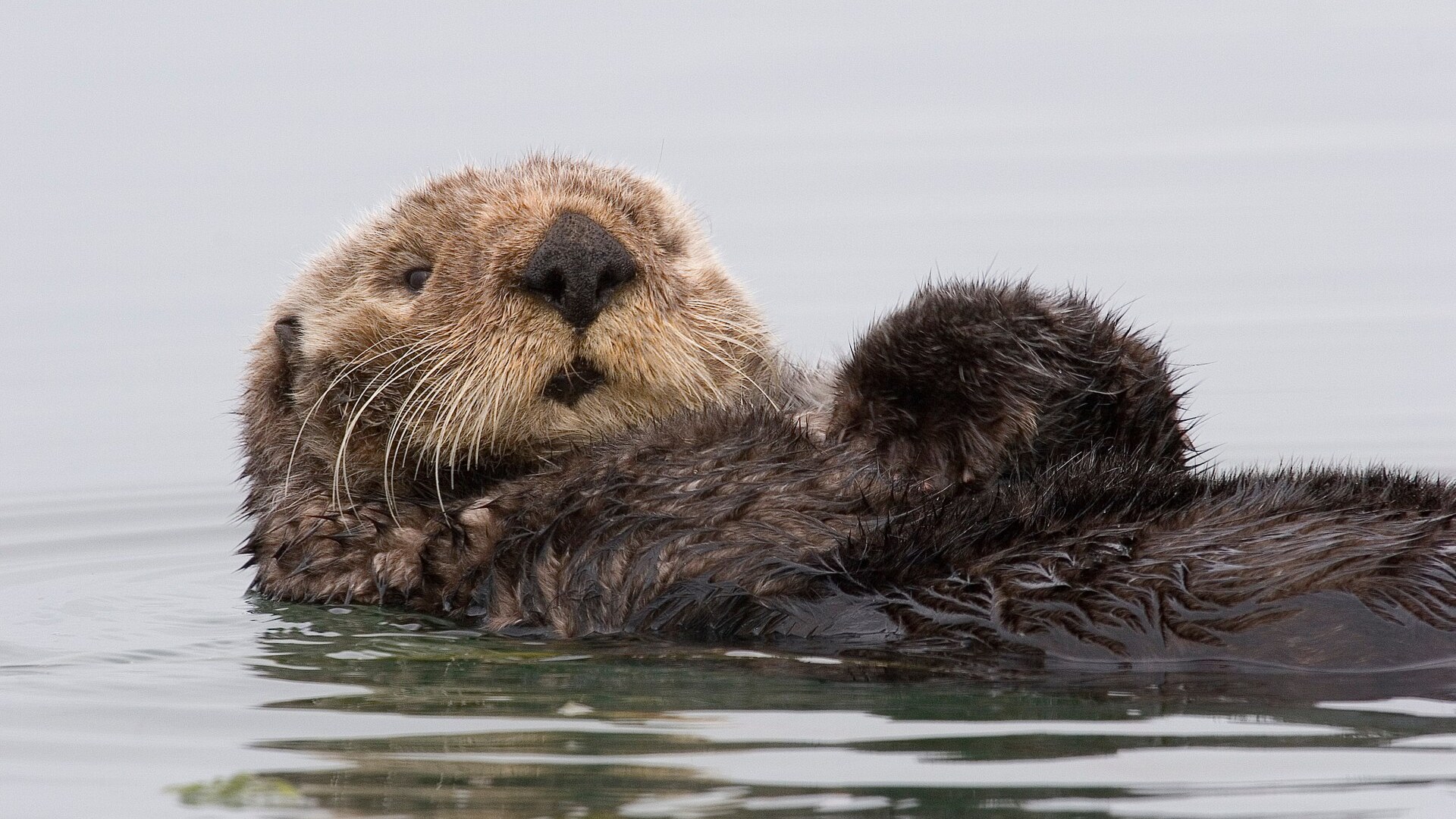
18. Sea Otter
Southern sea otters Enhydra lutris nereis carry favorite anvil stones in loose underarm skin pouches. Floating on their backs along coastal kelp forests, they rest a flat rock on their chest and smash tough abalone, crabs, and clams against it. Decades of repeated pounding produce distinct archeological stone wear.
©Wikimedia / Mike Baird from Morro Bay, USA ( bairdphotos.com
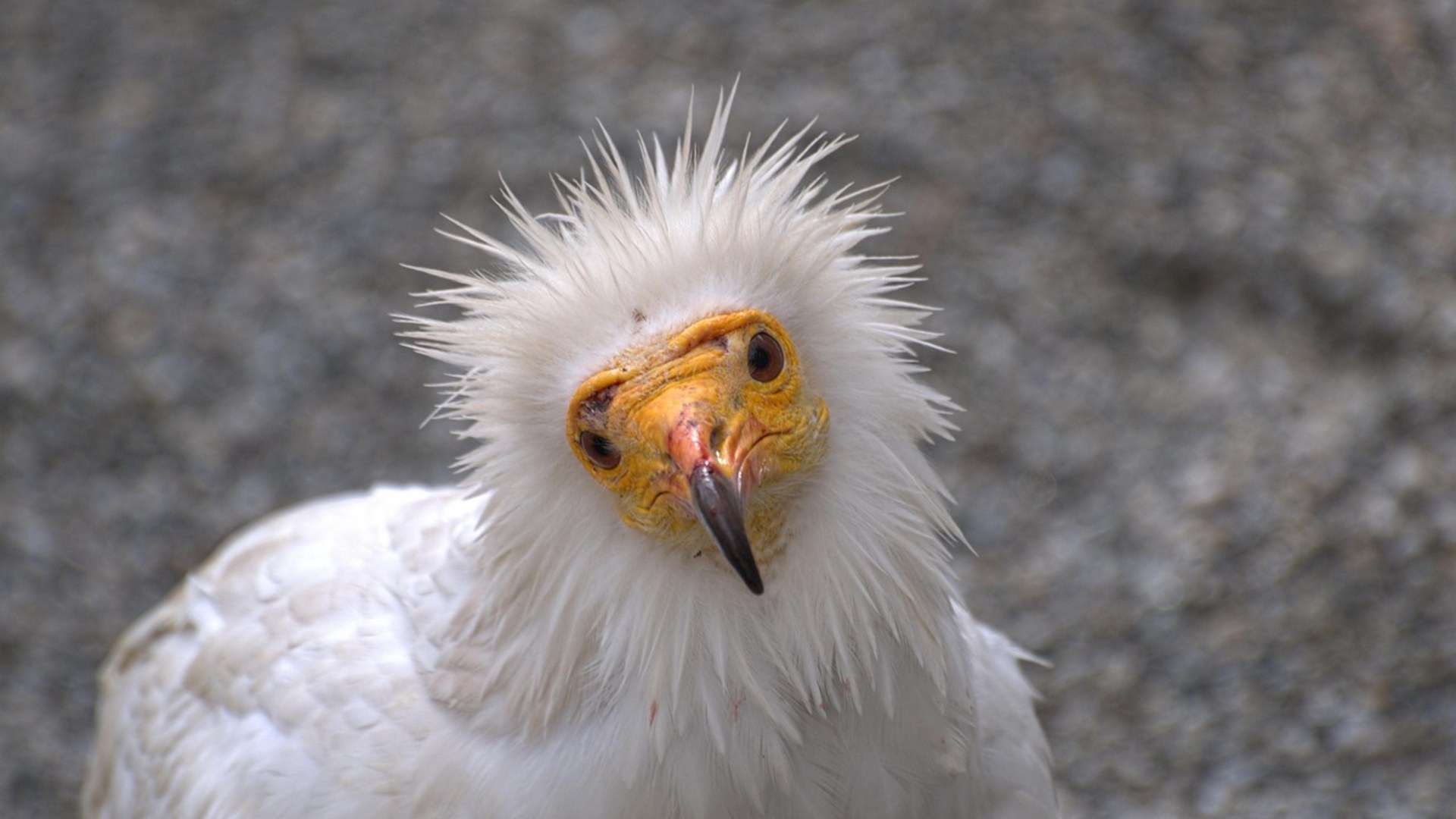
17. Egyptian Vulture
Egyptian vultures Neophron percnopterus use stones to break open thick ostrich eggs that resist direct pecking. Holding a rounded pebble in its beak, the vulture tosses the rock downward with force from an upright posture. It repeats the bombardment dozens of times until the egg shell fractures cleanly.
©Wikimedia / Unuplusunu
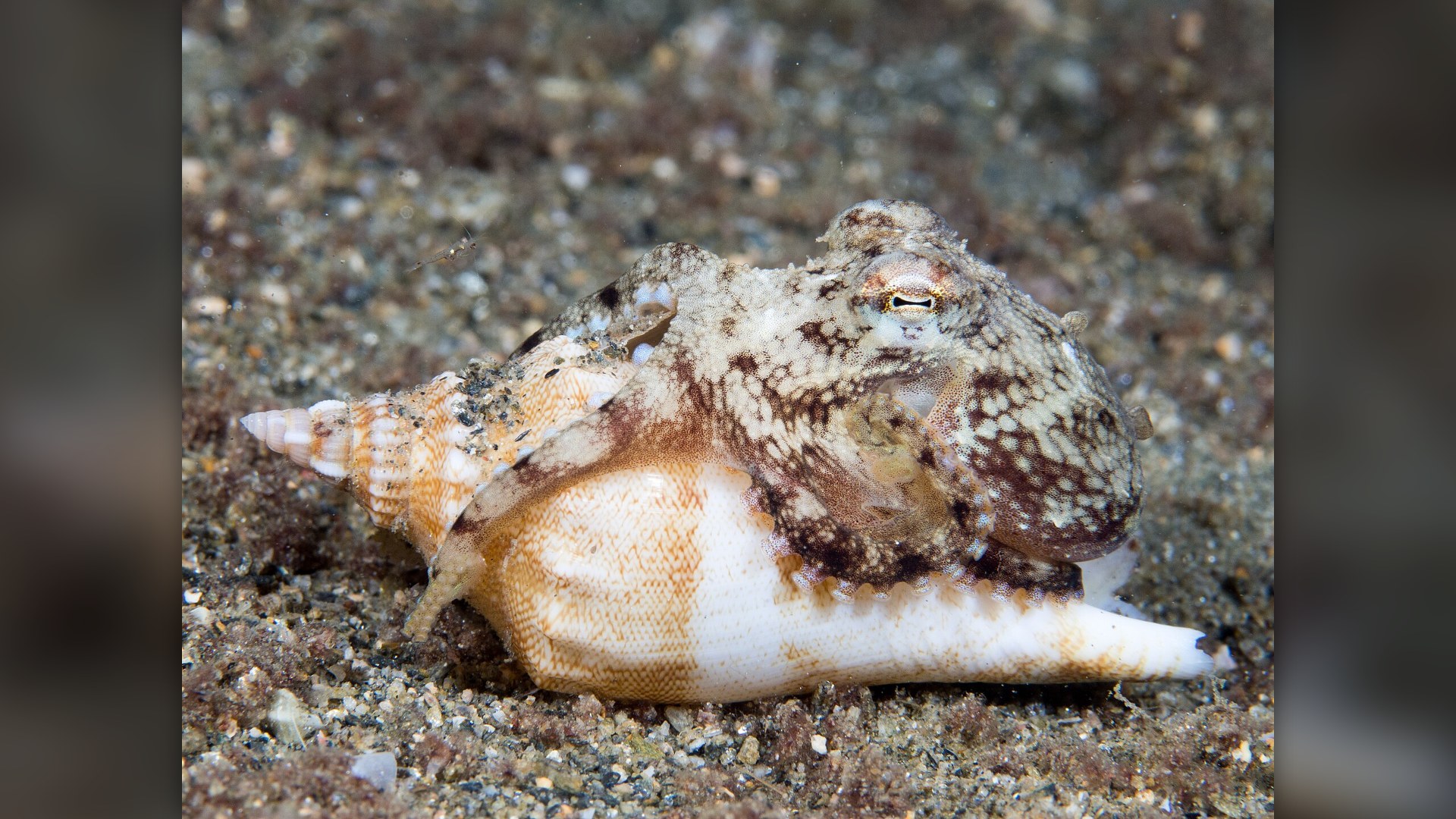
16. Veined Octopus
The veined octopus Amphioctopus marginatus in Indonesian waters collects discarded coconut shell halves from the seafloor. Stacking two matching halves, it carries them beneath its body while stilt-walking across exposed sand. When threatened by predators, it reassembles the shells into a secure sphere.
©Wikimedia / Rickard Zerpe
Advertisement
Swipe or tap ▶ to resume the countdown.
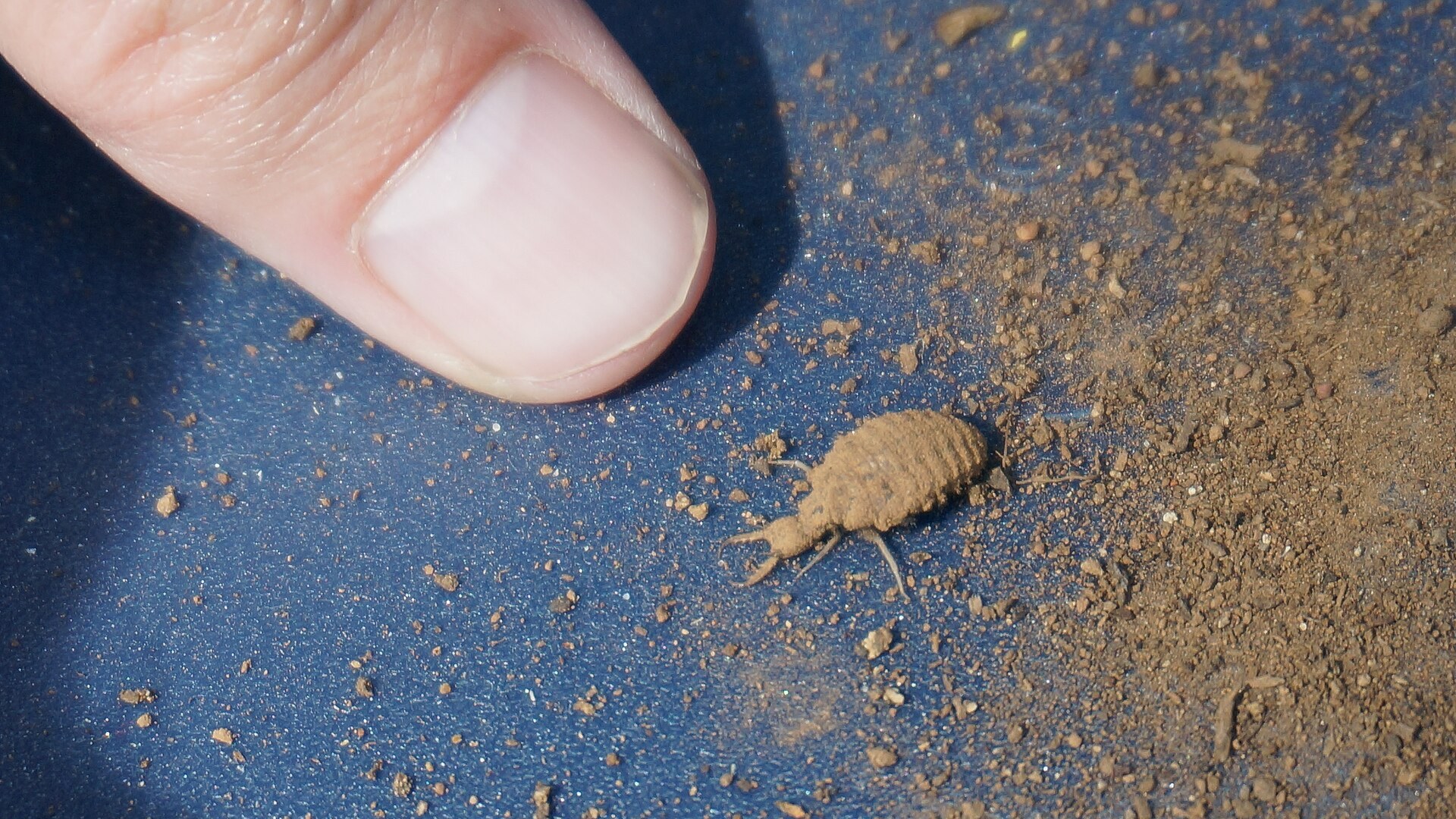
15. Antlion
Antlion larvae construct conical sand pits in arid soil to trap crawling prey. When an ant attempts to scramble out of the sloping funnel, the antlion uses its broad head to flick sand grains directly at the prey. This targeted barrage triggers localized sand avalanches that slide the insect down into its jaws.
©Wikimedia / Djzanni
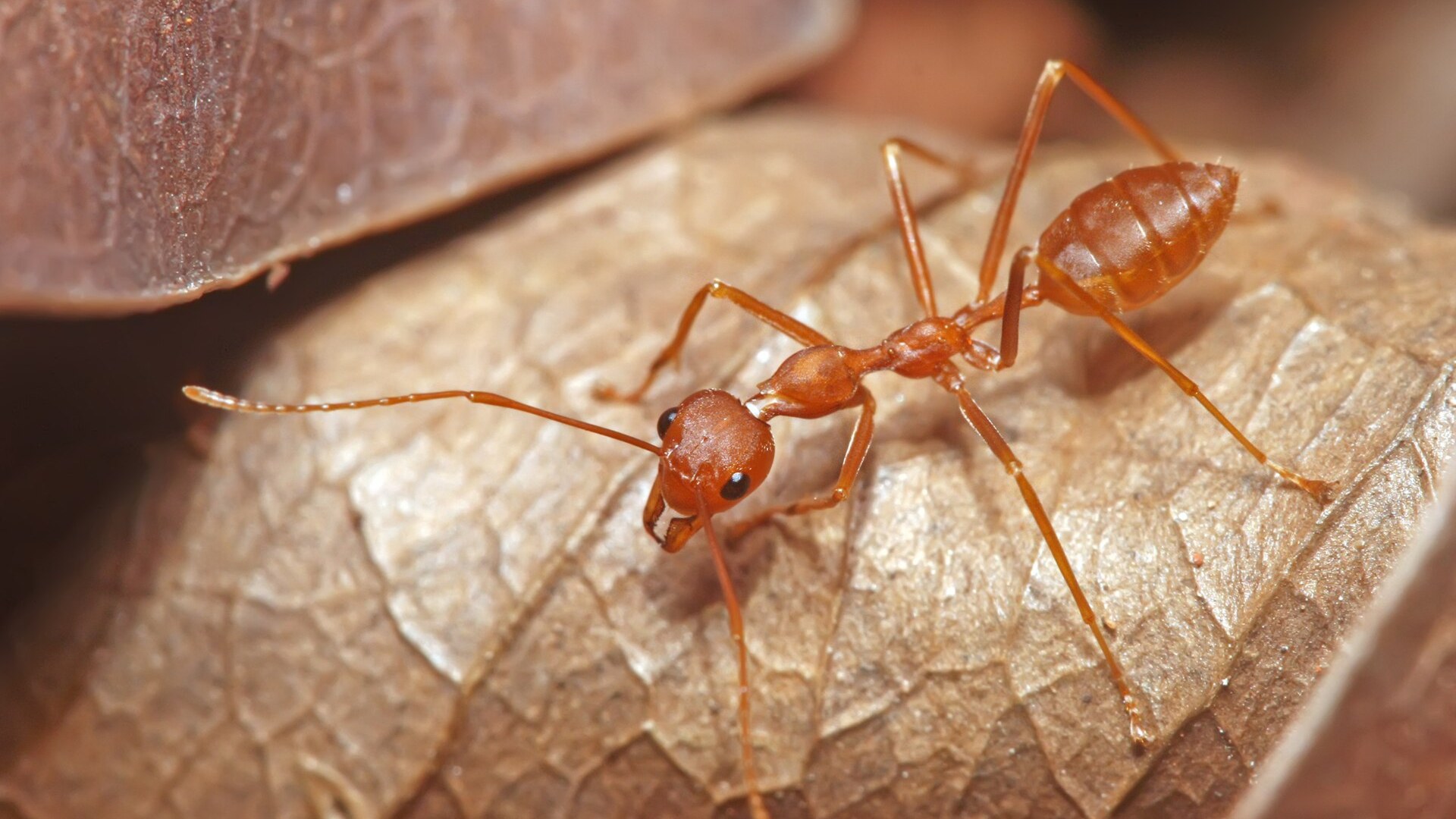
14. Weaver Ant
Weaver ants Oecophylla smaragdina construct arboreal canopy nests by joining living leaves together. While worker ants pull leaf edges into alignment with their mandibles, other workers hold silk-producing larvae between their jaws. The workers gently squeeze the larvae to dispense fresh silk as living glue.
©Wikimedia / Muhammad Mahdi Karim
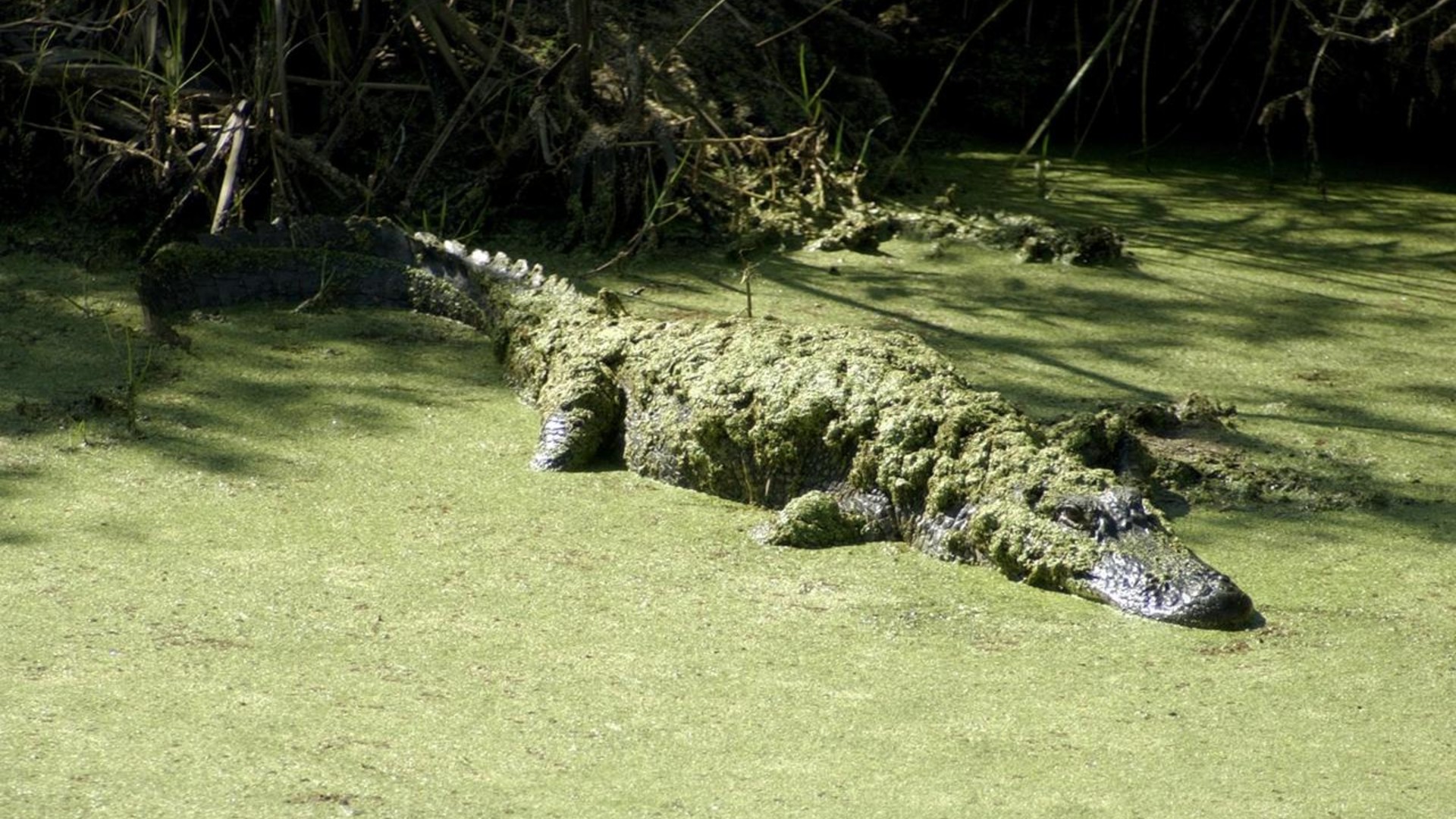
13. American Alligator
American alligators Alligator mississippiensis display seasonal tool use coordinated with bird breeding cycles. During spring nest-building season, alligators balance twigs and sticks across their snouts while resting motionless in wetlands. Wading birds seeking nesting material venture near and are captured.
©NASA / KSC
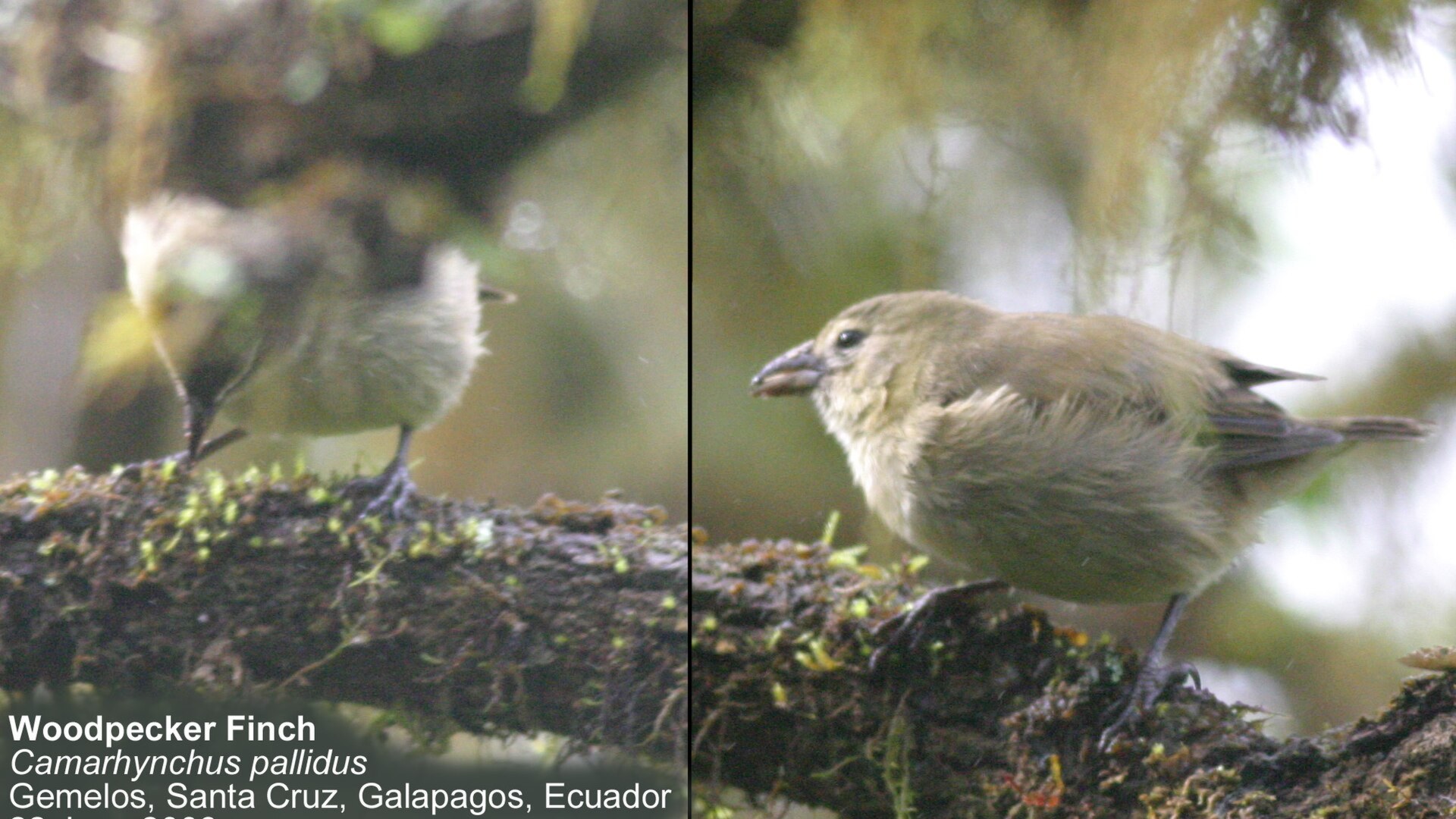
12. Woodpecker Finch
The woodpecker finch Camarhynchus pallidus in the Galapagos Islands compensates for its short tongue by wielding tools. The bird snaps cactus spines or small twigs, modifies them to proper lengths, and probes tree crevices to impale beetle grubs. It frequently stores successful probing tools for repeated use.
©Wikimedia / User:BBODO on english wikipedia
Advertisement
Swipe or tap ▶ to resume the countdown.
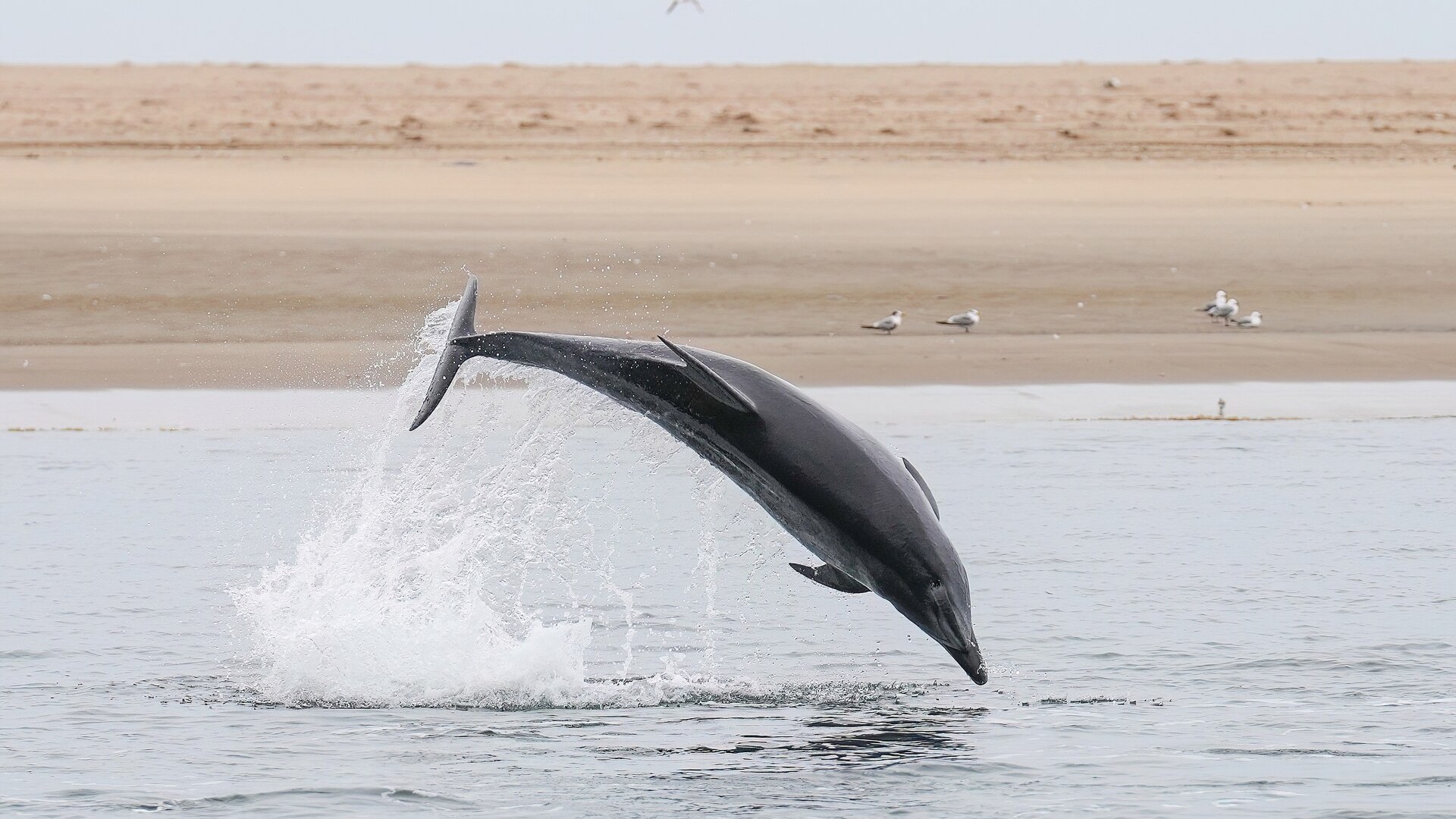
11. Bottlenose Dolphin
Indo-Pacific bottlenose dolphins in Shark Bay, Western Australia, detach conical marine sponges and fit them over their rostra. This sponging behavior protects their beaks from sharp rocks and stingray spines while foraging in sandy sea channels. Mothers transmit this learned cultural skill to their female calves.
©Wikimedia / Giles Laurent
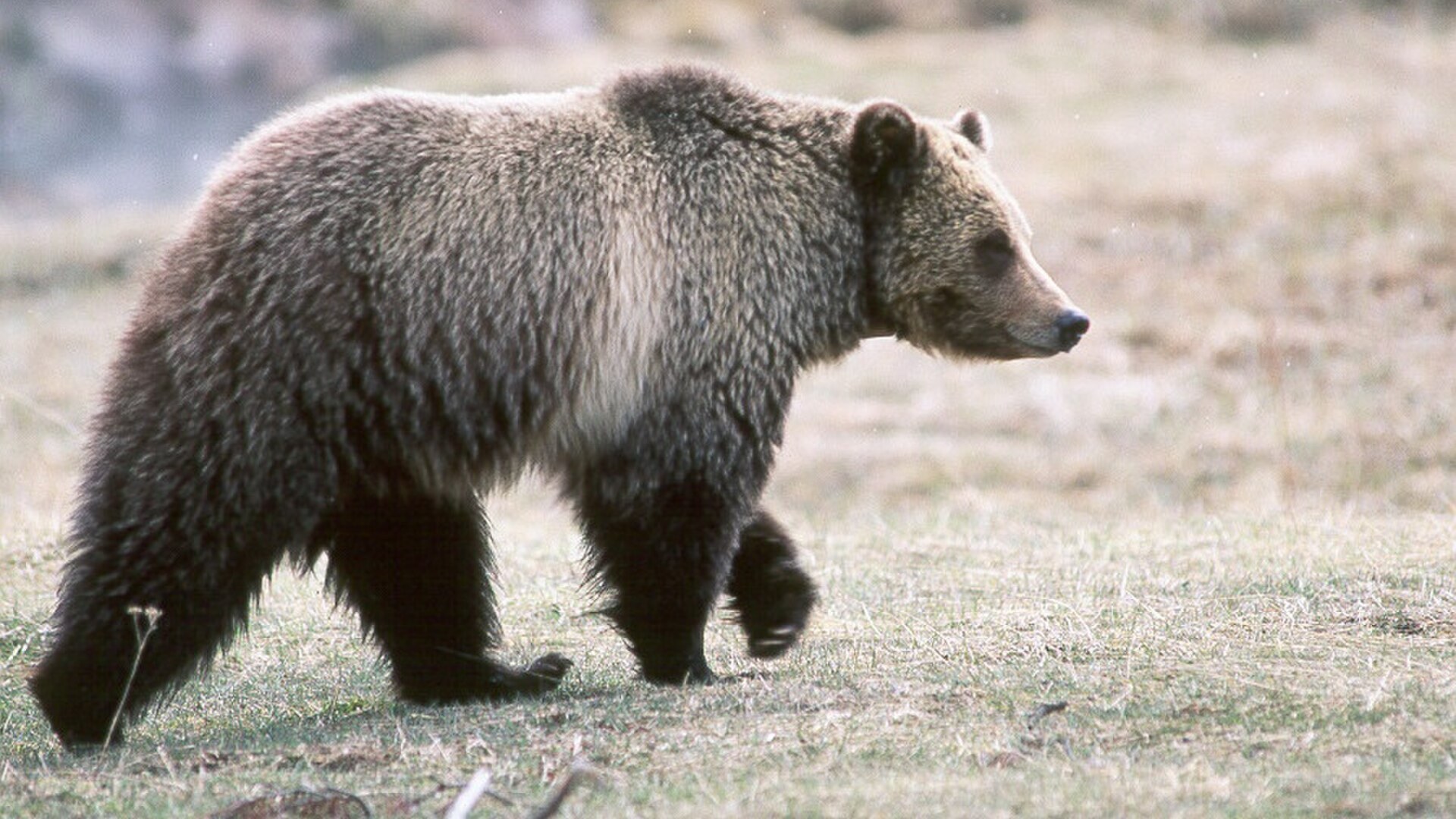
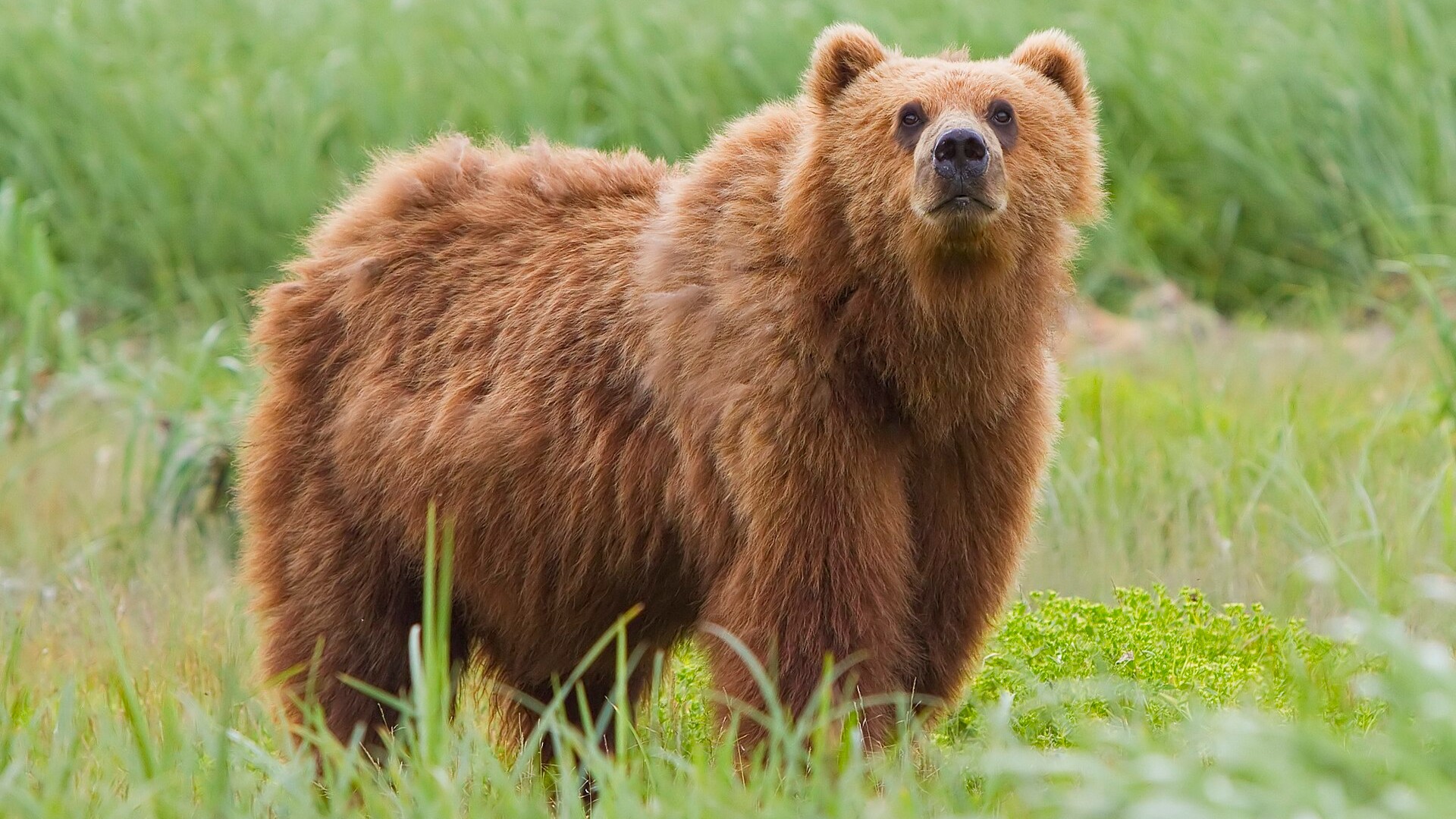
10. Brown Bear
Coastal brown bears in Alaska select barnacle-encrusted rocks to scratch and exfoliate hard-to-reach areas of their heads. Biologists observed bears holding stones in their paws and methodically rubbing them across their muzzles and necks. This behavior removes molting fur and relieves seasonal parasite irritation.
©Wikimedia / Brown bear
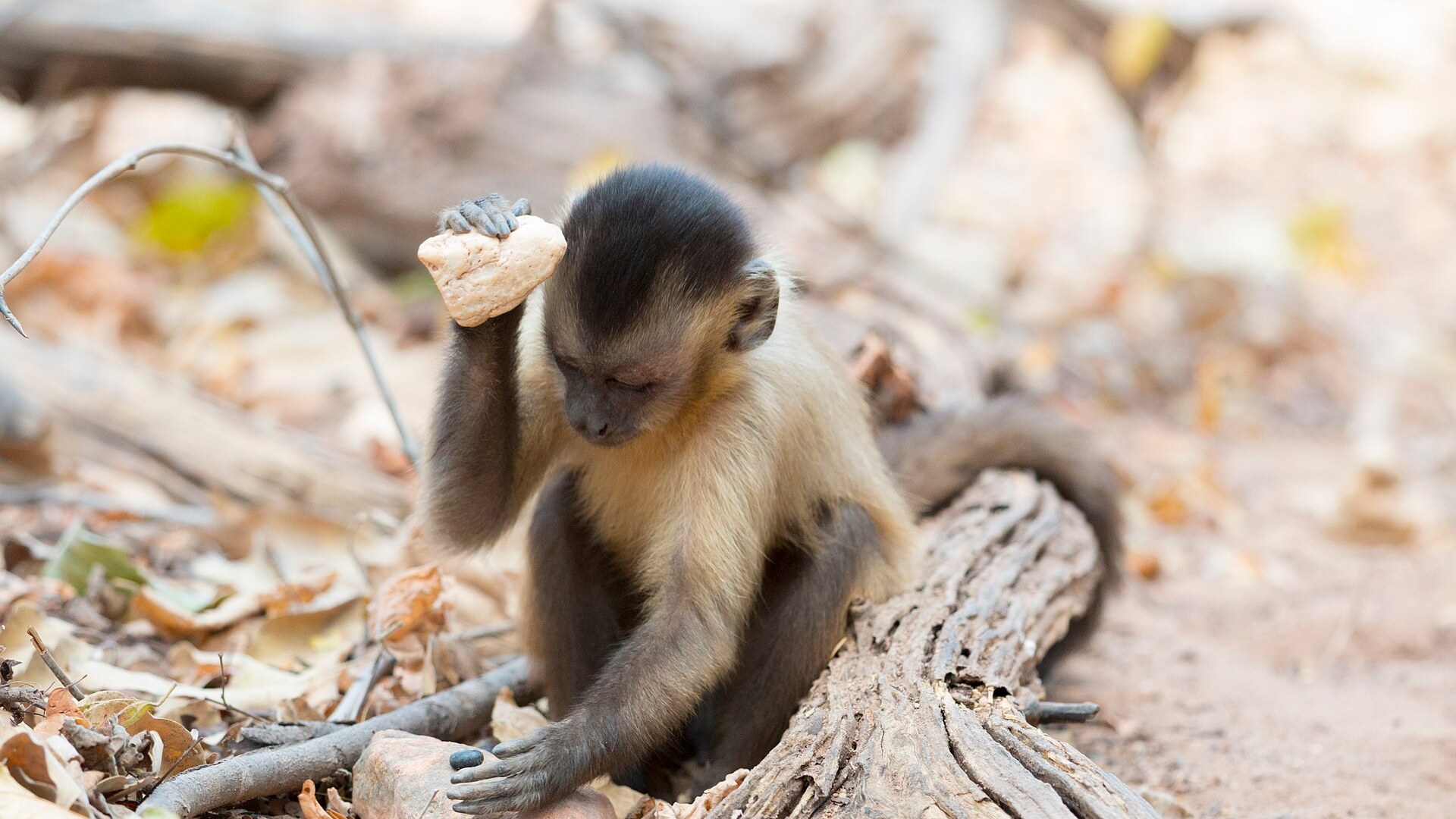
9. Bearded Capuchin
Bearded capuchin monkeys Sapajus libidinosus in Serra da Capivara National Park in Brazil use heavy quartzite hammerstones to crack open palm nuts. Capuchins transport stones weighing half their body weight to permanent anvil boulders. Archeologists uncovered continuous stone tool use dating back 3,000 years.
©Wikimedia / Tiago Falótico
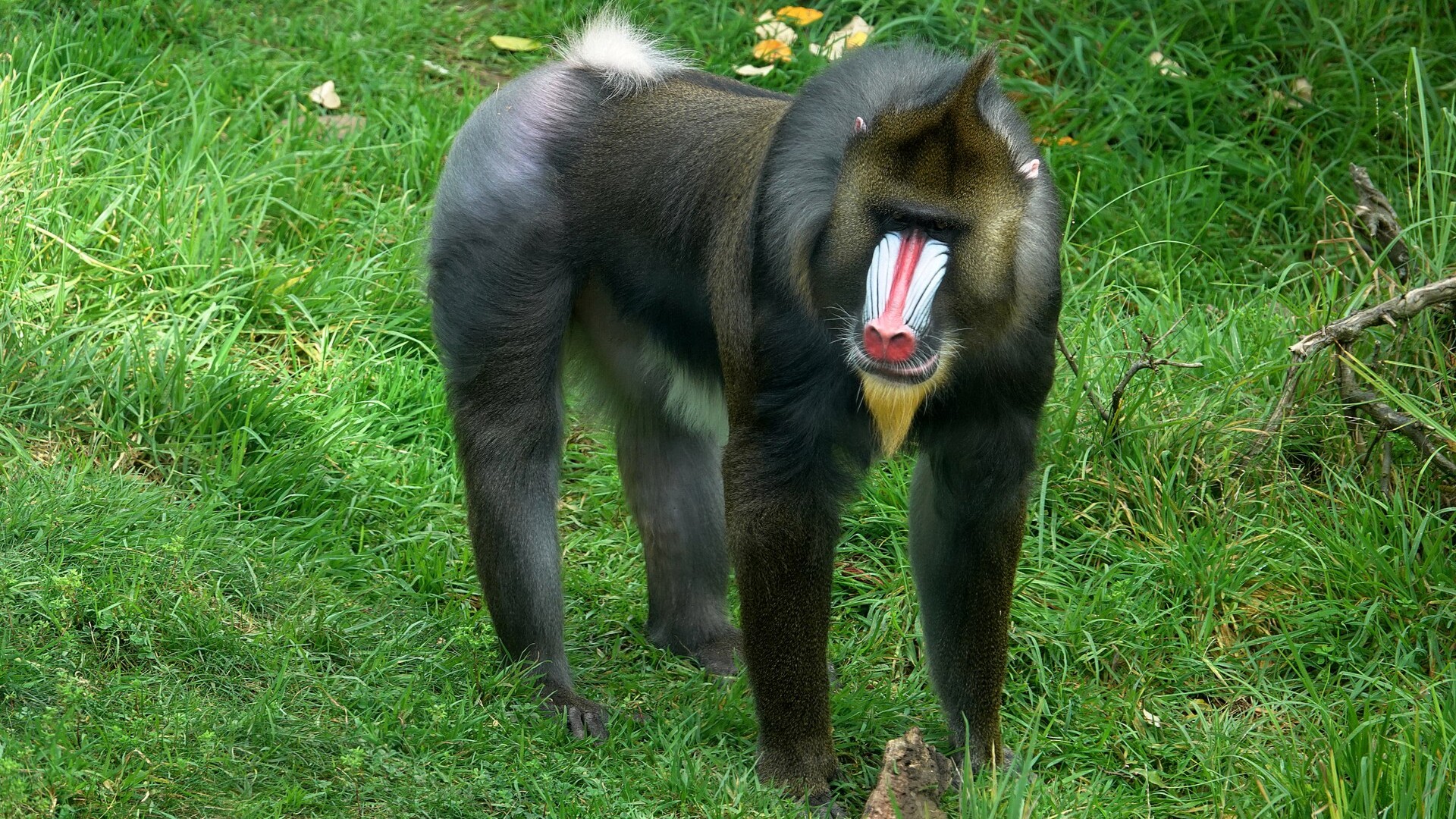
8. Mandrill
Mandrills Mandrillus sphinx in central African forests manufacture specialized cleaning probes. Observers recorded mandrills stripping twigs of leaves and whittling them down into slender dental scrapers to clean food debris from teeth. They also fashion softer fibrous swabs to groom their ears and paw pads.
©Wikimedia / Sanjay Acharya
Advertisement
Swipe or tap ▶ to resume the countdown.
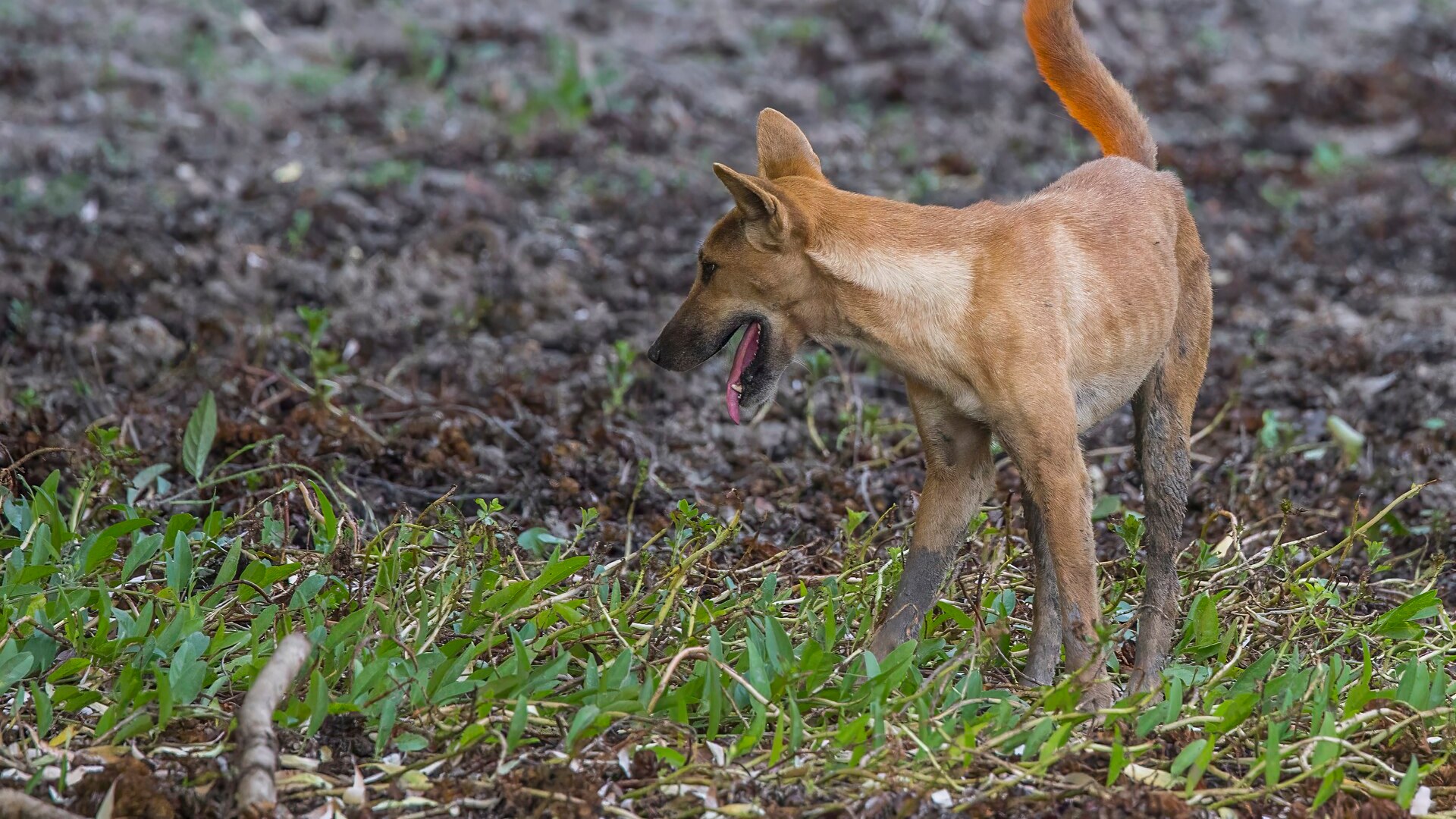
7. Dingo
Australian dingoes Canis lupus dingo demonstrate spontaneous problem solving. In controlled wildlife tests, dingoes pushed movable crates and logs across enclosures to construct makeshift platforms, allowing them to reach elevated food baits. This spatial reasoning exceeds abilities shown by domestic dogs.
©Wikimedia / Charles J. Sharp
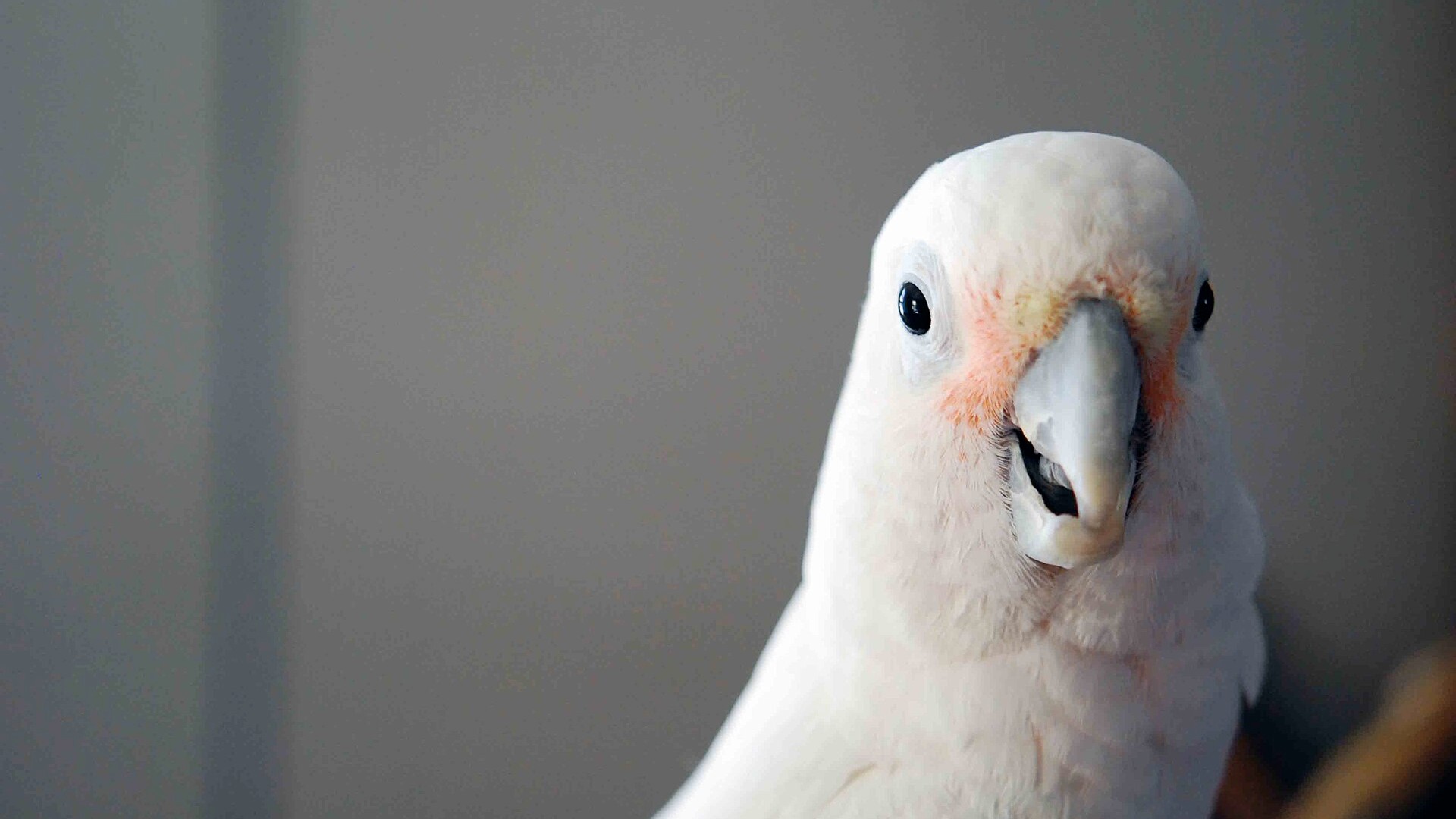
6. Goffin's Cockatoo
Goffin cockatoos Cacatua goffiniana in the Tanimbar Islands manufacture a multi-part tool kit to extract sea mango seeds. They carve three distinct wooden tools with their beaks: a thick wedge to split outer husks, a sharp skewer to puncture inner membranes, and a narrow spoon to scoop out nutritious flesh.
©Wikimedia / Lee from Washington State, USA
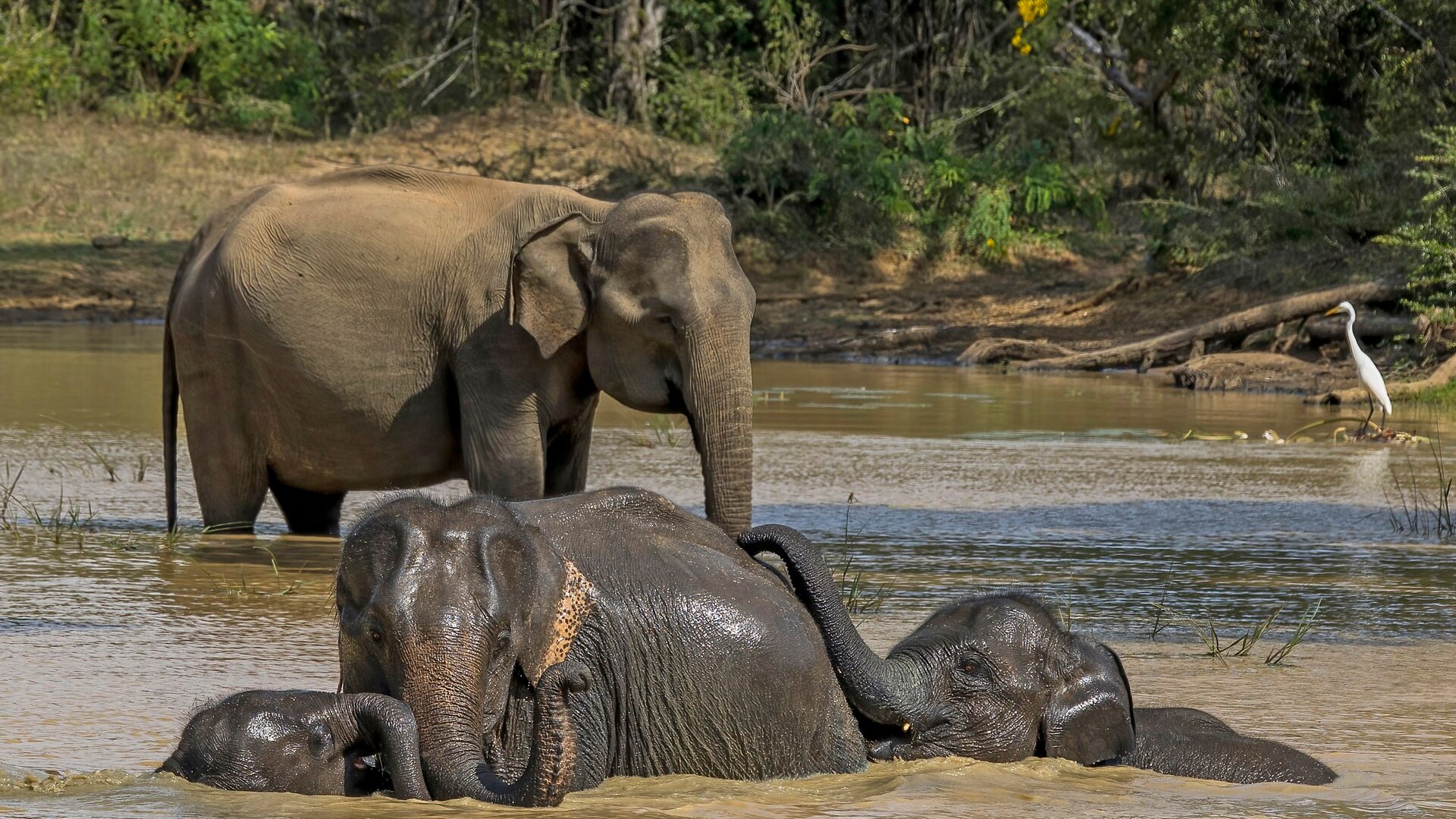
5. Asian Elephant
Asian elephants Elephas maximus display remarkable tool versatility. Elephants strip side branches from leafy boughs with their trunks to construct effective fly swatters. In arid zones, they dig watering holes into dry riverbeds, chew bark into fibrous balls, and insert the plug to prevent water evaporation.
©Wikimedia / Charles J. Sharp
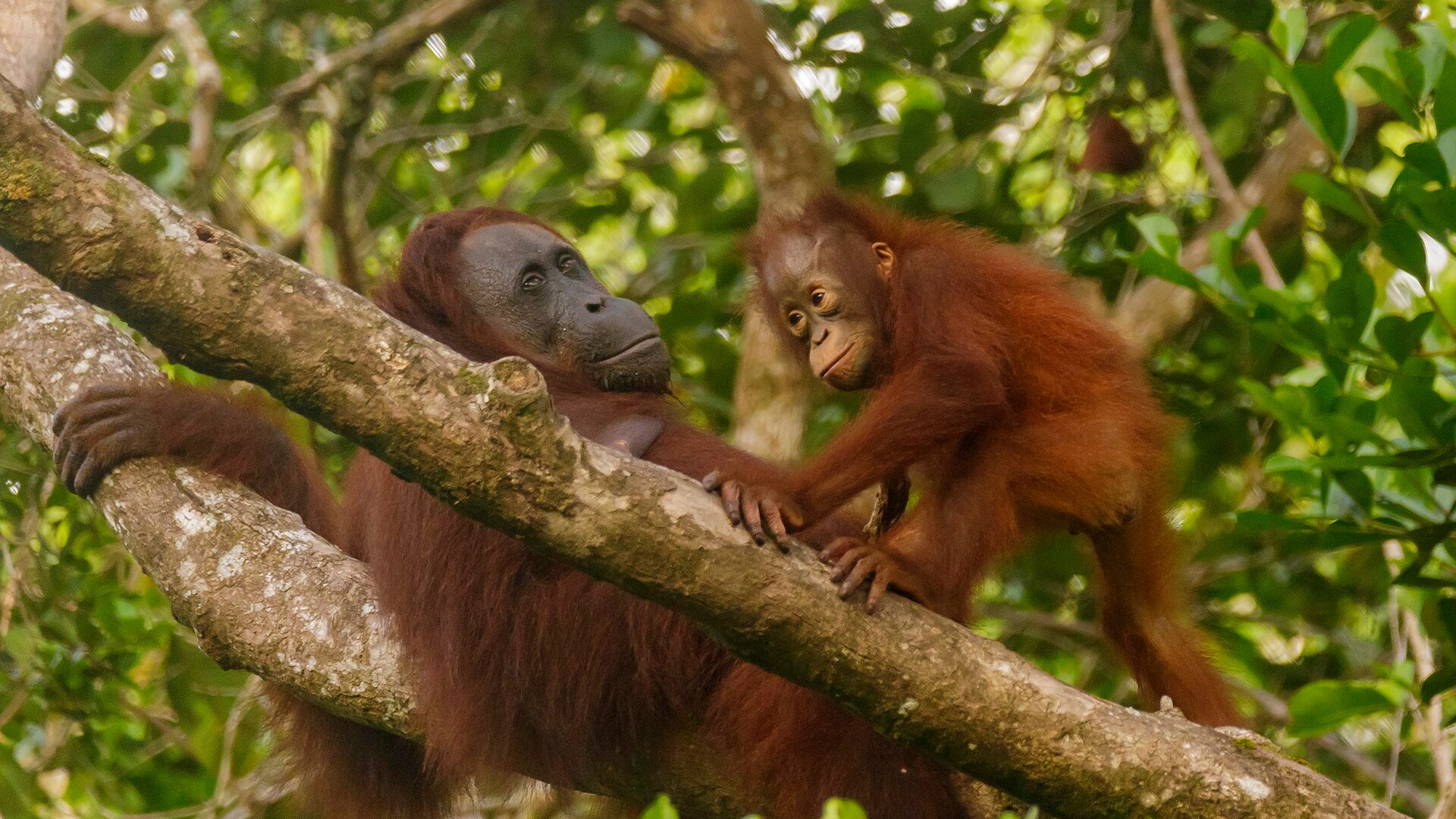
4. Bornean Orangutan
Wild Bornean orangutans Pongo pygmaeus manufacture a diverse array of vegetative tools. They strip sticks to extract seeds from prickly Neesia fruits, wrap leaves around hands to serve as protective gloves, and construct leafy parasols during heavy tropical rainstorms. Cultural variations differ across river basins.
©Wikimedia / Thomas Fuhrmann
Advertisement
Swipe or tap ▶ to resume the countdown.
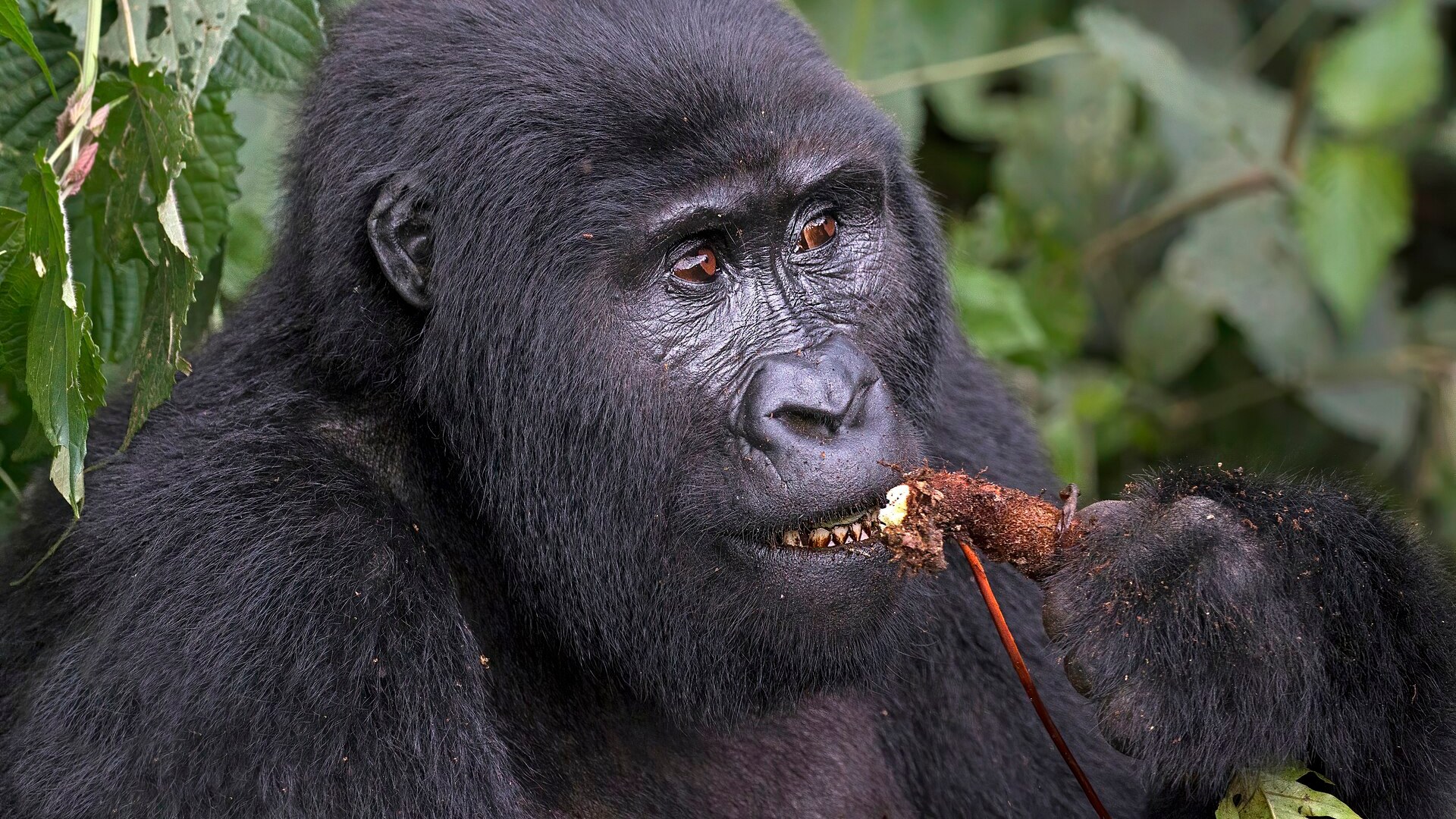
3. Western Gorilla
Wild western lowland gorillas Gorilla gorilla gorilla in Republic of the Congo use branches to test swamp conditions. Researchers observed adult females breaking sturdy walking sticks to probe deep mud and gauge water depth before wading across bogs. Others used fallen tree trunks as handrails and bridges.
©Wikimedia / Charles J. Sharp
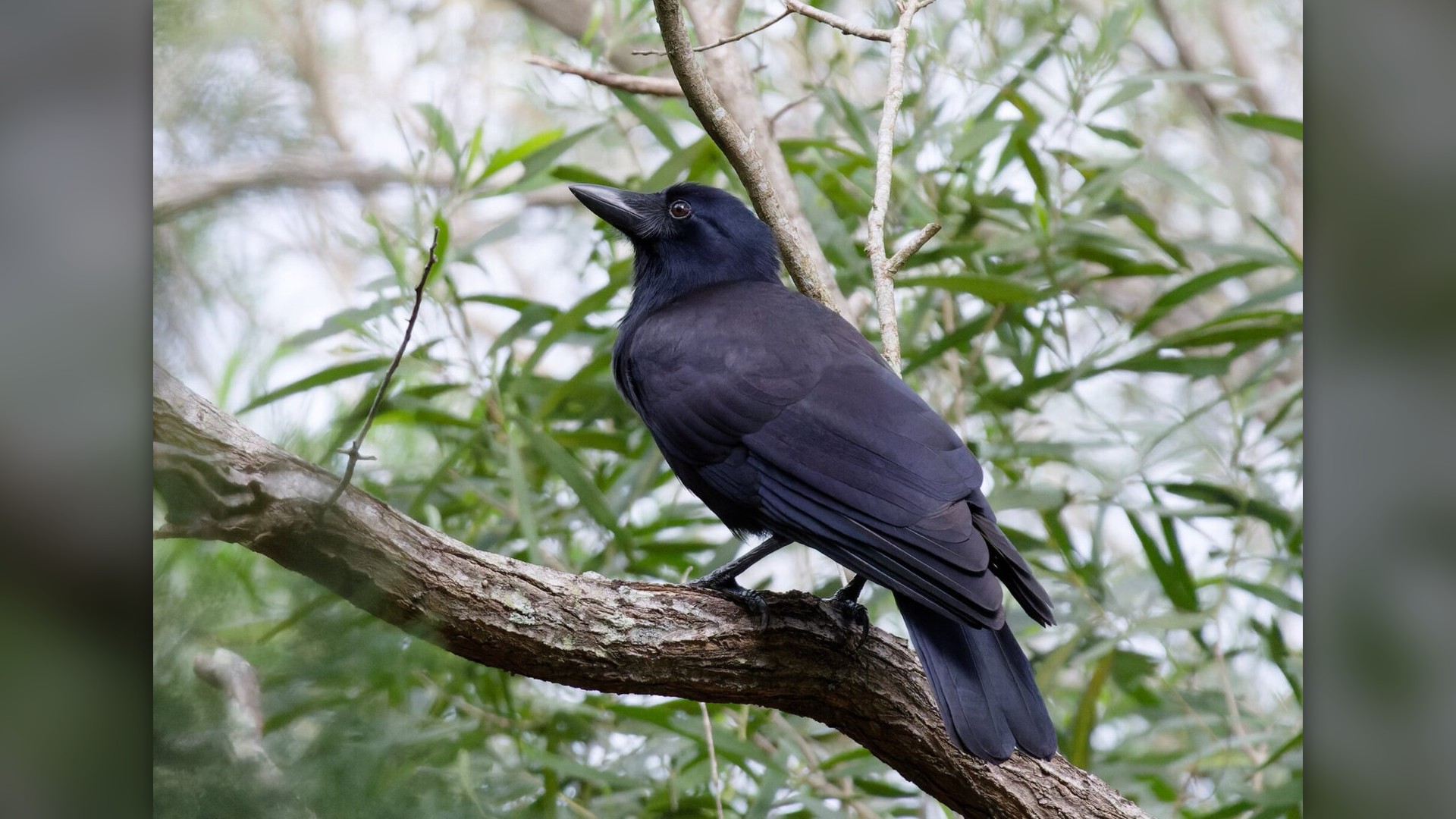
2. New Caledonian Crow
New Caledonian crows Corvus moneduloides possess an innate ability to manufacture hooked tools in the wild. The crows cut saw-toothed strips from pandanus leaves and bend pliable twigs into terminal fishing hooks. They demonstrate clear lateralized preference, manufacturing tools with consistent right-beak dominance.
©Wikimedia / New Caledonian crow
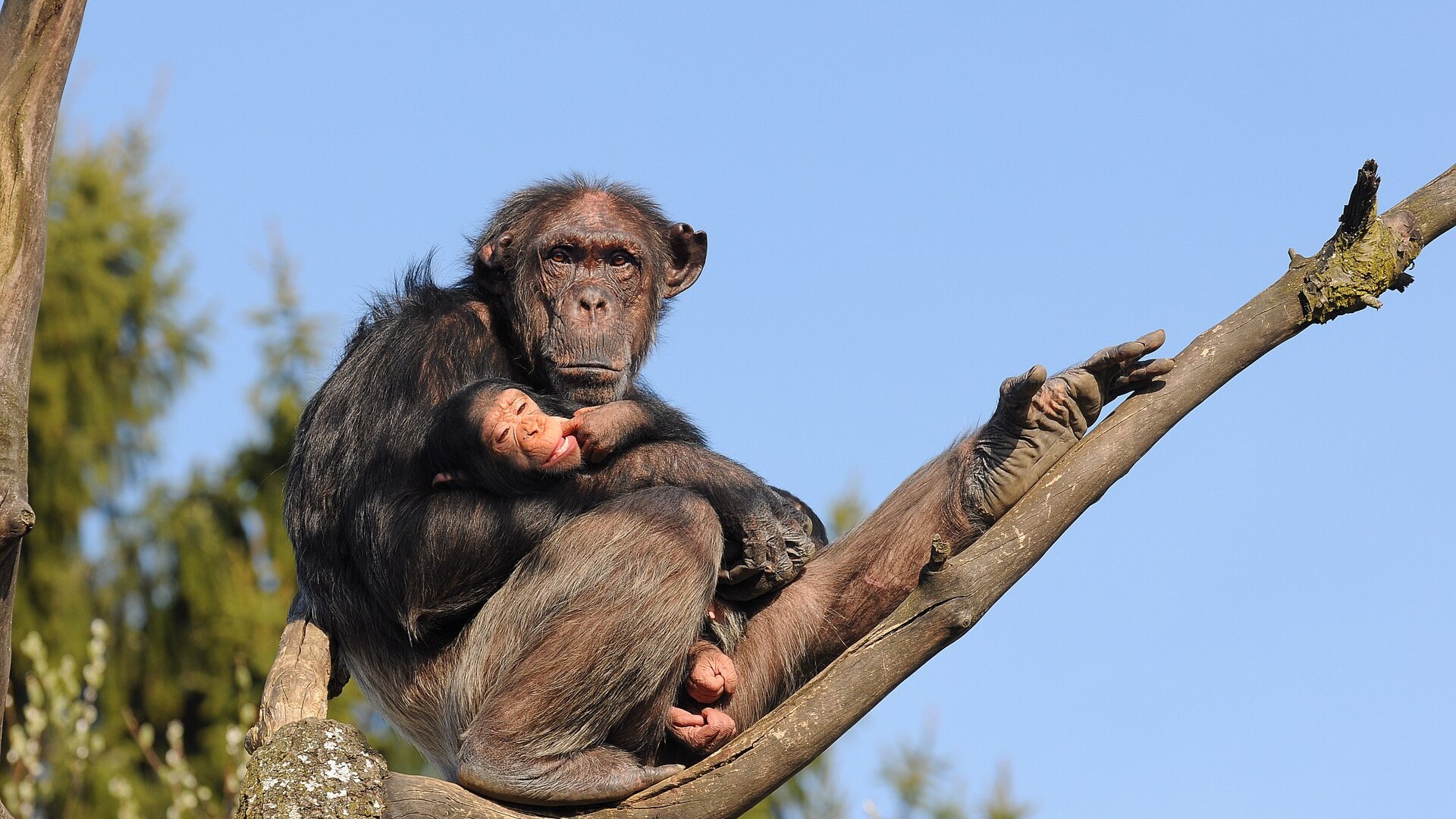
1. Chimpanzee
Chimpanzees Pan troglodytes in western and central Africa possess the most complex tool culture of any wild animal. Communities fashion stepped fishing twigs for termites, crush hard nuts using matched stone hammer and anvil pairs, and sharpen wooden spears with their teeth to hunt bushbabies in tree hollows.

©Wikimedia / böhringer friedrich This photo was taken with Ni
Advertisement
You've reached the end of the story. Thanks for reading!

22 Birds Known for Aggressive Behavior Toward Humans
While birds often symbolize flight and beauty, several species possess lethal adaptations ranging from dagger claws to neurotoxins. Based on wildlife data from the Smithsonian Institution, Guinness World Records and National Geographic, here are twenty-two of the most hazardous avian species in the wild ranked.
All 22 Entries in this Story
1. Black-Spotted Tuskfish
The black-spotted tuskfish Choerodon schoenleinii exhibits true anvil tool use on the Great Barrier Reef. The reef fish grips clams in its jaws and repeatedly smashes them against specific anvil stones to fracture the hard shells. Marine biologists documented this deliberate mechanical action using underwater video.

2. Archerfish
Banded archerfish Toxotes jaculatrix transform water into a hydrodynamic weapon. By pressing their tongue against a groove in the roof of their mouth, they shoot pressurized water droplets up to six feet above the surface. The fish calculate refraction angles instantly to knock unsuspecting insects off foliage.

3. Burrowing Owl
Burrowing owls Athene cunicularia in western North America collect mammal dung and arrange it neatly around their burrow entrances. Research reveals this behavior serves as bait rather than camouflage. The dung attracts dung beetles and other insects, allowing the owls to harvest food on their own doorsteps.

4. Green Heron
Green herons Butorides virescens are among the few bird species observed using bait to hunt aquatic prey. The herons drop breadcrumbs, twigs, feathers, and insects onto the water surface, standing motionless until curious fish swim near. When a fish investigates the floating bait, the heron strikes swiftly.

5. Sea Otter
Southern sea otters Enhydra lutris nereis carry favorite anvil stones in loose underarm skin pouches. Floating on their backs along coastal kelp forests, they rest a flat rock on their chest and smash tough abalone, crabs, and clams against it. Decades of repeated pounding produce distinct archeological stone wear.

6. Egyptian Vulture
Egyptian vultures Neophron percnopterus use stones to break open thick ostrich eggs that resist direct pecking. Holding a rounded pebble in its beak, the vulture tosses the rock downward with force from an upright posture. It repeats the bombardment dozens of times until the egg shell fractures cleanly.

7. Veined Octopus
The veined octopus Amphioctopus marginatus in Indonesian waters collects discarded coconut shell halves from the seafloor. Stacking two matching halves, it carries them beneath its body while stilt-walking across exposed sand. When threatened by predators, it reassembles the shells into a secure sphere.

8. Antlion
Antlion larvae construct conical sand pits in arid soil to trap crawling prey. When an ant attempts to scramble out of the sloping funnel, the antlion uses its broad head to flick sand grains directly at the prey. This targeted barrage triggers localized sand avalanches that slide the insect down into its jaws.

9. Weaver Ant
Weaver ants Oecophylla smaragdina construct arboreal canopy nests by joining living leaves together. While worker ants pull leaf edges into alignment with their mandibles, other workers hold silk-producing larvae between their jaws. The workers gently squeeze the larvae to dispense fresh silk as living glue.

10. American Alligator
American alligators Alligator mississippiensis display seasonal tool use coordinated with bird breeding cycles. During spring nest-building season, alligators balance twigs and sticks across their snouts while resting motionless in wetlands. Wading birds seeking nesting material venture near and are captured.

11. Woodpecker Finch
The woodpecker finch Camarhynchus pallidus in the Galapagos Islands compensates for its short tongue by wielding tools. The bird snaps cactus spines or small twigs, modifies them to proper lengths, and probes tree crevices to impale beetle grubs. It frequently stores successful probing tools for repeated use.

12. Bottlenose Dolphin
Indo-Pacific bottlenose dolphins in Shark Bay, Western Australia, detach conical marine sponges and fit them over their rostra. This sponging behavior protects their beaks from sharp rocks and stingray spines while foraging in sandy sea channels. Mothers transmit this learned cultural skill to their female calves.

13. Brown Bear
Coastal brown bears in Alaska select barnacle-encrusted rocks to scratch and exfoliate hard-to-reach areas of their heads. Biologists observed bears holding stones in their paws and methodically rubbing them across their muzzles and necks. This behavior removes molting fur and relieves seasonal parasite irritation.

14. Bearded Capuchin
Bearded capuchin monkeys Sapajus libidinosus in Serra da Capivara National Park in Brazil use heavy quartzite hammerstones to crack open palm nuts. Capuchins transport stones weighing half their body weight to permanent anvil boulders. Archeologists uncovered continuous stone tool use dating back 3,000 years.

15. Mandrill
Mandrills Mandrillus sphinx in central African forests manufacture specialized cleaning probes. Observers recorded mandrills stripping twigs of leaves and whittling them down into slender dental scrapers to clean food debris from teeth. They also fashion softer fibrous swabs to groom their ears and paw pads.

16. Dingo
Australian dingoes Canis lupus dingo demonstrate spontaneous problem solving. In controlled wildlife tests, dingoes pushed movable crates and logs across enclosures to construct makeshift platforms, allowing them to reach elevated food baits. This spatial reasoning exceeds abilities shown by domestic dogs.

17. Goffin's Cockatoo
Goffin cockatoos Cacatua goffiniana in the Tanimbar Islands manufacture a multi-part tool kit to extract sea mango seeds. They carve three distinct wooden tools with their beaks: a thick wedge to split outer husks, a sharp skewer to puncture inner membranes, and a narrow spoon to scoop out nutritious flesh.

18. Asian Elephant
Asian elephants Elephas maximus display remarkable tool versatility. Elephants strip side branches from leafy boughs with their trunks to construct effective fly swatters. In arid zones, they dig watering holes into dry riverbeds, chew bark into fibrous balls, and insert the plug to prevent water evaporation.

19. Bornean Orangutan
Wild Bornean orangutans Pongo pygmaeus manufacture a diverse array of vegetative tools. They strip sticks to extract seeds from prickly Neesia fruits, wrap leaves around hands to serve as protective gloves, and construct leafy parasols during heavy tropical rainstorms. Cultural variations differ across river basins.

20. Western Gorilla
Wild western lowland gorillas Gorilla gorilla gorilla in Republic of the Congo use branches to test swamp conditions. Researchers observed adult females breaking sturdy walking sticks to probe deep mud and gauge water depth before wading across bogs. Others used fallen tree trunks as handrails and bridges.

21. New Caledonian Crow
New Caledonian crows Corvus moneduloides possess an innate ability to manufacture hooked tools in the wild. The crows cut saw-toothed strips from pandanus leaves and bend pliable twigs into terminal fishing hooks. They demonstrate clear lateralized preference, manufacturing tools with consistent right-beak dominance.

22. Chimpanzee
Chimpanzees Pan troglodytes in western and central Africa possess the most complex tool culture of any wild animal. Communities fashion stepped fishing twigs for termites, crush hard nuts using matched stone hammer and anvil pairs, and sharpen wooden spears with their teeth to hunt bushbabies in tree hollows.