Slideshow · Money
21 Everyday Expenses Retirees Should Review Before 2027
Retirement planning requires diligent management of routine living costs against predictable monthly income. Inflation and shifting healthcare policies can erode fixed nest eggs faster than expected. According to recent research from Kiplinger and CNBC, reviewing recurring household bills protects vital savings.

By Most Viral Today
56 min ago

Practical Budget Cuts to Protect Fixed Incomes 
21. Forgotten Monthly Streaming Subscriptions 
20. Redundant Landline Phone Services 
19. Unused Long-Term Self-Storage Units - AdvertisementSwipe or tap ▶ to continue countdown

18. Underutilized Gym And Fitness Memberships 
17. Premium Single-Serve Coffee Pods 
16. Extended Warranties On Consumer Electronics 
15. Avoidable Bank Account Maintenance Fees - AdvertisementSwipe or tap ▶ to continue countdown

14. Name-Brand Pantry Grocery Staples 
13. Outdated Router Rental Surcharges 
12. Cluttered Cable Television Set-Top Boxes 
11. Commercial Lawn And Yard Care Contracts - AdvertisementSwipe or tap ▶ to continue countdown

10. Unused Premium Credit Card Annual Fees 
9. Low-Mileage Commuter Auto Insurance Rates 
8. Neglected Smart Programmable Thermostats 
7. Redundant Roadside Assistance Subscriptions - AdvertisementSwipe or tap ▶ to continue countdown

6. Term Life Insurance You No Longer Need 
5. Unchecked Brand-Name Prescription Drugs 
4. Uncontested Escalating Property Tax Assessments 
3. AUM-Based Financial Advisor Fees - AdvertisementSwipe or tap ▶ to continue countdown

2. Maintaining Unused Empty-Nest Square Footage 
1. Overlooking Annual Medicare Advantage Open Enrollment - Advertisement🔥 UP NEXT IN THIS SERIES◫ 21 Slides

20 Most Expensive Billionaire Purchases, Ranked by Price
From da Vinci manuscripts to custom Boeing 747s and private tropical islands, the world of billionaire spending defies ordinary imagination. Based on auction records from Christie's and Sotheby's, alongside reporting by Bloomberg, Forbes, and Architectural Digest, here are the most outrageous private luxury purchases.
Retirement planning requires diligent management of routine living costs against predictable monthly income. Inflation and shifting healthcare policies can erode fixed nest eggs faster than expected. According to recent research from Kiplinger and CNBC, reviewing recurring household bills protects vital savings.

Swipe or tap ▶ to begin the countdown
©Pixabay / geralt
21. Forgotten Monthly Streaming Subscriptions
Many households maintain four or more video streaming memberships simultaneously. Canceling unused services or rotating one platform per month saves hundreds of dollars annually without sacrificing favorite shows.
©Wikimedia / Shixart1985
20. Redundant Landline Phone Services
Keeping a home landline costs forty to sixty dollars each billing cycle. Porting home numbers to existing mobile accounts eliminates monthly carrier surcharges while preserving uninterrupted voice access.
©Wikimedia / Federal Bureau of Investigation
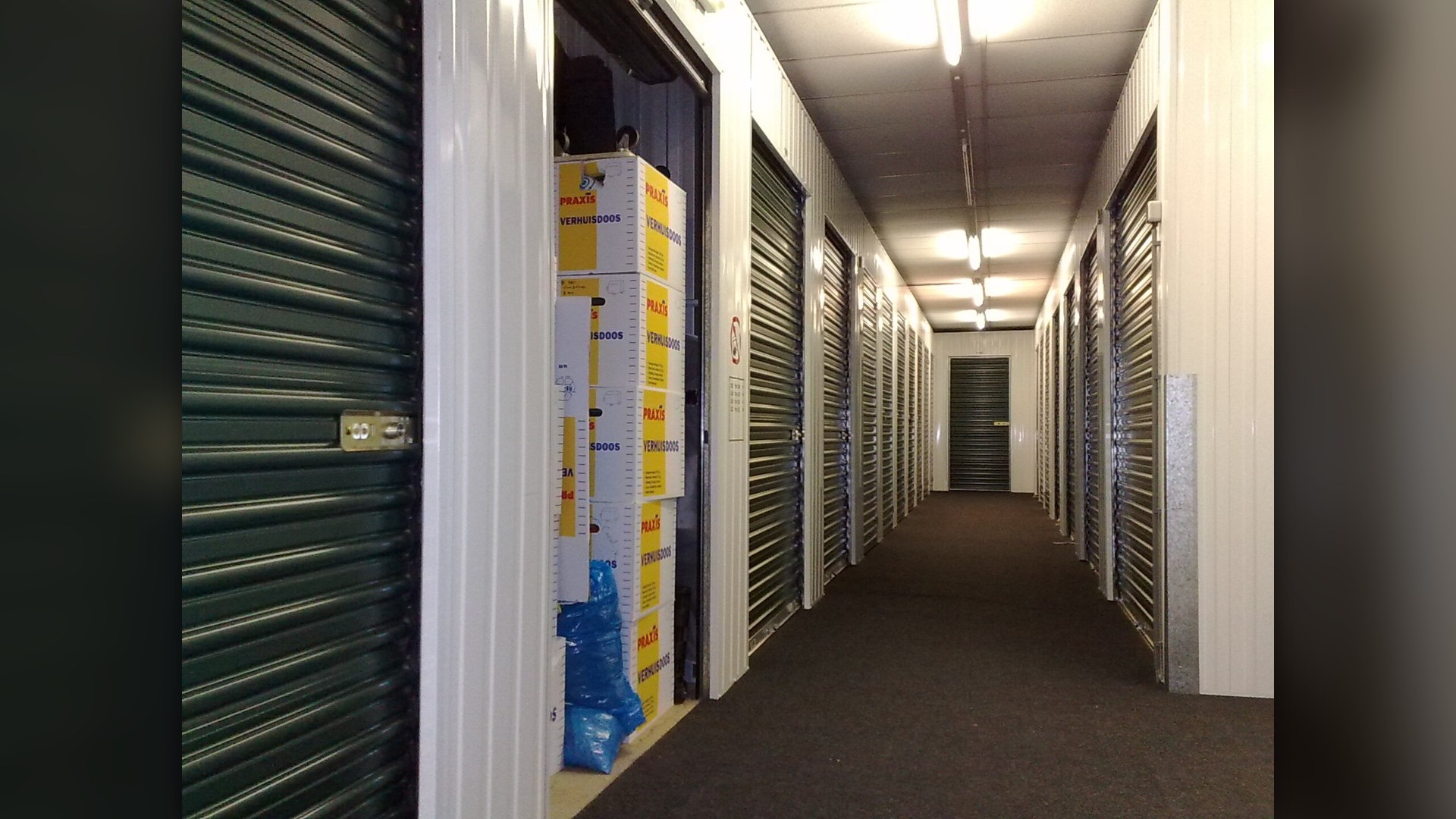
19. Unused Long-Term Self-Storage Units
Self-storage facilities collect steady rental payments for items that owners rarely visit. Sorting, donating, or selling stored belongings frees up significant cash reserves and ends recurring facility fees.
©Wikimedia / Hankwang
Advertisement
Swipe or tap ▶ to resume the countdown.
18. Underutilized Gym And Fitness Memberships
Many fitness clubs charge recurring annual and monthly dues regardless of attendance. Seniors can leverage free SilverSneakers benefits through Medicare plans or utilize community walking tracks instead.
©Wikimedia / Carl Lender from Sunrise, USA
17. Premium Single-Serve Coffee Pods
Pre-packaged coffee pods cost up to five times more per cup than freshly ground beans. Transitioning to a traditional drip machine or reusable mesh filters reduces grocery spending by several hundred dollars each year.
©Wikimedia / Tifa Zabat
16. Extended Warranties On Consumer Electronics
Retail store warranties generate substantial profit margins for merchants while rarely paying out to consumers. Standard manufacturer warranties and credit card purchase protections provide sufficient defect safeguards.
©Wikimedia / Federal Bureau of Investigation
15. Avoidable Bank Account Maintenance Fees
Big commercial banks routinely levy ten to fifteen dollar monthly service penalties on dormant accounts. Moving funds to fee-free credit unions or modern online high-yield savings accounts keeps every dollar intact.
©Wikimedia / Cory Doctorow
Advertisement
Swipe or tap ▶ to resume the countdown.
14. Name-Brand Pantry Grocery Staples
Store-brand flours, spices, canned goods, and dairy products match name-brand nutritional standards at thirty percent lower costs. Swapping pantry basics provides immediate weekly relief at checkout registers.
©Wikimedia / Wolfmann
13. Outdated Router Rental Surcharges
Paying fifteen dollars monthly to lease a basic modem adds up to hundreds of dollars over several years. Purchasing a compatible router outright pays for itself within six months and ends ongoing hardware penalties.
©Wikimedia / Syced
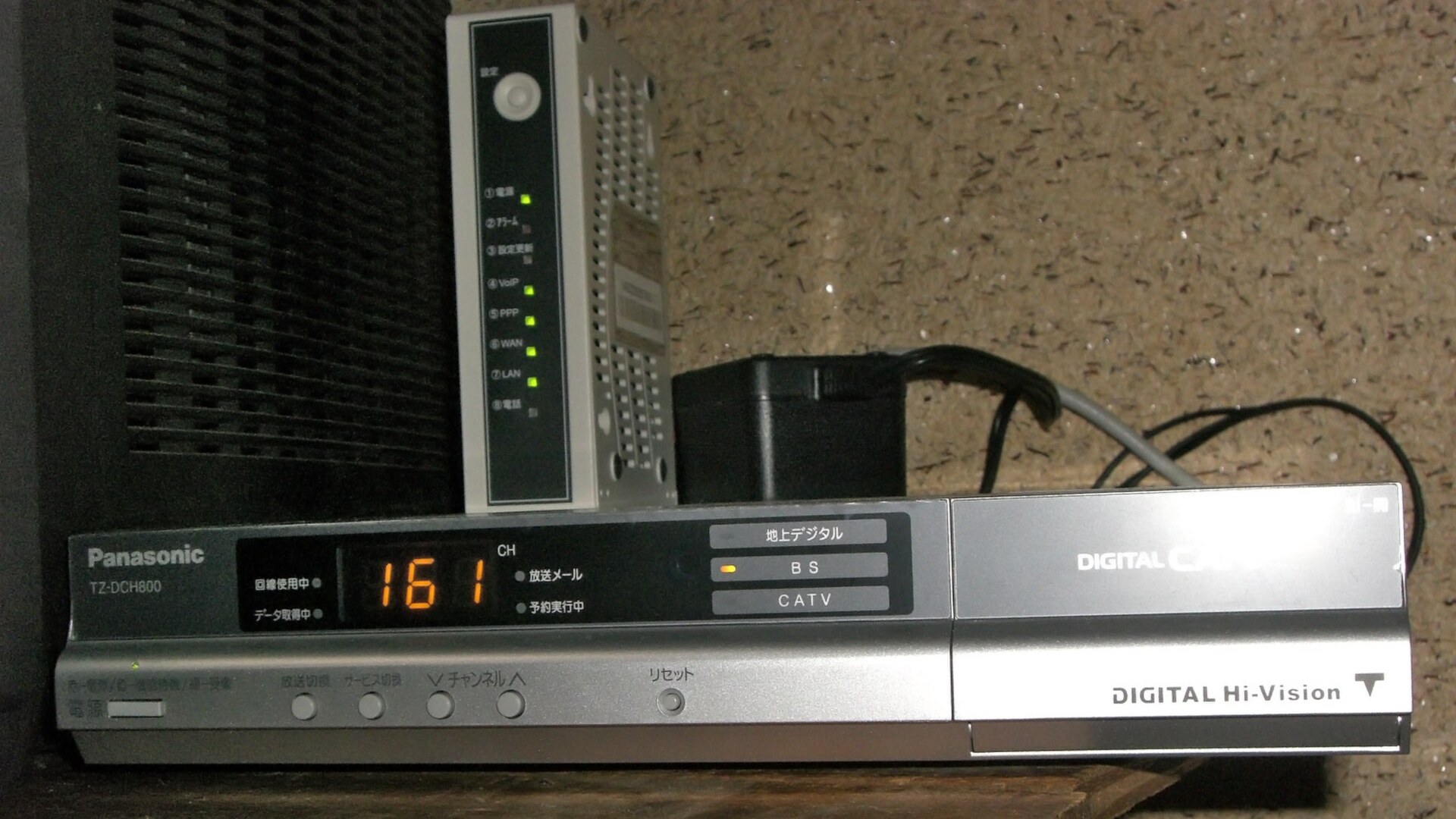
12. Cluttered Cable Television Set-Top Boxes
Cable operators assess ten to twenty dollars monthly for each auxiliary room converter box. Switching to low-cost digital antennas or smart streaming sticks delivers clear broadcast networks without hardware leasing.
©Wikimedia / MASA
11. Commercial Lawn And Yard Care Contracts
Commercial landscaping firms charge hefty sums for scheduled weekly mowing and seasonal treatments. Downsizing yard routines, planting native perennials, or hiring local neighborhood helpers cuts maintenance bills.
©Wikimedia / Staff Sgt. Brian Jopek
Advertisement
Swipe or tap ▶ to resume the countdown.
10. Unused Premium Credit Card Annual Fees
Premium credit cards charging several hundred dollars annually require extensive travel to offset costs. Downgrading to no-annual-fee cash-back cards preserves credit history while stopping pointless membership fees.
©Wikimedia / Hloom Templates
9. Low-Mileage Commuter Auto Insurance Rates
Retirees who no longer commute to work frequently drive under seven thousand miles each year. Reporting actual low mileage or adopting pay-per-mile coverage drops comprehensive insurance premiums significantly.
©Wikimedia / Shixart1985
8. Neglected Smart Programmable Thermostats
Heating and cooling accounts for nearly half of household utility expenditures. Installing programmable thermostats or closing registers in rarely used guest bedrooms keeps seasonal electric and gas bills under control.
©Wikimedia / Shixart1985
7. Redundant Roadside Assistance Subscriptions
Automobile owners frequently pay for independent roadside motor clubs while already receiving identical towing benefits from insurers or auto manufacturers. Auditing policy riders eliminates duplicate protections.
©Wikimedia / Shixart1985
Advertisement
Swipe or tap ▶ to resume the countdown.
6. Term Life Insurance You No Longer Need
Life insurance protects dependents from lost wages during working years. Once children are financially independent and mortgages are fully settled, continuing term coverage burdens household budgets unnecessarily.
©Wikimedia / Blogtrepreneur
5. Unchecked Brand-Name Prescription Drugs
Generic medications feature the identical active ingredients, dosages, and safety profiles as expensive name brands. Requesting generic alternatives or using discount pharmacy programs saves thousands of dollars annually.
©Wikimedia / Tony Webster from Minneapolis, Minnesota, United
4. Uncontested Escalating Property Tax Assessments
Home values and municipal tax rates increase steadily across suburban regions. Filing a property assessment appeal with recent local sales comps can reduce yearly tax obligations by thousands of dollars.
©Wikimedia / Collins, Tudor Washington, 1898-1970, photograph
3. AUM-Based Financial Advisor Fees
Paying a one percent annual asset management fee reduces total investment growth substantially over time. Moving toward fee-only planners or low-cost index funds preserves hard-earned capital for daily living.
Advertisement
Swipe or tap ▶ to resume the countdown.
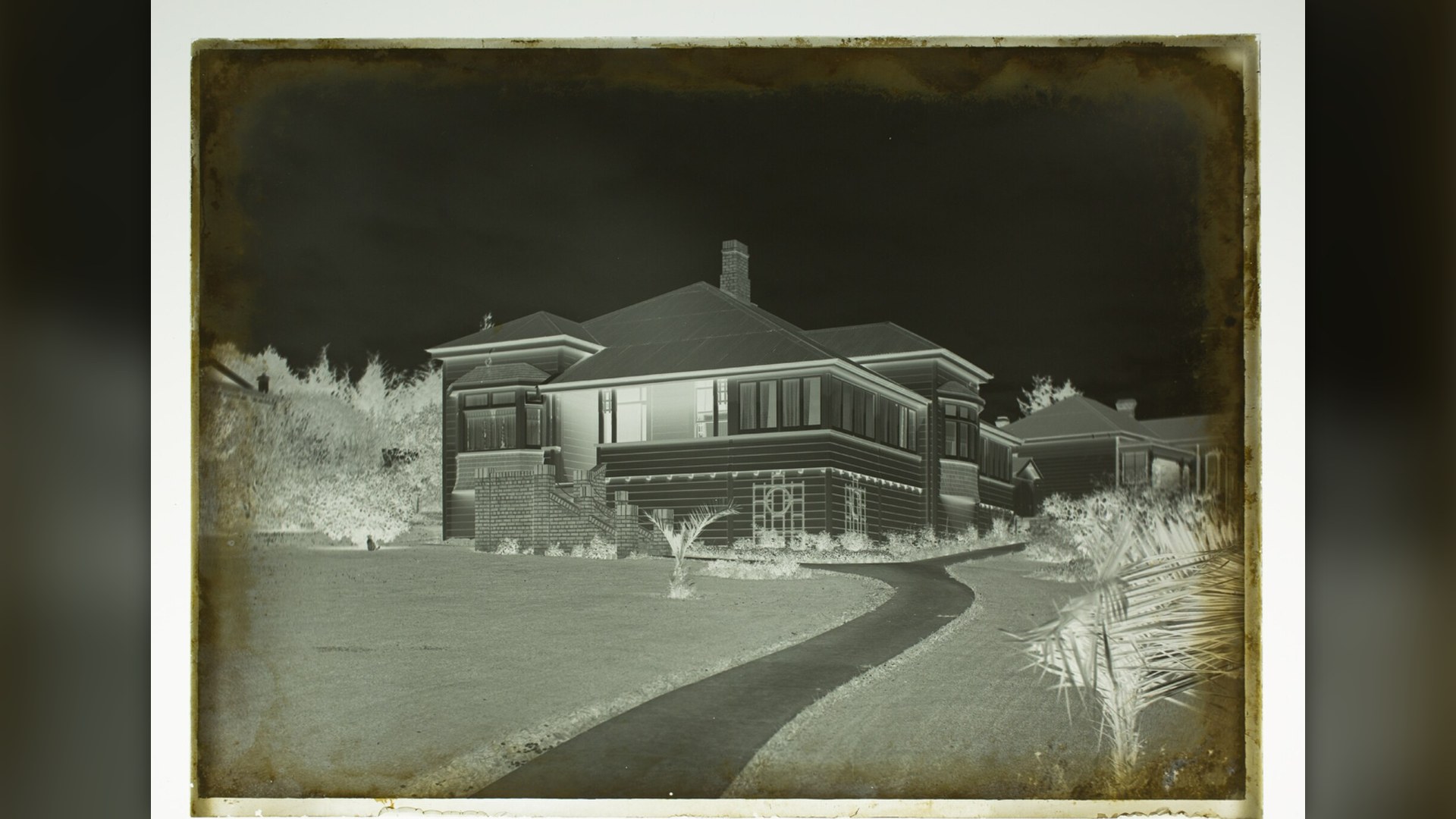
2. Maintaining Unused Empty-Nest Square Footage
Holding onto large multi-story properties generates high utility, insurance, and maintenance costs. Downsizing to an accessible single-level home or townhome unlocks trapped equity while reducing monthly upkeep expenses.
©Wikimedia / Alexander Roumega
1. Overlooking Annual Medicare Advantage Open Enrollment
Medicare Advantage plans frequently change formularies, provider networks, and copay schedules every single autumn. Comparing updated plans during open enrollment ensures access to preferred doctors and medications.

© Photo by National Cancer Institute on Unsplash
Advertisement
You've reached the end of the story. Thanks for reading!

20 Most Expensive Billionaire Purchases, Ranked by Price
From da Vinci manuscripts to custom Boeing 747s and private tropical islands, the world of billionaire spending defies ordinary imagination. Based on auction records from Christie's and Sotheby's, alongside reporting by Bloomberg, Forbes, and Architectural Digest, here are the most outrageous private luxury purchases.
All 21 Entries in this Story
21. Forgotten Monthly Streaming Subscriptions
Many households maintain four or more video streaming memberships simultaneously. Canceling unused services or rotating one platform per month saves hundreds of dollars annually without sacrificing favorite shows.

20. Redundant Landline Phone Services
Keeping a home landline costs forty to sixty dollars each billing cycle. Porting home numbers to existing mobile accounts eliminates monthly carrier surcharges while preserving uninterrupted voice access.

19. Unused Long-Term Self-Storage Units
Self-storage facilities collect steady rental payments for items that owners rarely visit. Sorting, donating, or selling stored belongings frees up significant cash reserves and ends recurring facility fees.

18. Underutilized Gym And Fitness Memberships
Many fitness clubs charge recurring annual and monthly dues regardless of attendance. Seniors can leverage free SilverSneakers benefits through Medicare plans or utilize community walking tracks instead.

17. Premium Single-Serve Coffee Pods
Pre-packaged coffee pods cost up to five times more per cup than freshly ground beans. Transitioning to a traditional drip machine or reusable mesh filters reduces grocery spending by several hundred dollars each year.

16. Extended Warranties On Consumer Electronics
Retail store warranties generate substantial profit margins for merchants while rarely paying out to consumers. Standard manufacturer warranties and credit card purchase protections provide sufficient defect safeguards.

15. Avoidable Bank Account Maintenance Fees
Big commercial banks routinely levy ten to fifteen dollar monthly service penalties on dormant accounts. Moving funds to fee-free credit unions or modern online high-yield savings accounts keeps every dollar intact.

14. Name-Brand Pantry Grocery Staples
Store-brand flours, spices, canned goods, and dairy products match name-brand nutritional standards at thirty percent lower costs. Swapping pantry basics provides immediate weekly relief at checkout registers.

13. Outdated Router Rental Surcharges
Paying fifteen dollars monthly to lease a basic modem adds up to hundreds of dollars over several years. Purchasing a compatible router outright pays for itself within six months and ends ongoing hardware penalties.

12. Cluttered Cable Television Set-Top Boxes
Cable operators assess ten to twenty dollars monthly for each auxiliary room converter box. Switching to low-cost digital antennas or smart streaming sticks delivers clear broadcast networks without hardware leasing.

11. Commercial Lawn And Yard Care Contracts
Commercial landscaping firms charge hefty sums for scheduled weekly mowing and seasonal treatments. Downsizing yard routines, planting native perennials, or hiring local neighborhood helpers cuts maintenance bills.

10. Unused Premium Credit Card Annual Fees
Premium credit cards charging several hundred dollars annually require extensive travel to offset costs. Downgrading to no-annual-fee cash-back cards preserves credit history while stopping pointless membership fees.

9. Low-Mileage Commuter Auto Insurance Rates
Retirees who no longer commute to work frequently drive under seven thousand miles each year. Reporting actual low mileage or adopting pay-per-mile coverage drops comprehensive insurance premiums significantly.

8. Neglected Smart Programmable Thermostats
Heating and cooling accounts for nearly half of household utility expenditures. Installing programmable thermostats or closing registers in rarely used guest bedrooms keeps seasonal electric and gas bills under control.

7. Redundant Roadside Assistance Subscriptions
Automobile owners frequently pay for independent roadside motor clubs while already receiving identical towing benefits from insurers or auto manufacturers. Auditing policy riders eliminates duplicate protections.

6. Term Life Insurance You No Longer Need
Life insurance protects dependents from lost wages during working years. Once children are financially independent and mortgages are fully settled, continuing term coverage burdens household budgets unnecessarily.

5. Unchecked Brand-Name Prescription Drugs
Generic medications feature the identical active ingredients, dosages, and safety profiles as expensive name brands. Requesting generic alternatives or using discount pharmacy programs saves thousands of dollars annually.

4. Uncontested Escalating Property Tax Assessments
Home values and municipal tax rates increase steadily across suburban regions. Filing a property assessment appeal with recent local sales comps can reduce yearly tax obligations by thousands of dollars.

3. AUM-Based Financial Advisor Fees
Paying a one percent annual asset management fee reduces total investment growth substantially over time. Moving toward fee-only planners or low-cost index funds preserves hard-earned capital for daily living.

2. Maintaining Unused Empty-Nest Square Footage
Holding onto large multi-story properties generates high utility, insurance, and maintenance costs. Downsizing to an accessible single-level home or townhome unlocks trapped equity while reducing monthly upkeep expenses.

1. Overlooking Annual Medicare Advantage Open Enrollment
Medicare Advantage plans frequently change formularies, provider networks, and copay schedules every single autumn. Comparing updated plans during open enrollment ensures access to preferred doctors and medications.