Slideshow · Science
24 Places Where the World's Ice Is Disappearing Fastest
The world's glaciers are retreating at alarming rates, with satellites documenting the drastic physical changes across every continent. From the Arctic to the Andes and beyond, 24 ice masses reveal the rapid pace of change in our climate.
By Most Viral Today
15 min ago

24 Locations Where Ice Is Shrinking Fastest 
24. Jakobshavn Glacier 
23. Thwaites Glacier 
22. Pasterze Glacier - AdvertisementSwipe or tap ▶ to continue countdown

21. Athabasca Glacier 
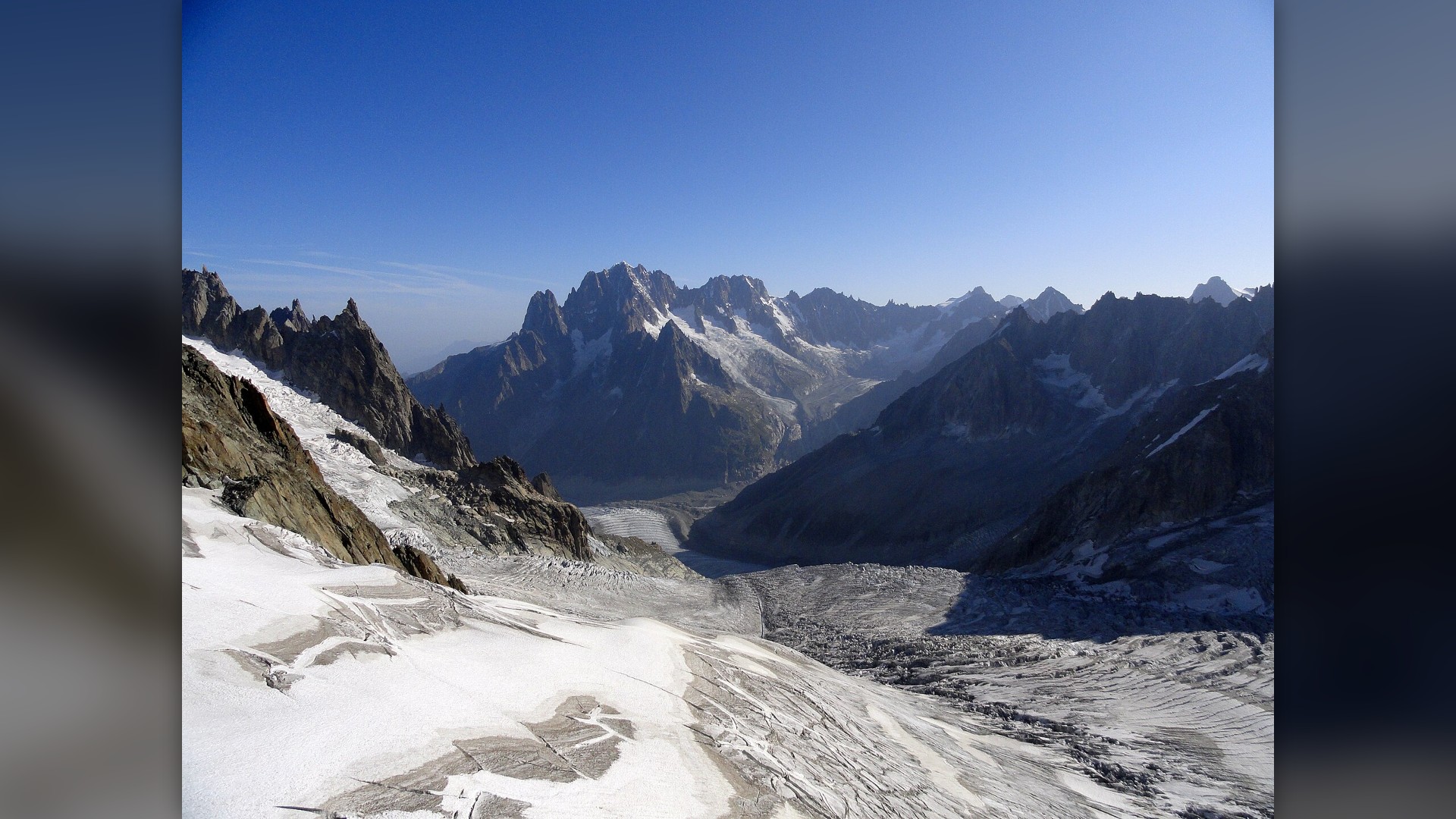
20. Mer De Glace 
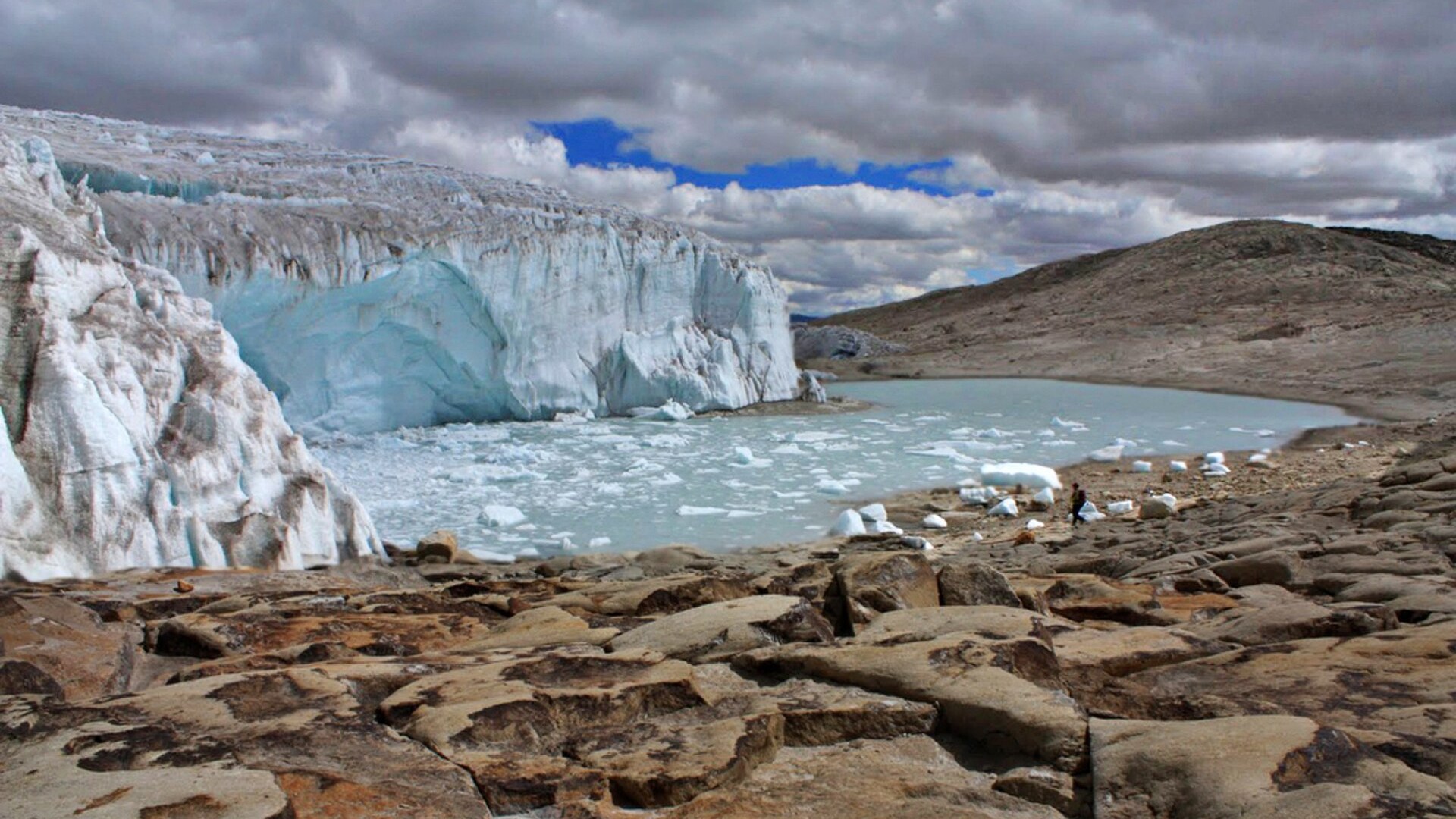
19. Quelccaya Ice Cap 
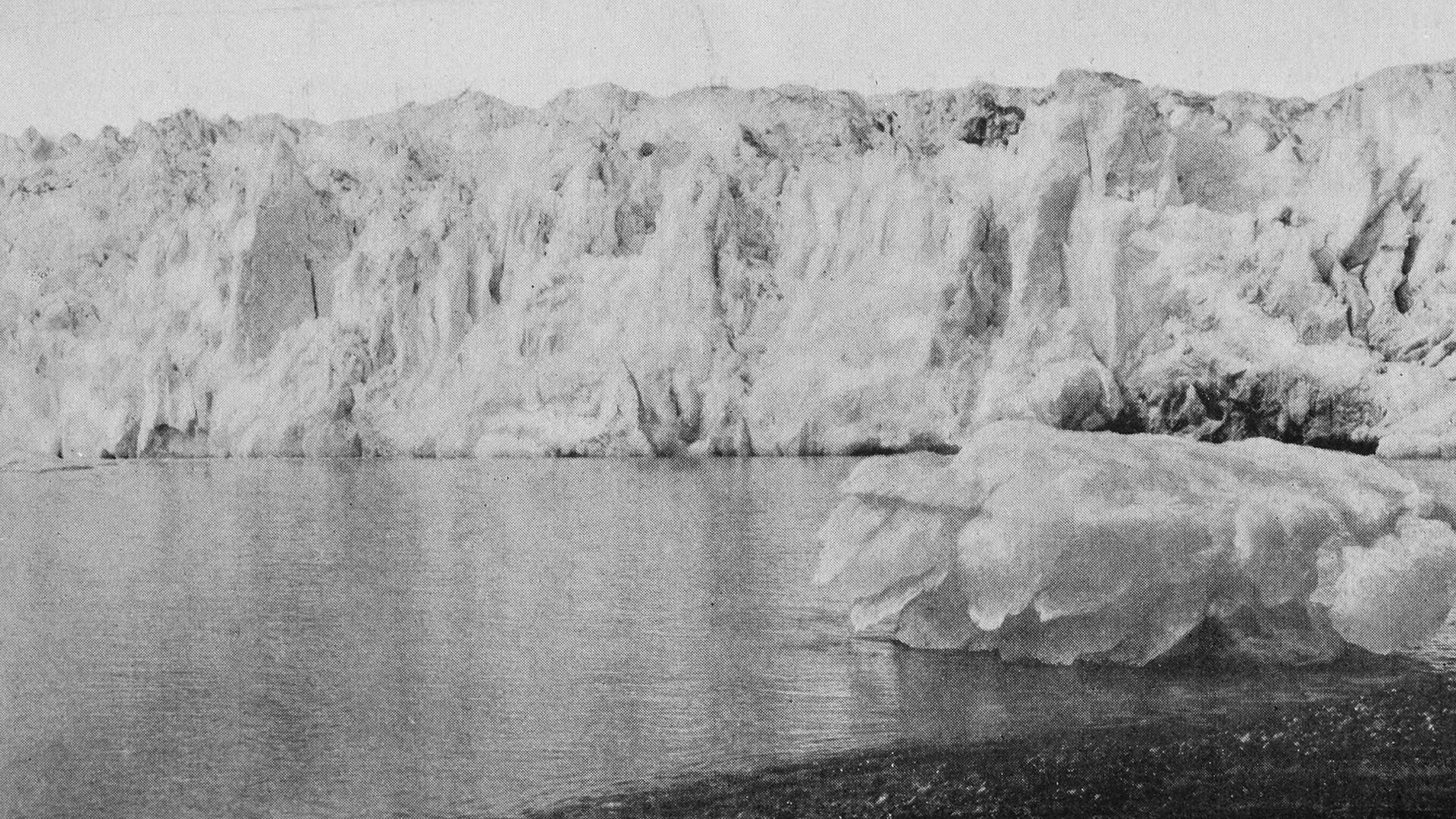
18. Muir Glacier - AdvertisementSwipe or tap ▶ to continue countdown

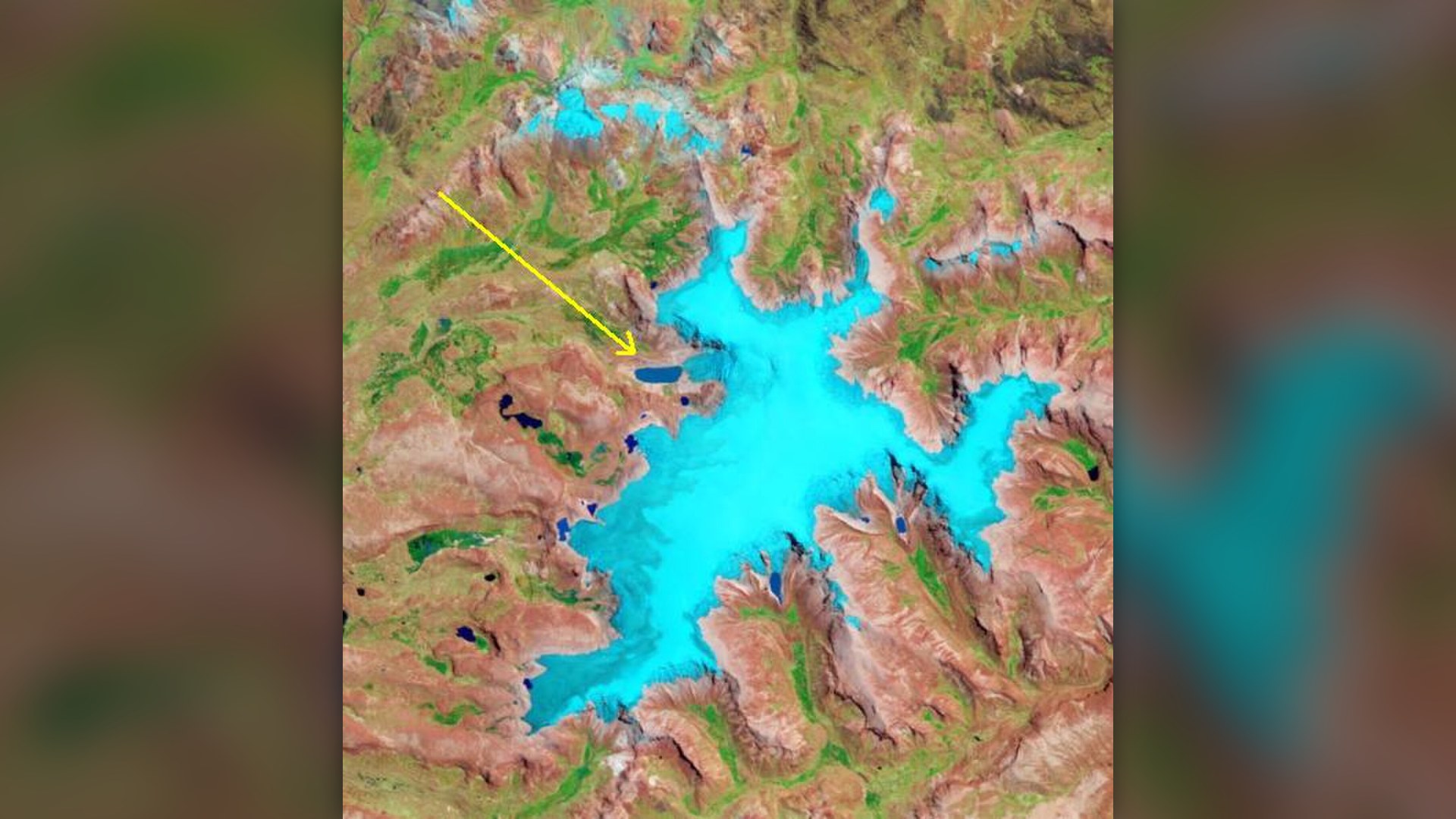
17. Qori Kalis Glacier 
16. Upsala Glacier 
15. Helheim Glacier 
14. Petermann Glacier - AdvertisementSwipe or tap ▶ to continue countdown

13. Byrd Glacier 
12. Pine Island Glacier 
11. Portage Glacier 
10. Hintereisferner - AdvertisementSwipe or tap ▶ to continue countdown

9. Svartisen 
8. Gangotri Glacier 
7. Baltoro Glacier 
6. Lewis Glacier - AdvertisementSwipe or tap ▶ to continue countdown

5. Chacaltaya Glacier 
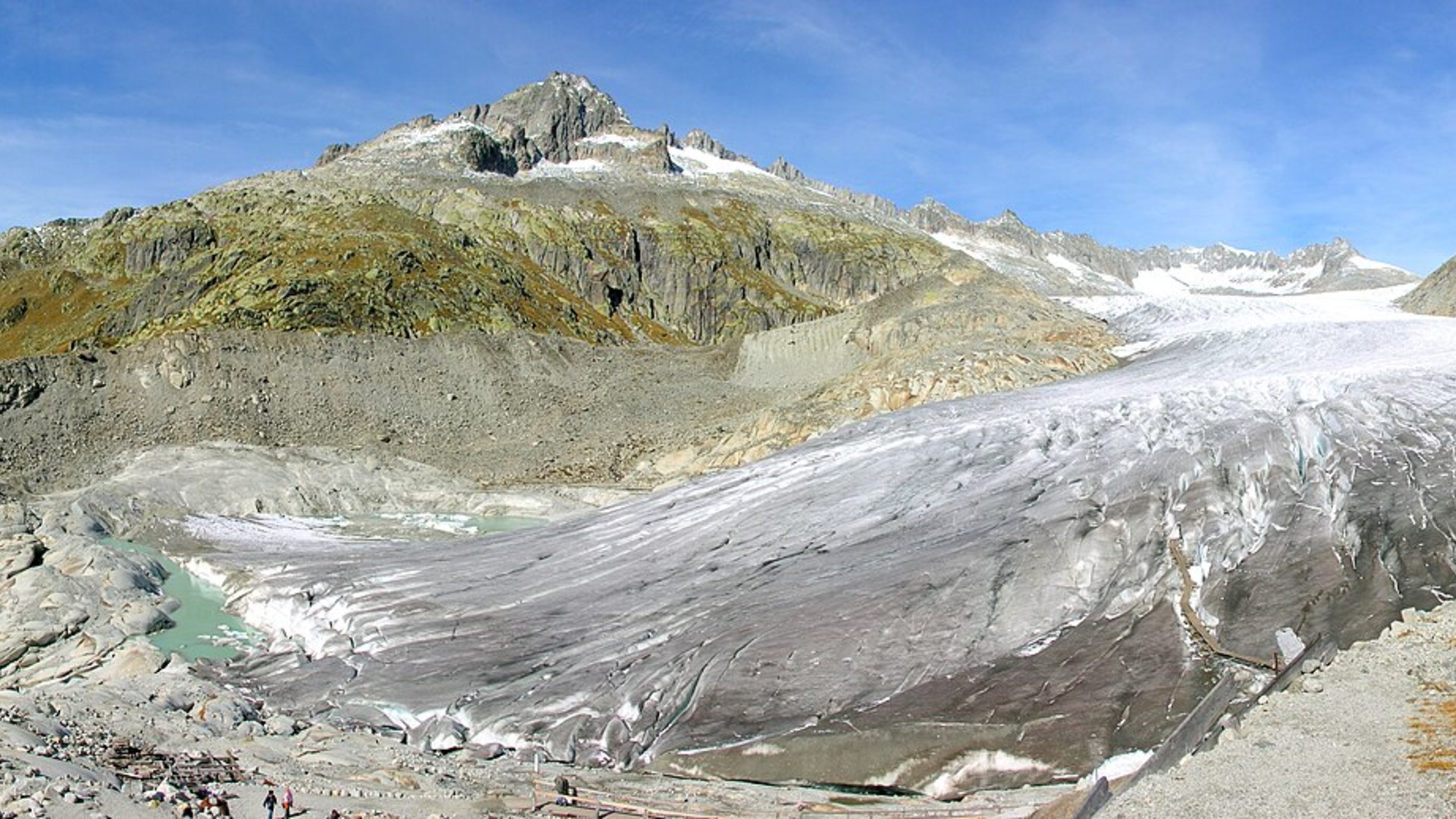
4. Rhone Glacier 
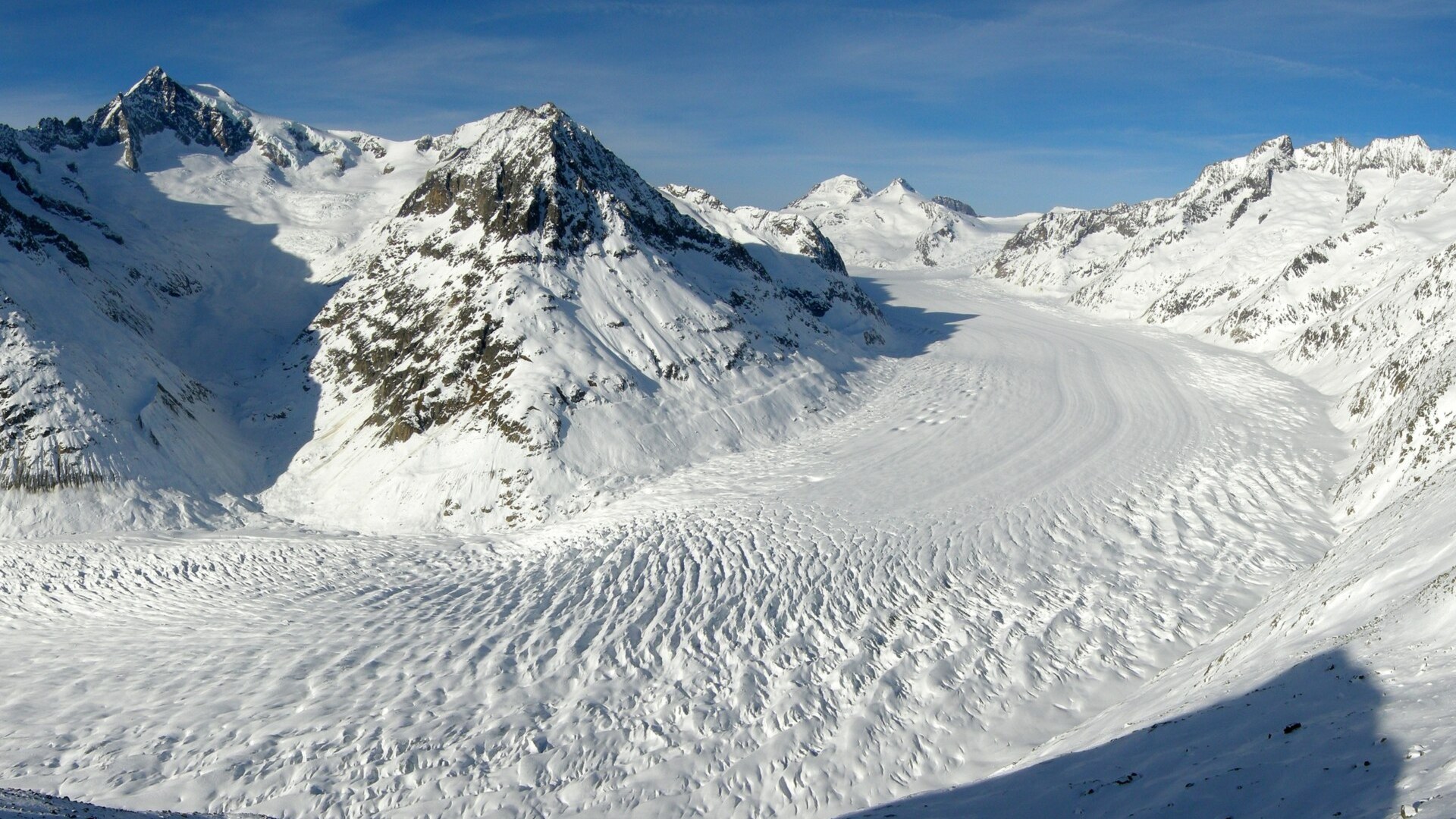
3. Aletsch Glacier 
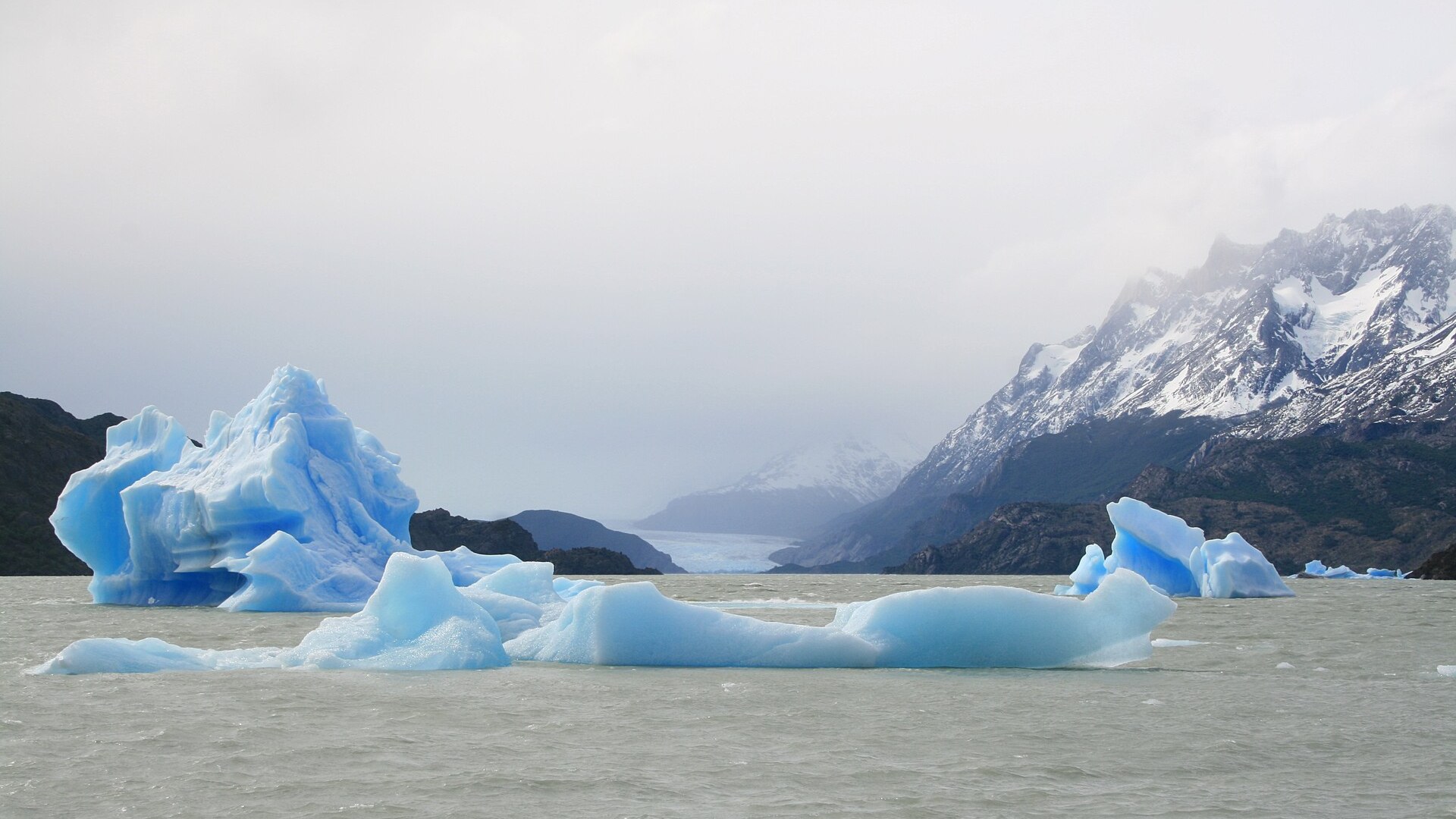
2. Glaciar Grey - AdvertisementSwipe or tap ▶ to continue countdown

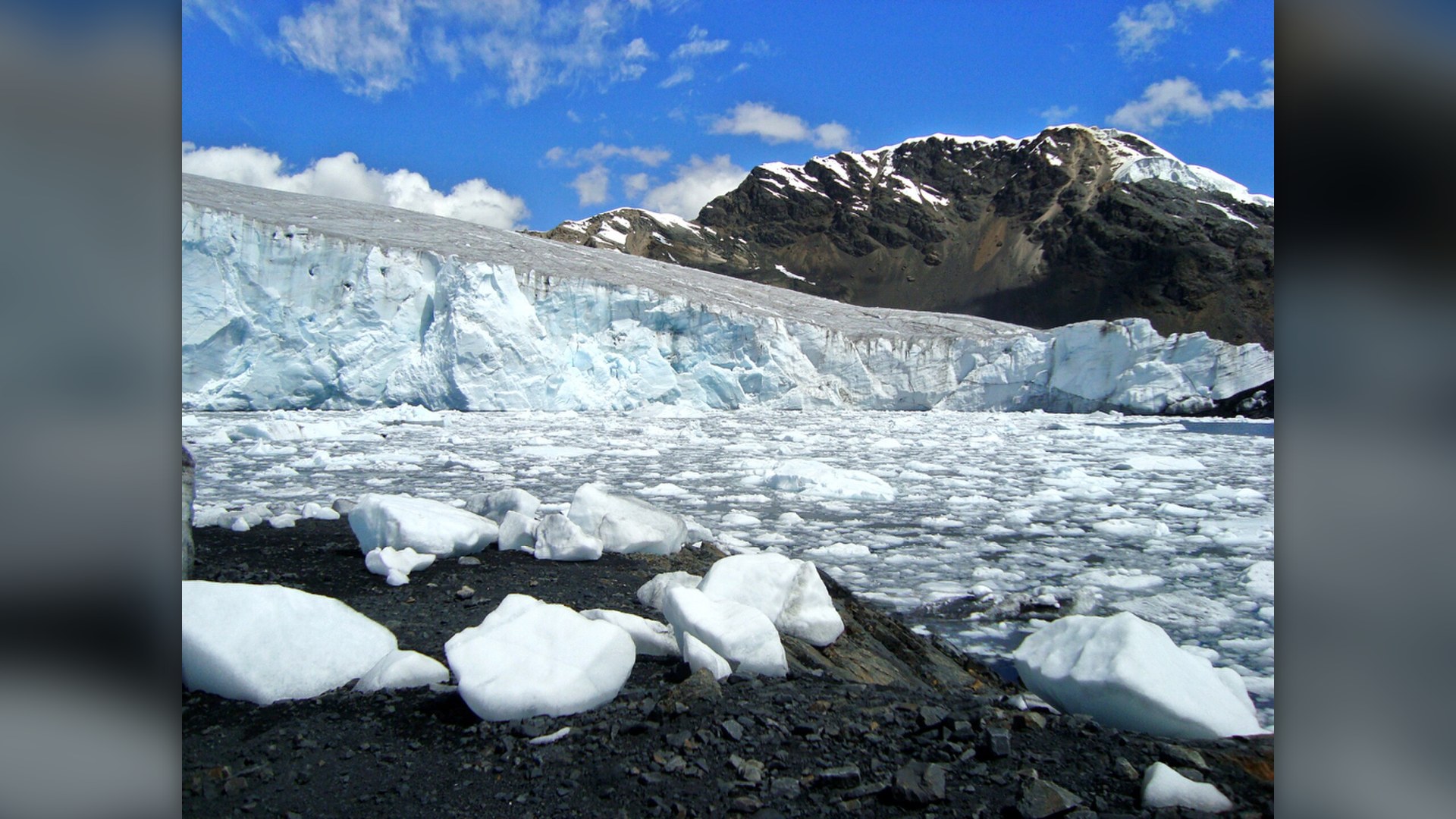
1. Pastoruri Glacier - Advertisement🔥 UP NEXT IN THIS SERIES◫ 23 Slides

22 Concept Cars Automakers Built That Never Reached Showrooms
From 1950s American show cars to quad-turbo V12 prototypes of the 2000s, automakers built these 22 concepts to test bold engineering and design ideas. Based on manufacturer archives, Petersen Automotive Museum records, and motor show histories, this countdown ranks the standout cars never sold to buyers.
Satellite data from NASA, the European Space Agency and global research bodies reveal a stark, global trend: named glaciers are disappearing. This gallery explores 24 locations where shrinking ice is reshaping local landscapes, fragile ecosystems and sea levels across our entire planet.
Swipe or tap ▶ to begin the countdown
©Wikimedia / Giles Laurent
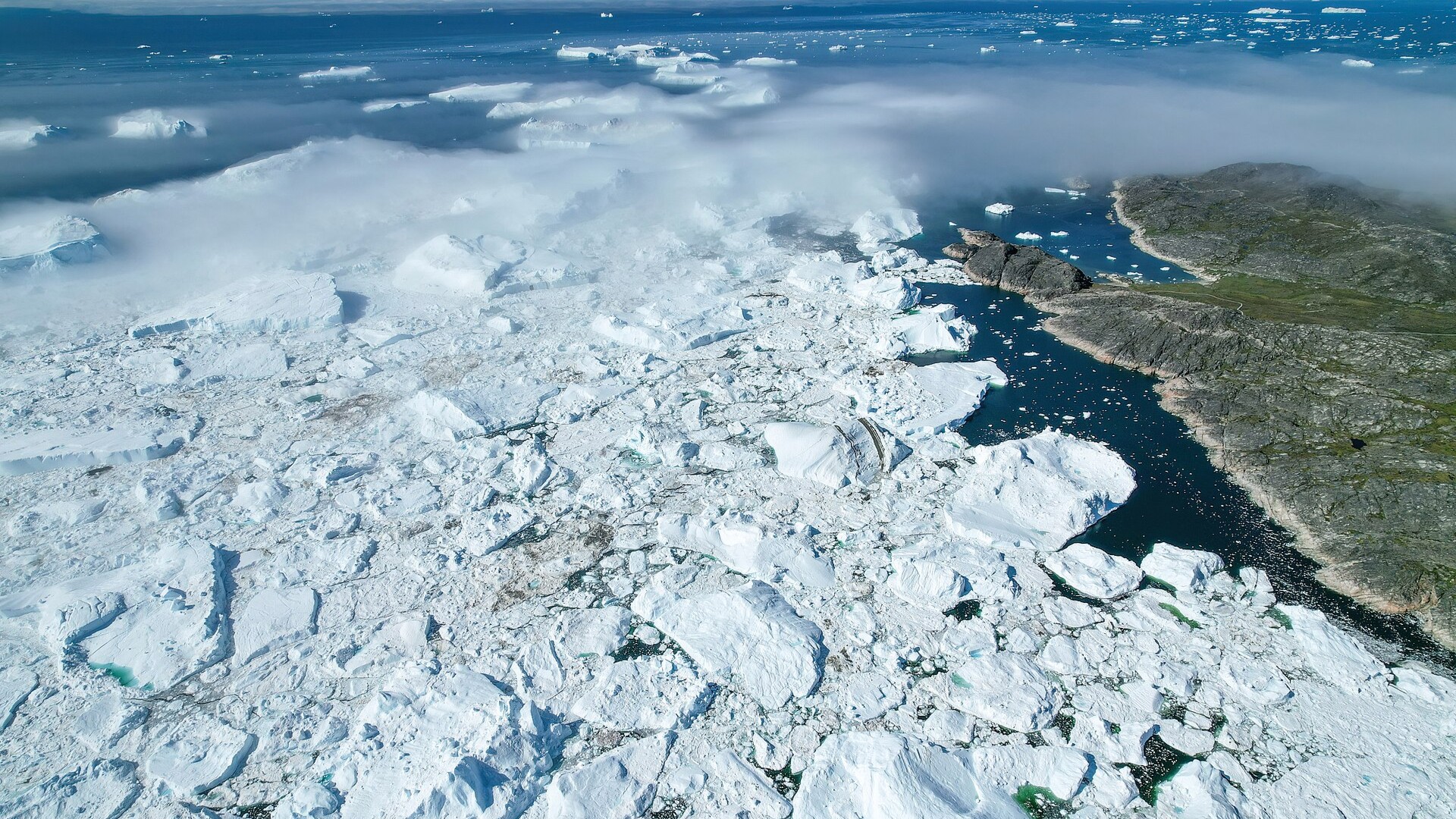
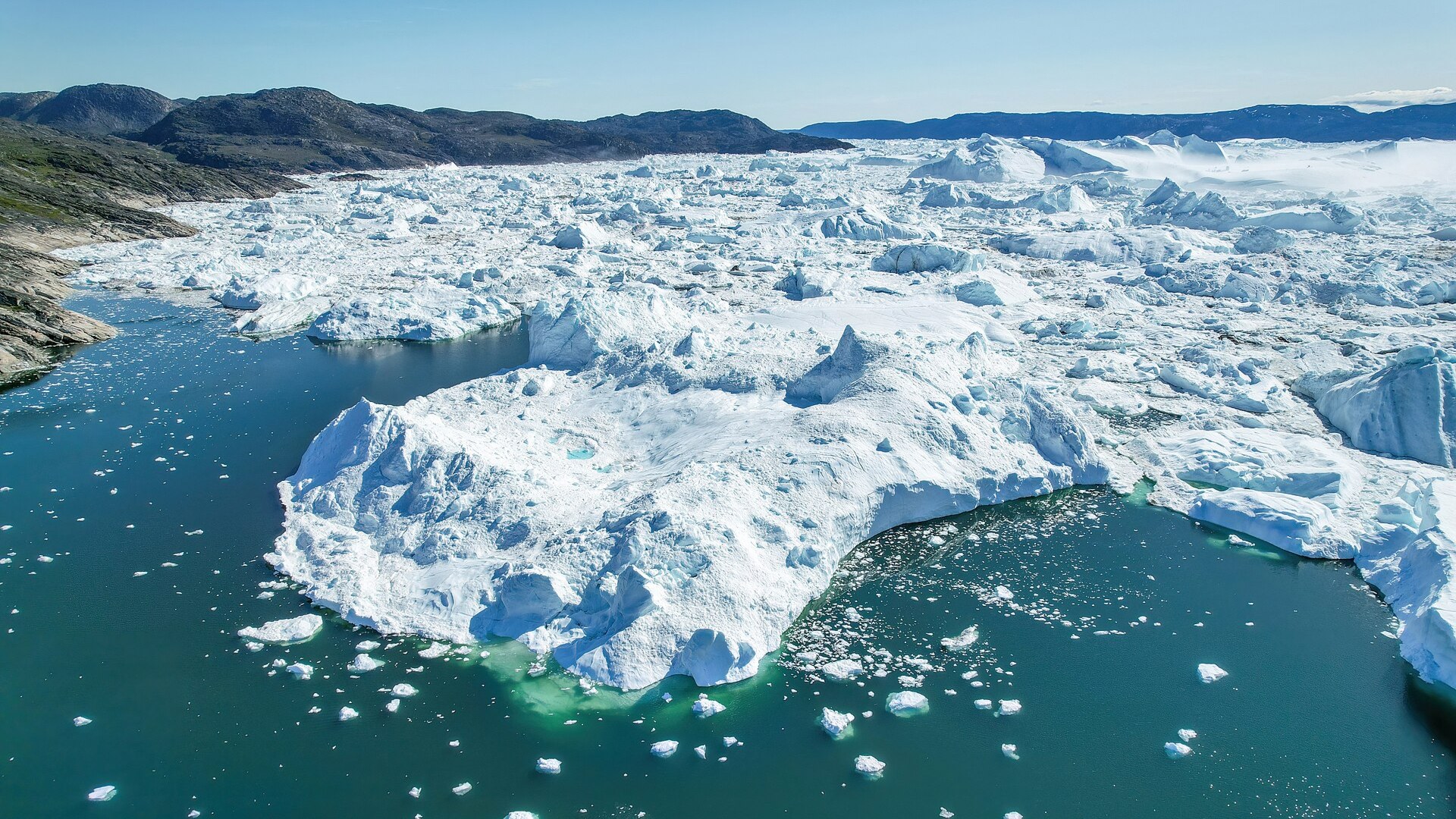
24. Jakobshavn Glacier
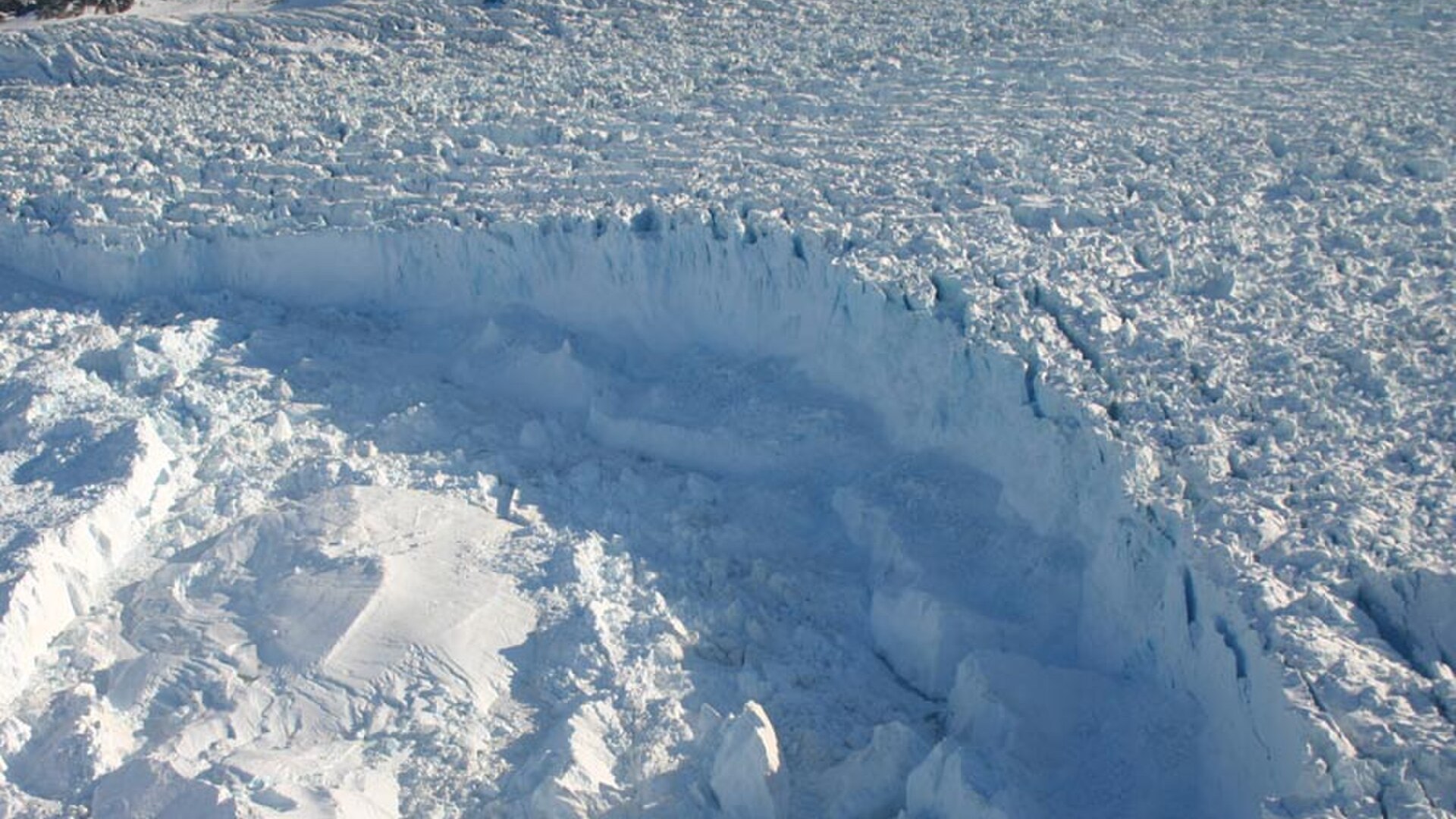
The Jakobshavn Glacier in Greenland is renowned for its extreme ice discharge into the sea. Its dramatic retreat and thinning since the late 1990s have made it one of the most important focal points for studies on the stability of the Greenland Ice Sheet.
©Wikimedia / Giles Laurent
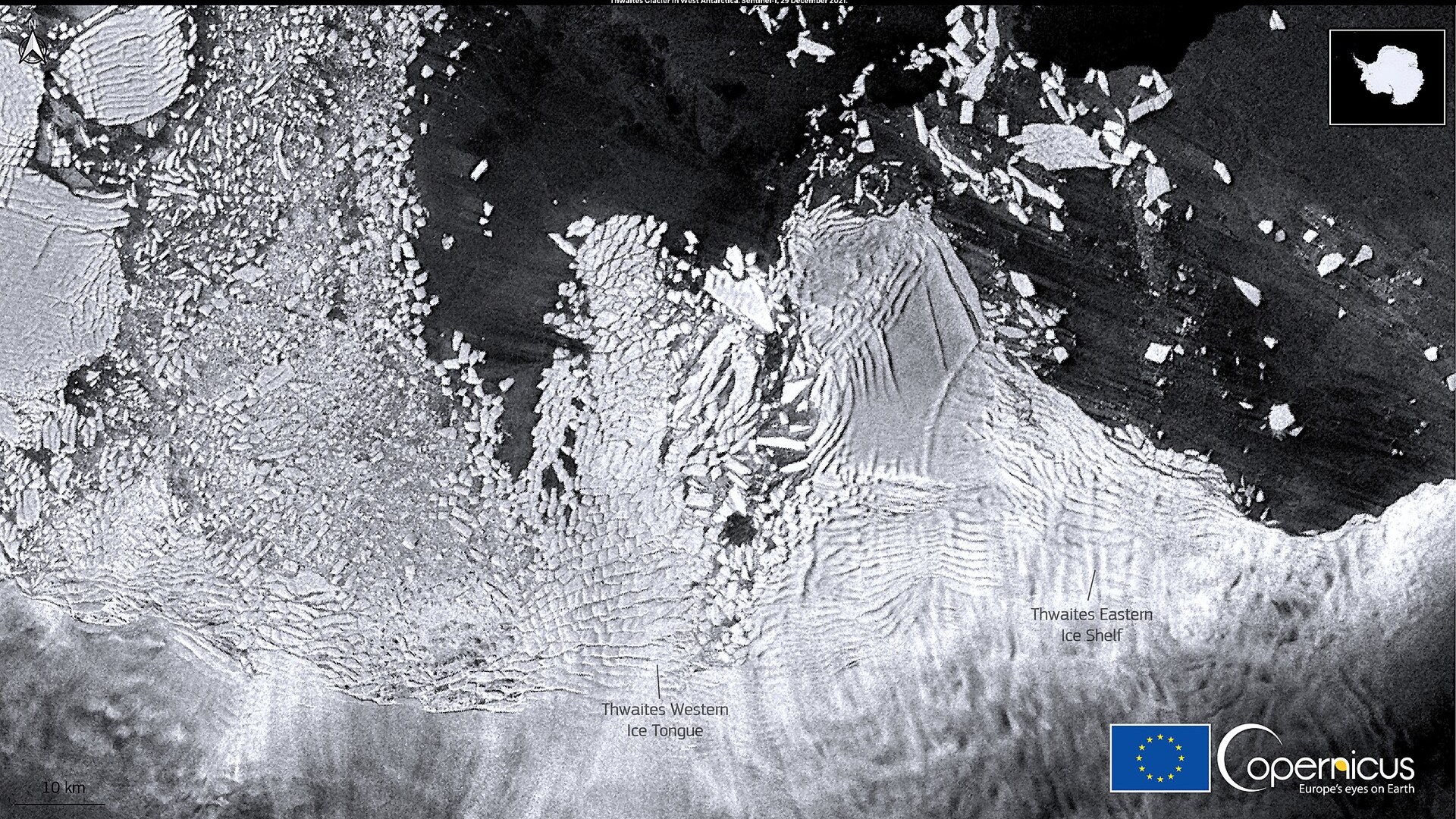
23. Thwaites Glacier
Thwaites Glacier is one of the most critical glaciers in Antarctica. Its potential for massive ice loss makes it a top priority for scientists who are researching its stability and potential role in causing significant global sea-level rise in the coming centuries.
©Wikimedia / European Union, Copernicus Sentinel-1 imagery
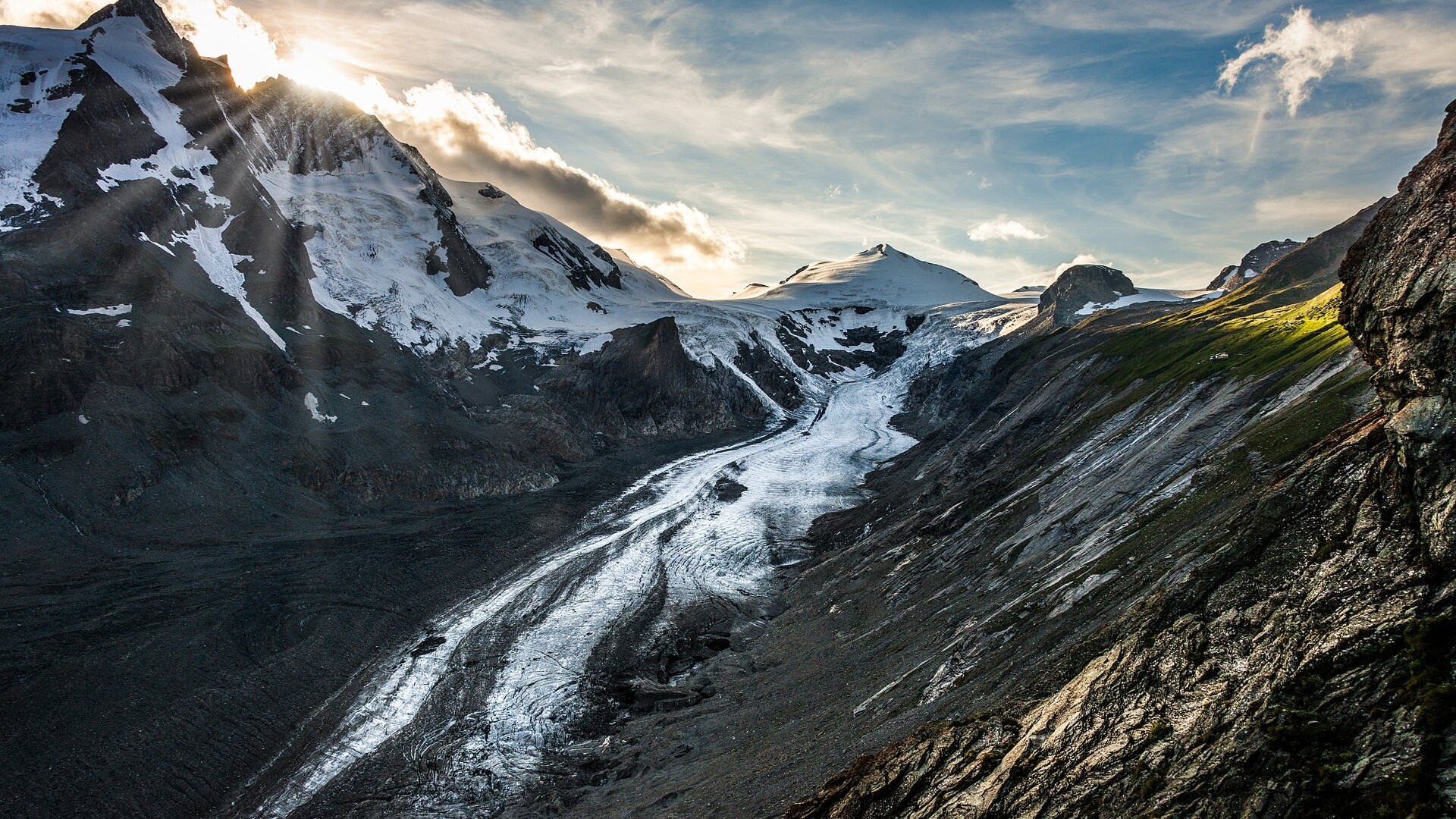
22. Pasterze Glacier
The Pasterze Glacier is the longest glacier in Austria, situated at the base of the Grossglockner. It is an iconic landmark, but its recent recession is a clear signal of the intensifying climatic pressures on high-altitude ecosystems in Central Europe.
©Wikimedia / Pasterze Glacier
Advertisement
Swipe or tap ▶ to resume the countdown.
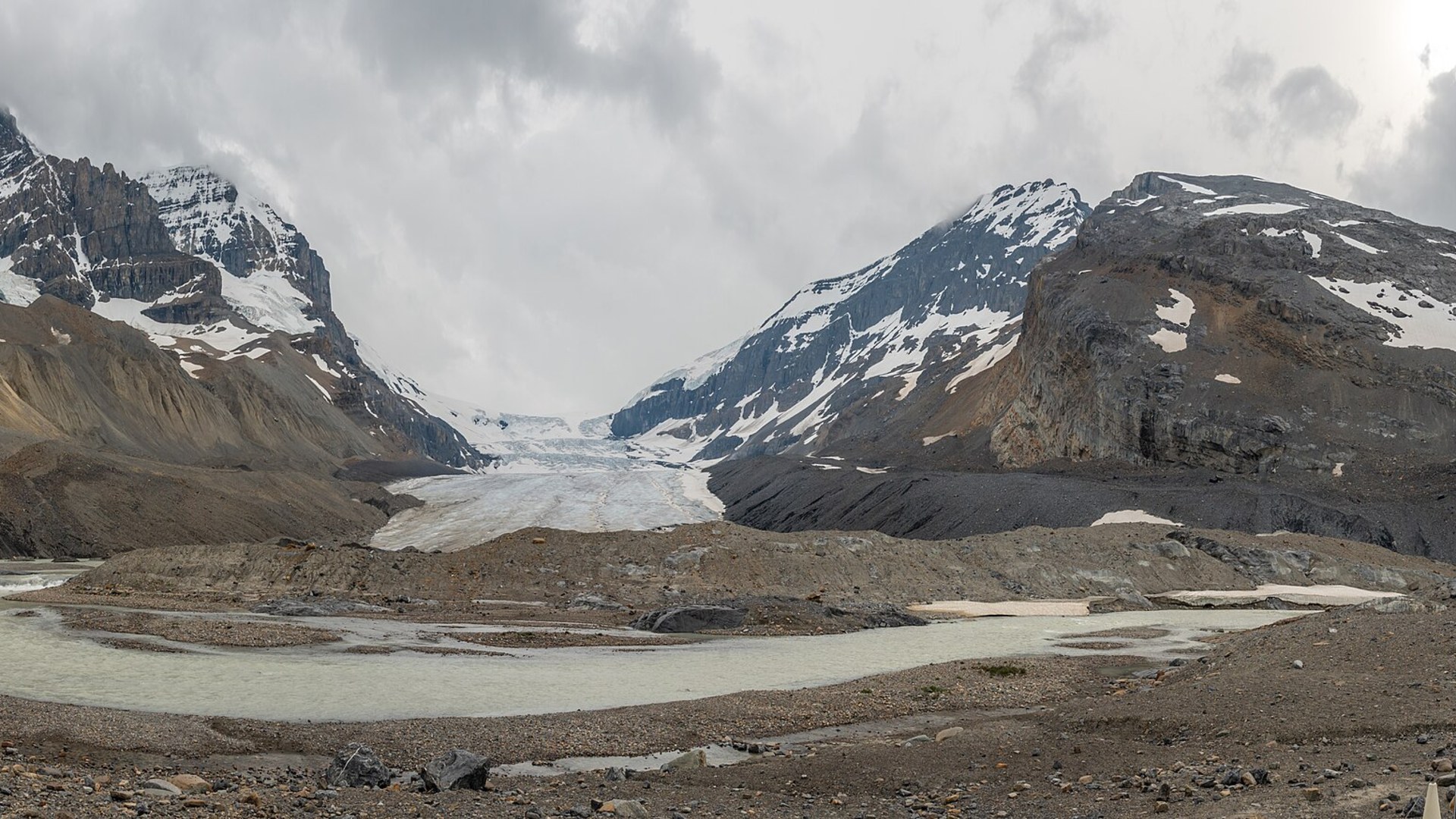
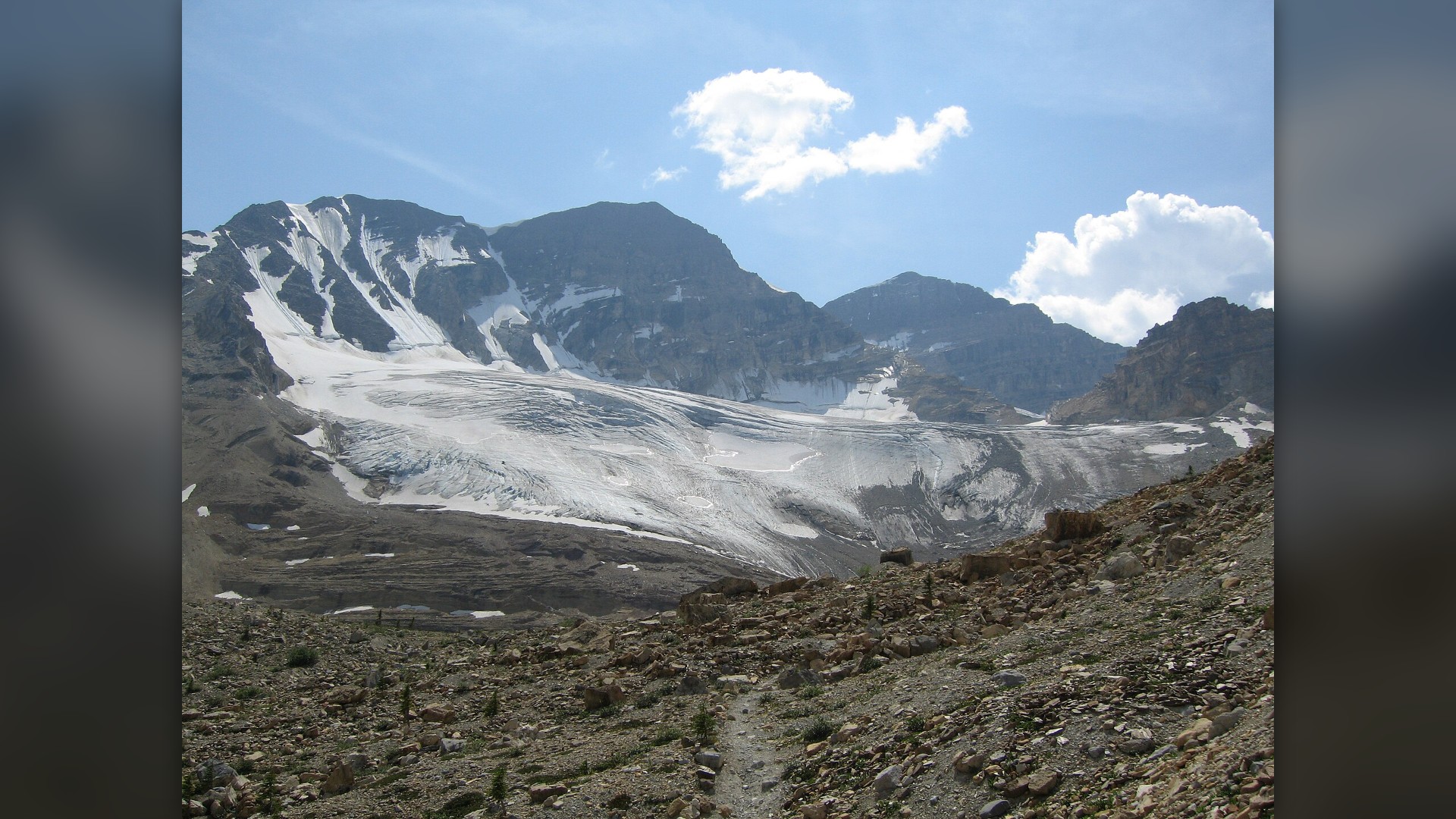
21. Athabasca Glacier
The Athabasca Glacier is the most visited glacier in North America, located in the Canadian Rockies. It has lost about half of its volume over the last 125 years, and its retreat has dramatically altered the local valley floor and the surrounding landscape.
©Wikimedia / Ethan Sahagun
20. Mer De Glace
The Mer de Glace is the longest glacier in France, located in the Mont Blanc massif. It has been a popular tourist site for centuries, but its modern-day retreat is a profound example of the changes occurring throughout the entire Alpine region.
©Wikimedia / Kristoferb
19. Quelccaya Ice Cap
Quelccaya Ice Cap is the largest tropical ice cap in the world, located in Peru. It has been a critical source of paleoclimatic data, and its thinning ice is an essential environmental record for researchers analyzing the impacts of climate change on tropical regions.
©Wikimedia / Edubucher
18. Muir Glacier
The Muir Glacier is famous for its retreat from the mouth of Glacier Bay, Alaska. Since its peak in the 18th century, it has retreated many miles, and the area that was once covered in ice is now a thriving marine ecosystem, revealing the scale of change.
©Wikimedia / Samuel Hall Young
Advertisement
Swipe or tap ▶ to resume the countdown.
17. Qori Kalis Glacier
Qori Kalis is the main outlet glacier of the Quelccaya Ice Cap in Peru. Its rapid retreat has been studied by researchers for over thirty years, providing a detailed, long-term record of how tropical glaciers are responding to rising temperatures in the Andes.
©Wikimedia / NASA
16. Upsala Glacier
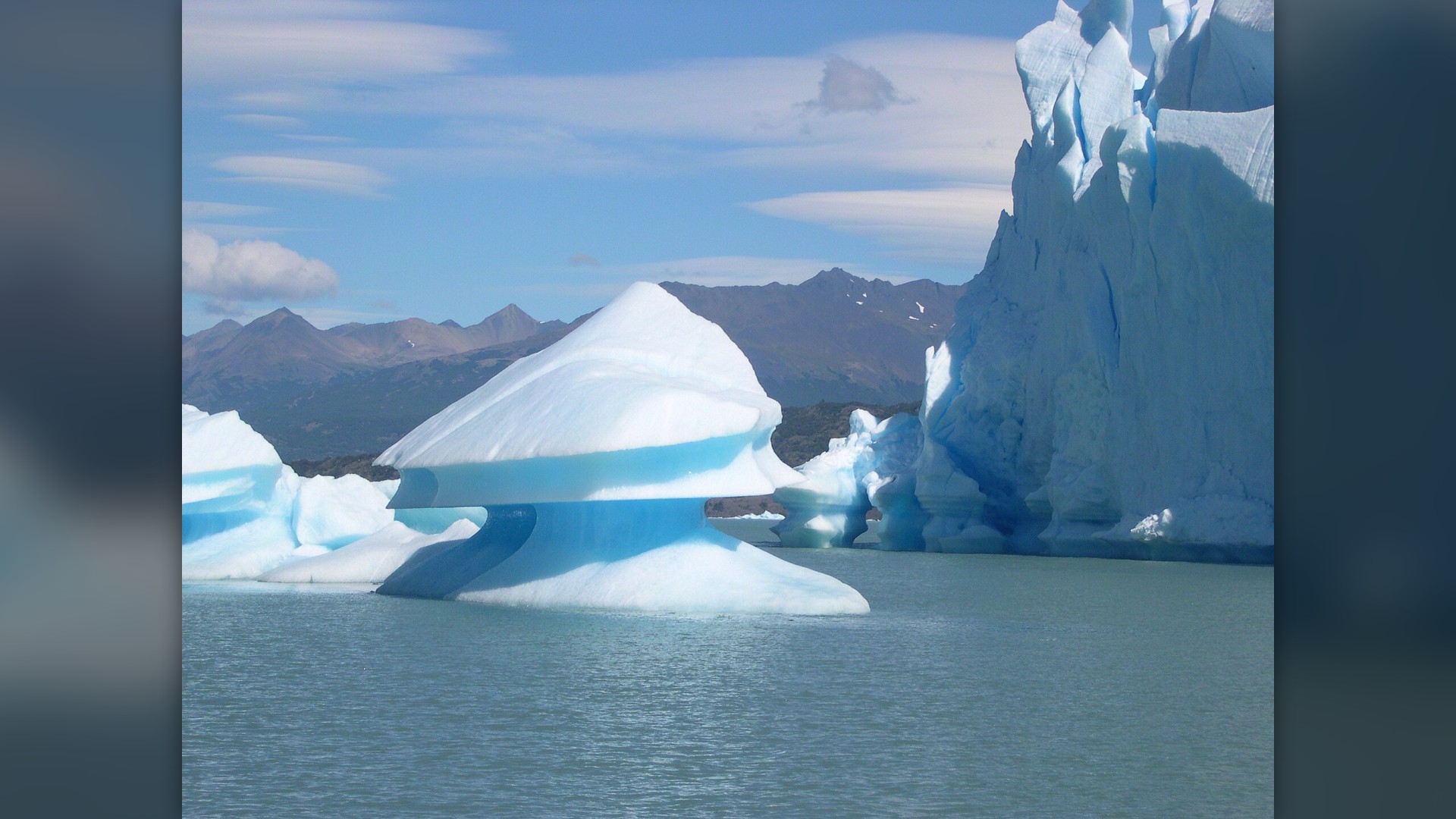
Located in Los Glaciares National Park, the Upsala Glacier has shown rapid retreat and thinning in recent years. It is one of the largest glaciers in the Southern Patagonian Ice Field, and its changes are closely tied to the regional climate trends.
©Wikimedia / Gorkaazk
15. Helheim Glacier
Helheim Glacier is one of the most significant outlet glaciers in East Greenland. It has been a central focus for glaciologists studying the interaction between ice sheets, atmosphere and ocean, particularly its rapid changes in velocity over the last few decades.
©Wikimedia / NASA/Wallops
14. Petermann Glacier
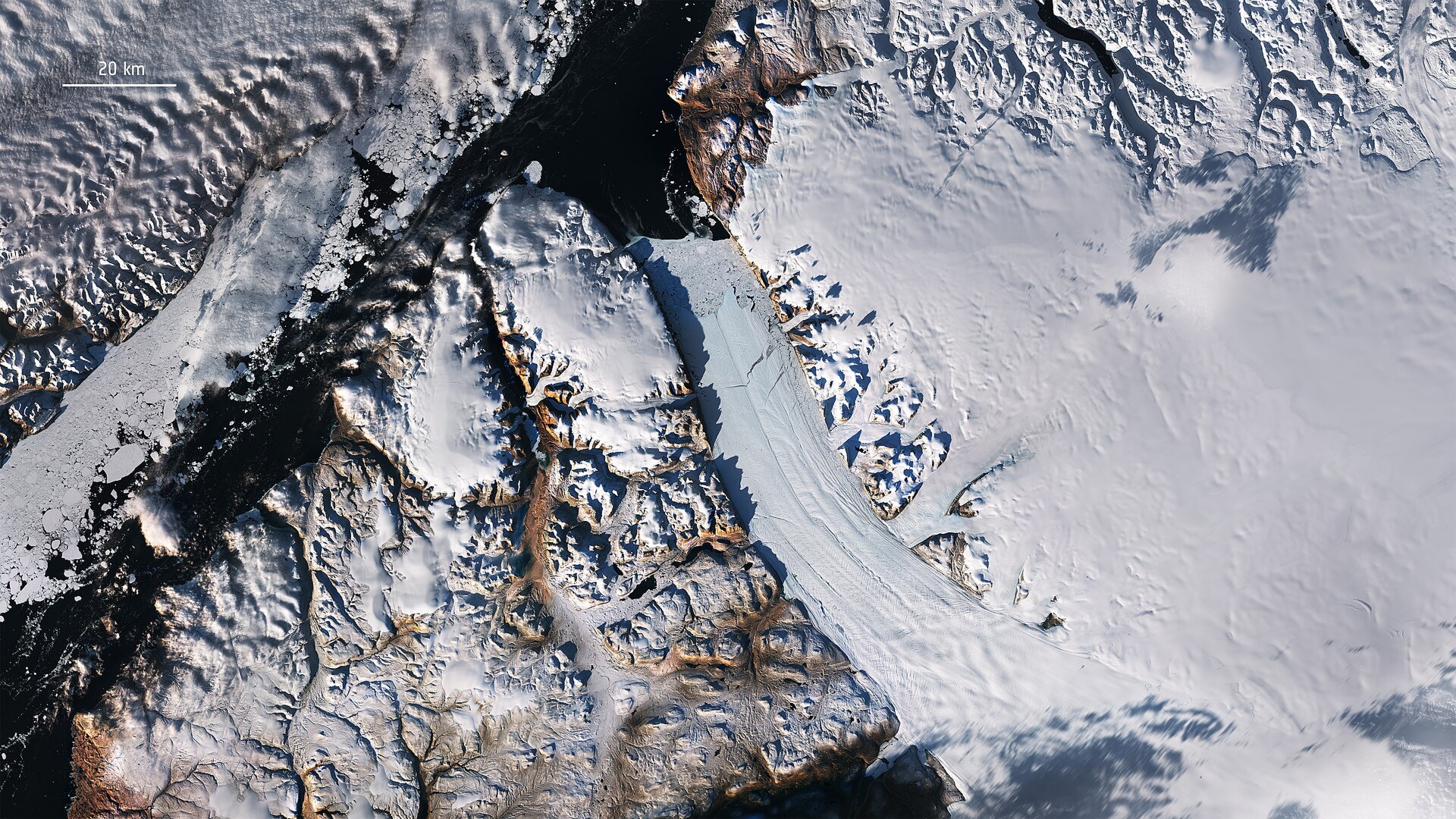
The Petermann Glacier is a major outlet glacier on the northwest coast of Greenland. It is famous for its large ice island calving events, and researchers are studying how the warming ocean water is accelerating the melting of its floating ice shelf from underneath.
©Wikimedia / European Space Agency
Advertisement
Swipe or tap ▶ to resume the countdown.
13. Byrd Glacier
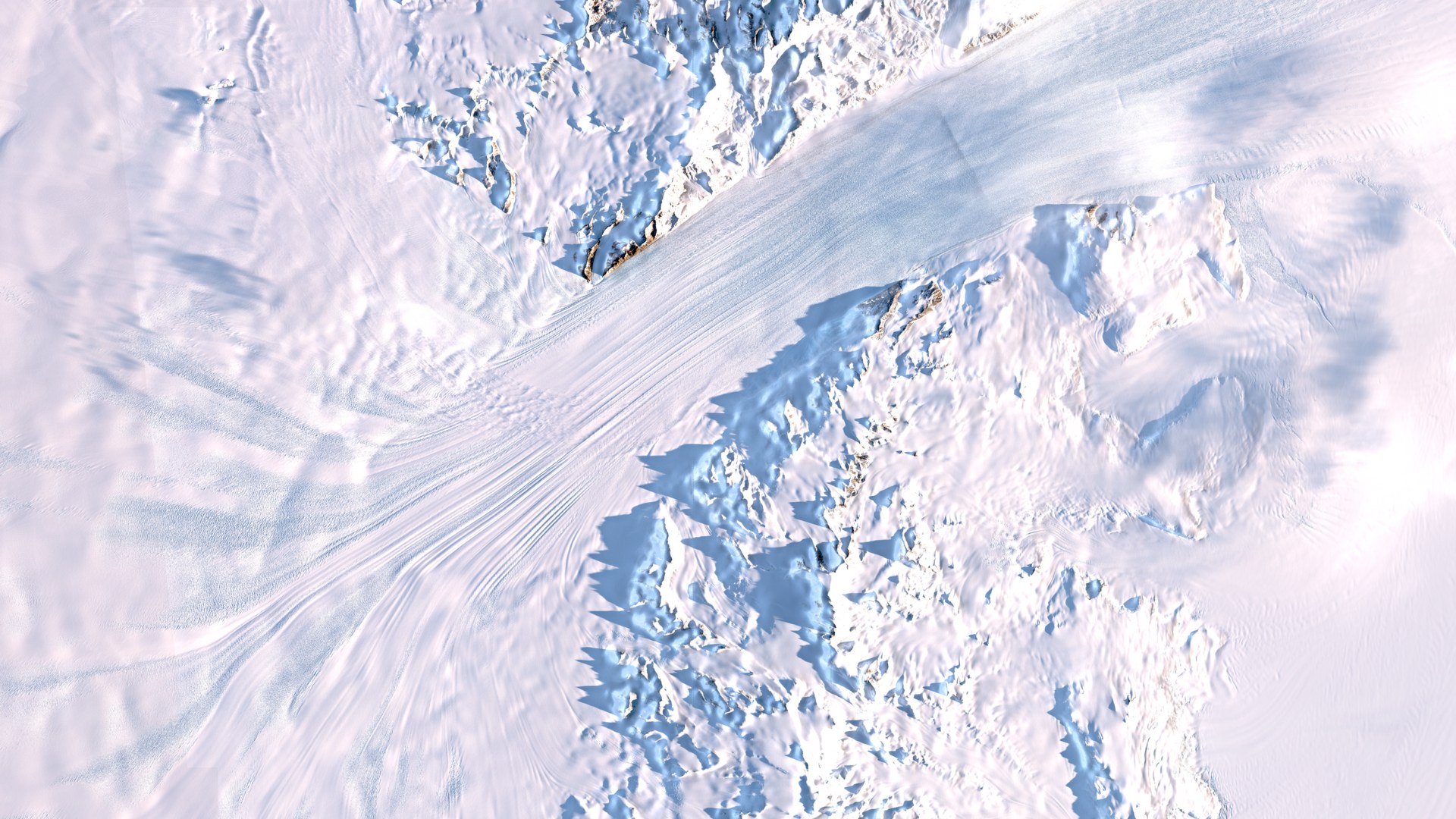
The Byrd Glacier is a major ice stream in East Antarctica, draining a large portion of the ice sheet into the Ross Ice Shelf. While it remains massive, scientists are carefully monitoring its velocity and thickness to understand its long-term dynamics.
©Wikimedia / SentinelHub
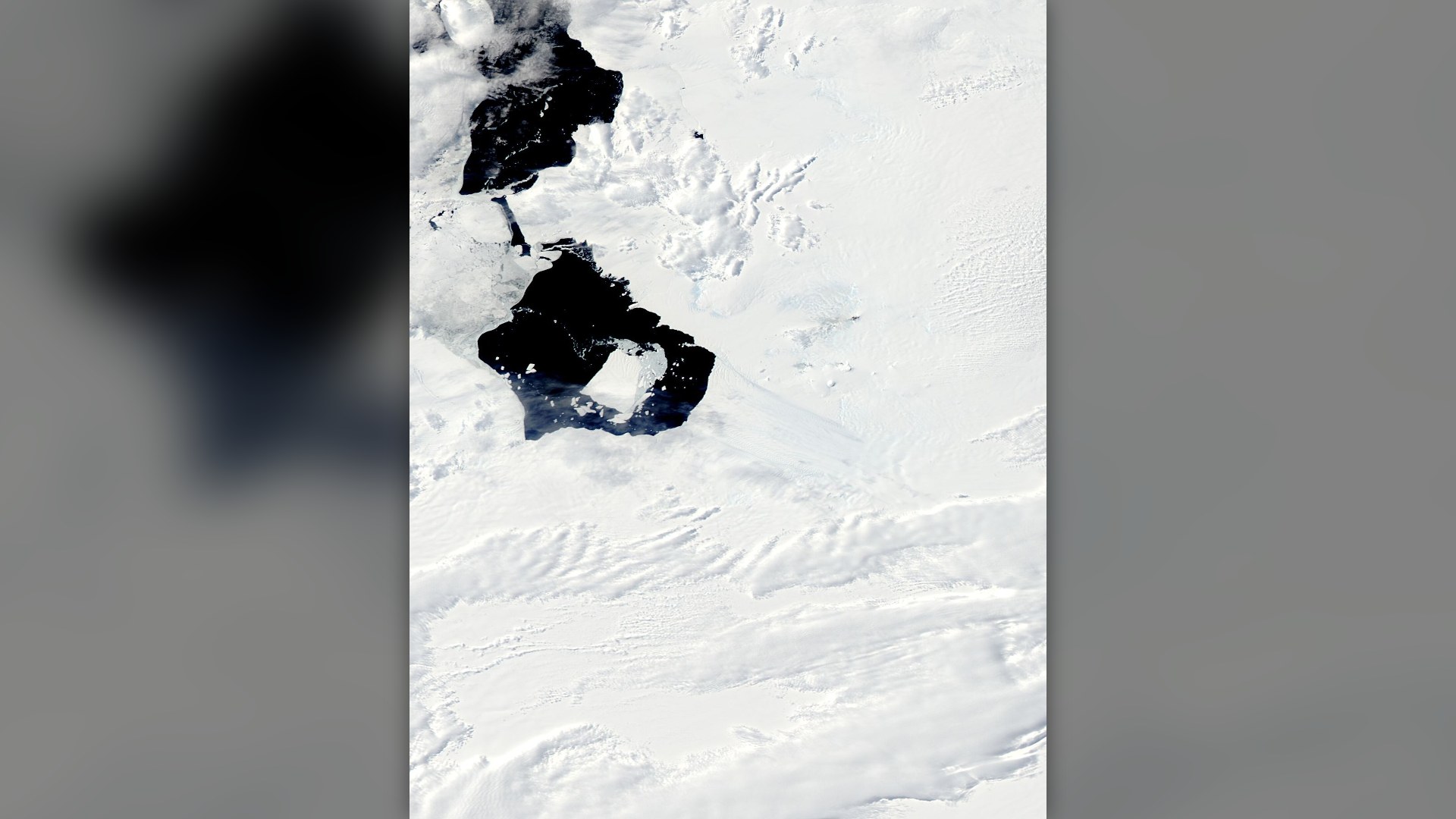
12. Pine Island Glacier
The Pine Island Glacier is one of the fastest-moving glaciers in Antarctica. Its rapid discharge of ice into the Amundsen Sea makes it a key focus for scientists concerned about the stability of the West Antarctic Ice Sheet and its potential contribution to sea-level rise.
©Wikimedia / Jeff Schmaltz MODIS Land Rapid Response Team, NA
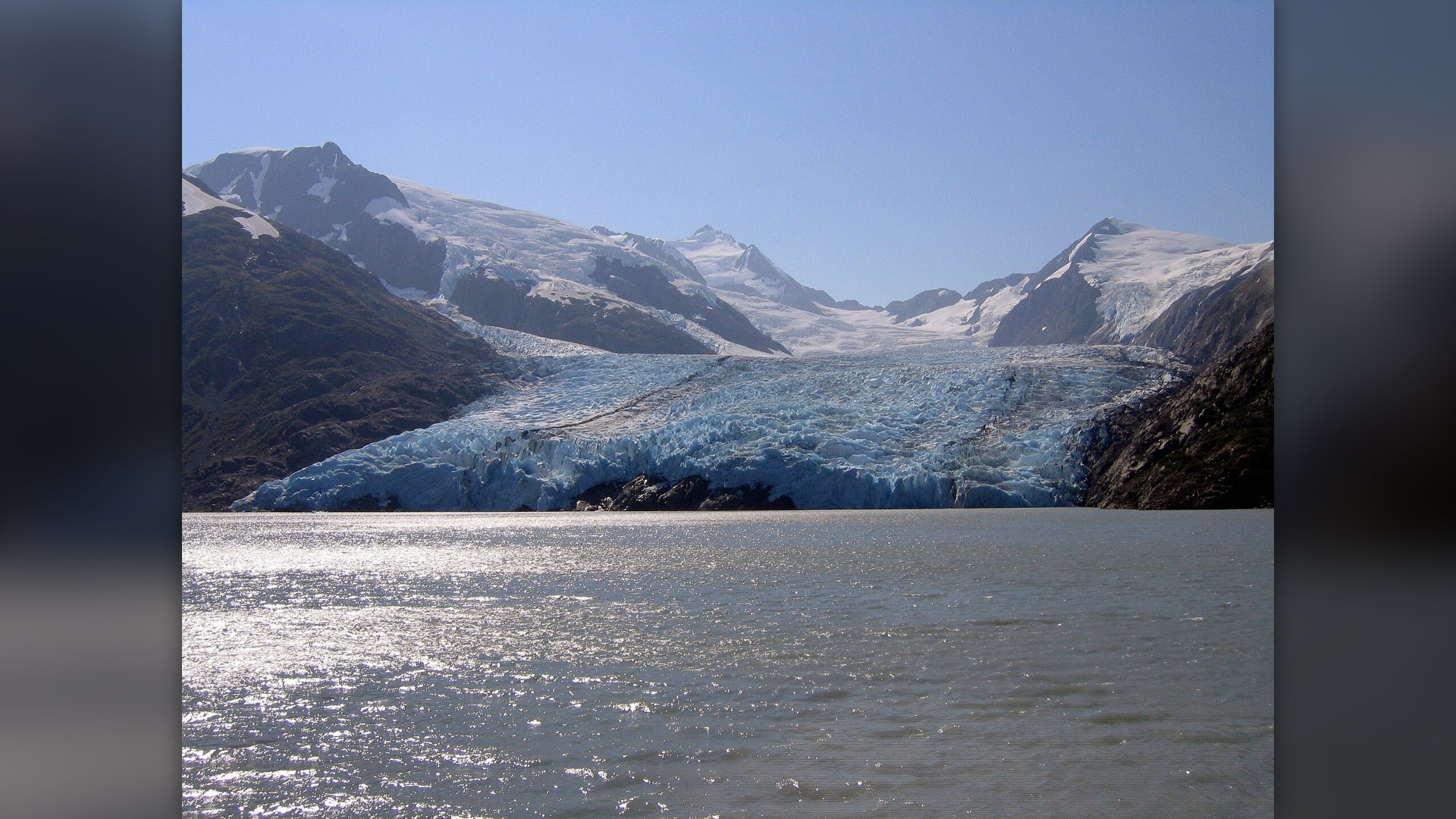
11. Portage Glacier
Located near Anchorage, the Portage Glacier has retreated so far that it is no longer visible from the visitor center that was once built to view it. Its disappearance serves as a classic example of rapid glacier change in the temperate rainforests of Alaska.
©Wikimedia / Zdenek Svoboda from Prague, Czech Republic
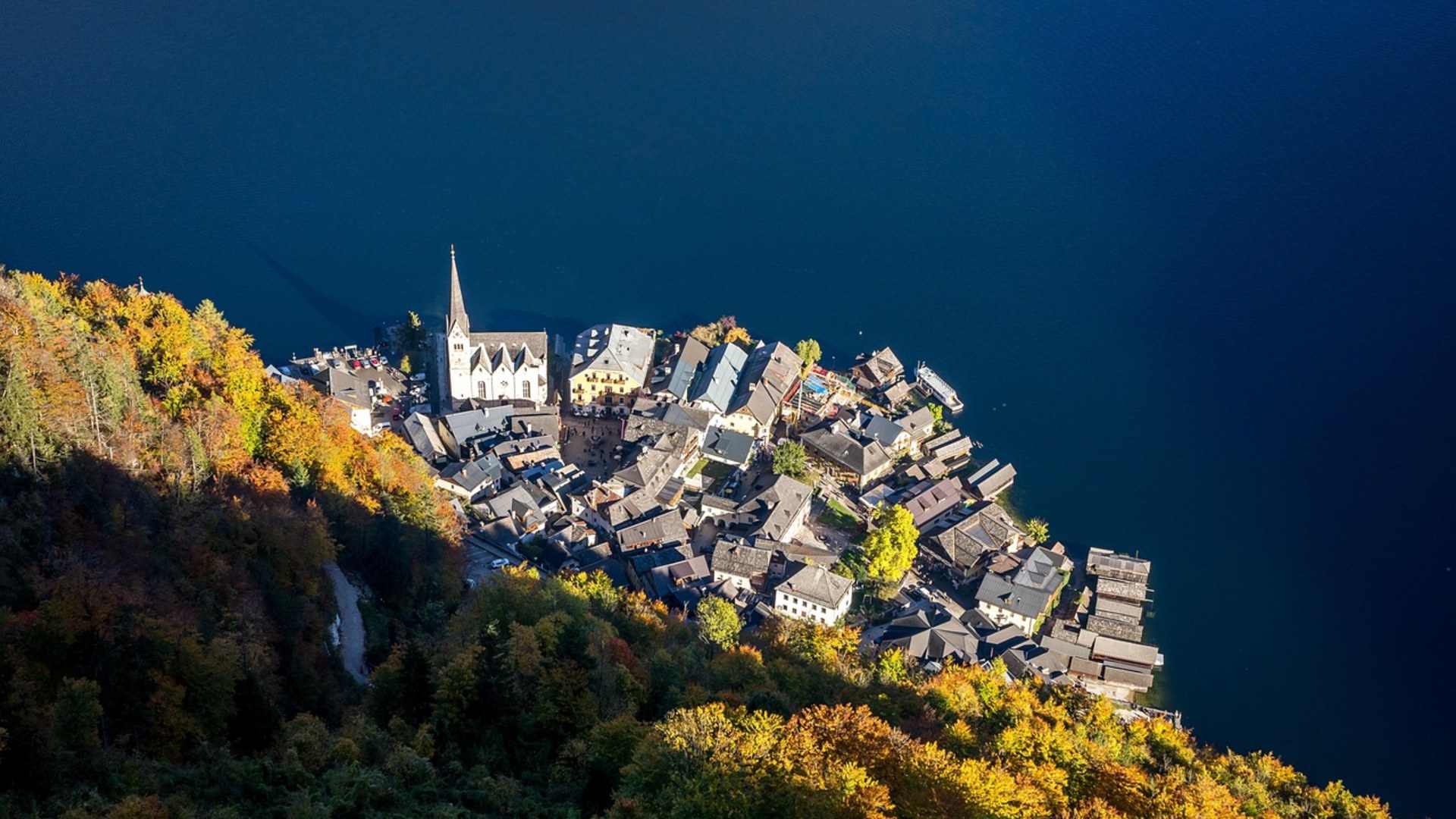
10. Hintereisferner
Hintereisferner is a small glacier in the Oetztal Alps of Austria that has been studied for decades. Its consistent and well-documented retreat provides essential data for researchers analyzing the long-term impacts of climate change on high-mountain environments.
©Pixabay / Leonhard_Niederwimmer
Advertisement
Swipe or tap ▶ to resume the countdown.
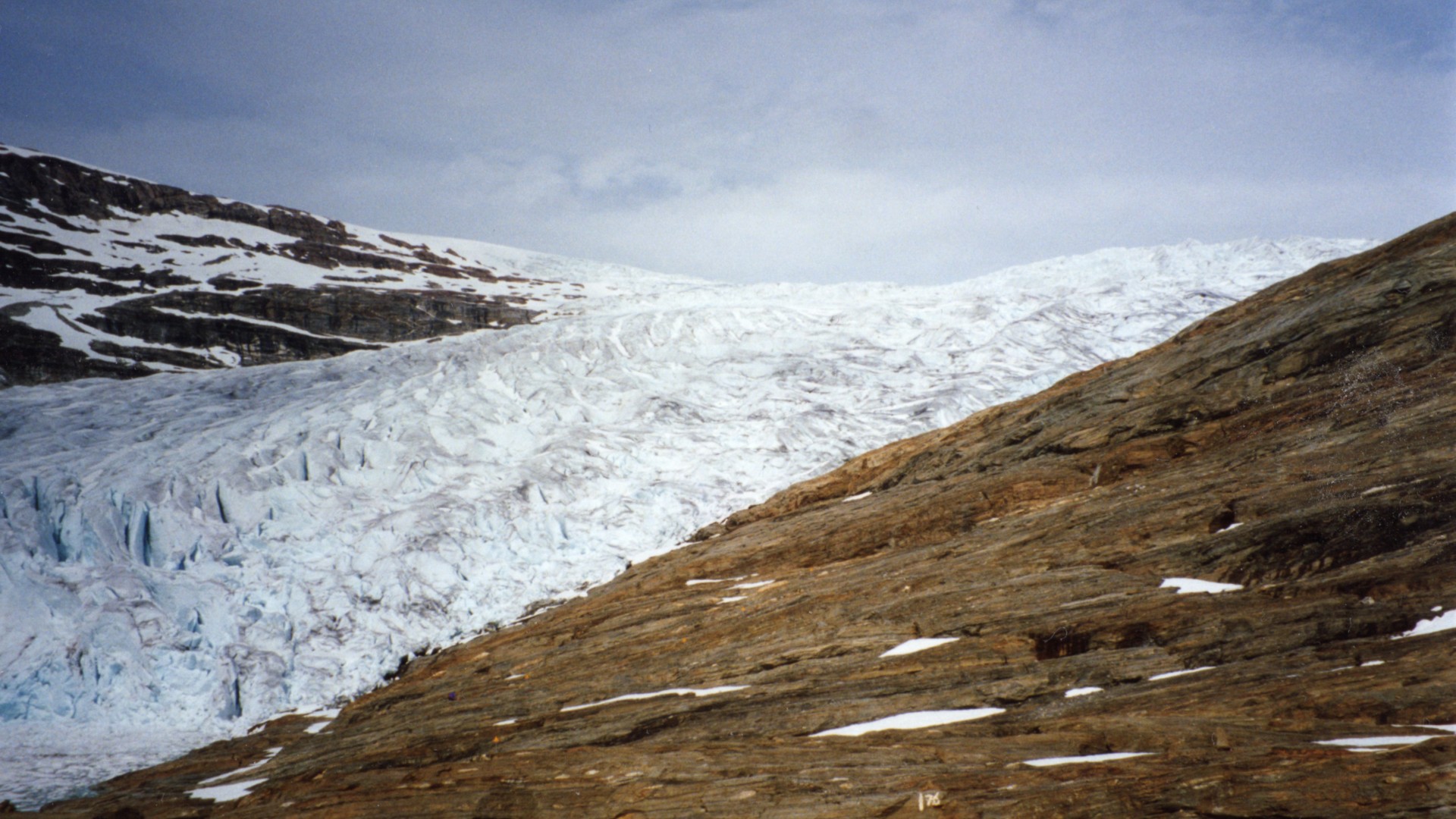
9. Svartisen
Svartisen is the second largest glacier in Norway by area. While parts of it remain substantial, other segments have shown a pronounced retreat, illustrating that even glaciers in high-latitude regions are highly susceptible to the effects of shifting climate patterns.
©Wikimedia / JopkeB
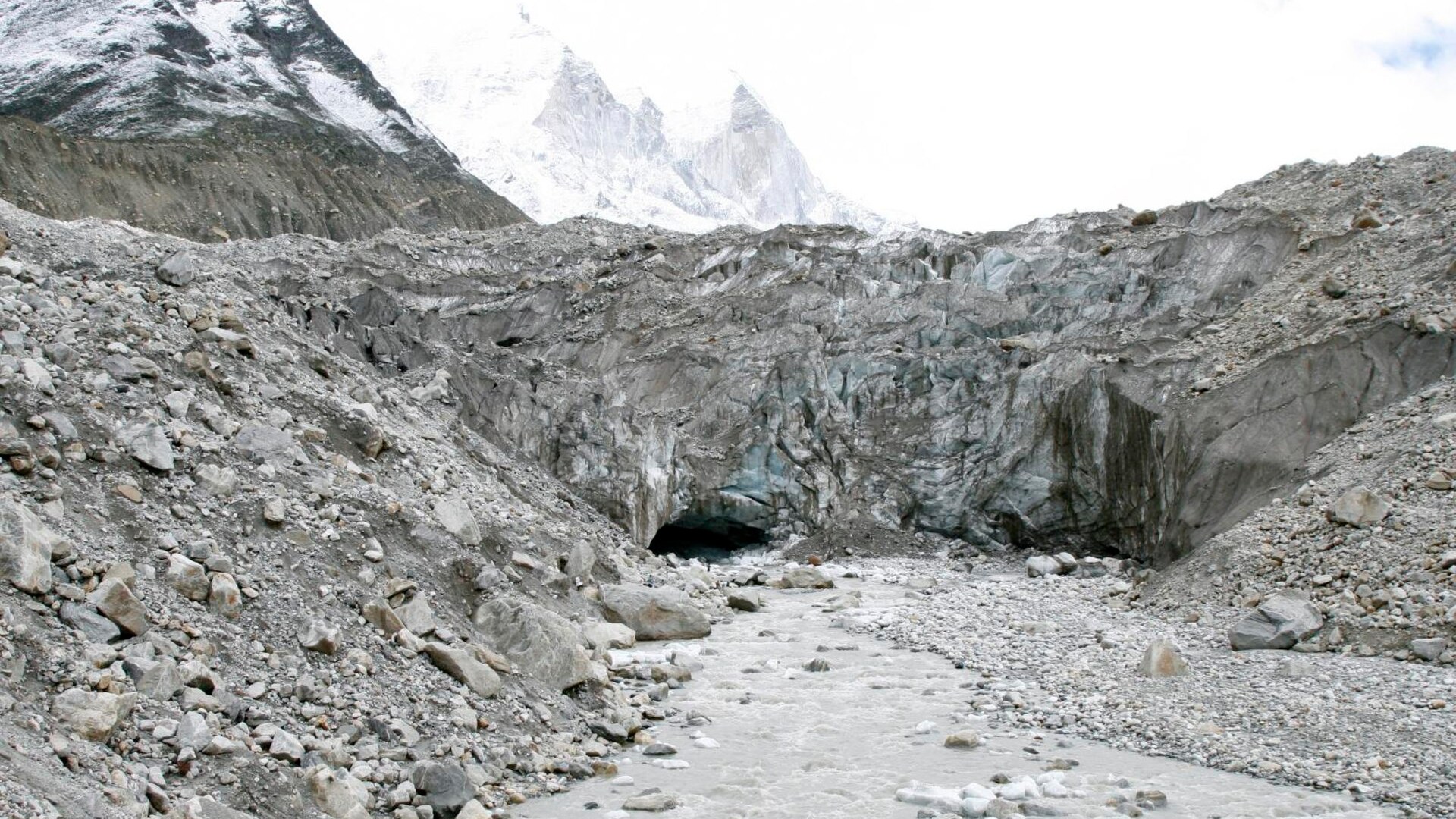
8. Gangotri Glacier
The Gangotri Glacier is one of the primary sources of the Ganges River in the Himalayas. Its rapid recession is a subject of intense scientific study due to the potential consequences for the millions of people who rely on the river for water and irrigation in India.
©Wikimedia / gbSk at Flickr
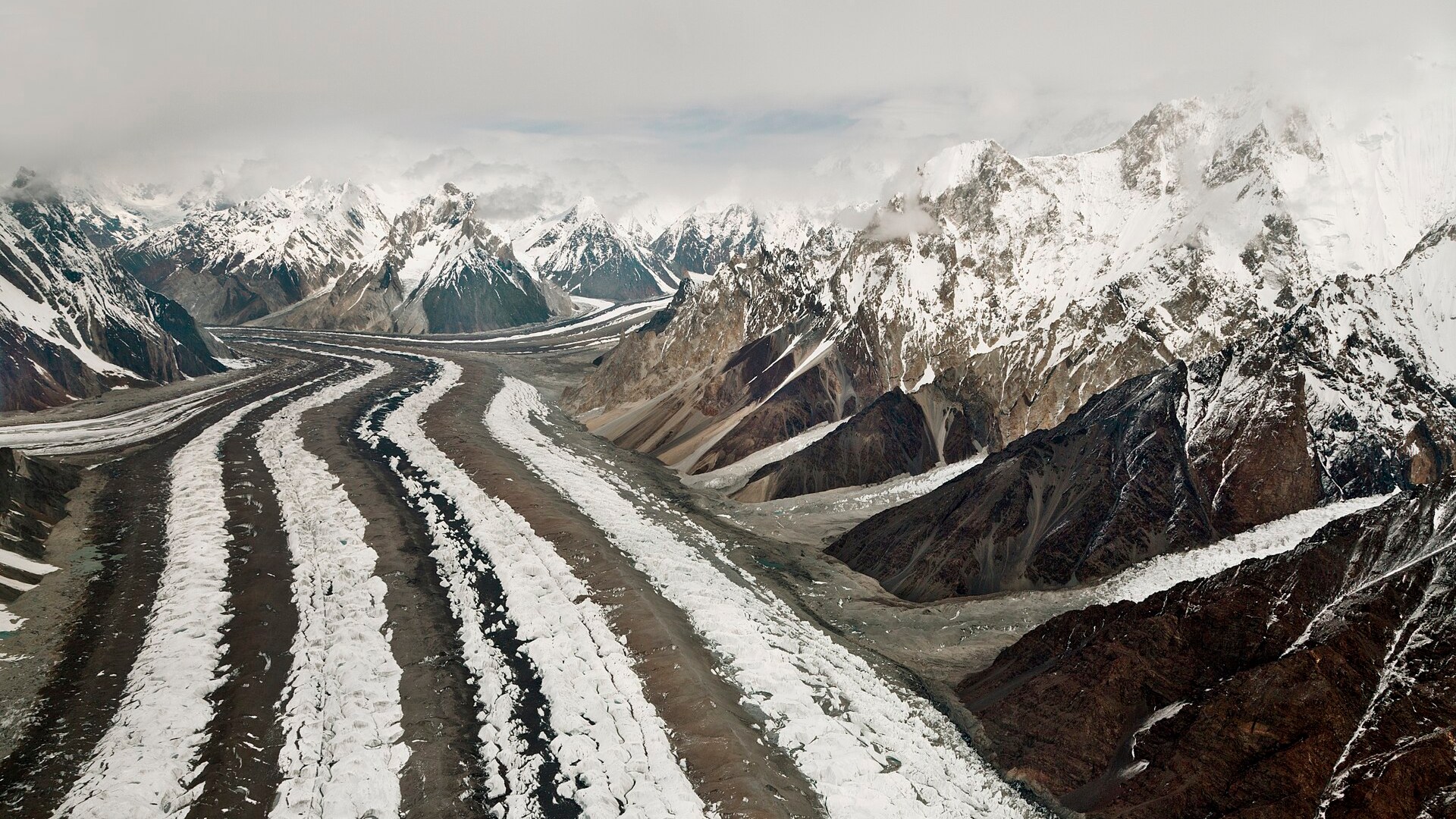
7. Baltoro Glacier
The Baltoro Glacier is one of the longest glaciers outside the polar regions, located in the Karakoram range of Pakistan. It is a critical source of water for the region, but it is undergoing significant thinning, which threatens the sustainability of local ecosystems.
©Wikimedia / Thsulemani
6. Lewis Glacier
The Lewis Glacier is the largest of the remaining glaciers on Mount Kenya in Africa. It has retreated drastically since the early 20th century, and experts anticipate that it may vanish completely in the coming decades as equatorial ice continues to melt.
©Wikimedia / Graham Lewis
Advertisement
Swipe or tap ▶ to resume the countdown.
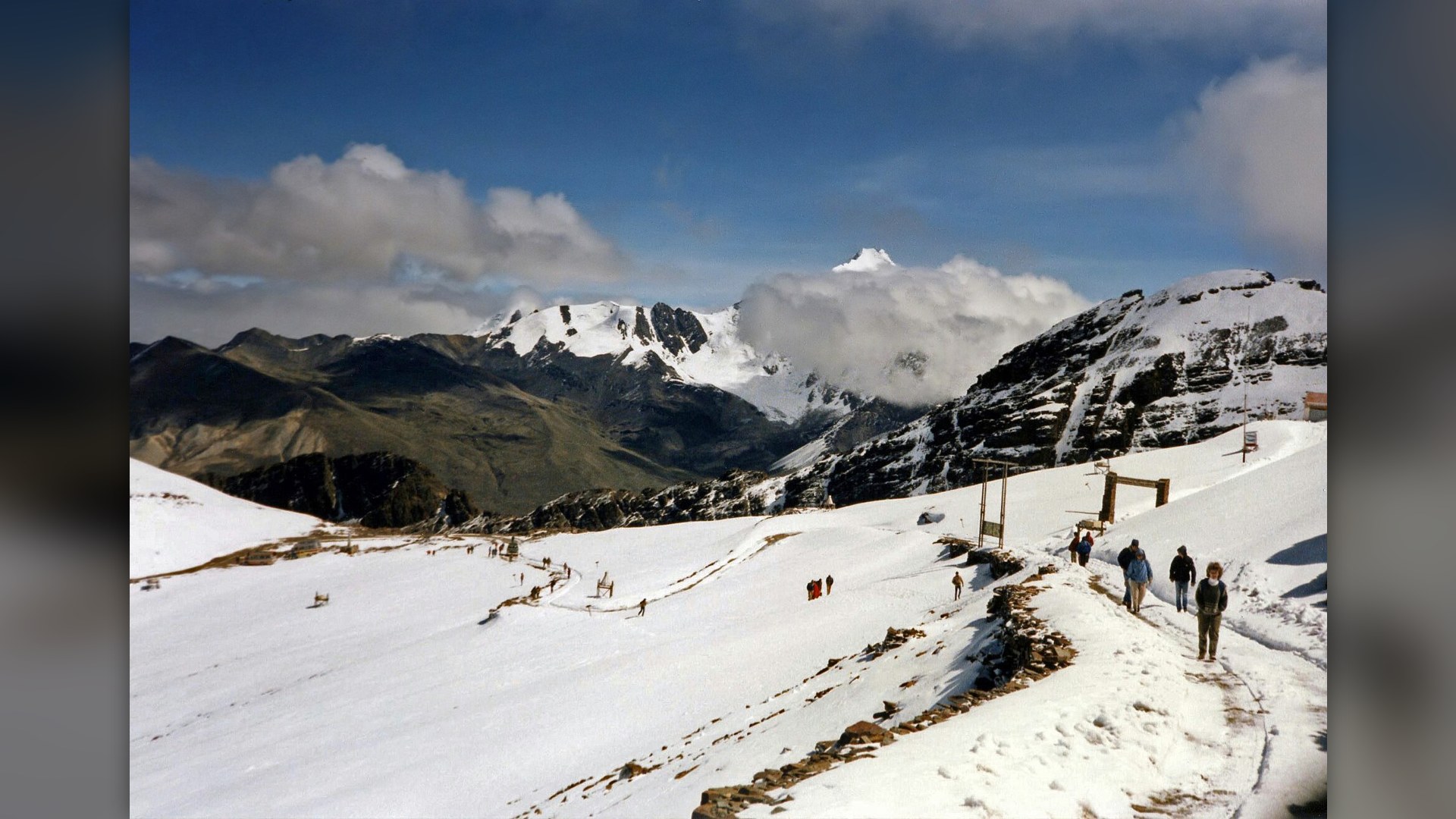
5. Chacaltaya Glacier
Chacaltaya was a glacier in the Bolivian Andes that disappeared completely by 2009. Once home to the world's highest ski resort, the glacier's total loss has severely impacted the local water supply and the regional climate, serving as a stark warning for other glaciers.
©Wikimedia / Bernard Gagnon
4. Rhone Glacier
The Rhone Glacier is located in the Swiss Alps and is the primary source of the Rhone River. It has been documented for over a century, and its retreat is a powerful, visible proof of the rising temperatures impacting the high-altitude regions of Europe.
©Wikimedia / Hansueli Krapf
3. Aletsch Glacier
As the largest glacier in the Alps, the Aletsch Glacier is a critical environmental indicator for Switzerland. It has retreated significantly since the end of the Little Ice Age, and current projections suggest it could disappear almost entirely by the end of the century.
©Wikimedia / Tobias Alt, Tobi 87
2. Glaciar Grey
Glaciar Grey is a large glacier located in the Southern Patagonian Ice Field in Chile. It has experienced significant thinning and recession over the last few decades, and scientists continuously monitor its retreat, which reflects broader changes in the Patagonian climate.
©Wikimedia / Diego Delso
Advertisement
Swipe or tap ▶ to resume the countdown.
1. Pastoruri Glacier
The Pastoruri Glacier is a tropical glacier in the Cordillera Blanca of Peru. It has lost over 50 percent of its ice mass since 1995, transforming from a major tourist attraction into a site of rapid environmental monitoring and significant concern for local water security.

©Wikimedia / Edubucher
Advertisement
You've reached the end of the story. Thanks for reading!

22 Concept Cars Automakers Built That Never Reached Showrooms
From 1950s American show cars to quad-turbo V12 prototypes of the 2000s, automakers built these 22 concepts to test bold engineering and design ideas. Based on manufacturer archives, Petersen Automotive Museum records, and motor show histories, this countdown ranks the standout cars never sold to buyers.
All 24 Entries in this Story
Jakobshavn Glacier
The Jakobshavn Glacier in Greenland is renowned for its extreme ice discharge into the sea. Its dramatic retreat and thinning since the late 1990s have made it one of the most important focal points for studies on the stability of the Greenland Ice Sheet.

Thwaites Glacier
Thwaites Glacier is one of the most critical glaciers in Antarctica. Its potential for massive ice loss makes it a top priority for scientists who are researching its stability and potential role in causing significant global sea-level rise in the coming centuries.

Pasterze Glacier
The Pasterze Glacier is the longest glacier in Austria, situated at the base of the Grossglockner. It is an iconic landmark, but its recent recession is a clear signal of the intensifying climatic pressures on high-altitude ecosystems in Central Europe.

Athabasca Glacier
The Athabasca Glacier is the most visited glacier in North America, located in the Canadian Rockies. It has lost about half of its volume over the last 125 years, and its retreat has dramatically altered the local valley floor and the surrounding landscape.

Mer De Glace
The Mer de Glace is the longest glacier in France, located in the Mont Blanc massif. It has been a popular tourist site for centuries, but its modern-day retreat is a profound example of the changes occurring throughout the entire Alpine region.

Quelccaya Ice Cap
Quelccaya Ice Cap is the largest tropical ice cap in the world, located in Peru. It has been a critical source of paleoclimatic data, and its thinning ice is an essential environmental record for researchers analyzing the impacts of climate change on tropical regions.

Muir Glacier
The Muir Glacier is famous for its retreat from the mouth of Glacier Bay, Alaska. Since its peak in the 18th century, it has retreated many miles, and the area that was once covered in ice is now a thriving marine ecosystem, revealing the scale of change.

Qori Kalis Glacier
Qori Kalis is the main outlet glacier of the Quelccaya Ice Cap in Peru. Its rapid retreat has been studied by researchers for over thirty years, providing a detailed, long-term record of how tropical glaciers are responding to rising temperatures in the Andes.

Upsala Glacier
Located in Los Glaciares National Park, the Upsala Glacier has shown rapid retreat and thinning in recent years. It is one of the largest glaciers in the Southern Patagonian Ice Field, and its changes are closely tied to the regional climate trends.

Helheim Glacier
Helheim Glacier is one of the most significant outlet glaciers in East Greenland. It has been a central focus for glaciologists studying the interaction between ice sheets, atmosphere and ocean, particularly its rapid changes in velocity over the last few decades.

Petermann Glacier
The Petermann Glacier is a major outlet glacier on the northwest coast of Greenland. It is famous for its large ice island calving events, and researchers are studying how the warming ocean water is accelerating the melting of its floating ice shelf from underneath.

Byrd Glacier
The Byrd Glacier is a major ice stream in East Antarctica, draining a large portion of the ice sheet into the Ross Ice Shelf. While it remains massive, scientists are carefully monitoring its velocity and thickness to understand its long-term dynamics.

Pine Island Glacier
The Pine Island Glacier is one of the fastest-moving glaciers in Antarctica. Its rapid discharge of ice into the Amundsen Sea makes it a key focus for scientists concerned about the stability of the West Antarctic Ice Sheet and its potential contribution to sea-level rise.

Portage Glacier
Located near Anchorage, the Portage Glacier has retreated so far that it is no longer visible from the visitor center that was once built to view it. Its disappearance serves as a classic example of rapid glacier change in the temperate rainforests of Alaska.

Hintereisferner
Hintereisferner is a small glacier in the Oetztal Alps of Austria that has been studied for decades. Its consistent and well-documented retreat provides essential data for researchers analyzing the long-term impacts of climate change on high-mountain environments.

Svartisen
Svartisen is the second largest glacier in Norway by area. While parts of it remain substantial, other segments have shown a pronounced retreat, illustrating that even glaciers in high-latitude regions are highly susceptible to the effects of shifting climate patterns.

Gangotri Glacier
The Gangotri Glacier is one of the primary sources of the Ganges River in the Himalayas. Its rapid recession is a subject of intense scientific study due to the potential consequences for the millions of people who rely on the river for water and irrigation in India.

Baltoro Glacier
The Baltoro Glacier is one of the longest glaciers outside the polar regions, located in the Karakoram range of Pakistan. It is a critical source of water for the region, but it is undergoing significant thinning, which threatens the sustainability of local ecosystems.

Lewis Glacier
The Lewis Glacier is the largest of the remaining glaciers on Mount Kenya in Africa. It has retreated drastically since the early 20th century, and experts anticipate that it may vanish completely in the coming decades as equatorial ice continues to melt.

Chacaltaya Glacier
Chacaltaya was a glacier in the Bolivian Andes that disappeared completely by 2009. Once home to the world's highest ski resort, the glacier's total loss has severely impacted the local water supply and the regional climate, serving as a stark warning for other glaciers.

Rhone Glacier
The Rhone Glacier is located in the Swiss Alps and is the primary source of the Rhone River. It has been documented for over a century, and its retreat is a powerful, visible proof of the rising temperatures impacting the high-altitude regions of Europe.

Aletsch Glacier
As the largest glacier in the Alps, the Aletsch Glacier is a critical environmental indicator for Switzerland. It has retreated significantly since the end of the Little Ice Age, and current projections suggest it could disappear almost entirely by the end of the century.

Glaciar Grey
Glaciar Grey is a large glacier located in the Southern Patagonian Ice Field in Chile. It has experienced significant thinning and recession over the last few decades, and scientists continuously monitor its retreat, which reflects broader changes in the Patagonian climate.

Pastoruri Glacier
The Pastoruri Glacier is a tropical glacier in the Cordillera Blanca of Peru. It has lost over 50 percent of its ice mass since 1995, transforming from a major tourist attraction into a site of rapid environmental monitoring and significant concern for local water security.