Slideshow · Animals
24 Types of Monkeys Ranked by Danger and Threat Level
Most monkey species avoid humans and spend their lives high in forest canopies feeding on fruit or leaves. However, certain primates possess razor-sharp canine teeth, bone-crushing jaw strength, and severe zoonotic viruses. This ranking evaluates 24 monkey species from completely harmless to apex troop threats.
By Most Viral Today
18 min ago

Discover which wild monkeys pose a genuine danger to humans. 
24. Pygmy Marmoset 
23. Cotton-Top Tamarin 
22. Common Squirrel Monkey - AdvertisementSwipe or tap ▶ to continue countdown

21. Golden Lion Tamarin 
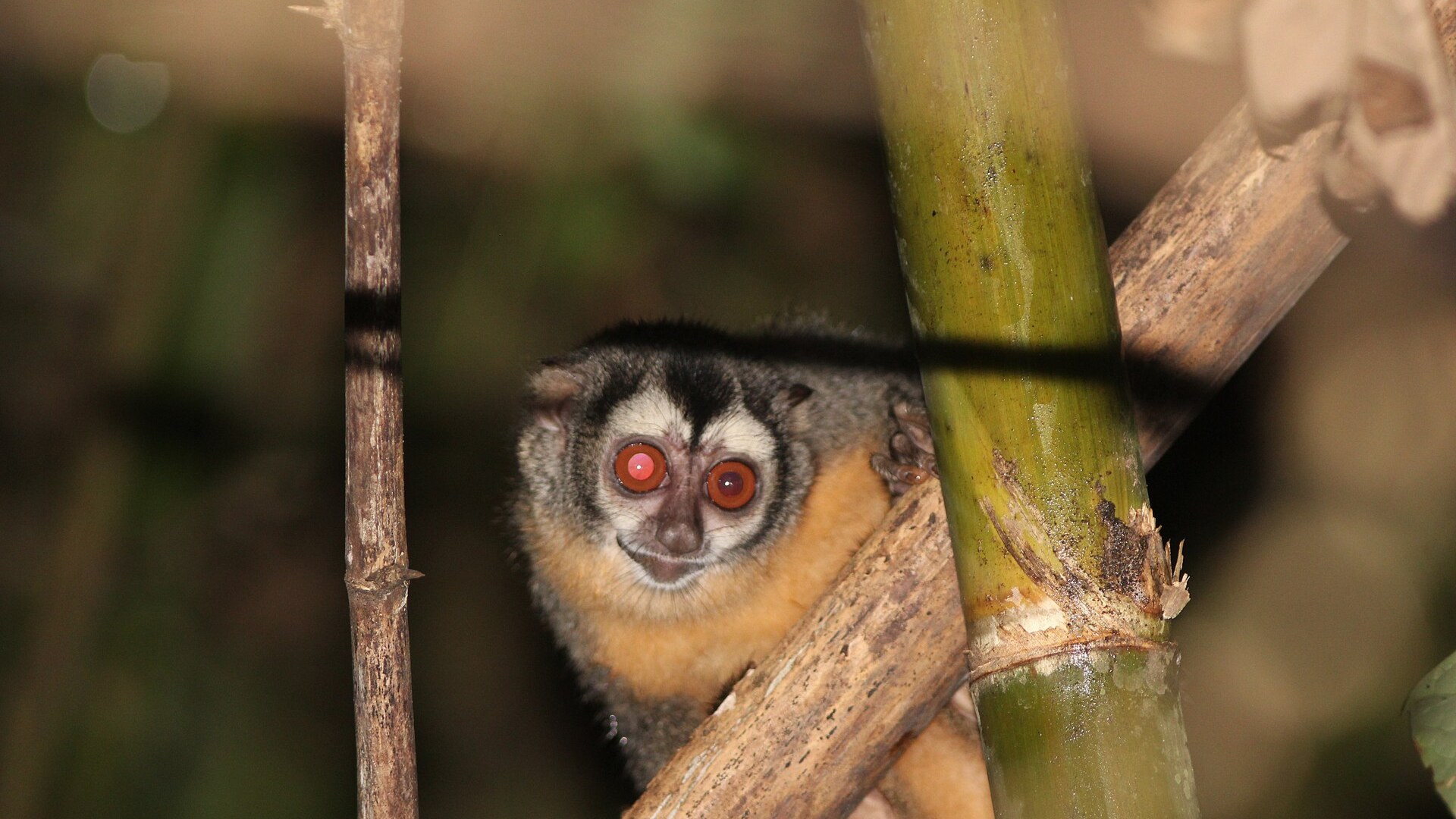
20. Owl Monkey 
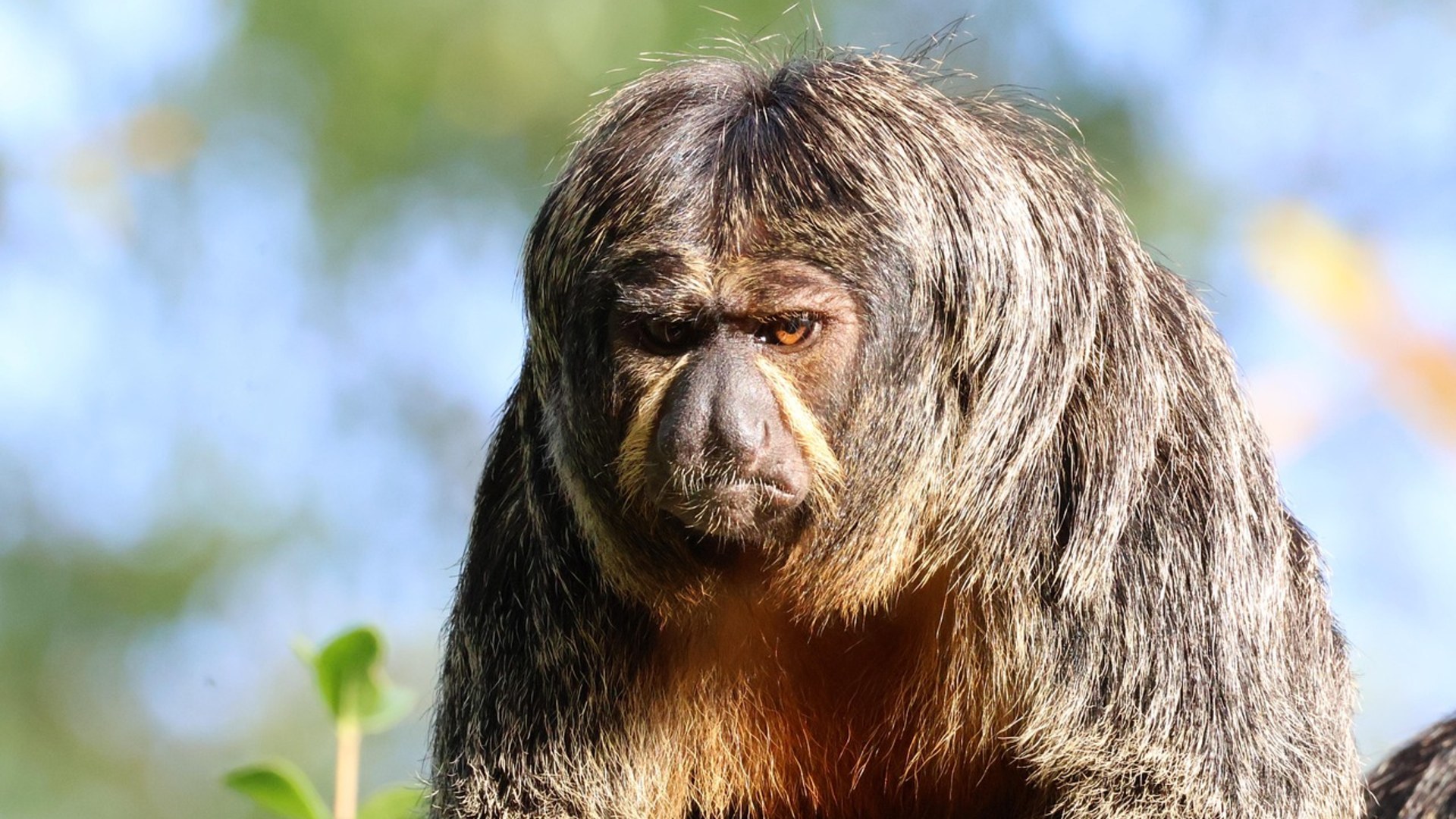
19. White-Faced Saki 
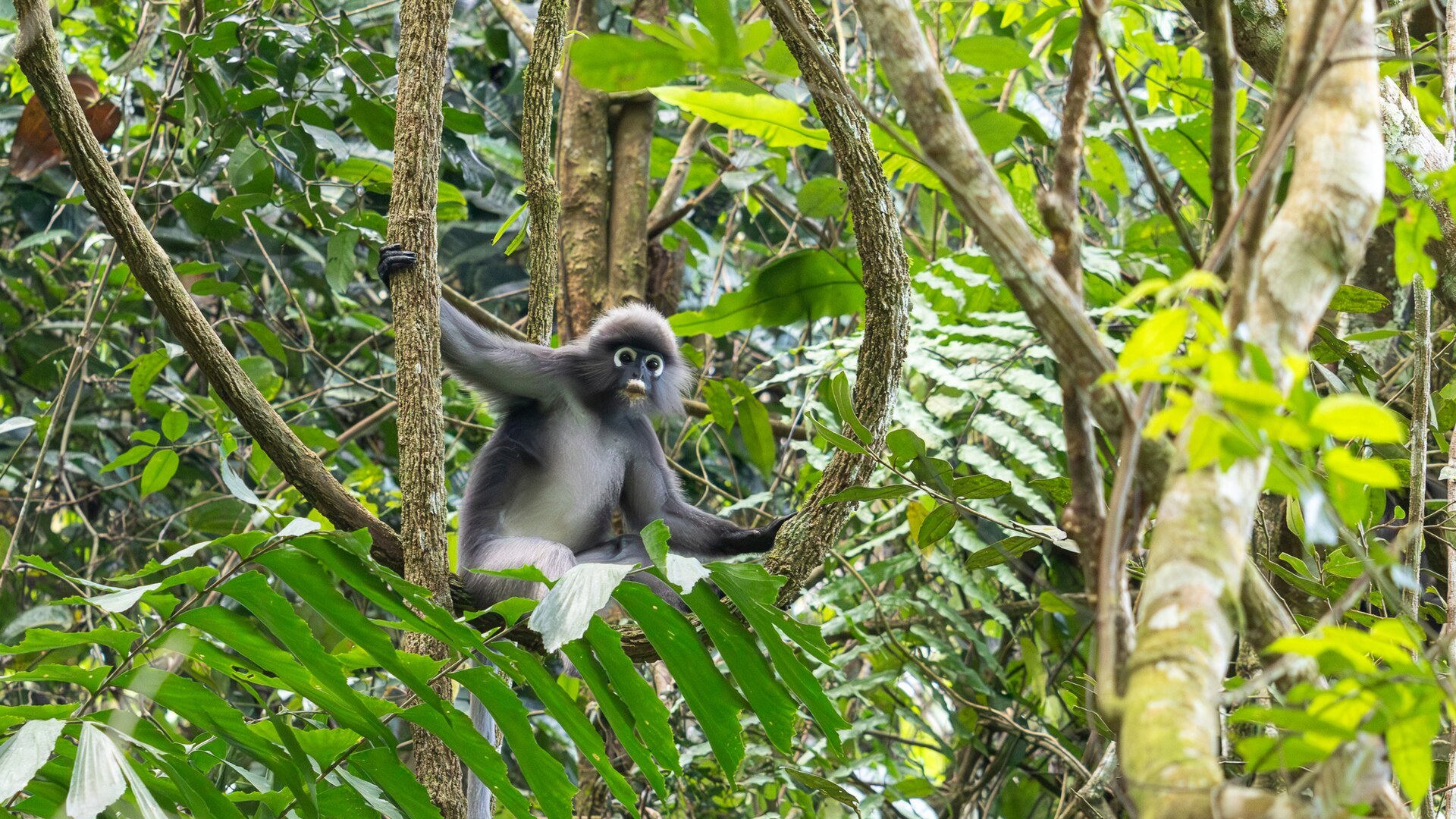
18. Dusky Leaf Monkey - AdvertisementSwipe or tap ▶ to continue countdown

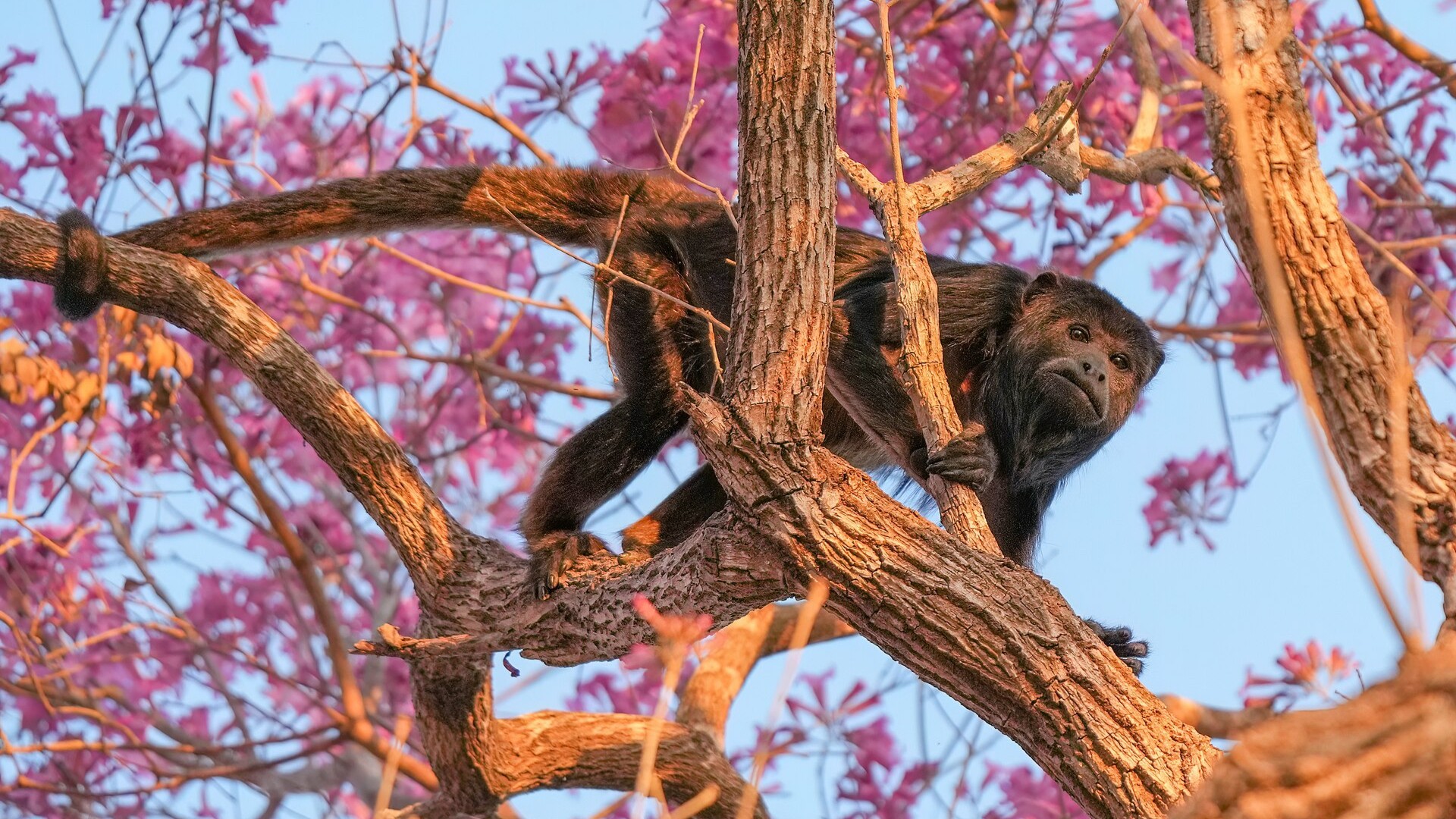
17. Black Howler Monkey 
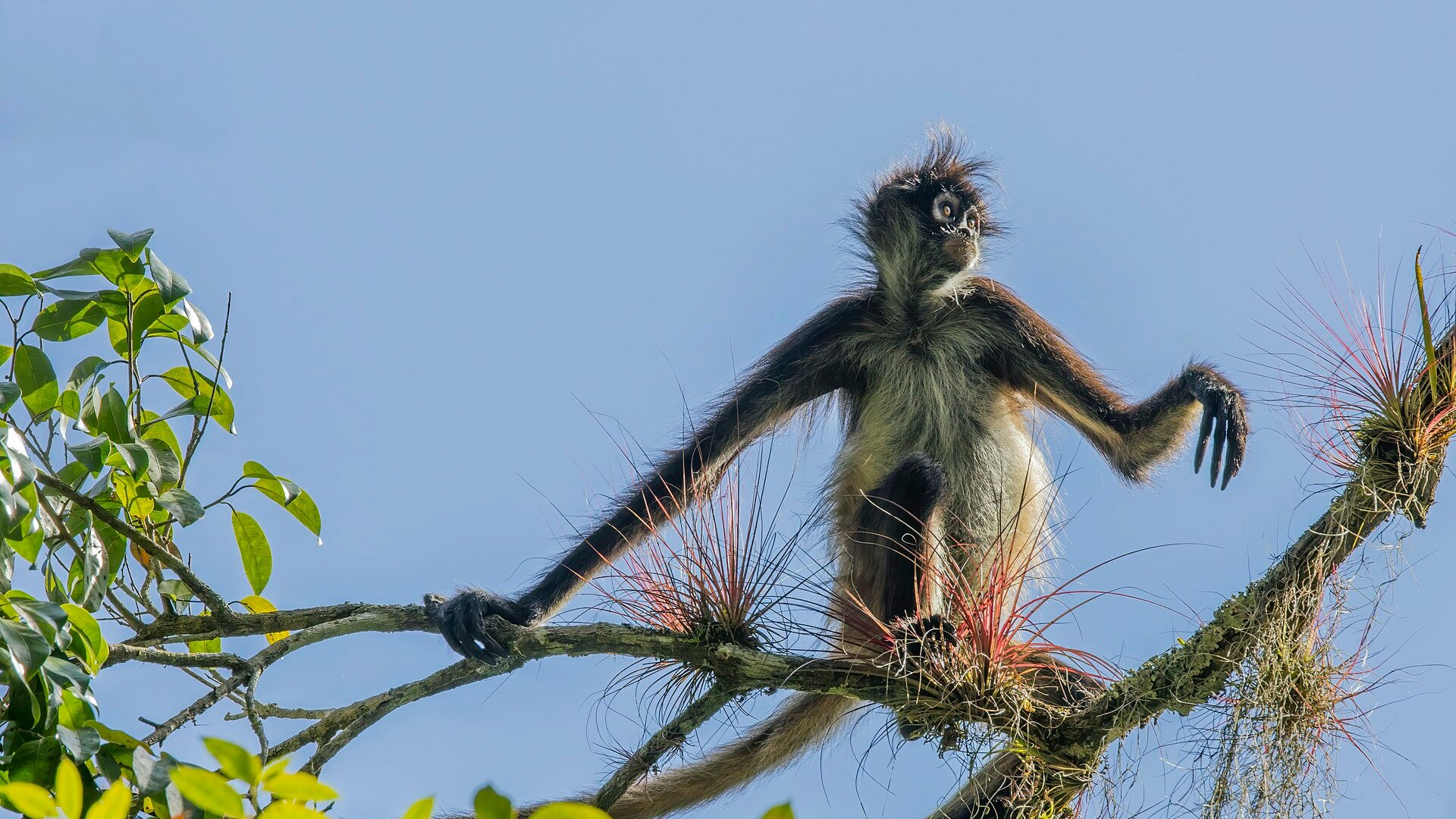
16. Geoffroy's Spider Monkey 
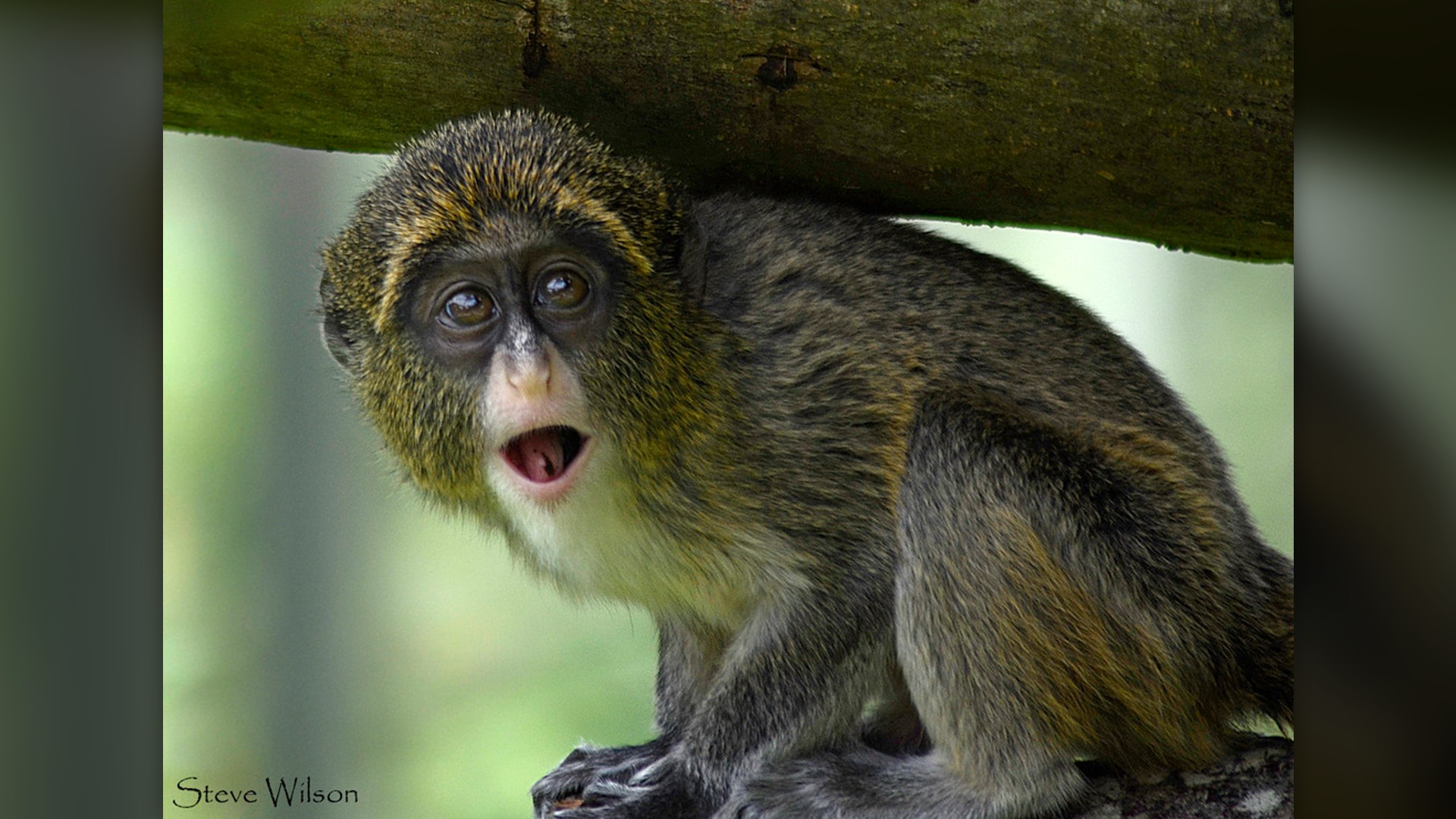
15. De Brazza's Monkey 
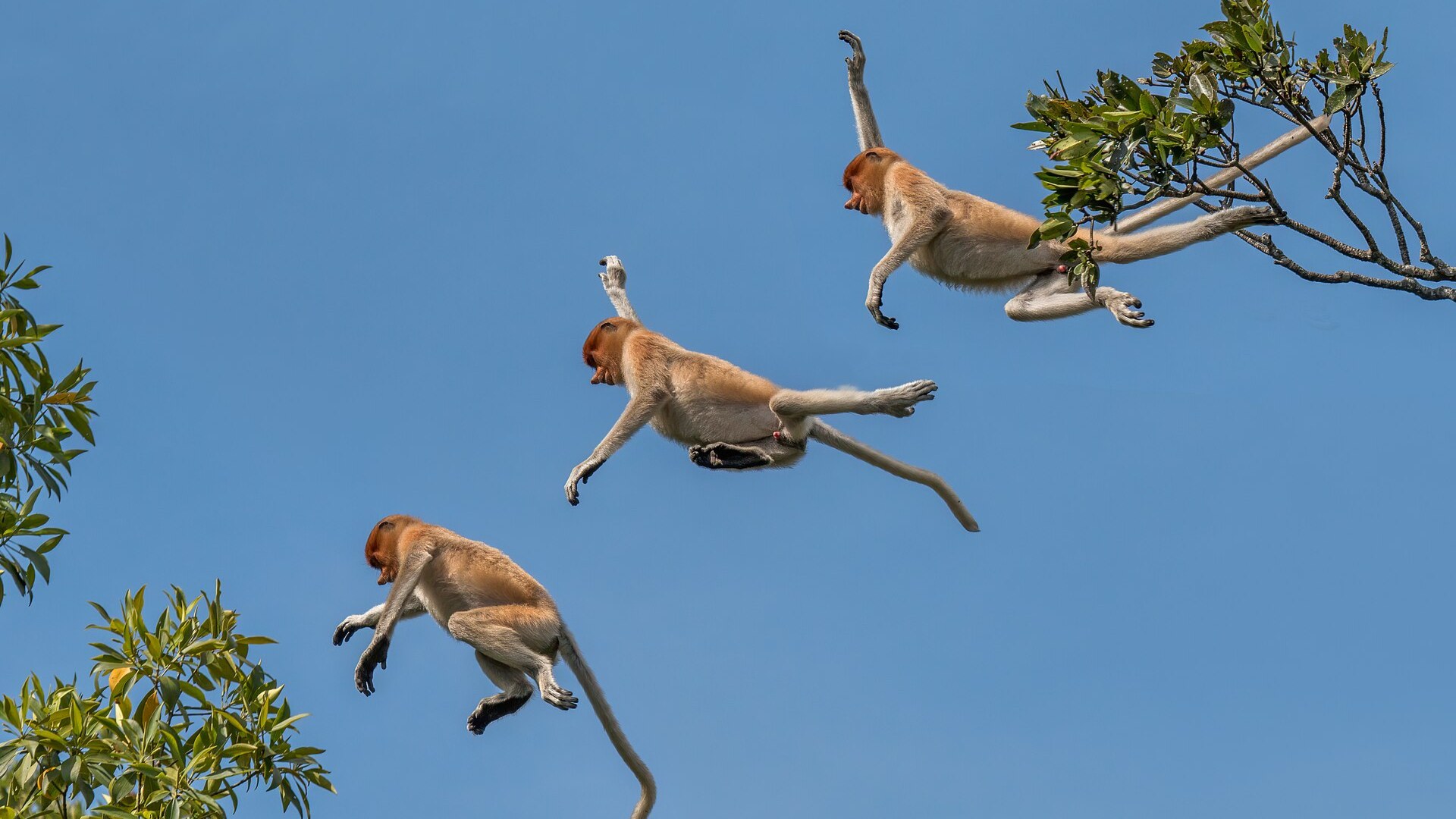
14. Proboscis Monkey - AdvertisementSwipe or tap ▶ to continue countdown

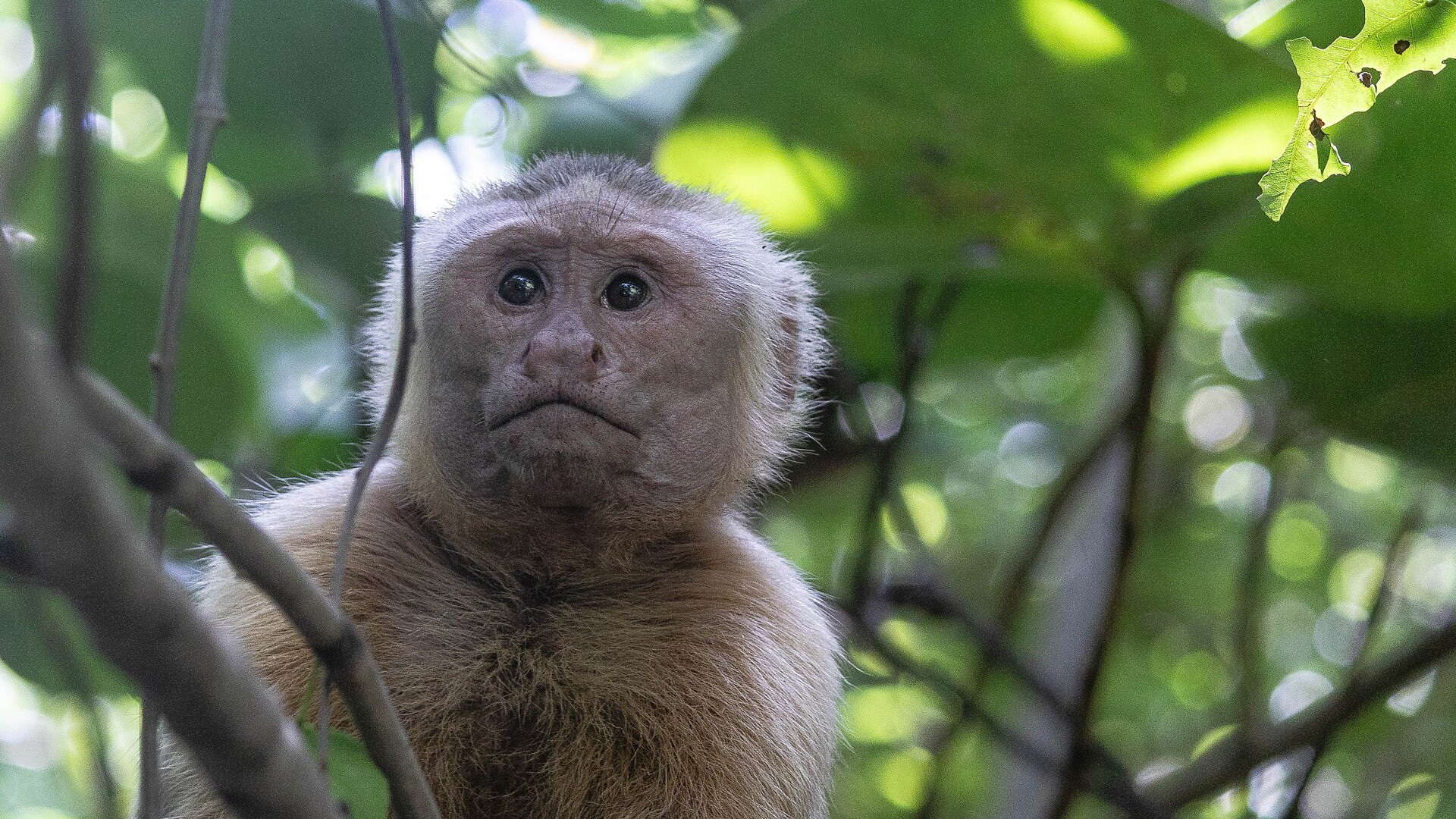
13. White-Headed Capuchin 
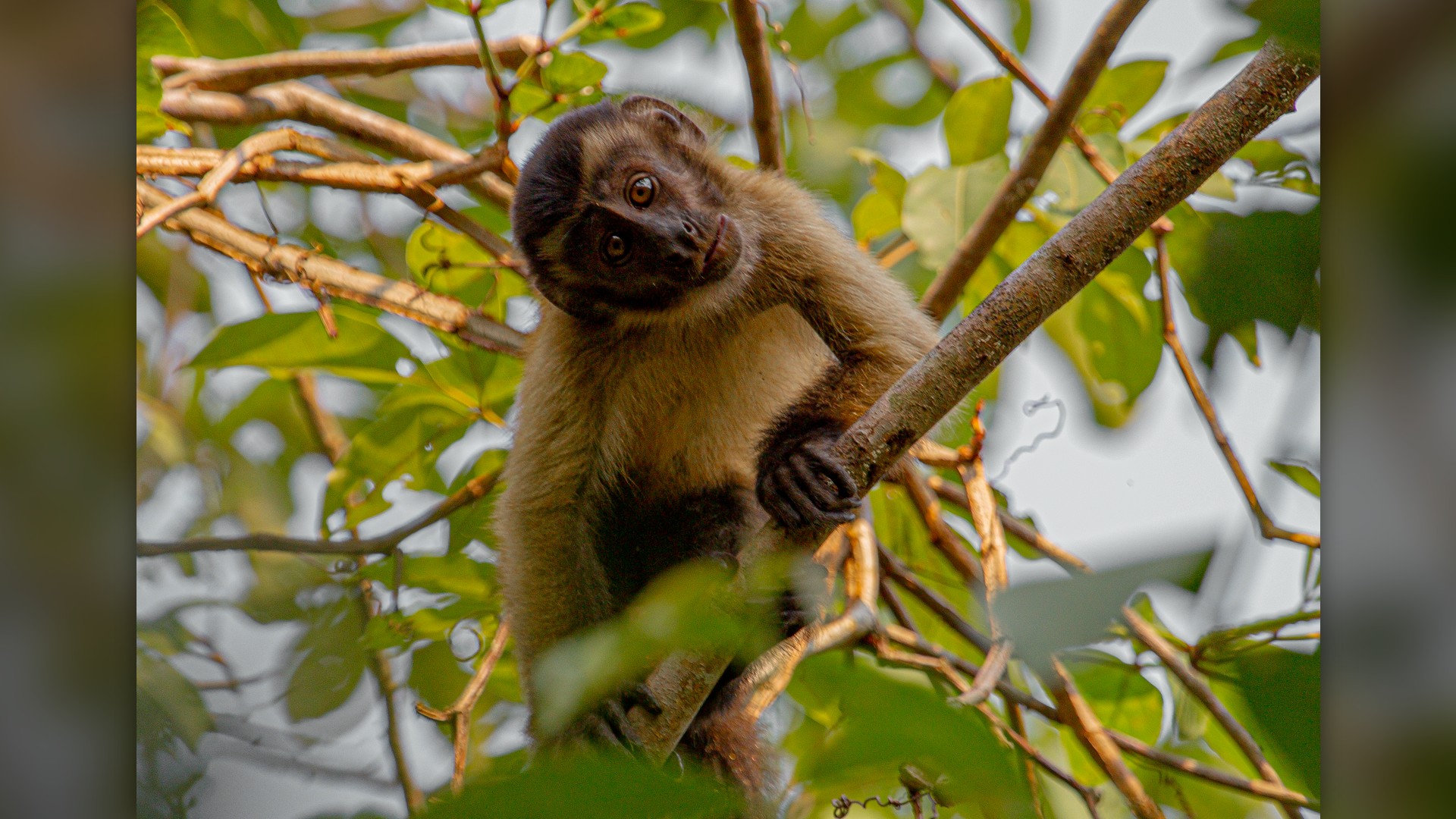
12. Tufted Capuchin 
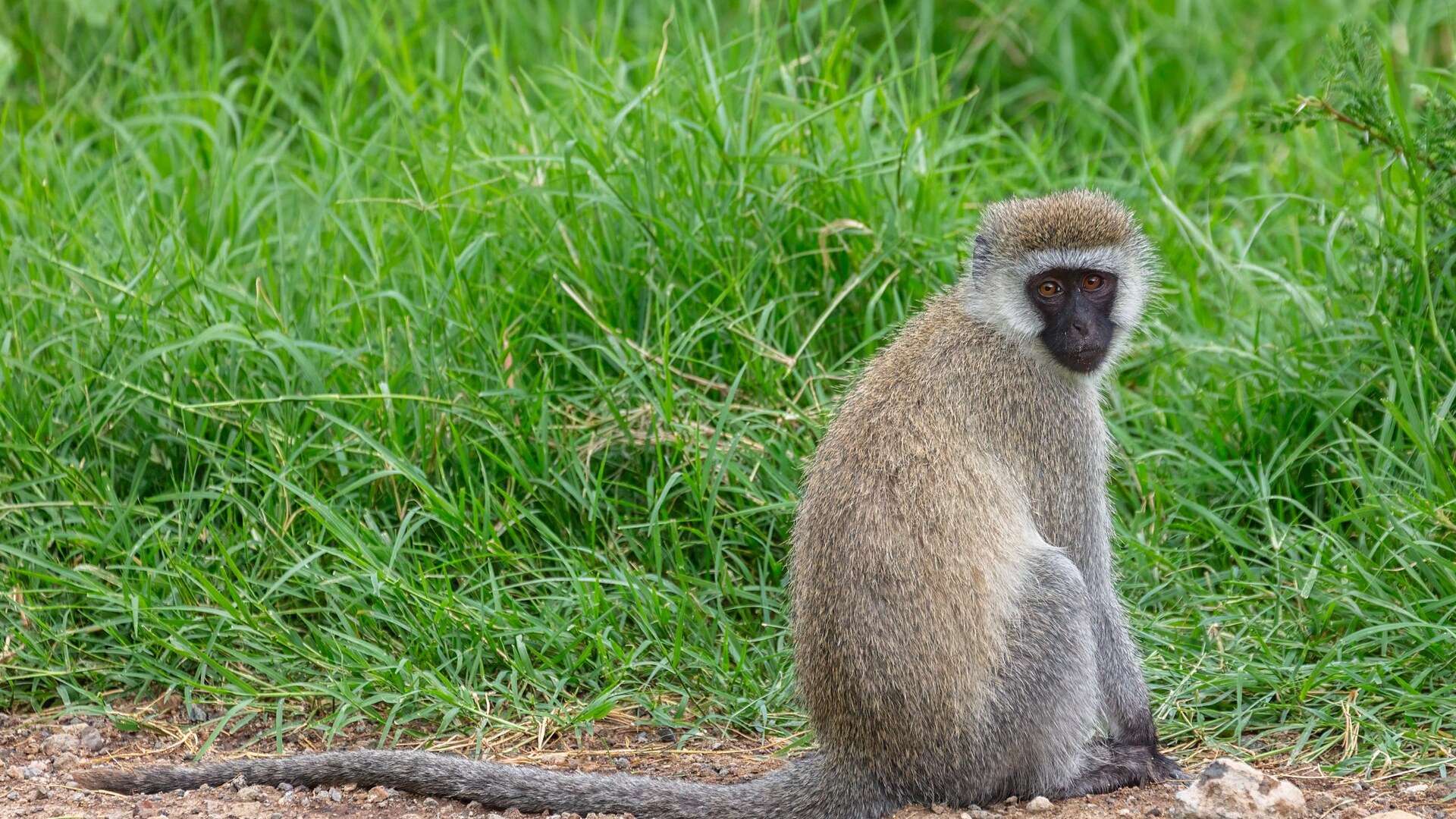
11. Vervet Monkey 
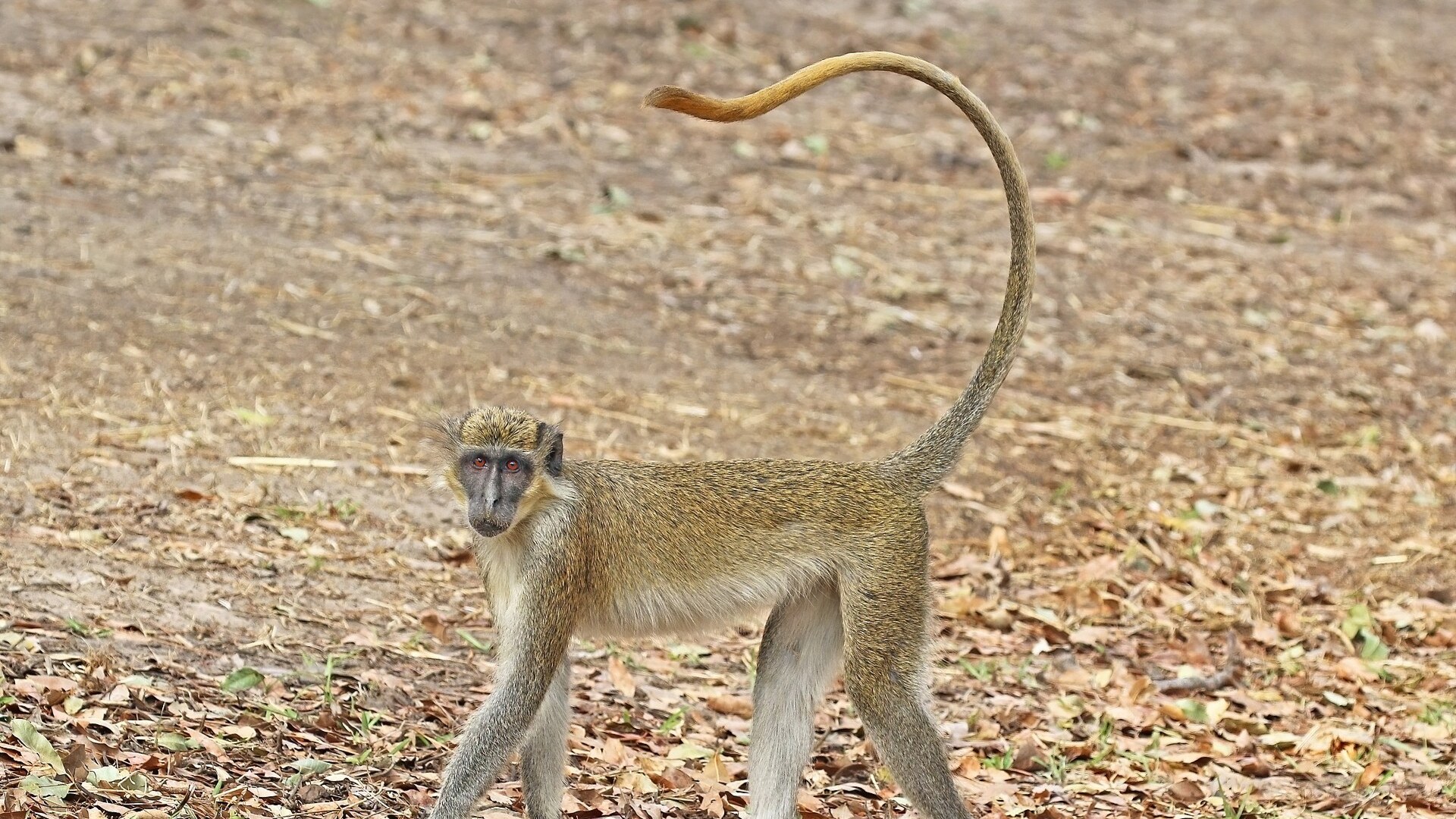
10. Green Monkey - AdvertisementSwipe or tap ▶ to continue countdown

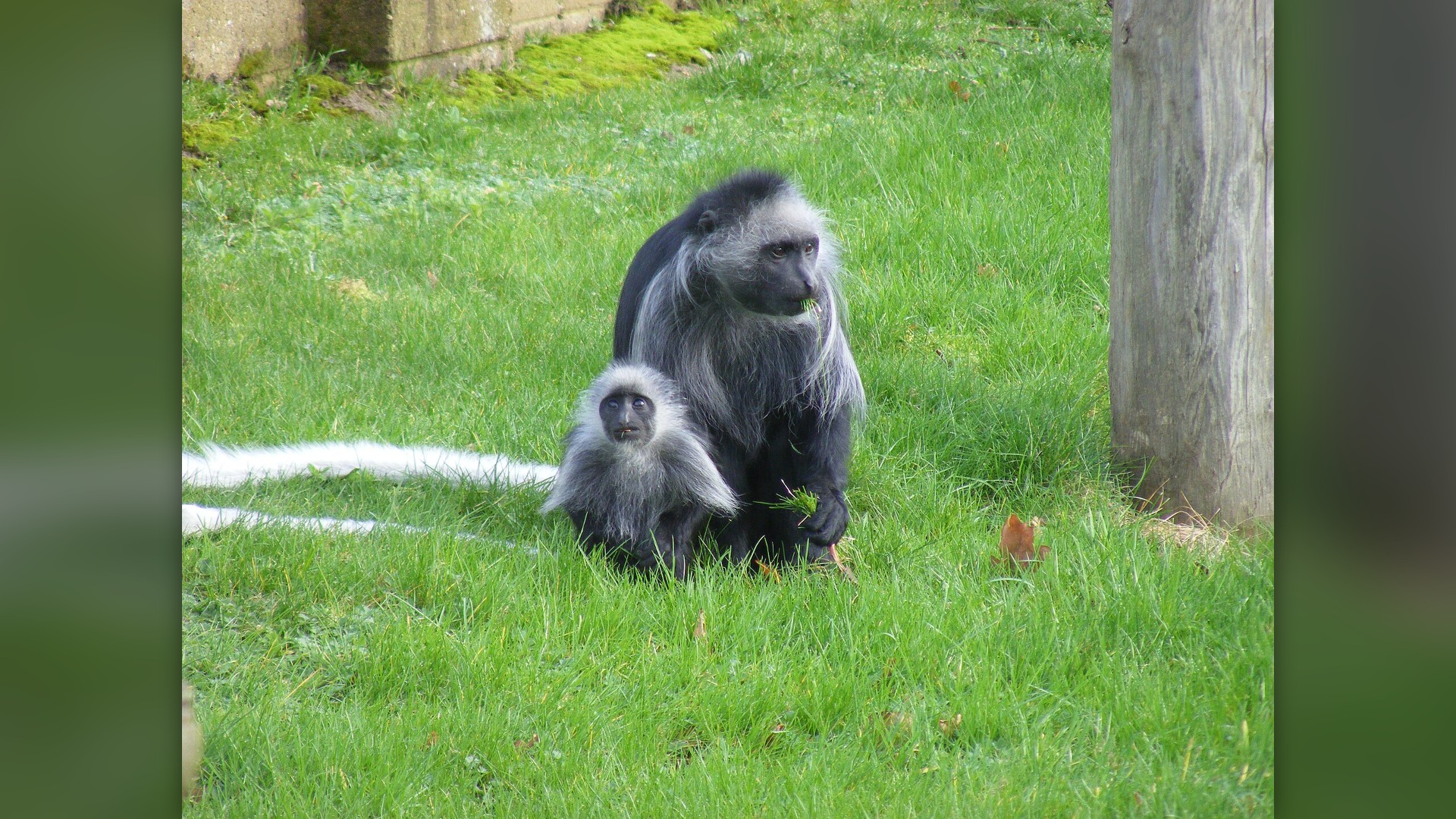
9. King Colobus 
8. Bonnet Macaque 
7. Long-Tailed Macaque 
6. Japanese Macaque - AdvertisementSwipe or tap ▶ to continue countdown

5. Rhesus Macaque 
4. Gelada 
3. Olive Baboon 
2. Chacma Baboon - AdvertisementSwipe or tap ▶ to continue countdown

1. Mandrill - Advertisement🔥 UP NEXT IN THIS SERIES◫ 26 Slides

25 Animal Species Thought Extinct That Scientists Found Alive
Biologists call them Lazarus species, animals missing for decades or known only from fossils before turning up alive. Based on IUCN Red List assessments, natural history museum records and peer-reviewed surveys, this countdown tracks 25 remarkable recoveries from short absences to deep prehistoric lineages.
Based on primatology field research from the IUCN Primate Specialist Group and veterinary pathogen data from the CDC. While small arboreal monkeys present zero physical threat to humans, large baboons and macaques possess powerful canine teeth and can transmit lethal zoonotic viruses such as Herpes B.
Swipe or tap ▶ to begin the countdown
©Openverse / Judy Gallagher
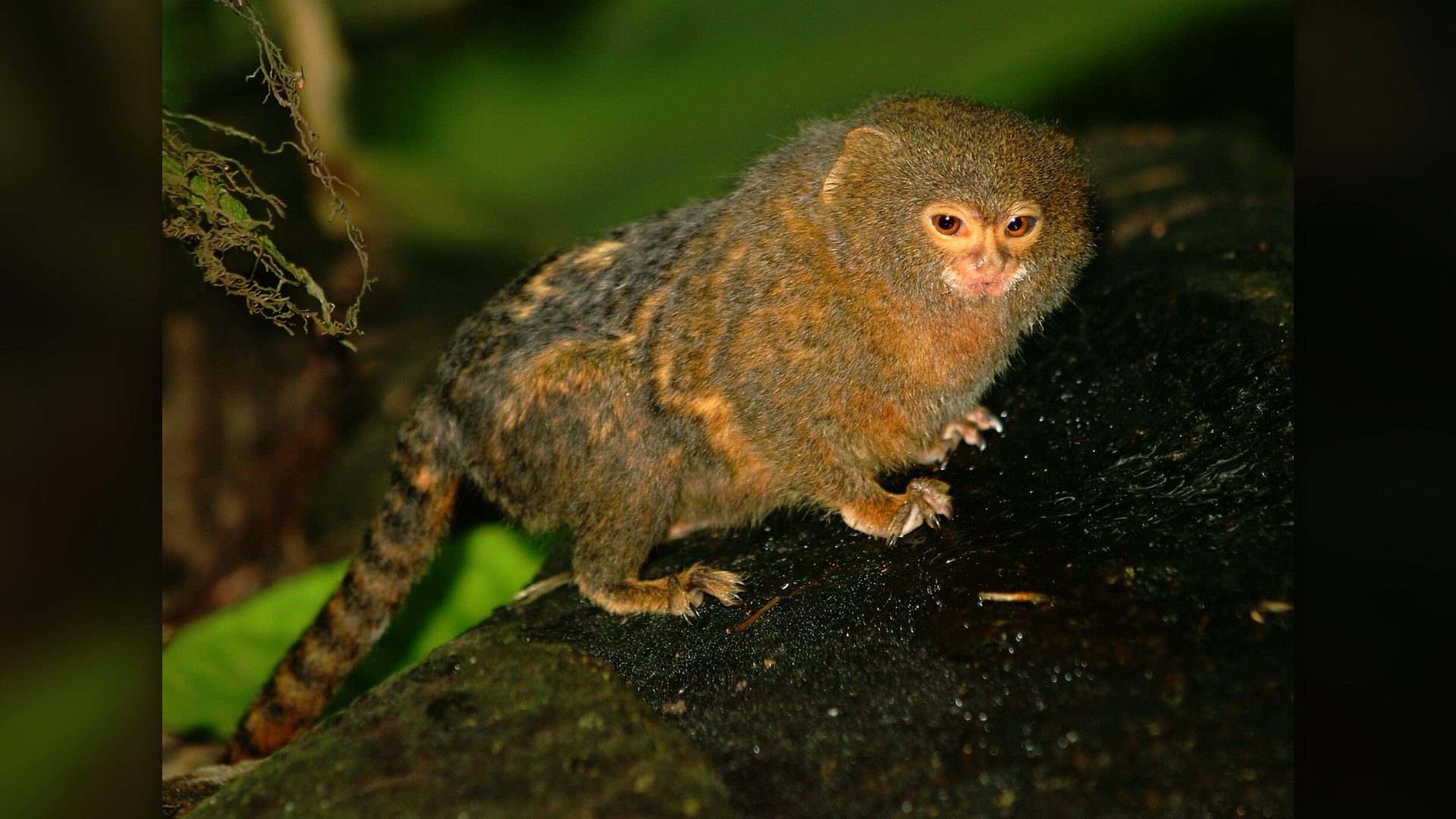
24. Pygmy Marmoset
Weighing roughly 100 grams, the pygmy marmoset lives in the western Amazon rainforest. It feeds on tree sap using specialized lower incisors to gouge holes in bark. Due to its miniature size and timid nature, this diminutive primate poses no danger to humans.
©Wikimedia / Pygmy marmoset
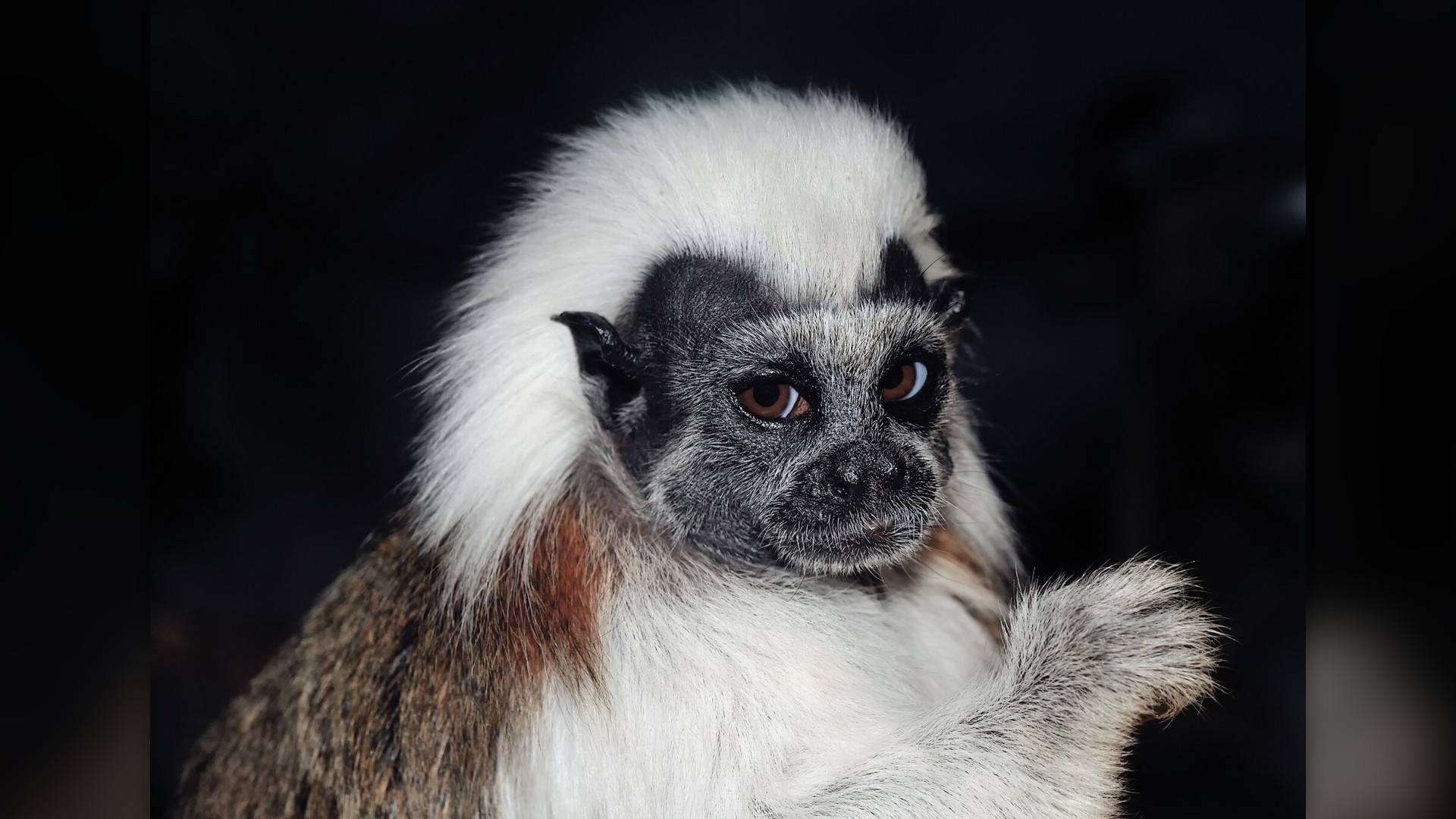
23. Cotton-Top Tamarin
Found exclusively in northwest Colombia, this tiny primate weighs less than 450 grams. Cotton-top tamarins communicate through high-frequency chirps and feed on nectar and fruit. Their fragile physical build makes them utterly harmless during any human encounter.
©Wikimedia / Michael Gäbler
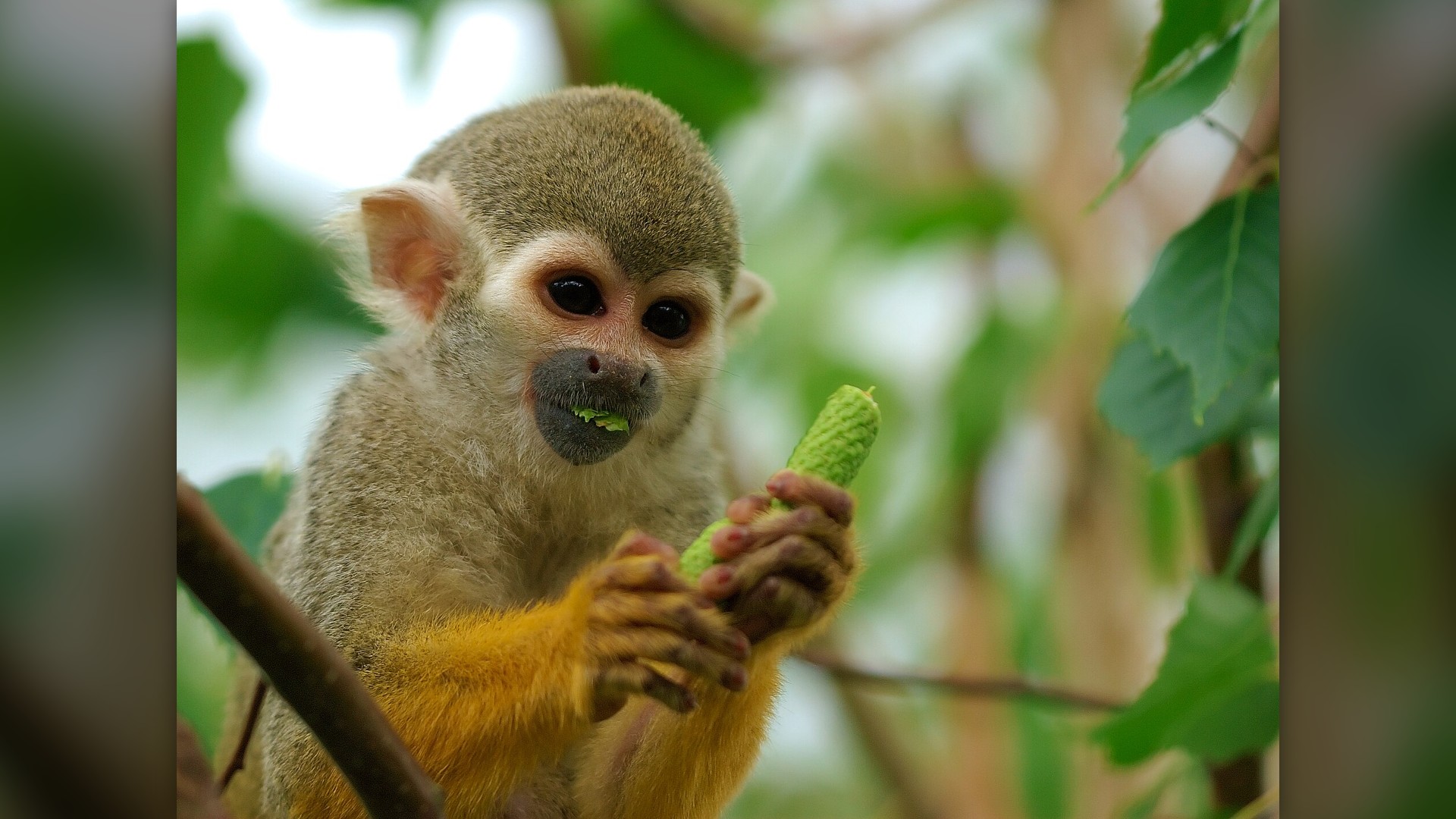
22. Common Squirrel Monkey
Inhabiting South American rain forests, squirrel monkeys travel in agile troops through the mid-canopy. Adults reach under one kilogram in weight and feed mainly on berries and grasshoppers. They are skittish around people and retreat rapidly into thick foliage.
©Wikimedia / Luc Viatour
Advertisement
Swipe or tap ▶ to resume the countdown.
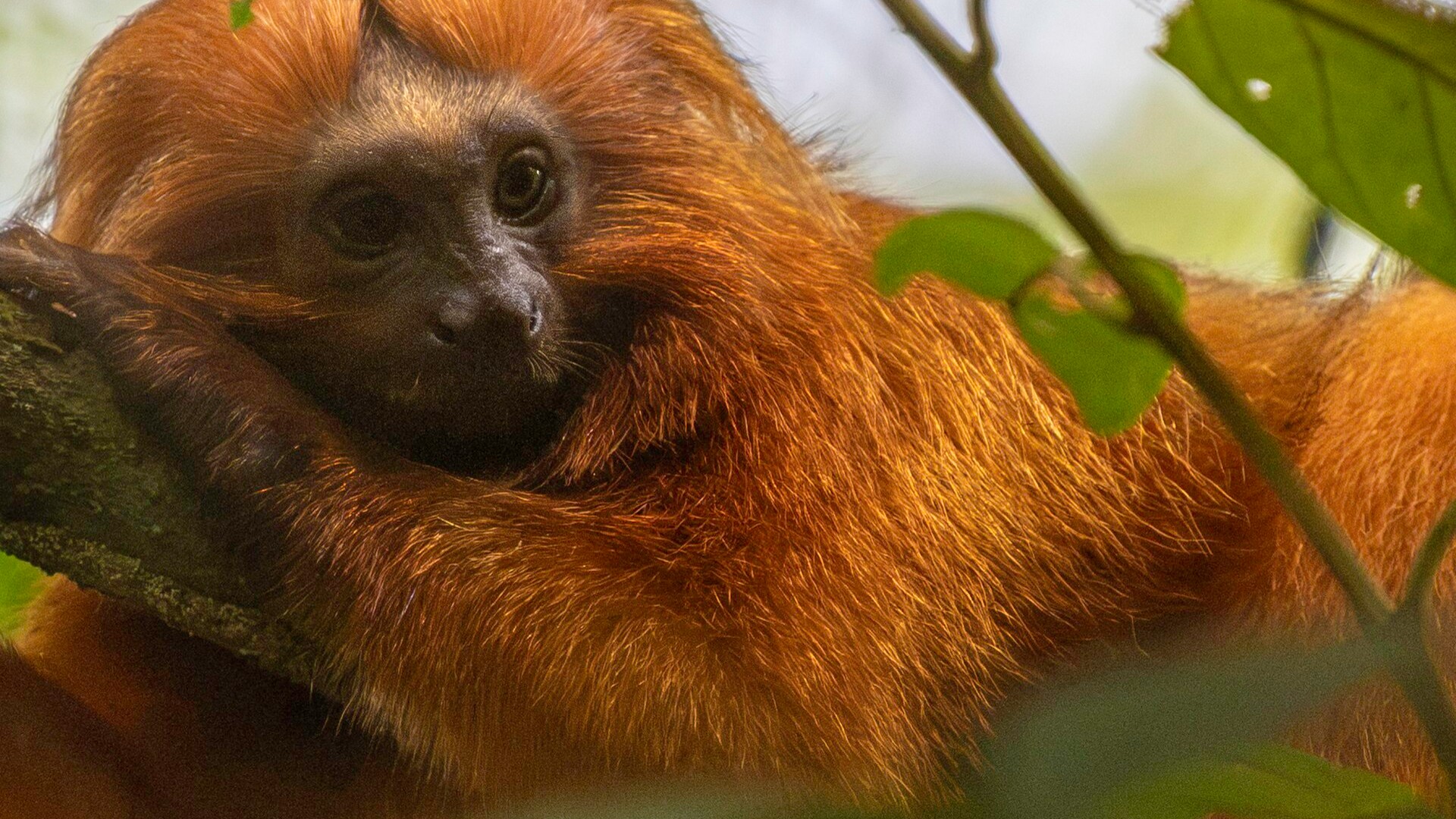
21. Golden Lion Tamarin
Native to Brazil Atlantic coastal forests, this brilliant orange primate weighs approximately 600 grams. Golden lion tamarins feed on insects and soft fruits, moving through dense vines. They lack aggressive instincts and rely on quick canopy leaps to escape notice.
©Wikimedia / Julio Morais Fine Art
20. Owl Monkey
Also known as the night monkey, this arboreal creature features massive brown eyes adapted for low light. Weighing under one kilogram, owl monkeys forage quietly for fruits and insects after dusk. Their reclusive nocturnal lifestyle prevents any human conflict.
©Wikimedia / Rich Hoyer
19. White-Faced Saki
White-faced sakis inhabit the high canopies of northern South America. Known as flying monkeys for their long horizontal leaps between branches, they weigh around two kilograms. They possess strong crushing molars for hard nuts but display total docility toward humans.
©Pixabay / justGoron
18. Dusky Leaf Monkey
Native to Peninsular Malaysia, Thailand, and Myanmar, the dusky leaf monkey feeds almost entirely on tree leaves and unripe fruit. Adults weigh up to seven kilograms and live in peaceful arboreal troops. Their specialized sacculated stomachs require prolonged rest.
©Wikimedia / dhfischer
Advertisement
Swipe or tap ▶ to resume the countdown.
17. Black Howler Monkey
Inhabiting South American forests, black howler monkeys possess an enlarged hyoid bone that produces roars audible for three miles. Despite their intimidating vocal volume and 10-kilogram mass, they are sluggish folivores that avoid physical confrontations entirely.
©Wikimedia / Giles Laurent
16. Geoffroy's Spider Monkey
With long slender limbs and a fully prehensile tail, this primate moves swiftly through high branches in Central America. Adults weigh up to nine kilograms and eat ripe fruits. While they can drop heavy branches when alarmed, direct attacks on humans are rare.
©Wikimedia / Charles J. Sharp
15. De Brazza's Monkey
Dwelling in central African swamp forests, De Brazza monkeys possess olive coats and prominent white facial hair. When threatened, they freeze motionless for hours rather than fight. Weighing up to seven kilograms, they avoid human settlements and rarely bite.
©Openverse / Steve Wilson - over 10 million views
14. Proboscis Monkey
Endemic to Borneo mangrove forests, male proboscis monkeys weigh up to 22 kilograms and sport huge pendulous noses. They are strong swimmers that consume leaves and mangrove seeds. They remain wary of people and leap into rivers when approached by riverboats.
©Wikimedia / Charles J. Sharp
Advertisement
Swipe or tap ▶ to resume the countdown.
13. White-Headed Capuchin
Inhabiting Central and South America, white-headed capuchins weigh up to four kilograms. These clever primates use stones and sticks to crack open hard shells. When habituated by tourists or cornered, they can deliver fast defensive bites with sharp canine teeth.
©Wikimedia / Noelia Chalfoun
12. Tufted Capuchin
Also known as the brown capuchin, this sturdy primate possesses heavy jaw musculature designed to split palm nuts. Adults reach five kilograms and show remarkable behavioral boldness. Feeding them often triggers aggressive food-snatching and deep puncture wounds.
©Wikimedia / Alexpanther
11. Vervet Monkey
Common across southern and eastern Africa, vervet monkeys weigh up to eight kilograms. They frequently forage around agricultural edges and urban lodges. When competing for human food, territorial males scratch and bite, transmitting bacterial infections to victims.
©Wikimedia / Diego Delso
10. Green Monkey
Found in West Africa and introduced into Caribbean islands, green monkeys weigh around seven kilograms. They live in social troops that aggressively raid crops and picnic tables. Cornered individuals hiss and inflict deep canine gashes on unwary bystanders.
©Wikimedia / Charles J. Sharp
Advertisement
Swipe or tap ▶ to resume the countdown.
9. King Colobus
Inhabiting high rainforest canopies from Senegal to Ivory Coast, king colobus monkeys weigh up to 10 kilograms. While primarily leaf-eaters, adult males possess long sharp canine teeth. They fiercely mob aerial and ground predators, biting viciously if trapped.
©Wikimedia / Marie Hale
8. Bonnet Macaque
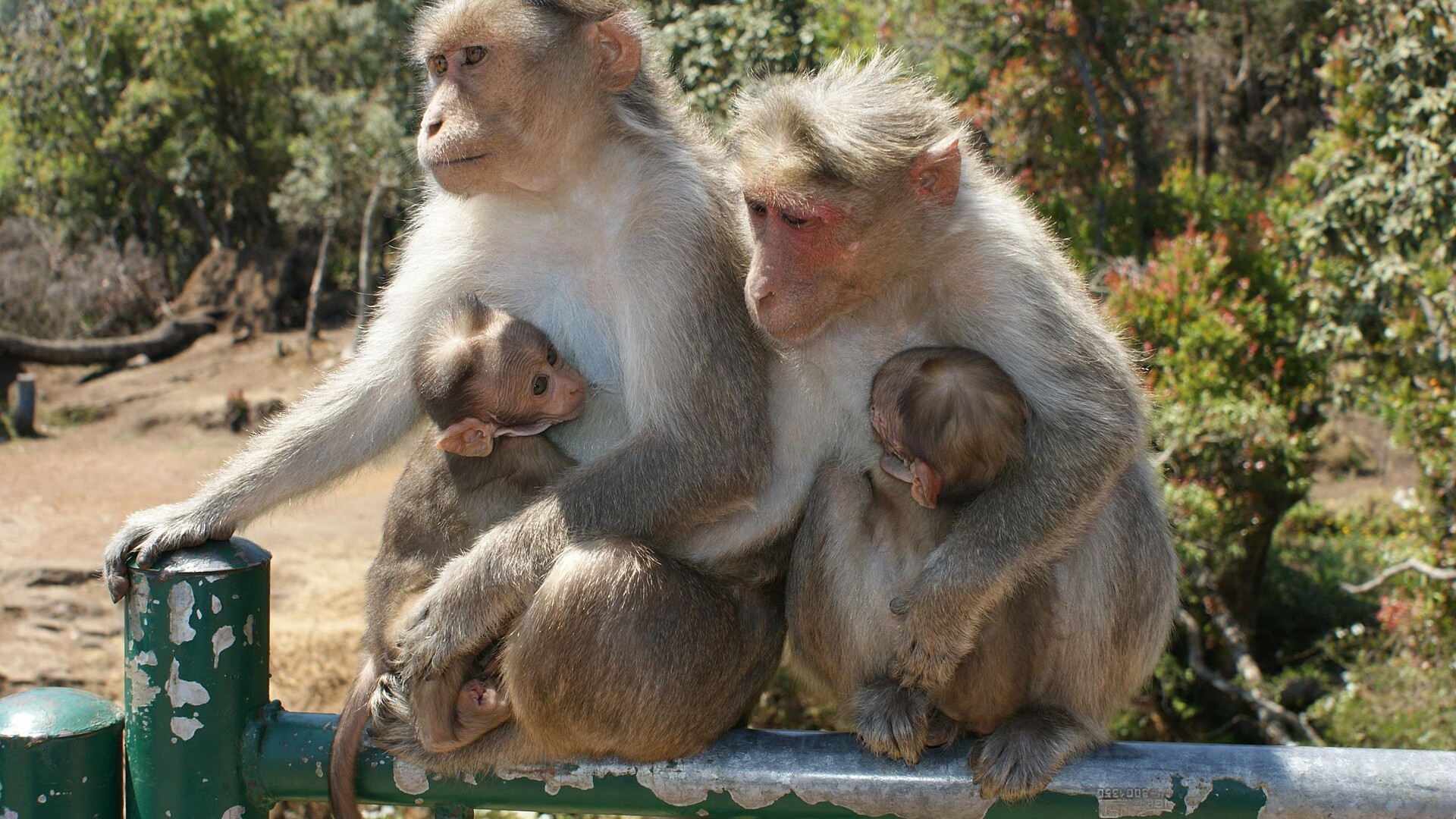
Endemic to southern India, bonnet macaques weigh up to nine kilograms and thrive near temples and tourist trails. Habituated to hand-feeding, they grow hostile when refused food. Troop males mob visitors and inflict painful lacerations with needle-sharp teeth.
©Wikimedia / Ezhuttukari at Malayalam Wikipedia
7. Long-Tailed Macaque
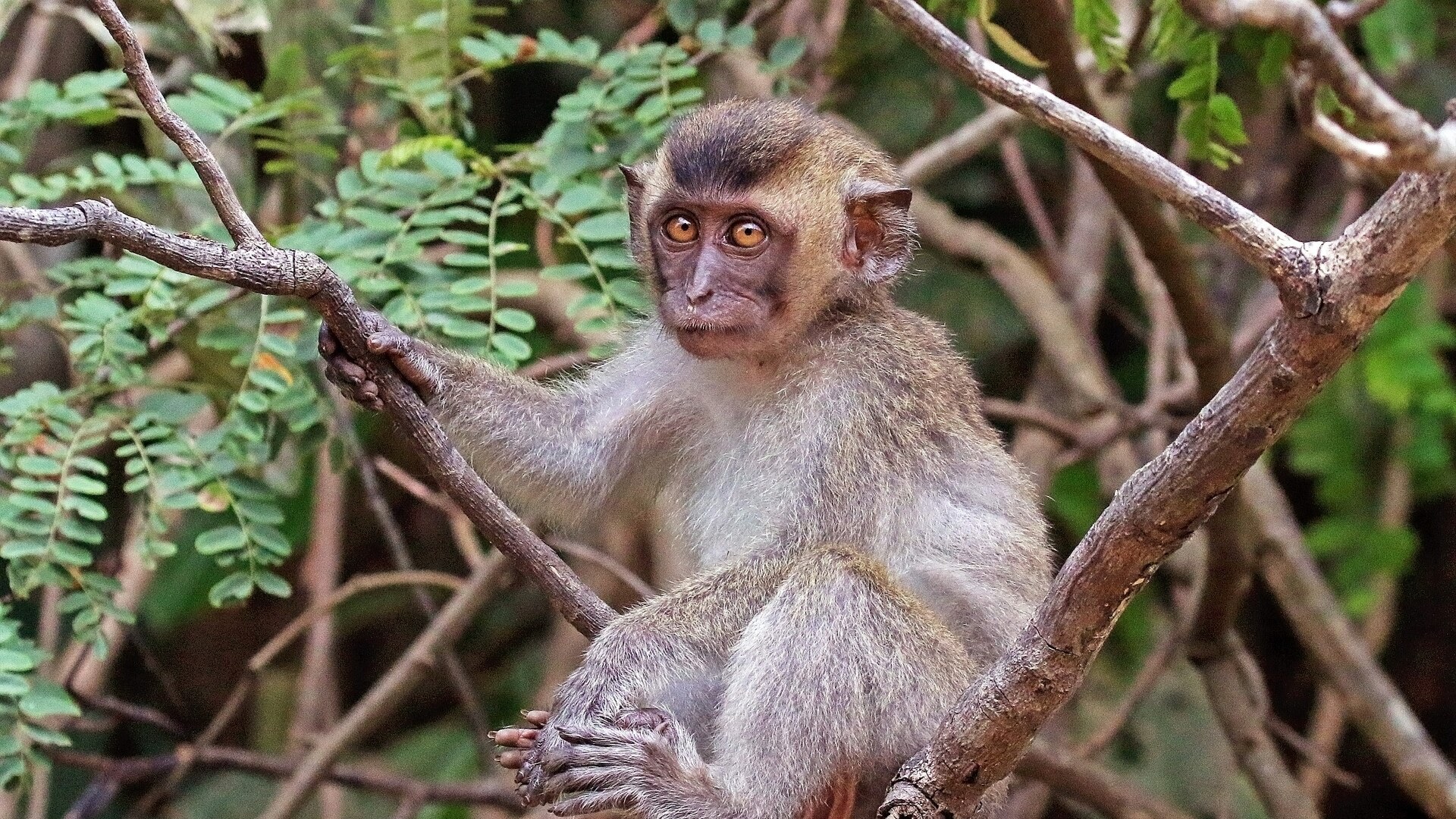
Ubiquitous around temples in Bali and Thailand, long-tailed macaques weigh up to nine kilograms. They routinely snatch belongings to barter for food. In addition to severe bite wounds, these primates carry Simian retroviruses that pose grave medical hazards.
©Wikimedia / Charles J. Sharp
6. Japanese Macaque
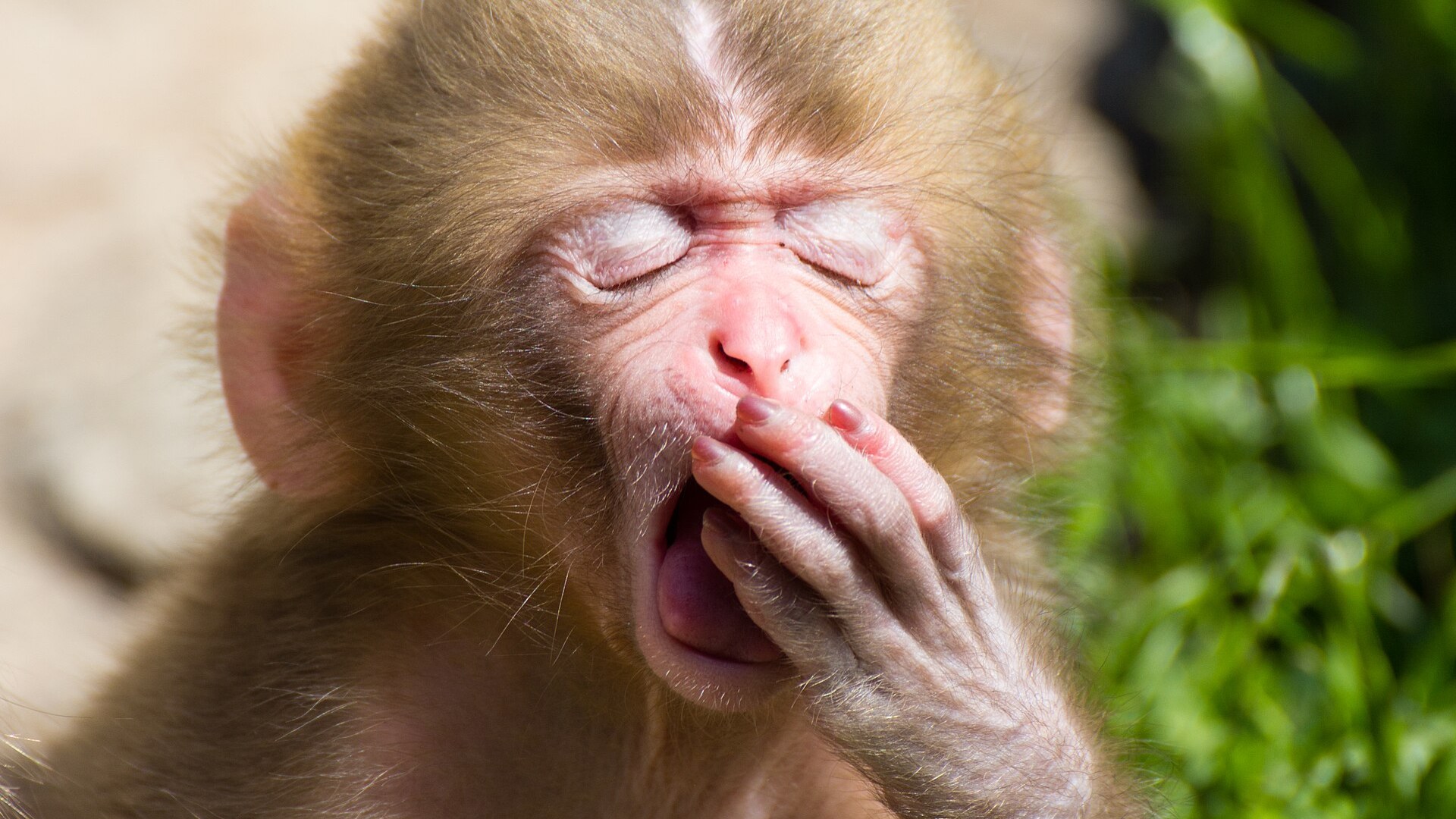
Thriving in snowy Japanese mountains, these robust macaques weigh up to 14 kilograms with thick muscular builds. Troop hierarchies are maintained through violent physical clashes. Unprovoked attacks in tourist towns have left multiple residents hospitalized.
©Wikimedia / Daisuke Tashiro
Advertisement
Swipe or tap ▶ to resume the countdown.
5. Rhesus Macaque
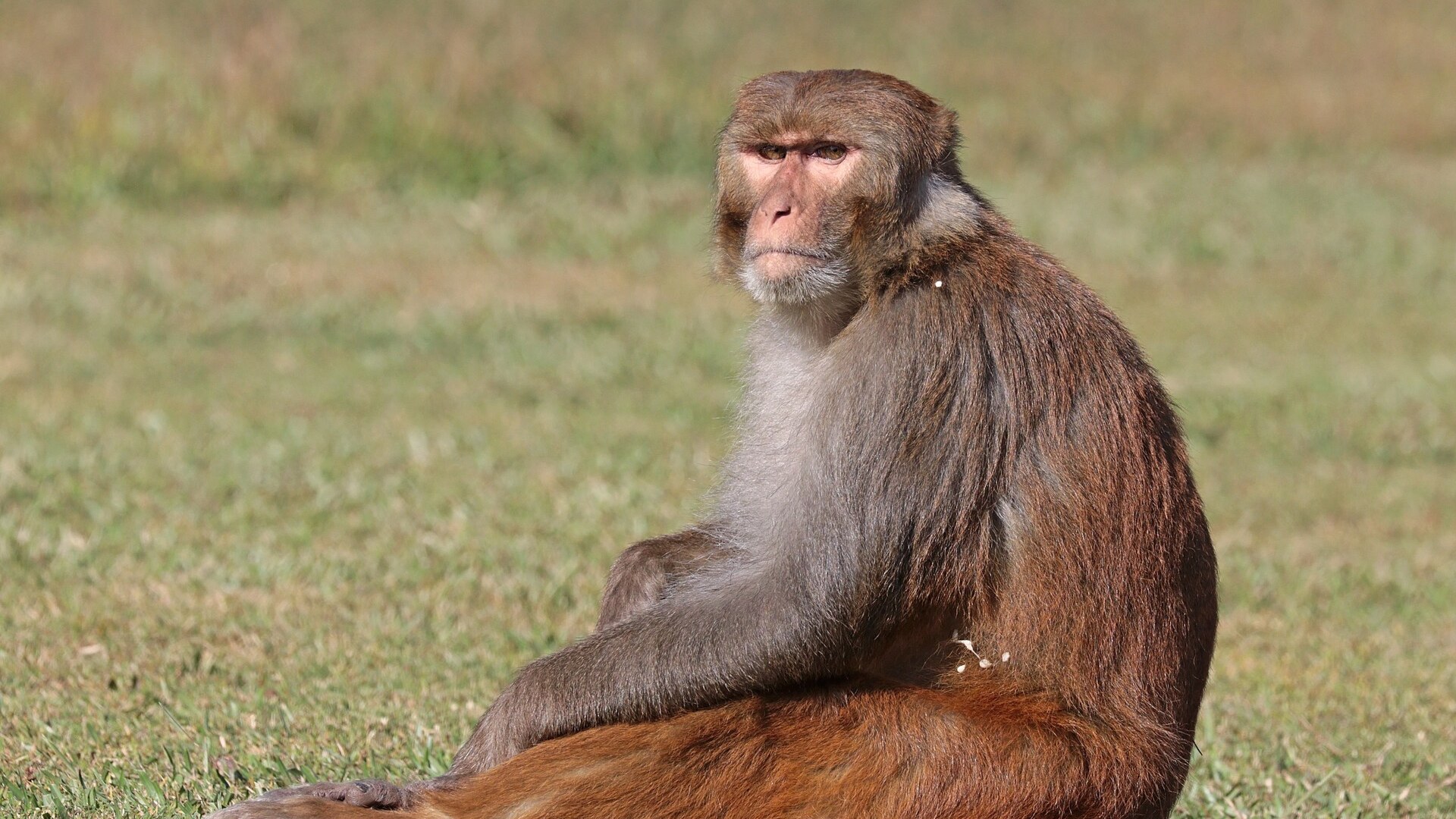
Widespread across South and Southeast Asia, rhesus macaques weigh up to 12 kilograms and roam urban centers in large troops. They carry Macacine alphaherpesvirus 1, commonly called Herpes B. While mild in monkeys, a scratch or bite causes fatal encephalitis in humans.
©Wikimedia / Charles J. Sharp
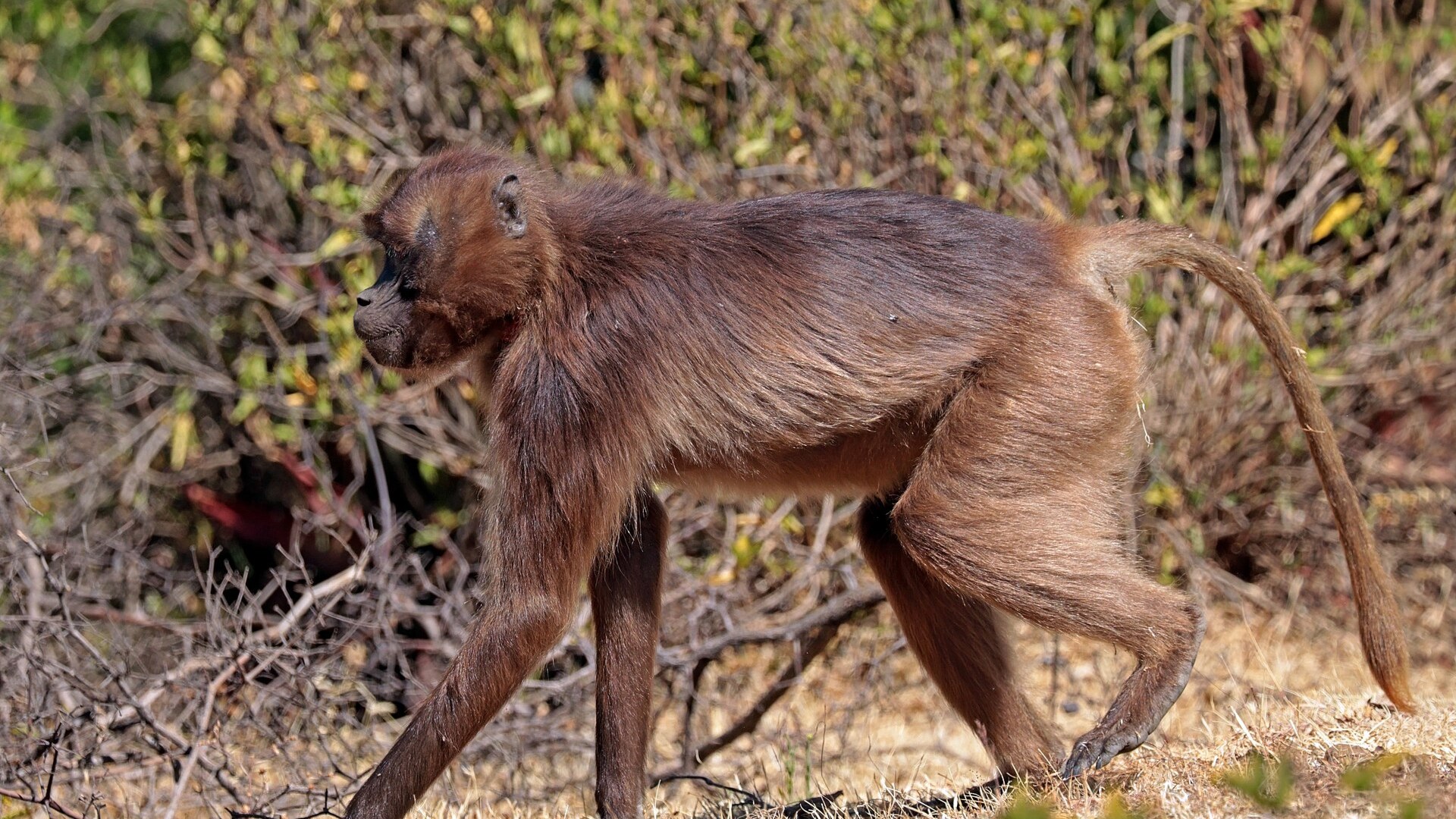
4. Gelada
Dwelling on the steep Ethiopian plateaus, male geladas weigh up to 20 kilograms. Though their diet consists of grass, males boast two-inch canine teeth and display a fearsome lip-flip threat. Troops defend clifftop territories fiercely against perceived intruders.
©Wikimedia / Charles J. Sharp
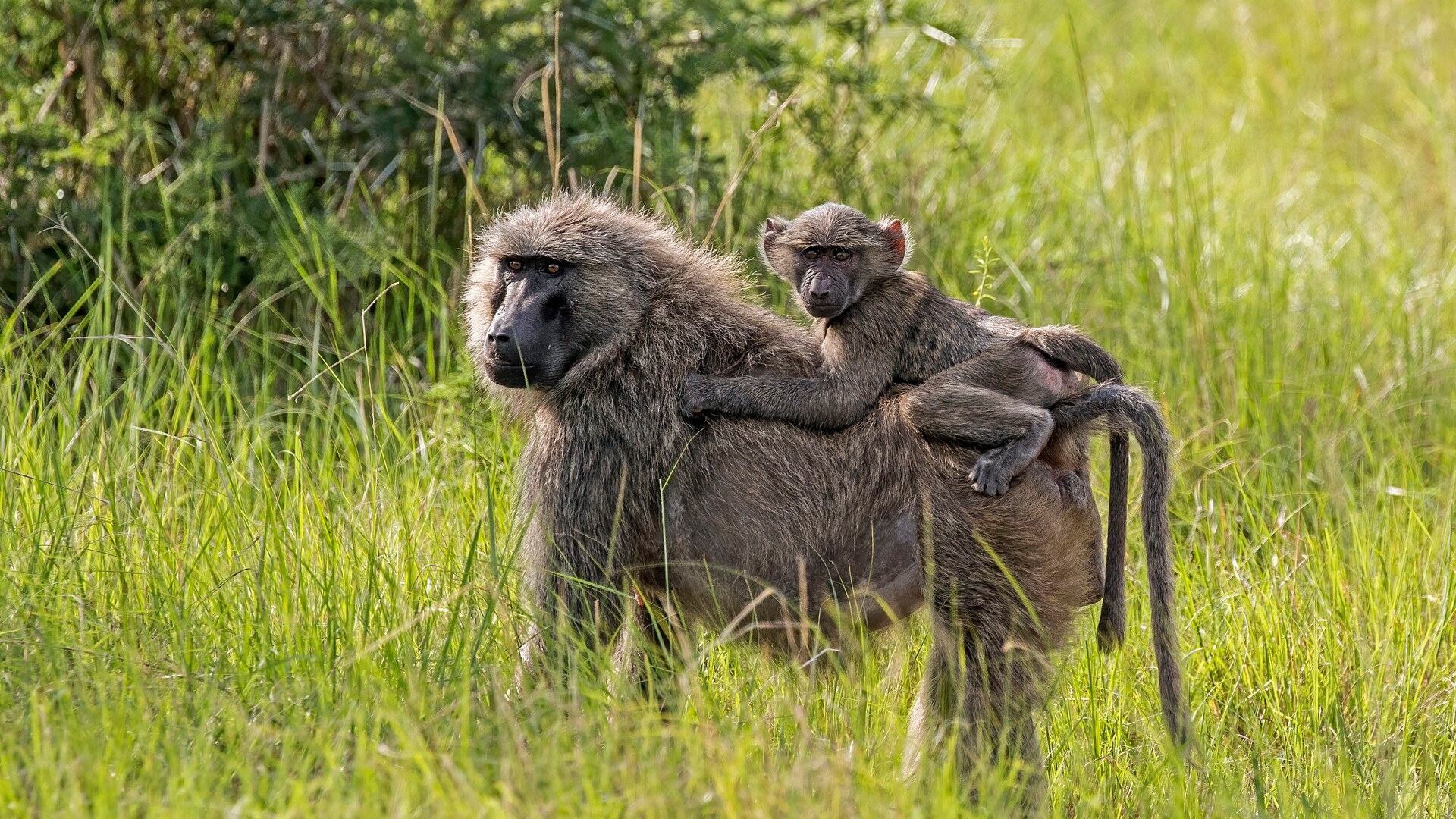
3. Olive Baboon
Ranging across 25 African countries, olive baboons weigh up to 35 kilograms. These formidable omnivores hunt small antelopes and possess massive canine teeth. Their 400 PSI bite force and aggressive troop charges can easily overwhelm an adult human.
©Wikimedia / Charles J. Sharp
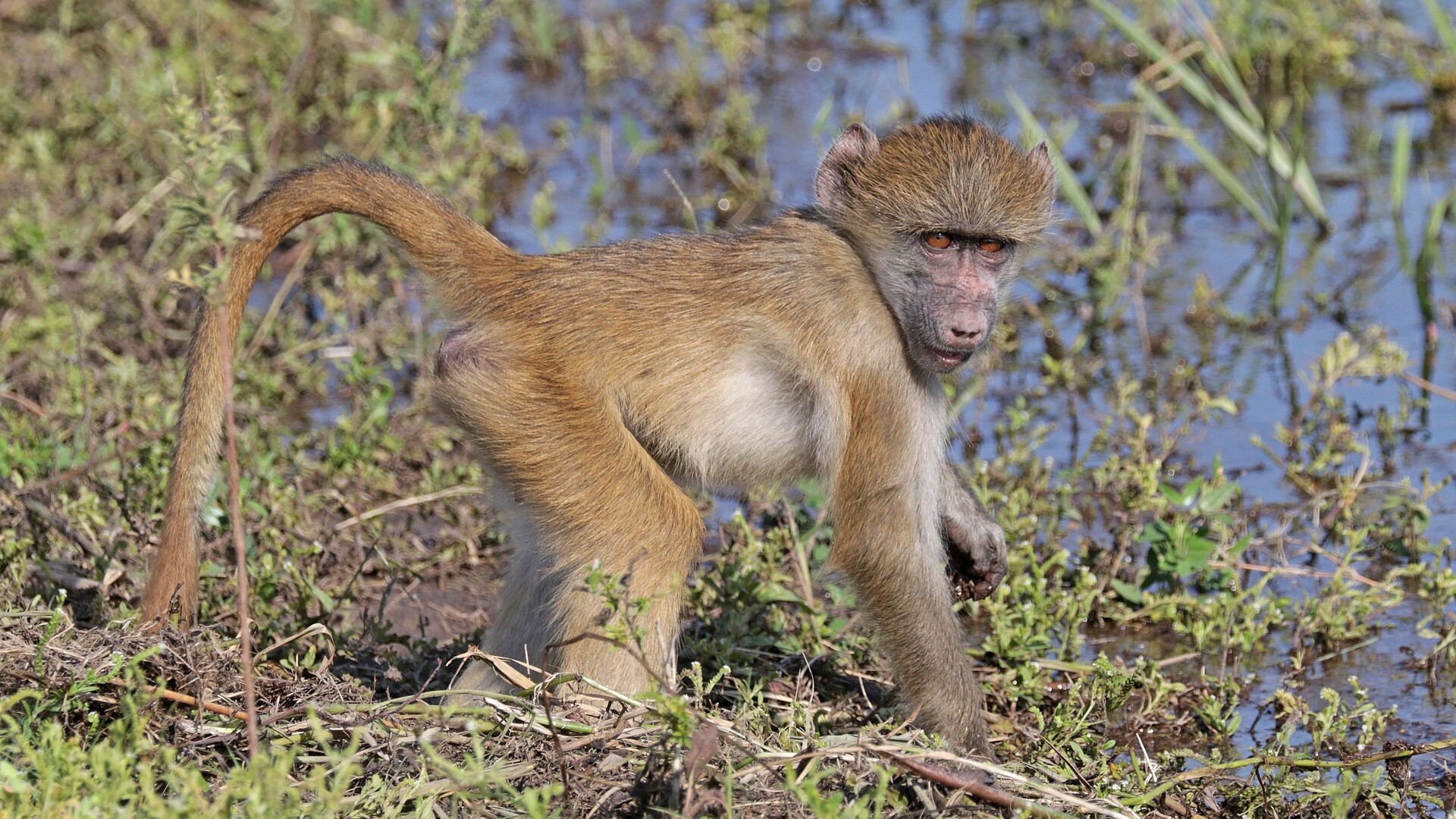
2. Chacma Baboon
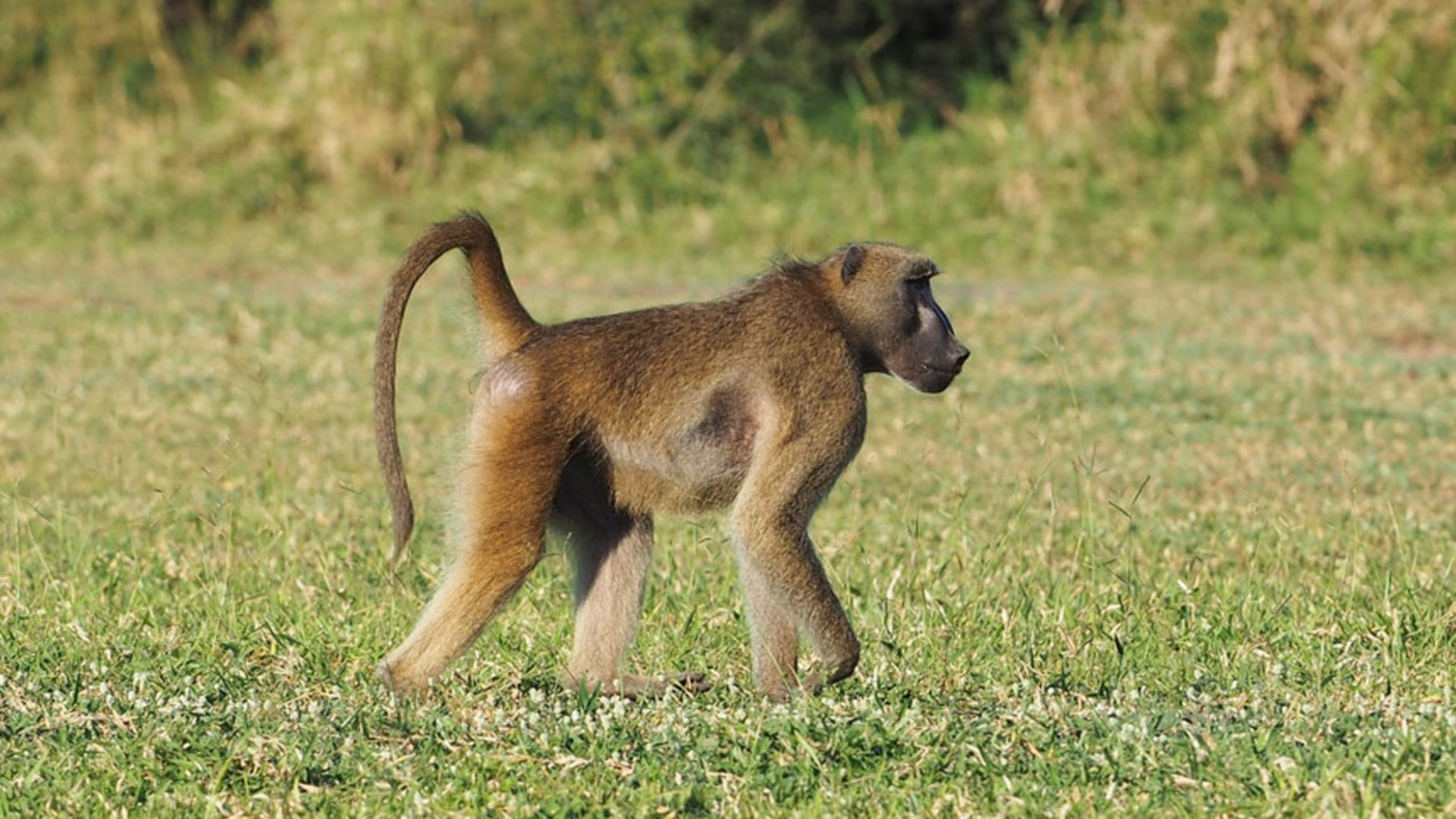
Native to southern Africa, male chacma baboons weigh up to 45 kilograms. Armed with canine teeth longer than a lion canines, troops frequently raid suburban homes in Cape Town. They inflict devastating bite wounds and have killed domestic guard dogs in self-defense.
©Wikimedia / Charles J. Sharp
Advertisement
Swipe or tap ▶ to resume the countdown.
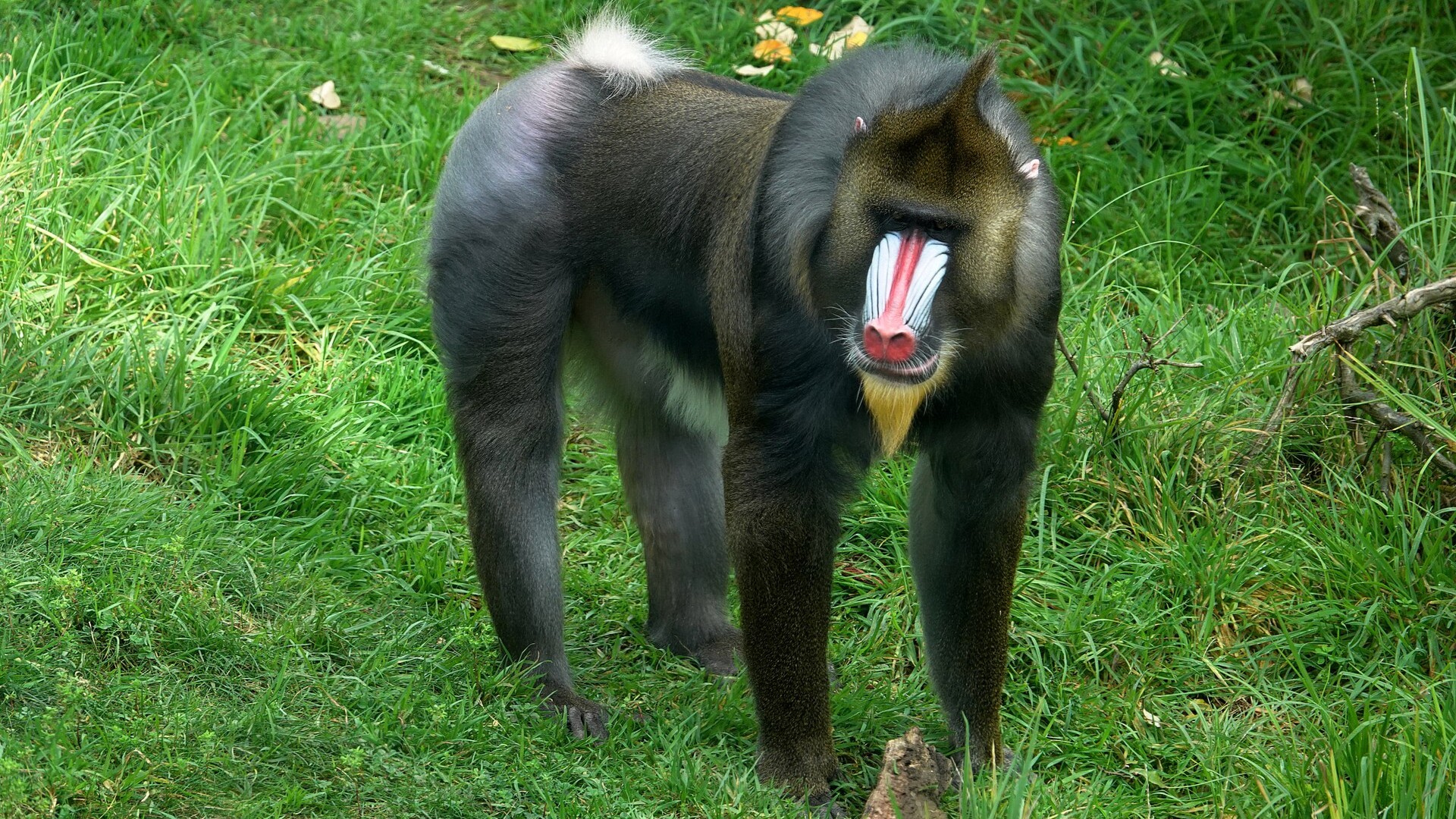
1. Mandrill
Native to equatorial African rainforests, dominant male mandrills weigh over 35 kilograms and display vivid blue and red facial ridges. Males wield dagger-like canine teeth exceeding two inches in length, capable of delivering lethal lacerations and crushing thick bone.

©Wikimedia / Sanjay Acharya
Advertisement
You've reached the end of the story. Thanks for reading!

25 Animal Species Thought Extinct That Scientists Found Alive
Biologists call them Lazarus species, animals missing for decades or known only from fossils before turning up alive. Based on IUCN Red List assessments, natural history museum records and peer-reviewed surveys, this countdown tracks 25 remarkable recoveries from short absences to deep prehistoric lineages.
All 24 Entries in this Story
Pygmy Marmoset
Weighing roughly 100 grams, the pygmy marmoset lives in the western Amazon rainforest. It feeds on tree sap using specialized lower incisors to gouge holes in bark. Due to its miniature size and timid nature, this diminutive primate poses no danger to humans.

Cotton-Top Tamarin
Found exclusively in northwest Colombia, this tiny primate weighs less than 450 grams. Cotton-top tamarins communicate through high-frequency chirps and feed on nectar and fruit. Their fragile physical build makes them utterly harmless during any human encounter.

Common Squirrel Monkey
Inhabiting South American rain forests, squirrel monkeys travel in agile troops through the mid-canopy. Adults reach under one kilogram in weight and feed mainly on berries and grasshoppers. They are skittish around people and retreat rapidly into thick foliage.

Golden Lion Tamarin
Native to Brazil Atlantic coastal forests, this brilliant orange primate weighs approximately 600 grams. Golden lion tamarins feed on insects and soft fruits, moving through dense vines. They lack aggressive instincts and rely on quick canopy leaps to escape notice.

Owl Monkey
Also known as the night monkey, this arboreal creature features massive brown eyes adapted for low light. Weighing under one kilogram, owl monkeys forage quietly for fruits and insects after dusk. Their reclusive nocturnal lifestyle prevents any human conflict.

White-Faced Saki
White-faced sakis inhabit the high canopies of northern South America. Known as flying monkeys for their long horizontal leaps between branches, they weigh around two kilograms. They possess strong crushing molars for hard nuts but display total docility toward humans.

Dusky Leaf Monkey
Native to Peninsular Malaysia, Thailand, and Myanmar, the dusky leaf monkey feeds almost entirely on tree leaves and unripe fruit. Adults weigh up to seven kilograms and live in peaceful arboreal troops. Their specialized sacculated stomachs require prolonged rest.

Black Howler Monkey
Inhabiting South American forests, black howler monkeys possess an enlarged hyoid bone that produces roars audible for three miles. Despite their intimidating vocal volume and 10-kilogram mass, they are sluggish folivores that avoid physical confrontations entirely.

Geoffroy's Spider Monkey
With long slender limbs and a fully prehensile tail, this primate moves swiftly through high branches in Central America. Adults weigh up to nine kilograms and eat ripe fruits. While they can drop heavy branches when alarmed, direct attacks on humans are rare.

De Brazza's Monkey
Dwelling in central African swamp forests, De Brazza monkeys possess olive coats and prominent white facial hair. When threatened, they freeze motionless for hours rather than fight. Weighing up to seven kilograms, they avoid human settlements and rarely bite.

Proboscis Monkey
Endemic to Borneo mangrove forests, male proboscis monkeys weigh up to 22 kilograms and sport huge pendulous noses. They are strong swimmers that consume leaves and mangrove seeds. They remain wary of people and leap into rivers when approached by riverboats.

White-Headed Capuchin
Inhabiting Central and South America, white-headed capuchins weigh up to four kilograms. These clever primates use stones and sticks to crack open hard shells. When habituated by tourists or cornered, they can deliver fast defensive bites with sharp canine teeth.

Tufted Capuchin
Also known as the brown capuchin, this sturdy primate possesses heavy jaw musculature designed to split palm nuts. Adults reach five kilograms and show remarkable behavioral boldness. Feeding them often triggers aggressive food-snatching and deep puncture wounds.

Vervet Monkey
Common across southern and eastern Africa, vervet monkeys weigh up to eight kilograms. They frequently forage around agricultural edges and urban lodges. When competing for human food, territorial males scratch and bite, transmitting bacterial infections to victims.

Green Monkey
Found in West Africa and introduced into Caribbean islands, green monkeys weigh around seven kilograms. They live in social troops that aggressively raid crops and picnic tables. Cornered individuals hiss and inflict deep canine gashes on unwary bystanders.

King Colobus
Inhabiting high rainforest canopies from Senegal to Ivory Coast, king colobus monkeys weigh up to 10 kilograms. While primarily leaf-eaters, adult males possess long sharp canine teeth. They fiercely mob aerial and ground predators, biting viciously if trapped.

Bonnet Macaque
Endemic to southern India, bonnet macaques weigh up to nine kilograms and thrive near temples and tourist trails. Habituated to hand-feeding, they grow hostile when refused food. Troop males mob visitors and inflict painful lacerations with needle-sharp teeth.

Long-Tailed Macaque
Ubiquitous around temples in Bali and Thailand, long-tailed macaques weigh up to nine kilograms. They routinely snatch belongings to barter for food. In addition to severe bite wounds, these primates carry Simian retroviruses that pose grave medical hazards.

Japanese Macaque
Thriving in snowy Japanese mountains, these robust macaques weigh up to 14 kilograms with thick muscular builds. Troop hierarchies are maintained through violent physical clashes. Unprovoked attacks in tourist towns have left multiple residents hospitalized.

Rhesus Macaque
Widespread across South and Southeast Asia, rhesus macaques weigh up to 12 kilograms and roam urban centers in large troops. They carry Macacine alphaherpesvirus 1, commonly called Herpes B. While mild in monkeys, a scratch or bite causes fatal encephalitis in humans.

Gelada
Dwelling on the steep Ethiopian plateaus, male geladas weigh up to 20 kilograms. Though their diet consists of grass, males boast two-inch canine teeth and display a fearsome lip-flip threat. Troops defend clifftop territories fiercely against perceived intruders.

Olive Baboon
Ranging across 25 African countries, olive baboons weigh up to 35 kilograms. These formidable omnivores hunt small antelopes and possess massive canine teeth. Their 400 PSI bite force and aggressive troop charges can easily overwhelm an adult human.

Chacma Baboon
Native to southern Africa, male chacma baboons weigh up to 45 kilograms. Armed with canine teeth longer than a lion canines, troops frequently raid suburban homes in Cape Town. They inflict devastating bite wounds and have killed domestic guard dogs in self-defense.

Mandrill
Native to equatorial African rainforests, dominant male mandrills weigh over 35 kilograms and display vivid blue and red facial ridges. Males wield dagger-like canine teeth exceeding two inches in length, capable of delivering lethal lacerations and crushing thick bone.