Slideshow · Science
20 Everyday Materials With Remarkable Scientific Properties
From kitchen cupboards to garage shelves, ordinary household substances quietly exhibit physics that seem straight out of science fiction. Scientists routinely study common gels, metals, and liquids to design aerospace composites and green technologies. Here are 20 everyday materials with unusual physical properties.


All 20 Entries in this Story
20. Tonic Water And Quinine
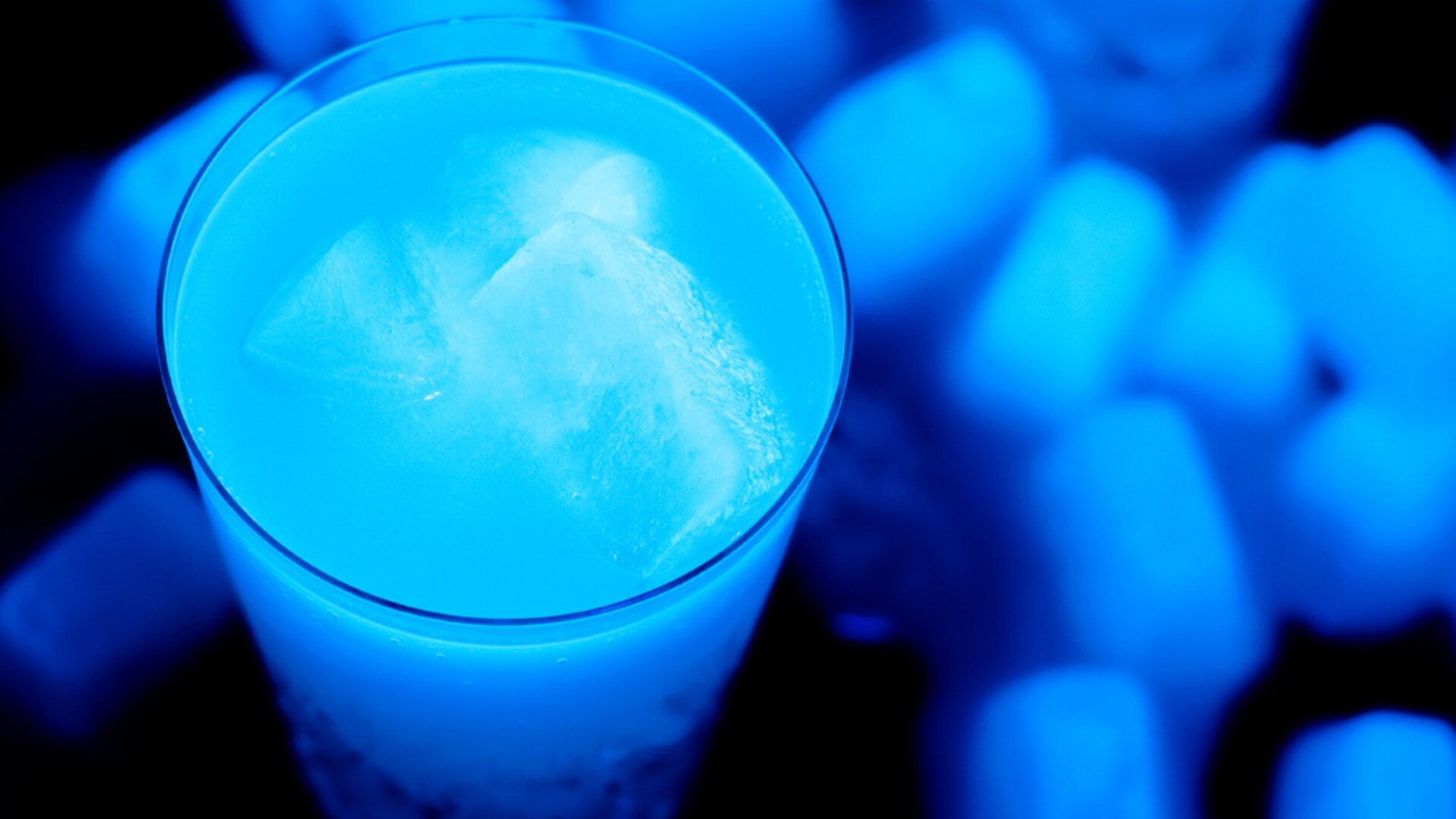
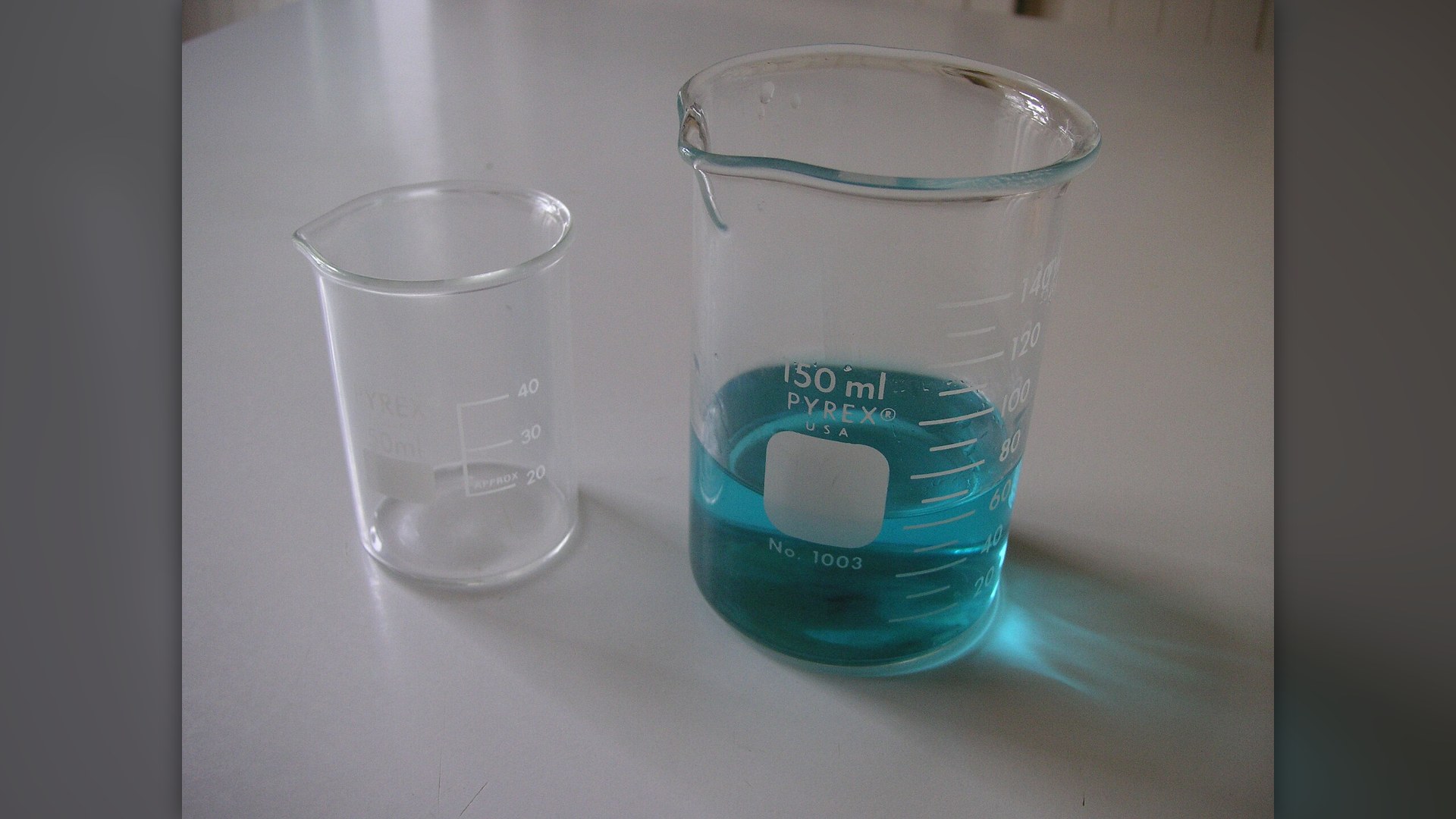
Tonic water contains quinine, a bitter botanical alkaloid derived from South American cinchona bark. When exposed to ultraviolet radiation, quinine molecules absorb invisible light and re-emit lower-energy visible light through fluorescence, casting an ethereal cyan glow across ordinary cocktail glasses.
19. Wintergreen Sugar Crystals
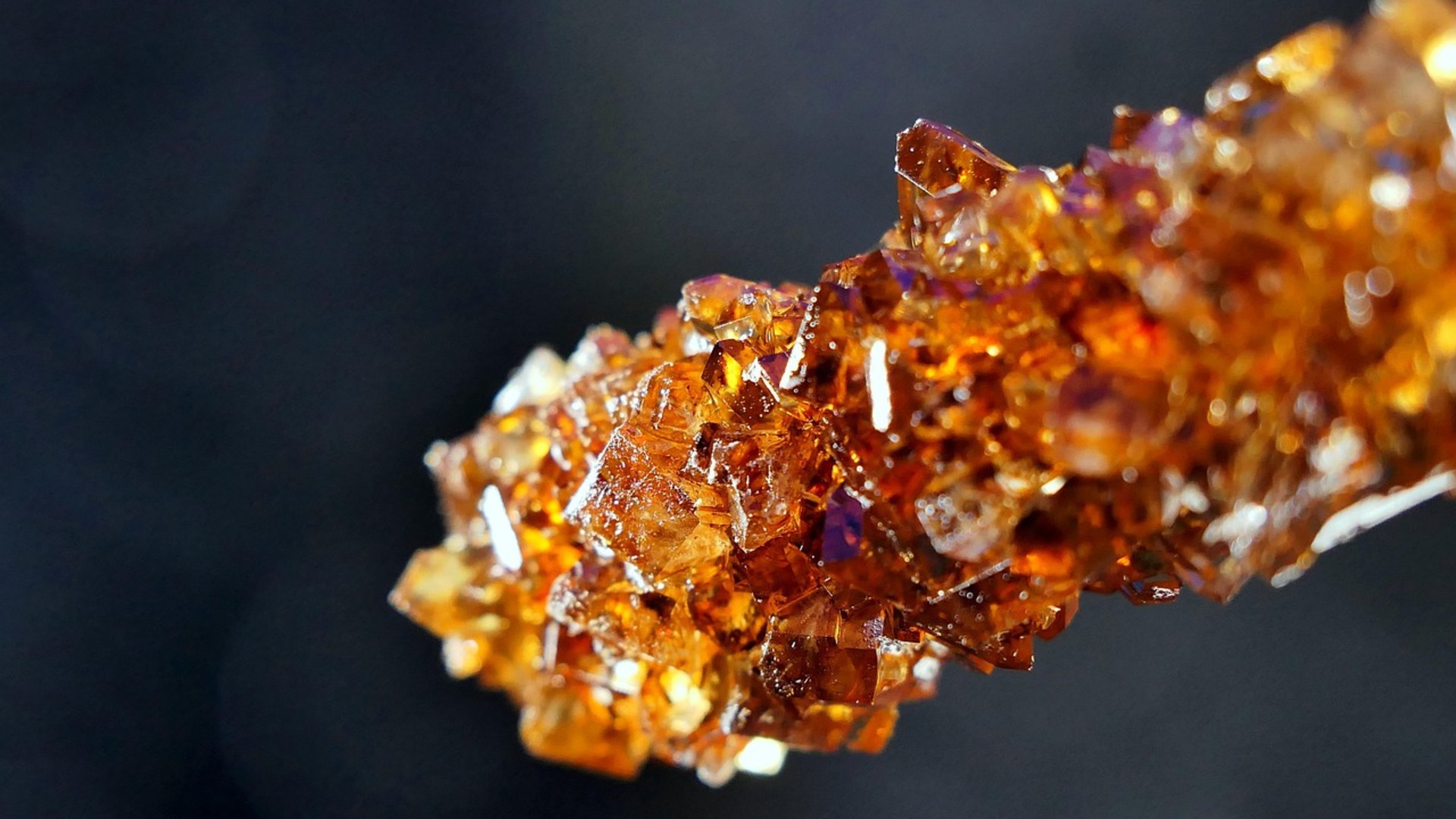
Chewing wintergreen candies in darkness generates bright flashes of light through triboluminescence. Fracturing crystalline sucrose tears apart electrical charges, generating microscopic static fields that excite nitrogen gas. Methyl salicylate flavoring rapidly absorbs that energy, fluorescing bright blue.
18. Silica Gel Packets
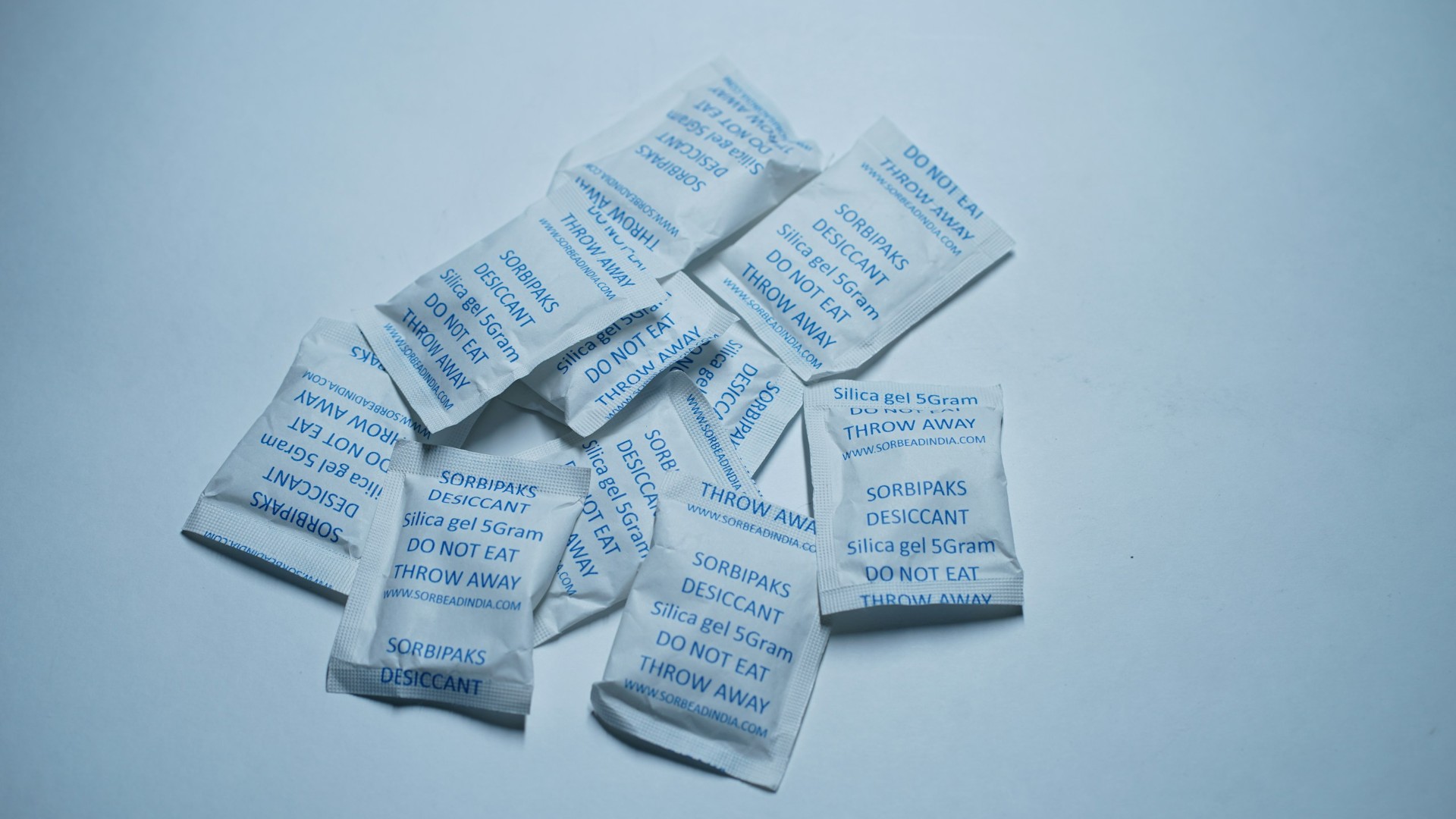
Silica gel beads packed inside shipping boxes do not chemically bond with water vapor. Instead, billions of microscopic nanoscale pores pull in moisture through capillary condensation and surface adsorption. A few grams of silica provide massive internal surface area exceeding hundreds of square meters.
17. Melamine Cleaning Sponges
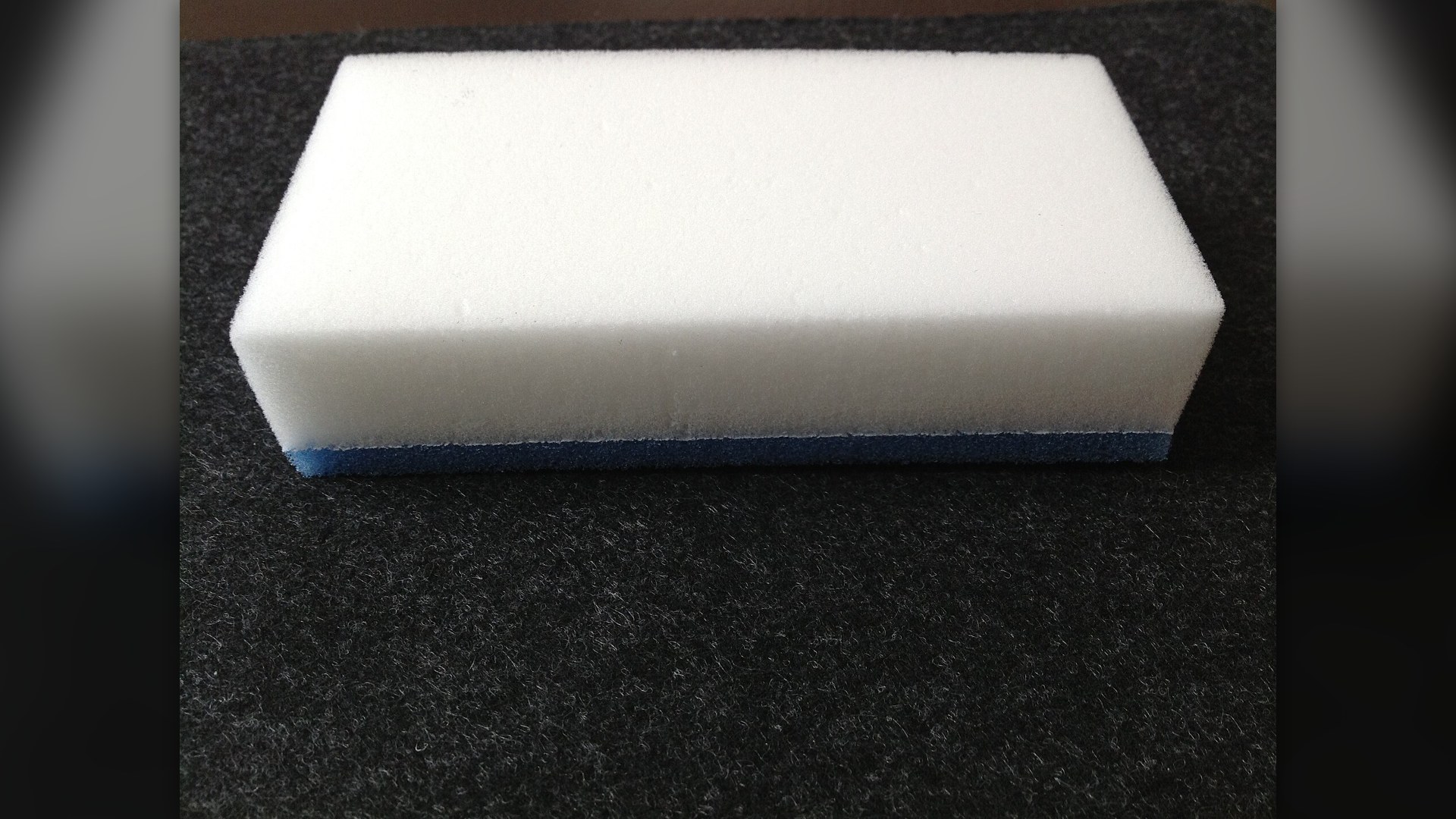
Common white cleaning sponges feel like soft velvety foam but act as ultra-fine sandpaper. The cured melamine resin cures into an open network of microscopic struts nearly as hard as glass. When wetted, these flexible filaments scrape away stubborn grime while leaving soft paint unharmed.
16. Candle Paraffin Wax
Candles cannot burn solid wax directly. Radiant heat from the wick melts solid paraffin into liquid, drawing fuel upward through capillary cotton channels. High temperatures vaporize the liquid hydrocarbon into gaseous fuel molecules that combine with atmospheric oxygen to sustain the flame.
15. Table Salt And Ice
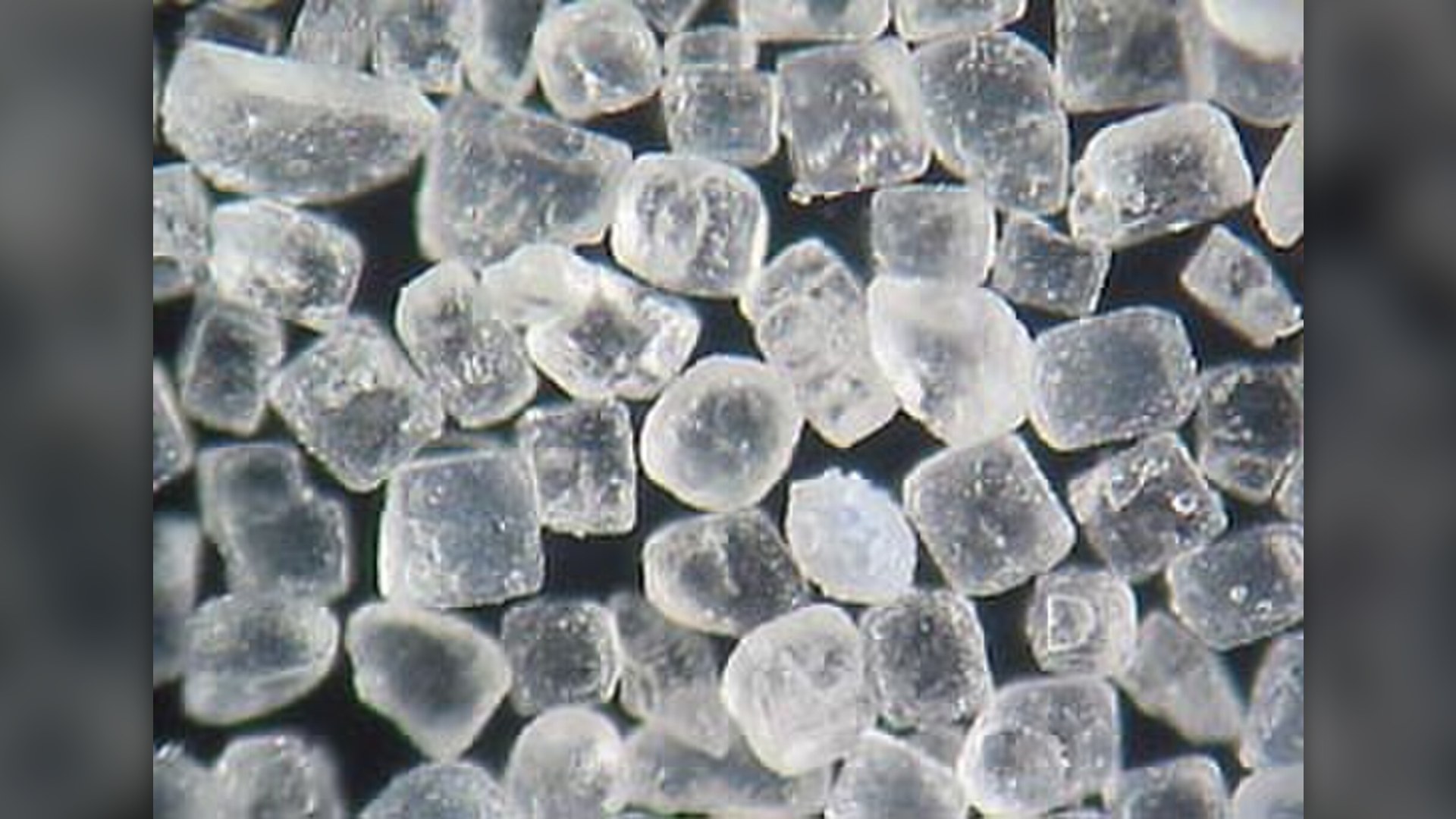
Adding sodium chloride to ice initiates endothermic dissolution, lowering the liquid freezing point through colligative disruption. Water molecules dissolve sodium and chloride ions while absorbing thermal energy, enabling slush mixtures to drop below zero Celsius without freezing solid.
14. Cooking Gelatin
Gelatin consists of denatured collagen proteins extracted from animal connective tissues. In hot broth, protein chains drift loosely, but as temperatures fall, molecular strands reassemble into coiled triple helixes. This microscopic scaffold traps free water molecules into an elastic solid gel.
13. Aluminum Kitchen Foil
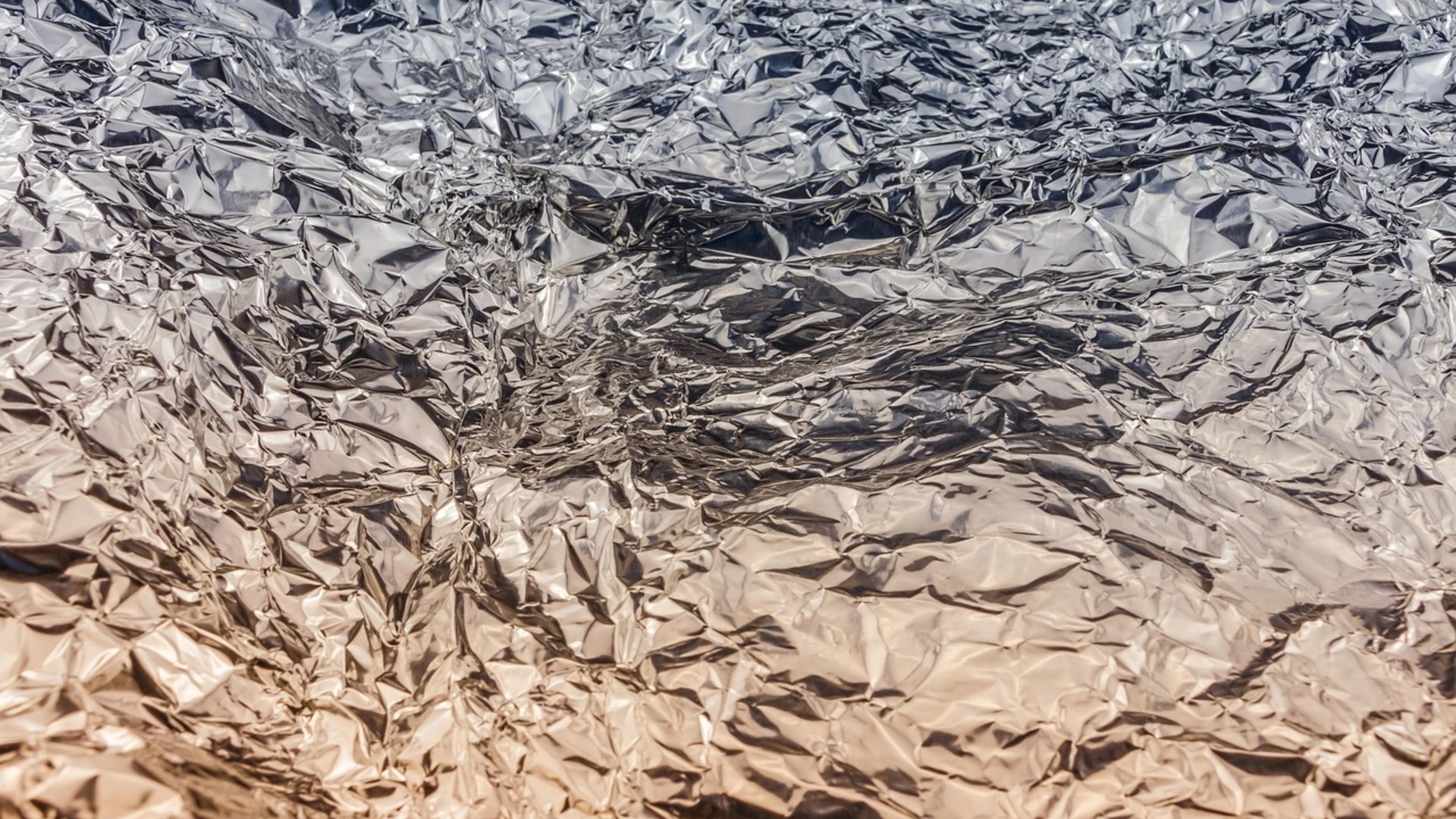
Pure metallic aluminum reacts vigorously with atmospheric oxygen, yet kitchen foil remains remarkably inert. The moment fresh aluminum touches air, it develops a self-healing surface layer of aluminum oxide merely nanometers thick, shielding interior atoms against ongoing oxidation.
12. Household Baking Soda
Baking soda functions as an amphoteric chemical compound capable of reacting with strong acids or harsh alkalis to stabilize environmental pH. When heated above fifty degrees Celsius, sodium bicarbonate undergoes thermal breakdown, releasing carbon dioxide gas that puffs pastry dough.
11. Cyanoacrylate Super Glue
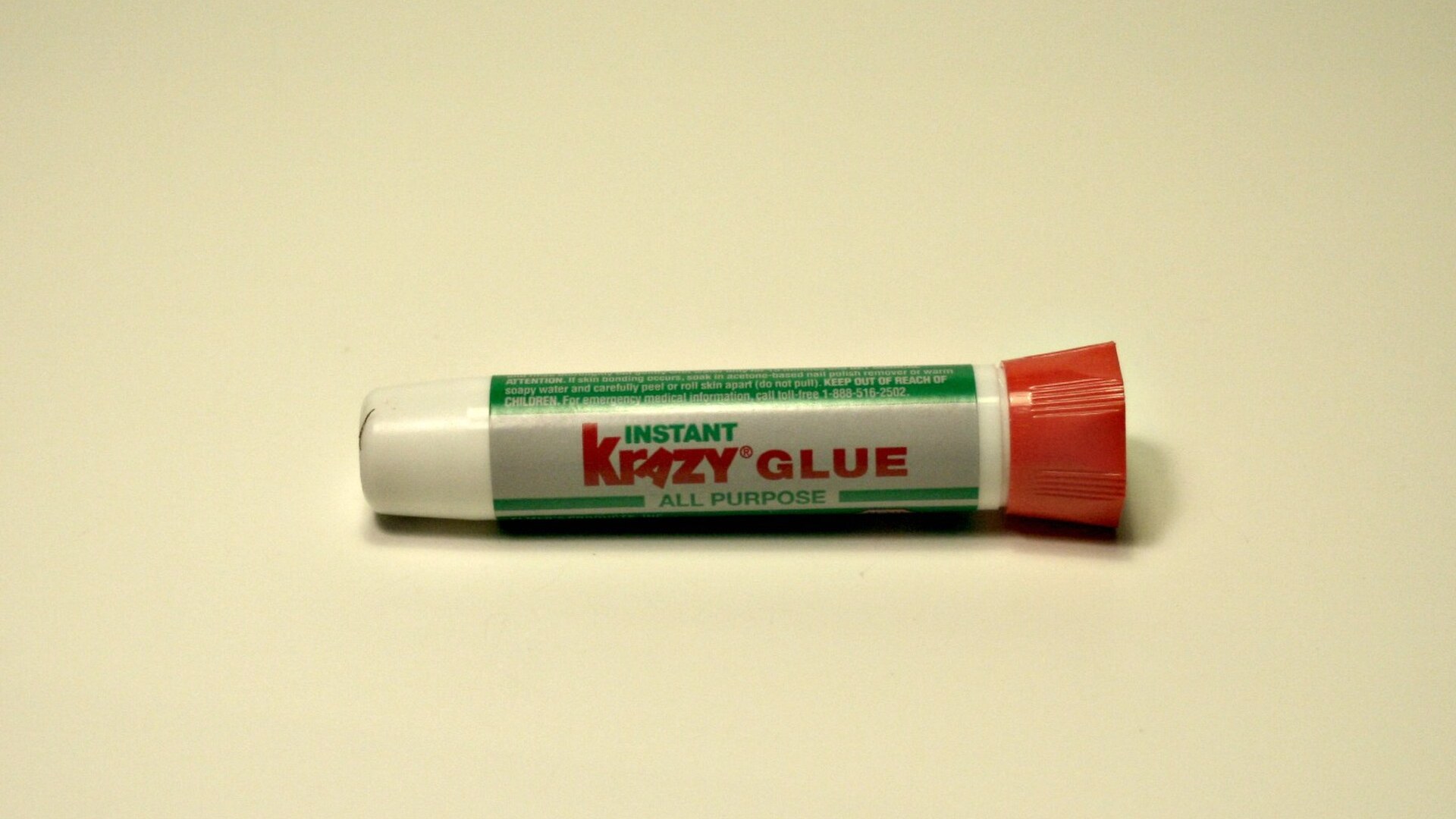
Super glue remains liquid inside airtight tubes because cyanoacrylate monomers require basic catalyst ions to react. Traces of moisture on tabletop surfaces donate hydroxide ions that spark rapid anionic polymerization, turning free liquid molecules into an impenetrable plastic mesh in seconds.
10. Neodymium Fridge Magnets
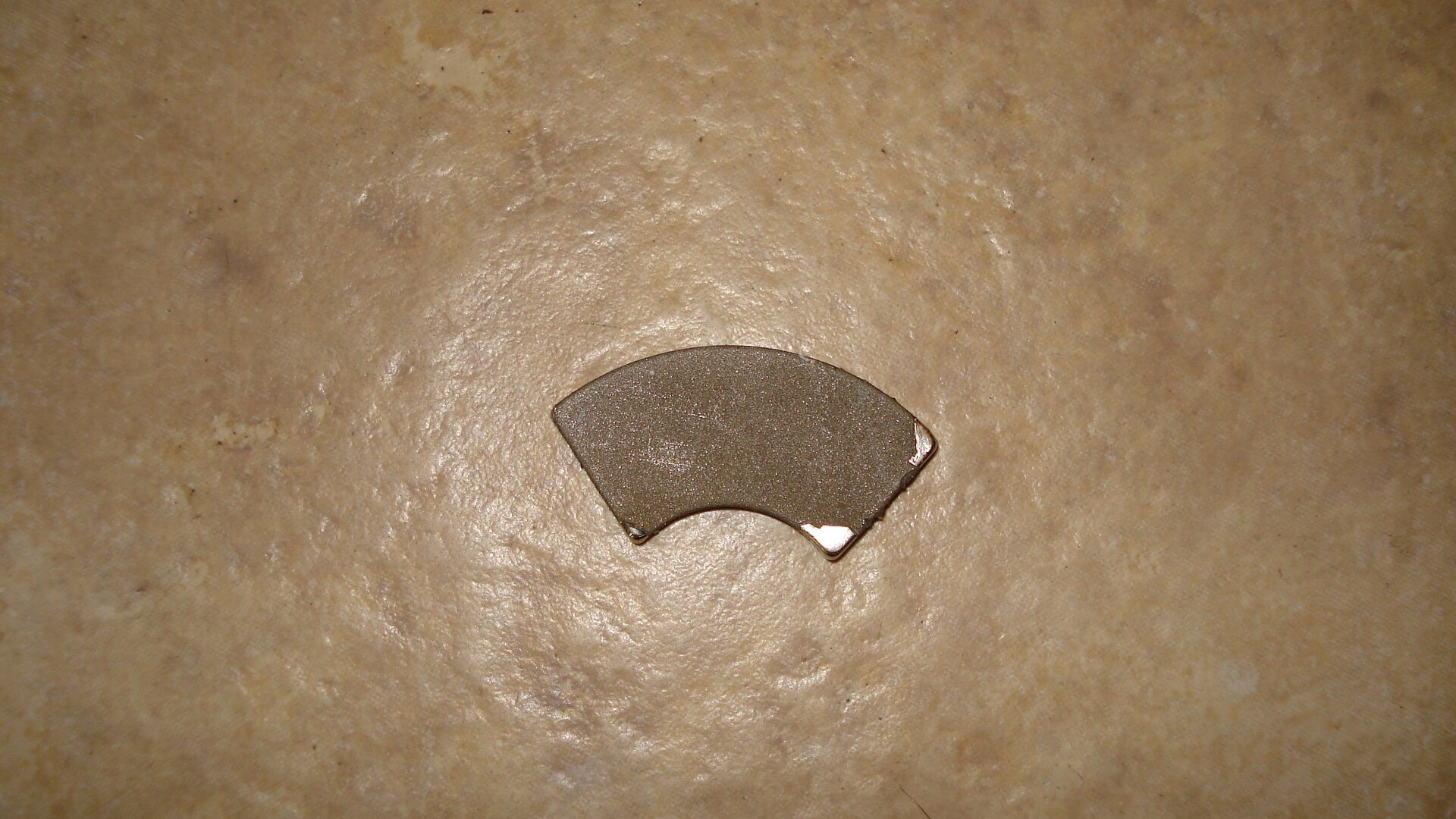
Modern novelty magnets combine neodymium, iron, and boron into tetragonal crystal structures with enormous magnetocrystalline anisotropy. Once aligned in strong fields, microscopic atomic magnetic moments resist deflection, generating magnetic forces capable of lifting over a thousand times their weight.
9. Concentrated Dish Soap
Dishwashing liquid contains amphiphilic surfactant compounds possessing hydrophilic heads and lipophilic hydrocarbon tails. Adding a single drop to water rapidly disrupts hydrogen bonds, driving outward fluid movement via the Marangoni effect while emulsifying greasy culinary oils into micro-droplets.
8. Graphite Pencil Cores
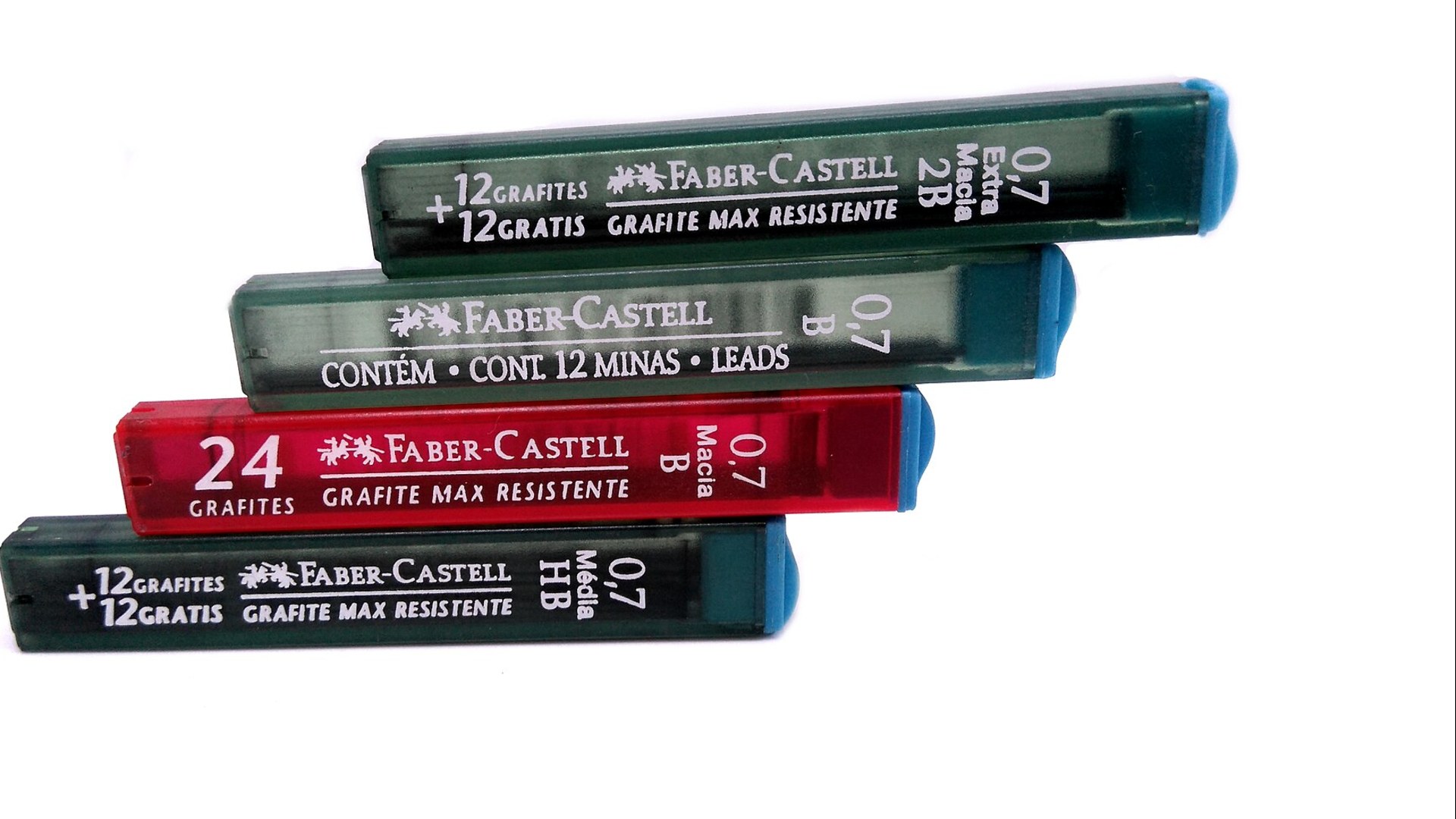
Pencil cores contain soft graphite, an allotrope of carbon arranged in hexagonal planar lattices. Weak van der Waals forces between sheets allow microscopic flakes to shear away smoothly onto writing paper, while delocalized valence electrons move freely across layers to conduct electricity.
7. Polyurethane Memory Foam
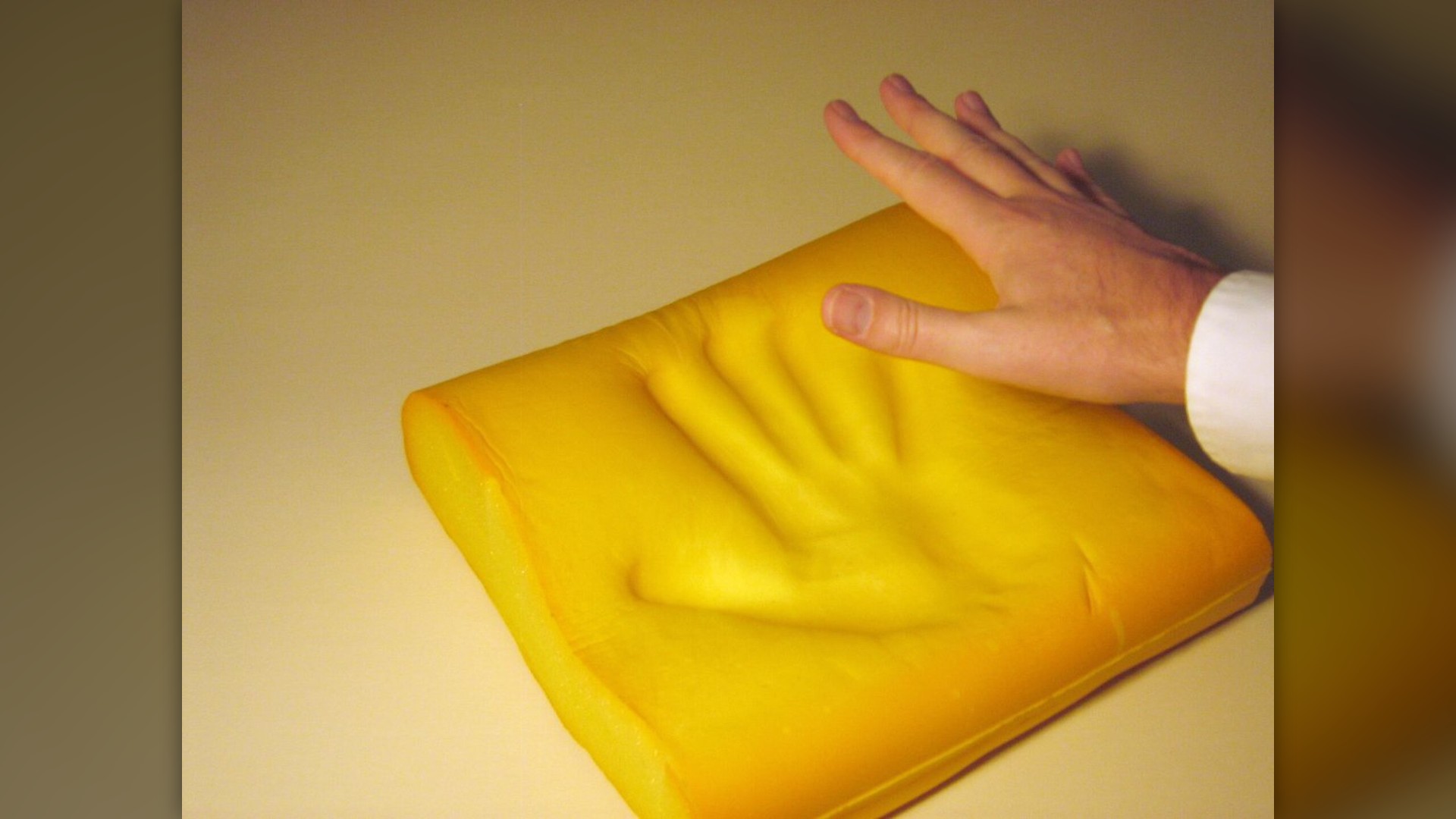
Memory foam combines polyurethane with chemical additives to produce open-cell viscoelastic behavior. Under bodily pressure and warmth, polymer cells compress and slowly redistribute applied loads. When weight lifts, the material absorbs rebound energy, taking seconds to restore original contour.
6. Raw Unfiltered Honey
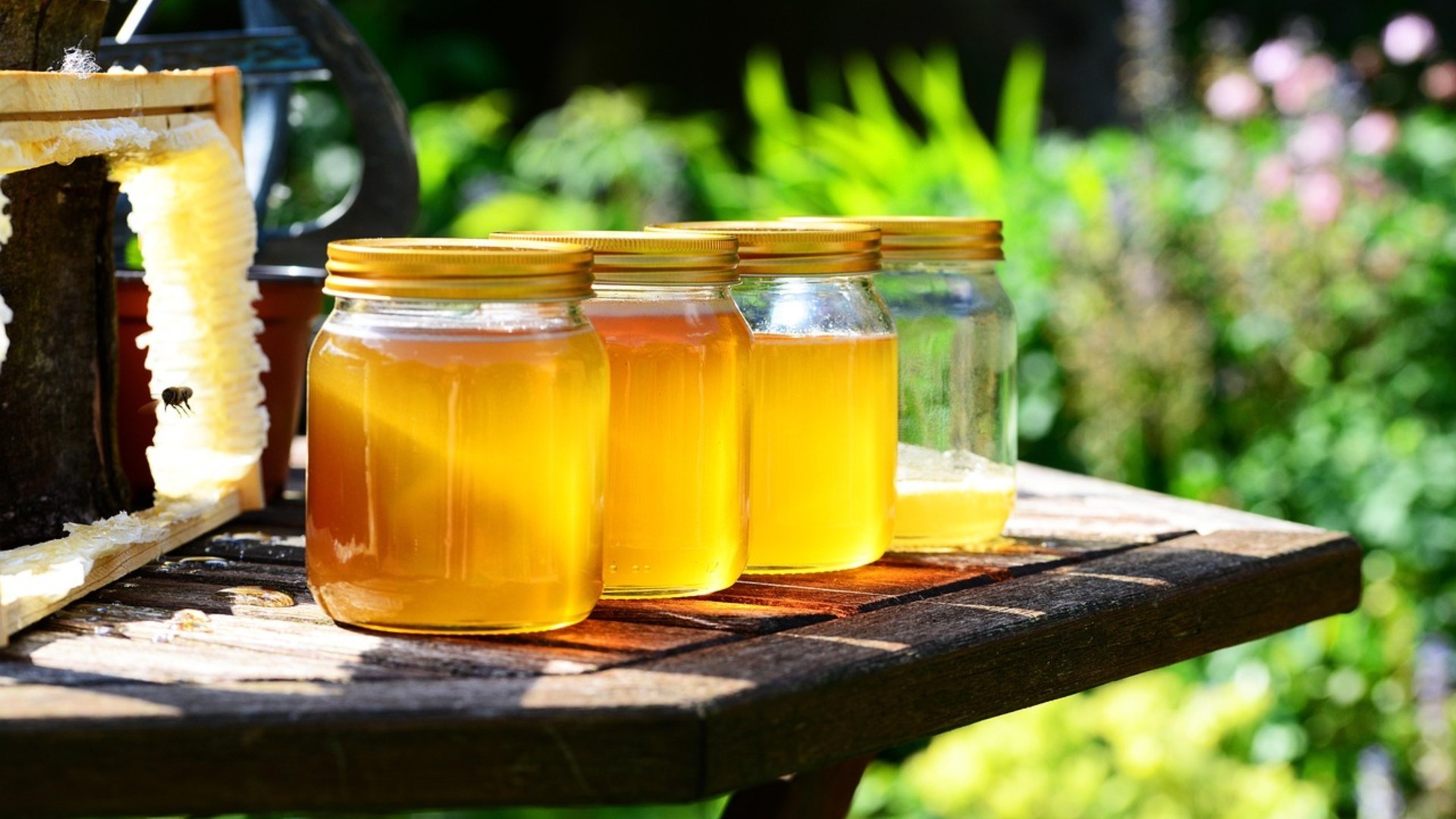
Raw honey discovered in ancient Egyptian tombs remains edible after millennia due to remarkable chemical properties. High sugar saturation exerts fierce osmotic pressure that extracts vital fluids from microbes, while bee glucose oxidase enzymes continually generate traces of antiseptic hydrogen peroxide.
5. Borosilicate Kitchen Glassware
Borosilicate glass contains boron trioxide, creating low thermal expansion rates that withstand sudden temperature shocks. When submerged inside ordinary cooking vegetable oil, the glass virtually vanishes because its optical refractive index closely matches that of the surrounding fluid.
4. Teflon Nonstick Coatings
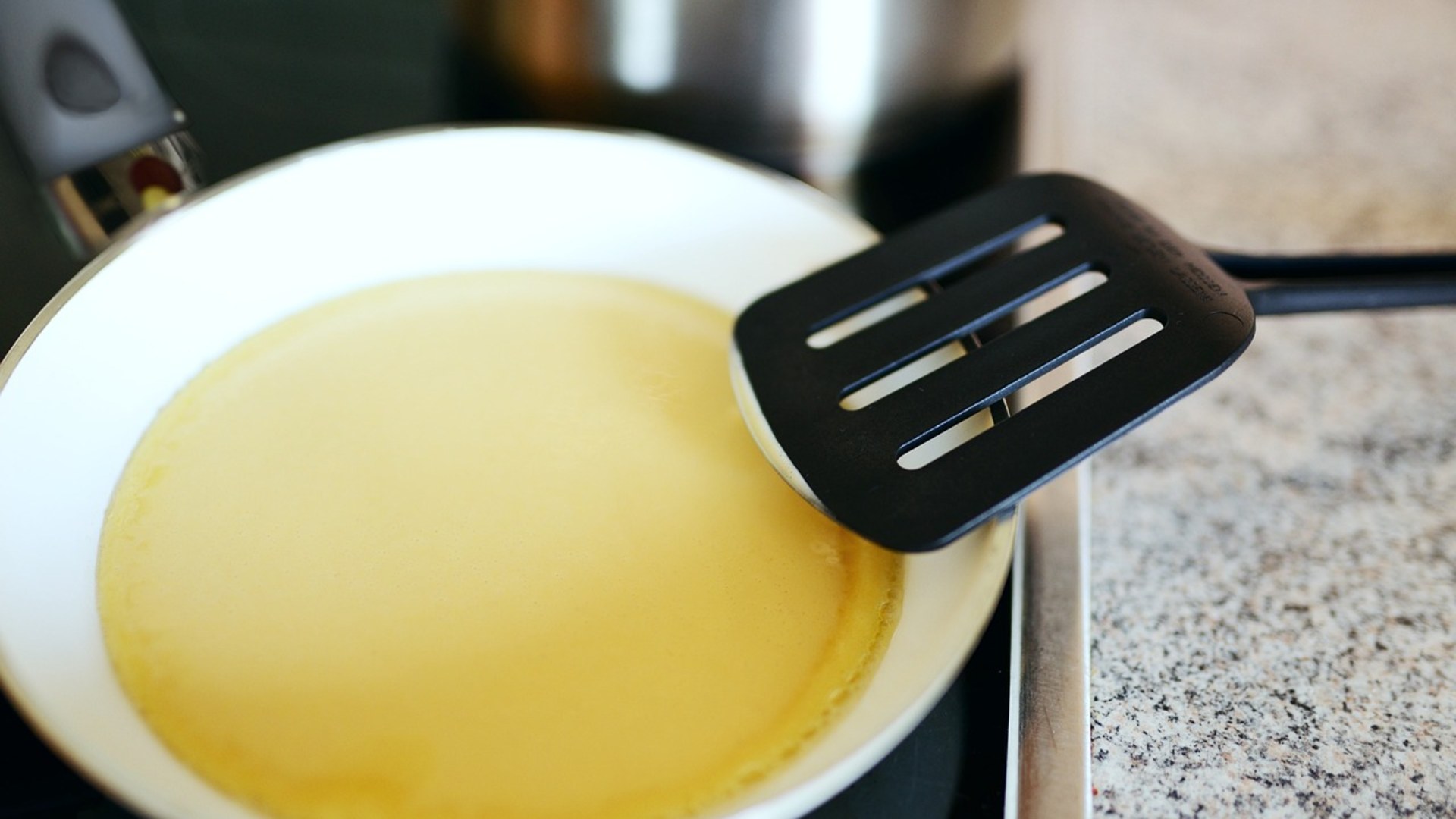
Polytetrafluoroethylene features tight carbon chains cloaked in highly electronegative fluorine atoms. Because fluorine holds its electrons with extreme tenacity, the material rejects van der Waals interactions with neighboring substances, producing exceptionally low friction coefficients.
3. Nitinol Eyeglass Wire
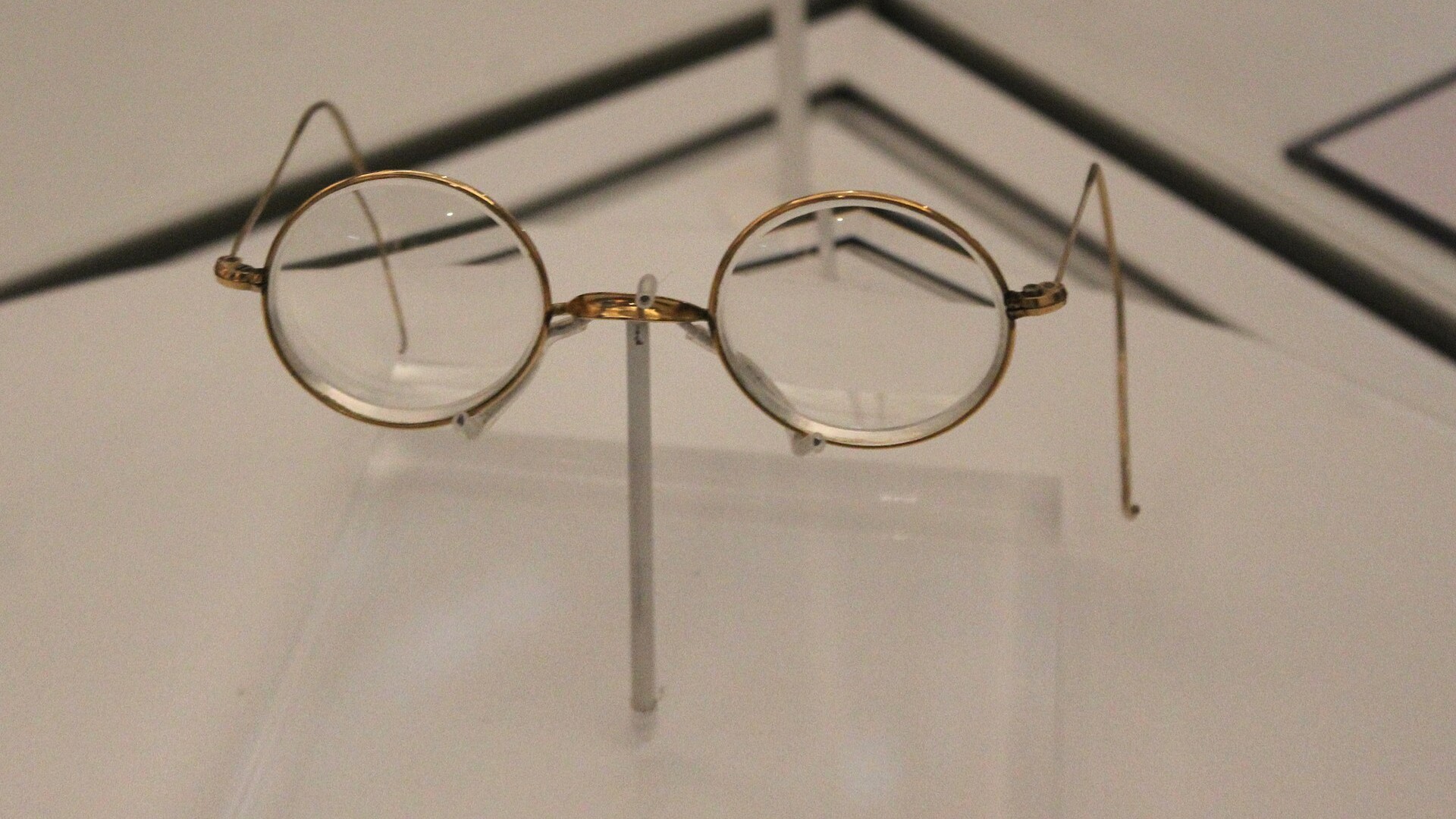
Nitinol combines nickel and titanium into an intermetallic crystal capable of reversible phase changes. At low temperatures, its atomic lattice deforms easily through mechanical bending. Gentle warmth triggers a martensitic transformation, causing the alloy to remember and spring back to its original shape.
2. Cornstarch And Water Oobleck
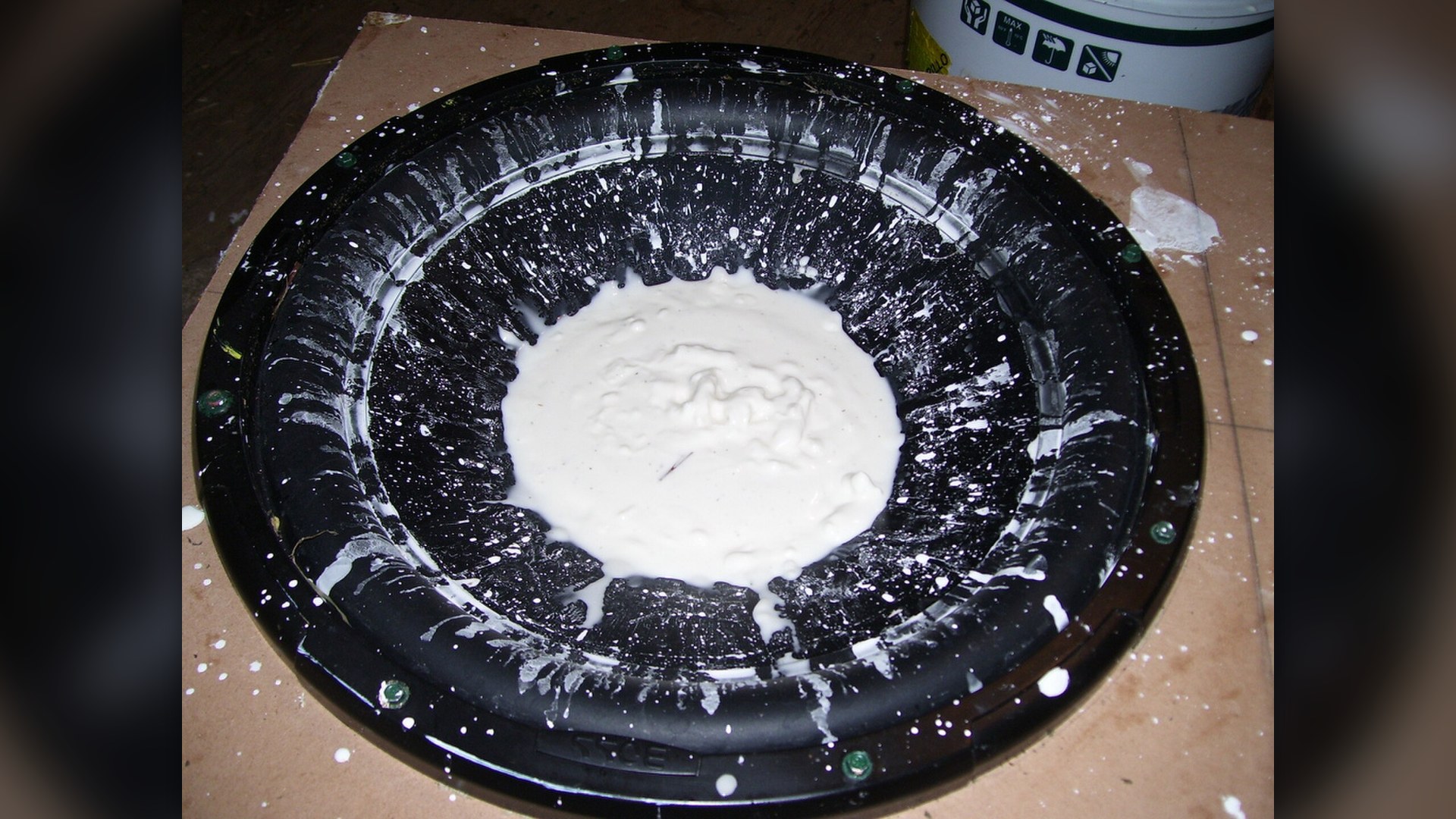
Mixing cornstarch into water creates a shear-thickening non-Newtonian suspension known as oobleck. Under gentle stirring, water lubricates microscopic starch granules so the mixture pours like cream. Sharp impacts squeeze water out of contact zones, causing granules to interlock like solid rock.
1. Gallium Elemental Metal
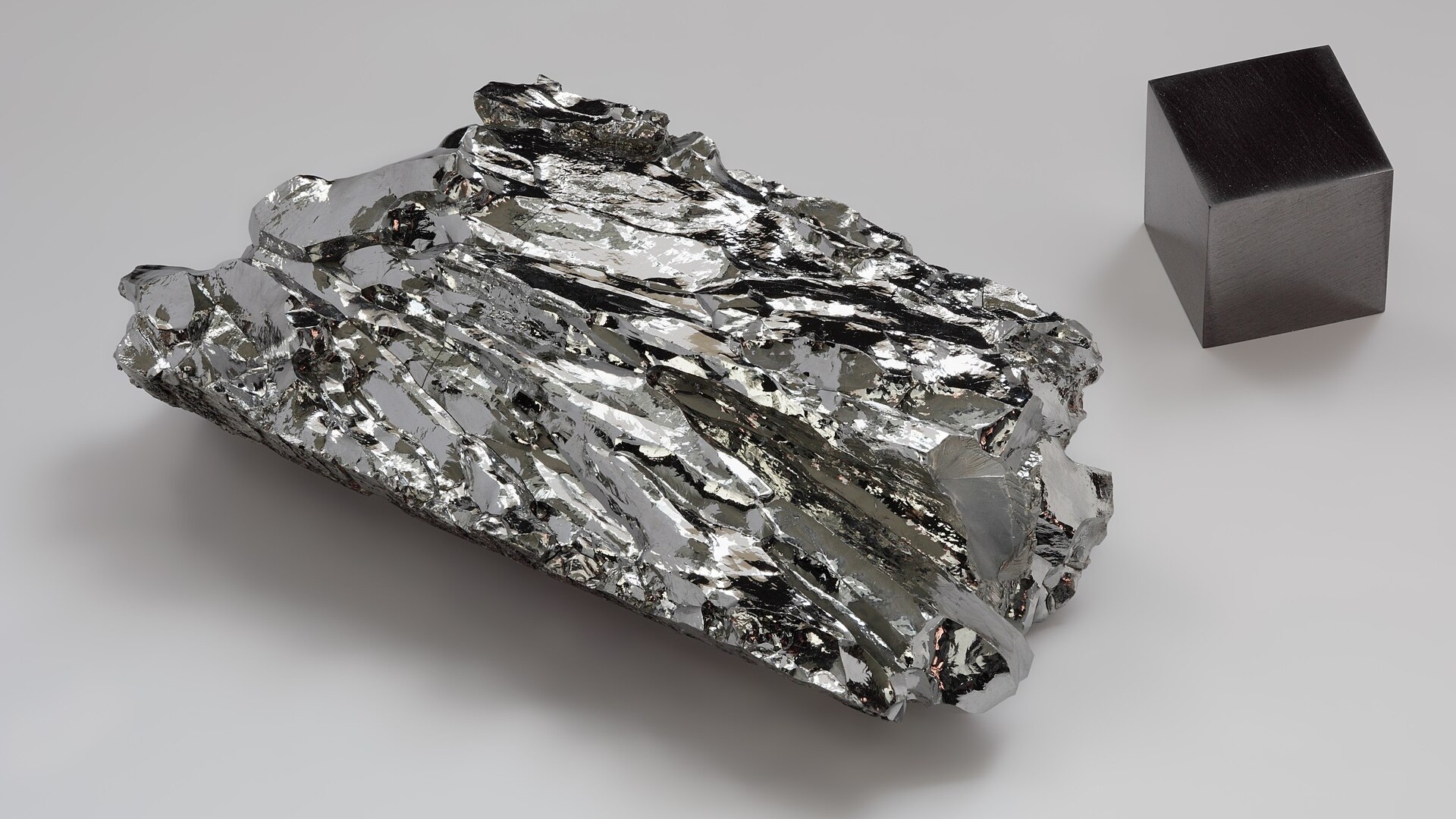
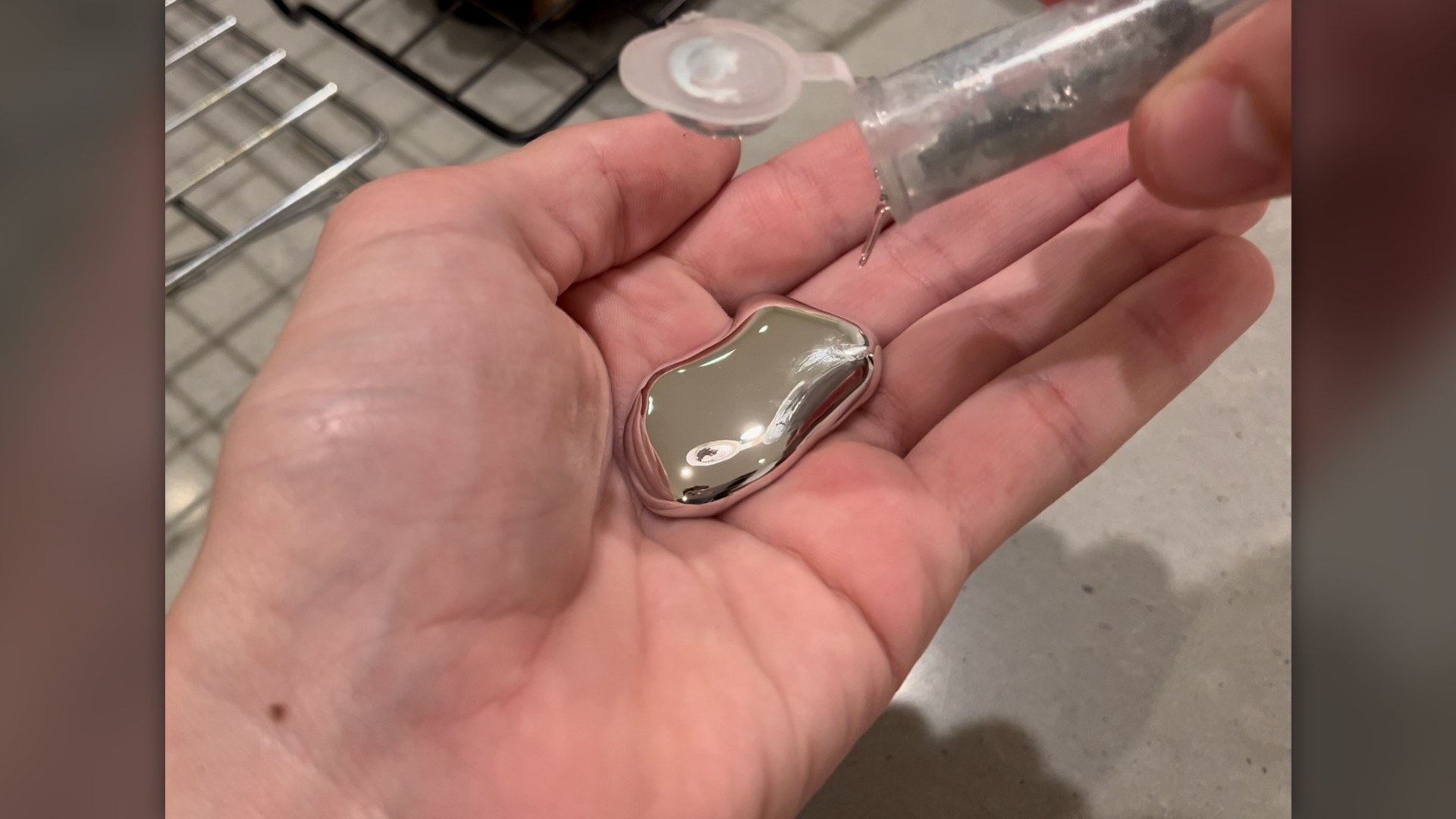
Gallium is a non-toxic metal with an extraordinarily low melting threshold of 29.8 degrees Celsius, allowing solid ingots to liquefy in warm hands. When painted onto aluminum items, liquid gallium infiltrates microscopic grain boundaries, shattering the structural lattice and turning solid metal brittle.