Slideshow · Science
21 Things to Know When a High Wind Watch Is Issued
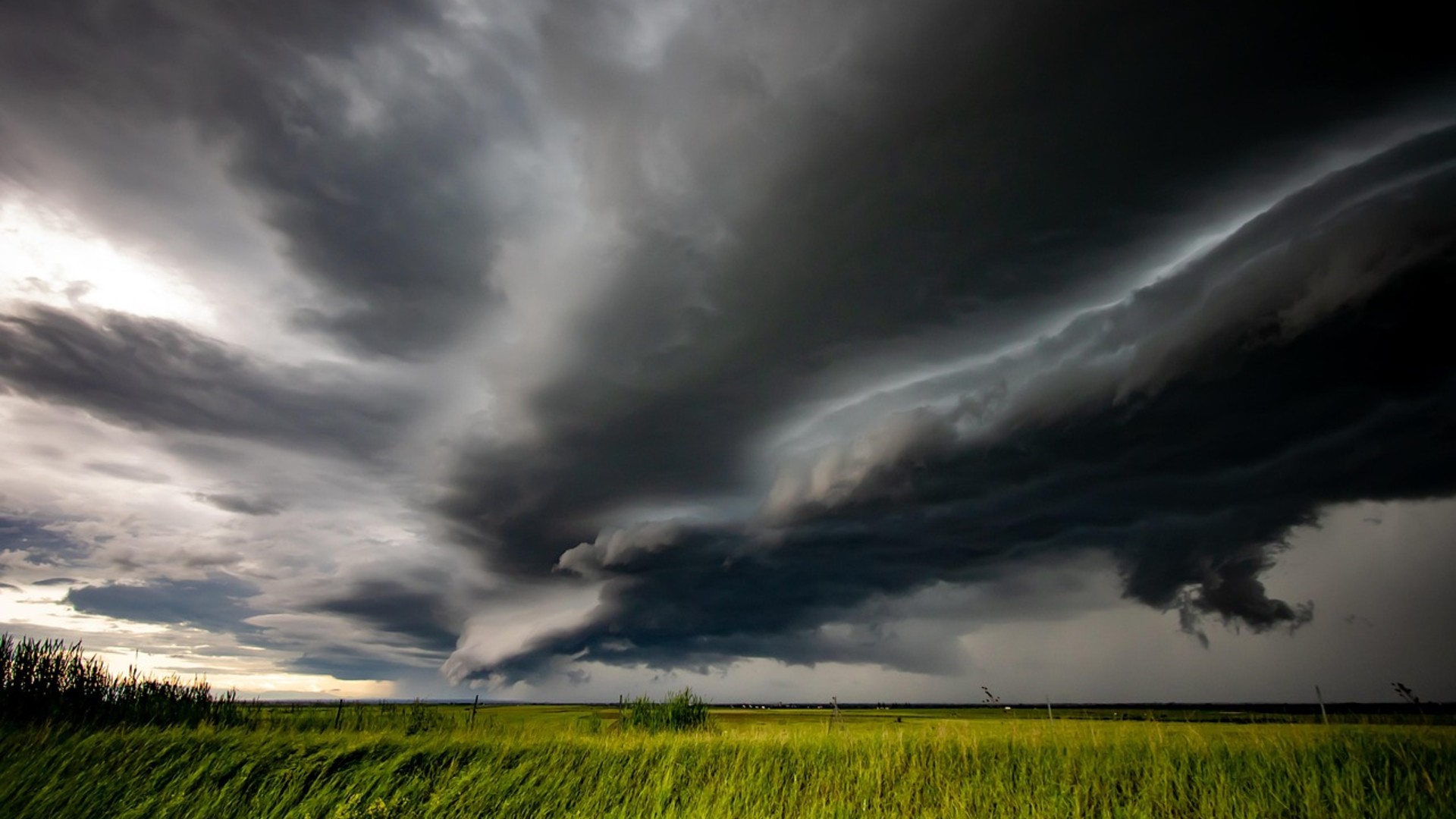
When meteorological authorities issue a high wind watch, sustained gales and severe gusts can knock out power grids, shatter windows, and uproot mature trees within hours. Understanding official alert thresholds, securing property, and preparing emergency supplies can prevent catastrophic damage and keep families safe.
By Most Viral Today
2 hours ago

Crucial Precautions and Safety Protocols for Severe High Wind Events 
21. Understanding The Watch Window 
20. Knowing The Official Thresholds 
19. Watch Versus Warning Difference - AdvertisementSwipe or tap ▶ to continue countdown

18. Securing Lightweight Yard Items 
17. Anchoring Heavy Patio Furniture 
16. Inspecting Dead Tree Branches 
15. Parking Vehicles In Safe Zones - AdvertisementSwipe or tap ▶ to continue countdown

14. Reinforcing Garage Doors 
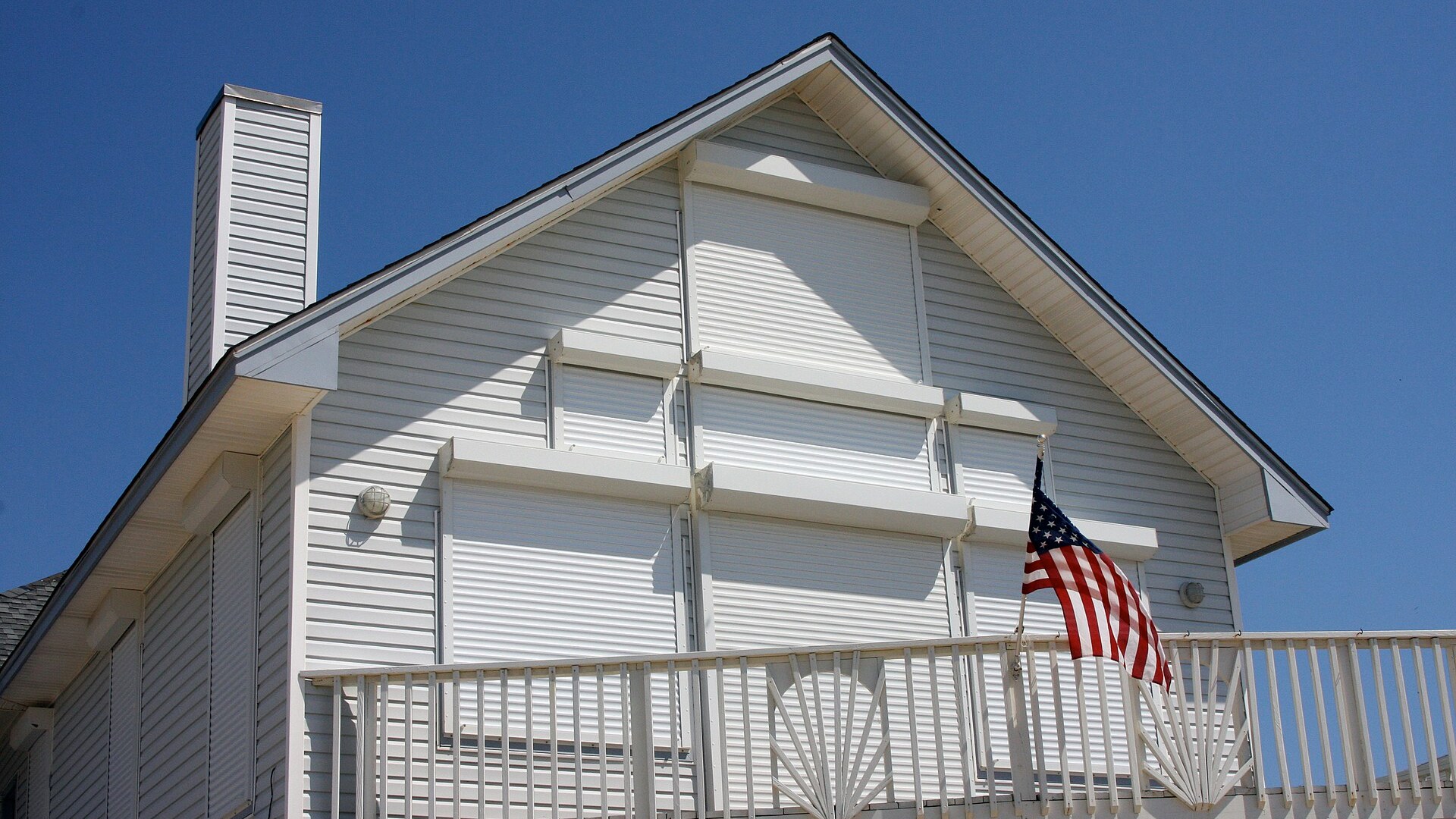
13. Checking Window And Shutter Latches 
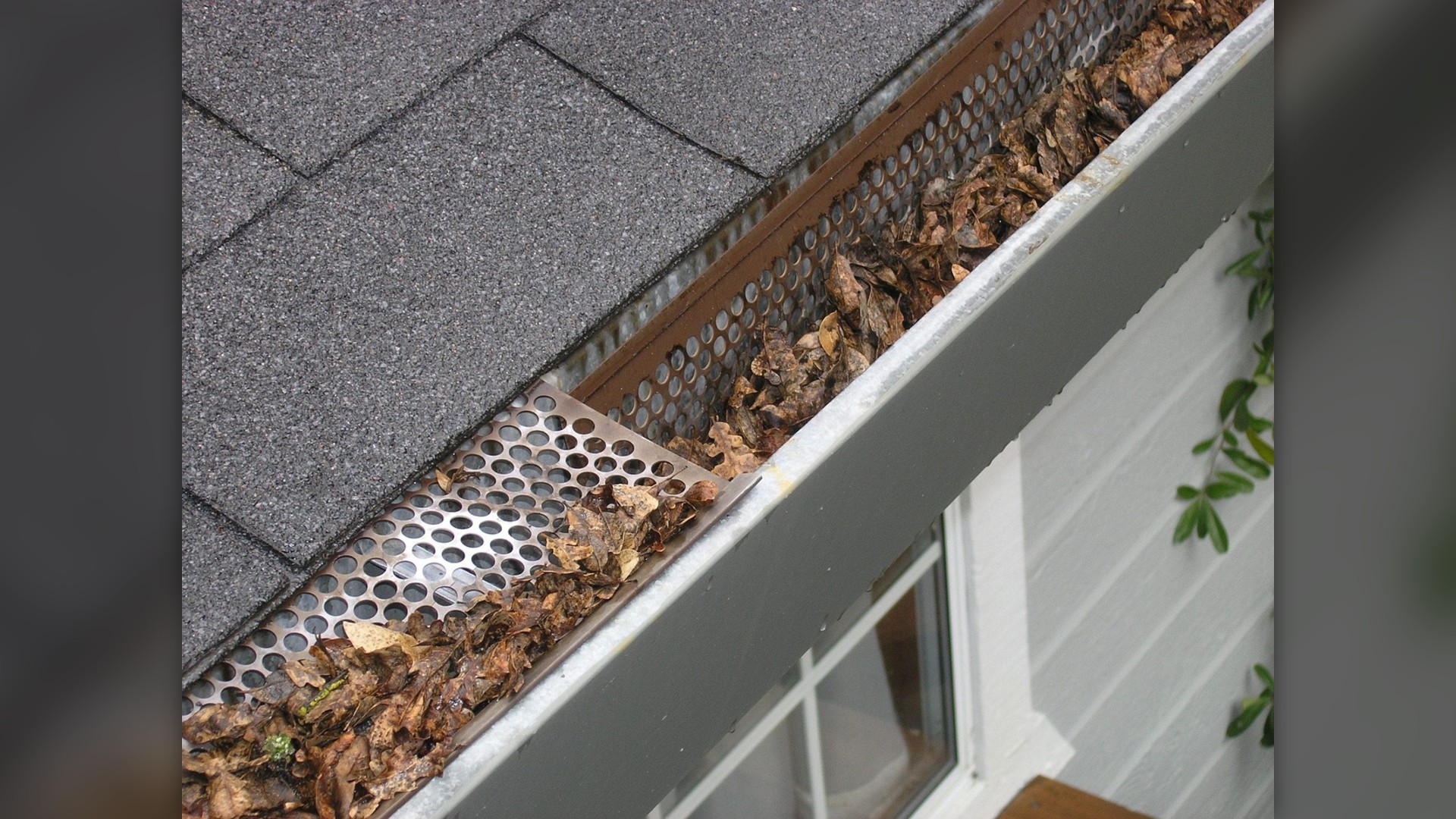
12. Clearing Roof Gutters And Drains 
11. Charging All Essential Electronics - AdvertisementSwipe or tap ▶ to continue countdown

10. Stocking Flashlights And Fresh Batteries 
9. Assembling A 72-Hour Water Supply 
8. Chilling Refrigerators In Advance 
7. Securing Loose Construction Supplies - AdvertisementSwipe or tap ▶ to continue countdown

6. Avoiding High-Profile Vehicle Travel 
5. Operating Generators Outdoors Only 
4. Monitoring NOAA Weather Radio 
3. Staying Indoors Away From Windows - AdvertisementSwipe or tap ▶ to continue countdown

2. Preparing For Sudden Wildfire Risks 
1. Treating Downed Power Lines As Live - Advertisement🔥 UP NEXT IN THIS SERIES◫ 22 Slides

21 Visited Places of Worship in the World
Millions of travelers and worshippers journey each year to sacred sanctuaries across different faiths and continents. From historic Gothic cathedrals and serene Shinto shrines to sprawling Hindu complexes, these holy sites draw immense crowds. Here are twenty-one revered places of worship in ascending order.
Based on emergency protocols from the National Weather Service, FEMA, and the Red Cross, a high wind watch serves as a critical advance notice to prepare. Gale-force winds cause extensive structural damage and widespread utility blackouts, making immediate household preparation essential before dangerous gusts arrive.
Swipe or tap ▶ to begin the countdown
©Pixabay / Brigipix
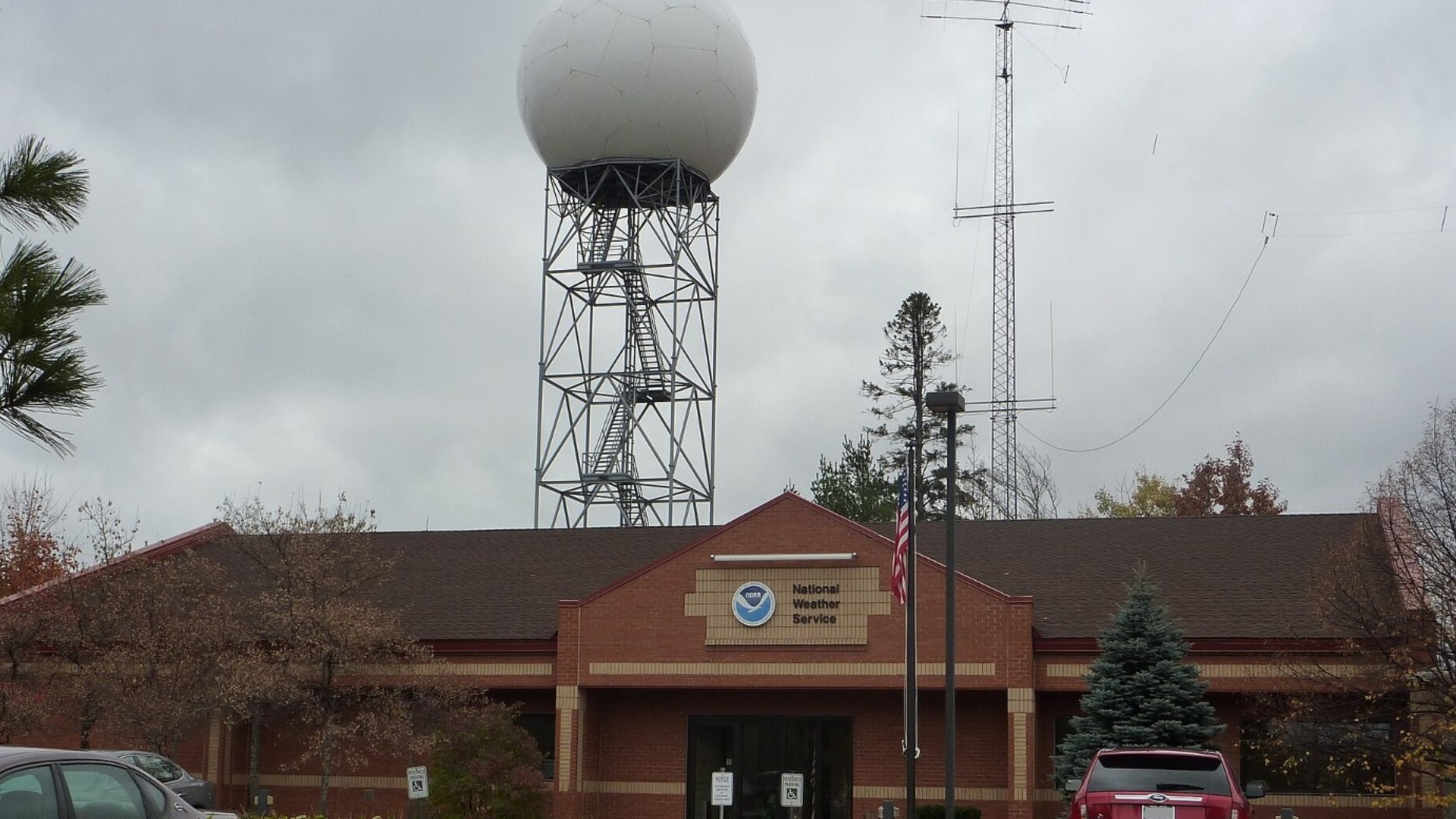
21. Understanding The Watch Window
A high wind watch provides communities with critical advance notice before severe gales strike. Meteorological models identify potential storm tracks up to two days ahead, giving homeowners and municipal crews adequate time to secure structures and clear roads.
©Wikimedia / Pierre cb
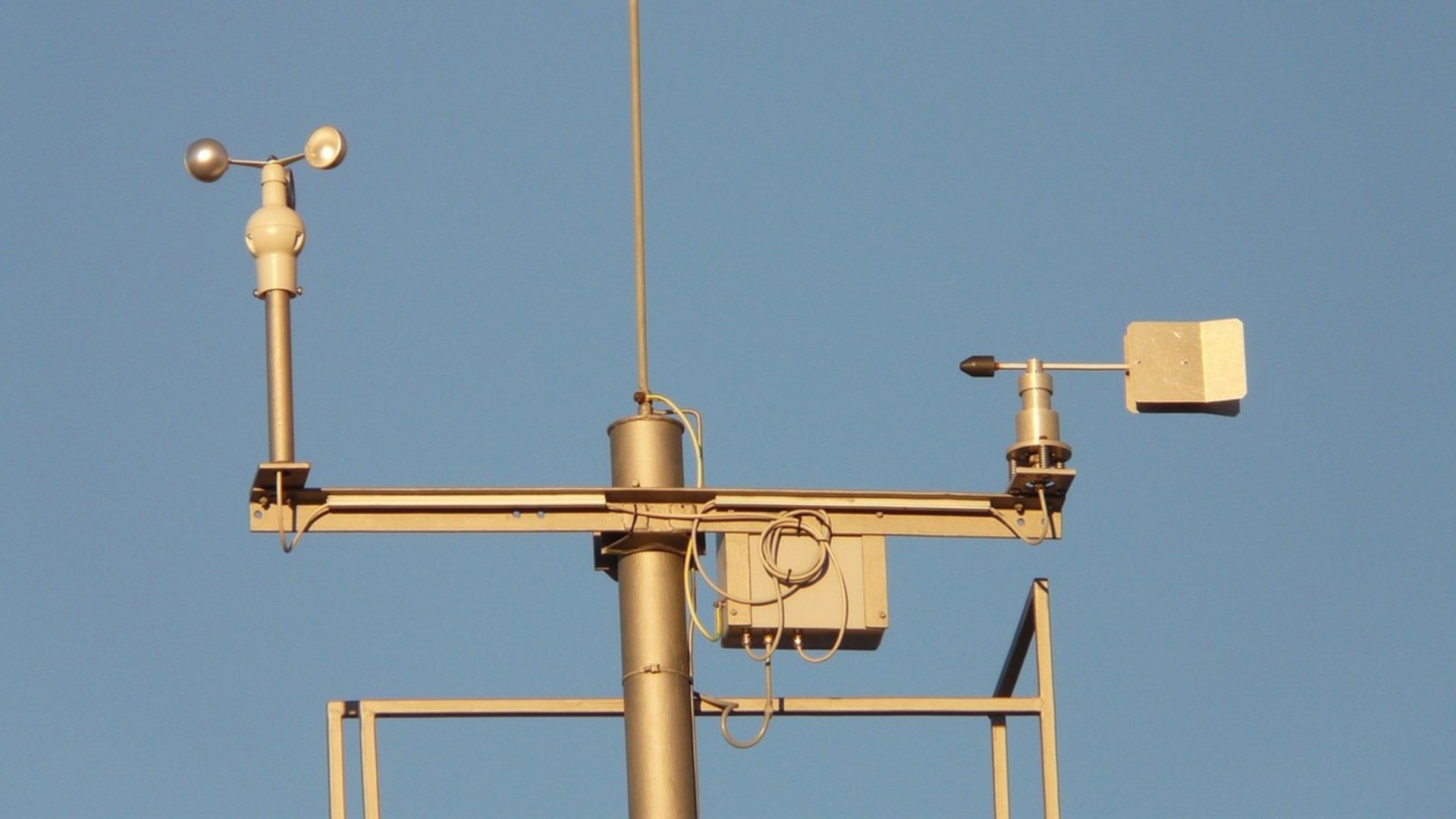
20. Knowing The Official Thresholds
Meteorologists trigger high wind alerts only when atmospheric pressure gradients threaten severe damage. Sustained winds between 40 and 74 mph or sudden gusts of 58 mph can blow over tractor trailers, snap power poles, and uproot mature trees without warning.
©Pixabay / Hans
19. Watch Versus Warning Difference
Understanding weather terminology is essential for household safety. While a watch advises residents to prepare for potential hazards within two days, an upgrade to a high wind warning means destructive winds are already occurring or will strike within 36 hours.
©Pixabay / Coernl
Advertisement
Swipe or tap ▶ to resume the countdown.
18. Securing Lightweight Yard Items
Gale-force gusts easily pick up loose backyard objects and slam them into windows or passing cars. Homeowners should move plastic bins, hanging planters, and yard decor into garages or sheds as soon as an alert appears on weather broadcasts.
©Pixabay / FranciscoJG
17. Anchoring Heavy Patio Furniture
Even substantial outdoor dining sets can catch wind like sails and flip across stone decks. Experts advise removing glass tabletops, tightly binding umbrella poles with bungee straps, and stacking heavy wrought iron chairs in sheltered corners.
©Pixabay / Momentmal
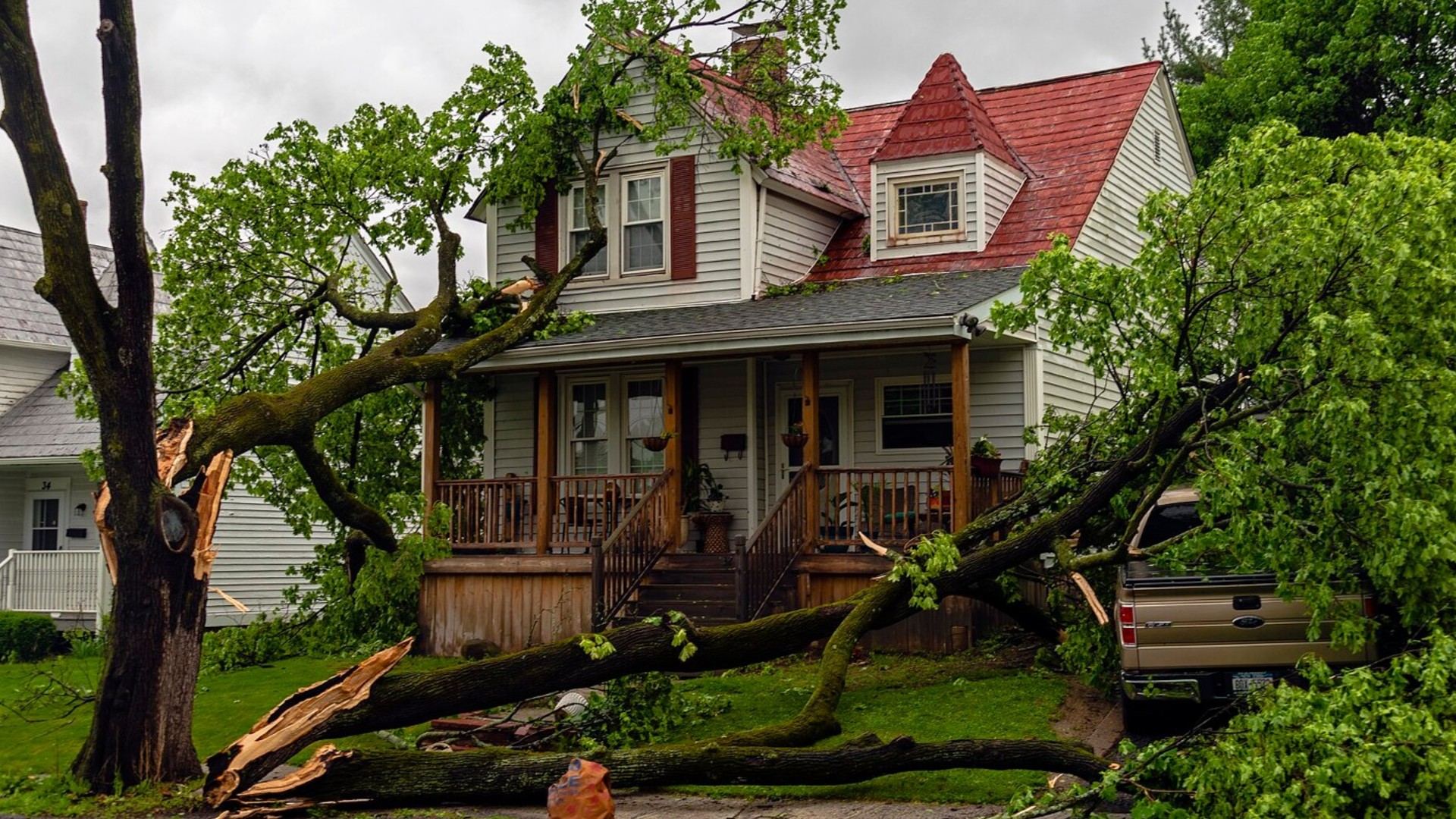
16. Inspecting Dead Tree Branches
Arborists recommend scanning tree canopies for dead branches hanging above driveways and power lines. Cutting back compromised limbs before storm winds peak prevents heavy boughs from falling onto bedrooms or pulling live utility wires into yards.
©Wikimedia / Daniel Case
15. Parking Vehicles In Safe Zones
Falling tree trunks and airborne gravel routinely shatter windshields and crush car roofs during gales. If garage space is unavailable, move vehicles away from large trees and avoid parking directly under electrical service lines or fragile wooden fences.
©Wikimedia / Ddgonzal
Advertisement
Swipe or tap ▶ to resume the countdown.
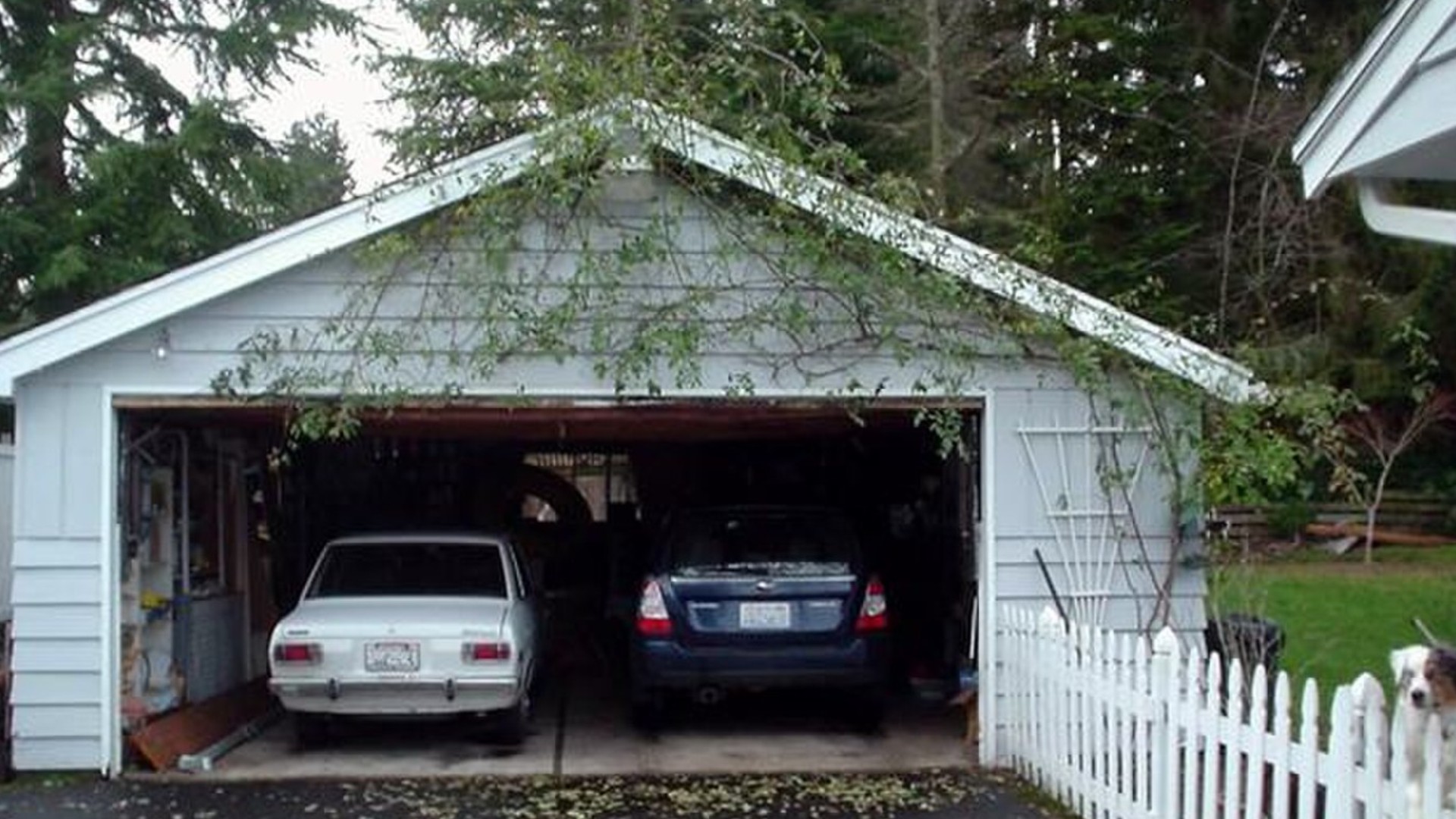
14. Reinforcing Garage Doors
Building research shows that garage door failure allows intense wind pressure to enter, blowing out side walls and lifting roofs. Installing vertical retrofit bracing kits or reinforcing track brackets helps standard double doors withstand intense gusts.
©Pixabay / jatocreate
13. Checking Window And Shutter Latches
High winds create massive pressure differentials across building envelopes, turning unlocked windows into structural weak points. Locking double-hung windows tightly pulls the sashes together, creating an airtight seal that resists violent wind suction.
©Wikimedia / Robert Kaufmann/FEMA
12. Clearing Roof Gutters And Drains
Severe wind watches are frequently accompanied by torrential rain and frontal squalls. Clearing drainage channels ensures heavy precipitation sheds off shingles rapidly, preventing wind-driven water from pushing under eaves and rotting roof decking.
©Pixabay / 123switch
11. Charging All Essential Electronics
Tree limbs hitting transformers can disable community power grids for multiple days. Keeping mobile phones and rechargeable power banks at full capacity guarantees families can monitor weather bulletins and call emergency services if trees hit homes.
©Wikimedia / Santeri Viinamäki
Advertisement
Swipe or tap ▶ to resume the countdown.
10. Stocking Flashlights And Fresh Batteries
Open flame candles represent a severe fire hazard during high wind blackouts when drafts flow through houses. Fire departments urge households to stage battery-powered LED lanterns in every main room and store spare alkaline packs within easy reach.
©Pixabay / stux
9. Assembling A 72-Hour Water Supply
Widespread electrical blackouts can shut down municipal water treatment plants and residential well pumps. Emergency planners advise storing a three-day supply of sealed water bottles to maintain proper hydration and sanitation until utility power returns.
©Wikimedia / James Moore200
8. Chilling Refrigerators In Advance
Lowering appliance temperatures before winds peak keeps perishables cold longer when the grid fails. An unopened refrigerator will keep food safe for four hours, while a full freezer maintains temperatures for 48 hours if the seal remains closed.
©Wikimedia / Tomwsulcer
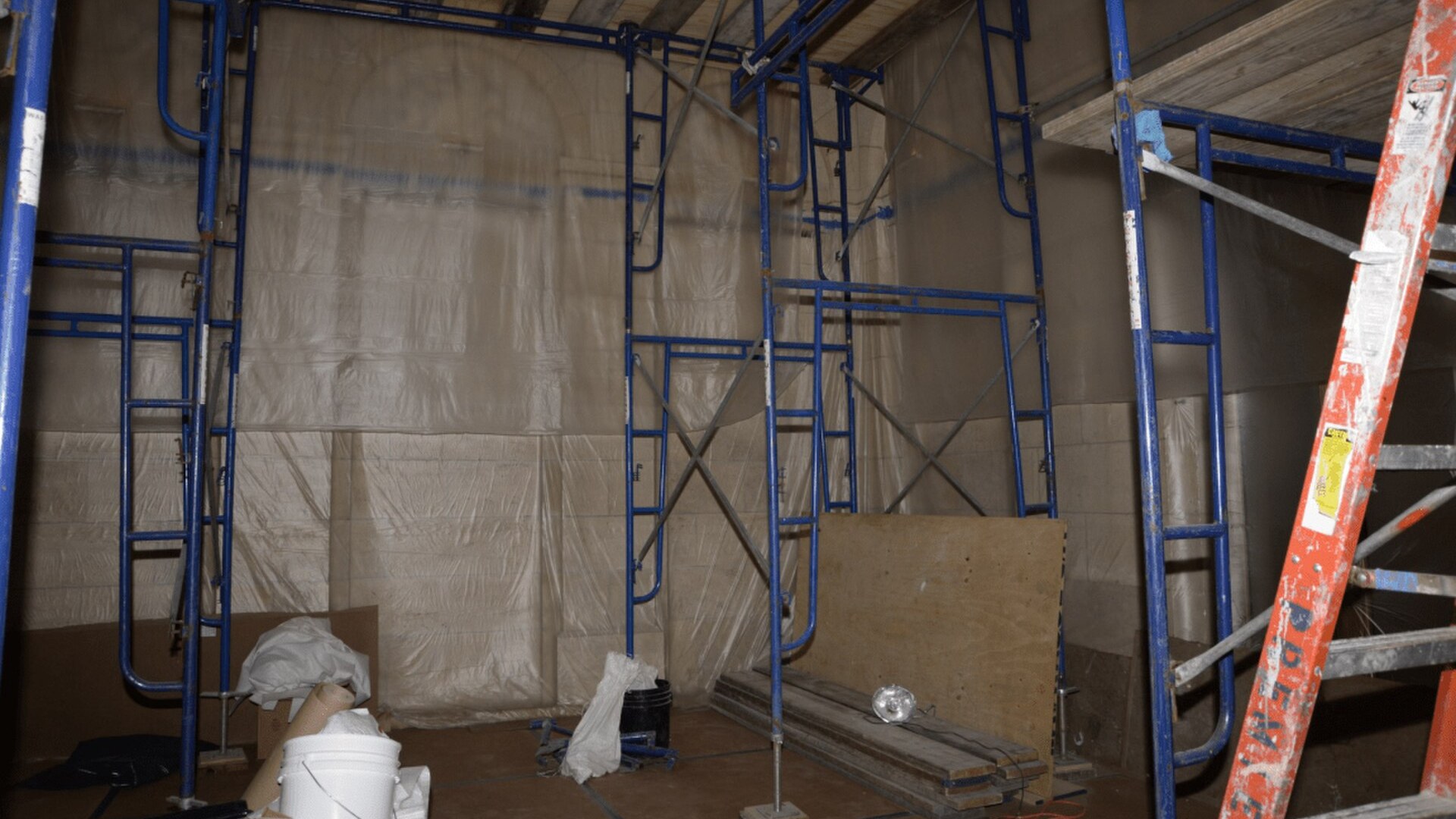
7. Securing Loose Construction Supplies
Construction materials turn into lethal windborne debris when exposed to 60 mph gusts. Contractors and homeowners must weigh down stacked lumber with sandbags, nail down loose roof coverings, and lock tools inside enclosed storage trailers.
©Wikimedia / Federal Bureau of Investigation
Advertisement
Swipe or tap ▶ to resume the countdown.
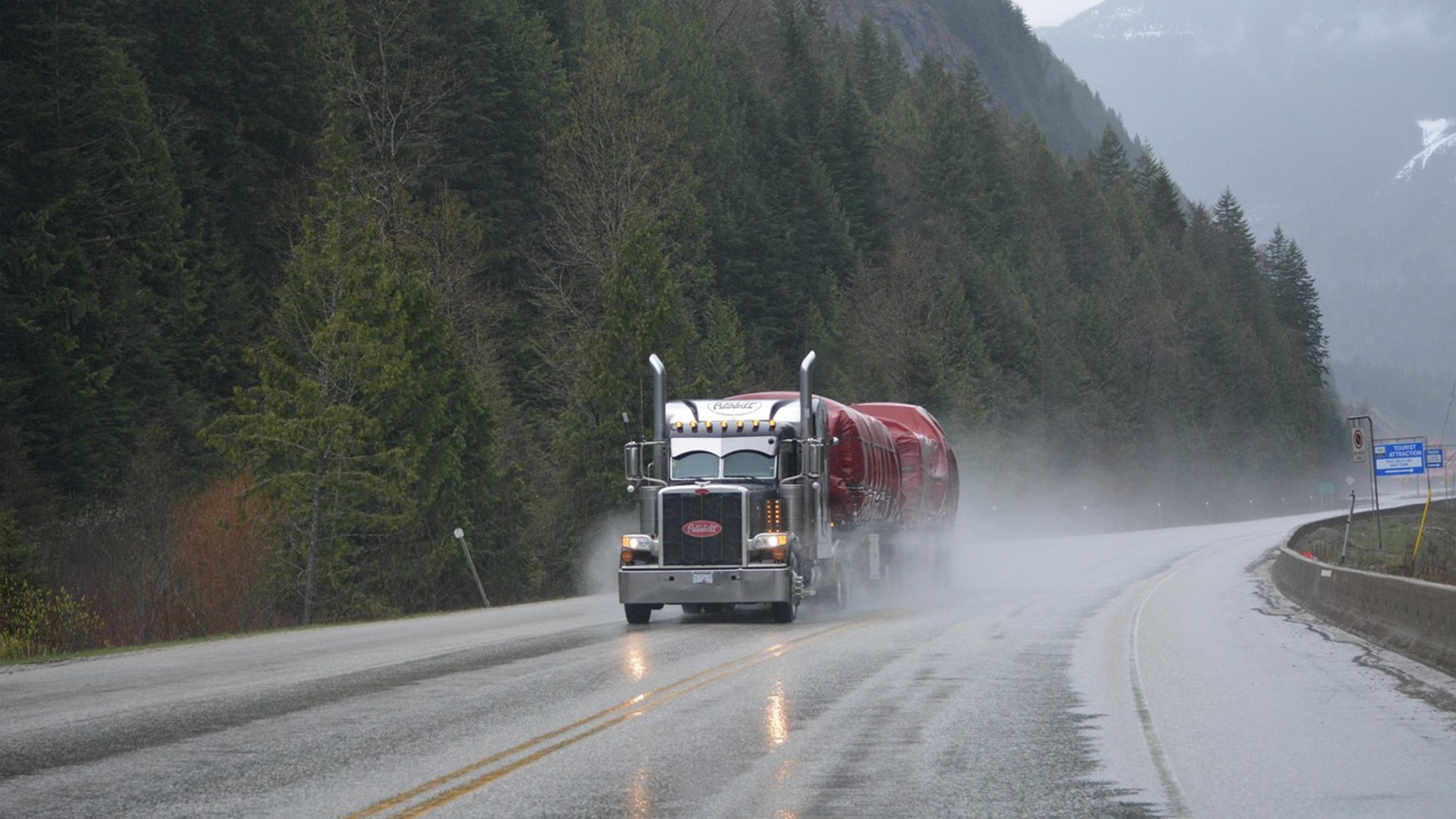
6. Avoiding High-Profile Vehicle Travel
Crosswinds exceeding 45 mph easily push high-profile commercial trucks and camper trailers across highway lanes. Transportation departments often restrict high-sided vehicles on suspension bridges, and motorists should delay unnecessary highway trips.
©Pixabay / rmpublishing
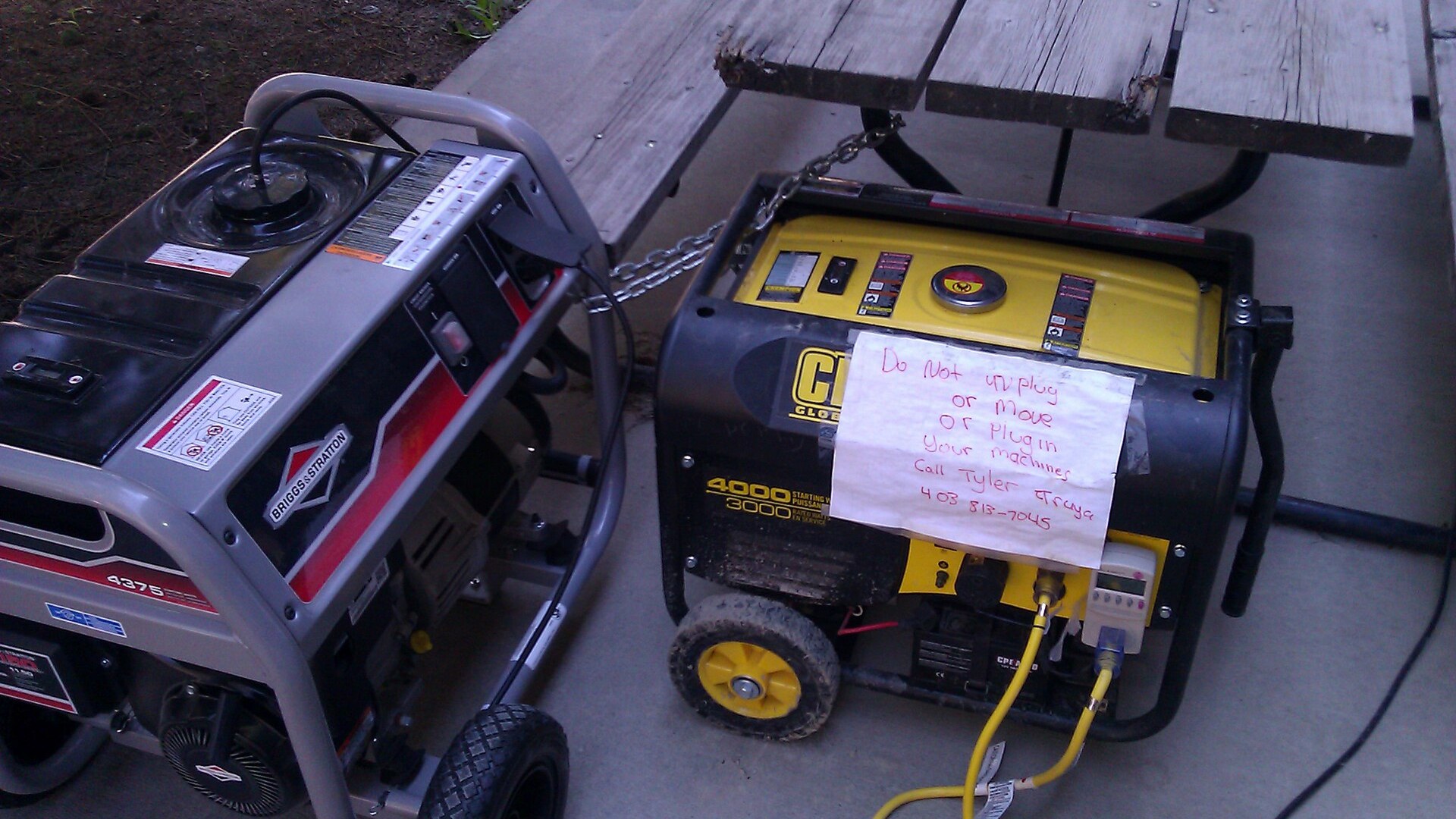
5. Operating Generators Outdoors Only
Carbon monoxide from portable fuel generators is a leading cause of storm-related fatalities. Operating units inside garages or near open bedroom windows can kill sleeping families within minutes, so machines must stay outdoors with dry covers.
©Wikimedia / WestNet N.A. / Abdul Traya
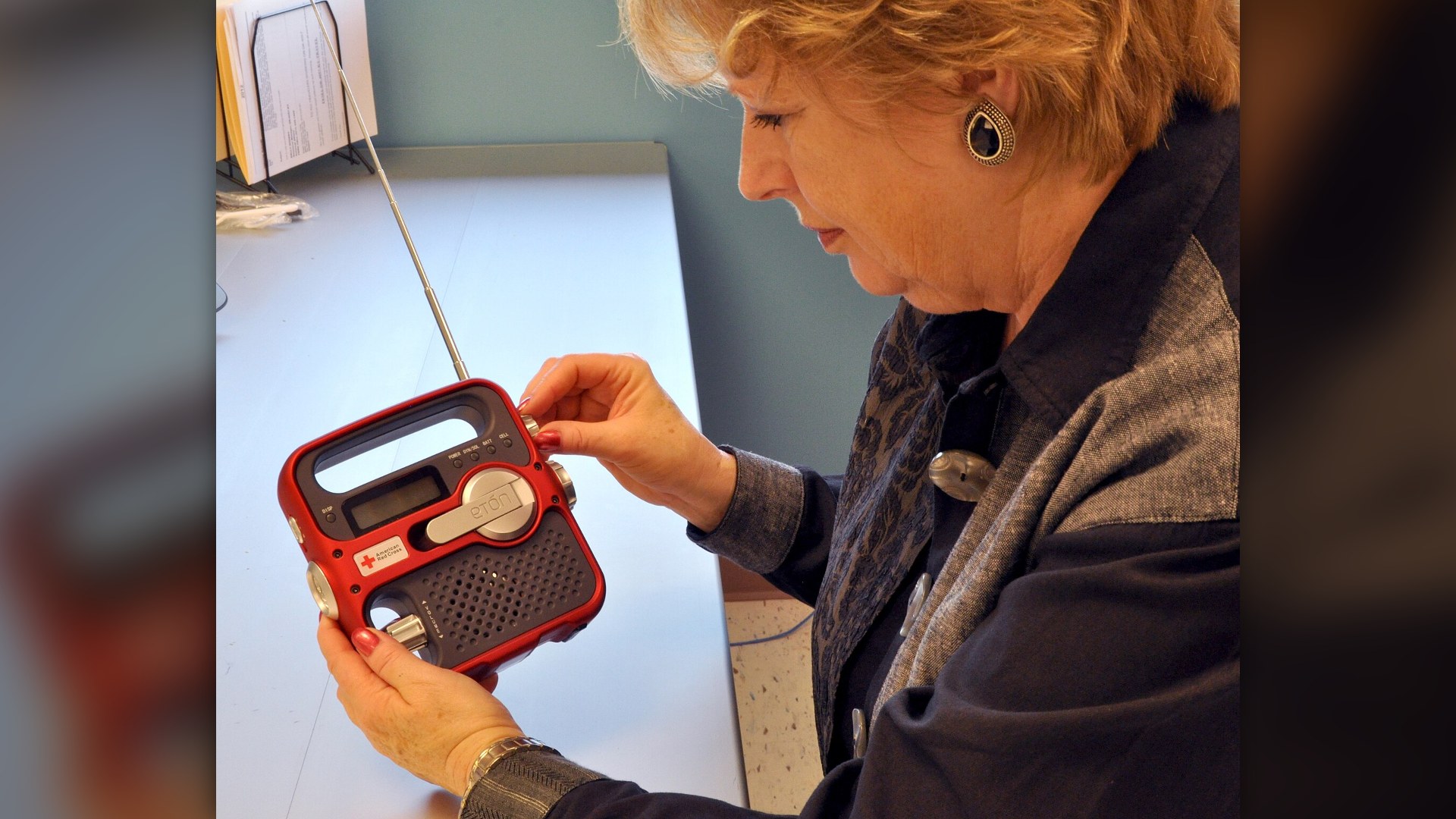
4. Monitoring NOAA Weather Radio
When high winds knock down cellular transmission towers and cut power, internet access disappears. A battery-powered or hand-crank NOAA radio sounds automatic alarms when local weather offices upgrade watches to emergency high wind warnings.
©Wikimedia / Department of Homeland Security. Federal Emergen
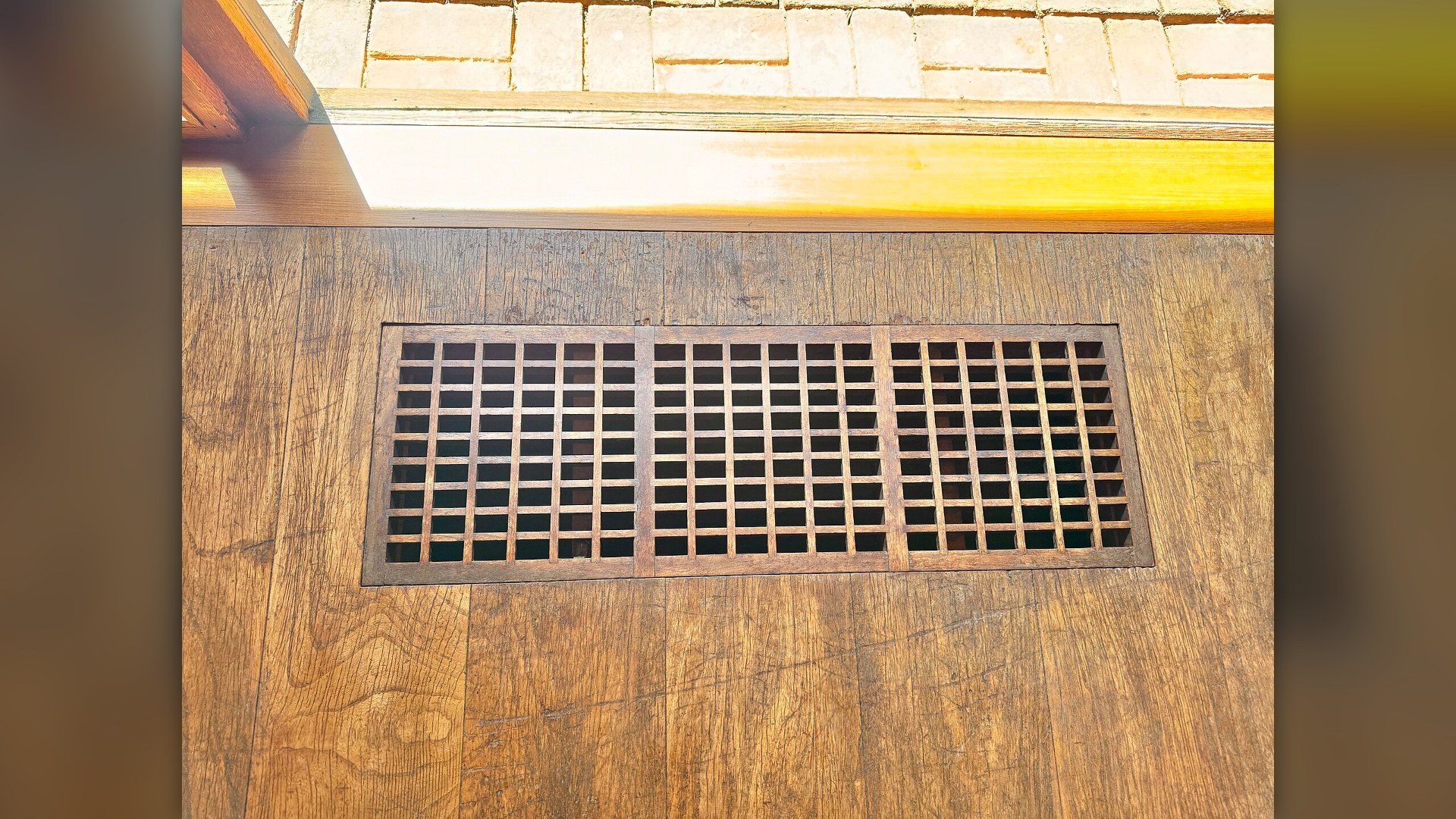
3. Staying Indoors Away From Windows
Flying tree branches and roofing tiles can shatter exterior glass without warning during severe gales. Seeking refuge in an interior bathroom, closet, or hallway provides protective structural framing that shields occupants from flying shards.
©Wikimedia / w_lemay
Advertisement
Swipe or tap ▶ to resume the countdown.
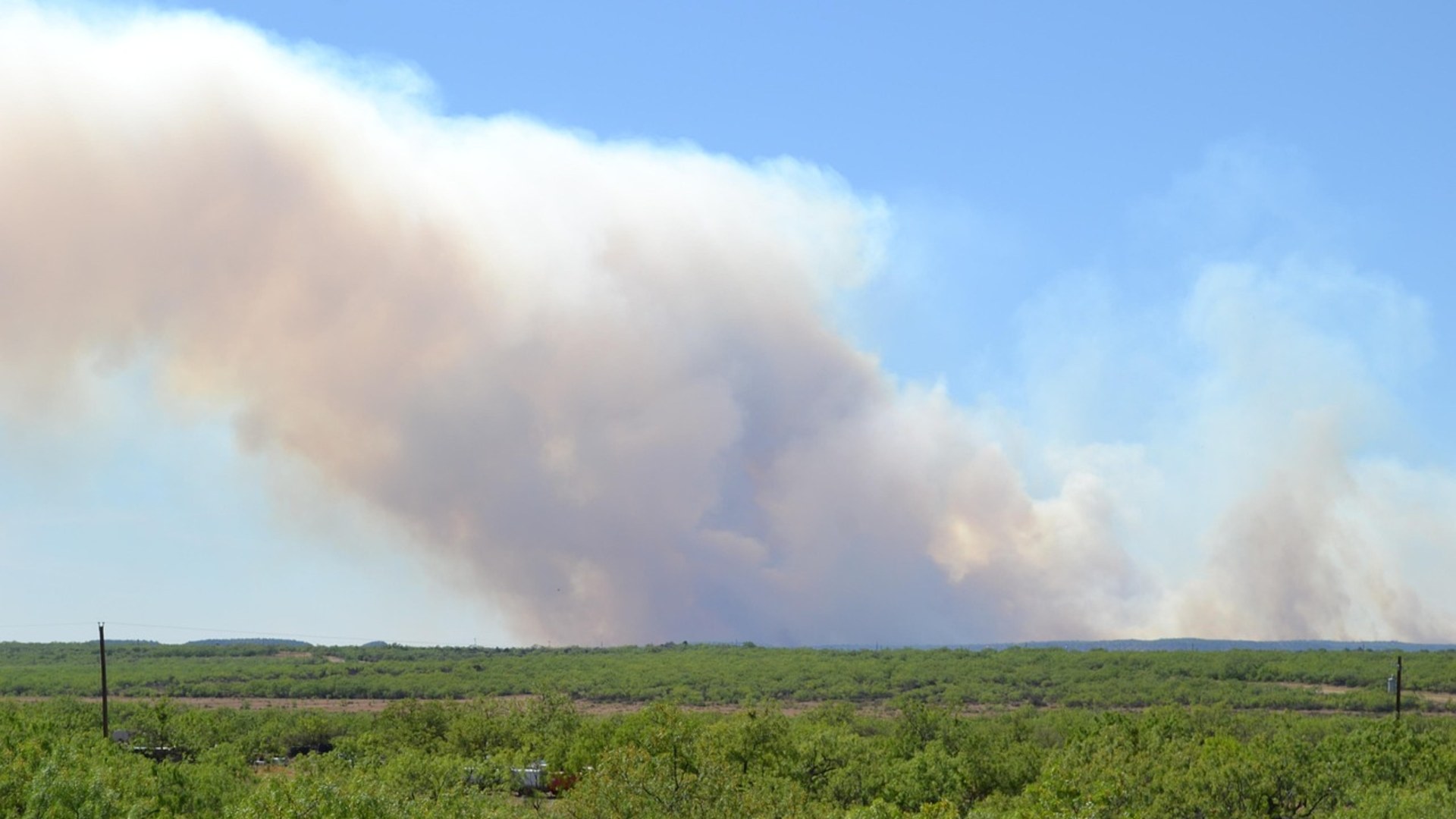
2. Preparing For Sudden Wildfire Risks
In arid and drought-stricken regions, high wind events cause power lines to slap together and shower dry brush with sparks. Homeowners should clear flammable dried pine needles from eaves and keep a packed evacuation bag ready if wildfires ignite.
©Pixabay / PublicDomainPictures
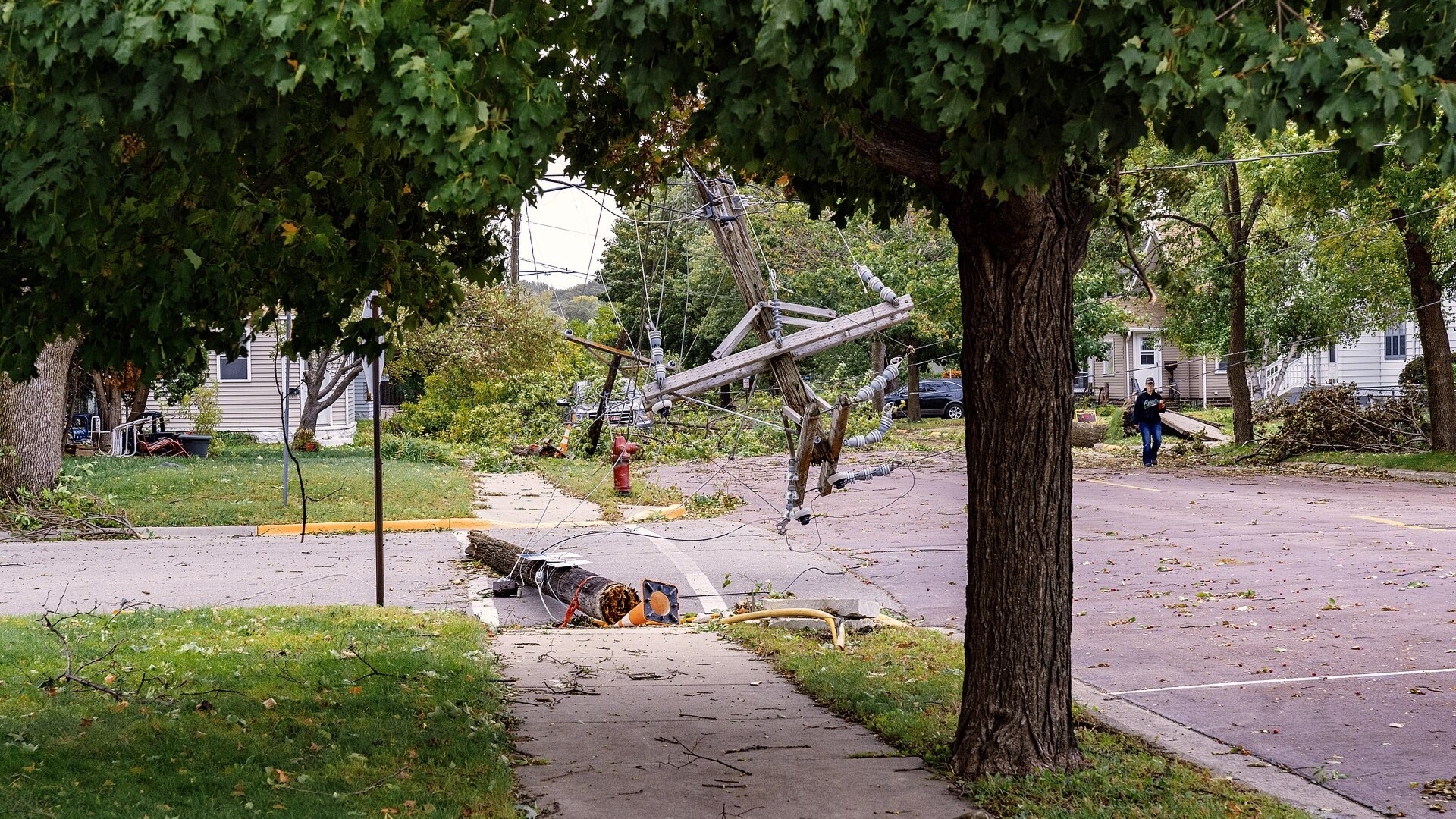
1. Treating Downed Power Lines As Live
Fallen overhead utility cables are the most lethal hazard following a major wind storm. Never touch downed lines or objects touching them, including wet pavement or metal fences, and call 911 immediately while warning neighbors away from the danger zone.

©Wikimedia / Tony Webster from Minneapolis, Minnesota, United
Advertisement
You've reached the end of the story. Thanks for reading!

21 Visited Places of Worship in the World
Millions of travelers and worshippers journey each year to sacred sanctuaries across different faiths and continents. From historic Gothic cathedrals and serene Shinto shrines to sprawling Hindu complexes, these holy sites draw immense crowds. Here are twenty-one revered places of worship in ascending order.
All 21 Entries in this Story
21. Understanding The Watch Window
A high wind watch provides communities with critical advance notice before severe gales strike. Meteorological models identify potential storm tracks up to two days ahead, giving homeowners and municipal crews adequate time to secure structures and clear roads.

20. Knowing The Official Thresholds
Meteorologists trigger high wind alerts only when atmospheric pressure gradients threaten severe damage. Sustained winds between 40 and 74 mph or sudden gusts of 58 mph can blow over tractor trailers, snap power poles, and uproot mature trees without warning.

19. Watch Versus Warning Difference
Understanding weather terminology is essential for household safety. While a watch advises residents to prepare for potential hazards within two days, an upgrade to a high wind warning means destructive winds are already occurring or will strike within 36 hours.

18. Securing Lightweight Yard Items
Gale-force gusts easily pick up loose backyard objects and slam them into windows or passing cars. Homeowners should move plastic bins, hanging planters, and yard decor into garages or sheds as soon as an alert appears on weather broadcasts.

17. Anchoring Heavy Patio Furniture
Even substantial outdoor dining sets can catch wind like sails and flip across stone decks. Experts advise removing glass tabletops, tightly binding umbrella poles with bungee straps, and stacking heavy wrought iron chairs in sheltered corners.

16. Inspecting Dead Tree Branches
Arborists recommend scanning tree canopies for dead branches hanging above driveways and power lines. Cutting back compromised limbs before storm winds peak prevents heavy boughs from falling onto bedrooms or pulling live utility wires into yards.

15. Parking Vehicles In Safe Zones
Falling tree trunks and airborne gravel routinely shatter windshields and crush car roofs during gales. If garage space is unavailable, move vehicles away from large trees and avoid parking directly under electrical service lines or fragile wooden fences.

14. Reinforcing Garage Doors
Building research shows that garage door failure allows intense wind pressure to enter, blowing out side walls and lifting roofs. Installing vertical retrofit bracing kits or reinforcing track brackets helps standard double doors withstand intense gusts.

13. Checking Window And Shutter Latches
High winds create massive pressure differentials across building envelopes, turning unlocked windows into structural weak points. Locking double-hung windows tightly pulls the sashes together, creating an airtight seal that resists violent wind suction.

12. Clearing Roof Gutters And Drains
Severe wind watches are frequently accompanied by torrential rain and frontal squalls. Clearing drainage channels ensures heavy precipitation sheds off shingles rapidly, preventing wind-driven water from pushing under eaves and rotting roof decking.

11. Charging All Essential Electronics
Tree limbs hitting transformers can disable community power grids for multiple days. Keeping mobile phones and rechargeable power banks at full capacity guarantees families can monitor weather bulletins and call emergency services if trees hit homes.

10. Stocking Flashlights And Fresh Batteries
Open flame candles represent a severe fire hazard during high wind blackouts when drafts flow through houses. Fire departments urge households to stage battery-powered LED lanterns in every main room and store spare alkaline packs within easy reach.

9. Assembling A 72-Hour Water Supply
Widespread electrical blackouts can shut down municipal water treatment plants and residential well pumps. Emergency planners advise storing a three-day supply of sealed water bottles to maintain proper hydration and sanitation until utility power returns.

8. Chilling Refrigerators In Advance
Lowering appliance temperatures before winds peak keeps perishables cold longer when the grid fails. An unopened refrigerator will keep food safe for four hours, while a full freezer maintains temperatures for 48 hours if the seal remains closed.

7. Securing Loose Construction Supplies
Construction materials turn into lethal windborne debris when exposed to 60 mph gusts. Contractors and homeowners must weigh down stacked lumber with sandbags, nail down loose roof coverings, and lock tools inside enclosed storage trailers.

6. Avoiding High-Profile Vehicle Travel
Crosswinds exceeding 45 mph easily push high-profile commercial trucks and camper trailers across highway lanes. Transportation departments often restrict high-sided vehicles on suspension bridges, and motorists should delay unnecessary highway trips.

5. Operating Generators Outdoors Only
Carbon monoxide from portable fuel generators is a leading cause of storm-related fatalities. Operating units inside garages or near open bedroom windows can kill sleeping families within minutes, so machines must stay outdoors with dry covers.

4. Monitoring NOAA Weather Radio
When high winds knock down cellular transmission towers and cut power, internet access disappears. A battery-powered or hand-crank NOAA radio sounds automatic alarms when local weather offices upgrade watches to emergency high wind warnings.

3. Staying Indoors Away From Windows
Flying tree branches and roofing tiles can shatter exterior glass without warning during severe gales. Seeking refuge in an interior bathroom, closet, or hallway provides protective structural framing that shields occupants from flying shards.

2. Preparing For Sudden Wildfire Risks
In arid and drought-stricken regions, high wind events cause power lines to slap together and shower dry brush with sparks. Homeowners should clear flammable dried pine needles from eaves and keep a packed evacuation bag ready if wildfires ignite.

1. Treating Downed Power Lines As Live
Fallen overhead utility cables are the most lethal hazard following a major wind storm. Never touch downed lines or objects touching them, including wet pavement or metal fences, and call 911 immediately while warning neighbors away from the danger zone.