Slideshow · Science
20 Stunning Deep-Space Images Captured by NASA Telescopes
Recent deep space observations from orbital observatories like the James Webb Space Telescope and Euclid are transforming astronomy. This curated collection highlights twenty breakthrough images reshaping modern physics, based on official imaging data and reporting from NASA, ESA, and STScI scientific releases.
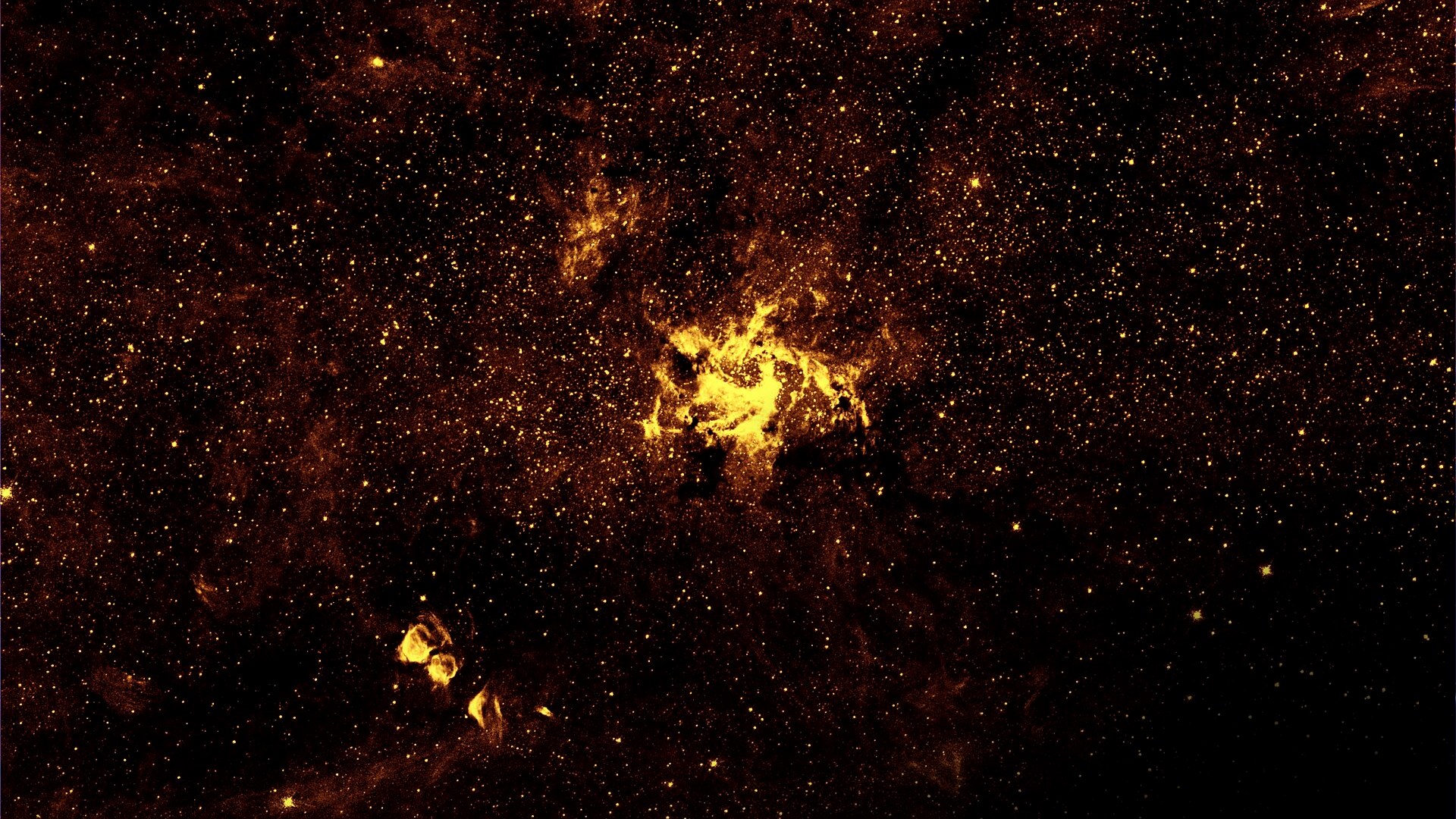
By Most Viral Today
33 min ago

Deep Universe Breakthroughs 
20. Uranus Rings And Polar Cap 
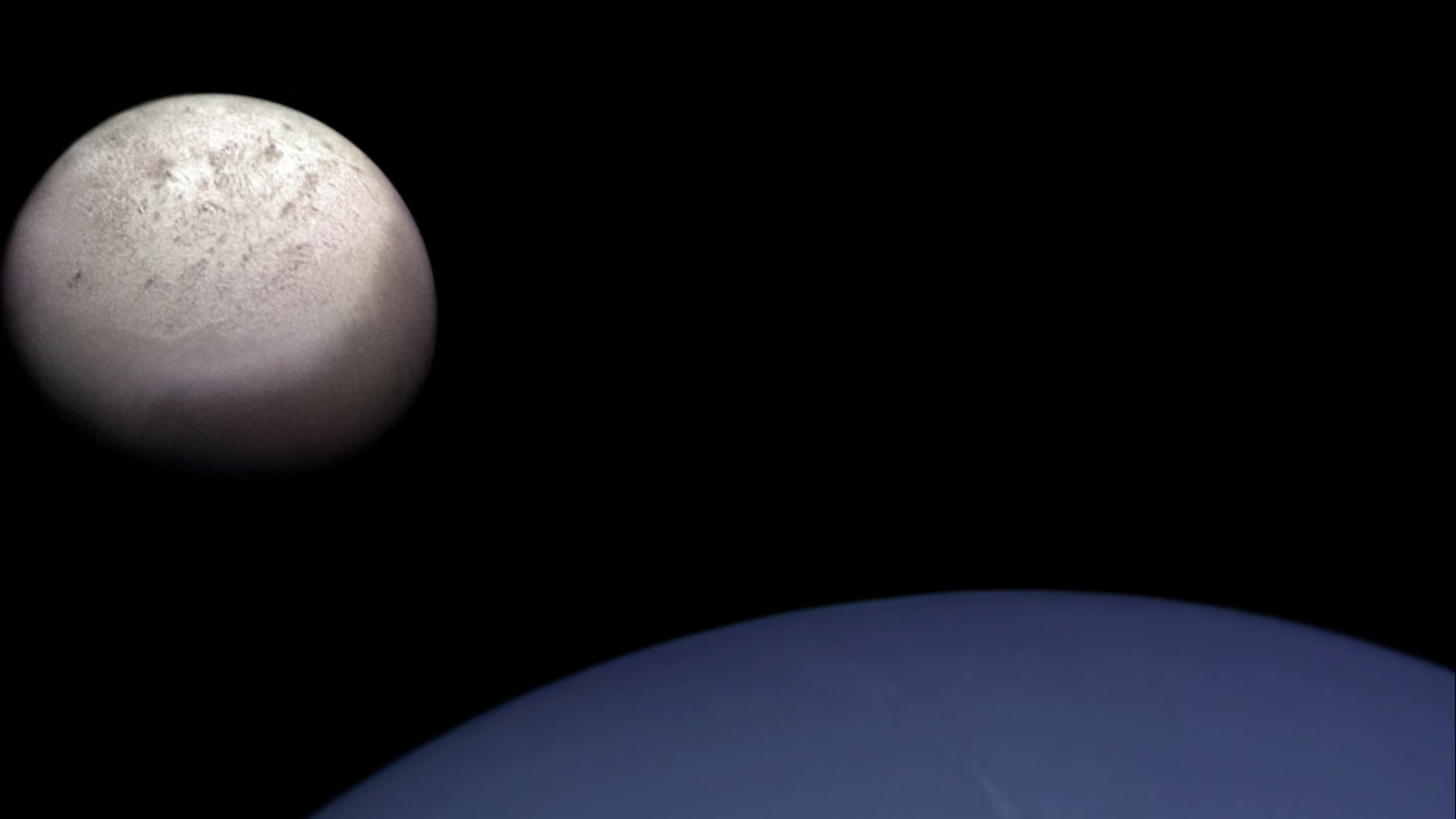
19. Neptune Rings And Triton 
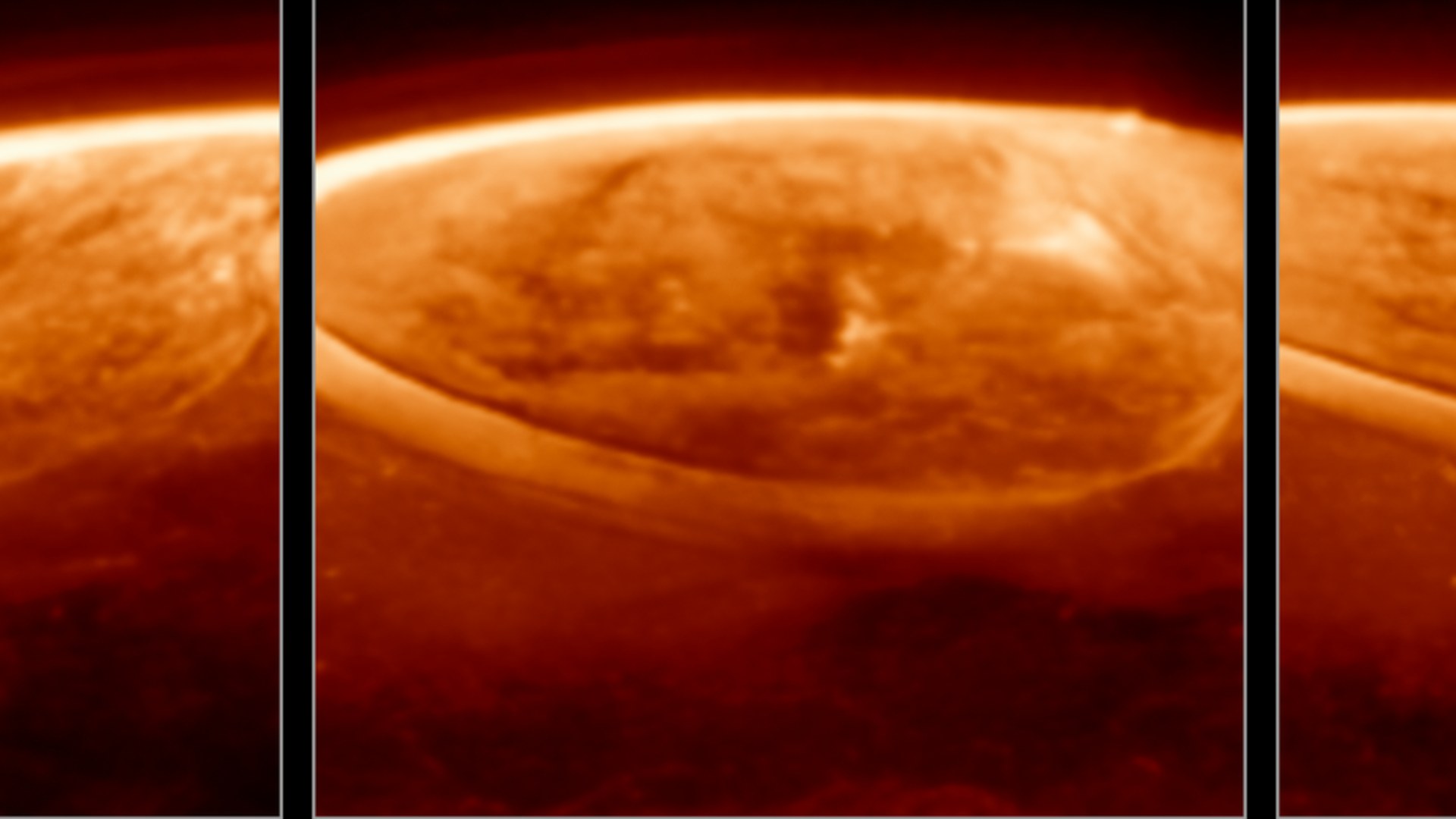
18. Jupiter Infrared Auroras - AdvertisementSwipe or tap ▶ to continue countdown

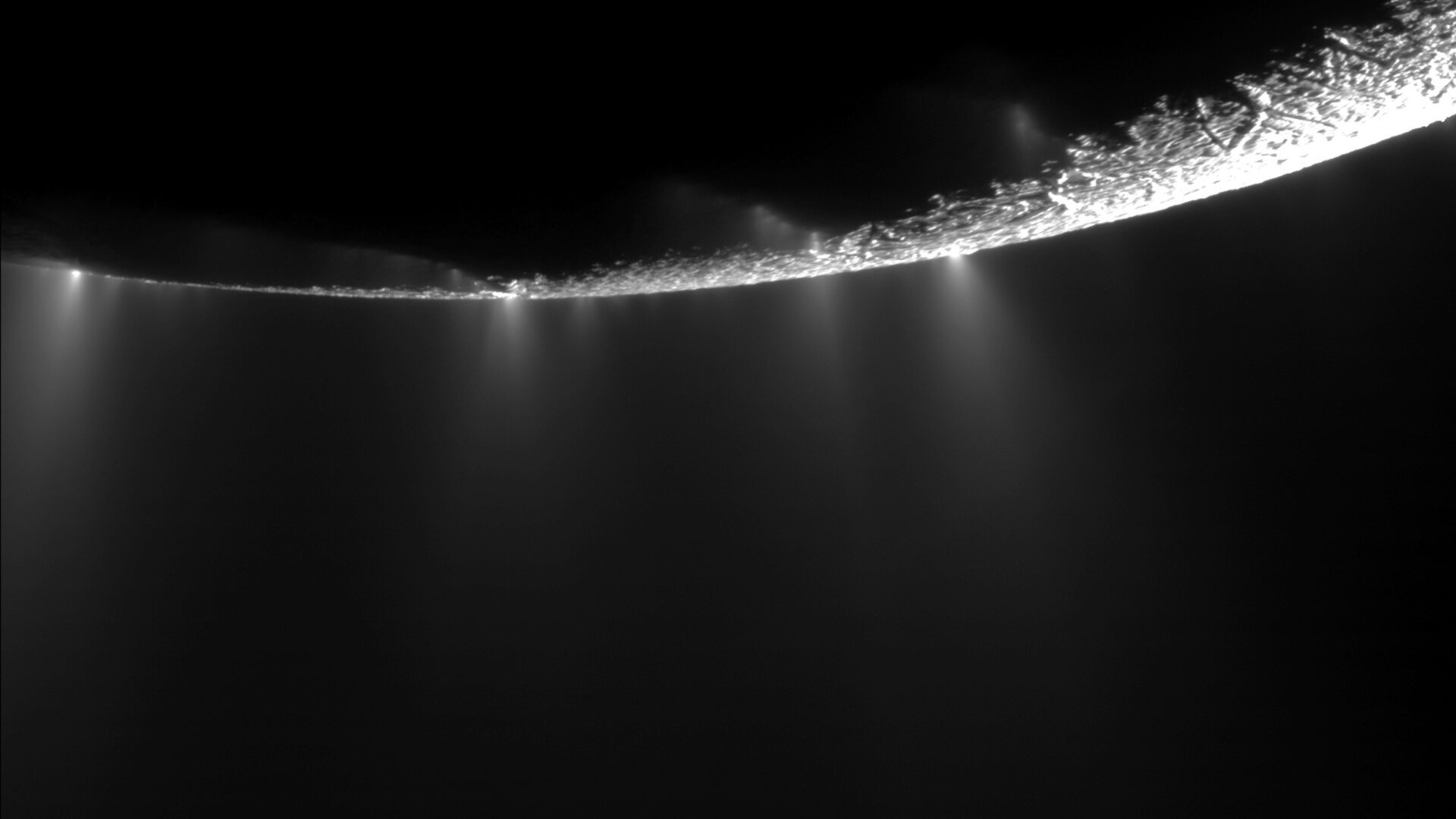
17. Enceladus Water Vapor Plumes 
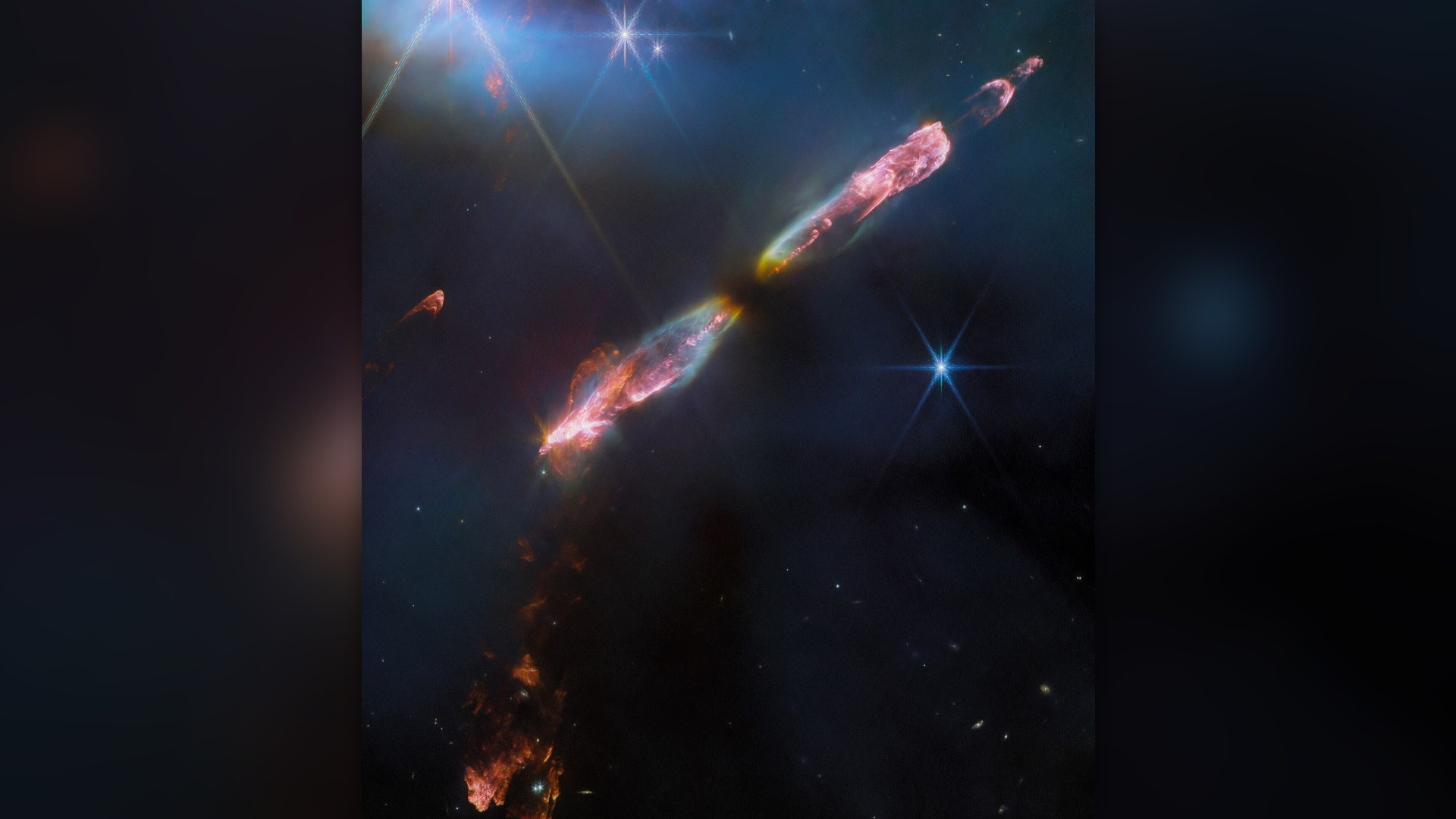
16. Herbig-Haro 211 Protostellar Jets 
15. Rho Ophiuchi Stellar Nursery 
14. Horsehead Nebula Ionization Edge - AdvertisementSwipe or tap ▶ to continue countdown

13. Sombrero Galaxy Dust Ring 
12. Arp 220 Dual Starburst Cores 
11. Gravitational Lensing Rings 
10. Ring Nebula Messier 57 - AdvertisementSwipe or tap ▶ to continue countdown

9. Crab Nebula Pulsar Wind 
8. Southern Ring Nebula NGC 3132 
7. Cassiopeia A Supernova Remnant 
6. Tarantula Nebula Starburst Cluster - AdvertisementSwipe or tap ▶ to continue countdown

5. Perseus Cluster Dark Matter Map 
4. MACS0647-JD Cosmic Dawn Triple 
3. Wolf-Rayet 140 Concentric Shells 
2. Supernova 1987A Crescent Core - AdvertisementSwipe or tap ▶ to continue countdown

1. Sagittarius A* Event Horizon - Advertisement🔥 UP NEXT IN THIS SERIES◫ 25 Slides

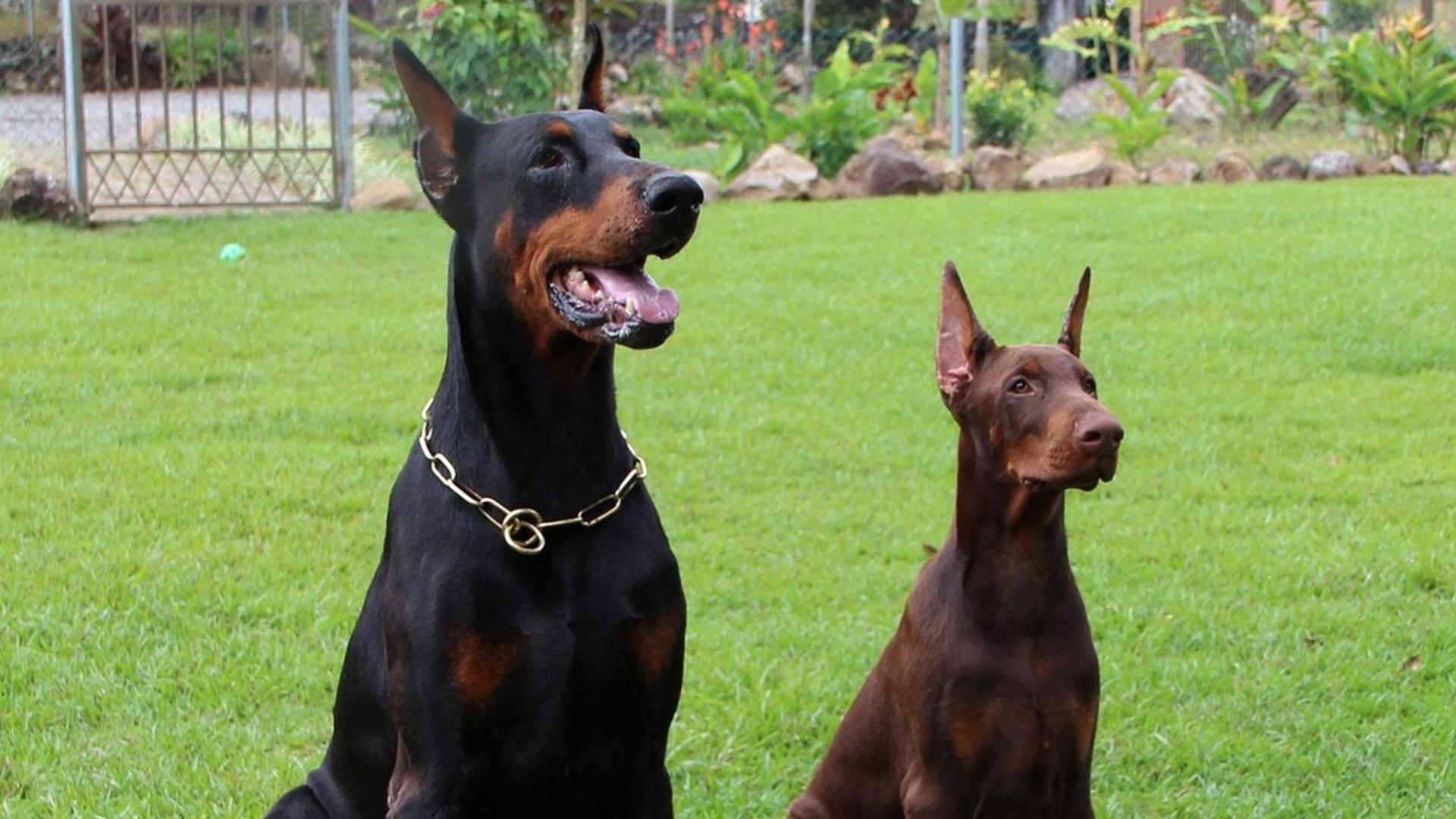
24 Dog Breeds That Require Confident Owners
From small terriers with surprising bite frequencies to colossal livestock guardians and historically banned fighting breeds, certain dogs provoke deep public fear across the United States. Documented hospital trauma data, jaw leverage, and breed-specific legislation explain why these twenty-four canines are feared.
Recent deep space observations from orbital observatories like the James Webb Space Telescope and Euclid are transforming astronomy. This curated collection highlights twenty breakthrough images reshaping modern physics, based on official imaging data and reporting from NASA, ESA, and STScI scientific releases.
Swipe or tap ▶ to begin the countdown
©Wikimedia / NASA's James Webb Space Telescope from Greenbelt
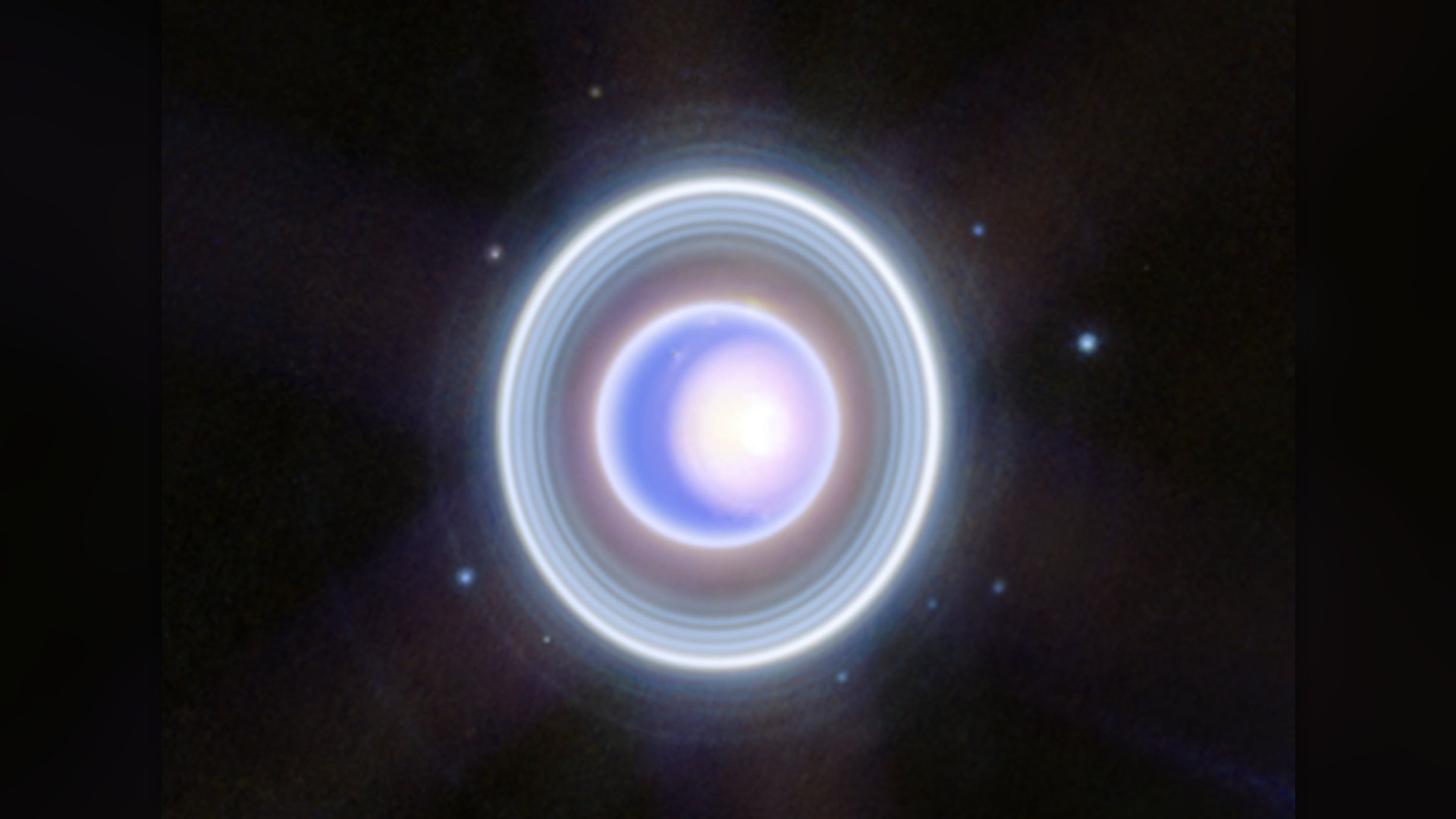
20. Uranus Rings And Polar Cap
NASA and ESA released high-resolution infrared captures from the Webb telescope in late 2023, exposing 11 of the 13 known rings of Uranus. The imagery revealed the planet's seasonal polar cap in unprecedented detail alongside nine surrounding moons, offering fresh insights into ice-giant atmospheric weather.
©Wikimedia / NASA, ESA, CSA, STScI
19. Neptune Rings And Triton
Webb's NIRCam captured Neptune's delicate ring system with crisp clarity, marking the first time several faint dust bands were seen clearly since Voyager 2 flew past in 1989. The capture also highlighted seven inner moons and the icy surface reflectivity of Triton, an active Kuiper Belt escapee.
©Wikimedia / Andrea Luck
18. Jupiter Infrared Auroras
Composite infrared processing by NASA and international partners revealed Jupiter's violent polar auroras and diffraction-spiked rings against a field of background galaxies. The wide-field frame showed the Great Red Spot glowing brightly due to reflected sunlight at two and three micron wavelengths.
©Wikimedia / NASA, ESA, CSA, Jonathan Nichols (University of
Advertisement
Swipe or tap ▶ to resume the countdown.
17. Enceladus Water Vapor Plumes
In 2023, Webb's high-resolution spectrograph captured a 6,000-mile-long water plume erupting from the south pole of Saturn's icy moon Enceladus. The observation proved the moon feeds a vast water torus across the Saturnian system at an astonishing rate of 300 litres per second, aiding ocean-world models.
©Wikimedia / NASA/JPL/SSI
16. Herbig-Haro 211 Protostellar Jets
Infrared imagery resolved supersonic gas jets streaming from a Class 0 protostar inside the Perseus constellation. Moving at up to 100 kilometres per second, these turbulent bow shocks carve channels through cold molecular gas, demonstrating how infant stars regulate their mass growth during early stellar birth.
©Wikimedia / ESA/Webb, NASA, CSA, T. Ray (Dublin Institute fo
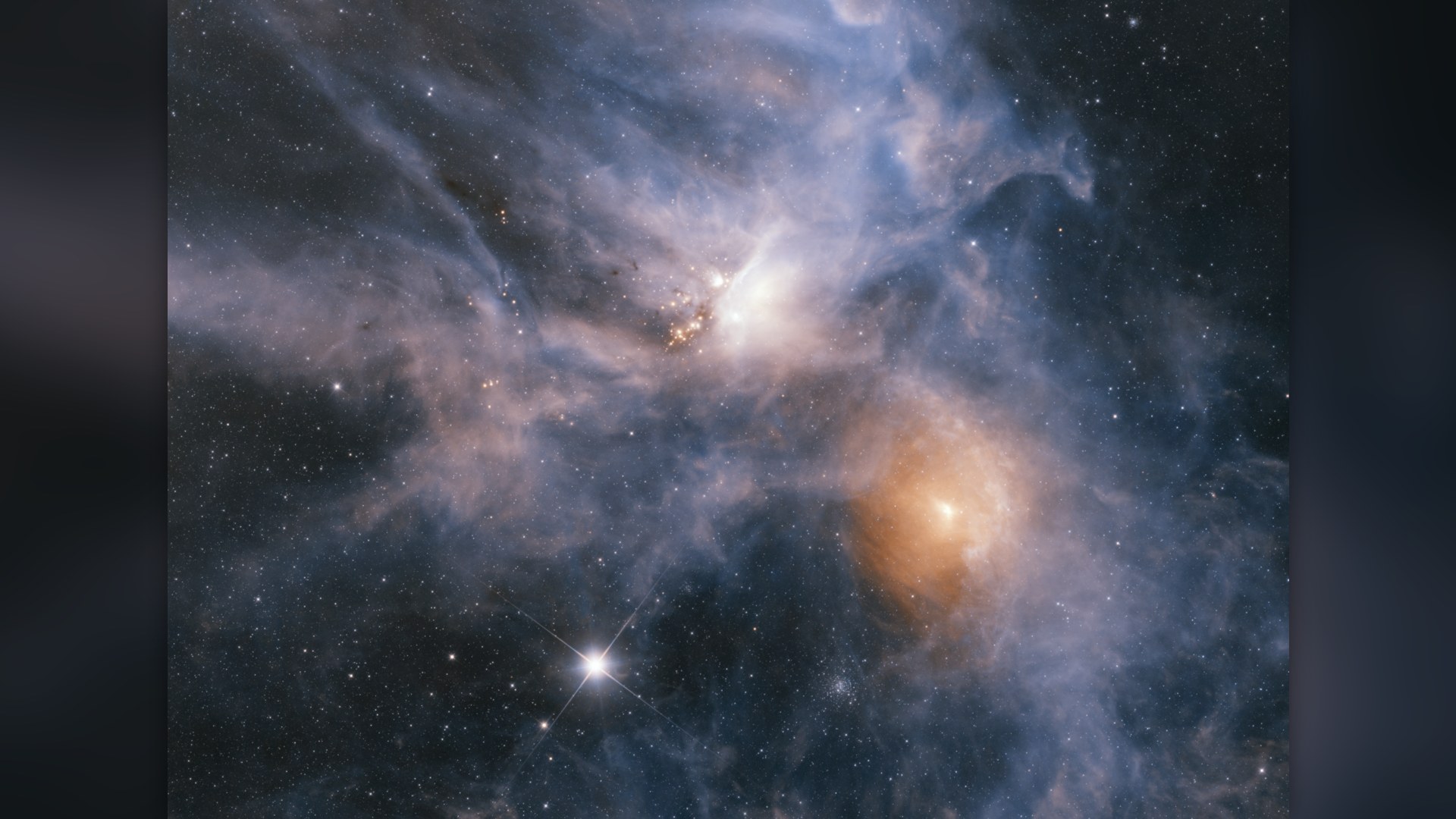
15. Rho Ophiuchi Stellar Nursery
Located just 390 light-years away, Rho Ophiuchi was revealed by Webb to celebrate its first year of science operations. The infrared data revealed around 50 young stars of similar mass to our Sun, carved by dual bipolar outflows of molecular hydrogen and shadowy protoplanetary discs where planets form.
©Wikimedia / geckzilla
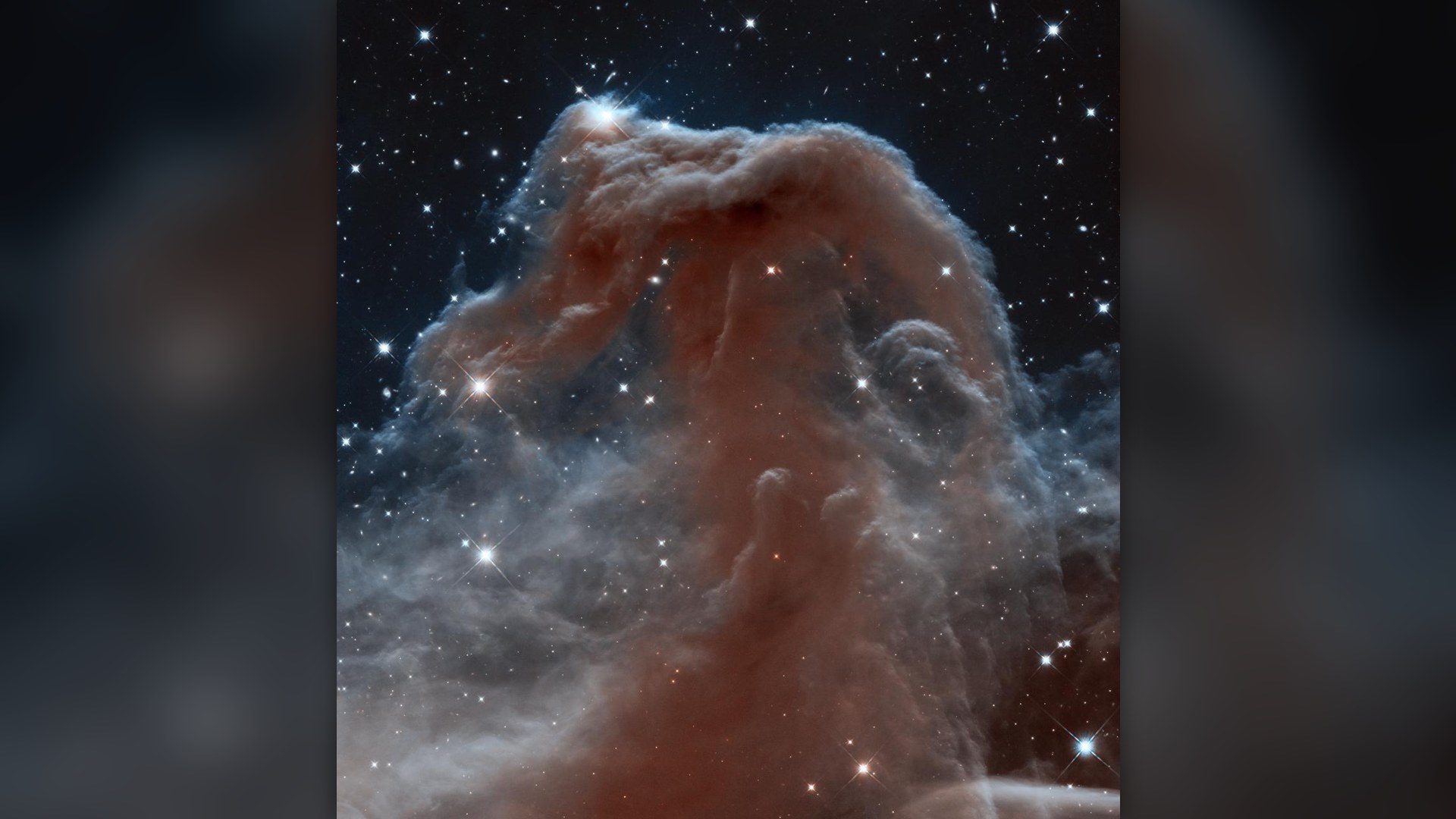
14. Horsehead Nebula Ionization Edge
Groundbreaking 2024 views from the Euclid telescope and Webb mapped the razor-thin ionization edge of Barnard 33 in Orion. The imaging exposed how fierce ultraviolet illumination from nearby giant stars slowly strips away cold interstellar dust, illuminating the delicate mechanics of photo-evaporating gas clouds.
©NASA / GSFC
Advertisement
Swipe or tap ▶ to resume the countdown.
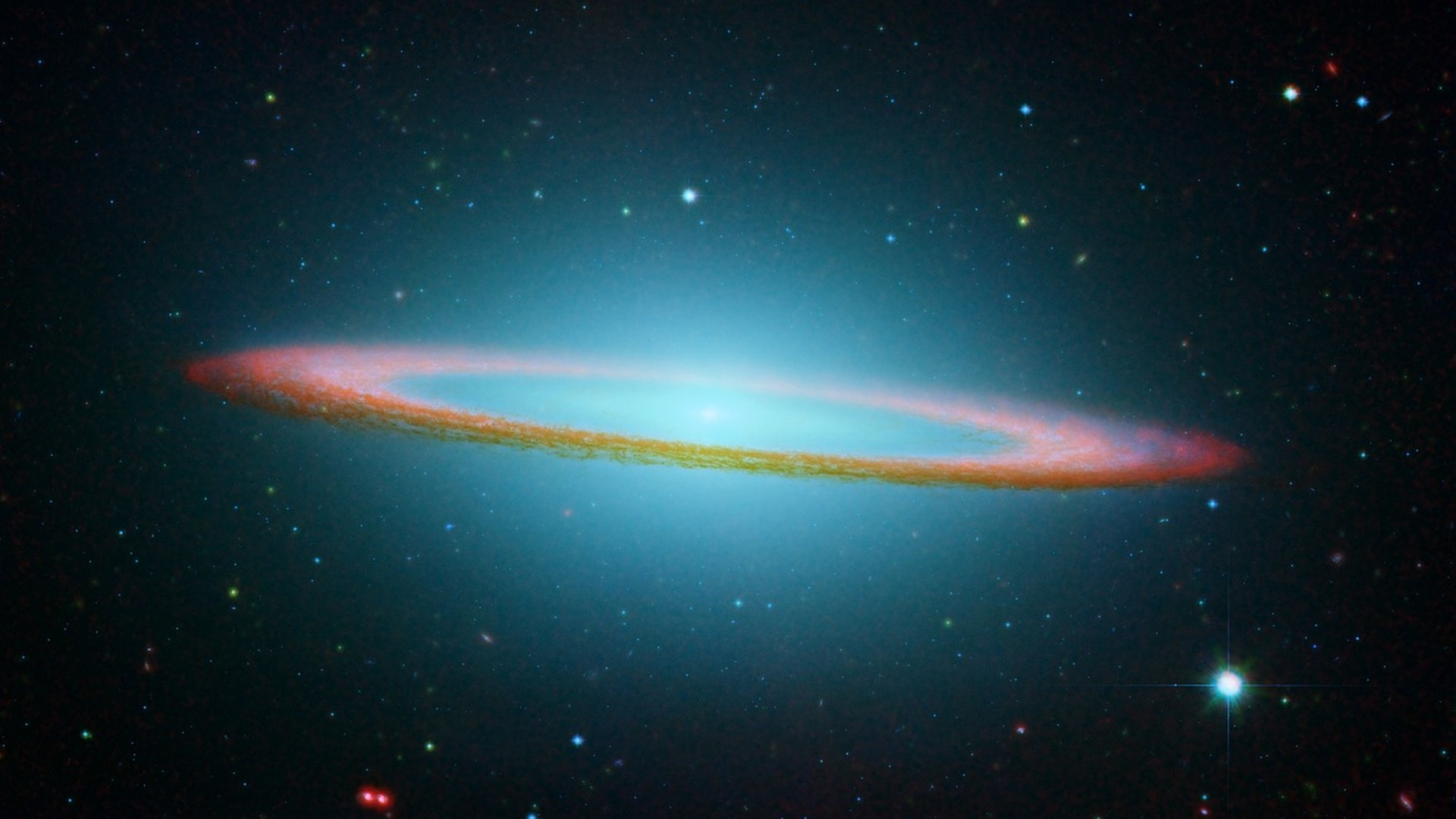
13. Sombrero Galaxy Dust Ring
New mid-infrared captures of Messier 104 revealed that its famous broad dust lane breaks down into intricate clumps and knots of polycyclic aromatic hydrocarbons. The observation shed light on how star formation persists at a low rate despite the galaxy's huge central bulge and dormant supermassive black hole.
©Pixabay / WikiImages
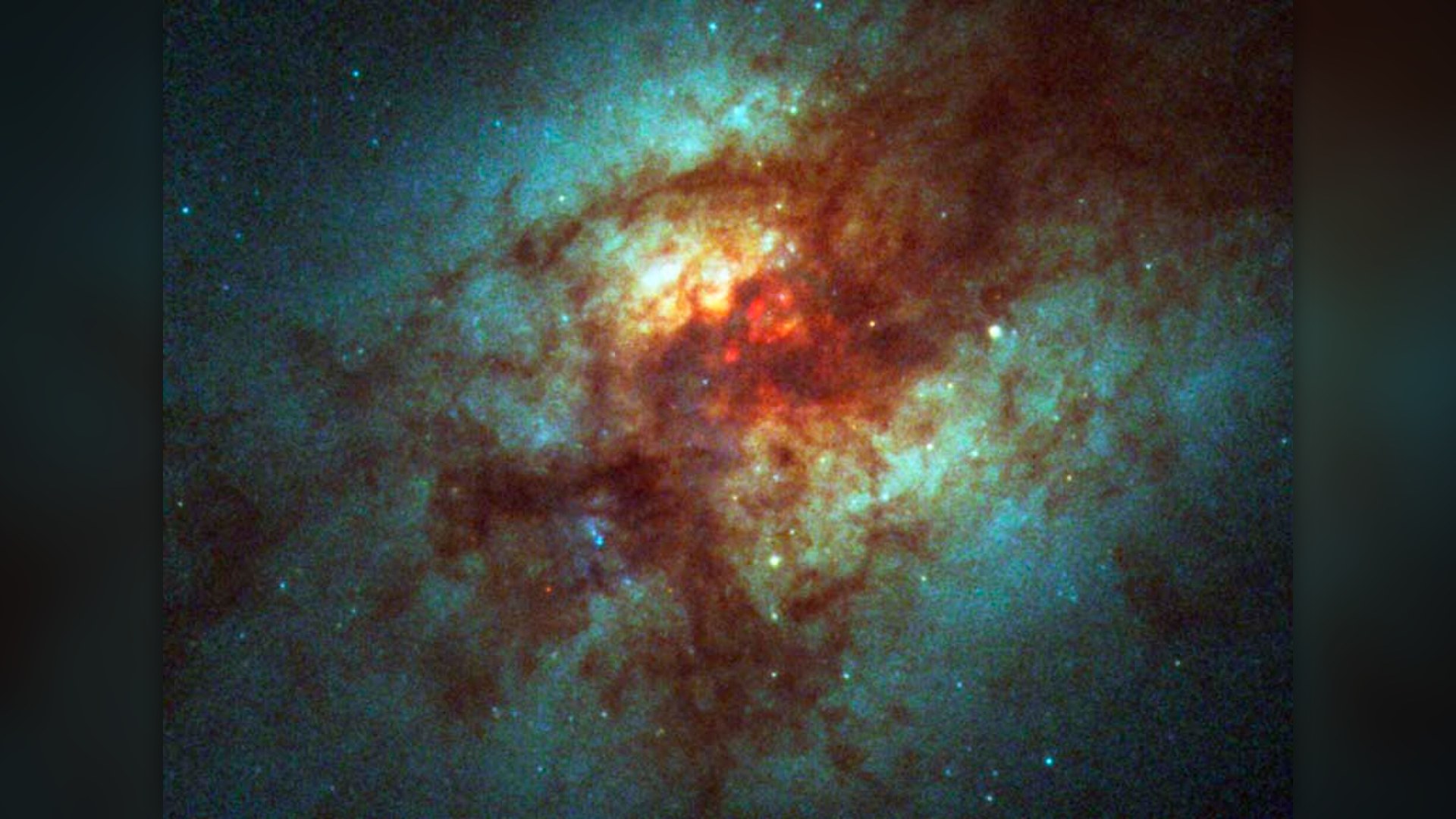
12. Arp 220 Dual Starburst Cores
Located 250 million light-years away in Serpens, Arp 220 represents the closest ultra-luminous infrared galaxy to Earth. Webb pierced through dense columns of dust to resolve two distinct galactic nuclei just 1,200 light-years apart, each producing massive starburst clusters from colliding molecular clouds.
©Wikimedia / NASA, ESA, and C. Wilson (McMaster University, H
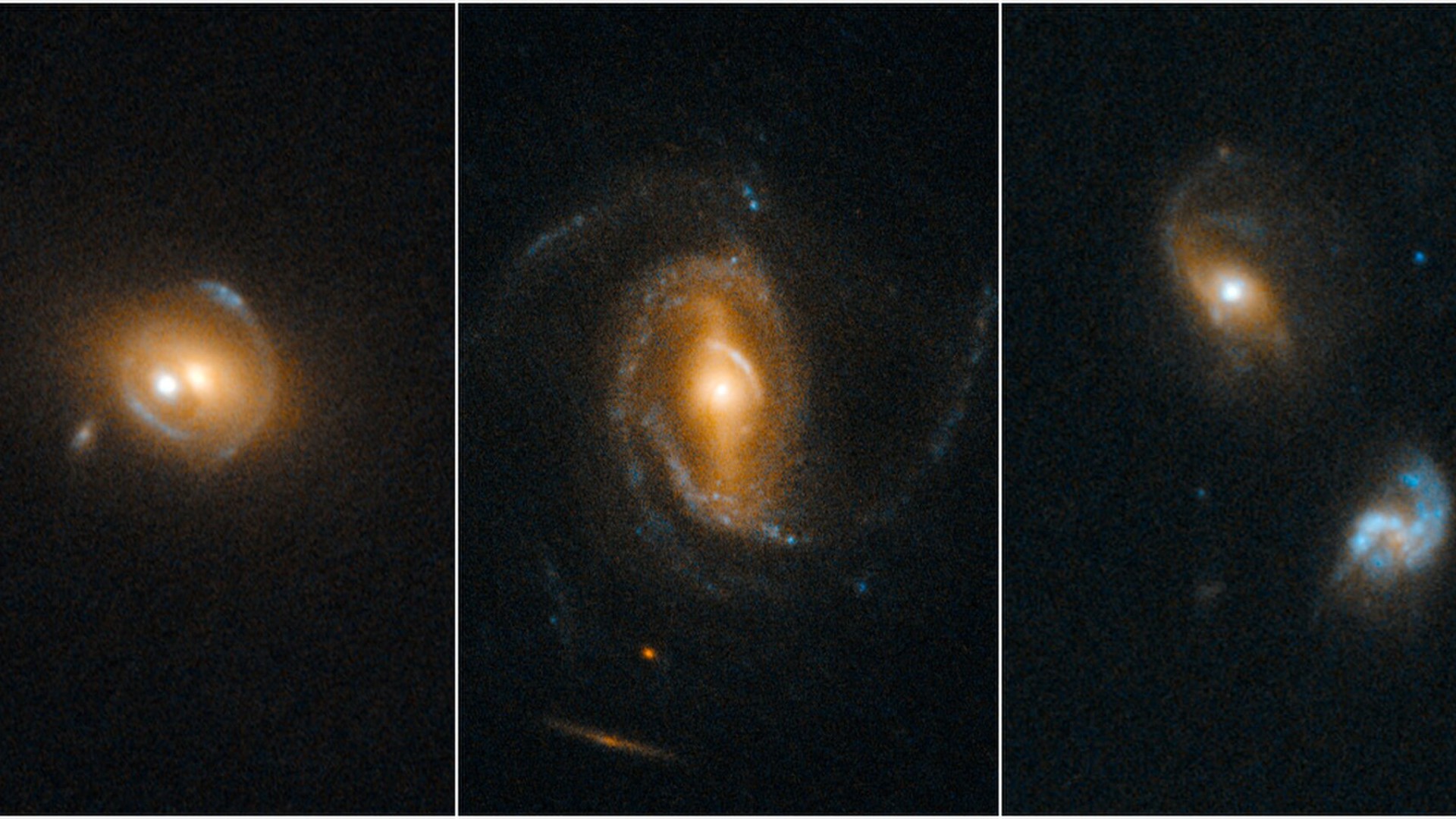
11. Gravitational Lensing Rings
Gravitational lensing creates an optical marvel in deep space, where a massive foreground cluster warps light from a distant starburst galaxy into a glowing cosmic arc. This natural cosmic lens magnifies the background system, letting astronomers study starburst mechanics ten billion years in cosmic history.
©Wikimedia / NASA, ESA, Hubble and F. Courbin (Ecole
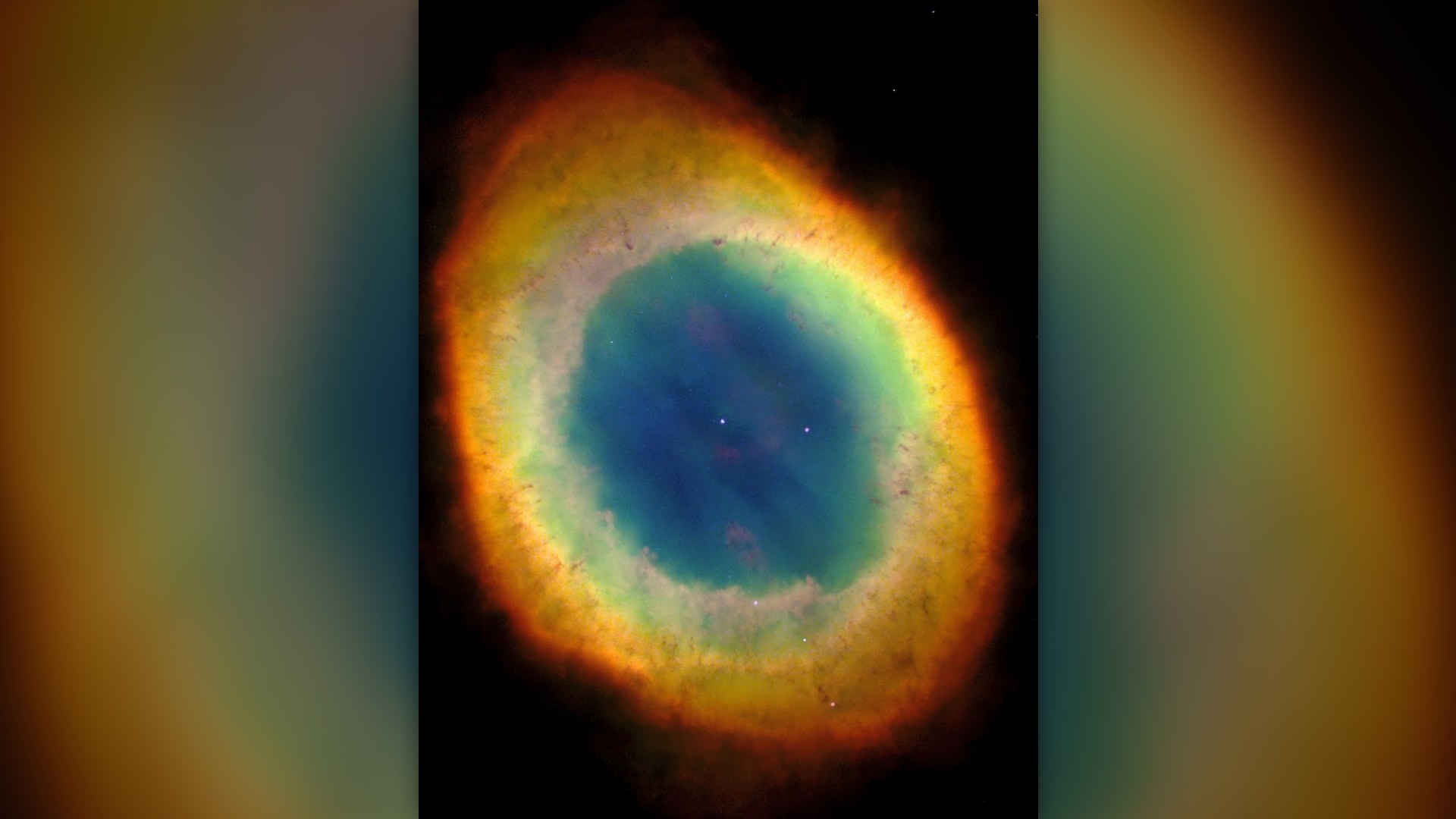
10. Ring Nebula Messier 57
Observations from Webb's NIRCam and MIRI mapped Messier 57 in rich clarity, revealing around 20,000 dense hydrogen clumps within the glowing main ring. The imaging exposed concentric arcs outside the ring formed by the interaction of a central dying star with a companion orbiting inside the nebula.
©Wikimedia / The Hubble Heritage Team (AURA/STScI/NASA)
Advertisement
Swipe or tap ▶ to resume the countdown.
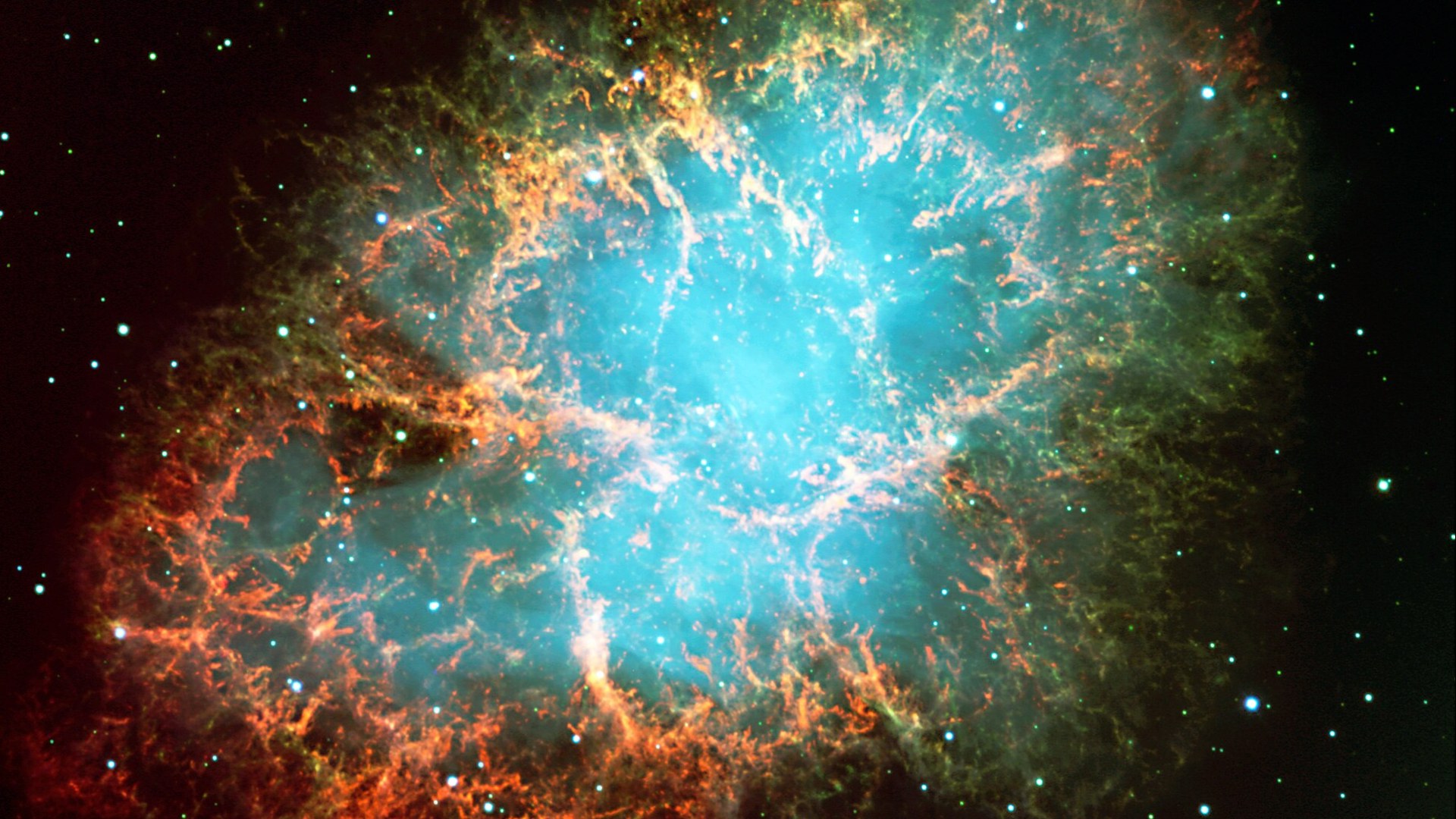
9. Crab Nebula Pulsar Wind
High-precision infrared data of Messier 1 unveiled the synchrotron radiation emitted by the central spinning pulsar. For the first time, astronomers mapped iron-bearing dust grains throughout the filaments, resolving long-standing puzzles about the supernova explosion witnessed on Earth in the year 1054.
©Wikimedia / ESO
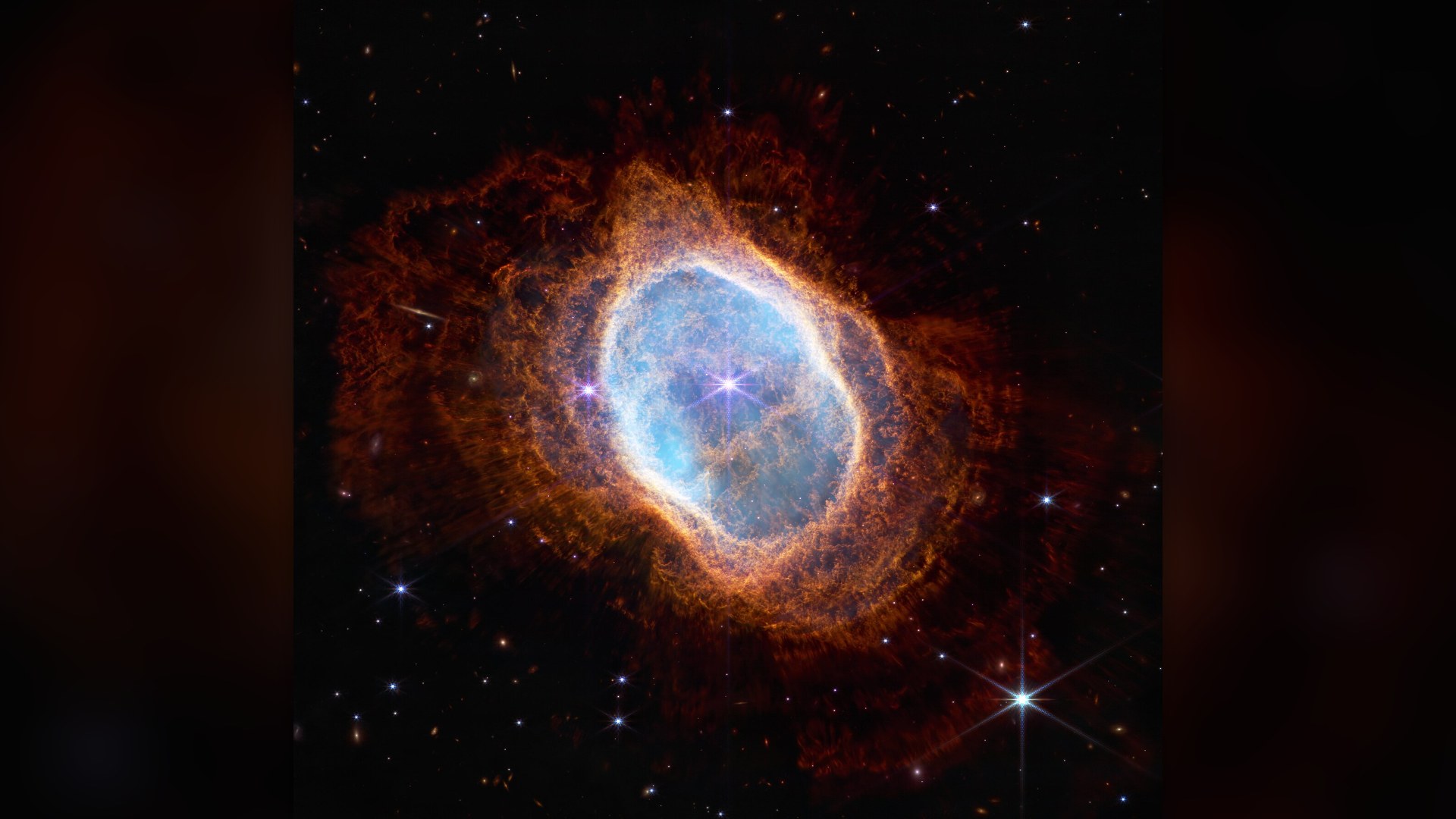
8. Southern Ring Nebula NGC 3132
Webb's mid-infrared instrument revealed that the dying star at the heart of NGC 3132 is orbited by a second, dust-enshrouded star that was never before seen. The pair created successive concentric shells of gas and dust over thousands of years, fundamentally changing how astronomers model planetary nebulae.
©Wikimedia / National Aeronautics and Space Administration (a
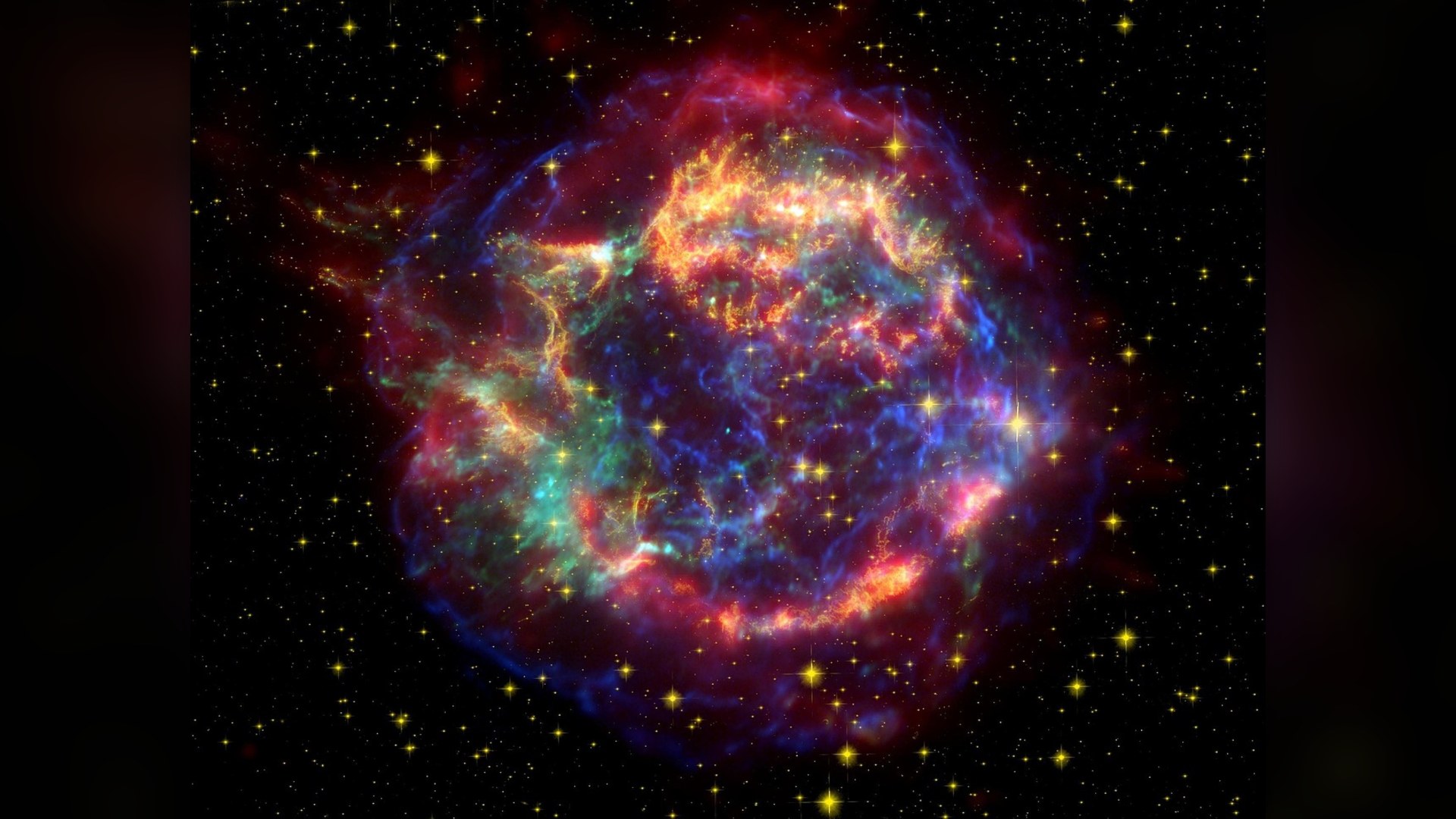
7. Cassiopeia A Supernova Remnant
A high-resolution infrared mosaic of Cassiopeia A resolved knotty debris fields and unmasked the mysterious Green Monster feature within the expanding shock shell. The observation pinpointed reverse shocks reheating cosmic dust, providing vital clues about how heavy elements are dispersed into young galaxies.
©Pixabay / WikiImages
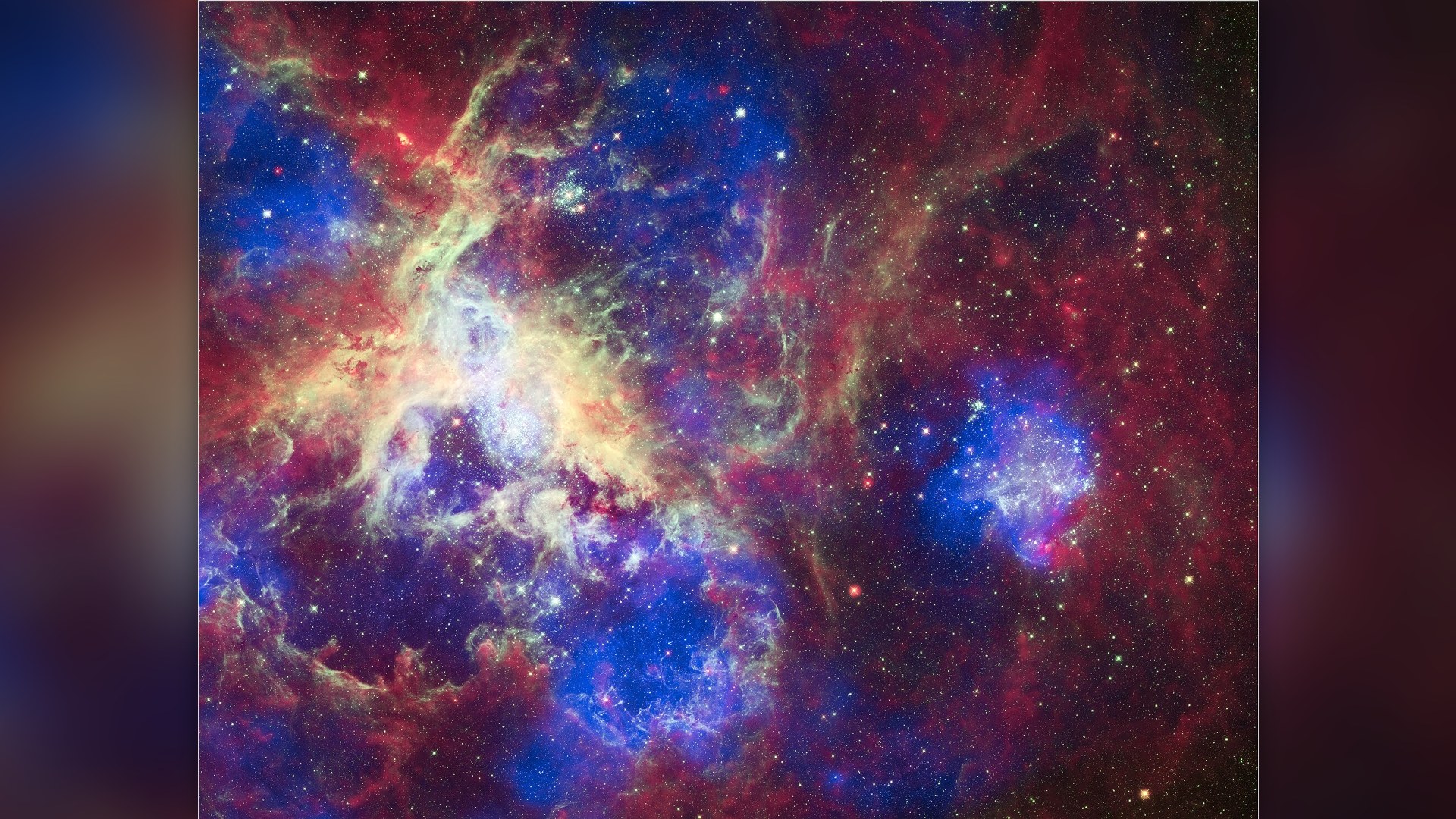
6. Tarantula Nebula Starburst Cluster
Spanning 340 light-years across the Large Magellanic Cloud, 30 Doradus was imaged in infrared to reveal thousands of hidden protostars. The massive central cluster produces radiation so intense that it hollows out cavities in surrounding gas, mimicking high-redshift starburst galaxies from the early universe.
©Wikimedia / NASA
Advertisement
Swipe or tap ▶ to resume the countdown.
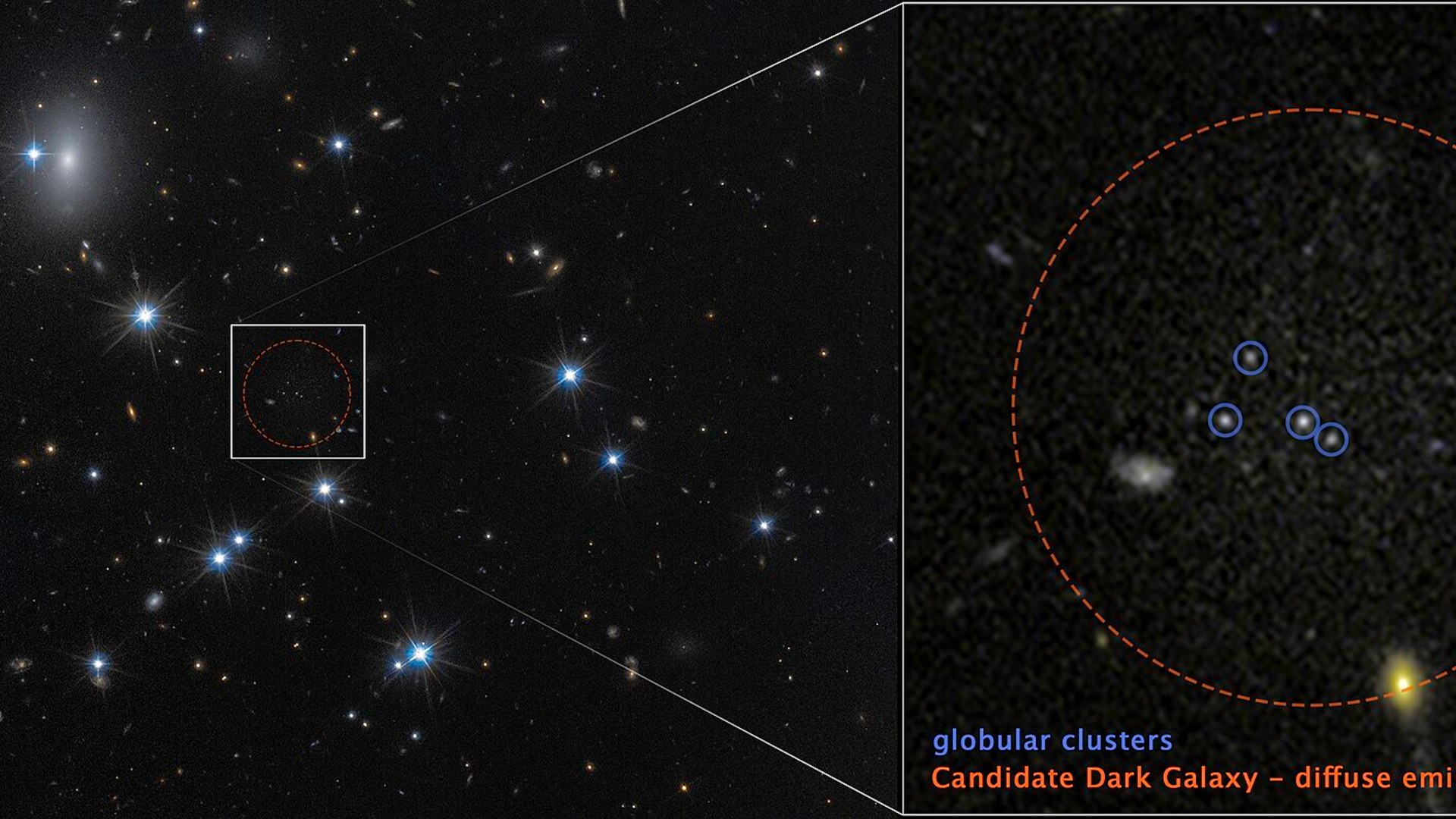
5. Perseus Cluster Dark Matter Map
The European Space Agency's Euclid observatory released its first panoramic views of the Perseus galaxy cluster in late 2023, capturing over 1,000 member galaxies alongside 50,000 background objects. The razor-sharp wide field enables astronomers to trace invisible dark matter halos binding cosmic structures.
©Wikimedia / europeanspaceagency
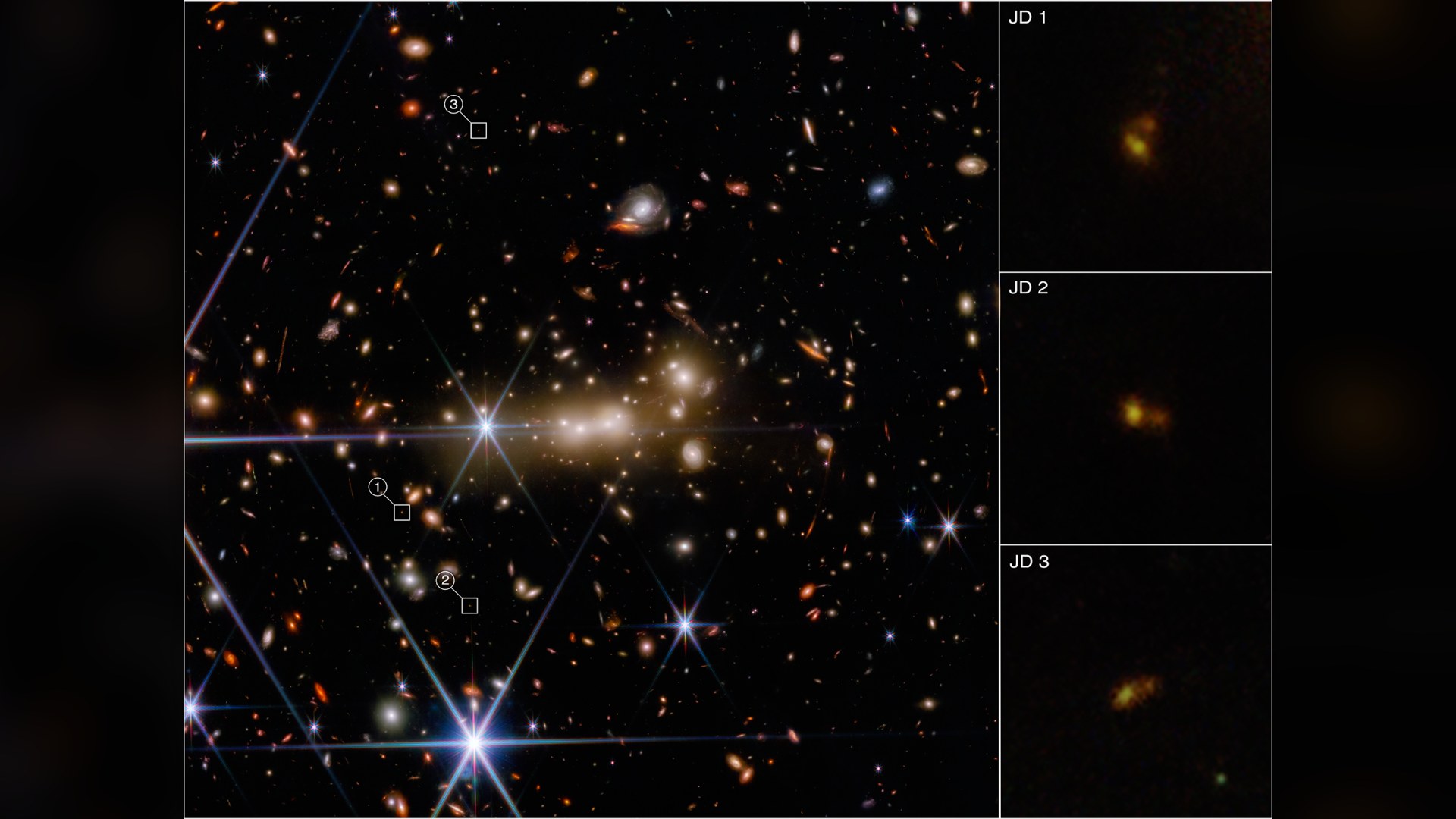
4. MACS0647-JD Cosmic Dawn Triple
Massive galaxy cluster MACS J0647.7+7015 acts as a cosmic lens, bending spacetime to produce three magnified images of galaxy MACS0647-JD from 427 million years after the Big Bang. Webb revealed the tiny object may actually be two merging proto-galactic cores, challenging models of early galaxy assembly.
©Wikimedia / SCIENCE: NASA, ESA, CSA, Dan Coe (STScI), Rebecc
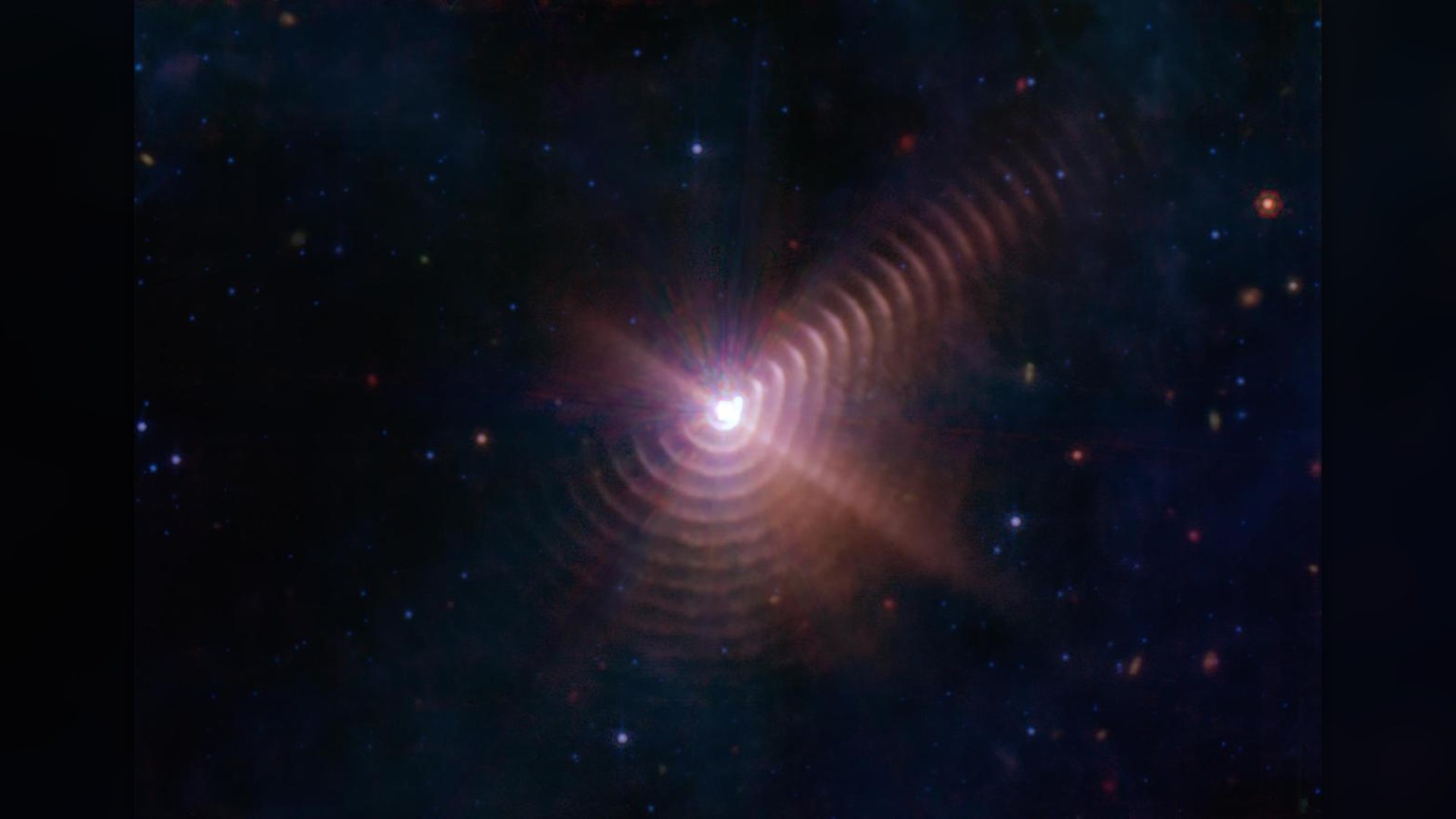
3. Wolf-Rayet 140 Concentric Shells
Mid-infrared observations revealed 17 concentric rings of carbon-rich dust radiating from binary star WR 140 in Cygnus. Each ring marks the eight-year orbital cycle when the two giant stars pass close together, producing shock-compressed dust shells that persist intact for over a century in interstellar space.
©NASA / JPL-Caltech
2. Supernova 1987A Crescent Core
Located 168,000 light-years away, Supernova 1987A was captured by Webb in 2023, revealing a central keyhole structure packed with clumpy gas and dust. The imaging also showed glowing crescent features and bright pearls along the equatorial ring, providing fresh data on the birth environment of neutron stars.
©Pixabay / WikiImages
Advertisement
Swipe or tap ▶ to resume the countdown.
1. Sagittarius A* Event Horizon
Global millimeter-array synchronisation by the Event Horizon Telescope delivered the first direct visual evidence of Sagittarius A*, the four-million-solar-mass black hole at the center of the Milky Way. The bright, lensed ring of light confirmed Einstein's general relativity at the extreme gravitational frontier.

©ESA / NASA's James Webb Space Telescope from
Advertisement
You've reached the end of the story. Thanks for reading!

24 Dog Breeds That Require Confident Owners
From small terriers with surprising bite frequencies to colossal livestock guardians and historically banned fighting breeds, certain dogs provoke deep public fear across the United States. Documented hospital trauma data, jaw leverage, and breed-specific legislation explain why these twenty-four canines are feared.
All 20 Entries in this Story
20. Uranus Rings And Polar Cap
NASA and ESA released high-resolution infrared captures from the Webb telescope in late 2023, exposing 11 of the 13 known rings of Uranus. The imagery revealed the planet's seasonal polar cap in unprecedented detail alongside nine surrounding moons, offering fresh insights into ice-giant atmospheric weather.

19. Neptune Rings And Triton
Webb's NIRCam captured Neptune's delicate ring system with crisp clarity, marking the first time several faint dust bands were seen clearly since Voyager 2 flew past in 1989. The capture also highlighted seven inner moons and the icy surface reflectivity of Triton, an active Kuiper Belt escapee.

18. Jupiter Infrared Auroras
Composite infrared processing by NASA and international partners revealed Jupiter's violent polar auroras and diffraction-spiked rings against a field of background galaxies. The wide-field frame showed the Great Red Spot glowing brightly due to reflected sunlight at two and three micron wavelengths.

17. Enceladus Water Vapor Plumes
In 2023, Webb's high-resolution spectrograph captured a 6,000-mile-long water plume erupting from the south pole of Saturn's icy moon Enceladus. The observation proved the moon feeds a vast water torus across the Saturnian system at an astonishing rate of 300 litres per second, aiding ocean-world models.

16. Herbig-Haro 211 Protostellar Jets
Infrared imagery resolved supersonic gas jets streaming from a Class 0 protostar inside the Perseus constellation. Moving at up to 100 kilometres per second, these turbulent bow shocks carve channels through cold molecular gas, demonstrating how infant stars regulate their mass growth during early stellar birth.

15. Rho Ophiuchi Stellar Nursery
Located just 390 light-years away, Rho Ophiuchi was revealed by Webb to celebrate its first year of science operations. The infrared data revealed around 50 young stars of similar mass to our Sun, carved by dual bipolar outflows of molecular hydrogen and shadowy protoplanetary discs where planets form.

14. Horsehead Nebula Ionization Edge
Groundbreaking 2024 views from the Euclid telescope and Webb mapped the razor-thin ionization edge of Barnard 33 in Orion. The imaging exposed how fierce ultraviolet illumination from nearby giant stars slowly strips away cold interstellar dust, illuminating the delicate mechanics of photo-evaporating gas clouds.

13. Sombrero Galaxy Dust Ring
New mid-infrared captures of Messier 104 revealed that its famous broad dust lane breaks down into intricate clumps and knots of polycyclic aromatic hydrocarbons. The observation shed light on how star formation persists at a low rate despite the galaxy's huge central bulge and dormant supermassive black hole.

12. Arp 220 Dual Starburst Cores
Located 250 million light-years away in Serpens, Arp 220 represents the closest ultra-luminous infrared galaxy to Earth. Webb pierced through dense columns of dust to resolve two distinct galactic nuclei just 1,200 light-years apart, each producing massive starburst clusters from colliding molecular clouds.

11. Gravitational Lensing Rings
Gravitational lensing creates an optical marvel in deep space, where a massive foreground cluster warps light from a distant starburst galaxy into a glowing cosmic arc. This natural cosmic lens magnifies the background system, letting astronomers study starburst mechanics ten billion years in cosmic history.

10. Ring Nebula Messier 57
Observations from Webb's NIRCam and MIRI mapped Messier 57 in rich clarity, revealing around 20,000 dense hydrogen clumps within the glowing main ring. The imaging exposed concentric arcs outside the ring formed by the interaction of a central dying star with a companion orbiting inside the nebula.

9. Crab Nebula Pulsar Wind
High-precision infrared data of Messier 1 unveiled the synchrotron radiation emitted by the central spinning pulsar. For the first time, astronomers mapped iron-bearing dust grains throughout the filaments, resolving long-standing puzzles about the supernova explosion witnessed on Earth in the year 1054.

8. Southern Ring Nebula NGC 3132
Webb's mid-infrared instrument revealed that the dying star at the heart of NGC 3132 is orbited by a second, dust-enshrouded star that was never before seen. The pair created successive concentric shells of gas and dust over thousands of years, fundamentally changing how astronomers model planetary nebulae.

7. Cassiopeia A Supernova Remnant
A high-resolution infrared mosaic of Cassiopeia A resolved knotty debris fields and unmasked the mysterious Green Monster feature within the expanding shock shell. The observation pinpointed reverse shocks reheating cosmic dust, providing vital clues about how heavy elements are dispersed into young galaxies.

6. Tarantula Nebula Starburst Cluster
Spanning 340 light-years across the Large Magellanic Cloud, 30 Doradus was imaged in infrared to reveal thousands of hidden protostars. The massive central cluster produces radiation so intense that it hollows out cavities in surrounding gas, mimicking high-redshift starburst galaxies from the early universe.

5. Perseus Cluster Dark Matter Map
The European Space Agency's Euclid observatory released its first panoramic views of the Perseus galaxy cluster in late 2023, capturing over 1,000 member galaxies alongside 50,000 background objects. The razor-sharp wide field enables astronomers to trace invisible dark matter halos binding cosmic structures.

4. MACS0647-JD Cosmic Dawn Triple
Massive galaxy cluster MACS J0647.7+7015 acts as a cosmic lens, bending spacetime to produce three magnified images of galaxy MACS0647-JD from 427 million years after the Big Bang. Webb revealed the tiny object may actually be two merging proto-galactic cores, challenging models of early galaxy assembly.

3. Wolf-Rayet 140 Concentric Shells
Mid-infrared observations revealed 17 concentric rings of carbon-rich dust radiating from binary star WR 140 in Cygnus. Each ring marks the eight-year orbital cycle when the two giant stars pass close together, producing shock-compressed dust shells that persist intact for over a century in interstellar space.

2. Supernova 1987A Crescent Core
Located 168,000 light-years away, Supernova 1987A was captured by Webb in 2023, revealing a central keyhole structure packed with clumpy gas and dust. The imaging also showed glowing crescent features and bright pearls along the equatorial ring, providing fresh data on the birth environment of neutron stars.

1. Sagittarius A* Event Horizon
Global millimeter-array synchronisation by the Event Horizon Telescope delivered the first direct visual evidence of Sagittarius A*, the four-million-solar-mass black hole at the center of the Milky Way. The bright, lensed ring of light confirmed Einstein's general relativity at the extreme gravitational frontier.