Slideshow · Lifestyle
Everyday Habits Americans Had in the 1960s That Are Rare Today
From dawn milk deliveries and carbon paper to unlocked front doors, common routines defined an era of mechanical simplicity and close neighborhoods before digital automation reshaped ordinary habits.
By Most Viral Today
27 Oct 2026

Everyday Habits Americans Had in the 1960s That Are Rare Today 
16. Morning Milk Delivery In Glass Bottles On Porches 
15. Reading Printed Broadsheet Papers At Breakfast 
14. Wearing Formal Suits And Hats For Errands - AdvertisementSwipe or tap ▶ to continue countdown

13. Driving Highway Commutes Without Seatbelts 
12. Typing Letters On Manual Typewriters With Carbon Paper 
11. Smoking Cigarettes Freely Inside Office Buildings 
10. Paying With Cash And Paper Cheques At Stores - AdvertisementSwipe or tap ▶ to continue countdown

9. Dialing Heavy Rotary Phones By Memory 
8. Mailing Handwritten Notes At Corner Mailboxes 
7. Children Playing Outside Unsupervised Until Nightfall 
6. Getting Full Service Checks At Roadside Gas Stations - AdvertisementSwipe or tap ▶ to continue countdown

5. Sitting Down For A Synchronised Family Dinner 
4. Watching Scheduled Prime Time Broadcast Television 
3. Playing Vinyl LP Records On Wooden Console Hi-Fis 
2. Leaving Porch Doors And Automobiles Unlocked Overnight - AdvertisementSwipe or tap ▶ to continue countdown

1. Watching Television Broadcasts Sign Off Into Test Tones - Advertisement🔥 UP NEXT IN THIS SERIES◫ 21 Slides

20 Ways to Protect Your Home and Family in a Snowstorm
When severe blizzards and polar freezes threaten the power grid, proactive maintenance saves lives and prevents catastrophic property damage. This countdown details twenty essential actions to protect your home and family in a snowstorm, drawing from cold weather engineering guides and disaster response protocols.
American life in the 1960s followed daily rhythms that look foreign today. From dawn milk deliveries and carbon paper to unlocked front doors, common routines defined an era of mechanical simplicity and close neighborhoods before digital automation reshaped ordinary habits.
Swipe or tap ▶ to begin the countdown
©Wikimedia / Marjory Collins & Moxmarco (CC BY-SA)
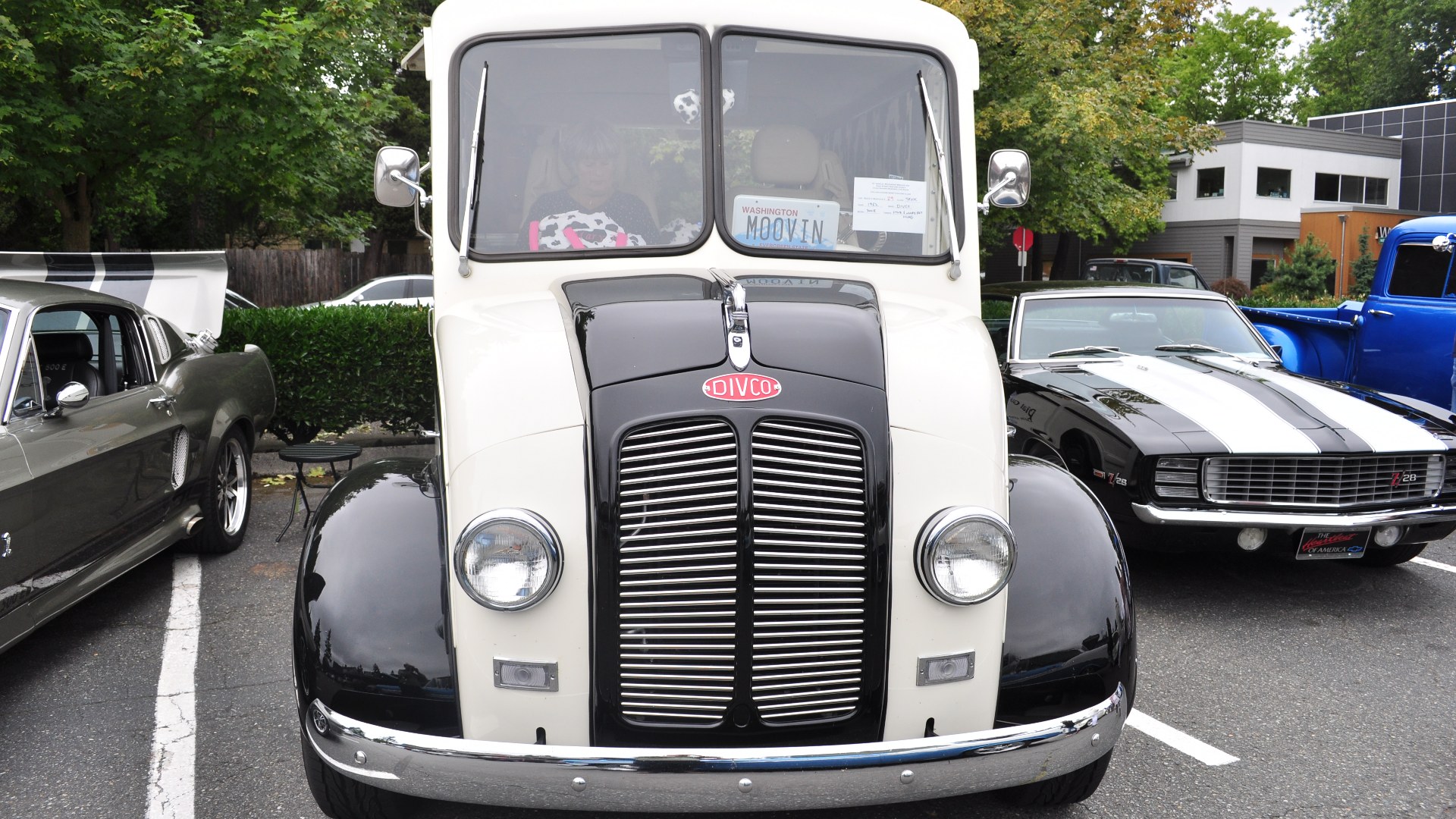
16. Morning Milk Delivery In Glass Bottles On Porches
Before supermarket mega-stores dominated grocery shopping, local milkmen drove insulated Divco trucks through neighborhoods at sunrise. Families left empty glass bottles inside insulated metal porch boxes, waking up to fresh whole milk, butter, and heavy cream delivered straight to the doorstep.
©Wikimedia / Bill Abbott (CC BY-SA)
15. Reading Printed Broadsheet Papers At Breakfast
Mornings began with the rustle of multi-section broadsheet newspapers delivered to front lawns. Before morning news television or smartphone alerts, households read daily print papers at the kitchen table to follow local politics, stock tables, comic strips, and classified ads.
©Wikimedia / Jeff Sheldon (CC0)
14. Wearing Formal Suits And Hats For Errands
Casual streetwear did not exist in mid-century public life. Men wore tailored coats, pressed trousers, ties, and wool fedoras to work or downtown shopping. Women wore structured day dresses, gloves, and neat hairstyles even when riding city buses or visiting department stores.
©NPS-NOAA-USGS / Signal Corps Photographs of American
Advertisement
Swipe or tap ▶ to resume the countdown.
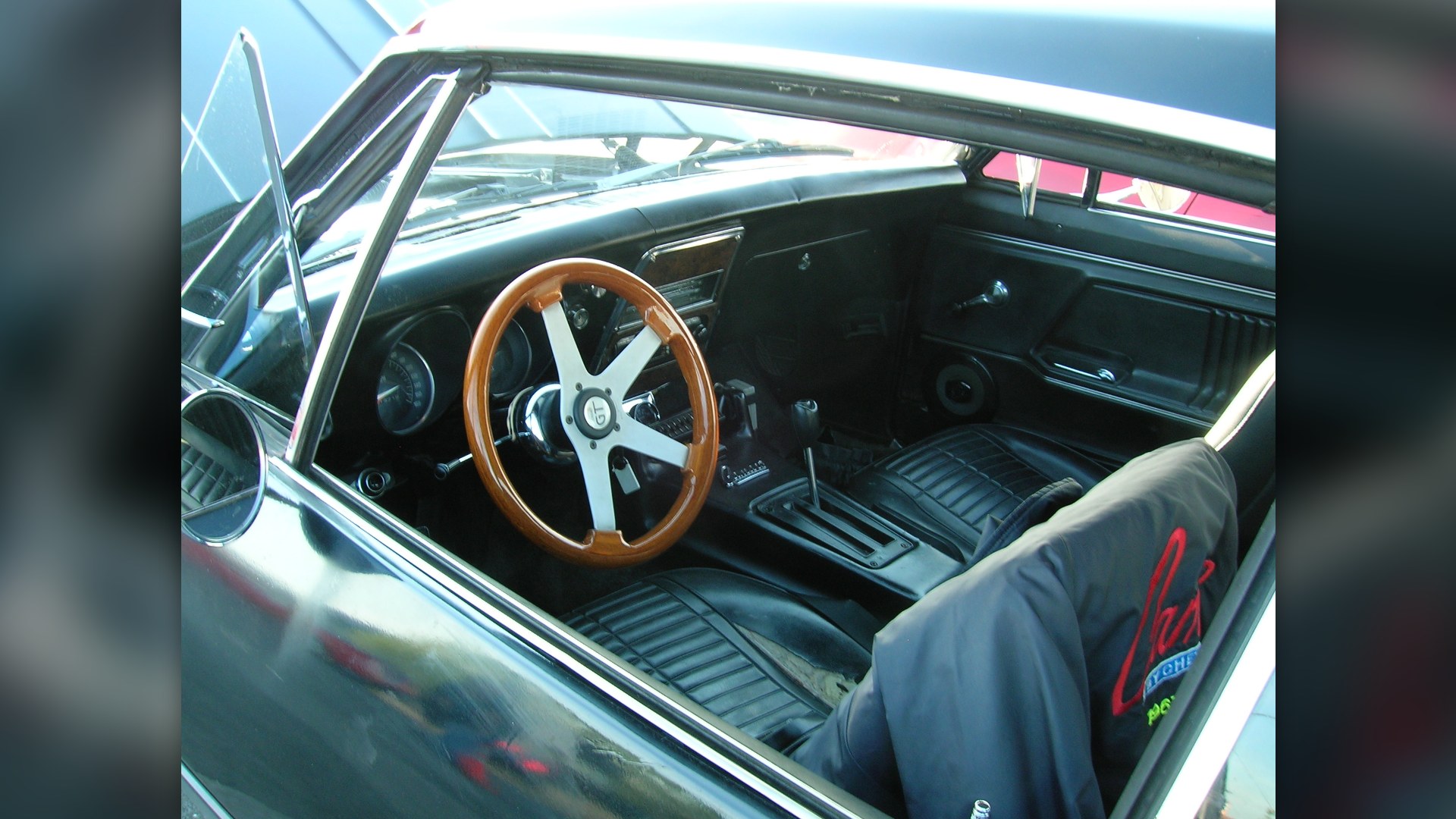
13. Driving Highway Commutes Without Seatbelts
American cars throughout the early 1960s featured massive steel dashboards, chrome steering wheels, and no mandatory safety belts. Entire families slid across smooth vinyl bench seats, and drivers navigated heavy traffic without air bags, headrests, or click-in shoulder restraints.
©Wikimedia / Katherine Tompkins (CC BY)
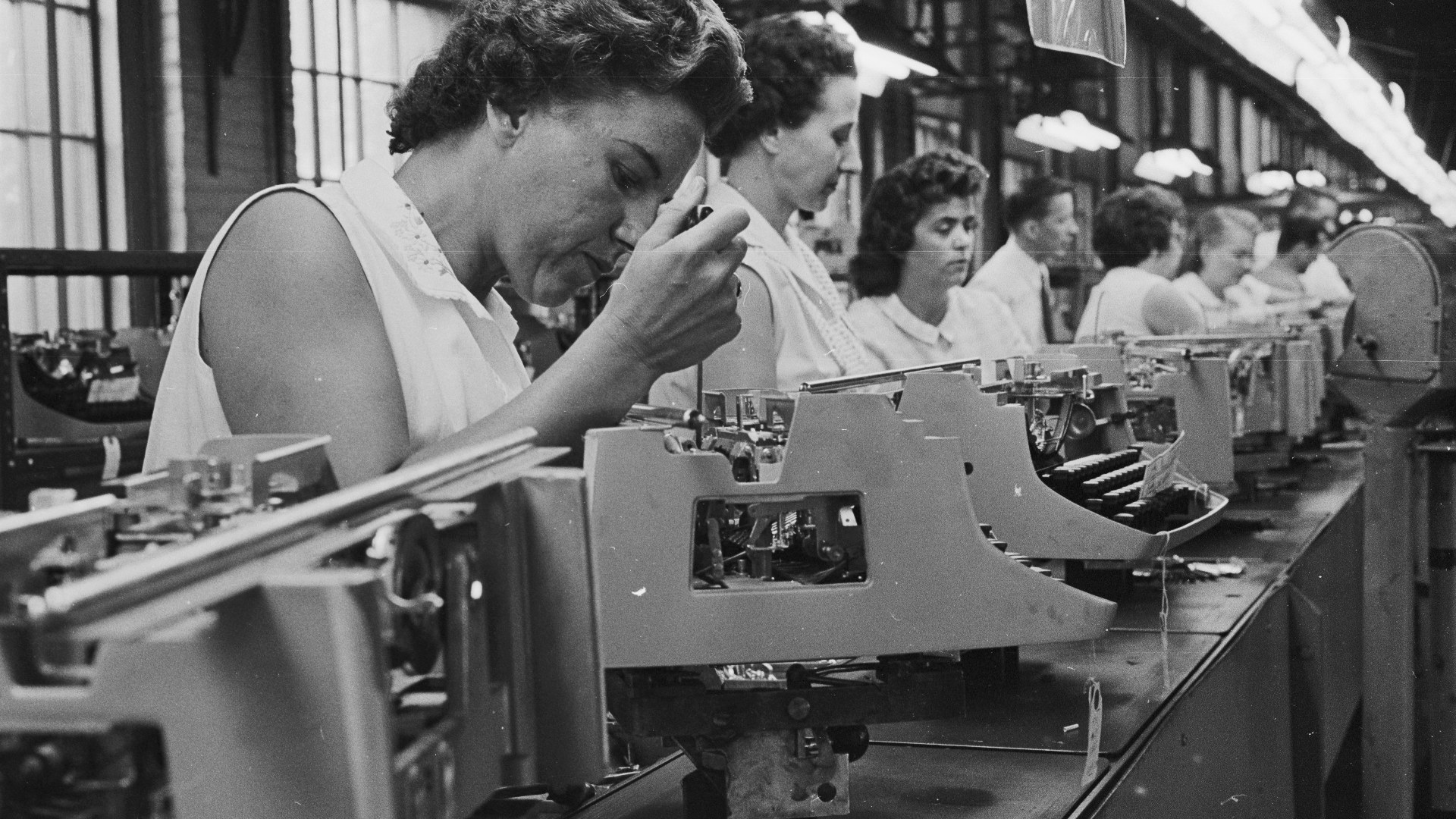
12. Typing Letters On Manual Typewriters With Carbon Paper
Office desks clicked with mechanical typewriters. If a worker struck a wrong letter, they used chalky correction fluid or retyped the page from scratch. Creating duplicates required inserting black carbon paper between sheets, staining fingers with dark smudges by lunch.
©Wikimedia / Marion S. Trikosko (Public domain)
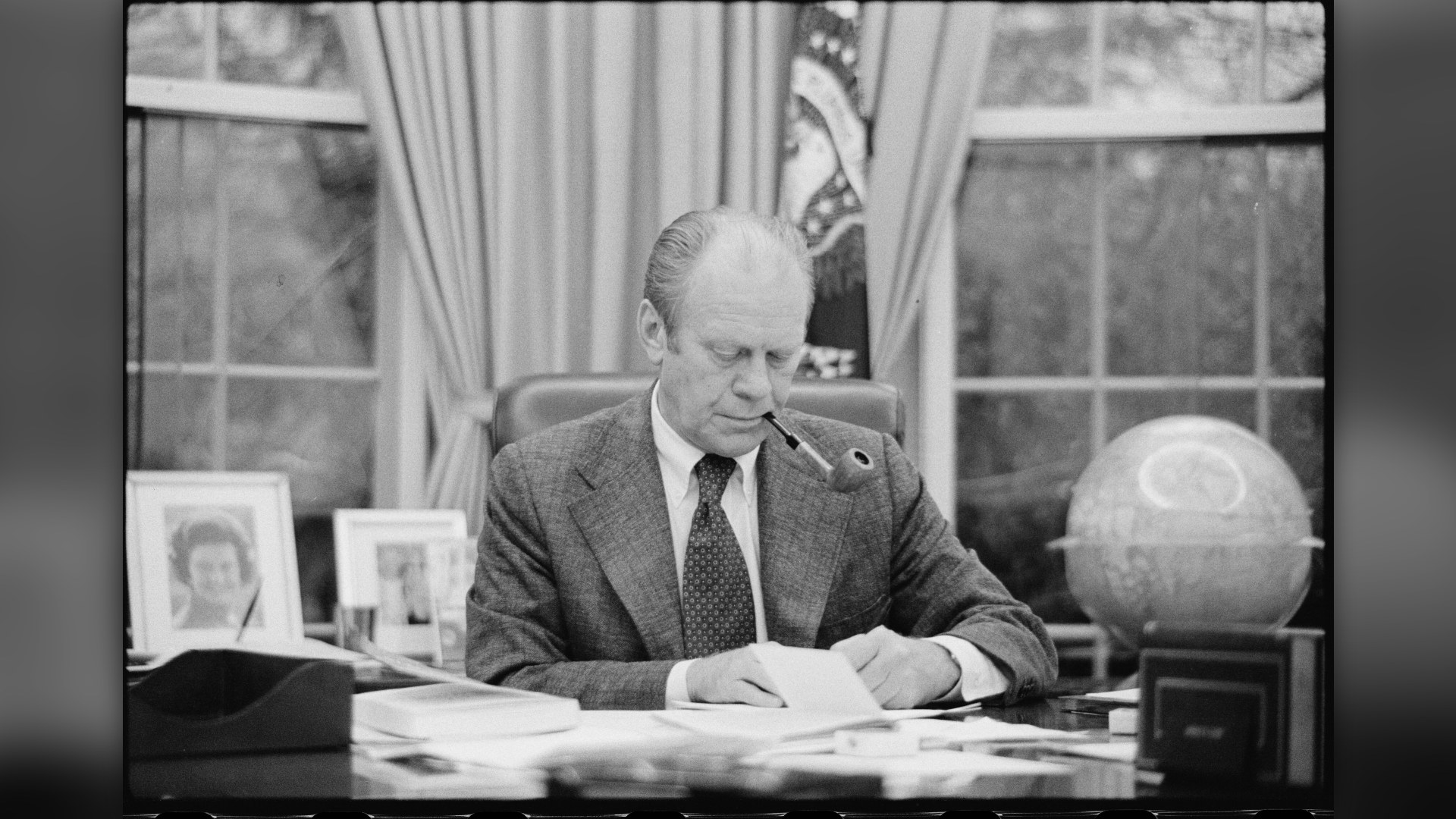
11. Smoking Cigarettes Freely Inside Office Buildings
Heavy glass ashtrays were standard fixtures on every desk, boardroom table, and airplane armrest. Employees and managers smoked freely during staff meetings, on elevators, and in doctor waiting rooms before public health rules cleared smoke from workplaces.
©Wikimedia / Marion S. Trikosko (Public domain)
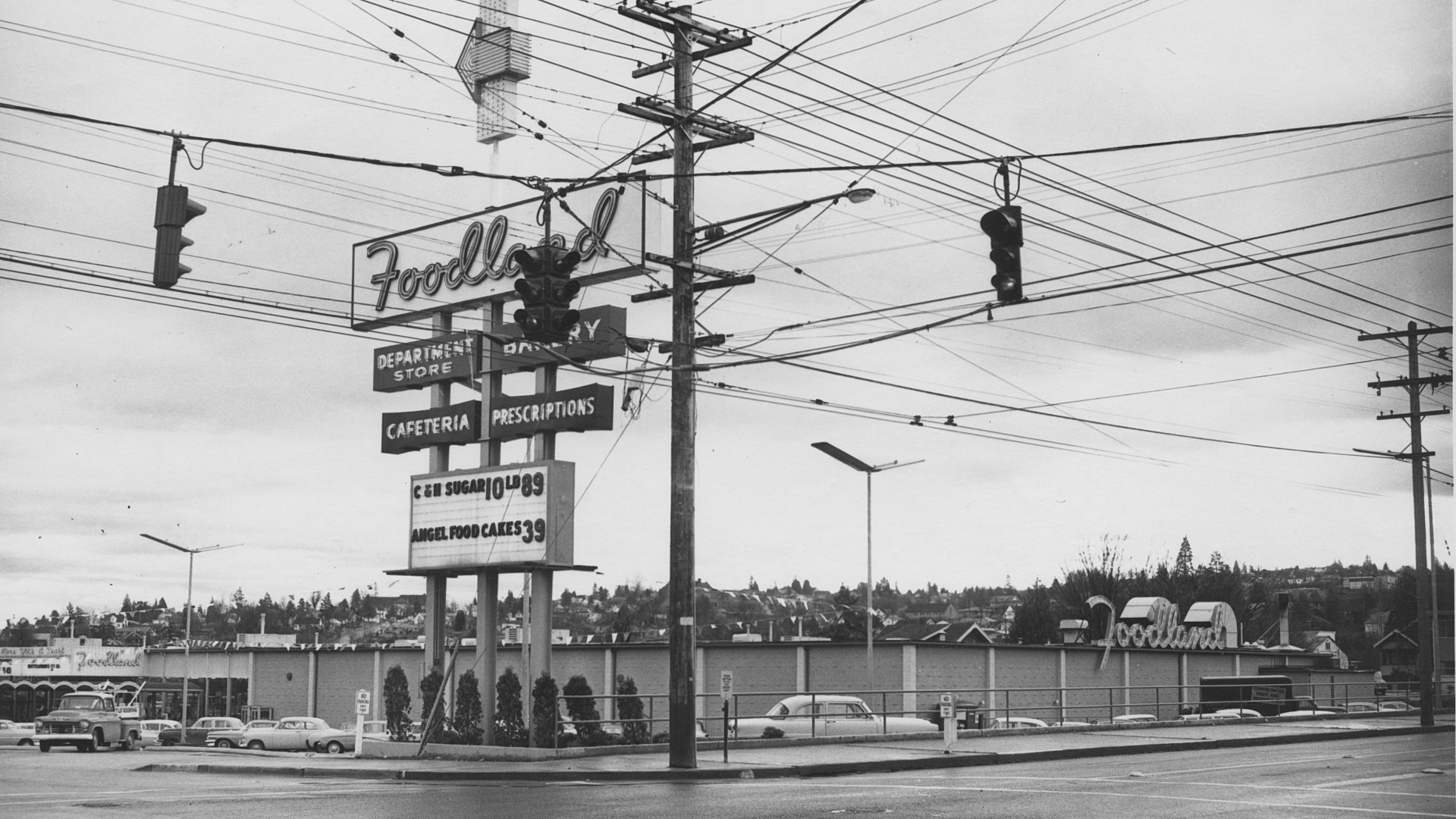
10. Paying With Cash And Paper Cheques At Stores
Cash ruled retail commerce across 1960s America. Shoppers carried leather wallets stuffed with banknotes and coins or wrote paper cheques at the grocery register. Credit cards were rare specialty charge plates, and automated teller machines had not yet been invented.
©Wikimedia / Seattle Municipal Archives (CC BY)
Advertisement
Swipe or tap ▶ to resume the countdown.
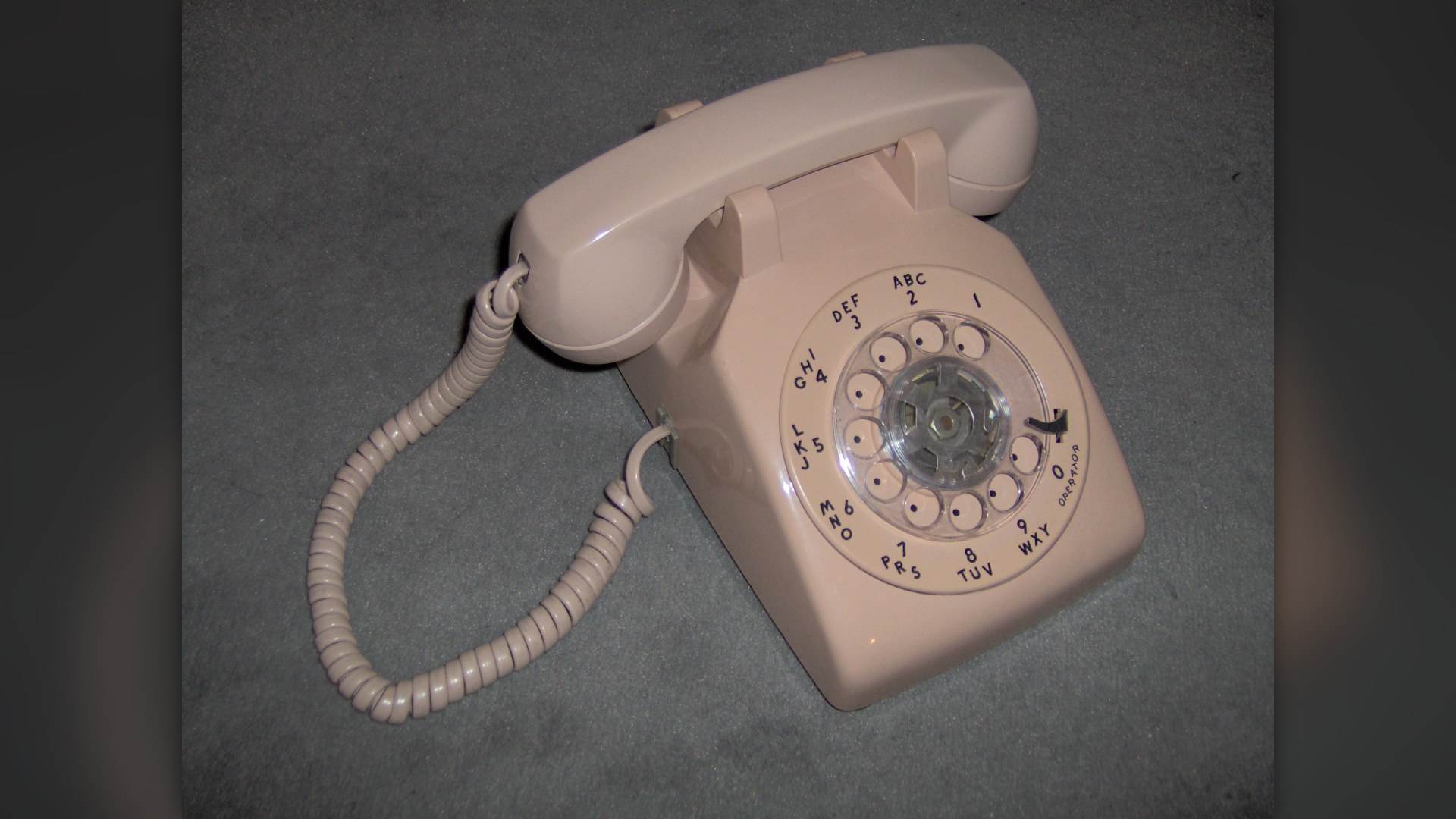
9. Dialing Heavy Rotary Phones By Memory
Households kept a single heavy Western Electric rotary telephone, often mounted in the hallway. Callers memorized phone numbers using two-letter word exchanges like Murray Hill or BUtterfield, patiently rotating the finger wheel for every single digit.
©Wikimedia / ProhibitOnions (Public domain)
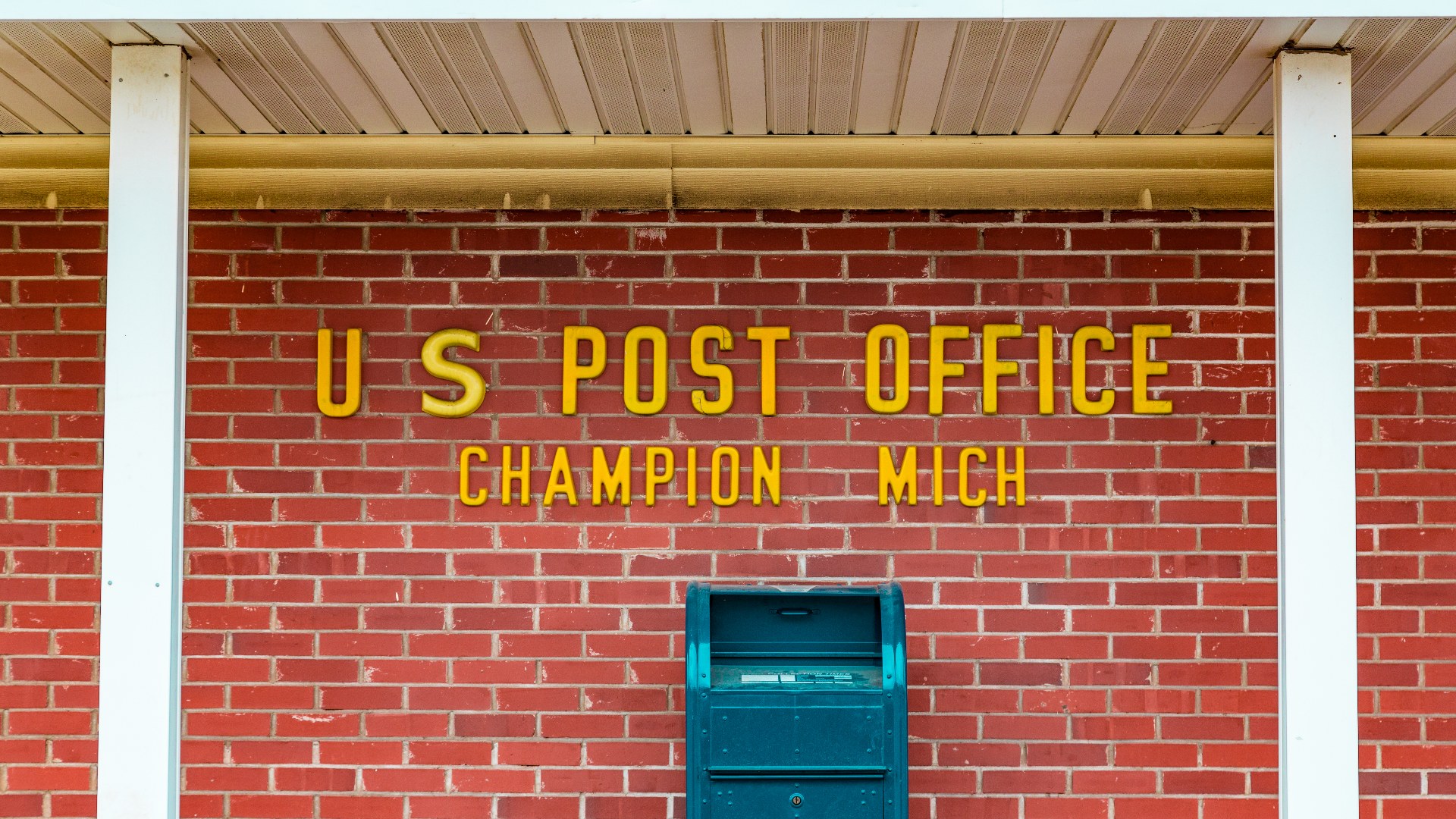
8. Mailing Handwritten Notes At Corner Mailboxes
Staying in touch meant writing letters by hand on stationery, licking adhesive postage stamps, and walking to the corner blue post box. Handwritten correspondence and postcards carried holiday wishes, family news, and bill payments through daily postal rounds.
©Wikimedia / Tony Webster (CC BY)
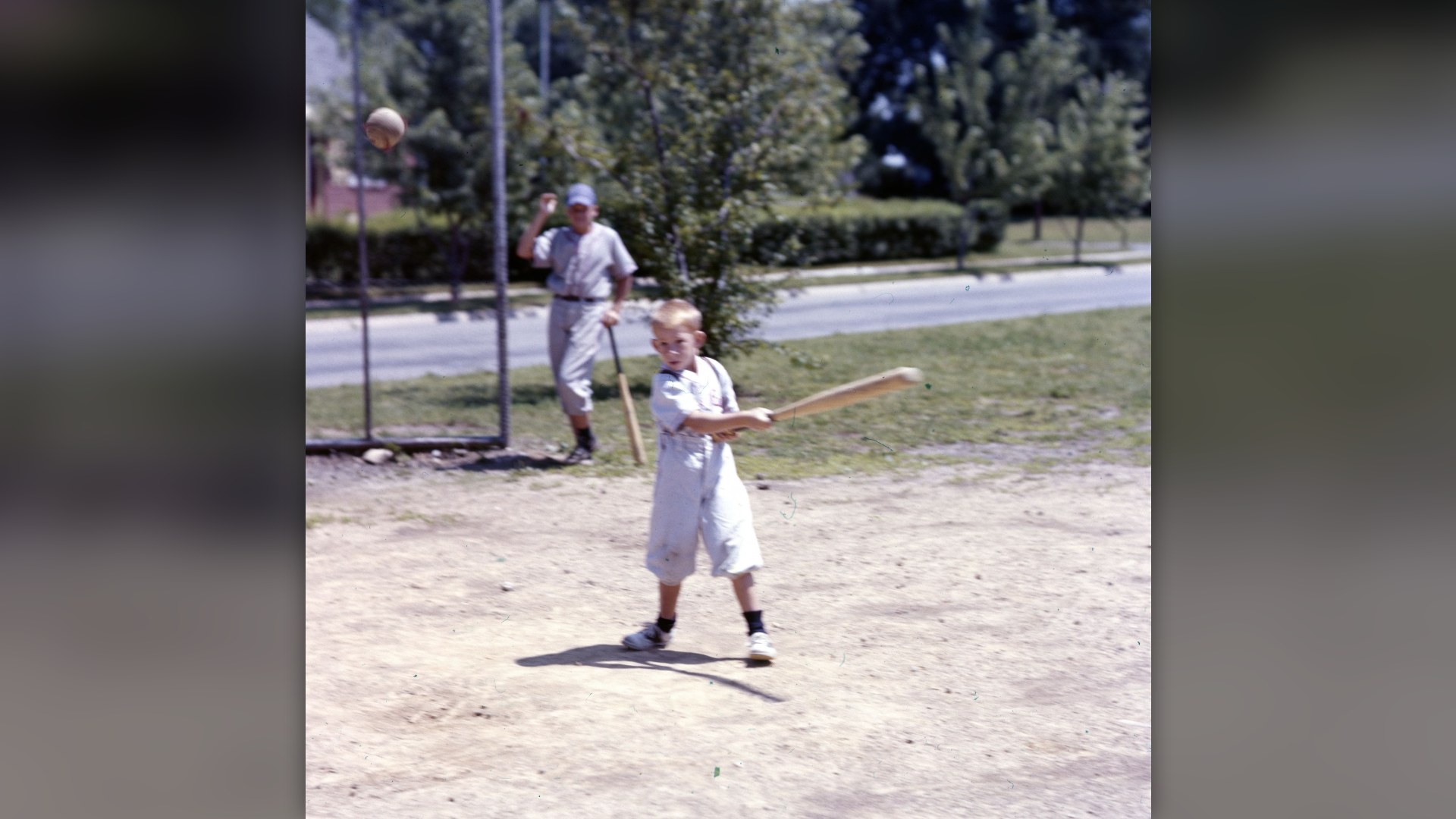
7. Children Playing Outside Unsupervised Until Nightfall
Kids spent entire afternoons outdoors without parental supervision or mobile trackers. Groups of neighborhood children rode bicycles, built tree forts, and played street stickball for hours, knowing they had to return home only when the neighborhood streetlights flickered on.
©Wikimedia / Columbus Metro Library (Public domain)
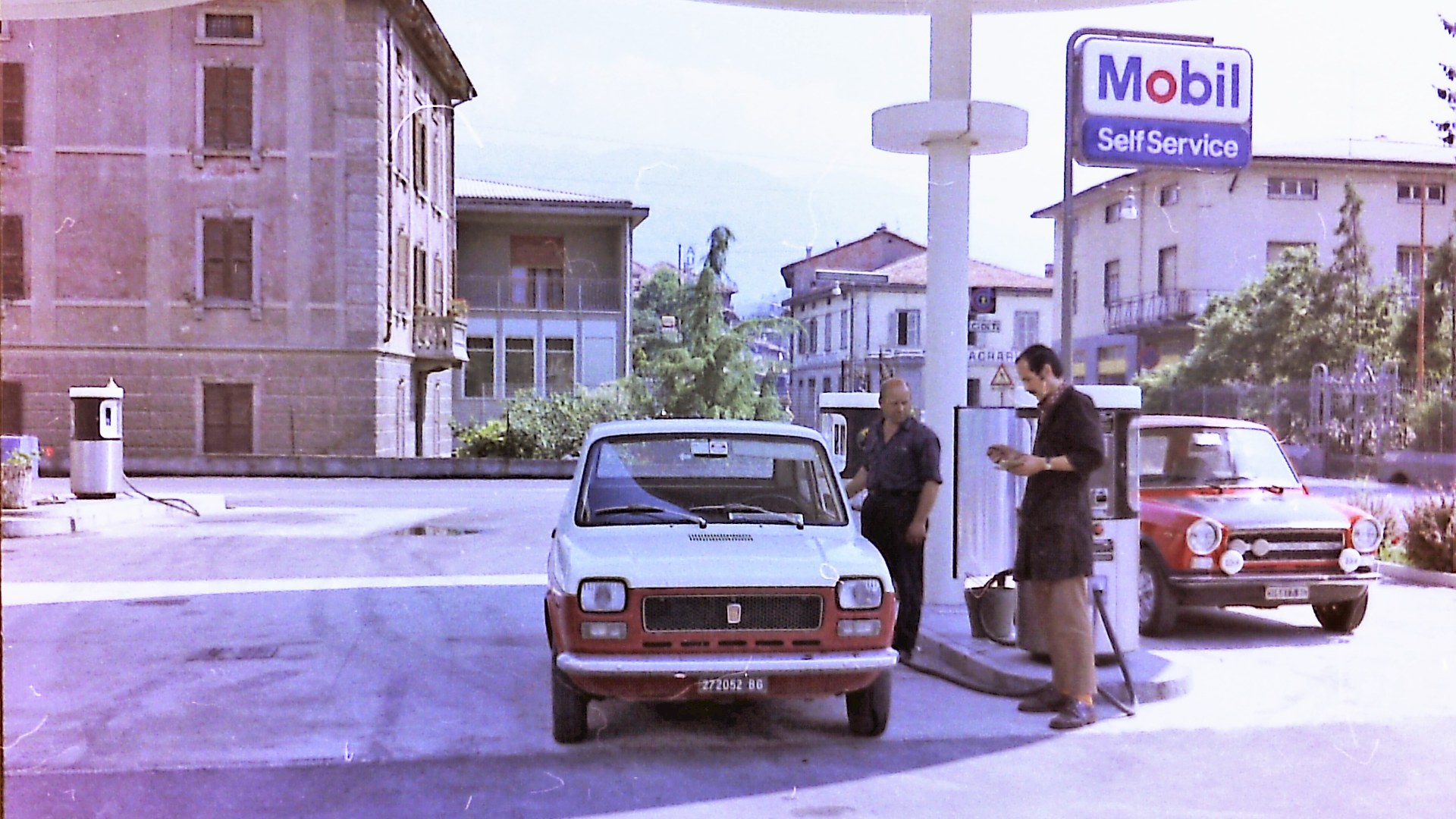
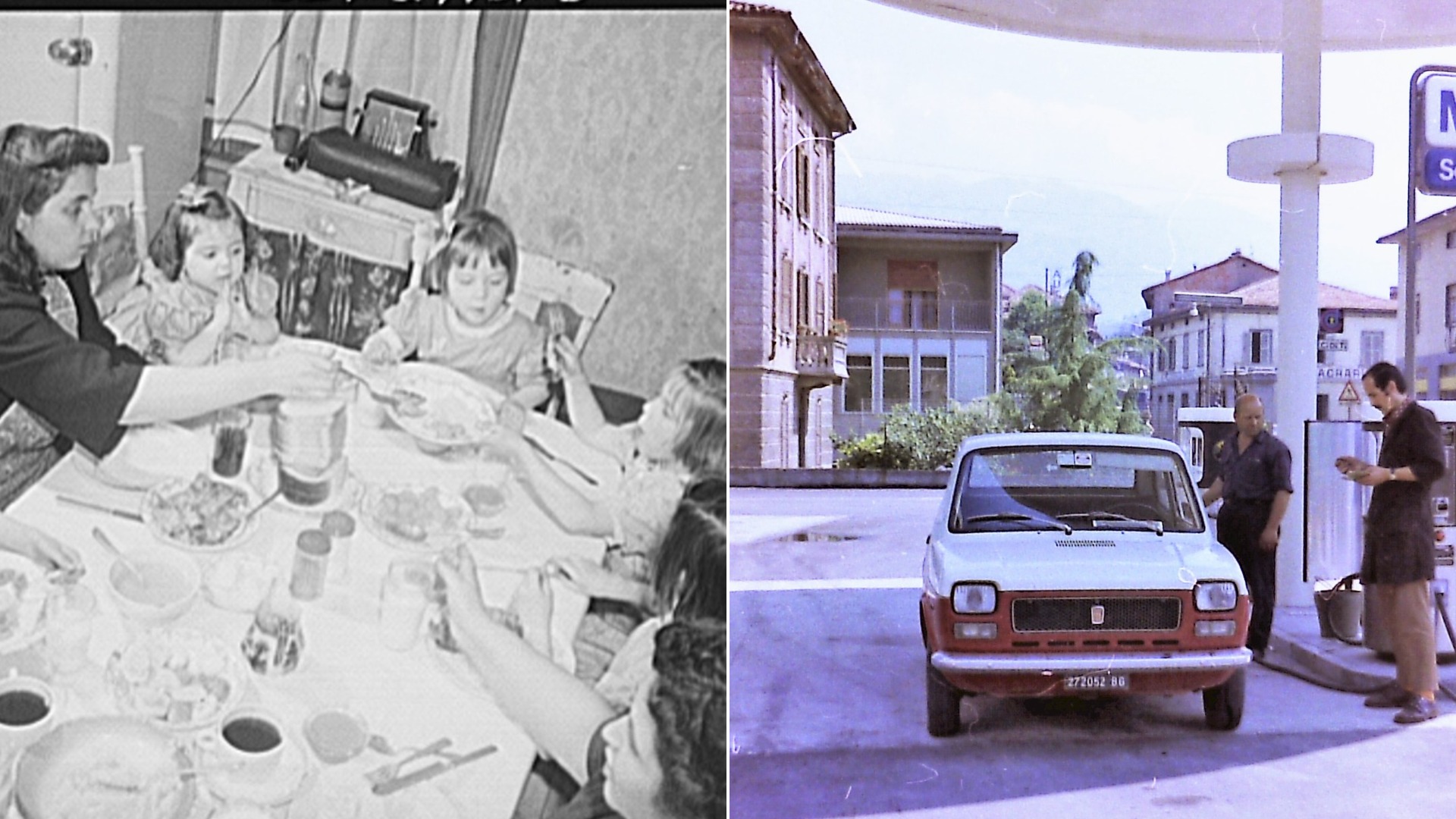
6. Getting Full Service Checks At Roadside Gas Stations
Drivers never pumped their own petrol. Uniformed attendants jogged out to the vehicle, pumped fuel, cleaned the front windshield, checked tire pressure, and inspected engine oil under the hood, all included in the regular price per gallon.
©Wikimedia / Moxmarco (CC BY-SA)
Advertisement
Swipe or tap ▶ to resume the countdown.
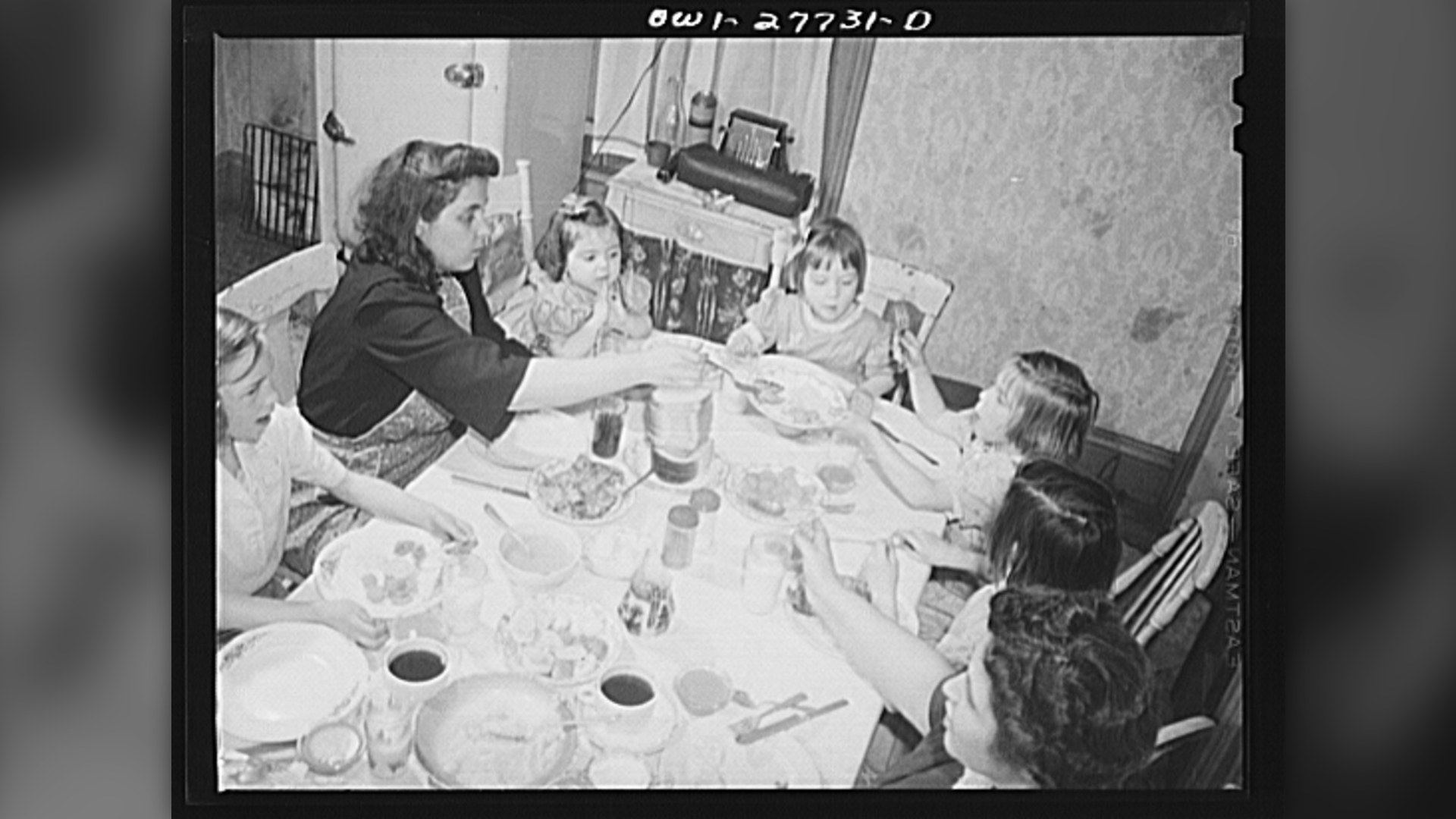
5. Sitting Down For A Synchronised Family Dinner
Evening dinner was a non-negotiable household event. The entire family gathered around the kitchen table at six o'clock sharp to share hot home-cooked meals, discuss the day, and eat together without handheld screens, portable headphones, or solitary meal schedules.
©Wikimedia / Marjory Collins (Public domain)
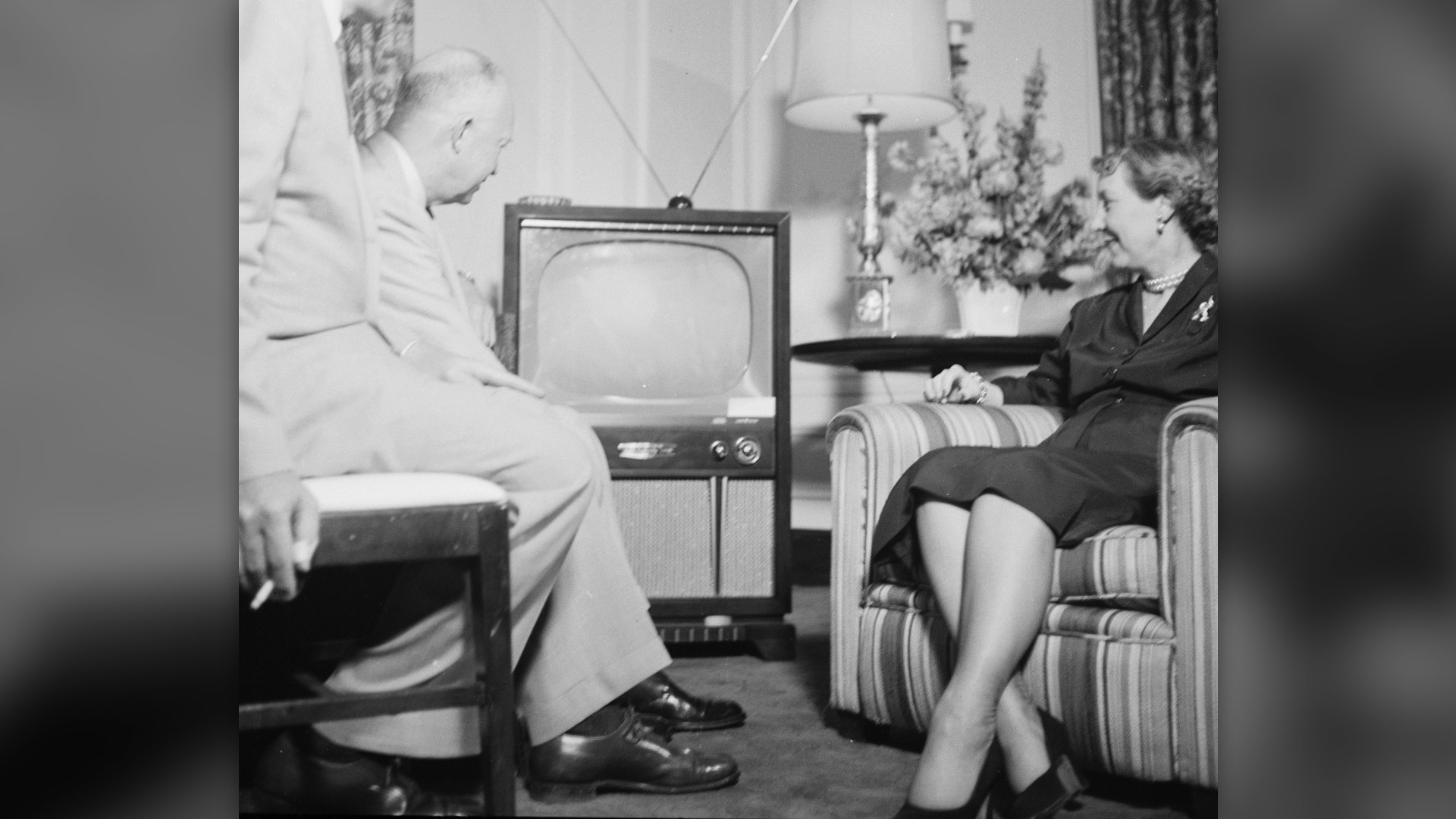
4. Watching Scheduled Prime Time Broadcast Television
With only three major networks and no video recording devices, families gathered in living rooms to catch weekly programs when they aired. Missing an episode meant waiting months for summer reruns, creating shared national viewing moments across millions of homes.
©Wikimedia / Marion S. Trikosko (Public domain)
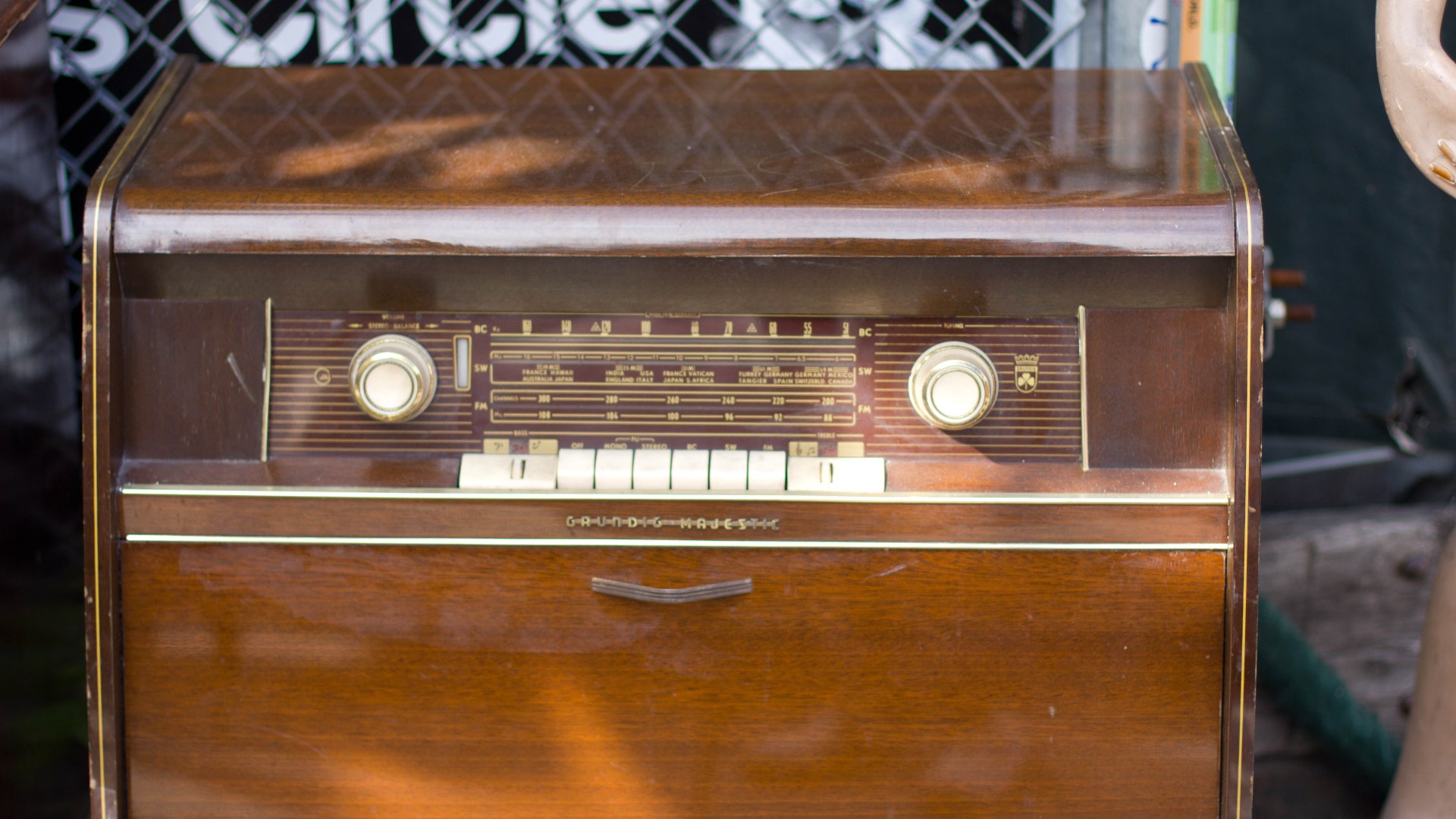
3. Playing Vinyl LP Records On Wooden Console Hi-Fis
Home audio centered on large polished wooden consoles combining a turntable and tube radio. Music fans carefully slid twelve-inch vinyl records from cardboard sleeves, set needles on spinning grooves, and listened to complete album sides in comfortable armchairs.
©Wikimedia / David Hilowitz (CC BY)
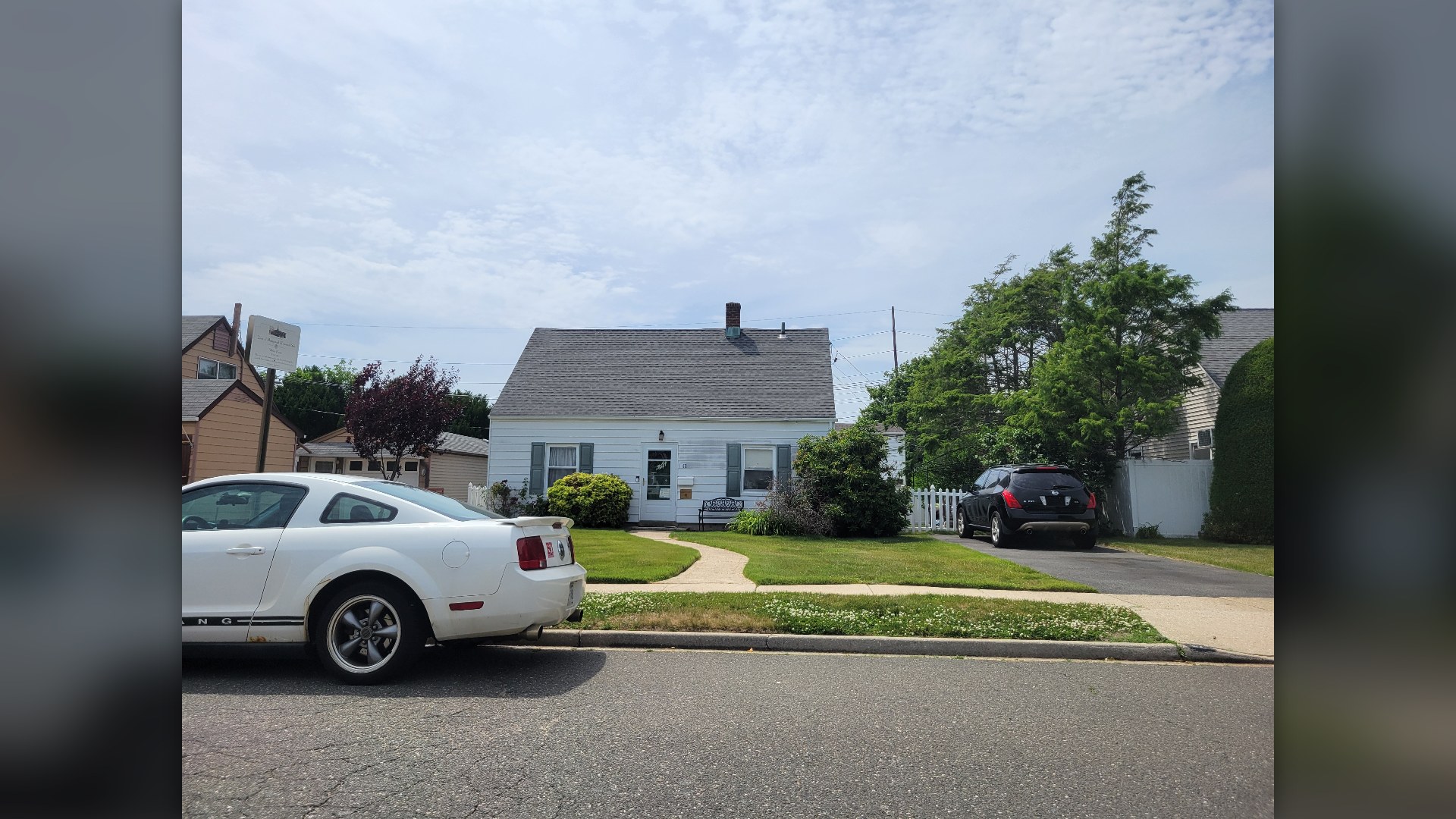
2. Leaving Porch Doors And Automobiles Unlocked Overnight
In suburban communities, locking front doors at night was often considered unnecessary. Neighbors left car keys in vehicle ignitions inside open carports, and children walked freely into friends' houses through screen doors without ringing bells or setting electronic alarms.
©Wikimedia / Found5dollar (CC BY-SA)
Advertisement
Swipe or tap ▶ to resume the countdown.
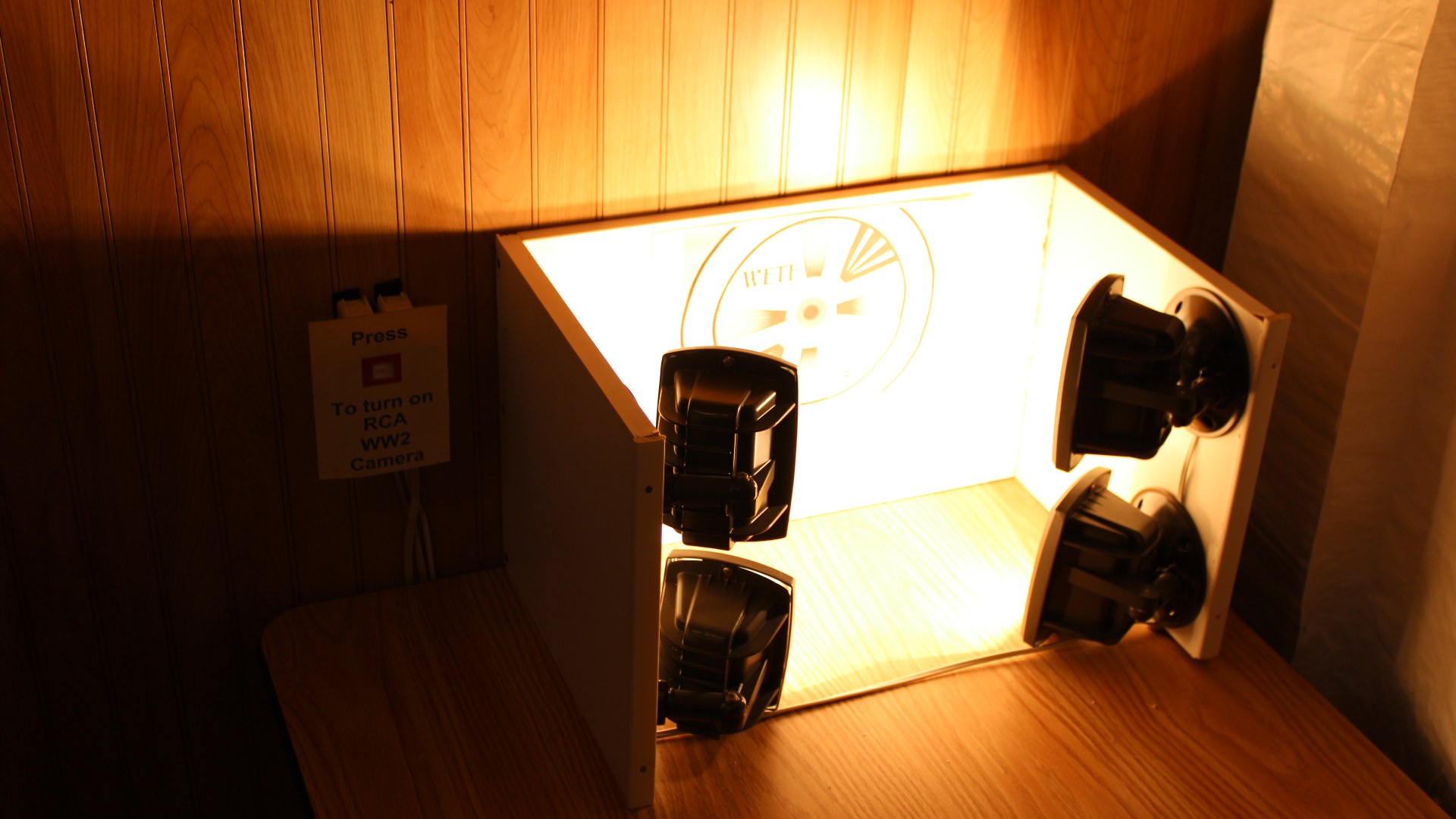
1. Watching Television Broadcasts Sign Off Into Test Tones
Twenty-four-hour broadcast television did not exist. Around midnight, local channels played the national anthem over patriotic imagery before shutting transmitters off, leaving late night viewers with an Indian head test pattern or black-and-white static snow.

©Wikimedia / DogsRNice (CC BY-SA)
Advertisement
You've reached the end of the story. Thanks for reading!

20 Ways to Protect Your Home and Family in a Snowstorm
When severe blizzards and polar freezes threaten the power grid, proactive maintenance saves lives and prevents catastrophic property damage. This countdown details twenty essential actions to protect your home and family in a snowstorm, drawing from cold weather engineering guides and disaster response protocols.
All 16 Entries in this Story
1. Morning Milk Delivery In Glass Bottles On Porches
Before supermarket mega-stores dominated grocery shopping, local milkmen drove insulated Divco trucks through neighborhoods at sunrise. Families left empty glass bottles inside insulated metal porch boxes, waking up to fresh whole milk, butter, and heavy cream delivered straight to the doorstep.

2. Reading Printed Broadsheet Papers At Breakfast
Mornings began with the rustle of multi-section broadsheet newspapers delivered to front lawns. Before morning news television or smartphone alerts, households read daily print papers at the kitchen table to follow local politics, stock tables, comic strips, and classified ads.

3. Wearing Formal Suits And Hats For Errands
Casual streetwear did not exist in mid-century public life. Men wore tailored coats, pressed trousers, ties, and wool fedoras to work or downtown shopping. Women wore structured day dresses, gloves, and neat hairstyles even when riding city buses or visiting department stores.

4. Driving Highway Commutes Without Seatbelts
American cars throughout the early 1960s featured massive steel dashboards, chrome steering wheels, and no mandatory safety belts. Entire families slid across smooth vinyl bench seats, and drivers navigated heavy traffic without air bags, headrests, or click-in shoulder restraints.

5. Typing Letters On Manual Typewriters With Carbon Paper
Office desks clicked with mechanical typewriters. If a worker struck a wrong letter, they used chalky correction fluid or retyped the page from scratch. Creating duplicates required inserting black carbon paper between sheets, staining fingers with dark smudges by lunch.

6. Smoking Cigarettes Freely Inside Office Buildings
Heavy glass ashtrays were standard fixtures on every desk, boardroom table, and airplane armrest. Employees and managers smoked freely during staff meetings, on elevators, and in doctor waiting rooms before public health rules cleared smoke from workplaces.

7. Paying With Cash And Paper Cheques At Stores
Cash ruled retail commerce across 1960s America. Shoppers carried leather wallets stuffed with banknotes and coins or wrote paper cheques at the grocery register. Credit cards were rare specialty charge plates, and automated teller machines had not yet been invented.

8. Dialing Heavy Rotary Phones By Memory
Households kept a single heavy Western Electric rotary telephone, often mounted in the hallway. Callers memorized phone numbers using two-letter word exchanges like Murray Hill or BUtterfield, patiently rotating the finger wheel for every single digit.

9. Mailing Handwritten Notes At Corner Mailboxes
Staying in touch meant writing letters by hand on stationery, licking adhesive postage stamps, and walking to the corner blue post box. Handwritten correspondence and postcards carried holiday wishes, family news, and bill payments through daily postal rounds.

10. Children Playing Outside Unsupervised Until Nightfall
Kids spent entire afternoons outdoors without parental supervision or mobile trackers. Groups of neighborhood children rode bicycles, built tree forts, and played street stickball for hours, knowing they had to return home only when the neighborhood streetlights flickered on.

11. Getting Full Service Checks At Roadside Gas Stations
Drivers never pumped their own petrol. Uniformed attendants jogged out to the vehicle, pumped fuel, cleaned the front windshield, checked tire pressure, and inspected engine oil under the hood, all included in the regular price per gallon.

12. Sitting Down For A Synchronised Family Dinner
Evening dinner was a non-negotiable household event. The entire family gathered around the kitchen table at six o'clock sharp to share hot home-cooked meals, discuss the day, and eat together without handheld screens, portable headphones, or solitary meal schedules.

13. Watching Scheduled Prime Time Broadcast Television
With only three major networks and no video recording devices, families gathered in living rooms to catch weekly programs when they aired. Missing an episode meant waiting months for summer reruns, creating shared national viewing moments across millions of homes.

14. Playing Vinyl LP Records On Wooden Console Hi-Fis
Home audio centered on large polished wooden consoles combining a turntable and tube radio. Music fans carefully slid twelve-inch vinyl records from cardboard sleeves, set needles on spinning grooves, and listened to complete album sides in comfortable armchairs.

15. Leaving Porch Doors And Automobiles Unlocked Overnight
In suburban communities, locking front doors at night was often considered unnecessary. Neighbors left car keys in vehicle ignitions inside open carports, and children walked freely into friends' houses through screen doors without ringing bells or setting electronic alarms.

16. Watching Television Broadcasts Sign Off Into Test Tones
Twenty-four-hour broadcast television did not exist. Around midnight, local channels played the national anthem over patriotic imagery before shutting transmitters off, leaving late night viewers with an Indian head test pattern or black-and-white static snow.