Slideshow · Lifestyle
The 10 Most Common Winter Home Repairs, Ranked
Subfreezing temperatures, heavy snow loads, and relentless freeze-thaw cycles push residential plumbing, roofing, and heating systems to their breaking point. Here are the 10 most frequent winter home
By Most Viral Today
27 Oct 2026

10 Winter Home Emergencies That Catch Homeowners Off Guard 
10. Drafty Windows And Worn Weatherstripping 
9. Frost-Heaved Driveways And Cracked Concrete 
8. Broken Garage Door Torsion Springs - AdvertisementSwipe or tap ▶ to continue countdown

7. Cracked Chimney Crowns And Mortar Joints 
6. Wind-Damaged And Curling Roof Shingles 
5. Frozen Outdoor Faucets And Hose Bibs 
4. Failing Water Heater Tanks And Elements - AdvertisementSwipe or tap ▶ to continue countdown

3. Roof Ice Dams And Sagging Rain Gutters 
2. Furnace And Heating Boiler Breakdowns 
1. Frozen And Burst Water Supply Pipes - Advertisement🔥 UP NEXT IN THIS SERIES◫ 21 Slides

20 Ways to Protect Your Home and Family in a Snowstorm
When severe blizzards and polar freezes threaten the power grid, proactive maintenance saves lives and prevents catastrophic property damage. This countdown details twenty essential actions to protect your home and family in a snowstorm, drawing from cold weather engineering guides and disaster response protocols.
When temperatures plunge below freezing, water trapped inside pipes, concrete pores, and roof valleys expands by nine percent as it turns to ice. Meanwhile, furnaces and water heaters run overtime. Ranked from minor nuisances to major emergencies, these are the 10 most common winter home repairs.
Swipe or tap ▶ to begin the countdown
©Wikimedia / Audetat & Wikimedia / Herzi Pinki
10. Drafty Windows And Worn Weatherstripping
Dry winter air and subzero cold cause rubber weatherstripping and old silicone window caulk to stiffen, shrink, and pull away from wood and vinyl frames. Scraping out cracked caulk and pressing fresh foam or silicone weatherstripping into window jambs is one of the most frequent winter repairs.
©Wikimedia / Alexandr frolov
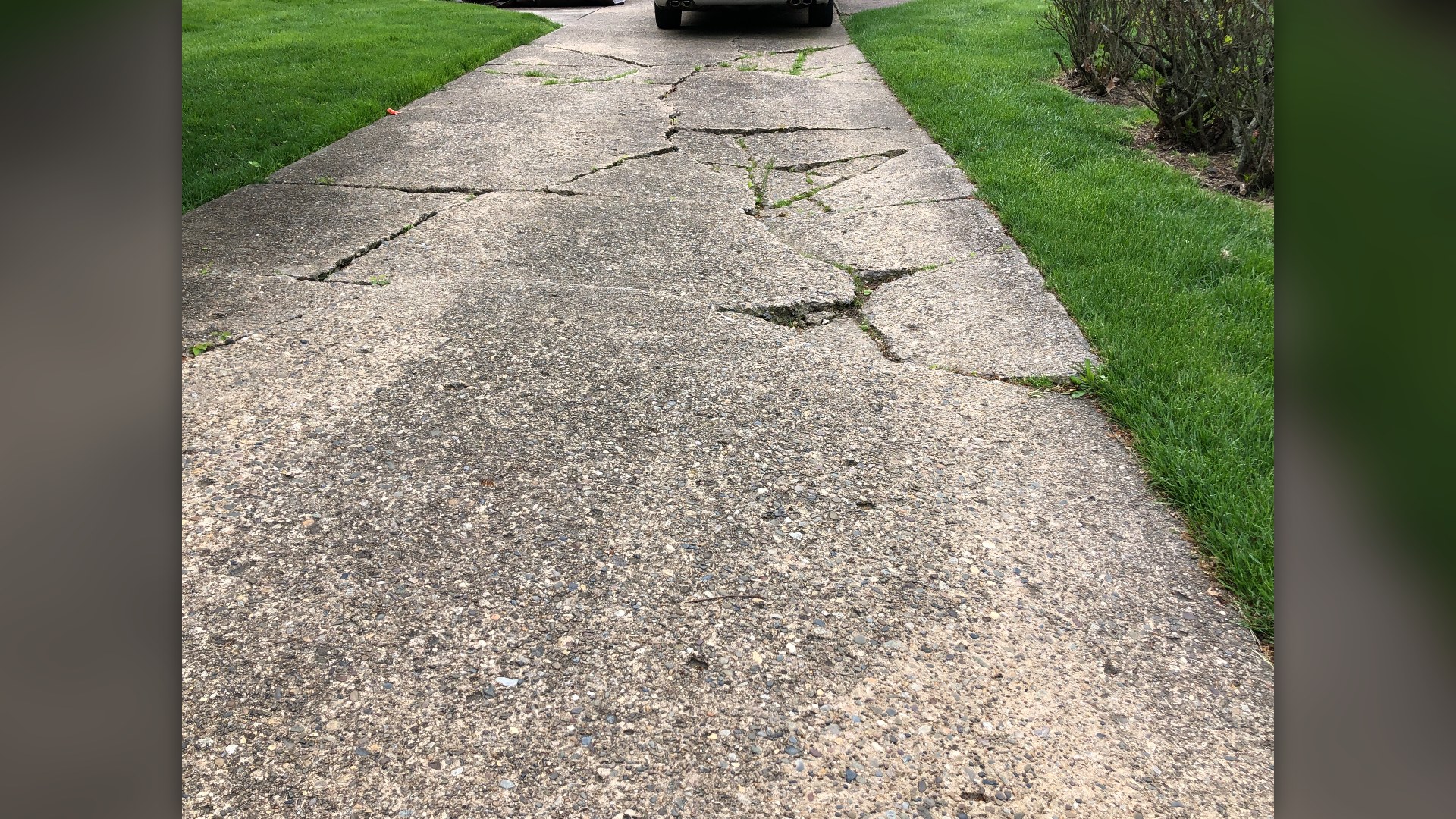
9. Frost-Heaved Driveways And Cracked Concrete
Every time melting snow trickles into hairline driveway cracks and refreezes overnight, the expanding ice acts like a wedge. Moisture in the soil beneath the slab also freezes into ice lenses that push heavy concrete sections upward. Sealing joints in autumn prevents major trip hazards by spring.
©Wikimedia / Famartin
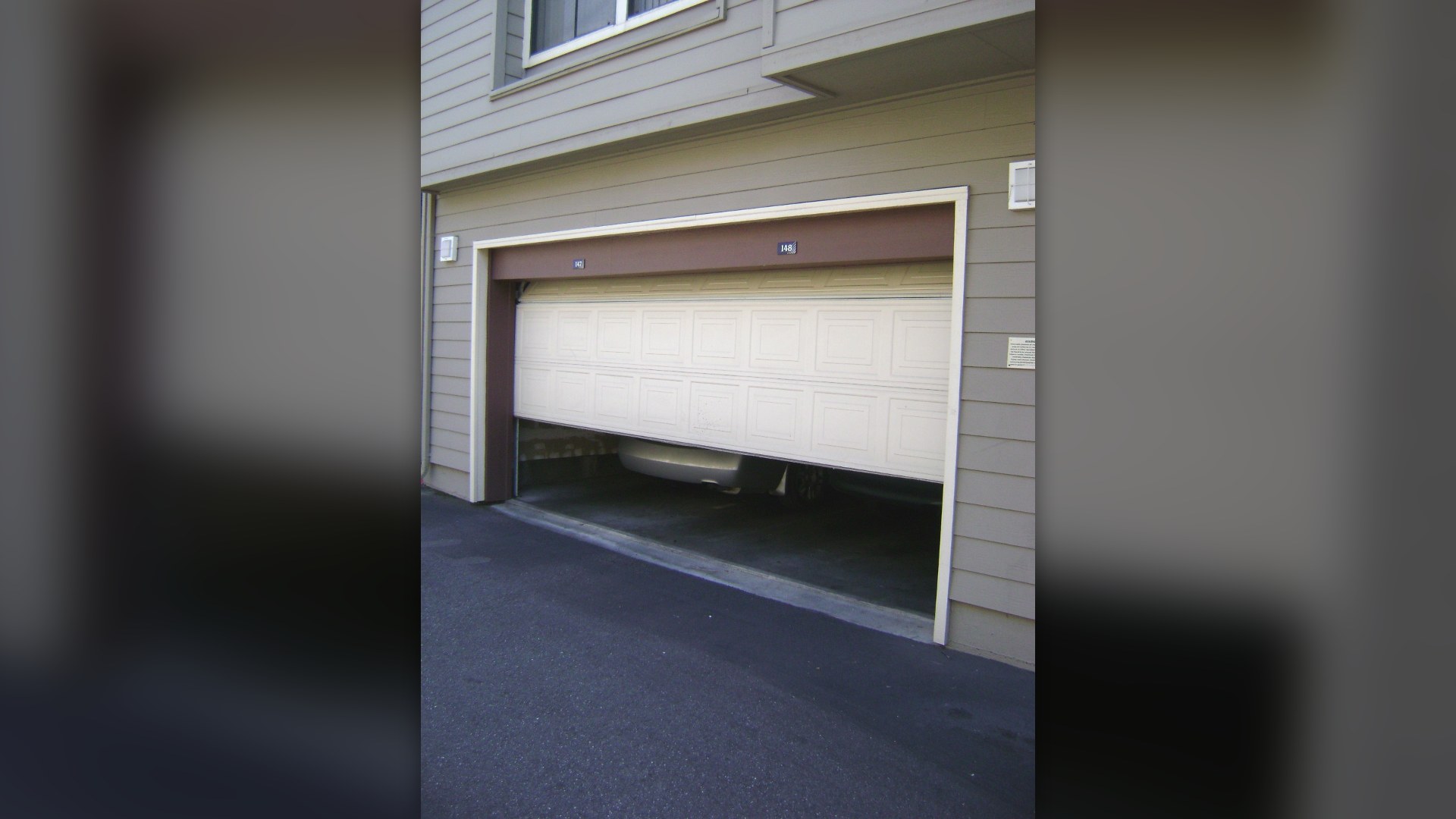
8. Broken Garage Door Torsion Springs
Overhead garage doors rely on high-tension steel torsion springs to lift 150 to 300 pounds of sectional panels. When winter temperatures drop into the teens, cold metal loses flexibility and hardened grease increases roller friction. A worn spring often snaps on a freezing morning, trapping vehicles inside.
©Wikimedia / Oleg Alexandrov
Advertisement
Swipe or tap ▶ to resume the countdown.
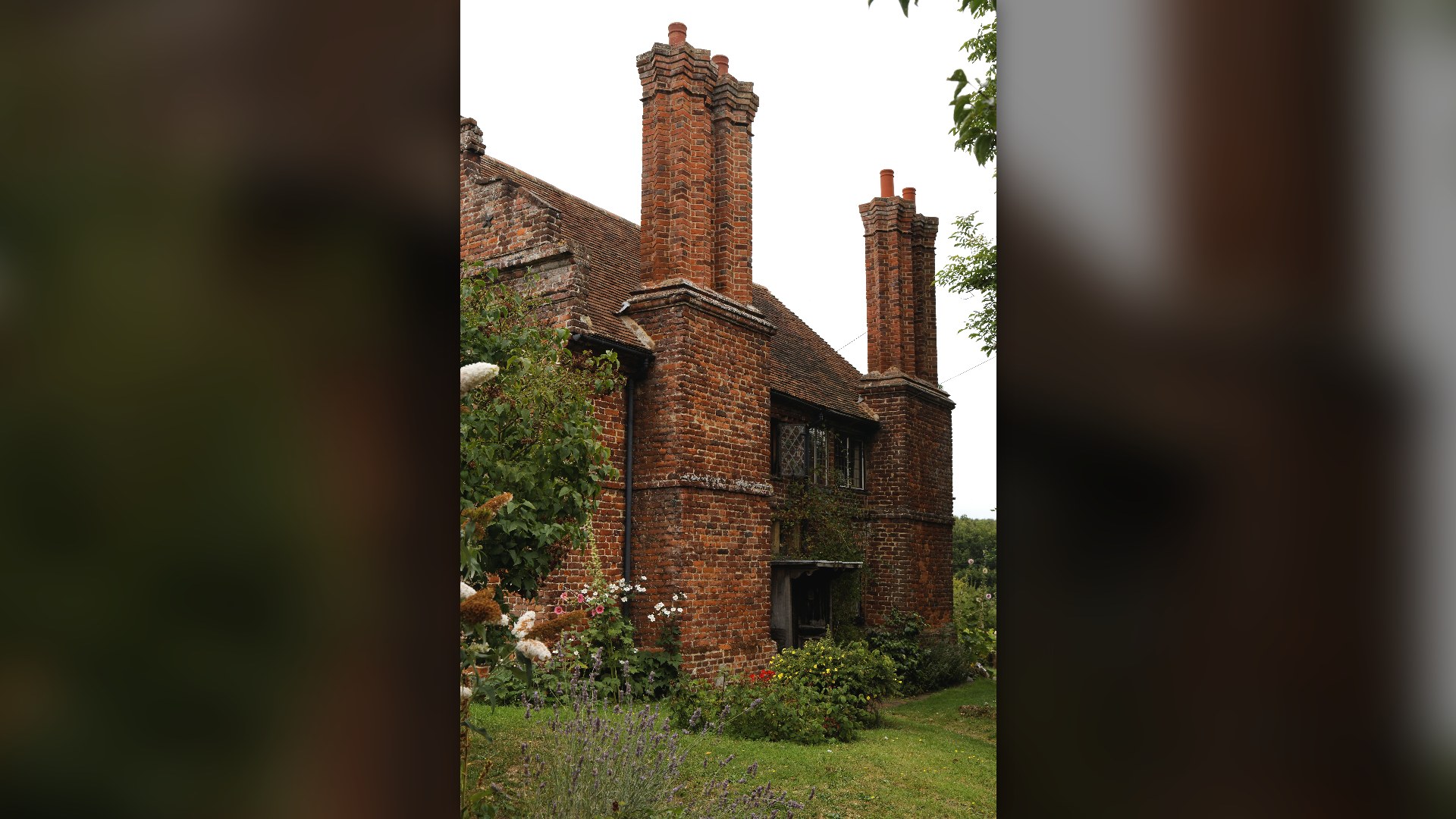
7. Cracked Chimney Crowns And Mortar Joints
No part of a house takes a harder winter beating than the brick chimney stack rising above the roof. Porous bricks and weathered mortar joints soak up melting snow during daytime thaws. When temperatures plunge after sunset, the trapped water freezes and expands, flaking off brick faces and loosening roof flashing.
©Wikimedia / Acabashi
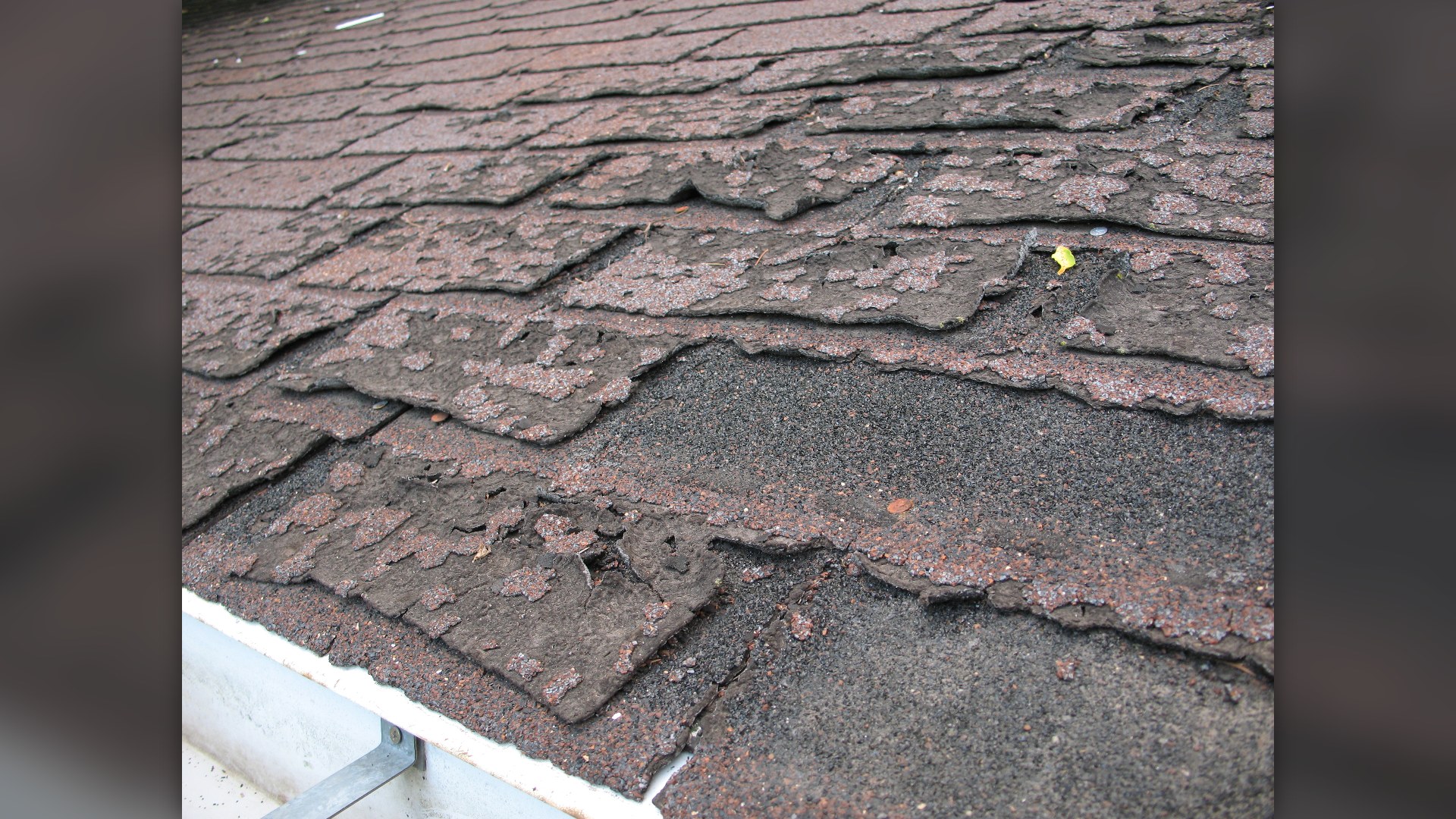
6. Wind-Damaged And Curling Roof Shingles
Asphalt roof shingles remain flexible in warm weather, but subfreezing air makes their fiberglass and petroleum backing stiff and fragile. When winter windstorms sweep across the roof ridge, curled or aging shingle tabs lift and snap clean off, letting melting snow seep under nail heads and rot the decking.
©Wikimedia / Dale Mahalko
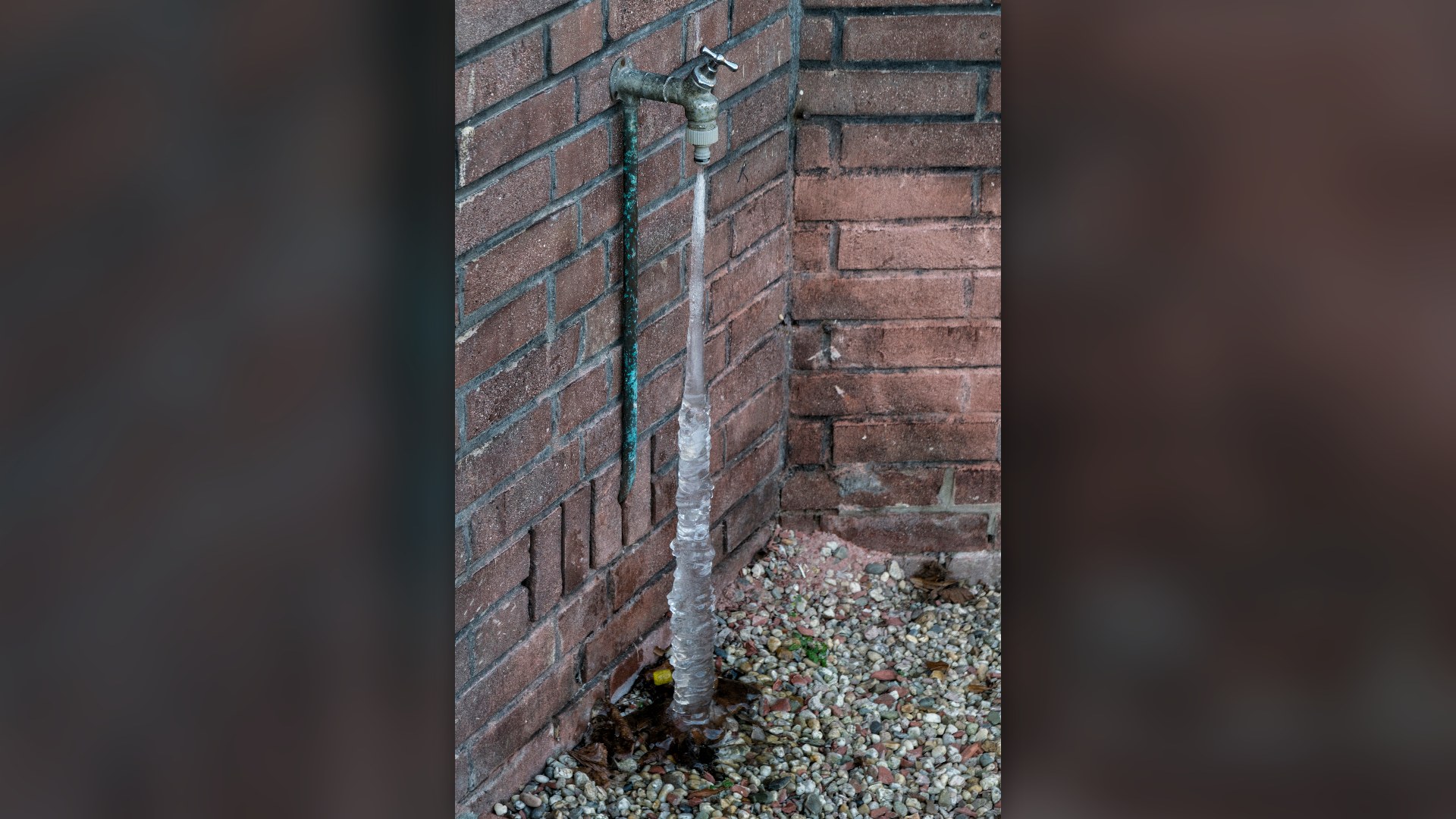
5. Frozen Outdoor Faucets And Hose Bibs
Outdoor hose bibs sit directly exposed to winter wind chills, and leaving a garden hose connected traps standing water inside the valve body. Even frost-free sillcocks cannot drain if a hose remains attached. As the trapped water freezes solid, ice expands into the copper line inside the wall and splits the pipe.
©Wikimedia / Paul van de Velde
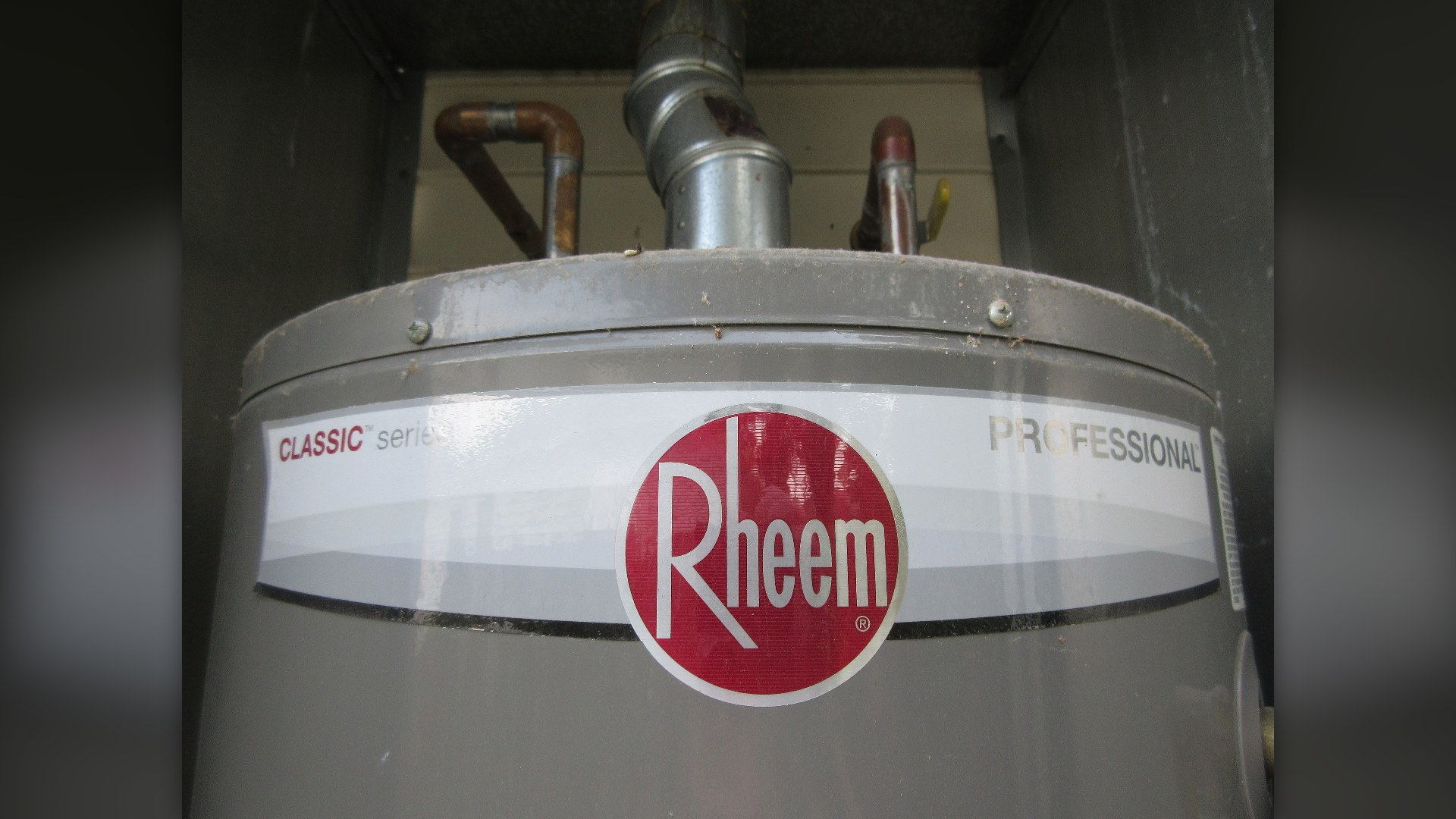
4. Failing Water Heater Tanks And Elements
During winter, incoming municipal water enters the home at 38 to 45 degrees Fahrenheit, roughly 25 degrees colder than in summer. A storage water heater must run much longer heating cycles to reach 120 degrees. That extra thermal stress, combined with mineral sediment in aging steel tanks, triggers midwinter leaks.
©Wikimedia / Infrogmation of New Orleans
Advertisement
Swipe or tap ▶ to resume the countdown.
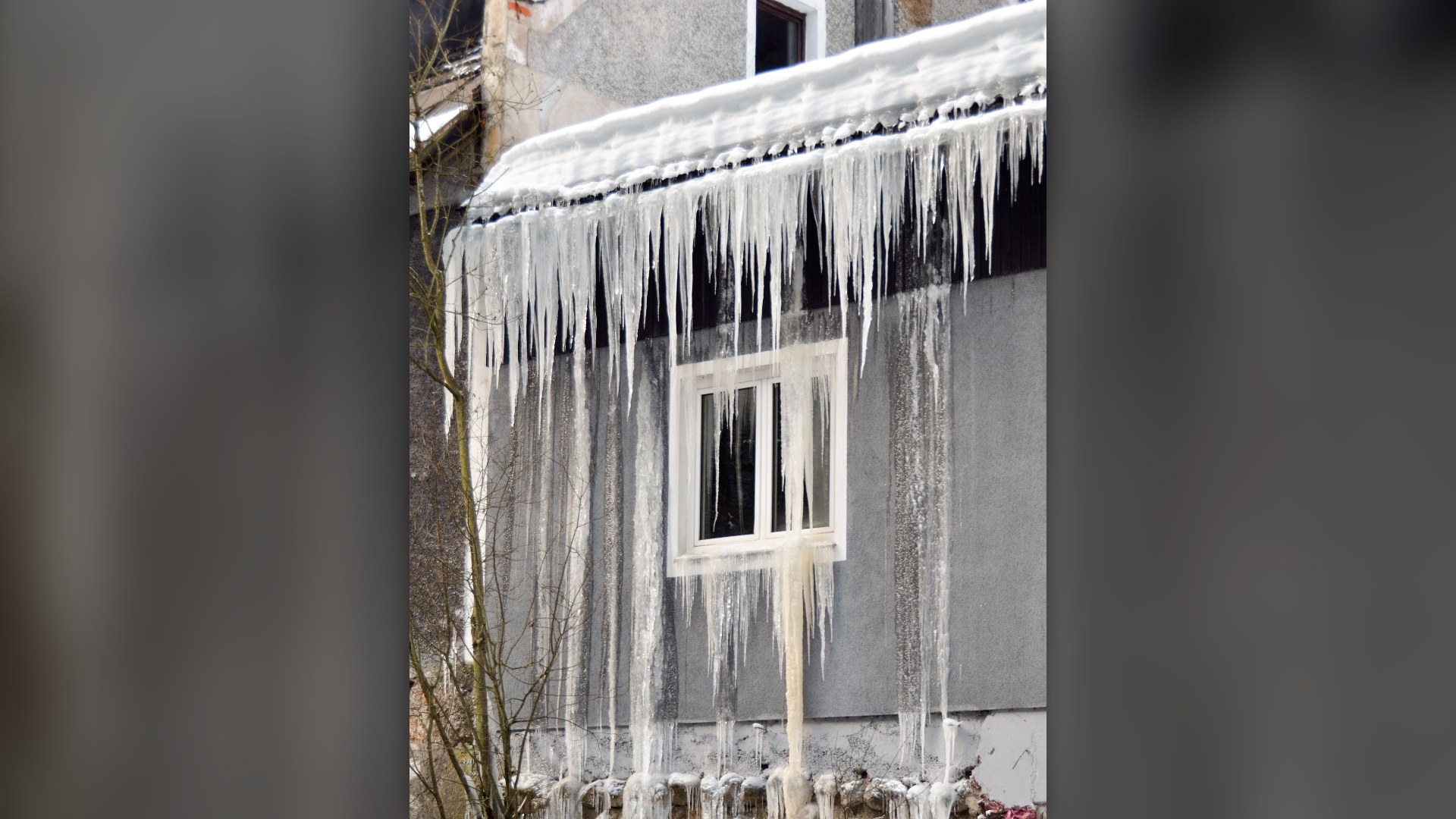
3. Roof Ice Dams And Sagging Rain Gutters
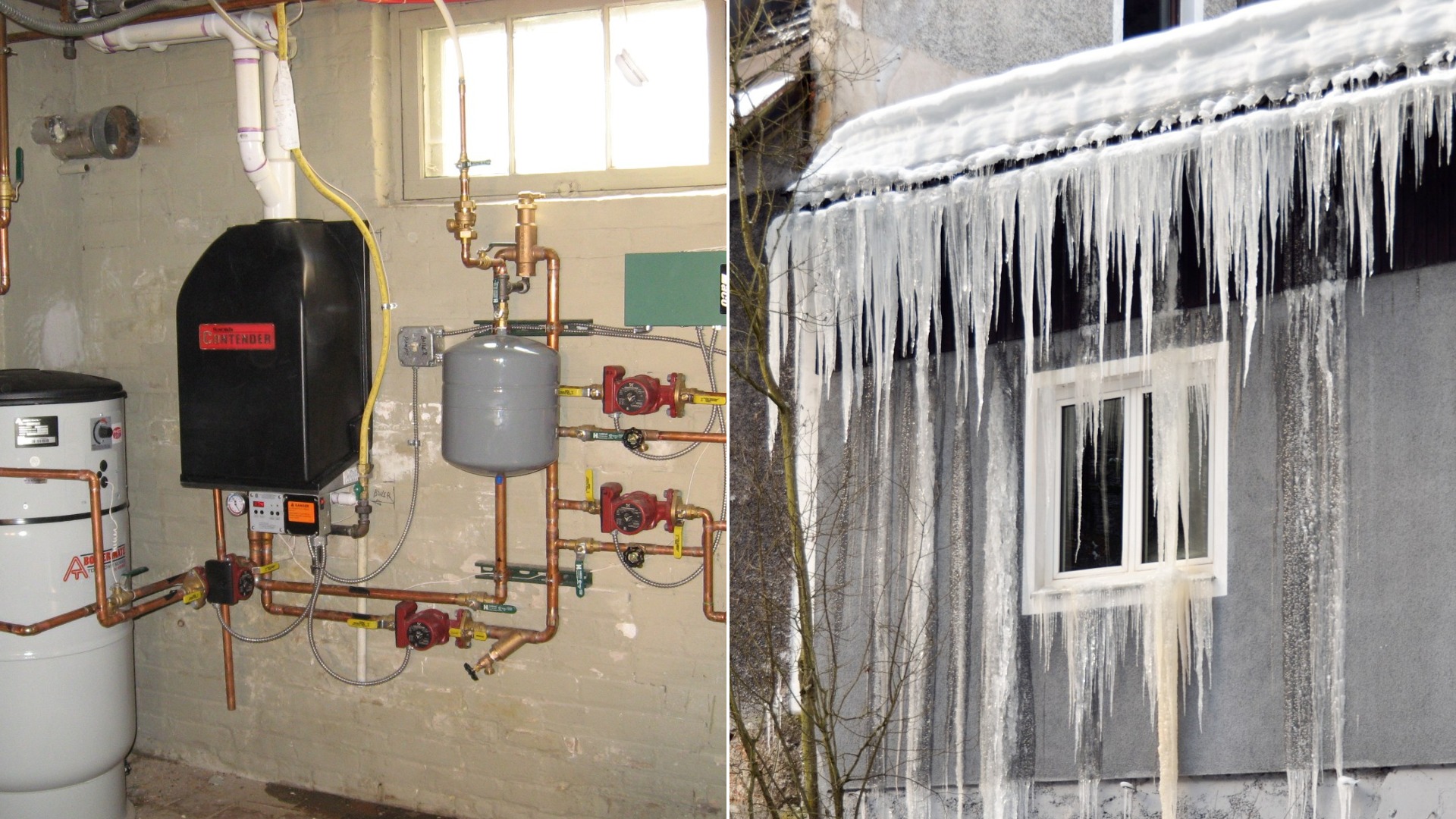
When warm indoor air leaks into a poorly insulated attic, it heats the upper roof deck and melts the underside of the snowpack. That water trickles down to the cold overhang at the eaves and freezes into a thick ice ridge, forcing pooled water backward underneath the shingles and into interior ceilings.
©Wikimedia / Herzi Pinki
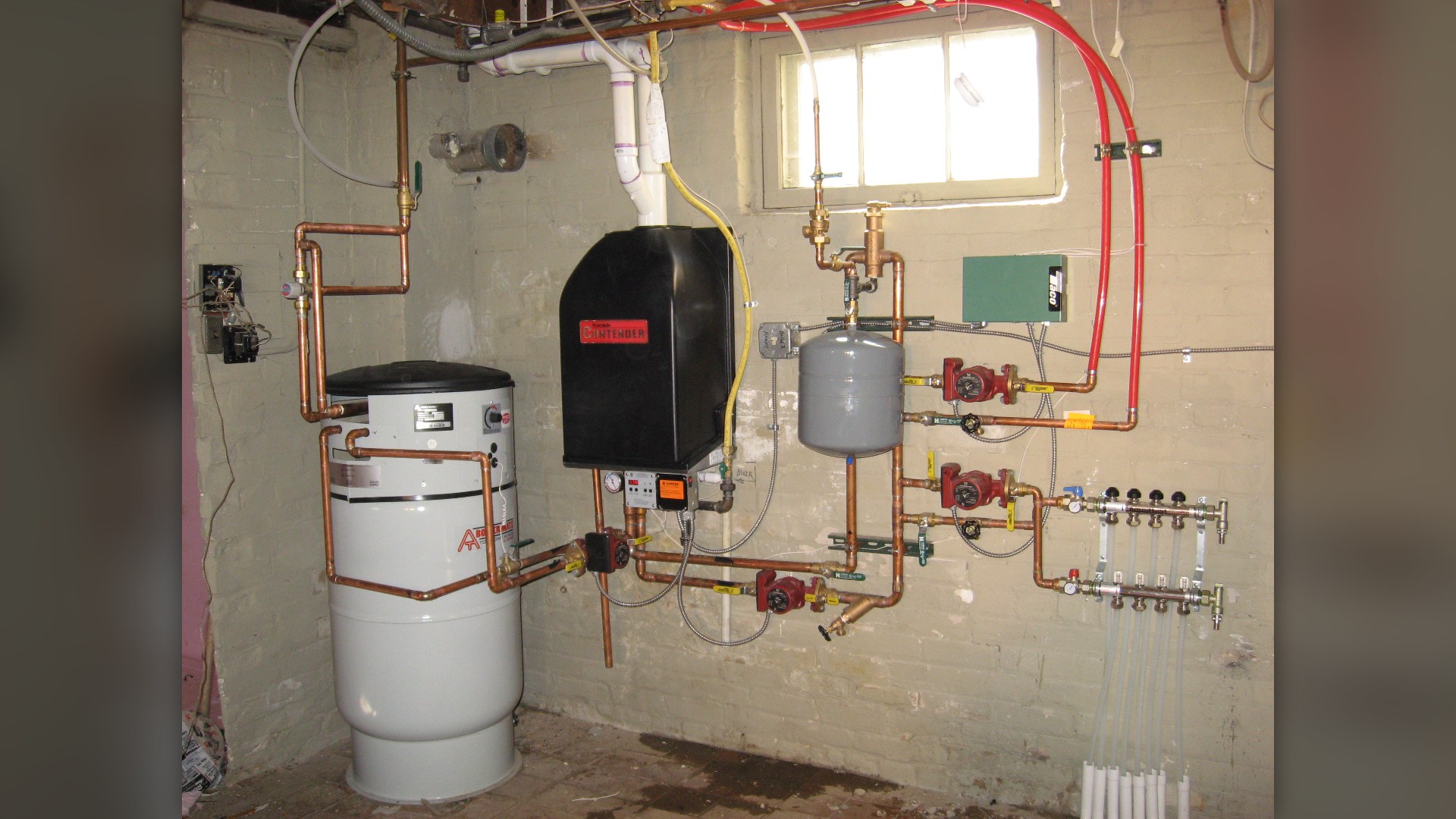
2. Furnace And Heating Boiler Breakdowns
Forced-air gas furnaces and hydronic boilers sit idle for months before running almost continuously during January and February cold snaps. Clogged air filters trip high-limit safety switches, while soot-coated flame sensors, cracked igniters, and seized circulator pumps shut down home heat overnight.
©Wikimedia / Audetat
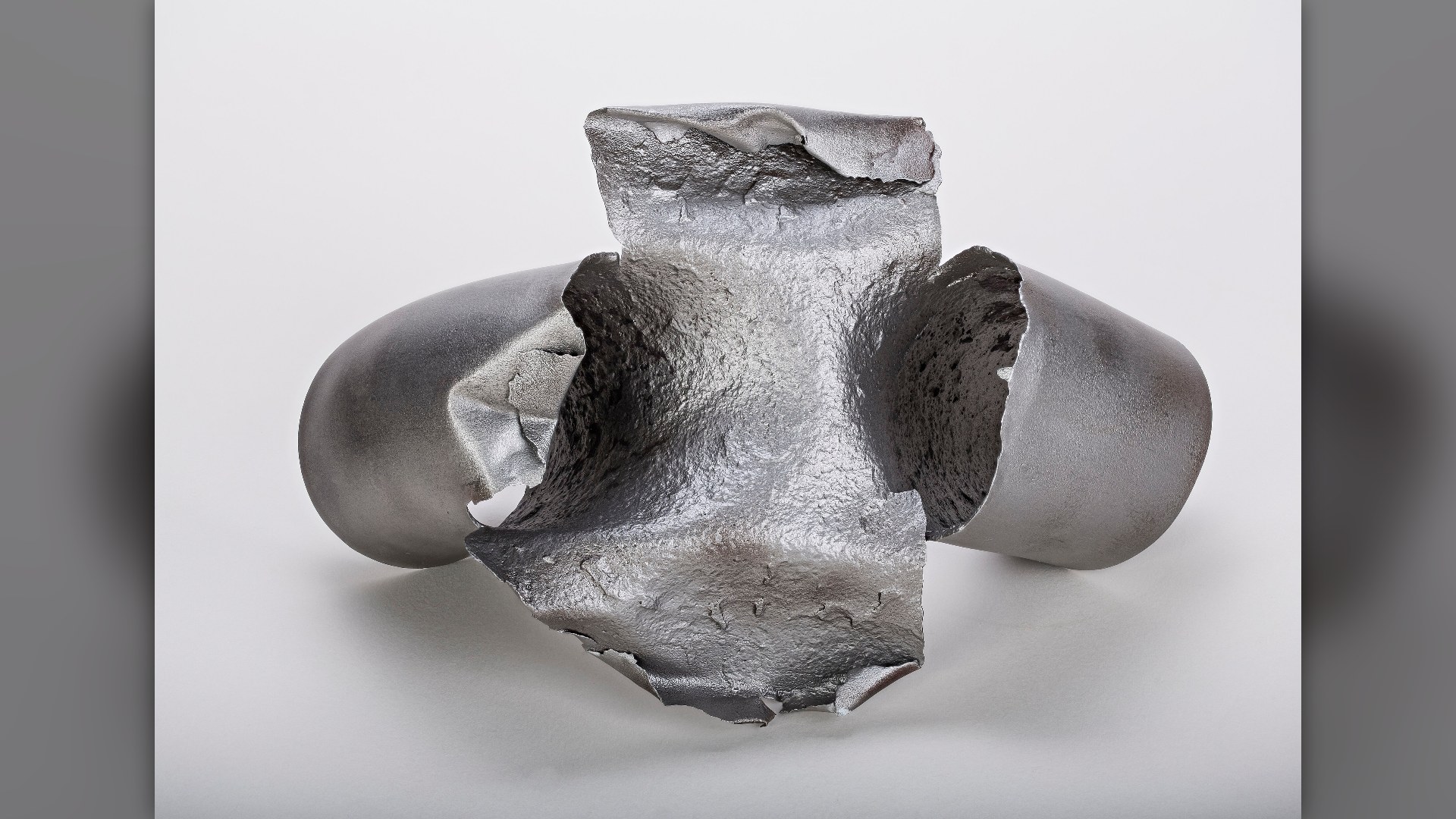
1. Frozen And Burst Water Supply Pipes
Frozen and burst water supply pipes rank as the single most destructive and expensive winter home emergency, averaging thousands of dollars in water damage per claim. When water freezes inside an uninsulated pipe in a crawl space or exterior wall, trapped water pressure exceeds 2,000 psi until the pipe ruptures.

©Wikimedia / CEphoto, Uwe Aranas
Advertisement
You've reached the end of the story. Thanks for reading!

20 Ways to Protect Your Home and Family in a Snowstorm
When severe blizzards and polar freezes threaten the power grid, proactive maintenance saves lives and prevents catastrophic property damage. This countdown details twenty essential actions to protect your home and family in a snowstorm, drawing from cold weather engineering guides and disaster response protocols.
All 10 Entries in this Story
10. Drafty Windows And Worn Weatherstripping
Dry winter air and subzero cold cause rubber weatherstripping and old silicone window caulk to stiffen, shrink, and pull away from wood and vinyl frames. Scraping out cracked caulk and pressing fresh foam or silicone weatherstripping into window jambs is one of the most frequent winter repairs.

9. Frost-Heaved Driveways And Cracked Concrete
Every time melting snow trickles into hairline driveway cracks and refreezes overnight, the expanding ice acts like a wedge. Moisture in the soil beneath the slab also freezes into ice lenses that push heavy concrete sections upward. Sealing joints in autumn prevents major trip hazards by spring.

8. Broken Garage Door Torsion Springs
Overhead garage doors rely on high-tension steel torsion springs to lift 150 to 300 pounds of sectional panels. When winter temperatures drop into the teens, cold metal loses flexibility and hardened grease increases roller friction. A worn spring often snaps on a freezing morning, trapping vehicles inside.

7. Cracked Chimney Crowns And Mortar Joints
No part of a house takes a harder winter beating than the brick chimney stack rising above the roof. Porous bricks and weathered mortar joints soak up melting snow during daytime thaws. When temperatures plunge after sunset, the trapped water freezes and expands, flaking off brick faces and loosening roof flashing.

6. Wind-Damaged And Curling Roof Shingles
Asphalt roof shingles remain flexible in warm weather, but subfreezing air makes their fiberglass and petroleum backing stiff and fragile. When winter windstorms sweep across the roof ridge, curled or aging shingle tabs lift and snap clean off, letting melting snow seep under nail heads and rot the decking.

5. Frozen Outdoor Faucets And Hose Bibs
Outdoor hose bibs sit directly exposed to winter wind chills, and leaving a garden hose connected traps standing water inside the valve body. Even frost-free sillcocks cannot drain if a hose remains attached. As the trapped water freezes solid, ice expands into the copper line inside the wall and splits the pipe.

4. Failing Water Heater Tanks And Elements
During winter, incoming municipal water enters the home at 38 to 45 degrees Fahrenheit, roughly 25 degrees colder than in summer. A storage water heater must run much longer heating cycles to reach 120 degrees. That extra thermal stress, combined with mineral sediment in aging steel tanks, triggers midwinter leaks.

3. Roof Ice Dams And Sagging Rain Gutters
When warm indoor air leaks into a poorly insulated attic, it heats the upper roof deck and melts the underside of the snowpack. That water trickles down to the cold overhang at the eaves and freezes into a thick ice ridge, forcing pooled water backward underneath the shingles and into interior ceilings.

2. Furnace And Heating Boiler Breakdowns
Forced-air gas furnaces and hydronic boilers sit idle for months before running almost continuously during January and February cold snaps. Clogged air filters trip high-limit safety switches, while soot-coated flame sensors, cracked igniters, and seized circulator pumps shut down home heat overnight.

1. Frozen And Burst Water Supply Pipes
Frozen and burst water supply pipes rank as the single most destructive and expensive winter home emergency, averaging thousands of dollars in water damage per claim. When water freezes inside an uninsulated pipe in a crawl space or exterior wall, trapped water pressure exceeds 2,000 psi until the pipe ruptures.