Slideshow · Lifestyle
The Clocks Have Gone Back, But What Changes Now?
As daylight saving time ends and clocks fall back an hour, the shift triggers profound ripples across our biology, evening commutes, seasonal mood, and daily routines. Here is what truly changes.
By Most Viral Today
26 Oct 2026

The Clocks Have Gone Back, But What Changes Now? 
12. The Extra Hour Of Sleep 
11. Earlier Morning Daylight 
10. Rapid Afternoon Darkness - AdvertisementSwipe or tap ▶ to continue countdown

9. Internal Circadian Drift 
8. Melatonin Production Shifts 
7. Seasonal Mood Swings 
6. Evening Commute Crash Risks - AdvertisementSwipe or tap ▶ to continue countdown

5. Spikes In Deer Collisions 
4. Household Energy Consumption 
3. Home Safety Check Rituals 
2. Retail Foot Traffic Declines - AdvertisementSwipe or tap ▶ to continue countdown

1. The Clock Policy Debate - Advertisement🔥 UP NEXT IN THIS SERIES◫ 21 Slides

20 Ways to Protect Your Home and Family in a Snowstorm
When severe blizzards and polar freezes threaten the power grid, proactive maintenance saves lives and prevents catastrophic property damage. This countdown details twenty essential actions to protect your home and family in a snowstorm, drawing from cold weather engineering guides and disaster response protocols.
Every autumn, millions of people gain an extra hour of sleep as daylight saving time concludes. But behind that single clock adjustment lies an immediate disruption to our body clocks, evening commute safety, mood levels, and seasonal energy use.
Swipe or tap ▶ to begin the countdown
©Wikimedia / PattayaPatrol & Pixabay / vdnhieu
12. The Extra Hour Of Sleep
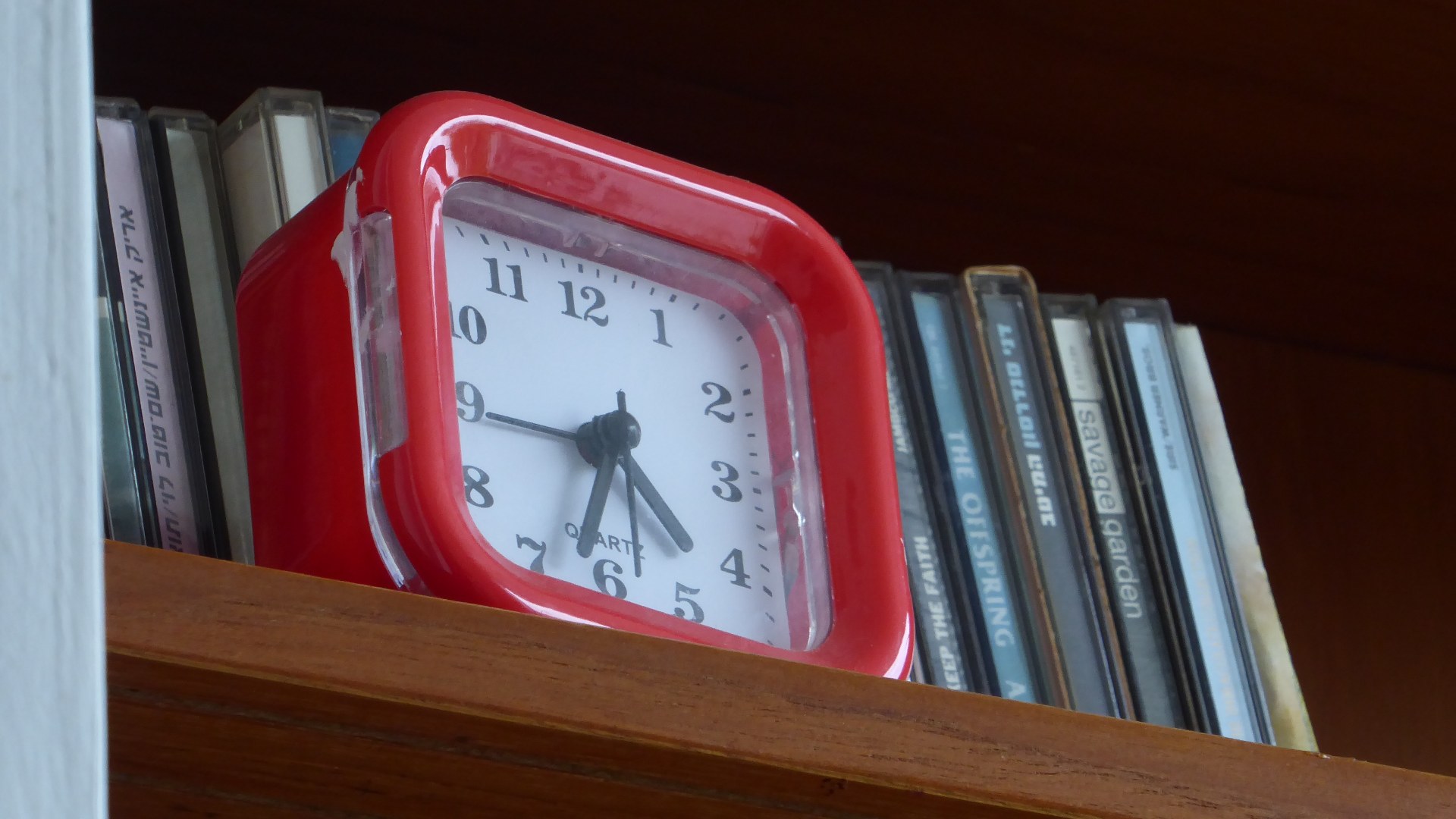
Turning the clock back an hour on autumn Sunday gives the illusion of bonus sleep. While many enjoy a lazy morning in bed, sleep medicine data shows that most adults wake up according to their internal circadian rhythms, gaining barely thirty minutes of actual rest.
©Wikimedia / Chenspec
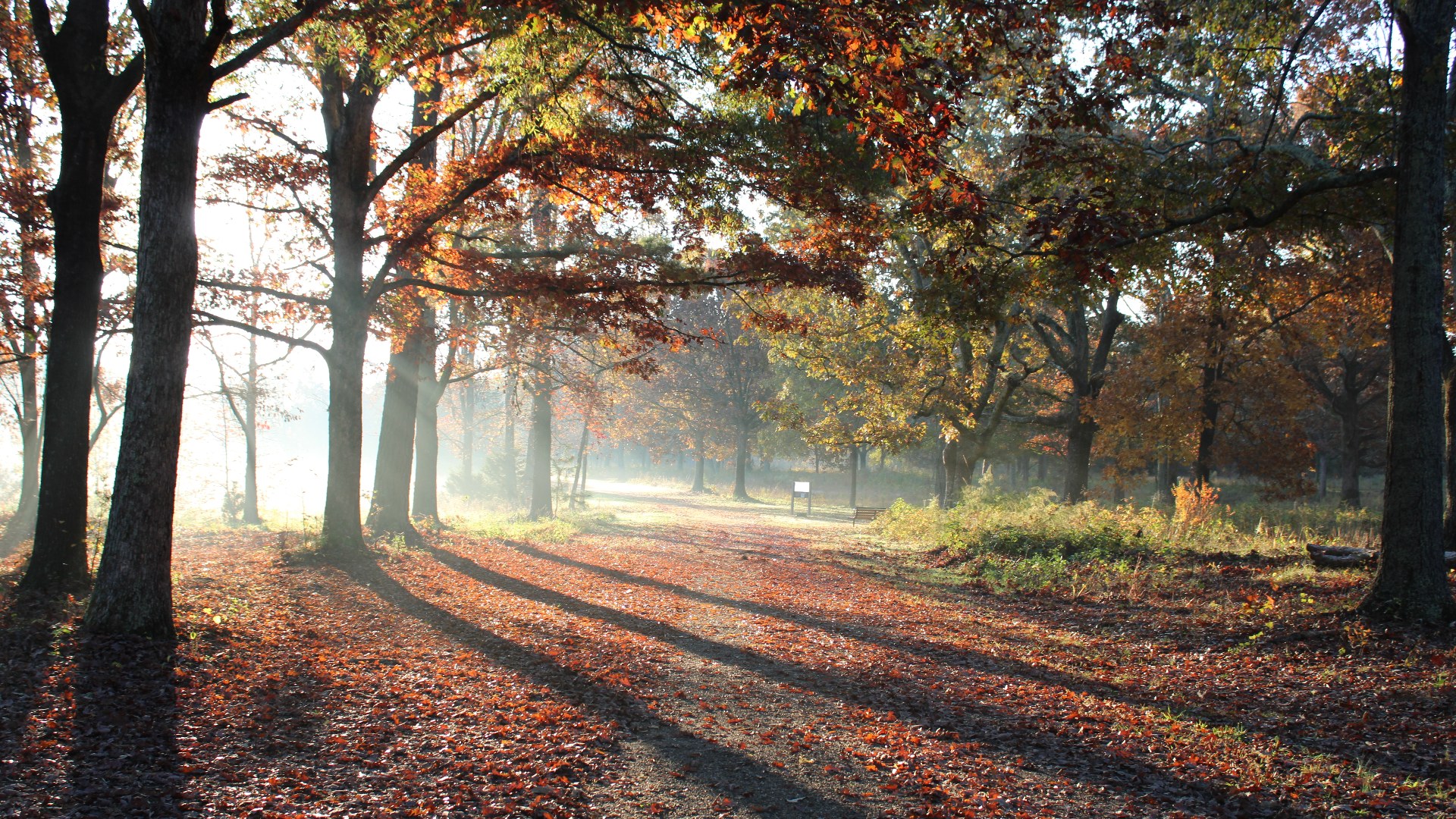
11. Earlier Morning Daylight
The most welcome consequence of standard time is morning brightness. Commuters and schoolchildren who spent weeks leaving home in pitch darkness now see daylight by 7 AM. Natural morning light exposure suppresses sleep hormones and helps reset mental alertness quickly.
©Wikimedia / NPS photo
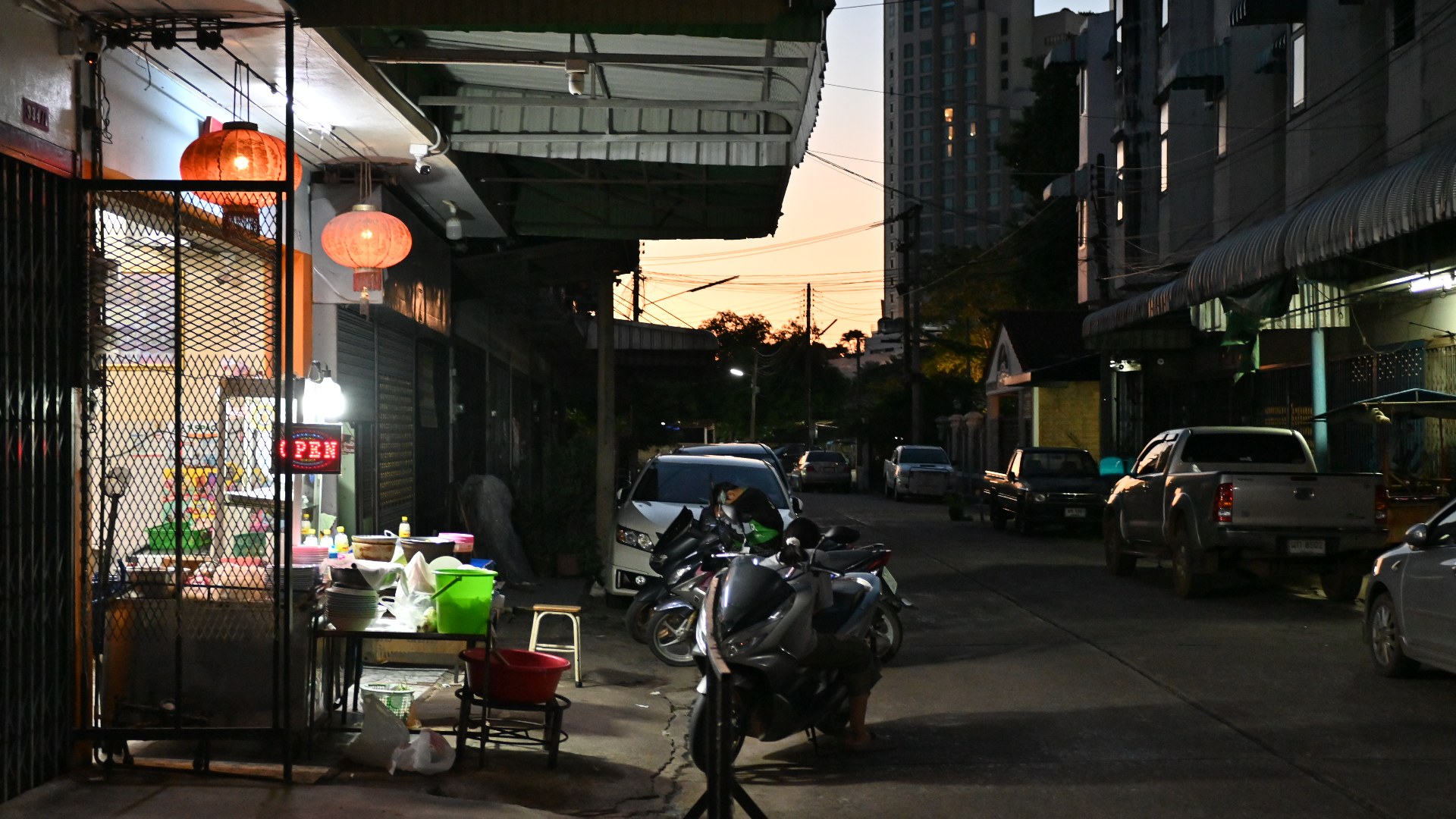
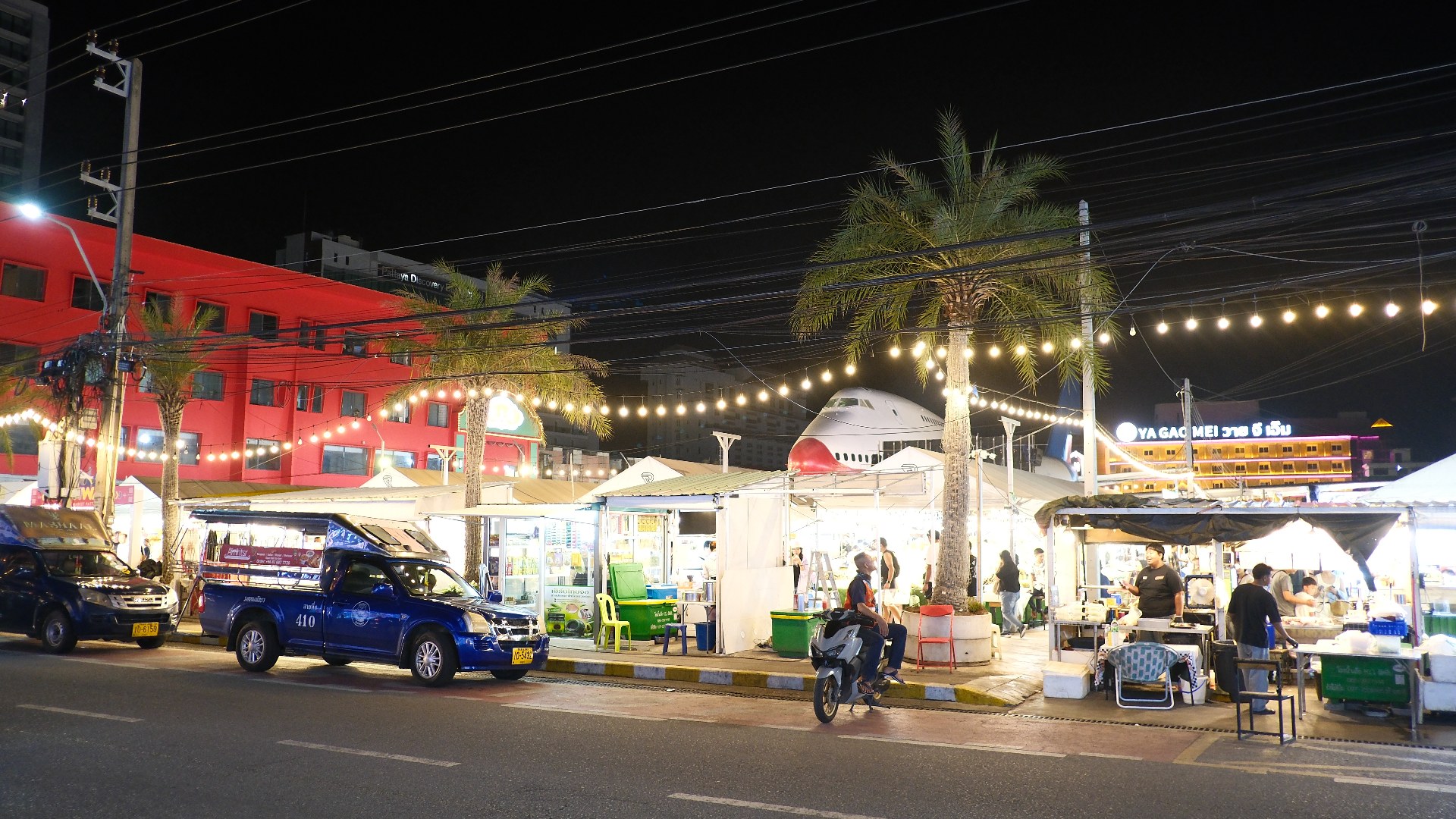
10. Rapid Afternoon Darkness
The price paid for morning light is a jarring early twilight. Across northern states, darkness falls well before office workers leave their desks. Finishing a workday in pitch-black night triggers feelings of sensory compression and abruptly ends outdoor post-work activities.
©Wikimedia / PattayaPatrol
Advertisement
Swipe or tap ▶ to resume the countdown.
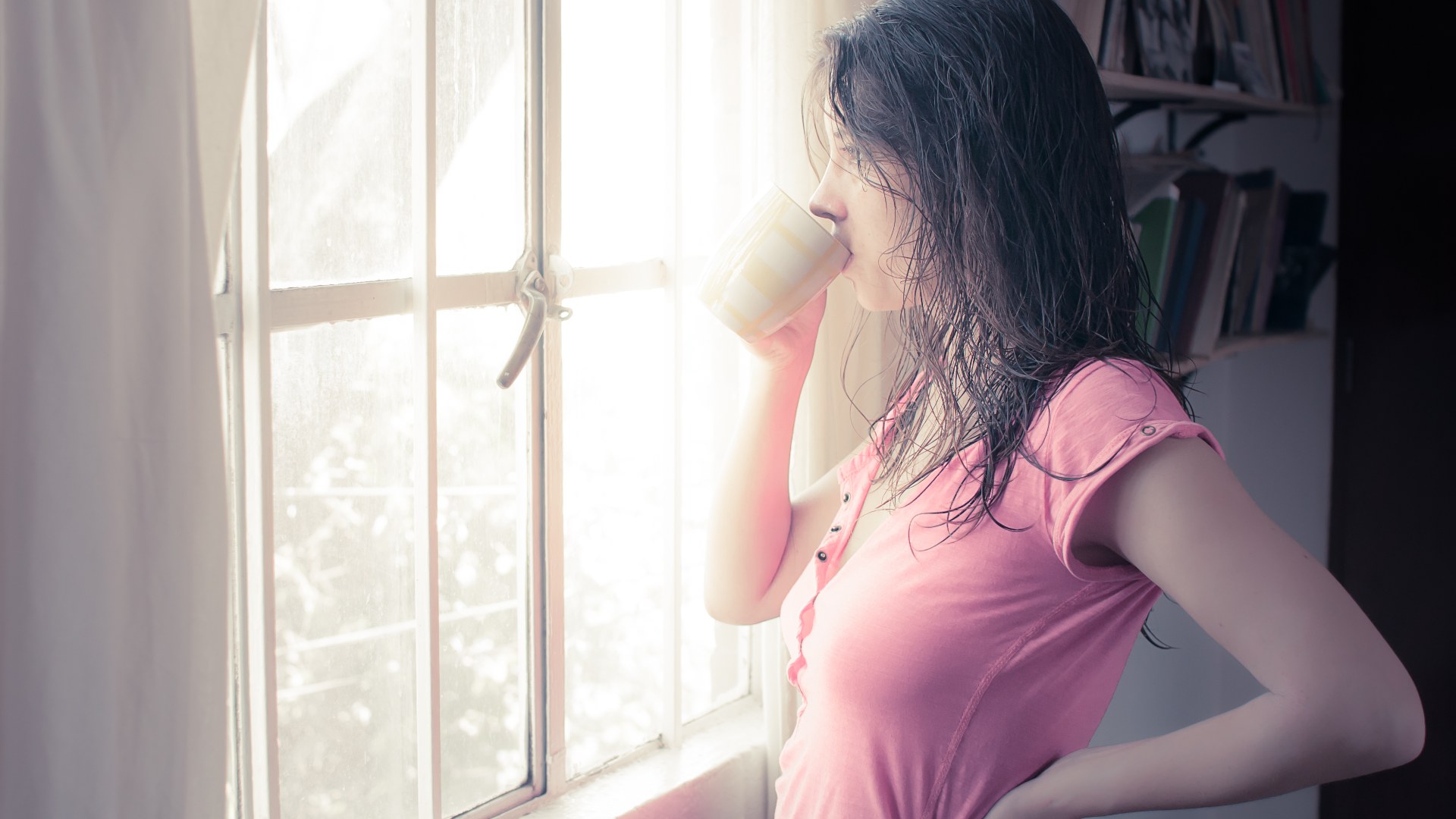
9. Internal Circadian Drift
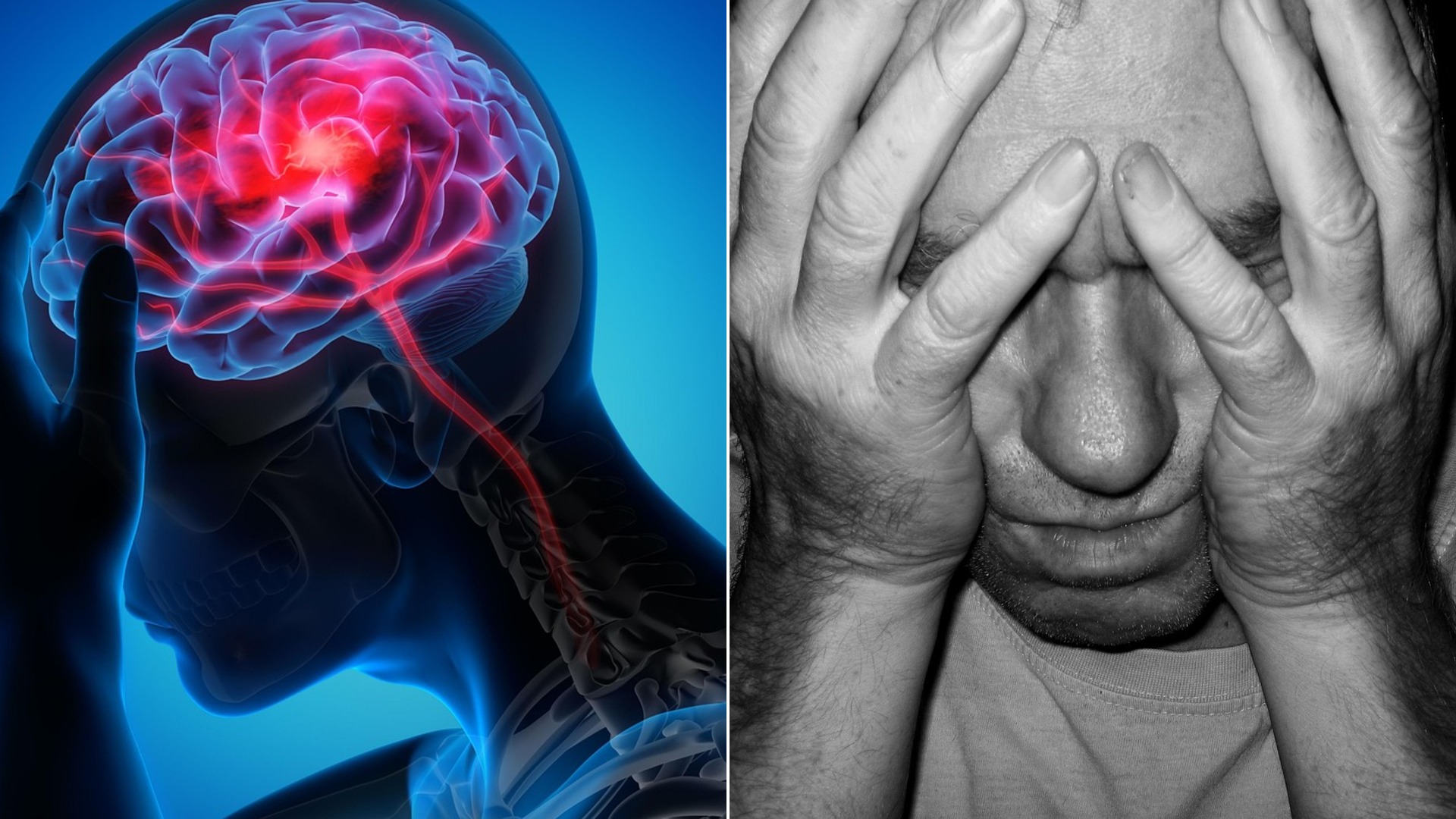
Human bodies regulate sleep, hunger, and alertness through an internal biological clock situated in the brain. Shifting wall clocks by one hour desynchronizes cellular clocks from social schedules, producing measurable dips in workplace focus and early-morning grogginess.
©Wikimedia / Eneas De Troya
8. Melatonin Production Shifts
Melatonin is the primary hormone that signals the onset of sleep. When daylight drops away by 5 PM, the eyes register fading light, prompting earlier hormone secretion. This causes many people to feel sleepy during dinner hours yet wake uncomfortably early in the morning.
©Wikimedia / PattayaPatrol
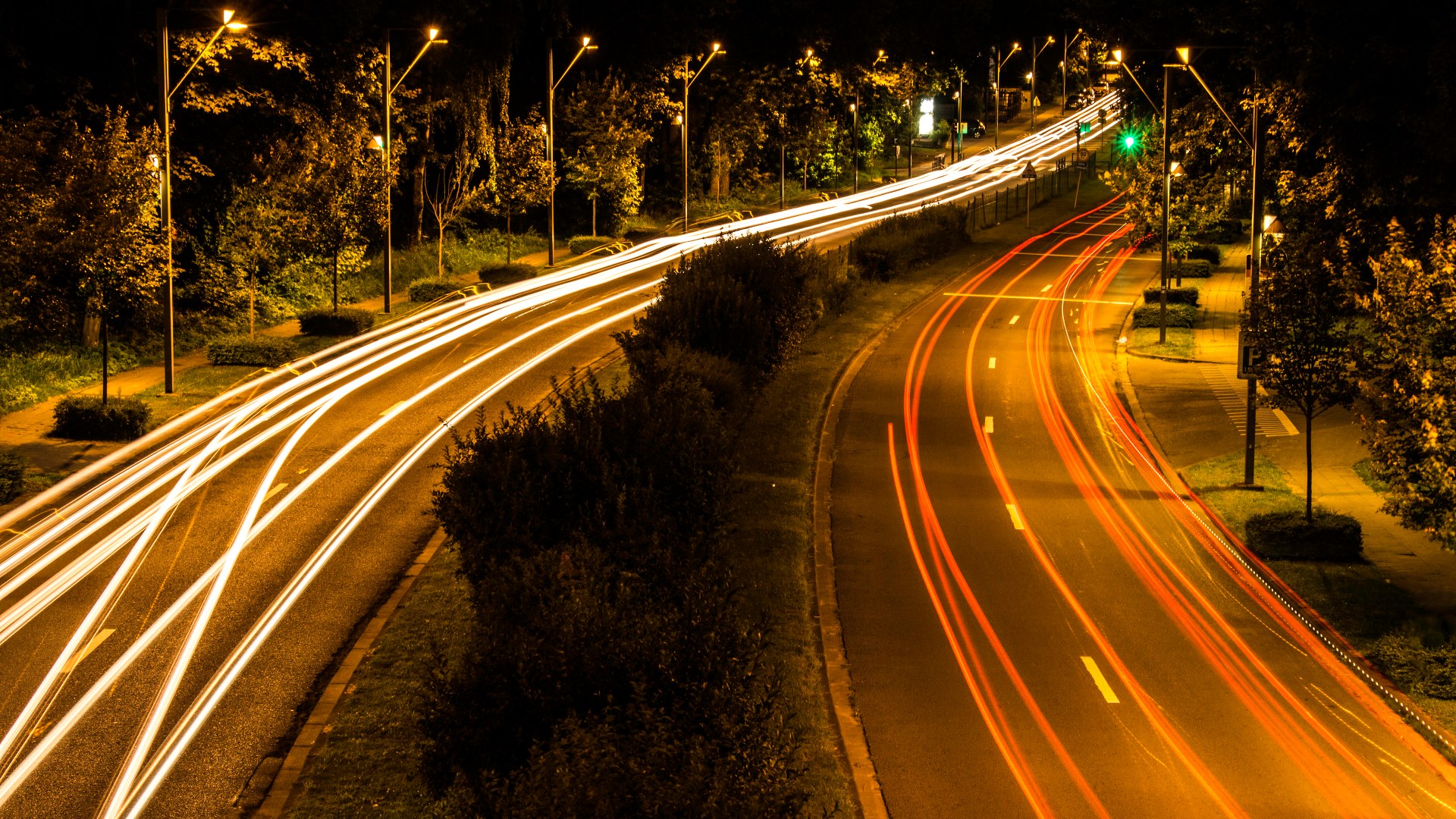
7. Seasonal Mood Swings
For roughly ten million Americans, autumn marks the onset of Seasonal Affective Disorder. The abrupt contraction of afternoon light reduces daily exposure to broad-spectrum rays, lowering brain serotonin and contributing to persistent winter fatigue, low energy, and carbohydrate cravings.
©Pixabay / vdnhieu
6. Evening Commute Crash Risks
Transportation safety analysts warn that the initial weeks of standard time are among the most dangerous on American roadways. Drivers navigating congested freeways in sudden darkness encounter fatigue and reduced pedestrian visibility, causing evening accident rates to climb sharply.
©Wikimedia / David Bruyndonckx
Advertisement
Swipe or tap ▶ to resume the countdown.
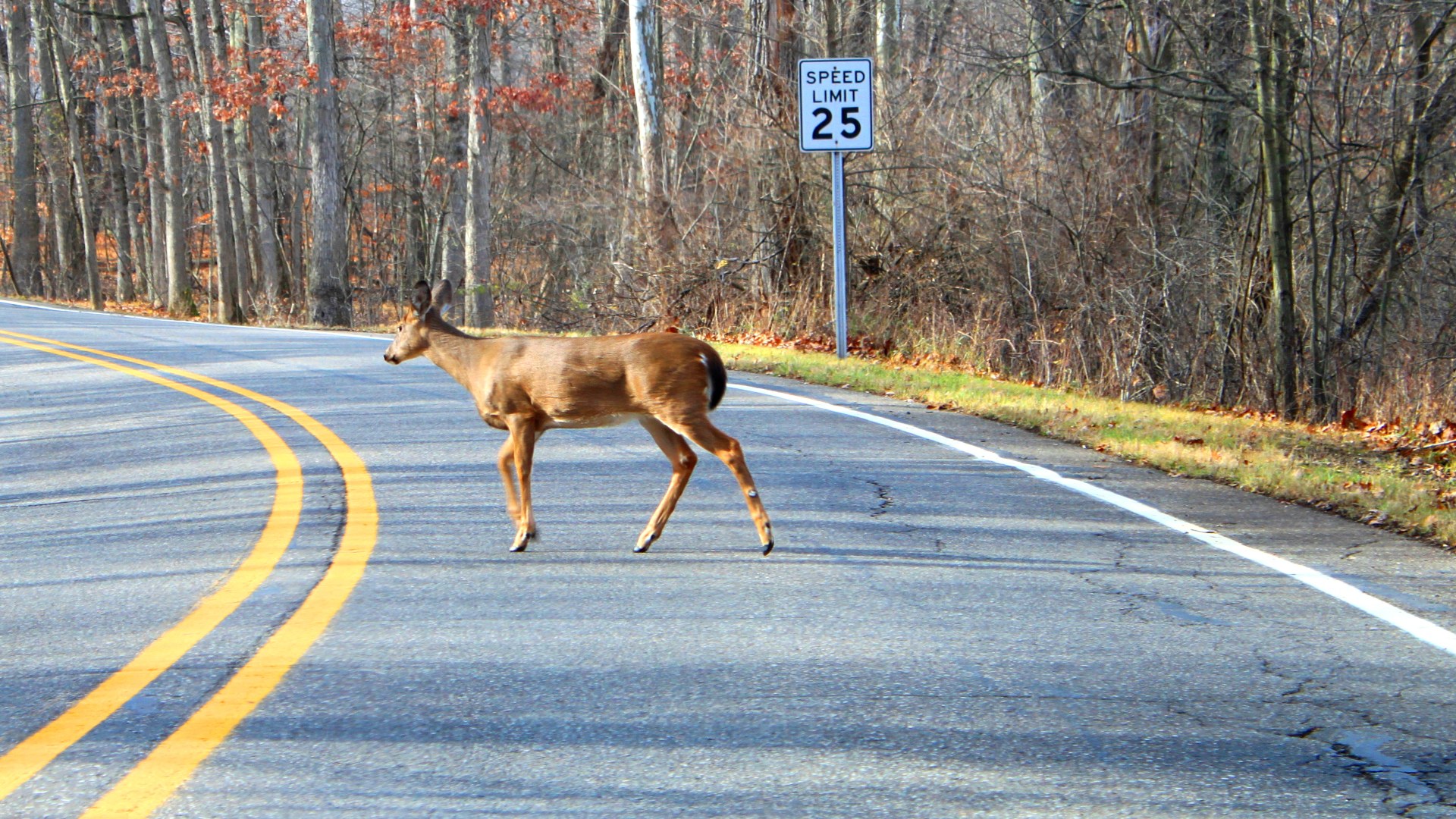
5. Spikes In Deer Collisions
Insurance Institute for Highway Safety researchers track a steep rise in animal strikes right after clocks fall back. White-tailed deer are most active at twilight during their November mating season, precisely when thousands of homeward-bound vehicles travel newly darkened suburban roads.
©Wikimedia / Dwight Burdette
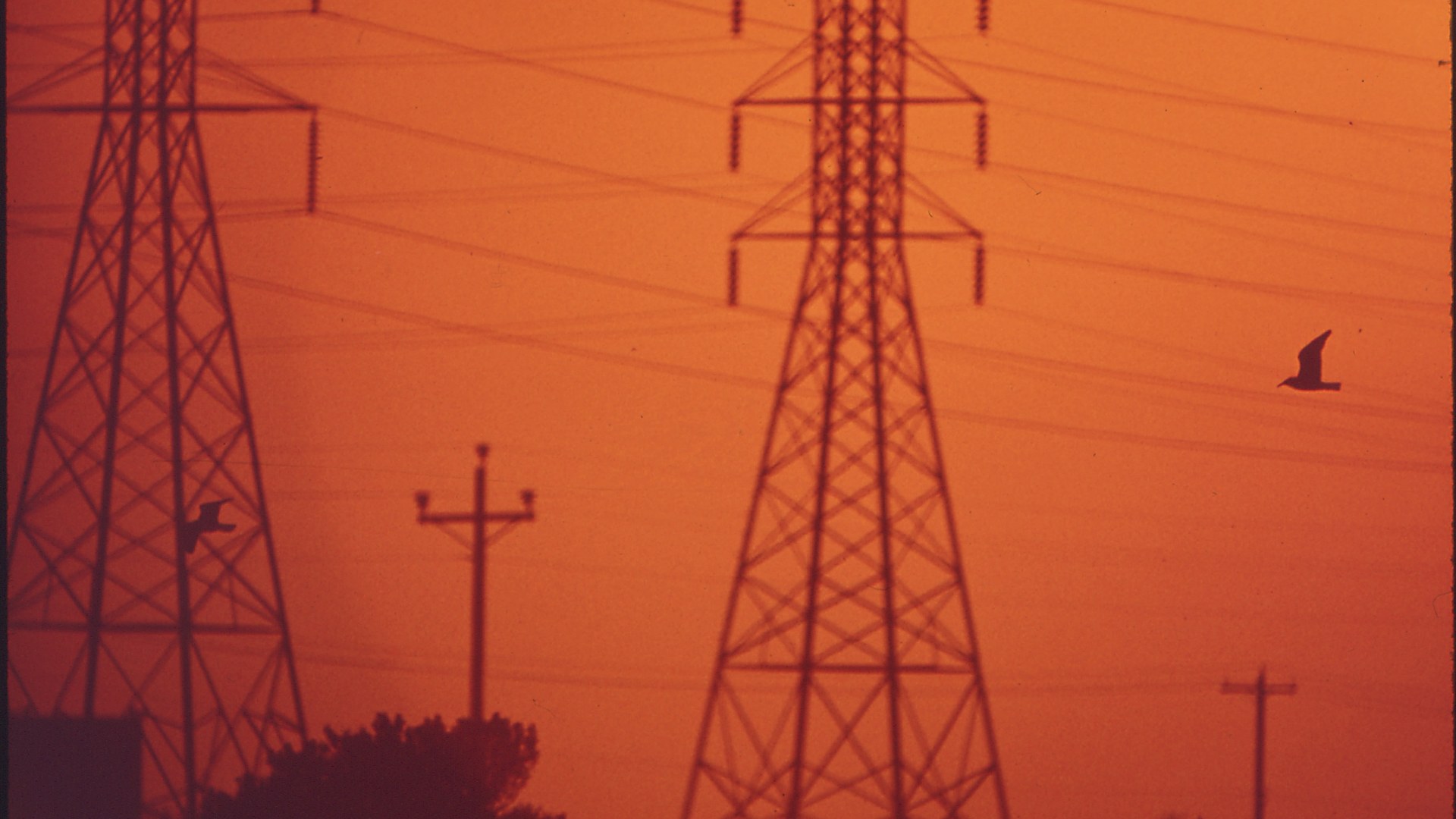
4. Household Energy Consumption
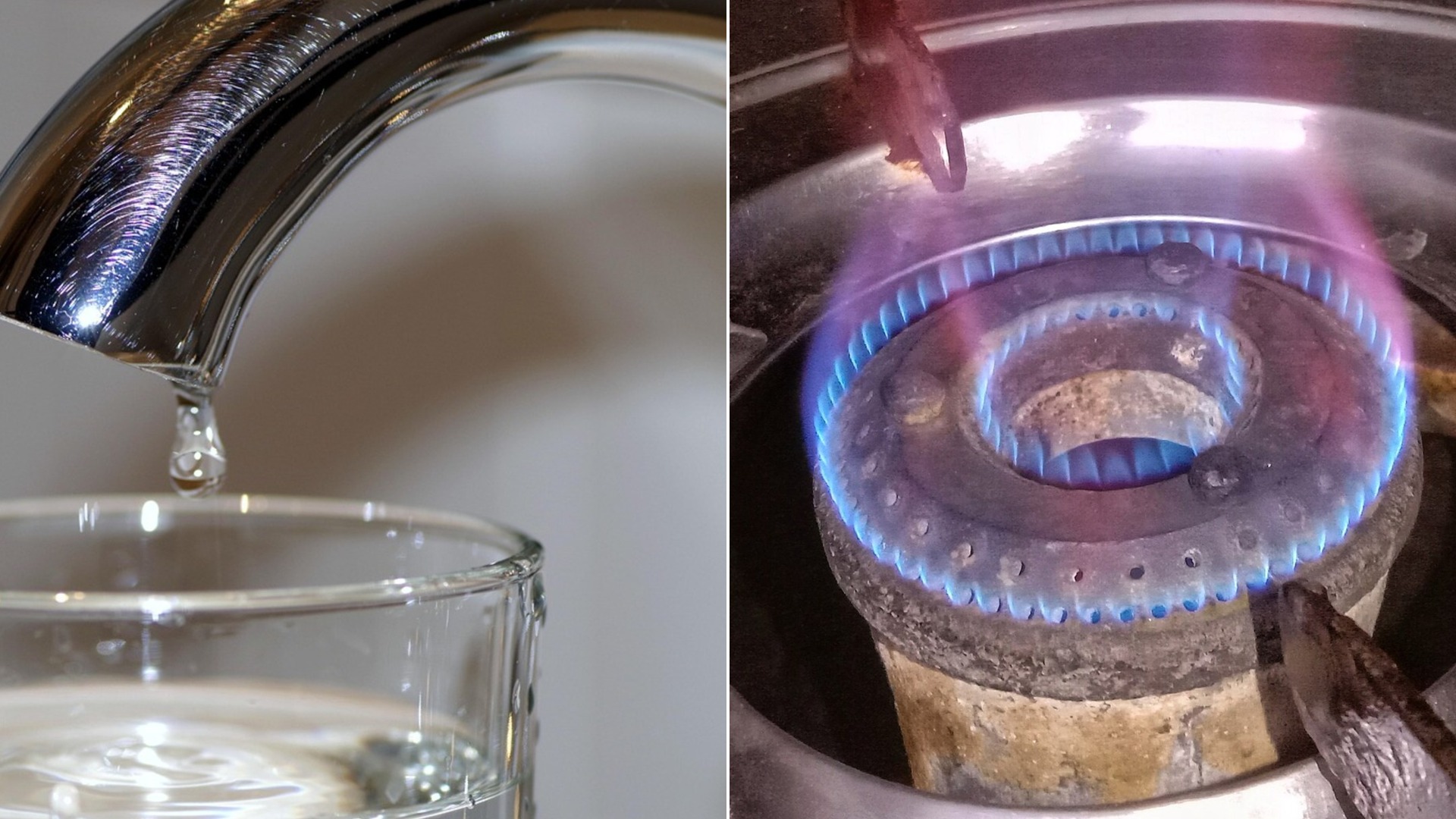
Benjamin Franklin first proposed clock manipulation to save candle tallow, but modern grid analysis reveals little net electricity conservation. As households turn lights and television sets on an hour earlier each evening, increased furnace usage often wipes out morning power savings.
©Wikimedia / Jim Olive
3. Home Safety Check Rituals
For over thirty years, public safety campaigns have urged homeowners to 'change your clock, change your battery'. As residents adjust manual wall clocks and appliances, testing smoke alarms, carbon monoxide detectors, and furnace filters helps prevent winter residential fire tragedies.
©Wikimedia / Nikolai Bulykin
2. Retail Foot Traffic Declines
The retail sector heavily favors daylight saving time. Economic data shows consumer spending at brick-and-mortar storefronts, golf courses, and restaurants drops when evening light evaporates, prompting historical lobbying by business groups to extend spring hours.
©Wikimedia / PattayaPatrol
Advertisement
Swipe or tap ▶ to resume the countdown.
1. The Clock Policy Debate
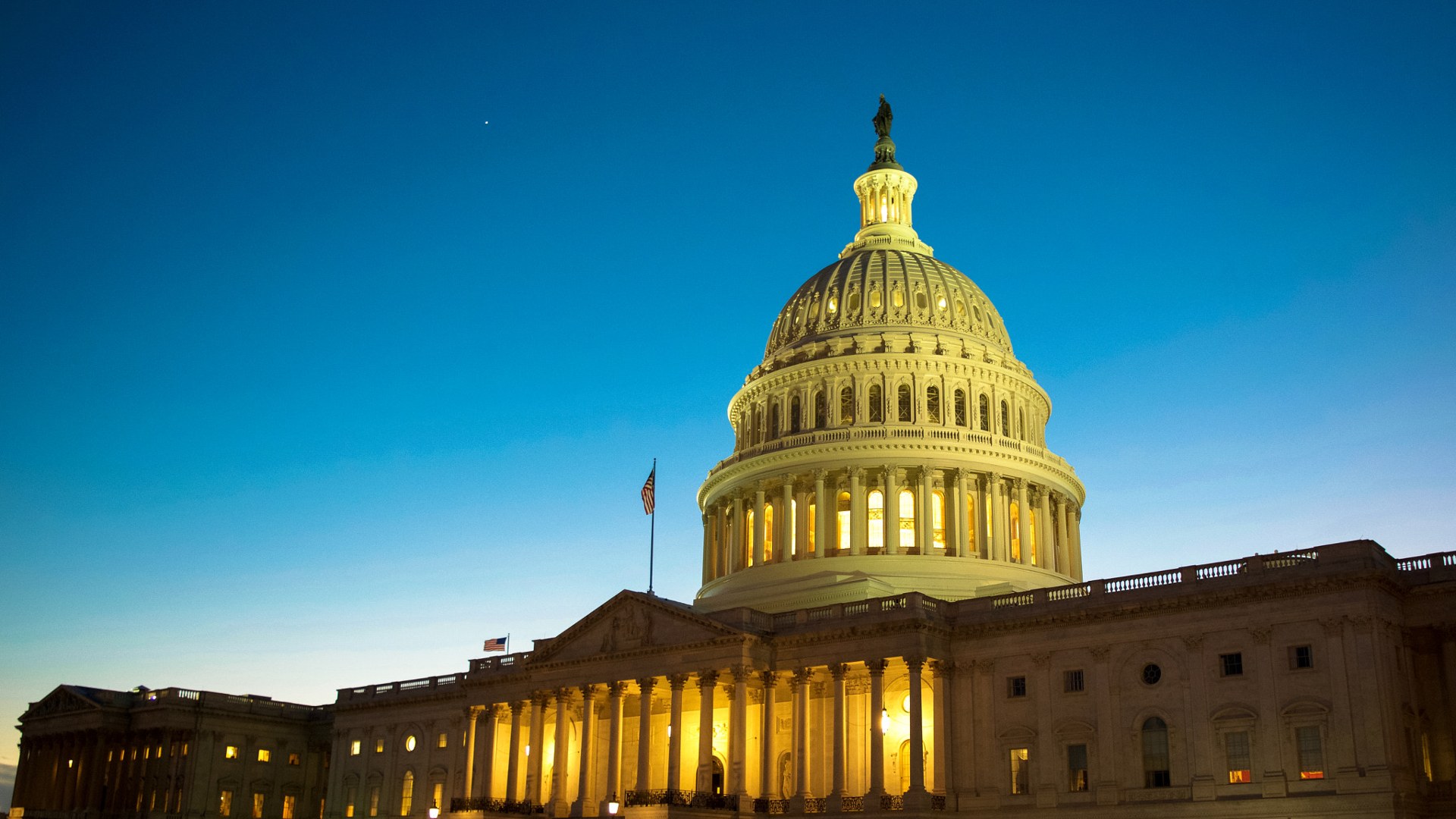
The American Academy of Sleep Medicine strongly supports ending biannual clock changes, arguing permanent standard time best matches human circadian biology. Congressional bills like the Sunshine Protection Act remain gridlocked over choosing between permanent daylight or permanent standard time.

©Wikimedia / Jesse Collins
Advertisement
You've reached the end of the story. Thanks for reading!

20 Ways to Protect Your Home and Family in a Snowstorm
When severe blizzards and polar freezes threaten the power grid, proactive maintenance saves lives and prevents catastrophic property damage. This countdown details twenty essential actions to protect your home and family in a snowstorm, drawing from cold weather engineering guides and disaster response protocols.
All 12 Entries in this Story
1. The Extra Hour Of Sleep
Turning the clock back an hour on autumn Sunday gives the illusion of bonus sleep. While many enjoy a lazy morning in bed, sleep medicine data shows that most adults wake up according to their internal circadian rhythms, gaining barely thirty minutes of actual rest.

2. Earlier Morning Daylight
The most welcome consequence of standard time is morning brightness. Commuters and schoolchildren who spent weeks leaving home in pitch darkness now see daylight by 7 AM. Natural morning light exposure suppresses sleep hormones and helps reset mental alertness quickly.

3. Rapid Afternoon Darkness
The price paid for morning light is a jarring early twilight. Across northern states, darkness falls well before office workers leave their desks. Finishing a workday in pitch-black night triggers feelings of sensory compression and abruptly ends outdoor post-work activities.

4. Internal Circadian Drift
Human bodies regulate sleep, hunger, and alertness through an internal biological clock situated in the brain. Shifting wall clocks by one hour desynchronizes cellular clocks from social schedules, producing measurable dips in workplace focus and early-morning grogginess.

5. Melatonin Production Shifts
Melatonin is the primary hormone that signals the onset of sleep. When daylight drops away by 5 PM, the eyes register fading light, prompting earlier hormone secretion. This causes many people to feel sleepy during dinner hours yet wake uncomfortably early in the morning.

6. Seasonal Mood Swings
For roughly ten million Americans, autumn marks the onset of Seasonal Affective Disorder. The abrupt contraction of afternoon light reduces daily exposure to broad-spectrum rays, lowering brain serotonin and contributing to persistent winter fatigue, low energy, and carbohydrate cravings.

7. Evening Commute Crash Risks
Transportation safety analysts warn that the initial weeks of standard time are among the most dangerous on American roadways. Drivers navigating congested freeways in sudden darkness encounter fatigue and reduced pedestrian visibility, causing evening accident rates to climb sharply.

8. Spikes In Deer Collisions
Insurance Institute for Highway Safety researchers track a steep rise in animal strikes right after clocks fall back. White-tailed deer are most active at twilight during their November mating season, precisely when thousands of homeward-bound vehicles travel newly darkened suburban roads.

9. Household Energy Consumption
Benjamin Franklin first proposed clock manipulation to save candle tallow, but modern grid analysis reveals little net electricity conservation. As households turn lights and television sets on an hour earlier each evening, increased furnace usage often wipes out morning power savings.

10. Home Safety Check Rituals
For over thirty years, public safety campaigns have urged homeowners to 'change your clock, change your battery'. As residents adjust manual wall clocks and appliances, testing smoke alarms, carbon monoxide detectors, and furnace filters helps prevent winter residential fire tragedies.

11. Retail Foot Traffic Declines
The retail sector heavily favors daylight saving time. Economic data shows consumer spending at brick-and-mortar storefronts, golf courses, and restaurants drops when evening light evaporates, prompting historical lobbying by business groups to extend spring hours.

12. The Clock Policy Debate
The American Academy of Sleep Medicine strongly supports ending biannual clock changes, arguing permanent standard time best matches human circadian biology. Congressional bills like the Sunshine Protection Act remain gridlocked over choosing between permanent daylight or permanent standard time.