Slideshow · Lifestyle
The Most Annoying Things People Do At Work, Ranked
From reheating pungent fish in the office microwave to hijacking quick team meetings, these twenty workplace habits test the patience of every colleague.

By Most Viral Today
27 Oct 2026

From Reheating Fish To Hijacking Meetings, The Most Annoying Office Habits 
20. Not Pulling Their Weight 
19. Coming Into The Office When Severely Ill 
18. Spreading Malicious Gossip And Office Rumors - AdvertisementSwipe or tap ▶ to continue countdown

17. Constant Complaining Without Offering Solutions 
16. Leaving A Complete Mess In The Communal Kitchen 
15. Using Speakerphone Or Talking Loudly In Open Offices 
14. Hijacking Meetings And Monologuing - AdvertisementSwipe or tap ▶ to continue countdown

13. Reheating Pungent Food In The Microwave 
12. Treating Coworkers Like A Personal Search Engine 
11. Sending Passive-Aggressive Emails Or Sticky Notes 
10. Chronic Lateness To Scheduled Meetings - AdvertisementSwipe or tap ▶ to continue countdown

9. Leaving Old Food To Rot In The Office Fridge 
8. Spamming Corporate Buzzwords Constantly 
7. Following Up In Person Two Minutes After Emailing 
6. Letting Mobile Phones Ping Non-Stop On Desks - AdvertisementSwipe or tap ▶ to continue countdown

5. Loud Chewing, Crunching, Or Slurping At Desks 
4. Waging Secret Air Conditioning And Thermostat Wars 
3. Extreme Oversharing About Personal Drama 
2. Hoarding Stationery And Adjusting Others' Chairs - AdvertisementSwipe or tap ▶ to continue countdown

1. Ignoring A Ringing Phone Or Direct Message - Advertisement🔥 UP NEXT IN THIS SERIES◫ 21 Slides

20 Ways to Protect Your Home and Family in a Snowstorm
When severe blizzards and polar freezes threaten the power grid, proactive maintenance saves lives and prevents catastrophic property damage. This countdown details twenty essential actions to protect your home and family in a snowstorm, drawing from cold weather engineering guides and disaster response protocols.
From reheating pungent fish in the office microwave to hijacking quick team meetings, these twenty workplace habits test the patience of every colleague.

Swipe or tap ▶ to begin the countdown
©Pixabay / kinkate & Pixabay / 089photoshootings
20. Not Pulling Their Weight
Nothing damages productivity and morale faster than a coworker who refuses to pull their weight. When someone chronically shirks their duties or passes tasks onto others, reliable colleagues are forced to work overtime to cover the laziness, breeding burnout across the entire department.
©Pixabay / techvaran
19. Coming Into The Office When Severely Ill
Trying to look heroic by coming into the office while severely ill is a major health and safety hazard. Coughing and sneezing in a closed ventilation system spreads germs across shared desks and conference rooms, knocking out the whole team one by one.
©Pixabay / Mojpe
18. Spreading Malicious Gossip And Office Rumors
Spreading malicious gossip and unverified office rumors erodes psychological safety from the inside out. It replaces open teamwork with a toxic, cliquey environment built on mutual suspicion, forcing employees to watch their backs instead of focusing on their projects.
©TMDb / Office Watch: The Gossip Room
Advertisement
Swipe or tap ▶ to resume the countdown.
17. Constant Complaining Without Offering Solutions
Every workplace faces challenges, but constant, non-stop complaining without offering solutions takes a heavy toll on emotional well-being. Chronic negativity acts as an energy vampire, draining the room's enthusiasm and killing positive momentum before new ideas can take off.
©Pixabay / gabrielle_cc
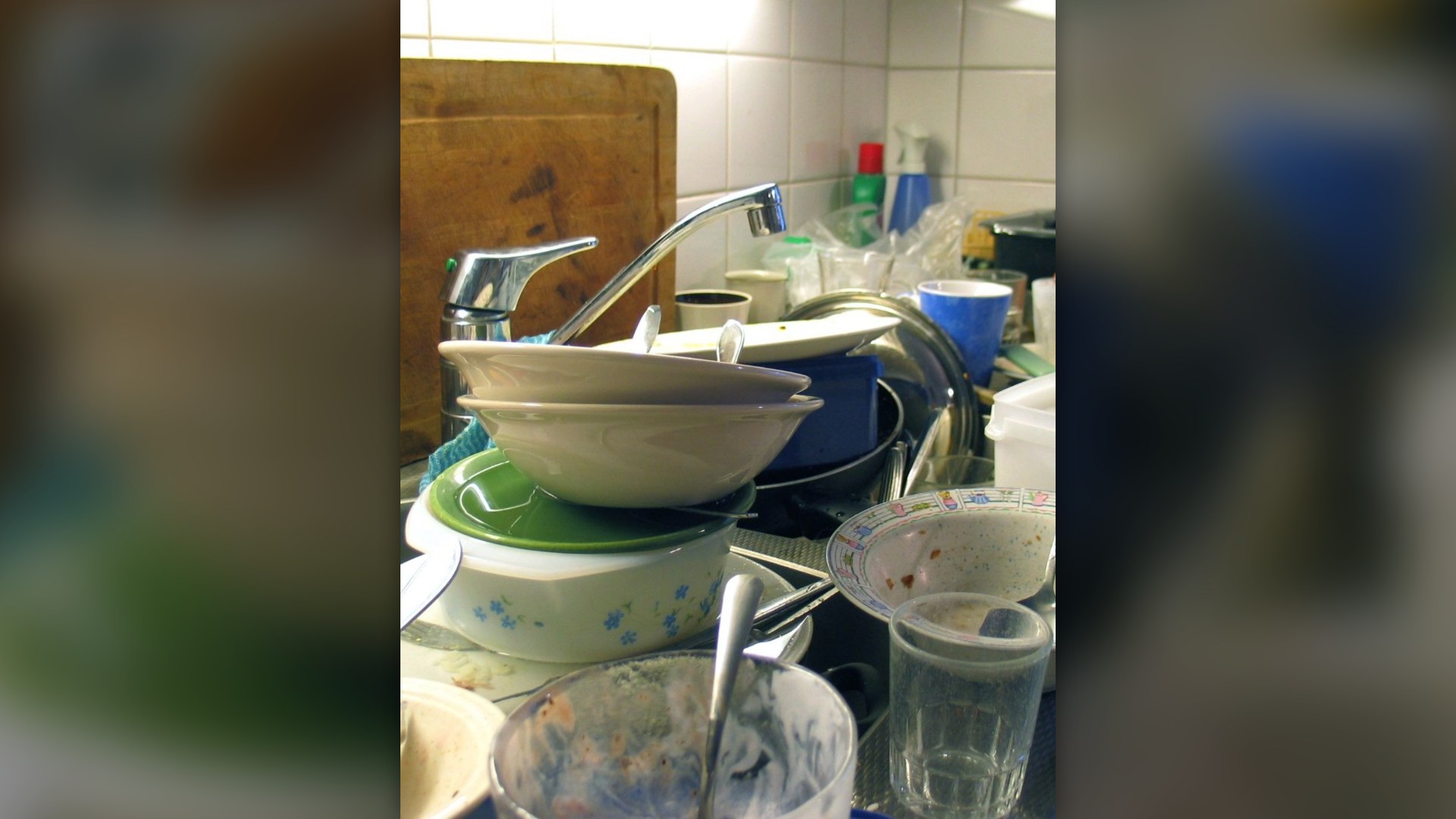
16. Leaving A Complete Mess In The Communal Kitchen
Leaving a complete mess in the communal kitchen violates basic workplace hygiene and respect. No one wants to scrub a stranger's crusted coffee mugs, clear soggy food scraps from the sink drain, or wipe up splattered soup just to prepare their own lunch.
©Wikimedia / Mysid
15. Using Speakerphone Or Talking Loudly In Open Offices
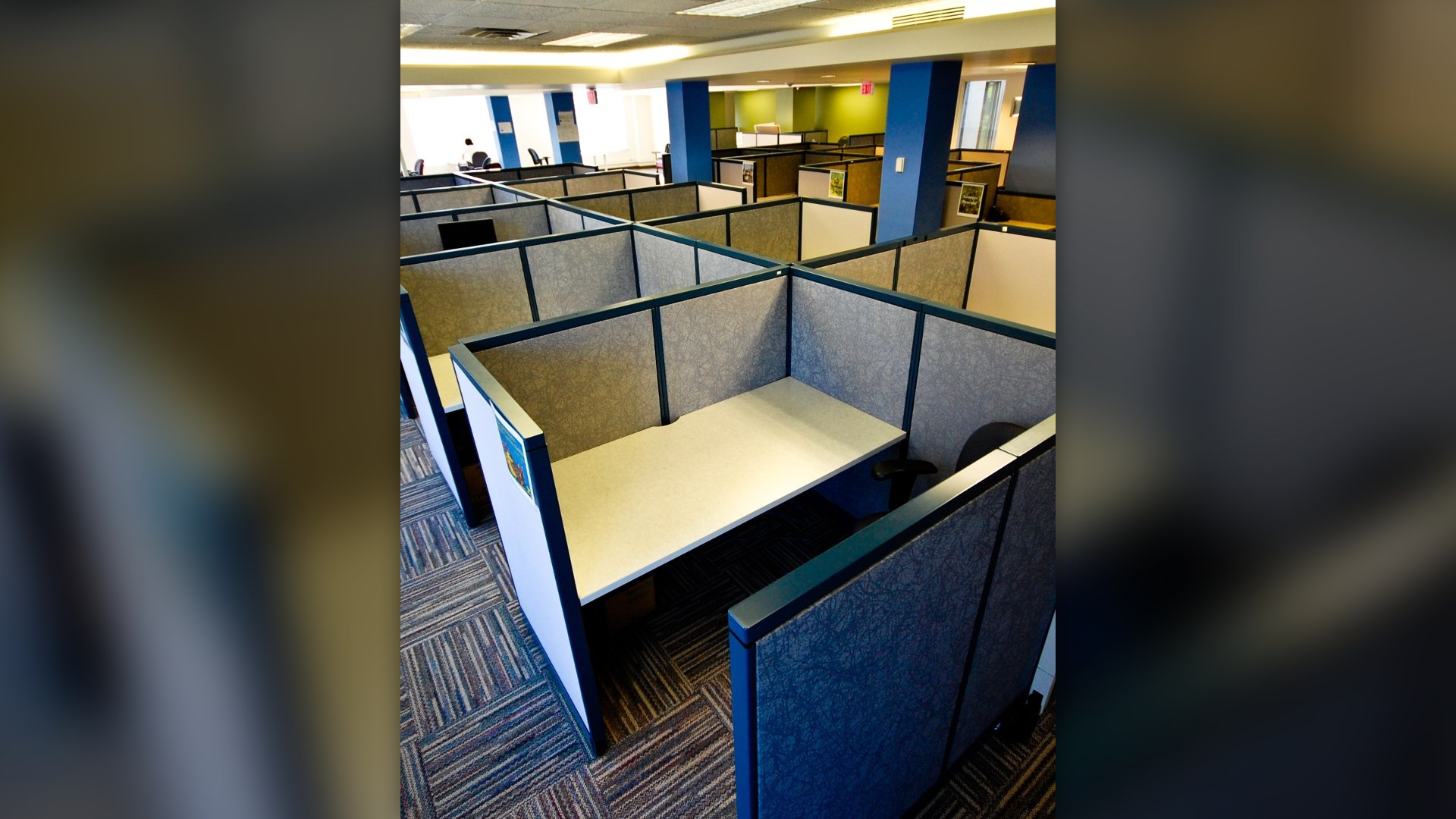
Using speakerphone or talking at maximum volume in an open-plan office is a direct assault on focus and concentration. Booming voices carry across rows of desks, shattering everyone else's train of thought and making deep, uninterrupted work nearly impossible.
©Pixabay / AlexTorresDesing
14. Hijacking Meetings And Monologuing
Hijacking meetings and monologuing is one of the worst time management offenses in corporate life. When one attendee derails the agenda with unrelated tangents, it turns a quick fifteen-minute sync into a painful hour of listening to one person self-aggrandize.
©Pixabay / 089photoshootings
Advertisement
Swipe or tap ▶ to resume the countdown.
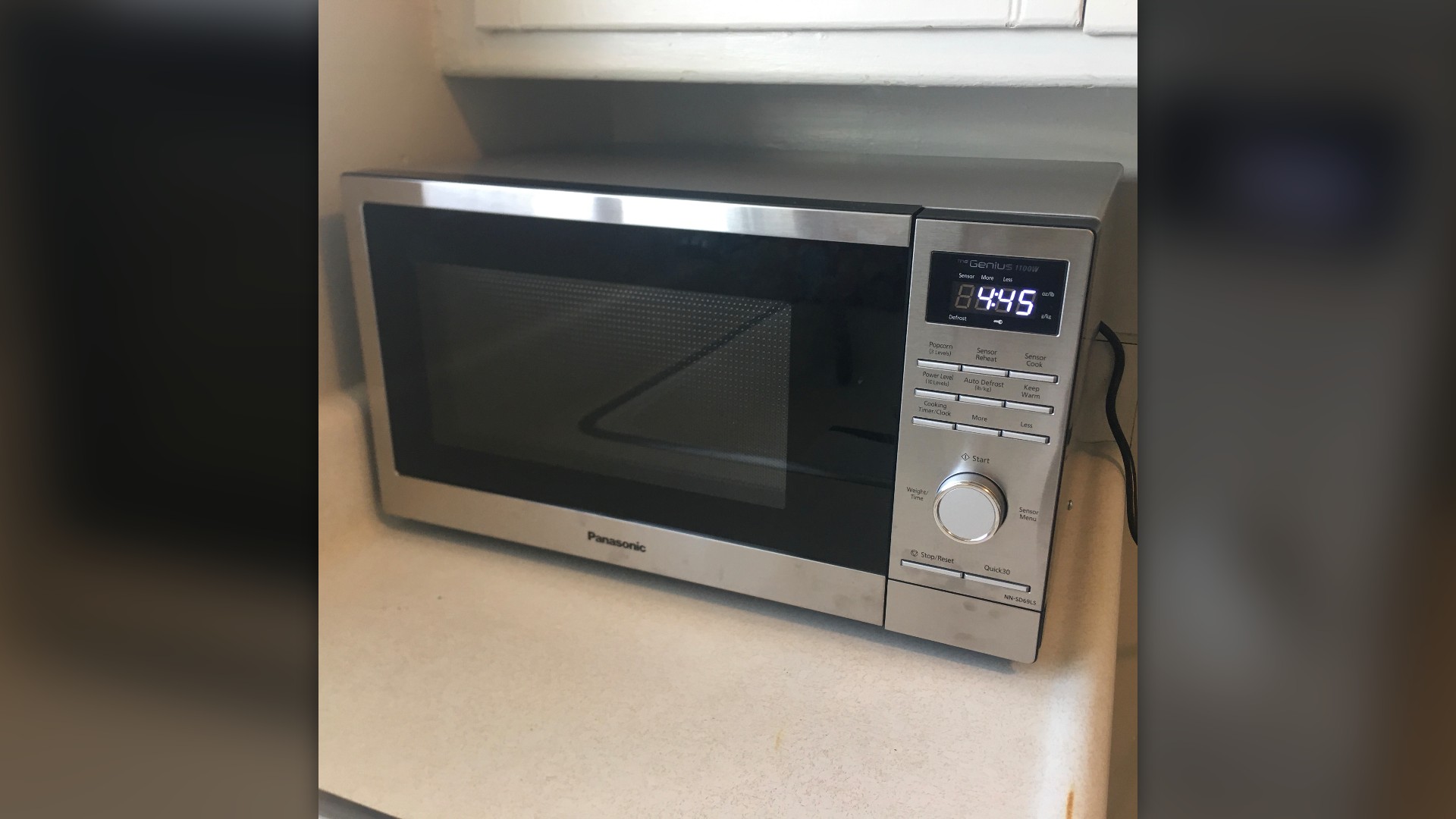
13. Reheating Pungent Food In The Microwave
Reheating pungent, stinky food in the breakroom microwave immediately ruins environmental comfort for everyone on the floor. Leftover fish, cruciferous broccoli, or a bag of burnt popcorn releases heavy odors that seep into fabric cubicles and linger for hours.
©Wikimedia / Microwave oven
12. Treating Coworkers Like A Personal Search Engine
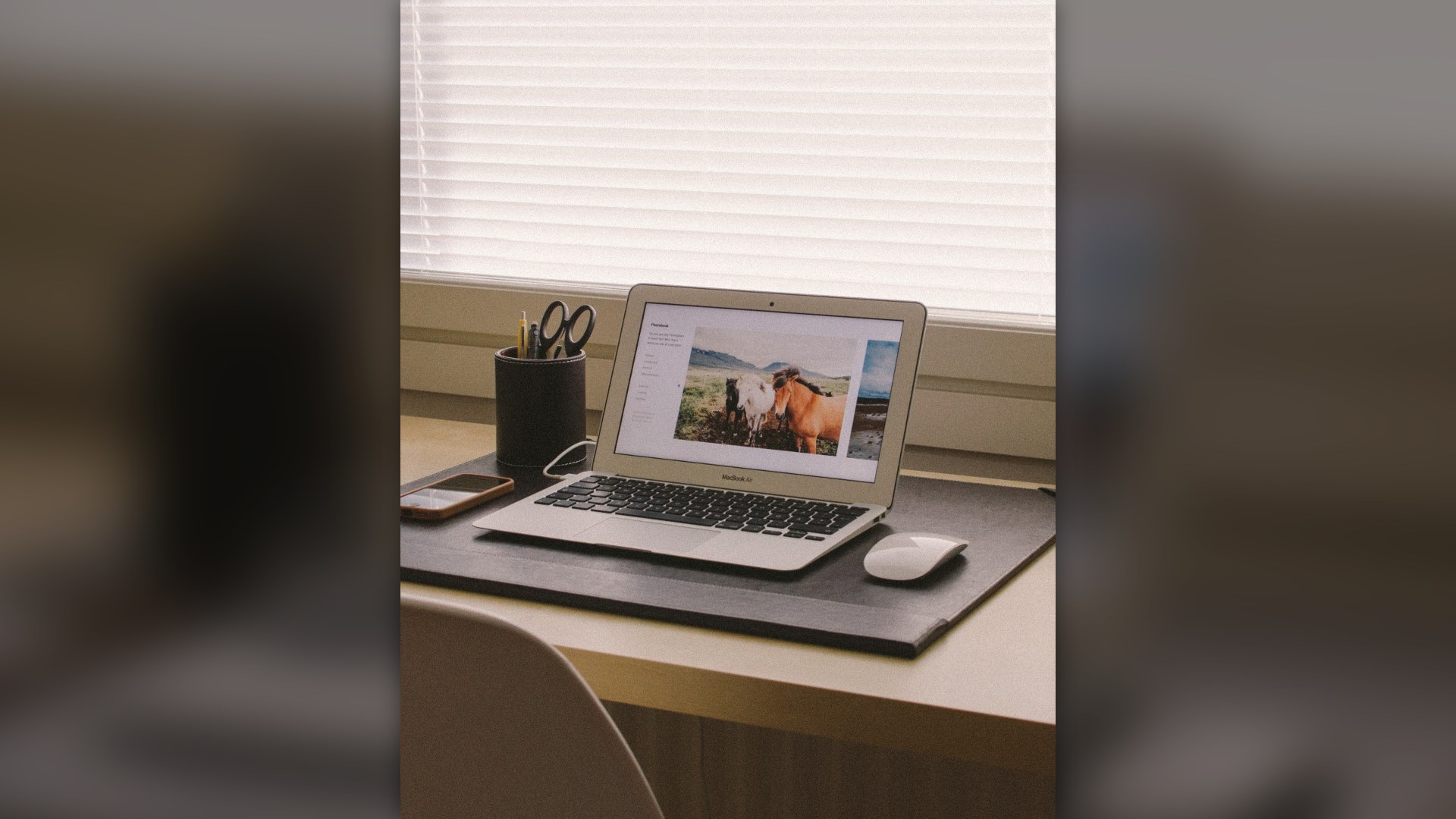
Treating coworkers like a personal search engine shows a lack of initiative and poor time management. Repeatedly interrupting a colleague to ask for easily searchable links, basic software commands, or shared files breaks their workflow and doubles the time spent on simple tasks.
©Pixabay / StartupStockPhotos
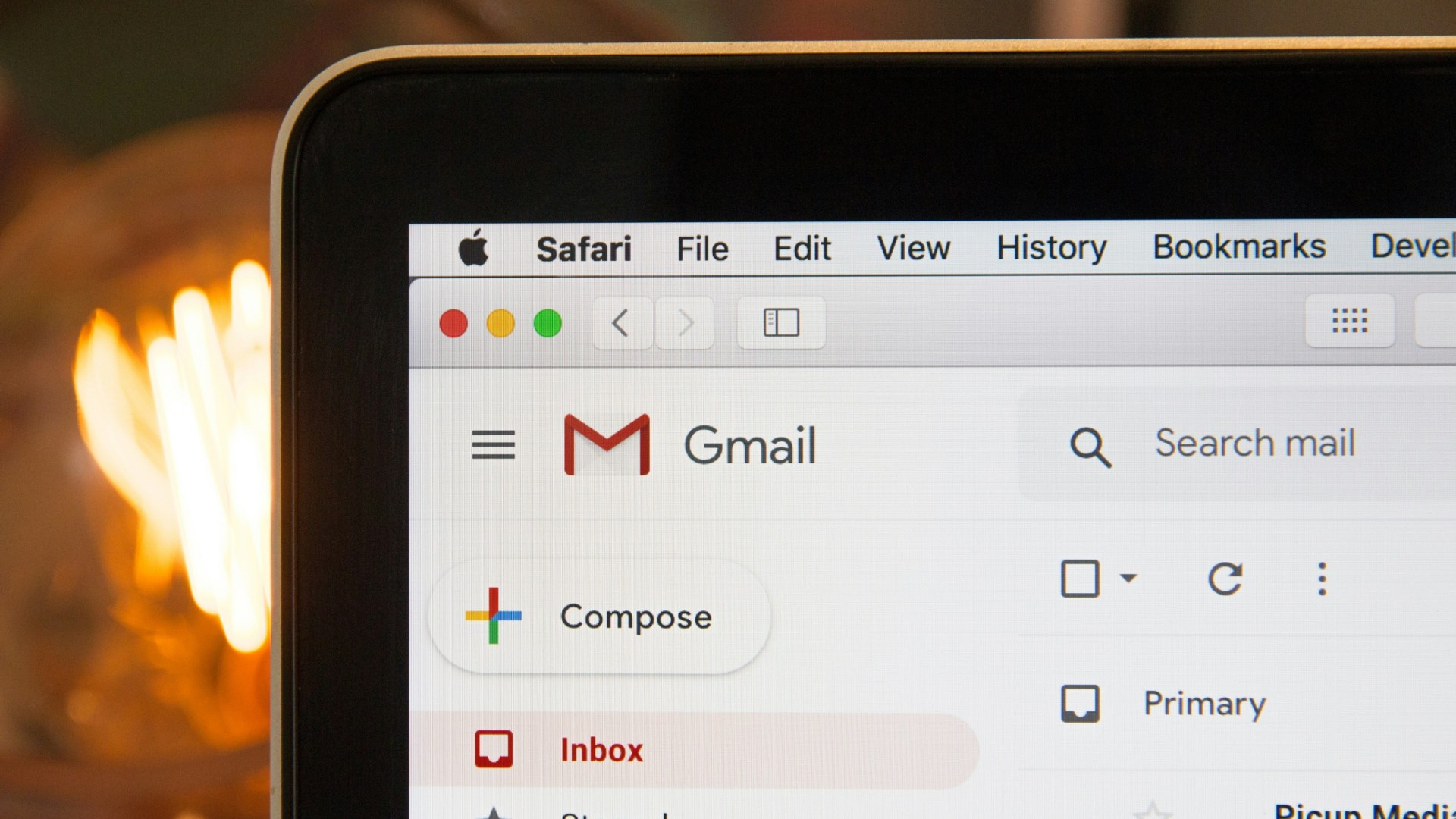
11. Sending Passive-Aggressive Emails Or Sticky Notes
Sending passive-aggressive emails or leaving anonymous sticky notes on appliances poisons communication culture. Instead of resolving minor issues through direct, respectful conversation, masked hostility creates unnecessary tension and turns small misunderstandings into lingering feuds.
© Photo by Stephen Phillips on Unsplash
10. Chronic Lateness To Scheduled Meetings
Chronic lateness to scheduled meetings is a clear breach of professional respect. Consistently arriving five or ten minutes after the start time forces the entire room to wait or repeat key context, signaling that the latecomer values their own schedule over everyone else's.
© Photo by Subscriber Redd Francisco on Unsplash
Advertisement
Swipe or tap ▶ to resume the countdown.
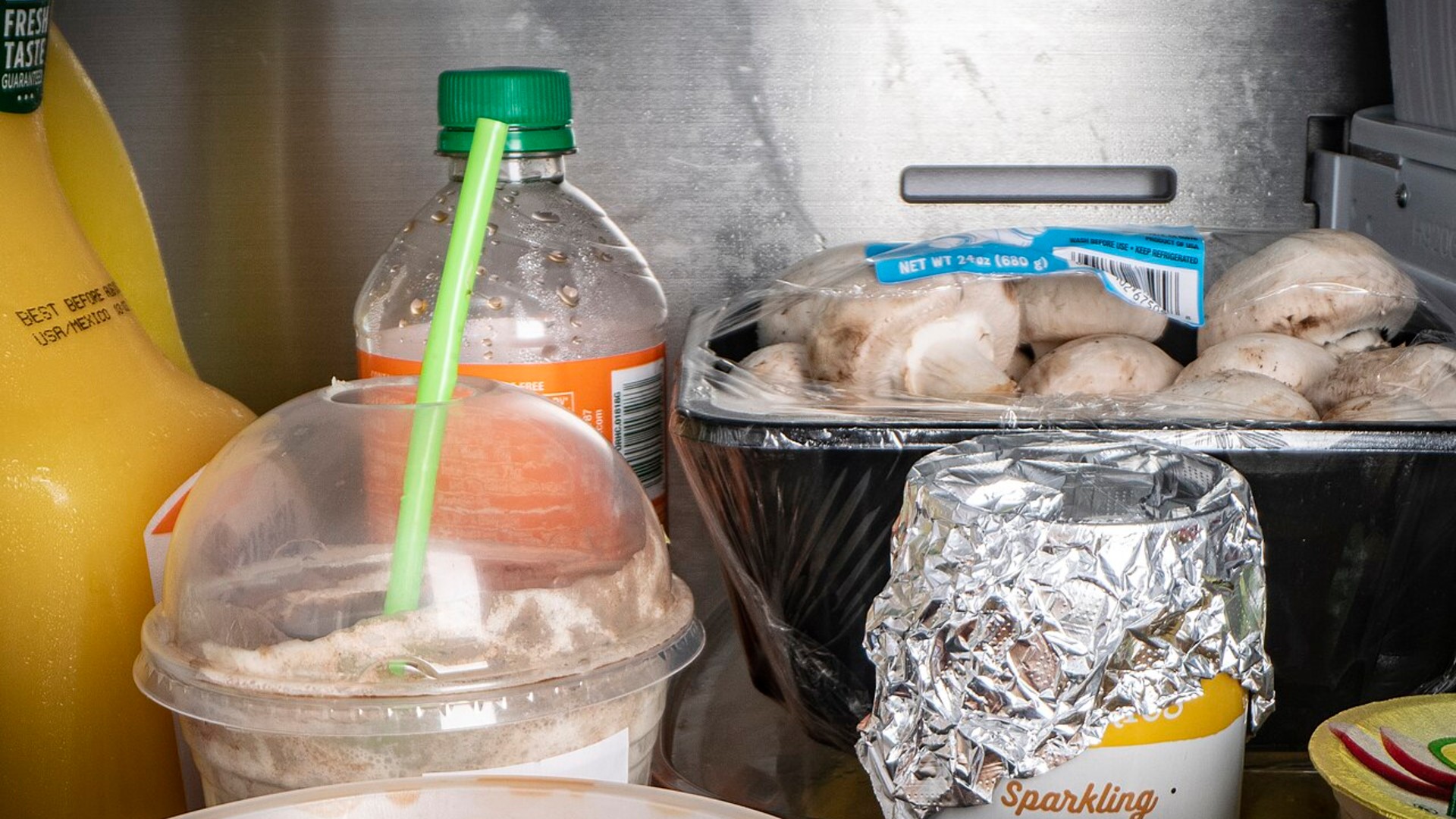
9. Leaving Old Food To Rot In The Office Fridge
Leaving old lunches and forgotten leftovers to rot in the office fridge turns a shared appliance into a biohazard zone. Spoiled dairy, leaking takeout boxes, and moldy containers crowd out fresh lunches and force coworkers to hold their breath every time they open the door.
©Wikimedia / USDAgov
8. Spamming Corporate Buzzwords Constantly
Spamming corporate buzzwords in every meeting and email muddies communication culture. Overusing phrases like touch base, synergy, bandwidth, or low-hanging fruit sounds hollow and condescending when plain, direct language would get the point across in half the time.
© Photo by ahmad gunnaivi on Unsplash
7. Following Up In Person Two Minutes After Emailing
Following up in person at someone's desk two minutes after sending them an email destroys focus and concentration. Hovering over a colleague to ask if they saw a message that just arrived creates a false sense of urgency and interrupts their deep work.
©Wikimedia / Asa Wilson
6. Letting Mobile Phones Ping Non-Stop On Desks
Letting mobile phones ping or vibrate non-stop on an unattended desk is a major enemy of focus and concentration. Even when set to vibrate, a smartphone rattling against a hard wooden desk echoes across quiet corporate zones and pulls neighbors out of their workflow.
©Wikimedia / Youcef Smahi
Advertisement
Swipe or tap ▶ to resume the countdown.
5. Loud Chewing, Crunching, Or Slurping At Desks
Loud chewing, open-mouth crunching, or slurping hot drinks at a shared desk cluster quickly frays workplace nerves. In quiet office environments, repetitive eating noises trigger misophonia and make it hard for adjacent desk neighbors to concentrate on their screens.
©Wikimedia / Ruth Hartnup
4. Waging Secret Air Conditioning And Thermostat Wars
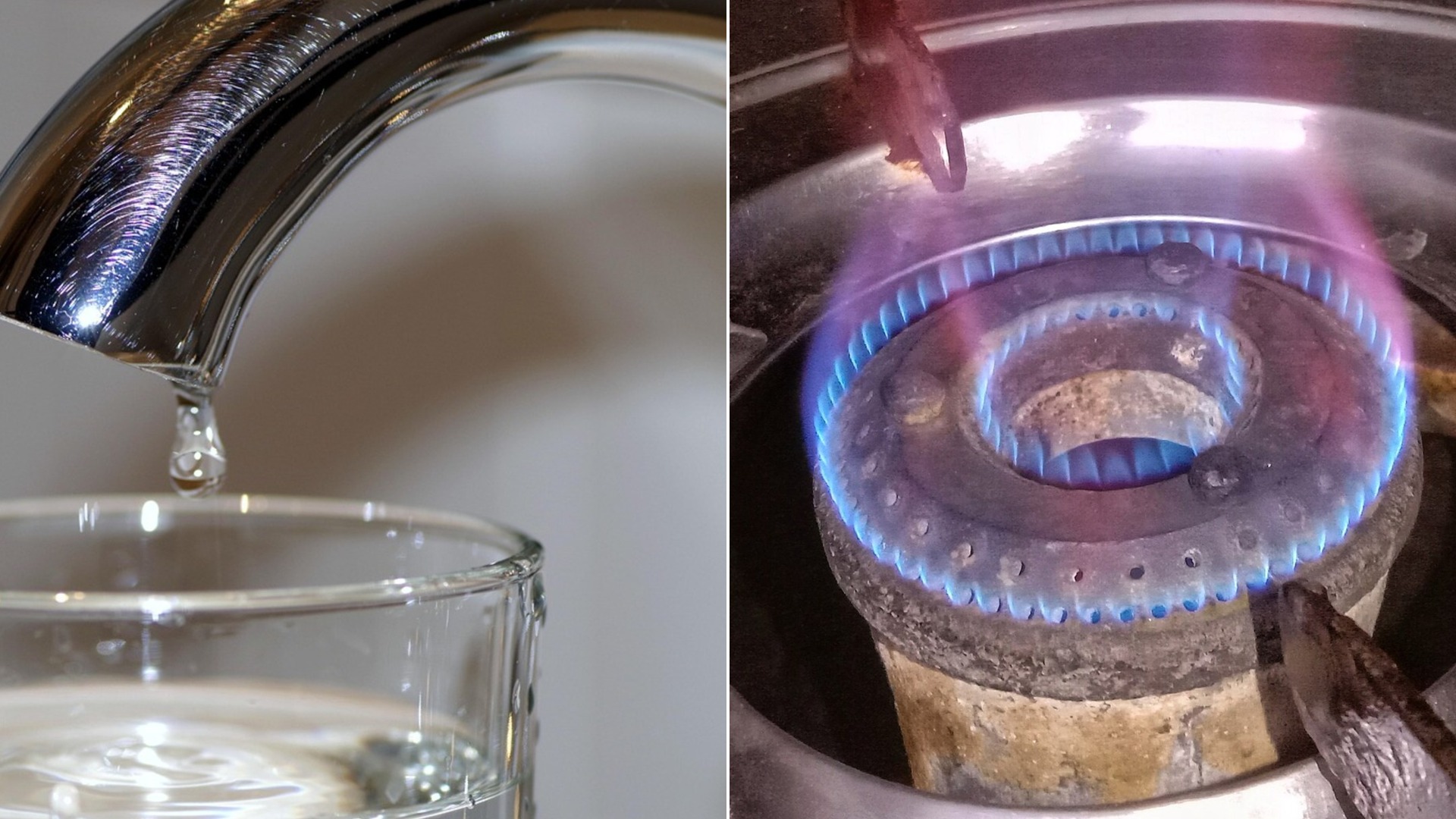
Waging secret air conditioning and thermostat wars disrupts environmental comfort for the whole room. Drastically changing the wall temperature settings without checking with colleagues leaves half the office shivering in coats or sweating at their keyboards.
©Wikimedia / Shixart1985
3. Extreme Oversharing About Personal Drama
Friendly small talk builds rapport, but extreme oversharing about personal drama crosses professional boundaries. Cornering a desk mate to unload intimate relationship fights, financial woes, or graphic medical details forces coworkers to act as unpaid therapists during work hours.
©Wikimedia / Alejandro Escamilla
2. Hoarding Stationery And Adjusting Others' Chairs
Poor resource management shows up in the smallest daily boundary violations. Hoarding office stationery, borrowing a colleague's favorite pens without returning them, or readjusting all the levers on someone else's carefully calibrated ergonomic chair guarantees instant annoyance.
©Wikimedia / W.carter
Advertisement
Swipe or tap ▶ to resume the countdown.
1. Ignoring A Ringing Phone Or Direct Message
Ignoring a loudly ringing landline or urgent direct message while sitting right at the desk is a failure of professional respect. Refusing to pick up or silence the ringer forces everyone else in the room to listen to the chime until voicemail finally takes over.

©Wikimedia / Pixel.la Free Stock Photos
Advertisement
You've reached the end of the story. Thanks for reading!

20 Ways to Protect Your Home and Family in a Snowstorm
When severe blizzards and polar freezes threaten the power grid, proactive maintenance saves lives and prevents catastrophic property damage. This countdown details twenty essential actions to protect your home and family in a snowstorm, drawing from cold weather engineering guides and disaster response protocols.
All 20 Entries in this Story
1. Not Pulling Their Weight
Nothing damages productivity and morale faster than a coworker who refuses to pull their weight. When someone chronically shirks their duties or passes tasks onto others, reliable colleagues are forced to work overtime to cover the laziness, breeding burnout across the entire department.

2. Coming Into The Office When Severely Ill
Trying to look heroic by coming into the office while severely ill is a major health and safety hazard. Coughing and sneezing in a closed ventilation system spreads germs across shared desks and conference rooms, knocking out the whole team one by one.

3. Spreading Malicious Gossip And Office Rumors
Spreading malicious gossip and unverified office rumors erodes psychological safety from the inside out. It replaces open teamwork with a toxic, cliquey environment built on mutual suspicion, forcing employees to watch their backs instead of focusing on their projects.

4. Constant Complaining Without Offering Solutions
Every workplace faces challenges, but constant, non-stop complaining without offering solutions takes a heavy toll on emotional well-being. Chronic negativity acts as an energy vampire, draining the room's enthusiasm and killing positive momentum before new ideas can take off.

5. Leaving A Complete Mess In The Communal Kitchen
Leaving a complete mess in the communal kitchen violates basic workplace hygiene and respect. No one wants to scrub a stranger's crusted coffee mugs, clear soggy food scraps from the sink drain, or wipe up splattered soup just to prepare their own lunch.

6. Using Speakerphone Or Talking Loudly In Open Offices
Using speakerphone or talking at maximum volume in an open-plan office is a direct assault on focus and concentration. Booming voices carry across rows of desks, shattering everyone else's train of thought and making deep, uninterrupted work nearly impossible.

7. Hijacking Meetings And Monologuing
Hijacking meetings and monologuing is one of the worst time management offenses in corporate life. When one attendee derails the agenda with unrelated tangents, it turns a quick fifteen-minute sync into a painful hour of listening to one person self-aggrandize.

8. Reheating Pungent Food In The Microwave
Reheating pungent, stinky food in the breakroom microwave immediately ruins environmental comfort for everyone on the floor. Leftover fish, cruciferous broccoli, or a bag of burnt popcorn releases heavy odors that seep into fabric cubicles and linger for hours.

9. Treating Coworkers Like A Personal Search Engine
Treating coworkers like a personal search engine shows a lack of initiative and poor time management. Repeatedly interrupting a colleague to ask for easily searchable links, basic software commands, or shared files breaks their workflow and doubles the time spent on simple tasks.

10. Sending Passive-Aggressive Emails Or Sticky Notes
Sending passive-aggressive emails or leaving anonymous sticky notes on appliances poisons communication culture. Instead of resolving minor issues through direct, respectful conversation, masked hostility creates unnecessary tension and turns small misunderstandings into lingering feuds.

11. Chronic Lateness To Scheduled Meetings
Chronic lateness to scheduled meetings is a clear breach of professional respect. Consistently arriving five or ten minutes after the start time forces the entire room to wait or repeat key context, signaling that the latecomer values their own schedule over everyone else's.

12. Leaving Old Food To Rot In The Office Fridge
Leaving old lunches and forgotten leftovers to rot in the office fridge turns a shared appliance into a biohazard zone. Spoiled dairy, leaking takeout boxes, and moldy containers crowd out fresh lunches and force coworkers to hold their breath every time they open the door.

13. Spamming Corporate Buzzwords Constantly
Spamming corporate buzzwords in every meeting and email muddies communication culture. Overusing phrases like touch base, synergy, bandwidth, or low-hanging fruit sounds hollow and condescending when plain, direct language would get the point across in half the time.

14. Following Up In Person Two Minutes After Emailing
Following up in person at someone's desk two minutes after sending them an email destroys focus and concentration. Hovering over a colleague to ask if they saw a message that just arrived creates a false sense of urgency and interrupts their deep work.

15. Letting Mobile Phones Ping Non-Stop On Desks
Letting mobile phones ping or vibrate non-stop on an unattended desk is a major enemy of focus and concentration. Even when set to vibrate, a smartphone rattling against a hard wooden desk echoes across quiet corporate zones and pulls neighbors out of their workflow.

16. Loud Chewing, Crunching, Or Slurping At Desks
Loud chewing, open-mouth crunching, or slurping hot drinks at a shared desk cluster quickly frays workplace nerves. In quiet office environments, repetitive eating noises trigger misophonia and make it hard for adjacent desk neighbors to concentrate on their screens.

17. Waging Secret Air Conditioning And Thermostat Wars
Waging secret air conditioning and thermostat wars disrupts environmental comfort for the whole room. Drastically changing the wall temperature settings without checking with colleagues leaves half the office shivering in coats or sweating at their keyboards.

18. Extreme Oversharing About Personal Drama
Friendly small talk builds rapport, but extreme oversharing about personal drama crosses professional boundaries. Cornering a desk mate to unload intimate relationship fights, financial woes, or graphic medical details forces coworkers to act as unpaid therapists during work hours.

19. Hoarding Stationery And Adjusting Others' Chairs
Poor resource management shows up in the smallest daily boundary violations. Hoarding office stationery, borrowing a colleague's favorite pens without returning them, or readjusting all the levers on someone else's carefully calibrated ergonomic chair guarantees instant annoyance.

20. Ignoring A Ringing Phone Or Direct Message
Ignoring a loudly ringing landline or urgent direct message while sitting right at the desk is a failure of professional respect. Refusing to pick up or silence the ringer forces everyone else in the room to listen to the chime until voicemail finally takes over.